

The DOI matches its Crossref record; 167 of the 171 references it cites were found in a registry or an index.
The PI3K/AKT pathway in obesity and type 2 diabetes
Open accessAbstract
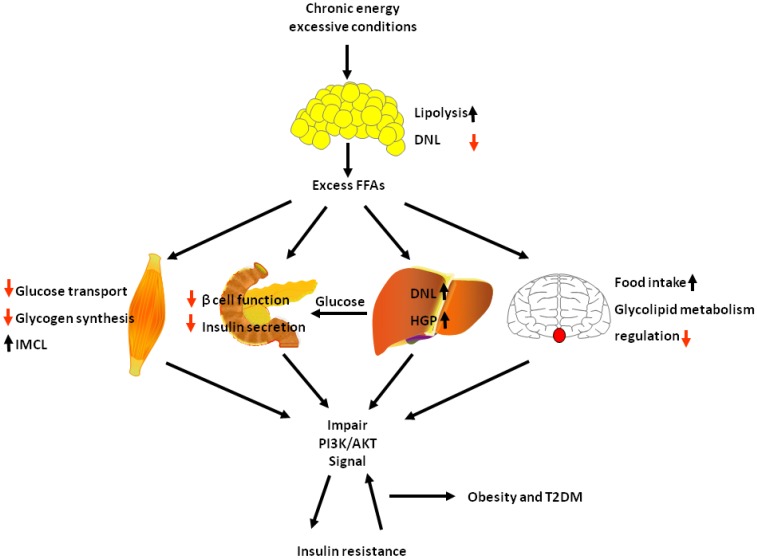
Obesity and type 2 diabetes mellitus are complicated metabolic diseases that affect multiple organs and are characterized by hyperglycaemia. Currently, stable and effective treatments for obesity and type 2 diabetes mellitus are not available. Therefore, the mechanisms leading to obesity and diabetes and more effective ways to treat obesity and diabetes should be identified. Based on accumulated evidences, the PI3K/AKT signalling pathway is required for normal metabolism due to its characteristics, and its imbalance leads to the development of obesity and type 2 diabetes mellitus. This review focuses on the role of PI3K/AKT signalling in the skeletal muscle, adipose tissue, liver, brain and pancreas, and discusses how this signalling pathway affects the development of the aforementioned diseases. We also summarize evidences for recently identified therapeutic targets of the PI3K/AKT pathway as treatments for obesity and type 2 diabetes mellitus. PI3K/AKT pathway damaged in various tissues of the body leads to obesity and type 2 diabetes as the result of insulin resistance, and in turn, insulin resistance exacerbates the PI3K/AKT pathway, forming a vicious circle.
Overview
The claims and statistics of this paper haven’t been checked yet.
Run the check — free, no account needed. It reads the open-access text and checks the sources it cites.
Integrity signals
Registry
Cites
Statistics
Figures
Verification
Claims the paper makes
The claims and statistics of this paper haven’t been checked yet.
Run the check — free, no account needed. It reads the open-access text and checks the sources it cites.
Claims other papers make about this one
Each is checked against this paper’s own text: does it say what the citing paper says it does?
The cited source says what the claim attributes to it.
In the citing paper
“AKT activation leads to increased glucose transporter 4 (GLUT4) expression and translocation, ultimately leading to increased glucose uptake.”
From Non-Diabetic Hypoglycemia: Evaluation and Management in Adults (2025) · cites this paper as [48]
The cited source says what the claim attributes to it.
In the citing paper
“PI3K is an enzyme that activates protein kinase B (AKT), which regulates glucose metabolism, among other intracellular functions [48].”
From Non-Diabetic Hypoglycemia: Evaluation and Management in Adults (2025) · cites this paper as [48]
Self-check
Percentages, sums and reported differences re-computed from the paper’s own numbers.
The self-check needs the paper’s full text.
Citations
Cites
mTOR Signaling in Growth Control and Disease
Laplante, M., & Sabatini, D. M. (2012) · Cell · doi:10.1016/j.cell.2012.03.017 · Cited by 8,509 · cited 1×
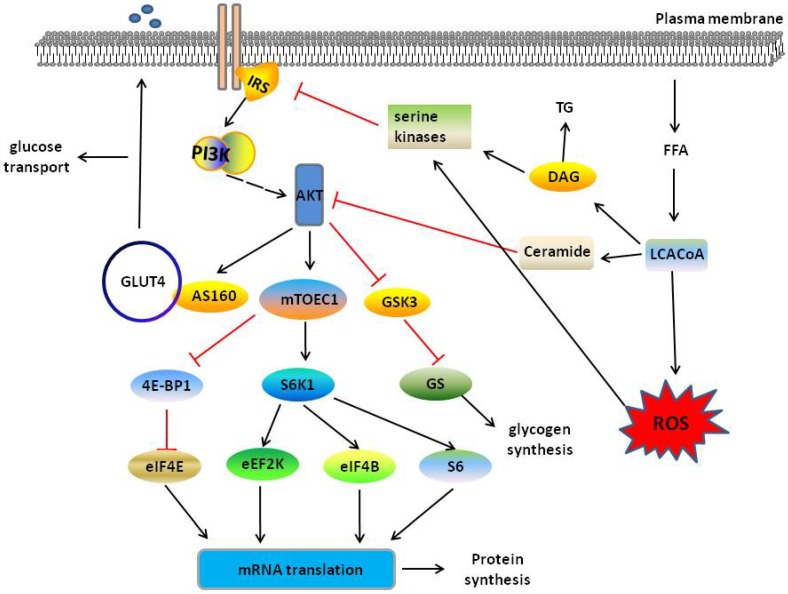
“AKT-mediated mTORC1 activation regulates a number of downstream effectors proteins through phosphorylation, including the well-characterized effectors p70 ribosomal S6 protein kinase-1 (S6K1) and eukaryotic translation initiation factor-4E (eIF4E)binding protein-1 (4E-BP1), to increase protein synthesis [43, 44].”
BackgroundPhosphorylation and regulation of Akt/PKB by the rictor-mTOR complex
Sarbassov, D. D., Guertin, D. A., Ali, S. M., & Sabatini, D. M. (2005) · Science · doi:10.1126/science.1106148 · Cited by 6,216 · cited 1×
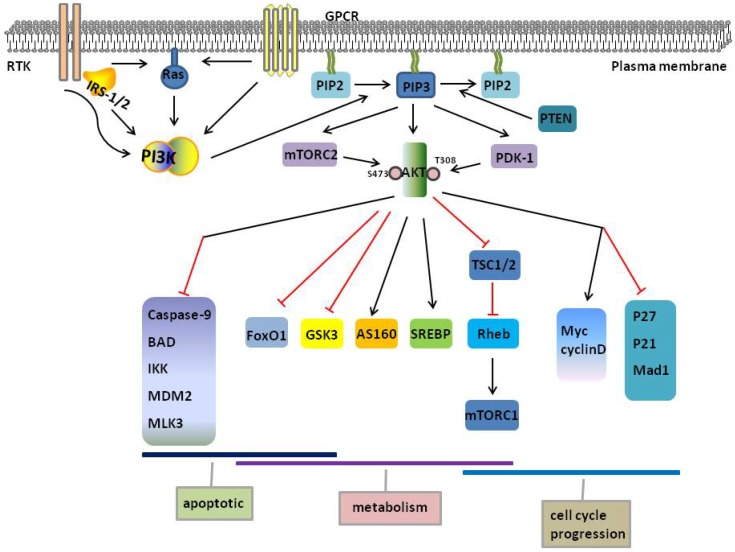
“First, phosphorylation of the threonine 308 (AKT1) in the kinase domain by phosphoinositide-dependent protein kinase 1 (PDK1) initiates the activation process [19], subsequent phosphorylation at serine 473 (AKT1) in the carboxy-terminal regulatory domain through mTOR complex 2 (mTORC2)[17, 20], which is activated by a…”
BackgroundAKT/PKB signaling: navigating downstream
Manning, B. D., & Cantley, L. C. (2007) · Cell · doi:10.1016/j.cell.2007.06.009 · Cited by 6,115 · cited 1×
“AKT regulates two processes by glycolysis Glucose 6-phosphate and glycogen synthase kinase 3 (GSK3) to produce cellular energy via glycolysis and promotes glycogen production by inhibiting [30].”
BackgroundMechanisms linking obesity to insulin resistance and type 2 diabetes
Kahn, S. E., Hull, R. L., & Utzschneider, K. M. (2006) · Nature · doi:10.1038/nature05482 · Cited by 5,448 · cited 1×
“In obese subjects, excess levels of circulating FFAs, which are caused by a blunted response of adipose tissues, impairs the function of β cells [150].”
BackgroundInhibition of glycogen synthase kinase-3 by insulin mediated by protein kinase B
Cross, D. A. E., Alessi, D. R., Cohen, P., Andjelkovich, M., & Hemmings, B. A. (1995) · Nature · doi:10.1038/378785a0 · Cited by 5,244 · cited 8×
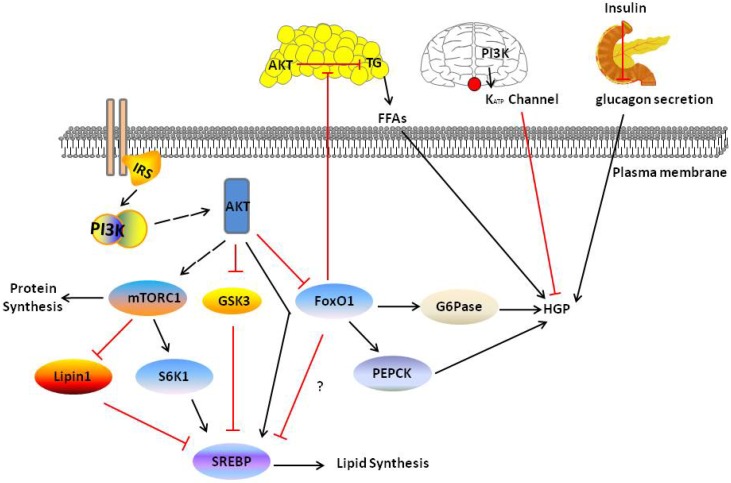
“In the feeding state, SREBP-1c is regulated by four pathways: activated AKT stimulates liver X receptor (LXR), which is require for SREBP-1c transcription [64]; activated AKT stimulates mTORC1 to activate SREBP-1c transcription, and mTORC1 also inhibits Lipin-1, which decreases the half-life of nuclear SREBP-1c [65, 6…”
BackgroundInfluentialAKT/PKB Signaling: Navigating the Network
Manning, B. D., & Toker, A. (2017) · Cell · doi:10.1016/j.cell.2017.04.001 · Cited by 3,772 · cited 2×
“Similar phosphorylation events are observed at corresponding residues in AKT2 (T309 and S474) and AKT3 (T305 and S472) [22].”
BackgroundRole of leptin in the neuroendocrine response to fasting
Ahima, R. S., Prabakaran, D., Mantzoros, C., Qu, D., Lowell, B., Maratos-Flier, E., & Flier, J. S. (1996) · Nature · doi:10.1038/382250a0 · Cited by 3,117 · cited 1×
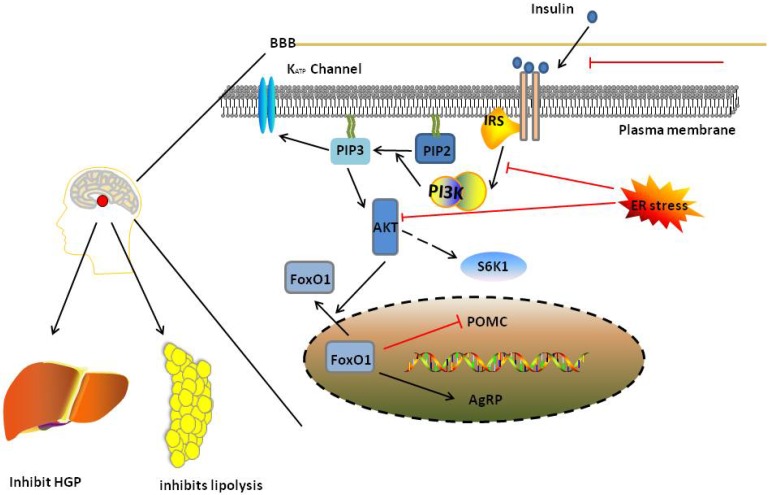
“In the presence of persistent excess energy availability, leptin signalling activates other pathways, such as STAT3 or SH2-containing tyrosine phosphatase, to predominantly regulate food intake in POMC neurons [90, 113, 119].”
BackgroundAlessi, D. R., James, S. R., Downes, C. P., Holmes, A. B., Gaffney, P. R. J., Reese, C. B., & Cohen, P. (1997) · Current Biology · doi:10.1016/s0960-9822(06)00122-9 · Cited by 2,874 · cited 1×
“First, phosphorylation of the threonine 308 (AKT1) in the kinase domain by phosphoinositide-dependent protein kinase 1 (PDK1) initiates the activation process [19], subsequent phosphorylation at serine 473 (AKT1) in the carboxy-terminal regulatory domain through mTOR complex 2 (mTORC2)[17, 20], which is activated by a…”
BackgroundEndoplasmic reticulum stress and the inflammatory basis of metabolic disease
Hotamisligil, G. S. (2010) · Cell · doi:10.1016/j.cell.2010.02.034 · Cited by 2,802 · cited 1×
“Chronic metabolic inflammation and endoplasmic reticulum (ER) stress also impair hepatic insulin-AKT signalling and subsequently causes insulin resistance [106, 107].”
BackgroundHealth and economic burden of the projected obesity trends in the USA and the UK
Wang, Y. C., McPherson, K., Marsh, T., Gortmaker, S. L., & Brown, M. (2011) · The Lancet · doi:10.1016/s0140-6736(11)60814-3 · Cited by 2,775 · cited 1×
“The prevalence of obesity has grown at an alarming rate although specific public health policies and treatment efforts have been developed to resist the obesity epidemic [1], potentially leading to increased numbers of patients affected by complications of obesity, such as the most devastating type 2 diabetes mellitus…”
Background
Research works printed but not linked: 5
- [98]Yecies Jessica L Zhang Hui H Menon S Liu S Yecies D Lipovsky Alex I Akt Stimulates Hepatic SREBP1c and Lipogenesis through Parallel mTORC1-Dependent and Independent Pathways Cell metabolism 2011 14 1 21 32 21723501 PMC3652544
- [120]Al-Qassab H Smith MA Irvine EE Guillermet-Guibert J Claret M Choudhury AI Dominant role of the p110beta isoform of PI3K over p110alpha in energy homeostasis regulation by POMC and AgRP neurons Cell metabolism 2009 10 5 343 54 19883613 PMC2806524
- [144]Bernal-Mizrachi E Wen W Stahlhut S Welling CM Permutt MA Islet beta cell expression of constitutively active Akt1/PKB alpha induces striking hypertrophy, hyperplasia, and hyperinsulinemia J Clin Invest 2001 108 11 1631 8 11733558 PMC200992
- [147]Wang HW Mizuta M Saitoh Y Noma K Ueno H Nakazato M Glucagon-like peptide-1 and candesartan additively improve glucolipotoxicity in pancreatic beta-cells Metabolism 2011 60 8 1081 9 21255808
- [161]Villani V Milanesi A Sedrakyan S Da Sacco S Angelow S Conconi MT Amniotic fluid stem cells prevent beta-cell injury Cytotherapy 2014 16 1 41 55 24210784 PMC4374982
Cited by
Sorted by citations
Signaling pathways in obesity: mechanisms and therapeutic interventions
Wen, X., Zhang, B., Wu, B., Xiao, H., Li, Z., Li, R., Xu, X., & Li, T. (2022) · Signal Transduction and Targeted Therapy · doi:10.1038/s41392-022-01149-x · Cited by 490
The gluconeogenic enzyme PCK1 phosphorylates INSIG1/2 for lipogenesis
Xu, D., Wang, Z., Xia, Y., Shao, F., Xia, W., Wei, Y., Li, X., Qian, X., Lee, J.-H., Du, L., et al. (2020) · Nature · doi:10.1038/s41586-020-2183-2 · Cited by 360
Targeting PI3K/AKT signaling pathway in obesity.
Savova, M., Mihaylova, L., Tews, D., Wabitsch, M., & Georgiev, M. (2023) · Biomedicine & pharmacotherapy = Biomedecine & pharmacotherapie · doi:10.1016/j.biopha.2023.114244 · Cited by 260
The PI3K/Akt Pathway in Meta-Inflammation
Acosta‐Martínez, M., & Cabail, M. Z. (2022) · International Journal of Molecular Sciences · doi:10.3390/ijms232315330 · Cited by 259
“Akt1 is ubiquitously expressed, whereas Akt2 is mainly expressed in insulin-sensitive tissues, such as AT, liver and skeletal muscle, and Akt3 is expressed in the brain and the testes [25].”
BackgroundInsulin Signal Transduction Perturbations in Insulin Resistance
Khalid, M., Alkaabi, J., Khan, M. A. B., & Adem, A. (2021) · International Journal of Molecular Sciences · doi:10.3390/ijms22168590 · Cited by 233
Varra, F., Varras, M. N., Varra, V., & Theodosis‐Nobelos, P. (2024) · Molecular Medicine Reports · doi:10.3892/mmr.2024.13219 · Cited by 232
“The PI3K‑AKT signaling pathway regulates the metabolic insulin actions by promoting glucose utilization, protein synthesis and lipogenesis (228).”
BackgroundFlavonoids as Antiobesity Agents: A Review
Rufino, A. T., Costa, V. M., Carvalho, F., & Fernandes, E. (2021) · Medicinal Research Reviews · doi:10.1002/med.21740 · Cited by 174
Tong, C., Wu, Y., Zhang, L., & Yu, Y. (2022) · Frontiers in Endocrinology · doi:10.3389/fendo.2022.1091147 · Cited by 157
“In addition to endocrine metabolic abnormalities (30), disorders of this pathway are also associated with various malignancies, leukemia, schizophrenia, coronary heart disease, heart failure, osteoarthritis and other diseases (31–36).”
BackgroundYe, Q., Liu, Y., Zhang, G., Deng, H., Wang, X., Tuo, L., Chen, C., Pan, X., Wu, K., Fan, J., et al. (2023) · Nature Communications · doi:10.1038/s41467-023-37142-3 · Cited by 179
Xiong, Y., Knoedler, S. A., Alfertshofer, M. G., Kim, B., Jiang, D., Liu, G., Rinkevich, Y., & Mi, B. (2025) · Cell Death and Disease · doi:10.1038/s41419-025-07583-3 · Cited by 157
“The in fl ammation-induced interference with IRS proteins blocks downstream activation of the phosphatidylinositol 3-kinase (PI3K) and AKT pathway, which is essential for glucose uptake in muscle and fat cells, thus leading to reduced cellular sensitivity to insulin [41].”
Self-citationHuang, J., Chen, L., Wu, J., Ai, D., Zhang, J., Chen, T., & Wang, L. (2022) · Journal of Medicinal Chemistry · doi:10.1021/acs.jmedchem.2c01070 · Cited by 159
Michalak, K. P., & Michalak, A. Z. (2025) · Frontiers in Immunology · doi:10.3389/fimmu.2025.1558263 · Cited by 148
“In metabolic disorders such as obesity and type 2 diabetes, chronic inhibition of the PI3K/Akt pathway in adipose tissue and other organs is associated with insulin resistance and low-grade systemic in fl ammation (81, 82).”
Targeting PI3K/AKT/mTOR Signaling Pathway in Pancreatic Cancer: From Molecular to Clinical Aspects
Stanciu, S., Radu, F. I., Ștefani, C., Miricescu, D., Stănescu-Spînu, I.-I., Greabu, M., Totan, A., & Jinga, M. (2022) · International Journal of Molecular Sciences · doi:10.3390/ijms231710132 · Cited by 149
Walkowski, B., Kleibert, M., Majka, M., & Wojciechowska, M. (2022) · Cells · doi:10.3390/cells11091553 · Cited by 117
Mechanism of action of the bile acid receptor TGR5 in obesity
Lun, W., Yan, Q., Guo, X., Zhou, M., Bai, Y., He, J., Cao, H., Che, Q., Guo, J., & Su, Z. (2023) · Acta Pharmaceutica Sinica B · doi:10.1016/j.apsb.2023.11.011 · Cited by 122
“Insulin resistance is another hazard of obesity 162 .”
BackgroundSelf-citationDama, A., Shpati, K., Daliu, P., Dümür, Ş., Gorica, E., & Santini, A. (2024) · Nutrients · doi:10.3390/nu16040507 · Cited by 122
“The impairment of glucose metabolism is often a result of alterations in the phosphatidylinositol 3-kinase (PI3K)/Akt pathway, a critical route for maintaining normal metabolic functions [19].”
BackgroundGender Differences in Insulin Resistance: New Knowledge and Perspectives
Ciarambino, T., Crispino, P., Guarisco, G., & Giordano, M. (2023) · Current Issues in Molecular Biology · doi:10.3390/cimb45100496 · Cited by 117
“Any defect in the PI3K/Akt/AS160 signaling will eventually reduce the glucose uptake in insulin-sensitive tissues and lead to insulin resistance [35].”
BackgroundLai, W., Zhang, J., Sun, J., Min, T., Bai, Y., He, J., Cao, H., Che, Q., Guo, J., & Su, Z. (2024) · International Journal of Biological Macromolecules · doi:10.1016/j.ijbiomac.2024.134809 · Cited by 89
Self-citationEvidence of Flavonoids on Disease Prevention
Li, M., Qian, M., Jiang, Q., Tan, B., Yin, Y., & Han, X. (2023) · Antioxidants · doi:10.3390/antiox12020527 · Cited by 103
“In the liver, the defective PI3K/Akt pathway promotes gluconeogenesis by increasing the expression of PEPCK and G6P and inhibits glycogen synthesis by suppressing GK and GSK [56,58].”
BackgroundInfluentialMthiyane, F. T., Dludla, P. V., Ziqubu, K., Mthembu, S. X. H., Muvhulawa, N., Hlengwa, N., Nkambule, B. B., & Mazibuko-Mbeje, S. E. (2022) · Frontiers in Pharmacology · doi:10.3389/fphar.2022.940572 · Cited by 113
“Literature suggests that effective modulation of energy metabolism and insulin signaling through the regulation of AMP-activated protein kinase (AMPK) or phosphoinositide 3-kinase/protein kinase B (PI3K/AKT) pathways appears to reverse some devastating outcomes of diabetes (Long and Zierath, 2006; Huang et al., 2018;…”
BackgroundTkaczenko, H., & Kurhaluk, N. (2025) · International Journal of Molecular Sciences · doi:10.3390/ijms26031098 · Cited by 80
“In metabolic tissues, such as the muscle and liver, the PI3K/Akt pathway improves insulin sensitivity and enhances mitochondrial function, both of which are essential for maintaining metabolic balance [153].”
Du, F., Li, J., Zhang, S., Zeng, X., Nie, J., & Li, Z. (2024) · Journal of Cellular and Molecular Medicine · doi:10.1111/jcmm.18486 · Cited by 88
“80 As mentioned earlier, activation of the PI3K/Akt signalling pathway can exert antioxidant effects, and whether OS mediated by the intervention of this pathway during HF development can affect HF anagen requires further investigation.”
BackgroundFunction of Akkermansia muciniphila in type 2 diabetes and related diseases
Li, J., Yang, G., Zhang, Q., Liu, Z., Jiang, X. M., & Xin, Y. (2023) · Frontiers in Microbiology · doi:10.3389/fmicb.2023.1172400 · Cited by 73
“Notably, PI3K-Akt signaling plays an important role in glucose and lipid metabolism (Huang et al., 2018).”
BackgroundStachelska, M. A., Karpiński, P., & Kruszewski, B. (2025) · Applied Sciences · doi:10.3390/app151910840 · Cited by 75
Signaling pathways and intervention for therapy of type 2 diabetes mellitus
Cao, R. Y., Tian, H., Zhang, Y., Liu, G., Xu, H., Rao, G., Tian, Y., & Fu, X. (2023) · MedComm · doi:10.1002/mco2.283 · Cited by 98
Self-citationIn Vitro Insulin Resistance Model: A Recent Update
Yudhani, R., Sari, Y., Nugrahaningsih, D., Sholikhah, E. N., Rochmanti, M., Purba, A., Khotimah, H., Nugrahenny, D., & Mustofa, M. (2023) · Journal of Obesity · doi:10.1155/2023/1964732 · Cited by 73
Feng, Y., Ren, Y., Zhang, X., Yang, S., Jiao, Q., Li, Q., & Jiang, W. (2024) · Frontiers in Pharmacology · doi:10.3389/fphar.2024.1373711 · Cited by 73
“As a serine/threonine kinase, AKT (protein kinase B) is one of the main effectors of the downstream signal network of PI3K (Huang et al., 2018).”
BackgroundGui, S., Tang, W., Huang, Z., Wang, X., Gui, S., Gao, X., Xiao, D., Tao, L., Jiang, Z., & Wang, X. (2023) · Advanced Functional Materials · doi:10.1002/adfm.202300261 · Cited by 68
Chen, L., Wang, J., Ren, Y., Ma, Y., Liu, J., Jiang, H., & Liu, C. (2024) · Phytomedicine · doi:10.1016/j.phymed.2024.155382 · Cited by 78
Hepatic insulin receptor: new views on the mechanisms of liver disease
Lee, W., Najjar, S. M., Kahn, C. R., & Hinds, T. D. (2023) · Metabolism · doi:10.1016/j.metabol.2023.155607 · Cited by 76
Hedayati, N., Safari, M. H., Milasi, Y. E., Kahkesh, S., Farahani, N., Khoshnazar, S. M., Dorostgou, Z., Alaei, E., Alimohammadi, M., Rahimzadeh, P., et al. (2025) · Discover Oncology · doi:10.1007/s12672-025-02471-w · Cited by 75
“AKT, also recognized as protein kinase B (PKB), belongs to the AGC-family of serine/threonine kinases [96, 97].”
Zayed, A., Al-Saedi, D. A., Mensah, E. O., Kanwugu, O. N., Adadi, P., & Ulber, R. (2023) · Marine Drugs · doi:10.3390/md22010029 · Cited by 78
“In diabetes, fucoidan has been shown to upregulate the Nrf2 pathway together with its respective downstream targets, thus delaying the pathological damage to the kidneys [99].”
BackgroundYu, T., Wang, L., Zhang, L., & Deuster, P. A. (2023) · Antioxidants · doi:10.3390/antiox12061163 · Cited by 72
Metabolic crossroads in insulin resistance: exploring lipid dysregulation and inflammation
Saadati, S., Godini, R., Reddy, A. J., Teede, H. J., & Mousa, A. (2025) · Frontiers in Immunology · doi:10.3389/fimmu.2025.1692742 · Cited by 71
“…of this pathway alters nutrient handling, promotes fat storage and ectopic lipid deposition, reduces fatty acid oxidation, and impairs glucose disposal, collectively driving the development and progression of metabolic disorders including obesity, T2D, MASLD, PCOS, and metabolic syndrome (30 – 32).”
Wetzlich, B., Nyakundi, B. B., & Yang, J. (2024) · Molecular and Cellular Biochemistry · doi:10.1007/s11010-024-05120-y · Cited by 74
“MSTN inhibition upregulates the PI3K/Akt pathway, leading to an increase expression of GLUT4 [132, 133].”
Chen, Y., Wang, W., Morgan, M. P., Robson, T., & Annett, S. (2023) · Frontiers in Endocrinology · doi:10.3389/fendo.2023.1148934 · Cited by 63
“In patients with T2DM and NAFLD, inhibition of SGLT2 by dapagliflozin attenuates liver fibrosis and steatosis, and decreases the serum level of DDP4.”
BackgroundInfluentialRecent advances in the effect of adipose tissue inflammation on insulin resistance
Yan, K. (2024) · Cellular Signalling · doi:10.1016/j.cellsig.2024.111229 · Cited by 64
Coronell‐Tovar, A., Pardo, J. P., Rodríguez‐Romero, A., Sosa‐Peinado, A., Vásquez-Bochm, L. X., Cano‐Sánchez, P., Álvarez‐Añorve, L. I., & González‐Andrade, M. (2024) · FEBS Letters · doi:10.1002/1873-3468.14901 · Cited by 72
“This transport process requires GLUT4 exocytosis by trans-locating GLUT4 storage vesicles (GSVs) from the cell’s interior to the plasma membrane, thus promoting glucose uptake in adjacent tissues and lowering plasma glucose levels [87,90].”
Bays, H. E., Bindlish, S., & Clayton, T. L. (2023) · Obesity Pillars · doi:10.1016/j.obpill.2023.100056 · Cited by 66
“Speci fi cally, obesity may result in adiposopathic increases in in fl ammatory factors (e.g., cytokines such as tumor necrosis factor and interleukins) and free fatty acids that may impair PI3K/AKT signaling, potentially contributing to post-receptor insulin resistance, prediabetes, and/or T2DM [46].”
BackgroundDi, S., Han, L., An, X., Kong, R., Gao, Z., Yang, Y., Wang, X., Zhang, P., Ding, Q., Wu, H., et al. (2021) · Journal of Ethnopharmacology · doi:10.1016/j.jep.2021.114180 · Cited by 57
Wang, Y., Wei, Z., Xu, K., Wang, X., Gao, X. Z., Han, Q., Wang, S., & Chen, M. (2023) · Food and Chemical Toxicology · doi:10.1016/j.fct.2023.113642 · Cited by 76
Du, F., Liu, M., Wang, J., Hu, L., Zeng, D., Zhou, S., Zhang, L., Wang, M., Xu, X., Li, C., et al. (2023) · Metabolism · doi:10.1016/j.metabol.2023.155398 · Cited by 68
Progression of the PI3K/Akt signaling pathway in chronic obstructive pulmonary disease
Liu, Y., Kong, H., Cai, H., Chen, G., Chen, H., & Ruan, W. (2023) · Frontiers in Pharmacology · doi:10.3389/fphar.2023.1238782 · Cited by 60
“, 2019), diabetes (Huang et al., 2018), and osteoarthritis (Sun et al.”
BackgroundChen, K., Kortesniemi, M. K., Linderborg, K. M., & Yang, B. (2022) · Journal of Agricultural and Food Chemistry · doi:10.1021/acs.jafc.2c05879 · Cited by 64
Post‐translational regulation of muscle growth, muscle aging and sarcopenia
Zhong, Q., Zheng, K., Li, W., An, K., Liu, Y., Xiao, X., Hai, S., Dong, B., Li, S., An, Z., et al. (2023) · Journal of Cachexia Sarcopenia and Muscle · doi:10.1002/jcsm.13241 · Cited by 59
“inhibit its activity, which promotes skeletal muscle glycogen synthesis and produces ATP to enhance muscle strength.(13)”
BackgroundFan, X., Jiao, G., Pang, T., Wen, T., He, Z., Han, J., Zhang, F., & Chen, W. (2023) · Phytomedicine · doi:10.1016/j.phymed.2023.154740 · Cited by 50
Chhabria, S., Mathur, S., Vadakan, S., Sahoo, D. K., Mishra, P., & Paital, B. (2022) · Frontiers in Endocrinology · doi:10.3389/fendo.2022.1027237 · Cited by 58
“Frontiers in Endocrinology 02 leading to compensatory hyperinsulinemia to maintain euglycemia which ultimately causes insulin resistance (4, 5).”
BackgroundStec, D. E., Gordon, D. M., Nestor-Kalinoski, A. L., Donald, M. C., Mitchell, Z. L., Creeden, J. F., & Hinds, T. D. (2020) · Biomolecules · doi:10.3390/biom10030387 · Cited by 50
Yadav, A., Singh, A., Phogat, J., Dahuja, A., & Dabur, R. (2021) · Journal of Ethnopharmacology · doi:10.1016/j.jep.2020.113510 · Cited by 49
A stepwise activation model for the insulin receptor
Yunn, N.-O., Kim, J., Ryu, S. H., & Cho, Y. (2023) · Experimental & Molecular Medicine · doi:10.1038/s12276-023-01101-1 · Cited by 57
“The insulin-activated PI3K/AKT pathway is responsible for the majority of the metabolic effects mediated by insulin in peripheral tissues 43 .”
BackgroundAdvances of phytotherapy in ischemic stroke targeting PI3K /Akt signaling
Liu, T., Wang, W., Li, X., Chen, Y., Mu, F., Wen, A., Liu, M., & Ding, Y. (2023) · Phytotherapy Research · doi:10.1002/ptr.7994 · Cited by 55
“Under the action of 3-phosphatidylinositol dependent kinase (PDK), thr308 and ser473 are phosphorylated so that AKT is fully activated (Huang et al., 2018).”
BackgroundGüney, C., Bal, N. B., & Akar, F. (2023) · Heliyon · doi:10.1016/j.heliyon.2023.e18896 · Cited by 53
“This resistant circumstance could be the consequence of a defect in insulin activation at the levels of IR, IRS1, PI3K, and AKT which are key effectors of insulin signaling thus diminishing glucose entry into the tissues due to disruption of GLUT4 translocation [148].”
BackgroundDing, E., Deng, F., Fang, J., Li, T., Hou, M., Liu, J., Miao, K., Yan, W., Fang, K., Shi, W., et al. (2023) · Environmental Health Perspectives · doi:10.1289/ehp11896 · Cited by 64
Diabetic Cardiomyopathy: 2023 Update by the International Multidisciplinary Board of Experts
Арманович, А. А., Fogacci, F., Вачиковна, П. Н., Kakrurskiy, L., Коган, Е. А., Urazova, O. I., Kobalava, Z. D., Михалева, Л. М., Vandysheva, R. A., Zarina, G., et al. (2023) · Current Problems in Cardiology · doi:10.1016/j.cpcardiol.2023.102052 · Cited by 51
RING-finger E3 ligases regulatory network in PI3K/AKT-mediated glucose metabolism
Wang, W., Shi, B., Cong, R., Hao, M., Peng, Y., Yang, H., Song, J., Feng, D., Zhang, N., & Li, D. (2022) · Cell Death Discovery · doi:10.1038/s41420-022-01162-7 · Cited by 51
“PI3K/AKT signaling, as a well-known pathway, is activated among many diseases, especially cancer [11] and diabetes mellitus [12].”
BackgroundInsulin Signaling in Arthritis
Tripolino, C., Ciaffi, J., Pucino, V., Ruscitti, P., van Leeuwen, N., Borghi, C., Giacomelli, R., Meliconi, R., & Ursini, F. (2021) · Frontiers in Immunology · doi:10.3389/fimmu.2021.672519 · Cited by 46
Impact of Diet Composition on Insulin Resistance
Martins, F. O., & Conde, S. V. (2022) · Nutrients · doi:10.3390/nu14183716 · Cited by 50
“Peripheral insulin resistance consists of an impaired biologic response to insulin stimulation of peripheral target tissues, namely the liver, muscle and fat tissue [1].”
BackgroundTang, Y., Su, H., Nie, K., Wang, H., Gao, Y., Shen, C., Lu, F., & Dong, H. (2023) · Biomedicine & Pharmacotherapy · doi:10.1016/j.biopha.2023.116012 · Cited by 49
Polystyrene microplastics disturb maternal glucose homeostasis and induce adverse pregnancy outcomes
Zhang, R., Feng, Y., Nie, P., Wang, W., Wu, H., Wan, X., Xu, H., & Fu, F. (2024) · Ecotoxicology and Environmental Safety · doi:10.1016/j.ecoenv.2024.116492 · Cited by 46
A framework towards digital twins for type 2 diabetes
Zhang, Y., Qin, G., Aguilar, B. H., Rappaport, N., Yurkovich, J. T., Pflieger, L. T., Huang, S., Hood, L., & Shmulevich, I. (2024) · Frontiers in Digital Health · doi:10.3389/fdgth.2024.1336050 · Cited by 48
Insulin resistance, metabolic syndrome and polycystic ovaries: an intriguing conundrum
Prosperi, S., & Chiarelli, F. (2025) · Frontiers in Endocrinology · doi:10.3389/fendo.2025.1669716 · Cited by 58
“During past decades, several mechanisms have been proposed and include post-receptor insulin signaling abnormalities, particularly in the PI3K/Akt pathway (in fl uencing the expression of glucose transporter-4, GLUT-4) (22), increased serine phosphorylation of insulin receptor substrate-1 (IRS-1) (23), adipocyte dysfun…”
Pal, S., Sahu, A., Verma, R., & Haldar, C. (2023) · Journal of Pineal Research · doi:10.1111/jpi.12869 · Cited by 43
“Stimulation of this highly integrated complex pathway enhances glucose uptake by stimulating insulin‐sensitive glucose uptake transporter‐4 (GLUT‐4) vesicle translocation to the plasma membrane.(31) Although recent 2 of 15 | PAL ET AL.”
BackgroundLi, N., Shi, H., Guo, Q., Gan, Y., Zhang, Y., Jia, J., Zhang, L., & Zhou, Y. (2022) · Nutrients · doi:10.3390/nu14183730 · Cited by 52
“The IRS-1/PI3K/AKT pathway is one of the main regulatory pathways of IR and has integrative roles in glucose and lipid metabolism [31].”
BackgroundYe, C., Li, Y., Shi, J., He, L., Shi, X., Yang, W., Lei, W., Quan, S., Lan, X., & Liu, S. (2024) · Journal of Ethnopharmacology · doi:10.1016/j.jep.2024.118898 · Cited by 39
Nagayach, A., Bhaskar, R., Ghosh, S., Singh, D. K. K., Han, S. S., & Sinha, J. K. (2024) · Ageing Research Reviews · doi:10.1016/j.arr.2024.102450 · Cited by 51
Verma, K., Jaiswal, R., Paliwal, S., Dwivedi, J., & Sharma, S. K. (2023) · Journal of Cellular Biochemistry · doi:10.1002/jcb.30433 · Cited by 49
Liu, H.-T., Stepicheva, N., Ghosh, S., Shang, P., Chowdhury, O., Daley, R. A., Yazdankhah, M., Gupta, U., Hose, S., Valapala, M., et al. (2022) · Nature Communications · doi:10.1038/s41467-022-33773-0 · Cited by 42
Wang, L., Shen, M., Hou, Q., Wu, Z., Xu, J., & Wang, L. (2022) · International Journal of Biological Macromolecules · doi:10.1016/j.ijbiomac.2022.09.236 · Cited by 45
Li, L., Huang, L., Lei, R., Zhang, P., Yang, Y., Liu, H., & Zhang, Y. (2023) · Environmental Pollution · doi:10.1016/j.envpol.2023.122948 · Cited by 45
Yang, Z., Chen, F., Zhang, Y., Ou, M., Tan, P., Xu, X., Li, Q., & Zhou, S. (2024) · MedComm · doi:10.1002/mco2.560 · Cited by 48
VEGFB ameliorates insulin resistance in NAFLD via the PI3K/AKT signal pathway
Li, Y., Li, W., Zhu, X., Xu, N., Meng, Q., Jiang, W., Zhang, L., Yang, M., Xu, F., & Li, Y. (2024) · Journal of Translational Medicine · doi:10.1186/s12967-024-05621-w · Cited by 41
“The phosphoinositide 3-kinase (PI3K)/protein kinase B (AKT) signal pathway is vital for the development of insulin resistance [10].”
BackgroundKim, T. H. (2024) · Journal of Ginseng Research · doi:10.1016/j.jgr.2024.03.002 · Cited by 41
“…contributes to maintaining systemic energy metabolism by promoting the conversion of glucose into lipids for energy storage and inhibiting lipolysis, leading to decreased plasma fatty acid levels, which affect lipid metabolism in extra-adipose tissues (e.g., skeletal muscle and liver) [18,20].”
BackgroundInfluentialWu, Z., Yu, W., Ni, W., Teng, C., Ye, W., Yu, C., & Zeng, Y. (2022) · Phytomedicine · doi:10.1016/j.phymed.2022.154633 · Cited by 43
Wu, X., Jin, S., Wang, Q., Chen, L., Cai, X., Yu, M., Guo, H., Zhang, H., Liu, H.-B., Li, C., et al. (2025) · Advances in Materials · doi:10.1002/adma.202509410 · Cited by 38
Wang, Q., Ou, X., Li, B., Han, Y., Yang, Y., Gao, K., Liu, Z., Liu, H., Li, D., Liu, X., et al. (2024) · Phytomedicine · doi:10.1016/j.phymed.2024.155843 · Cited by 40
Chang, G., Tian, S., Luo, X., Xiang, Y., Cai, C., Zhu, R., Cai, H., Yang, H., & Gao, H. (2025) · Molecular Nutrition & Food Research · doi:10.1002/mnfr.202400523 · Cited by 44
Insulin resistance induced by obesity: Mechanisms, metabolic implications and therapeutic approaches
Choo, Y. N., Ravi, R. N., & Subramaniyan, V. (2026) · Molecular Biology Reports · doi:10.1007/s11033-026-11509-3 · Cited by 48
“They phosphorylate IRS-1 on serine residues [62 ], such as Ser 307 .”
Liang, Y., Kaushal, D., & Wilson, R. B. (2024) · International Journal of Molecular Sciences · doi:10.3390/ijms25147943 · Cited by 40
Ledesma, S. N., Hamed‐Hamed, D., & Pruimboom, L. (2024) · Frontiers in Physiology · doi:10.3389/fphys.2024.1248612 · Cited by 43
Periyasamy, T., Uddandrao, V. V. S., Chandrasekaran, P., Saravanan, G., Naidu, P. B., Sengottuvelu, S., & Vadivukkarasi, S. (2023) · Clinics and Research in Hepatology and Gastroenterology · doi:10.1016/j.clinre.2023.102231 · Cited by 39
Yang, Y., Qi, J.-J., Jiang, S.-Y., & Ye, L. (2023) · Journal of Ethnopharmacology · doi:10.1016/j.jep.2023.117251 · Cited by 37
Luo, M., Zheng, Y., Tang, S., Gu, L., Zhu, Y., Ying, R., Liu, Y., Ma, J., Guo, R., Gao, P., et al. (2023) · Frontiers in Pharmacology · doi:10.3389/fphar.2023.1166178 · Cited by 41
“In recent studies, treatment targeting the PI3K/AKT pathway has a certain effect on glycolipid metabolic diseases, such as obesity and DM (Huang et al., 2018).”
BackgroundZhao, Q., Bai, J., Chen, Y., Liu, X., Zhao, S., Ling, G., Jia, S., Zhai, F., & Xiang, R. (2022) · Journal of Ethnopharmacology · doi:10.1016/j.jep.2022.115567 · Cited by 41
Mallick, R., Bhowmik, P., & Duttaroy, A. K. (2023) · Biomedicine & Pharmacotherapy · doi:10.1016/j.biopha.2023.115591 · Cited by 35
Shen, C., Wang, Y., Zhang, H., Li, W., Chen, W., Kuang, M., Song, Y.-L., & Zhong, Z. (2023) · Chinese Medicine · doi:10.1186/s13020-023-00713-z · Cited by 35
“All are critical steps for stimulating insulin-induced glucose transport [51].”
BackgroundWang, D., Tian, Y., Wang, Q., Zhang, Y., Ye, B., Zuo, Z., He, J., Pan, Z., Sun, D., Zou, J., et al. (2024) · Aquaculture · doi:10.1016/j.aquaculture.2024.740574 · Cited by 36
Type 2 Diabetes Mellitus and Liver Disease: Across the Gut–Liver Axis from Fibrosis to Cancer
Manilla, V., Santopaolo, F., Gasbarrini, A., & Ponziani, F. R. (2023) · Nutrients · doi:10.3390/nu15112521 · Cited by 37
“BCAAs act by activating the mammalian target of rapamycin (mTOR) within the phosphoinositide-3-kinase-protein kinase B (PI3K-Akt) signaling pathway [95], which is the route used by insulin to regulate glucose metabolism, cell growth, and proliferation [96,97].”
BackgroundMicroglia-induced neuroinflammation in hippocampal neurogenesis following traumatic brain injury
Navabi, S. P., Badreh, F., Shooshtari, M. K., Hajipour, S., Vastegani, S. M., & Khoshnam, S. E. (2024) · Heliyon · doi:10.1016/j.heliyon.2024.e35869 · Cited by 42
“AKT1 is highly expressed in many tissues, AKT2 is mainly expressed in insulin-sensitive tissues and is present at low levels in other tissues, and AKT3 is only expressed in the brain and testis [101].”
BackgroundMechanism of Anti-Diabetic Activity from Sweet Potato (Ipomoea batatas): A Systematic Review
Arisanti, C. I., Wirasuta, I. M. A. G., Musfiroh, I., Ikram, E. H. K., & Muchtaridi, M. (2023) · Foods · doi:10.3390/foods12142810 · Cited by 33
Autonomic Nervous System and Cardiac Metabolism
Chakraborty, P., Farhat, K., Po, S. S., Armoundas, A. A., & Stavrakis, S. (2023) · JACC. Clinical electrophysiology · doi:10.1016/j.jacep.2023.02.019 · Cited by 29
The Role of the PI3K/Akt/mTOR Axis in Head and Neck Squamous Cell Carcinoma
Jiang, Q., Xiao, J., Hsieh, Y.-C., Kumar, N., Han, L., Zou, Y., & Li, H. (2024) · Biomedicines · doi:10.3390/biomedicines12071610 · Cited by 32
“While AKT2 is found mostly in insulin-sensitive tissues and at low levels in other tissues, AKT3 is solely expressed in the brain and testis [29].”
BackgroundHan, C., Kong, X., Xia, X., Huang, X., Mao, Z., Han, J., Shi, F., Liang, Y., Wang, A., & Zhang, F. (2023) · Journal of Functional Foods · doi:10.1016/j.jff.2023.105897 · Cited by 37
Self-citationAdvances in T Cells Based on Inflammation in Metabolic Diseases
Yu, W., Li, C., Zhang, D., Li, Z., Xia, P., Liu, X., Cai, X., Yang, P., Ling, J., Zhang, J., et al. (2022) · Cells · doi:10.3390/cells11223554 · Cited by 41
“In obesity-induced chronic inflammation, adipokines and adipose hypertrophy lead to insulin resistance through inhibiting PI3K/AKT signaling which suppresses lipolysis, glucose utilization (GU), and the ability of sterol regulatory element binding protein (SREBP) to boost lipogenesis [131].”
BackgroundVerma, A., Aggarwal, K., Agrawal, R., Pradhan, K., & Goyal, A. (2022) · Molecular Biology Reports · doi:10.1007/s11033-022-07778-3 · Cited by 32
Yang, L., Hou, H., Yan, H., Deng, H., Guan, B., & Chen, H. (2025) · Carbohydrate Polymers · doi:10.1016/j.carbpol.2025.124830 · Cited by 26
Atabi, F., Moassesfar, M., Nakhaie, T., Bagherian, M., Hosseinpour, N., & Hashemi, M. (2025) · Diabetology & Metabolic Syndrome · doi:10.1186/s13098-025-01930-2 · Cited by 37
“The most critical of these is the PI3K/Akt pathway, which governs glucose uptake, energy homeostasis, and neuronal survival [154, 155].”
Gupta, I., & Gaykalova, D. A. (2024) · Seminars in Cancer Biology · doi:10.1016/j.semcancer.2024.08.004 · Cited by 31
Photobiomodulation activates the PI3K/AKT pathway in diabetic fibroblast cells in vitro.
Jere, S., Houreld, N., & Abrahamse, H. (2022) · Journal of Photochemistry and Photobiology. B: Biology · doi:10.1016/j.jphotobiol.2022.112590 · Cited by 30
New insights into anti-diabetes effects and molecular mechanisms of dietary saponins
Zhou, Y., & Xu, B. (2022) · Critical Reviews in Food Science and Nutrition · doi:10.1080/10408398.2022.2101425 · Cited by 37
“IRS-1 phosphorylated at the serine site (especially Ser307) can trigger its conformational alternation, becoming an unsuitable substrate to interact with insulin receptors and successively retarding the insulin signal cascade (Huang et al. 2018).”
BackgroundTang, W., Liu, H.-X., Li, X., Deng, S., & Gao, C.-Y. (2025) · Molecular Medicine Reports · doi:10.3892/mmr.2025.13773 · Cited by 29
“Therefore, effective control of insulin resistance is important for the prevention and treat‑ ment of diabetes (86).”
Metadata
- Authors
- Huang, X., Liu, G., Guo, J., & Su, Z.
- Affiliations
- Guangdong Pharmaceutical University (CN)
- Shenzhen Center for Disease Control and Prevention (CN)
- Corresponding author
- Guo, Jiao
- Su, Zhengquan
- Venue
- International Journal of Biological Sciences
- Publisher
- Ivyspring International Publisher
- Published
- 2018
- Volume
- 14
- Issue
- 11
- Pages
- 1483-1496
- ISSN
- 1449-2288 (ISSN-L)
- PMC
- PMC6158718
- OpenAlex
- W2886504687
- Cited by
- 1,673
- References
- 171
- Citations by year
- 2026: 197 · 2025: 296 · 2024: 282 · 2023: 258 · 2022: 246 · 2021: 211 · 2020: 136 · 2019: 44 · 2018: 3
- FWCI
- 9.71
- Type
- journal article
- Language
- en
- Open access
- gold
- doi.org
- Licence
- cc-by-nc
- Locations
- International Journal of Biological Sciences (publishedVersion, cc-by-nc)
- Europe PMC (PubMed Central) (publishedVersion, other-oa)
- PubMed Central (publishedVersion, cc-by-nc)
- PubMed (publishedVersion)
- Funders
- National Natural Science Foundation of China (2017-02, 81173107)
- Topics
- Life Sciences › Biochemistry, Genetics and Molecular Biology › Molecular Biology › Metabolism, Diabetes, and Cancer
- Life Sciences › Biochemistry, Genetics and Molecular Biology › Molecular Biology › PI3K/AKT/mTOR signaling in cancer
- Health Sciences › Medicine › Endocrinology, Diabetes and Metabolism › Adipokines, Inflammation, and Metabolic Diseases
- Keywords
- PI3K/Akt signaling, obesity, type 2 diabetes, insulin resistance, hyperglycemia, skeletal muscle, adipose tissue, liver, pancreas, therapeutic target, metabolic disorders
- MeSH terms
- Animals, Diabetes Mellitus, Type 2, Humans, Insulin Resistance, Obesity, Signal Transduction, Phosphatidylinositol 3-Kinases, Proto-Oncogene Proteins c-akt
About these checks
Registry, retraction, Cites and statistics results are computed, not judged, with one exception: a printed reference that no index lists is read once by a model before it counts as a citation error. Claims are extracted by a model and kept only when their quote appears verbatim in the text; each cited source is then checked, with a model’s help, for whether it says what the claim relies on. Those verdicts can be wrong — read the claim’s quote and the cited source before relying on one.
Statistics and arithmetic are recomputed, not judged.
Confidence bands are shown only for fields calibrated on our annotated test set. None is calibrated yet, so no band is shown.
What counts as a claim ›How we measure confidence ›How we check this ›
Are you an author, or do you see a problem with this page? Request a review
