

The DOI matches its Crossref record; 91 of the 91 references it cites were found in a registry or an index.
Female mice ultrasonically interact with males during courtship displays
Open accessAbstract
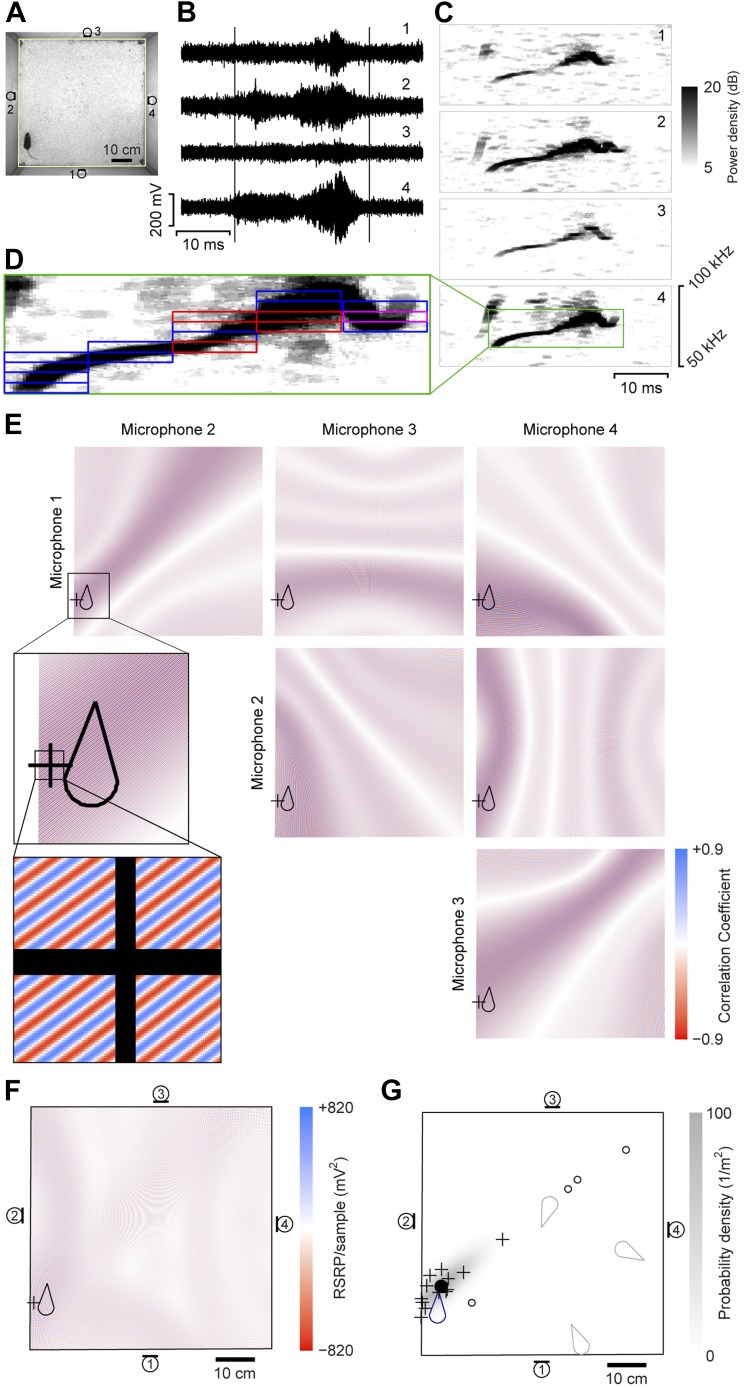
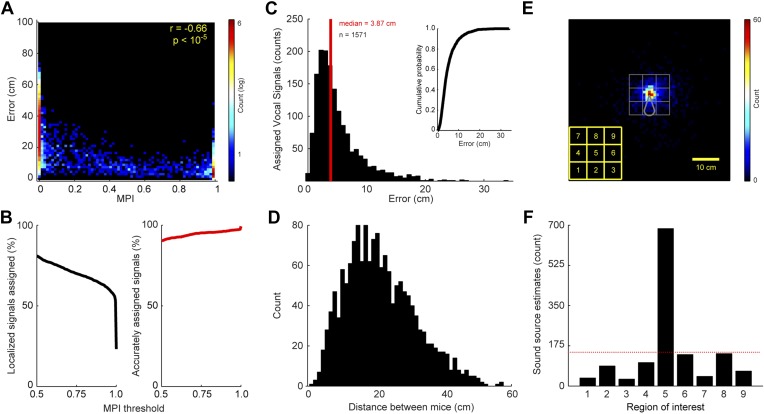
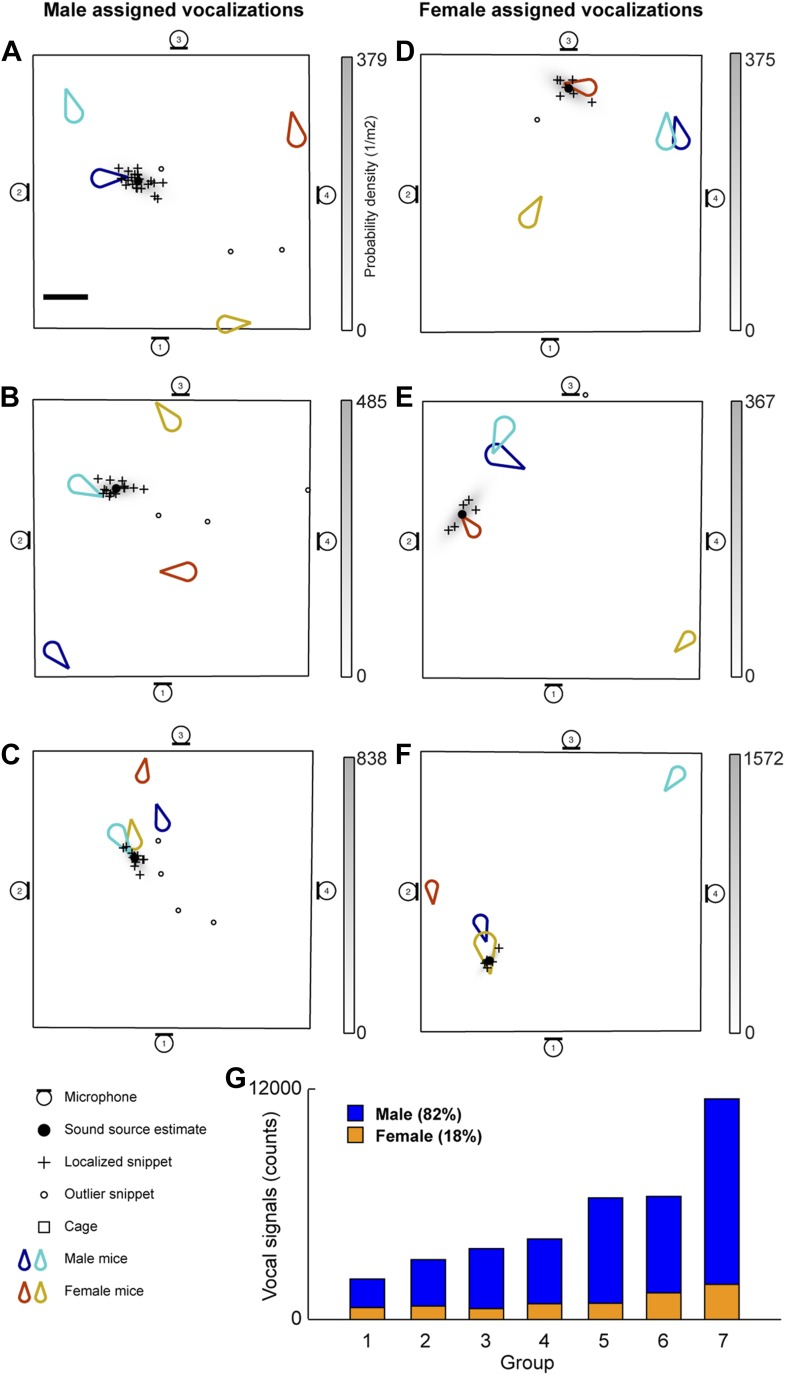
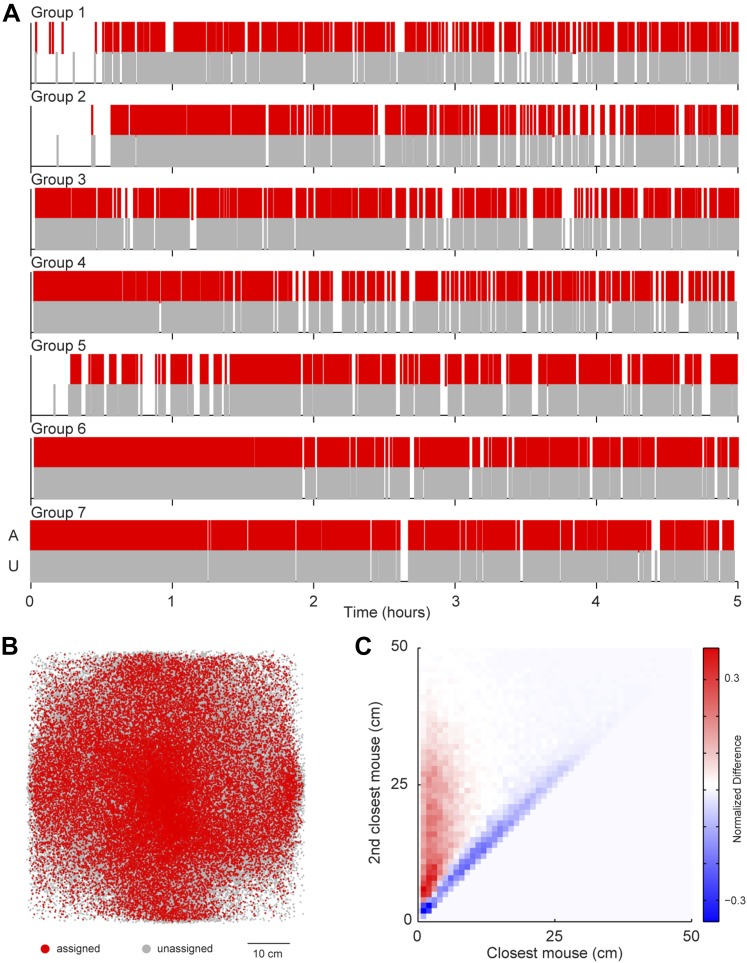
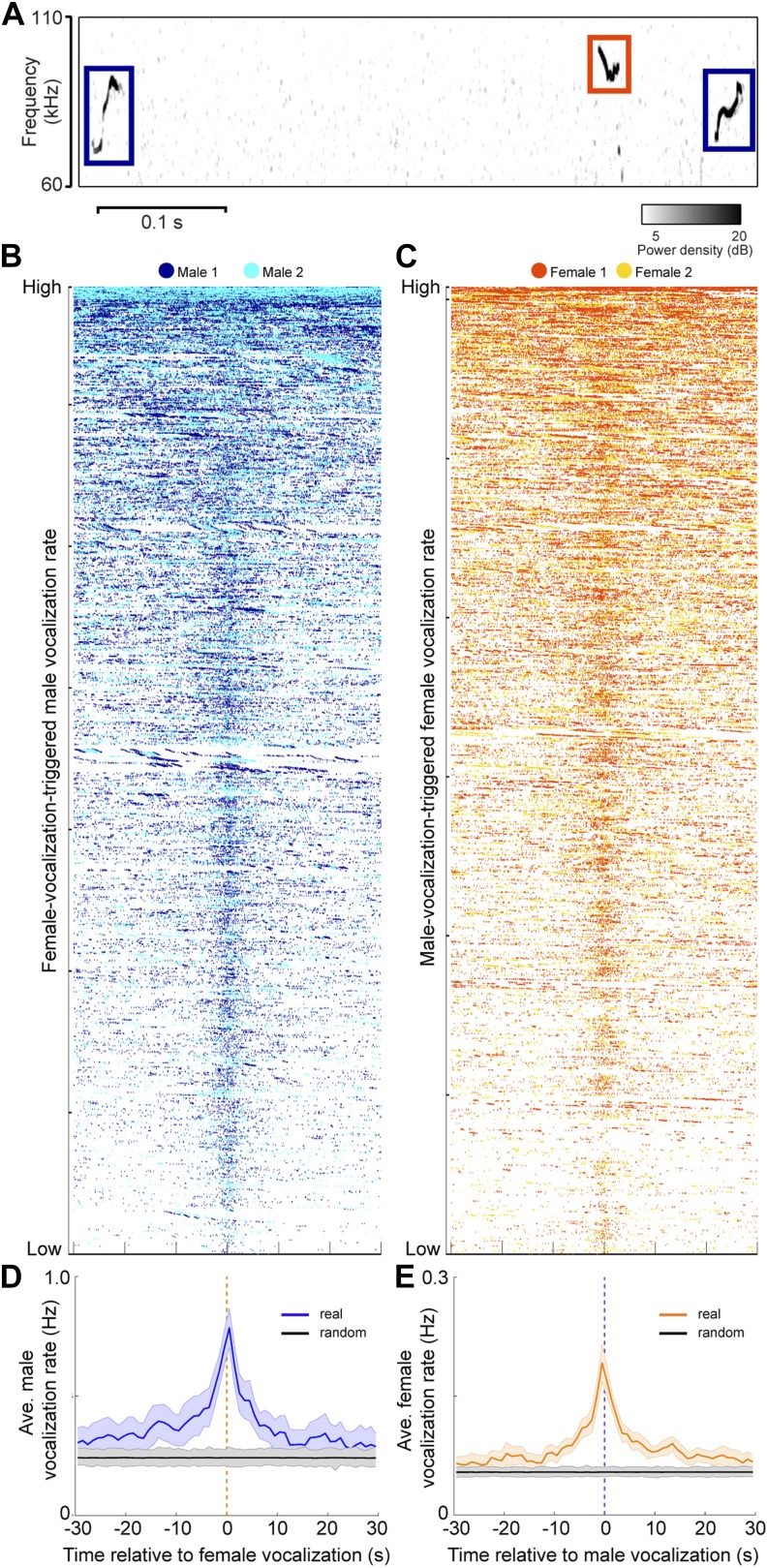
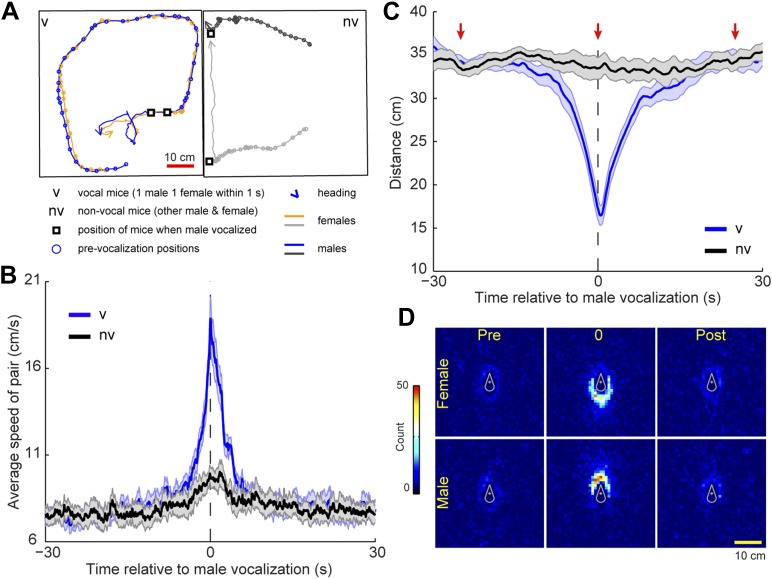
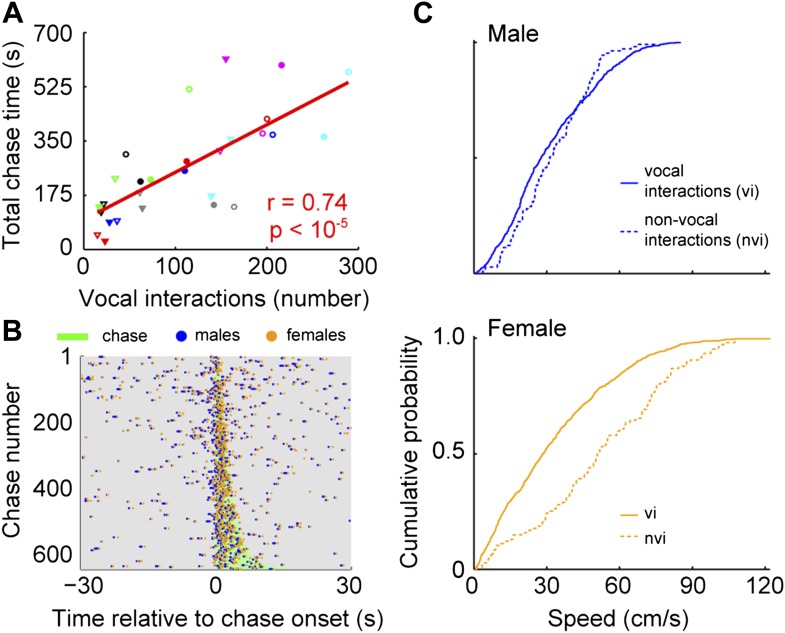
During courtship males attract females with elaborate behaviors. In mice, these displays include ultrasonic vocalizations. Ultrasonic courtship vocalizations were previously attributed to the courting male, despite evidence that both sexes produce virtually indistinguishable vocalizations. Because of this similarity, and the difficulty of assigning vocalizations to individuals, the vocal contribution of each individual during courtship is unknown. To address this question, we developed a microphone array system to localize vocalizations from socially interacting, individual adult mice. With this system, we show that female mice vocally interact with males during courtship. Males and females jointly increased their vocalization rates during chases. Furthermore, a female's participation in these vocal interactions may function as a signal that indicates a state of increased receptivity. Our results reveal a novel form of vocal communication during mouse courtship, and lay the groundwork for a mechanistic dissection of communication during social behavior.
Overview
The claims and statistics of this paper haven’t been checked yet.
Run the check — free, no account needed. It reads the open-access text and checks the sources it cites.
Integrity signals
Registry
Cites
Statistics
Figures
Verification
Claims the paper makes
The claims and statistics of this paper haven’t been checked yet.
Run the check — free, no account needed. It reads the open-access text and checks the sources it cites.
Claims other papers make about this one
Each is checked against this paper’s own text: does it say what the citing paper says it does?
The source backs part of the claim, not all of it — or backs it for a different population, condition or comparison.
In the citing paper
“Similarly, male mice alter behavior in response to female USVs, and these calls contain information about the female’s reproductive receptivity [92,93].”
From The Neurobiology of Love and Pair Bonding from Human and Animal Perspectives (2023) · cites this paper as [92]
Experimental — accuracy not yet measured
Self-check
Percentages, sums and reported differences re-computed from the paper’s own numbers.
The self-check needs the paper’s full text.
Citations
Cites
Principles of animal communication
(2012) · Choice Reviews Online · doi:10.5860/choice.49-5059 · Cited by 2,544
Sexual attractivity, proceptivity, and receptivity in female mammals
Beach, F. A. (1976) · Hormones and Behavior · doi:10.1016/0018-506x(76)90008-8 · Cited by 1,148 · cited 1×
“This is akin to other species; receptive females slow down permitting the courting male to approach and mate (McGill, 1962; Beach, 1976; Hall, 1994; Kowalski et al., 2004; Szykman et al., 2007).”
BackgroundSpectral Analysis for Physical Applications: Multitaper and Conventional Univariate Techniques.
DSS, Percival, D. B., & Walden, A. T. (1997) · Journal of the American Statistical Association · doi:10.2307/2965609 · Cited by 975
The adaptive value of sociality in mammalian groups
Silk, J. B. (2007) · Philosophical Transactions of the Royal Society B Biological Sciences · doi:10.1098/rstb.2006.1994 · Cited by 842 · cited 1×
“DOI: 10.7554/eLife.06203 1 of 24 between males (Silk, 2007).”
InfluentialPrinciples of Animal Communication
Howard, R. W. (1999) · American Entomologist · doi:10.1093/ae/45.2.126 · Cited by 736
Holy, T. E., & Guo, Z. (2005) · PLoS Biology · doi:10.1371/journal.pbio.0030386 · Cited by 673 · cited 2×
“Second, although mice appear to produce characteristic vocal patterns or songs (Holy and Guo, 2005; Sugimoto et al., 2011; Hoffmann et al., 2012), individual ultrasonic vocalizations are similar across animals, both within and between sexes (Hammerschmidt et al., 2012a).”
BackgroundHall, J. C. (1994) · Science · doi:10.1126/science.8209251 · Cited by 668 · cited 1×
“This is akin to other species; receptive females slow down permitting the courting male to approach and mate (McGill, 1962; Beach, 1976; Hall, 1994; Kowalski et al., 2004; Szykman et al., 2007).”
BackgroundBlumstein, D. T., Mennill, D. J., Clemins, P. J., Girod, L., Yao, K., Patricelli, G. L., Deppe, J. L., Krakauer, A. H., Clark, C. W., Cortopassi, K. A., et al. (2011) · Journal of Applied Ecology · doi:10.1111/j.1365-2664.2011.01993.x · Cited by 657 · cited 2×
“Other systems capitalized on the power of an array to determine the number of animals hidden in dense terrain (Celis-Murillo et al., 2009; Blumstein et al., 2011) or map the boundaries of an animal’s territory (Kirschel et al.”
BackgroundJAABA: Interactive machine learning for automatic annotation of animal behavior
Kabra, M., Robie, A. A., Rivera-Alba, M., Branson, S., & Branson, K. (2013) · Nature Methods · doi:10.1038/nmeth.2281 · Cited by 644 · cited 2×
“An automated classifier (Janelia Automatic Animal Behavior Annotator; JAABA; Kabra et al. (2013), http://jaaba.sourceforge.net) was used for identifying events when a female mouse was being followed.”
Method(2007) · PubMed · Cited by 597
Cited by
Sorted by citations
Neural circuit mechanisms of social behavior
Chen, P., & Hong, W. (2018) · Neuron · doi:10.1016/j.neuron.2018.02.026 · Cited by 527
“…of male courtship songs in mice are correlated with mate choice (Asaba et al., 2014); adult females are known to vocalize in the presence of novel conspecifics and vocally interact with males during courtship and parenting (Hammerschmidt et al., 2012; Liu et al., 2013; Neunuebel et al., 2015).”
Computational Analysis of Behavior
Egnor, S. E. R., & Branson, K. M. (2016) · Annual Review of Neuroscience · doi:10.1146/annurev-neuro-070815-013845 · Cited by 200
“Biologists have deployed a wide array of sensors to capture animal behavior, including infrared sensors (Friedman et al. 1997), microphone arrays (Neunuebel et al. 2015), laser Doppler vibrometry (Elias et al. 2003),…”
BackgroundA Specialized Neural Circuit Gates Social Vocalizations in the Mouse
Tschida, K., Michael, V., Takatoh, J., Han, B.-X., Zhao, S., Sakurai, K., MOONEY, R. D., & Wang, F. (2019) · Neuron · doi:10.1016/j.neuron.2019.05.025 · Cited by 188
Measuring behavior across scales
Berman, G. J. (2018) · BMC Biology · doi:10.1186/s12915-018-0494-7 · Cited by 194
“…dynamics to, for example, audio dynamics through asking what behavioral features predict the performance of a particular song or song type using methods such as general linear models (GLMs) [88–90], and improvements in automated methods have increased the throughput of audio data analysis [91–94].”
MethodAn insular view of the social decision-making network
Rogers-Carter, M. M., & Christianson, J. P. (2019) · Neuroscience & Biobehavioral Reviews · doi:10.1016/j.neubiorev.2019.06.005 · Cited by 121
Ultrasonic signals associated with different types of social behavior of mice
Sangiamo, D. T., Warren, M. R., & Neunuebel, J. P. (2020) · Nature Neuroscience · doi:10.1038/s41593-020-0584-z · Cited by 134
“Mice in each group freely interacted for five hours in a competitive environment known to promote complex vocal and social interactions 24 .”
InfluentialMachine vision methods for analyzing social interactions
Robie, A. A., Seagraves, K. M., Egnor, S. E. R., & Branson, K. M. (2017) · Journal of Experimental Biology · doi:10.1242/jeb.142281 · Cited by 125
Jabarin, R., Netser, S., & Wagner, S. (2022) · Molecular Autism · doi:10.1186/s13229-022-00521-6 · Cited by 119
Analysis of ultrasonic vocalizations from mice using computer vision and machine learning
Fonseca, A. H. O., Santana, G. M. T., Ortiz, G. M. B., Bampi, S., & Dietrich, M. O. (2021) · eLife · doi:10.7554/elife.59161 · Cited by 108
Chabout, J., Sarkar, A., Patel, S. R., Radden, T., Dunson, D. B., Fisher, S. E., & Jarvis, E. D. (2016) · Frontiers in Behavioral Neuroscience · doi:10.3389/fnbeh.2016.00197 · Cited by 101
“Females also produce USV syllables similar to males, but not as often, and especially not in the presence of vocalizing males (Neunuebel et al., 2015).”
BackgroundThe contribution of ultrasonic vocalizations to mouse courtship
Egnor, S. E. R., & Seagraves, K. M. (2016) · Current Opinion in Neurobiology · doi:10.1016/j.conb.2015.12.009 · Cited by 91
Determinants of the mouse ultrasonic vocal structure and repertoire
Heckman, J. J., McGuinness, B., Celikel, T., & Englitz, B. (2016) · Neuroscience & Biobehavioral Reviews · doi:10.1016/j.neubiorev.2016.03.029 · Cited by 93
“…such as awake or anesthetized conspecifics and their urine (Holy and Guo, 2005; Moles et al., 2007; Hoffmann et al., 2009; Chabout et al., 2015; Neunuebel et al., 2015), mediate social behavior related to e.g. courtship or territorial disputes (Musolf and Penn, 2012; Portfors and Perkel, 2014).”
BackgroundInfluentialThe temporal organization of mouse ultrasonic vocalizations
Castellucci, G. A., Calbick, D., & McCormick, D. A. (2018) · PLoS ONE · doi:10.1371/journal.pone.0199929 · Cited by 92
Michael, V., Goffinet, J., Pearson, J., Wang, F., Tschida, K., & MOONEY, R. D. (2020) · eLife · doi:10.7554/elife.63493 · Cited by 94
Caruso, A., Ricceri, L., & Scattoni, M. L. (2020) · Neuroscience & Biobehavioral Reviews · doi:10.1016/j.neubiorev.2020.06.011 · Cited by 87
Ultrasonic vocalizations in mice: relevance for ethologic and neurodevelopmental disorders studies
Premoli, M., Memo, M., & Bonini, S. A. (2020) · Neural Regeneration Research · doi:10.4103/1673-5374.300340 · Cited by 89
“With the use of new technologies such as a microphone array system and sound source localization method, it is possible to localize and assign USVs to individual mice during a social context (Neunuebel et al., 2015; Heckman et al., 2017; Warren et al., 2018a).”
MethodPhase-Specific Vocalizations of Male Mice at the Initial Encounter during the Courtship Sequence
Matsumoto, Y. K., & Okanoya, K. (2016) · PLoS ONE · doi:10.1371/journal.pone.0147102 · Cited by 83
Recording Mouse Ultrasonic Vocalizations to Evaluate Social Communication
Ferhat, A.-T. L. S., Torquet, N., Sourd, A. L., de Chaumont, F., Olivo‐Marín, J., Fauré, P., Bourgeron, T., & Ey, E. (2016) · Journal of Visualized Experiments · doi:10.3791/53871 · Cited by 88
Knockout of Foxp2 disrupts vocal development in mice
Castellucci, G. A., McGinley, M. J., & McCormick, D. A. (2016) · Scientific Reports · doi:10.1038/srep23305 · Cited by 79
Fast and accurate annotation of acoustic signals with deep neural networks
Steinfath, E., Palacios-Muñoz, A., Rottschäfer, J. R., Yuezak, D., & Clemens, J. (2021) · eLife · doi:10.7554/elife.68837 · Cited by 83
“During naturalistic interactions in larger behavioral chambers, multiple microphones are required to record the song produced by animals at any position in the chamber (Coen et al., 2014; Neunuebel et al., 2015).”
BackgroundInfluentialCilia-mediated Hedgehog signaling controls form and function in the mammalian larynx
Tabler, J. M., Rigney, M. M., Berman, G. J., Gopalakrishnan, S., Heude, É., Al-Lami, H. A., Yannakoudakis, B. Z., Fitch, R. D., Carter, C., Vokes, S. A., et al. (2017) · eLife · doi:10.7554/elife.19153 · Cited by 78
“Throughout life, mice use a variety of ultrasonic vocalizations (USV), from pup isolation calls to adult courtship displays (Holy and Guo, 2005; Neunuebel et al., 2015; Noirot, 1966; Sewell, 1970; Zippelius and Schleidt, 1956).”
BackgroundFlexible scaling and persistence of social vocal communication
Chen, J., Markowitz, J. E., Lilascharoen, V., Taylor, S., Sheurpukdi, P., Keller, J. A., Jensen, J., Lim, B. K., Datta, S. R., & Stowers, L. (2021) · Nature · doi:10.1038/s41586-021-03403-8 · Cited by 79
In the mood for sex: neural circuits for reproduction
Lenschow, C., & Lima, S. Q. (2019) · Current Opinion in Neurobiology · doi:10.1016/j.conb.2019.12.001 · Cited by 71
Gabriel, C., Zeidler, Z., Jin, B., Guo, C., Goodpaster, C. M., Kashay, A. Q., Wu, A., Delaney, M., Cheung, J., DiFazio, L. E., et al. (2022) · eLife · doi:10.7554/elife.74314 · Cited by 66
“We also trained a VTE classifier with JAABA.”
BackgroundInfluentialHigh-precision spatial localization of mouse vocalizations during social interaction
Heckman, J. J., Proville, R. D., Heckman, G., Azarfar, A., Celikel, T., & Englitz, B. (2017) · Scientific Reports · doi:10.1038/s41598-017-02954-z · Cited by 66
“While this type of setup has been used successfully for the study of rodent social interactions 36, 37 , the study of rodents in a plane or even 3D space is generally desirable, e.g. to study chasing behavior 33, 38 .”
BackgroundMethodResultInfluentialA Mutation Associated with Stuttering Alters Mouse Pup Ultrasonic Vocalizations
Barnes, T. D., Wozniak, D. F., Gutierrez, J., Han, T., Drayna, D. T., & Holy, T. E. (2016) · Current Biology · doi:10.1016/j.cub.2016.02.068 · Cited by 60
The Neurobiology of Love and Pair Bonding from Human and Animal Perspectives
Blumenthal, S. A., & Young, L. J. (2023) · Biology · doi:10.3390/biology12060844 · Cited by 59
“Similarly, male mice alter behavior in response to female USVs, and these calls contain information about the female’s reproductive receptivity [92,93].”
BackgroundKeesom, S. M., Finton, C. J., Sell, G. L., & Hurley, L. M. (2017) · PLoS ONE · doi:10.1371/journal.pone.0169705 · Cited by 55
Warren, M. R., Spurrier, M. S., Roth, E. D., & Neunuebel, J. P. (2018) · PLoS ONE · doi:10.1371/journal.pone.0204527 · Cited by 58
5-MeO-DMT modifies innate behaviors and promotes structural neural plasticity in mice
Jefferson, S. J., Gregg, I., Dibbs, M., Liao, C., Wu, H., Davoudian, P. A., Woodburn, S. C., Wehrle, P. H., Sprouse, J. S., Sherwood, A. M., et al. (2023) · Neuropsychopharmacology · doi:10.1038/s41386-023-01572-w · Cited by 57
Sex-dependent modulation of ultrasonic vocalizations in house mice (Mus musculus musculus)
Zala, S. M., Reitschmidt, D., Noll, A., Balázs, P., & Penn, D. J. (2017) · PLoS ONE · doi:10.1371/journal.pone.0188647 · Cited by 63
Zilkha, N., Sofer, Y., Beny, Y., & Kimchi, T. (2016) · Current Opinion in Neurobiology · doi:10.1016/j.conb.2016.04.014 · Cited by 52
“…fur bleaching patterns [83], Neunuebel et al . recorded ultrasonic vocalizations (USV) in groups of male and female mice, and were able to isolate and assign specific USVs to individually videotaped mice, demonstrating that female mice also use USVs to communicate with males during courtship [91].”
BackgroundFinton, C. J., Keesom, S. M., Hood, K. E., & Hurley, L. M. (2017) · Animal Behaviour · doi:10.1016/j.anbehav.2017.01.021 · Cited by 53
“This generalization comes with the important caveat that in a recent study of mice in complex social environments, females produced ultrasonic vocalizations of their own in conjunction with proreceptive behaviour (Neunuebel et al., 2015).”
BackgroundMaor, I., Shalev, A., & Mizrahi, A. (2016) · Cerebral Cortex · doi:10.1093/cercor/bhw266 · Cited by 58
“We chose pup vocalizations as the test for natural stimuli because these are sounds mice encounter in real life, even in laboratory conditions (Neunuebel et al. 2015).”
MethodMice modulate ultrasonic calling bouts according to sociosexual context
Matsumoto, Y. K., & Okanoya, K. (2018) · Royal Society Open Science · doi:10.1098/rsos.180378 · Cited by 52
“Another study using a microphone array in which to locate the sound source found that females produced vocalizations when males exhibit courtship behaviour in a socially interacting group [37].”
BackgroundNeural circuits regulating sexual behaviors via the olfactory system in mice
Ishii, K. K., & Touhara, K. (2018) · Neuroscience Research · doi:10.1016/j.neures.2018.10.009 · Cited by 55
Ultrasonic vocalizations in laboratory mice: strain, age, and sex differences
Caruso, A., Marconi, M. A., Scattoni, M. L., & Ricceri, L. (2022) · Genes Brain & Behavior · doi:10.1111/gbb.12815 · Cited by 54
“ous investigations dealt with the issue to determine whether the source of call production is exclusively the mouse test.(16,81) We suppose that in our experimental setting, given the protocol we applied to record USVs, the test mouse (male, in the male–female interaction; resident female in the female–female interact…”
BackgroundUltrashort-range, high-frequency communication by female mice shapes social interactions
Warren, M. R., Clein, R. S., Spurrier, M. S., Roth, E. D., & Neunuebel, J. P. (2020) · Scientific Reports · doi:10.1038/s41598-020-59418-0 · Cited by 47
Tasaka, G., Guenthner, C. J., Shalev, A., Gilday, O. D., Luo, L., & Mizrahi, A. (2018) · Nature Communications · doi:10.1038/s41467-018-03183-2 · Cited by 52
“(6) FRA matrices were composed of the mean evoked firing rates for each frequency and intensity.”
BackgroundKisko, T. M., Wöhr, M., Pellis, V. C., & Pellis, S. M. (2015) · Current Topics in Behavioral Neurosciences · doi:10.1007/7854_2015_432 · Cited by 56
“One such technique, the use of multiple microphone arrays, has been successfully used to examine the emission of USVs during mating and other social interactions in mice (Neunuebel et al. 2015).”
MethodAvoiding escalation from play to aggression in adult male rats: The role of ultrasonic calls
Burke, C. J., Kisko, T. M., Pellis, S. M., & Euston, D. R. (2017) · Behavioural Processes · doi:10.1016/j.beproc.2017.09.014 · Cited by 48
Mechanisms and constraints underlying acoustic variation in rodents
Fernández-Vargas, M., Riede, T., & Pasch, B. S. (2021) · Animal Behaviour · doi:10.1016/j.anbehav.2021.07.011 · Cited by 51
Medial Preoptic Area Modulates Courtship Ultrasonic Vocalization in Adult Male Mice
Gao, S.-C., Wei, Y., Wang, S.-R., & Xu, X. (2019) · Neuroscience Bulletin · doi:10.1007/s12264-019-00365-w · Cited by 48
Characterization of ultrasonic vocalizations of Fragile X mice
Belagodu, A. P., Johnson, A. M., & Galvez, R. (2016) · Behavioural Brain Research · doi:10.1016/j.bbr.2016.04.016 · Cited by 46
Peleh, T., Eltokhi, A., & Pitzer, C. (2019) · PLoS ONE · doi:10.1371/journal.pone.0220238 · Cited by 48
Classifying sex and strain from mouse ultrasonic vocalizations using deep learning
Ivanenko, A. M., Watkins, P. V., van Gerven, M. A. J., Hammerschmidt, K., & Englitz, B. (2020) · PLoS Computational Biology · doi:10.1371/journal.pcbi.1007918 · Cited by 52
Social behaviors and acoustic vocalizations in different strains of mice
Faure, A., Pittaras, E., Nosjean, A., Chabout, J., Cressant, A., & Granon, S. (2016) · Behavioural Brain Research · doi:10.1016/j.bbr.2016.11.003 · Cited by 49
Bio-acoustic tracking and localization using heterogeneous, scalable microphone arrays
Verreycken, E., Simon, R., Quirk-Royal, B., Daems, W., Barber, J. R., & Steckel, J. (2021) · Communications Biology · doi:10.1038/s42003-021-02746-2 · Cited by 44
Eliciting and Analyzing Male Mouse Ultrasonic Vocalization (USV) Songs
Chabout, J., Macopson, J. J., & Jarvis, E. D. (2017) · Journal of Visualized Experiments · doi:10.3791/54137 · Cited by 44
de Chaumont, F., Lemière, N., Coqueran, S., Bourgeron, T., & Ey, E. (2021) · Frontiers in Behavioral Neuroscience · doi:10.3389/fnbeh.2021.735920 · Cited by 46
Overlapping representations of food and social stimuli in mouse VTA dopamine neurons
Willmore, L., Minerva, A. R., Engelhard, B., Murugan, M., McMannon, B., Oak, N., Thiberge, S. Y., Peña, C. J., & Witten, I. B. (2023) · Neuron · doi:10.1016/j.neuron.2023.08.003 · Cited by 45
Altered social behavior in mice carrying a corticalFoxp2deletion
Medvedeva, V. P., Rieger, M. A., Vieth, B., Mombereau, C., Ziegenhain, C., Ghosh, T., Cressant, A., Enard, W., Granon, S., Dougherty, J. D., et al. (2018) · Human Molecular Genetics · doi:10.1093/hmg/ddy372 · Cited by 40
Multiscale mapping of frequency sweep rate in mouse auditory cortex
Issa, J. B., Haeffele, B. D., Young, E. D., & Yue, D. T. (2016) · Hearing Research · doi:10.1016/j.heares.2016.11.018 · Cited by 41
Rieger, M. A., & Dougherty, J. D. (2016) · Frontiers in Behavioral Neuroscience · doi:10.3389/fnbeh.2016.00182 · Cited by 38
“Although historically it has been suggested that in such a paradigm only the male is vocalizing (Warburton et al., 1989), recently it has been shown that an appreciable number of vocalizations can be attributed to the female (Neunuebel et al., 2015).”
BackgroundUltrasonic courtship vocalizations of male house mice contain distinct individual signatures
Marconi, M. A., Nicolakis, D., Abbasi, R., Penn, D. J., & Zala, S. M. (2020) · Animal Behaviour · doi:10.1016/j.anbehav.2020.09.006 · Cited by 45
Communication at the Garden Fence – Context Dependent Vocalization in Female House Mice
Hoier, S., Pfeifle, C., von Merten, S., & Linnenbrink, M. (2016) · PLoS ONE · doi:10.1371/journal.pone.0152255 · Cited by 39
Rodent ultrasonic vocal interaction resolved with millimeter precision using hybrid beamforming
Sterling, M. L., Teunisse, R., & Englitz, B. (2023) · eLife · doi:10.7554/elife.86126 · Cited by 36
“Localization accuracy was first systematically reported by Neunuebel et al., 2015 using a four-microphone setup and a maximum likelihood approach ( Zhang et al., 2008 ), who attained an MAE of ~38 mm that conferred an assignment rate of 14.6–18.1% (their Table 1, assigned relative to detected or localized ).”
InfluentialPhysiological and Behavioral Responses to Vocalization Playback in Mice
Niemczura, A. C., Grimsley, J. M. S., Kim, C., Alkhawaga, A., Poth, A., Carvalho, A., & Wenstrup, J. J. (2020) · Frontiers in Behavioral Neuroscience · doi:10.3389/fnbeh.2020.00155 · Cited by 37
“…2003; Portfors, 2007; Grimsley et al., 2011), by males and females during courtship and mating interactions (Wang et al., 2008; Lahvis et al., 2011; Neunuebel et al., 2015), and by males and females during voluntary interactions with same-sex conspecifics (Moles et al., 2007; Wang et al., 2008;…”
BackgroundAutomatic mouse ultrasound detector (A-MUD): A new tool for processing rodent vocalizations
Zala, S. M., Reitschmidt, D., Noll, A., Balázs, P., & Penn, D. J. (2017) · PLoS ONE · doi:10.1371/journal.pone.0181200 · Cited by 32
Rats Synchronize Locomotion with Ultrasonic Vocalizations at the Subsecond Time Scale
Laplagne, D. A., & Costa, M. E. (2016) · Frontiers in Behavioral Neuroscience · doi:10.3389/fnbeh.2016.00184 · Cited by 31
Yurlova, D. D., Volodin, I. A., Ilchenko, O. G., & Volodina, E. V. (2020) · PLoS ONE · doi:10.1371/journal.pone.0228892 · Cited by 33
Ultrasonic Vocalizations of Mice in the Genus Peromyscus
Kalcounis‐Rueppell, M. C., Pultorak, J. D., & Marler, C. A. (2018) · Handbook of behavioral neuroscience · doi:10.1016/b978-0-12-809600-0.00022-6 · Cited by 32
Adult male mice exposure to nonylphenol alters courtship vocalizations and mating
Capela, D., Dombret, C., Poissenot, K., Poignant, M., Malbert-Colas, A., Franceschini, I., Keller, M., & Mhaouty‐Kodja, S. (2018) · Scientific Reports · doi:10.1038/s41598-018-21245-9 · Cited by 32
Singing on the fly: sensorimotor integration and acoustic communication in Drosophila
Coen, P., & Murthy, M. (2016) · Current Opinion in Neurobiology · doi:10.1016/j.conb.2016.01.013 · Cited by 34
“in flies [7], songbirds [8], and mice [9]).”
Toledo, M. A., Wen, T. H., Binder, D. K., Ethell, I. M., & Razak, K. A. (2019) · Behavioural Brain Research · doi:10.1016/j.bbr.2019.112068 · Cited by 31
“[50], used microphone array based localization to show that females and males produce acoustically similar USVs in complex social interactions (2 males and 2 females).”
Zhao, X., Ziobro, P., Pranic, N. M., Chu, S. M., Rabinovich, S., Chan, W., Zhao, J., Kornbrek, C., He, Z., & Tschida, K. (2021) · PLoS ONE · doi:10.1371/journal.pone.0255640 · Cited by 32
“Recent studies employing microphone array 346 recordings found that male mice produce most of the USVs in opposite-sex encounters (28, 29) 347 and that both mice in a pair vocalize during male and female same-sex interactions, at least 348”
CBA/CaJ mouse ultrasonic vocalizations depend on prior social experience
Burke, K., Screven, L. A., & Dent, M. L. (2018) · PLoS ONE · doi:10.1371/journal.pone.0197774 · Cited by 35
Male mice adjust courtship behavior in response to female multimodal signals
Ronald, K. L., Zhang, X., Morrison, M. V., Miller, R., & Hurley, L. M. (2020) · PLoS ONE · doi:10.1371/journal.pone.0229302 · Cited by 30
Nicolakis, D., Marconi, M. A., Zala, S. M., & Penn, D. J. (2020) · Frontiers in Zoology · doi:10.1186/s12983-020-00353-1 · Cited by 34
Acoustic camera system for measuring ultrasound communication in mice
Matsumoto, J., Kanno, K., Kato, M., Nishimaru, H., Setogawa, T., Chinzorig, C., Shibata, T., & Nishijo, H. (2022) · iScience · doi:10.1016/j.isci.2022.104812 · Cited by 29
“However, to date, sound localization systems for mouse USVs (Neunuebel et al., 2015; Heckman et al., 2017; Warren et al., 2018) are built around distributed-microphone arrays (Fig.”
InfluentialWarren, M. R., Sangiamo, D. T., & Neunuebel, J. P. (2018) · Journal of Neuroscience Methods · doi:10.1016/j.jneumeth.2017.12.013 · Cited by 27
“The original system developed by Neunuebel et al. (2015) utilized a density threshold before assigning a signal to an individual animal.”
BackgroundMethodResultInfluentialA review of ultrasonic vocalizations in mice and how they relate to human speech
Yao, K., Bergamasco, M., Scattoni, M. L., & Vogel, A. P. (2023) · The Journal of the Acoustical Society of America · doi:10.1121/10.0020544 · Cited by 32
Ultrasonic vocalizations of female Norway rats (Rattus norvegicus) in response to social partners.
Börner, A., Hjemdahl, R., Götz, T., & Brown, G. R. (2015) · Journal of comparative psychology · doi:10.1037/com0000017 · Cited by 26
Olszyński, K. H., Polowy, R., Małż, M., Boguszewski, P. M., & Filipkowski, R. K. (2020) · iScience · doi:10.1016/j.isci.2020.101577 · Cited by 29
Temporal structure of mouse courtship vocalizations facilitates syllable labeling
Hertz, S., Weiner, B., Perets, N., & London, M. (2020) · Communications Biology · doi:10.1038/s42003-020-1053-7 · Cited by 29
Clemens, J., Schöneich, S., Kostarakos, K., Hennig, R. M., & Hedwig, B. (2021) · eLife · doi:10.7554/elife.61475 · Cited by 25
Wilson, E. N., Mabry, S., Bradshaw, J. L., Gardner, J. J., Rybalchenko, N., Engelland, R. E., Fadeyibi, O., Osikoya, O., Cushen, S. C., Goulopoulou, S., et al. (2022) · Biology of Sex Differences · doi:10.1186/s13293-022-00463-x · Cited by 25
Ultrasonic Vocalizations in Adult C57BL/6J Mice: The Role of Sex Differences and Repeated Testing
Premoli, M., Petroni, V., Bulthuis, R., Bonini, S. A., & Pietropaolo, S. (2022) · Frontiers in Behavioral Neuroscience · doi:10.3389/fnbeh.2022.883353 · Cited by 24
mouseTube – a database to collaboratively unravel mouse ultrasonic communication
Torquet, N., de Chaumont, F., Fauré, P., Bourgeron, T., & Ey, E. (2016) · F1000Research · doi:10.12688/f1000research.9439.1 · Cited by 23
“…laboratories have developed their own detection and/or analysis methods (e.g., Chabout et al., 2015; Hammerschmidt et al., 2012; Holy & Guo, 2005; Neunuebel et al., 2015; Seagraves et al., 2016; von Merten et al., 2014) or use commercial and/or manual solutions for detection and/or analysis…”
MethodFlexibility of neural circuits regulating mating behaviors in mice and flies
Karigo, T., & Deutsch, D. S. (2022) · Frontiers in Neural Circuits · doi:10.3389/fncir.2022.949781 · Cited by 28
“, 2017), but females also emit USVs during courtship (Hammerschmidt et al., 2012; Neunuebel et al., 2015), although this has not been studied to the same degree as male courtship vocalization.”
BackgroundOliveira-Stahl, G., Farboud, S., Sterling, M. L., Heckman, J. J., van Raalte, B., Lenferink, D. B., van der Stam, A. H., Smeets, C. J. L. M., Fisher, S. E., & Englitz, B. (2023) · Scientific Reports · doi:10.1038/s41598-023-31554-3 · Cited by 23
“In our study, 84.3% of USVs were reliably assigned, compared to 40.4% in (Neunuebel et al., 2015), 64% in (Sangiamo et al., 2020), and 76% (4 Mics) / 92% (8 Mics) in Warren et al. (2018, Table 1), with the latter using a Jackknife estimate.”
BackgroundMethodResultInfluentialWhat do you hear what do you say? Ultrasonic calls as signals during play fighting in rats
Burke, C. J., Euston, D. R., & Pellis, S. M. (2020) · International Journal of Play · doi:10.1080/21594937.2020.1720126 · Cited by 23
Ziobro, P., Woo, Y., He, Z., & Tschida, K. (2024) · Current Biology · doi:10.1016/j.cub.2024.01.016 · Cited by 22
Kanno, K., & Kikusui, T. (2018) · ZOOLOGICAL SCIENCE · doi:10.2108/zs170175 · Cited by 22
A brainstem circuit for phonation and volume control in mice
Veerakumar, A., Head, J. P., & Krasnow, M. A. (2023) · Nature Neuroscience · doi:10.1038/s41593-023-01478-2 · Cited by 21
“Vocalizations were assumed to be produced by the male because males produce the majority of vocalizations while in the presence of a female 38 .”
BackgroundA humanized NOVA1 splicing factor alters mouse vocal communications
Tajima, Y., Vargas, C. D. M., Ito, K., Wang, W., Luo, J., Xing, J., Kuru, N., Machado, L. C., Siepel, A. C., Carroll, T. S., et al. (2025) · Nature Communications · doi:10.1038/s41467-025-56579-2 · Cited by 22
“However, recent studies suggest that female mice also vocalize under certain experimental conditions or social contexts 21,122,123 .”
Melanotan-II reverses autistic features in a maternal immune activation mouse model of autism
Minakova, E., Lang, J., Medel‐Matus, J., Gould, G. G., Reynolds, A., Shin, D. H., Mazarati, A. M., & Sankar, R. (2019) · PLoS ONE · doi:10.1371/journal.pone.0210389 · Cited by 19
Rats concatenate 22 kHz and 50 kHz calls into a single utterance
Hernandez, C., Sabin, M., & Riede, T. (2017) · Journal of Experimental Biology · doi:10.1242/jeb.151720 · Cited by 20
“The rigorous assignation of calls to specific animals in a group of calling individuals remains a challenge (Janik et al., 2000; Gill et al., 2015; Neunuebel et al., 2015), but a comprehensive recording of subglottal pressure and/or EMG activity together with sound allows an unambiguous…”
BackgroundGoussha, Y., Bar, K., Netser, S., Cohen, L., Hel-Or, Y., & Wagner, S. (2022) · Frontiers in Behavioral Neuroscience · doi:10.3389/fnbeh.2021.810590 · Cited by 19
“An adult male may vocalize to ward off other male intruders or peruse a female in courtship by singing to her (i.e., mating calls, MC), while a female may emit vocalizations to answer her male suiter or to call other females (Neunuebel et al., 2015).”
BackgroundMurari, K., Abushaibah, A., Rho, J. M., Turner, R. W., & Cheng, N. (2022) · EBioMedicine · doi:10.1016/j.ebiom.2023.104565 · Cited by 20
Playback of broadband vocalizations of female mice suppresses male ultrasonic calls
Hood, K. E., Long, E., Navarro, E., & Hurley, L. M. (2023) · PLoS ONE · doi:10.1371/journal.pone.0273742 · Cited by 18
“Both males and females produce USVs during intersexual interactions, with females producing about a sixth of the total number of USVs [15, 59, 60].”
BackgroundUltrasonic Vocalizations of Young Mice in the Genus Peromyscus
Kalcounis‐Rueppell, M. C., Pultorak, J. D., Blake, B. H., & Marler, C. A. (2018) · Handbook of behavioral neuroscience · doi:10.1016/b978-0-12-809600-0.00014-7 · Cited by 18
Perception of Ultrasonic Vocalizations by Socially Housed and Isolated Mice
Screven, L. A., & Dent, M. L. (2019) · eNeuro · doi:10.1523/eneuro.0049-19.2019 · Cited by 18
“September/October 2019, 6(5) ENEURO.0049-19.2019 1–11 schmidt et al., 2012; Neunuebel et al., 2015) and are assumed to facilitate social interactions (Portfors, 2007; Okanoya and Screven, 2018).”
BackgroundInfluentialHearing, touching, and multisensory integration during mate choice
Lenschow, C., Mendes, A. R. P., & Lima, S. Q. (2022) · Frontiers in Neural Circuits · doi:10.3389/fncir.2022.943888 · Cited by 17
“, 2020) in the capacity to locate sound sources (Neunuebel et al., 2015; Heckman et al., 2017; Warren et al., 2018; Coffey et al., 2019; Sangiamo et al., 2020; OliveiraStahl et al., 2021).”
BackgroundRodent Vocalizations: Adaptations to Physical, Social, and Sexual Factors
Okanoya, K., & Screven, L. A. (2018) · Springer handbook of auditory research · doi:10.1007/978-3-319-92495-3_2 · Cited by 16
Multidimensional nature of dominant behavior: Insights from behavioral neuroscience
Murlanova, K., Kirby, M., Libergod, L., Pletnikov, M. V., & Pinhasov, A. (2021) · Neuroscience & Biobehavioral Reviews · doi:10.1016/j.neubiorev.2021.12.015 · Cited by 17
Stoumpou, V., Vargas, C. D. M., Schade, P. F., Boyd, J. L., Γιαννακόπουλος, Θ., & Jarvis, E. D. (2022) · Bioacoustics · doi:10.1080/09524622.2022.2099973 · Cited by 19
“Another tool is Axe (Neunuebel et al. 2015), which seeks to detect vocal signals by keeping time-frequency points of the spectrogram that significantly exceed noise values.”
MethodThe Bold, Silent Type: Predictors of Ultrasonic Vocalizations in the Genus Peromyscus
Kalcounis‐Rueppell, M. C., Petric, R., & Marler, C. A. (2018) · Frontiers in Ecology and Evolution · doi:10.3389/fevo.2018.00198 · Cited by 17
“In Peromyscus, as well as in Rattus and Mus, sweeps are used during courtship interactions (Chabout et al., 2015; Musolf et al., 2015; Neunuebel et al., 2015; Pultorak et al., 2015; Kalcounis-Rueppell et al., 2018a).”
BackgroundKikusui, T., Sonobe, M., Yoshida, Y., Nagasawa, M., Ey, E., de Chaumont, F., Bourgeron, T., Nomoto, K., & Mogi, K. (2021) · Frontiers in Psychology · doi:10.3389/fpsyg.2021.680176 · Cited by 19
State and Context in Vocal Communication of Rodents
Hurley, L. M., & Kalcounis‐Rueppell, M. C. (2018) · Springer handbook of auditory research · doi:10.1007/978-3-319-92495-3_8 · Cited by 17
Metadata
- Authors
- Neunuebel, J. P., Taylor, A. L., Arthur, B. J., & Egnor, S. R.
- Affiliations
- Howard Hughes Medical Institute (US)
- Janelia Research Campus, Howard Hughes Medical Institute, Ashburn, United States
- Corresponding author
- Neunuebel, Joshua P
- Venue
- eLife
- Publisher
- eLife Sciences Publications, Ltd
- Published
- 2015-05-28
- Volume
- 4
- ISSN
- 2050-084X (ISSN-L)
- PMC
- PMC4447045
- OpenAlex
- W2161992654
- Cited by
- 224
- References
- 91
- Citations by year
- 2026: 15 · 2025: 20 · 2024: 24 · 2023: 23 · 2022: 22 · 2021: 22 · 2020: 18 · 2019: 13 · 2018: 24 · 2017: 18 · 2016: 22 · 2015: 3
- FWCI
- 19.33
- Type
- journal article
- Language
- en
- Open access
- gold
- doi.org
- Licence
- Locations
- eLife (publishedVersion, cc-by)
- Europe PMC (PubMed Central) (publishedVersion, cc-by)
- PubMed Central (publishedVersion, cc-by)
- PubMed (publishedVersion)
- DOAJ (DOAJ: Directory of Open Access Journals) (submittedVersion, cc-by-sa)
- Funders
- Howard Hughes Medical Institute (HHMI) (Janelia Research Campus)
- Topics
- Life Sciences › Agricultural and Biological Sciences › Ecology, Evolution, Behavior and Systematics › Animal Vocal Communication and Behavior
- Life Sciences › Agricultural and Biological Sciences › Ecology, Evolution, Behavior and Systematics › Animal Behavior and Reproduction
- Life Sciences › Neuroscience › Endocrine and Autonomic Systems › Neuroendocrine regulation and behavior
- Keywords
- courtship vocalizations, ultrasonic vocalizations, microphone array, vocal communication, chase, social behavior
- MeSH terms
- Animals, Courtship, Female, Male, Mice, Inbred C57BL, Sex Factors, Social Behavior, Ultrasonics, Vocalization, Animal, Mice
About these checks
Registry, retraction, Cites and statistics results are computed, not judged, with one exception: a printed reference that no index lists is read once by a model before it counts as a citation error. Claims are extracted by a model and kept only when their quote appears verbatim in the text; each cited source is then checked, with a model’s help, for whether it says what the claim relies on. Those verdicts can be wrong — read the claim’s quote and the cited source before relying on one.
Statistics and arithmetic are recomputed, not judged.
Confidence bands are shown only for fields calibrated on our annotated test set. None is calibrated yet, so no band is shown.
What counts as a claim ›How we measure confidence ›How we check this ›
Are you an author, or do you see a problem with this page? Request a review
