

The DOI matches its Crossref record; 123 of the 123 references it cites were found in a registry or an index.
Serotonergic neurons signal reward and punishment on multiple timescales
Open accessAbstract
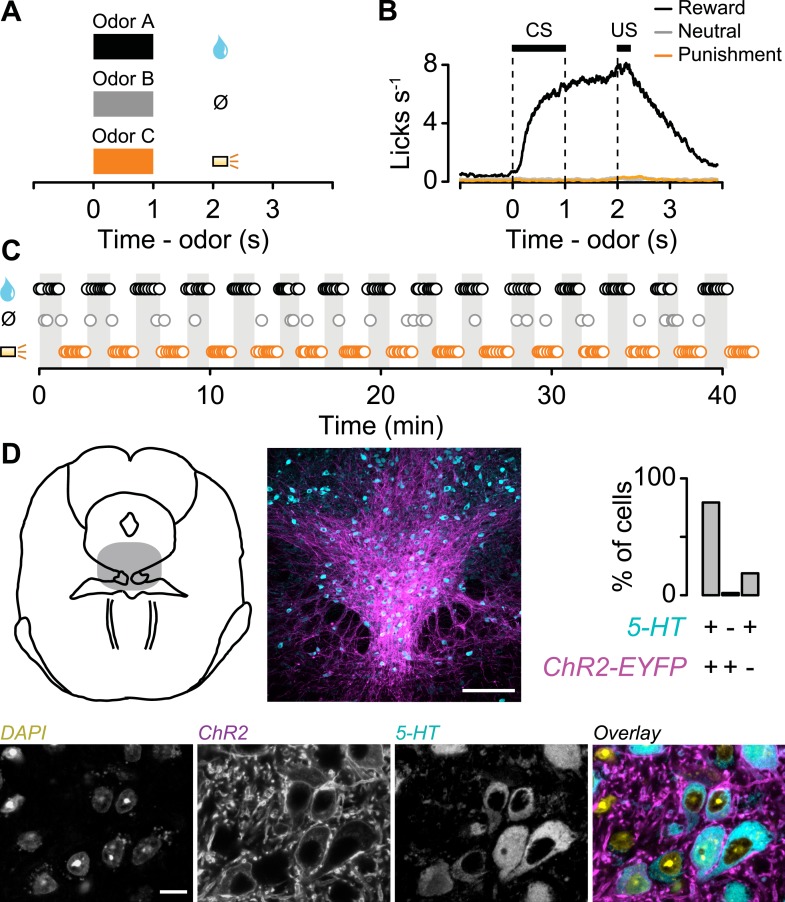
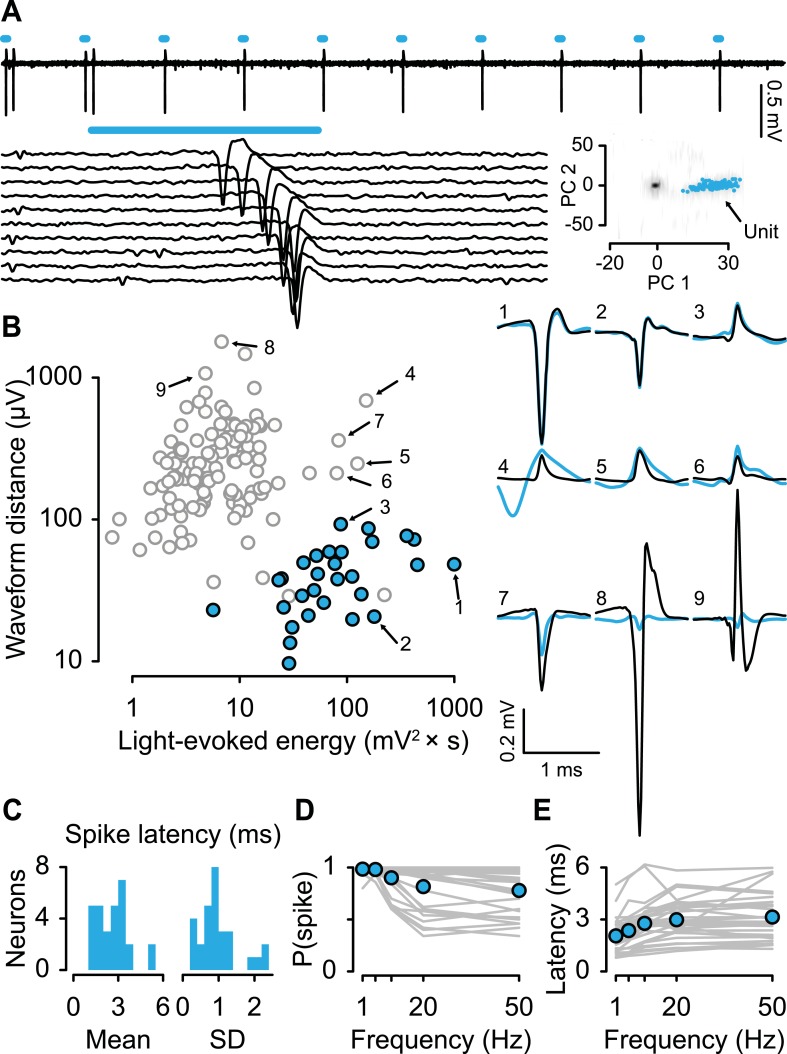
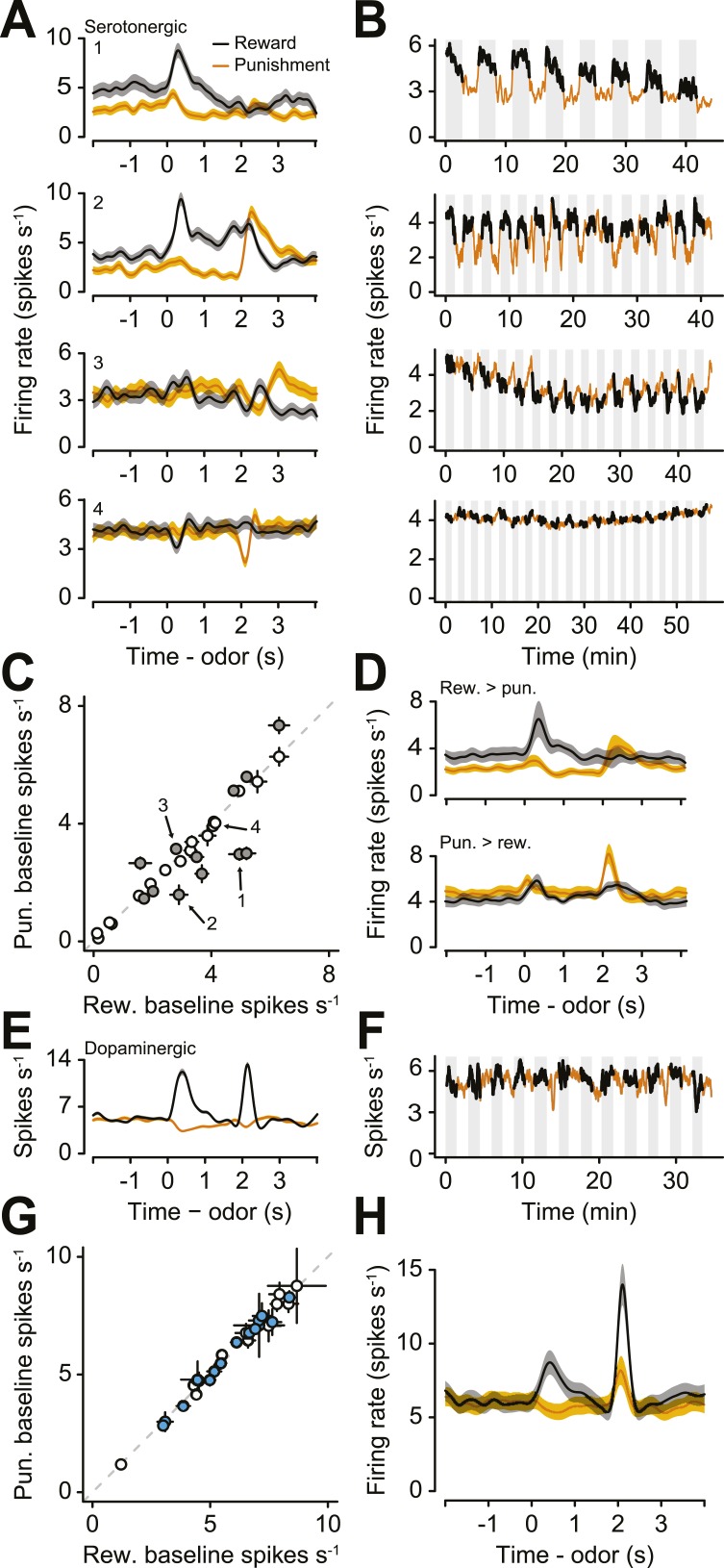
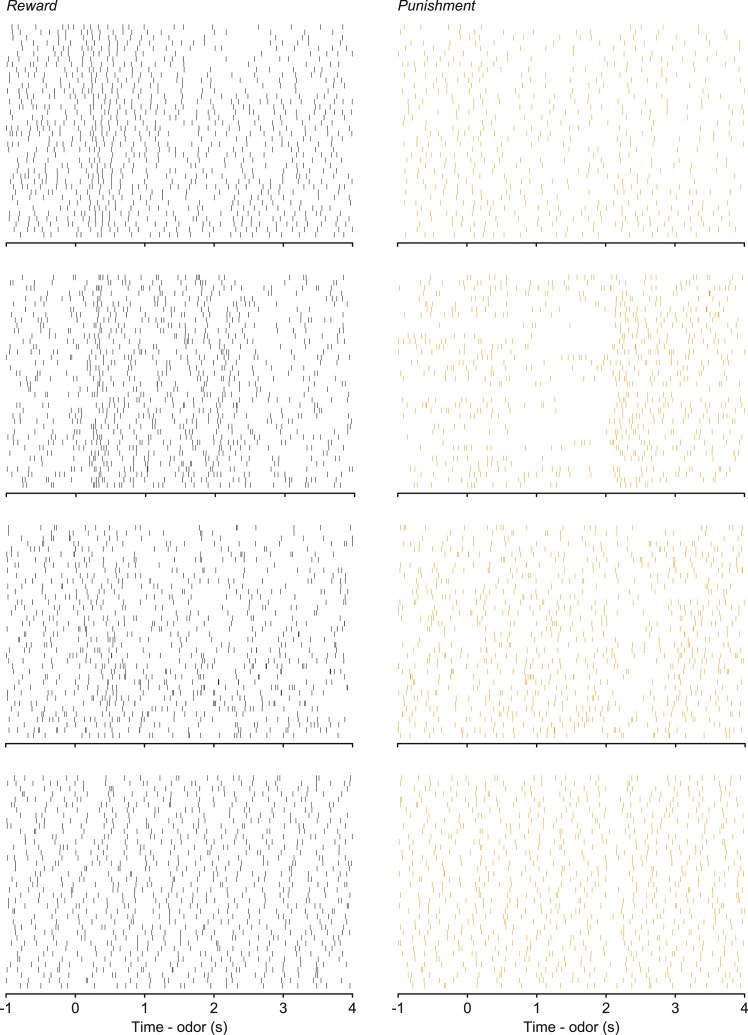
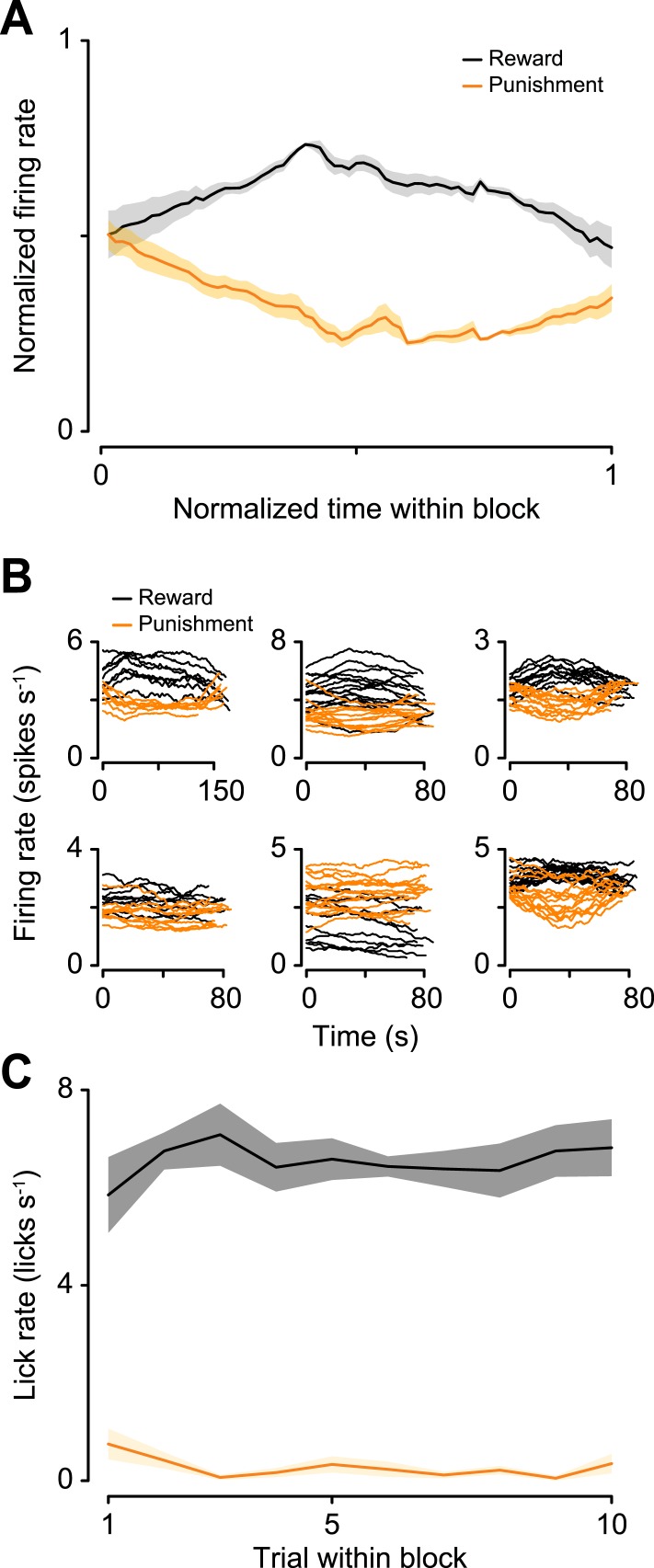
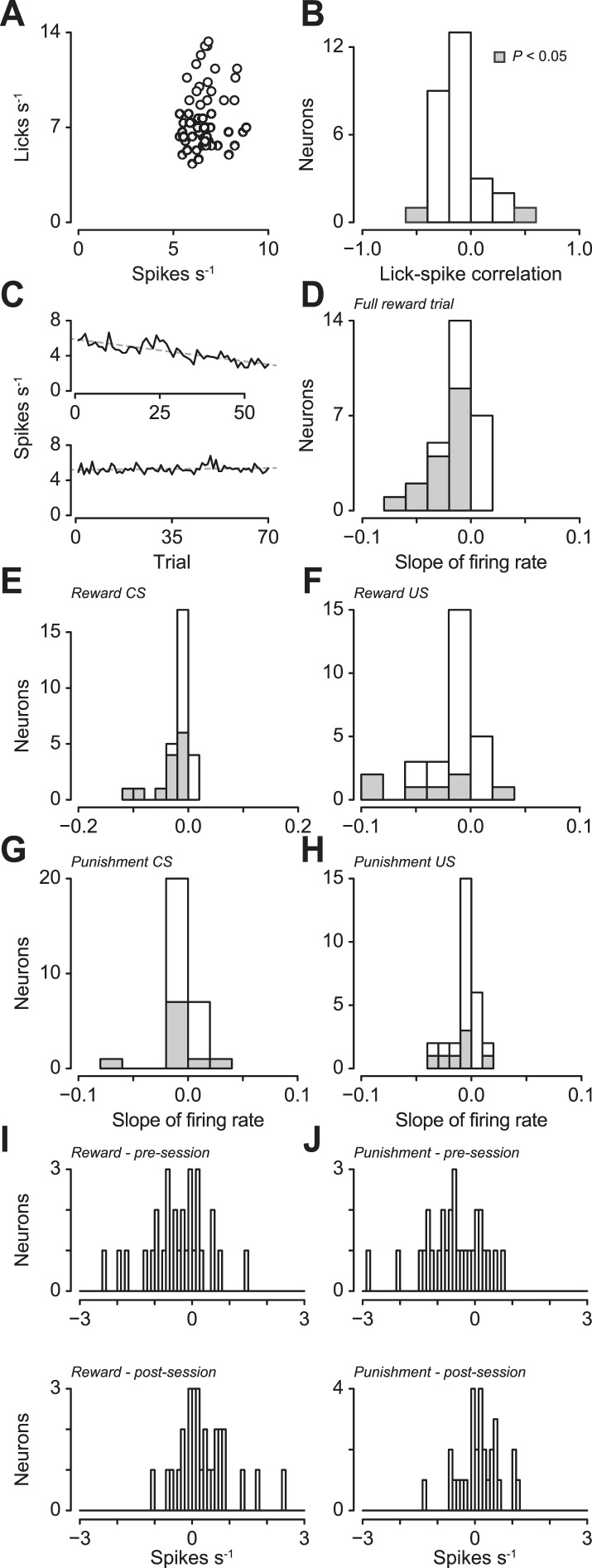
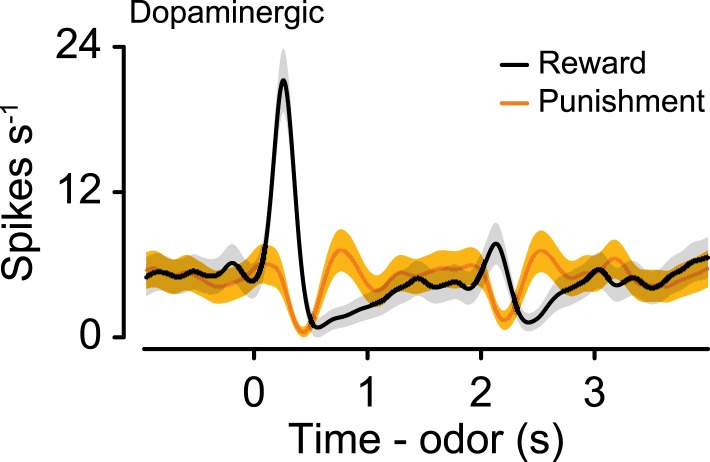
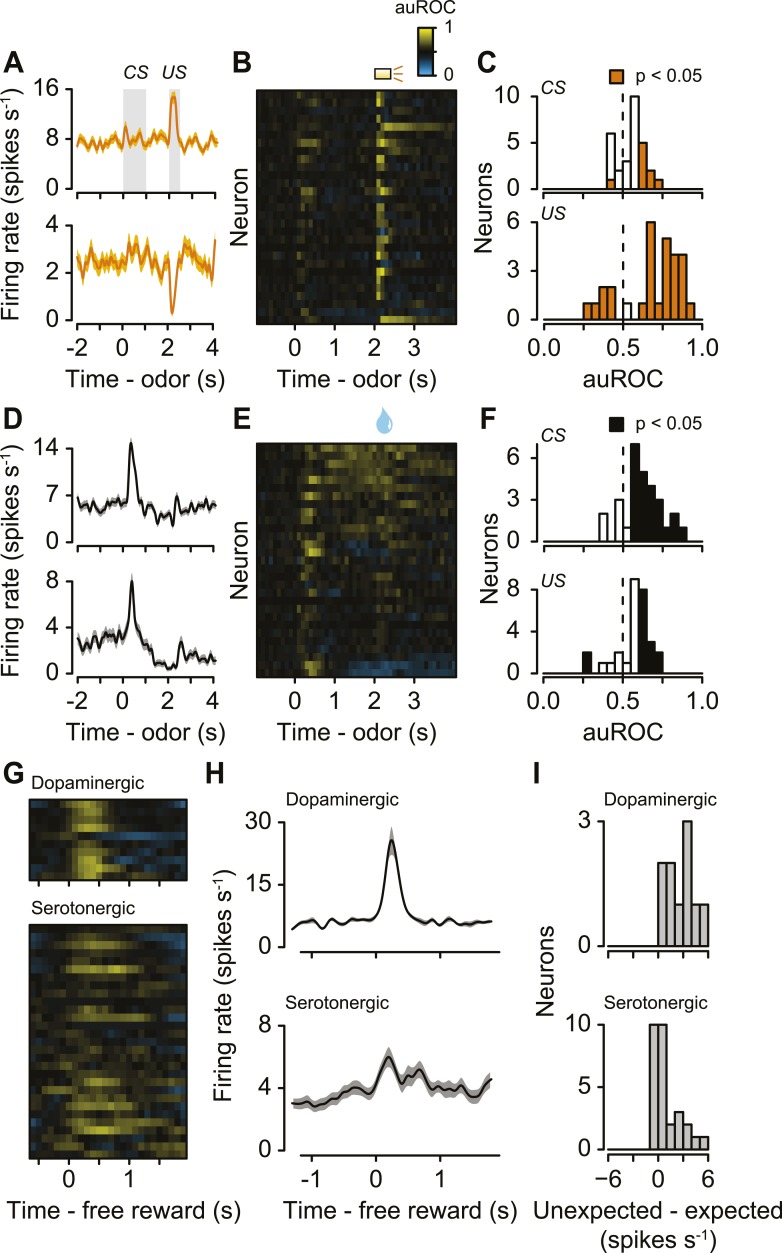
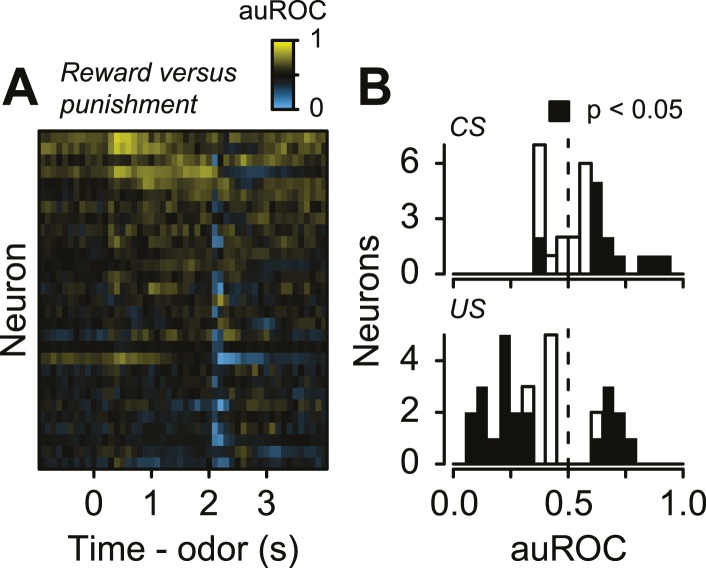
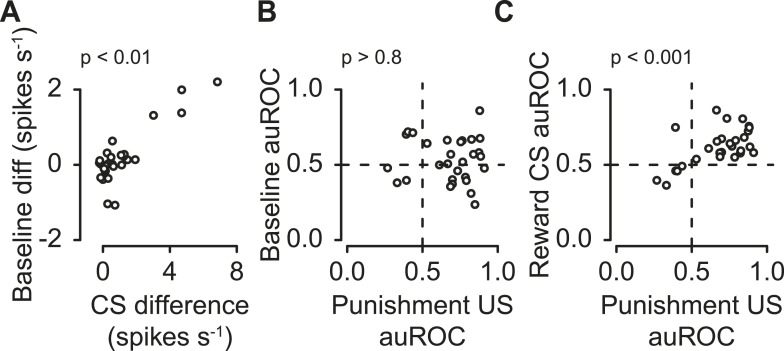
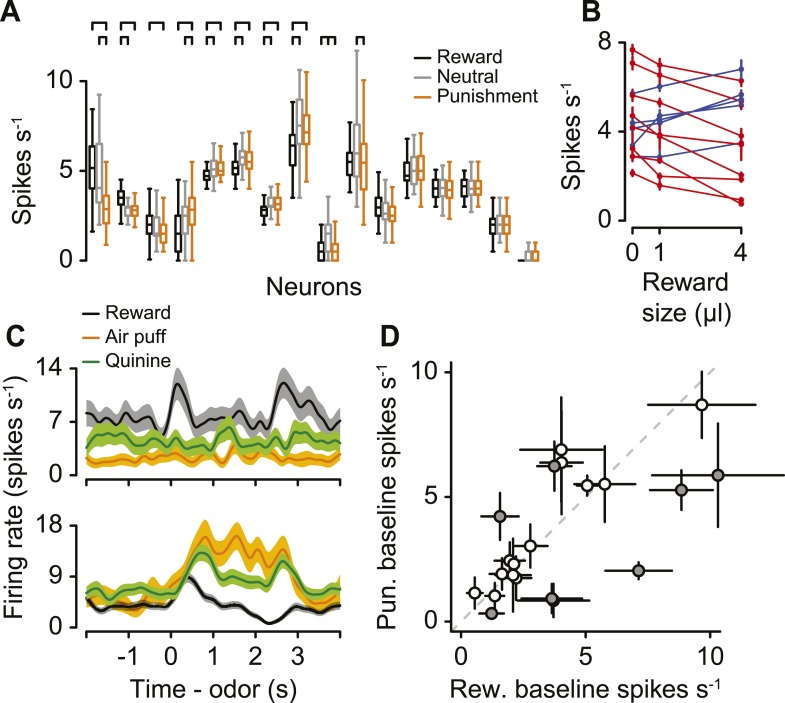
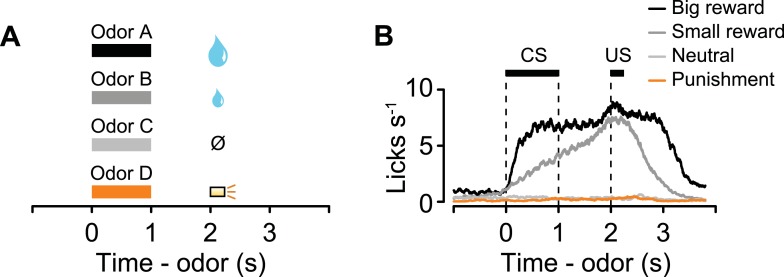
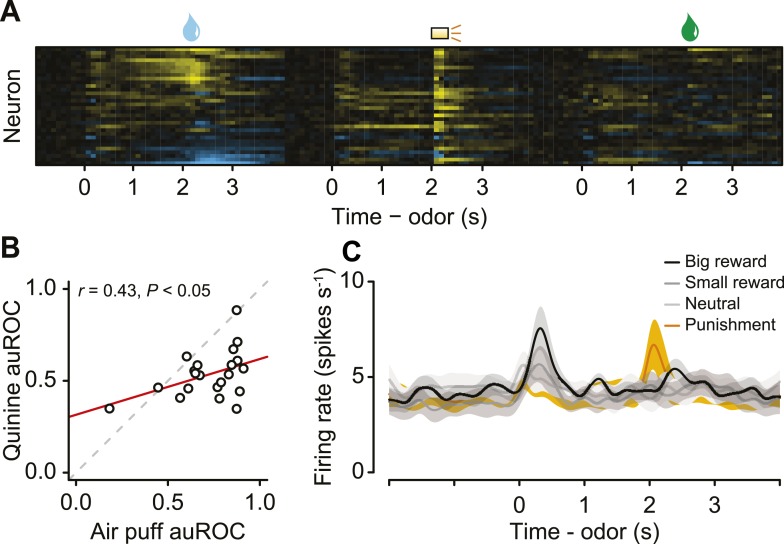
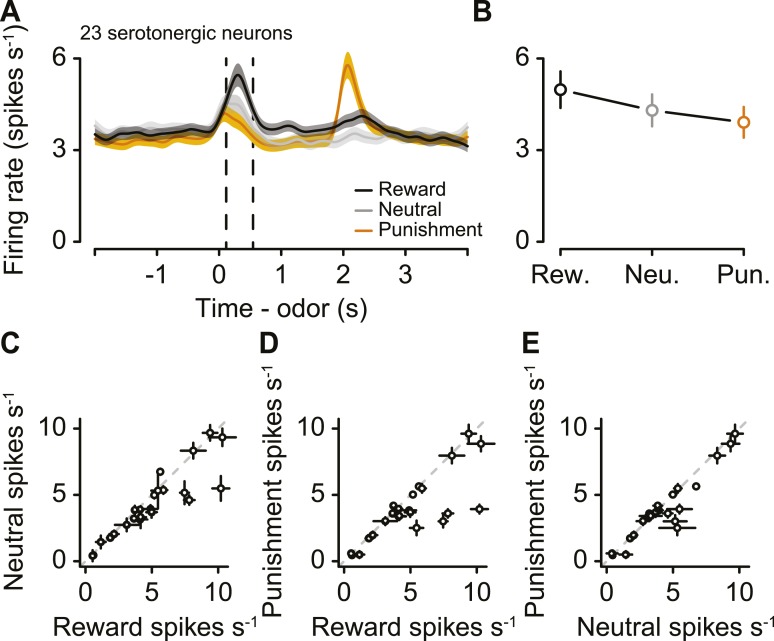
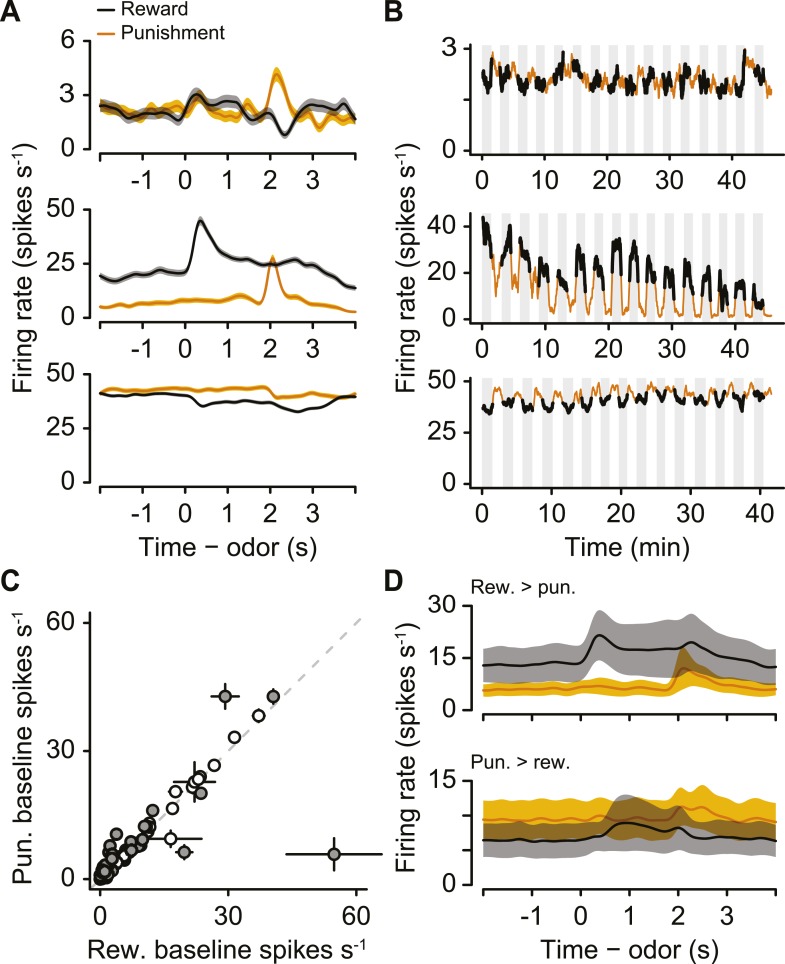
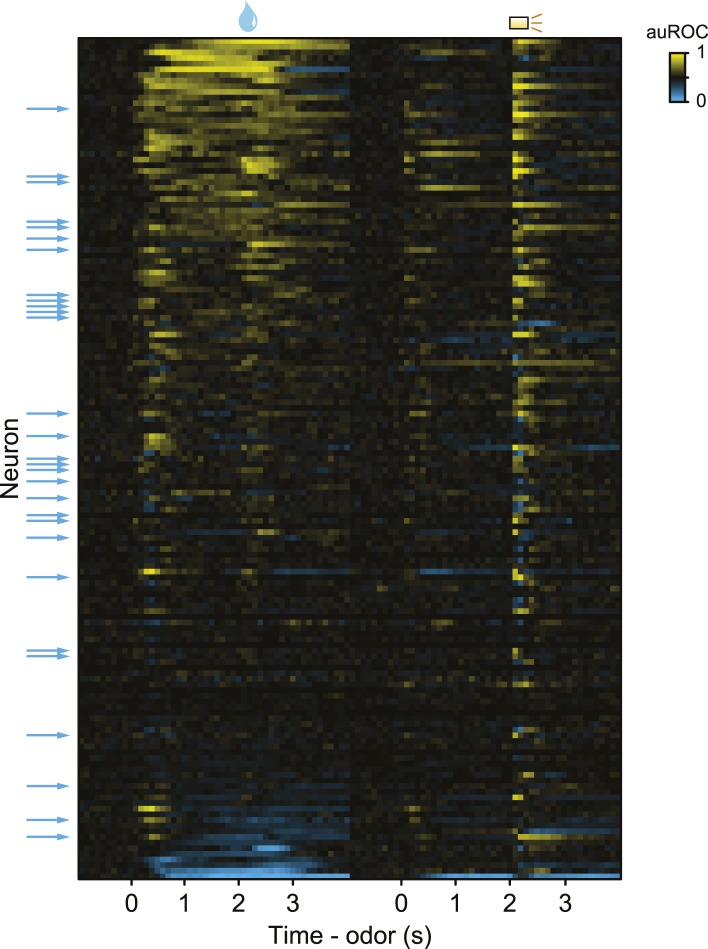
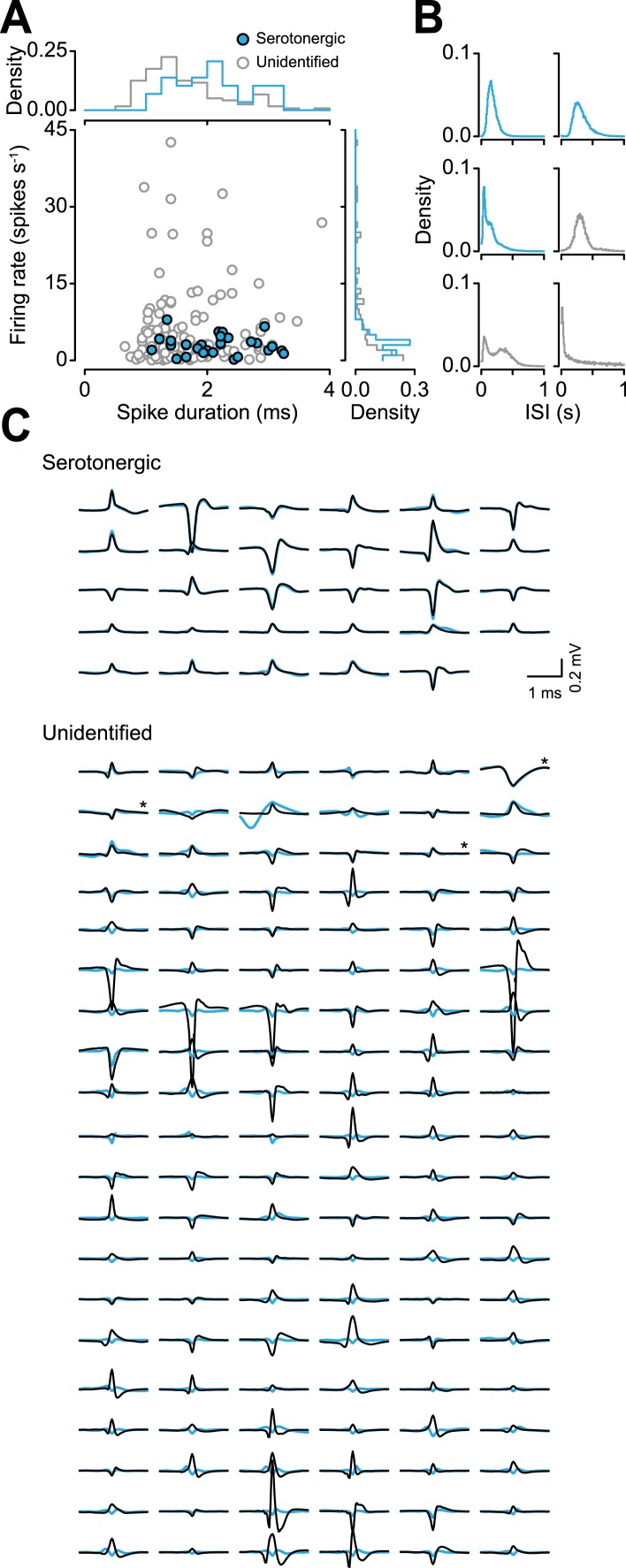
Serotonin's function in the brain is unclear. One challenge in testing the numerous hypotheses about serotonin's function has been observing the activity of identified serotonergic neurons in animals engaged in behavioral tasks. We recorded the activity of dorsal raphe neurons while mice experienced a task in which rewards and punishments varied across blocks of trials. We 'tagged' serotonergic neurons with the light-sensitive protein channelrhodopsin-2 and identified them based on their responses to light. We found three main features of serotonergic neuron activity: (1) a large fraction of serotonergic neurons modulated their tonic firing rates over the course of minutes during reward vs punishment blocks; (2) most were phasically excited by punishments; and (3) a subset was phasically excited by reward-predicting cues. By contrast, dopaminergic neurons did not show firing rate changes across blocks of trials. These results suggest that serotonergic neurons signal information about reward and punishment on multiple timescales.
Overview
The claims and statistics of this paper haven’t been checked yet.
Run the check — free, no account needed. It reads the open-access text and checks the sources it cites.
Integrity signals
Registry
Cites
Statistics
Figures
Verification
Claims the paper makes
The claims and statistics of this paper haven’t been checked yet.
Run the check — free, no account needed. It reads the open-access text and checks the sources it cites.
Claims other papers make about this one
Each is checked against this paper’s own text: does it say what the citing paper says it does?
In the citing paper
“single-unit recordings in head-fixed mice revealed heterogeneous responses of DR serotonin neurons to reward and punishment (Cohen et al., 2015).”
From Anatomically defined and functionally distinct dorsal raphe serotonin sub-systems (2018) · cites this paper as Cohen et al., 2015
In the citing paper
“Accumulating evidence points to physiological and molecular heterogeneity within the DR serotonin system (Calizo et al., 2011; Cohen et al., 2015; Fernandez et al., 2016; Okaty et al., 2015).”
From Anatomically defined and functionally distinct dorsal raphe serotonin sub-systems (2018) · cites this paper as Cohen et al., 2015
In the citing paper
“These findings suggest that previously described heterogeneous physiological responses of DR serotonin neurons to reward and punishment (Cohen et al., 2015) could result from recordings from projection-specific subpopulations.”
From Anatomically defined and functionally distinct dorsal raphe serotonin sub-systems (2018) · cites this paper as Cohen et al., 2015
Self-check
Percentages, sums and reported differences re-computed from the paper’s own numbers.
The self-check needs the paper’s full text.
Citations
Cites
A neural substrate of prediction and reward
Schultz, W., Dayan, P., & Montague, P. R. (1997) · Science · doi:10.1126/science.275.5306.1593 · Cited by 9,388
Millisecond-timescale, genetically targeted optical control of neural activity
Boyden, E. S., Zhang, F., Bamberg, E., Nagel, G., & Deisseroth, K. A. (2005) · Nature Neuroscience · doi:10.1038/nn1525 · Cited by 5,015
The origin of extracellular fields and currents — EEG, ECoG, LFP and spikes
Buzsáki, G., Anastassiou, C. A., & Koch, C. (2012) · Nature Reviews Neuroscience · doi:10.1038/nrn3241 · Cited by 4,225
Channelrhodopsin-2, a directly light-gated cation-selective membrane channel
Nagel, G., Szellas, T., Huhn, W., Kateriya, S., Adeishvili, N., Berthold, P. R., Ollig, D., Hegemann, P., & Bamberg, E. (2003) · Proceedings of the National Academy of Sciences · doi:10.1073/pnas.1936192100 · Cited by 2,730
Driving fast-spiking cells induces gamma rhythm and controls sensory responses
Cardin, J. A., Carlén, M., Meletis, K., Knoblich, U., Zhang, F., Deisseroth, K., Tsai, L.-H., & Moore, C. I. (2009) · Nature · doi:10.1038/nature08002 · Cited by 2,603
Structure and function of the brain serotonin system
Jacobs, B. L., & Azmitia, E. C. (1992) · Physiological Reviews · doi:10.1152/physrev.1992.72.1.165 · Cited by 2,574
Steinbusch, H. W. M. (1981) · Neuroscience · doi:10.1016/0306-4522(81)90146-9 · Cited by 2,415
Azmitia, E. C., & Segal, M. (1978) · The Journal of Comparative Neurology · doi:10.1002/cne.901790311 · Cited by 1,908
Two types of dopamine neuron distinctly convey positive and negative motivational signals
Matsumoto, M., & Hikosaka, O. (2009) · Nature · doi:10.1038/nature08028 · Cited by 1,378
Neuron-type-specific signals for reward and punishment in the ventral tegmental area
Cohen, J. Y., Haesler, S., Vong, L., Lowell, B. B., & Uchida, N. (2012) · Nature · doi:10.1038/nature10754 · Cited by 1,318
Self-citation
Cited by
Sorted by citations
The brain on drugs: from reward to addiction
Volkow, N. D., & Morales, M. (2015) · Cell · doi:10.1016/j.cell.2015.07.046 · Cited by 1,306
Ventral tegmental area: cellular heterogeneity, connectivity and behaviour
Morales, M., & Margolis, E. B. (2017) · Nature reviews. Neuroscience · doi:10.1038/nrn.2016.165 · Cited by 1,108
Berke, J. D. (2018) · Nature Neuroscience · doi:10.1038/s41593-018-0152-y · Cited by 904
Serotonin and brain function: a tale of two receptors
Carhart-Harris, R., & Nutt, D. (2017) · Journal of Psychopharmacology · doi:10.1177/0269881117725915 · Cited by 739
Dissociable dopamine dynamics for learning and motivation
Mohebi, A., Pettibone, J. R., Hamid, A., Wong, J.-M. T., Vinson, L. T., Patriarchi, T., Tian, L., Kennedy, R. T., & Berke, J. D. (2019) · Nature · doi:10.1038/s41586-019-1235-y · Cited by 751
Metadata
- Authors
- Cohen, J. Y., Amoroso, M. W., & Uchida, N.
- Affiliations
- Harvard University (US)
- Corresponding author
- Cohen, Jeremiah Y
- Venue
- eLife
- Publisher
- eLife Sciences Publications, Ltd
- Published
- 2015-02-25
- Volume
- 4
- ISSN
- 2050-084X (ISSN-L)
- PMC
- PMC4389268
- OpenAlex
- W2127567317
- Cited by
- 388
- References
- 123
- Citations by year
- 2026: 23 · 2025: 39 · 2024: 38 · 2023: 32 · 2022: 23 · 2021: 37 · 2020: 31 · 2019: 33 · 2018: 30 · 2017: 40 · 2016: 44 · 2015: 18
- FWCI
- 20.43
- Type
- journal article
- Language
- en
- Open access
- gold
- doi.org
- Licence
- Locations
- eLife (publishedVersion, cc-by)
- PubMed Central (publishedVersion, cc-by)
- PubMed (publishedVersion)
- Digital Access to Scholarship at Harvard (DASH) (Harvard University) (submittedVersion, cc-by)
- DOAJ (DOAJ: Directory of Open Access Journals) (submittedVersion, cc-by-sa)
- Infoscience (Ecole Polytechnique Fédérale de Lausanne) (submittedVersion, cc-by-nc-nd)
- Funders
- Helen Hay Whitney Foundation (HHWF) (HHMI Fellowship from the HHWF)
- Howard Hughes Medical Institute (HHMI) (HHMI Fellowship from the HHWF)
- National Science Foundation (NSF) (Graduate Research Fellowship)
- National Institutes of Health (NIH) (R01MH095953, R01MH101207)
- Topics
- Life Sciences › Neuroscience › Cellular and Molecular Neuroscience › Neurotransmitter Receptor Influence on Behavior
- Life Sciences › Neuroscience › Cognitive Neuroscience › Neural and Behavioral Psychology Studies
- Life Sciences › Neuroscience › Cellular and Molecular Neuroscience › Neuroscience and Neuropharmacology Research
- Keywords
- serotonin, serotonergic neurons, dorsal raphe nucleus, reward, punishment, dopamine, channelrhodopsin-2, reward prediction, mice
- MeSH terms
- Action Potentials, Animals, Behavior, Animal, Conditioning, Psychological, Cues, Mice, Inbred C57BL, Neural Inhibition, Punishment, Reward, Serotonin, Task Performance and Analysis, Time Factors, Serotonergic Neurons
About these checks
Registry, retraction, Cites and statistics results are computed, not judged, with one exception: a printed reference that no index lists is read once by a model before it counts as a citation error. Claims are extracted by a model and kept only when their quote appears verbatim in the text; each cited source is then checked, with a model’s help, for whether it says what the claim relies on. Those verdicts can be wrong — read the claim’s quote and the cited source before relying on one.
Statistics and arithmetic are recomputed, not judged.
Confidence bands are shown only for fields calibrated on our annotated test set. None is calibrated yet, so no band is shown.
What counts as a claim ›How we measure confidence ›How we check this ›
Are you an author, or do you see a problem with this page? Request a review
