

The DOI matches its Crossref record; 123 of the 123 references it cites were found in a registry or an index.
Serotonergic neurons signal reward and punishment on multiple timescales
Open accessAbstract
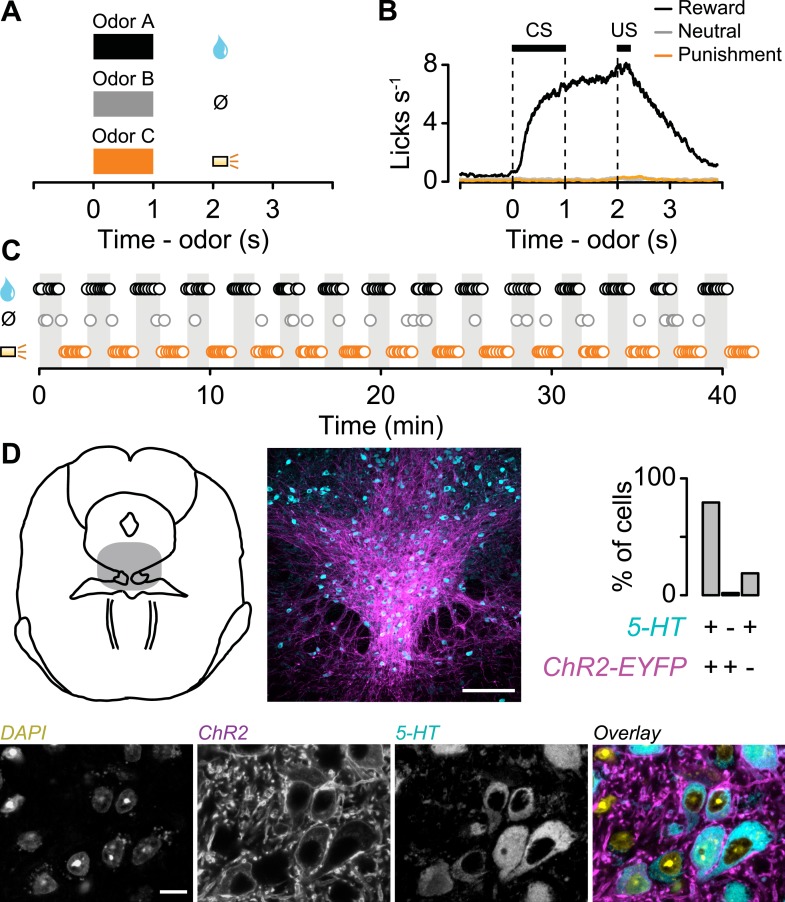
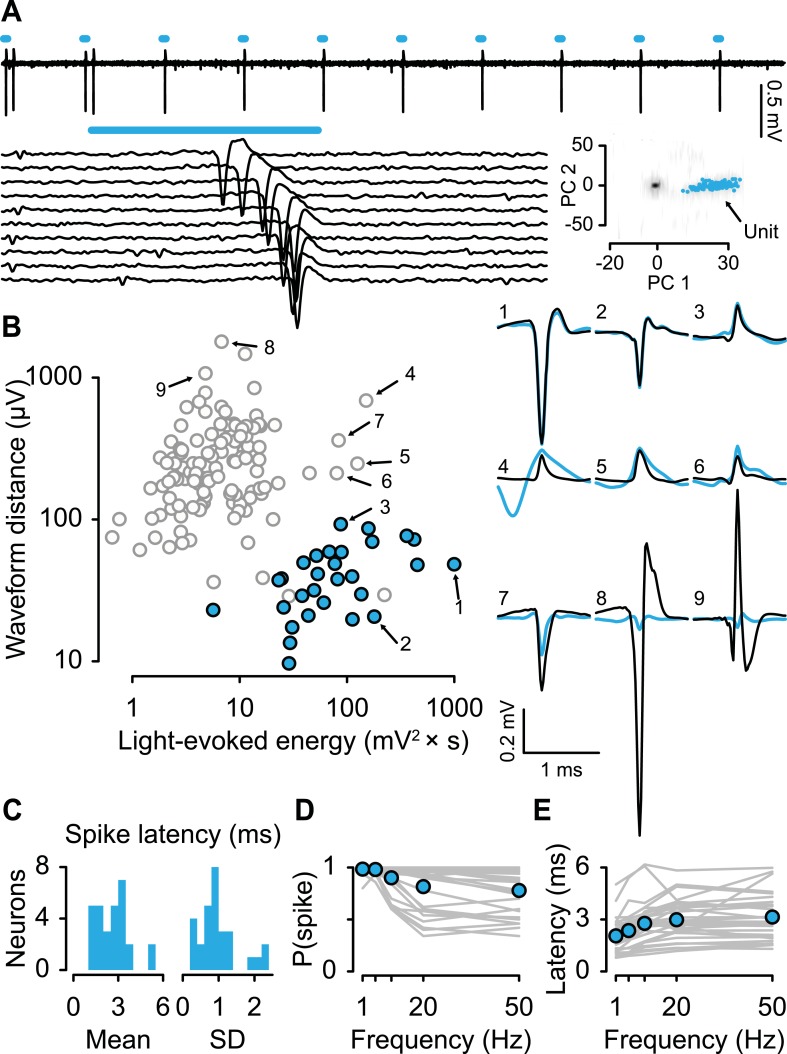
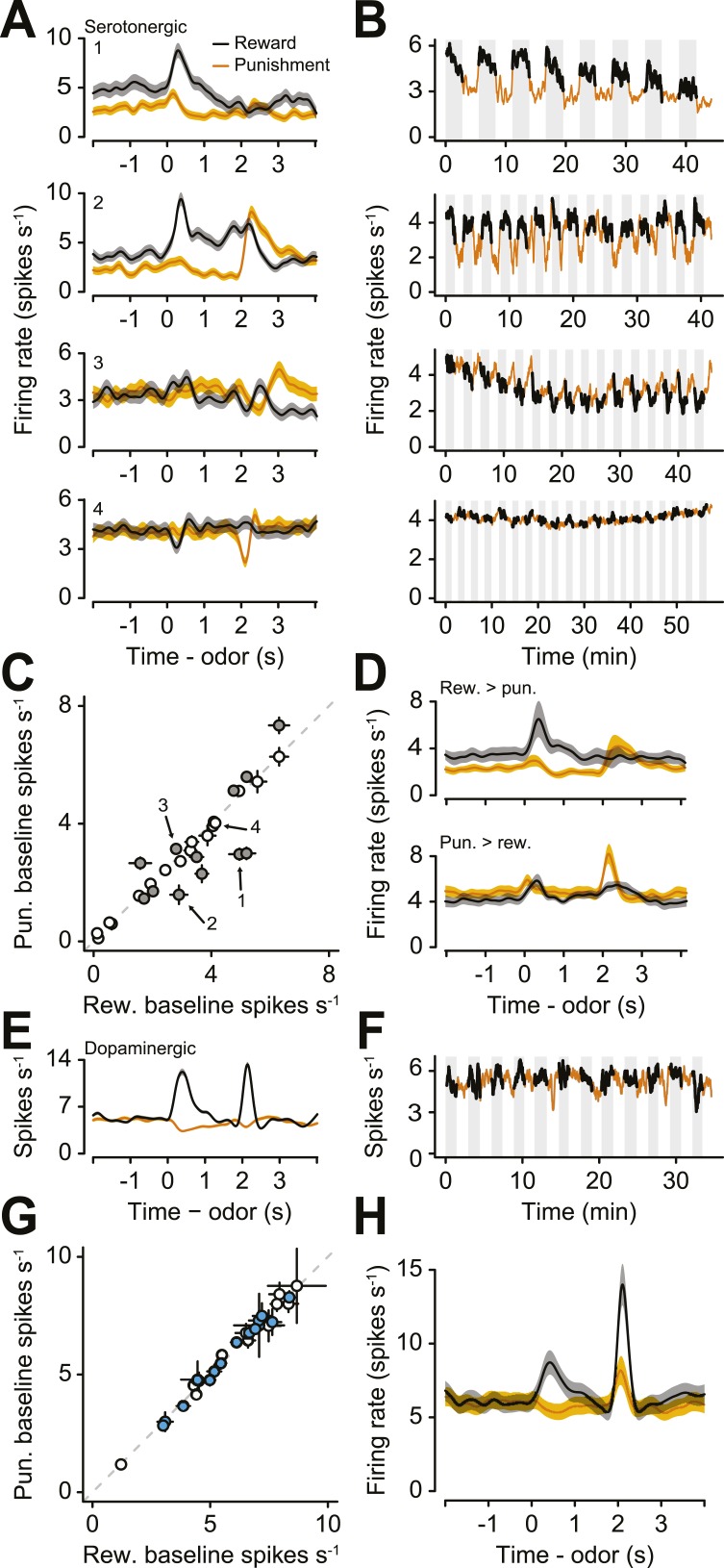
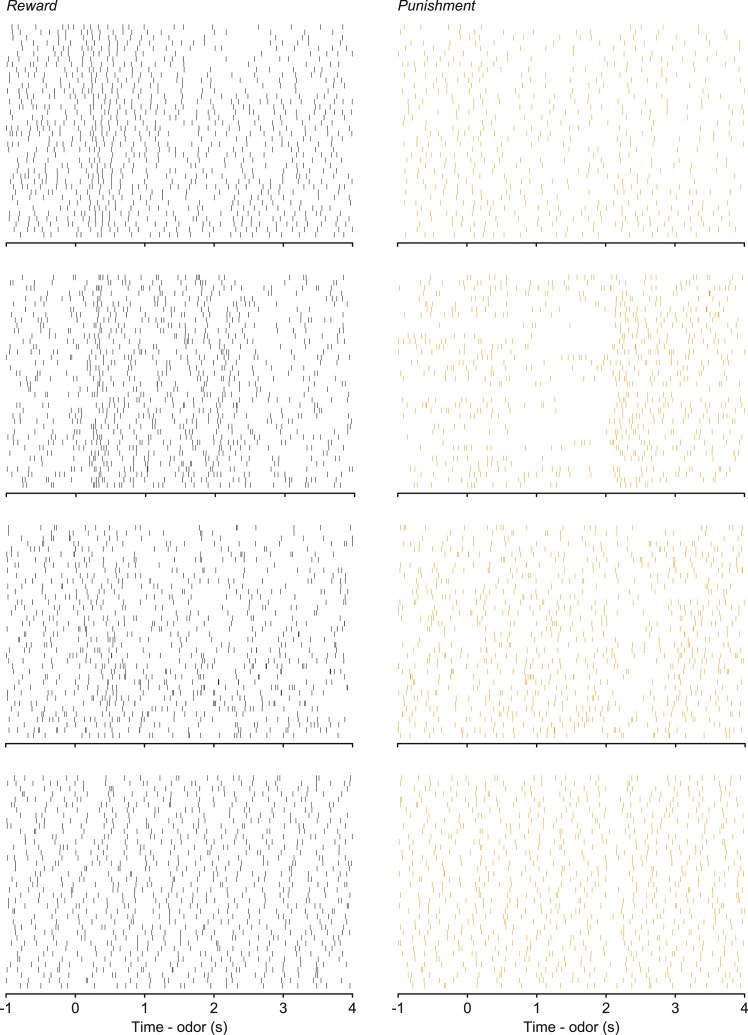
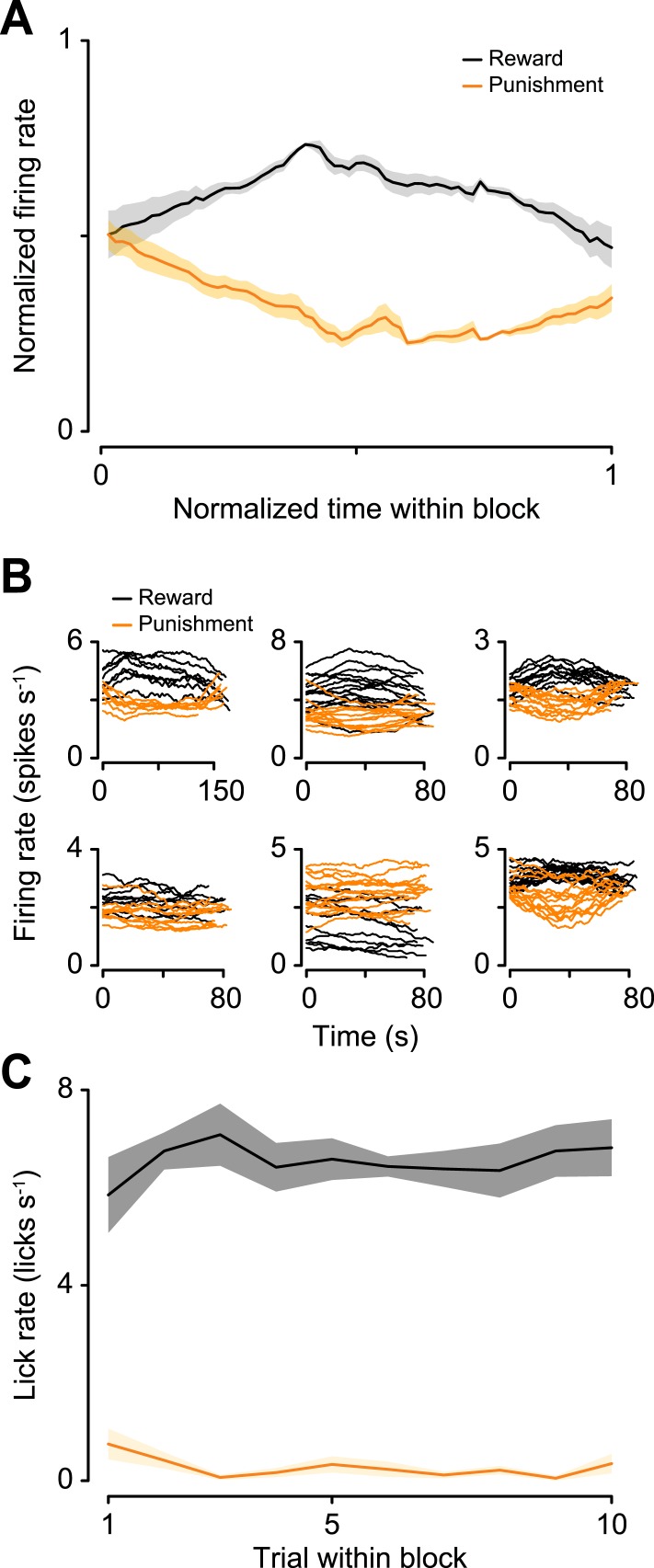
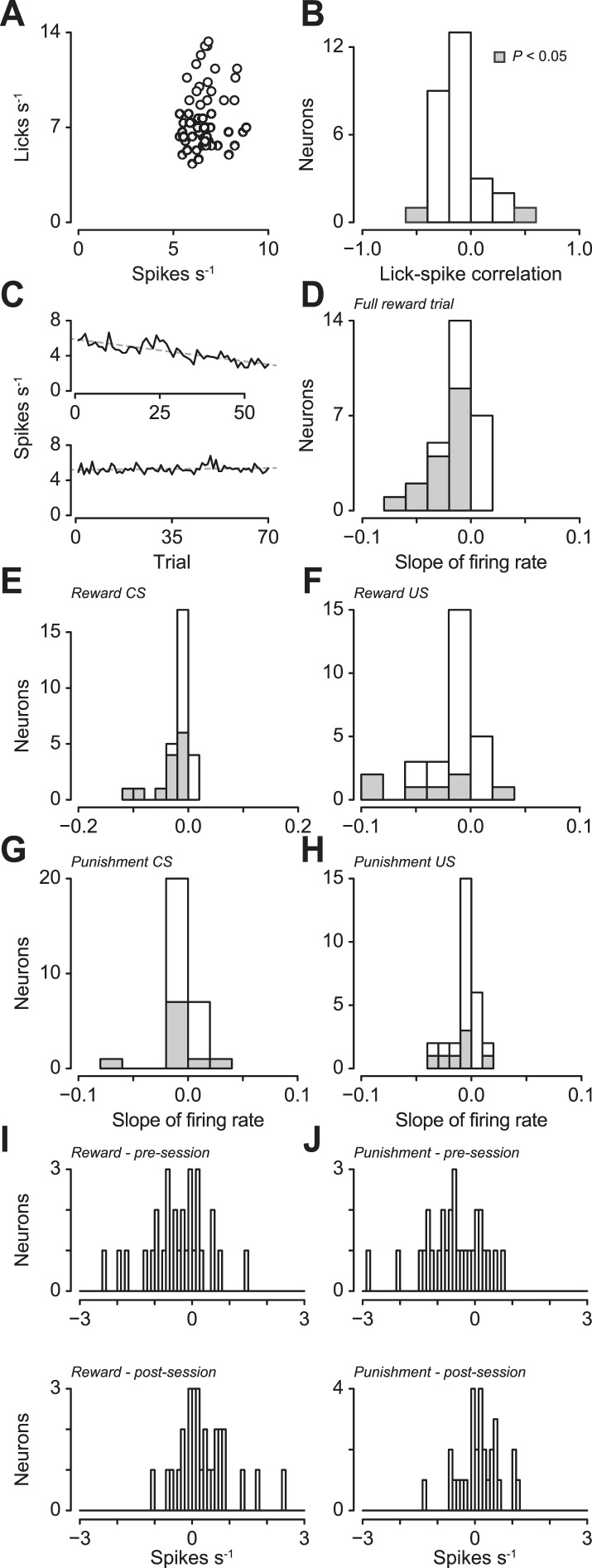
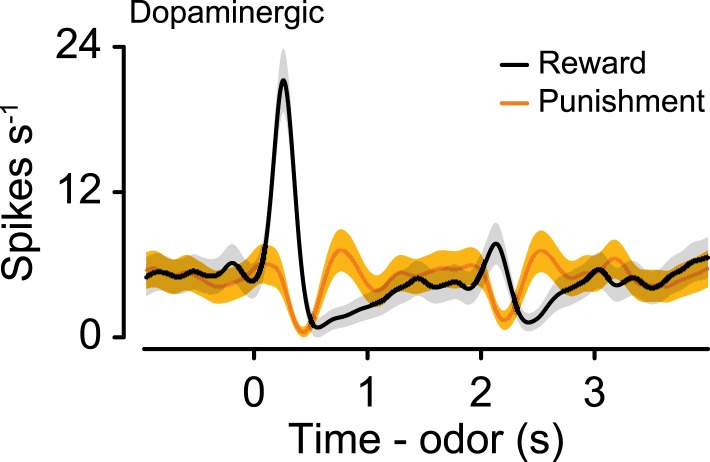
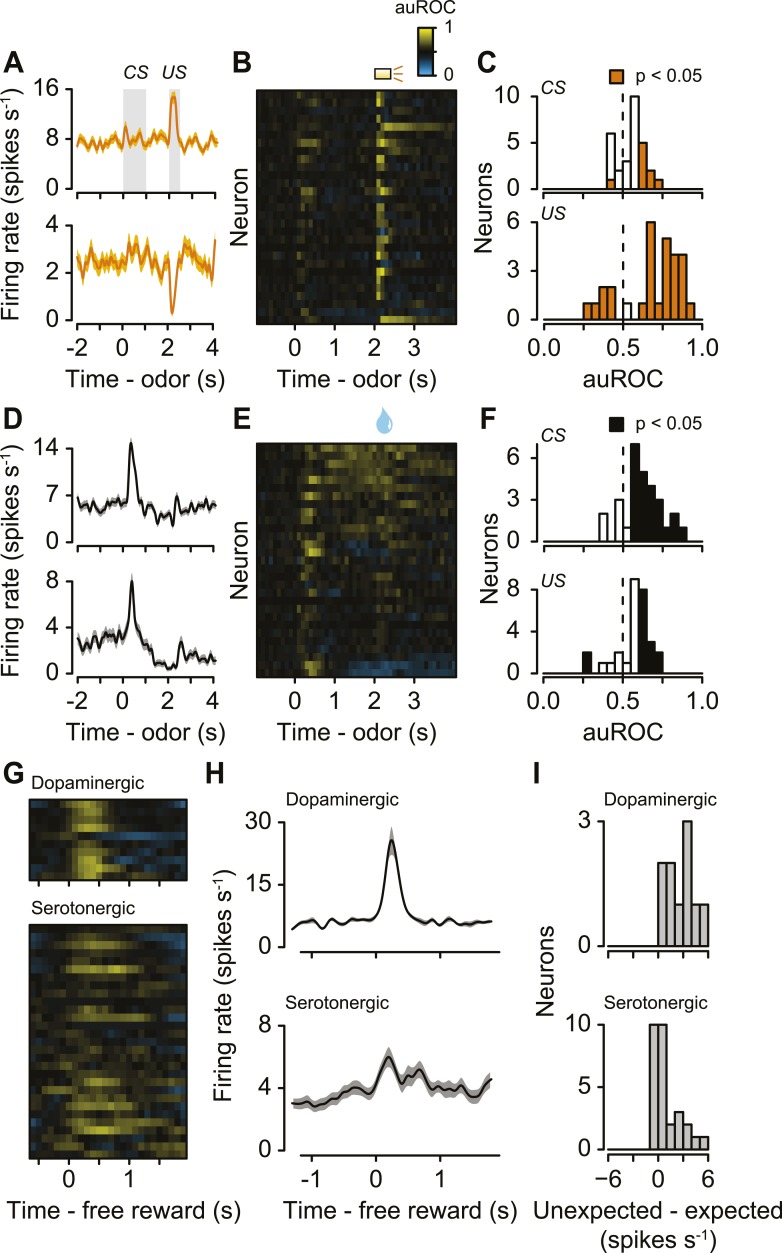
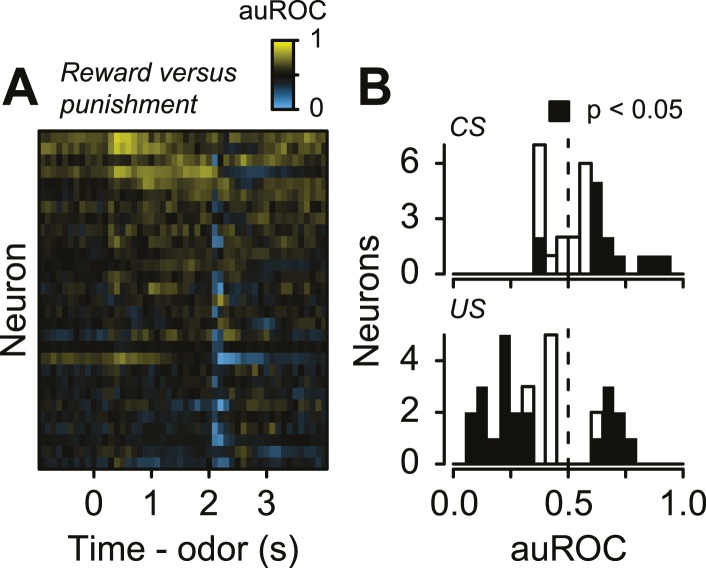
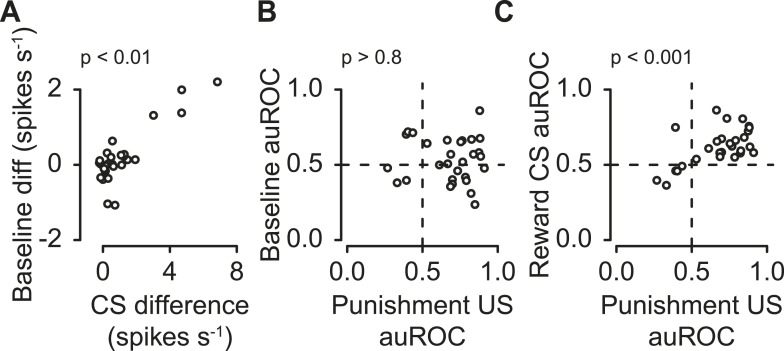
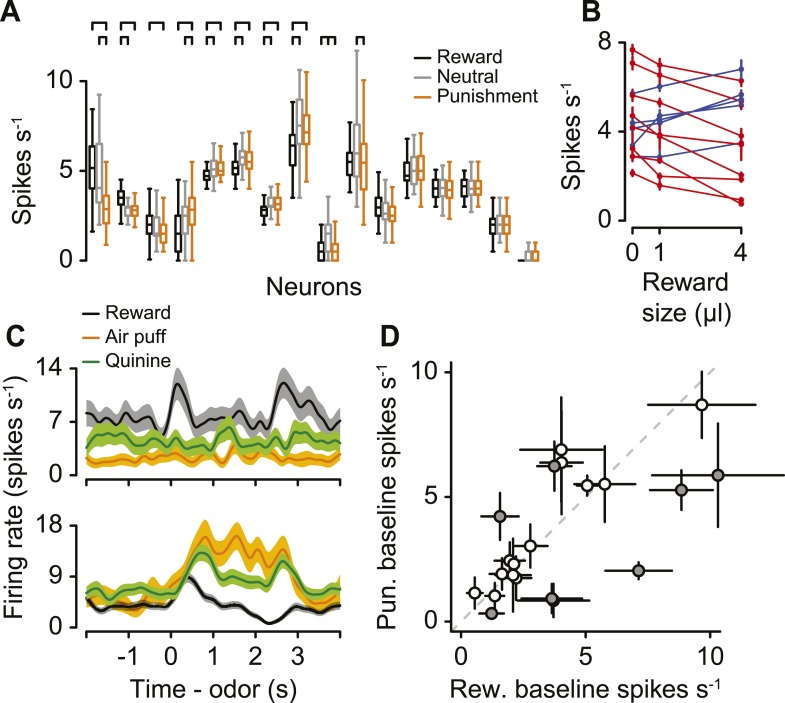
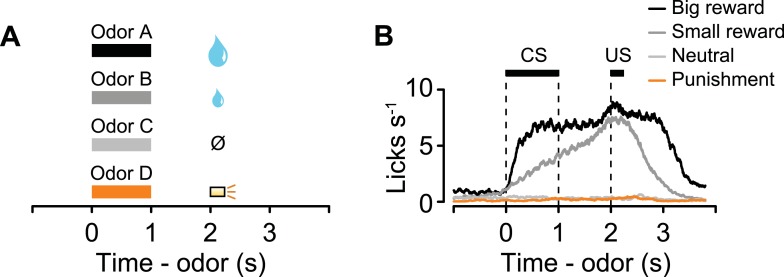
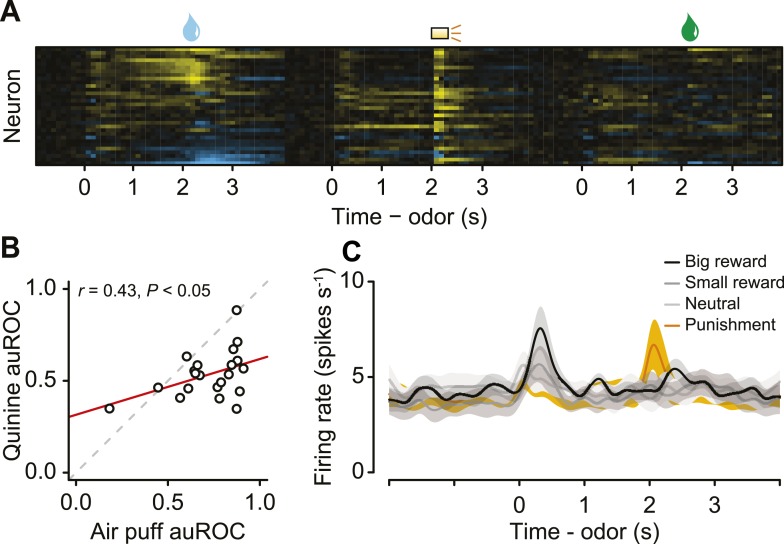
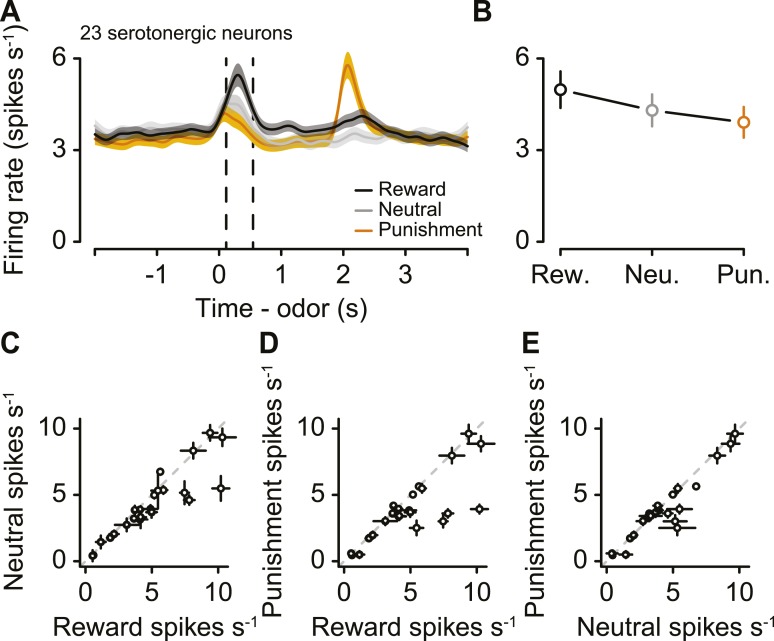
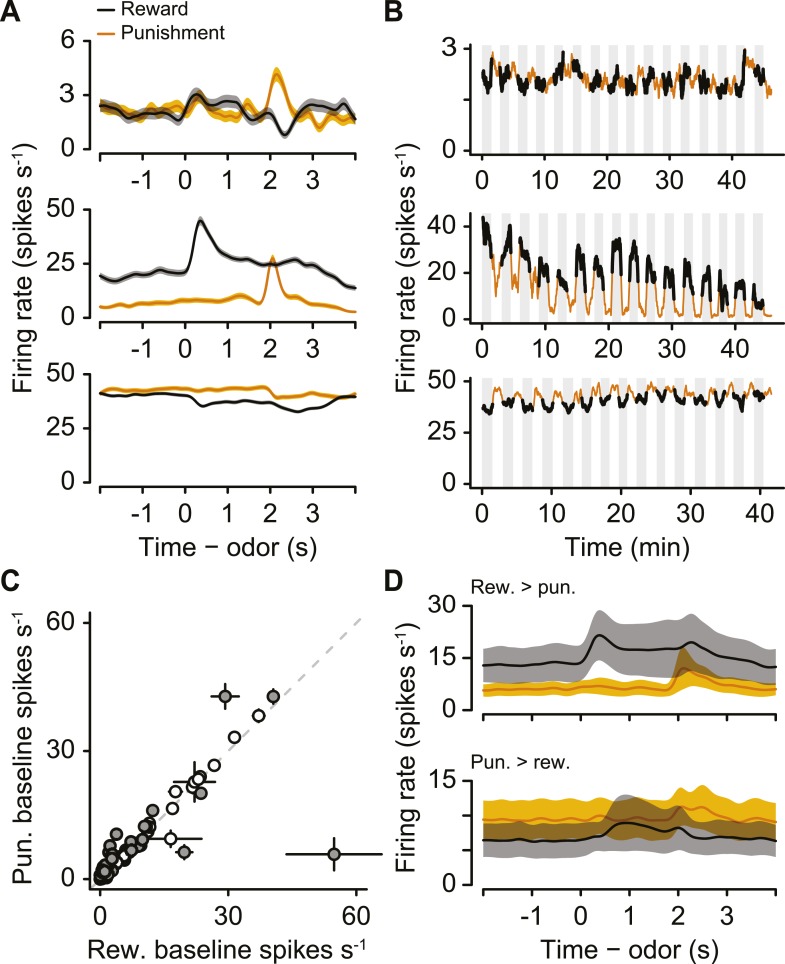
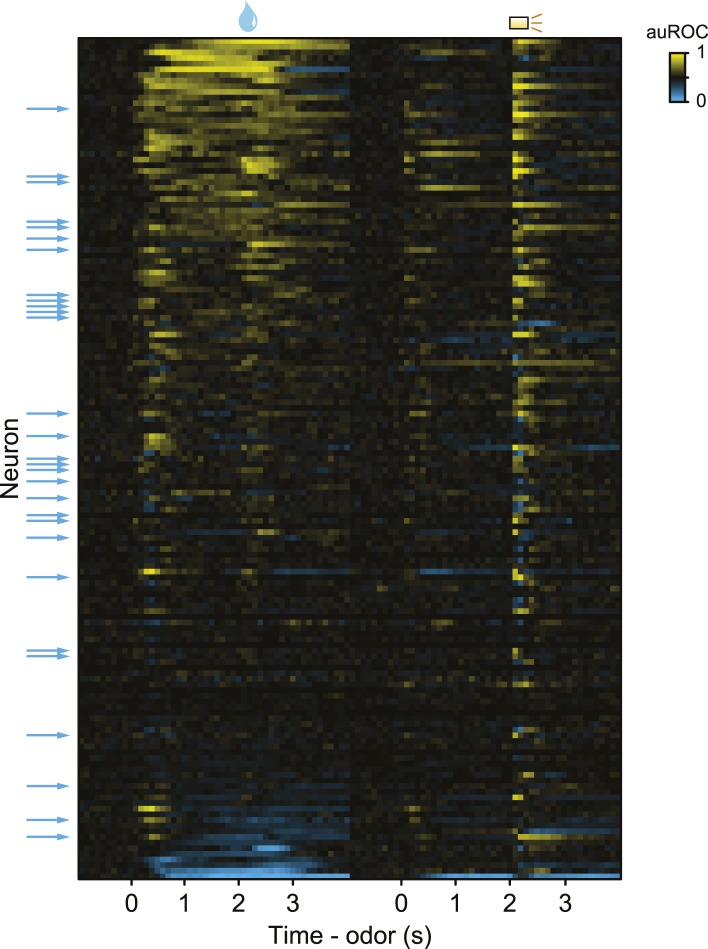
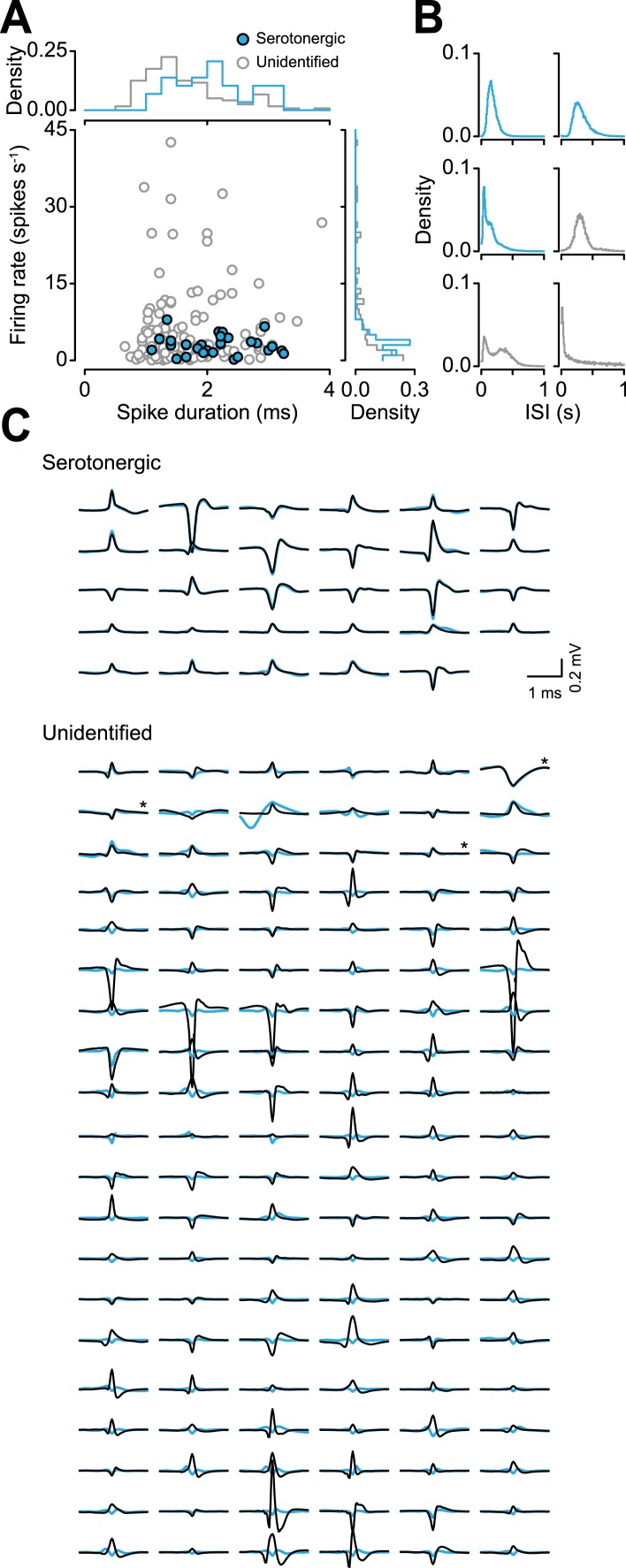
Serotonin's function in the brain is unclear. One challenge in testing the numerous hypotheses about serotonin's function has been observing the activity of identified serotonergic neurons in animals engaged in behavioral tasks. We recorded the activity of dorsal raphe neurons while mice experienced a task in which rewards and punishments varied across blocks of trials. We 'tagged' serotonergic neurons with the light-sensitive protein channelrhodopsin-2 and identified them based on their responses to light. We found three main features of serotonergic neuron activity: (1) a large fraction of serotonergic neurons modulated their tonic firing rates over the course of minutes during reward vs punishment blocks; (2) most were phasically excited by punishments; and (3) a subset was phasically excited by reward-predicting cues. By contrast, dopaminergic neurons did not show firing rate changes across blocks of trials. These results suggest that serotonergic neurons signal information about reward and punishment on multiple timescales.
Overview
The claims and statistics of this paper haven’t been checked yet.
Run the check — free, no account needed. It reads the open-access text and checks the sources it cites.
Integrity signals
Registry
Cites
Statistics
Figures
Verification
Claims the paper makes
The claims and statistics of this paper haven’t been checked yet.
Run the check — free, no account needed. It reads the open-access text and checks the sources it cites.
Claims other papers make about this one
Each is checked against this paper’s own text: does it say what the citing paper says it does?
In the citing paper
“single-unit recordings in head-fixed mice revealed heterogeneous responses of DR serotonin neurons to reward and punishment (Cohen et al., 2015).”
From Anatomically defined and functionally distinct dorsal raphe serotonin sub-systems (2018) · cites this paper as Cohen et al., 2015
In the citing paper
“Accumulating evidence points to physiological and molecular heterogeneity within the DR serotonin system (Calizo et al., 2011; Cohen et al., 2015; Fernandez et al., 2016; Okaty et al., 2015).”
From Anatomically defined and functionally distinct dorsal raphe serotonin sub-systems (2018) · cites this paper as Cohen et al., 2015
In the citing paper
“These findings suggest that previously described heterogeneous physiological responses of DR serotonin neurons to reward and punishment (Cohen et al., 2015) could result from recordings from projection-specific subpopulations.”
From Anatomically defined and functionally distinct dorsal raphe serotonin sub-systems (2018) · cites this paper as Cohen et al., 2015
Self-check
Percentages, sums and reported differences re-computed from the paper’s own numbers.
The self-check needs the paper’s full text.
Citations
Cites
A neural substrate of prediction and reward
Schultz, W., Dayan, P., & Montague, P. R. (1997) · Science · doi:10.1126/science.275.5306.1593 · Cited by 9,388
Millisecond-timescale, genetically targeted optical control of neural activity
Boyden, E. S., Zhang, F., Bamberg, E., Nagel, G., & Deisseroth, K. A. (2005) · Nature Neuroscience · doi:10.1038/nn1525 · Cited by 5,015
The origin of extracellular fields and currents — EEG, ECoG, LFP and spikes
Buzsáki, G., Anastassiou, C. A., & Koch, C. (2012) · Nature Reviews Neuroscience · doi:10.1038/nrn3241 · Cited by 4,225
Channelrhodopsin-2, a directly light-gated cation-selective membrane channel
Nagel, G., Szellas, T., Huhn, W., Kateriya, S., Adeishvili, N., Berthold, P. R., Ollig, D., Hegemann, P., & Bamberg, E. (2003) · Proceedings of the National Academy of Sciences · doi:10.1073/pnas.1936192100 · Cited by 2,730
Driving fast-spiking cells induces gamma rhythm and controls sensory responses
Cardin, J. A., Carlén, M., Meletis, K., Knoblich, U., Zhang, F., Deisseroth, K., Tsai, L.-H., & Moore, C. I. (2009) · Nature · doi:10.1038/nature08002 · Cited by 2,603
Structure and function of the brain serotonin system
Jacobs, B. L., & Azmitia, E. C. (1992) · Physiological Reviews · doi:10.1152/physrev.1992.72.1.165 · Cited by 2,574
Steinbusch, H. W. M. (1981) · Neuroscience · doi:10.1016/0306-4522(81)90146-9 · Cited by 2,415
Azmitia, E. C., & Segal, M. (1978) · The Journal of Comparative Neurology · doi:10.1002/cne.901790311 · Cited by 1,908
Two types of dopamine neuron distinctly convey positive and negative motivational signals
Matsumoto, M., & Hikosaka, O. (2009) · Nature · doi:10.1038/nature08028 · Cited by 1,378
Neuron-type-specific signals for reward and punishment in the ventral tegmental area
Cohen, J. Y., Haesler, S., Vong, L., Lowell, B. B., & Uchida, N. (2012) · Nature · doi:10.1038/nature10754 · Cited by 1,318
Self-citation
Cited by
Sorted by citations
The brain on drugs: from reward to addiction
Volkow, N. D., & Morales, M. (2015) · Cell · doi:10.1016/j.cell.2015.07.046 · Cited by 1,306
Ventral tegmental area: cellular heterogeneity, connectivity and behaviour
Morales, M., & Margolis, E. B. (2017) · Nature reviews. Neuroscience · doi:10.1038/nrn.2016.165 · Cited by 1,108
Berke, J. D. (2018) · Nature Neuroscience · doi:10.1038/s41593-018-0152-y · Cited by 904
Serotonin and brain function: a tale of two receptors
Carhart-Harris, R., & Nutt, D. (2017) · Journal of Psychopharmacology · doi:10.1177/0269881117725915 · Cited by 739
Dissociable dopamine dynamics for learning and motivation
Mohebi, A., Pettibone, J. R., Hamid, A., Wong, J.-M. T., Vinson, L. T., Patriarchi, T., Tian, L., Kennedy, R. T., & Berke, J. D. (2019) · Nature · doi:10.1038/s41586-019-1235-y · Cited by 751
Anatomically defined and functionally distinct dorsal raphe serotonin sub-systems
Ren, J., Friedmann, D., Xiong, J., Liu, C. D., Ferguson, B. R., Weerakkody, T., DeLoach, K. E., Ran, C., Pun, A., Sun, Y., et al. (2018) · Cell · doi:10.1016/j.cell.2018.07.043 · Cited by 498
Serotonin neurons in the dorsal raphe nucleus encode reward signals
Li, Y., Zhong, W., Wang, D., Feng, Q., Liu, Z., Zhou, J., Jia, C., Hu, F., Zeng, J., Guo, Q., et al. (2016) · Nature Communications · doi:10.1038/ncomms10503 · Cited by 440
Central Cholinergic Neurons Are Rapidly Recruited by Reinforcement Feedback
Hangya, B., Ranade, S. P., Lorenc, M., & Kepecs, A. (2015) · Cell · doi:10.1016/j.cell.2015.07.057 · Cited by 399
Mood as representation of momentum
Eldar, E., Rutledge, R. B., Dolan, R. J., & Niv, Y. (2016) · Trends in Cognitive Sciences · doi:10.1016/j.tics.2015.07.010 · Cited by 383
The Roles of Serotonin in Neuropsychiatric Disorders
Pourhamzeh, M., Moravej, F. G., Arabi, M., Shahriari, E., Mehrabi, S., Ward, R. T., Ahadi, R., & Joghataei, M. T. (2021) · Cellular and Molecular Neurobiology · doi:10.1007/s10571-021-01064-9 · Cited by 409
Medial prefrontal cortex in neurological diseases
Xu, P., Chen, A., Li, Y., Xing, X., & Lü, H. (2019) · Physiological Genomics · doi:10.1152/physiolgenomics.00006.2019 · Cited by 360
Embracing diversity in the 5-HT neuronal system
Okaty, B. W., Commons, K. G., & Dymecki, S. M. (2019) · Nature Reviews Neuroscience · doi:10.1038/s41583-019-0151-3 · Cited by 319
Ren, J., Isakova, A., Friedmann, D., Zeng, J., Grutzner, S. M., Pun, A., Zhao, G. Q., Kolluru, S. S., Wang, R., Lin, R., et al. (2019) · eLife · doi:10.7554/elife.49424 · Cited by 304
The Serotonergic Raphe Promote Sleep in Zebrafish and Mice
Oikonomou, G., Altermatt, M., Zhang, R., Coughlin, G. M., Montz, C. J., Gradinaru, V., & Prober, D. A. (2019) · Neuron · doi:10.1016/j.neuron.2019.05.038 · Cited by 309
Beyond happiness: Building a science of discrete positive emotions.
Shiota, M. N., Campos, B., Oveis, C., Hertenstein, M. J., Simon-Thomas, E. R., & Keltner, D. J. (2017) · American Psychologist · doi:10.1037/a0040456 · Cited by 304
Dopamine neurons encode performance error in singing birds
Gadagkar, V., Puzerey, P. A., Chen, R., Baird-Daniel, E., Farhang, A., & Goldberg, J. H. (2016) · Science · doi:10.1126/science.aah6837 · Cited by 274
Hu, H. (2016) · Annual Review of Neuroscience · doi:10.1146/annurev-neuro-070815-014106 · Cited by 253
Molecular and anatomical organization of the dorsal raphe nucleus
Huang, K. W., Ochandarena, N. E., Philson, A. C., Hyun, M., Birnbaum, J. E., Cicconet, M., & Sabatini, B. L. (2019) · eLife · doi:10.7554/elife.46464 · Cited by 267
Medial and orbital frontal cortex in decision-making and flexible behavior
Klein-Flügge, M. C., Bongioanni, A., & Rushworth, M. F. S. (2022) · Neuron · doi:10.1016/j.neuron.2022.05.022 · Cited by 244
Control of synaptic plasticity in deep cortical networks
Roelfsema, P. R., & Holtmaat, A. J. D. G. (2018) · Nature reviews. Neuroscience · doi:10.1038/nrn.2018.6 · Cited by 254
Activity patterns of serotonin neurons underlying cognitive flexibility
Matias, S., Lottem, E., Dugué, G. P., & Mainen, Z. F. (2017) · eLife · doi:10.7554/elife.20552 · Cited by 239
Distributed and Mixed Information in Monosynaptic Inputs to Dopamine Neurons
Tian, J., Huang, R., Cohen, J. Y., Osakada, F., Kobak, D., Machens, C. K., Callaway, E. M., Uchida, N., & Watabe-Uchida, M. (2016) · Neuron · doi:10.1016/j.neuron.2016.08.018 · Cited by 224
Self-citationSerotonin, Amygdala and Fear: Assembling the Puzzle
Bocchio, M., McHugh, S. B., Bannerman, D. M., Sharp, T., & Capogna, M. (2016) · Frontiers in Neural Circuits · doi:10.3389/fncir.2016.00024 · Cited by 219
Midbrain dopamine neurons signal belief in choice accuracy during a perceptual decision
Lak, A., Nomoto, K., Keramati, M., Sakagami, M., & Kepecs, A. (2017) · Current Biology · doi:10.1016/j.cub.2017.02.026 · Cited by 170
Modeling Trait Anxiety: From Computational Processes to Personality
Raymond, J. G., Steele, J. D., & Seriès, P. (2017) · Frontiers in Psychiatry · doi:10.3389/fpsyt.2017.00001 · Cited by 209
Somatosensory Cortex Plays an Essential Role in Forelimb Motor Adaptation in Mice
Mathis, M. W., Mathis, A., & Uchida, N. (2017) · Neuron · doi:10.1016/j.neuron.2017.02.049 · Cited by 201
Serotonin neurons modulate learning rate through uncertainty
Grossman, C. D., Bari, B. A., & Cohen, J. Y. (2022) · Current Biology · doi:10.1016/j.cub.2021.12.006 · Cited by 164
Wang, H.-L., Zhang, S., Qi, J., Wang, H., Cachope, R., Mejias-Aponte, C. A., Gomez, J. A., Mateo-Semidey, G. E., Beaudoin, G. M. J., Paladini, C. A., et al. (2019) · Cell Reports · doi:10.1016/j.celrep.2019.01.014 · Cited by 176
An Update on the Role of Serotonin and its Interplay with Dopamine for Reward
Fischer, A. G., & Ullsperger, M. (2017) · Frontiers in Human Neuroscience · doi:10.3389/fnhum.2017.00484 · Cited by 189
Stable representations of decision variables for flexible behavior
Bari, B. A., Grossman, C. D., Lubin, E. E., Rajagopalan, A. E., Cressy, J. I., & Cohen, J. Y. (2019) · Neuron · doi:10.1016/j.neuron.2019.06.001 · Cited by 173
Self-citationStephenson‐Jones, M., Bravo-Rivera, C., Ahrens, S., Furlan, A., Xiao, X., Fernandes-Henriques, C., & Li, B. (2020) · Neuron · doi:10.1016/j.neuron.2019.12.006 · Cited by 165
Habenula Lesions Reveal that Multiple Mechanisms Underlie Dopamine Prediction Errors
Tian, J., & Uchida, N. (2015) · Neuron · doi:10.1016/j.neuron.2015.08.028 · Cited by 173
Modulating the Neuromodulators: Dopamine, Serotonin, and the Endocannabinoid System
Peters, K. Z., Cheer, J. F., & Tonini, R. (2021) · Trends in Neurosciences · doi:10.1016/j.tins.2021.02.001 · Cited by 180
The Serotonergic System Tracks the Outcomes of Actions to Mediate Short-Term Motor Learning
Kawashima, T., Zwart, M., Yang, C.-T., Mensh, B. D., & Ahrens, M. B. (2016) · Cell · doi:10.1016/j.cell.2016.09.055 · Cited by 170
Nucleus Accumbens Modulation in Reward and Aversion
Klawonn, A. M., & Malenka, R. C. (2018) · Cold Spring Harbor Symposia on Quantitative Biology · doi:10.1101/sqb.2018.83.037457 · Cited by 163
Anterior cingulate is a source of valence-specific information about value and uncertainty
Monosov, I. E. (2017) · Nature Communications · doi:10.1038/s41467-017-00072-y · Cited by 163
Animal affect and decision-making
Mendl, M., & Paul, E. S. (2020) · Neuroscience & Biobehavioral Reviews · doi:10.1016/j.neubiorev.2020.01.025 · Cited by 171
Brouwer, A., & Carhart-Harris, R. L. (2020) · Journal of Psychopharmacology · doi:10.1177/0269881120959637 · Cited by 174
Monoaminergic Neuromodulation of Sensory Processing
Jacob, S. N., & Nienborg, H. (2018) · Frontiers in Neural Circuits · doi:10.3389/fncir.2018.00051 · Cited by 147
Correia, P. A., Lottem, E., Banerjee, D., Machado, A. S., Carey, M. R., & Mainen, Z. F. (2017) · eLife · doi:10.7554/elife.20975 · Cited by 138
Architectural Representation of Valence in the Limbic System
Namburi, P., Al‐Hasani, R., Calhoon, G. G., Bruchas, M. R., & Tye, K. M. (2015) · Neuropsychopharmacology · doi:10.1038/npp.2015.358 · Cited by 148
Paquelet, G. E., Carrion, K., Lacefield, C., Zhou, P., Hen, R., & Miller, B. R. (2022) · Neuron · doi:10.1016/j.neuron.2022.05.015 · Cited by 139
Hippocampal 5-HT Input Regulates Memory Formation and Schaffer Collateral Excitation
Teixeira, C. M., Rosen, Z. B., Suri, D., Sun, Q., Hersh, M. A., Sargin, D., Dincheva, I., Morgan, A. A., Spivack, S., Krok, A. C., et al. (2018) · Neuron · doi:10.1016/j.neuron.2018.04.030 · Cited by 140
Control of amygdala circuits by 5-HT neurons via 5-HT and glutamate cotransmission
Sengupta, A., Bocchio, M., Bannerman, D. M., Sharp, T., & Capogna, M. (2017) · The Journal of Neuroscience · doi:10.1523/jneurosci.2238-16.2016 · Cited by 136
Left Habenula Mediates Light-Preference Behavior in Zebrafish via an Asymmetrical Visual Pathway
Zhang, B.-B., Yao, Y.-Y., Zhang, H.-F., Kawakami, K., & Du, J.-L. (2017) · Neuron · doi:10.1016/j.neuron.2017.01.011 · Cited by 115
ASICs Mediate Food Responses in an Enteric Serotonergic Neuron that Controls Foraging Behaviors
Rhoades, J. L., Nelson, J. C., Nwabudike, I., Yu, S. K., McLachlan, I. G., Madan, G. K., Abebe, E., Powers, J. R., Colón‐Ramos, D. A., & Flavell, S. W. (2018) · Cell · doi:10.1016/j.cell.2018.11.023 · Cited by 125
Control of movement vigor and decision making during foraging
Yoon, T., Geary, R. B., Ahmed, A. A., & Shadmehr, R. (2018) · Proceedings of the National Academy of Sciences · doi:10.1073/pnas.1812979115 · Cited by 122
Iigaya, K., Fonseca, M. S., Murakami, M., Mainen, Z. F., & Dayan, P. (2018) · Nature Communications · doi:10.1038/s41467-018-04840-2 · Cited by 120
Homberg, J. R., Schubert, D., Asan, E., & Aron, E. N. (2016) · Neuroscience & Biobehavioral Reviews · doi:10.1016/j.neubiorev.2016.09.029 · Cited by 143
A specific role for serotonin in overcoming effort cost
Meyniel, F., Goodwin, G. M., Deakin, J. F. W., Klinge, C., MacFadyen, C., Milligan, H., Mullings, E. L., Pessiglione, M., & Gaillard, R. (2016) · eLife · doi:10.7554/elife.17282 · Cited by 120
A Locus Coeruleus- Dorsal CA1 Dopaminergic Circuit Modulates Memory Linking
Chowdhury, A., Luchetti, A., Fernandes, G., Filho, D. A., Kastellakis, G., Tzilivaki, A., Ramirez, E. M., Tran, M. Y., Poirazi, P., & Silva, A. J. (2021) · Neuron · doi:10.1016/j.neuron.2022.08.001 · Cited by 122
Reward processing by the dorsal raphe nucleus: 5-HT and beyondPreprint
Luo, M., Zhou, J., & Liu, Z. (2015) · Learning & Memory · doi:10.1101/lm.037317.114 · Cited by 131
Kapoor, V., Provost, A. C., Agarwal, P., & Murthy, V. N. (2016) · Nature Neuroscience · doi:10.1038/nn.4219 · Cited by 113
Mechanisms of neuromodulatory volume transmission
Özçete, Ö. D., Banerjee, A., & Kaeser, P. S. (2024) · Molecular Psychiatry · doi:10.1038/s41380-024-02608-3 · Cited by 144
A Discrete Dorsal Raphe to Basal Amygdala 5-HT Circuit Calibrates Aversive Memory
Sengupta, A., & Holmes, A. (2019) · Neuron · doi:10.1016/j.neuron.2019.05.029 · Cited by 123
Serotonin regulation of behavior via large-scale neuromodulation of serotonin receptor networks
Salvan, P., Fonseca, M., Winkler, A. M., Beauchamp, A., Lerch, J. P., & Johansen-Berg, H. (2023) · Nature Neuroscience · doi:10.1038/s41593-022-01213-3 · Cited by 101
Bazzari, A. H., & Parri, H. R. (2019) · Brain Sciences · doi:10.3390/brainsci9110300 · Cited by 107
The Protective Action Encoding of Serotonin Transients in the Human Brain
Moran, R., Kishida, K. T., Lohrenz, T. M., Sáez, I., Laxton, A. W., Witcher, M. R., Tatter, S. B., Ellis, T. L., Phillips, P. E. M., Dayan, P., et al. (2018) · Neuropsychopharmacology · doi:10.1038/npp.2017.304 · Cited by 97
Geddes, S. D., Assadzada, S., Lemelin, D., Sokolovski, A., Bergeron, R., Haj-Dahmane, S., & Béïque, J.-C. (2016) · Proceedings of the National Academy of Sciences · doi:10.1073/pnas.1522754113 · Cited by 90
Calhoun, A. J., & Hayden, B. Y. (2015) · Current Opinion in Behavioral Sciences · doi:10.1016/j.cobeha.2015.07.003 · Cited by 91
Dopamine and the motivation of cognitive control
Cools, R., Froböse, M. I., Aarts, E., & Hofmans, L. (2019) · Handbook of clinical neurology · doi:10.1016/b978-0-12-804281-6.00007-0 · Cited by 99
Dopamine transients follow a striatal gradient of reward time horizons
Mohebi, A., Wei, W., Pelattini, L., Kim, K., & Berke, J. D. (2024) · Nature Neuroscience · doi:10.1038/s41593-023-01566-3 · Cited by 105
Recent advances in understanding the role of phasic dopamine activity
Schultz, W. (2019) · F1000Research · doi:10.12688/f1000research.19793.1 · Cited by 94
Shadmehr, R., & Ahmed, A. A. (2020) · The MIT Press eBooks · doi:10.7551/mitpress/12940.001.0001 · Cited by 108
Learning and Stress Shape the Reward Response Patterns of Serotonin Neurons
Zhong, W., Li, Y., Feng, Q., & Luo, M. (2017) · Journal of Neuroscience · doi:10.1523/jneurosci.1181-17.2017 · Cited by 90
Miyazaki, K., Miyazaki, K. W., Yamanaka, A., Tokuda, T., Tanaka, K. F., & Doya, K. (2018) · Nature Communications · doi:10.1038/s41467-018-04496-y · Cited by 84
Distinct serotonergic pathways to the amygdala underlie separate behavioral features of anxiety
Yu, X., Zhu, Y., Sun, Q., Deng, F., Wan, J., Zheng, D., Gong, W., Xie, S., Shen, C.-J., Fu, J., et al. (2022) · Nature Neuroscience · doi:10.1038/s41593-022-01200-8 · Cited by 89
Pessiglione, M., & Delgado, M. R. (2015) · Current Opinion in Behavioral Sciences · doi:10.1016/j.cobeha.2015.08.006 · Cited by 89
Dissecting the functional organization of the C. elegans serotonergic system at whole-brain scale
Dag, U., Nwabudike, I., Kang, D., Gomes, M. A., Kim, J. S., Atanas, A. A., Bueno, E., Estrem, C., Pugliese, S. M., Wang, Z., et al. (2023) · Cell · doi:10.1016/j.cell.2023.04.023 · Cited by 96
Reward Contributions to Serotonergic Functions
Liu, Z., Lin, R., & Luo, M. (2020) · Annual Review of Neuroscience · doi:10.1146/annurev-neuro-093019-112252 · Cited by 79
Han, Y., Xia, G., Srisai, D., Meng, F., He, Y., Ran, Y., He, Y., Farías, M., Hoang, G. N., Tóth, I., et al. (2021) · Nature Communications · doi:10.1038/s41467-021-23846-x · Cited by 79
Pinto, D. F. C., Yang, H., Dorocic, I. P., de Jong, J. W., Han, V. J., Peck, J. R., Zhu, Y., Liu, C. J., Beier, K. T., Smidt, M. P., et al. (2019) · Nature Communications · doi:10.1038/s41467-019-12392-2 · Cited by 80
Do dorsal raphe 5-HT neurons encode “beneficialness”?
Luo, M., Li, Y., & Zhong, W. (2016) · Neurobiology of Learning and Memory · doi:10.1016/j.nlm.2016.08.008 · Cited by 81
Lottem, E., Lörincz, M. L., & Mainen, Z. F. (2016) · Journal of Neuroscience · doi:10.1523/jneurosci.3008-15.2016 · Cited by 77
Ascending serotonin neuron diversity under two umbrellas
Commons, K. G. (2016) · Brain Structure and Function · doi:10.1007/s00429-015-1176-7 · Cited by 75
The role of the serotonergic system in motor control
Kawashima, T. (2017) · Neuroscience Research · doi:10.1016/j.neures.2017.07.005 · Cited by 72
Li, Y., Li, C., Wang, X., Jin, S., Wu, Z.-H., Jiang, P., Dong, P., He, X., Xu, F., Duan, S., et al. (2019) · Neuron · doi:10.1016/j.neuron.2018.12.012 · Cited by 74
Striatal Low-Threshold Spiking Interneurons Regulate Goal-Directed Learning
Holly, E. N., Davatolhagh, M. F., Choi, K., Alabi, O. O., Cifuentes, L. V., & Fuccillo, M. V. (2019) · Neuron · doi:10.1016/j.neuron.2019.04.016 · Cited by 66
Multiple Dopamine Systems: Weal and Woe of DopaminePreprint
Watabe‐Uchida, M., & Uchida, N. (2018) · Cold Spring Harbor Symposia on Quantitative Biology · doi:10.1101/sqb.2018.83.037648 · Cited by 71
Next generation genetically encoded fluorescent sensors for serotonin
Kubitschke, M., Müller, M. C. M., Wallhorn, L., Pulin, M., Mittag, M., Pollok, S., Ziebarth, T., Bremshey, S., Gerdey, J., Claussen, K. C., et al. (2022) · Nature Communications · doi:10.1038/s41467-022-35200-w · Cited by 68
Transient and sustained effects of dopamine and serotonin signaling in motivation‐related behavior
Yagishita, S. (2019) · Psychiatry and Clinical Neurosciences · doi:10.1111/pcn.12942 · Cited by 68
Intrinsic and Extrinsic Neuromodulation of Olfactory Processing
Lizbinski, K. M., & Dacks, A. M. (2018) · Frontiers in Cellular Neuroscience · doi:10.3389/fncel.2017.00424 · Cited by 60
Understanding the effects of serotonin in the brain through its role in the gastrointestinal tract
Shine, J. M., O’Callaghan, C., Walpola, I. C., Wainstein, G., Taylor, N. L., Aru, J., Huebner, B., & John, Y. J. (2022) · Brain · doi:10.1093/brain/awac256 · Cited by 68
Timescales of cognition in the brain
Soltani, A., Murray, J. D., Seo, H., & Lee, D. (2021) · Current Opinion in Behavioral Sciences · doi:10.1016/j.cobeha.2021.03.003 · Cited by 60
Valence encoding in the amygdala influences motivated behavior
Smith, D. M., & Torregrossa, M. M. (2021) · Behavioural Brain Research · doi:10.1016/j.bbr.2021.113370 · Cited by 67
Serotonin promotes exploitation in complex environments by accelerating decision-making
Iwanir, S., Brown, A. S., Nagy, S., Najjar, D., Kazakov, A., Lee, K. S., Zaslaver, A., Levine, E., & Biron, D. (2016) · BMC Biology · doi:10.1186/s12915-016-0232-y · Cited by 63
Safety out of control: dopamine and defence
Lloyd, K., & Dayan, P. (2016) · Behavioral and Brain Functions · doi:10.1186/s12993-016-0099-7 · Cited by 64
Reward from bugs to bipeds: a comparative approach to understanding how reward circuits function
Scaplen, K. M., & Kaun, K. R. (2016) · Journal of Neurogenetics · doi:10.1080/01677063.2016.1180385 · Cited by 60
The Role of the Melanocortin System in Metabolic Disease: New Developments and Advances
Hill, J. W., & Faulkner, L. D. (2016) · Neuroendocrinology · doi:10.1159/000450649 · Cited by 57
Iigaya, K., Ahmadian, Y., Sugrue, L. P., Corrado, G. S., Loewenstein, Y., Newsome, W. T., & Fusi, S. (2019) · Nature Communications · doi:10.1038/s41467-019-09388-3 · Cited by 58
Serotonin Decreases the Gain of Visual Responses in Awake Macaque V1
Seillier, L., Lorenz, C., Kawaguchi, K., Ott, T., Nieder, A., Pourriahi, P., & Nienborg, H. (2017) · The Journal of Neuroscience · doi:10.1523/jneurosci.1339-17.2017 · Cited by 57
Mechanisms of 5‐HT 1A receptor‐mediated transmission in dorsal raphe serotonin neurons
Courtney, N. A., & Ford, C. (2015) · The Journal of Physiology · doi:10.1113/jp271716 · Cited by 55
Firing Properties of Genetically Identified Dorsal Raphe Serotonergic Neurons in Brain Slices
Mlinar, B., Montalbano, A., Piszczek, Ł., Gross, C. T., & Corradetti, R. (2016) · Frontiers in Cellular Neuroscience · doi:10.3389/fncel.2016.00195 · Cited by 58
Scholl, J., Kolling, N., Nelissen, N., Browning, M., Rushworth, M. F. S., & Harmer, C. J. (2017) · PLOS Biology · doi:10.1371/journal.pbio.2000756 · Cited by 58
Xiao, C., Wei, J., Zhang, G., Tao, C., Huang, J., Shen, L., Wickersham, I. R., Tao, H. W., & Zhang, L. I. (2023) · Neuron · doi:10.1016/j.neuron.2023.02.012 · Cited by 58
5-HT1AReceptor-Mediated Autoinhibition and the Control of Serotonergic Cell Firing
Andrade, R., Huereca, D., Lyons, J. G., Andrade, E. M., & McGregor, K. M. (2015) · ACS Chemical Neuroscience · doi:10.1021/acschemneuro.5b00034 · Cited by 52
Skvortsova, V., Degos, B., Welter, M., Vidailhet, M., & Pessiglione, M. (2017) · Journal of Neuroscience · doi:10.1523/jneurosci.2081-16.2017 · Cited by 53
Aversive Motivation and Cognitive ControlPreprint
Yee, D. M., Leng, X., Shenhav, A., & Braver, T. S. (2021) · PsyArXiv (OSF Preprints) · doi:10.1016/j.neubiorev.2021.12.016 · Cited by 59
Dorsal raphe serotonergic neurons promote arousal from isoflurane anesthesia
Li, A., Li, R., Ouyang, P., Li, H., Wang, S., Zhang, X., Wang, D., Ran, M., Zhao, G., Yang, Q., et al. (2021) · CNS Neuroscience & Therapeutics · doi:10.1111/cns.13656 · Cited by 54
Metadata
- Authors
- Cohen, J. Y., Amoroso, M. W., & Uchida, N.
- Affiliations
- Harvard University (US)
- Corresponding author
- Cohen, Jeremiah Y
- Venue
- eLife
- Publisher
- eLife Sciences Publications, Ltd
- Published
- 2015-02-25
- Volume
- 4
- ISSN
- 2050-084X (ISSN-L)
- PMC
- PMC4389268
- OpenAlex
- W2127567317
- Cited by
- 388
- References
- 123
- Citations by year
- 2026: 23 · 2025: 39 · 2024: 38 · 2023: 32 · 2022: 23 · 2021: 37 · 2020: 31 · 2019: 33 · 2018: 30 · 2017: 40 · 2016: 44 · 2015: 18
- FWCI
- 20.43
- Type
- journal article
- Language
- en
- Open access
- gold
- doi.org
- Licence
- Locations
- eLife (publishedVersion, cc-by)
- PubMed Central (publishedVersion, cc-by)
- PubMed (publishedVersion)
- Digital Access to Scholarship at Harvard (DASH) (Harvard University) (submittedVersion, cc-by)
- DOAJ (DOAJ: Directory of Open Access Journals) (submittedVersion, cc-by-sa)
- Infoscience (Ecole Polytechnique Fédérale de Lausanne) (submittedVersion, cc-by-nc-nd)
- Funders
- Helen Hay Whitney Foundation (HHWF) (HHMI Fellowship from the HHWF)
- Howard Hughes Medical Institute (HHMI) (HHMI Fellowship from the HHWF)
- National Science Foundation (NSF) (Graduate Research Fellowship)
- National Institutes of Health (NIH) (R01MH095953, R01MH101207)
- Topics
- Life Sciences › Neuroscience › Cellular and Molecular Neuroscience › Neurotransmitter Receptor Influence on Behavior
- Life Sciences › Neuroscience › Cognitive Neuroscience › Neural and Behavioral Psychology Studies
- Life Sciences › Neuroscience › Cellular and Molecular Neuroscience › Neuroscience and Neuropharmacology Research
- Keywords
- serotonin, serotonergic neurons, dorsal raphe nucleus, reward, punishment, dopamine, channelrhodopsin-2, reward prediction, mice
- MeSH terms
- Action Potentials, Animals, Behavior, Animal, Conditioning, Psychological, Cues, Mice, Inbred C57BL, Neural Inhibition, Punishment, Reward, Serotonin, Task Performance and Analysis, Time Factors, Serotonergic Neurons
About these checks
Registry, retraction, Cites and statistics results are computed, not judged, with one exception: a printed reference that no index lists is read once by a model before it counts as a citation error. Claims are extracted by a model and kept only when their quote appears verbatim in the text; each cited source is then checked, with a model’s help, for whether it says what the claim relies on. Those verdicts can be wrong — read the claim’s quote and the cited source before relying on one.
Statistics and arithmetic are recomputed, not judged.
Confidence bands are shown only for fields calibrated on our annotated test set. None is calibrated yet, so no band is shown.
What counts as a claim ›How we measure confidence ›How we check this ›
Are you an author, or do you see a problem with this page? Request a review
