

The DOI matches its Crossref record; 67 of the 67 references it cites were found in a registry or an index.
Glycolytic reliance promotes anabolism in photoreceptors
Open accessPublished version of a preprint
Abstract
Sensory neurons capture information from the environment and convert it into signals that can greatly impact the survival of an organism. These systems are thus under heavy selective pressure, including for the most efficient use of energy to support their sensitivity and efficiency 1 . In this regard, the vertebrate photoreceptor cells face a dual challenge. They not only need to preserve their membrane excitability via ion pumps by ATP hydrolysis 2 but also maintain a highly membrane rich organelle, the outer segment, which is the primary site of phototransduction, creating a considerable biosynthetic demand. How photoreceptors manage carbon allocation to balance their catabolic and anabolic demands is poorly understood. One metabolic feature of the retina is its ability to convert the majority of its glucose into lactate 3,4 even in the presence of oxygen. This phenomenon, aerobic glycolysis, is found in cancer and proliferating cells, and is thought to promote biomass buildup to sustain proliferation 5,6 . The purpose of aerobic glycolysis in the retina, its relevance to photoreceptor physiology, and its regulation, are not understood. Here, we show that rod photoreceptors rely on glycolysis for their outer segment (OS) biogenesis. Genetic perturbations targeting allostery or key regulatory nodes in the glycolytic pathway impacted the OS size. Fibroblast growth factor (FGF) signaling was found to regulate glycolysis, with antagonism of this pathway resulting in anabolic deficits. These data demonstrate the cell autonomous role of the glycolytic pathway in OS maintenance and provide evidence that aerobic glycolysis is part of a metabolic program that supports the biosynthetic needs of a normal neuronal cell type.
Overview
The claims and statistics of this paper haven’t been checked yet.
Run the check — free, no account needed. It reads the open-access text and checks the sources it cites.
Integrity signals
Registry
Cites
Statistics
Figures
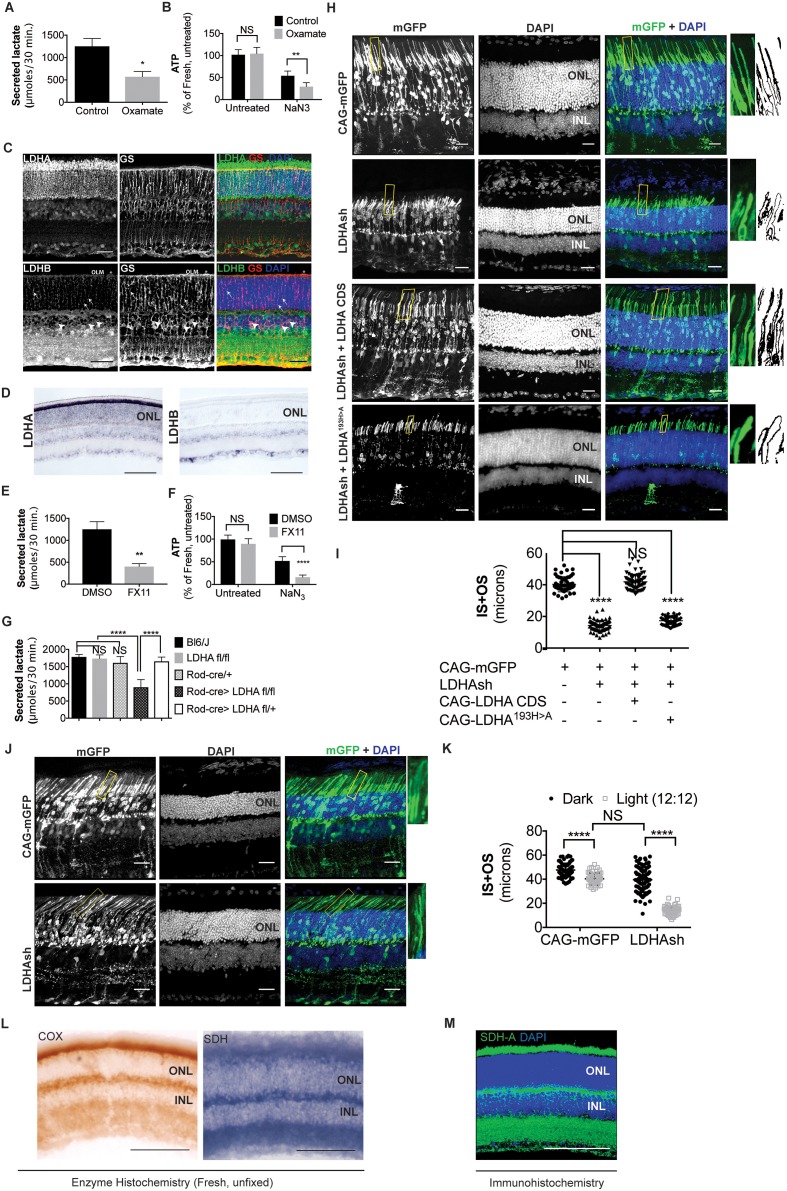
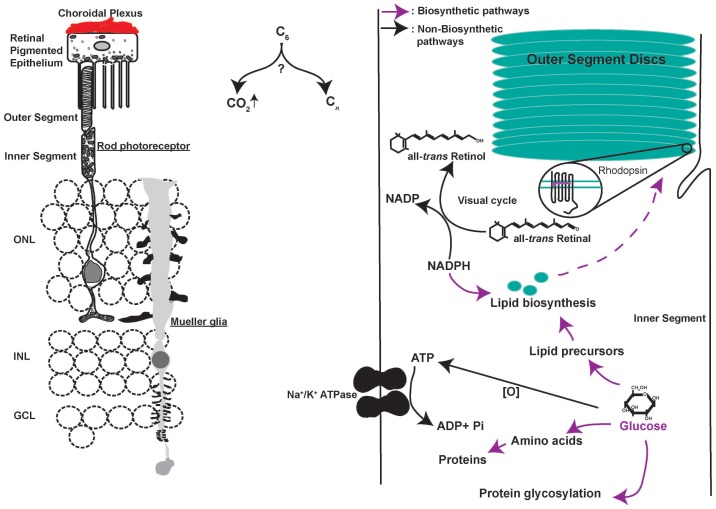
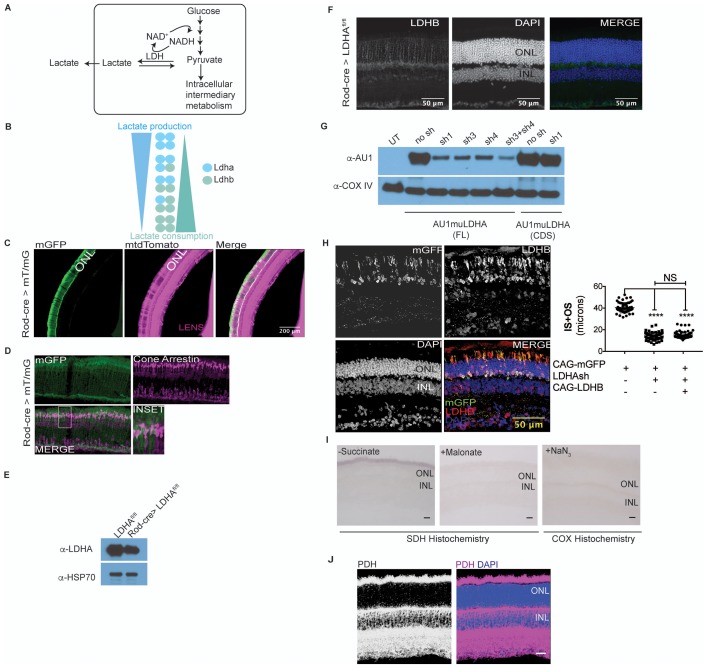
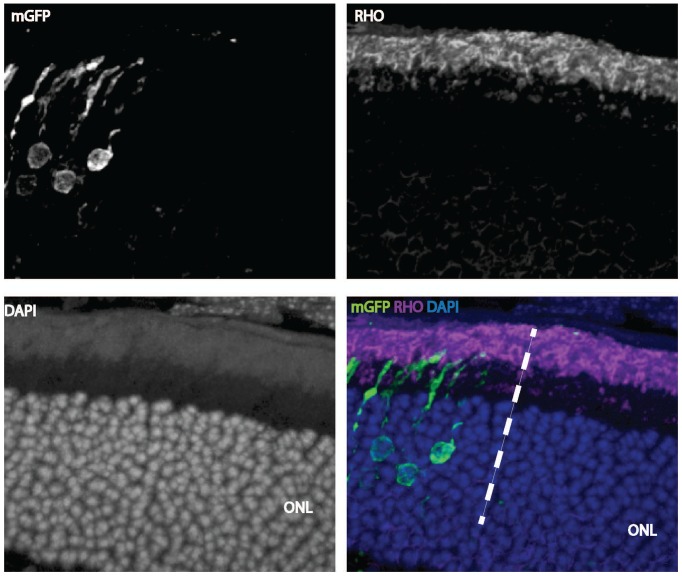
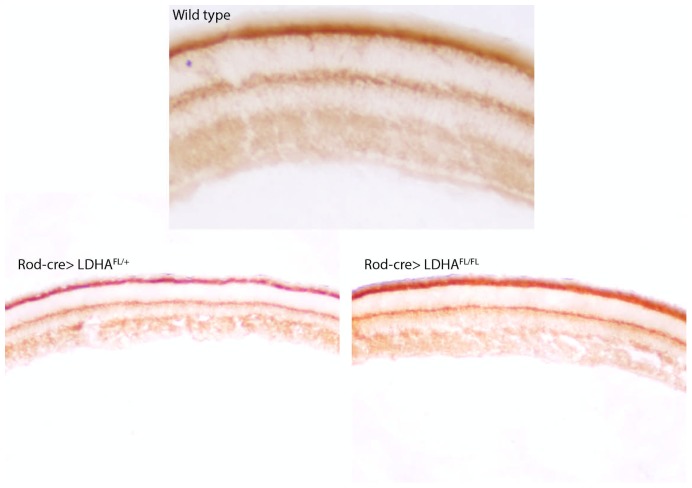
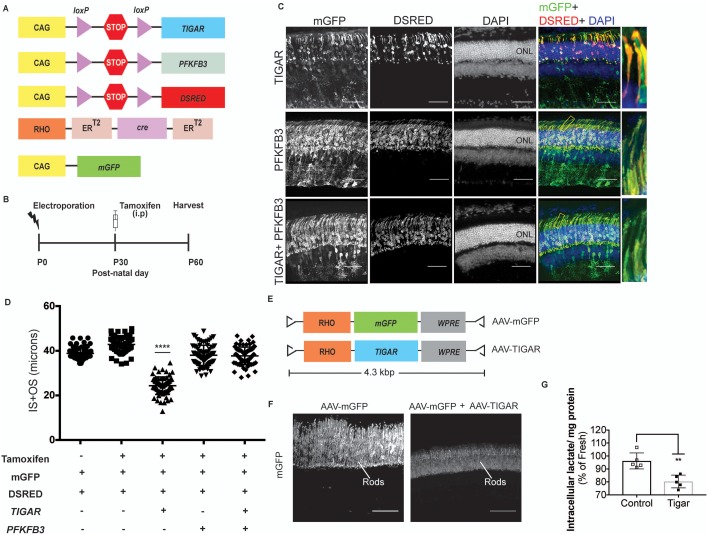
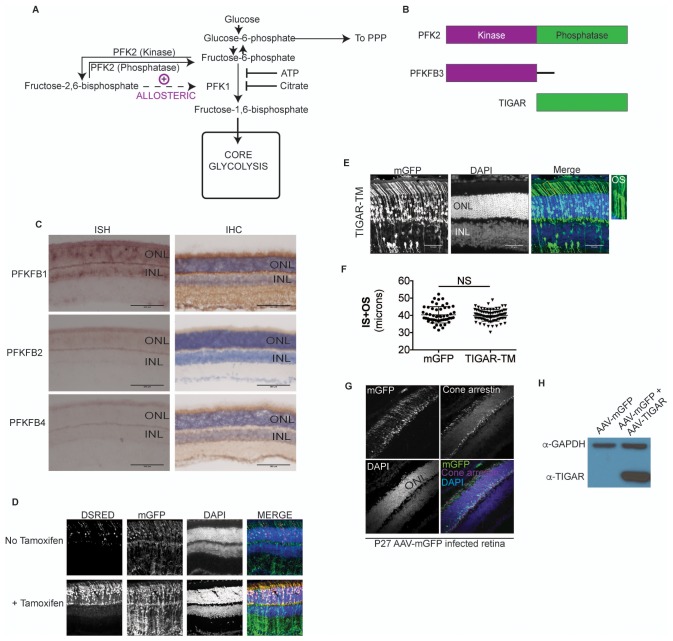
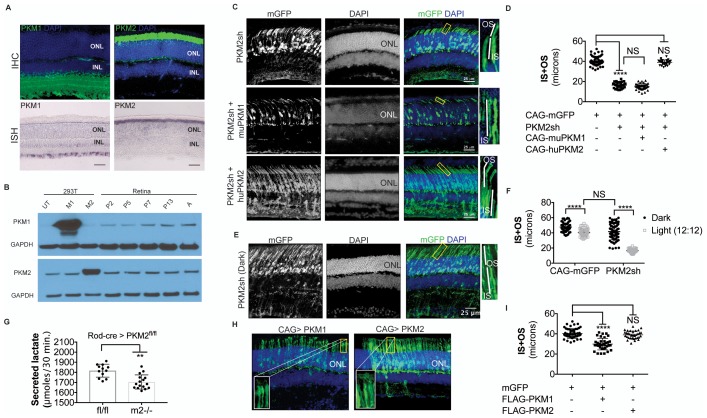
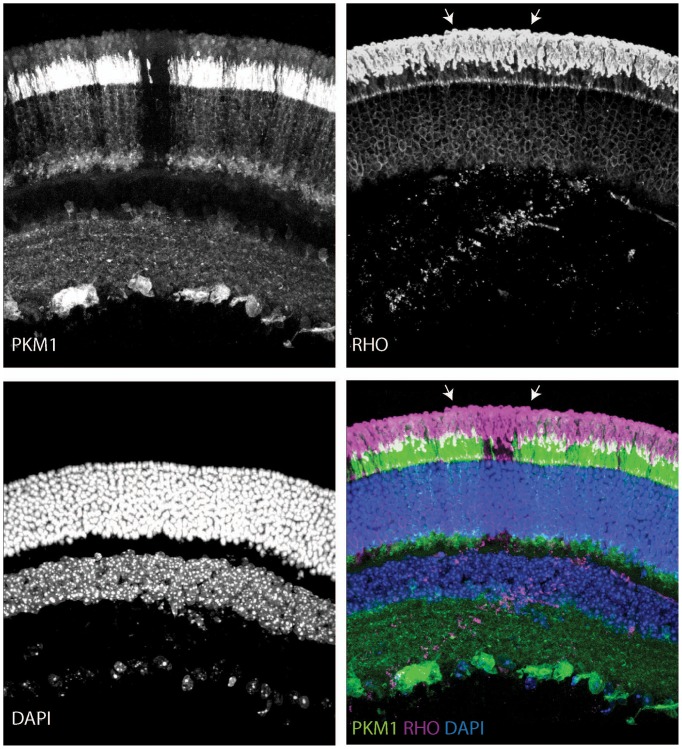
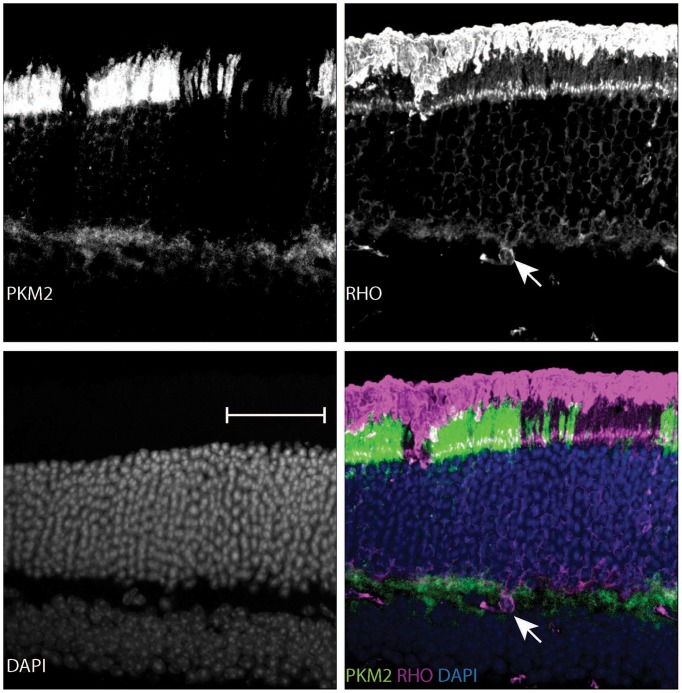
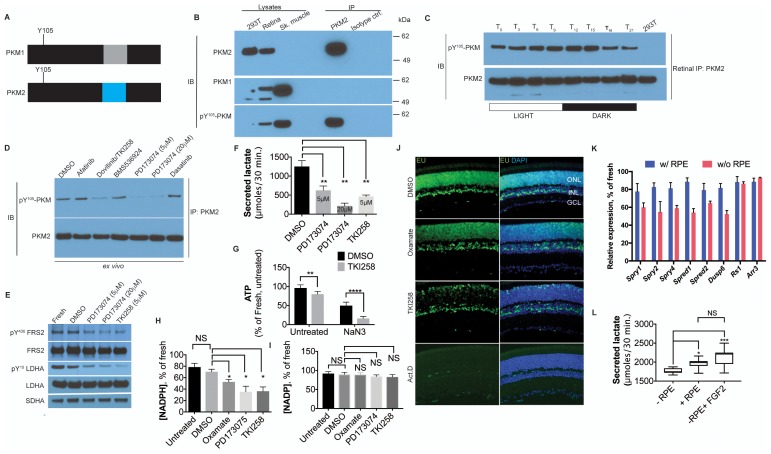
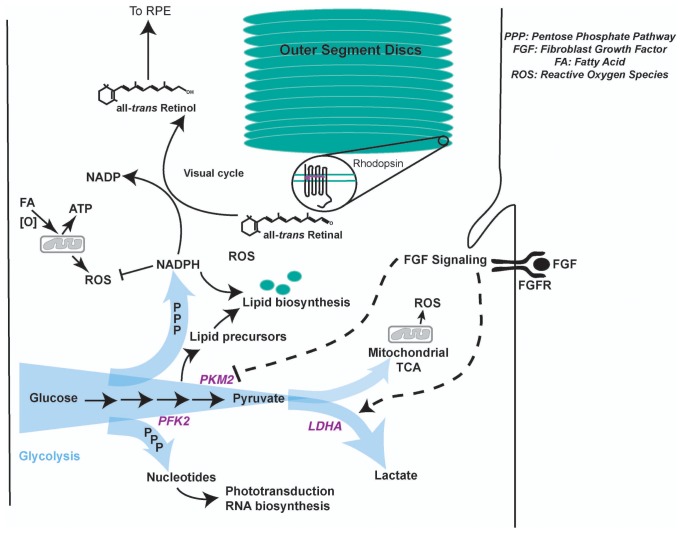
Verification
Claims the paper makes
The claims and statistics of this paper haven’t been checked yet.
Run the check — free, no account needed. It reads the open-access text and checks the sources it cites.
Claims other papers make about this one
Each is checked against this paper’s own text: does it say what the citing paper says it does?
In the citing paper
“The high level of glycolysis in photoreceptors is important as they perform substantial biosynthesis during their diurnal degradation and nocturnal regeneration of outer segments (Chinchore et al., 2017).”
From Fueling thought: Management of glycolysis and oxidative phosphorylation in neuronal metabolism (2018) · cites this paper as Chinchore et al., 2017
Self-check
Percentages, sums and reported differences re-computed from the paper’s own numbers.
The self-check needs the paper’s full text.
Citations
Cites
The Warburg Effect: How Does it Benefit Cancer Cells?
Liberti, M. V., & Locasale, J. W. (2016) · Trends in Biochemical Sciences · doi:10.1016/j.tibs.2015.12.001 · Cited by 5,150
Why Do Cancers Have High Aerobic Glycolysis?
Gatenby, R. A., & Gillies, R. J. (2004) · Nature reviews. Cancer · doi:10.1038/nrc1478 · Cited by 4,784
A global double-fluorescent Cre reporter mouse
Muzumdar, M. D., Tasic, B., Miyamichi, K., Li, L., & Luo, L. (2007) · genesis · doi:10.1002/dvg.20335 · Cited by 3,491
The M2 splice isoform of pyruvate kinase is important for cancer metabolism and tumour growth
Christofk, H. R., Vander Heiden, M. G., Harris, M. H., Ramanathan, A., Gerszten, R. E., Wei, R., Fleming, M. D., Schreiber, S. L., & Cantley, L. C. (2008) · Nature · doi:10.1038/nature06734 · Cited by 2,820
Premature ageing in mice expressing defective mitochondrial DNA polymerase
Trifunovic, A., Wredenberg, A., Falkenberg, M., Spelbrink, J. N., Rovio, A. T., Bruder, C. E., Bohlooly-Y, M., Gidlöf, S., Oldfors, A., Wibom, R., et al. (2004) · Nature · doi:10.1038/nature02517 · Cited by 2,734
TIGAR, a p53-Inducible Regulator of Glycolysis and Apoptosis
Bensaad, K., Tsuruta, A., Selak, M. A., Vidal, M. N. C., Nakano, K., Bartrons, R., Gottlieb, E., & Vousden, K. H. (2006) · Cell · doi:10.1016/j.cell.2006.05.036 · Cited by 2,019
Inhibition of lactate dehydrogenase A induces oxidative stress and inhibits tumor progression
Le, A., Cooper, C. R., Gouw, A. M., Dinavahi, R., Maitra, A., Deck, L. M., Royer, R. E., Jagt, D. L. V., Semenza, G. L., & Dang, C. V. (2010) · Proceedings of the National Academy of Sciences · doi:10.1073/pnas.0914433107 · Cited by 1,528
Anastasiou, D., Poulogiannis, G., Asara, J. M., Boxer, M. B., Jiang, J., Shen, M., Bellinger, G., Sasaki, A. T., Locasale, J. W., Auld, D. S., et al. (2011) · Science · doi:10.1126/science.1211485 · Cited by 1,218
Targeting lactate metabolism for cancer therapeutics
Doherty, J. R., & Cleveland, J. L. (2013) · Journal of Clinical Investigation · doi:10.1172/jci69741 · Cited by 1,194
Energy limitation as a selective pressure on the evolution of sensory systems
Niven, J. E., & Laughlin, S. B. (2008) · Journal of Experimental Biology · doi:10.1242/jeb.017574 · Cited by 1,056
Electroporation and RNA interference in the rodent retina in vivo and in vitro
Matsuda, T., & Cepko, C. L. (2003) · Proceedings of the National Academy of Sciences · doi:10.1073/pnas.2235688100 · Cited by 1,032
Self-citationThe Metabolism of Carcinoma Cells
Warburg, O. H. (1925) · The Journal of Cancer Research · doi:10.1158/jcr.1925.148 · Cited by 1,005
Pyruvate kinase M2 is a phosphotyrosine-binding protein
Christofk, H. R., Vander Heiden, M. G., Wu, N., Asara, J. M., & Cantley, L. C. (2008) · Nature · doi:10.1038/nature06667 · Cited by 995
Pyruvate kinase M2 activators promote tetramer formation and suppress tumorigenesis
Anastasiou, D., Yu, Y., Israelsen, W. J., Jiang, J.-K., Boxer, M. B., Hong, B. S., Tempel, W., Dimov, S., Shen, M., Jha, A., et al. (2012) · Nature Chemical Biology · doi:10.1038/nchembio.1060 · Cited by 816
Tyrosine Phosphorylation Inhibits PKM2 to Promote the Warburg Effect and Tumor Growth
Hitosugi, T., Kang, S., Vander Heiden, M. G., Chung, T.-W., Elf, S., Lythgoe, K., Dong, S., Lonial, S., Wang, X., Chen, G. Z., et al. (2009) · Science Signaling · doi:10.1126/scisignal.2000431 · Cited by 784
Rod outer segment disk shedding in rat retina: relationship to cyclic lighting
LaVail, M. M. (1976) · Science · doi:10.1126/science.982063 · Cited by 689
Zheng, X., Boyer, L., Jin, M., Mertens, J., Kim, Y., Ma, L., Ma, L., Hamm, M., Gage, F. H., & Hunter, T. (2016) · eLife · doi:10.7554/elife.13374 · Cited by 671 · cited 1×
“Several reports suggest that aerobic glycolysis is a feature of some normal proliferating somatic cells (Agathocleous et al., 2012; Brand and Hermfisse, 1997; Wang et al., 2014b; Zheng et al., 2016), and not just of cancer cells.”
BackgroundControlled expression of transgenes introduced by in vivo electroporation
Matsuda, T., & Cepko, C. L. (2007) · Proceedings of the National Academy of Sciences · doi:10.1073/pnas.0610155104 · Cited by 666
Self-citationLactic Dehydrogenases: Functions of the Two Types
Dawson, D. M., Goodfriend, T. L., Kaplan, N. O., & Kaplan, N. O. (1964) · Science · doi:10.1126/science.143.3609.929 · Cited by 551
PKM2 isoform-specific deletion reveals a differential requirement for pyruvate kinase in tumor cells
Israelsen, W. J., Dayton, T. L., Davidson, S. M., Fiske, B. P., Hosios, A. M., Bellinger, G., Li, J., Yu, Y., Sasaki, M., Horner, J. W., et al. (2013) · Cell · doi:10.1016/j.cell.2013.09.025 · Cited by 549
Stimulation of the insulin/mTOR pathway delays cone death in a mouse model of retinitis pigmentosa
Punzo, C., Kornacker, K., & Cepko, C. L. (2008) · Nature Neuroscience · doi:10.1038/nn.2234 · Cited by 515
Self-citationFructose 2,6-bisphosphate 2 years after its discovery
Hers, H. G., & SCHAFTINGEN, E. V. (1982) · Biochemical Journal · doi:10.1042/bj2060001 · Cited by 427
The allosteric regulation of pyruvate kinase by fructose-1,6-bisphosphate
Jurica, M. S., Mesecar, A., Heath, P. J., Shi, W., Nowak, T., & Stoddard, B. L. (1998) · Structure · doi:10.1016/s0969-2126(98)00021-5 · Cited by 426
Rod-Derived Cone Viability Factor Promotes Cone Survival by Stimulating Aerobic Glycolysis
Aït-Ali, N., Fridlich, R., Millet-Puel, G., Clérin, E., Delalande, F., Jaillard, C., Blond, F., Perrocheau, L., Reichman, S., Byrne, L. C., et al. (2015) · Cell · doi:10.1016/j.cell.2015.03.023 · Cited by 423
Lactate released by Muller glial cells is metabolized by photoreceptors from mammalian retina
Poitry‐Yamate, C. L., Poitry, S., & Tsacopoulos, M. (1995) · Journal of Neuroscience · doi:10.1523/jneurosci.15-07-05179.1995 · Cited by 410
ATP Consumption by Mammalian Rod Photoreceptors in Darkness and in Light
Okawa, H., Sampath, A. P., Laughlin, S. B., & Fain, G. (2008) · Current Biology · doi:10.1016/j.cub.2008.10.029 · Cited by 404
Aerobic glycolysis by proliferating cells: a protective strategy against reactive oxygen species 1
Brand, K. A., & Hermfisse, U. (1997) · The FASEB Journal · doi:10.1096/fasebj.11.5.9141507 · Cited by 401
Glycolytic and oxidative metabolism in relation to retinal function.
Winkler, B. S. (1981) · The Journal of General Physiology · doi:10.1085/jgp.77.6.667 · Cited by 376
Cell-State-Specific Metabolic Dependency in Hematopoiesis and Leukemogenesis
Wang, Y., Israelsen, W. J., Lee, D., Yu, V. W. C., Jeanson, N. T., Clish, C. B., Cantley, L. C., Heiden, M. G. V., & Scadden, D. T. (2014) · Cell · doi:10.1016/j.cell.2014.07.048 · Cited by 366
Control of Glycolysis through Regulation of PFK1: Old Friends and Recent AdditionsPreprint
Mor, I., Cheung, E. C., & Vousden, K. H. (2011) · Cold Spring Harbor Symposia on Quantitative Biology · doi:10.1101/sqb.2011.76.010868 · Cited by 324
Blackshaw, S., Fraioli, R. E., Furukawa, T., & Cepko, C. L. (2001) · Cell · doi:10.1016/s0092-8674(01)00574-8 · Cited by 303
Self-citationRoss, J. M., Öberg, J., Brené, S., Coppotelli, G., Terzioglu, M., Pernold, K., Goiny, M., Sitnikov, R., Kehr, J., Trifunovic, A., et al. (2010) · Proceedings of the National Academy of Sciences · doi:10.1073/pnas.1008189107 · Cited by 299
NRF2 promotes neuronal survival in neurodegeneration and acute nerve damage
Xiong, W., Garfinkel, A. M., Li, Y., Benowitz, L. I., & Cepko, C. L. (2015) · Journal of Clinical Investigation · doi:10.1172/jci79735 · Cited by 290
Self-citationMitochondrial DNA replication during differentiation of murine embryonic stem cells
Facucho-Oliveira, J., Alderson, J., Spikings, E. C., Egginton, S., & John, J. C. S. (2007) · Journal of Cell Science · doi:10.1242/jcs.016972 · Cited by 276
Glucose, lactate, and shuttling of metabolites in vertebrate retinas
Hurley, J. B., Lindsay, K. J., & Du, J. (2015) · Journal of Neuroscience Research · doi:10.1002/jnr.23583 · Cited by 275
Satoh, A. K., O’Tousa, J. E., Ozaki, K., & Ready, D. F. (2005) · Development · doi:10.1242/dev.01704 · Cited by 274
Retinal lipid and glucose metabolism dictates angiogenesis through the lipid sensor Ffar1
Joyal, J., Sun, Y., Gantner, M. L., Shao, Z., Evans, L. P., Saba, N., Fredrick, T. W., Burnim, S. B., Kim, J. S., Patel, G., et al. (2016) · Nature Medicine · doi:10.1038/nm.4059 · Cited by 266
Fan, J., Hitosugi, T., Chung, T., Xie, J., Ge, Q., Gu, T., Polakiewicz, R. D., Chen, G. Z., Boggon, T. J., Lonial, S., et al. (2011) · Molecular and Cellular Biology · doi:10.1128/mcb.06120-11 · Cited by 256
Photoreceptor shedding is initiated by light in the frog retina
Basinger, S., Hoffman, R., & Matthes, M. (1976) · Science · doi:10.1126/science.1086510 · Cited by 227
GLUCOSE CATABOLISM OF RABBIT RETINA BEFORE AND AFTER DEVELOPMENT OF VISUAL FUNCTION*
Cohen, L. H., & Noell, W. K. (1960) · Journal of Neurochemistry · doi:10.1111/j.1471-4159.1960.tb13363.x · Cited by 207
Wang, S., Sengel, C., Emerson, M. M., & Cepko, C. L. (2014) · Developmental Cell · doi:10.1016/j.devcel.2014.07.018 · Cited by 190
Self-citationPenn, J. S., & Williams, T. P. (1986) · Experimental Eye Research · doi:10.1016/0014-4835(86)90070-9 · Cited by 185
Metabolic differentiation in the embryonic retina
Agathocleous, M., Love, N. K., Randlett, O., Harris, J. J., Liu, J., Murray, A. J., & Harris, W. A. (2012) · Nature Cell Biology · doi:10.1038/ncb2531 · Cited by 182
Activated mTORC1 promotes long-term cone survival in retinitis pigmentosa mice
Venkatesh, A., Ma, S., Le, Y. Z., Hall, M. N., Rüegg, M. A., & Punzo, C. (2015) · Journal of Clinical Investigation · doi:10.1172/jci79766 · Cited by 158
Characterization of a Human Placental Fructose-6-Phosphate, 2-Kinase/Fructose- 2,6 - Bisphosphatase
Sakakibara, R., Kato, M., Okamura, N., Nakagawa, T., Komada, Y., Tominaga, N., Shimojo, M., & Fukasawa, M. (1997) · The Journal of Biochemistry · doi:10.1093/oxfordjournals.jbchem.a021719 · Cited by 152
Concentration-dependent control of pyruvate kinase M mutually exclusive splicing by hnRNP proteins
Chen, M., David, C. J., & Manley, J. L. (2012) · Nature Structural & Molecular Biology · doi:10.1038/nsmb.2219 · Cited by 133
Lindsay, K. J., Du, J., Sloat, S. R., Contreras, L., Linton, J. D., Turner, S. J., Sadilek, M., Satrústegui, J., & Hurley, J. B. (2014) · Proceedings of the National Academy of Sciences · doi:10.1073/pnas.1412441111 · Cited by 131
Exon-centric regulation of pyruvate kinase M alternative splicing via mutually exclusive exons
Wang, Z., Chatterjee, D., Jeon, H. Y., Akerman, M., Heiden, M. G. V., Cantley, L. C., & Krainer, A. R. (2011) · Journal of Molecular Cell Biology · doi:10.1093/jmcb/mjr030 · Cited by 126
Sequestration of basic fibroblast growth factor in the primate retinal interphotoreceptor matrix.
Hageman, G. S., Kirchoff-Rempe, M. A., Lewis, G. P., Fisher, S. K., & Anderson, D. H. (1991) · Proceedings of the National Academy of Sciences · doi:10.1073/pnas.88.15.6706 · Cited by 123
Kwok, M. C. M., Holopainen, J. M., Molday, L. L., Foster, L. J., & Molday, R. S. (2008) · Molecular & Cellular Proteomics · doi:10.1074/mcp.m700571-mcp200 · Cited by 122
The effect of iodoacetate on the vertebrate retina
Noell, W. K. (1951) · Journal of Cellular and Comparative Physiology · doi:10.1002/jcp.1030370209 · Cited by 115
Reprogramming metabolism by targeting sirtuin 6 attenuates retinal degeneration
Zhang, L., Du, J., Justus, S., Hsu, C., Bonet‐Ponce, L., Wu, W.-H., Tsai, Y.-T., Wu, W., Jia, Y., Duong, J., et al. (2016) · Journal of Clinical Investigation · doi:10.1172/jci86905 · Cited by 102
Campochiaro, P. A., Chang, M., Ohsato, M., Vinores, S., Nie, Z., Hjelmeland, L. M., Mansukhani, A., Basilico, C., & Zack, D. J. (1996) · Journal of Neuroscience · doi:10.1523/jneurosci.16-05-01679.1996 · Cited by 95
Roles of Glucose in Photoreceptor Survival
Chertov, A. O., Holzhausen, L. C., Kuok, I. T., Couron, D., Parker, E., Linton, J. D., Sadı́lek, M., Sweet, I. R., & Hurley, J. B. (2011) · Journal of Biological Chemistry · doi:10.1074/jbc.m111.279752 · Cited by 93
Gao, H., & Hollyfield, J. G. (1995) · Developmental Biology · doi:10.1006/dbio.1995.1135 · Cited by 91
Mouse opsin promoter-directed Cre recombinase expression in transgenic mice.
Le, Y.-Z., Zheng, L., Zheng, W., Ash, J. D., Agbaga, M., Zhu, M., & Anderson, R. E. (2006) · PubMed · Cited by 82
Identification of anti-retinal antibodies in patients with age-related macular degeneration
Morohoshi, K., Ohbayashi, M., Patel, N., Chong, V. N., Bird, A. C., & Ono, S. J. (2012) · Experimental and Molecular Pathology · doi:10.1016/j.yexmp.2012.03.007 · Cited by 80
Rueda, E. M., Johnson, J. E., Giddabasappa, A., Swaroop, A., Brooks, M. J., Sigel, I., Chaney, S. Y., & Fox, D. A. (2016) · PubMed Central · Cited by 78
Gao, H., & Hollyfield, J. G. (1992) · Brain Research · doi:10.1016/0006-8993(92)91236-8 · Cited by 77
Isozyme patterns of normal, benign, and malignant human breast tissues.
Balinsky, D., Platz, C. E., & Lewis, J. (1983) · PubMed · Cited by 72
The Warburg Effect Mediator Pyruvate Kinase M2 Expression and Regulation in the Retina
Rajala, R. V. S., Rajala, A., Kooker, C., Wang, Y., & Anderson, R. E. (2016) · Scientific Reports · doi:10.1038/srep37727 · Cited by 66
Fgf signaling is required for photoreceptor maintenance in the adult zebrafish retina
Hochmann, S., Kaslin, J., Hans, S., Weber, A., Machate, A., Geffarth, M., Funk, R. H. W., & Brand, M. (2012) · PLoS ONE · doi:10.1371/journal.pone.0030365 · Cited by 62
FGF signaling regulates rod photoreceptor cell maintenance and regeneration in zebrafish
Qin, Z., Kidd, A. R., Thomas, J. L., Poss, K. D., Hyde, D. R., Raymond, P. A., & Thummel, R. (2011) · Experimental Eye Research · doi:10.1016/j.exer.2011.09.003 · Cited by 59
Casson, R. J., Wood, J. P. M., Han, G., Kittipassorn, T., Peet, D. J., & Chidlow, G. (2016) · Investigative Ophthalmology & Visual Science · doi:10.1167/iovs.15-17962 · Cited by 56
Behringer, B., Pitako, J., Kunzmann, R., Schmoor, C., Behringer, D. M., Mertelsmann, R. H., & L�bbert, M. (2003) · Annals of Hematology · doi:10.1007/s00277-003-0650-0 · Cited by 40
A histochemical study of oxidative enzymes in rat retina damaged by visible light
Hansson, H. (1970) · Experimental Eye Research · doi:10.1016/s0014-4835(70)80086-0 · Cited by 39
Single-cell Profiling of Developing and Mature Retinal Neurons
Goetz, J. J., & Trimarchi, J. M. (2012) · Journal of Visualized Experiments · doi:10.3791/3824 · Cited by 12
Research works printed but not linked: 1
- Dawson, 1964, LACTIC DEHYDROGENASES: FUNCTIONS OF THE TWO TYPES RATES OF SYNTHESIS OF THE TWO MAJOR FORMS CAN BE CORRELATED WITH METABOLIC DIFFERENTIATION, Science, 143, 929, 10.1126/science.143.3609.929 · DOI
Cited by
Sorted by citations
Increased demand for NAD(+) relative to ATP drives aerobic glycolysis
Luengo, A., Li, Z., Gui, D. Y., Sullivan, L. B., Zagorulya, M., Do, B. T., Ferreira, R., Naamati, A., Ali, A., Lewis, C. A., et al. (2021) · Molecular Cell · doi:10.1016/j.molcel.2020.12.012 · Cited by 547
Kanow, M. A., Giarmarco, M. M., Jankowski, C. S., Tsantilas, K., Engel, A. L., Du, J., Linton, J. D., Farnsworth, C. C., Sloat, S. R., Rountree, A., et al. (2017) · eLife · doi:10.7554/elife.28899 · Cited by 377
Fueling thought: Management of glycolysis and oxidative phosphorylation in neuronal metabolism
Yellen, G. (2018) · Journal of Cell Biology · doi:10.1083/jcb.201803152 · Cited by 371
“The high level of glycolysis in photoreceptors is important as they perform substantial biosynthesis during their diurnal degradation and nocturnal regeneration of outer segments (Chinchore et al., 2017).”
BackgroundPhotoreceptor cells and RPE contribute to the development of diabetic retinopathy
Tonade, D., & Kern, T. S. (2020) · Progress in Retinal and Eye Research · doi:10.1016/j.preteyeres.2020.100919 · Cited by 217
Retina Metabolism and Metabolism in the Pigmented Epithelium: A Busy Intersection
Hurley, J. B. (2021) · Annual Review of Vision Science · doi:10.1146/annurev-vision-100419-115156 · Cited by 205
Metadata
- Authors
- Chinchore, Y., Begaj, T., Wu, D., Drokhlyansky, E., & Cepko, C. L.
- Affiliations
- Howard Hughes Medical Institute (US)
- Corresponding author
- Cepko, Constance L
- Venue
- eLife
- Publisher
- eLife Sciences Publications, Ltd
- Published
- 2017-06-09
- Volume
- 6
- ISSN
- 2050-084X (ISSN-L)
- PMC
- PMC5499945
- OpenAlex
- W2590528398
- Cited by
- 191
- References
- 67
- Citations by year
- 2026: 27 · 2025: 20 · 2024: 25 · 2023: 19 · 2022: 21 · 2021: 23 · 2020: 24 · 2019: 12 · 2018: 15 · 2017: 4
- FWCI
- 6.14
- Type
- journal article
- Language
- en
- Open access
- gold
- doi.org
- Licence
- Locations
- eLife (publishedVersion, cc-by)
- bioRxiv (Cold Spring Harbor Laboratory) (acceptedVersion)
- PubMed Central (publishedVersion, cc-by)
- PubMed (publishedVersion)
- The Journal of the American Medical Association (JAMA) Network (American Medical Association) (submittedVersion, cc-by)
- DOAJ (DOAJ: Directory of Open Access Journals) (submittedVersion, cc-by-sa)
- Funders
- National Institutes of Health (R01 EY023291)
- Howard Hughes Medical Institute
- Topics
- Health Sciences › Medicine › Ophthalmology › Retinal Development and Disorders
- Life Sciences › Biochemistry, Genetics and Molecular Biology › Cancer Research › Cancer, Hypoxia, and Metabolism
- Life Sciences › Neuroscience › Cellular and Molecular Neuroscience › Neuroscience and Neuropharmacology Research
- Keywords
- rod photoreceptors, glycolysis, aerobic glycolysis, phototransduction, anabolism, FGF signaling, allosteric regulation, cellular metabolism, ATP consumption
- MeSH terms
- Aerobiosis, Animals, Organelle Biogenesis, Fibroblast Growth Factors, Glycolysis, Metabolism, Signal Transduction, Retinal Rod Photoreceptor Cells, Mice
About these checks
Registry, retraction, Cites and statistics results are computed, not judged, with one exception: a printed reference that no index lists is read once by a model before it counts as a citation error. Claims are extracted by a model and kept only when their quote appears verbatim in the text; each cited source is then checked, with a model’s help, for whether it says what the claim relies on. Those verdicts can be wrong — read the claim’s quote and the cited source before relying on one.
Statistics and arithmetic are recomputed, not judged.
Confidence bands are shown only for fields calibrated on our annotated test set. None is calibrated yet, so no band is shown.
What counts as a claim ›How we measure confidence ›How we check this ›
Are you an author, or do you see a problem with this page? Request a review
