

The DOI matches its Crossref record; 83 of the 83 references it cites were found in a registry or an index.
GC content shapes mRNA storage and decay in human cells
Open accessPublished version of a preprint
Abstract
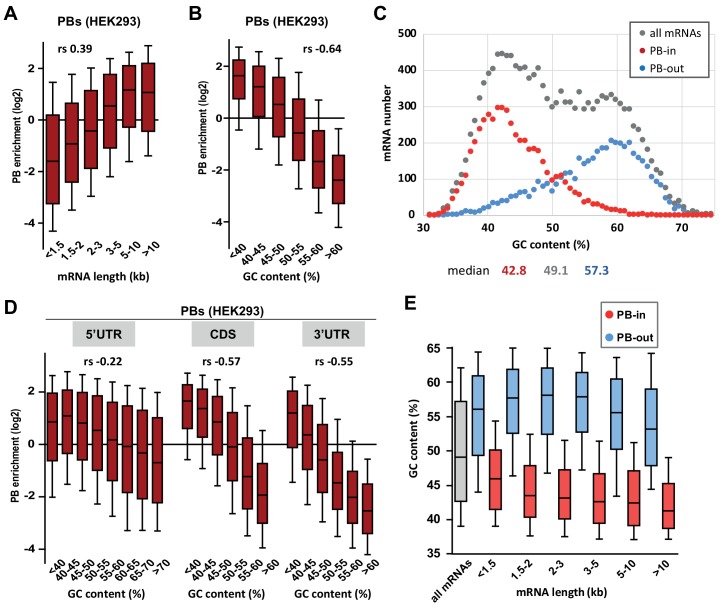
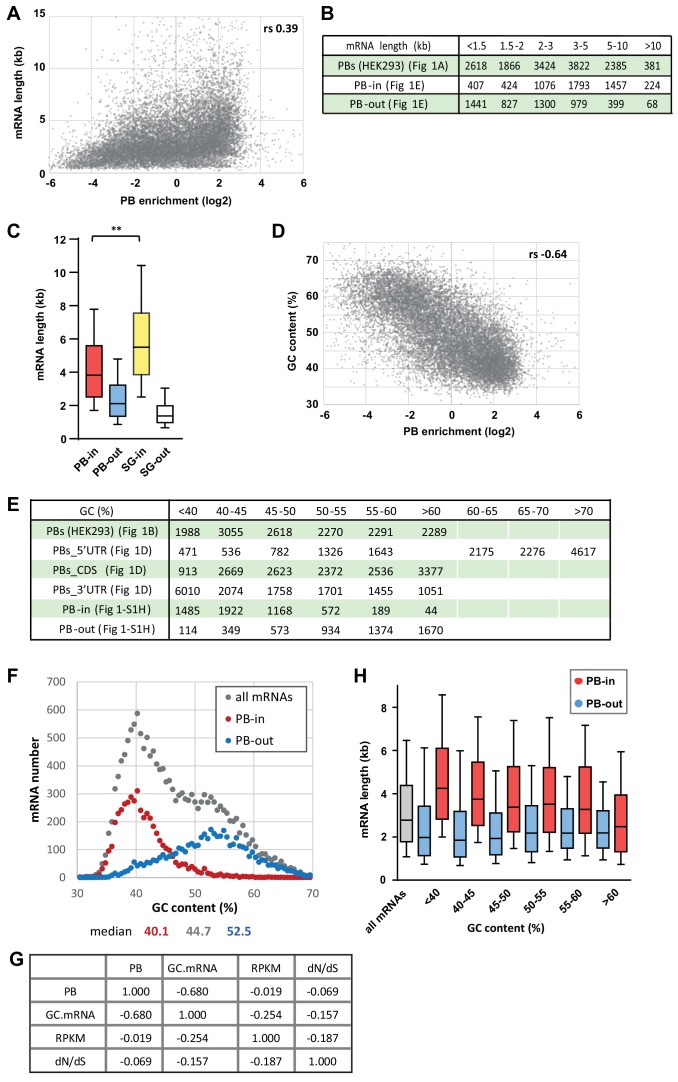
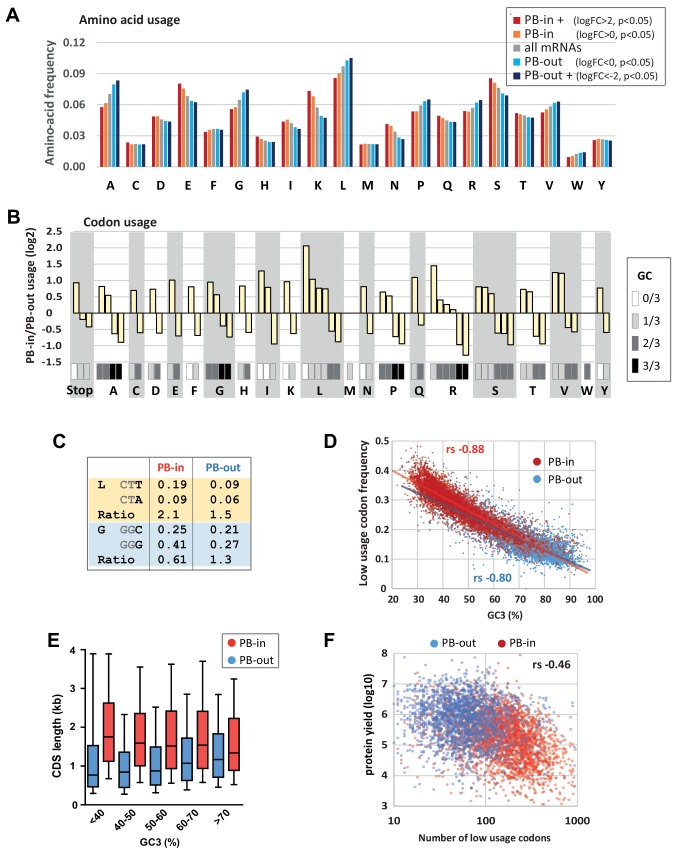
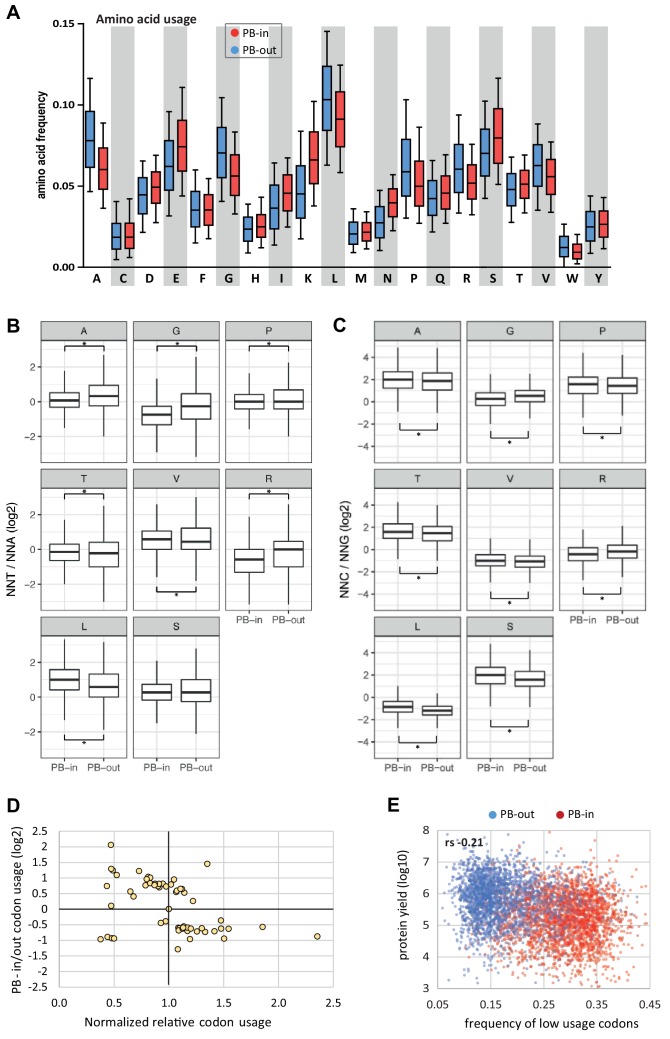
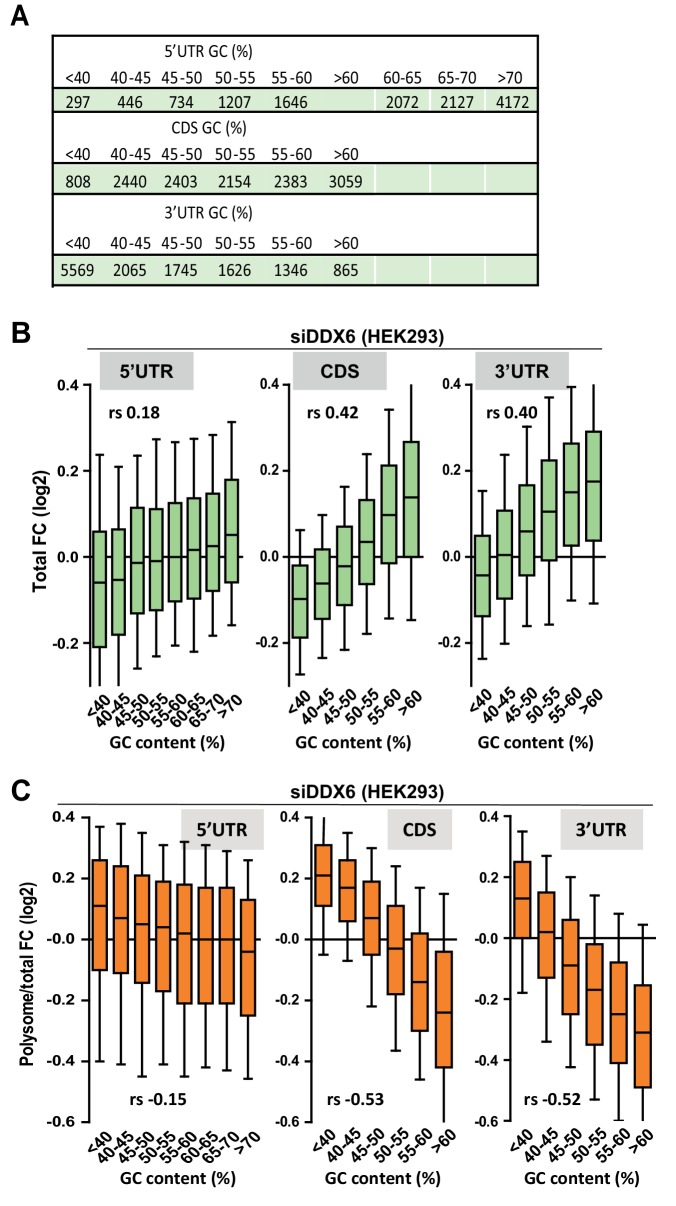
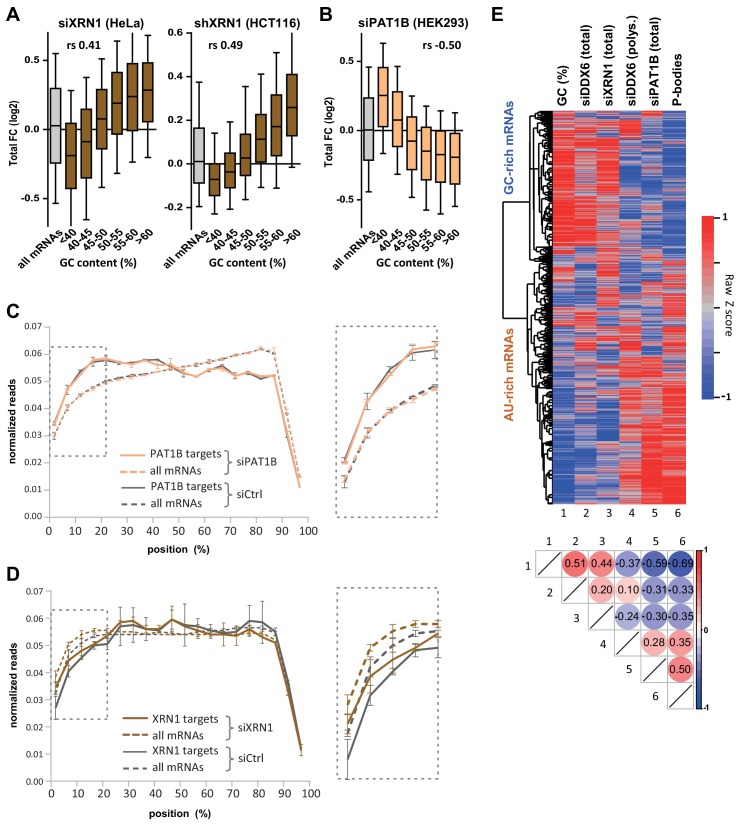
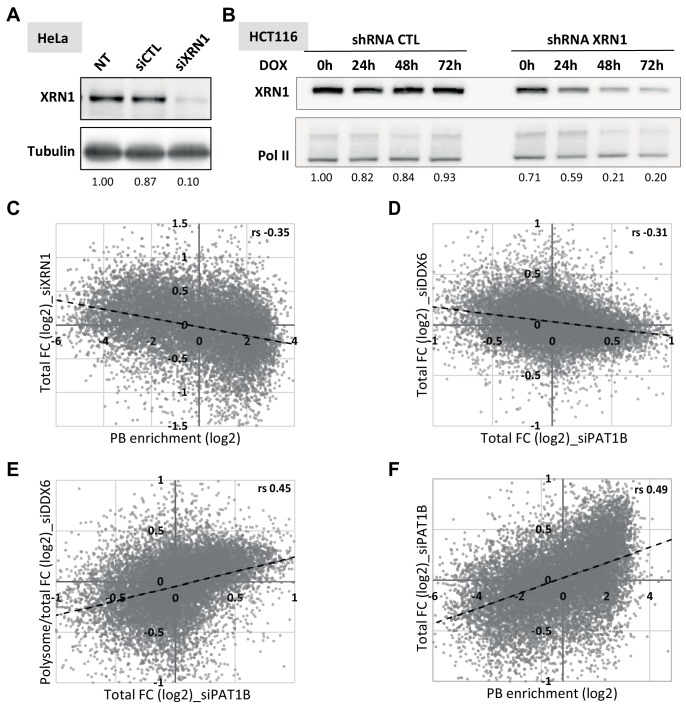
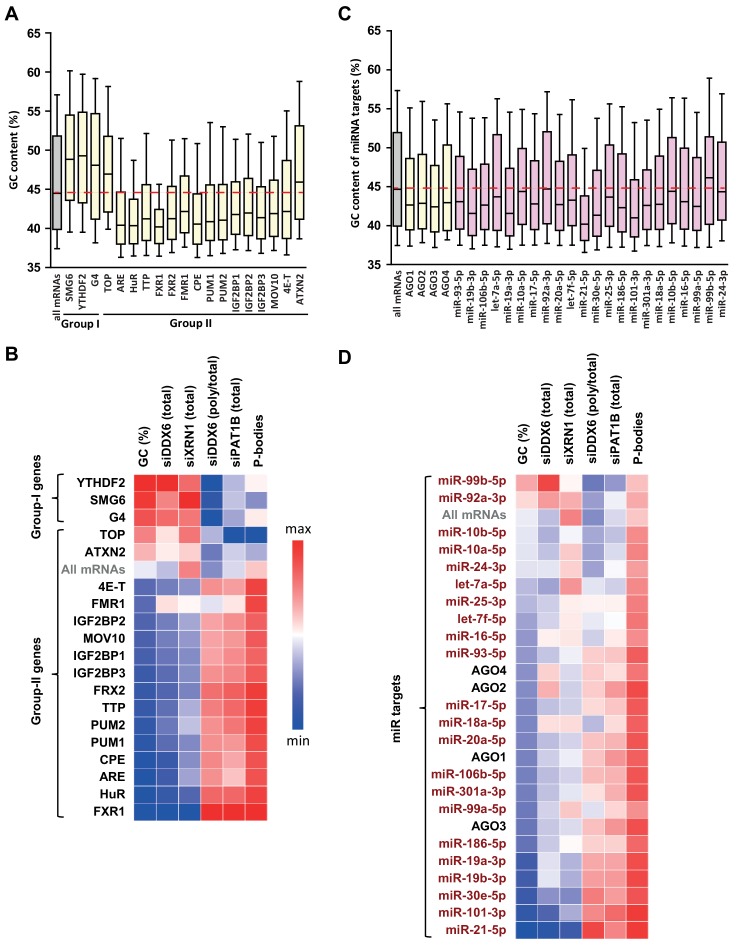
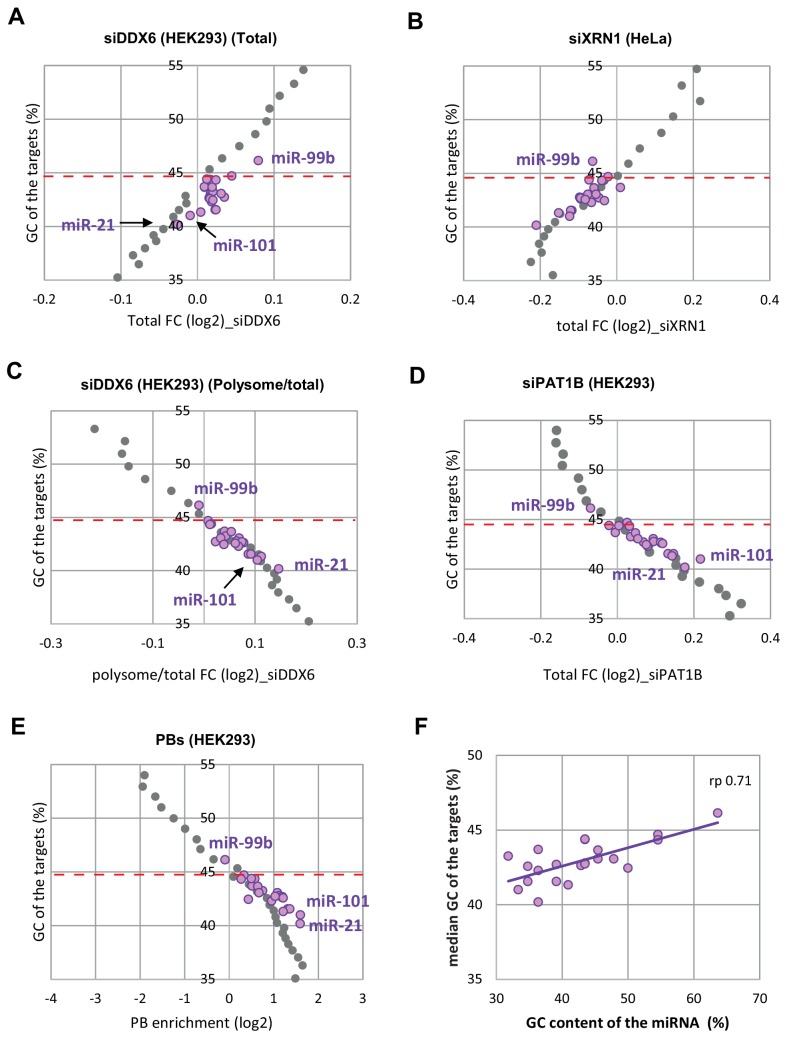
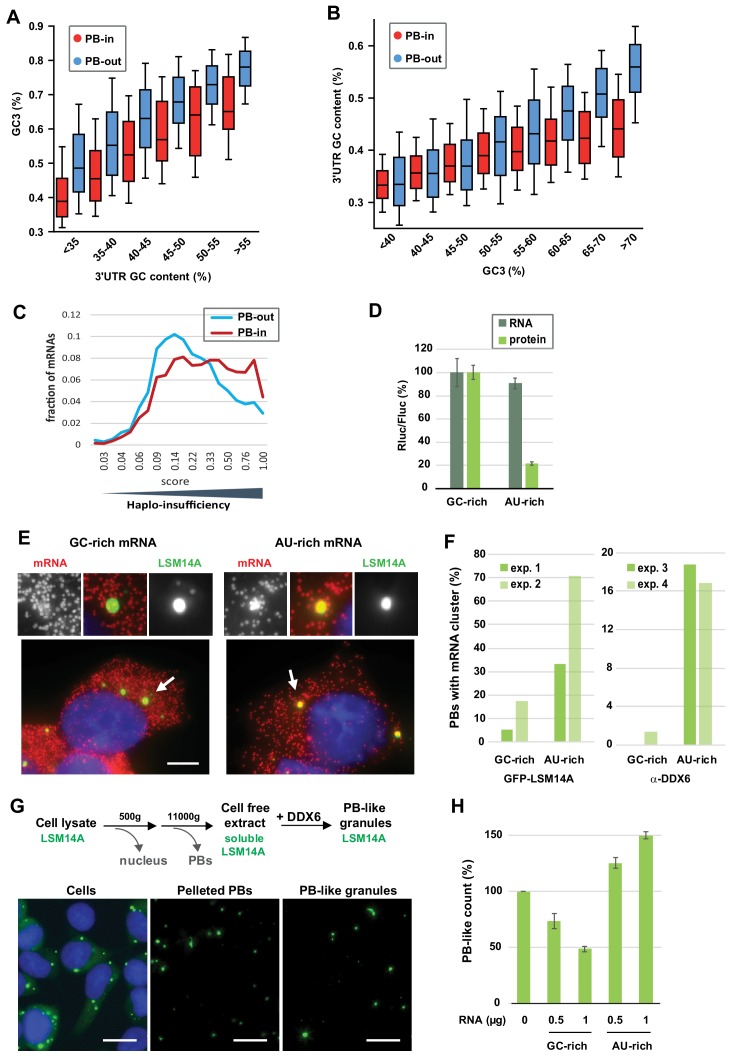
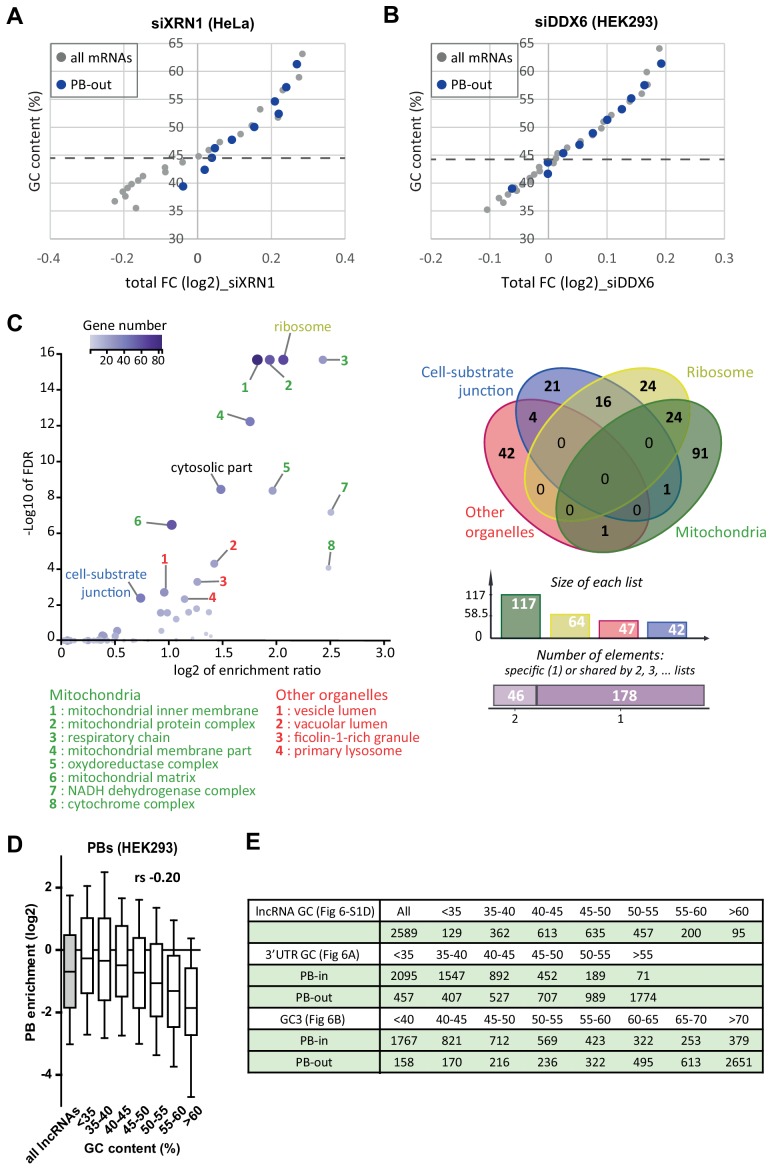
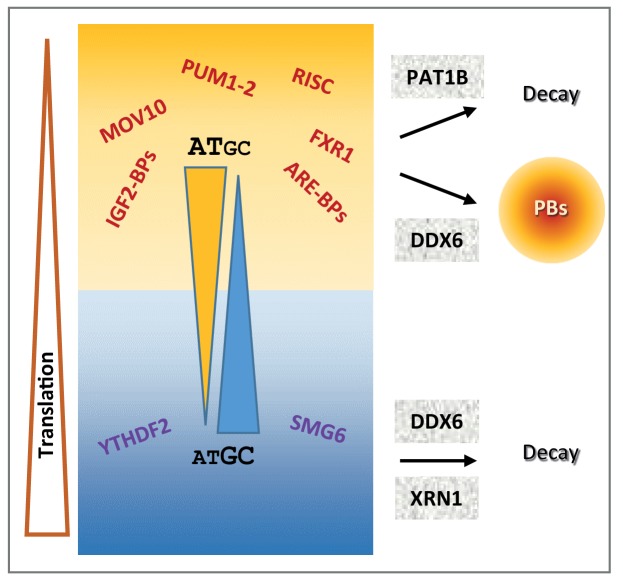
mRNA translation and decay appear often intimately linked although the rules of this interplay are poorly understood. In this study, we combined our recent P-body transcriptome with transcriptomes obtained following silencing of broadly acting mRNA decay and repression factors, and with available CLIP and related data. This revealed the central role of GC content in mRNA fate, in terms of P-body localization, mRNA translation and mRNA stability: P-bodies contain mostly AU-rich mRNAs, which have a particular codon usage associated with a low protein yield; AU-rich and GC-rich transcripts tend to follow distinct decay pathways; and the targets of sequence-specific RBPs and miRNAs are also biased in terms of GC content. Altogether, these results suggest an integrated view of post-transcriptional control in human cells where most translation regulation is dedicated to inefficiently translated AU-rich mRNAs, whereas control at the level of 5’ decay applies to optimally translated GC-rich mRNAs.
Overview
The claims and statistics of this paper haven’t been checked yet.
Run the check — free, no account needed. It reads the open-access text and checks the sources it cites.
Integrity signals
Registry
Cites
Statistics
Figures
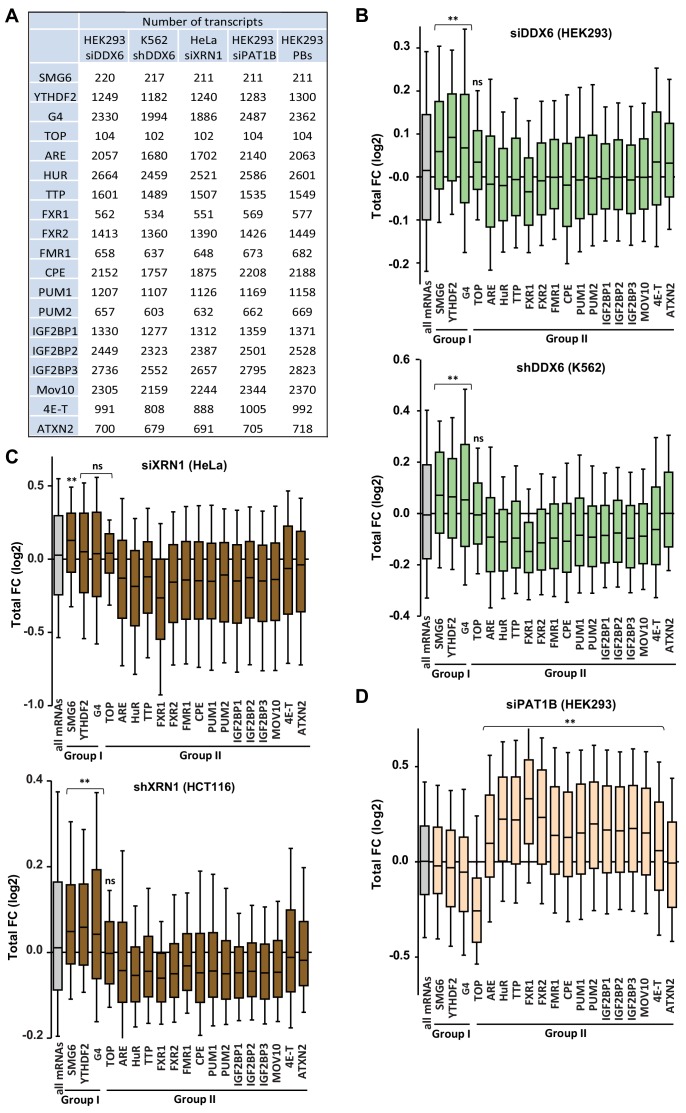
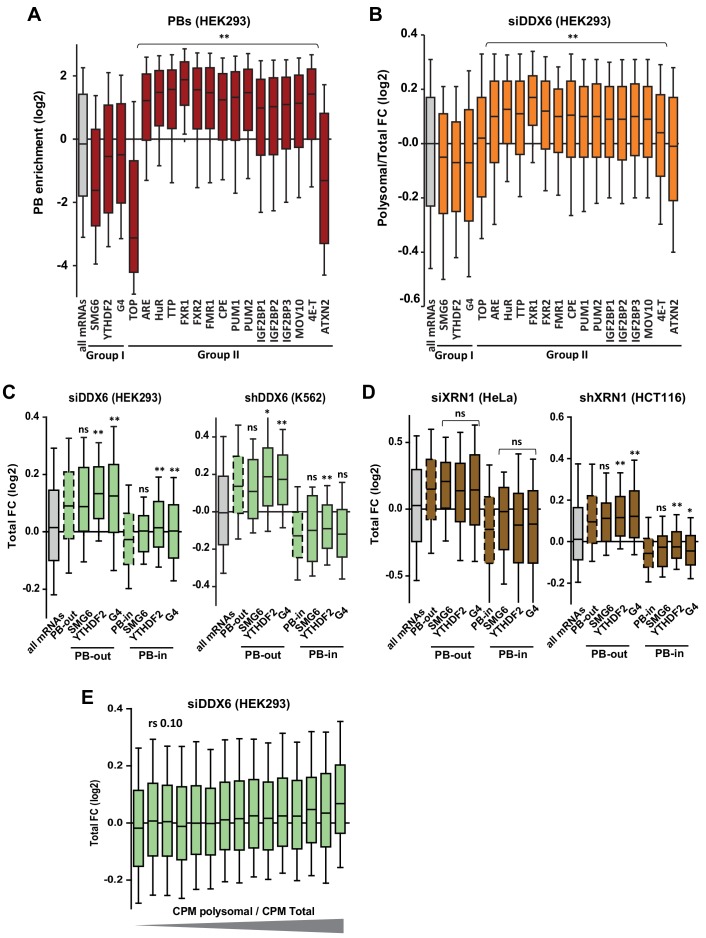
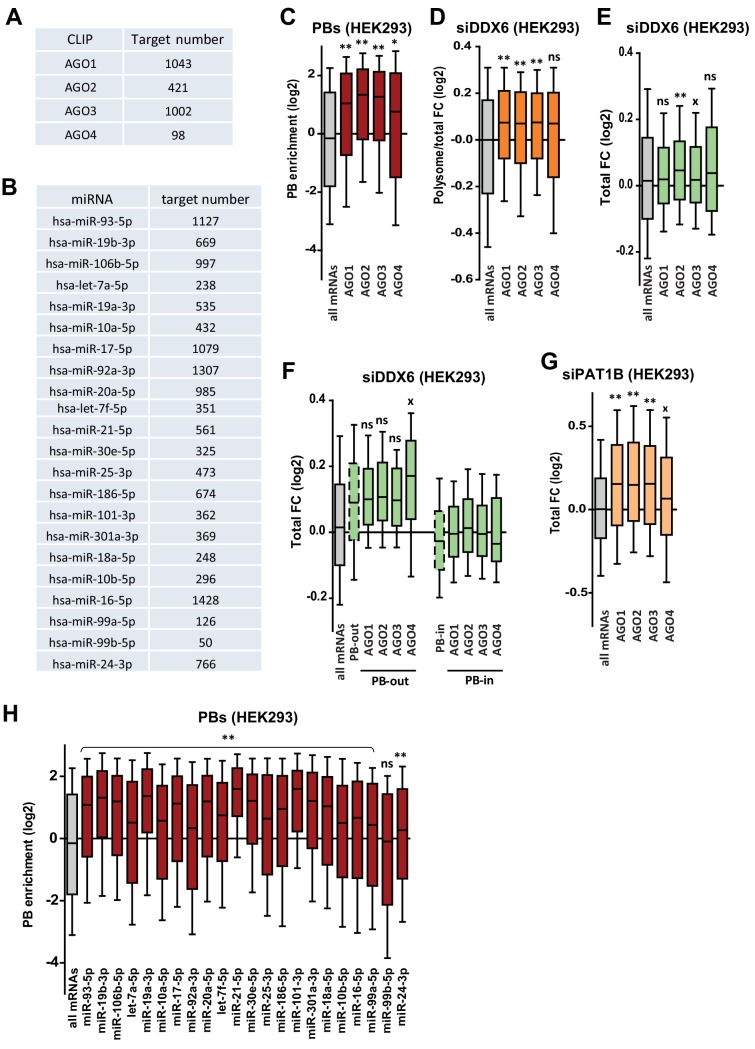
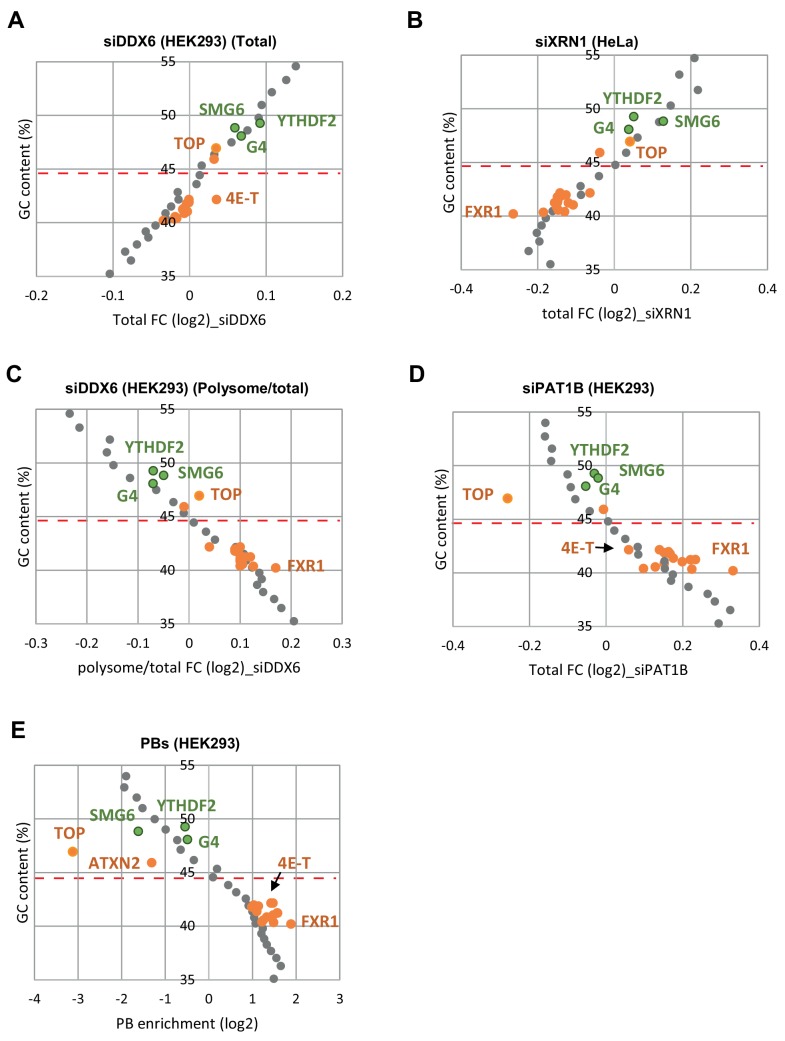
Verification
Claims the paper makes
The claims and statistics of this paper haven’t been checked yet.
Run the check — free, no account needed. It reads the open-access text and checks the sources it cites.
Claims other papers make about this one
Each is checked against this paper’s own text: does it say what the citing paper says it does?
The check wasn’t confident either way, so it gives no verdict — never disputed.
In the citing paper
“First, GC-rich mRNAs tend to be more stable than AU-rich mRNAs [32].”
From Detailed Dissection and Critical Evaluation of the Pfizer/BioNTech and Moderna mRNA Vaccines (2021) · cites this paper as [32]
Experimental — accuracy not yet measuredIn the citing paper
“Optimization of mRNA secondary structure244,245 and stability can be achieved by increasing the GC content of the coding sequence.246–248”
From Advances in COVID-19 mRNA vaccine development (2022) · cites this paper as [247]
Self-check
Percentages, sums and reported differences re-computed from the paper’s own numbers.
The self-check needs the paper’s full text.
Citations
Cites
An integrated encyclopedia of DNA elements in the human genome
The ENCODE Project Consortium (2012) · Nature · doi:10.1038/nature11247 · Cited by 18,072
Primer3—new capabilities and interfaces
Untergasser, A., Cutcutache, I., Kõressaar, T., Ye, J., Faircloth, B., Remm, M., & Rozen, S. (2012) · Nucleic Acids Research · doi:10.1093/nar/gks596 · Cited by 9,165
N6-methyladenosine-dependent regulation of messenger RNA stability
Wang, X., Lu, Z., Gomez, A., Hon, G. C., Yue, Y., Han, D., Fu, Y., Parisien, M., Dai, Q., Jia, G., et al. (2014) · Nature · doi:10.1038/nature12730 · Cited by 4,558
A second generation human haplotype map of over 3.1 million SNPs
The International HapMap Consortium (2007) · Nature · doi:10.1038/nature06258 · Cited by 4,438
WebGestalt 2019: gene set analysis toolkit with revamped UIs and APIs
Liao, Y., Wang, J., Jaehnig, E. J., Shi, Z., & Zhang, B. (2019) · Nucleic Acids Research · doi:10.1093/nar/gkz401 · Cited by 3,144
Open source clustering software
de Hoon, M., Imoto, S., Nolan, J., & Miyano, S. (2004) · Bioinformatics · doi:10.1093/bioinformatics/bth078 · Cited by 3,047
Transcriptome-wide Identification of RNA-Binding Protein and MicroRNA Target Sites by PAR-CLIP
Hafner, M., Landthaler, M., Burger, L., Khorshid, M., Hausser, J., Berninger, P., Rothballer, A., Ascano, M., Jungkamp, A.-C., Munschauer, M., et al. (2010) · Cell · doi:10.1016/j.cell.2010.03.009 · Cited by 2,873
A brave new world of RNA-binding proteins
Hentze, M. W., Castello, A., Schwarzl, T., & Preiss, T. (2018) · Nature Reviews Molecular Cell Biology · doi:10.1038/nrm.2017.130 · Cited by 1,821
A unifying model for mTORC1-mediated regulation of mRNA translation
Thoreen, C. C., Chantranupong, L., Keys, H. R., Wang, T., Gray, N. S., & Sabatini, D. M. (2012) · Nature · doi:10.1038/nature11083 · Cited by 1,477
Relief of microRNA-Mediated Translational Repression in Human Cells Subjected to Stress
Bhattacharyya, S. N., Habermacher, R., Martiné, U., Closs, E. I., & Filipowicz, W. (2006) · Cell · doi:10.1016/j.cell.2006.04.031 · Cited by 1,384
MicroRNA-dependent localization of targeted mRNAs to mammalian P-bodies
Liu, J., Valencia-Sanchez, M. A., Hannon, G. J., & Parker, R. (2005) · Nature Cell Biology · doi:10.1038/ncb1274 · Cited by 1,234
Hsu, S., Tseng, Y., Shrestha, S., Lin, Y., Khaleel, A., Chou, C., Chu, C.-F., Huang, H., Lin, C.-M., Ho, S.-Y., et al. (2013) · Nucleic Acids Research · doi:10.1093/nar/gkt1266 · Cited by 1,044
P-Body Purification Reveals the Condensation of Repressed mRNA Regulons
Hubstenberger, A., Courel, M., Bénard, M., Souquère, S., Ernoult‐Lange, M., Chouaib, R., Zhou, Y., Morlot, J.-B., Munier, A., Fradet, M., et al. (2017) · Molecular Cell · doi:10.1016/j.molcel.2017.09.003 · Cited by 808
Self-citationGeiger, T., Wehner, A., Schaab, C., Cox, J., & Mann, M. (2012) · Molecular & Cellular Proteomics · doi:10.1074/mcp.m111.014050 · Cited by 797
The Stress Granule Transcriptome Reveals Principles of mRNA Accumulation in Stress Granules
Khong, A., Matheny, T., Jain, S., Mitchell, S. F., Wheeler, J. R., & Parker, R. (2017) · Molecular Cell · doi:10.1016/j.molcel.2017.10.015 · Cited by 787
Biased gene conversion and the evolution of mammalian genomic landscapes
Duret, L., & Galtier, N. (2009) · Annual Review of Genomics and Human Genetics · doi:10.1146/annurev-genom-082908-150001 · Cited by 737
Transcriptome-wide Analysis of Regulatory Interactions of the RNA-Binding Protein HuR
Lebedeva, S., Jens, M., Theil, K., Schwanhäusser, B., Selbach, M., Landthaler, M., & Rajewsky, N. (2011) · Molecular Cell · doi:10.1016/j.molcel.2011.06.008 · Cited by 716
Characterising and Predicting Haploinsufficiency in the Human Genome
Huang, N., Lee, I., Marcotte, E. M., & Hurles, M. E. (2010) · PLoS Genetics · doi:10.1371/journal.pgen.1001154 · Cited by 659
Mukherjee, N., Corcoran, D. L., Nusbaum, J. D., Reid, D. W., Georgiev, S., Hafner, M., Ascano, M., Tuschl, T., Ohler, U., & Keene, J. D. (2011) · Molecular Cell · doi:10.1016/j.molcel.2011.06.007 · Cited by 654
General Translational Repression by Activators of mRNA Decapping
Coller, J. M., & Parker, R. (2005) · Cell · doi:10.1016/j.cell.2005.07.012 · Cited by 629
Translation Repression in Human Cells by MicroRNA-Induced Gene Silencing Requires RCK/p54
Chu, C., & Rana, T. M. (2006) · PLoS Biology · doi:10.1371/journal.pbio.0040210 · Cited by 551
A Dual Program for Translation Regulation in Cellular Proliferation and Differentiation
Gingold, H., Tehler, D., Christoffersen, N. R., Nielsen, M. M., Asmar, F., Kooistra, S. M., Christophersen, N. S., Christensen, L. L., Borre, M., Sørensen, K. D., et al. (2014) · Cell · doi:10.1016/j.cell.2014.08.011 · Cited by 513
smiFISH and FISH-quant – a flexible single RNA detection approach with super-resolution capability
Tsanov, N., Samacoïts, A., Chouaib, R., Traboulsi, A.-M., Gostan, T., Weber, C., Zimmer, C., Zibara, K., Walter, T., Peter, M., et al. (2016) · Nucleic Acids Research · doi:10.1093/nar/gkw784 · Cited by 452
G-quadruplexes: the beginning and end of UTRs
Huppert, J. L., Bugaut, A., Kumari, S., & Balasubramanian, S. (2008) · Nucleic Acids Research · doi:10.1093/nar/gkn511 · Cited by 447
A Sm‐like protein complex that participates in mRNA degradation
Bouveret, E., Rigaut, G., Shevchenko, A., Wilm, M., & Séraphin, B. (2000) · The EMBO Journal · doi:10.1093/emboj/19.7.1661 · Cited by 395
A Combinatorial Code for CPE-Mediated Translational Control
Piqué, M., López, J. M., Foissac, S., Guigó, R., & Méndez, R. (2008) · Cell · doi:10.1016/j.cell.2007.12.038 · Cited by 386
Barbee, S. A., Estes, P. S., Cziko, A.-M., Hillebrand, J., Luedeman, R. A., Coller, J., Johnson, N., Howlett, I. C., Geng, C., Ueda, R., et al. (2006) · Neuron · doi:10.1016/j.neuron.2006.10.028 · Cited by 365
Speeding with control: codon usage, tRNAs, and ribosomes
Novoa, E. M., & de Pouplana, L. R. (2012) · Trends in Genetics · doi:10.1016/j.tig.2012.07.006 · Cited by 359
Nonhoff, U., Ralser, M., Welzel, F., Piccini, I., Balzereit, D., Yaspo, M., Lehrach, H., & Krobitsch, S. (2006) · Molecular Biology of the Cell · doi:10.1091/mbc.e06-12-1120 · Cited by 357
Global analysis of yeast mRNPs
Mitchell, S. F., Jain, S., She, M., & Parker, R. (2012) · Nature Structural & Molecular Biology · doi:10.1038/nsmb.2468 · Cited by 349
A Mouse Cytoplasmic Exoribonuclease (mXRN1p) with Preference for G4 Tetraplex Substrates
Bashkirov, V. I., Scherthan, H., Solinger, J. A., Buerstedde, J.-M., & Heyer, W. (1997) · The Journal of Cell Biology · doi:10.1083/jcb.136.4.761 · Cited by 348
Mathys, H., Basquin, J., Ozgur, S., Czarnocki‐Cieciura, M., Bonneau, F., Aartse, A., Dziembowski, A., Nowotny, M., Conti, E., & Filipowicz, W. (2014) · Molecular Cell · doi:10.1016/j.molcel.2014.03.036 · Cited by 331
Bazzini, A., Viso, F. D., Moreno-Mateos, M. A., Johnstone, T. G., Vejnar, C. E., Qin, Y., Yao, J., Khokha, M. K., & Giráldez, A. J. (2016) · The EMBO Journal · doi:10.15252/embj.201694699 · Cited by 309
Chen, Y., Boland, A., Kuzuoğlu‐Öztürk, D., Bawankar, P., Loh, B., Chang, C.-T., Weichenrieder, O., & Izaurralde, E. (2014) · Molecular Cell · doi:10.1016/j.molcel.2014.03.034 · Cited by 306
The DEAD-Box Protein Dhh1p Couples mRNA Decay and Translation by Monitoring Codon Optimality
Radhakrishnan, A., Chen, Y.-H., Martin, S., Alhusaini, N., Green, R., & Coller, J. (2016) · Cell · doi:10.1016/j.cell.2016.08.053 · Cited by 297
Galgano, A., Forrer, M., Jaśkiewicz, Ł., Kanitz, A., Zavolan, M., & Gerber, A. P. (2008) · PLoS ONE · doi:10.1371/journal.pone.0003164 · Cited by 279
A role for the eIF4E-binding protein 4E-T in P-body formation and mRNA decay
Ferraiuolo, M. A., Basak, S., Dostie, J., Murray, E. L., Schoenberg, D. R., & Sonenberg, N. (2005) · The Journal of Cell Biology · doi:10.1083/jcb.200504039 · Cited by 267
P-Bodies: Cytosolic Droplets for Coordinated mRNA Storage
Standart, N., & Barbieri-Weill, D. (2018) · Trends in Genetics · doi:10.1016/j.tig.2018.05.005 · Cited by 264
Self-citationTTP and BRF proteins nucleate processing body formation to silence mRNAs with AU-rich elementsPreprint
Franks, T. M., & Lykke‐Andersen, J. (2007) · Genes & Development · doi:10.1101/gad.1494707 · Cited by 249
Decapping Activators in Saccharomyces cerevisiae Act by Multiple Mechanisms
Nissan, T. A., Rajyaguru, P. I., She, M., Song, H., & Parker, R. (2010) · Molecular Cell · doi:10.1016/j.molcel.2010.08.025 · Cited by 245
Cytoplasmic RNA decay pathways - Enzymes and mechanisms
Łabno, A., Tomecki, R., & Dziembowski, A. (2016) · Biochimica et Biophysica Acta (BBA) - Molecular Cell Research · doi:10.1016/j.bbamcr.2016.09.023 · Cited by 243
CLIPdb: a CLIP-seq database for protein-RNA interactions
Yang, Y., Di, C., Hu, B., Zhou, M., Liu, Y., Song, N., Li, Y., Umetsu, J., & Lu, Z. J. (2015) · BMC Genomics · doi:10.1186/s12864-015-1273-2 · Cited by 240
The Dynamics of mRNA Turnover Revealed by Single-Molecule Imaging in Single Cells
Horvathova, I., Voigt, F., Kotrys, A. V., Zhan, Y., Artus-Revel, C. G., Eglinger, J., Stadler, M. B., Giorgetti, L., & Chao, J. A. (2017) · Molecular Cell · doi:10.1016/j.molcel.2017.09.030 · Cited by 225 · cited 1×
“, 2017; Standart and Weil, 2018), as also observed using fluorescent decay reporters (Horvathova et al., 2017).”
BackgroundChan, L. Y., Mugler, C. F., Heinrich, S., Vallotton, P., & Weis, K. (2018) · eLife · doi:10.7554/elife.32536 · Cited by 214
Colombo, M., Karousis, E. D., Bourquin, J., Bruggmann, R., & Mühlemann, O. (2016) · RNA · doi:10.1261/rna.059055.116 · Cited by 213
Vanishing GC-Rich Isochores in Mammalian Genomes
Duret, L., Sémon, M., Piganeau, G., Mouchiroud, D., & Galtier, N. (2002) · Genetics · doi:10.1093/genetics/162.4.1837 · Cited by 196
P-body assembly requires DDX6 repression complexes rather than decay or Ataxin2/2L complexes
Ayache, J., Bénard, M., Ernoult‐Lange, M., Minshall, N., Standart, N., Kress, M., & Barbieri-Weill, D. (2015) · Molecular Biology of the Cell · doi:10.1091/mbc.e15-03-0136 · Cited by 194
Self-citationCPEB Interacts with an Ovary-specific eIF4E and 4E-T in Early Xenopus Oocytes*
Minshall, N., Reiter, M., Weil, D., & Standart, N. (2007) · Journal of Biological Chemistry · doi:10.1074/jbc.m704629200 · Cited by 181
Self-citationPAR-CLIP analysis uncovers AUF1 impact on target RNA fate and genome integrity
Yoon, J.-H., De, S., Srikantan, S., Abdelmohsen, K., Grammatikakis, I., Kim, J., Kim, K. M., Noh, J. H., White, E. J. F., Martindale, J. L., et al. (2014) · Nature Communications · doi:10.1038/ncomms6248 · Cited by 174
Global target mRNA specification and regulation by the RNA-binding protein ZFP36
Mukherjee, N., Jacobs, N. C., Hafner, M., Kennington, E. A., Nusbaum, J. D., Tuschl, T., Blackshear, P. J., & Ohler, U. (2014) · Genome biology · doi:10.1186/gb-2014-15-1-r12 · Cited by 157
Ozgur, S., Chekulaeva, M., & Stoecklin, G. (2010) · Molecular and Cellular Biology · doi:10.1128/mcb.00429-10 · Cited by 143
ARED Organism: expansion of ARED reveals AU-rich element cluster variations between human and mouse
Halees, A. S., El-Badrawi, R., & Khabar, K. S. A. (2007) · Nucleic Acids Research · doi:10.1093/nar/gkm959 · Cited by 142
Ozgur, S., Basquin, J., Kamenska, A., Filipowicz, W., Standart, N., & Conti, E. (2015) · Cell Reports · doi:10.1016/j.celrep.2015.09.033 · Cited by 139
Self-citationBonnerot, C., Boeck, R., & Lapeyre, B. (2000) · Molecular and Cellular Biology · doi:10.1128/mcb.20.16.5939-5946.2000 · Cited by 138
Minshall, N., Kress, M., Barbieri-Weill, D., & Standart, N. (2009) · Molecular Biology of the Cell · doi:10.1091/mbc.e09-01-0035 · Cited by 130
Self-citationThe DDX6–4E-T interaction mediates translational repression and P-body assembly
Kamenska, A., Simpson, C. E., Vindry, C., Broomhead, H. E., Bénard, M., Ernoult‐Lange, M., Lee, B. P., Harries, L. W., Barbieri-Weill, D., & Standart, N. (2016) · Nucleic Acids Research · doi:10.1093/nar/gkw565 · Cited by 128
Self-citationDetermination of tRNA aminoacylation levels by high-throughput sequencing
Evans, M., Clark, W. C., Zheng, G., & Pan, T. (2017) · Nucleic Acids Research · doi:10.1093/nar/gkx514 · Cited by 116
Schmidt, S. A., Foley, P. L., Jeong, D., Rymarquis, L. A., Doyle, F., Tenenbaum, S. A., Belasco, J. G., & Green, P. J. (2014) · Nucleic Acids Research · doi:10.1093/nar/gku1258 · Cited by 110
Yang, G., Smibert, C. A., Kaplan, D. R., & Miller, F. D. (2014) · Neuron · doi:10.1016/j.neuron.2014.10.022 · Cited by 98
GW body disassembly triggered by siRNAs independently of their silencing activity
Serman, A., Roy, F. L., Aigueperse, C., Kress, M., Dautry, F., & Barbieri-Weill, D. (2007) · Nucleic Acids Research · doi:10.1093/nar/gkm491 · Cited by 98
Self-citationMartin, B., Granadel, C., Campo, N., Hénard, V., Prudhomme, M., & Claverys, J. (2010) · Molecular Microbiology · doi:10.1111/j.1365-2958.2010.07071.x · Cited by 97
Codon-Driven Translational Efficiency Is Stable across Diverse Mammalian Cell States
Rudolph, K. L. M., Schmitt, B. M., Villar, D., White, R. J., Marioni, J. C., Kutter, C., & Odom, D. T. (2016) · PLoS Genetics · doi:10.1371/journal.pgen.1006024 · Cited by 92
Multiple binding of repressed mRNAs by the P-body protein Rck/p54
Ernoult‐Lange, M., Baconnais, S., Harper, M., Minshall, N., Souquère, S., Boudier, T., Bénard, M., Andrey, P., Pierron, G., Kress, M., et al. (2012) · RNA · doi:10.1261/rna.034314.112 · Cited by 87
Self-citationStructure of the 80S ribosome–Xrn1 nuclease complex
Těšina, P., Heckel, E., Cheng, J., Fromont‐Racine, M., Buschauer, R., Kater, L., Beatrix, B., Berninghausen, O., Jacquier, A., Becker, T. A., et al. (2019) · Nature Structural & Molecular Biology · doi:10.1038/s41594-019-0202-5 · Cited by 86
A GC-rich sequence feature in the 3′ UTR directs UPF1-dependent mRNA decay in mammalian cellsPreprint
Imamachi, N., Salam, K. A., Suzuki, Y., & Akimitsu, N. (2016) · Genome Research · doi:10.1101/gr.206060.116 · Cited by 85
Human 4E-T represses translation of bound mRNAs and enhances microRNA-mediated silencing
Kamenska, A., Lu, W.-T., Kubacka, D., Broomhead, H. E., Minshall, N., Bushell, M., & Standart, N. (2013) · Nucleic Acids Research · doi:10.1093/nar/gkt1265 · Cited by 84
Self-citationBalak, C., Bénard, M., Schaefer, É., Iqbal, S., Ramsey, K. M., Ernoult‐Lange, M., Mattioli, F., Llaci, L., Geoffroy, V., Courel, M., et al. (2019) · The American Journal of Human Genetics · doi:10.1016/j.ajhg.2019.07.010 · Cited by 80
Self-citationWang, M., Ly, M., Lugowski, A., Laver, J. D., Lipshitz, H. D., Smibert, C. A., & Rissland, O. S. (2017) · eLife · doi:10.7554/elife.27891 · Cited by 72
Freimer, J. W., Hu, T., & Blelloch, R. (2018) · eLife · doi:10.7554/elife.38014 · Cited by 69
An Ancient Family of RNA-Binding Proteins: Still Important!
Wells, M. L., Perera, L., & Blackshear, P. J. (2017) · Trends in Biochemical Sciences · doi:10.1016/j.tibs.2016.12.003 · Cited by 67
Götze, M., Dufourt, J., Ihling, C. H., Rammelt, C., Pierson, S., Sambrani, N., Temme, C., Sinz, A., Simonelig, M., & Wahle, E. (2017) · RNA · doi:10.1261/rna.062208.117 · Cited by 66
Translational control in early development: CPEB, P-bodies and germinal granules
Standart, N., & Minshall, N. (2008) · Biochemical Society Transactions · doi:10.1042/bst0360671 · Cited by 64
Self-citationSecretory Granule Biogenesis in Sympathoadrenal Cells
Courel, M., Rodemer, C., Nguyen, S. T., Pance, A., Jackson, A. P., O’Connor, D. T., & Taupenot, L. (2006) · Journal of Biological Chemistry · doi:10.1074/jbc.m604037200 · Cited by 57
Self-citationThe C‐terminal α–α superhelix of Pat is required for mRNA decapping in metazoa
Braun, J. E., Tritschler, F., Haas, G., Igreja, C., Truffault, V., Weichenrieder, O., & Izaurralde, E. (2010) · The EMBO Journal · doi:10.1038/emboj.2010.124 · Cited by 54
Haploinsufficiency predictions without study bias
Steinberg, J., Honti, F., Meader, S., & Webber, C. (2015) · Nucleic Acids Research · doi:10.1093/nar/gkv474 · Cited by 52
Nucleocytoplasmic Traffic of CPEB1 and Accumulation in Crm1 Nucleolar Bodies
Ernoult‐Lange, M., Wilczynska, A., Harper, M., Aigueperse, C., Dautry, F., Kress, M., & Barbieri-Weill, D. (2008) · Molecular Biology of the Cell · doi:10.1091/mbc.e08-09-0904 · Cited by 51
Self-citationGeneral decapping activators target different subsets of inefficiently translated mRNAs
He, F., Celik, A., Wu, C., & Jacobson, A. (2018) · eLife · doi:10.7554/elife.34409 · Cited by 50
Totaro, A., Renzi, F., Fata, G. L., Mattioli, C., Raabe, M., Urlaub, H., & Achsel, T. (2010) · Nucleic Acids Research · doi:10.1093/nar/gkq797 · Cited by 35
Bish, R. A., Cuevas-Polo, N., Cheng, Z., Hambardzumyan, D., Munschauer, M., Landthaler, M., & Vogel, C. (2015) · Biomolecules · doi:10.3390/biom5031441 · Cited by 34
The roles of the exoribonucleases DIS3L2 and XRN1 in human disease
Pashler, A. L., Towler, B. P., Jones, C. I., & Newbury, S. F. (2016) · Biochemical Society Transactions · doi:10.1042/bst20160107 · Cited by 34
Dual RNA Processing Roles of Pat1b via Cytoplasmic Lsm1-7 and Nuclear Lsm2-8 Complexes
Vindry, C., Marnef, A., Broomhead, H. E., Twyffels, L., Ozgur, S., Stoecklin, G., Llorian, M., Smith, C. W. J., Mata, J., Barbieri-Weill, D., et al. (2017) · Cell Reports · doi:10.1016/j.celrep.2017.06.091 · Cited by 32
Self-citationBlaise, R., Mateo, V., Rouxel, C., Zaccarini, F., Glorian, M., Bereziat, G., Golubkov, V. S., & Limon, I. (2012) · Aging Cell · doi:10.1111/j.1474-9726.2012.00797.x · Cited by 30
Pat1 RNA‐binding proteins: Multitasking shuttling proteins
Vindry, C., Weil, D., & Standart, N. (2019) · Wiley Interdisciplinary Reviews - RNA · doi:10.1002/wrna.1557 · Cited by 23
Self-citation
Cited by
Sorted by citations
Competing Protein-RNA Interaction Networks Control Multiphase Intracellular Organization
Sanders, D. W., Kedersha, N., Lee, D. S. W., Strom, A. R., Drake, V., Riback, J. A., Bracha, D., Eeftens, J. M., Iwanicki, A. G., Wang, A., et al. (2020) · Cell · doi:10.1016/j.cell.2020.03.050 · Cited by 779
Advances in COVID-19 mRNA vaccine development
Fang, E., Liu, X., Li, M., Zhang, Z., Song, L., Zhu, B., Wu, X., Liu, J., Zhao, D., & Li, Y. (2022) · Signal Transduction and Targeted Therapy · doi:10.1038/s41392-022-00950-y · Cited by 601
Intracellular mRNA transport and localized translation
Das, S., Vera, M., Gandin, V., Singer, R. H., & Tutucci, E. (2021) · Nature Reviews Molecular Cell Biology · doi:10.1038/s41580-021-00356-8 · Cited by 368
Mammalian stress granules and P bodies at a glance
Riggs, C. L., Kedersha, N., Ivanov, P. V., & Anderson, P. (2020) · Journal of Cell Science · doi:10.1242/jcs.242487 · Cited by 374
mRNA-based therapeutics: looking beyond COVID-19 vaccines
Parhiz, H., Atochina‐Vasserman, E. N., & Weissman, D. (2024) · The Lancet · doi:10.1016/s0140-6736(23)02444-3 · Cited by 303
Metadata
- Authors
- Courel, M., Clément, Y., Bossevain, C., Foretek, D., Vidal Cruchez, O., Yi, Z., Bénard, M., Benassy, M.-N., Kress, M., Vindry, C., Ernoult-Lange, M., Antoniewski, C., Morillon, A., Brest, P., Hubstenberger, A., Roest Crollius, H., Standart, N., & Weil, D.
- Affiliations
- Centre National de la Recherche Scientifique (FR)
- École Normale Supérieure - PSL (FR)
- Université Côte d'Azur, CNRS, INSERM, IRCAN, FHU-OncoAge, Nice, France
- Université Côte d'Azur, CNRS, INSERM, iBV, Nice, France
- University of Cambridge (GB)
- Sorbonne Université, CNRS, Institut de Biologie Paris Seine (IBPS), Laboratoire de Biologie du Développement, Paris, France
- Ecole Normale Supérieure, Institut de Biologie de l'ENS, IBENS, Paris, France
- ORCID
- Venue
- eLife
- Publisher
- eLife Sciences Publications, Ltd
- Published
- 2019-12-19
- Volume
- 8
- Pages
- e49708
- ISSN
- 2050-084X (ISSN-L)
- PMC
- PMC6944446
- OpenAlex
- W2994774550
- Cited by
- 250
- References
- 83
- Citations by year
- 2026: 38 · 2025: 40 · 2024: 44 · 2023: 35 · 2022: 25 · 2021: 44 · 2020: 17 · 2019: 7
- FWCI
- 7.98
- Type
- journal article
- Language
- en
- Open access
- gold
- doi.org
- Licence
- Locations
- eLife (publishedVersion, cc-by)
- bioRxiv (Cold Spring Harbor Laboratory) (acceptedVersion, cc-by-nc-nd)
- Europe PMC (PubMed Central) (publishedVersion, cc-by)
- PubMed Central (publishedVersion, cc-by)
- PubMed (publishedVersion)
- HAL (submittedVersion, other-oa)
- HAL (submittedVersion)
- HAL (submittedVersion, cc-by)
- DOAJ (DOAJ: Directory of Open Access Journals) (submittedVersion, cc-by-sa)
- Apollo (University of Cambridge) (submittedVersion, cc-by)
- Apollo (cc-by)
- Funders
- Association pour la Recherche sur le Cancer (Subvention Fixe)
- Agence Nationale de la Recherche (ANR-14-CE09-0013-01, ANR-11-LABX-0028-01)
- European Research Council (DARK consolidator grant)
- Canceropôle PACA
- Biotechnology and Biological Sciences Research Council
- Isaac Newton Trust
- Fondation Philippe Wiener - Maurice Anspach
- Topics
- Life Sciences › Biochemistry, Genetics and Molecular Biology › Molecular Biology › RNA Research and Splicing
- Life Sciences › Biochemistry, Genetics and Molecular Biology › Molecular Biology › RNA and protein synthesis mechanisms
- Life Sciences › Biochemistry, Genetics and Molecular Biology › Molecular Biology › RNA regulation and disease
- Keywords
- GC content, mRNA stability, mRNA degradation, P-bodies, codon usage, translational regulation, post-transcriptional regulation, RNA-binding proteins, microRNA, human cells
- MeSH terms
- Base Composition, Gene Expression Regulation, Humans, RNA, Messenger, Protein Biosynthesis, RNA Stability, RNA, Messenger, Stored, MicroRNAs, Transcriptome
About these checks
Registry, retraction, Cites and statistics results are computed, not judged, with one exception: a printed reference that no index lists is read once by a model before it counts as a citation error. Claims are extracted by a model and kept only when their quote appears verbatim in the text; each cited source is then checked, with a model’s help, for whether it says what the claim relies on. Those verdicts can be wrong — read the claim’s quote and the cited source before relying on one.
Statistics and arithmetic are recomputed, not judged.
Confidence bands are shown only for fields calibrated on our annotated test set. None is calibrated yet, so no band is shown.
What counts as a claim ›How we measure confidence ›How we check this ›
Are you an author, or do you see a problem with this page? Request a review
