

Why illness perceptions matter
Open accessThe DOI matches its Crossref record; 5 of the 5 references it cites were found in a registry or an index.
Abstract
ConclusionsUntreated depression in patients with physical illness causes distress, amplifies physical symptoms and is more predictive of functional impairment over time than severity of physical illness.For example, patients with rheumatoid arthritis who become depressed may present with increasingly painful joints in the absence of increased disease activity.Also, diabetic patients with depression have worse glucose control and are more likely to have diabetic complications.It is therefore important that all clinicians should be aware of the frequency of depression in physical illness, be able to recognise it and have an understanding of its management.References 1 Royal College of Physicians, Royal College of Psychiatrists.The psychological care of medical patients.London: RCP, RCPsych,
Overview
The claims and statistics of this paper haven’t been checked yet.
Free: it reads the open-access text and checks the first 5 claims that cite a source we can check. Create a free account to check every claim.
Integrity signals
Registry
Cites
Statistics
Figures
Verification
Claims the paper makes
The claims and statistics of this paper haven’t been checked yet.
Free: it reads the open-access text and checks the first 5 claims that cite a source we can check. Create a free account to check every claim.
Claims other papers make about this one
Each is checked against this paper’s own text: does it say what the citing paper says it does?
The source backs part of the claim, not all of it — or backs it for a different population, condition or comparison.
In the citing paper
“A change in illness perceptions can help to reduce everyday disability and improve functioning and quality of life (Petrie and Weinman, 2006).”
From The effectiveness of a body-affective mindfulness intervention for multiple sclerosis patients with depressive symptoms: A randomized controlled clinical trial (2017) · cites this paper as Petrie and Weinman, 2006
Experimental — accuracy not yet measuredThe cited source says what the claim attributes to it.
In the citing paper
“Furthermore, such expectations or health perceptions are a good predictor of outcome in a host of medical conditions.16,17”
From Impact of psychological factors in the experience of pain (2011) · cites this paper as [17]
In the citing paper
“After receiving a diagnosis of illness, individuals develop an organized pattern of cognitive and emotional representations of their own illness, which can be referred to as an illness perception (Petrie and Weinman, 2006).”
From The effectiveness of a body-affective mindfulness intervention for multiple sclerosis patients with depressive symptoms: A randomized controlled clinical trial (2017) · cites this paper as Petrie and Weinman, 2006
In the citing paper
“These beliefs can influence coping behavior (Leventhal et al., 1984), with negative illness perceptions being associated with poorer recovery and increased healthcare use, even after controlling for objective illness severity (Leventhal et al., 1984; Petrie and Weinman, 2006).”
From The effectiveness of a body-affective mindfulness intervention for multiple sclerosis patients with depressive symptoms: A randomized controlled clinical trial (2017) · cites this paper as Petrie and Weinman, 2006
Self-check
Percentages, sums and reported differences re-computed from the paper’s own numbers.
The self-check needs the paper’s full text.
Citations
Cites
The Brief Illness Perception Questionnaire
Broadbent, E., Petrie, K. J., Main, J., & Weinman, J. (2006) · Journal of Psychosomatic Research · doi:10.1016/j.jpsychores.2005.10.020 · Cited by 3,431
Self-citationThe revised illness perception questionnaire (IPQ-R)
Moss-Morris, R., Weinman, J., Petrie, K., Horne, R., Cameron, L., & Buick, D. (2002) · Psychology & Health · doi:10.1080/08870440290001494 · Cited by 2,949
Self-citationMarteau, T. M., & Weinman, J. (2006) · Social Science & Medicine · doi:10.1016/j.socscimed.2005.08.005 · Cited by 285
Self-citationModern worries, new technology, and medicine
Petrie, K. J. (2002) · BMJ · doi:10.1136/bmj.324.7339.690 · Cited by 101
Self-citationBotha-Scheepers, S. A., Riyazi, N., Kroon, H. M. J. A., Scharloo, M., Houwing‐Duistermaat, J. J., Slagboom, P. E., Rosendaal, F. R., Breedveld, F. C., & Kloppenburg, M. (2006) · Osteoarthritis and Cartilage · doi:10.1016/j.joca.2006.04.011 · Cited by 93
Research works printed but not linked: 9
- Leventhal H, Meyer D, Nerenz D. The common sense representation of illness danger. In: Rachman S (ed). Contributions to medical psychology, vol. 2. New York: Pergamon Press, 1980:17-30.
- Weinman J, Petrie KJ, Sharpe N, Walker S. Causal attributions in patients and spouses following a heart attack and subsequent lifestyle changes. Br J Health Psychol 2000;5: 263-73.
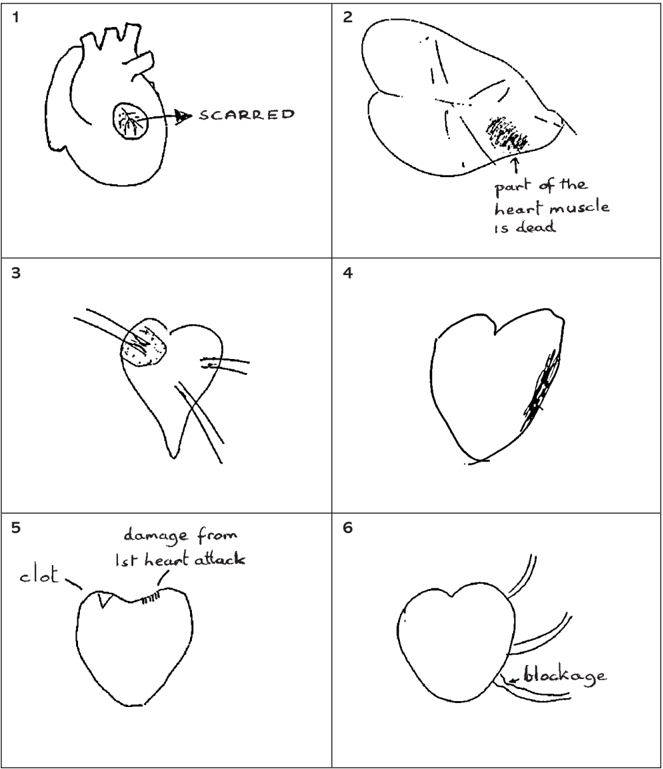
- Broadbent E, Petrie KJ, Ellis CJ, Ying J, Gamble G. A picture of health -myocardial infarction patients' drawings of their hearts and subsequent disability: a longitudinal study. J Psychosom Res 2004;57:583-7.
- Broadbent E, Ellis CJ, Gamble G, Petrie KJ. Using patient drawings to identify slow recovery following myocardial infarction. Psychosom Med (in press) 10
- Donkin L, Ellis CJ, Powell R et al. Illness perceptions predict reassurance following negative exercise testing result. Psychol Health 2006;21:421-30.
- Scharloo M, Kaptein AA, Weinman J et al. Patients' illness perceptions and coping as predictors of functional status in psoriasis: a 1-year follow-up. Br J Dermatol 2000;142: 899-907.
- Scharloo M, Kaptein AA, Weinman JA et al. Predicting functional status in patients with rheumatoid arthritis. J Rheumatol 1999;26: 1686-93.
- Frostholm L, Fink P, Christensen KS et al. The patients' illness perceptions and the use of primary health care. Psychosom Med 2005;67:997-1005.
- Petrie KJ, Cameron LD, Ellis CJ, Buick D, Weinman, J. Changing illness perceptions after myocardial infarction: an early inter- vention randomized controlled trial. Psychosom Med 2002;64:580-6.
Cited by
Items 101–200 of 473
Brief Illness Perception Questionnaire (Brief IPQ)
Ng, T. S. (2012) · Journal of physiotherapy · doi:10.1016/s1836-9553(12)70116-9 · Cited by 35
Experiences of receiving a diagnosis of multiple sclerosis: a meta-synthesis of qualitative studies
Topcu, G., Mhizha-Murira, J. R., Griffiths, H. P., Bale, C., Drummond, A. E., Fitzsimmons, D. F., Potter, K.-J., Evangelou, N., & das Nair, R. (2022) · Disability and Rehabilitation · doi:10.1080/09638288.2022.2046187 · Cited by 47
The partner’s perspective of the impact of pituitary disease: Looking beyond the patient
Andela, C. D., Tiemensma, J., Kaptein, A. A., Scharloo, M., Pereira, A. M., Kamminga, N. G. A., & Biermasz, N. R. (2017) · Journal of Health Psychology · doi:10.1177/1359105317695427 · Cited by 27
“In view of the persistent QoL impairments in people with pituitary disease (e.g. psychological complaints, personality changes, issues regarding sexuality), and the small number of studies in partners of people with pituitary disease, the aim of this study was to explore the impact of the pituitary condition on the li…”
BackgroundInfluentialPerceived Severity and Susceptibility towards Leptospirosis Infection in Malaysia
Sukeri, S., Mohammad, W. M. Z. W., Shafei, M. N., Hamat, R. A., Osman, M. B., Jamaluddin, T. Z. M. T., & Daud, A. (2020) · International Journal of Environmental Research and Public Health · doi:10.3390/ijerph17176362 · Cited by 40
“Perception of illness can influence patients’ emotional response to the illness and their coping behaviors, including adherence to treatment [32].”
BackgroundWang, J., Yang, Z., Zheng, Y., Peng, Y., Wang, Q., Xia, H., Wang, Y., Ding, J., Zhu, P., Shang, L., et al. (2021) · Health and Quality of Life Outcomes · doi:10.1186/s12955-021-01770-4 · Cited by 42
der Elst, K. V., Cock, D. D., Vecoven, E., Arat, S., Meyfroidt, S., Joly, J., Moons, P., Verschueren, P., Westhovens, R., & CareRA study group (2015) · Scandinavian Journal of Rheumatology · doi:10.3109/03009742.2015.1074278 · Cited by 32
“new symptoms, patients develop or adjust certain beliefs and attitudes that determine their understanding of, and their way of dealing with, these unknown health experiences (15, 16).”
BackgroundExploring Work-Related Causal Attributions of Common Mental Disorders
Olsen, I. B., Øverland, S. N., Rème, S. E., & Løvvik, C. (2014) · Journal of Occupational Rehabilitation · doi:10.1007/s10926-014-9556-z · Cited by 41
“The causal attribution component of illness perceptions is thought to influence various health behaviors, the kind of strategies people use to control and cope with their illness [22–25].”
BackgroundStriberger, R., Zarrouk, M., Kumlien, C., & Axelsson, M. (2023) · BMC Nursing · doi:10.1186/s12912-023-01329-2 · Cited by 35
“The way patients perceive illness is one relevant aspect that determines their health-management behaviour, [7] and it can be improved by patient education [8–10].”
BackgroundMansell, G., Storheim, K., Løchting, I., Werner, E. L., & Grotle, M. (2017) · Physical Therapy · doi:10.1093/ptj/pzx091 · Cited by 32
Tylee, A., Ashworth, M., Barley, E., Brown, J., Chambers, J., Farmer, A., Fortune, Z., Haddad, M., Lawton, R., Mann, A., et al. (2011) · BMC Family Practice · doi:10.1186/1471-2296-12-38 · Cited by 25
Causal item of Brief Illness Perception Questionnaire (BIPQ) scale: The main categories
Lukoševičiūtė, J., & Šmigelskas, K. (2020) · Health Psychology Research · doi:10.4081/hpr.2020.8485 · Cited by 30
“Moreover, recent studies confirmed that illness perception relates not only to adaptation to disease but disease outcomes as well (Petrie & Weinman, 2006; Broadbent et al., 2015; Marke & Bennett, 2017).”
BackgroundMaywald, M., Pogarell, O. M., Levai, S., Paolini, M., Tschentscher, N., Rauchmann, B., Krause, D., Stoecklein, S., Goerigk, S. A., Röll, L., et al. (2023) · NeuroImage Clinical · doi:10.1016/j.nicl.2023.103330 · Cited by 28
“Overall, a negative illness perception has been shown to delay recovery from that very illness (Petrie and Weinman, 2006; Trinidade et al., 2021).”
BackgroundWeldam, S. W. M., Lammers, J. J., Zwakman, M., & Schuurmans, M. J. (2016) · Applied Nursing Research · doi:10.1016/j.apnr.2016.10.010 · Cited by 36
Christou, E. A. A., Lalagianni, N., McSweeney, S. M., Cotter, C., Ung, C. Y., Walburn, J., McCrone, P., Turner, M. A., McGrath, J. A., Weinman, J., et al. (2025) · British Journal of Dermatology · doi:10.1093/bjd/ljaf189 · Cited by 32
Self-citationDIFFERENCES IN ILLNESS REPRESENTATIONS IN PATIENTS WITH CHRONIC KIDNEY DISEASE
Pagels, A. A., Söderquist, B. K., & Heiwe, S. (2015) · Journal of Renal Care · doi:10.1111/jorc.12117 · Cited by 35
“In previous research, self-blame has been identified as a common causal attribution, and described as strongly influencing other IR dimensions and coping (Petrie & Weinman 2006; Martz et al. 2010).”
BackgroundLay views about medicines: The influence of the illness label for the use of genericversusbrand
Figueiras, M. J., Cortes, M. A., Marcelino, D., & Weinman, J. A. (2010) · Psychology and Health · doi:10.1080/08870440903137170 · Cited by 28
Self-citationWu, H., Zhao, X., Fritzsche, K., Salm, F., Leonhart, R., Wei, J., Yang, J., & Schaefert, R. (2013) · Psychology Health & Medicine · doi:10.1080/13548506.2013.802358 · Cited by 31
“…the relationship between illness perception and health status in unselected Chinese general hospital outpatients, rather than a specific diagnostic group, comparable to western studies of primary care patients (Frostholm et al., 2005, 2007; Petrie, Jago, & Devcich, 2007; Petrie & Weinman, 2006).”
ResultLøchting, I., Fjerstad, E., & Garratt, A. (2013) · BMC Musculoskeletal Disorders · doi:10.1186/1471-2474-14-28 · Cited by 25
“Hence, understanding and addressing illness perceptions alongside existing health care interventions may be important for achieving desired health outcomes [15] and for the sustainment of health gains following rehabilitation.”
BackgroundThe Patient’s Experience of Gout: New Insights to Optimize Management
Dalbeth, N., & Lindsay, K. (2011) · Current Rheumatology Reports · doi:10.1007/s11926-011-0228-0 · Cited by 24
“Illness perceptions are key determinants of behavior directed at managing disease and have been associated with outcome in chronic diseases [20].”
BackgroundGrande, M. R. L., Elliott, P. C., Worcester, M. C., Murphy, B. M., Goble, A. J., Kugathasan, V., & Sinha, K. (2012) · Psychology Health & Medicine · doi:10.1080/13548506.2012.661865 · Cited by 28
“These negative perceptions can impact on behaviours such as treatment adherence and influence outcomes, such as quality of life, depression and functional recovery (Petrie et al., 2007; Petrie & Weinman, 2006).”
BackgroundDoes Illness Perception Explain Quality of Life of Patients With Prostate Cancer?
Mickevičienė, A., Vanagas, G., Jievaltas, M., & Ulys, A. (2013) · Medicina · doi:10.3390/medicina49050038 · Cited by 24
“Moreover, the EORTC QLQ-C30, the VAS, and the IPQ-R that are validated in different patients’ populations were employed (19, 21, 24, 30).”
BackgroundMethodScerri, J., Saliba, T., Saliba, G., Scerri, C. A., & Camilleri, L. (2018) · Quality of Life Research · doi:10.1007/s11136-018-2009-y · Cited by 24
Graham, S., Auyeung, V., & Weinman, J. A. (2020) · Patient Preference and Adherence · doi:10.2147/ppa.s268972 · Cited by 27
Self-citationPaige, S. R., Bonnar-Kidd, K. K., Black, D. R., & Coster, D. C. (2017) · The Science of Diabetes Self-Management and Care · doi:10.1177/0145721717747228 · Cited by 30
Yanez, B. R., Bustillo, N. E., Antoni, M. H., Lechner, S. C., Dahn, J. R., Kava, B., & Penedo, F. J. (2014) · Journal of Behavioral Medicine · doi:10.1007/s10865-014-9594-1 · Cited by 23
“Moreover, negative illness perceptions about the severity and consequences of disease are associated with poorer recovery, independent of the initial medical prognosis in other chronic disease populations (Leventhal et al., 1980; Petrie & Weinman, 2006).”
Risk perception of cardiovascular diseases among individuals with hypertension in rural Malaysia
Azahar, N., Krishnapillai, A. D. S., Zaini, N. H., & Yusoff, K. (2017) · Heart Asia · doi:10.1136/heartasia-2016-010864 · Cited by 22
Asman, A. G., Hoogendoorn, C. J., McKee, M. D., & Gonzalez, J. S. (2019) · Journal of Behavioral Medicine · doi:10.1007/s10865-019-00056-x · Cited by 25
Brooks, S., Rowley, S., Broadbent, E., & Petrie, K. J. (2012) · Health Psychology · doi:10.1037/a0027591 · Cited by 26
“Illness perceptions are comprised of a number of interrelated beliefs about the cause of the illness, how long it will last, what the consequences of the illness are on the patient’s life, the symptoms that go with the condition and how the illness is controlled or cured (Petrie & Weinman, 2006).”
BackgroundSelf-citationBed and shower baths: comparing the perceptions of patients with acute myocardial infarction.
Lopes, J., Nogueira-Martins, L. A., & de Barros, A. L. (2012) · Journal of Clinical Nursing · doi:10.1111/j.1365-2702.2012.04320.x · Cited by 18
The psychological impact of test results following diagnostic coronary CT angiography.
Devcich, D., Ellis, C., Broadbent, E., Gamble, G., & Petrie, K. (2012) · Health Psychology · doi:10.1037/a0026502 · Cited by 19
“…(1984) model, in which individuals are seen as active processors of illness information and where patients’ illness appraisals play an important role in informing subsequent coping strategies as well as ongoing health behavior (Petrie & Weinman, 2006) and health outcomes (Hagger & Orbell, 2003).”
BackgroundSelf-citationGajofatto, A., Donisi, V., Busch, I. M., Gobbin, F., Butturini, E., Calabrese, M., de Prati, A. C., Cesari, P., Piccolo, L. D., Donadelli, M., et al. (2019) · BMJ Open · doi:10.1136/bmjopen-2019-030469 · Cited by 25
“30 These beliefs can influence coping behaviour, since negative illness perceptions are related to worse adjustment outcomes, slower recovery and increased future disability.(28) For this reason, illness perception may influence the ability to be resilient facing the new MS diagnosis.”
BackgroundHow consistent are beliefs about the causes and solutions to illness?: An experimental study
Ogden, J., & Jubb, A. (2008) · Psychology Health & Medicine · doi:10.1080/13548500701767361 · Cited by 28
“Research has described such associations as a ‘goodness of fit’ between different sets of cognitions (Petrie & Weinman, 2006).”
Backgroundvan der Kloot, W. A., Uchida, Y., Inoue, K., Kobayashi, K., Yamaoka, K., Nortier, H. W. R., & Kaptein, A. A. (2016) · PubMed · doi:10.3978/j.issn.2304-3865.2016.01.01 · Cited by 23
Illness perceptions of adults with eczematous skin diseases: a systematic mixed studies review
Rocholl, M., Ludewig, M., Brakemeier, C., John, S. M., & Wilke, A. (2021) · Systematic Reviews · doi:10.1186/s13643-021-01687-5 · Cited by 23
“, adherence to treatment), it is necessary to examine the patients’ perspectives on their illness [20, 21].”
BackgroundH-index pathology: implications for medical researchers and practitioners
Horne, R., Petrie, K. J., & Wessely, S. C. (2009) · BMJ · doi:10.1136/bmj.b5356 · Cited by 20
Self-citationPatient‐reported events preceding the onset of rheumatoid arthritis: Possible clues to aetiology
Söderlin, M. K., Bergsten, U., Svensson, B., & for the BARFOT Study Group (2010) · Musculoskeletal Care · doi:10.1002/msc.193 · Cited by 21
Zanini, C., Maino, P., Möller, J. C., Gobbi, C., Raimondi, M., & Rubinelli, S. (2015) · Patient Education and Counseling · doi:10.1016/j.pec.2015.11.029 · Cited by 25
“First, this study supports literature that stresses the importance of doctors taking into account patients’ views of illnesses, medications, and lifestyles [25,26].”
BackgroundDamman, W., Liu, R., Kaptein, A., Evers, A., van Middendorp, H., Rosendaal, F., & Kloppenburg, M. (2018) · Rheumatology · doi:10.1093/rheumatology/key231 · Cited by 18
Giordano, V., Mercuri, C., Simeone, S., Rea, T., Virgolesi, M., Nocerino, R., Bosco, V., & Guillari, A. (2025) · Frontiers in Global Women s Health · doi:10.3389/fgwh.2025.1501237 · Cited by 22
“Petrie and Weinman, indeed support that the personal experience of heart disease through a family member tends to foster the perception of a serious illness and can contribute to reducing treatment delays (105).”
Caring about symptoms in person-centred care
Brink, E., & Skott, C. (2013) · Open Journal of Nursing · doi:10.4236/ojn.2013.38077 · Cited by 40
Walburn, J., Sarkany, R., Norton, S., Foster, L., Morgan, M., Sainsbury, K., Araújo‐Soares, V., Anderson, R., Garrood, I., Heydenreich, J., et al. (2017) · BMJ Open · doi:10.1136/bmjopen-2017-018364 · Cited by 19
“A key focus has been the perceptions a person holds about their illness 8 and treatment.”
BackgroundSelf-citationGlattacker, M., Heyduck, K., Meffert, C., & Jakob, T. (2018) · Journal of clinical psychology in medical settings · doi:10.1007/s10880-018-9551-1 · Cited by 16
“The cognitive illness representations consist of five interrelated components: identity (the symptoms and ‘diagnostic label’ associated with the illness), causal beliefs, timeline beliefs, beliefs about control/cure, and consequences (Petrie & Weinman, 2006).”
BackgroundLongitudinal assessment of illness perceptions in young adults with cancer
de Castro, E. K., Kreling, M., Ponciano, C. F., Meneghetti, B. M., & Chem, C. M. (2012) · Psicologia Reflexão e Crítica · doi:10.1590/s0102-79722012000400006 · Cited by 19
“Therefore, the illness perceptions will guide the individual´s behavior in various aspects of his life, including his way of coping with the illness (Heijmans & Ridder, 1998; Petrie & Weinman, 2006).”
BackgroundKirby, S. E., Dennis, S. M., Bazeley, P., & Harris, M. (2012) · Australian Journal of Primary Health · doi:10.1071/py12030 · Cited by 20
Illness Perceptions and Mortality in Patients With Gout: A Prospective Observational Study
Serlachius, A. S., Gamble, G. D., House, M. E., Vincent, Z. L., Knight, J., Horne, A. M., Taylor, W. J., Petrie, K. J., & Dalbeth, N. (2017) · Arthritis Care & Research · doi:10.1002/acr.23147 · Cited by 25
“little to no association with objective clinical markers or prognosis (15).”
BackgroundSelf-citationMuscat, P., Chilcot, J., Weinman, J. A., & Hudson, J. L. (2018) · Journal of Renal Care · doi:10.1111/jorc.12243 · Cited by 37
“This model proposes that, in order to cope with their illness, each patient will attempt tomake sense of it by developing their own perceptions, which will determine their behavioural and emotional responses (Petrie & Weinman 2006).”
BackgroundSelf-citationAnakwa, N. O., Teye‐Kwadjo, E., & Kretchy, I. A. (2021) · Nursing Open · doi:10.1002/nop2.797 · Cited by 26
“A previous work has shown that negative illness perceptions such as beliefs about uncontrollability, incurability and chronicity of a health condition are associated with poor mental health outcomes (Petrie & Weinman, 2006).”
BackgroundArat, S., den Zegel, A. V., Rillaer, M. V., Moons, P., Vandenberghe, J. U., Langhe, E. D., & Westhovens, R. (2016) · BMC Nursing · doi:10.1186/s12912-016-0156-4 · Cited by 21
“Illness perceptions directly influence the individual’s emotional response to the illness and guide coping behaviour such as adherence to treatment and health care use in a positive or negative way [1, 3, 4].”
BackgroundThe art of perception: Patients drawing their vestibular schwannoma
van Leeuwen, B. M., Herruer, J. M., Putter, H., van der Mey, A. G. L., & Kaptein, A. A. (2015) · The Laryngoscope · doi:10.1002/lary.25386 · Cited by 21
“Laryngoscope 125: December 2015 van Leeuwen et al.: Patients Drawing Their Vestibular Schwannoma significant negative correlations (r>0.50; P<.01) were found between the B-IPQ dimensions Identity, Concern, and Emotional response and the PANQOL dimensions Balance, Hearing, and Energy, indicating an association between…”
BackgroundInfluentialCarter, L., Read, J., Pyle, M., Law, H., Emsley, R., & Morrison, A. P. (2017) · Psychology and Psychotherapy Theory Research and Practice · doi:10.1111/papt.12163 · Cited by 18
Johansson, A., Axelsson, M., Grankvist, G., Berndtsson, I., & Brink, E. (2018) · Open Journal of Nursing · doi:10.4236/ojn.2018.89044 · Cited by 18
“Illness perceptions are organized in a pattern, consisting of disease dimensions such as the consequences of the disease for everyday life, the emotional influence the disease has on life, the nature of the disease, and the expected duration of the disease [9].”
BackgroundSchulze, T., Maercker, A., & Horn, A. B. (2014) · Gerontology · doi:10.1159/000358559 · Cited by 22
Segal, O., Goldzweig, G., Tako, E., Barzilai, A., Lyakhovitsky, A., & Baum, S. (2021) · Acta Dermato Venereologica · doi:10.2340/00015555-3785 · Cited by 17
“The significant impact of psychological factors, such as illness perception (IP) and perceived social support (PSS), on QoL has been described in different chronic medical conditions, and there are diseases in which the effect of these factors was reported to be higher than that of clinical severity (6, 7).”
BackgroundAlexithymia and perception of illness in patients with cancer
Okanlı, A., Karabulutlu, E. Y., Karakaş, S. A., Altun, Ö. Ş., & Yıldırım, N. (2018) · European Journal of Cancer Care · doi:10.1111/ecc.12839 · Cited by 21
Análise Fatorial Exploratória do Questionário de Percepção de Doenças Versão Breve (Brief IPQ)
Nogueira, G. S., Seidl, E. M. F., & Tróccoli, B. T. (2016) · Psicologia Teoria e Pesquisa · doi:10.1590/0102-37722016011871161168 · Cited by 28
“…da doença e eficácia do tratamento) (Broadbent, Petrie, Main, & Weinman, 2006; Cameron & Leventhal, 2003; Diefenbach & Leventhal, 1996; Figueiras, Machado, & Alves, 2002; Leventhal et al., 2003; Pacheco-Huergo et al., 2011; Petrie & Weinman, 2006; Santos, Pais-Ribeiro, & Lopes, 2003; Sousa, 2003).”
Eshiet, U. I., Okonta, J. M., & Ukwe, C. V. (2019) · Seizure · doi:10.1016/j.seizure.2019.04.011 · Cited by 18
The effect of cardiac genetic testing on psychological well-being and illness perceptions
Hickey, K. T., Sciacca, R. R., BIVIANO, A. B., Whang, W., Dizon, J. M., Garan, H., & Chung, W. K. (2014) · Heart & Lung · doi:10.1016/j.hrtlng.2014.01.006 · Cited by 19
Yıldız, K., & Koç, Z. (2021) · European Journal of Oncology Nursing · doi:10.1016/j.ejon.2021.102000 · Cited by 18
Patients’ Illness Perceptions of Type 2 Diabetes: A Scoping Review
Dimova, E. D., Ward, A. L., Swanson, V., & Evans, J. M. M. (2017) · Current Diabetes Reviews · doi:10.2174/1573399814666171227214845 · Cited by 22
“Similarly, patients with hypertension, which can also be asymptomatic, are less likely to adhere to treatment regimens if they do not experience symptoms [50, 51].”
BackgroundOfori-Atta, A. L., Reynolds, N. R., Antwi, S., Renner, L. A., Nichols, J. S., Lartey, M. Y., Amissah, K. A., Kusah, J. T., Alhassan, A., Ofori, I. P., et al. (2018) · AIDS Care · doi:10.1080/09540121.2018.1537463 · Cited by 23
“…emotional response to the illness and guide coping behavior such as adherence to treatment and healthcare use in a positive or negative way (Arat, De Cock, Moons, Vandenberghe, & Westhovens, 2018; Broadbent et al., 2015; Leventhal, Phillips, & Burns, 2016; Petrie & Weinman, 2006; Reynolds, 2003).”
BackgroundMagaard, J., Löwe, B., Brütt, A., & Kohlmann, S. (2018) · BMC Psychiatry · doi:10.1186/s12888-018-1936-z · Cited by 13
Atwa, Z. T., & Wahed, W. Y. A. (2019) · Pediatric Blood & Cancer · doi:10.1002/pbc.27735 · Cited by 19
Psychological distress symptoms and illness perception in patients with epilepsy in Northwest Greece
Siarava, E., Markoula, S., Pelidou, S., Kyritsis, A. P., & Hyphantis, T. N. (2019) · Epilepsy & Behavior · doi:10.1016/j.yebeh.2019.106647 · Cited by 17
Biomedical origins of the term 'osteopathic lesion' and its impact on people in pain
Noy, M., Macedo, L. G., & Carlesso, L. C. (2020) · International journal of osteopathic medicine · doi:10.1016/j.ijosm.2020.06.002 · Cited by 17
Gómez-de-Regil, L. (2014) · The Scientific World JOURNAL · doi:10.1155/2014/969867 · Cited by 17
“Beliefs about an illness’s etiology may also affect patient emotional response, particularly in illness in which the etiology is still unclear [27].”
BackgroundSymptoms in patients with takotsubo syndrome: a qualitative interview study
Wallström, S., Ulin, K., Ömerovic, E., & Ekman, I. (2016) · BMJ Open · doi:10.1136/bmjopen-2016-011820 · Cited by 16
“an AMI and should therefore be identified and addressed.(29) This shows the importance of integrating symptom perception into care as a target for therapy.”
BackgroundNabolsi, M. (2020) · Nursing Open · doi:10.1002/nop2.458 · Cited by 23
“Lack of knowledge and awareness of potential risks directly influences emotional and behavioural responses to take preventive measures (Petrie & Weinman, 2006).”
BackgroundBergsten, U. (2011) · DiVA (Digitala Vetenskapliga Arkivet) · Cited by 16
Masupe, T., Man, J. D., Onagbiye, S. O., Puoane, T. R., & Delobelle, P. (2021) · African Journal of Primary Health Care & Family Medicine · doi:10.4102/phcfm.v13i1.2997 · Cited by 18
Unger, J., Mattsson, M., Dragoi, R. G., Avram, C., Boström, C., Buttgereit, F., Lackner, A., Witte, T., Raffeiner, B., Peichl, P., et al. (2021) · Frontiers in Medicine · doi:10.3389/fmed.2021.770422 · Cited by 15
“Dear hair loss”—illness perceptions of female patients with chemotherapy-induced alopecia
Versluis, A., van Alphen, K., Dercksen, W., de Haas, H., van den Hurk, C. J. G., & Kaptein, A. A. (2022) · Supportive Care in Cancer · doi:10.1007/s00520-021-06748-y · Cited by 20
“Our study contributes to establishing further work in attempts to address illness perceptions and make them more adaptive and constructive, in line with related research in the theoretical context of the Common Sense Model [11, 30].”
BackgroundResultInfluentialAlfian, S. D., Annisa, N., Perwitasari, D. A., Coelho, A., & Abdulah, R. (2022) · Frontiers in Pharmacology · doi:10.3389/fphar.2022.985293 · Cited by 30
“These could be tailored interventions taking into consideration that illness perceptions can be changed by educational interventions (Petrie and Weinman, 2006).”
BackgroundPerception of Illness in Patients with Traumatic Brain Injury
War, F. A., & Rajeswaran, J. (2012) · Indian Journal of Psychological Medicine · doi:10.4103/0253-7176.106014 · Cited by 16
“[5] Perception is usually based on early schemes,[6] which help the individual to cope with the illness.”
BackgroundWalking drawings and walking ability in children with cerebral palsy.
Chong, J., Mackey, A. H., Stott, N. S., & Broadbent, E. (2012) · Health Psychology · doi:10.1037/a0027353 · Cited by 15
Rakhshan, M., Hassani, P., Ashktorab, T., & Majd, H. A. (2013) · International Journal of Nursing Practice · doi:10.1111/ijn.12073 · Cited by 19
Walsh, C. P., Prior, J. A., Chandratre, P., Belcher, J., Mallen, C. D., & Roddy, E. (2016) · BMC Musculoskeletal Disorders · doi:10.1186/s12891-016-1252-z · Cited by 15
“Depending on how the individual perceives this new illness, these can directly influence aspects of management, such as drug adherence, but such illness perceptions are also dynamic and can alter [4].”
BackgroundRehabilitation use in multiple sclerosis: Do illness representations matter?
Glattacker, M., Giesler, J. M., Klindtworth, K., & Nebe, A. (2018) · Brain and Behavior · doi:10.1002/brb3.953 · Cited by 16
Detrimental impact of temporomandibular disorders (mis)beliefs and possible strategies to overcome
Cintra, D. N., de Oliveira, S. A. S., Lorenzo, I. A., Costa, D. M. F., Bonjardim, L. R., & Costa, Y. M. (2022) · Journal of Oral Rehabilitation · doi:10.1111/joor.13330 · Cited by 16
Jakovljević, M. (2009) · PubMed · Cited by 20
Ayu, A. P., Dijkstra, B. M., Golbach, M., de Jong, C. A. J., & Schellekens, A. (2016) · PLoS ONE · doi:10.1371/journal.pone.0164262 · Cited by 18
Hughes, A. M., Gordon, R., Chalder, T., Hirsch, C. R., & Moss-Morris, R. E. (2016) · British Journal of Health Psychology · doi:10.1111/bjhp.12214 · Cited by 18
Chronic Kidney Disease Management in Developing Countries
Badro, D. A. (2023) · Springer eBooks · doi:10.1007/978-3-030-74786-2_27-1 · Cited by 27
Physical symptom attributions: a defining characteristic of somatoform disorders?
Frostholm, L., Ørnbøl, E., & Fink, P. (2015) · General Hospital Psychiatry · doi:10.1016/j.genhosppsych.2015.01.002 · Cited by 14
“Patients’ illness beliefs have been shown to influence health and treatment outcomes in somatoform as well as physical disorders [1,2].”
BackgroundLugo-González, I. V., Fernández-Vega, M., Erazo, L. R., Gálvez, A. L. B., & Pérez-Bautista, Y. Y. (2020) · Salud Mental · doi:10.17711/sm.0185-3325.2020.039 · Cited by 18
“For a detailed review, see Petrie and Weinman (2006), Petrie and Weinman (2012), Pacheco-Huergo et al. (2012), and Mora and McAndrew (2013).”
BackgroundWiafe, E., Mensah, K. B., Mensah, A. B. B., Bangalee, V., & Oosthuizen, F. (2021) · Systematic Reviews · doi:10.1186/s13643-021-01695-5 · Cited by 17
Ramu, P., Osman, M. B., Mutalib, N. A. A., Aljaberi, M. A. A., Lee, K., Lin, C., & Hamat, R. A. (2023) · Healthcare · doi:10.3390/healthcare11060853 · Cited by 35
“The assessment of perceived severity is vital to evaluate how one perceives an illness (food poisoning in this case), which can influence their emotional response to the illness and their coping behaviors toward treatment [85,86].”
BackgroundAlbert, V., Coutu, M., & Durand, M. (2012) · Disability and Rehabilitation · doi:10.3109/09638288.2012.702849 · Cited by 19
“Although these five components appear consistent among different cultures or health problems [8,11], beliefs related to each representation component may vary greatly from one individual to another and the representation is not always in accordance with biomedical reality [12].”
BackgroundExplanatory models in patients with first episode depression: A study from North India
Grover, S., Kumar, V., Chakrabarti, S., Hollikatti, P., Singh, P., Tyagi, S., Kulhara, P., & Avasthi, A. (2012) · Asian Journal of Psychiatry · doi:10.1016/j.ajp.2012.07.003 · Cited by 14
“Studies done in patients with physical illnesses also suggest that negative illness perception is associated with increased disability and slower recovery (Petrie and Weinman, 2006).”
BackgroundMarcus, E., Garety, P. A., Weinman, J. A., Emsley, R., Dunn, G., Bebbington, P., Freeman, D. H., Kuipers, E., Fowler, D. G., Hardy, A., et al. (2014) · Journal of Behavior Therapy and Experimental Psychiatry · doi:10.1016/j.jbtep.2014.06.003 · Cited by 18
“The IPQ has good psychometric properties, and a growing body of research supports the influence of illness perceptions upon recovery across a broad spectrum of physical health problems (e.g. Petrie, Jago, & Devcich, 2007; Petrie & Weinman, 2006; Sirri, Fava, & Sonino, 2013; Stewart & Yuen, 2011).”
Self-citationLee, B., Chien, C., Hung, C., & Chou, P. (2015) · Journal of Advanced Nursing · doi:10.1111/jan.12716 · Cited by 14
Exploration of illness perception among patients with mental illness in a multi-ethnic Asian sample
Subramaniam, M., Abdin, E., Jeyagurunathan, A., Chang, S. S. H., Samari, E., Shafie, S., Wei, K., Verma, S. K., & Chong, S. A. (2018) · Psychiatry Research · doi:10.1016/j.psychres.2018.06.032 · Cited by 15
Agüera, Z., Riesco, N., Valenciano‐Mendoza, E., Granero, R., Sánchez, I., Andreu, A., Jiménez‐Múrcia, S., & Fernández‐Aranda, F. (2021) · Eating and Weight Disorders - Studies on Anorexia Bulimia and Obesity · doi:10.1007/s40519-020-01083-3 · Cited by 16
“, illness awareness), this construct includes perceptions about identity, timeline, consequences, control, and cause of illness [2, 3].”
BackgroundEvans, C. T., Hill, J. N., Guihan, M., Chin, A. S., Goldstein, B., Richardson, M. S. A., Anderson, V. A., Risa, K. J., Kellie, S. M., & Cameron, K. A. (2013) · Journal of Spinal Cord Medicine · doi:10.1179/2045772313y.0000000153 · Cited by 15
Glover, C. M., Cocroft, S., James, B. D., & Barnes, L. L. (2019) · Alzheimer Disease & Associated Disorders · doi:10.1097/wad.0000000000000314 · Cited by 15
Jabbarian, L. J., Rietjens, J. A. C., Mols, F., Groeniger, J. O., van der Heide, A., & Korfage, I. J. (2021) · Supportive Care in Cancer · doi:10.1007/s00520-021-06179-9 · Cited by 19
“Patients scoring high on “Identity” tend to attribute commonly occurring symptoms (such as a headache) to their illness, even if no such association exists [34].”
BackgroundThe landscape of medical care consumption in Israel: a nationwide population cross-sectional study
Yosef, Y., Kiderman, A., CHINITZ, D. P., & Lahad, A. (2022) · Israel Journal of Health Policy Research · doi:10.1186/s13584-022-00542-9 · Cited by 13
Association of glycaemia with perceived threat of illness in patients with type 2 diabetes
Voigt, A., Madrid, E., Pacheco‐Huergo, V., Rastello, A., de Castro, D. P., Navarro-Brito, I., & Oyaneder, M. J. (2015) · Primary care diabetes · doi:10.1016/j.pcd.2015.03.001 · Cited by 16
“People exhibit a wide variety of ways to cope with their health threats, and personal beliefs seem to be associated with the degree of control they have over their illness [4–6].”
BackgroundShanley, D. C., & Reid, G. J. (2014) · Journal of Emotional and Behavioral Disorders · doi:10.1177/1063426614532832 · Cited by 17
“Illness representations have been associated with speed of recovery, health outcomes, and future health care utilization independent of previous health care use and severity of illness (Hagger & Orbell, 2003; Petrie & Weinman, 2006).”
BackgroundEvaluating the illness perception questionnaire on patients with chronic kidney disease in Sweden
Pagels, A. A., Söderquist, B. K., & Heiwe, S. (2011) · Scandinavian Journal of Caring Sciences · doi:10.1111/j.1471-6712.2011.00952.x · Cited by 13
Campbell‐Crofts, S., & Stewart, G. (2018) · Journal of Clinical Nursing · doi:10.1111/jocn.14220 · Cited by 18
Metadata
- Authors
- Petrie, K., & Weinman, J.
- Affiliations
- University of Auckland (NZ)
- King's College London (GB)
- Venue
- Clinical Medicine
- Publisher
- Elsevier BV
- Published
- 2006-11
- Volume
- 6
- Issue
- 6
- Pages
- 536-539
- ISSN
- 1470-2118 (ISSN-L)
- PMC
- PMC4952762
- OpenAlex
- W2320604122
- Semantic Scholar
- 37533ec4b0032f4a9c87d522813a8f4942380557
- Cited by
- 475
- References
- 4
- Citations by year
- 2026: 15 · 2025: 25 · 2024: 22 · 2023: 30 · 2022: 23 · 2021: 35 · 2020: 39 · 2019: 33 · 2018: 39 · 2017: 32 · 2016: 33 · 2015: 21 · 2014: 27 · 2013: 14 · 2012: 30
- FWCI
- 9.06
- Type
- journal article
- Language
- en
- Open access
- hybrid
- doi.org
- Licence
- cc-by-nc-nd
- www.elsevier.com/tdm/userlicense/1.0/ (tdm)
- www.elsevier.com/legal/tdmrep-license (tdm)
- creativecommons.org/licenses/by-nc-nd/4.0/ (vor, 6369 d)
- Locations
- Clinical Medicine (publishedVersion, cc-by-nc-nd)
- Europe PMC (PubMed Central) (publishedVersion)
- PubMed Central (publishedVersion)
- PubMed (publishedVersion)
- Research Portal (King's College London) (submittedVersion)
- Topics
- Health Sciences › Medicine › Psychiatry and Mental health › Mental Health Treatment and Access
- Health Sciences › Medicine › Psychiatry and Mental health › Psychosomatic Disorders and Their Treatments
- Health Sciences › Medicine › Endocrinology, Diabetes and Metabolism › Diabetes Management and Education
- Keywords
- depression, physical illness, illness perception, rheumatoid arthritis, diabetes mellitus, functional disability, pain, glycemic control, diabetes complications, comorbidities
- MeSH terms
- Adaptation, Psychological, Disease, Humans, Patients, Perception
About these checks
Registry, retraction, Cites and statistics results are computed, not judged, with one exception: a printed reference that no index lists is read once by a model before it counts as a citation error. Claims are extracted by a model and kept only when their quote appears verbatim in the text; each cited source is then checked, with a model’s help, for whether it says what the claim relies on. Those verdicts can be wrong — read the claim’s quote and the cited source before relying on one.
Statistics and arithmetic are recomputed, not judged.
Confidence bands are shown only for fields calibrated on our annotated test set. None is calibrated yet, so no band is shown.
What counts as a claim ›How we measure confidence ›How we check this ›
Are you an author, or do you see a problem with this page? Request a review
Data sources
Bibliographic data: Semantic Scholar, OpenAlex, Crossref.
Contains information from the Semantic Scholar Academic Graph Datasets, made available under the ODC Attribution License (ODC-BY 1.0).
Semantic Scholar’s data is described in: Kinney, R., et al. (2023). The Semantic Scholar Open Data Platform. arXiv:2301.10140.
