

Why illness perceptions matter
Open accessThe DOI matches its Crossref record; 5 of the 5 references it cites were found in a registry or an index.
Abstract
ConclusionsUntreated depression in patients with physical illness causes distress, amplifies physical symptoms and is more predictive of functional impairment over time than severity of physical illness.For example, patients with rheumatoid arthritis who become depressed may present with increasingly painful joints in the absence of increased disease activity.Also, diabetic patients with depression have worse glucose control and are more likely to have diabetic complications.It is therefore important that all clinicians should be aware of the frequency of depression in physical illness, be able to recognise it and have an understanding of its management.References 1 Royal College of Physicians, Royal College of Psychiatrists.The psychological care of medical patients.London: RCP, RCPsych,
Overview
The claims and statistics of this paper haven’t been checked yet.
Free: it reads the open-access text and checks the first 5 claims that cite a source we can check. Create a free account to check every claim.
Integrity signals
Registry
Cites
Statistics
Figures
Verification
Claims the paper makes
The claims and statistics of this paper haven’t been checked yet.
Free: it reads the open-access text and checks the first 5 claims that cite a source we can check. Create a free account to check every claim.
Claims other papers make about this one
Each is checked against this paper’s own text: does it say what the citing paper says it does?
The source backs part of the claim, not all of it — or backs it for a different population, condition or comparison.
In the citing paper
“A change in illness perceptions can help to reduce everyday disability and improve functioning and quality of life (Petrie and Weinman, 2006).”
From The effectiveness of a body-affective mindfulness intervention for multiple sclerosis patients with depressive symptoms: A randomized controlled clinical trial (2017) · cites this paper as Petrie and Weinman, 2006
Experimental — accuracy not yet measuredThe cited source says what the claim attributes to it.
In the citing paper
“Furthermore, such expectations or health perceptions are a good predictor of outcome in a host of medical conditions.16,17”
From Impact of psychological factors in the experience of pain (2011) · cites this paper as [17]
In the citing paper
“After receiving a diagnosis of illness, individuals develop an organized pattern of cognitive and emotional representations of their own illness, which can be referred to as an illness perception (Petrie and Weinman, 2006).”
From The effectiveness of a body-affective mindfulness intervention for multiple sclerosis patients with depressive symptoms: A randomized controlled clinical trial (2017) · cites this paper as Petrie and Weinman, 2006
In the citing paper
“These beliefs can influence coping behavior (Leventhal et al., 1984), with negative illness perceptions being associated with poorer recovery and increased healthcare use, even after controlling for objective illness severity (Leventhal et al., 1984; Petrie and Weinman, 2006).”
From The effectiveness of a body-affective mindfulness intervention for multiple sclerosis patients with depressive symptoms: A randomized controlled clinical trial (2017) · cites this paper as Petrie and Weinman, 2006
Self-check
Percentages, sums and reported differences re-computed from the paper’s own numbers.
The self-check needs the paper’s full text.
Citations
Cites
The Brief Illness Perception Questionnaire
Broadbent, E., Petrie, K. J., Main, J., & Weinman, J. (2006) · Journal of Psychosomatic Research · doi:10.1016/j.jpsychores.2005.10.020 · Cited by 3,431
Self-citationThe revised illness perception questionnaire (IPQ-R)
Moss-Morris, R., Weinman, J., Petrie, K., Horne, R., Cameron, L., & Buick, D. (2002) · Psychology & Health · doi:10.1080/08870440290001494 · Cited by 2,949
Self-citationMarteau, T. M., & Weinman, J. (2006) · Social Science & Medicine · doi:10.1016/j.socscimed.2005.08.005 · Cited by 285
Self-citationModern worries, new technology, and medicine
Petrie, K. J. (2002) · BMJ · doi:10.1136/bmj.324.7339.690 · Cited by 101
Self-citationBotha-Scheepers, S. A., Riyazi, N., Kroon, H. M. J. A., Scharloo, M., Houwing‐Duistermaat, J. J., Slagboom, P. E., Rosendaal, F. R., Breedveld, F. C., & Kloppenburg, M. (2006) · Osteoarthritis and Cartilage · doi:10.1016/j.joca.2006.04.011 · Cited by 93
Research works printed but not linked: 9
- Leventhal H, Meyer D, Nerenz D. The common sense representation of illness danger. In: Rachman S (ed). Contributions to medical psychology, vol. 2. New York: Pergamon Press, 1980:17-30.
- Weinman J, Petrie KJ, Sharpe N, Walker S. Causal attributions in patients and spouses following a heart attack and subsequent lifestyle changes. Br J Health Psychol 2000;5: 263-73.
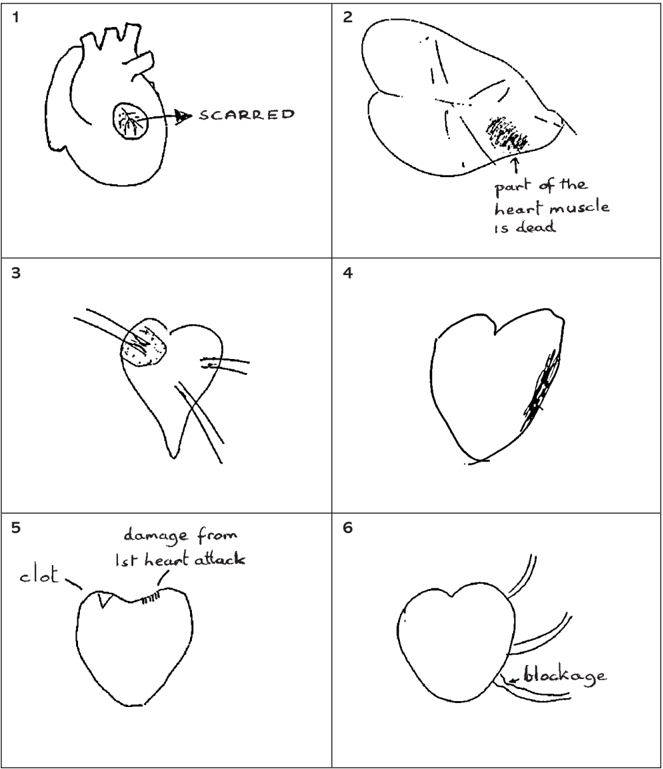
- Broadbent E, Petrie KJ, Ellis CJ, Ying J, Gamble G. A picture of health -myocardial infarction patients' drawings of their hearts and subsequent disability: a longitudinal study. J Psychosom Res 2004;57:583-7.
- Broadbent E, Ellis CJ, Gamble G, Petrie KJ. Using patient drawings to identify slow recovery following myocardial infarction. Psychosom Med (in press) 10
- Donkin L, Ellis CJ, Powell R et al. Illness perceptions predict reassurance following negative exercise testing result. Psychol Health 2006;21:421-30.
- Scharloo M, Kaptein AA, Weinman J et al. Patients' illness perceptions and coping as predictors of functional status in psoriasis: a 1-year follow-up. Br J Dermatol 2000;142: 899-907.
- Scharloo M, Kaptein AA, Weinman JA et al. Predicting functional status in patients with rheumatoid arthritis. J Rheumatol 1999;26: 1686-93.
- Frostholm L, Fink P, Christensen KS et al. The patients' illness perceptions and the use of primary health care. Psychosom Med 2005;67:997-1005.
- Petrie KJ, Cameron LD, Ellis CJ, Buick D, Weinman, J. Changing illness perceptions after myocardial infarction: an early inter- vention randomized controlled trial. Psychosom Med 2002;64:580-6.
Cited by
Items 201–300 of 473
Frostholm, L., Hornemann, C., Ørnbøl, E., Fink, P., & Mehlsen, M. Y. (2018) · Clinical Journal of Pain · doi:10.1097/ajp.0000000000000627 · Cited by 15
Wolf, J., Sattel, H. C., Limburg, K., & Lahmann, C. (2020) · Journal of Psychosomatic Research · doi:10.1016/j.jpsychores.2020.109934 · Cited by 18
Rasmussen, S., Jensen, C. T., Rosendal, M., Vægter, H. B., Søndergaard, J., & Jarbøl, D. E. (2020) · Journal of Psychosomatic Research · doi:10.1016/j.jpsychores.2020.109941 · Cited by 16
Grosso, F. (2025) · Humanities and Social Sciences Communications · doi:10.1057/s41599-025-04359-0 · Cited by 22
“Speci fi cally, health psychologists have explored how disease representations can lead to lifestyle mod-i fi cations, eventually leading to changes in medical outcomes (Petrie and Weinman 2006; Pagnini 2019).”
Portraying a grim illness: lung cancer in novels, poems, films, music, and paintings
Kaptein, A. A., & Thong, M. S. Y. (2018) · Supportive Care in Cancer · doi:10.1007/s00520-018-4222-1 · Cited by 12
Adesão ao Tratamento, Resiliência e Percepção de Doença em Pessoas com HIV,
Seidl, E. M. F., & Remor, E. (2020) · Psicologia Teoria e Pesquisa · doi:10.1590/0102.3772e36nspe6 · Cited by 20
Illness experience and illness representation among older adults with hypertension
Duwe, E., Holloway, B. M., Chin, J., & Morrow, D. G. (2018) · Health Education Journal · doi:10.1177/0017896917751553 · Cited by 14
Santos, A. N., Pascoal, P. M., & Barros, L. (2019) · Journal of Sex & Marital Therapy · doi:10.1080/0092623x.2019.1682730 · Cited by 15
“Perhaps the way in which individuals perceive and cognitively represent their difficulties determines their cognitive and emotional response to those difficulties (Law et al., 2014; Leventhal et al., 2003; Petrie & Weinman, 2006), which can affect one’s sexual response (Nowosielski et al., 2010).”
BackgroundHeart in art: cardiovascular diseases in novels, films, and paintings
Kaptein, A. A., van der Meer, P. B., Florijn, B. W., Hilt, A. D., Murray, M., & Schalij, M. J. (2020) · Philosophy Ethics and Humanities in Medicine · doi:10.1186/s13010-020-0086-3 · Cited by 13
Correlations between postural control and psychological factors in vestibular schwannoma patients
Ribeyre, L., Spitz, É., Frère, J., Gauchard, G. C., & Parietti‐Winkler, C. (2016) · Journal of Vestibular Research · doi:10.3233/ves-160588 · Cited by 15
Return to work following total knee arthroplasty: A multiple case study of stakeholder perspectives
Coutu, M., Gaudreault, N., Major, M.-È., Nastasia, I., Dumais, R., Deshaies, A., Pettigrew, S., Labrecque, M.-É., Desmeules, F., & Maillette, P. (2020) · Clinical Rehabilitation · doi:10.1177/0269215520984319 · Cited by 11
Schut, C., Felsch, A., Zick, C., Hinsch, K., Gieler, U., & Kupfer, J. (2013) · Journal of the European Academy of Dermatology and Venereology · doi:10.1111/jdv.12301 · Cited by 14
Illness Perception Differences Between Russian- and Hebrew-Speaking Israeli Oncology Patients
Popov, N., Heruti, I., Levy, S., Lulav-Grinwald, D., & Bar‐Sela, G. (2014) · Journal of Clinical Psychology in Medical Settings · doi:10.1007/s10880-013-9384-x · Cited by 10
“Another possible explanation is the generally more fatalistic beliefs about health and illness among this cultural group, as noticed in Israeli studies by Remennick (2003). The negative correlation found between the length of time spent in Israel and perception of cancer chronicity and severity of its consequences amo…”
BackgroundFletcher, C. M. E., Wilson, C. J., Flight, I. H. K., Gunn, K. M., & Patterson, P. (2019) · International Journal of Behavioral Medicine · doi:10.1007/s12529-019-09793-4 · Cited by 13
Carter, L., Read, J., Pyle, M., & Morrison, A. P. (2018) · Community Mental Health Journal · doi:10.1007/s10597-017-0219-3 · Cited by 12
“We naturally consider why certain events happen and in the case of mental health problems, why they are happening to us (Petrie and Weinman 2006).”
BackgroundIllness perception in overweight and obesity and impact on bio-functional age
Mathieu, L., Bitterlich, N., Meissner, F., von Wolff, M., Poethig, D., & Stute, P. (2018) · Archives of Gynecology and Obstetrics · doi:10.1007/s00404-018-4827-0 · Cited by 12
Wadephul, F., Jarrett, P. M., Jomeen, J., & Martin, C. R. (2018) · Journal of Advanced Nursing · doi:10.1111/jan.13786 · Cited by 11
Jones, K., Kydd, R. R., Broadbent, E., Theadom, A., Barker-Collo, S. L., Edwards, H., Feigin, V. L., & for the BIONIC Study Group (2016) · Psychology and Health · doi:10.1080/08870446.2016.1193178 · Cited by 13
“Leventhal’s Common Sense Model (CSM), for example describes how people actively make sense of an illness and then go on to form emotional and cognitive responses (Petrie & Weinman, 2006).”
BackgroundCan Illness Perceptions Predict Lower Heart Rate Variability following Acute Myocardial Infarction?
Princip, M., Scholz, M., Meister‐Langraf, R. E., Barth, J., Schnyder, U., Znoj, H., Schmid, J., Thayer, J. F., & von Känel, R. (2016) · Frontiers in Psychology · doi:10.3389/fpsyg.2016.01801 · Cited by 11
“Psychol.”
BackgroundInfluentialTylee, A. T., Barley, E. A., Walters, P., Achilla, E., Borschmann, R., Leese, M., McCrone, P., Palacios, J. E., Smith, A., Simmonds, R., et al. (2016) · Programme Grants for Applied Research · doi:10.3310/pgfar04080 · Cited by 15
“382 Male 489 (70) 68 (66) Female 207 (30) 35 (34) Ethnicity 0.”
Illness perceptions in people newly diagnosed with glaucoma and ocular hypertension
McDonald, L., Boodhna, T., Ajtony, C., Turnbull, P., Bourne, R., & Crabb, D. P. (2019) · British Journal of Ophthalmology · doi:10.1136/bjophthalmol-2018-313781 · Cited by 10
Xu, Y., Wang, W., Cheng, C., Yang, L., Chen, X., Yang, X., Chang, C., & Lu, Q. (2025) · Scientific Reports · doi:10.1038/s41598-025-16299-5 · Cited by 10
“Perceived susceptibility enhances risk assessment, increasing vaccination willingness 51 , Research by scholars such as Katekaew Seangpraw 52 also suggests that people who perceive diseases as harmful are more likely to make decisions to protect their health, and therefore they may be more likely…”
Lay causal beliefs about PTSD and cultural correlates in five countries
Meyer, C., Kampisiou, C., Triliva, S., Knaevelsrud, C., & Stammel, N. (2022) · European Journal of Psychotraumatology · doi:10.1080/20008198.2022.2029333 · Cited by 11
“Taking causal beliefs into consideration in mental health care has proven useful at several stages of counselling and treatment (Dinos et al., 2017; Petrie & Weinman, 2006).”
MethodNouhravesh, N., Sindet‐Pedersen, C., Kümler, T., Schou, M., Lamberts, M., & Højen, A. A. (2022) · Thrombosis Research · doi:10.1016/j.thromres.2022.10.013 · Cited by 9
Knee Osteoarthritis in Adult and Older Thais Living in Rural and Urban Areas: A Comparative Study
Aree‐Ue, S., & Roopsawang, I. (2015) · Pacific Rim International Journal of Nursing Research · Cited by 16
McSharry, J., Bishop, F. L., Moss-Morris, R. E., Holt, R. I. G., & Kendrick, T. (2014) · Journal of Affective Disorders · doi:10.1016/j.jad.2014.11.050 · Cited by 11
“…Coherence, Consequence, Cure-control, Identity and Timeline (Leventhal et al., 2011, Moss-Morris et al., 2002) and previous research has demonstrated the impact of illness representations on self-management, healthcare interactions, and outcome (Hagger and Orbell, 2005, Petrie and Weinman, 2006).”
Asnani, M., Barton‐Gooden, A., Grindley, M., & Knight‐Madden, J. (2016) · Vulnerable Children and Youth Studies · doi:10.1080/17450128.2016.1139222 · Cited by 9
“The way an individual perceives his/her illness can directly influence the individual’s emotional response to the illness and use of coping behaviour such as adherence to treatment (Petrie & Weinman, 2006).”
BackgroundYankouskaya, A., Boughey, A., McCagh, J., Neal, A., de Bézenac, C. E., & Davies, S. J. (2018) · JCR Journal of Clinical Rheumatology · doi:10.1097/rhu.0000000000000872 · Cited by 10
Buigues, C., Queralt, A., Velasco, J. A., Salvador‐Sanz, A., Jennings, C. S., Wood, D., & Trapero, I. (2021) · Life · doi:10.3390/life11020089 · Cited by 9
“These explanations go on to determine their coping mechanisms [21].”
BackgroundThe effects of messaging on long COVID expectations: An online experiment.
Mills, F., Bhogal, J. K., Dennis, A., Spoiala, C., Milward, J., Saeed, S., Jones, L. F., Weston, D., & Carter, H. (2022) · Health Psychology · doi:10.1037/hea0001230 · Cited by 10
“…as negative illness expectations have been shown to predict slower recovery rates, increased disability, worse physical symptoms, slower return to work, and reduced well-being (Broadbent et al., 2008; Karademas, 2006; McCarthy et al., 2003; Park et al., 2020, 2016; Petrie & Weinman, 2006).”
BackgroundBergsten, U., Dehlin, M., Klingberg, E., Landgren, A. J., & Jacobsson, L. (2023) · BMC Musculoskeletal Disorders · doi:10.1186/s12891-023-06416-8 · Cited by 9
“Depending on how patients perceive their illness it could directly influence aspects of the disease management [13].”
BackgroundHubungan Persepsi Penyakit (Illness Perception) dengan Kontrol Gejala Asma pada Pasien Rawat Jalan
Lorensia, A., Yulia, R., & Wahyuningtyas, I. S. (2017) · MPI (Media Pharmaceutica Indonesiana) · doi:10.24123/mpi.v1i2.191 · Cited by 9
Stapleton, P., & Leitch, K. (2015) · Journal of Obesity & Weight loss Therapy · doi:10.4172/2165-7904.1000246 · Cited by 7
“This pattern of differences amongst groups may be explained by illness perception model theory [18] in that doctors’ strong beliefs about controllable causes of obesity may have contributed to them having stronger antifat attitudes.”
BackgroundPereira, I., Pereira, M., Leite, Â., & Pereira, M. G. (2022) · Cancer Nursing · doi:10.1097/ncc.0000000000001081 · Cited by 11
Barclay, E. G. (2022) · The Open Review · doi:10.47967/tor2022col/vol8.02 · Cited by 8
SHAMSUDDIN, S. M. B. S., Ahmad, N., Radi, M. F. M., & Ibrahim, R. B. (2024) · PLoS ONE · doi:10.1371/journal.pone.0311427 · Cited by 10
de Wit, M., Horreh, B., Daams, J. G., Hulshof, C. T. J., Wind, H., & de Boer, A. G. E. M. (2020) · BMC Public Health · doi:10.1186/s12889-020-09621-5 · Cited by 9
Horwood, M., Loades, M. E., Košir, U., & Davis, C. (2023) · Journal of Pediatric Hematology/Oncology Nursing · doi:10.1177/27527530231190378 · Cited by 16
“Illness perceptions in fl uence how people respond to illness (Petrie & Weinman, 2006) and can range from negative (e.g., I have no control over my illness) to positive (e.g., I have control over my illness).”
BackgroundAttribution of Risk for Coronary Heart Disease in a Vulnerable Immigrant Population: A Survey Study
Fernandez, R. S., Davidson, P. M., Miranda, C., Everett, B., & Salamonson, Y. (2013) · The Journal of Cardiovascular Nursing · doi:10.1097/jcn.0b013e318276c027 · Cited by 9
“When experiencing an illness, individuals develop their own set of beliefs about the cause.(18) How individuals perceive both health and illness is influenced by a range of factors, including their own knowledge of medicine, or from personal experience or the experience of others.”
BackgroundIllness perceptions of Turkish Cypriot patients receiving haemodialysis: A qualitative study
Keskindağ, B., Farrington, K., Oygar, D. D., Mertan, B. E., Hucker, A., & Sharma, S. (2020) · Journal of Renal Care · doi:10.1111/jorc.12351 · Cited by 9
“Patients develop individual cognitions related to their condition (Petrie & Weinman 2006) and equally, illness perceptions may change over-time, leading to both inter and intra individual variation (Bonsaksen et al. 2015).”
BackgroundDuwe, E., Koerner, K. M., Madison, A., Falk, N. A., Insel, K. C., & Morrow, D. G. (2014) · Health Education Journal · doi:10.1177/0017896913516096 · Cited by 8
“This representation determines how patients confront – cognitively, behaviourally, and emotionally – the symptoms or diagnosis and make meaning from and interpret the illness (Godoy-Izquierdo et al., 2007; Meyer et al., 1985; Petrie and Weinman, 2006, 2012).”
BackgroundPatients’ perspectives on the COPD-GRIP intervention, a new nursing care intervention for COPD
Zwakman, M., Weldam, S. W. M., Vervoort, S. C. J. M., Lammers, J. J., & Schuurmans, M. J. (2019) · BMC Family Practice · doi:10.1186/s12875-019-0957-0 · Cited by 8
The Role of Emotion in Determining Pain
Bass, C. (2009) · Digestive Diseases · doi:10.1159/000268117 · Cited by 13
Women's experiences of living with chronic pain: A qualitative meta‐synthesis
Biring, S., Burton, A. E., Dunwoody, L., & Kevern, P. (2025) · British Journal of Health Psychology · doi:10.1111/bjhp.70023 · Cited by 10
Rocholl, M., Wilke, A., Meyer, J., John, S. M., & Ludewig, M. (2023) · International Journal of Environmental Research and Public Health · doi:10.3390/ijerph20095652 · Cited by 7
“, acute, chronic, cyclical); Consequences (expected and perceived social, economic, psychological, and physiological impacts); Controllability (perceived level of personal control and treatment control over a disease); Causes (one’s own beliefs about the cause(s) of the disease); and Coherence (extent to which the dis…”
BackgroundThe lived experience of people with progressive advanced cancer
Esteves, A., Rôxo, J. R. D. S., & Saraiva, M. D. C. (2015) · British Journal of Nursing · doi:10.12968/bjon.2015.24.sup10.s15 · Cited by 8
Al-Ghamdi, S. H., Ahmad, G., Ali, A. H. A., Bahakim, N. O., Alomran, S., Alhowikan, W., Almutairi, S., Basalem, T., & Aljuaid, F. F. (2018) · BMC Family Practice · doi:10.1186/s12875-018-0713-x · Cited by 7
“Illness perception questionnaires for various medical conditions have become more useful in recent years [10]: they examine perceptions patients have about their disease [11, 12], and look at the name of the disease, symptoms of it, and thoughts about its causes [13].”
BackgroundRetractedLotfi‐Tokaldany, M., Karimi, A., Shahmansouri, N., Sadeghian, S., Abbasi, S. H., Jalali, A., Isfahani, F. A., & Saadat, S. (2018) · Journal of Clinical Psychology in Medical Settings · doi:10.1007/s10880-018-9575-6 · Cited by 8
Patient perceptions of peripheral artery disease: A cross-sectional study of hospitalized adults
Eyholzer, S., Perrenoud, B., & Dwyer, A. A. (2019) · Journal of Vascular Nursing · doi:10.1016/j.jvn.2019.04.001 · Cited by 9
Sheikh, S. S., Qureshi, R. N., Raza, F., Memon, J., Ahmed, I., Vidler, M., Payne, B. A., Lee, T., Sawchuck, D., Magee, L. A., et al. (2019) · Pregnancy Hypertension · doi:10.1016/j.preghy.2019.05.016 · Cited by 7
Martínez‐García, E., Affleck, A. G., Rakvit, P., Arias‐Santiago, S., & Buendía‐Eisman, A. (2020) · Journal of Patient Experience · doi:10.1177/2374373520912085 · Cited by 8
“Moreover, even in those cases where the questionnaire did not modify the clinical approach and/or treatment choice, the active participation of patients in clinic, promoted by this questionnaire (among other actions to enhance doctor– patient communication), may improve adherence to treatment and therefore maximizes t…”
BackgroundDaily well‐being of cancer survivors: the role of somatic amplification
Barrineau, M. J., Zarit, S. H., King, H. A., Costanzo, E. S., & Almeida, D. M. (2014) · Psycho-Oncology · doi:10.1002/pon.3509 · Cited by 7
“Therefore, for individuals with a cancer history, the basis of amplification may be rooted in their illness representation or belief that minor bodily symptoms are related to cancer recurrence, which leads to psychological distress [31].”
BackgroundPaquet, L., Simmonds, L., Yang, C., & Verma, S. (2016) · Patient Education and Counseling · doi:10.1016/j.pec.2016.10.005 · Cited by 8
Clewley, D. J., Rhon, D. I., Flynn, T. W., Sissel, C. D., & Cook, C. E. (2018) · Journal of Orthopaedic and Sports Physical Therapy · doi:10.2519/jospt.2018.8259 · Cited by 7
Zare, L., Hassankhani, H., Doostkami, H., Brien, F. O., & Aghdam, A. M. (2016) · Open Journal of Nursing · doi:10.4236/ojn.2016.67058 · Cited by 4
“IP influences individuals’ emotional responses to illness and their coping behavior, such as adherence to treatment [6] [7].”
BackgroundKossakowska, M. M., & Stefaniak, T. (2016) · Health Psychology Report · doi:10.5114/hpr.2017.61668 · Cited by 23
Verveen, A., Nugroho, F. A., Bucur, I. G., Wynberg, E., van Willigen, H. D. G., Davidovich, U., Lok, A., van Charante, E. P. M., de Bree, G. J., de Jong, M. D., et al. (2024) · Psychological Medicine · doi:10.1017/s0033291724002721 · Cited by 8
Psychological Causes of Medical Signs Decrease Perceived Severity, Support for Care, and Donations
Goksel, S., Faro, D., & Puntoni, S. (2021) · Journal of the Association for Consumer Research · doi:10.1086/718454 · Cited by 8
“The opinions and attitudes of others, such as family and friends, as well as those of the general public, influence the mental models that patients construct regarding health problems, and how they feel about their circumstances (Rosenstock 1974; Petrie and Weinman 2006; Champion and Skinner 2008).”
Backgroundvan der Ziel, S., Gol, J. M., van Vliet, M. J., & Rosmalen, J. G. M. (2022) · BMC Pediatrics · doi:10.1186/s12887-022-03442-8 · Cited by 6
“This perception has a great influence on their emotional responses and adherence to management [1].”
BackgroundHe, J., Zhang, Y., Liu, Z., Barnhart, W. R., Cui, S., Chen, S., Fu, Y., Ji, F., Nagata, J. M., & Sun, S. (2024) · Journal of Eating Disorders · doi:10.1186/s40337-024-01159-w · Cited by 11
Weinman, J. A., Petrie, K. J., Perry, K., & Broadbent, E. (2012) · International Journal of Integrated Care · doi:10.5334/ijic.959 · Cited by 7
Self-citationKumar, K., Bradbury‐Jones, C., Armitage, C. J., Peters, S., Raizada, S. R., & Wong, P. K. K. (2020) · Rheumatology Advances in Practice · doi:10.1093/rap/rkaa009 · Cited by 6
“The notion of necessity in patients, who were informed of the need for therapy, derived from patient perceptions of illness, for example severity of symptoms stimulated medication use [19].”
BackgroundPark, S., Surkan, P. J., WINCH, P. J., Kim, J.-W., & Gittelsohn, J. (2020) · Ethnicity and Health · doi:10.1080/13557858.2020.1841886 · Cited by 6
“It has been suggested that an individual’s views and patterns of beliefs are key determinants of illness management because these perceptions directly influence responses to the illness and adherence to treatment (Petrie and Weinman 2006).”
BackgroundDiscepoli, N., Marruganti, C., Mirra, R., Pettinari, G., Cagidiaco, E. F., & Ferrari, M. (2021) · Journal of Periodontology · doi:10.1002/jper.21-0052 · Cited by 6
Employment Outcomes for Individuals With HIV/AIDS and Co-Occurring Mental Health Factors
Razzano, L. A., Hamilton, M. M., Yost, C., Pashka, N. J., & Perloff, J. K. (2015) · American Journal of Psychiatric Rehabilitation · doi:10.1080/15487768.2015.1001700 · Cited by 8
“…research demonstrates that more negative or ‘‘maladaptive’’ perceptions of illness are consistently associated with reports of increased disability, use of more health care services and supports, and limitations in recovery (Broadbent et al., 2008; Lovik et al., 2014; Petrie & Weinman, 2006).”
BackgroundIllness perception of breast cancer in affected women undergoing chemotherapy
Shabahang, H., Ghazal, P., Noferesti, G. H., Sahebghalam, H., Somaieh, R., & Molood, B. (2011) · DOAJ (DOAJ: Directory of Open Access Journals) · Cited by 8
Wong, L. P., Alias, H., Aghamohammadi, N., Sam, I., & AbuBakar, S. (2016) · International Journal of Environmental Research and Public Health · doi:10.3390/ijerph13121210 · Cited by 7
“A person’s views about illness influence a number of behaviours regarding various aspects in life, including coping, adherence to treatment, and self-management behaviours [10].”
Graham, S., Neo, S. H. F., Auyeung, V., & Weinman, J. A. (2020) · Endocrine Practice · doi:10.4158/ep-2020-0543 · Cited by 6
Self-citationExperiences of living with symptomatic atrial fibrillation
Holmlund, L., Ängerud, K. H., Hörnsten, Å., Valham, F., & Olsson, K. (2022) · Nursing Open · doi:10.1002/nop2.1442 · Cited by 10
“A negative perception of an illness can reduce the chances of recovery and may lead to an increased need for care (Petrie & Weinman, 2006).”
BackgroundBuse, A., Wilke, A., John, S. M., & Hansen, A. (2023) · PLoS ONE · doi:10.1371/journal.pone.0285791 · Cited by 8
“To provide tailored patient education and counseling interventions, addressing illness perceptions in training and counseling is important [33, 34].”
BackgroundIllness Perceptions and Return to Work in Patients With Moderate to Severe Injuries
Lee, B., Fan, J., Chan, P.-T., & Hung, C. (2017) · Rehabilitation Nursing · doi:10.1097/rnj.0000000000000101 · Cited by 6
Bérubé, S., Amesse, C., & Sultan, S. (2020) · Health Psychology and Behavioral Medicine · doi:10.1080/21642850.2020.1823226 · Cited by 6
“Illness perceptions are rarely assessed by healthcare providers but individuals are generally open to discuss them (Petrie & Weinman, 2006).”
BackgroundLloyd, A. J., McIntosh, E., Williams, A., Kaptein, A. A., & Rabe, K. F. (2008) · PubMed · doi:10.2165/01312067-200801040-00012 · Cited by 6
Illness perception and fatigue after myocardial infarction
Alsén, P. (2009) · Gothenburg University Publications Electronic Archive (Gothenburg University) · Cited by 12
Wickramasinghe, B., Fern, L. A., Taylor, R. M., & Feltbower, R. G. (2025) · Cancers · doi:10.3390/cancers17121918 · Cited by 9
“Illness perception refers to how individuals understand and interpret their illness [22].”
Panzaru, G. M., & Holman, A. C. (2014) · Psychology Health & Medicine · doi:10.1080/13548506.2014.989863 · Cited by 7
“The way people perceive and respond to illness has a significant influence on their quality of life (Petrie & Weinman, 2006).”
BackgroundMærsk, J. L., Rosted, E., & Lindahl-Jacobsen, L. E. (2022) · European Journal of Cancer Care · doi:10.1111/ecc.13751 · Cited by 5
“Illness perception is connected to how people respond emotionally to their situation, their coping behaviour and their perseverance with treatment (Hoogerwerf et al., 2012; Miceli et al., 2019; Petrie & Weinman, 2006).”
BackgroundCui, J., Zhang, G., Xianyu, Y., Zhang, X., Cheng, Y. X., Liu, Y. J., Xiong, W., Liu, W., Liu, Q., Yang, B. X., et al. (2024) · Journal of Psychosomatic Research · doi:10.1016/j.jpsychores.2024.111913 · Cited by 7
Self-regulation in older Thai women with self-reported knee osteoarthritis: A path analysis
Aree‐Ue, S., Roopsawang, I., & Belza, B. L. (2016) · Journal of Women & Aging · doi:10.1080/08952841.2014.951240 · Cited by 6
“…(label of illness and symptom), causal beliefs (cause of illness), timeline beliefs (duration of illness), beliefs about control or cure (recover from or control the illness), and consequences (effects and outcome of the illness) (Broadbent, Petrie, Main, & Weinman, 2006; Petrie & Weinman, 2006).”
BackgroundBuchanan, R. J., Zúñiga, M. Á., Carrillo, G., Chakravorty, B. J., Tyry, T. M., Moreau, R., Huang, C., & Vollmer, T. L. (2010) · Cited by 5
Princip, M., Koemeda, M., Meister, R. E., Barth, J., Schnyder, U., Znoj, H., Schmid, J., & von Känel, R. (2015) · Health Psychology Open · doi:10.1177/2055102915592091 · Cited by 5
“showed that patients’ illness perceptions affected recovery from MI in many ways (Petrie et al., 1996, 2002; Petrie and Weinman, 2006).”
BackgroundElnegaard, S., Andersen, R. S., Pedersen, A. F., & Jarbøl, D. E. (2017) · BMJ Open · doi:10.1136/bmjopen-2017-017620 · Cited by 5
Return to Work is an Important Therapeutic Goal
See, B., Chia, S. E., & Chia, K. S. (2017) · Annals of the Academy of Medicine Singapore · doi:10.47102/annals-acadmedsg.v46n6p245 · Cited by 5
Illness Representation and Medication Adherence of Patients with Chronic Kidney Disease
McManus, M. S. (2012) · Purdue University Indianapolis (Indiana University) · doi:10.7912/c2/1255 · Cited by 6
Interoception research 40 years later – Revisiting James Pennebaker’s critique
Ritz, T. (2025) · Biological Psychology · doi:10.1016/j.biopsycho.2025.109069 · Cited by 4
Johnsen, T. L., Tveito, T. H., & Øyeflaten, I. (2023) · Health Promotion International · doi:10.1093/heapro/daad132 · Cited by 5
“In the management of these health complaints, illness perceptions (Petrie and Weinman, 2006; Hoving et al. , 2010), coping expectancies (Ree et al. , 2014), rumination (Verkuil et al. , 2007) and self-stigma (Schnyder et al. , 2017) are addressed as important targets for intervention.”
BackgroundInfluentialIllness Perceptions and Illness Outcomes in Patients with Hematologic Diseases: A Narrative Review
Lekarakou, C., Koulierakis, G., & Pontikoglou, C. G. (2024) · Psychology · doi:10.4236/psych.2024.154028 · Cited by 5
Factors Influencing Health Promoting Behavior among Peripheral Arterial Disease Patients
Yoo, Y., Lee, J. H., Chu, S. H., & Choi, D. (2016) · Daehan imsang geon-gang jeungjin hakoeji/Daehan imsang geon'gang jeungjin haghoeji · doi:10.15384/kjhp.2016.16.1.37 · Cited by 4
Yeom, J. H., & Shin, Y. S. (2017) · Korean Journal of Adult Nursing · doi:10.7475/kjan.2017.29.3.246 · Cited by 5
Patient-reported causes of heart failure in a large European sample
Timmermans, I., Denollet, J., Pedersen, S. S., Meine, M., & Versteeg, H. (2018) · International Journal of Cardiology · doi:10.1016/j.ijcard.2018.01.113 · Cited by 6
“Therefore, patient-reported causes play a crucial role in disease management, as they can in fl uence if and what type of treatment patients seek, and the actions they take to manage and cope with their disease [6,9 – 11].”
BackgroundLi, Q., Ma, Q., Zhu, C.-H., Chen, J., Liang, S., Cai, C., & Zhao, J. (2021) · Current Psychology · doi:10.1007/s12144-021-01918-x · Cited by 6
Psychological aspects of living with an artificial eye
McCullagh, D., Puls, N., Beaconsfield, M., Dempster, M., Jackson, J., & Williams, M. (2022) · Orbit · doi:10.1080/01676830.2021.2013505 · Cited by 4
“A perception of illness, generated by the individual, can influence clinical outcome.(6) This can”
BackgroundPalagini, L., Zerbinati, L., Balestrieri, M., Murri, M. B., Caruso, R., D’Agostino, A., Ferrara, M., Ferrari, S., Minervino, A., Massa, L., et al. (2022) · Journal of Sleep Research · doi:10.1111/jsr.13617 · Cited by 6
“…perception is associated with high illness distress, somatic symptom severity and low quality of life in hospitalised patients and may negatively influence not only the adaptation to disease, but disease outcomes as well (Broadbent et al., 2015; Marke & Bennett, 2017; Petrie & Weinman, 2006).”
BackgroundFia’Ali’i, J., Law, M., O’Donovan, C. E., Skinner, J. R., & Broadbent, E. (2022) · Heart Lung and Circulation · doi:10.1016/j.hlc.2022.05.046 · Cited by 4
Perception of illness by patients treated with haemodialysis
Strugała, M., Talarska, D., Kalfoss, M. H., Niewiadomski, T., Rozmarynowska, B., & Dyk, D. (2019) · Medical Research Journal · doi:10.5603/mrj.a2019.0035 · Cited by 4
“It also means that patients create certain mental models of their illness in order to interpret body experiences, reduce symptoms and psychological suffering, and also to seek to understand the illness and the role of its impact on their life [4].”
BackgroundFletcher, C. M. E., Flight, I. H. K., Gunn, K. M., Patterson, P., & Wilson, C. J. (2020) · Scandinavian Journal of Caring Sciences · doi:10.1111/scs.12822 · Cited by 6
Münch, F., Ebert, A. D., Mechsner, S., Richter, R., & David, M. (2022) · Journal of Endometriosis and Pelvic Pain Disorders · doi:10.1177/22840265211073017 · Cited by 4
Lloyd, A. J., McIntosh, E., Williams, A., Kaptein, A. A., & Rabe, K. F. (2008) · Patient · doi:10.2165/1312067-200801040-00012 · Cited by 9
Hughes, L. D. (2012) · University of Hertfordshire Research Archive (University of Hertfordshire) · Cited by 6
Living with Hypertension: An Investigation of Illness Perception from a Primary Care Perspective
Duman, H., & Yıldız, L. M. (2025) · Healthcare · doi:10.3390/healthcare13162032 · Cited by 8
“Studies have highlighted that the nature of one’s job and occupational security shape how individuals interpret and react to illness [37].”
Metadata
- Authors
- Petrie, K., & Weinman, J.
- Affiliations
- University of Auckland (NZ)
- King's College London (GB)
- Venue
- Clinical Medicine
- Publisher
- Elsevier BV
- Published
- 2006-11
- Volume
- 6
- Issue
- 6
- Pages
- 536-539
- ISSN
- 1470-2118 (ISSN-L)
- PMC
- PMC4952762
- OpenAlex
- W2320604122
- Semantic Scholar
- 37533ec4b0032f4a9c87d522813a8f4942380557
- Cited by
- 475
- References
- 4
- Citations by year
- 2026: 15 · 2025: 25 · 2024: 22 · 2023: 30 · 2022: 23 · 2021: 35 · 2020: 39 · 2019: 33 · 2018: 39 · 2017: 32 · 2016: 33 · 2015: 21 · 2014: 27 · 2013: 14 · 2012: 30
- FWCI
- 9.06
- Type
- journal article
- Language
- en
- Open access
- hybrid
- doi.org
- Licence
- cc-by-nc-nd
- www.elsevier.com/tdm/userlicense/1.0/ (tdm)
- www.elsevier.com/legal/tdmrep-license (tdm)
- creativecommons.org/licenses/by-nc-nd/4.0/ (vor, 6369 d)
- Locations
- Clinical Medicine (publishedVersion, cc-by-nc-nd)
- Europe PMC (PubMed Central) (publishedVersion)
- PubMed Central (publishedVersion)
- PubMed (publishedVersion)
- Research Portal (King's College London) (submittedVersion)
- Topics
- Health Sciences › Medicine › Psychiatry and Mental health › Mental Health Treatment and Access
- Health Sciences › Medicine › Psychiatry and Mental health › Psychosomatic Disorders and Their Treatments
- Health Sciences › Medicine › Endocrinology, Diabetes and Metabolism › Diabetes Management and Education
- Keywords
- depression, physical illness, illness perception, rheumatoid arthritis, diabetes mellitus, functional disability, pain, glycemic control, diabetes complications, comorbidities
- MeSH terms
- Adaptation, Psychological, Disease, Humans, Patients, Perception
About these checks
Registry, retraction, Cites and statistics results are computed, not judged, with one exception: a printed reference that no index lists is read once by a model before it counts as a citation error. Claims are extracted by a model and kept only when their quote appears verbatim in the text; each cited source is then checked, with a model’s help, for whether it says what the claim relies on. Those verdicts can be wrong — read the claim’s quote and the cited source before relying on one.
Statistics and arithmetic are recomputed, not judged.
Confidence bands are shown only for fields calibrated on our annotated test set. None is calibrated yet, so no band is shown.
What counts as a claim ›How we measure confidence ›How we check this ›
Are you an author, or do you see a problem with this page? Request a review
Data sources
Bibliographic data: Semantic Scholar, OpenAlex, Crossref.
Contains information from the Semantic Scholar Academic Graph Datasets, made available under the ODC Attribution License (ODC-BY 1.0).
Semantic Scholar’s data is described in: Kinney, R., et al. (2023). The Semantic Scholar Open Data Platform. arXiv:2301.10140.
