

Why illness perceptions matter
Open accessThe DOI matches its Crossref record; 5 of the 5 references it cites were found in a registry or an index.
Abstract
ConclusionsUntreated depression in patients with physical illness causes distress, amplifies physical symptoms and is more predictive of functional impairment over time than severity of physical illness.For example, patients with rheumatoid arthritis who become depressed may present with increasingly painful joints in the absence of increased disease activity.Also, diabetic patients with depression have worse glucose control and are more likely to have diabetic complications.It is therefore important that all clinicians should be aware of the frequency of depression in physical illness, be able to recognise it and have an understanding of its management.References 1 Royal College of Physicians, Royal College of Psychiatrists.The psychological care of medical patients.London: RCP, RCPsych,
Overview
The claims and statistics of this paper haven’t been checked yet.
Free: it reads the open-access text and checks the first 5 claims that cite a source we can check. Create a free account to check every claim.
Integrity signals
Registry
Cites
Statistics
Figures
Verification
Claims the paper makes
The claims and statistics of this paper haven’t been checked yet.
Free: it reads the open-access text and checks the first 5 claims that cite a source we can check. Create a free account to check every claim.
Claims other papers make about this one
Each is checked against this paper’s own text: does it say what the citing paper says it does?
The source backs part of the claim, not all of it — or backs it for a different population, condition or comparison.
In the citing paper
“A change in illness perceptions can help to reduce everyday disability and improve functioning and quality of life (Petrie and Weinman, 2006).”
From The effectiveness of a body-affective mindfulness intervention for multiple sclerosis patients with depressive symptoms: A randomized controlled clinical trial (2017) · cites this paper as Petrie and Weinman, 2006
Experimental — accuracy not yet measuredThe cited source says what the claim attributes to it.
In the citing paper
“Furthermore, such expectations or health perceptions are a good predictor of outcome in a host of medical conditions.16,17”
From Impact of psychological factors in the experience of pain (2011) · cites this paper as [17]
In the citing paper
“After receiving a diagnosis of illness, individuals develop an organized pattern of cognitive and emotional representations of their own illness, which can be referred to as an illness perception (Petrie and Weinman, 2006).”
From The effectiveness of a body-affective mindfulness intervention for multiple sclerosis patients with depressive symptoms: A randomized controlled clinical trial (2017) · cites this paper as Petrie and Weinman, 2006
In the citing paper
“These beliefs can influence coping behavior (Leventhal et al., 1984), with negative illness perceptions being associated with poorer recovery and increased healthcare use, even after controlling for objective illness severity (Leventhal et al., 1984; Petrie and Weinman, 2006).”
From The effectiveness of a body-affective mindfulness intervention for multiple sclerosis patients with depressive symptoms: A randomized controlled clinical trial (2017) · cites this paper as Petrie and Weinman, 2006
Self-check
Percentages, sums and reported differences re-computed from the paper’s own numbers.
The self-check needs the paper’s full text.
Citations
Cites
The Brief Illness Perception Questionnaire
Broadbent, E., Petrie, K. J., Main, J., & Weinman, J. (2006) · Journal of Psychosomatic Research · doi:10.1016/j.jpsychores.2005.10.020 · Cited by 3,431
Self-citationThe revised illness perception questionnaire (IPQ-R)
Moss-Morris, R., Weinman, J., Petrie, K., Horne, R., Cameron, L., & Buick, D. (2002) · Psychology & Health · doi:10.1080/08870440290001494 · Cited by 2,949
Self-citationMarteau, T. M., & Weinman, J. (2006) · Social Science & Medicine · doi:10.1016/j.socscimed.2005.08.005 · Cited by 285
Self-citationModern worries, new technology, and medicine
Petrie, K. J. (2002) · BMJ · doi:10.1136/bmj.324.7339.690 · Cited by 101
Self-citationBotha-Scheepers, S. A., Riyazi, N., Kroon, H. M. J. A., Scharloo, M., Houwing‐Duistermaat, J. J., Slagboom, P. E., Rosendaal, F. R., Breedveld, F. C., & Kloppenburg, M. (2006) · Osteoarthritis and Cartilage · doi:10.1016/j.joca.2006.04.011 · Cited by 93
Research works printed but not linked: 9
- Leventhal H, Meyer D, Nerenz D. The common sense representation of illness danger. In: Rachman S (ed). Contributions to medical psychology, vol. 2. New York: Pergamon Press, 1980:17-30.
- Weinman J, Petrie KJ, Sharpe N, Walker S. Causal attributions in patients and spouses following a heart attack and subsequent lifestyle changes. Br J Health Psychol 2000;5: 263-73.
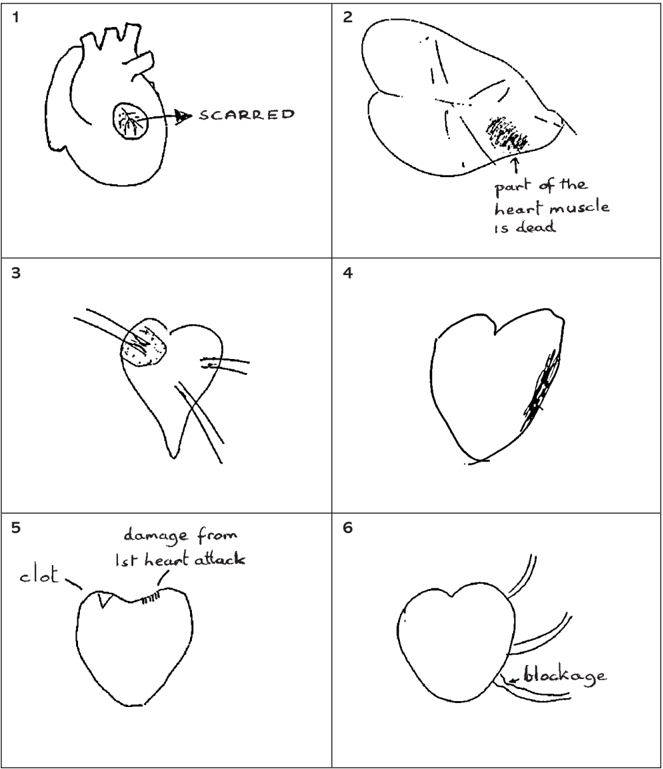
- Broadbent E, Petrie KJ, Ellis CJ, Ying J, Gamble G. A picture of health -myocardial infarction patients' drawings of their hearts and subsequent disability: a longitudinal study. J Psychosom Res 2004;57:583-7.
- Broadbent E, Ellis CJ, Gamble G, Petrie KJ. Using patient drawings to identify slow recovery following myocardial infarction. Psychosom Med (in press) 10
- Donkin L, Ellis CJ, Powell R et al. Illness perceptions predict reassurance following negative exercise testing result. Psychol Health 2006;21:421-30.
- Scharloo M, Kaptein AA, Weinman J et al. Patients' illness perceptions and coping as predictors of functional status in psoriasis: a 1-year follow-up. Br J Dermatol 2000;142: 899-907.
- Scharloo M, Kaptein AA, Weinman JA et al. Predicting functional status in patients with rheumatoid arthritis. J Rheumatol 1999;26: 1686-93.
- Frostholm L, Fink P, Christensen KS et al. The patients' illness perceptions and the use of primary health care. Psychosom Med 2005;67:997-1005.
- Petrie KJ, Cameron LD, Ellis CJ, Buick D, Weinman, J. Changing illness perceptions after myocardial infarction: an early inter- vention randomized controlled trial. Psychosom Med 2002;64:580-6.
Cited by
Items 301–400 of 473
Clinically suspect arthralgia and rheumatoid arthritis: patients’ perceptions of illness
Khidir, S. J. H., de Jong, P. H. P., Willemze, A., Mil, A. H. M. V. D. H., & van Mulligen, E. (2024) · Joint Bone Spine · doi:10.1016/j.jbspin.2024.105751 · Cited by 3
Berr, K., Ziehfreund, S., Welcker, M., Biedermann, T., & Zink, A. (2024) · Scientific Reports · doi:10.1038/s41598-024-70420-8 · Cited by 5
Jensen, A. N., Kallemose, T., Frostholm, L., & Gamst‐Jensen, H. (2024) · BMJ Open · doi:10.1136/bmjopen-2024-089595 · Cited by 3
Novais, S. A. D. L., & Mendes, F. R. P. (2015) · Nursing and Health Sciences · doi:10.1111/nhs.12240 · Cited by 3
“…of illness representation,this model presents five components or dimensions that relate to each other and contribute to the building of a mental model: identity of the illness, causal beliefs, timeline beliefs, cure or controllability beliefs, and consequences of illness (Petrie & Weinman, 2006).”
BackgroundMücke, J., Brinks, R., Dimitriou, A., Richter, J., & Schneider, M. A. (2021) · Therapeutic Advances in Musculoskeletal Disease · doi:10.1177/1759720x211015829 · Cited by 4
ACAR, E. Z., & Fındık, Ü. Y. (2021) · Ege Üniversitesi Hemşirelik Fakültesi Dergisi · doi:10.53490/egehemsire.943140 · Cited by 6
Cancer beliefs and diet self-management among cancer survivors with comorbid diabetes
Muellers, K., Soukas, C., Zeidman, R., Pantaleon, K., Harris, Y., Wisnivesky, J. P., & Lin, J. J. (2023) · Journal of Cancer Survivorship · doi:10.1007/s11764-023-01340-1 · Cited by 4
“Previous research has shown that illness perception impacts self-management behaviors [7].”
Cognitive and Emotional Perceptions of Illness in Patients Diagnosed with Type 2 Diabetes Mellitus
Gosak, L., & Štiglic, G. (2024) · Healthcare · doi:10.3390/healthcare12020199 · Cited by 4
“Disease perception is an important driver of health [5] as it is important in guiding patients in coping with the illness and in guiding illness-specific behaviours [6], such as self-care, healthcare utilisation and respect for treatment [7].”
BackgroundBroughton, J., Irving, D., & Daniels, J. (2024) · The Cognitive Behaviour Therapist · doi:10.1017/s1754470x24000308 · Cited by 4
“This is notable given that illness perceptions have been found to be amenable to change, evolving for example with lived experience of a health condition or access to new information (Petrie and Weinman, 2006).”
InfluentialAn Investigation of Illness Perception and Emotional Status in Newly Cancer-diagnosed Adolescents
Kantarcıoğlu, A. Ç., Demirkaya, M., & Sevinir, B. B. (2019) · Çocuk ve Gençlik Ruh Sağlığı Dergisi / Turkish Journal of Child and Adolescent Mental Health · doi:10.4274/tjcamh.galenos.2019.2018.07.016 · Cited by 5
Learning to Live with Osteoporosis: A Metaphoric Narrative
Hovey, R. B., & Craig, R. (2012) · DOAJ (DOAJ: Directory of Open Access Journals) · doi:10.11575/jah.v0i0.53191 · Cited by 3
“A fracture sets into action several life-altering changes created by pain, possible deformity, social isolation, and an altered sense of identity (Black, 2002; Petrie & Weinman, 2006; Vitacca, Isimbaldi, Mainini, & Melazzini, 2011).”
Backgroundthe EIRA study group, Bergsten, U., Bergman, S., Fridlund, B., Alfredsson, L. S., Berglund, A., Arvidsson, B., & Petersson, I. F. (2010) · Clinical Rheumatology · doi:10.1007/s10067-010-1556-6 · Cited by 3
Owadara, F. O. (2014) · International Journal of Social Work and Human Services Practice · doi:10.13189/ijrh.2014.020101 · Cited by 3
Glattacker, M., & Heyduck, K. (2009) · Cited by 3
Al-Ghamdi, S. H., Ahmad, G., Ali, A. H. A., Bahakim, N. O., Alomran, S., Alhowikan, W., Almutairi, S., Basalem, T., & Aljuaid, F. F. (2018) · Journal of Family and Community Medicine · doi:10.4103/jfcm.jfcm_63_17 · Cited by 3
“Illness perception questionnaires for various medical conditions have become more useful in recent years: [10] they examine the perceptions patients have of their disease;[11,12] they look at the name of the disease, its symptoms and ideas about its causes.[13] Some studies have been done with this kind of questionnai…”
BackgroundPsychometric evaluation of the Perinatal Illness Perceptions Scale (PIPS)
Jomeen, J., Martin, C. R., & Jarrett, P. M. (2018) · The Journal of Mental Health Training Education and Practice · doi:10.1108/jmhtep-09-2018-0054 · Cited by 3
Psychological aspects of whiplash associated disorders
Buitenhuis, J., de Jong, P. J., Jaspers, J., & Kenardy, J. A. (2011) · Elsevier eBooks · doi:10.1016/b978-0-7295-3946-3.10008-9 · Cited by 5
Wilson, H., Donkin, L., Harrison, J., Brackley, K., Lim, A. G., & Chan, A. H. Y. (2024) · Psychology and Health · doi:10.1080/08870446.2024.2391912 · Cited by 2
“Patient beliefs and illness perceptions guide their coping and behaviour in response to a health threat (Broadbent et al., 2011; Dempster et al., 2015; Leventhal et al., 2016; Petrie & Weinman, 2006).”
Abqari, U., Isfandiari, M. A., Dharmawan, Y., Beladina, N., Matani, J., Ibad, M., Kusuma, D. P., Dwirahmadi, F., Richardus, J. H., & Korfage, I. J. (2025) · International Journal of Public Health · doi:10.3389/ijph.2025.1607938 · Cited by 2
“Thispartwillsubsequentlybeused toassesswhethertheperceived needofparticipantsforskindisease prevention signi fi cantly in fl uences their health behaviors, particularly their adaptive response and management strategies in coping with, facilitating, or preventing the diseases [20 – 23].”
Zambetti, E., Crepaldi, M., Lanfranchi, F., Zenoni, E., Bariletti, I., Quarenghi, F., Viscardi, L., Rizzola, G., Regazzoni, V., Bigoni, A., et al. (2025) · International Journal of Cardiology Cardiovascular Risk and Prevention · doi:10.1016/j.ijcrp.2025.200474 · Cited by 6
“Emotional response is also related to illness perception, the beliefs related to one ’ s medical condition [8 – 10].”
Barriers to optimal chronic pain management in refugees: a scoping review
Bilney, E. V. M., Vasenius, M., Mitchell, J., Downing, J. D., François, P.-M., McCall, S. J., & Forget, P. (2026) · BMC Public Health · doi:10.1186/s12889-026-26206-w · Cited by 3
Krille, S., Schöne, C., & Martin, A. (2010) · Psychotherapeut · doi:10.1007/s00278-010-0743-x · Cited by 2
Kusumawardani, D. N., & Asih, S. R. (2019) · International Conference on Intervention and Applied Psychology (ICIAP) · doi:10.2991/iciap-18.2019.22 · Cited by 2
“Illness perception refers to patients’ beliefs about their illness (Petrie & Weinman, 2006).”
Lugo-González, I. V., Fernández-Vega, M., Pérez-Bautista, Y. Y., & Valero, C. Z. V. (2020) · Revista Digital Internacional de Psicología y Ciencia Social · doi:10.22402/j.rdipycs.unam.6.2.2020.271.388-413 · Cited by 5
Illness Perception Accorded by Language Assistance in Non-Japanese-Speaking Patients
Wang, Y., Oonishi, A., Kazami, A., Suminaga, R., Den, E., Li, Z. Y., Ono, N., Niyonsaba, F., & Ikeda, A. (2023) · Cureus · doi:10.7759/cureus.50532 · Cited by 2
Duan, W., Gu, H., Luo, Y., & Wei, L. (2023) · Medical Science Monitor · doi:10.12659/msm.943181 · Cited by 4
“Based on the “fear-avoidance” model, the knowledge about their own disease, related causal concepts, time-line beliefs, attitudes toward treatment, prejudice to the outcome, and several other psychological factors are involved in kinesiophobia of people with chronic pain [13].”
BackgroundIntegrative Care: Supporting Patients Through Complementary and Lifestyle Approaches
Demetriou, D., Mbodi, L., Mehrotra, R., & Dlamini, Z. (2024) · Springer eBooks · doi:10.1007/978-3-031-64388-0_10 · Cited by 4
Roberts, C. L., Larsh, M., & Symons, F. J. (2024) · Journal of Mental Health Research in Intellectual Disabilities · doi:10.1080/19315864.2024.2424744 · Cited by 2
“We chose to focus on these two relevant belief categories because they reflect much of the interrelated components that previous researchers have identified are relevant to patient belief systems (Petrie & Weinman, 2006).”
Tseng, Y., Liu, S. H., Gau, B., Liu, T., Chang, N., & Lou, M. (2024) · Geriatric Nursing · doi:10.1016/j.gerinurse.2024.11.006 · Cited by 4
Incentives for self-management after coronary artery bypass graft surgery.
Taebi, M., Abedi, H., Abbasszadeh, A., & Kazemi, M. (2014) · PubMed Central · Cited by 5
Patients’ beliefs about the causes of myomas: a pilot study from a large European city
David, M., Alpheus, M., & Kentenich, H. (2017) · Journal of Psychosomatic Obstetrics & Gynecology · doi:10.1080/0167482x.2017.1296428 · Cited by 2
“ness can have a strong influence on their behavior, leading to changed risk behavior or changed health care utilization [2,4]; similarly, many patients’ emotional reaction to their illness is strongly influenced by their beliefs about its cause [2,4].”
BackgroundFlehr, A., Judd, F. K., Lindeman, G. J., Kentwell, M., Gibson, P., Bryant, C., Komiti, A., Mann, G. B., & Stafford, L. (2019) · Journal of Medical Psychology · doi:10.3233/jmp-180016 · Cited by 2
“These single-item questions for personal control and treatment control were first reversed scored, then collapsed into a single measure, ‘cure-control’ in line with previous research [23].”
Role of Patient Beliefs and Expectations in Pain and Disability
Garg, S., & Sachdeva, J. (2019) · Springer eBooks · doi:10.1007/978-3-319-99124-5_93 · Cited by 2
Avaliação de Personalidade Tipo D e Percepção de Doença em Pacientes Cardiopatas
do Nascimento, N. P., Dias, G. W., Daroit, L., & Benincá, C. R. S. (2019) · Revista Psicologia e Saúde · doi:10.20435/pssa.v11i2.681 · Cited by 3
Reducing the Weight of Spinal Pain in Children and Adolescents
Palsson, T. S., Andreucci, A., Straszek, C. L., Rathleff, M. S., & Hoegh, M. (2021) · Children · doi:10.3390/children8121139 · Cited by 2
Arat, S., Vandenberghe, J. U., Moons, P., & Westhovens, R. (2015) · Musculoskeletal Care · doi:10.1002/msc.1128 · Cited by 2
Manokara, V., Medvedev, O. N., & Lee, B. (2020) · Advances in Neurodevelopmental Disorders · doi:10.1007/s41252-020-00165-8 · Cited by 2
Lukoševičiūtė, J., & Šmigelskas, K. (2019) · European Journal of Health Psychology · doi:10.1027/2512-8442/a000034 · Cited by 5
Dima, A.-L. (2010) · ERA · Cited by 2
Astımlı bireylerin hastalık algısı ve astım yönetim düzeyleri
YILDIZ, D., & Tülüce, D. (2023) · Mersin üniversitesi sağlık bilimleri dergisi/Mersin üniversitesi sağlık bilimleri dergisi · doi:10.26559/mersinsbd.1174894 · Cited by 1
Jung, J. S., & Kim, G. S. (2023) · Korean Journal of Adult Nursing · doi:10.7475/kjan.2023.35.4.340 · Cited by 1
“Conversely, a negative disease perception can slow recovery, irrespective of the disease's severity [44].”
Norozi, M., Mire, S. S., Dadgar, H., Dalvand, H., & Marufizadeh, S. (2023) · International Journal of Developmental Disabilities · doi:10.1080/20473869.2023.2272089 · Cited by 1
“…practitioners to understand when supporting families’ development of coping strategies and increasing treatment adherence (Leventhal et al. 1998, Petrie and Weinman, 2006), there is an urgent need to have effective and efficient approaches for measuring these underlying beliefs, particularly at…”
de Vries, H. J., Snippen, N. C., Roelen, C. A. M., Hagedoorn, M., & Brouwer, S. (2024) · Journal of Occupational Rehabilitation · doi:10.1007/s10926-024-10233-8 · Cited by 1
Marti, T. F. A., Pavicic, E., Roggo, L. M., Bitterlich, N., von Wolff, M., Poethig, D., & Stute, P. (2024) · Women s Health Reports · doi:10.1089/whr.2024.0012 · Cited by 3
Perceptions of Treatment Side Effects in Women with Breast Cancer and Diabetes: A Qualitative Study
Zeidman, R., Prieto, S., Muellers, K., & Lin, J. J. (2025) · American Journal of Qualitative Research · doi:10.29333/ajqr/16280 · Cited by 1
Poletti, V., Battaglia, E., Banfi, P. I., & Volpato, E. (2025) · Sleep Medicine · doi:10.1016/j.sleep.2025.106726 · Cited by 1
Rubertis, I. D., Fratini, A., Ferrari, A., Mirra, R., & Discepoli, N. (2025) · Journal Of Clinical Periodontology · doi:10.1111/jcpe.70011 · Cited by 1
Swift, E., O'Brien, M. R., Peters, S., & Kelly, C. A. (2025) · Clinical Rehabilitation · doi:10.1177/02692155251387316 · Cited by 1
“21 Healthcare professionals illness perceptions regarding COPD were surprisingly varied, with some holding negative views surrounding the cause of COPD, for example considering it as a smoker ’ s disease.”
The role of illness perceptions in epilepsy throughout the lifespan: A systematic review
Rizou, I., Papavasiliou, A. S., van Middendorp, H., & Gucht, V. D. (2025) · European Journal of Paediatric Neurology · doi:10.1016/j.ejpn.2025.10.013 · Cited by 2
Chen, F., & Wang, Y. (2025) · Frontiers in Public Health · doi:10.3389/fpubh.2025.1689496 · Cited by 3
Poletti, V., Battaglia, E. G., Anelli, L. E., Banfi, P. I., & Volpato, E. (2025) · Scientific Reports · doi:10.1038/s41598-025-30682-2 · Cited by 2
Locher, C., Kharko, A., Lanario, J. W., Druart, L., Hansford, K. J., Koechlin, H., & Davies, A. F. (2026) · PLoS ONE · doi:10.1371/journal.pone.0342065 · Cited by 2
Subjektive Konzepte zu Krankheit und gesundheitlicher Bedrohung
Salewski, C. (2010) · Zeitschrift für Gesundheitspsychologie · doi:10.1026/0943-8149/a000001 · Cited by 2
Posttraumatic Stress Disorder and Illness Perception in Young Survivors of Childhood Cancer
de Castro, E. K., Zancan, R. K., & Gregianin, L. J. (2015) · Psychology Community & Health · doi:10.5964/pch.v4i2.104 · Cited by 2
Haan, J., Kaptein, A. A., & ter Meulen, B. C. (2016) · Cephalalgia · doi:10.1177/0333102416663460 · Cited by 1
“Addressing maladaptive illness perceptions and changing them into more constructive ones results in improvements in medical outcome (49).”
Pokrajac-Bulian, A., Kukić, M., & Mohorić, T. (2020) · Primenjena psihologija · doi:10.19090/pp.2020.1.71-90 · Cited by 1
Villani, M., & Kovess–Masféty, V. (2023) · Journal of Psychiatric Practice · doi:10.1097/pra.0000000000000710 · Cited by 1
“The Questionnaire assesses (1) global impact of the illness, (2) probable duration of the illness, (3) control over the illness, (4) effectiveness of pharmacological treatment, (5) frequency of symptoms, (6) concern about the illness, (7) understanding of the illness, and (8) negative emotions caused by the illness.”
BackgroundMethodInvestigation of illness perception and pregnancy avoidance in sexually active women with epilepsy
Barut, S., Turan, G. B., Özer, Z., & Aytaçç, E. (2023) · Epilepsy & Behavior · doi:10.1016/j.yebeh.2023.109399 · Cited by 1
Learning to Live with Osteoporosis: A Metaphoric Narrative
Hovey, R. B., & Craig, R. (2012) · Journal of Applied Hermeneutics · doi:10.55016/ojs/jah.v2012y2012.53191 · Cited by 5
Žugelj, U., Komidar, L., & Zupančič, M. (2016) · Psihološka obzorja · doi:10.20419/2016.25.458
“The model presents illness representations as a complex system organized along emotional and five cognitive themes (Broadbent Petrie, Main, & Weinman, 2006; Petrie & Weinman, 2006).”
BackgroundSindlinger, K., Meng, K., Dorn, M., Faller, H., & Schüler, M. (2018) · Psychology and Health · doi:10.1080/08870446.2018.1523406 · Cited by 1
“IR are conceptualizations of patients’ views of their illnesses and are considered to be associated with different outcomes (Petrie, Jago, & Devcich, 2007; Petrie & Weinman, 2006).”
BackgroundDevelopment of an Internet-delivered educational video for acute whiplash injuries
Pedersen, M. M., Fink, P., Kasch, H., & Frostholm, L. (2019) · Pilot and Feasibility Studies · doi:10.1186/s40814-019-0445-2 · Cited by 1
ESTIMATION OF THE QUALITY OF PRE-OPERATIVE ANESTHESIA EVALUATION PRACTICE FROM PATIENTS VIEWPOINT.
Shaaib, H. (2019) · International Journal of Advanced Research · doi:10.21474/ijar01/9488 · Cited by 1
Sudana, T. S. F., & Asih, S. R. (2019) · International Conference on Intervention and Applied Psychology (ICIAP) · doi:10.2991/iciap-18.2019.39 · Cited by 2
“Illness perception is patients’ cognitive representation or belief about their illness and medical condition (Petrie & Weinman, 2006).”
BackgroundIllness Representation among Adolescents: A Qualitative Approach
Păduraru, A. E., & Soponaru, C. (2020) · Revista de Cercetare si Interventie Sociala · doi:10.33788/rcis.71.26 · Cited by 1
Coping with Cancer: What Illness Perceptions Do?
Kumari, N., & Dubey, A. (2020) · Cross Current International Journal of Medical and Biosciences · doi:10.36344/ccijmb.2020.v02i10.003 · Cited by 2
“It has been reported [32] that longer timeline perceptions are related with perceiving poor personal control over the illness with negative thoughts of ever returning back to a normal life.”
BackgroundSheehan, A. (2012) · Figshare · doi:10.25419/rcsi.10805186 · Cited by 1
Salewski, C., & Bleher, J. (2010) · Zeitschrift für Gesundheitspsychologie · doi:10.1026/0943-8149/a000004 · Cited by 1
Illness perception in individuals with subjective sleep complaints.
Jørgensen, C. B. (2008) · Duo Research Archive (University of Oslo) · Cited by 1
The nature of family-centred care in Thailand : a case study
Yuennan, C. (2015) · UEA Digital Repository (University of East Anglia) · Cited by 2
Psychological management of chronic whiplash associated disorders
Jaspers, J., Buitenhuis, J., Versteegen, G. J., & de Jong, P. J. (2011) · Elsevier eBooks · doi:10.1016/b978-0-7295-3946-3.10013-2 · Cited by 2
Yusuf, H. (2019) · TSpace (University of Toronto) · Cited by 2
Bodziony, V. (2023) · ThinkIR: The University of Louisville's Institutional Repository (University of Louisville) · doi:10.18297/etd/4119 · Cited by 4
An examination of the relationship between Alexithymia and health anxiety
Zeng, G. (2015) · Murdoch University Research Portal
Fear, W. J. (2009) · BIROn (Birkbeck, University of London)
Living with chronic kidney disease : Perceptions of illness and health-related quality of life
Pagels, A. A. (2012) · Figshare · Cited by 1
Understanding risk: psychosis and genomics research in Singapore
Ahmad, A., Lysaght, T., Liu, J., Subramaniam, M., Beng, T. S., & Capps, B. (2012) · Genomics Society and Policy · doi:10.1186/1746-5354-8-2-15
TO44 Représentations personnelles et anxiété-dépression des consultants douloureux chroniques
Batt, M., Marchetti, E., Souël, F., Lonchamp, P., & Trognon, A. (2007) · Douleurs Évaluation - Diagnostic - Traitement · doi:10.1016/s1624-5687(07)73186-4
Experiences of sickness absence among NHS staff: A grounded theory analysis
McFarlane, H. (2014) · UWE Research Repository (UWE Bristol) · Cited by 1
Discharge Transition and Self-Regulation of Youth Between 15 and 24 Years of Age with Mental Illness
Collins, R. C. (2014) · Libraries and Cultural Resources (University of Calgary) · doi:10.5072/prism/25715
Franke, G. H., Salewski, C., & Morfeld, M. (2008) · Zeitschrift für Gesundheitspsychologie · doi:10.1026/0943-8149.16.3.127
Challenges of a Pregnancy Gone Wrong: Pregnancy Complications, Illness Perceptions and Distress
Currie, J. (2014) · Research Commons (University of Waikato)
QUALIDADE DE VIDA E CAPACIDADE FUNCIONAL EM PACIENTES COM DOENÇAS INFLAMATÓRIAS INTESTINAIS
Dallaqua, R. P. (2015) · Americanae (AECID Library) · Cited by 2
9 Posttraumatische nekpijn: whiplash, imago en verwachtingen
Buitenhuis, J. (2012) · Bohn Stafleu van Loghum eBooks · doi:10.1007/978-90-313-8756-4_9
Njegovan, M., Peršić, V., & Materljan, E. (2014) · Cardiologia Croatica · doi:10.15836/ccar.2014.252
Gómez-de-Regil, L., Ros‐Morente, A., & Rodríguez-Hansen, G. (2016) · Schizophrenia Research and Treatment · doi:10.1155/2016/9549683
“This is particularly the case in schizophrenia spectrum disorders, the etiology of which is still unclear [17, 18].”
Personality Traits and Adherence in Head and Neck Cancer Patients—Considerations in Treatment
Croom, A. R. (2016) · Perspectives of the ASHA Special Interest Groups · doi:10.1044/persp1.sig13.177
Health in connection with takotsubo syndrome. Experiences, symptoms and utilization of health care
Wallström, S. (2016) · Gothenburg University Publications Electronic Archive (Gothenburg University)
Beliefs about illness, perceived stigma and service engagement in first onset of psychosis.
Gunning, A. L. (2007) · Doctoral thesis, University of London.
Estratégias para avaliação do paciente DPOC grave e muito grave
Lopes, A. C. (2017) · Digital Library of Theses and Dissertations (Universidade de São Paulo) · doi:10.11606/d.5.2017.tde-11052017-134346
Cardiac catheterisation and the promotion of positive coping and self-management
Roberts‐Collins, C., Anderson, C., MacCallam, J., Randle‐Phillips, C., & Medley, A. R. (2017) · British Journal of Cardiac Nursing · doi:10.12968/bjca.2017.12.7.342
Kultureller Einfluss auf Krankheitssymptome und subjektive Krankheitstheorie
David, M. (2017) · Gynäkologische Endokrinologie · doi:10.1007/s10304-017-0163-x
Emotion regulation in multiple sclerosis
Radlak, B. (2018) · ERA
Rönngren, Y. (2018) · Publications (Mid Sweden University)
Koya, S. N. M. V. M., & Zulkepli, N. (2018) · Saudi Journal of Kidney Diseases and Transplantation · doi:10.4103/1319-2442.239656 · Cited by 1
Martínez-García, E., & Buendía‐Eisman, A. (2018) · Actas Dermo-Sifiliográficas · doi:10.1016/j.ad.2018.04.005
Martínez‐García, E., & Buendía‐Eisman, A. (2018) · Actas Dermo-Sifiliográficas · doi:10.1016/j.adengl.2018.04.022
Martin, M., Battegay, E. J., & Röcke, C. (2014) · Gerontology
Metadata
- Authors
- Petrie, K., & Weinman, J.
- Affiliations
- University of Auckland (NZ)
- King's College London (GB)
- Venue
- Clinical Medicine
- Publisher
- Elsevier BV
- Published
- 2006-11
- Volume
- 6
- Issue
- 6
- Pages
- 536-539
- ISSN
- 1470-2118 (ISSN-L)
- PMC
- PMC4952762
- OpenAlex
- W2320604122
- Semantic Scholar
- 37533ec4b0032f4a9c87d522813a8f4942380557
- Cited by
- 475
- References
- 4
- Citations by year
- 2026: 15 · 2025: 25 · 2024: 22 · 2023: 30 · 2022: 23 · 2021: 35 · 2020: 39 · 2019: 33 · 2018: 39 · 2017: 32 · 2016: 33 · 2015: 21 · 2014: 27 · 2013: 14 · 2012: 30
- FWCI
- 9.06
- Type
- journal article
- Language
- en
- Open access
- hybrid
- doi.org
- Licence
- cc-by-nc-nd
- www.elsevier.com/tdm/userlicense/1.0/ (tdm)
- www.elsevier.com/legal/tdmrep-license (tdm)
- creativecommons.org/licenses/by-nc-nd/4.0/ (vor, 6369 d)
- Locations
- Clinical Medicine (publishedVersion, cc-by-nc-nd)
- Europe PMC (PubMed Central) (publishedVersion)
- PubMed Central (publishedVersion)
- PubMed (publishedVersion)
- Research Portal (King's College London) (submittedVersion)
- Topics
- Health Sciences › Medicine › Psychiatry and Mental health › Mental Health Treatment and Access
- Health Sciences › Medicine › Psychiatry and Mental health › Psychosomatic Disorders and Their Treatments
- Health Sciences › Medicine › Endocrinology, Diabetes and Metabolism › Diabetes Management and Education
- Keywords
- depression, physical illness, illness perception, rheumatoid arthritis, diabetes mellitus, functional disability, pain, glycemic control, diabetes complications, comorbidities
- MeSH terms
- Adaptation, Psychological, Disease, Humans, Patients, Perception
About these checks
Registry, retraction, Cites and statistics results are computed, not judged, with one exception: a printed reference that no index lists is read once by a model before it counts as a citation error. Claims are extracted by a model and kept only when their quote appears verbatim in the text; each cited source is then checked, with a model’s help, for whether it says what the claim relies on. Those verdicts can be wrong — read the claim’s quote and the cited source before relying on one.
Statistics and arithmetic are recomputed, not judged.
Confidence bands are shown only for fields calibrated on our annotated test set. None is calibrated yet, so no band is shown.
What counts as a claim ›How we measure confidence ›How we check this ›
Are you an author, or do you see a problem with this page? Request a review
Data sources
Bibliographic data: Semantic Scholar, OpenAlex, Crossref.
Contains information from the Semantic Scholar Academic Graph Datasets, made available under the ODC Attribution License (ODC-BY 1.0).
Semantic Scholar’s data is described in: Kinney, R., et al. (2023). The Semantic Scholar Open Data Platform. arXiv:2301.10140.
