

Why illness perceptions matter
Open accessThe DOI matches its Crossref record; 4 of the 4 references it cites were found in a registry or an index.
Abstract
ConclusionsUntreated depression in patients with physical illness causes distress, amplifies physical symptoms and is more predictive of functional impairment over time than severity of physical illness.For example, patients with rheumatoid arthritis who become depressed may present with increasingly painful joints in the absence of increased disease activity.Also, diabetic patients with depression have worse glucose control and are more likely to have diabetic complications.It is therefore important that all clinicians should be aware of the frequency of depression in physical illness, be able to recognise it and have an understanding of its management.References 1 Royal College of Physicians, Royal College of Psychiatrists.The psychological care of medical patients.London: RCP, RCPsych,
Overview
The claims and statistics of this paper haven’t been checked yet.
Free: it reads the open-access text and checks the first 5 claims that cite a source we can check. Create a free account to check every claim.
Integrity signals
Registry
Cites
Statistics
Figures
Verification
Claims the paper makes
The claims and statistics of this paper haven’t been checked yet.
Free: it reads the open-access text and checks the first 5 claims that cite a source we can check. Create a free account to check every claim.
Claims other papers make about this one
Each is checked against this paper’s own text: does it say what the citing paper says it does?
The source backs part of the claim, not all of it — or backs it for a different population, condition or comparison.
In the citing paper
“A change in illness perceptions can help to reduce everyday disability and improve functioning and quality of life (Petrie and Weinman, 2006).”
From The effectiveness of a body-affective mindfulness intervention for multiple sclerosis patients with depressive symptoms: A randomized controlled clinical trial (2017) · cites this paper as Petrie and Weinman, 2006
Experimental — accuracy not yet measuredThe cited source says what the claim attributes to it.
In the citing paper
“Furthermore, such expectations or health perceptions are a good predictor of outcome in a host of medical conditions.16,17”
From Impact of psychological factors in the experience of pain (2011) · cites this paper as [17]
In the citing paper
“After receiving a diagnosis of illness, individuals develop an organized pattern of cognitive and emotional representations of their own illness, which can be referred to as an illness perception (Petrie and Weinman, 2006).”
From The effectiveness of a body-affective mindfulness intervention for multiple sclerosis patients with depressive symptoms: A randomized controlled clinical trial (2017) · cites this paper as Petrie and Weinman, 2006
In the citing paper
“These beliefs can influence coping behavior (Leventhal et al., 1984), with negative illness perceptions being associated with poorer recovery and increased healthcare use, even after controlling for objective illness severity (Leventhal et al., 1984; Petrie and Weinman, 2006).”
From The effectiveness of a body-affective mindfulness intervention for multiple sclerosis patients with depressive symptoms: A randomized controlled clinical trial (2017) · cites this paper as Petrie and Weinman, 2006
Self-check
Percentages, sums and reported differences re-computed from the paper’s own numbers.
The self-check needs the paper’s full text.
Citations
Cites
The Brief Illness Perception Questionnaire
Broadbent, E., Petrie, K. J., Main, J., & Weinman, J. (2006) · Journal of Psychosomatic Research · doi:10.1016/j.jpsychores.2005.10.020 · Cited by 3,431
Self-citationMarteau, T. M., & Weinman, J. (2006) · Social Science & Medicine · doi:10.1016/j.socscimed.2005.08.005 · Cited by 285
Self-citationModern worries, new technology, and medicine
Petrie, K. J. (2002) · BMJ · doi:10.1136/bmj.324.7339.690 · Cited by 101
Self-citationBotha-Scheepers, S. A., Riyazi, N., Kroon, H. M. J. A., Scharloo, M., Houwing‐Duistermaat, J. J., Slagboom, P. E., Rosendaal, F. R., Breedveld, F. C., & Kloppenburg, M. (2006) · Osteoarthritis and Cartilage · doi:10.1016/j.joca.2006.04.011 · Cited by 89
Research works printed but not linked: 10
- Leventhal H, Meyer D, Nerenz D. The common sense representation of illness danger. In: Rachman S (ed). Contributions to medical psychology, vol. 2. New York: Pergamon Press, 1980:17-30.
- Weinman J, Petrie KJ, Sharpe N, Walker S. Causal attributions in patients and spouses following a heart attack and subsequent lifestyle changes. Br J Health Psychol 2000;5: 263-73.
- Moss-Morris R, Weinman J, Petrie KJ et al. The Revised Illness Perception Question- naire (IPQ-R). Psychol Health 2002;17:1-16.
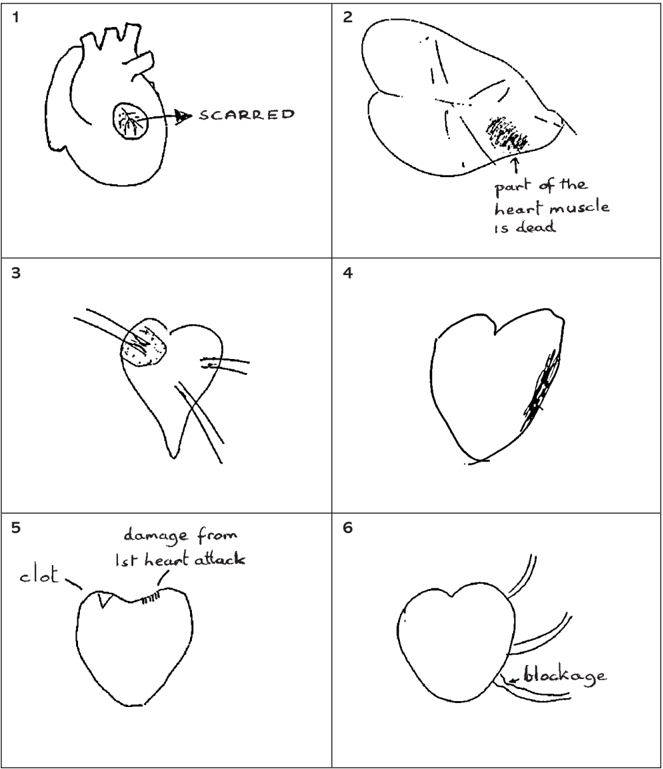
- Broadbent E, Petrie KJ, Ellis CJ, Ying J, Gamble G. A picture of health -myocardial infarction patients' drawings of their hearts and subsequent disability: a longitudinal study. J Psychosom Res 2004;57:583-7.
- Broadbent E, Ellis CJ, Gamble G, Petrie KJ. Using patient drawings to identify slow recovery following myocardial infarction. Psychosom Med (in press) 10
- Donkin L, Ellis CJ, Powell R et al. Illness perceptions predict reassurance following negative exercise testing result. Psychol Health 2006;21:421-30.
- Scharloo M, Kaptein AA, Weinman J et al. Patients' illness perceptions and coping as predictors of functional status in psoriasis: a 1-year follow-up. Br J Dermatol 2000;142: 899-907.
- Scharloo M, Kaptein AA, Weinman JA et al. Predicting functional status in patients with rheumatoid arthritis. J Rheumatol 1999;26: 1686-93.
- Frostholm L, Fink P, Christensen KS et al. The patients' illness perceptions and the use of primary health care. Psychosom Med 2005;67:997-1005.
- Petrie KJ, Cameron LD, Ellis CJ, Buick D, Weinman, J. Changing illness perceptions after myocardial infarction: an early inter- vention randomized controlled trial. Psychosom Med 2002;64:580-6.
Cited by
Demographic and attitudinal determinants of protective behaviours during a pandemic: A review
Bish, A., & Michie, S. (2010) · British Journal of Health Psychology · doi:10.1348/135910710x485826 · Cited by 1,227
“The representation involves beliefs about the cause, consequences (in terms of the impact the disease would have), identity, time line, and controllability of the illness (Petrie & Weinman, 1997, 2006).”
BackgroundImpact of psychological factors in the experience of pain
Linton, S. J., & Shaw, W. S. (2011) · Physical Therapy · doi:10.2522/ptj.20100330 · Cited by 819
Petrie, K. J., Perry, K., Broadbent, E., & Weinman, J. (2012) · British Journal of Health Psychology · doi:10.1111/j.2044-8287.2011.02033.x · Cited by 330
“Previous work on patients’ illness and treatment beliefs shows they cluster along specific dimensions (Horne, Weinman, & Hankins, 1999; Petrie & Weinman, 2006).”
BackgroundSelf-citationHeydari, H., Kamran, A., Ahari, S., Biria, M., & Malepour, A. (2014) · Annals of Medical and Health Sciences Research · doi:10.4103/2141-9248.144914 · Cited by 166
“[11] However, if the patient thinks that hypertension is a controllable disease, following the recommendations may be more likely.[12]”
BackgroundInfluentialBaines, T., & Wittkowski, A. (2013) · Journal of Clinical Psychology in Medical Settings · doi:10.1007/s10880-012-9337-9 · Cited by 147
“When diagnosed with an illness, individuals are purposed to develop beliefs about their condition influencing behaviour directed at managing their illness (Petrie & Weinmen, 2006).”
BackgroundSkapinakis, P., Bellos, S., Oikonomou, A., Dimitriadis, G., Gkikas, P., Perdikari, E., & Mavreas, V. (2020) · Depression Research and Treatment · doi:10.1155/2020/3158954 · Cited by 133
“Choice of coping behaviors may be influenced by specific illness perceptions defined as the set of beliefs that the individuals develop for a health condition [15].”
BackgroundPredictors of Acute Postsurgical Pain and Anxiety Following Primary Total Hip and Knee Arthroplasty
Pinto, P. R., McIntyre, T. M., Ferrero, R., Almeida, A., & Araújo‐Soares, V. (2013) · Journal of Pain · doi:10.1016/j.jpain.2012.12.020 · Cited by 143
Dalbeth, N., Petrie, K., House, M. E., Chong, J., Leung, W., Chegudi, R., Horne, A., Gamble, G., McQueen, F., & Taylor, W. (2011) · Arthritis care & research · doi:10.1002/acr.20570 · Cited by 137
“(%) European 71 (50) 68 (52) – Ma ori 29 (20) 27 (20) Pacific 27 (19) 23 (17) Other 16 (11) 14 (11) Occupation, no.”
Self-citationA systematic review of psychological, physical health factors, and quality of life in adult asthma
Stanescu, S., Kirby, S. E., Thomas, M., Yardley, L., & Ainsworth, B. (2019) · npj Primary Care Respiratory Medicine · doi:10.1038/s41533-019-0149-3 · Cited by 124
“Illness-related cognitions are people’s patterns of beliefs about the characteristics of their conditions, which in turn influence their appraisal of severity and can determine future behaviours.(63) A number of illness-related cognitions and perceptions significantly predicted QoL in seven studies.”
BackgroundEvaluation of an iris color classification system. The Eye Disorders Case-Control Study Group.
Seddon, J. M., Sahagian, C. R., Glynn, R. J., Sperduto, R. D., & Gragoudas, E. S. (1990) · PubMed · Cited by 150
Pinto, P. R., McIntyre, T., Ferrero, R., Almeida, A., & Araújo-Soares, V. (2013) · PLoS ONE · doi:10.1371/journal.pone.0073917 · Cited by 118
“This model suggests that in the context of an illness, people tend to develop individual cognitive and emotional representations of their illness [24,25,26], enabling them to interpret and make sense of it [27].”
BackgroundPinto, P. R., McIntyre, T. M., Nogueira‐Silva, C., Almeida, A., & Araújo‐Soares, V. (2012) · Journal of Pain · doi:10.1016/j.jpain.2012.07.014 · Cited by 134
“The Common-Sense Self-Regulation Model(44,45) suggests that in the context of an illness, people tend to develop individual cognitive and emotional illness representations of their illness.(29,43,66) These representations have been shown to explain significant variation in outcomes in a wide range of medical condition…”
BackgroundChristensen, S. S., Frostholm, L., Ørnbøl, E., & Schröder, A. (2015) · Journal of Psychosomatic Research · doi:10.1016/j.jpsychores.2014.12.005 · Cited by 111
“In parallel, the person develops emotional representations – that is how he or she responds emotionally to the illness [21–24].”
BackgroundKaptein, A. A., Fischer, M. J., & Scharloo, M. (2014) · International Journal of COPD · doi:10.2147/copd.s49622 · Cited by 123
“Quite often, self-management is used as another word for “education” and “giving information”, a tragic mistake, as information does not impact behavior, and knowledge about a disease is uncorrelated with patients’ behavior.(2) The picture of the poor COPD patients who must passively listen to a nurse who explains how…”
InfluentialSymptom burden in chronic kidney disease; a population based cross sectional study
Senanayake, S. J., Gunawardena, N. S., Palihawadana, P., Bandara, P., Haniffa, R., Karunarathna, R. H., & Kumara, P. (2017) · BMC Nephrology · doi:10.1186/s12882-017-0638-y · Cited by 112
“It has been found that these cognitive models directly influence the individual’s response to the illness with regard to physical and psychological symptoms [15, 16].”
BackgroundIllness Perceptions and COPD: An Emerging Field for COPD Patient Management
Kaptein, A. A., Scharloo, M., Fischer, M. J., Snoei, L., Cameron, L. D., Sont, J. K., Rabe, K. F., & Weinman, J. (2008) · Journal of Asthma · doi:10.1080/02770900802127048 · Cited by 91
“One of the most promising behavioral research approaches guiding education and self-management techniques for patients with chronic somatic disorders focuses on the central role of illness perceptions: the cognitions (ideas, views, and beliefs) that patients have about their symptoms and illness (8, 9).”
BackgroundSelf-citationAbubakari, A.-R., Cousins, R., Thomas, C., Sharma, D., & Naderali, E. K. (2016) · Journal of Diabetes Research · doi:10.1155/2016/6708164 · Cited by 90
“It is contended that an individual’s representations of an illness are based on their personal perceptions and/or experiences of the condition or other illness and should not necessarily be expected to conform to existing medical facts about the given illness [18, 19].”
BackgroundIllness perceptions and work participation: a systematic review
Hoving, J. L., van der Meer, M., Volkova, A. Y., & Frings‐Dresen, M. H. W. (2010) · International Archives of Occupational and Environmental Health · doi:10.1007/s00420-010-0506-6 · Cited by 104
“When patients are diagnosed with a disease, they develop an organized pattern of beliefs about their health condition (Petrie and Weinman 2006).”
BackgroundAn investigation on illness perception and adherence among hypertensive patients
Hsiao, C., Chang, C., & Chen, C. (2012) · The Kaohsiung Journal of Medical Sciences · doi:10.1016/j.kjms.2012.02.015 · Cited by 80
“A recent study suggests that hypertensive patients perceive medications to be necessary, but a substantial proportion have concerns about taking medicines [13].”
BackgroundGlattacker, M., Heyduck, K., & Meffert, C. (2011) · Patient Education and Counseling · doi:10.1016/j.pec.2011.05.028 · Cited by 84
Mobile Technology Interventions for Asthma Self-Management: Systematic Review and Meta-Analysis
Miller, L., Schüz, B., Walters, J., & Walters, E. H. (2017) · JMIR mHealth and uHealth · doi:10.2196/mhealth.7168 · Cited by 75
“These included the Health Belief Model [38], Illness Perceptions for Adherence [39], and Monitoring in Chronic Disease [40].”
Patients’ illness schemata of hypertension: The role of beliefs for the choice of treatment
Figueiras, M. J., Marcelino, D., Claudino, A., Cortes, M. A., Marôco, J. P., & Weinman, J. A. (2009) · Psychology and Health · doi:10.1080/08870440802578961 · Cited by 88
“A number of studies (e.g. Petrie & Weinman, 2006) have shown that when patients are diagnosed with an illness they generally develop an organised pattern of beliefs about their condition.”
BackgroundInfluentialSelf-citationMarkova, V., & Sandal, G. M. (2016) · Frontiers in Psychology · doi:10.3389/fpsyg.2016.01435 · Cited by 73
“…is highlighted by research showing that these belief systems are linked to a variety of responses, including attitudes (e.g., stigma) to compliance with treatment, to patient satisfaction, and to lifestyle changes aimed at managing diseases (Petrie and Weinman, 2006; Hagmayer and Engelmann, 2014).”
BackgroundMethodJansen, D. L., Heijmans, M., Rijken, M., Spreeuwenberg, P. M. M., Grootendorst, D. C., Dekker, F. W., Boeschoten, E. W., Kaptein, A. A., & Groenewegen, P. (2012) · British Journal of Health Psychology · doi:10.1111/bjhp.12002 · Cited by 78
Review on the validity of self-report to assess work-related diseases
Lenderink, A. F., Zoer, I., van der Molen, H. F., Spreeuwers, D., Frings‐Dresen, M. H. W., & van Dijk, F. J. H. (2011) · International Archives of Occupational and Environmental Health · doi:10.1007/s00420-011-0662-3 · Cited by 73
“As a result, people with the same symptoms or illness or injury can have widely different perceptions of their condition (Petrie and Weinman 2006).”
BackgroundSawicki, G. S., Sellers, D. E., & Robinson, W. M. (2010) · Journal of Psychosomatic Research · doi:10.1016/j.jpsychores.2010.06.005 · Cited by 76
“The IPM has been extended to delineate the influence of illness perceptions and treatment beliefs on treatment decisions such as adherence (15-17).”
BackgroundIllness beliefs predict disability in rheumatoid arthritis
Graves, H., Scott, D. L., Lempp, H. K., & Weinman, J. A. (2009) · Journal of Psychosomatic Research · doi:10.1016/j.jpsychores.2009.01.006 · Cited by 65
“During recent years, it has become clearer that patients' response to illness and their QoL are strongly influenced by the way in which they perceive their condition [6,7].”
BackgroundSelf-citationKarataş, T., Özen, S., & Kutlutürkan, S. (2017) · Asia-Pacific Journal of Oncology Nursing · doi:10.4103/2347-5625.199080 · Cited by 75
Slevin, P., Kessie, T., Cullen, J., Butler, M. W., Donnelly, S. C., & Caulfield, B. (2019) · Digital Health · doi:10.1177/2055207619871729 · Cited by 78
“61 The impact of illness perception on DHT in COPD has not received adequate attention, but this research has shown that if a patient does not believe their current health status is conducive to the proposed digital intervention, this can create an adoption barrier.”
BackgroundChilcot, J. (2012) · Seminars in Dialysis · doi:10.1111/j.1525-139x.2011.00987.x · Cited by 61
“The BIPQ may well have greatest utility in the clinical setting (17), allowing clinicians and allied health professionals to assess patient’s personal beliefs of their kidney disease.”
BackgroundThe Impact of Causal Explanations on Outcome in People Experiencing Psychosis: A Systematic Review
Carter, L., Read, J., Pyle, M., & Morrison, A. P. (2016) · Clinical Psychology & Psychotherapy · doi:10.1002/cpp.2002 · Cited by 73
White, H. L., Mulambia, C., Sinkala, M., Mwanahamuntu, M. H., Parham, G. P., Moneyham, L., Grimley, D. M., & Chamot, E. (2012) · Social Science & Medicine · doi:10.1016/j.socscimed.2012.01.028 · Cited by 60
Weldam, S. W. M., Lammers, J. J., Heijmans, M., & Schuurmans, M. J. (2014) · BMC Family Practice · doi:10.1186/1471-2296-15-140 · Cited by 65
Multiple perspectives on symptom interpretation in primary care research
Rosendal, M., Jarbøl, D. E., Pedersen, A. F., & Andersen, R. S. (2013) · BMC Family Practice · doi:10.1186/1471-2296-14-167 · Cited by 69
“the bodily sensation)? However, growing evidence suggests that the causal relationships are more complex than previously thought, and the exposure to bodily sensations is under heavy influence of psychological and other factors [27,31].”
BackgroundLaw, G. U., Tolgyesi, C. S., & Howard, R. A. (2012) · Health Psychology Review · doi:10.1080/17437199.2012.747123 · Cited by 67
“These illness representations (sometimes called cognitive representations, schema or personal models) are based on a person’s understanding or experience of the condition, and may not be related to the objective clinical markers of the illness (Petrie & Weinman, 2006).”
BackgroundVargas, S. M., Cabassa, L. J., Nicasio, A., De La Cruz, A. A., Jackson, E., Rosario, M., Guarnaccia, P. J., & Lewis-Fernández, R. (2015) · Transcultural Psychiatry · doi:10.1177/1363461515574159 · Cited by 55
“Increasingly, mental health practice attends to patients’ perceptions of illness and treatment, since these can influence engagement and response to illness (Benish, Quintana, & Wampold, 2011; Petrie & Weinmann, 2006; Sirey et al., 2001; Smith, Domenech Rodrı́guez, & Bernal, 2011).”
BackgroundGlattacker, M., Bengel, J., & Jäckel, W. H. (2009) · Zeitschrift für Gesundheitspsychologie · doi:10.1026/0943-8149.17.4.158 · Cited by 65
Rasmussen, S., Søndergaard, J., Larsen, P. V., Balasubramaniam, K., Elnegaard, S., Svendsen, R. P., Andersen, R. S., Pedersen, A. F., Vedsted, P., & Jarbøl, D. E. (2014) · International Journal of Family Medicine · doi:10.1155/2014/187280 · Cited by 57
“This definition implies that symptom experiences are not viewed as objective, clinical phenomena but are seen as the result of the patient’s own interpretation process, in which bodily sensations or changes are transformed into signs of ill health [6, 12, 13].”
BackgroundSterling, M. M., McLean, S. A., Sullivan, M. J. L., Elliott, J. M., Buitenhuis, J., & Kamper, S. J. (2011) · Spine · doi:10.1097/brs.0b013e318238853f · Cited by 55
Illness Perceptions, Coping, and Quality of Life in Vestibular Schwannoma Patients at Diagnosis
Vogel, J. J., Godefroy, W. P., van der Mey, A. G. L., le Cessie, S., & Kaptein, A. A. (2008) · Otology & Neurotology · doi:10.1097/mao.0b013e3181820246 · Cited by 52
“However, research shows that illness perceptions partly analyze the severity of disease experienced by the patient (QOL) and outcome (3,4).”
BackgroundA qualitative systematic review of patients’ experience of osteoporosis using meta-ethnography
Barker, K. L., Toyé, F., & Lowe, C. (2016) · Archives of Osteoporosis · doi:10.1007/s11657-016-0286-z · Cited by 55
“The study participants describe how they struggled to understand and give meaning to their symptoms [55, 59, 60].”
BackgroundAsnani, M., Barton‐Gooden, A., Grindley, M., & Knight‐Madden, J. (2017) · Global Pediatric Health · doi:10.1177/2333794x17739194 · Cited by 62
“As persons are faced with the diagnosis of an illness or experience a health condition, they will seek to make sense of and then manage this illness by using their own past knowledge, experiences, and beliefs, and also including those of others in their communities of home, work, and other social places.(1) The patien…”
BackgroundBlanco, A. P., Turner, M. A., Petrof, G., & Weinman, J. A. (2018) · British Journal of Dermatology · doi:10.1111/bjd.17123 · Cited by 58
Self-citationTrinidade, A., Harman, P., Stone, J., Staab, J. P., & Goebel, J. A. (2021) · Frontiers in Neurology · doi:10.3389/fneur.2020.601883 · Cited by 54
Carletto, S., Tesio, V., Borghi, M., Francone, D., Scavelli, F., Bertino, G., Malucchi, S., Bertolotto, A., Oliva, F., Torta, R., et al. (2017) · Frontiers in Psychology · doi:10.3389/fpsyg.2017.02083 · Cited by 49
“After receiving a diagnosis of illness, individuals develop an organized pattern of cognitive and emotional representations of their own illness, which can be referred to as an illness perception (Petrie and Weinman, 2006).”
BackgroundWeston, J. M., Norris, E. V., & Clark, E. (2011) · Qualitative Health Research · doi:10.1177/1049732311416825 · Cited by 49
Acculturation, Health Literacy, and Illness Perceptions of Hypertension among Hispanic Adults
Perez, A. (2014) · Journal of Transcultural Nursing · doi:10.1177/1043659614524785 · Cited by 54
“Illness perceptions can have a strong influence on outcomes, coping strategies, adherence to treatment, and behaviors in relation to a variety of illnesses, including hypertension (Petrie, Jago, & Devcich, 2007; Petrie & Weinman, 2006; Ross et al., 2004).”
BackgroundHealth and Illness Perceptions
Benyamini, Y. (2012) · Oxford University Press eBooks · doi:10.1093/oxfordhb/9780195342819.013.0013 · Cited by 53
Wilke, T., Moock, J., Müller, S., Pfannkuche, M., & Kurth, A. A. (2010) · Clinical Orthopaedics and Related Research · doi:10.1007/s11999-010-1306-8 · Cited by 48
“thrombosis risk [41], and psychological factors describing patients’ behavior and thinking [5, 47] require more detailed investigation [12, 57].”
BackgroundBrink, E., Alsén, P., & Cliffordson, C. (2011) · Scandinavian Journal of Psychology · doi:10.1111/j.1467-9450.2011.00901.x · Cited by 57
Illness perception and quality of life in patients with contact dermatitis
Benyamini, Y., Goner‐Shilo, D., & Lazarov, A. (2012) · Contact Dermatitis · doi:10.1111/j.1600-0536.2012.02071.x · Cited by 47
Berner, C., Erlacher, L., Fenzl, K. H., & Dorner, T. E. (2018) · Health and Quality of Life Outcomes · doi:10.1186/s12955-018-1064-y · Cited by 59
Løvvik, C., Øverland, S. N., Hysing, M., Broadbent, E., & Rème, S. E. (2013) · Journal of Occupational Rehabilitation · doi:10.1007/s10926-013-9439-8 · Cited by 50
“Mental health status, HADS, (cut off =[8)”
BackgroundSchaefert, R., Höner, C., Salm, F., Wirsching, M., Leonhart, R., Yang, J., Wei, J., Lu, W. D., Larisch, A., & Fritzsche, K. (2012) · General Hospital Psychiatry · doi:10.1016/j.genhosppsych.2012.11.001 · Cited by 47
“Moreover, dysfunctional illness perceptions guiding inappropriate illness behavior seem to play a moderating role [8–11].”
BackgroundFear Avoidance and Illness Beliefs in Post-Traumatic Neck Pain
Buitenhuis, J., & de Jong, P. J. (2011) · Spine · doi:10.1097/brs.0b013e3182388400 · Cited by 56
Perceptions of illness and their impact on sickness absence
Giri, P., Poole, J., Nightingale, P., & Robertson, A. (2009) · Occupational Medicine · doi:10.1093/occmed/kqp123 · Cited by 46
“Following the diagnosis of an illness, a patient generates an organized pattern of beliefs to cope with it, which in turn influences their behaviour [1,2].”
BackgroundInfluentialArat, S., Cock, D. D., Moons, P., Vandenberghe, J. U., & Westhovens, R. (2018) · Research in Nursing & Health · doi:10.1002/nur.21852 · Cited by 48
“…and expectations regarding one's illness that directly influence the individual's cognitive and emotional response to the illness and guide coping behavior such as adherence to treatment and health care use in a positive or negative way (Broadbent, 2010; Horne, 2003; Petrie & Weinman, 2006).”
Illness representations in women with fibromyalgia
Glattacker, M., Opitz, U., & Jäckel, W. H. (2010) · British Journal of Health Psychology · doi:10.1348/135910709x466315 · Cited by 44
Liu, Q., Qin, T., Hu, B. X., Zhao, Y., & Zhu, X. (2021) · Journal of Clinical Nursing · doi:10.1111/jocn.15852 · Cited by 48
Bos-Touwen, I. D., Trappenburg, J. C. A., van der Wulp, I., Schuurmans, M. J., & de Wit, N. J. (2017) · PLoS ONE · doi:10.1371/journal.pone.0171251 · Cited by 51
Improving adherence to medication for secondary cardiovascular disease prevention
Keenan, J. (2017) · European Journal of Preventive Cardiology · doi:10.1177/2047487317708145 · Cited by 43
Perceptions of mild traumatic brain injury in adults: a scoping review
Mah, K., Hickling, A., & Reed, N. (2018) · Disability and Rehabilitation · doi:10.1080/09638288.2016.1277402 · Cited by 42
“Second, client beliefs about health conditions are often different than clinician beliefs about the same conditions [31], leading to potential discrepancy between client and clinician beliefs in clinical interaction.”
BackgroundPreoperative risk factors associated with chronic pain profiles following total knee arthroplasty
Lindberg, M. F., Miaskowski, C. A., Rustøen, T., Cooper, B. A., Aamodt, A., & Lerdal, A. (2020) · European Journal of Pain · doi:10.1002/ejp.1703 · Cited by 49
“Patients’ beliefs about their illness are important determinants of how they cope with their illness and adhere to treatment (Petrie & Weinman, 2006), are related to individuals’ perceived general health (Lerdal et al., 2019) and can be modified (Petrie & Weinman, 2006).”
BackgroundKamran, A., Azadbakht, L., Sharifirad, G., Mahaki, B., & Sharghi, A. (2014) · International Journal of Hypertension · doi:10.1155/2014/245480 · Cited by 55
“However, if the patient thinks that hypertension is a controllable disease, following the recommendations may be more likely [9].”
BackgroundInfluentialChildren’s perceptions of their cerebral palsy and their impact on life satisfaction
Chong, J., Mackey, A. H., Broadbent, E., & Stott, N. S. (2012) · Disability and Rehabilitation · doi:10.3109/09638288.2012.669021 · Cited by 49
Haines, C., Loades, M., & Davis, C. (2019) · Clinical Child Psychology and Psychiatry · doi:10.1177/1359104519829796 · Cited by 39
“These perceptions are influenced by somatic experiences, social and cultural beliefs and knowledge derived from others, including professionals (Petrie & Weinman, 2006).”
BackgroundAyu, A. P., van der Ven, M., Suryani, E., Puspadewi, N., Joewana, S., Rukmini, E., de Jong, C., & Schellekens, A. (2020) · Substance Abuse · doi:10.1080/08897077.2020.1732512 · Cited by 24
Glattacker, M., Heyduck, K., & Meffert, C. (2013) · Journal of Rehabilitation Medicine · doi:10.2340/16501977-1104 · Cited by 49
Walburn, J., Weinman, J. A., Norton, S., Hankins, M. C., Dawe, K., Banjoko, B., & Vedhara, K. (2016) · Psychosomatic Medicine · doi:10.1097/psy.0000000000000436 · Cited by 45
“This is consistent with the wider IP literature showing that IPs are not merely a function of clinical severity and are independent predictors of outcome across chronic conditions (13).”
BackgroundSelf-citationAcceptance and commitment group therapy for health anxiety - Results from a pilot study
Eilenberg, T., Kronstrand, L., Fink, P., & Frostholm, L. (2013) · Journal of Anxiety Disorders · doi:10.1016/j.janxdis.2013.06.001 · Cited by 38
Vollmann, M., Scharloo, M., Salewski, C., Dienst, A., Schonauer, K., & Renner, B. (2010) · Journal of Affective Disorders · doi:10.1016/j.jad.2010.01.075 · Cited by 52
Sezier, A. E. I., Saywell, N., Terry, G., Taylor, D., & Kayes, N. (2019) · BMJ Open · doi:10.1136/bmjopen-2018-024326 · Cited by 37
Salman, A., Al-Ghadban, F., Sigodo, K. O., Taher, A. K., & Chun, S. (2021) · Sustainability · doi:10.3390/su13158464 · Cited by 38
“Petrie and Weinman found that the perception of illness influenced individuals’ emotional response to a disease threat, coping behaviors, and adherence to protective and preventive measures [20].”
BackgroundIllness perception: A bibliometric study
Singh, A., & Rejeb, A. (2024) · Heliyon · doi:10.1016/j.heliyon.2024.e31805 · Cited by 45
“Illness perception is crucial in understanding patient health behavior [12].”
BackgroundIllness perception in patients with androgenetic alopecia and alopecia areata in China
Yu, N., Tan, H., Song, Z., & Yang, X.-C. (2016) · Journal of Psychosomatic Research · doi:10.1016/j.jpsychores.2016.04.005 · Cited by 44
Presciutti, A., Verma, J., Pavol, M. A., Anbarasan, D., Falo, C. M., Brodie, D., Rabbani, L. E., Roh, D. J., Park, S., Claassen, J., et al. (2018) · General Hospital Psychiatry · doi:10.1016/j.genhosppsych.2018.02.006 · Cited by 46
Patients’ illness perception four months after a myocardial infarction
Alsén, P., Brink, E., & Persson, L. (2008) · Journal of Clinical Nursing · doi:10.1111/j.1365-2702.2007.02136.x · Cited by 48
Illness perceptions predict distress in patients with chronic kidney disease
Muscat, P., Weinman, J. A., Farrugia, E., Callus, R., & Chilcot, J. (2021) · BMC Psychology · doi:10.1186/s40359-021-00572-z · Cited by 50
“The illness representations are processed in three stages; the first stage, interpretation, takes place whereby the individual forms IR based on the demographics, knowledge or symptom perception, personal and familial experiences [12].”
BackgroundSelf-citationShakya, R., Shrestha, S., Gautam, R., Rai, L., Maharjan, S., Satyal, G. K., Bhuvan, K. C., & Rai, M. K. (2020) · Patient Preference and Adherence · doi:10.2147/ppa.s270786 · Cited by 43
Miller, L. M., Gee, P. M., & Katz, R. A. (2021) · Frontiers in Public Health · doi:10.3389/fpubh.2021.581497 · Cited by 41
Vijayaraghavan, P., & Singhal, D. (2020) · PsyArXiv (OSF Preprints) · doi:10.31234/osf.io/jeksn · Cited by 42
Johansson, A., Brink, E., Cliffordson, C., & Axelsson, M. (2018) · Journal of Clinical Nursing · doi:10.1111/jocn.14300 · Cited by 34
Factitious disorders and malingering in relation to functional neurologic disorders
Bass, C., & Halligan, P. W. (2016) · Handbook of clinical neurology · doi:10.1016/b978-0-12-801772-2.00042-4 · Cited by 41
“Acute and chronic symptoms originating from benign ormild forms of physical or mental impairment were considered to be re-experienced as amplified perceptions with accompanying distress which, when filtered through the presenting patient’s attitudes, beliefs, coping skills, and occupational or cultural social context,…”
BackgroundAdherence to Antihypertensive Treatment and Associated Factors in Central Ethiopia
tsadik, D. G., Berhane, Y., & Worku, A. (2020) · International Journal of Hypertension · doi:10.1155/2020/9540810 · Cited by 48
“)us, patients might undermine its severity and the significance of its management [27, 30, 53], leading to poor adherence to antihypertensive medication.”
BackgroundThe Role of Illness Perceptions in Predicting Outcome After Acute Whiplash Trauma
Gehrt, T. B., Carstensen, T. B. W., Ørnbøl, E., Fink, P., Kasch, H., & Frostholm, L. (2014) · Clinical Journal of Pain · doi:10.1097/ajp.0000000000000085 · Cited by 33
Striberger, R., Axelsson, M., Zarrouk, M., & Kumlien, C. (2020) · International Journal of Nursing Studies · doi:10.1016/j.ijnurstu.2020.103723 · Cited by 41
Danışman, I. G., Yalçınay-İnan, M., & Yiğit, İ. (2017) · Journal of Psychosocial Oncology · doi:10.1080/07347332.2017.1340389 · Cited by 36
“Illness perception is considered an important variable to explain how individuals having the same diagnosis can react in different ways to their medical condition.(40)”
BackgroundBrown, M., Dean, S. G., Hay‐Smith, J., Taylor, W. J., & Baxter, D. G. (2010) · Disability and Rehabilitation · doi:10.3109/09638281003649896 · Cited by 32
“The SRM is also known as a common-sense framework in which patients conceptualise lay models of their illness and treatment that make sense to them [34]; a fundamental part of selfregulatory theory is whether there is coherence between the patient’s models of the illness and treatment [9] and whether the HP’s advice m…”
BackgroundLerdal, A., Hofoss, D., Gay, C., & Fagermoen, M. S. (2019) · Journal of Patient-Reported Outcomes · doi:10.1186/s41687-019-0142-1 · Cited by 36
The potential role of illness expectations in the progression of medical diseases
Pagnini, F. (2019) · BMC Psychology · doi:10.1186/s40359-019-0346-4 · Cited by 30
“Expectations about the disease are a central component of illness perceptions and health beliefs, which are wellestablished concepts in health psychology [18].”
BackgroundIllness beliefs and treatment beliefs as predictors of short and middle term outcome in depression
Glattacker, M., Heyduck, K., & Meffert, C. (2013) · Journal of Health Psychology · doi:10.1177/1359105311433907 · Cited by 36
“The cognitive representations of the illness are composed of five interrelated components – identity (the symptoms and the ‘diagnostic label’ associated with the illness), causal beliefs, timeline beliefs, beliefs about control or cure, and consequences (Petrie and Weinman, 2006).”
BackgroundLotfi‐Tokaldany, M., Shahmansouri, N., Karimi, A., Sadeghian, S., Saadat, S., Abbasi, S. H., & Jalali, A. (2019) · Journal of Psychosomatic Research · doi:10.1016/j.jpsychores.2019.03.001 · Cited by 34
Howells, L., Chisholm, A., Cotterill, S., Chinoy, H., Warren, R. B., & Bundy, C. (2017) · Arthritis Care & Research · doi:10.1002/acr.23330 · Cited by 33
“Therefore, a belief of a long timeline, as measured in this study, may not indicate how well the individual is adapting to the disease; beliefs regarding a cyclical (varying) timeline may be a more helpful construct for predicting distress and QoL in PsA, which is characterized by flares that also involve psychologica…”
BackgroundSenanayake, S. J., Gunawardena, N. S., Palihawadana, P., Suraweera, C. U., Karunarathna, R. H., & Kumara, P. (2018) · Journal of Psychosomatic Research · doi:10.1016/j.jpsychores.2018.06.009 · Cited by 30
“These cognitive models directly influence the individual’s response to the illness with regard to physical and psychological symptoms (34, 35).”
BackgroundBear, H. A., Krause, K. R., Edbrooke-Childs, J. H., & Wolpert, M. (2021) · Psychology and Psychotherapy Theory Research and Practice · doi:10.1111/papt.12345 · Cited by 45
Illness Beliefs in End Stage Renal Disease and Associations with Self-Care Modality Choice
Jayanti, A., Foden, P., Wearden, A. J., & Mitra, S. (2016) · PLoS ONE · doi:10.1371/journal.pone.0154299 · Cited by 36
“Research using the framework of the CSM has led to the specification of the dimensions of cognitive representation of illness[15, 16].”
MethodAn illness by any other name: The effect of renaming gout on illness and treatment perceptions.
Petrie, K. J., MacKrill, K., Derksen, C., & Dalbeth, N. (2018) · Health Psychology · doi:10.1037/hea0000548 · Cited by 35
Self-citationHansen, T. B., Zwisler, A., Berg, S. K., Sibilitz, K. L., Buus, N., & Lee, A. (2016) · Journal of Advanced Nursing · doi:10.1111/jan.12904 · Cited by 33
The Four-Cluster Spectrum of Mind-Body Interrelationships: An Integrative Model
Ezra, Y., Hammerman, O., & Shahar, G. (2019) · Frontiers in Psychiatry · doi:10.3389/fpsyt.2019.00039 · Cited by 36
“For example, patients with negative beliefs about their ability to control their illness may exhibit low levels of compliance to medical treatment (13, 15, 16).”
BackgroundBrooks, H. L., Windfuhr, K. L., Irmansyah, Prawira, B., Putriningtyas, D. A. D., Lovell, K., Bangun, S. R., Syarif, A. K., Manik, C. G., Tanjun, I. S., et al. (2022) · PLoS ONE · doi:10.1371/journal.pone.0263232 · Cited by 43
“Previous research has identified five components which are thought to encapsulate people’s illness perceptions: 1) beliefs about the identity of illness, 2) causal attributions, 3) timeline dimensions, 4) curability and 5) consequences and one non cognitive domain: emotional perceptions [21].”
Background
Metadata
- Authors
- Petrie, K., & Weinman, J.
- Affiliations
- University of Auckland (NZ)
- King's College London (GB)
- Venue
- Clinical Medicine
- Publisher
- Elsevier BV
- Published
- 2006-11
- Volume
- 6
- Issue
- 6
- Pages
- 536-539
- ISSN
- 1470-2118 (ISSN-L)
- PMC
- PMC4952762
- OpenAlex
- W2320604122
- Cited by
- 475
- References
- 4
- Citations by year
- 2026: 15 · 2025: 25 · 2024: 22 · 2023: 30 · 2022: 23 · 2021: 35 · 2020: 39 · 2019: 33 · 2018: 39 · 2017: 32 · 2016: 33 · 2015: 21 · 2014: 27 · 2013: 14 · 2012: 30
- FWCI
- 9.06
- Type
- journal article
- Language
- en
- Open access
- hybrid
- doi.org
- Licence
- cc-by-nc-nd
- www.elsevier.com/tdm/userlicense/1.0/ (tdm)
- www.elsevier.com/legal/tdmrep-license (tdm)
- creativecommons.org/licenses/by-nc-nd/4.0/ (vor, 6369 d)
- Locations
- Clinical Medicine (publishedVersion, cc-by-nc-nd)
- Europe PMC (PubMed Central) (publishedVersion)
- PubMed Central (publishedVersion)
- PubMed (publishedVersion)
- Research Portal (King's College London) (submittedVersion)
- Topics
- Health Sciences › Medicine › Psychiatry and Mental health › Mental Health Treatment and Access
- Health Sciences › Medicine › Psychiatry and Mental health › Psychosomatic Disorders and Their Treatments
- Health Sciences › Medicine › Endocrinology, Diabetes and Metabolism › Diabetes Management and Education
- Keywords
- depression, physical illness, illness perception, rheumatoid arthritis, diabetes mellitus, functional disability, pain, glycemic control, diabetes complications, comorbidities
- MeSH terms
- Adaptation, Psychological, Disease, Humans, Patients, Perception
About these checks
Registry, retraction, Cites and statistics results are computed, not judged, with one exception: a printed reference that no index lists is read once by a model before it counts as a citation error. Claims are extracted by a model and kept only when their quote appears verbatim in the text; each cited source is then checked, with a model’s help, for whether it says what the claim relies on. Those verdicts can be wrong — read the claim’s quote and the cited source before relying on one.
Statistics and arithmetic are recomputed, not judged.
Confidence bands are shown only for fields calibrated on our annotated test set. None is calibrated yet, so no band is shown.
What counts as a claim ›How we measure confidence ›How we check this ›
Are you an author, or do you see a problem with this page? Request a review
Data sources
Bibliographic data: Semantic Scholar, OpenAlex, Crossref.
Contains information from the Semantic Scholar Academic Graph Datasets, made available under the ODC Attribution License (ODC-BY 1.0).
Semantic Scholar’s data is described in: Kinney, R., et al. (2023). The Semantic Scholar Open Data Platform. arXiv:2301.10140.
