

Stress, glucocorticoid receptors, and adult neurogenesis: a balance between excitation and inhibition?
Open accessThe DOI matches its Crossref record; 206 of the 206 references it cites were found in a registry or an index.
Abstract
Adult neurogenesis, the birth of new neurons in the mature brain, has attracted considerable attention in the last decade. One of the earliest identified and most profound factors that affect adult neurogenesis both positively and negatively is stress. Here, we review the complex interplay between stress and adult neurogenesis. In particular, we review the role of the glucocorticoid receptor, the main mediator of the stress response in the proliferation, differentiation, migration, and functional integration of newborn neurons in the hippocampus. We review a multitude of mechanisms regulating glucocorticoid receptor activity in relationship to adult neurogenesis. We postulate a novel concept in which the level of glucocorticoid receptor expression directly regulates the excitation-inhibition balance, which is key for proper neurogenesis. We furthermore argue that an excitation-inhibition dis-balance may underlie aberrant functional integration of newborn neurons that is associated with psychiatric and paroxysmal brain disorders.
Overview
The claims and statistics of this paper haven’t been checked yet.
Free: it reads the open-access text and checks the first 5 claims that cite a source we can check. Create a free account to check every claim.
Integrity signals
Registry
Cites
Statistics
Figures
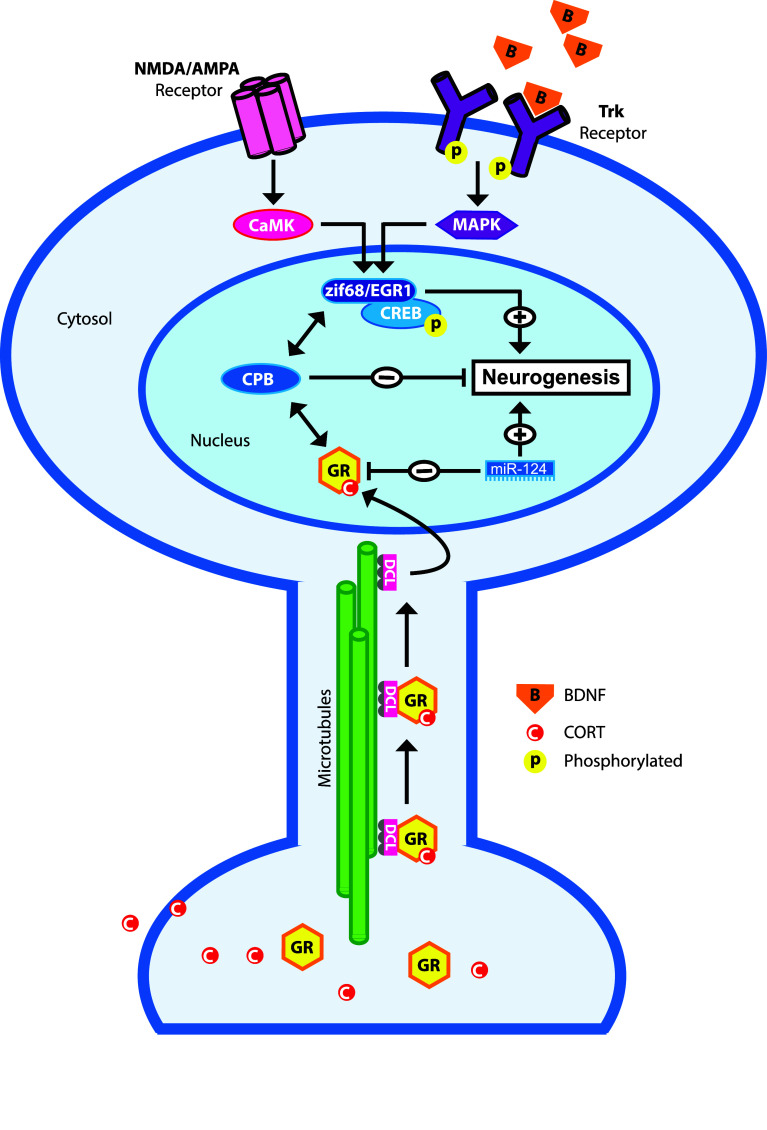
Verification
Claims the paper makes
The claims and statistics of this paper haven’t been checked yet.
Free: it reads the open-access text and checks the first 5 claims that cite a source we can check. Create a free account to check every claim.
Claims other papers make about this one
Each is checked against this paper’s own text: does it say what the citing paper says it does?
In the citing paper
“Animal models have established that prolonged stress can lead to HPA axis hyperreactivity and depressive behaviors along with hippocampal and mPFC abnormalities (68,69).”
From The Impact of Stress and Major Depressive Disorder on Hippocampal and Medial Prefrontal Cortex Morphology (2019) · cites this paper as [69]
In the citing paper
“excessively high as well as blunted glucocorticoid receptor expression has been linked to reduced neurogenesis within the dentate gyrus (69).”
From The Impact of Stress and Major Depressive Disorder on Hippocampal and Medial Prefrontal Cortex Morphology (2019) · cites this paper as [69]
Self-check
Percentages, sums and reported differences re-computed from the paper’s own numbers.
The self-check needs the paper’s full text.
Citations
Cites
Neurogenesis in the adult human hippocampus
Eriksson, P. S., Perfilieva, E., Björk-Eriksson, T., Alborn, A.-M., Nordborg, C., Peterson, D. A., & Gage, F. H. (1998) · Nature Medicine · doi:10.1038/3305 · Cited by 6,369 · cited 1×
“Adult neurogenesis has been shown in the brain of different species of rodents [14, 15], primates [16], and even humans [17, 18].”
BackgroundEpigenetic programming by maternal behavior
Weaver, I. C. G., Cervoni, N., Champagne, F. A., D'Alessio, A. C., Sharma, S., Seckl, J. R., Dymov, S., Szyf, M., & Meaney, M. J. (2004) · Nature Neuroscience · doi:10.1038/nn1276 · Cited by 6,177
Stress and the brain: from adaptation to disease
de Kloet, E. R., Joëls, M., & Holsboer, F. (2005) · Nature Reviews Neuroscience · doi:10.1038/nrn1683 · Cited by 4,621 · cited 4×
“eases [27, 33].”
BackgroundInfluentialReynolds, B. A., & Weiss, S. (1992) · Science · doi:10.1126/science.1553558 · Cited by 4,482 · cited 1×
“able to differentiate into neurons and astrocytes [6].”
BackgroundVale, W., Spiess, J., Rivier, C., & Rivier, J. (1981) · Science · doi:10.1126/science.6267699 · Cited by 3,965
VALE, W., SPIESS, J., RIVIER, C., & RIVIER, J. (1982) · Obstetrical & Gynecological Survey · doi:10.1097/00006254-198205000-00013 · Cited by 3,904 · cited 1×
“Firstly, neurohormones, in particular corticotropin-releasing hormone (CRH), are released in the hypothalamus that subsequently project to the pituitary [52].”
BackgroundRunning increases cell proliferation and neurogenesis in the adult mouse dentate gyrus
van Praag, H., Kempermann, G., & Gage, F. H. (1999) · Nature Neuroscience · doi:10.1038/6368 · Cited by 3,880 · cited 3×
“Similarly, an enriched environment stimulates neuronal differentiation and survival of newborn cells [66, 70, 71], yet it simultaneously increases glucocorticoid levels [72].”
BackgroundAutoradiographic and histological evidence of postnatal hippocampal neurogenesis in rats
Altman, J., & Das, G. D. (1965) · Journal of Comparative Neurology · doi:10.1002/cne.901240303 · Cited by 3,592 · cited 1×
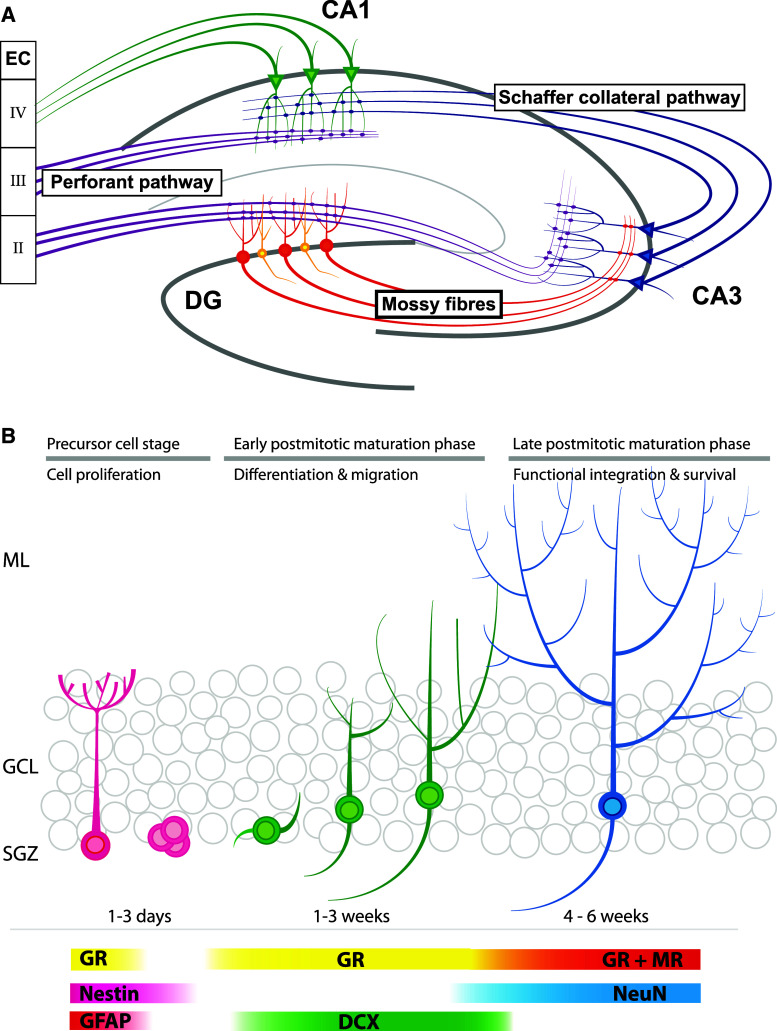
“The GCL is densely packed and consists of a stack of roughly six granule cell bodies [2, 3, 37].”
BackgroundLiu, D., Diorio, J., Tannenbaum, B., Caldji, C., Francis, D., Freedman, A., Sharma, S., Pearson, D., Plotsky, P. M., & Meaney, M. J. (1997) · Science · doi:10.1126/science.277.5332.1659 · Cited by 3,170
Kuhn, H., Dickinson-Anson, H., & Gage, F. (1996) · The Journal of Neuroscience · doi:10.1523/jneurosci.16-06-02027.1996 · Cited by 3,139 · cited 1×
“Aging NA ↓ [92, 146, 147] ↑ [185, 186] ↓ [143] ↓ [145, 187]”
Cited by
Belleau, E. L., Treadway, M. T., & Pizzagalli, D. A. (2019) · Biological Psychiatry · doi:10.1016/j.biopsych.2018.09.031 · Cited by 550
“Specifically, excessively high, as well as blunted, glucocorticoid receptor expression has been linked to reduced neurogenesis within the dentate gyrus (69).”
Anxiety and hippocampal neuronal activity: Relationship and potential mechanisms
Ghasemi, M., Navidhamidi, M., Rezaei, F., Azizikia, A., & Mehranfard, N. (2021) · Cognitive Affective & Behavioral Neuroscience · doi:10.3758/s13415-021-00973-y · Cited by 193
“Stress hormone receptors are absent in neuronal progenitor cells (Saaltink & Vreugdenhil, 2014), but both mineralocorticoid receptor (MR) and glucocorticoid receptor (GR) are present on new neurons (Wong & Herbert, 2005) and may act in concert to indirectly mediate effects of stress on the…”
BackgroundInfluentialmiR-17-92 Cluster Regulates Adult Hippocampal Neurogenesis, Anxiety, and Depression
Jin, J., Kim, S.-N., Liu, X., Zhang, H., Zhang, C., Seo, J.-S., Kim, Y., & Sun, T. (2016) · Cell Reports · doi:10.1016/j.celrep.2016.06.101 · Cited by 114
Liu, R. T. (2015) · Journal of Abnormal Psychology · doi:10.1037/abn0000043 · Cited by 113
Proteomic Profiling Reveals Microbiota-Driven Sensing Mechanisms of Gut-Brain Axis in Depression
Liu, Y., Luo, Y., Zeng, B., Gui, S., Zheng, P., Zheng, P., Pu, J., Wang, H., Wu, Y., Zhou, C., et al. (2018) · Translational Psychiatry · doi:10.1038/s41398-021-01689-w · Cited by 120
“Many studies have reported that depression is highly correlated with the activity of inflammatory signals [3, 4], alterations in neurotrophic signals [5], deficits in brain reward processing [6, 7], abnormal activity of the hypothalamic–pituitary–adrenal axis [8], changes in DNA methylation [9], and DNA damage [10].”
BackgroundSex differences in depression during pregnancy and the postpartum period
Sundström Poromaa, I., Comasco, E., Georgakis, M. K., & Skalkidou, A. (2017) · Journal of Neuroscience Research · doi:10.1002/jnr.23859 · Cited by 96
“Neurogenesis depends on hormonal changes, and estrogen has been shown to promote neurogenesis in female but not male rats (Tanapat et al., 2005), whereas glucocorticoids attenuate it in both sexes (Saaltink and Vreugdenhil, 2014).”
BackgroundInfluentialAAV ablates neurogenesis in the adult murine hippocampus
Johnston, S., Parylak, S. L., Kim, S., Mac, N., Lim, C., Gallina, I., Bloyd, C., Newberry, A., Saavedra, C. D., Novak, O., et al. (2021) · eLife · doi:10.7554/elife.59291 · Cited by 87
Gulyaeva, N. V. (2019) · Biochemistry (Moscow) · doi:10.1134/s0006297919110087 · Cited by 83
Learning and memory: Steroids and epigenetics
Colciago, A., Casati, L., Negri‐Cesi, P., & Celotti, F. (2015) · The Journal of Steroid Biochemistry and Molecular Biology · doi:10.1016/j.jsbmb.2015.02.008 · Cited by 78
Castillo-Gómez, E., Pérez-Rando, M., Bellés, M., Gilabert-Juan, J., Llorens, J. V., Carceller, H., Bueno-Fernández, C., García-Mompó, C., Ripoll-Martínez, B., Curto, Y., et al. (2017) · eneuro · doi:10.1523/eneuro.0034-17.2017 · Cited by 70
Leschik, J., Lutz, B., & Gentile, A. (2021) · International Journal of Molecular Sciences · doi:10.3390/ijms22147339 · Cited by 83
Scholl, J., & Klein-Flügge, M. C. (2017) · Behavioural Brain Research · doi:10.1016/j.bbr.2017.09.050 · Cited by 85
Glucocorticoid‐mediated mechanisms of hippocampal damage: Contribution of subgranular neurogenesis
Podgorny, O. V., & Gulyaeva, N. V. (2020) · Journal of Neurochemistry · doi:10.1111/jnc.15265 · Cited by 65
“…the neurogenic cascade, different levels of stress and activity of the GC-dependent signaling exert diverse and even opposite effects on the rate of newborn neuron production and on their maturation and integration in the existing neuronal circuits (Saaltink & Vreugdenhil, 2014) (Figure 1).”
BackgroundInfluentialCastilla‐Ortega, E., de Guevara‐Miranda, D. L., Serrano, A., Pavón, F. J., Suárez, J., de Fonseca, F. R., & Santín, L. J. (2017) · Biochemical Pharmacology · doi:10.1016/j.bcp.2017.05.003 · Cited by 52
Bolijn, S., & Lucassen, P. J. (2015) · Brain Plasticity · doi:10.3233/bpl-150020 · Cited by 45
“Whereas extensive literature shows that stress suppresses proliferation and neurogenesis in the hippocampus [3, 52, 56, 226] most likely mediated through the glucocorticoid receptor and SGK1 [33, 227, 228], such effects are context dependent and modified by several aspects.”
BackgroundOlescowicz, G., Neis, V. B., Fraga, D. B., da Rosa, P. B., Azevedo, D., Melleu, F. F., Brocardo, P. S., Gil‐Mohapel, J., & Rodrigues, A. L. S. (2017) · Progress in Neuro-Psychopharmacology and Biological Psychiatry · doi:10.1016/j.pnpbp.2017.08.017 · Cited by 49
“…behaviors are not fully understood, a decrease in hippocampal neurogenesis is postulated to play a key role in this effect (Miller and Hen, 2015; Saaltink and Vreugdenhil, 2014). http://dx.doi.org/10.1016/j.pnpbp.2017.08.017 Received 3 June 2017; Received in revised form 27 July 2017; Accepted…”
BackgroundInfluentialGrygiel‐Górniak, B., Limphaibool, N., & Puszczewicz, M. (2019) · Psychiatry and Clinical Neurosciences · doi:10.1111/pcn.12826 · Cited by 51
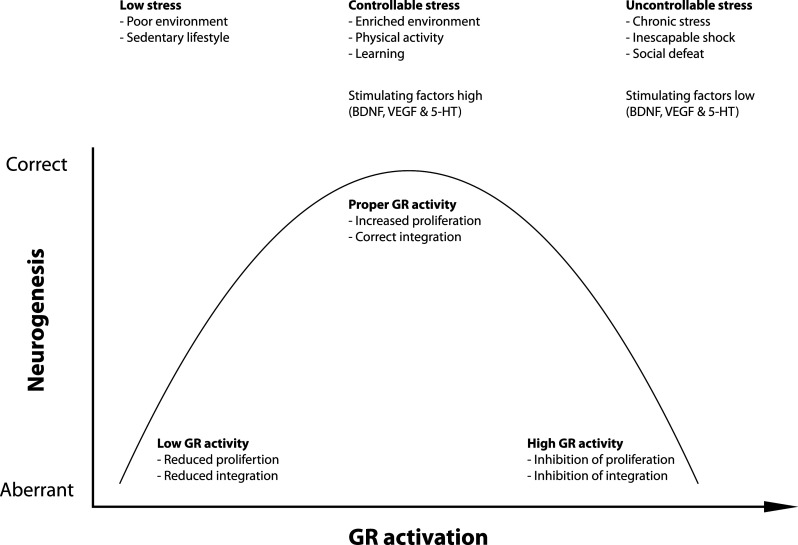
“Excess GR activation in states of chronic stress exerts negative effects on neuronal proliferation and integration, and is associated with low stimulating factors, including 5-HT, BDNF, and VEGF.(54) Persistent hypercortisolemia can act directly via voltage-gated ion channels promoting calcium entry into neurons, and…”
BackgroundUnified theory of Alzheimer’s disease (UTAD): implications for prevention and curative therapy
Nehls, M. (2016) · Journal of Molecular Psychiatry · doi:10.1186/s40303-016-0018-8 · Cited by 41
Roshan‐Milani, S., Seyyedabadi, B., Saboory, E., Parsamanesh, N., & Mehranfard, N. (2021) · Stress · doi:10.1080/10253890.2021.1942828 · Cited by 45
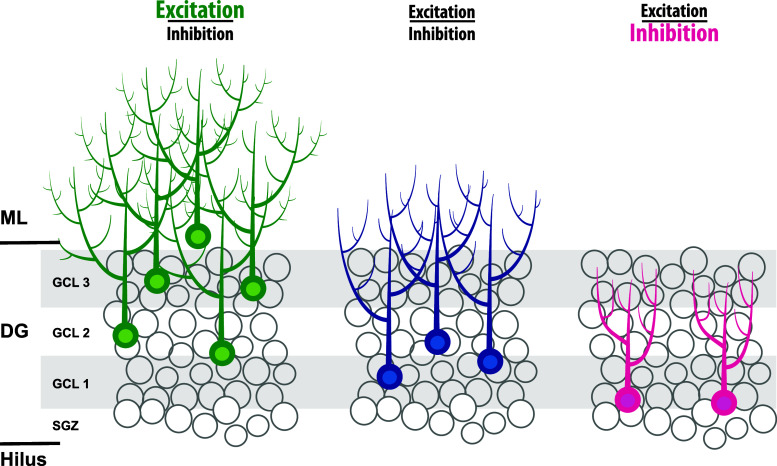
“An excitation–inhibition imbalance has also been suggested to cause psychiatric and paroxysmal brain disorders (Saaltink & Vreugdenhil, 2014); however, the underlying mechanisms are not entirely clear.”
BackgroundHippocampal Volume in Healthy Controls Given 3-Day Stress Doses of Hydrocortisone
Brown, E. S., Jeon‐Slaughter, H., Lu, H., Jamadar, R., Issac, S., Shad, M. U., Denniston, D., Tamminga, C. A., Nakamura, A., & Thomas, B. P. (2014) · Neuropsychopharmacology · doi:10.1038/npp.2014.307 · Cited by 49
Pallé, A., Zorzo, C., Luskey, V. E., McGreevy, K. R., Fernández, S., & Trejo, J. L. (2019) · The FASEB Journal · doi:10.1096/fj.201801600r · Cited by 42
Sadoul, B. C., Alfonso, S., Bessa, E., Bouchareb, A., Blondeau‐Bidet, E., Clair, P., Chatain, B., Bégout, M., & Geffroy, B. (2018) · General and Comparative Endocrinology · doi:10.1016/j.ygcen.2018.06.001 · Cited by 42
The effects of peripheral hormone responses to exercise on adult hippocampal neurogenesis
Kraemer, R. R., & Kraemer, B. R. (2023) · Frontiers in Endocrinology · doi:10.3389/fendo.2023.1202349 · Cited by 50
“In the brain, cortisol can bind to receptors and subsequently inhibit expression of a variety of speci fi c genes (256).”
BackgroundFood restriction reduces neurogenesis in the avian hippocampal formation
Robertson, B.-A., Rathbone, L., Cirillo, G., D’Eath, R. B., Bateson, M., Boswell, T., Wilson, P. W., Dunn, I., & Smulders, T. V. (2017) · PLoS ONE · doi:10.1371/journal.pone.0189158 · Cited by 44
“The proliferation of new cells which will develop into neurons occurs in the subventricular zone (neurons destined for the olfactory bulb) and the subgranular zone (in the dentate gyrus) in mammals [6].”
BackgroundCan Exercise Make You Smarter, Happier, and Have More Neurons? A Hormetic Perspective
Gradari, S., Pallé, A., McGreevy, K. R., Fontán‐Lozano, Á., & Trejo, J. L. (2016) · Frontiers in Neuroscience · doi:10.3389/fnins.2016.00093 · Cited by 45
“Examples of reports with some of the most representative exercise protocols and its effects on cognition and AHN are included for both forced (in Table 1) and voluntary exercise (in Table 2).”
BackgroundKozareva, D. A., O’Leary, O. F., Cryan, J. F., & Nolan, Y. M. (2017) · Hippocampus · doi:10.1002/hipo.22805 · Cited by 41
“The effects of stress on neurogenesis are thought to be mediated by the glucocorticoid (GR) and mineralocorticoid (MR) receptors (Saaltink and Vreugdenhil, 2014), which are highly expressed in the”
BackgroundEnvironmental Change, the Stress Response, and Neurogenesis: Fig. 1
LaDage, L. D. (2015) · Integrative and Comparative Biology · doi:10.1093/icb/icv040 · Cited by 41
Zhang, Z., Lin, W., Li, Y., Yuan, X., He, X., Zhao, H., Mo, J., Lin, J., Yang, L., Liang, B., et al. (2023) · Aquaculture · doi:10.1016/j.aquaculture.2023.739651 · Cited by 44
Glucocorticoid effects on the brain: from adaptive developmental plasticity to allostatic overload
Eachus, H., & Ryu, S. (2024) · Journal of Experimental Biology · doi:10.1242/jeb.246128 · Cited by 43
Effects of Different Types of Exercise Training on the Cortisol Awakening Response in Children
Wegner, M., Koutsandréou, F., Mueller‐Alcazar, A., Lautenbach, F., & Budde, H. (2019) · Frontiers in Endocrinology · doi:10.3389/fendo.2019.00463 · Cited by 41
“It has been further suggested that having control or no control over stress can have opposite effects on neural plasticity (15).”
BackgroundHair cortisol concentrations are associated with hippocampal subregional volumes in children
Keresztes, A., Raffington, L., Bender, A. R., Bögl, K., Heim, C. C., & Shing, Y. L. (2020) · Scientific Reports · doi:10.1038/s41598-020-61131-x · Cited by 39
Levone, B. R., Codagnone, M. G., Moloney, G. M., Nolan, Y. M., Cryan, J. F., & O’Leary, O. F. (2020) · Molecular Psychiatry · doi:10.1038/s41380-020-0848-8 · Cited by 35
Wu, J., Liu, C., Zhang, L., Qu, C.-H., Sui, X., Zhu, H., Huang, L., Xu, Y., Han, Y., & Qin, C. (2017) · Molecular Medicine Reports · doi:10.3892/mmr.2017.6840 · Cited by 33
“GRs and HDAC2 are both expressed in the hippocampus (19,20).”
AdipoRon Treatment Induces a Dose-Dependent Response in Adult Hippocampal Neurogenesis
Lee, T. H.-Y., Christie, B. R., van Praag, H., Lin, K., Parco Ming-fai, S. I. U., Xu, A., So, K., & Yau, S. (2021) · International Journal of Molecular Sciences · doi:10.3390/ijms22042068 · Cited by 34
“Glucocorticoids suppresses neurogenesis [42], interestingly, the results showed that treatment with AdipoRon increased serum corticosterone levels regardless of the treatment dosages (Figure 5C; F2,12 = 8.”
ResultNeural stem cells respond to stress hormones: distinguishing beneficial from detrimental stress
Koutmani, Y., & Karalis, K. P. (2015) · Frontiers in Physiology · doi:10.3389/fphys.2015.00077 · Cited by 31
“…circulating glucocorticoid levels, they induce proliferation and survival of newborn neurons (van Praag et al., 1999, 2002; Droste et al., 2003; Makatsori et al., 2003; Stranahan et al., 2006; Snyder et al., 2009; Yi et al., 2009; Schoenfeld and Gould, 2012; Saaltink and Vreugdenhil, 2014).”
BackgroundMojica, C. A., Ybañez, W. S., Olarte, K. C. V., Poblete, A. B. C., & Bagamasbad, P. (2020) · Endocrinology · doi:10.1210/endocr/bqaa082 · Cited by 31
“Glucocorticoids are steroid hormones that play central roles in animal development, and in physiological and behavioral responses to stress (10-12).”
BackgroundThe activity of the glucocorticoid receptor is regulated by SUMO conjugation to FKBP51
Antunica-Noguerol, M., Budziñski, M. L., Druker, J., Gassen, N. C., Sokn, C., Senin, S. A., Aprile-Garcia, F., Holsboer, F., Rein, T., Liberman, A. C., et al. (2016) · Cell Death and Differentiation · doi:10.1038/cdd.2016.44 · Cited by 34
Gao, C., Wang, Q., Chung, S. K., & Shen, J. (2017) · Neurochemistry International · doi:10.1016/j.neuint.2017.02.001 · Cited by 30
Olayinka, J. N., Akawa, O. B., Ogbu, E. K., Eduviere, A. T., Ozolua, R. I., & Soliman, M. E. S. (2023) · Current Research in Pharmacology and Drug Discovery · doi:10.1016/j.crphar.2023.100161 · Cited by 35
Ekthuwapranee, K., Sotthibundhu, A., Tocharus, C., & Govitrapong, P. (2014) · The Journal of Steroid Biochemistry and Molecular Biology · doi:10.1016/j.jsbmb.2014.10.003 · Cited by 32
Lodjak, J., Mägi, M., Rooni, U., & Tilgar, V. (2015) · Oecologia · doi:10.1007/s00442-015-3357-8 · Cited by 37
“…neurogenesis, muscle and bone tissue development and immune system activation likely through binding mostly with mineralocorticoid receptors (Anacker et al. 2013; Belanto et al. 2010; Bellows et al. 1987; Mazziotti and Giustina 2013; Saaltink and Vreugdenhil 2014; Sapolsky et al. 2000; Smith 1990).”
BackgroundExtensive learning is associated with gray matter changes in the right hippocampus
Koch, K., Reeß, T. J., Rus, O. G., & Zimmer, C. (2015) · NeuroImage · doi:10.1016/j.neuroimage.2015.10.056 · Cited by 33
“Stress is known to counteract neuroplastic processes in the hippocampus (Saaltink and Vreugdenhil, 2014) including neurogenesis and synaptic growth or sprouting.”
Zhang, Z., Lin, W., He, D., Wu, Q., Cai, C., Chen, H., Shang, Y., & Zhang, X. (2023) · Reviews in Fish Biology and Fisheries · doi:10.1007/s11160-023-09779-2 · Cited by 28
“…2010), and meanwhile, a large amount of evidence verified the modulated effects of glucocorticoid receptor on cognitive abilities which were mainly mediated by neurogenesis in the mammalian hippocampus (Ming and Song 2011; Aimone et al. 2014; Saaltink and Vreugdenhil 2014; Anacker and Hen 2017).”
BackgroundStress, Depression, Resilience and Ageing: A Role for the LPA-LPA1 Pathway
Moreno‐Fernández, R. D., Tabbai, S., Castilla‐Ortega, E., Pérez‐Martín, M., Estivill‐Torrús, G., Fernando, R. D. F., Santín, L. J., & Pedraza, C. (2017) · Current Neuropharmacology · doi:10.2174/1570159x15666170710200352 · Cited by 26
“In this complex interaction among interconnected factors that are at least partly responsible for the reduced volume of hippocampus, the excitation-inhibition balance that further complicates the situation seems to be key for the control of the stress system [65, 66] and of brain ageing [67-69].”
BackgroundHuzard, D., Rappeneau, V., Meijer, O. C., Touma, C., Arango-Lievano, M., Garabedian, M. J., & Jeanneteau, F. D. (2020) · Stress · doi:10.1080/10253890.2020.1806226 · Cited by 24
“In the neurogenic region of the hippocampus, glucocorticoid receptors also regulate the balance of excitation and inhibition with consequences on newborn cells maturation, migration, and integration into new networks (Saaltink & Vreugdenhil, 2014).”
BackgroundBarcia, J. M., Flores‐Bellver, M., Muriach, M., Sancho-Pellúz, J., López-Malo, D., Urdaneta, A. C., Martínez‐Gil, N., Atienzar‐Aroca, S., & Romero, F. J. (2015) · Mediators of Inflammation · doi:10.1155/2015/624287 · Cited by 27
Ma, Y., Matsuwaki, T., Yamanouchi, K., & Nishihara, M. (2016) · Molecular Neurobiology · doi:10.1007/s12035-016-9766-9 · Cited by 24
Blast-induced hearing loss suppresses hippocampal neurogenesis and disrupts long term spatial memory
Manohar, S., Adler, H. J., Chen, G., & Salvi, R. (2020) · Hearing Research · doi:10.1016/j.heares.2020.108022 · Cited by 28
Glucocorticoid-Induced Leucine Zipper in Central Nervous System Health and Disease
Srinivasan, M., & Lahiri, D. K. (2016) · Molecular Neurobiology · doi:10.1007/s12035-016-0277-5 · Cited by 26
Noncoding RNAs and the control of signalling via nuclear receptor regulation in health and disease
Cathcart, P. J., Lucchesi, W., Ottaviani, S., de Giorgio, A., Krell, J., Stebbing, J., & Castellano, L. (2015) · Best Practice & Research Clinical Endocrinology & Metabolism · doi:10.1016/j.beem.2015.07.003 · Cited by 27
Ghosh, C., Hossain, M. K., Mishra, S., Khan, S. M., Gonzalez-Martinez, J. A., Marchi, N., Janigro, D., Bingaman, W. E., & Najm, I. (2018) · Epilepsia · doi:10.1111/epi.14567 · Cited by 23
Dinel, A., Guinobert, I., Lucas, C., Blondeau, C., Bardot, V., Ripoche, I., Berthomier, L., Pallet, V., Layé, S., & Joffre, C. (2019) · Food Science & Nutrition · doi:10.1002/fsn3.1249 · Cited by 31
“For instance, glucocorticoids have been shown to inhibit cell proliferation in the dentate gyrus by reducing the proliferation of granule cell precursors (Gould & Tanapat, 1999; Saaltink & Vreugdenhil, 2014).”
BackgroundGuo, H.-L., Teng, H., Zhang, J.-H., Zhang, J., & Zhang, Y. (2017) · Frontiers in Zoology · doi:10.1186/s12983-017-0202-4 · Cited by 22
“The hippocampus is exquisitely sensitive to stressors, due to direct emotional input from the basolateral amygdala (BLA) and glucocorticoids (GCs), and because of its high density of GC receptors [55, 56].”
BackgroundYang, Y., Yang, S., Liu, J., Feng, Y. M., Qi, F., & Zhao, R. (2019) · Molecular Nutrition & Food Research · doi:10.1002/mnfr.201801334 · Cited by 21
Lathe, R., Singadia, S., Jordan, C. Y., & Riedel, G. (2020) · PLoS ONE · doi:10.1371/journal.pone.0227575 · Cited by 23
“There are some discordances, particularly when comparing long- and short-term effects (for example for glucocorticoids, reviewed in [47]).”
BackgroundBoosting Neurogenesis in the Adult Hippocampus Using Antidepressants and Mesenchymal Stem Cells
Kot, M., Neglur, P. K., Pietraszewska, A., & Bużańska, L. (2022) · Cells · doi:10.3390/cells11203234 · Cited by 22
Mikloska, K. V., Zrini, Z. A., & Bernier, N. J. (2021) · Journal of Experimental Biology · doi:10.1242/jeb.243335 · Cited by 20
“…observations in mammals are evidence that the effects of cortisol on neurogenesis are biphasic: stimulatory when the stress-induced increases in cortisol are mild and/or acute and inhibitory when cortisol levels are high and/or sustained (Sørensen et al., 2013; Saaltink and Vreugdenhil, 2014).”
BackgroundAbbas, G., Mahmood, W., & Kabir, N. (2016) · Reviews in the Neurosciences · doi:10.1515/revneuro-2015-0062 · Cited by 18
“This imbalance was also reviewed to affect adult brain plasticity (Baroncelli et al., 2011), neurogenesis (Saaltink and Vreugdenhil, 2014) and aging/ cognitive decline (Majdi et al., 2009).”
BackgroundZhang, Z., Chen, Q., Guan, X., Gong, M., Zhang, J., Cheng, F., & Zhang, X. (2022) · Aquaculture · doi:10.1016/j.aquaculture.2022.739056 · Cited by 20
Hilliard, A. T., Xie, D., Ma, Z., Snyder, M. P., & Fernald, R. D. (2019) · BMC Genomics · doi:10.1186/s12864-019-6047-9 · Cited by 19
Haider, S., Sajid, I., Batool, Z., Madiha, S., Sadir, S., Kamil, N. R., Liaquat, L., Ahmad, S., Tabassum, S., & Khaliq, S. (2020) · Neurochemical Research · doi:10.1007/s11064-020-03127-7 · Cited by 19
Faghihi, F., & Moustafa, A. A. (2016) · Journal of Integrative Neuroscience · doi:10.1142/s0219635216500175 · Cited by 20
Mahmoudi, N. E., Marouane, E., Rastoldo, G., Péricat, D., Watabe, I., Lapôtre, A., Tonetto, A., Chabbert, C., & Tighilet, B. (2022) · Cells · doi:10.3390/cells11172693 · Cited by 20
“For GR quantification, we calculated the percentage of GR staining colocalizing with the DAPI marker to assess GR nuclear localization reflecting its activation [56,57].”
BackgroundMethodHerselman, M. F., Lin, L., Luo, S., Yamanaka, A., Zhou, X., & Bobrovskaya, L. (2023) · International Journal of Molecular Sciences · doi:10.3390/ijms241210353 · Cited by 18
“Chronic stress is known to impair glucocorticoid receptor binding, consequently leading to impairments in the negative feedback of the HPA axis and neuroplasticity [11].”
BackgroundResveratrol ameliorates physical and psychological stress-induced depressive-like behavior
Ardianto, C., Budiatin, A. S., Sumartha, I. N. B., Nurrahmi, N., Rahmadi, M., & Khotib, J. (2021) · Journal of Basic and Clinical Physiology and Pharmacology · doi:10.1515/jbcpp-2020-0437 · Cited by 18
Fokos, S., Pavlidis, M. A., Yiotis, T., Tsalafouta, A., Papandroulakis, N., & Dermon, C. R. (2016) · Behavioural Brain Research · doi:10.1016/j.bbr.2016.09.026 · Cited by 19
Hippocampal volume and the course of depressive symptoms over eight years of follow‐up
Buddeke, J., Kooistra, M., Zuithoff, N. P. A., Gerritsen, L., Biessels, G. J., van der Graaf, Y., Geerlings, M. I., & the SMART Study Group (2017) · Acta Psychiatrica Scandinavica · doi:10.1111/acps.12662 · Cited by 14
“Possibly, there is a mechanism for putative neuronal loss by either apoptosis or inhibition of neurogenesis (42, 43).”
BackgroundCognitive dysfunction in mice lacking proper glucocorticoid receptor dimerization
Looveren, K. V., Boxelaere, M. V., Callaerts‐Vegh, Z., & Libert, C. (2019) · PLoS ONE · doi:10.1371/journal.pone.0226753 · Cited by 15
“Centrally, chronic elevation of the stress response will affect neuronal functioning by inhibiting neurogenesis, proper synaptic pruning and changes in neurotransmitter systems [5, 6], and induce a wide range of behavioral changes including cognitive processes.”
BackgroundHossain, M. K., Williams, S., Ferguson, L., Bingaman, W. E., Ghosh, A., Najm, I., & Ghosh, C. (2020) · Molecular Neurobiology · doi:10.1007/s12035-020-02043-9 · Cited by 14
Barr, J. L., Bray, B., & Forster, G. L. (2018) · InTech eBooks · doi:10.5772/intechopen.70854 · Cited by 18
“Stress-induced suppression of cell proliferation in the hippocampus may occur through GRs, which are expressed on proliferating cells [299].”
BackgroundMoreno‐Fernández, R. D., Rosell‐Valle, C., Bacq, A., Zanoletti, O., Cifuentes, M., Pérez‐Martín, M., Gavito, A., Garcia‐Fernandez, M. I., Estivill‐Torrús, G., de Fonseca, F. R., et al. (2019) · Neuropharmacology · doi:10.1016/j.neuropharm.2019.107896 · Cited by 13
LaDage, L. D., Roth, T. C., Sinervo, B., & Витальевич, П. В. (2016) · Animal Behaviour · doi:10.1016/j.anbehav.2016.01.029 · Cited by 15
Ryabushkina, Y. A., Reshetnikov, V. V., & Bondar, N. P. (2020) · Behavioural Neurology · doi:10.1155/2020/7830469 · Cited by 15
“In addition, we assessed the expression of specific stress-responsive genes—glucocorticoid and mineralocorticoid receptors, Nr3c1 and Nr3c2 (which are important mediators of the stress response and interact with proteins that are activated by neuronal activity [34]) and Nr1d1, which encodes the transcription factor RE…”
Valentine, C., Mitcheltree, H., Sjövall, I. A. K., & Khalil, M. H. (2025) · Brain Sciences · doi:10.3390/brainsci15020201 · Cited by 23
“Saaltink and Vreugdenhil [116] posit that an excitation–inhibition imbalance underlies the association between aberrant integration of newborn neurons and psychiatric and paroxysmal brain disorders.”
Altered hippocampal volume and functional connectivity in patients with Cushing's disease
Li, C., Zhang, Y., Wang, W., Zhou, T., Yu, X., & Tao, H. (2022) · Brain and Behavior · doi:10.1002/brb3.2507 · Cited by 13
“It is important to note that chronic hypercortisolism can affect the hippocampus in at least two ways: by direct neurotoxic effects on the hippocampus (Lupien et al., 2018; Uno et al., 1994) and by reduction in hippocampal neurogenesis (Saaltink & Vreugdenhil, 2014).”
BackgroundOlescowicz, G., Sampaio, T. B., Nascimento-Castro, C. D. P., Brocardo, P. S., Gil‐Mohapel, J., & Rodrigues, A. L. S. (2020) · Neurotoxicity Research · doi:10.1007/s12640-020-00212-1 · Cited by 15
Cao, G., Gong, S., Zhang, F., & Fu, W. (2016) · Evidence-based Complementary and Alternative Medicine · doi:10.1155/2016/5850739 · Cited by 13
RetractedBehavioural effects of PNU ‐282987 and stress in an animal model of A lzheimer's disease
Vicens, P., Heredia, L., Torrente, M., & Domingo, J. L. (2016) · Psychogeriatrics · doi:10.1111/psyg.12189 · Cited by 11
Harada, H., Mori, M., Murata, Y., Kawanabe, S., Terada, K., Matsumoto, T., Ohe, K., & Enjoji, M. (2023) · Journal of Integrative Neuroscience · doi:10.31083/j.jin2202043 · Cited by 9
“The physiological response to stress in the brain varies depending on the nature and duration of stress [5,6], making a clear understanding of the pathogenesis of depression very difficult.”
Morphological changes in hippocampal cytoarchitecture as a function of spatial treatment in birds
Roth, T. C., Stocker, K., & Mauck, R. A. (2016) · Developmental Neurobiology · doi:10.1002/dneu.22413 · Cited by 10
Harada, H., Mori, M., Murata, Y., Kohno, Y., Terada, K., Ohe, K., & Enjoji, M. (2024) · Neuroscience Letters · doi:10.1016/j.neulet.2024.137851 · Cited by 9
Császár, E., Melicherčíková, K., & Dubovický, M. (2014) · PubMed · Cited by 11
Modulation of adult hippocampal neurogenesis by interleukin 1 signaling
Smirnova, M. I., & Quan, N. (2025) · Neurobiology of Sleep and Circadian Rhythms · doi:10.1016/j.nbscr.2025.100123 · Cited by 9
“Typically, stress-induced anti-neurogenic effects require glucocorticoids and immature neurons express very low levels of glucocorticoid receptor (Saaltink et al., 2014).”
Umeoka, E. H. D. L., Robinson, E. J., Turimella, S. L., van Campen, J. S., Motta‐Teixeira, L. C., Sarabdjitsingh, R. A., Garcia‐Cairasco, N., Braun, K. P. J., Graan, P. N. E. D., & Joëls, M. (2019) · Journal of Neuroendocrinology · doi:10.1111/jne.12697 · Cited by 9
The Role of Cortisol in the Development of Post-Stroke Dementia: A Narrative Review
Edwards, I., Singh, I., & Rose’Meyer, R. B. (2022) · Heart and Mind · doi:10.4103/hm.hm_32_22 · Cited by 7
Chronic adolescent stress alters GR-FKBP5 interactions in the hippocampus of adult female rats
Rowson, S. A., Bekhbat, M., Kelly, S. D., Hyer, M. M., Dyer, S. K., Weinshenker, D., & Neigh, G. N. (2024) · Stress · doi:10.1080/10253890.2024.2312467 · Cited by 7
“Increased GR sensitivity or a shifted balance of GR activity to different subsets of genes could be disruptive; for example, both high and low activity of the GR have been implicated in disrupting neurogenesis (Anacker et al., 2011; Saaltink & Vreugdenhil, 2014).”
Othman, H., López-Furelos, A., Leiro, J. M., Ammari, M., Sakly, M., Abdelmelek, H., Salas-Sanchez, A. A., Ares‐Pena, F., & López-Martín, M. E. (2021) · International Journal of Molecular Sciences · doi:10.3390/ijms22105103 · Cited by 6
“GCR is considered a cell-stress biomarker because its expression level can be influenced by many factors, including gender, age [21], or stress [22].”
BackgroundErginousakis, I., & Papatheodoropoulos, C. (2025) · Cells · doi:10.3390/cells15010059 · Cited by 6
Structural alterations as a predictor of depression – a 7-Tesla MRI-based multidimensional approach
Schnellbächer, G. J., Rajkumar, R., Veselinović, T., Ramkiran, S., Hagen, J., Collée, M., Shah, N. J., & Neuner, I. (2024) · Molecular Psychiatry · doi:10.1038/s41380-024-02854-5 · Cited by 5
“Future larger data sets may help to overcome these dif fi culties.”
Alexandrovich, Y. V., Antonov, E. V., Шихевич, С. Г., Kharlamova, A. V., Meister, L. V., Makovka, Y. V., Shepeleva, D. V., Gulevich, R. G., & Herbeck, Y. E. (2023) · Vavilov Journal of Genetics and Breeding · doi:10.18699/vjgb-23-76 · Cited by 5
Goto, S., Kojima, N., Komori, M., Kawade, N., Oshima, K., Nadano, D., Sasaki, N., Horio, F., Matsuda, T., & Miyata, S. (2024) · The Journal of Nutritional Biochemistry · doi:10.1016/j.jnutbio.2024.109608 · Cited by 5
Naumova, A. A., Oleynik, E. A., Grigorieva, Y. S., Nikolaeva, S. D., Chernigovskaya, E. V., & Glazova, M. V. (2023) · Neurological Research · doi:10.1080/01616412.2023.2252280 · Cited by 7
“In addition to neurotransmission, the important hippocampal function affected by stress is adult neurogenesis [12], and the particular effects were shown”
BackgroundLaDage, L. D., Roth, T. C., Downs, C. J., Sinervo, B., & Витальевич, П. В. (2017) · Frontiers in Neuroscience · doi:10.3389/fnins.2017.00097 · Cited by 5
Structural and Synaptic Plasticity in the Hippocampus
Uğuz, A. C., & Doğanyiğit, Z. (2025) · Springer eBooks · doi:10.1007/978-3-031-88907-3_6 · Cited by 6
Schoenfeld, E. M., Gupta, N. K., Syed, S. A., Rozenboym, A. V., Fulton, S. L., Jackowski, A. P., Perera, T. D., & Coplan, J. D. (2021) · Journal of Affective Disorders · doi:10.1016/j.jad.2021.02.052 · Cited by 5
Flatt, E., & Alderman, S. L. (2024) · Journal of Experimental Biology · doi:10.1242/jeb.248020 · Cited by 3
Exploring sexual and romantic functioning as early risk factors of schizophrenia: a narrative review
Dospělová, P., Šustová, P., Zakreski, E., & Androvičová, R. (2025) · Sexual Medicine · doi:10.1093/sexmed/qfaf002 · Cited by 2
Extent and activity of adult hippocampal neurogenesis
Betters, R. K., Manly, R. W., Huynh, P., & Tunc‐Ozcan, E. (2025) · Frontiers in Neuroscience · doi:10.3389/fnins.2025.1709208 · Cited by 4
“Prolonged exposure to stress leads to elevated levels of stress hormones, particularly cortisol in humans and corticosterone in rodents, which negatively impact neural progenitor proliferation and survival in the dentate gyrus (Saaltink and Vreugdenhil, 2014).”
Social Enhancement of Adult Neurogenesis in Zebrafish is Not Regulated by Cortisol
Teles, M. C., Faustino, F., Chanfana, C., Cunha, A., Esteves, M., & Oliveira, R. F. (2022) · Neuroscience · doi:10.1016/j.neuroscience.2022.11.007 · Cited by 4
“Effects of GC on neurogenesis have been described to follow an inverted U-shaped curve, with acute and low cortisol levels acting as stimulatory and adaptive, whereas severe and chronic exposures functioning as inhibitory and mal-adaptive (Sørensen et al., 2013; Saaltink and Vreugdenhil, 2014).”
BackgroundGenetics, Epigenetics, and Mental Health at Work
Bakusic, J., Lavreysen, O., & Godderis, L. (2023) · Handbook series in occupational health sciences · doi:10.1007/978-3-031-30492-7_27 · Cited by 2
Metadata
- Authors
- Saaltink, D.-J., & Vreugdenhil, E.
- Affiliations
- Leiden University Medical Center (NL)
- Corresponding author
- Vreugdenhil, Erno
- ORCID
- Vreugdenhil, Erno
- Venue
- Cellular and Molecular Life Sciences
- Published
- 2014-02-13
- Volume
- 71
- Issue
- 13
- Pages
- 2499-2515
- ISSN
- 1420-682X (ISSN-L)
- 1420-9071
- PMC
- PMC4055840
- OpenAlex
- W1973722262
- Cited by
- 127
- References
- 205
- Citations by year
- 2026: 2 · 2025: 9 · 2024: 12 · 2023: 14 · 2022: 9 · 2021: 12 · 2020: 12 · 2019: 10 · 2018: 4 · 2017: 12 · 2016: 16 · 2015: 10 · 2014: 5
- FWCI
- 1.49
- Type
- journal article
- Language
- en
- Open access
- hybrid
- doi.org
- Locations
- Cellular and Molecular Life Sciences (publishedVersion, cc-by)
- PubMed Central (publishedVersion, cc-by)
- PubMed (publishedVersion)
- Data Archiving and Networked Services (DANS) (submittedVersion)
- Leiden Repository (Leiden University) (submittedVersion)
- Funders
- Ministerie van Economische Zaken
- Topics
- Life Sciences › Neuroscience › Developmental Neuroscience › Neurogenesis and neuroplasticity mechanisms
- Life Sciences › Neuroscience › Behavioral Neuroscience › Stress Responses and Cortisol
- Life Sciences › Neuroscience › Cellular and Molecular Neuroscience › Neuroscience and Neuropharmacology Research
- Keywords
- adult neurogenesis, stress, glucocorticoid receptor, excitation-inhibition balance, hippocampus, neuronal migration, stress response, mental illness
- MeSH terms
- Mental Disorders, Cell Differentiation, Glucocorticoids, Hippocampus, Neurons, Stress, Physiological, Signal Transduction, Neurogenesis
About these checks
Registry, retraction, Cites and statistics results are computed, not judged, with one exception: a printed reference that no index lists is read once by a model before it counts as a citation error. Claims are extracted by a model and kept only when their quote appears verbatim in the text; each cited source is then checked, with a model’s help, for whether it says what the claim relies on. Those verdicts can be wrong — read the claim’s quote and the cited source before relying on one.
Statistics and arithmetic are recomputed, not judged.
Confidence bands are shown only for fields calibrated on our annotated test set. None is calibrated yet, so no band is shown.
What counts as a claim ›How we measure confidence ›How we check this ›
Are you an author, or do you see a problem with this page? Request a review
Data sources
Bibliographic data: Semantic Scholar, OpenAlex, Crossref.
Contains information from the Semantic Scholar Academic Graph Datasets, made available under the ODC Attribution License (ODC-BY 1.0).
Semantic Scholar’s data is described in: Kinney, R., et al. (2023). The Semantic Scholar Open Data Platform. arXiv:2301.10140.
