

Contributing roles of mitochondrial dysfunction and hepatocyte apoptosis in liver diseases through oxidative stress, post-translational modifications, inflammation, and intestinal barrier dysfunction
Open accessThe DOI matches its Crossref record; 399 of the 399 references it cites were found in a registry or an index.
Abstract
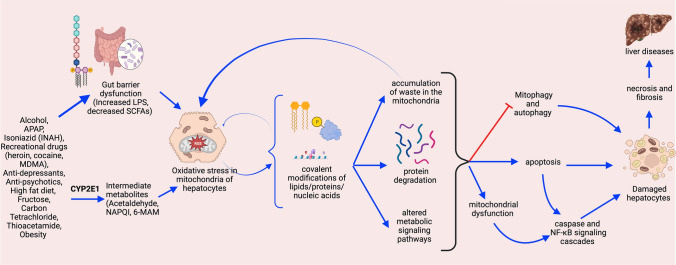
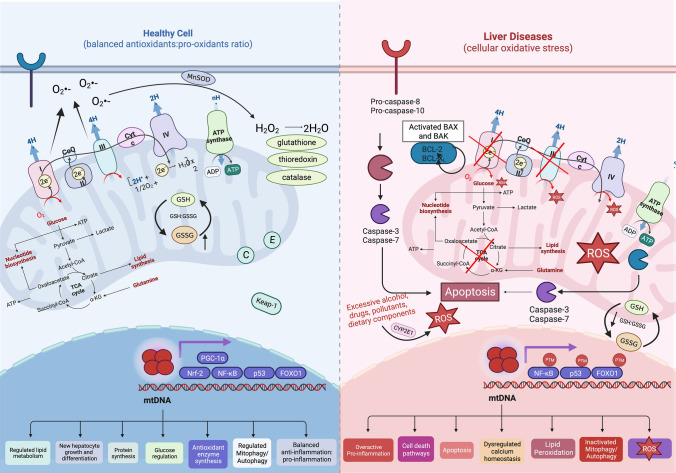
This review provides an update on recent findings from basic, translational, and clinical studies on the molecular mechanisms of mitochondrial dysfunction and apoptosis of hepatocytes in multiple liver diseases, including but not limited to alcohol-associated liver disease (ALD), metabolic dysfunction-associated steatotic liver disease (MASLD), and drug-induced liver injury (DILI). While the ethanol-inducible cytochrome P450-2E1 (CYP2E1) is mainly responsible for oxidizing binge alcohol via the microsomal ethanol oxidizing system, it is also responsible for metabolizing many xenobiotics, including pollutants, chemicals, drugs, and specific diets abundant in n-6 fatty acids, into toxic metabolites in many organs, including the liver, causing pathological insults through organelles such as mitochondria and endoplasmic reticula. Oxidative imbalances (oxidative stress) in mitochondria promote the covalent modifications of lipids, proteins, and nucleic acids through enzymatic and non-enzymatic mechanisms. Excessive changes stimulate various post-translational modifications (PTMs) of mitochondrial proteins, transcription factors, and histones. Increased PTMs of mitochondrial proteins inactivate many enzymes involved in the reduction of oxidative species, fatty acid metabolism, and mitophagy pathways, leading to mitochondrial dysfunction, energy depletion, and apoptosis. Unique from other organelles, mitochondria control many signaling cascades involved in bioenergetics (fat metabolism), inflammation, and apoptosis/necrosis of hepatocytes. When mitochondrial homeostasis is shifted, these pathways become altered or shut down, likely contributing to the death of hepatocytes with activation of inflammation and hepatic stellate cells, causing liver fibrosis and cirrhosis. This review will encapsulate how mitochondrial dysfunction contributes to hepatocyte apoptosis in several types of liver diseases in order to provide recommendations for targeted therapeutics.
Overview
The claims and statistics of this paper haven’t been checked yet.
Free: it reads the open-access text and checks the first 5 claims that cite a source we can check. Create a free account to check every claim.
Integrity signals
Registry
Cites
Statistics
Figures
Verification
Claims the paper makes
The claims and statistics of this paper haven’t been checked yet.
Free: it reads the open-access text and checks the first 5 claims that cite a source we can check. Create a free account to check every claim.
Claims other papers make about this one
Each is checked against this paper’s own text: does it say what the citing paper says it does?
In the citing paper
“MASLD is a progressively worsening liver condition characterized by pathological processes including fat accumulation, cell death, inflammation, and fibrosis within liver cells [68–70].”
From Constructing biomimetic microenvironments for liver regeneration (2025) · doi:10.1186/s12951-025-03729-9 · cites this paper as [70]
Self-check
Percentages, sums and reported differences re-computed from the paper’s own numbers.
The self-check needs the paper’s full text.
Citations
Cites
Items 201–399 of 399
Drug Induced Liver Injury (DILI). Mechanisms and Medicinal Chemistry Avoidance/Mitigation Strategies
Norman, B. H. (2020) · Journal of Medicinal Chemistry · doi:10.1021/acs.jmedchem.0c00524 · Cited by 118 · cited 10×
“…a bo lit e f o r m a ti on , h e p a t o c y t e c y t o t ox i c it y , a s w e ll a s t h e do s e a nd phy s i o c h e m i ca l p r op e r ti e s o f t h e d r ug i ng e s t e d [ 372 ] L i v e r f a il u r e E m e r g e n c y li v e r t r a n s p l a n t s [ 373 ] prevent ALD, MASLD, and DILI.”
BackgroundInfluentialKim, J., Kim, S. H., Lee, S. U., Ha, G. H., Kang, D. G., Ha, N., Ahn, J. S., Cho, H. Y., Kang, S., Lee, Y., et al. (2002) · ELECTROPHORESIS · doi:10.1002/elps.200290032 · Cited by 117
Kathirvel, E., Chen, P., Morgan, K., French, S. W., & Morgan, T. R. (2010) · Journal of Gastroenterology and Hepatology · doi:10.1111/j.1440-1746.2009.06196.x · Cited by 117
Alcohol and hepatocarcinogenesis
Taniai, M. (2020) · Clinical and Molecular Hepatology · doi:10.3350/cmh.2020.0203 · Cited by 117 · cited 4×
“Overall, excessive alcohol intake induces CYP2E1 and/or inactivates mitochondrial ALDH2; both can lead to oxidative DNA damage, apoptosis, suppressed cell proliferation, and altered inflammatory pathways [9, 331], contributing to the development of tumors.”
BackgroundInfluentialRoberts, B. J., Shoaf, S. E., Jeong, K. S., & Song, B. J. (1994) · Biochemical and Biophysical Research Communications · doi:10.1006/bbrc.1994.2774 · Cited by 116 · cited 2×
“When ALDH2 activity is depleted in Aldh2 -KO mice [201], pro-oxidant CYP2E1 has been found to be upregulated in the intestines upon alcohol exposure [87, 201, 202].”
BackgroundSelf-citationEffects of ethanol on cocaine metabolism: Formation of cocaethylene and norcocaethylene
Dean, R. A., Harper, E. T., Dumaual, N. G., Stoeckel, D. A., & BOSRON, W. F. (1992) · Toxicology and Applied Pharmacology · doi:10.1016/0041-008x(92)90210-j · Cited by 115 · cited 1×
“Hepatotoxicity due to cocaine has been significantly worsened in the presence of other agents such as endotoxin [292] and alcohol; co-administration of cocaine and ethanol produces potently toxic cocaethylene [293] and suppresses mitochondrial ALDH2 activity through PTMs [294].”
BackgroundPodszun, M. C., Alawad, A. S., Lingala, S., Morris, N., Huang, W.-C. A., Yang, S., Schoenfeld, M., Rolt, A., Ouwerkerk, R., Valdez, K., et al. (2020) · Redox Biology · doi:10.1016/j.redox.2020.101710 · Cited by 114 · cited 2×
“When organelles such as mitochondria, endoplasmic reticula (ER), and peroxisomes are damaged and dysfunctional, more ROS are produced [1, 18] in a vicious cycle [14, 24].”
BackgroundAntidepressants- and antipsychotics-induced hepatotoxicity
Todorović Vukotić, N., Đorđević, J., Pejić, S., Đorđević, N., & Pajović, S. B. (2021) · Archives of Toxicology · doi:10.1007/s00204-020-02963-4 · Cited by 114
Gut microbiota changes and chronic hepatitis C virus infection
Preveden, T., Scarpellini, E., Milić, N., Luzza, F., & Abenavoli, L. (2017) · Expert Review of Gastroenterology & Hepatology · doi:10.1080/17474124.2017.1343663 · Cited by 113
Mitochondrial–Lysosomal Axis in Acetaminophen Hepatotoxicity
Moles, A., Torres, S., Baulies, A., Garcia-Ruiz, C., & Fernandez-Checa, J. C. (2018) · Frontiers in Pharmacology · doi:10.3389/fphar.2018.00453 · Cited by 113 · cited 7×
“Ultimately, this process also impairs the autophagosome, leading to defective mitophagy [110] and receptor interacting protein (RIP) kinase-mediated necrosis of the cell [110, 268, 269, 277–279].”
BackgroundInfluentialTeunis, C., Nieuwdorp, M., & Hanssen, N. (2022) · Metabolites · doi:10.3390/metabo12060514 · Cited by 113 · cited 1×
“Endotoxemia is also affiliated with mitochondrial dysfunction [25] and systemic inflammation [172] in rodent models of ALD [11, 126, 151, 173] and MASLD [20, 51, 68, 151, 174–178].”
BackgroundWang, F., Liu, J., Zhou, R., Zhao, X., Liu, M., Ye, H., & Xie, M.-L. (2017) · Chemico-Biological Interactions · doi:10.1016/j.cbi.2017.08.006 · Cited by 112
Hepatoprotective effects of geniposide in a rat model of nonalcoholic steatohepatitis
Ma, T., Huang, C., Zong, G., Zha, D., Meng, X., Li, J., & Tang, W. (2011) · Journal of Pharmacy and Pharmacology · doi:10.1111/j.2042-7158.2011.01256.x · Cited by 111 · cited 1×
“…stress may happen partly through the involvement of translocation and activation of mitochondrial NOX4 [235], CYP2E1-gener-ated ROS [68, 210, 236], HFD-mediated insulin resistance [22], and various PTMs of mitochondrial proteins, causing mitochondrial dysfunction, decreased fat degradation,…”
BackgroundAbdelmegeed, M. A., Ha, S.-K., Choi, Y., Akbar, M. D., & Song, B. (2017) · Current Molecular Pharmacology · doi:10.2174/1874467208666150817111114 · Cited by 109
Self-citationNiemelä, O., Parkkila, S., Pasanen, M., Limuro, Y., Bradford, B., & Thurman, R. G. (1998) · Alcoholism: Clinical and Experimental Research · doi:10.1111/j.1530-0277.1998.tb05925.x · Cited by 107
Yan, L., Jie, H., Li, L., Chen, X.-H., Peng, H., Cao, M., & Zhang, Q. (2012) · Endocrine · doi:10.1007/s12020-012-9761-5 · Cited by 106 · cited 2×
“…i . e ., e m r i ca s a n ) [ 347 ] S il y m a r i n , r e s v e r a t r o l , c u r c u m i n , a nd b e r b e r i n e [ 363 , 364 ] G h r e li n [ 371 ] B e r b e r i n e [ 363 ] M e l a t on i n a nd N - ace t y l c y s t e i n e [ 385 ] Q u e r ce ti n [ 368 , 378 ] V a r i ou s fl a vono i d…”
BackgroundA comprehensive review of cytochrome P450 2E1 for xenobiotic metabolism
Chen, J., Jiang, S., Wang, J., Renukuntla, J., Sirimulla, S., & Chen, J. (2019) · Drug Metabolism Reviews · doi:10.1080/03602532.2019.1632889 · Cited by 106 · cited 3×
“The ROS-mediated activation of HSCs can be seen through the accumulation of α-smooth muscle actin (α-SMA), vimentin (VIM), and collagen in the extracellular matrices of hepatocytes [9, 191, 192].”
BackgroundMitochondrial oxidative function in NAFLD: Friend or foe?
Shum, M., Ngo, J., Shirihai, O. S., & Liesa, M. (2021) · Molecular Metabolism · doi:10.1016/j.molmet.2020.101134 · Cited by 106 · cited 4×
“As a result, ROS production increases, activating antioxidant responses [95, 226, 227].”
BackgroundInfluentialZhou, Q., Yin, Y., Yu, M., Gao, D., Sun, J., Yang, Z., Weng, J., Chen, W., Atyah, M. M., Shen, Y., et al. (2022) · Redox Biology · doi:10.1016/j.redox.2022.102458 · Cited by 106
Wang, H. M.-D., Fu, L., Cheng, C. C., Gao, R., Lin, M. Y., Su, H. L., Belinda, N. E., Nguyen, H. T., Lin, W.-H., Lee, P.-C., et al. (2019) · Antioxidants · doi:10.3390/antiox8080270 · Cited by 105 · cited 2×
“…it to be positively correlated with intestinal barrier dysfunction; elevated PTMs that disrupt TJ/AJ protein networks allow intestinal contents such as pathogenic bacteria and LPS to leak out into systemic circulation, characteristically manifesting in hepatic nitro-oxidative stress [170–172].”
BackgroundIL‐1 receptor antagonist plus pentoxifylline and zinc for severe alcohol‐associated hepatitis
Szabo, G., Mitchell, M., McClain, C. J., Dasarathy, S., Barton, B., McCullough, A. J., Nagy, L. E., Kroll‐Desrosiers, A., Tornai, D., Min, H. A., et al. (2022) · Hepatology · doi:10.1002/hep.32478 · Cited by 105
Stine, J. G., & Lewis, J. H. (2016) · Expert Review of Gastroenterology & Hepatology · doi:10.1586/17474124.2016.1127756 · Cited by 104 · cited 8×
“…a bo lit e f o r m a ti on , h e p a t o c y t e c y t o t ox i c it y , a s w e ll a s t h e do s e a nd phy s i o c h e m i ca l p r op e r ti e s o f t h e d r ug i ng e s t e d [ 372 ] L i v e r f a il u r e E m e r g e n c y li v e r t r a n s p l a n t s [ 373 ] prevent ALD, MASLD, and DILI.”
BackgroundInfluentialMoon, K., Hood, B. L., Mukhopadhyay, P., Rajesh, M., Abdelmegeed, M. A., Kwon, Y., Conrads, T. P., Veenstra, T. D., Song, B., & Pacher, P. (2008) · Gastroenterology · doi:10.1053/j.gastro.2008.06.048 · Cited by 103 · cited 1×
“PTMs found in liver diseases include protein acetylation [37, 42, 48], nitration [10, 26, 37, 49–53], S -nitrosylation [49, 54, 55], oxidation [37], phosphorylation [26, 56, 57], succinylation [58], ADP-ribosylation [44], ubiquitination [37, 59], SUMOylation [60–65], carbonylation [66–68], S…”
BackgroundSelf-citationGhosh, S., Sarkar, A., Bhattacharyya, S., & Sil, P. C. (2016) · Frontiers in Pharmacology · doi:10.3389/fphar.2016.00481 · Cited by 103
Zong, H., Armoni, M., Harel, C., Karnieli, E., & Pessin, J. E. (2012) · American Journal of Physiology-Endocrinology and Metabolism · doi:10.1152/ajpendo.00258.2011 · Cited by 101
Heidrich, B., Vital, M., Plumeier, I., Döscher, N., Kahl, S., Kirschner, J., Ziegert, S., Solbach, P., Lenzen, H., Potthoff, A., et al. (2018) · Liver International · doi:10.1111/liv.13485 · Cited by 100 · cited 2×
“…revealed that higher levels of serum LPS and intestinal fatty acid binding proteins, markers of intestinal permeability, were observed in patients with fibrosis/ cirrhosis than those of patients without fibrosis and healthy volunteers [149] in both HBV [162–165] and HCV infections [166–168].”
BackgroundMicrobiota, a key player in alcoholic liver disease
Cassard, A.-M., & Ciocan, D. (2018) · Clinical and Molecular Hepatology · doi:10.3350/cmh.2017.0067 · Cited by 100 · cited 1×
“Altered microbiota compositions have been found in several clinical cases of ALD [154, 155], cirrhosis [156–159], MASLD [160, 161], viral hepatitis including Hepatitis B viral infections (HBV) [162–165] and Hepatitis C viral infections (HCV) [166–168], as well as hepatocellular carcinoma (HCC)…”
BackgroundCho, Y.-E., Yu, L.-R., Abdelmegeed, M. A., Yoo, S.-H., & Song, B.-J. (2018) · Journal of Hepatology · doi:10.1016/j.jhep.2018.02.005 · Cited by 99 · cited 2×
“Based on the previous information regarding the prevalence of sirtuins 3, 4, and 5 in mitochondria and protectors against liver diseases and general age-related diseases, sirtuin activators including naturally occurring polyphenols would exhibit great therapeutic benefits [86, 126, 369].”
BackgroundSelf-citationLuo, C., Yang, Q., Liu, Y., Zhou, S., Jiang, J., Reiter, R. J., Bhattacharya, P., Cui, Y., Yang, H. W., Ma, H., et al. (2018) · Free Radical Biology and Medicine · doi:10.1016/j.freeradbiomed.2018.10.402 · Cited by 99 · cited 3×
“…i d a n t s [ 351 ] N i c o ti n a m i d e r i bo s i d e ( t a r g e t s S I R T 1 )[ 139 ] M e l a t on i n a nd N - ace t y l c y s t e i n e [ 385 ] M it o c hond r i a - t a r g e t e d ub i qu i non e [ 52 ] A S K 1 a nd ca s p a s e i nh i b it o r s ( i . e ., e m r i ca s a n ) [ 347 ]…”
BackgroundModulating Mitophagy in Mitochondrial Disease
Dombi, E., Mortiboys, H., & Poulton, J. (2019) · Current Medicinal Chemistry · doi:10.2174/0929867324666170616101741 · Cited by 98 · cited 1×
“Specifically, these exposures can alter mitochondrial redox homeostasis and oxidatively damage DNA [106, 107], RNA [106], lipids, and proteins, through PTMs [8, 26, 48, 70, 108, 109], causing inactivation of their functions and signaling pathways, leading to mitochondrial dysfunction [26, 53, 68,…”
BackgroundGong, S., Feng, Y., Zeng, Y., Zhang, H., Pan, M., He, F., Wu, R., Chen, J., Lu, J., Zhang, S., et al. (2021) · Journal of Translational Medicine · doi:10.1186/s12967-021-02814-5 · Cited by 98 · cited 3×
“In this study, antibiotic treatment improved liver histology, promoted Nrf2 activation, increased the levels of GSH, and inhibited the JNK-and p38-related cell death signaling pathways [301, 308], demonstrating its significance as an effective treatment for cisplatin-mediated hepatotoxicity.”
BackgroundTijera, F. H.-D. L. (2015) · World Journal of Gastroenterology · doi:10.3748/wjg.v21.i16.4975 · Cited by 95
Involvement of cytochrome P450 in cisplatin treatment: implications for toxicity
Quintanilha, J. C. F., de Sousa, V. M., Visacri, M. B., Amaral, L. S., Santos, R. M. M., Zambrano, T., Salazar, L. A., & Moriel, P. (2017) · Cancer Chemotherapy and Pharmacology · doi:10.1007/s00280-017-3358-x · Cited by 95
Kanda, T., Goto, T., Hirotsu, Y., Masuzaki, R., Moriyama, M., & Omata, M. (2020) · International Journal of Molecular Sciences · doi:10.3390/ijms21041525 · Cited by 94 · cited 1×
“Gut dysbiosis is responsible for the exacerbation and progression of various liver diseases [386] through the promotion of toxic metabolites [150]; in fact, targeting gut dysbiosis has the potential to mitigate the onset and progression of liver diseases [150, 387].”
BackgroundJoshi-Barve, S., Kirpich, I., Cave, M. C., Marsano, L. S., & McClain, C. J. (2015) · Cellular and Molecular Gastroenterology and Hepatology · doi:10.1016/j.jcmgh.2015.05.006 · Cited by 89 · cited 2×
“…as increased ROS production [190], antioxidant down-regulation, mitochondrial dysfunction [191, 192], suppressed fatty acid oxidation, oxidative DNA damage, and protein adduct formation via lipid peroxidation [i.e., acr-olein, malondialdehyde (MDA), and 4-hydroxynonenal (4-HNE)] in the liver [193].”
BackgroundImpaired SUMOylation of nuclear receptor LRH-1 promotes nonalcoholic fatty liver disease
Stein, S., Lemos, V., Xu, P., Demagny, H., Wang, X., Ryu, D., Jiménez, V., Bosch, F., Lüscher, T. F., Oosterveer, M. H., et al. (2017) · Journal of Clinical Investigation · doi:10.1172/jci85499 · Cited by 89 · cited 1×
“The proteins involved in promoting various PTMs exist in several subcellular organelles, including the cytoplasm [39], ER [40, 41], mitochondria [42], and nucleus [43]; PTMs may also be observed in the proteomes of the liver [37, 44–47], gut [7], and other peripheral tissues [29].”
BackgroundTerpenoids: Natural Compounds for Non-Alcoholic Fatty Liver Disease (NAFLD) Therapy
Yao, P., & Liu, Y. (2022) · Molecules · doi:10.3390/molecules28010272 · Cited by 89
Bashandy, S. A. E., Alaamer, A., Moussa, S. A. A., & Omara, E. A. (2018) · Canadian Journal of Physiology and Pharmacology · doi:10.1139/cjpp-2017-0247 · Cited by 87
Bai, J., & Cederbaum, A. I. (2005) · Journal of Biological Chemistry · doi:10.1074/jbc.m510484200 · Cited by 86
Park, K., Cho, S. Y., Kim, H., & Paik, Y. (2002) · International Journal of Cancer · doi:10.1002/ijc.1585 · Cited by 86 · cited 1×
“ALDH2*2 protein variants are also individually-correlated with HCC [327, 328] and are identified as potential biomarkers for HCC [329, 330].”
BackgroundAbdelmegeed, M. A., Jang, S., Banerjee, A., Hardwick, J. P., & Song, B.-J. (2013) · Free Radical Biology and Medicine · doi:10.1016/j.freeradbiomed.2013.02.018 · Cited by 85 · cited 5×
“In addition to JNK-mediated protein phosphorylation, the essential roles of nitrated proteins in mitochondria and cytosol were reported [53, 59].”
BackgroundInfluentialTomasi, M. L., Tomasi, I., Ramani, K., Pascale, R. M., Xu, J., Giordano, P., Mato, J. M., & Lu, S. C. (2012) · Hepatology · doi:10.1002/hep.25701 · Cited by 84
Acetaminophen hepatotoxicity: A mitochondrial perspective
Ramachandran, A., & Jaeschke, H. (2019) · Advances in pharmacology · doi:10.1016/bs.apha.2019.01.007 · Cited by 84 · cited 1×
“This excessive buildup of ROS causes a mitochondrial permeability change and the release of mitochondrial proteins that induce DNA damage and activate hepatocyte apoptosis [269, 276].”
BackgroundChoi, Y., Abdelmegeed, M. A., & Song, B.-J. (2018) · The Journal of Nutritional Biochemistry · doi:10.1016/j.jnutbio.2017.11.011 · Cited by 83 · cited 4×
“Based on the previous information regarding the prevalence of sirtuins 3, 4, and 5 in mitochondria and protectors against liver diseases and general age-related diseases, sirtuin activators including naturally occurring polyphenols would exhibit great therapeutic benefits [86, 126, 369].”
BackgroundInfluentialSelf-citationPossible Pathways of Hepatotoxicity Caused by Chemical Agents
Mohi-ud-din, R., Mir, R. H., Sawhney, G., Dar, M. A., & Bhat, Z. A. (2019) · Current Drug Metabolism · doi:10.2174/1389200220666191105121653 · Cited by 83 · cited 2×
“Of this 50%, 37% of DILI are associated with acetaminophen (APAP, paracetamol) and the other 13% are caused by isoniazid (isonicotinic acid hydrazide, INAH), TAA, erythromycin, diclofenac, and others [262].”
BackgroundDifferential expression of the liver proteome in senescence accelerated mice
Cho, Y., Bae, S., Choi, B., Cho, S. Y., Song, C., Yoo, J., & Paik, Y. (2003) · PROTEOMICS · doi:10.1002/pmic.200300562 · Cited by 82 · cited 1×
“ALDH2*2 protein variants are also individually-correlated with HCC [327, 328] and are identified as potential biomarkers for HCC [329, 330].”
BackgroundWang, Y., Du, L., Liang, X., Meng, P., Bi, L., Wang, Y., Wang, C., & Tang, B. (2018) · Hepatology · doi:10.1002/hep.30421 · Cited by 82
Abdelmegeed, M. A., Moon, K.-H., Chen, C., Gonzalez, F. J., & Song, B.-J. (2010) · Biochemical Pharmacology · doi:10.1016/j.bcp.2009.07.016 · Cited by 81 · cited 4×
“…48], nitration [10, 26, 37, 49–53], S -nitrosylation [49, 54, 55], oxidation [37], phosphorylation [26, 56, 57], succinylation [58], ADP-ribosylation [44], ubiquitination [37, 59], SUMOylation [60–65], carbonylation [66–68], S -palmitoylation [45–47, 69], glycosylation [7, 37, 70 , 71 ], protein”
BackgroundInfluentialSelf-citationMitochondrial Dysfunction in Age‐Related Metabolic Disorders
Natarajan, V., Chawla, R., Mah, T., Vivekanandan, R., Tan, S. Y., Sato, P. Y., & Mallilankaraman, K. (2020) · PROTEOMICS · doi:10.1002/pmic.201800404 · Cited by 81 · cited 1×
“…DNA [106, 107], RNA [106], lipids, and proteins, through PTMs [8, 26, 48, 70, 108, 109], causing inactivation of their functions and signaling pathways, leading to mitochondrial dysfunction [26, 53, 68, 83], death of hepatocytes, and liver damage [17, 110] or age-related conditions [91, 111–113].”
BackgroundRungratanawanich, W., Lin, Y., Wang, X., Kawamoto, T., Chidambaram, S. B., & Song, B.-J. (2023) · Redox Biology · doi:10.1016/j.redox.2022.102577 · Cited by 79
Self-citationBiomarkers of drug-induced liver injury
McGill, M. R., & Jaeschke, H. (2019) · Advances in Pharmacology · doi:10.1016/bs.apha.2019.02.001 · Cited by 78 · cited 1×
“DILI cases fall into two major categories: intrinsic/direct hepatotoxicity or idiosyncratic hepatotoxicity, with a third emerging category being indirect mechanisms of hepato-toxicity (that may include gut dysbiosis) [263].”
BackgroundAnalyzing Mitochondrial Dysfunction, Oxidative Stress, and Apoptosis: Potential Role of L-carnitine.
Modanloo, M., & Shokrzadeh, M. (2019) · Iranian Journal of Kidney Diseases · Cited by 78
New insight and potential therapy for NAFLD: CYP2E1 and flavonoids
Wang, K., Tan, W., Liu, X., Deng, L., Huang, L., Wang, X., & Gao, X. (2021) · Biomedicine & Pharmacotherapy · doi:10.1016/j.biopha.2021.111326 · Cited by 78 · cited 2×
“…t y l c y s t e i n e [ 385 ] Q u e r ce ti n [ 368 , 378 ] V a r i ou s fl a vono i d s f o r C Y P 2 E 1 - i ndu ce d ox i d a ti v e s t r e ss [ 381 ] A d e qu a t e nu t r iti on a nd a b s ti n e n ce [ 372 ] P r e d i c ti ng it s on s e t a nd t yp e by m ea s u r i ng h e p a ti c t r a n…”
BackgroundA review on molecular mechanism of alcoholic liver disease
Namachivayam, A., & Gopalakrishnan, A. V. (2021) · Life Sciences · doi:10.1016/j.lfs.2021.119328 · Cited by 78 · cited 6×
“The accumulation of ROS and LPOs promotes hepatocyte apoptosis/necrosis, which activates hepatic stellate cells (HSCs) [190].”
BackgroundInfluentialWang, T., Campbell, R. V., Yi, M., Lemon, S. M., & Weinman, S. A. (2009) · Journal of Viral Hepatitis · doi:10.1111/j.1365-2893.2009.01238.x · Cited by 77 · cited 3×
“It is also known that infection with hepatitis B (HBV) and C virus (HCV) can cause mitochondrial dysfunction, hepatic inflammation, and chronic liver disease, in people and cell lines, through the hepatitis virus core and other proteins associated with HBV/HCV [16, 104].”
BackgroundLuo, D.-D., Chen, J.-F., Liu, J.-J., Xie, J.-H., Zhang, Z.-B., Gu, J.-Y., Zhuo, J.-Y., Huang, S., Su, Z.-R., & Sun, Z.-H. (2019) · Food and Chemical Toxicology · doi:10.1016/j.fct.2018.11.012 · Cited by 77
Ahadpour, M., Eskandari, M. R., Mashayekhi, V., Haj Mohammad Ebrahim Tehrani, K., Jafarian, I., Naserzadeh, P., & Hosseini, M.-J. (2016) · Drug and Chemical Toxicology · doi:10.3109/01480545.2015.1092039 · Cited by 76 · cited 1×
“However, these natural lines of defense in mitochondria can be altered after excessive consumption of or exposure to alcohol (ethanol) [85, 94], drugs [66, 102, 103], viruses [104], and some nutrients, including fructose [105].”
BackgroundIntestinal CYP2E1: A mediator of alcohol-induced gut leakiness
Forsyth, C. B., Voigt, R. M., & Keshavarzian, A. (2014) · Redox Biology · doi:10.1016/j.redox.2014.10.002 · Cited by 76 · cited 2×
“When ALDH2 activity is depleted in Aldh2 -KO mice [201], pro-oxidant CYP2E1 has been found to be upregulated in the intestines upon alcohol exposure [87, 201, 202].”
BackgroundSuh, S., Hood, B. L., Kim, B., Conrads, T. P., Veenstra, T. D., & Song, B. J. (2004) · PROTEOMICS · doi:10.1002/pmic.200400971 · Cited by 76
Self-citationOxidant Stress and Acetaminophen Hepatotoxicity: Mechanism-Based Drug Development
Ramachandran, A., & Jaeschke, H. (2021) · Antioxidants and Redox Signaling · doi:10.1089/ars.2021.0102 · Cited by 76
Zhao, X., Wang, C., Dai, S., Liu, Y., Zhang, F., Peng, C., & Li, Y. (2022) · Oxidative Medicine and Cellular Longevity · doi:10.1155/2022/4591134 · Cited by 75
Contribution of Oxidative Metabolism to Cocaine-Induced Liver and Kidney Damage
Valente, M. J., Carvalho, F., Bastos, M. D. L., de Pinho, P. G., & Carvalho, M. (2012) · Current Medicinal Chemistry · doi:10.2174/092986712803988938 · Cited by 74 · cited 1×
“Reactive metabolites of cocaine (i.e., norcocaine and norcocaine nitric oxide) and increased ROS produced during P450-mediated catalysis are known to increase oxidative stress, leading to mitochondrial dysfunction, hepatocyte death, and liver injury [77, 291].”
BackgroundRole of S-Palmitoylation by ZDHHC13 in Mitochondrial function and Metabolism in Liver
Shen, L.-F., Chen, Y.-J., Liu, K.-M., Haddad, A. N. S., Song, I.-W., Roan, H.-Y., Chen, L.-Y., Yen, J. J. Y., Chen, Y.-J., Wu, J.-Y., et al. (2017) · Scientific Reports · doi:10.1038/s41598-017-02159-4 · Cited by 74 · cited 1×
“…48], nitration [10, 26, 37, 49–53], S -nitrosylation [49, 54, 55], oxidation [37], phosphorylation [26, 56, 57], succinylation [58], ADP-ribosylation [44], ubiquitination [37, 59], SUMOylation [60–65], carbonylation [66–68], S -palmitoylation [45–47, 69], glycosylation [7, 37, 70 , 71 ], protein”
Post-translational modifications of mitochondrial aldehyde dehydrogenase and biomedical implications
Song, B.-J., Abdelmegeed, M. A., Yoo, S.-H., Kim, B.-J., Jo, S. A., Jo, I., & Moon, K.-H. (2011) · Journal of Proteomics · doi:10.1016/j.jprot.2011.05.013 · Cited by 73
Self-citationMechanisms of MDMA (Ecstasy)-Induced Oxidative Stress, Mitochondrial Dysfunction, and Organ Damage
Song, B.-J., Moon, K.-H., V. Upreti, V., D. Eddington, N., & J. Lee, I. (2010) · Current Pharmaceutical Biotechnology · doi:10.2174/138920110791591436 · Cited by 73 · cited 5×
“Other risk factors, such as hyperthermia,elevated neurotransmitter effluxes, increased LPOs, oxidized biogenic amines, decreased GSH, and dysregulated host environments, have also been suggested [103].”
BackgroundInfluentialSelf-citationDallio, M., Sangineto, M., Romeo, M., Villani, R., Romano, A. D., Loguercio, C., Serviddio, G., & Federico, A. (2021) · International Journal of Molecular Sciences · doi:10.3390/ijms22010436 · Cited by 73 · cited 2×
“In the next stage of MASH, inflammation and oxidative stress occur in a vicious, positive feedback loop [228], triggering apoptosis of hepatocytes [227], and potentially compromising cellular respiration, mitophagy, and antioxidant pathways.”
BackgroundKang, H., Park, Y., & Lee, J. (2021) · Laboratory Investigation · doi:10.1038/s41374-021-00599-1 · Cited by 73
Current Medical Treatment for Alcohol-Associated Liver Disease
Ayares, G., Idalsoaga, F. J., Díaz, L. A., Arnold, J., & Arab, J. P. (2022) · Journal of Clinical and Experimental Hepatology · doi:10.1016/j.jceh.2022.02.001 · Cited by 73 · cited 1×
“Oxidative stress and dysbiosis are critical factors contributing to the progression of ALD to HCC [169, 331, 336, 337], and thus serve as important targets to prevent the onset of alcohol-related HCC [336, 338].”
BackgroundChang, Y., Ryu, S., Kim, Y., Cho, Y. K., Sung, E., Kim, H., Ahn, J., Jung, H., Yun, K. E., Kim, S., et al. (2020) · Hepatology · doi:10.1002/hep.30867 · Cited by 72 · cited 1×
“Other studies have detailed that BMI and moderate alcohol intake increase the risk of liver disease [344, 345].”
BackgroundBallway, J. W., & Song, B.-J. (2021) · Antioxidants · doi:10.3390/antiox10030384 · Cited by 72 · cited 1×
“Considering the critical connection of the gut microbiota and liver, fecal microbiota transplants (FMT), or administering probiotics of Lactobacillus rhamnosus GG [388] and Akkermansia muciniphila [389] may be used to treat ALD [390] or metabolic disease in general [391].”
Self-citationAlcohol alters hepatic FoxO1, p53, and mitochondrial SIRT5 deacetylation function
Lieber, C. S., Leo, M. A., Wang, X., & DeCarli, L. M. (2008) · Biochemical and Biophysical Research Communications · doi:10.1016/j.bbrc.2008.06.006 · Cited by 71 · cited 1×
“…[85], but they can also downregulate the expression of or inactivate mitochondrial deacetylases like sirtuin 3 (SIRT3) [114–117], sirtuin 4 (SIRT4) [118–121], and sirtuin 5 (SIRT5) [8, 48108, 109, 117, 122, 123] in the context of ALD [124, 125], MASLD [51, 126, 127], and other conditions [128].”
BackgroundLiver abnormalities in drug and substance abusers
Pateria, P., de Boer, B., & MacQuillan, G. C. (2013) · Best Practice & Research Clinical Gastroenterology · doi:10.1016/j.bpg.2013.08.001 · Cited by 71 · cited 1×
“…that many misused substances such as pain-relieving drugs, mood-enhancing drugs, and recreational psychostimulants such as cocaine, ampheta-mines, and 3,4-methylenedioxymethamphetamine (MDMA, Ecstasy, Molly) are known to cause significant toxicity to the liver as well as many other organs [290].”
BackgroundLi, Z., Li, H., Zhao, Z., Zhu, W., Feng, P., Zhu, X., & Gong, J. (2019) · Journal of Experimental & Clinical Cancer Research · doi:10.1186/s13046-019-1456-9 · Cited by 71
Significance of Simple Steatosis: An Update on the Clinical and Molecular Evidence
Mazzolini, G. D., Sowa, J., Atorrasagasti, C., Kücükoglu, Ö., Syn, W., & Canbay, A. E. (2020) · Cells · doi:10.3390/cells9112458 · Cited by 71
Targeting mitochondria to oppose the progression of nonalcoholic fatty liver disease
Grattagliano, I., Montezinho, L. P., Oliveira, P. J., Frühbeck, G., Gómez‐Ambrosi, J., Montecucco, F., Carbone, F., Wieckowski, M. R., Wang, D. Q. ‐., & Portincasa, P. (2018) · Biochemical Pharmacology · doi:10.1016/j.bcp.2018.11.020 · Cited by 70 · cited 1×
“Overall, mitochondrial dysfunction is associated with decreased function of energy supply, redox homeostasis, fat oxidation, cellular metabolism, and cell survival signals [374].”
BackgroundCelastrol Protects From Cholestatic Liver Injury Through Modulation of SIRT1-FXR Signaling
Zhao, Q., Liu, F., Cheng, Y., Xiao, X.-R., Hu, D., Tang, Y., Bao, W.-M., Yang, J., Jiang, T., Hu, J., et al. (2019) · Molecular & Cellular Proteomics · doi:10.1074/mcp.ra118.000817 · Cited by 69 · cited 3×
“It also reduced hepatic levels of a component of bile acid named taurochenodeoxycholic acid (TCDCA), which typically induces mitochondrial permeability transitions and caspase-11-dependent pyroptosis; therefore, reduction of TCDCA mitigated TAA-mediated liver fibrosis in mice [261].”
BackgroundInfluentialProteomics of post-translational modifications in colorectal cancer: Discovery of new biomarkers
Zhu, G., Jin, L., Sun, W., Wang, S., & Liu, N. (2022) · Biochimica et Biophysica Acta (BBA) - Reviews on Cancer · doi:10.1016/j.bbcan.2022.188735 · Cited by 68
Cederbaum, A. I., Yang, L., Wang, X., & Wu, D. (2012) · International Journal of Hepatology · doi:10.1155/2012/582790 · Cited by 67
Liver Injury Associated with Antidepressants
Park, S., & Ishino, R. (2013) · Current Drug Safety · doi:10.2174/1574886311308030011 · Cited by 67 · cited 2×
“Some severe cases are linked to users’ deaths [313], possibly due to severe drug interactions with other agents or pre-existing conditions like metabolic syndrome, obesity, and diabetes [315].”
BackgroundSong, B.-J., Abdelmegeed, M. A., Henderson, L. E., Yoo, S.-H., Wan, J., Purohit, V., Hardwick, J. P., & Moon, K.-H. (2013) · Oxidative Medicine and Cellular Longevity · doi:10.1155/2013/781050 · Cited by 67 · cited 3×
“PTMs found in liver diseases include protein acetylation [37, 42, 48], nitration [10, 26, 37, 49–53], S -nitrosylation [49, 54, 55], oxidation [37], phosphorylation [26, 56, 57], succinylation [58], ADP-ribosylation [44], ubiquitination [37, 59], SUMOylation [60–65], carbonylation [66–68], S…”
BackgroundSelf-citationSun, R., Kang, X., Zhao, Y., Wang, Z., Wang, R., Fu, R., Li, Y., Hu, Y. W., Wang, Z., Shan, W., et al. (2020) · British Journal of Pharmacology · doi:10.1111/bph.15159 · Cited by 66
Targeting glutamine metabolism in hepatic stellate cells alleviates liver fibrosis
Yin, X., Peng, J., Gu, L., Liu, Y., Li, X., Wu, J., Xu, B., Zhuge, Y., & Zhang, F. (2022) · Cell Death & Disease · doi:10.1038/s41419-022-05409-0 · Cited by 66 · cited 1×
“…[85], but they can also downregulate the expression of or inactivate mitochondrial deacetylases like sirtuin 3 (SIRT3) [114–117], sirtuin 4 (SIRT4) [118–121], and sirtuin 5 (SIRT5) [8, 48108, 109, 117, 122, 123] in the context of ALD [124, 125], MASLD [51, 126, 127], and other conditions [128].”
BackgroundModerate Alcohol Consumption Aggravates High‐Fat Diet Induced Steatohepatitis in Rats
Wang, Y., Seitz, H. K., & Wang, X. (2010) · Alcoholism: Clinical and Experimental Research · doi:10.1111/j.1530-0277.2009.01122.x · Cited by 65
Yukawa, Y., Muto, M., Hori, K., Nagayoshi, H., Yokoyama, A., Chiba, T., & Matsuda, T. (2012) · Cancer Science · doi:10.1111/j.1349-7006.2012.02360.x · Cited by 65 · cited 1×
“Humans with the ALDH2*2 gene variants are more susceptible to alcohol-induced HCC [325] and esophageal cancers [73, 326].”
BackgroundKang, Y., & Cai, Y. (2017) · Journal of Hospital Infection · doi:10.1016/j.jhin.2017.04.007 · Cited by 65
The Immunologic Role of Gut Microbiota in Patients with Chronic HBV Infection
Yang, R., Yao, X., Dai, Z., Lin, X., & Wang, H. (2018) · Journal of Immunology Research · doi:10.1155/2018/2361963 · Cited by 64
Acute Liver Injury With Therapeutic Doses of Acetaminophen: A Prospective Study
Louvet, A., Ntandja Wandji, L. C., Lemaître, E., Khaldi, M., Lafforgue, C., Artru, F., Quesnel, B., Lassailly, G., Dharancy, S., & Mathurin, P. (2021) · Hepatology · doi:10.1002/hep.31678 · Cited by 63 · cited 1×
“Thus, co-administration of excessive alcohol and therapeutic doses of APAP may put individuals at risk of severe liver injury [289].”
BackgroundMoon, K., Upreti, V. V., Yu, L., Lee, I. J., Ye, X., Eddington, N. D., Veenstra, T. D., & Song, B. (2008) · PROTEOMICS · doi:10.1002/pmic.200800215 · Cited by 62
Self-citationMechanisms Underlying the Hepatotoxic Effects of Ecstasy
Carvalho, M., Pontes, H., Remiao, F., L. Bastos, M., & Carvalho, F. (2010) · Current Pharmaceutical Biotechnology · doi:10.2174/138920110791591535 · Cited by 61
Adelusi, O. B., Ramachandran, A., Lemasters, J. J., & Jaeschke, H. (2022) · Toxicology and Applied Pharmacology · doi:10.1016/j.taap.2022.116043 · Cited by 61
ALDH2 Deficiency Promotes Ethanol-Induced Gut Barrier Dysfunction and Fatty Liver in Mice
Chaudhry, K. K., Samak, G., Shukla, P. K., Mir, H., Gangwar, R., Manda, B., Isse, T., Kawamoto, T., Salaspuro, M., Kaihovaara, P., et al. (2015) · Alcoholism: Clinical and Experimental Research · doi:10.1111/acer.12777 · Cited by 59 · cited 1×
“Similar effects of acetaldehyde have been shown in models of chronic alcohol exposure in Aldh2 -KO mice, resulting in ALD [200].”
BackgroundKathirvel, E., Morgan, K., French, S. W., & Morgan, T. R. (2009) · European Journal of Gastroenterology & Hepatology · doi:10.1097/meg.0b013e328328f461 · Cited by 58 · cited 1×
“In another study, transgenic over-expression of CYP2E1 in mice exacerbated the pathogenesis of ALD [206, 208] and MASLD [209, 210].”
BackgroundAleynik, M. K., Leo, M. A., Aleynik, S. I., & Lieber, C. S. (1999) · Alcoholism: Clinical & Experimental Research · doi:10.1097/00000374-199901000-00013 · Cited by 58 · cited 1×
“For example, polyenyl phosphatidylcholine (PPC) effectively suppressed alcohol-mediated oxidative stress and then was found to be inhibiting CYP2E1 [40, 207].”
BackgroundSarkar, S., Kimono, D. A., Albadrani, M. S., Seth, R. K., Busbee, P. B., Alghetaa, H., Porter, D. E., Scott, G., Brooks, B. W., Nagarkatti, M., et al. (2019) · Scientific Reports · doi:10.1038/s41598-019-45009-1 · Cited by 58
The role of cytochrome P4502E1 in the pathogenesis of alcoholic liver disease and carcinogenesis
Seitz, H. K. (2019) · Chemico-Biological Interactions · doi:10.1016/j.cbi.2019.108918 · Cited by 58 · cited 4×
“The ROS-mediated activation of HSCs can be seen through the accumulation of α-smooth muscle actin (α-SMA), vimentin (VIM), and collagen in the extracellular matrices of hepatocytes [9, 191, 192].”
BackgroundInfluentialEid, B. G., & El‐Shitany, N. A. (2021) · Biomedicine & Pharmacotherapy · doi:10.1016/j.biopha.2021.111670 · Cited by 58 · cited 2×
“Cisplatin also stimulates apoptotic signaling pathways involving TNF-α, Bax and Bcl-2, cytochrome c, and caspase-3, and stimulates IL-6 related inflammatory pathways [307].”
BackgroundCalabrese, F., Disciglio, V., Franco, I., Sorino, P., Bonfiglio, C., Bianco, A., Campanella, A., Lippolis, T., Pesole, P., Polignano, M., et al. (2022) · Nutrients · doi:10.3390/nu14091773 · Cited by 58
Similarities and Differences in the Pathogenesis of Alcoholic and Nonalcoholic Steatohepatitis
Syn, W.-K., Teaberry, V., Choi, S., & Diehl, A. (2009) · Seminars in Liver Disease · doi:10.1055/s-0029-1214375 · Cited by 57 · cited 1×
“These alterations activate HSCs, leading to inflammation and fibrogenesis [193, 223–225].”
BackgroundHa, Y., Jeong, I., & Kim, T. H. (2022) · Biomedicines · doi:10.3390/biomedicines10102530 · Cited by 57
Nascè, A., Gariani, K., Jornayvaz, F. R., & Szántó, I. (2022) · Antioxidants · doi:10.3390/antiox11061131 · Cited by 56
Siggins, R. W., McTernan, P. M., Simon, L., Souza‐Smith, F. M., & Molina, P. E. (2023) · International Journal of Molecular Sciences · doi:10.3390/ijms24108650 · Cited by 56
Vimentin acetylation is involved in SIRT5-mediated hepatocellular carcinoma migration.
Guo, D., Song, X., Guo, T., Gu, S., Chang, X., Su, T., Yang, X., Liang, B., & Huang, D. (2018) · Europe PMC (PubMed Central) · Cited by 55
The Promise of AI for DILI Prediction
Vall, A., Sabnis, Y. A., Shi, J., Class, R., Hochreiter, S., & Klambauer, G. (2021) · Frontiers in Artificial Intelligence · doi:10.3389/frai.2021.638410 · Cited by 55 · cited 1×
“Others mention the possibility of artificial intelligence (AI) for DILI predictions [348], but additional research is needed in the emerging field of AI.”
BackgroundSirt1 is involved in energy metabolism: The role of chronic ethanol feeding and resveratrol
Oliva, J., French, B. A., Li, J., Bardag‐Gorce, F., Fu, P. C., & French, S. W. (2008) · Experimental and Molecular Pathology · doi:10.1016/j.yexmp.2008.08.002 · Cited by 54 · cited 1×
“Other than sirtuin pathways, signaling pathways of PGC-1α [131, 134], AMPK [135, 136], as well as Bax and Bcl2 [132, 137], are altered to cause mitochondrial dysfunction and apoptosis of hepatocytes in liver diseases [131, 132, 134–137].”
BackgroundSodhi, C. P., Rana, S. V., Mehta, S., Vaiphei, K., Attri, S. V., Thakur, S., & Mehta, S. (1996) · Journal of Biochemical and Molecular Toxicology · doi:10.1002/(sici)1522-7146(1996)11:3<139::aid-jbt6>3.0.co;2-l · Cited by 54
Jang, S., Yu, L., Abdelmegeed, M. A., Gao, Y., Banerjee, A., & Song, B. (2015) · Redox Biology · doi:10.1016/j.redox.2015.09.040 · Cited by 53 · cited 8×
“These changes in protein phosphorylation, decreased activities, and liver injury were markedly prevented when CCl 4 -exposed WT mice were co-treated with a highly selective JNK inhibitor (i.e., SU3327 or BI-78D3) and mitochondria-targeted Mito-TEMPO [56].”
BackgroundInfluentialSelf-citationCytochrome P450-2E1 promotes fast food-mediated hepatic fibrosis
Abdelmegeed, M. A., Choi, Y., Godlewski, G., Ha, S.-K., Banerjee, A., Jang, S., & Song, B. (2017) · Scientific Reports · doi:10.1038/srep39764 · Cited by 52 · cited 4×
“However, the roles of NAPQI-related covalent protein adducts have been challenged with evidence of similar patterns of protein-adducts observed in studies with a non-hepatotoxic structural analog named 3’-hydroxyacetanilide [26, 41, 68, 178, 244, 273].”
BackgroundInfluentialSelf-citationAntitubercular drugs induced liver injury: an updated insight into molecular mechanisms
Ezhilarasan, D. (2023) · Drug Metabolism Reviews · doi:10.1080/03602532.2023.2215478 · Cited by 52
Gut microbiota produce alcohol and contribute to NAFLD
Zhu, L., Baker, R. D., Zhu, R., & Baker, S. S. (2016) · Gut · doi:10.1136/gutjnl-2016-311571 · Cited by 51 · cited 1×
“[CYP2E1 levels may have been induced by endogenous ethanol production by gut microbiota [180, 249].”
BackgroundPeňa, A. D., Leclercq, I. A., Williams, J., & Farrell, G. C. (2006) · Journal of Hepatology · doi:10.1016/j.jhep.2006.08.025 · Cited by 50
Kundu, A. B., Dey, P. K., Park, J. H., Kim, I. S., Kwack, S. J., & Kim, H. S. (2020) · Cells · doi:10.3390/cells9051101 · Cited by 50 · cited 1×
“…[85], but they can also downregulate the expression of or inactivate mitochondrial deacetylases like sirtuin 3 (SIRT3) [114–117], sirtuin 4 (SIRT4) [118–121], and sirtuin 5 (SIRT5) [8, 48108, 109, 117, 122, 123] in the context of ALD [124, 125], MASLD [51, 126, 127], and other conditions [128].”
BackgroundKim, D.-H., Sim, Y., Hwang, J.-H., Kwun, I., Lim, J., Kim, J., Kim, J., Baek, M., Akbar, M. D., Seo, W., et al. (2021) · Antioxidants · doi:10.3390/antiox10091386 · Cited by 49 · cited 1×
“Endotoxemia is also affiliated with mitochondrial dysfunction [25] and systemic inflammation [172] in rodent models of ALD [11, 126, 151, 173] and MASLD [20, 51, 68, 151, 174–178].”
BackgroundSelf-citationSynergism between ethanol and carbon tetrachloride in the generation of liver fibrosis
Bosma, A., Brouwer, A., Seifert, W. F., & Knook, D. L. (1988) · The Journal of Pathology · doi:10.1002/path.1711560106 · Cited by 48 · cited 1×
“CCl 4 -mediated hepatotoxicity is exacerbated by a Western-style HFD [251] and alcohol consumption [252], which both happen to elevate CYP2E1 levels.”
BackgroundLee, S., Koh, H., Joo, D. J., Nedumaran, B., Jeon, H., Park, C., Harris, R. A., & Kim, Y. D. (2020) · Journal of Pineal Research · doi:10.1111/jpi.12638 · Cited by 48
Leo, S., Szabadkai, G., & Rizzuto, R. (2008) · Annals of the New York Academy of Sciences · doi:10.1196/annals.1427.019 · Cited by 47
Alkreathy, H. M., & Esmat, A. (2022) · Pharmaceuticals · doi:10.3390/ph15030369 · Cited by 47
Alcohol Use Disorder and Alcohol-Associated Liver Disease
Ramkissoon, R. (2022) · Alcohol Research: Current Reviews · doi:10.35946/arcr.v42.1.13 · Cited by 47
Natarajan, S. K., Ramamoorthy, P., Thomas, S., Basivireddy, J., Kang, G., Ramachandran, A., Pulimood, A. B., & Balasubramanian, K. A. (2006) · Hepatology · doi:10.1002/hep.21097 · Cited by 46 · cited 2×
“…48], nitration [10, 26, 37, 49–53], S -nitrosylation [49, 54, 55], oxidation [37], phosphorylation [26, 56, 57], succinylation [58], ADP-ribosylation [44], ubiquitination [37, 59], SUMOylation [60–65], carbonylation [66–68], S -palmitoylation [45–47, 69], glycosylation [7, 37, 70 , 71 ], protein”
BackgroundMin De, Z. E. N. G., Liu, W., Hu, Y., & Fu, N. (2020) · Clinica Chimica Acta · doi:10.1016/j.cca.2020.07.044 · Cited by 46
Liu, S., He, F., Zheng, T., Wan, S., Chen, J., Yang, F., Xu, X., & Pei, X. (2021) · Molecular Nutrition & Food Research · doi:10.1002/mnfr.202100014 · Cited by 46 · cited 1×
“…would decrease the production and release of LPS into serum [393], regulate FXR signaling [394], limit or lower bacterial metabolites such as trimethylamine (TMA) and trimethylamine- N-oxide [395, 396], and prevent oxidative stress, inflammation, and gut barrier dysfunction [393] (Table 1).”
BackgroundRauchbach, E., Zeigerman, H., Abu-Halaka, D., & Tirosh, O. (2022) · Antioxidants · doi:10.3390/antiox11030536 · Cited by 46
Zheng, W., Song, Z., Li, S., Hu, M., Shaukat, H., & Qin, H. (2021) · Nutrients · doi:10.3390/nu13124484 · Cited by 44 · cited 2×
“Excessive oxidative stress may cause DNA oxidation [25], lipid peroxidation, oxidative protein modifications [26], impaired fat metabolism [6, 20, 26–28], systemic inflammation [26, 29, 30], and tissue damage [31–33], all of which contribute to the progression of liver diseases [17, 34, 35].”
BackgroundHe, X., Liang, S.-M., Wang, H., Tao, L., Sun, F., Wāng, Y., Zhang, C., Huang, Y., Xu, D., & Chen, X. (2023) · Toxicology and Applied Pharmacology · doi:10.1016/j.taap.2023.116452 · Cited by 44
Matthews, A. M. (1997) · Toxicology Letters · doi:10.1016/s0378-4274(96)03831-3 · Cited by 43 · cited 1×
“However, the roles of NAPQI-related covalent protein adducts have been challenged with evidence of similar patterns of protein-adducts observed in studies with a non-hepatotoxic structural analog named 3’-hydroxyacetanilide [26, 41, 68, 178, 244, 273].”
BackgroundLu, Z., Li, Y., Syn, W., Wang, Z., Lopes-Virella, M. F., Lyons, T. J., & Huang, Y. Q. (2019) · American Journal of Physiology-Endocrinology and Metabolism · doi:10.1152/ajpendo.00181.2019 · Cited by 43
Li, W., Zhou, Y., Pang, N., Hu, Q., Li, Q., Sun, Y., Ding, Y., Gu, Y., Xiao, Y., Gao, M., et al. (2022) · Nutrients · doi:10.3390/nu15010174 · Cited by 42
Mechanisms of protection by melatonin against acetaminophen‐induced liver injury in mice
Matsura, T., Nishida, T., Togawa, A., Horie, S., Kusumoto, C., Ohata, S., Nakada, J., Ishibe, Y., Yamada, K., & Ohta, Y. (2006) · Journal of Pineal Research · doi:10.1111/j.1600-079x.2006.00356.x · Cited by 41 · cited 2×
“…o c h e m i ca l p r op e r ti e s o f t h e d r ug i ng e s t e d [ 372 ] M e l a t on i n f o r c h e m o t h e r a py h e p a t o t ox i c it y [ 382 ] [ 384 ] M it oqu i non e f o r ace t a m i noph e n h e p a t o t ox i c it y [ 280 ] O x i d a ti v e s t r e ss A b s ti n e n ce [ 351 ] N u…”
BackgroundMandal, C., Halder, D., Jung, K. H., & Chai, Y. G. (2017) · International Journal of Biological Sciences · doi:10.7150/ijbs.21047 · Cited by 41 · cited 1×
“Alcohol is first absorbed in the small intestines, then transported to the liver and metabolized mainly by oxidative and non-oxidative metabolism [184–186].”
BackgroundVatsalya, V., Kong, M., Cave, M. C., Liu, N., Schwandt, M. L., George, D. T., Ramchandani, V. A., & McClain, C. J. (2018) · The Journal of Nutritional Biochemistry · doi:10.1016/j.jnutbio.2018.05.003 · Cited by 41 · cited 2×
“…compounds function as antioxidants and inhibitors of CYP2E1 [365–367] to [ 352 ] , p r e dn i s on e [ 353 , 354 ] , z i n c s u l f a t e [ 355 ] , a nd c o ff ee [ 356 ] a r e b e i ng e v a l u a t e d f o r t h e i r e ffi cac i e s i n ph a s e II c li n i ca l s t ud i e s [ 352– 356…”
BackgroundTomato lycopene prevention of alcoholic fatty liver disease and hepatocellular carcinoma development
Stice, C. P., Xia, H., & Wang, X. (2018) · Chronic Diseases and Translational Medicine · doi:10.1016/j.cdtm.2018.11.001 · Cited by 40 · cited 1×
“Thus, targeting CYP2E1 or activating ALDH2 with safe chemicals, including naturally occurring dietary supplements [334], is a promising strategy to prevent alcohol-induced HCC. Recent reports showed that CMZ, a specific inhibitor of CYP2E1, was shown to prevent or improve ALD in humans [335] and…”
BackgroundYıldırım, A., Tamer, S. A., Sahin, D., Bağrıaçık, F., Kahraman, M. M., Onur, N. D., Çayırlı, Y. B., Çilingir‐Kaya, Ö. T., Aksu, B., Akdenız, E., et al. (2019) · British Journal Of Nutrition · doi:10.1017/s0007114519001466 · Cited by 40
Inactivation of cytosolic aldehyde dehydrogenase via S‐nitrosylation in ethanol‐exposed rat liver
Moon, K.-H., Abdelmegeed, M. A., & Song, B.-J. (2007) · FEBS Letters · doi:10.1016/j.febslet.2007.07.037 · Cited by 39 · cited 3×
“PTMs found in liver diseases include protein acetylation [37, 42, 48], nitration [10, 26, 37, 49–53], S -nitrosylation [49, 54, 55], oxidation [37], phosphorylation [26, 56, 57], succinylation [58], ADP-ribosylation [44], ubiquitination [37, 59], SUMOylation [60–65], carbonylation [66–68], S…”
BackgroundSelf-citationSong, B., Abdelmegeed, M. A., Cho, Y., Akbar, M. D., Rhim, J. S., Song, M., & Hardwick, J. P. (2019) · Advances in experimental medicine and biology · doi:10.1007/978-3-030-22254-3_6 · Cited by 39
Self-citationLiang, Y., Zhang, Z., Liu, X.-J., Liu, X., Li, T., Zhang, Y.-F., Wang, H., Zhang, C., Chen, X., & Xu, D. (2012) · PLoS ONE · doi:10.1371/journal.pone.0051911 · Cited by 38
Win, S., Min, R. W. M., Zhang, J., Kanel, G. C., Wanken, B., Chen, Y., Li, M., Wang, Y., Suzuki, A., Aung, F. W. M., et al. (2021) · Hepatology · doi:10.1002/hep.32083 · Cited by 38
Spectrum, Screening, and Diagnosis of Alcohol-related Liver Disease
Hernández‐Tejero, M., Clemente, A. P. G., & Bataller, R. A. (2022) · Journal of Clinical and Experimental Hepatology · doi:10.1016/j.jceh.2022.10.002 · Cited by 38
Moon, K.-H., Lee, Y.-M., & Song, B.-J. (2010) · Free Radical Biology and Medicine · doi:10.1016/j.freeradbiomed.2009.11.008 · Cited by 37 · cited 1×
“…shown that protective ALDH2 is inactivated through PTMs such as oxidation [55] and S -nitrosylation in ALD [55, 83], nitration in APAP-mediated DILI [53, 59], phosphorylation in CCl 4 -mediated TAFLD [56, 197], oxidation in MDMA-induced TAFLD [198], and lipid peroxidation products in ALD [199].”
BackgroundSelf-citationChoi, Y., Abdelmegeed, M. A., & Song, B. (2016) · The Journal of Nutritional Biochemistry · doi:10.1016/j.jnutbio.2016.08.013 · Cited by 37 · cited 2×
“Nucleus-localized sirtuin 1 (SIRT1) migrates to mitochondria to exert its effects [125] and is another prevalent target in the context of ALD [125, 129–133] and MASLD [22, 117, 133].”
BackgroundSelf-citationBegriche, K., Penhoat, C., Bernabeu-Gentey, P., Massart, J., & Fromenty, B. (2023) · Livers · doi:10.3390/livers3010003 · Cited by 37
Cheng, M., Zhu, J., Ren, T., & Zhou, M. (2016) · Drug Design Development and Therapy · doi:10.2147/dddt.s102883 · Cited by 36 · cited 1×
“Other than sirtuin pathways, signaling pathways of PGC-1α [131, 134], AMPK [135, 136], as well as Bax and Bcl2 [132, 137], are altered to cause mitochondrial dysfunction and apoptosis of hepatocytes in liver diseases [131, 132, 134–137].”
BackgroundDynamic modeling of Nrf2 pathway activation in liver cells after toxicant exposure
Hiemstra, S. W., Fehling-Kaschek, M., Kuijper, I. A., Bischoff, L. J. M., Wijaya, L. S., Rosenblatt, M., Esselink, J. J., van Egmond, A., Mos, J., Beltman, J. B., et al. (2022) · Scientific Reports · doi:10.1038/s41598-022-10857-x · Cited by 36
Aranda, M., Albendea, C. D., Lostalé, F., López‐Pingarrón, L., Fuentes‐Broto, L., Martínez‐Ballarín, E., Reiter, R. J., Pérez-Castejón, M. C., & García, J. J. (2010) · Journal of Pineal Research · doi:10.1111/j.1600-079x.2010.00769.x · Cited by 35
Cocaine Toxicity and Hepatic Oxidative Stress
Vitcheva, V. (2012) · Current Medicinal Chemistry · doi:10.2174/092986712803988929 · Cited by 34 · cited 1×
“Reactive metabolites of cocaine (i.e., norcocaine and norcocaine nitric oxide) and increased ROS produced during P450-mediated catalysis are known to increase oxidative stress, leading to mitochondrial dysfunction, hepatocyte death, and liver injury [77, 291].”
BackgroundAcetaminophen Toxicity: A History of Serendipity and Unintended Consequences
Lee, W. M. (2020) · Clinical Liver Disease · doi:10.1002/cld.984 · Cited by 34
Yang, W., Liang, Z., Wen, C., Jiang, X., & Wang, L. (2022) · Molecules · doi:10.3390/molecules27248855 · Cited by 32
Gopal, T., Ai, W., Casey, C. A., Donohue, T. M., & Saraswathi, V. (2021) · Alcoholism Clinical and Experimental Research · doi:10.1111/acer.14698 · Cited by 31 · cited 1×
“Furthermore, chronic and binge alcohol models show increased lipid transport to the liver, contributing to fat accumulation in hepatocytes [214, 215].”
BackgroundGhorbanpour, A., Salari, S., Baluchnejadmojarad, T., & Roghani, M. (2023) · Heliyon · doi:10.1016/j.heliyon.2023.e14205 · Cited by 31
How to Protect Against Acetaminophen: Don't Ask for JUNK
Kaplowitz, N., Shinohara, M., Liu, Z., & Han, D. (2008) · Gastroenterology · doi:10.1053/j.gastro.2008.08.031 · Cited by 30
Xiao, Q., Zhao, Y. L., Ma, L., & Piao, R. (2022) · Journal of Pharmacological Sciences · doi:10.1016/j.jphs.2022.01.012 · Cited by 30
Ando, M., Korenaga, M., Hino, K., Ikeda, M., Kato, N., Nishina, S., Hidaka, I., & Sakaida, I. (2008) · Liver International · doi:10.1111/j.1478-3231.2008.01720.x · Cited by 29 · cited 1×
“This suppression decreased mitochondrial GSH and increased ROS production; these changes were restored by decreasing HCV replication with Fluvastatin [321].”
BackgroundSunitinib induces hepatocyte mitochondrial damage and apoptosis in mice
Paech, F., Abegg, V. F., Duthaler, U., Terracciano, L., Bouitbir, J., & Krähenbühl, S. (2018) · Toxicology · doi:10.1016/j.tox.2018.07.009 · Cited by 29 · cited 1×
“In this study, antibiotic treatment improved liver histology, promoted Nrf2 activation, increased the levels of GSH, and inhibited the JNK-and p38-related cell death signaling pathways [301, 308], demonstrating its significance as an effective treatment for cisplatin-mediated hepatotoxicity.”
BackgroundGoikoetxea‐Usandizaga, N., Bravo, M., Egia‐Mendikute, L., Abecia, L., Serrano‐Maciá, M., Urdinguio, R. G., Clos‐Garcia, M., Agudo, R. R., Legido, R. A., López-Bermudo, L., et al. (2023) · Hepatology · doi:10.1097/hep.0000000000000303 · Cited by 29 · cited 1×
“Nucleus-localized sirtuin 1 (SIRT1) migrates to mitochondria to exert its effects [125] and is another prevalent target in the context of ALD [125, 129–133] and MASLD [22, 117, 133].”
BackgroundEndotoxin Potentiates Cocaine-Mediated Hepatotoxicity by Nitric Oxide and Reactive Oxygen Species
Labib, R., Turkall, R. M., & Abdel‐Rahman, M. S. (2003) · International Journal of Toxicology · doi:10.1080/10915810305117 · Cited by 28 · cited 1×
“Hepatotoxicity due to cocaine has been significantly worsened in the presence of other agents such as endotoxin [292] and alcohol; co-administration of cocaine and ethanol produces potently toxic cocaethylene [293] and suppresses mitochondrial ALDH2 activity through PTMs [294].”
BackgroundDrug interaction between ethanol and 3,4-methylenedioxymethamphetamine (“ecstasy”)
Upreti, V. V., Eddington, N. D., Moon, K., Song, B., & Lee, I. J. (2009) · Toxicology Letters · doi:10.1016/j.toxlet.2009.03.023 · Cited by 28 · cited 1×
“Hepatotoxicity due to cocaine has been significantly worsened in the presence of other agents such as endotoxin [292] and alcohol; co-administration of cocaine and ethanol produces potently toxic cocaethylene [293] and suppresses mitochondrial ALDH2 activity through PTMs [294].”
BackgroundSelf-citationBerman, F. W., & Murray, T. F. (1996) · Journal of Biochemical and Molecular Toxicology · doi:10.1002/(sici)1522-7146(1996)11:3<127::aid-jbt4>3.0.co;2-m · Cited by 28
Liver Illness and Psychiatric Patients
Carrier, P., Debette‐Gratien, M., Girard, M. F., Jacques, J., Nubukpo, P., & Loustaud-Ratti, V. (2016) · Hepatitis Monthly · doi:10.5812/hepatmon.41564 · Cited by 28 · cited 1×
“Some severe cases are linked to users’ deaths [313], possibly due to severe drug interactions with other agents or pre-existing conditions like metabolic syndrome, obesity, and diabetes [315].”
BackgroundLiangpunsakul, S., Beaudoin, J. J., Shah, V. H., Puri, P., Sanyal, A. J., Kamath, P. S., Lourens, S. G., Tang, Q., Katz, B. P., Crabb, D. W., et al. (2017) · Hepatology Communications · doi:10.1002/hep4.1123 · Cited by 28 · cited 3×
“…as antioxidants and inhibitors of CYP2E1 [365–367] to [ 352 ] , p r e dn i s on e [ 353 , 354 ] , z i n c s u l f a t e [ 355 ] , a nd c o ff ee [ 356 ] a r e b e i ng e v a l u a t e d f o r t h e i r e ffi cac i e s i n ph a s e II c li n i ca l s t ud i e s [ 352– 356 ] A d e qu a t e nu t r…”
BackgroundShin, S.-K., Cho, H.-W., Song, S.-E., Bae, J., Im, S., Hwang, I., Ha, H., & Song, D. (2019) · Pflügers Archiv - European Journal of Physiology · doi:10.1007/s00424-018-02250-3 · Cited by 28 · cited 1×
“So why has oxidative stress been observed in studies on DILI [2–5], TAFLD [6–8], ALD [9–12], and MASLD [13–23]?”
BackgroundALDH2 is a prognostic biomarker and related with immune infiltrates in HCC.
Yao, S., Yin, X., Chen, T., Chen, W., Zuo, H., Bi, Z., Zhang, X., Jing, Y., Pang, L., & Cheng, H. (2021) · PubMed Central · Cited by 27
Sun, T., Wang, D., Wang, B., Liu, X., Li, N., & Shi, K. (2022) · Food and Chemical Toxicology · doi:10.1016/j.fct.2022.112970 · Cited by 27
Quantifying Competition among Mitochondrial Protein Acylation Events Induced by Ethanol Metabolism
Ali, H., Assiri, M. A., Harris, P. S., Michel, C. R., Yun, Y., Marentette, J., Huynh, F. K., Orlicky, D. J., Shearn, C. T., Saba, L. M., et al. (2019) · Journal of Proteome Research · doi:10.1021/acs.jproteome.8b00800 · Cited by 25 · cited 2×
“The proteins involved in promoting various PTMs exist in several subcellular organelles, including the cytoplasm [39], ER [40, 41], mitochondria [42], and nucleus [43]; PTMs may also be observed in the proteomes of the liver [37, 44–47], gut [7], and other peripheral tissues [29].”
BackgroundModulation of mitochondrial dysfunction for treatment of disease
Webb, M., Sideris, D. P., & Biddle, M. M. (2019) · Bioorganic & Medicinal Chemistry Letters · doi:10.1016/j.bmcl.2019.03.041 · Cited by 25 · cited 5×
“…DNA [106, 107], RNA [106], lipids, and proteins, through PTMs [8, 26, 48, 70, 108, 109], causing inactivation of their functions and signaling pathways, leading to mitochondrial dysfunction [26, 53, 68, 83], death of hepatocytes, and liver damage [17, 110] or age-related conditions [91, 111–113].”
BackgroundInfluentialKumar, S., Singla, B., Singh, A. K., Thomas-Gooch, S. M., Zhi, K., & Singh, U. P. (2022) · Cells · doi:10.3390/cells11172620 · Cited by 25
Zhang, H., Wu, J., Liu, Y., Zeng, Y., Jiang, Z., Yan, H., Lin, J., Zhou, W., Ou, Q., & Ao, L. (2023) · AMB Express · doi:10.1186/s13568-023-01539-6 · Cited by 24
Effects of Ethanol Administration on Components of the Ubiquitin Proteolytic Pathway in Rat Liver
Born, L. J., Kharbanda, K. K., McVicker, D. L., Zetterman, R. K., & Donohue, T. M. (1996) · Hepatology · doi:10.1002/hep.510230636 · Cited by 23 · cited 1×
“Other PTMs, such as acetylation and methylation, have been known to contribute to the progression of fibrosis in ALD [72, 195, 217, 218].”
BackgroundEltamany, E. E., Elhady, S. S., Nafie, M. S., Ahmed, H. A., Abo–Elmatty, D. M., Ahmed, S. A., Badr, J. M., & Abdel-Hamed, A. R. (2021) · Antioxidants · doi:10.3390/antiox10060825 · Cited by 22 · cited 1×
“Since then, the effects of cisplatin have been studied and reviewed; cisplatin induces oxidative stress [301–303], inflammation [299, 301, 304], mitochondrial dysfunction [304], apoptosis [305], and DNA damage [299, 304, 306].”
BackgroundYuan, H., Lu, Y., Chan, Y.-T., Zhang, C., Wang, N., & Feng, Y. (2021) · Cancers · doi:10.3390/cancers13225700 · Cited by 22
Palm Oil-Rich Diet Affects Murine Liver Proteome and S-Palmitoylome
Ziemlińska, E., Sobocińska, J., Świątkowska, A., Hromada‐Judycka, A., Traczyk, G., Malinowska, A., Świderska, B., Mietelska‐Porowska, A., Ciesielska, A., & Kwiatkowska, K. (2021) · International Journal of Molecular Sciences · doi:10.3390/ijms222313094 · Cited by 22 · cited 2×
“…48], nitration [10, 26, 37, 49–53], S -nitrosylation [49, 54, 55], oxidation [37], phosphorylation [26, 56, 57], succinylation [58], ADP-ribosylation [44], ubiquitination [37, 59], SUMOylation [60–65], carbonylation [66–68], S -palmitoylation [45–47, 69], glycosylation [7, 37, 70 , 71 ], protein”
BackgroundModel of Liver Fibrosis Induction by Thioacetamide in Rats for Regenerative Therapy Studies
Enciso, N., Amiel-Pérez, J., Domínguez, F. F., Pando, J., Rojas, N., Cisneros-Huamaní, C., Nava, E., & Enciso, J. (2022) · Analytical Cellular Pathology · doi:10.1155/2022/2841894 · Cited by 22
Upreti, V. V., Moon, K., Yu, L., Lee, I. J., Eddington, N. D., Ye, X., Veenstra, T. D., & Song, B. (2010) · PROTEOMICS · doi:10.1002/pmic.201000203 · Cited by 21 · cited 1×
“The proteins involved in promoting various PTMs exist in several subcellular organelles, including the cytoplasm [39], ER [40, 41], mitochondria [42], and nucleus [43]; PTMs may also be observed in the proteomes of the liver [37, 44–47], gut [7], and other peripheral tissues [29].”
BackgroundSelf-citationClomethiazole inhibits cytochrome P450 2E1 and improves alcoholic liver disease
Hohmann, N., Schröder, F., Moreira, B., Teng, H., Burhenne, J., Bruckner, T. M., Mueller, S., Haefeli, W. E., & Seitz, H. K. (2021) · Gut · doi:10.1136/gutjnl-2021-324727 · Cited by 21
Madhu, P., Reddy, K. P., & Reddy, P. S. (2015) · Journal of Experimental Zoology Part A Ecological Genetics and Physiology · doi:10.1002/jez.1917 · Cited by 20 · cited 2×
“…m i ca l p r op e r ti e s o f t h e d r ug i ng e s t e d [ 372 ] M e l a t on i n f o r c h e m o t h e r a py h e p a t o t ox i c it y [ 382 ] [ 384 ] M it oqu i non e f o r ace t a m i noph e n h e p a t o t ox i c it y [ 280 ] O x i d a ti v e s t r e ss A b s ti n e n ce [ 351 ] N u t r iti…”
BackgroundCcrn4l as a pre-dose marker for prediction of cisplatin-induced hepatotoxicity susceptibility
Hwang, D., Won, D., Shin, Y. S., Kim, S.-Y., Kang, B.-C., Lim, K., Che, J., Nam, K. T., & Yun, J.-W. (2020) · Free Radical Biology and Medicine · doi:10.1016/j.freeradbiomed.2020.01.003 · Cited by 20 · cited 1×
“Since then, the effects of cisplatin have been studied and reviewed; cisplatin induces oxidative stress [301–303], inflammation [299, 301, 304], mitochondrial dysfunction [304], apoptosis [305], and DNA damage [299, 304, 306].”
BackgroundAlcohol, Fasting, and Therapeutic Dosing of Acetaminophen: A Perfect Storm
Lee, W. M., & Kaplowitz, N. (2021) · Hepatology · doi:10.1002/hep.31747 · Cited by 20
The Influence of Diet upon the Liver Injury produced by Carbon Tetrachloride.
Davis, N. C. (1924) · PubMed · Cited by 17
MDMA-Associated Liver Toxicity: Pathophysiology, Management, and Current State of Knowledge.
Cajanding, R. (2019) · AACN Advanced Critical Care · doi:10.4037/aacnacc2019852 · Cited by 17
Alcohol-induced tubulin post-translational modifications directly alter hepatic protein trafficking
Adhikari, R., Mitra, R., Bennett, R. G., McVicker, B. L., & Tuma, P. L. (2023) · Hepatology Communications · doi:10.1097/hc9.0000000000000103 · Cited by 17 · cited 1×
“Other PTMs, such as acetylation and methylation, have been known to contribute to the progression of fibrosis in ALD [72, 195, 217, 218].”
BackgroundKim, Y., Oyama, T., Isse, T., Kim, H., & Kawamoto, T. (2005) · Archives of Toxicology · doi:10.1007/s00204-004-0630-8 · Cited by 15 · cited 1×
“When ALDH2 activity is depleted in Aldh2 -KO mice [201], pro-oxidant CYP2E1 has been found to be upregulated in the intestines upon alcohol exposure [87, 201, 202].”
BackgroundPosttraumatic Stress Disorder in Patients with Heavy Alcohol Consumption and Alcoholic Hepatitis
Samala, N. R., Lourens, S. G., Shah, V. H., Kamath, P. S., Sanyal, A. J., Crabb, D. W., Tang, Q., Radaeva, S., Liangpunsakul, S., & Chalasani, N. (2018) · Alcoholism Clinical and Experimental Research · doi:10.1111/acer.13862 · Cited by 15 · cited 1×
“Thus, many scientists proposed that ALD patients be treated with integrated care by preventing AUD [357] and obtaining nutritional support [358–361].”
BackgroundStructural changes of proteins in liver cirrhosis and consequential changes in their function
Gligorijević, N., Minic, S. L., & Nedić, O. (2022) · World Journal of Gastroenterology · doi:10.3748/wjg.v28.i29.3780 · Cited by 15 · cited 4×
“…48], nitration [10, 26, 37, 49–53], S -nitrosylation [49, 54, 55], oxidation [37], phosphorylation [26, 56, 57], succinylation [58], ADP-ribosylation [44], ubiquitination [37, 59], SUMOylation [60–65], carbonylation [66–68], S -palmitoylation [45–47, 69], glycosylation [7, 37, 70 , 71 ], protein”
BackgroundInfluentialXu, Z., & Zhong, L. (2015) · Biochemical and Biophysical Research Communications · doi:10.1016/j.bbrc.2015.03.132 · Cited by 12 · cited 1×
“…48], nitration [10, 26, 37, 49–53], S -nitrosylation [49, 54, 55], oxidation [37], phosphorylation [26, 56, 57], succinylation [58], ADP-ribosylation [44], ubiquitination [37, 59], SUMOylation [60–65], carbonylation [66–68], S -palmitoylation [45–47, 69], glycosylation [7, 37, 70 , 71 ], protein”
Nhu, H., Jung, T. W., Kim, D., Sharma, G., Sharma, N., Shin, E., Jang, C., Nah, S.-Y., Lee, S. H., Chung, Y. H., et al. (2018) · Journal of Applied Toxicology · doi:10.1002/jat.3666 · Cited by 12
Analysis of Mitochondrial Dysfunction During Cell Death
Gogvadze, V. G., & Zhivotovsky, B. (2021) · Methods in molecular biology · doi:10.1007/978-1-0716-1266-8_16 · Cited by 12
The Role and Mechanism of CREBH Regulating SIRT3 in Metabolic Associated Fatty Liver Disease
Junli, Z., Shuhan, W., Zhao, Y., Xiaoling, D., Li, J., & Xu, K. (2022) · Life Sciences · doi:10.1016/j.lfs.2022.120838 · Cited by 12 · cited 1×
“…accumulate in mitochondria [85], but they can also downregulate the expression of or inactivate mitochondrial deacetylases like sirtuin 3 (SIRT3) [114–117], sirtuin 4 (SIRT4) [118–121], and sirtuin 5 (SIRT5) [8, 48108, 109, 117, 122, 123] in the context of ALD [124, 125], MASLD [51, 126, 127],…”
BackgroundGenetic depletion of p53 attenuates cocaine-induced hepatotoxicity in mice
Nhu, H., Sharma, G., Sharma, N., Shin, E., Kim, D.-J., Pham, D. T., Trinh, Q. D., Jang, C., Nah, S. Y., Jeong, J. H., et al. (2018) · Biochimie · doi:10.1016/j.biochi.2018.12.009 · Cited by 11
Martin, J., Balmer, M. L., Rajendran, S., Maurhofer, O., Dufour, J., & St–Pierre, M. V. (2016) · American Journal of Physiology-Gastrointestinal and Liver Physiology · doi:10.1152/ajpgi.00178.2015 · Cited by 10 · cited 2×
“…48], nitration [10, 26, 37, 49–53], S -nitrosylation [49, 54, 55], oxidation [37], phosphorylation [26, 56, 57], succinylation [58], ADP-ribosylation [44], ubiquitination [37, 59], SUMOylation [60–65], carbonylation [66–68], S -palmitoylation [45–47, 69], glycosylation [7, 37, 70 , 71 ], protein”
BackgroundImpaired Mitochondrial Bioenergetics under Pathological Conditions
Nesci, S., & Lenaz, G. (2022) · Life · doi:10.3390/life12020205 · Cited by 10
Zapata, J., Castro‐Sepúlveda, M., Soto-Alarcón, S. A., Alvarez, D., Bustamante, A., Villarroel, G., Gallardo, A., García‐Díaz, D. F., Valenzuela, R. B., & Echeverría, F. (2022) · Current Medicinal Chemistry · doi:10.2174/0929867329666221007115809 · Cited by 10
Hohmann, N., Schröder, F., Moreira, B., Teng, H., Burhenne, J., Bruckner, T. M., Mueller, S., Haefeli, W. E., & Seitz, H. K. (2022) · Alcohol and Alcoholism · doi:10.1093/alcalc/agac068 · Cited by 10
Paquot, N. (2019) · PubMed · Cited by 9
Schyman, P., Printz, R. L., Estes, S. K., O’Brien, T. P., Shiota, M., & Wallqvist, A. (2020) · International Journal of Molecular Sciences · doi:10.3390/ijms21114017 · Cited by 8 · cited 1×
“However, TAA exposure has caused acute liver injury, cirrhosis, and HCC, in experimental models [254–257] and humans [257], depending on the dosage and TAA exposure duration [255, 258].”
BackgroundFecal Microbiota Transplantation Research over the Past Decade: Current Status and Trends
Hao, S., Yang, S., Zhang, N., & Cheng, H.-J. (2023) · Canadian Journal of Infectious Diseases and Medical Microbiology · doi:10.1155/2023/6981721 · Cited by 8
Repair-associated inflammation in nonalcoholic fatty liver disease
Syn, W. (2013) · Clinical Medicine · doi:10.7861/clinmedicine.13-6-s15 · Cited by 7 · cited 1×
“Fibrosis is initiated when increased inflammation, oxidative stress, and hepatocyte apoptosis cumulatively stimulate Kupffer cells and HSCs, as well as neutrophil infiltration, to repair the “wounds” [95, 229].”
BackgroundInvolvement of histone hypoacetylation in INH-induced rat liver injury
Zhu, L., Ren, Q., Li, Y., Zhang, Y., Li, J., Li, Y., Shi, Z., & Feng, F. (2017) · Toxicology Research · doi:10.1039/c7tx00166e · Cited by 5
Sulaimon, L. A., Adisa, R. A., Samuel, T. A., Joel, I. Y., Ayankojo, A. G., Abdulkareem, F. B., & Olaniyi, T. O. (2021) · Journal of Cellular Biochemistry · doi:10.1002/jcb.29937 · Cited by 5
Virgana, R., Gunadi, J. W., Atik, N., Kwee, L., Jasaputra, D. K., Wahyudianingsih, R., Suardi, N. N. A., Soetadji, R. S., Goenawan, H., Lesmana, R., et al. (2022) · PubMed Central · doi:10.22038/ijbms.2022.65285.14375 · Cited by 5 · cited 2×
“Other mitochondria-targeted antioxidants, including mitoquinone [280], MitoE [376], mito-quinol mesylate (Mito-MES) [377], mitochondria-targeted ubiquinone [52], and quercetin [378] were reported to affect mitophagy and improve liver conditions.”
BackgroundDigitizing DILI: Who can? RUCAM? RECAM?
Lewis, J. H. (2022) · Hepatology · doi:10.1002/hep.32312 · Cited by 4
Bizerra, P. F. V., da Silva, F. S. I., Gilglioni, E. H., Nanami, L. F., Klosowski, E. M., de Souza, B. T. L., Raimundo, A. F. G., dos Santos, K. B. P., Mewes, J. M., Constantin, R. P., et al. (2023) · Toxicology Letters · doi:10.1016/j.toxlet.2023.05.008 · Cited by 4
Ethanol-induced CYP2E1 Expression is Reduced by Lauric Acid via PI3K Pathway in HepG2 Cells
Lua, Y.-H., Ong, W. W., Wong, H.-K., & Chew, C.-H. (2020) · Tropical Life Sciences Research · doi:10.21315/tlsr2020.31.3.5 · Cited by 3 · cited 1×
“…include protein acetylation [37, 42, 48], nitration [10, 26, 37, 49–53], S -nitrosylation [49, 54, 55], oxidation [37], phosphorylation [26, 56, 57], succinylation [58], ADP-ribosylation [44], ubiquitination [37, 59], SUMOylation [60–65], carbonylation [66–68], S -palmitoylation [45–47, 69],…”
Cited by
Role of mitochondria in physiological activities, diseases, and therapy
Wang, L., Zhou, X., & Lu, T. (2025) · Molecular Biomedicine · doi:10.1186/s43556-025-00284-5 · Cited by 103
“Treatments for mitochondrial related liver disease include the intake of low-calorie diets, antidiabetic drugs, bile acid modulators, antioxidants, mitochondrial uncouplers, and enhanced mitochondrial bioenergetics [189, 199–201].”
Micro/nano plastics in the urinary system: Pathways, mechanisms, and health risks
Huang, H., Lei, P., Yu, H., Du, J., Wu, B., Wang, H., Yang, Q., Cheng, Y., Sun, D., & Wan, L. (2024) · Environment International · doi:10.1016/j.envint.2024.109109 · Cited by 55
CXCR4 regulates macrophage M1 polarization by altering glycolysis to promote prostate fibrosis
Zhang, Y., Zhang, C., Feng, R., Tong, M., Peng, W. J., Song, J., Ma, W., Xu, W., Chen, X., Chen, J., et al. (2024) · Cell Communication and Signaling · doi:10.1186/s12964-024-01828-y · Cited by 55
“Mitochondria act as "signal amplifiers" for cell apoptosis, influencing apoptosis by regulating the oxidative state within the cell and inter-acting with the endoplasmic reticulum to jointly modulate this process [45, 46].”
BackgroundRoles of Oxidative Stress and Autophagy in Alcohol-Mediated Brain Damage
Ruiter-Lopez, L., Khan, M. A. S., Wang, X., & Song, B. (2025) · Antioxidants · doi:10.3390/antiox14030302 · Cited by 57
“These changes lead to protein post-translational modifications (PTMs), lipid peroxidation products, and DNA-adducts, all of which can potentially contribute to tissue damage, mutagenesis, or carcinogenesis if not treated properly [21].”
Self-citationNewer Therapeutic Approaches in Treating Alzheimer’s Disease: A Comprehensive Review
Sree, R. R., Kalyan, M., Anand, N., Mani, S., Gorantla, V. R., Sakharkar, M. K., Song, B., & Chidambaram, S. B. (2025) · ACS Omega · doi:10.1021/acsomega.4c05527 · Cited by 57
Self-citation
Metadata
- Authors
- LeFort, K. R., Rungratanawanich, W., & Song, B.-J.
- Affiliations
- National Institutes of Health (US)
- National Institute on Alcohol Abuse and Alcoholism (US)
- Corresponding author
- LeFort, Karli R.
- Song, Byoung-Joon
- Venue
- Cellular and Molecular Life Sciences
- Published
- 2024-01-12
- Volume
- 81
- Issue
- 1
- Pages
- 34-34
- ISSN
- 1420-682X (ISSN-L)
- 1420-9071
- PMC
- PMC10786752
- OpenAlex
- W4390790439
- Semantic Scholar
- 418f995bce30f4a296f47aa057deda8308569d92
- Cited by
- 202
- References
- 399
- Citations by year
- 2026: 88 · 2025: 90 · 2024: 24
- FWCI
- 8.26
- Type
- journal article
- Language
- en
- Open access
- gold
- doi.org
- Licence
- cc-by
- creativecommons.org/licenses/by/4.0 (tdm)
- creativecommons.org/licenses/by/4.0 (vor)
- Locations
- Cellular and Molecular Life Sciences (publishedVersion, cc-by)
- PubMed Central (publishedVersion, cc-by)
- PubMed (publishedVersion)
- Funders
- National Institute on Alcohol Abuse and Alcoholism (1 ZIAAA000036)
- Topics
- Life Sciences › Biochemistry, Genetics and Molecular Biology › Molecular Biology › Mitochondrial Function and Pathology
- Life Sciences › Pharmacology, Toxicology and Pharmaceutics › Pharmacology › Drug-Induced Hepatotoxicity and Protection
- Health Sciences › Medicine › Hepatology › Liver physiology and pathology
- Keywords
- mitochondrial dysfunction, hepatocyte apoptosis, liver disease, oxidative stress, post-translational modification, CYP2E1, alcoholic liver disease, non-alcoholic fatty liver disease, drug-induced liver injury, intestinal barrier dysfunction, inflammation, liver fibrosis, liver cirrhosis, hepatic stellate cells, mitophagy, bioenergetics, omega-6 fatty acids
- MeSH terms
- Ethanol, Gastrointestinal Diseases, Humans, Inflammation, Liver, Liver Diseases, Alcoholic, Protein Processing, Post-Translational, Apoptosis, Oxidative Stress, Hepatocytes, Mitochondrial Proteins, Mitochondrial Diseases
About these checks
Registry, retraction, Cites and statistics results are computed, not judged, with one exception: a printed reference that no index lists is read once by a model before it counts as a citation error. Claims are extracted by a model and kept only when their quote appears verbatim in the text; each cited source is then checked, with a model’s help, for whether it says what the claim relies on. Those verdicts can be wrong — read the claim’s quote and the cited source before relying on one.
Statistics and arithmetic are recomputed, not judged.
Confidence bands are shown only for fields calibrated on our annotated test set. None is calibrated yet, so no band is shown.
What counts as a claim ›How we measure confidence ›How we check this ›
Are you an author, or do you see a problem with this page? Request a review
Data sources
Bibliographic data: Semantic Scholar, OpenAlex, Crossref.
Contains information from the Semantic Scholar Academic Graph Datasets, made available under the ODC Attribution License (ODC-BY 1.0).
Semantic Scholar’s data is described in: Kinney, R., et al. (2023). The Semantic Scholar Open Data Platform. arXiv:2301.10140.
