

Neurochemistry of major depression: a study using magnetic resonance spectroscopy
Open accessThe DOI matches its Crossref record; 36 of the 36 references it cites were found in a registry or an index.
Abstract
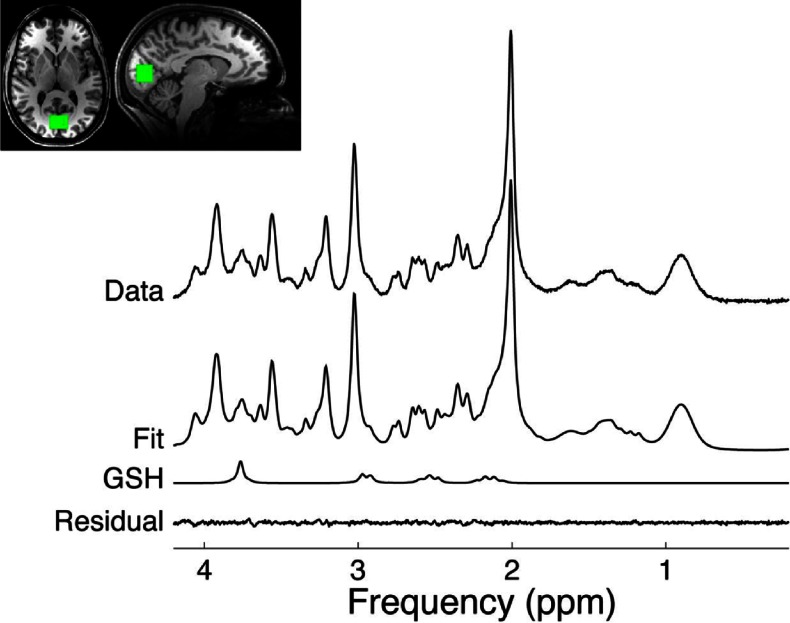
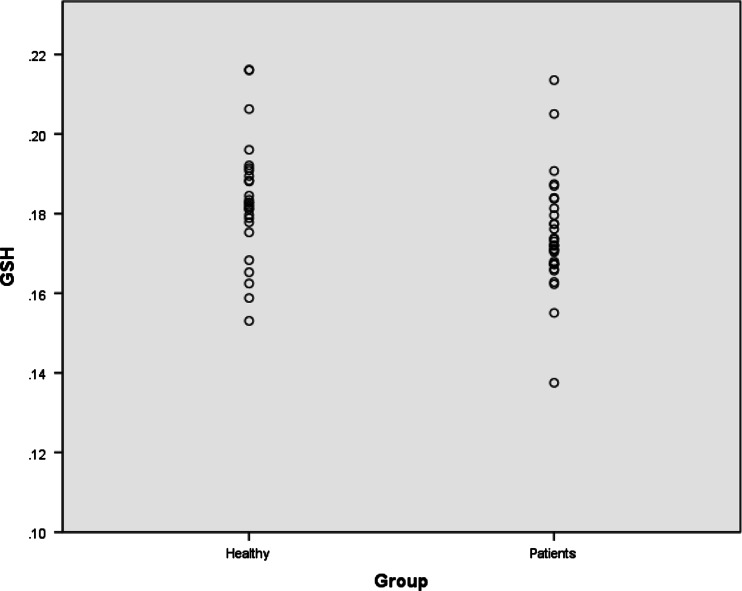
RATIONALE: Magnetic resonance spectroscopy (MRS) is an acceptable non-invasive means of studying brain neurochemistry in depression. Previous studies in depressed patients have focused on measurement of the amino acid neurotransmitters, γ-aminobutyric acid (GABA) and glutamate. OBJECTIVES: The aim of this study is to use MRS in conjunction with the ultrashort echo time 'SPECIAL' technique to measure cortical levels of GABA, glutamate and glutathione (GSH) levels in unmedicated patients with major depression. We also examined the effect of 6-week treatment with the selective serotonin re-uptake inhibitor, escitalopram. METHODS: We studied patients with DSM-IV major depression and healthy age-matched controls using proton MRS. GABA, glutamate and GSH were measured relative to creatine in a voxel placed in occipital cortex. RESULTS: There was no difference in GABA or glutamate levels between depressed participants and controls; however, depressed patients had lower GSH levels. Six-week escitalopram treatment, which resulted in significant clinical responses in some patients, did not alter concentrations of GABA, glutamate or GSH. CONCLUSIONS: The sources of variability of GABA and glutamate measures in different studies of depressed patients require further study. Our results suggest that concomitant treatment with selective serotonin re-uptake inhibitors (SSRIs) is unlikely to be an important confounding factor. If lowered GSH levels can be confirmed, they may represent the presence of oxidative stress in some depressed patients.
Overview
The claims and statistics of this paper haven’t been checked yet.
Free: it reads the open-access text and checks the first 5 claims that cite a source we can check. Create a free account to check every claim.
Integrity signals
Registry
Cites
Statistics
Figures
Verification
Claims the paper makes
The claims and statistics of this paper haven’t been checked yet.
Free: it reads the open-access text and checks the first 5 claims that cite a source we can check. Create a free account to check every claim.
Claims other papers make about this one
Each is checked against this paper’s own text: does it say what the citing paper says it does?
The check wasn’t confident either way, so it gives no verdict — never disputed.
In the citing paper
“In line with the hypothesis that antidepressant medications might exert their effects by normalizing negative emotional biases before changes in symptoms, eventual week 6 responders showed greater reduction in neural responses to fearful vs. happy faces after 7 days of escitalopram treatment in the pgACC, dACC and amygdala [197].”
From Prefrontal cortex and depression (2022) · cites this paper as [197]
Experimental — accuracy not yet measured
Self-check
Percentages, sums and reported differences re-computed from the paper’s own numbers.
The self-check needs the paper’s full text.
Citations
Cites
An inventory for measuring depression
BECK, A. T. (1961) · Archives of General Psychiatry · doi:10.1001/archpsyc.1961.01710120031004 · Cited by 38,032 · cited 2×
“Mood ratings were measured using the Hamilton Rating Scale for depression (HAM-D) (Hamilton 1960) and the Beck Depression Inventory (BDI) (Beck et al. 1961), while anxiety ratings were scored using the Spielberger’s State-Trait Anxiety Inventory (Spielberger et al. 1993).”
MethodHamilton, M. (1960) · Journal of Neurology, Neurosurgery & Psychiatry · doi:10.1136/jnnp.23.1.56 · Cited by 32,817 · cited 6×
“Mood ratings were measured using the Hamilton Rating Scale for depression (HAM-D) (Hamilton 1960) and the Beck Depression Inventory (BDI) (Beck et al. 1961), while anxiety ratings were scored using the Spielberger’s State-Trait Anxiety Inventory (Spielberger et al. 1993).”
MethodInfluential(1970) · Cited by 24,983
Scoville, W. B. (1949) · Journal of neurosurgery · doi:10.3171/jns.1949.6.1.0065 · Cited by 7,381
Estimation of metabolite concentrations from localized in vivo proton NMR spectra
Provencher, S. W. (1993) · Magnetic Resonance in Medicine · doi:10.1002/mrm.1910300604 · Cited by 3,655 · cited 2×
“Following spectral processing, SPECIAL data were analysed with LCModel version 6.2-2B (Provencher 1993) using a basis set that consisted of 21 simulated metabolite basis spectra.”
MethodInfluentialStructured clinical interview for DSM-IV axis I disorders : SCID-I : clinical version : scoresheet
First, M. B., Spitzer, R. L., Gibbon, M., & Williams, J. B. W. (1997) · American Psychiatric Press eBooks · Cited by 3,101
Targeting the glutamatergic system to develop novel, improved therapeutics for mood disorders
Sanacora, G., Zarate, C. A., Krystal, J. H., & Manji, H. K. (2008) · Nature Reviews Drug Discovery · doi:10.1038/nrd2462 · Cited by 894 · cited 2×
“Particular attention has focused on levels of the amino acid neurotransmitters, glutamate and γ-aminobutyric acid (GABA) because of their postulated role in the pathophysiology of depression (Taylor et al. 2003; Sanacora et al. 2008; Sanacora 2010).”
BackgroundMethodMajor depressive disorder: new clinical, neurobiological, and treatment perspectives
Kupfer, D. J., Frank, E., & Phillips, M. L. (2012) · The Lancet · doi:10.1016/s0140-6736(11)60602-8 · Cited by 894 · cited 2×
“While some investigations have found decreases in grey matter in certain brain regions in depression, the occipital cortex is not usually implicated (Kupfer et al. 2012).”
BackgroundHasler, G., van der Veen, J. W., Tumonis, T., Meyers, N., Shen, J., & Drevets, W. C. (2007) · Archives of General Psychiatry · doi:10.1001/archpsyc.64.2.193 · Cited by 846 · cited 3×
“GABA concentrations are also reported to be lowered in depression, particularly in occipital cortex where GABA is easier to measure with current MRS methodology (Sanacora et al. 1999, 2004; Hasler et al. 2007).”
BackgroundResultSubtype-Specific Alterations of γ-Aminobutyric Acid and Glutamatein Patients With Major Depression
Sanacora, G., Gueorguieva, R., Epperson, C. N., Wu, Y.-T., Appel, M., Rothman, D. L., Krystal, J. H., & Mason, G. F. (2004) · Archives of General Psychiatry · doi:10.1001/archpsyc.61.7.705 · Cited by 796 · cited 5×
“GABA concentrations are also reported to be lowered in depression, particularly in occipital cortex where GABA is easier to measure with current MRS methodology (Sanacora et al. 1999, 2004; Hasler et al. 2007).”
BackgroundResultInfluential
Cited by
Prefrontal cortex and depression
Pizzagalli, D. A., & Roberts, A. C. (2022) · Neuropsychopharmacology · doi:10.1038/s41386-021-01101-7 · Cited by 667
“happy faces after 7 days of escitalopram treatment in the pgACC, dACC and amygdala [197].”
MethodA Meta-analysis of oxidative stress markers in depression
Liu, T., Zhong, S., Liao, X., Chen, J., He, T., Lai, S., & Jia, Y. (2015) · PLOS ONE · doi:10.1371/journal.pone.0138904 · Cited by 485
“Lower glutathione (GSH) levels [12] and a negative relationship between anhedonia severity and occipital GSH levels [13] were found through magnetic resonance spectroscopy (MRS).”
BackgroundMoriguchi, S., Takamiya, A., Noda, Y., Horita, N., Wada, M., Tsugawa, S., Plitman, E., Sano, Y., Tarumi, R., ElSalhy, M., et al. (2019) · Molecular Psychiatry · doi:10.1038/s41380-018-0252-9 · Cited by 357
Godfrey, K. E. M., Gardner, A. C., Kwon, S., Chea, W., & Muthukumaraswamy, S. D. (2018) · Journal of Psychiatric Research · doi:10.1016/j.jpsychires.2018.08.015 · Cited by 206
The role of oxidative and nitrosative stress in accelerated aging and major depressive disorder
Maurya, P. K., Noto, C., Rizzo, L. B., Rios, A. C., Nunes, S. O. V., Barbosa, D. S., Sethi, S., Zeni, M., Mansur, R. B., Maes, M., et al. (2016) · Progress in Neuro-Psychopharmacology and Biological Psychiatry · doi:10.1016/j.pnpbp.2015.08.016 · Cited by 171
Winiarska‐Mieczan, A., Kwiecień, M., Jachimowicz-Rogowska, K., Donaldson, J., Tomaszewska, E., & Baranowska‐Wójcik, E. (2023) · International Journal of Molecular Sciences · doi:10.3390/ijms24032258 · Cited by 155
“On the other hand, maqui berries improved health in post-stroke depression by increasing the level of GSH expression and increasing the activity of SOD and CAT [265].”
BackgroundInfluentialGABA System in Schizophrenia and Mood Disorders: A Mini Review on Third-Generation Imaging Studies
Chiapponi, C., Piras, F., Piras, F., Caltagirone, C., & Spalletta, G. (2016) · Frontiers in Psychiatry · doi:10.3389/fpsyt.2016.00061 · Cited by 104
“4) Antidepressant: 6 (46), mood stabilizers: 12 (92) Typ, Atyp, Both: Na; None: 0 (0) POC, Thal, whole brain Whole brain: GABA_BD_ antipsy < GABA_BD_ noantipsy”
Targeted transcranial theta-burst stimulation alters fronto-insular network and prefrontal GABA
Iwabuchi, S. J., Raschke, F., Auer, D. P., Liddle, P. F., Lankappa, S. T., & Palaniyappan, L. K. (2016) · NeuroImage · doi:10.1016/j.neuroimage.2016.09.043 · Cited by 115
“On the other hand, a more recent study failed to replicate these findings showing no differences between patients and healthy controls in neither GABA or glutamate levels as well as glutathione (Godlewska et al., 2014) highlighting the diverse findings published in the literature.”
Lener, M. S., & Iosifescu, D. V. (2015) · Annals of the New York Academy of Sciences · doi:10.1111/nyas.12759 · Cited by 97
Romeo, B., Choucha, W., Fossati, P., & Rotge, J.-Y. (2018) · Journal of Psychiatry and Neuroscience · doi:10.1503/jpn.160228 · Cited by 94
Thompson, S. M. (2023) · Neuropsychopharmacology · doi:10.1038/s41386-023-01728-8 · Cited by 104
“[71]).”
Wu, F., Lu, Q.-B., Kong, Y., & Zhang, Z. (2023) · Neuroscience Bulletin · doi:10.1007/s12264-023-01052-7 · Cited by 103
“combined 1H-MRS with ultrashort echo time “special” technology to measure the levels of GABA, glutamate, and glutathione in the occipital lobe of MDD patients [73].”
BackgroundResultInfluentialHashimoto, K., Bruno, D., Nierenberg, J., Marmar, C. R., Zetterberg, H., Blennow, K., & Pomara, N. (2016) · Translational Psychiatry · doi:10.1038/tp.2016.8 · Cited by 90
“17 A recent MRS study showed that young MDD ( N =90) and bipolar disorder ( N = 75) groups (18 – 30 years) did not show different levels of hippocampal glutamate compared with controls ( N =40).”
Mandal, P. K., Gaur, S., Roy, R. G., Samkaria, A., Ingole, R., & Goel, A. (2022) · ACS Chemical Neuroscience · doi:10.1021/acschemneuro.2c00420 · Cited by 88
Therapeutic potential of glutathione-enhancers in stress-related psychopathologies
Zalachoras, I., Hollis, F., Ramos‐Fernández, E., Trovò, L., Sonnay, S., Geiser, E., Preitner, N., Steiner, P., Sandi, C., & Morató, L. (2020) · Neuroscience & Biobehavioral Reviews · doi:10.1016/j.neubiorev.2020.03.015 · Cited by 77
Baeken, C., Lefaucheur, J., & Schuerbeek, P. V. (2017) · Clinical Neurophysiology · doi:10.1016/j.clinph.2017.06.243 · Cited by 76
A pilot study of cortical glutathione in youth with depression
Freed, R. D., Hollenhorst, C. N., Weiduschat, N., Mao, X., Kang, G., Shungu, D. C., & Gabbay, V. (2017) · Psychiatry Research: Neuroimaging · doi:10.1016/j.pscychresns.2017.10.001 · Cited by 60
Glutamatergic System in Depression and Its Role in Neuromodulatory Techniques Optimization
Khoodoruth, M. A. S., Estudillo‐Guerra, M. A., Pacheco‐Barrios, K., Nyundo, A., Chapa-Koloffon, G., & Ouanes, S. (2022) · Frontiers in Psychiatry · doi:10.3389/fpsyt.2022.886918 · Cited by 74
Levitt, J. G., Kalender, G., O’Neill, J., Diaz‐Fong, J. P., Cook, I. A., Ginder, N. D., Krantz, D. E., Minzenberg, M., Vince-Cruz, N., Nguyen, L. D., et al. (2019) · Journal of Psychiatry and Neuroscience · doi:10.1503/jpn.180230 · Cited by 67
Xu, A., Cui, S., & Wang, J.-H. (2016) · International Journal of Neuropsychopharmacology · doi:10.1093/ijnp/pyv122 · Cited by 56
“Conclusions: Chronic unpredictable mild stress-induced incoordination in prelimbic cortical GABAergic and glutamatergic neurons dysregulates their target neurons, which may be the pathological basis for depressive mood.”
Murrough, J. W., Huryk, K. M., Mao, X., Iacoviello, B. M., Collins, K. A., Nierenberg, A. A., Kang, G., Shungu, D. C., & Iosifescu, D. V. (2018) · Journal of Affective Disorders · doi:10.1016/j.jad.2017.12.067 · Cited by 57
Silva, M. C. C., de Sousa, C. N. S., Gomes, P. X. L., de Oliveira, G. V., de Araújo, F. Y. R., Ximenes, N. C., da Silva, J. C., Vasconcelos, G. S., Leal, L. K. A. M., Macêdo, D. S., et al. (2015) · Progress in Neuro-Psychopharmacology and Biological Psychiatry · doi:10.1016/j.pnpbp.2015.08.002 · Cited by 58
Effect of age and the APOE gene on metabolite concentrations in the posterior cingulate cortex
Suri, S., Emir, U. E., Stagg, C. J., Near, J., Ralf Mekle, A., Schubert, F., Zsoldos, E., Mahmood, A., Singh‐Manoux, A., Mika Kivimaki, B., et al. (2017) · NeuroImage · doi:10.1016/j.neuroimage.2017.03.031 · Cited by 50
“It has also been used to characterize the neurochemical profile of depression (Godlewska et al., 2015), mild cognitive impairment (Tumati et al., 2013), Alzheimer's disease (AD) (Graff-Radford and Kantarci, 2013), and other dementias (Kantarci et al., 2004).”
BackgroundMethodSelf-citationBrennan, B. P., Admon, R., Perriello, C., LaFlamme, E. M., Athey, A. J., Pizzagalli, D. A., Hudson, J. I., Pope, H. G., & Jensen, J. E. (2017) · Psychiatry Research: Neuroimaging · doi:10.1016/j.pscychresns.2017.08.009 · Cited by 47
“Three other longitudinal studies using (1)H-MRS failed to detect longer-term changes in glutamate or Glx in MDD individuals following extended antidepressant treatment (Godlewska et al., 2015; Grimm et al., 2012; Jarnum et al., 2011).”
BackgroundMethodResultInfluentialBrain glutamate in medication-free depressed patients: a proton MRS study at 7 Tesla
Godlewska, B. R., Masaki, C., Sharpley, A. L., Cowen, P. J., & Emir, U. E. (2017) · Psychological Medicine · doi:10.1017/s0033291717003373 · Cited by 52
“…is no clear link between antidepressant medication and lowered glutamate levels in anterior brain regions (Luykx et al. 2012; Arnone et al. 2015; Godlewska et al. 2015), it seems likely that the presence of antidepressant treatment in a depressed patient is a marker of treatment-resistance;…”
BackgroundResultSelf-citationChen, Y., Wang, C., & Xu, J. (2019) · Pharmaceutical Biology · doi:10.1080/13880209.2019.1598445 · Cited by 50
Effects of pharmacological treatment on metabolomic alterations in animal models of depression
Pu, J., Liu, Y., Gui, S., Tian, L., Yu, Y., Wang, D., Zhong, X., Chen, W., Chen, X., Chen, Y., et al. (2022) · Translational Psychiatry · doi:10.1038/s41398-022-01947-5 · Cited by 45
“We also found reduced glutamine levels in blood and urine following treatment, but discordant results were reported in patients with MDD [38, 39].”
ResultInfluentialUltra-High-Field Magnetic Resonance Spectroscopy in Psychiatry
Godlewska, B. R., Clare, S., Cowen, P. J., & Emir, U. E. (2017) · Frontiers in Psychiatry · doi:10.3389/fpsyt.2017.00123 · Cited by 49
Self-citationNarayan, G. A., Hill, K., Wengler, K., He, X., Wang, J., Yang, J., Parsey, R. V., & DeLorenzo, C. (2022) · Molecular Psychiatry · doi:10.1038/s41380-022-01730-4 · Cited by 44
“Most studies have found GABA to be lower in depressed patients compared with healthy controls [4, 7, 12, 25], though some studies have found no significant differences [3, 26, 27].”
BackgroundResultKnudsen, M. K., Near, J., Blicher, A. B., Videbech, P., & Blicher, J. U. (2018) · Acta Neuropsychiatrica · doi:10.1017/neu.2018.22 · Cited by 46
“However, other larger studies have reported normal GABA levels in depressed (14) and remitted patients (26) in occipital and PFC, respectively.”
BackgroundResultInfluentialSelf-citationHermens, D. F., Hatton, S. N., Lee, R. S. C., Naismith, S. L., Duffy, S. L., Amminger, G. P., Kaur, M., Scott, E. M., Lagopoulos, J., & Hickie, I. B. (2017) · European Archives of Psychiatry and Clinical Neuroscience · doi:10.1007/s00406-017-0788-8 · Cited by 42
“[19] scanned DEP patients before and after 6 weeks of escitalopram treatment.”
Wijtenburg, S. A., Near, J., Korenic, S. A., Gaston, F. E., Chen, H., Mikkelsen, M. E., Chen, S., Kochunov, P. V., Hong, L. E., & Rowland, L. M. (2018) · Journal of Magnetic Resonance Imaging · doi:10.1002/jmri.26046 · Cited by 37
Self-citationHasler, G., Buchmann, A., Haynes, M., Müller, S. T., Ghisleni, C., Brechbühl, S., & Tuura, R. (2019) · Translational Psychiatry · doi:10.1038/s41398-019-0500-z · Cited by 44
Cowen, P. J. (2019) · Cambridge University Press eBooks · doi:10.1017/9781911623175.002 · Cited by 37
Self-citationHermens, D. F., Chitty, K. M., Lee, R. S., Tickell, A., Haber, P. S., Naismith, S. L., Hickie, I. B., & Lagopoulos, J. (2015) · Journal of Affective Disorders · doi:10.1016/j.jad.2015.07.009 · Cited by 34
Brain glutamate in anorexia nervosa: a magnetic resonance spectroscopy case control study at 7 Tesla
Godlewska, B. R., Pike, A. C., Sharpley, A. L., Ayton, A. K., Park, R. J., Cowen, P. J., & Emir, U. E. (2016) · Psychopharmacology · doi:10.1007/s00213-016-4477-5 · Cited by 37
“However, in a sample of depressed patients, we found no effect of SSRI treatment on MRS glutamate measures (Godlewska et al. 2015) which makes concomitant treatment with SSRIs an unlikely explanation for our findings.”
ResultSelf-citationLower Posterior Cingulate Cortex Glutathione Levels in Obsessive-Compulsive Disorder
Brennan, B. P., Jensen, J. E., Perriello, C., Pope, H. G., Jenike, M. A., Hudson, J. I., Rauch, S. L., & Kaufman, M. J. (2015) · Biological Psychiatry Cognitive Neuroscience and Neuroimaging · doi:10.1016/j.bpsc.2015.12.003 · Cited by 37
“For example, antidepressants and benzodiazepines have been associated with both unchanged (73) and increased (74–76) GSH levels while antipsychotic medications have been associated with increased (77) and decreased (78, 79) GSH levels.”
BackgroundSmith, G. S., Oeltzschner, G., Gould, N. F., Leoutsakos, J., Nassery, N., Joo, J. H., Kraut, M. A., Edden, R. A. E., Barker, P. B., Wijtenburg, S. A., et al. (2020) · Journal of Affective Disorders · doi:10.1016/j.jad.2020.10.011 · Cited by 38
“have been interpreted as evidence for increased oxidative stress (Godlewska et al., 2015; Shungu et al., 2012), it is conceivable that recovery from depression with SSRI treatment may be associated with less oxidative stress as reflected by increased GSH (Behr et al.”
BackgroundTruong, V., Cheng, P. Z., Lee, H., Lane, T. J., Hsu, T., & Duncan, N. W. (2020) · Psychiatry Research Neuroimaging · doi:10.1016/j.pscychresns.2020.111238 · Cited by 33
Godlewska, B. R., Minichino, A., Emir, U. E., Angelescu, I., Lennox, B., Micunovic, M., Howes, O. D., & Cowen, P. J. (2021) · Translational Psychiatry · doi:10.1038/s41398-021-01477-6 · Cited by 30
“While in a study in depressed patients we found no effect of SSRI treatment on MRS measures of glutamate and GSH [40], in a meta-analysis of 37 studies, Kubota et al.”
ResultSelf-citationBell, C. J. M., Mehta, M., Mirza, L., Young, A. H., & Beck, K. (2025) · Psychopharmacology · doi:10.1007/s00213-024-06735-1 · Cited by 28
“There were three studies using data from the occipital cortex including 67 patients (mean age of 26.3, 46.2% male) and 48 healthy volunteers (mean age of 27.2, 41.7% male) (Freed et al. 2017; Shungu et al. 2012; Godlewska et al. 2015).”
InfluentialGodlewska, B. R., Williams, S. R., Emir, U. E., Chen, C., Sharpley, A. L., Gonçalves, A. J., Andersson, M. I., Clarke, W. T., Angus, B., & Cowen, P. J. (2021) · Psychopharmacology · doi:10.1007/s00213-021-05986-6 · Cited by 29
Self-citationRelationship between depression, prefrontal creatine and grey matter volume
Faulkner, P., Paioni, S. L., Kozhuharova, P., Orlov, N., Lythgoe, D. J., Daniju, Y., Morgenroth, E., Barker, H., & Allen, P. (2021) · Journal of Psychopharmacology · doi:10.1177/02698811211050550 · Cited by 27
“Line widths and signal-to-noise ratios were estimated as less than 8 Hz and greater than 40 Hz, respectively (Godlewska et al., 2015).”
MethodMorgenroth, E., Orlov, N. D., Lythgoe, D. J., Stone, J. M., Barker, H., Munro, J., Eysenck, M. W., & Allen, P. (2019) · Cortex · doi:10.1016/j.cortex.2019.02.021 · Cited by 31
“right PFC voxel) in each participant [41].”
Kahl, K. G., Atalay, S., Maudsley, A. A., Sheriff, S., Cummings, A., Frieling, H., Schmitz, B., Lanfermann, H., & Ding, X.-Q. (2020) · Progress in Neuro-Psychopharmacology and Biological Psychiatry · doi:10.1016/j.pnpbp.2020.109916 · Cited by 29
Wang, J., Liu, G., Xu, K., Ai, K., Huang, W., & Zhang, J. (2023) · Human Brain Mapping · doi:10.1002/hbm.26439 · Cited by 27
McLaughlin, J. P., Paris, J. J., Mintzopoulos, D., Hymel, K. A., Kim, J. K., Cirino, T. J., Gillis, T. E., Eans, S. O., Vitaliano, G. D., Medina, J. M., et al. (2017) · Biological Psychiatry Cognitive Neuroscience and Neuroimaging · doi:10.1016/j.bpsc.2017.04.002 · Cited by 29
McIntosh, A. L., Gormley, S., Tozzi, L., Frodl, T., & Harkin, A. (2017) · Frontiers in Cellular Neuroscience · doi:10.3389/fncel.2017.00150 · Cited by 23
“Glutathione, which is involved in synthesis and degradation of proteins and DNA (Maher, 2005), has recently been found to be reduced in the occipital cortex of depressed patients, suggesting reduced anti-oxidative capacity in this cohort (Godlewska et al., 2015).”
BackgroundFaulkner, P., Paioni, S. L., Kozhuharova, P., Orlov, N. D., Lythgoe, D. J., Daniju, Y., Morgenroth, E., Barker, H., & Allen, P. (2020) · Addiction Biology · doi:10.1111/adb.12986 · Cited by 25
“5 ms; Phase cycle Auto; 192 averages from the right prefrontal cortex voxel).(30) Water unsupressed spectra (16 averages) were also acquired.”
BackgroundMethodBoucherie, D. E., Reneman, L., Ruhé, H. G., & Schrantee, A. (2023) · NeuroImage Clinical · doi:10.1016/j.nicl.2023.103517 · Cited by 24
“In contrast, Godlewska et al. (2015) did not find altered concentrations of Glu, Gln or GABA in 39 participants with MDD after chronic 6-week citalopram treatment (SSRI; 10 mg/day; pre-post comparison).”
InfluentialAnterior cingulate gamma‐aminobutyric acid concentrations and electroconvulsive therapy
Erchinger, V. J., Miller, J., Jones, T., Keßler, U., Bustillo, J., Haavik, J., Petrillo, J., Ziomek, G., Hammar, Å., Oedegaard, K. J., et al. (2020) · Brain and Behavior · doi:10.1002/brb3.1833 · Cited by 19
Song, Y., Cho, J., Kim, H., Eum, Y.-J., Cheong, E., Choi, S.-Y., Park, J.-H., Tak, S., Park, B., Sohn, J., et al. (2023) · Biological Psychiatry · doi:10.1016/j.biopsych.2023.08.025 · Cited by 21
“Although some studies could not fi nd differences in GABA concentration (12 – 14), most of the patients were moderately depressed (14).”
Lee, S. W., Kim, S., Chang, Y., Cha, H., Noeske, R., Choi, C., & Lee, S. J. (2024) · Biological Psychiatry · doi:10.1016/j.biopsych.2024.08.018 · Cited by 16
Can Molecular Biology Propose Reliable Biomarkers for Diagnosing Major Depression?
Ivanets, N. N., Svistunov, A. А., Chubarev, V. N., Kinkulkina, M. A., Tikhonova, Y. G., Syzrantsev, N. S., Sologova, S. S., Ignatyeva, N. V., Mutig, K., & Tarasov, V. V. (2020) · Current Pharmaceutical Design · doi:10.2174/1381612826666201124110437 · Cited by 18
Lissemore, J. I., Mulsant, B. H., Rajji, T. K., Karp, J. F., Reynolds, C. F., Lenze, E. J., Downar, J. H., Chen, R. E., Daskalakis, Z. J., & Blumberger, D. M. (2021) · Journal of Psychiatry and Neuroscience · doi:10.1503/jpn.200001 · Cited by 18
Cruz‐Almeida, Y., Forbes, M. A., Cohen, R. C., Woods, A. J., Fillingim, R. B., Riley, J. L., & Porges, E. C. (2021) · PAIN Reports · doi:10.1097/pr9.0000000000000952 · Cited by 15
The association between gamma-aminobutyric acid levels and suicidal behavior in depression
Shao, Q., Geng, M., Ji, Z., Dong, J., Wang, H., Yang, Z., & Wang, C. (2025) · BMC Psychiatry · doi:10.1186/s12888-025-07056-z · Cited by 12
“In recent times, several studies employing advanced techniques such as magnetic resonance spectroscopy (MRS) have demonstrated a marked reduction in GABA concentration in the brains of depressed patients, especially those with suicidal behavior [4–7].”
Godfrey, K., Douglass, H. M., Erritzøe, D., Muthukumaraswamy, S. D., Nutt, D. J., & Sumner, R. L. (2025) · Progress in Neuro-Psychopharmacology and Biological Psychiatry · doi:10.1016/j.pnpbp.2025.111455 · Cited by 19
Enzymatic biomarkers of oxidative stress in patients with depressive disorders. A systematic review
Lievanos-Ruiz, F. J., & Fenton-Navarro, B. (2024) · Clinical Biochemistry · doi:10.1016/j.clinbiochem.2024.110788 · Cited by 17
Reduced cortical GABA and glutamate in high schizotypy
Kozhuharova, P., Diaconescu, A. O., & Allen, P. (2021) · Psychopharmacology · doi:10.1007/s00213-021-05867-y · Cited by 14
Cortical Inhibition and Plasticity in Major Depressive Disorder
Castricum, J., Birkenhäger, T. K., Kushner, S. A., Elgersma, Y., & Tulen, J. H. M. (2022) · Frontiers in Psychiatry · doi:10.3389/fpsyt.2022.777422 · Cited by 14
“Despite evidence of reduced GABA levels in depressed patients by studying the treatment of selective serotonin reuptake inhibitor and electroconvulsive therapy (ECT) (57, 58), the present findings are in line with some previous studies that looked into GABA-related deficits (59, 60).”
ResultFisher, E., Gillam, J., Upthegrove, R., Aldred, S., & Wood, S. J. (2019) · Early Intervention in Psychiatry · doi:10.1111/eip.12833 · Cited by 10
Chen, C., Yip, H., Leong, K.-H., Yao, W.-C., Hung, C., Su, C.-H., Kuo, C.-F., & Tsai, S. (2023) · Journal of Translational Medicine · doi:10.1186/s12967-023-03886-1 · Cited by 13
Application of 1H-MRS in end-stage renal disease with depression
Wang, J., Zhou, T., Liu, J., Jing-jun, S., Liu, X., Li, Z., Zhou, X., Ren, Y., & Wang, C. (2020) · BMC Nephrology · doi:10.1186/s12882-020-01863-0 · Cited by 10
Tian, S., Liu, M., Yang, C., Du, W., Gao, B., Li, M., Pan, T., Liu, T., Song, Q., Lin, L., et al. (2024) · Journal of Affective Disorders · doi:10.1016/j.jad.2024.08.142 · Cited by 11
Application of phase rotation to STRESS localization scheme at 3 T
Volovyk, O., & Tal, A. (2017) · Magnetic Resonance in Medicine · doi:10.1002/mrm.26911 · Cited by 9
Oxidative Stress in Psychiatric Disorders
Fung, L. K., & Hardan, A. Y. (2018) · Springer eBooks · doi:10.1007/978-981-10-5311-5_4 · Cited by 11
Tao, S., Deng, R., Wei, M., Huang, Y., Sun, H., Yang, S., Li, S., Xiao, C., & Li, M. (2025) · Depression and Anxiety · doi:10.1155/da/5180077 · Cited by 11
Novel Therapeutic Targets for Major Depressive Disorder
Lazar, M. A., & McIntyre, R. S. (2019) · Elsevier eBooks · doi:10.1016/b978-0-12-813333-0.00034-2 · Cited by 10
Bansal, R., Hellerstein, D. J., Sawardekar, S., O’Neill, J., & Peterson, B. S. (2019) · PLOS ONE · doi:10.1371/journal.pone.0219679 · Cited by 8
Electroconvulsive therapy triggers a reversible decrease in brain N-acetylaspartate
Erchinger, V. J., Craven, A. R., Ersland, L., Oedegaard, K. J., Bartz-Johannessen, C. A., Hammar, Å., Haavik, J., Riemer, F., Keßler, U., & Oltedal, L. (2023) · Frontiers in Psychiatry · doi:10.3389/fpsyt.2023.1155689 · Cited by 9
Sex hormones as correlates of oxidative stress in the adult brain
Busler, J. N., Slate, S. R., Liao, H. V., Lyndon, S., Taylor, J., Lin, A., & Mahon, P. B. (2023) · Psychiatry Research Neuroimaging · doi:10.1016/j.pscychresns.2023.111681 · Cited by 8
Application of magnetic resonance spectroscopy in geriatric mood disorders
Mathias, L., Monette, P., Harper, D. G., & Forester, B. P. (2017) · International Review of Psychiatry · doi:10.1080/09540261.2017.1397608 · Cited by 7
Hepsomali, P., Machon, S., Barker, H., Lythgoe, D. J., Hugdahl, K., Gudbrandsen, M., & Allen, P. (2023) · Journal of Psychopharmacology · doi:10.1177/02698811231168243 · Cited by 7
“cycle Auto, 192 averages from the STG voxel) in each participant (Godlewska et al., 2015).”
BackgroundResultGlutathione in HIV-Associated Neurocognitive Disorders
Erdos, T., Masuda, M., & Venketaraman, V. (2024) · Current Issues in Molecular Biology · doi:10.3390/cimb46060330 · Cited by 7
Kakanakova, A., Popov, S. P., & Maes, M. H. J. (2020) · Current Topics in Medicinal Chemistry · doi:10.2174/1568026620666200228093935 · Cited by 6
Effects of Psychotherapy on Glutamatergic Neurotransmission
Wade-Bohleber, L., Zoelch, N., Lehmann, M., Ernst, J., Richter, A., Seifritz, E., Boeker, H., & Grimm, S. (2023) · Neuropsychobiology · doi:10.1159/000530312 · Cited by 5
Hepsomali, P., Costabile, A., Schoemaker, M. H., Imakulata, F., & Allen, P. (2024) · Nutritional Neuroscience · doi:10.1080/1028415x.2024.2355603 · Cited by 7
“The 1 H-MRS sequence was acquired with water suppression (TR 3000 ms, TE 8.5 ms, Phase cycle Auto, 192 averages from the mPFC voxel) in each participant [43].”
InfluentialVilca-Melendez, S., Uthaug, M. V., & Griffin, J. L. (2021) · Frontiers in Psychiatry · doi:10.3389/fpsyt.2021.742856 · Cited by 5
Balderas-Vazquez, C. L., Bernal-Morales, B., Garcia-Montalvo, E. A., Vega, L., Herrera-Huerta, E. V., Rodríguez-Landa, J. F., Velázquez-Hernández, J. F., Xotlanihua-Gervacio, M. D. C., & Valenzuela, O. L. (2022) · Frontiers in Psychology · doi:10.3389/fpsyg.2021.666347 · Cited by 4
“It has been validated in the population of interest (Cronbach’s α >0.81; González Ramírez and Landero Hernández, 2007).”
InfluentialThe Role of Various Types of Diets in the Treatments of Depressive Disorders
Lis, A., Maj, P., Świętek, A., & Romuk, E. B. (2025) · Medicina · doi:10.3390/medicina61101737 · Cited by 6
“Reduced GSH levels, reported in the cerebral cortex and occipital regions of patients with depression, contribute to lipid, protein, and DNA damage, ultimately impairing neuronal efficiency [108–110].”
Can glutathione be a biomarker for suicide risk in women 18 months postpartum?
Schmidt, P. M. D. S., Trettim, J. P., Longoni, A., Grings, M., de Matos, M. B., Quevedo, L. D. Á., Ardais, A. P., Nedel, F., Ghisleni, G., Leipnitz, G., et al. (2023) · Frontiers in Psychiatry · doi:10.3389/fpsyt.2023.1142608 · Cited by 6
“in vivo levels of GSH in the COC of unmedicated adults with MDD versus healthy controls (39).”
BackgroundENCEFALOPATIA DIABÉTICA E DEPRESSÃO: DANO OXIDATIVO NO CÉREBRO
Louzada, S. M., & Vargas, C. R. (2015) · Clinical & Biomedical Research · doi:10.4322/2357-9730.59313 · Cited by 5
Maron, E., Near, J., Wallis, G., Stokes, M. G., Matthews, P. M., & Nutt, D. J. (2016) · Journal of Psychopharmacology · doi:10.1177/0269881116636108 · Cited by 3
“Nevertheless, their most recent study using the same MRS technique and method failed to show any changes in OCC concentrations of GABA, glutamate or glutathione in depressed patients following six-week escitalopram treatment (Godlewska et al., 2015).”
ResultSelf-citationDiagnosis of Major Depressive Disorders: Clinical and Biological Perspectives
Fakhoury, M. (2017) · Springer eBooks · doi:10.1007/978-981-10-6577-4_4 · Cited by 5
Hashimoto, K. (2017) · Neuromethods · doi:10.1007/978-1-4939-7228-9_16 · Cited by 4
Role of DWI and MRS in diagnosis of Alzheimer’s and pre-Alzheimer’s disease
Sultan, A. A., Ali, M. A. E. R., El-Badrawy, A. G., & Bayoumi, D. (2016) · The Egyptian Journal of Radiology and Nuclear Medicine · doi:10.1016/j.ejrnm.2016.10.001 · Cited by 2
“Both theories are supported in the literature, suggesting that, there is no definitive answer for this question [20].”
Bakır, Ç. N., Genovese, G., Nakonezny, P. A., Azamet, I., Shekunov, J., Voort, J. L. V., Marjańska, M., & Croarkin, P. E. (2026) · BMC Psychiatry · doi:10.1186/s12888-026-08102-0 · Cited by 1
“Reduced glutamate levels in the ACC and decreased Glx across various brain regions have also been observed in adults with MDD [20], although some studies report inconsistent or non-significant results [21, 22].”
Transcranial Magnetic Stimulation
O’Neill-Kerr, A., & Lankappa, S. T. (2019) · Cambridge University Press eBooks · doi:10.1017/9781911623175.015 · Cited by 1
Disfunção neuroquímica na depressão periparto
Rosa, C. E. (2017) · Digital Library of Theses and Dissertations (Universidade de São Paulo) · doi:10.11606/t.17.2017.tde-27072016-151947 · Cited by 1
Bhardwaj, P. P. (2017) · ERA: Education and Research Archive (University of Alberta) · doi:10.7939/r3js9hn59
Influences On Monoamine Oxidase Activity In The Brain And Translation Into Major Depressive Disorder
Raitsin, S. (2018) · TSpace (University of Toronto)
Depression: magnetic resonance spectroscopy studies (review)
Korostyshevskaya, A. M., Savelov, A. A., Abramova, V. D., & Shtark, M. B. (2022) · Translational Medicine · doi:10.18705/2311-4495-2022-9-4-20-32
Oxidative alterations in exfoliated oral mucosa cells of patients with major depressive disorder
de Abreu, L. M., da Silva, C. R., Bortoleto, A. L. F., Nunes, G. B., Gracia, M. M., Murayama, R. A. T., Bernabé, D. G., & Mingoti, G. Z. (2025) · Journal of Oral Biology and Craniofacial Research · doi:10.1016/j.jobcr.2025.01.026
Chen, C., Yip, H.-T., Leong, K.-H., Yao, W.-C., Hung, C.-L., Su, C.-H., Kuo, C.-F., & Tsai, S.-Y. (2024) · Figshare · doi:10.6084/m9.figshare.26567366
Chen, C., Yip, H.-T., Leong, K.-H., Yao, W.-C., Hung, C.-L., Su, C.-H., Kuo, C.-F., & Tsai, S.-Y. (2024) · Figshare · doi:10.6084/m9.figshare.26567363
Zhen, Y., Gan, Y., Liu, X., (6494), J. L., Wei, S., Li, Z., Hu, J., Nie, C., Wu, F., Liu, Y., et al. (2026) · BMC Psychiatry · doi:10.1186/s12888-026-08276-7
“Although prostaglandins (PGs) and glutathione (GSH) have been reported to exhibit significant alterations in anxiety and depression [28, 29, 35–37], few studies have identified them as reliable biomarkers, mainly due to their poor stability and short half-life [19, 38].”
Metadata
- Authors
- Godlewska, B. R., Near, J., & Cowen, P. J.
- Affiliations
- Warneford Hospital (GB)
- Corresponding author
- Cowen, Philip J.
- Venue
- Psychopharmacology
- Published
- 2014-07-31
- Volume
- 232
- Issue
- 3
- Pages
- 501-507
- ISSN
- 0033-3158 (ISSN-L)
- 1432-2072
- PMC
- PMC4302231
- OpenAlex
- W2066809233
- Cited by
- 97
- References
- 36
- Citations by year
- 2026: 2 · 2025: 5 · 2024: 8 · 2023: 12 · 2022: 7 · 2021: 8 · 2020: 9 · 2019: 9 · 2018: 7 · 2017: 16 · 2016: 6 · 2015: 8
- FWCI
- 7.29
- Type
- journal article
- Language
- en
- Open access
- hybrid
- doi.org
- Locations
- Psychopharmacology (publishedVersion, cc-by)
- Europe PMC (PubMed Central) (publishedVersion)
- PubMed Central (publishedVersion, cc-by)
- PubMed (publishedVersion)
- Topics
- Health Sciences › Medicine › Pharmacology (medical) › Treatment of Major Depression
- Health Sciences › Medicine › Radiology, Nuclear Medicine and Imaging › Advanced MRI Techniques and Applications
- Life Sciences › Neuroscience › Biological Psychiatry › Tryptophan and brain disorders
- Keywords
- major depressive disorder, brain neurochemistry, glutathione, GABA, glutamate, selective serotonin reuptake inhibitors, escitalopram, oxidative stress, occipital cortex, 1H NMR, untreated depression
- MeSH terms
- Adult, Major Depressive Disorder, Depressive Disorder, Major, Female, gamma-Aminobutyric Acid, Glutathione, Humans, Male, Magnetic Resonance Spectroscopy, Citalopram, Treatment Outcome, Selective Serotonin Reuptake Inhibitors, Glutamic Acid
About these checks
Registry, retraction, Cites and statistics results are computed, not judged, with one exception: a printed reference that no index lists is read once by a model before it counts as a citation error. Claims are extracted by a model and kept only when their quote appears verbatim in the text; each cited source is then checked, with a model’s help, for whether it says what the claim relies on. Those verdicts can be wrong — read the claim’s quote and the cited source before relying on one.
Statistics and arithmetic are recomputed, not judged.
Confidence bands are shown only for fields calibrated on our annotated test set. None is calibrated yet, so no band is shown.
What counts as a claim ›How we measure confidence ›How we check this ›
Are you an author, or do you see a problem with this page? Request a review
Data sources
Bibliographic data: Semantic Scholar, OpenAlex, Crossref.
Contains information from the Semantic Scholar Academic Graph Datasets, made available under the ODC Attribution License (ODC-BY 1.0).
Semantic Scholar’s data is described in: Kinney, R., et al. (2023). The Semantic Scholar Open Data Platform. arXiv:2301.10140.
