

An update on genetic frontotemporal dementia
Open accessThe DOI matches its Crossref record; 91 of the 91 references it cites were found in a registry or an index.
Abstract
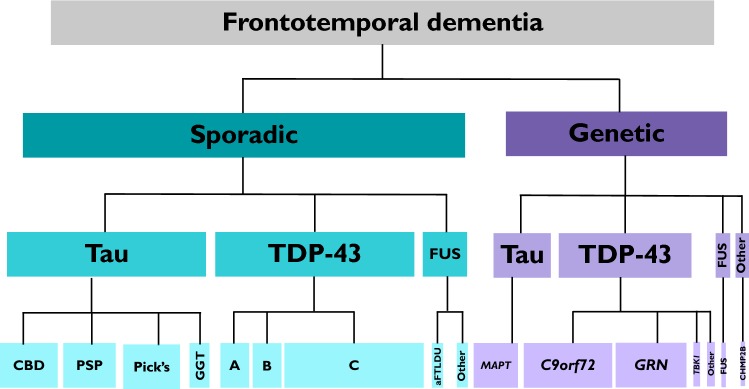
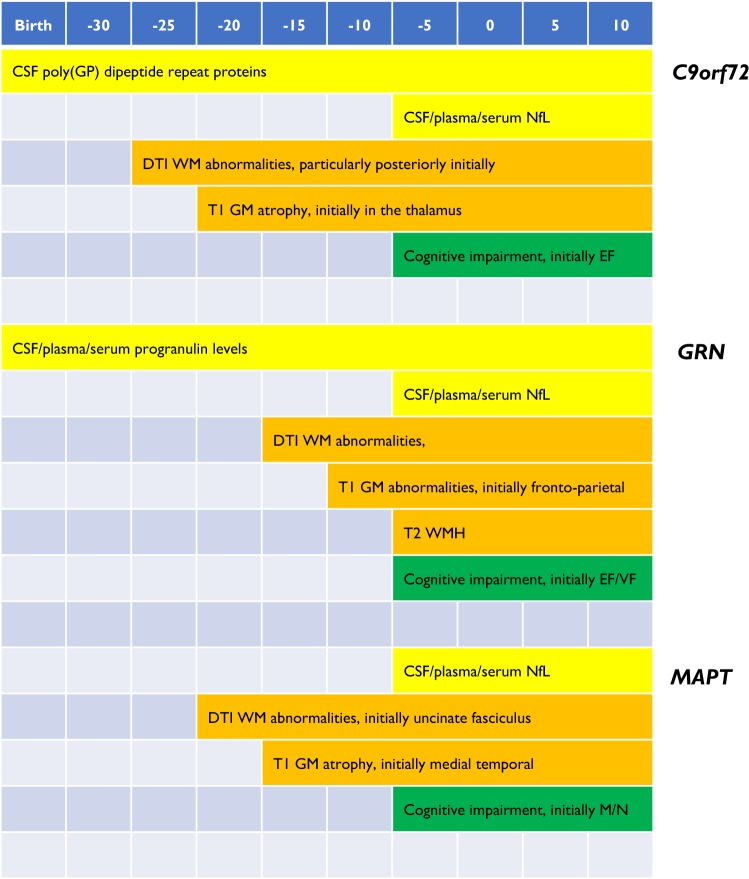
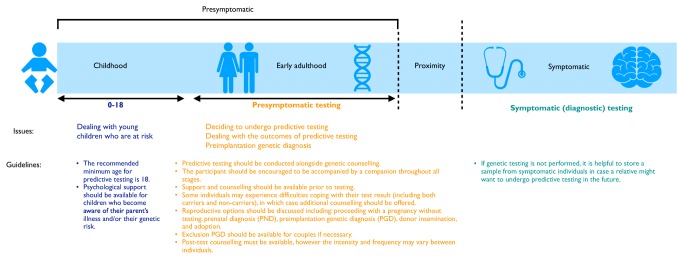
Frontotemporal dementia (FTD) is a highly heritable group of neurodegenerative disorders, with around 30% of patients having a strong family history. The majority of that heritability is accounted for by autosomal dominant mutations in the chromosome 9 open reading frame 72 (C9orf72), progranulin (GRN), and microtubule-associated protein tau (MAPT) genes, with mutations more rarely seen in a number of other genes. This review will discuss the recent updates in the field of genetic FTD. Age at symptom onset in genetic FTD is variable with recently identified genetic modifiers including TMEM106B (in GRN carriers particularly) and a polymorphism at a locus containing two overlapping genes LOC101929163 and C6orf10 (in C9orf72 carriers). Behavioural variant FTD (bvFTD) is the most common diagnosis in each of the genetic groups, although in C9orf72 carriers amyotrophic lateral sclerosis either alone, or with bvFTD, is also common. An atypical neuropsychiatric presentation is also seen in C9orf72 carriers and family members of carriers are at greater risk of psychiatric disorders including schizophrenia and autistic spectrum disorders. Large natural history studies of presymptomatic genetic FTD are now underway both in Europe/Canada (GENFI-the Genetic FTD Initiative) and in the US (ARTFL/LEFFTDS study), collaborating together under the banner of the FTD Prevention Initiative (FPI). These studies are taking forward the validation of cognitive, imaging and fluid biomarkers that aim to robustly measure disease onset, staging and progression in genetic FTD. Grey matter changes on MRI and hypometabolism on FDG-PET are seen at least 10 years before symptom onset with white matter abnormalities seen earlier, but the pattern and exact timing of changes differ between different genetic groups. In contrast, tau PET has yet to show promise in genetic FTD. Three key fluid biomarkers have been identified so far that are likely to be helpful in clinical trials-CSF or blood neurofilament light chain levels (in all groups), CSF or blood progranulin levels (in GRN carriers) and CSF poly(GP) dipeptide repeat protein levels (in C9orf72 carriers). Increased knowledge about genetic FTD has led to more clinical presymptomatic genetic testing but this has not yet been mirrored in the development of either an accepted FTD-specific testing protocol or provision of appropriate psychological support mechanisms for those living through the at-risk phase. This will become even more relevant as disease-modifying therapy trials start in each of the genetic groups over the next few years.
Overview
The claims and statistics of this paper haven’t been checked yet.
Free: it reads the open-access text and checks the first 5 claims that cite a source we can check. Create a free account to check every claim.
Integrity signals
Registry
Cites
Statistics
Figures
Verification
Claims the paper makes
The claims and statistics of this paper haven’t been checked yet.
Free: it reads the open-access text and checks the first 5 claims that cite a source we can check. Create a free account to check every claim.
Claims other papers make about this one
Each is checked against this paper’s own text: does it say what the citing paper says it does?
The source backs part of the claim, not all of it — or backs it for a different population, condition or comparison.
In the citing paper
“Known genetic modifiers of f-FTD disease progression were not included, such as specific mutations (for MAPT) and TMEM106B, a modifier of penetrance in GRN.2,40”
From Temporal order of clinical and biomarker changes in familial frontotemporal dementia (2022) · cites this paper as [2]
Experimental — accuracy not yet measuredThe cited source says what the claim attributes to it.
In the citing paper
“Approximately 20–30% of FTD is caused by autosomal dominant mutations (familial, or f-FTD), usually in one of three genes: chromosome 9 open reading frame 72 (C9orf72), progranulin (GRN), or microtubule-associated protein tau (MAPT).2”
From Temporal order of clinical and biomarker changes in familial frontotemporal dementia (2022) · cites this paper as [2]
The cited source says what the claim attributes to it.
In the citing paper
“Although the clinical manifestations of the f-FTD mutations are similar, the biology and neuropathology associated with C9orf72, GRN, and MAPT mutations are vastly different.2”
From Temporal order of clinical and biomarker changes in familial frontotemporal dementia (2022) · cites this paper as [2]
The cited source says what the claim attributes to it.
In the citing paper
“Mutations in genes such as microtubule-associated protein tau (MAPT), progranulin (GRN), and chromosome 9 open reading frame 72 (C9ORF72) represent the most common genetic cause of FTD [5].”
From A role for astrocytic miR-129-5p in frontotemporal dementia (2025) · cites this paper as [5]
In the citing paper
“since 70 % of bvFTD cases is non-genetic (Greaves and Rohrer, 2019)”
From The pursuit for markers of disease progression in behavioral variant frontotemporal dementia: a scoping review to optimize outcome measures for clinical trials (2024) · cites this paper as Greaves and Rohrer, 2019
Self-check
Percentages, sums and reported differences re-computed from the paper’s own numbers.
The self-check needs the paper’s full text.
Citations
Cites
Sensitivity of revised diagnostic criteria for the behavioural variant of frontotemporal dementia
Rascovsky, K., Hodges, J. R., Knopman, D., Mendez, M. F., Kramer, J. H., Neuhaus, J., van Swieten, J. C., Seelaar, H., Dopper, E. G. P., Onyike, C. U., et al. (2011) · Brain · doi:10.1093/brain/awr179 · Cited by 5,221
Self-citationClassification of primary progressive aphasia and its variants
Gorno-Tempini, M. L., Hillis, A. E., Weintraub, S., Kertesz, A., Mendez, M., Cappa, S. F., Ogar, J. M., Rohrer, J. D., Black, S., Boeve, B. F., et al. (2011) · Neurology · doi:10.1212/wnl.0b013e31821103e6 · Cited by 5,141
Self-citationClinical diagnosis of progressive supranuclear palsy: The movement disorder society criteria
Höglinger, G. U., Respondek, G., Stamelou, M., Kurz, C., Josephs, K. A., Lang, A. E., Mollenhauer, B., Müller, U., Nilsson, C., Whitwell, J. L., et al. (2017) · Movement Disorders · doi:10.1002/mds.26987 · Cited by 2,359
Criteria for the diagnosis of corticobasal degeneration
Armstrong, M. J., Litvan, I., Lang, A. E., Bak, T. H., Bhatia, K. P., Borroni, B., Boxer, A. L., Dickson, D. W., Grossman, M., Hallett, M., et al. (2013) · Neurology · doi:10.1212/wnl.0b013e31827f0fd1 · Cited by 1,904
Strong, M. J., Abrahams, S., Goldstein, L. H., Woolley, S., Mclaughlin, P., Snowden, J., Mioshi, E., Roberts-South, A., Benatar, M., HortobáGyi, T., et al. (2017) · Amyotrophic Lateral Sclerosis and Frontotemporal Degeneration · doi:10.1080/21678421.2016.1267768 · Cited by 909
Young, A. L., Marinescu, R. V., Oxtoby, N. P., Bocchetta, M., Yong, K., Firth, N. C., Cash, D. M., Thomas, D. L., Dick, K. M., Cardoso, J., et al. (2018) · Nature Communications · doi:10.1038/s41467-018-05892-0 · Cited by 596
Self-citationMutations in progranulin are a major cause of ubiquitin-positive frontotemporal lobar degeneration
Gass, J., Cannon, A., Mackenzie, I. R., Boeve, B., Baker, M., Adamson, J., Crook, R., Melquist, S., Kuntz, K., Petersen, R., et al. (2006) · Human Molecular Genetics · doi:10.1093/hmg/ddl241 · Cited by 580
Prevalence, characteristics, and survival of frontotemporal lobar degeneration syndromes
Coyle-Gilchrist, I. T. S., Dick, K. M., Patterson, K., Vázquez Rodríquez, P., Wehmann, E., Wilcox, A., Lansdall, C. J., Dawson, K. E., Wiggins, J., Mead, S., et al. (2016) · Neurology · doi:10.1212/wnl.0000000000002638 · Cited by 540
Rohrer, J. D., Nicholas, J. M., Cash, D. M., van Swieten, J., Dopper, E., Jiskoot, L., van Minkelen, R., Rombouts, S. A., Cardoso, M. J., Clegg, S., et al. (2015) · The Lancet Neurology · doi:10.1016/s1474-4422(14)70324-2 · Cited by 538
Self-citationThe heritability and genetics of frontotemporal lobar degeneration
Rohrer, J. D., Guerreiro, R., Vandrovcova, J., Uphill, J., Reiman, D., Beck, J., Isaacs, A. M., Authier, A., Ferrari, R., Fox, N. C., et al. (2009) · Neurology · doi:10.1212/wnl.0b013e3181bf997a · Cited by 536
Self-citationJiang, J., Zhu, Q., Gendron, T. F., Saberi, S., McAlonis-Downes, M., Seelman, A., Stauffer, J. E., Jafar-nejad, P., Drenner, K., Schulte, D., et al. (2016) · Neuron · doi:10.1016/j.neuron.2016.04.006 · Cited by 536
Snowden, J. S., Rollinson, S., Thompson, J. C., Harris, J. M., Stopford, C. L., Richardson, A. M. T., Jones, M., Gerhard, A., Davidson, Y. S., Robinson, A., et al. (2012) · Brain · doi:10.1093/brain/awr355 · Cited by 523
DeVos, S. L., Miller, R. L., Schoch, K. M., Holmes, B. B., Kebodeaux, C. S., Wegener, A. J., Chen, G., Shen, T., Tran, H., Nichols, B., et al. (2017) · Science Translational Medicine · doi:10.1126/scitranslmed.aag0481 · Cited by 516
Mahoney, C. J., Beck, J., Rohrer, J. D., Lashley, T., Mok, K., Shakespeare, T., Yeatman, T., Warrington, E. K., Schott, J. M., Fox, N. C., et al. (2012) · Brain · doi:10.1093/brain/awr361 · Cited by 438
Self-citationSerum neurofilament light chain protein is a measure of disease intensity in frontotemporal dementia
Rohrer, J. D., Woollacott, I. O. C., Dick, K. M., Brotherhood, E., Gordon, E., Fellows, A., Toombs, J., Druyeh, R., Cardoso, M. J., Ourselin, S., et al. (2016) · Neurology · doi:10.1212/wnl.0000000000003154 · Cited by 432
Self-citationClinical staging and disease progression in frontotemporal dementia
Mioshi, E., Hsieh, S., Savage, S., Hornberger, M., & Hodges, J. R. (2010) · Neurology · doi:10.1212/wnl.0b013e3181e04070 · Cited by 362
Comparison of family histories in FTLD subtypes and related tauopathies
Goldman, J. S., Farmer, J. M., Wood, E. M., Johnson, J. K., Boxer, A., Neuhaus, J., Lomen-Hoerth, C., Wilhelmsen, K. C., Lee, V. M.-Y., Grossman, M., et al. (2005) · Neurology · doi:10.1212/01.wnl.0000187068.92184.63 · Cited by 350
Primary progressive aphasia: a clinical approach
Marshall, C. R., Hardy, C. J. D., Volkmer, A., Russell, L. L., Bond, R. L., Fletcher, P. D., Clark, C. N., Mummery, C. J., Schott, J. M., Rossor, M. N., et al. (2018) · Journal of Neurology · doi:10.1007/s00415-018-8762-6 · Cited by 312
Self-citationA walk through tau therapeutic strategies
Jadhav, S., Avila, J., Schöll, M., Kovacs, G. G., Kövari, E., Skrabana, R., Evans, L. D., Kontsekova, E., Malawska, B., de Silva, R., et al. (2019) · Acta Neuropathologica Communications · doi:10.1186/s40478-019-0664-z · Cited by 290
Gendron, T. F., Chew, J., Stankowski, J. N., Hayes, L. R., Zhang, Y.-J., Prudencio, M., Carlomagno, Y., Daughrity, L. M., Jansen-West, K., Perkerson, E. A., et al. (2017) · Science Translational Medicine · doi:10.1126/scitranslmed.aai7866 · Cited by 265
Neurofilament light chain: a biomarker for genetic frontotemporal dementia
Meeter, L. H., Dopper, E. G., Jiskoot, L. C., Sanchez‐Valle, R., Graff, C., Benussi, L., Ghidoni, R., Pijnenburg, Y. A., Borroni, B., Galimberti, D., et al. (2016) · Annals of Clinical and Translational Neurology · doi:10.1002/acn3.325 · Cited by 263
Self-citationRecommendations for the predictive genetic test in Huntington's disease
MacLeod, R., Tibben, A., Frontali, M., Evers‐Kiebooms, G., Jones, A., Martinez‐Descales, A., Roos, R., & Editorial Committee and Working Group ‘Genetic Testing Counselling’ of the European Huntington Disease Network (2013) · Clinical Genetics · doi:10.1111/j.1399-0004.2012.01900.x · Cited by 237
Beck, J., Rohrer, J. D., Campbell, T., Isaacs, A., Morrison, K. E., Goodall, E. F., Warrington, E. K., Stevens, J., Revesz, T., Holton, J., et al. (2008) · Brain · doi:10.1093/brain/awm320 · Cited by 230
Self-citationImaging and fluid biomarkers in frontotemporal dementia
Meeter, L. H., Kaat, L. D., Rohrer, J. D., & van Swieten, J. C. (2017) · Nature Reviews Neurology · doi:10.1038/nrneurol.2017.75 · Cited by 210
Self-citationPatterns of gray matter atrophy in genetic frontotemporal dementia: results from the GENFI study
Cash, D. M., Bocchetta, M., Thomas, D. L., Dick, K. M., van Swieten, J. C., Borroni, B., Galimberti, D., Masellis, M., Tartaglia, M. C., Rowe, J. B., et al. (2018) · Neurobiology of Aging · doi:10.1016/j.neurobiolaging.2017.10.008 · Cited by 200
Self-citationStructural and functional brain connectivity in presymptomatic familial frontotemporal dementia
Dopper, E. G. P., Rombouts, S. A. R. B., Jiskoot, L. C., Heijer, T. D., Graaf, J. R. A. D., Koning, I. D., Hammerschlag, A. R., Seelaar, H., Seeley, W. W., Veer, I. M., et al. (2013) · Neurology · doi:10.1212/wnl.0b013e31828407bc · Cited by 198
18 F-AV-1451 tau PET imaging correlates strongly with tau neuropathology in MAPT mutation carriers
Smith, R., Puschmann, A., Schöll, M., Ohlsson, T., van Swieten, J., Honer, M., Englund, E., & Hansson, O. (2016) · Brain · doi:10.1093/brain/aww163 · Cited by 168
Network degeneration and dysfunction in presymptomatic C9ORF72 expansion carriers
Lee, S. E., Sias, A. C., Mandelli, M. L., Brown, J. A., Brown, A. B., Khazenzon, A. M., Vidovszky, A. A., Zanto, T. P., Karydas, A. M., Pribadi, M., et al. (2017) · NeuroImage: Clinical · doi:10.1016/j.nicl.2016.12.006 · Cited by 165
Arrant, A. E., Onyilo, V. C., Unger, D. E., & Roberson, E. D. (2018) · The Journal of Neuroscience · doi:10.1523/jneurosci.3081-17.2018 · Cited by 156
Age-related penetrance of the C9orf72 repeat expansion
Murphy, N. A., Arthur, K. C., Tienari, P. J., Houlden, H., Chiò, A., & Traynor, B. J. (2017) · Scientific Reports · doi:10.1038/s41598-017-02364-1 · Cited by 152
Structural and functional brain connectivity in presymptomatic familial frontotemporal dementia
Dopper, E. G. P., Rombouts, S. A. R. B., Jiskoot, L. C., den Heijer, T., de Graaf, J. R. A., de Koning, I., Hammerschlag, A. R., Seelaar, H., Seeley, W. W., Veer, I. M., et al. (2014) · Neurology · doi:10.1212/wnl.0000000000000583 · Cited by 152
Bertrand, A., Wen, J., Rinaldi, D., Houot, M., Sayah, S., Camuzat, A., Fournier, C., Fontanella, S., Routier, A., Couratier, P., et al. (2018) · JAMA Neurology · doi:10.1001/jamaneurol.2017.4266 · Cited by 145
Altered functional connectivity in asymptomatic MAPT subjects: A comparison to bvFTD
Whitwell, J. L., Josephs, K. A., Avula, R., Tosakulwong, N., Weigand, S. D., Senjem, M. L., Vemuri, P., Jones, D. T., Gunter, J. L., Baker, M., et al. (2011) · Neurology · doi:10.1212/wnl.0b013e31822c61f2 · Cited by 143
Development and Validation of Pedigree Classification Criteria for Frontotemporal Lobar Degeneration
Wood, E. M., Falcone, D., Suh, E., Irwin, D. J., Chen-Plotkin, A. S., Lee, E. B., Xie, S. X., Van Deerlin, V. M., & Grossman, M. (2013) · JAMA Neurology · doi:10.1001/jamaneurol.2013.3956 · Cited by 143
Oeckl, P., Weydt, P., Steinacker, P., Anderl-Straub, S., Nordin, F., Volk, A. E., Diehl-Schmid, J., Andersen, P. M., Kornhuber, J., Danek, A., et al. (2019) · Journal of Neurology, Neurosurgery & Psychiatry · doi:10.1136/jnnp-2018-318868 · Cited by 139
Pottier, C., Zhou, X., Perkerson, R. B., Baker, M., Jenkins, G. D., Serie, D. J., Ghidoni, R., Benussi, L., Binetti, G., López de Munain, A., et al. (2018) · The Lancet Neurology · doi:10.1016/s1474-4422(18)30126-1 · Cited by 131
Self-citationThe metabolic signature of C9ORF72-related ALS: FDG PET comparison with nonmutated patients
Cistaro, A., Pagani, M., Montuschi, A., Calvo, A., Moglia, C., Canosa, A., Restagno, G., Brunetti, M., Traynor, B. J., Nobili, F., et al. (2014) · European Journal of Nuclear Medicine and Molecular Imaging · doi:10.1007/s00259-013-2667-5 · Cited by 129
Targeted manipulation of the sortilin–progranulin axis rescues progranulin haploinsufficiency
Lee, W. C., Almeida, S., Prudencio, M., Caulfield, T. R., Zhang, Y.-J., Tay, W. M., Bauer, P. O., Chew, J., Sasaguri, H., Jansen-West, K. R., et al. (2014) · Human Molecular Genetics · doi:10.1093/hmg/ddt534 · Cited by 125
Genetic screening in sporadic ALS and FTD
Turner, M. R., Al-Chalabi, A., Chio, A., Hardiman, O., Kiernan, M. C., Rohrer, J. D., Rowe, J., Seeley, W., & Talbot, K. (2017) · Journal of Neurology, Neurosurgery & Psychiatry · doi:10.1136/jnnp-2017-315995 · Cited by 124
Self-citationLehmer, C., Oeckl, P., Weishaupt, J. H., Volk, A. E., Diehl‐Schmid, J., Schroeter, M. L., Lauer, M., Kornhuber, J., Levin, J., Fassbender, K., et al. (2017) · EMBO Molecular Medicine · doi:10.15252/emmm.201607486 · Cited by 118
What we know about TMEM106B in neurodegeneration
Nicholson, A. M., & Rademakers, R. (2016) · Acta Neuropathologica · doi:10.1007/s00401-016-1610-9 · Cited by 110
Progranulin-associated primary progressive aphasia: A distinct phenotype?
Rohrer, J. D., Crutch, S. J., Warrington, E. K., & Warren, J. D. (2010) · Neuropsychologia · doi:10.1016/j.neuropsychologia.2009.09.017 · Cited by 98
Self-citationPsychiatric disorders in C9orf72 kindreds: Study of 1,414 family members
Devenney, E. M., Ahmed, R. M., Halliday, G., Piguet, O., Kiernan, M. C., & Hodges, J. R. (2018) · Neurology · doi:10.1212/wnl.0000000000006344 · Cited by 97
Frontotemporal dementia with the V337M MAPT mutation: Tau-PET and pathology correlations
Spina, S., Schonhaut, D. R., Boeve, B. F., Seeley, W. W., Ossenkoppele, R., O'Neil, J. P., Lazaris, A., Rosen, H. J., Boxer, A. L., Perry, D. C., et al. (2017) · Neurology · doi:10.1212/wnl.0000000000003636 · Cited by 96
Jiskoot, L. C., Panman, J. L., Meeter, L. H., Dopper, E. G. P., Donker Kaat, L., Franzen, S., van der Ende, E. L., van Minkelen, R., Rombouts, S. A. R. B., Papma, J. M., et al. (2019) · Brain · doi:10.1093/brain/awy288 · Cited by 91
Progranulin Levels in Plasma and Cerebrospinal Fluid in Granulin Mutation Carriers
Meeter, L. H. H., Patzke, H., Loewen, G., Dopper, E. G. P., Pijnenburg, Y. A. L., van Minkelen, R., & van Swieten, J. C. (2016) · Dementia and Geriatric Cognitive Disorders Extra · doi:10.1159/000447738 · Cited by 87
Psychiatric Presentations of C9orf72 Mutation: What Are the Diagnostic Implications for Clinicians?
Ducharme, S., Bajestan, S., Dickerson, B. C., & Voon, V. (2017) · The Journal of Neuropsychiatry and Clinical Neurosciences · doi:10.1176/appi.neuropsych.16090168 · Cited by 84
Caroppo, P., Le Ber, I., Camuzat, A., Clot, F., Naccache, L., Lamari, F., De Septenville, A., Bertrand, A., Belliard, S., Hannequin, D., et al. (2014) · JAMA Neurology · doi:10.1001/jamaneurol.2014.1316 · Cited by 82
ALS-associated missense and nonsense TBK1 mutations can both cause loss of kinase function
de Majo, M., Topp, S. D., Smith, B. N., Nishimura, A. L., Chen, H.-J., Gkazi, A. S., Miller, J., Wong, C. H., Vance, C., Baas, F., et al. (2018) · Neurobiology of Aging · doi:10.1016/j.neurobiolaging.2018.06.015 · Cited by 82
Anterior brain glucose hypometabolism predates dementia in progranulin mutation carriers
Jacova, C., Hsiung, G.-Y. R., Tawankanjanachot, I., Dinelle, K., McCormick, S., Gonzalez, M., Lee, H., Sengdy, P., Bouchard-Kerr, P., Baker, M., et al. (2013) · Neurology · doi:10.1212/wnl.0b013e3182a8237e · Cited by 81
White matter hyperintensities are seen only in GRN mutation carriers in the GENFI cohort
Sudre, C. H., Bocchetta, M., Cash, D., Thomas, D. L., Woollacott, I., Dick, K. M., van Swieten, J., Borroni, B., Galimberti, D., Masellis, M., et al. (2017) · NeuroImage: Clinical · doi:10.1016/j.nicl.2017.04.015 · Cited by 77
Self-citationKonsortium zur Erforschung der frontotemporalen Lobärdegeneration
Otto, M., Ludolph, A. C., Landwehrmeyer, G. B., Förstl, H., Diehl‐Schmid, J., Neumann, M., Kretzschmar, H. A., Schroeter, M., Kornhuber, J., & Danek, A. (2011) · Der Nervenarzt · doi:10.1007/s00115-011-3261-3 · Cited by 76
In vivo 18 F-AV-1451 tau PET signal in MAPT mutation carriers varies by expected tau isoforms
Jones, D. T., Knopman, D. S., Graff-Radford, J., Syrjanen, J. A., Senjem, M. L., Schwarz, C. G., Dheel, C., Wszolek, Z., Rademakers, R., Kantarci, K., et al. (2018) · Neurology · doi:10.1212/wnl.0000000000005117 · Cited by 71
Woollacott, I. O. C., Bocchetta, M., Sudre, C. H., Ridha, B. H., Strand, C., Courtney, R., Ourselin, S., Cardoso, M. J., Warren, J. D., Rossor, M. N., et al. (2018) · Neurocase · doi:10.1080/13554794.2018.1506039 · Cited by 67
Self-citationLongitudinal cognitive biomarkers predicting symptom onset in presymptomatic frontotemporal dementia
Jiskoot, L. C., Panman, J. L., van Asseldonk, L., Franzen, S., Meeter, L. H. H., Donker Kaat, L., van der Ende, E. L., Dopper, E. G. P., Timman, R., van Minkelen, R., et al. (2018) · Journal of Neurology · doi:10.1007/s00415-018-8850-7 · Cited by 66
Clinical phenotypes and radiological findings in frontotemporal dementia related to TARDBP mutations
Floris, G., Borghero, G., Cannas, A., Stefano, F. D., Murru, M. R., Corongiu, D., Cuccu, S., Tranquilli, S., Cherchi, M. V., Serra, A., et al. (2014) · Journal of Neurology · doi:10.1007/s00415-014-7575-5 · Cited by 66
Neurite density is reduced in the presymptomatic phase of C9orf72 disease
Wen, J., Zhang, H., Alexander, D. C., Durrleman, S., Routier, A., Rinaldi, D., Houot, M., Couratier, P., Hannequin, D., Pasquier, F., et al. (2019) · Journal of Neurology, Neurosurgery & Psychiatry · doi:10.1136/jnnp-2018-318994 · Cited by 65
Koriath, C., Kenny, J., Adamson, G., Druyeh, R., Taylor, W., Beck, J. A., Quinn, L. J. E., Mok, T. H., Dimitriadis, A., Norsworthy, P. J., et al. (2018) · Molecular Psychiatry · doi:10.1038/s41380-018-0224-0 · Cited by 64
Self-citationPremi, E., Cauda, F., Gasparotti, R., Diano, M., Archetti, S., Padovani, A., & Borroni, B. (2014) · PLoS ONE · doi:10.1371/journal.pone.0106500 · Cited by 63
Woollacott, I. O. C., Nicholas, J. M., Heslegrave, A., Heller, C., Foiani, M. S., Dick, K. M., Russell, L. L., Paterson, R. W., Keshavan, A., Fox, N. C., et al. (2018) · Alzheimer's Research & Therapy · doi:10.1186/s13195-018-0405-8 · Cited by 62
Self-citationPoly(GP), neurofilament and grey matter deficits in C9orf72 expansion carriers
Meeter, L. H. H., Gendron, T. F., Sias, A. C., Jiskoot, L. C., Russo, S. P., Donker Kaat, L., Papma, J. M., Panman, J. L., van der Ende, E. L., Dopper, E. G., et al. (2018) · Annals of Clinical and Translational Neurology · doi:10.1002/acn3.559 · Cited by 61
Self-citationJiskoot, L. C., Bocchetta, M., Nicholas, J. M., Cash, D. M., Thomas, D., Modat, M., Ourselin, S., Rombouts, S. A. R. B., Dopper, E. G. P., Meeter, L. H., et al. (2018) · Annals of Clinical and Translational Neurology · doi:10.1002/acn3.601 · Cited by 61
Self-citationGalimberti, D., Fumagalli, G. G., Fenoglio, C., Cioffi, S. M. G., Arighi, A., Serpente, M., Borroni, B., Padovani, A., Tagliavini, F., Masellis, M., et al. (2018) · Neurobiology of Aging · doi:10.1016/j.neurobiolaging.2017.10.016 · Cited by 58
Self-citationAmado, D. A., Rieders, J. M., Diatta, F., Hernandez-Con, P., Singer, A., Mak, J. T., Zhang, J., Lancaster, E., Davidson, B. L., & Chen-Plotkin, A. S. (2019) · Molecular Therapy · doi:10.1016/j.ymthe.2018.11.013 · Cited by 58
Borroni, B., Bonvicini, C., Galimberti, D., Tremolizzo, L., Papetti, A., Archetti, S., Turla, M., Alberici, A., Agosti, C., Premi, E., et al. (2010) · Neurobiology of Aging · doi:10.1016/j.neurobiolaging.2010.08.009 · Cited by 57
Genetic Testing and Counseling in the Diagnosis and Management of Young-Onset Dementias
Goldman, J. S. (2015) · Psychiatric Clinics of North America · doi:10.1016/j.psc.2015.01.008 · Cited by 55
Pattern of structural and functional brain abnormalities in asymptomatic granulin mutation carriers
Pievani, M., Paternicò, D., Benussi, L., Binetti, G., Orlandini, A., Cobelli, M., Magnaldi, S., Ghidoni, R., & Frisoni, G. B. (2014) · Alzheimer's & Dementia · doi:10.1016/j.jalz.2013.09.009 · Cited by 54
Intermediate C9orf72 alleles in neurological disorders: does size really matter?
Ng, A. S. L., & Tan, E.-K. (2017) · Journal of Medical Genetics · doi:10.1136/jmedgenet-2017-104752 · Cited by 54
Bourinaris, T., & Houlden, H. (2018) · Movement Disorders Clinical Practice · doi:10.1002/mdc3.12677 · Cited by 54
Fournier, C., Barbier, M., Camuzat, A., Anquetil, V., Lattante, S., Clot, F., Cazeneuve, C., Rinaldi, D., Couratier, P., Deramecourt, V., et al. (2019) · Neurobiology of Aging · doi:10.1016/j.neurobiolaging.2018.09.010 · Cited by 51
A C6orf10/LOC101929163 locus is associated with age of onset in C9orf72 carriers
Zhang, M., Ferrari, R., Tartaglia, M. C., Keith, J., Surace, E. I., Wolf, U., Sato, C., Grinberg, M., Liang, Y., Xi, Z., et al. (2018) · Brain · doi:10.1093/brain/awy238 · Cited by 50
Self-citationShe, A., Kurtser, I., Reis, S. A., Hennig, K., Lai, J., Lang, A., Zhao, W.-N., Mazitschek, R., Dickerson, B. C., Herz, J., et al. (2017) · Cell Chemical Biology · doi:10.1016/j.chembiol.2017.06.010 · Cited by 50
Neurofilaments and tau in CSF in an infant with SMA type 1 treated with nusinersen
Winter, B., Guenther, R., Ludolph, A. C., Hermann, A., Otto, M., & Wurster, C. D. (2019) · Journal of Neurology, Neurosurgery & Psychiatry · doi:10.1136/jnnp-2018-320033 · Cited by 50
Crook, A., Williams, K. L., Adams, L., Blair, I. P., & Rowe, D. B. (2017) · Amyotrophic Lateral Sclerosis and Frontotemporal Degeneration · doi:10.1080/21678421.2017.1332079 · Cited by 47
Koriath, C. A. M., Bocchetta, M., Brotherhood, E., Woollacott, I. O. C., Norsworthy, P., Simón‐Sánchez, J., Blauwendraat, C., Dick, K. M., Gordon, E., Harding, S. R., et al. (2017) · Alzheimer's & Dementia: Diagnosis, Assessment & Disease Monitoring · doi:10.1016/j.dadm.2016.10.003 · Cited by 45
Self-citationKoriath, C., Lashley, T., Taylor, W., Druyeh, R., Dimitriadis, A., Denning, N., Williams, J., Warren, J. D., Fox, N. C., Schott, J. M., et al. (2019) · Alzheimer's & Dementia: Diagnosis, Assessment & Disease Monitoring · doi:10.1016/j.dadm.2019.01.010 · Cited by 45
Self-citationEmotional reactions to predictive testing in Alzheimer's disease and other inherited dementias
Molinuevo, J. L., Pintor, L., Peri, J. M., Lleó, A., Oliva, R., Marcos, T., & Blesa, R. (2005) · American Journal of Alzheimer's Disease & Other Dementias® · doi:10.1177/153331750502000408 · Cited by 40
Hacohen, Y., & Palace, J. (2018) · Neurology · doi:10.1212/wnl.0000000000005619 · Cited by 40
Lateral Temporal Lobe: An Early Imaging Marker of the Presymptomatic GRN Disease?
Caroppo, P., the Predict-PGRN study group, Habert, M.-O., Durrleman, S., Funkiewiez, A., Perlbarg, V., Hahn, V., Bertin, H., Gaubert, M., Routier, A., et al. (2015) · Journal of Alzheimer's Disease · doi:10.3233/jad-150270 · Cited by 39
Heritability in frontotemporal dementia: more missing pieces?
Po, K., Leslie, F. V. C., Gracia, N., Bartley, L., Kwok, J. B., Halliday, G. M., Hodges, J. R., & Burrell, J. R. (2014) · Journal of Neurology · doi:10.1007/s00415-014-7474-9 · Cited by 38
Sha, S. J., Miller, Z. A., Min, S., Zhou, Y., Brown, J., Mitic, L. L., Karydas, A., Koestler, M., Tsai, R., Corbetta‐Rastelli, C., et al. (2017) · Alzheimer's & Dementia: Translational Research & Clinical Interventions · doi:10.1016/j.trci.2017.08.002 · Cited by 36
Bocchetta, M., Iglesias, J. E., Scelsi, M. A., Cash, D. M., Cardoso, M. J., Modat, M., Altmann, A., Ourselin, S., Warren, J. D., & Rohrer, J. D. (2018) · Journal of Alzheimer s Disease · doi:10.3233/jad-180195 · Cited by 35
Self-citationDiehl-Schmid, J., Licata, A., Goldhardt, O., Förstl, H., Yakushew, I., Otto, M., Anderl-Straub, S., Beer, A., Ludolph, A. C., Landwehrmeyer, G. B., et al. (2019) · Translational Psychiatry · doi:10.1038/s41398-019-0381-1 · Cited by 35
Caroppo, P., Camuzat, A., de Septenville, A. L., Couratier, P., Lacomblez, L., Auriacombe, S., Flabeau, O., Jornéa, L., Blanc, F., Sellal, F., et al. (2015) · Alzheimer s & Dementia Diagnosis Assessment & Disease Monitoring · doi:10.1016/j.dadm.2015.10.002 · Cited by 33
Cheran, G., Silverman, H., Manoochehri, M., Goldman, J., Lee, S., Wu, L., Cines, S., Fallon, E., Kelly, B. D., Olszewska, D. A., et al. (2018) · Journal of Neurology, Neurosurgery & Psychiatry · doi:10.1136/jnnp-2017-317263 · Cited by 32
Cerebral hypometabolism and grey matter density in MAPT intron 10 +3 mutation carriers.
Deters, K., Risacher, S. L., Farlow, M. R., Unverzagt, F. W., Kareken, D. A., Hutchins, G. D., Yoder, K. K., Murrell, J. R., Spina, S., Epperson, F., et al. (2014) · Europe PMC (PubMed Central) · Cited by 31
Neuropsychological Features of Asymptomatic c.709-1G>A Progranulin Mutation Carriers
Barandiarán, M., Estanga, A., Moreno, F., Indakoetxea, B., Alzualde, A., Balluerka, N., Martí-Massó, J. F., & de Munaín, A. L. (2012) · Journal of the International Neuropsychological Society · doi:10.1017/s1355617712000823 · Cited by 29
Cognitive Indicators of Preclinical Behavioral Variant Frontotemporal Dementia in MAPT Carriers
Cheran, G., Wu, L., Lee, S., Manoochehri, M., Cines, S., Fallon, E., Lynch, T., Heidebrink, J., Paulson, H., Goldman, J., et al. (2019) · Journal of the International Neuropsychological Society · doi:10.1017/s1355617718001005 · Cited by 29
Looking for measures of disease severity in the frontotemporal dementia continuum
Premi, E., Gualeni, V., Costa, P., Cosseddu, M., Gasparotti, R., Padovani, A., & Borroni, B. (2016) · Journal of Alzheimer’s Disease · doi:10.3233/jad-160178 · Cited by 26
Redaelli, V., Rossi, G., Maderna, E., Kovács, G. G., Piccoli, E., Caroppo, P., Cacciatore, F., Spinello, S., Grisoli, M., Sozzi, G., et al. (2016) · Brain Pathology · doi:10.1111/bpa.12480 · Cited by 25
[ 18 F]AV‐1451 binding is increased in frontotemporal dementia due to C9orf72 expansion
Bevan‐Jones, R. W., Cope, T. E., Jones, S. P., Passamonti, L., Hong, Y. T., Fryer, T., Arnold, R., Coles, J. P., Aigbirhio, F. A., Patterson, K., et al. (2018) · Annals of Clinical and Translational Neurology · doi:10.1002/acn3.631 · Cited by 23
Cited by
Wightman, D. P., Jansen, I. E., Savage, J. E., Shadrin, A. A., Bahrami, S., Holland, D., Rongve, A., Børte, S., Winsvold, B. S., Drange, O. K., et al. (2021) · Nature Genetics · doi:10.1038/s41588-021-00921-z · Cited by 1,011
Long-term maturation of human cortical organoids matches key early postnatal transitions
Gordon, A., Yoon, S.-J., Tran, S. S., Makinson, C. D., Park, J. Y., Andersen, J., Valencia, A. M., Horvath, S., Xiao, X., Huguenard, J. R., et al. (2021) · Nature Neuroscience · doi:10.1038/s41593-021-00802-y · Cited by 357
Root, J., Merino, P., Nuckols, A., Johnson, M., & Kukar, T. (2021) · Neurobiology of Disease · doi:10.1016/j.nbd.2021.105360 · Cited by 238
“In addition to the genes discussed previously, there are several genes (Table 1) that harbor rare mutations, accounting for less than 5% of fFTD and less than 1% of fALS cases, that play important roles in the formation, trafficking, or function of lysosomes (Cirulli et al., 2015; Greaves and Rohrer, 2019).”
Regenerative Stem Cell Therapy for Neurodegenerative Diseases: An Overview
Sivandzade, F., & Cucullo, L. (2021) · International Journal of Molecular Sciences · doi:10.3390/ijms22042153 · Cited by 224
The use of neuroimaging techniques in the early and differential diagnosis of dementia
Chouliaras, L., & O’Brien, J. T. (2023) · Molecular Psychiatry · doi:10.1038/s41380-023-02215-8 · Cited by 221
“Similar to young-onset AD, in genetic forms of FTD, hypometabolism on FDG-PET can be seen at least 10 years before symptom onset [133] and the higher severity of symptoms in these forms correlates with more widespread areas of hypome-tabolism on FDG-PET [134].”
Metadata
- Authors
- Greaves, C. V., & Rohrer, J. D.
- Affiliations
- UCL Queen Square Institute of Neurology (GB)
- Corresponding author
- Rohrer, Jonathan D.
- Venue
- Journal of Neurology
- Published
- 2019-05-22
- Volume
- 266
- Issue
- 8
- Pages
- 2075-2086
- ISSN
- 0012-1037 (ISSN-L)
- 0340-5354
- 1432-1459
- PMC
- PMC6647117
- OpenAlex
- W2946423464
- Cited by
- 500
- References
- 91
- Citations by year
- 2026: 55 · 2025: 78 · 2024: 77 · 2023: 65 · 2022: 100 · 2021: 78 · 2020: 42 · 2019: 4
- FWCI
- 7.53
- Type
- journal article
- Language
- en
- Open access
- hybrid
- doi.org
- Licence
- cc-by
- creativecommons.org/licenses/by/4.0 (tdm)
- creativecommons.org/licenses/by/4.0 (vor)
- Locations
- Journal of Neurology (publishedVersion, cc-by)
- Europe PMC (PubMed Central) (publishedVersion, cc-by)
- PubMed Central (publishedVersion, cc-by)
- PubMed (publishedVersion)
- UCL Discovery (University College London) (submittedVersion)
- Funders
- National Institute for Health and Care Research (CL-2012-18-010)
- Medical Research Council (MR/M023664/1, MR/M008525/1, MR/J009482/1)
- Topics
- Health Sciences › Medicine › Clinical Neurology › Amyotrophic Lateral Sclerosis Research
- Health Sciences › Medicine › Psychiatry and Mental health › Dementia and Cognitive Impairment Research
- Life Sciences › Neuroscience › Cellular and Molecular Neuroscience › Alzheimer's disease research and treatments
- Keywords
- frontotemporal dementia, genetic frontotemporal dementia, C9orf72, progranulin, MAPT, TMEM106B, behavioral variant frontotemporal dementia, amyotrophic lateral sclerosis, presymptomatic genetic testing, genetic modifiers, neurofilament light chain, dipeptide repeat proteins, biomarkers
- MeSH terms
- C9orf72 Protein, Humans, Membrane Proteins, Mutation, Nerve Tissue Proteins, Biomarkers, Genetic Predisposition to Disease, Frontotemporal Dementia
About these checks
Registry, retraction, Cites and statistics results are computed, not judged, with one exception: a printed reference that no index lists is read once by a model before it counts as a citation error. Claims are extracted by a model and kept only when their quote appears verbatim in the text; each cited source is then checked, with a model’s help, for whether it says what the claim relies on. Those verdicts can be wrong — read the claim’s quote and the cited source before relying on one.
Statistics and arithmetic are recomputed, not judged.
Confidence bands are shown only for fields calibrated on our annotated test set. None is calibrated yet, so no band is shown.
What counts as a claim ›How we measure confidence ›How we check this ›
Are you an author, or do you see a problem with this page? Request a review
Data sources
Bibliographic data: Semantic Scholar, OpenAlex, Crossref.
Contains information from the Semantic Scholar Academic Graph Datasets, made available under the ODC Attribution License (ODC-BY 1.0).
Semantic Scholar’s data is described in: Kinney, R., et al. (2023). The Semantic Scholar Open Data Platform. arXiv:2301.10140.
