

Translating cancer genomics into precision medicine with artificial intelligence: applications, challenges and future perspectives
Open accessThe DOI matches its Crossref record; 165 of the 165 references it cites were found in a registry or an index.
Abstract
In the field of cancer genomics, the broad availability of genetic information offered by next-generation sequencing technologies and rapid growth in biomedical publication has led to the advent of the big-data era. Integration of artificial intelligence (AI) approaches such as machine learning, deep learning, and natural language processing (NLP) to tackle the challenges of scalability and high dimensionality of data and to transform big data into clinically actionable knowledge is expanding and becoming the foundation of precision medicine. In this paper, we review the current status and future directions of AI application in cancer genomics within the context of workflows to integrate genomic analysis for precision cancer care. The existing solutions of AI and their limitations in cancer genetic testing and diagnostics such as variant calling and interpretation are critically analyzed. Publicly available tools or algorithms for key NLP technologies in the literature mining for evidence-based clinical recommendations are reviewed and compared. In addition, the present paper highlights the challenges to AI adoption in digital healthcare with regard to data requirements, algorithmic transparency, reproducibility, and real-world assessment, and discusses the importance of preparing patients and physicians for modern digitized healthcare. We believe that AI will remain the main driver to healthcare transformation toward precision medicine, yet the unprecedented challenges posed should be addressed to ensure safety and beneficial impact to healthcare.
Overview
The claims and statistics of this paper haven’t been checked yet.
Free: it reads the open-access text and checks the first 5 claims that cite a source we can check. Create a free account to check every claim.
Integrity signals
Registry
Cites
Statistics
Figures
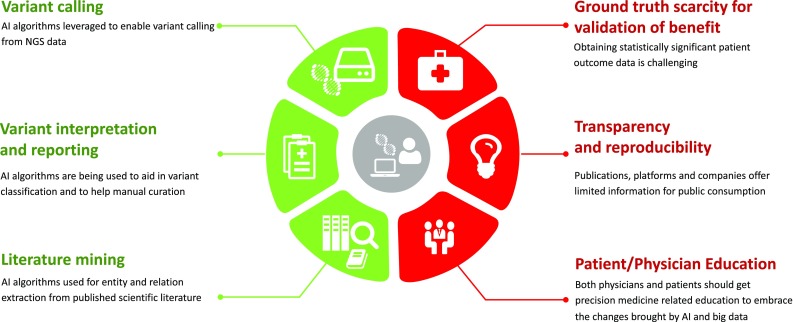
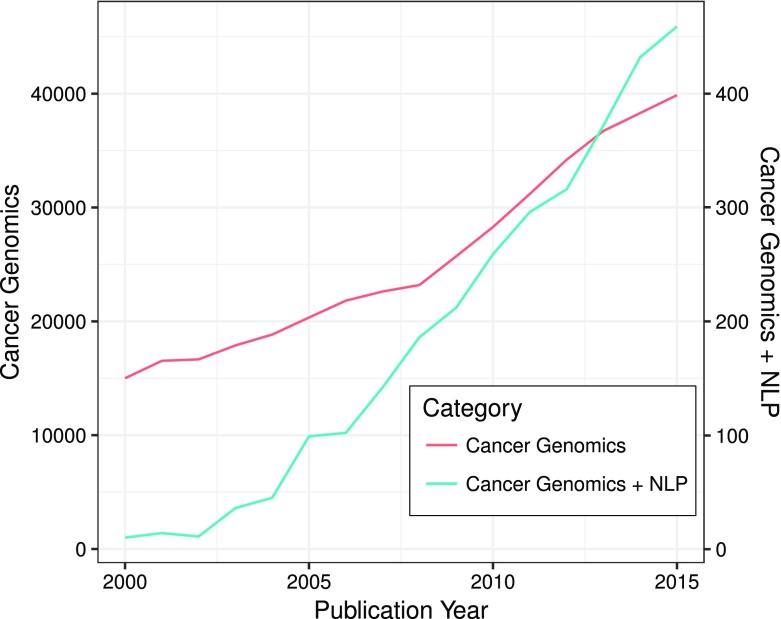
Verification
Claims the paper makes
The claims and statistics of this paper haven’t been checked yet.
Free: it reads the open-access text and checks the first 5 claims that cite a source we can check. Create a free account to check every claim.
Claims other papers make about this one
Each is checked against this paper’s own text: does it say what the citing paper says it does?
In the citing paper
“AI causes challenges to patient-clinician interactions, as clinicians need to learn how to interact with the AI system for healthcare delivery, and patients are required to reduce the fear of technology [32].”
From Use of AI-based tools for healthcare purposes: a survey study from consumers’ perspectives (2020) · cites this paper as [32]
Self-check
Percentages, sums and reported differences re-computed from the paper’s own numbers.
The self-check needs the paper’s full text.
Citations
Cites
Going deeper with convolutions
Szegedy, C., Liu, W., Jia, Y., Sermanet, P., Reed, S., Anguelov, D., Erhan, D., Vanhoucke, V., & Rabinovich, A. (2015) · 2015 IEEE Conference on Computer Vision and Pattern Recognition (CVPR) · doi:10.1109/cvpr.2015.7298594 · Cited by 48,562
Richards, S., Aziz, N., Bale, S., Bick, D., Das, S., Gastier-Foster, J., Grody, W. W., Hegde, M., Lyon, E., Spector, E., et al. (2015) · Genetics in Medicine · doi:10.1038/gim.2015.30 · Cited by 32,594 · cited 2×
“…such as the American College of Medical Genetics and Genomics and the Association for Molecular Pathology (ACMG-AMP), who, in 2015, published a series of guidelines for the interpretation of germline genetic variants for genes causative of hereditary human disorders (Richards et al. 2015).”
BackgroundPD-1 and PD-L1 Immune Checkpoint Blockade to Treat Breast Cancer
Hartkopf, A. D., Taran, F.-A., Wallwiener, M., Walter, C. B., Krämer, B., Grischke, E.-M., & Brucker, S. Y. (2016) · Breast Care · doi:10.1159/000453569 · Cited by 30,845
A method and server for predicting damaging missense mutations.
Adzhubei, I. A., Schmidt, S., Peshkin, L., Ramensky, V. E., Gerasimova, A., Bork, P., Kondrashov, A. S., & Sunyaev, S. R. (2010) · Nature Methods · doi:10.1038/nmeth0410-248 · Cited by 13,194 · cited 1×
“In silico prediction tools like PolyPhen and SIFT are widely used to assist the manual curation but have not established themselves as the determining factors in the clinical setting (Adzhubei et al. 2010; Vaser et al. 2016).”
MethodNishimura, R., Osako, T., Nishiyama, Y., Tashima, R., Nakano, M., Fujisue, M., Toyozumi, Y., & Arima, N. (2013) · Oncology · doi:10.1159/000353099 · Cited by 13,166
Comprehensive molecular portraits of human breast tumours
The Cancer Genome Atlas Network (2012) · Nature · doi:10.1038/nature11412 · Cited by 12,129
The cancer genome atlas pan-cancer analysis project
The Cancer Genome Atlas Research Network, Weinstein, J. N., Collisson, E. A., Mills, G. B., Shaw, K. R. M., Ozenberger, B. A., Ellrott, K., Shmulevich, I., Sander, C., & Stuart, J. M. (2013) · Nature Genetics · doi:10.1038/ng.2764 · Cited by 9,092
The genomic and transcriptomic architecture of 2,000 breast tumours reveals novel subgroups
METABRIC Group, Curtis, C., Shah, S. P., Chin, S.-F., Turashvili, G., Rueda, O. M., Dunning, M. J., Speed, D., Lynch, A. G., Samarajiwa, S., et al. (2012) · Nature · doi:10.1038/nature10983 · Cited by 6,097 · cited 1×
“Molecular sub-types discovered in the pan-cancer studies also help to personalize the treatment and improve patient’s survival outcome (Cancer Genome Atlas Network 2012; Curtis et al. 2012; Vaske et al. 2010).”
BackgroundMachine Learning Applications in Cancer Prognosis and Prediction
Kourou, K., Exarchos, T. P., Exarchos, K. P., Karamouzis, M. V., & Fotiadis, D. I. (2015) · Computational and Structural Biotechnology Journal · doi:10.1016/j.csbj.2014.11.005 · Cited by 3,338 · cited 1×
“Multiple review papers have already covered different ML applications on gene expression data (Molla et al. 2004; Sajda 2006; Kourou et al. 2014; Libbrecht 2015; Bashiri et al. 2017; Noor and Narwal 2017).”
BackgroundEhteshami Bejnordi, B., Veta, M., Johannes van Diest, P., van Ginneken, B., Karssemeijer, N., Litjens, G., van der Laak, J. A. W. M., and the CAMELYON16 Consortium, Hermsen, M., Manson, Q. F., et al. (2017) · JAMA · doi:10.1001/jama.2017.14585 · Cited by 3,293 · cited 1×
“Through application of deep learning on medical imaging data, AI has outperformed expert pathologists and dermatologists in diagnosing metastatic breast cancer, melanoma, and several eye diseases (De Fauw et al. 2018; Ehteshami Bejnordi et al. 2017; Haenssle et al. 2018).”
Research works printed but not linked: 1
- Molla M, Waddell M, Page D, Shavlik J (2004) Using machine learn- ing to design and interpret gene-expression microarrays. AI Mag 25:23-44. https ://doi.org/10.1609/aimag .v25i1 .1745 · doi:10.1609/aimag.v25i1.1745
Cited by
Dwivedi, Y. K., Hughes, L., Ismagilova, E., Aarts, G., Coombs, C., Crick, T., Duan, Y., Dwivedi, R., Edwards, J., Eirug, A., et al. (2021) · International Journal of Information Management · doi:10.1016/j.ijinfomgt.2019.08.002 · Cited by 4,611
Key challenges for delivering clinical impact with artificial intelligence
Kelly, C. J., Karthikesalingam, A., Suleyman, M., Corrado, G., & King, D. (2019) · BMC Medicine · doi:10.1186/s12916-019-1426-2 · Cited by 3,136
“Furthermore, AI has aided in polyp detection from colonoscopy [28], improving genomics interpretation [29], identifying genetic conditions from facial appearance [30], and assessing embryo quality to maximise the success of in vitro fertilisation [31].”
BackgroundOn the Opportunities and Risks of Foundation Models
Bommasani, R., Hudson, D. A., Adeli, E., Altman, R., Arora, S., von Arx, S., Bernstein, M. S., Bohg, J., Bosselut, A., Brunskill, E., et al. (2021) · arXiv · doi:10.48550/arxiv.2108.07258 · Cited by 2,676
The multi-factorial nature of clinical multidrug resistance in cancer
Assaraf, Y. G., Brozovic, A., Gonçalves, A. C., Jurkovicova, D., Linē, A., Machuqueiro, M., Saponara, S., Sarmento-Ribeiro, A. B., Xavier, C. P. R., & Vasconcelos, M. H. (2019) · Drug Resistance Updates · doi:10.1016/j.drup.2019.100645 · Cited by 528
“However, these extraordinary challenges should be carefully considered to ensure the safety and beneficial impact to healthcare (Xu et al., 2019).”
BackgroundUse of AI-based tools for healthcare purposes: a survey study from consumers’ perspectives
Esmaeilzadeh, P. (2020) · BMC Medical Informatics and Decision Making · doi:10.1186/s12911-020-01191-1 · Cited by 507
“AI causes challenges to patient-clinician interactions, as clinicians need to learn how to interact with the AI system for health-care delivery, and patients are required to reduce the fear of technology [32].”
BackgroundArtificial intelligence (AI) and big data in cancer and precision oncology
Dlamini, Z., Francies, F. Z., Hull, R., & Marima, R. (2020) · Computational and Structural Biotechnology Journal · doi:10.1016/j.csbj.2020.08.019 · Cited by 398
“Functional impact of missense variants is predicted by computational algorithms such as SIFT, PolyPhen2, PROVEAN, AlignGVGD and MutationTaster [24,25].”
MethodCarter, S. M., Rogers, W., Win, K. T., Frazer, H., Richards, B., & Houssami, N. (2020) · The Breast · doi:10.1016/j.breast.2019.10.001 · Cited by 312
“‘New AI’ is also being applied to breast cancer risk calculation, prognostication and clinical decision-support [14e16], management planning [17], and translation of genomics into precision medicine [18,19].”
(2021) · doi:10.2196/25856 · Cited by 268
“AI creates challenges to patient-clinician interactions, as clinicians need to learn how to interact with the AI system for health care delivery and patients are required to reduce their fear of technology [89].”
BackgroundCurrent status and applications of Artificial Intelligence (AI) in medical field: An overview
Haleem, A., Javaid, M., & Khan, I. H. (2019) · Current Medicine Research and Practice · doi:10.1016/j.cmrp.2019.11.005 · Cited by 268
Shenkoya, T., & Kim, E. (2023) · Sustainability · doi:10.3390/su15032473 · Cited by 234
M3DISEEN: A novel machine learning approach for predicting the 3D printability of medicines
Elbadawi, M., Muñiz Castro, B., Gavins, F. K. H., Ong, J. J., Gaisford, S., Pérez, G., Basit, A. W., Cabalar, P., & Goyanes, A. (2020) · International Journal of Pharmaceutics · doi:10.1016/j.ijpharm.2020.119837 · Cited by 220
“, 2019) and making progress towards precision and personalized drug delivery systems (Xu et al., 2019).”
BackgroundArtificial Intelligence in Healthcare: Review, Ethics, Trust Challenges & Future Research Directions
Kumar, P., Chauhan, S., & Awasthi, L. K. (2023) · Engineering Applications of Artificial Intelligence · doi:10.1016/j.engappai.2023.105894 · Cited by 218
Human-Centered Design to Address Biases in Artificial Intelligence
Chen, Y., Clayton, E. W., Novak, L. L., Anders, S., & Malin, B. (2023) · Journal of Medical Internet Research · doi:10.2196/43251 · Cited by 199
“Additionally, AI can be leveraged to analyze an individual patient’s genetic and health data to identify the most effective treatment options [7-10].”
Sampat, B. H., Mogaji, E., & Nguyen, N. P. (2023) · International Journal of Bank Marketing · doi:10.1108/ijbm-07-2022-0328 · Cited by 196
Sahu, M., Gupta, R., Ambasta, R. K., & Kumar, P. (2022) · Progress in Molecular Biology and Translational Science · doi:10.1016/bs.pmbts.2022.03.002 · Cited by 188
Chen, Y., Hsiao, T., Lin, C., & Fann, Y. C. (2025) · Journal of Biomedical Science · doi:10.1186/s12929-024-01110-w · Cited by 192
Shinde, R., Patil, S., Kotecha, K. V., Potdar, V. M., Selvachandran, G., & Abraham, A. (2023) · Transactions on Emerging Telecommunications Technologies · doi:10.1002/ett.4884 · Cited by 181
“78,79”
Dzobo, K., Adotey, S. K., Thomford, N. E., & Dzobo, W. (2020) · OMICS A Journal of Integrative Biology · doi:10.1089/omi.2019.0038 · Cited by 176
“The labeling of input data is paramount and must be transparent so that critical reviews of the training methods for algorithms can be done (He et al., 2019; Xu et al., 2019).”
A comprehensive survey on relation extraction: recent advances and new frontiers
Zhao, X., Deng, Y., Yang, M., Wang, L., Zhang, R., Cheng, H., Lam, W., Shen, Y., & Xu, R. (2024) · ACM Computing Surveys · doi:10.1145/3674501 · Cited by 168
“These types include drug-drug interaction RE [7], disease-protein RE [184], chemical-protein RE [174], and protein-protein interaction RE [3].”
AI applications in functional genomics
Caudai, C., Galizia, A., Geraci, F., Le Pera, L., Morea, V., Salerno, E., Via, A., & Colombo, T. (2021) · Computational and Structural Biotechnology Journal · doi:10.1016/j.csbj.2021.10.009 · Cited by 137
“All of these applications represent important steps towards personalized medicine, increasing accurate and less invasive prevention, treatment and monitoring paths based on the specific characteristics of the patients and the environment in which they live [204].”
BackgroundNext-generation agentic AI for transforming healthcare
Karunanayake, N. (2025) · Informatics and Health · doi:10.1016/j.infoh.2025.03.001 · Cited by 165
Singh, M., Kumar, A., Khanna, N. N., Laird, J. R., Nicolaides, A., Faa, G., Johri, A. M., Mantella, L. E., Fernandes, J. F. E., Teji, J. S., et al. (2024) · eClinicalMedicine · doi:10.1016/j.eclinm.2024.102660 · Cited by 163
Diverse patients’ attitudes towards Artificial Intelligence (AI) in diagnosis
Robertson, C., Woods, A., Bergstrand, K., Findley, J., Balser, C., & Slepian, M. J. (2023) · PLOS Digital Health · doi:10.1371/journal.pdig.0000237 · Cited by 158
“Today, AI is used to analyze tumors in chest images [1], regulate implanted devices [2], and select personalized courses of care [3].”
BackgroundMoingeon, P. E., Kuenemann, M. A., & Guedj, M. (2021) · Drug Discovery Today · doi:10.1016/j.drudis.2021.09.006 · Cited by 139
Artificial Intelligence in Genetics
Vilhekar, R. S., & Rawekar, A. (2024) · Cureus · doi:10.7759/cureus.52035 · Cited by 137
“This method was used to predict mutations in serine/threonine kinase 11 (STK11), epidermal growth factor receptor (EGFR), FAT1, SETBP1, and KRAS (Kirsten rat sarcoma virus) [22].”
MethodLiu, Z., Zhu, L., Roberts, R. A., & Tong, W. (2019) · Trends in Genetics · doi:10.1016/j.tig.2019.08.006 · Cited by 129
“Although a lot of variant effect prediction tools have been developed to fill the gap, it is still a limiting factor that needs to be further established within the decision-making process [75].”
BackgroundThe Value of Artificial Intelligence in Laboratory Medicine
Paranjape, K., Schinkel, M., Hammer, R. D., Schouten, B., Nannan Panday, R. S., Elbers, P. W. G., Kramer, M. H. H., & Nanayakkara, P. (2021) · American Journal of Clinical Pathology · doi:10.1093/ajcp/aqaa170 · Cited by 89
“14-18 AI is also being used in limited clinical usage for molecular/genomic testing 19-21 by accurately identifying variants and matching it to possible treatments.”
MethodAbdelhalim, H., Berber, A., Lodi, M. K., Jain, R., Nair, A. S., Pappu, A., Patel, K., Venkat, V., Venkatesan, C., Wable, R., et al. (2022) · Frontiers in Genetics · doi:10.3389/fgene.2022.929736 · Cited by 126
“AI has aided in the process of combining different algorithms to make disease analysis and predictions more ef fi cient (Xu et al., 2019).”
BackgroundMethodInfluentialAbdallah, S., Sharifa, M., I.KH. ALMADHOUN, M. K., Khawar, M. M., Shaikh, U., Balabel, K. M., Saleh, I., Manzoor, A., Mandal, A. K., Ekomwereren, O., et al. (2023) · Cureus · doi:10.7759/cureus.46860 · Cited by 76
“By efficiently discerning the significance of various mutation combinations in individuals afflicted by genetic diseases, AI markedly enhances the accuracy and speed of disease detection and diagnosis [42].”
BackgroundArtificial Intelligence in Materials Modeling and Design
Huang, J., Liew, J. X., Ademiloye, A. S., & Liew, K. M. (2020) · Archives of Computational Methods in Engineering · doi:10.1007/s11831-020-09506-1 · Cited by 107
Five Crucial Challenges in Digital Health
Cummins, N., & Schuller, B. W. (2020) · Frontiers in Digital Health · doi:10.3389/fdgth.2020.536203 · Cited by 83
“These heterogeneous systems are highly dynamic and will most likely require advanced artificial intelligence paradigms to fully combine and analyse (49, 54).”
BackgroundThe Impact of Artificial Intelligence on Health Equity in Oncology: Scoping Review
Istasy, P., Lee, W. S., Iansavichene, A., Upshur, R., Gyawali, B., Burkell, J., Sadikovic, B., Lazo-Langner, A., & Chin-Yee, B. (2022) · Journal of Medical Internet Research · doi:10.2196/39748 · Cited by 78
“Few articles from our review addressed these ethical concerns [91,128,199-201].”
Estrogenic flavonoids and their molecular mechanisms of action
Kiyama, R. (2022) · The Journal of Nutritional Biochemistry · doi:10.1016/j.jnutbio.2022.109250 · Cited by 102
Determinants and Barriers of Artificial Intelligence Adoption – A Literature Review
Radhakrishnan, J., & Chattopadhyay, M. (2020) · IFIP Advances in Information and Communication Technology · doi:10.1007/978-3-030-64849-7_9 · Cited by 95
Dellosa, J. T., & Palconit, E. V. (2021) · IEEE International Conference on Environment and Electrical Engineering and IEEE Industrial and Commercial Power Systems Europe (EEEIC / I&CPS Europe) · doi:10.1109/eeeic/icpseurope51590.2021.9584587 · Cited by 95
Synergizing AI and Healthcare: Pioneering Advances in Cancer Medicine for Personalized Treatment
Sherani, A. M. K., Khan, M., Qayyum, M. U., & Hussain, H. K. (2024) · International Journal of Multidisciplinary Sciences and Arts · doi:10.47709/ijmdsa.v3i01.3562 · Cited by 93
Artificial Intelligence: Review of Current and Future Applications in Medicine
Thomas, L. B. (2021) · Federal Practitioner · doi:10.12788/fp.0174 · Cited by 89
“More than 200,000 cancer-related articles ,92,93 the utility of IBM Watson for Genomics against results from a molecular tumor board.”
BackgroundArtificial intelligence in cancer diagnosis: Opportunities and challenges
Alshuhri, M. S., Al‐Musawi, S. G., Al-Alwany, A. A., Uinarni, H., Rasulova, I., Rodrigues, P., Alkhafaji, A. T., Alshanberi, A. M., Alawadi, A. H., & Abbas, A. H. (2023) · Pathology - Research and Practice · doi:10.1016/j.prp.2023.154996 · Cited by 89
Artificial intelligence-driven biomedical genomics
Guo, K., Wu, M., Soo, Z., Yang, Y. Y., Zhang, Y., Zhang, Q., Lin, H., Grosser, M., Venter, D. J., Zhang, G., et al. (2023) · Knowledge-Based Systems · doi:10.1016/j.knosys.2023.110937 · Cited by 79
Khoury, M. J., Armstrong, G. L., Bunnell, R. E., Cyril, J., & Iademarco, M. F. (2020) · PLoS Medicine · doi:10.1371/journal.pmed.1003373 · Cited by 78
“Cancer management and prevention provide examples [38] of important current applications for the use of big data analytics.”
BackgroundThe Impact of Artificial Intelligence on Sustainable Development in Electronic Markets
Thamik, H., & Wu, J. (2022) · Sustainability · doi:10.3390/su14063568 · Cited by 81
Thirunavukarasu, R., Doss, C. G. P., Ramanathan, G., Gopikrishnan, M., & Palanisamy, V. (2022) · Computers in Biology and Medicine · doi:10.1016/j.compbiomed.2022.106020 · Cited by 79
Ilan, Y. (2020) · Frontiers in Digital Health · doi:10.3389/fdgth.2020.569178 · Cited by 77
“These methods also showed some degree of success when interpreting phenotype and genomic data for genomics-based diagnosis (38), and for assessment of cancer risk (39–42).”
Natural Language Processing: from Bedside to Everywhere
Aramaki, E., Wakamiya, S., Yada, S., & Nakamura, Y. (2022) · Yearbook of Medical Informatics · doi:10.1055/s-0042-1742510 · Cited by 68
Das, S., Mazumdar, H., Khondakar, K. R., & Kaushik, A. K. (2024) · BMEMat · doi:10.1002/bmm2.12117 · Cited by 65
Zhang, G., Chen, R., Ghorbani, H., Li, W., Minasyan, A., Huang, Y., Lin, S., & Shao, M. (2025) · Bioengineering & Translational Medicine · doi:10.1002/btm2.10752 · Cited by 65
“17 AI-powered predictive modeling techniques enable extracting meaningful insights from complex biomedical data, paving the way for personalized healthcare interventions and precision therapeutics.”
Salazar-Reyna, R., Aleu, F. G., Gutiérrez, E. M. A. G., Díaz-Ramírez, J., Garza‐Reyes, J. A., & Kumar, A. (2020) · Management Decision · doi:10.1108/md-01-2020-0035 · Cited by 63
Precision Medicine Informatics: Principles, Prospects, and Challenges
Afzal, M., Islam, S. M. R., Hussain, M., & Lee, S. (2020) · IEEE Access · doi:10.1109/access.2020.2965955 · Cited by 64
“In a review [78], authors focus on AI applications of next generation sequencing and cancer genomics testing required for PM.”
BackgroundCao, J., You, K., Jin, K., Lou, L., Wang, Y., Chen, M., Pan, X., Shao, J., Su, Z., Wu, J., et al. (2020) · Acta Ophthalmologica · doi:10.1111/aos.14514 · Cited by 60
Integrating Somatic and Germline Next-Generation Sequencing Into Routine Clinical Oncology Practice
Hicks, J. K., Howard, R., Reisman, P., Adashek, J. J., Fields, K. K., Gray, J. E., McIver, B., McKee, K. J., O’Leary, M. F., Perkins, R. M., et al. (2021) · JCO Precision Oncology · doi:10.1200/po.20.00513 · Cited by 57
Understanding Organizations’ Artificial Intelligence Journey: A Qualitative Approach
Radhakrishnan, J., Gupta, S., & Prashar, S. (2022) · Pacific Asia journal of the Association for Information Systems · doi:10.17705/1pais.14602 · Cited by 55
Li, L. T., Haley, L. C., Boyd, A. K., & Bernstam, E. V. (2023) · Journal of Biomedical Informatics · doi:10.1016/j.jbi.2023.104531 · Cited by 56
Marvi-Khorasani, H., Usefi, H., & Peña‐Castillo, L. (2020) · Scientific Reports · doi:10.1038/s41598-020-70583-0 · Cited by 55
Social impact and governance of AI and neurotechnologies
Doya, K., Ema, A., Kitano, H., Sakagami, M., & Russell, S. (2022) · Neural Networks · doi:10.1016/j.neunet.2022.05.012 · Cited by 57
The application and use of artificial intelligence in cancer nursing: A systematic review
O'Connor, S., Vercell, A., Wong, D., Yorke, J., Fallatah, F. A., Cave, L., & Anny Chen, L.-Y. (2024) · European Journal of Oncology Nursing · doi:10.1016/j.ejon.2024.102510 · Cited by 51
Applications of Artificial Intelligence in Myopia: Current and Future Directions
Zhang, C., Zhao, J., Zhu, Z., Li, Y., Li, K., Wang, Y., & Zheng, Y. (2022) · Frontiers in Medicine · doi:10.3389/fmed.2022.840498 · Cited by 52
Wuerdemann, N., Jain, R. A., Adams, A., Speel, E. M., Wagner, S., Joosse, S. A., & Klußmann, J. P. (2020) · Cancers · doi:10.3390/cancers12102997 · Cited by 50
“Currently, the application of methods such as microarray, next-generation sequencing (NGS) and single-cell RNA sequencing, artificial intelligence, and machine learning algorithms can detect signatures of tumors as mutational changes in multiplexed data [45,46].”
MethodTowards a cancer mission in Horizon Europe: recommendations
Berns, A. J. M., Ringborg, U. K., Celis, J. E., Heitor, M. V., Aaronson, N. K., Abou‐Zeid, N., Adami, H., Apostolidis, K., Baumann, M. A., Bardelli, A., et al. (2020) · Molecular Oncology · doi:10.1002/1878-0261.12763 · Cited by 48
OPTIMIZATION ALGORITHMS FOR ENHANCING HIGH DIMENSIONAL BIOMEDICAL DATA PROCESSING EFFICIENCY
Chowdhury, R., & Ara, J. (2022) · doi:10.63125/2zg6x055 · Cited by 46
Ethical layering in AI-driven polygenic risk scores—New complexities, new challenges
Fritzsche, M.-C., Akyüz, K., Abadía, M. C., McLennan, S., Marttinen, P., Mayrhofer, M. T., & Buyx, A. (2023) · Frontiers in Genetics · doi:10.3389/fgene.2023.1098439 · Cited by 46
“For AI in medicine generally, there is a need to increase education and training for different stakeholders in the healthcare system on applications of technology driven by data (Meskó et al., 2017; Xu et al., 2019).”
BackgroundA Machine Learning‐Assisted Nanoparticle‐Printed Biochip for Real‐Time Single Cancer Cell Analysis
Joshi, K., Javani, A., Park, J. C., Velasco, V., Xu, B., Razorenova, O. V., & Esfandyarpour, R. (2020) · Advanced Biosystems · doi:10.1002/adbi.202000160 · Cited by 45
AI Challenges for Society and Ethics
Whittlestone, J., & Clarke, S. (2022) · Oxford University Press eBooks · doi:10.1093/oxfordhb/9780197579329.013.3 · Cited by 45
Cell-free DNA in blood circulation is generated by DNase1L3 and caspase-activated DNase
Watanabe, T., Takada, S., & Mizuta, R. (2019) · Biochemical and Biophysical Research Communications · doi:10.1016/j.bbrc.2019.06.069 · Cited by 42
Artificial intelligence in myopia: current and future trends
Foo, L. L., Ng, W. Y., Lim, G. Y. S., Tan, T., Ang, M., & Ting, D. S. W. (2021) · Current Opinion in Ophthalmology · doi:10.1097/icu.0000000000000791 · Cited by 41
“Recently, significant strides have been made using big data for genetic analysis and phenotyping correlation in various medical fields [94,95].”
BackgroundArtificial intelligence and database for NGS-based diagnosis in rare disease
Choon, Y. W., Choon, Y. F., Nasarudin, N. A., Jasmi, F. A., Remli, M. A., Alkayali, M. H., & Mohamad, M. S. (2024) · Frontiers in Genetics · doi:10.3389/fgene.2023.1258083 · Cited by 38
Poonia, R. C., & Al-Alshaikh, H. A. (2024) · Computers in Biology and Medicine · doi:10.1016/j.compbiomed.2024.108874 · Cited by 37
“Xu et al. [22] focused on the conversion of cancer genomics for precision medicine with the application of AI.”
Passamonti, F., Corrao, G., Castellani, G., Mora, B., Maggioni, G., Gale, R. P., & Porta, M. G. D. (2021) · Blood Reviews · doi:10.1016/j.blre.2021.100914 · Cited by 36
Artificial Intelligence in Oncology: Applications, Challenges and Future Frontiers
Alsharif, F. H. (2024) · International Journal of Pharmaceutical Investigation · doi:10.5530/ijpi.14.3.76 · Cited by 36
“56 By discerning patterns and relationships within this data, AI-driven models can pinpoint potential biomarkers that may serve as indicators of treatment response.”
Emerging digital technologies in cancer treatment, prevention, and control
Hesse, B. W., Kwaśnicka, D., & Ahern, D. K. (2021) · Translational Behavioral Medicine · doi:10.1093/tbm/ibab033 · Cited by 34
“New data-intensive technologies must evolve, much of it informed by the rapid advances of “big data” [69] technology and ML/AI [43,45,46] to distill increasingly more precise recommendations for early detection into actionable patient care plans [70].”
BackgroundRandom Fields in Physics, Biology and Data Science
Lemus, E. H. (2021) · Frontiers in Physics · doi:10.3389/fphy.2021.641859 · Cited by 33
“Since there has been a growing emphasis on the ways in which the human microbiome may affect drug responses in the context of precision medicine [105], accurate methods to predict such associations are highly desirable for the design of tailor-made therapeutic interventions.”
BackgroundUnlocking the power of precision medicine: exploring the role of biomarkers in cancer management
Gadade, D. D., Jha, H., Kumar, C., & Khan, F. (2024) · Future Journal of Pharmaceutical Sciences · doi:10.1186/s43094-023-00573-2 · Cited by 34
“What works for one patient may not work for another, and what causes cancer in one person may not be the same as what causes it in another [3].”
BackgroundBioinformatics workflows for clinical applications in precision oncology
Jäger, N. (2021) · Seminars in Cancer Biology · doi:10.1016/j.semcancer.2020.12.020 · Cited by 33
A comprehensive review of AI applications in personalized medicine
Okolo, C. A., Olorunsogo, T. O., & Babawarun, O. (2024) · International Journal of Science and Research Archive · doi:10.30574/ijsra.2024.11.1.0338 · Cited by 32
“The translation of AI-powered personalized medicine from research settings to real-world clinical practice presents implementation challenges (Xu et al., 2019).”
Educational and Ethical Considerations for Genetic Test Implementation Within Health Care Systems
Kurnat‐Thoma, E. L. (2020) · Network and Systems Medicine · doi:10.1089/nsm.2019.0010 · Cited by 31
“within the vast amounts of big data from whole genome sequence, multiomics data, electronic health records (EHRs), and others.(23) Novel genetic/genomic/-omics insights gleaned from technological, engineering, and computer sci-”
BackgroundExplainable AI for Estimating Pathogenicity of Genetic Variants Using Large-Scale Knowledge Graphs
阿部, 修., Tago, S.-I., Yokoyama, K., Ogawa, M., Takei, T., Imoto, S., & Fuji, M. (2023) · Cancers · doi:10.3390/cancers15041118 · Cited by 31
The Modern Impact of Artificial Intelligence Systems in Healthcare: A Concise Analysis
Omotunde, H., & Mouhamed, M. R. (2023) · Mesopotamian Journal of Artificial Intelligence in Healthcare · doi:10.58496/mjaih/2023/013 · Cited by 30
“Artificial intelligence makes health information more accessible, relevant, and actionable [14][15].”
BackgroundAdvancements, Applications, and Future Directions of Artificial Intelligence in Healthcare
Ifty, S. M. H., Irin, F., Shovon, M. S. S., Amjad, M. H. H., Bhowmik, P. K., Ahmed, R., Ashakin, M. R., Hossain, B., Mushfiq, Sattar, A., et al. (2024) · Journal of Angiotherapy · doi:10.25163/angiotherapy.889843 · Cited by 29
Thenault, R., Kaulanjan, K., Darde, T., Rioux-Leclercq, N. C., Bensalah, K., Mermier, M., Khene, Z., Peyronnet, B., Shariat, S. F., Pradère, B., et al. (2020) · Applied Sciences · doi:10.3390/app10186428 · Cited by 29
The Application of Artificial Intelligence to Cancer Research: A Comprehensive Guide
Shirazi, A. Z., Tofighi, M., Gharavi, A., & Gomez, G. A. (2024) · Technology in Cancer Research & Treatment · doi:10.1177/15330338241250324 · Cited by 28
“20,21 This paper reviews AI ’ s role in cancer diagnosis, covering its current use, challenges, and future directions.”
Precision oncology: Using cancer genomics for targeted therapy advancements
Avci, Ç. B., Bağca, B. G., Shademan, B., Takanlou, L. S., Takanlou, M. S., & Nourazarian, A. (2024) · Biochimica et Biophysica Acta (BBA) - Reviews on Cancer · doi:10.1016/j.bbcan.2024.189250 · Cited by 31
The Impact and Role of Artificial Intelligence (AI) in Healthcare: Systematic Review
Singh, K., Prabhu, A. A., & Kaur, N. (2025) · Current Topics in Medicinal Chemistry · doi:10.2174/0115680266339394250225112747 · Cited by 30
Precision oncology: a review to assess interpretability in several explainable methods
Gimeno, M., Real, K. S. D., & Rubio, Á. (2023) · Briefings in Bioinformatics · doi:10.1093/bib/bbad200 · Cited by 29
“Its integrative analysis requires complex models and a solid understanding of the interaction of biological systems [8].”
BackgroundRevolutionizing hematological disorder diagnosis: unraveling the role of artificial intelligence
Obeagu, E. I. (2025) · Annals of Medicine and Surgery · doi:10.1097/ms9.0000000000003227 · Cited by 28
“In addition to image analysis, AI has also made strides in the interpretation of genomic data [ 4 ] .”
Smart Healthcare: The Role of Digital Health in Modern Medicine
Shapoo, N., Shapoo, N., Rehman, A., & Boma, N. (2025) · Health care science · doi:10.1002/hcs2.70019 · Cited by 28
Bassey, G. E., Daniel, E., Okesina, K. B., & Odetayo, A. F. (2025) · Drug Design Development and Therapy · doi:10.2147/dddt.s538269 · Cited by 28
“37 Applications of AI tool such as IBM Watson for Genomics, compare a patient’s genome sequence and prescribe best-suited treatments, especially in cancer.”
Ficarazzi, F., Vecchi, M., Ferrari, M., & Pierotti, M. A. (2021) · The Breast · doi:10.1016/j.breast.2021.04.011 · Cited by 27
Applications of digital Medicine in oncology: Prospects and challenges
Ge, H., Li, L., Zhang, D., & Ma, F. (2022) · Cancer Innovation · doi:10.1002/cai2.37 · Cited by 27
“Machine learning has undergone considerable progress in tumor detection [19, 40], deep learning is superior to humans in reading digital X ‐ ray images [41], and AI has gradually transformed genomics data into precision medicine applications [42].”
BackgroundÖzçelik, F., Dündar, M. S., Yildirim, A. B., HENEHAN, G. T. M., Vicente, O., Sánchez-Alcázar, J. A., Gökçe, N., Yildirim, D. T., Bingol, N. N., Plaseska‐Karanfilska, D., et al. (2024) · Functional & Integrative Genomics · doi:10.1007/s10142-024-01417-9 · Cited by 26
“Artificial intelligence is and will be one of the leading con - cepts that transform medicine and healthcare to a more personalised and precise approach (Xu et al. 2019).”
A Survey of Biological Data in a Big Data Perspective
Dall’Alba, G., Casa, P. L., de Abreu, F. P., Notari, D. L., & Silva, S. D. Á. E. (2022) · Big Data · doi:10.1089/big.2020.0383 · Cited by 27
“…interfaces between imaging data and computational techniques assists in the understanding of complex topics, and shifts them toward precision medicine, which in turn allows the development of more specific treatments and therapies for diseases such as Alzheimer’s, 17 cancer, 18 and Parkinson’s.”
Olawade, D. B., Kade, A., Egbon, E., Usman, S. O., Fapohunda, O., Ijiwade, J. O., & Ogbonna, C. E. (2025) · Molecular Genetics and Genomics · doi:10.1007/s00438-025-02314-x · Cited by 26
“Whilst traditional bioinformatics techniques rely on predefined models and assumptions, AI provides a more flexible and scalable methodology by learning directly from data and adapting to new information (Li et al. 2024a, b; Xu et al. 2019 ).”
Precision Targeting in Metastatic Prostate Cancer: Molecular Insights to Therapeutic Frontiers
Kwon, W., & Joung, J. Y. (2025) · Biomolecules · doi:10.3390/biom15050625 · Cited by 24
“For these methods to influence clinical decisions effectively, robust frameworks for data interpretation and standardized reporting are essential—an area that continues to evolve [100].”
Altaf, A., Endo, Y., Munir, M. M., Khan, M. M. M., Rashid, Z., Khalil, M., Guglielmi, A., Ratti, F., Marques, H. P., Cauchy, F., et al. (2024) · HPB · doi:10.1016/j.hpb.2024.05.006 · Cited by 23
Habibi, F., Ghaderkhani, S., Shokoohi, M., Banari, T., Morsali, M., Abadi, R. N. S., & Kiamehr, H. (2025) · AI and Ethics · doi:10.1007/s43681-025-00673-0 · Cited by 23
Artificial Intelligence and Cancer Drug Development
Yang, M. Q., Wang, S., Yang, F., Darsey, J. A., Ghosh, A., & Li, H. (2021) · Recent Patents on Anti-Cancer Drug Discovery · doi:10.2174/1574892816666210728123758 · Cited by 23
Addressing the challenges of artificial intelligence in medicine
Smith, M., & Jeffery, R. C. H. (2020) · Internal Medicine Journal · doi:10.1111/imj.15017 · Cited by 23
TCNN: A Transformer Convolutional Neural Network for artifact classification in whole slide images
Shakarami, A., Nicolè, L., Terreran, M., Tos, A. P. D., & Ghidoni, S. (2023) · Biomedical Signal Processing and Control · doi:10.1016/j.bspc.2023.104812 · Cited by 22
Ali, S. G., Zhang, C., Guan, Z., Chen, T., Wu, Q., Li, P., Yang, P., Ghazanfar, Z., Jung, Y., Chen, Y., et al. (2024) · The Visual Computer · doi:10.1007/s00371-024-03391-6 · Cited by 22
Self-citation(2019) · American Journal of Health-System Pharmacy · doi:10.1093/ajhp/zxz205 · Cited by 22
Bhati, V., Prasad, S., & Kabra, A. (2025) · Molecular and Cellular Neuroscience · doi:10.1016/j.mcn.2025.104010 · Cited by 22
Aptamer-functionalized MOFs and AI-driven strategies for early cancer diagnosis and therapeutics
Futane, A., Jadhav, P., Mustafa, A. H., Srinivasan, A., & Narayanamurthy, V. (2023) · Biotechnology Letters · doi:10.1007/s10529-023-03454-z · Cited by 21
Metadata
- Authors
- Xu, J., Yang, P., Xue, S., Sharma, B., Sanchez-Martin, M., Wang, F., Beaty, K. A., Dehan, E., & Parikh, B.
- Affiliations
- IBM (United States) (US)
- Corresponding author
- Xu, Jia
- Venue
- Human Genetics
- Published
- 2019-01-22
- Volume
- 138
- Issue
- 2
- Pages
- 109-124
- ISSN
- 0018-7348 (ISSN-L)
- 0340-6717
- 1432-1203
- PMC
- PMC6373233
- OpenAlex
- W2911526543
- Cited by
- 305
- References
- 163
- Citations by year
- 2026: 33 · 2025: 64 · 2024: 47 · 2023: 38 · 2022: 35 · 2021: 35 · 2020: 40 · 2019: 13
- FWCI
- 1.49
- Type
- journal article
- Language
- en
- Open access
- hybrid
- doi.org
- Licence
- cc-by
- creativecommons.org/licenses/by/4.0 (tdm)
- Locations
- Human Genetics (publishedVersion, cc-by)
- Europe PMC (PubMed Central) (publishedVersion, other-oa)
- PubMed Central (publishedVersion, cc-by)
- PubMed (publishedVersion)
- Topics
- Health Sciences › Medicine › Health Informatics › Artificial Intelligence in Healthcare and Education
- Life Sciences › Biochemistry, Genetics and Molecular Biology › Cancer Research › Cancer Genomics and Diagnostics
- Physical Sciences › Computer Science › Artificial Intelligence › AI in cancer detection
- Keywords
- cancer genomics, artificial intelligence, precision medicine, variant calling, variant interpretation, cancer genetic testing, natural language processing, literature mining, clinical guidelines, machine learning, deep learning, algorithmic transparency, reproducibility, digital healthcare, next-generation sequencing, big data
- MeSH terms
- Animals, Electronic Data Processing, Diagnosis, Computer-Assisted, Humans, Natural Language Processing, Neoplasms, Genomics, Data Mining, Precision Medicine
About these checks
Registry, retraction, Cites and statistics results are computed, not judged, with one exception: a printed reference that no index lists is read once by a model before it counts as a citation error. Claims are extracted by a model and kept only when their quote appears verbatim in the text; each cited source is then checked, with a model’s help, for whether it says what the claim relies on. Those verdicts can be wrong — read the claim’s quote and the cited source before relying on one.
Statistics and arithmetic are recomputed, not judged.
Confidence bands are shown only for fields calibrated on our annotated test set. None is calibrated yet, so no band is shown.
What counts as a claim ›How we measure confidence ›How we check this ›
Are you an author, or do you see a problem with this page? Request a review
Data sources
Bibliographic data: Semantic Scholar, OpenAlex, Crossref.
Contains information from the Semantic Scholar Academic Graph Datasets, made available under the ODC Attribution License (ODC-BY 1.0).
Semantic Scholar’s data is described in: Kinney, R., et al. (2023). The Semantic Scholar Open Data Platform. arXiv:2301.10140.
