

Analysis of the efficacy, safety, and regulatory status of novel forms of creatine
Open accessThe DOI matches its Crossref record; 68 of the 75 references it cites were found in a registry or an index; 15 of the 87 sources its claims cite were checked for support.
Abstract
Creatine has become one of the most popular dietary supplements in the sports nutrition market. The form of creatine that has been most extensively studied and commonly used in dietary supplements is creatine monohydrate (CM). Studies have consistently indicated that CM supplementation increases muscle creatine and phosphocreatine concentrations by approximately 15-40%, enhances anaerobic exercise capacity, and increases training volume leading to greater gains in strength, power, and muscle mass. A number of potential therapeutic benefits have also been suggested in various clinical populations. Studies have indicated that CM is not degraded during normal digestion and that nearly 99% of orally ingested CM is either taken up by muscle or excreted in urine. Further, no medically significant side effects have been reported in literature. Nevertheless, supplement manufacturers have continually introduced newer forms of creatine into the marketplace. These newer forms have been purported to have better physical and chemical properties, bioavailability, efficacy, and/or safety profiles than CM. However, there is little to no evidence that any of the newer forms of creatine are more effective and/or safer than CM whether ingested alone and/or in combination with other nutrients. In addition, whereas the safety, efficacy, and regulatory status of CM is clearly defined in almost all global markets; the safety, efficacy, and regulatory status of other forms of creatine present in today's marketplace as a dietary or food supplement is less clear.
Overview
CoChat Summary
TL;DR
This review compares creatine monohydrate (CM) with newer creatine forms and concludes that CM is the most studied, effective, and stable form, with no medically significant side effects reported, while newer forms lack evidence of superior efficacy or safety. It also finds that most alternative creatine forms have unclear or unauthorized regulatory status in major markets.
Key findings
- CM supplementation consistently increases muscle creatine/phosphocreatine by approximately 15–40%, enhances anaerobic exercise capacity, and increases training volume leading to greater gains in strength, power, and muscle mass; nearly 99% of orally ingested CM is either taken up by muscle or excreted in urine, and no medically significant side effects have been reported.
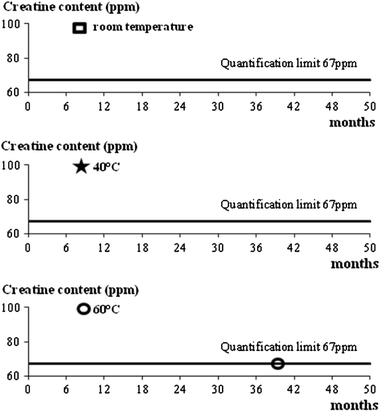
- Newer forms generally contain less creatine than CM (CM 87.9%; creatine ethyl ester 82.4%; creatine citrate 66%; creatine pyruvate 60%; creatine anhydrous 100%), and some are less stable: tricreatine citrate showed creatinine levels of 770 ppm at 40°C after 28 days, whereas CM showed no degradation at 40°C for more than 3 years (creatinine under 67 ppm) and only 106 ppm at 60°C after 44 months.
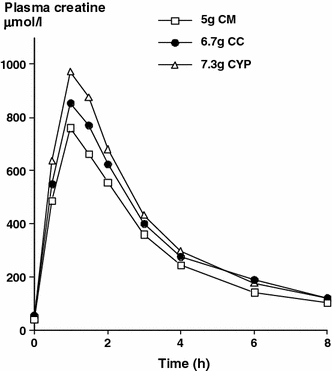
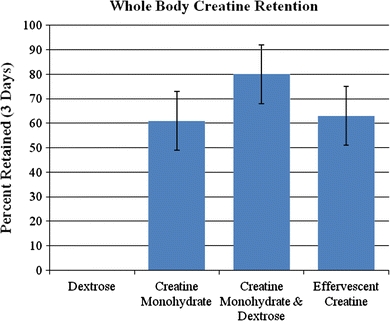
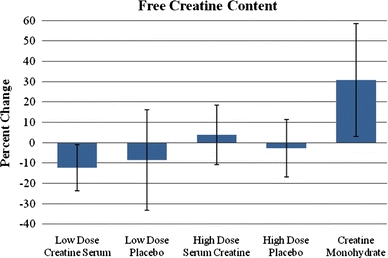
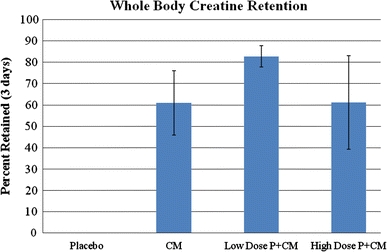
- Bioavailability/ergogenic comparisons were mixed: creatine pyruvate had 17% higher mean peak and 14% higher AUC plasma creatine than CM in six subjects; whole-body creatine retention was 61 ± 15% for CM, 80 ± 11% for CM plus dextrose, and 63 ± 13% for effervescent tricreatine citrate (no significant CM vs. tricreatine citrate difference); liquid creatine had no effect on muscle phosphagen levels, while CM increased muscle free creatine by 31 ± 28%; creatine ethyl ester increased serum creatinine and raised muscle total creatine less than CM.
- Regulatory status: CM is approved or grandfathered in the USA, Canada, EU, Japan, South Korea, and Brazil; Japan also approved creatine citrate and creatine pyruvate for import; the FDA objected to creatine ethyl ester, creatine-L-carnitinate, and tricreatine orotate, with no decision posted for creatine pyruvate; no other forms were approved in Canada, EU, South Korea, or Brazil.
Methods
- Systematic review of literature on creatine forms available globally as dietary supplements, food supplements, or natural health products; Medline searches used creatine search terms plus technical/performance aspects (e.g., solubility, stability, bioavailability, performance), along with patent searches of WIPO, the European Patent Office, the Japan Patent Office, and the United States Patent and Trademark Office.
- Regulatory assessment accessed websites of the US FDA, Health Canada, European Commission, Japan Ministry of Health, Labor and Welfare, and Korea Food and Drug Administration; Brazil’s ANVISA is also discussed in the regulatory section.
Limitations
- Stated in the paper: there is little to no evidence that newer forms are more effective or safer than CM; basic safety data on new forms are lacking; public health implications of unsanctioned forms are unknown; more research is needed (e.g., for d-pinitol, Russian tarragon, and creatine pyruvate); and some regulatory decisions may be pending.
- Evident from the text: several included studies are small (e.g., six subjects in the plasma kinetics study; 16 males in the retention study; 24–30 participants in training studies), some comparisons lack head-to-head CM controls (e.g., creatine citrate studies did not compare to CM), and the review does not describe formal inclusion/exclusion criteria, risk-of-bias assessment, or quantitative synthesis.
Model-written summary. Check it against the paper before relying on it.
Integrity signals
Registry
Cites
Statistics
Figures

Verification
Claims the paper makes
13 Valid · 6 Not valid · 54 Not checked · 87 Own results and interpretations
At least one cited source doesn’t support this claim or points to a different paper, and none confirmed it — see the verdicts below.
In the paper
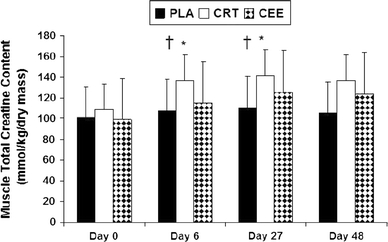
“As stated previously, CEE supplementation did not promote greater total muscle creatine levels in comparison to placebo.”
§ Analysis of the efficacy, safety, and regulatory status of novel forms of creatine > Ergogenic properties > Creatine ester
What the sources say
- Disputedcites Spillane et al. 2009 matched to “The effects of creatine ethyl ester supplementation combined with heavy resistance training on body composition, muscle performance, and serum and muscle creatine levels” (2009) sourceExperimental — accuracy not yet measured
The Results (Muscle creatine, Figure 2) report significantly higher total muscle creatine in the CEE group than in the placebo group (p = 0.041), contrary to the claim. The Discussion (Serum and Muscle Creatine) says CEE was not significantly different from placebo, so our copy is internally inconsistent; the reported result supports the contrary conclusion. (LLM, conf=0.84)
Checked by a reasoning model — may be wrong.
plain- Asserted: passes — The authors put it forward as true.
- Checkable: passes — It can be checked against evidence.
- Load-bearing: passes — The paper’s conclusions depend on it.
- Based: passes — The paper gives a reason why it holds.
- Disputed
Every source the paper cites for this claim was checked and supports it.
In the paper
“The researchers found that serum creatinine levels were significantly increased in the CEE group after 6, 27, and 48 days of supplementation indicating less efficient bioavailability.”
§ Analysis of the efficacy, safety, and regulatory status of novel forms of creatine > Bioavailability
What the sources say
- Supportedcites Spillane et al. 2009 matched to “The effects of creatine ethyl ester supplementation combined with heavy resistance training on body composition, muscle performance, and serum and muscle creatine levels” (2009) source
The Results (Serum creatinine; page not indicated) report significant elevations in the CEE group at days 6, 27, and 48. The Discussion (Serum Creatinine; page not indicated) interprets the creatinine and muscle-creatine findings as indicating that CEE does not offer superior muscle creatine uptake to creatine monohydrate. (LLM, conf=0.90)
hedgedstates a cause- Asserted: passes — The authors put it forward as true.
- Checkable: passes — It can be checked against evidence.
- Load-bearing: passes — The paper’s conclusions depend on it.
- Based: passes — The paper gives a reason why it holds.
- Supported
Every source the paper cites for this claim was checked and supports it.
In the paper
“Dietary creatine is presumed to have high bioavailability since intestinal absorption of CM is already close to 100% (Deldicque et al. 2008).”
§ Analysis of the efficacy, safety, and regulatory status of novel forms of creatine > Bioavailability
What the sources say
- Supportedcites Deldicque et al. 2008 matched to “Kinetics of creatine ingested as a food ingredient” (2007) source
The Protocol identifies the creatine used in both the aqueous solution and food bars as creatine monohydrate. The Discussion reports complete gastrointestinal absorption after a week of supplementation and says arterial bioavailability likely approaches 100%, supporting the claim's cautious wording. Page numbers are not available in our copy. (LLM, conf=0.92)
hedgedstates a cause- Asserted: passes — The authors put it forward as true.
- Checkable: passes — It can be checked against evidence.
- Load-bearing: unclear — It is unclear whether the paper’s conclusions depend on it.
- Based: passes — The paper gives a reason why it holds.
- Supported
The cited sources support only part of this claim — read each source’s verdict below.
In the paper
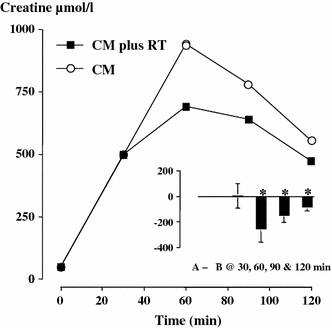
“Studies have shown that Russian tarragon (RT) appears to have antihyperglycemic activity when combined with CM ingestion (Jäger et al. 2008a; Wang et al. 2008).”
§ Analysis of the efficacy, safety, and regulatory status of novel forms of creatine > Bioavailability
What the sources say
- Partly supportedcites Jäger et al. 2008a matched to “The effect of Russian Tarragon (artemisia dracunculus L.) on the plasma creatine concentration with creatine monohydrate administration” (2008) sourceExperimental — accuracy not yet measured
The Background states that Russian tarragon extract has shown antihyperglycemic activity. The Methods and Results describe its co-administration with creatine monohydrate, but this study measured plasma creatine, not whether the combination lowered blood glucose. The claim's combined-treatment qualifier is therefore not established. (LLM, conf=0.88)
- Partly supportedcites Wang et al. 2008 matched to “Bioactives of Artemisia dracunculus L enhance cellular insulin signaling in primary human skeletal muscle culture” (2008) sourceExperimental — accuracy not yet measured
The Introduction reports that Russian tarragon extract lowered blood glucose in diabetic mice, and the Results report increased glucose uptake in cultured human skeletal muscle cells. Neither section addresses its effect when combined with CM ingestion, so the combination-specific claim is unsupported by this paper. (LLM, conf=0.89)
hedgedstates a possible cause- Asserted: passes — The authors put it forward as true.
- Checkable: passes — It can be checked against evidence.
- Load-bearing: unclear — It is unclear whether the paper’s conclusions depend on it.
- Based: passes — The paper gives a reason why it holds.
- Partly supported
The cited sources support only part of this claim — read each source’s verdict below.
In the paper
“Additionally, co-ingesting creatine with different types of protein may have differential effects on gains in fat-free mass and/or training adaptations (Kerksick et al. 2007; Cribb et al. 2007b).”
§ Analysis of the efficacy, safety, and regulatory status of novel forms of creatine > Ergogenic properties > Creatine-containing nutritional formulations
What the sources say
- Not checked — no full text of the sourcecites Kerksick et al. 2007 matched to “Impact of differing protein sources and a creatine containing nutritional formula after 12 weeks of resistance training” (2007) source
- Partly supportedcites Cribb et al. 2007b matched to “Effects of Whey Isolate, Creatine, and Resistance Training on Muscle Hypertrophy” (2007) sourceExperimental — accuracy not yet measured
The Abstract describes a creatine–whey protein group and measures lean mass and training adaptations. But the study did not compare creatine co-ingested with different types of protein: its other creatine group received carbohydrate. The Body composition section reports no significant lean-mass difference between those two groups, so this paper does not establish the proposed differential effect. (LLM, conf=0.86)
hedgedstates a possible cause- Asserted: passes — The authors put it forward as true.
- Checkable: passes — It can be checked against evidence.
- Load-bearing: unclear — It is unclear whether the paper’s conclusions depend on it.
- Based: passes — The paper gives a reason why it holds.
81 more claims · 4 with their cited sources checked
Create a free account to see all 160 claims and to verify the 3 references still open.
- It may state two separate claims as one. 60
- Probably not a substantial claim. 17
Claims other papers make about this one
Each is checked against this paper’s own text: does it say what the citing paper says it does?
The source backs part of the claim, not all of it — or backs it for a different population, condition or comparison.
In the citing paper
“Mixing creatine in higher temperature solution increase solubility, which is the reason why initial studies administered creatine in hot tea [35, 60, 103, 104, 123, 182] but the solubility has no influence on tissue uptake [187].”
From Common questions and misconceptions about creatine supplementation: what does the scientific evidence really show? (2021) · cites this paper as [187]
Experimental — accuracy not yet measuredThe source backs part of the claim, not all of it — or backs it for a different population, condition or comparison.
In the citing paper
“less than 1% of creatine monohydrate is degraded to creatinine during the digestive process and creatine is taken up by tissue or excreted in urine after ingestion [60, 185–187].”
From Common questions and misconceptions about creatine supplementation: what does the scientific evidence really show? (2021) · cites this paper as [187]
Experimental — accuracy not yet measuredThe source backs part of the claim, not all of it — or backs it for a different population, condition or comparison.
In the citing paper
“The degradation of creatine can be reduced or halted by lowering the pH under 2.5 or increasing the pH above 12.1 [187].”
From Common questions and misconceptions about creatine supplementation: what does the scientific evidence really show? (2021) · cites this paper as [187]
Experimental — accuracy not yet measuredThe source backs part of the claim, not all of it — or backs it for a different population, condition or comparison.
In the citing paper
“However, the gold standards for measuring the effects of creatine supplementation on target tissues are through magnetic resonance spectroscopy (MRS), muscle biopsy, stable isotope tracer studies, and/or whole body creatine retention assessed by measuring the difference between creatine intake and urinary excretion of creatine”
From International Society of Sports Nutrition position stand: safety and efficacy of creatine supplementation in exercise, sport, and medicine (2017) · cites this paper as [53]
Experimental — accuracy not yet measuredThe source backs part of the claim, not all of it — or backs it for a different population, condition or comparison.
In the citing paper
“While some have suggested that individuals with pre-existing renal disease consult with their physician prior to creatine supplementation in an abundance of caution, these studies and others have led researchers to conclude that there is no compelling evidence that creatine supplementation negatively affects renal function in healthy or clinical populations [5, 6, 22, 53, 259, 266, 267].”
From International Society of Sports Nutrition position stand: safety and efficacy of creatine supplementation in exercise, sport, and medicine (2017) · cites this paper as [53]
Experimental — accuracy not yet measured
37 more claims about this paper
Create a free account to see every claim other papers make about this one.
Self-check
Percentages, sums and reported differences re-computed from the paper’s own numbers.
Each contradiction between two passages listed here was confirmed by an independent check.
Rated minor: it would not touch a result — a value no result rests on, a p-value that stays on the same side of the significance level, or a conflict that is clerical, resolved elsewhere in the paper, or outside its own findings.
In the paper
“This analysis allowed for a comparison of ingesting recommended doses of liquid creatine to a placebo, as well as seven times the amount recommended by the manufacturer that would purportedly provide an equal amount of CM.”
§ Analysis of the efficacy, safety, and regulatory status of novel forms of creatine > Bioavailability
Reported 7 · recomputed 8
Rated minor: it would not touch a result — a value no result rests on, a p-value that stays on the same side of the significance level, or a conflict that is clerical, resolved elsewhere in the paper, or outside its own findings.
In the paper
§ Analysis of the efficacy, safety, and regulatory status of novel forms of creatine > Bioavailability
“Spillane et al. (2009) compared the effects of supplementing the diet with a placebo, CM, or CEE during 42 days of training.”
§ Analysis of the efficacy, safety, and regulatory status of novel forms of creatine > Bioavailability
“The researchers found that serum creatinine levels were significantly increased in the CEE group after 6, 27, and 48 days of supplementation indicating less efficient bioavailability.”
Rated minor: it would not touch a result — a value no result rests on, a p-value that stays on the same side of the significance level, or a conflict that is clerical, resolved elsewhere in the paper, or outside its own findings.
In the paper
§ Analysis of the efficacy, safety, and regulatory status of novel forms of creatine > Bioavailability
“This amounted to whole body creatine retention of 61 ± 15% for the CM group, 80 ± 11% for the CM plus dextrose group, and 63 ± 13% for the effervescent TCC group.”
§ Analysis of the efficacy, safety, and regulatory status of novel forms of creatine > Bioavailability
“an effervescent creatine supplement consisting of 5 g of TCC (66% creatine) plus 18 g dextrose four times/day for 3 days. Creatine retention was estimated by subtracting total urinary creatine excretion from total supplemental creatine intake over the 3-day period. Results revealed that average daily creatine retention over the 3-day period was 12.2 ± 1.3, 16.1 ± 2.2, and 12.6 ± 2.5 g/day for the CM, CM with dextrose, and effervescent TCC groups, respectively.”
Rated minor: it would not touch a result — a value no result rests on, a p-value that stays on the same side of the significance level, or a conflict that is clerical, resolved elsewhere in the paper, or outside its own findings.
In the paper
§ Analysis of the efficacy, safety, and regulatory status of novel forms of creatine > Summary
“No medically significant side effects have been reported from CM supplementation despite the widespread worldwide use and the regulatory status of CM not being well established.”
§ Analysis of the efficacy, safety, and regulatory status of novel forms of creatine > Regulatory status > Analysis
“The legal and regulatory status of CM is unequivocal in the major global markets for dietary or food supplements.”
Citations
Cites
Arzneimittelforschung: Erstanwendung am Menschen in der Phase I
Miletzki, B., & Gleiter, C. H. (2005) · Bundesgesundheitsblatt Gesundheitsforsch.Gesundheitsschutz · doi:10.1007/s00103-005-1024-7 · Cited by 9,355
Elevation of creatine in resting and exercised muscle of normal subjects by creatine supplementation
Harris, R. C., Söderlund, K., & Hultman, E. (1992) · Clinical Science · doi:10.1042/cs0830367 · Cited by 1,168
Muscle creatine loading in men
Hultman, E., Soderlund, K., Timmons, J. A., Cederblad, G., & Greenhaff, P. L. (1996) · Journal of Applied Physiology · doi:10.1152/jappl.1996.81.1.232 · Cited by 822 · cited 1×
“Creatine monohydrate Numerous studies have found that CM supplementation increases muscle phosphagen levels generally by 10–40% (Greenhaff 1997a; Harris et al. 1992a; Hultman et al. 1996).”
BackgroundEffects of creatine supplementation on body composition, strength, and sprint performance
KREIDER, R. B., FERREIRA, M., WILSON, M., GRINDSTAFF, P., PLISK, S., REINARDY, J., CANTLER, E., & ALMADA, A. L. (1998) · Medicine & Science in Sports & Exercise · doi:10.1097/00005768-199801000-00011 · Cited by 430 · cited 4×
“For example, studies have indicated that ingesting creatine with vitamin and mineral-fortified carbohydrate and protein supplements promote greater gains in strength and fat-free mass than carbohydrate or carbohydrate and protein supplements alone (Kreider et al. 1996, 1999; Cribb et al. 2007a; Kreider et al. 1998 ).”
BackgroundInfluentialSelf-citationISSN exercise & sport nutrition review: research & recommendations
Kreider, R. B., Wilborn, C. D., Taylor, L., Campbell, B., Almada, A. L., Collins, R., Cooke, M., Earnest, C. P., Greenwood, M., Kalman, D. S., et al. (2010) · Journal of the International Society of Sports Nutrition · doi:10.1186/1550-2783-7-7 · Cited by 428
Self-citationPerformance and muscle fiber adaptations to creatine supplementation and heavy resistance training
VOLEK, J. S., DUNCAN, N. D., MAZZETTI, S. A., STARON, R. S., PUTUKIAN, M., G??MEZ, A. L., PEARSON, D. R., FINK, W. J., & KRAEMER, W. J. (1999) · Medicine & Science in Sports & Exercise · doi:10.1097/00005768-199908000-00011 · Cited by 366 · cited 2×
“Numerous studies have shown that CM supplementation during training promotes greater gains in performance and/or fat-free mass (Cribb and Hayes 2006; Kreider et al. 1998; Volek et al. 1997, 1999; Willoughby and Rosene 2001; Willoughby and Rosene 2003).”
BackgroundInternational Society of Sports Nutrition position stand: creatine supplementation and exercise
Buford, T. W., Kreider, R. B., Stout, J. R., Greenwood, M., Campbell, B., Spano, M., Ziegenfuss, T., Lopez, H., Landis, J., & Antonio, J. (2007) · Journal of the International Society of Sports Nutrition · doi:10.1186/1550-2783-4-6 · Cited by 341 · cited 1×
“Its use as an ergogenic aid and possible treatment for certain neuromuscular disorders is well documented in scientific literature ( Buford et al. 2007; Kreider et al. 2010).”
BackgroundSelf-citationGreen, A. L., Hultman, E., Macdonald, I. A., Sewell, D. A., & Greenhaff, P. L. (1996) · American Journal of Physiology-Endocrinology and Metabolism · doi:10.1152/ajpendo.1996.271.5.e821 · Cited by 294 · cited 2×
“Creatine retention was estimated by subtracting total urinary creatine excretion from total supplemental creatine intake over the 3-day period.”
BackgroundMethodEffects of Supplement Timing and Resistance Exercise on Skeletal Muscle Hypertrophy
CRIBB, P. J., & HAYES, A. (2006) · Medicine & Science in Sports & Exercise · doi:10.1249/01.mss.0000233790.08788.3e · Cited by 270 · cited 1×
“Numerous studies have shown that CM supplementation during training promotes greater gains in performance and/or fat-free mass (Cribb and Hayes 2006; Kreider et al. 1998; Volek et al. 1997, 1999; Willoughby and Rosene 2001; Willoughby and Rosene 2003).”
BackgroundEffects of creatine supplementation on performance and training adaptations
Kreider, R. B. (2003) · Molecular and Cellular Biochemistry · doi:10.1023/a:1022465203458 · Cited by 264 · cited 5×
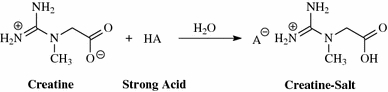
“New forms of creatine contain less of the active principal creatine in comparison to CM; however, creatine salts can offer an advantage over CM with regard to solubility.”
BackgroundInfluentialSelf-citation
Research works printed but not linked: 8
- EFSA Opinion of the scientific panel on food additives, flavourings, processing aids and materials in contact with food: creatine monohydrate for use in foods for particular nutritional uses EFSA J 2004 36 1 6
- Greenhaff P Jeudendrup A Brouns M Brouns F Creatine supplementation and implications for exercise performance Advances in training and nutrition for endurance sports 1997 Maasticht Novartis Nutrition Research Unit
- Greenhaff P Bodin K Harris R Hultman E Jones DG McIntyre D Soderlund K Turner DL The influence of oral creatine supplementation on muscle phosphocreatine resynthesis following intense contraction in man J Physiol 1993 467 75P
- Harris RC Soderlund K Hultman E Elevation of creatine in resting and exercised muscle of normal subjects by creatine supplementation Clin Sci (Lond) 1992 83 3 367 374 1327657 · DOI · Paper page
- Kreider RB Klesges RC Lotz D Davis M Cantler E Harmon-Clayton K Dudley R Grindstaff P Ramsey L Bullen D Wood L Almada A Effects of nutritional supplementation during off-season college football training on body composition and strength J Exerc Physiol online 1999 2 2 24 39
- Kreider RB Willoughby DS Greenwood M Parise G Payne E Tarnopolsky MA Effects of serum creatine supplementation on muscle creatine content J Exerc Physiol online 2003 6 4 24 33
- NBJ (2009) Sports nutrition & weight loss report. Nutrition Business Journal, vol XIV, September edn., Boulder
- Shimizu T Korean latest conditions of health food labeling Food Style 2008 12 1 54 56
Cited by
Items 101–189 of 189
Creatine in Sport and Medicine
Szewczyk, P., & Poniewierka, E. (2015) · Nursing and Public Health · doi:10.17219/pzp/60488 · Cited by 6
Rabie, E. M., Khalil, M. M. H., Elaasser, M. M., & Ismail, E. H. (2021) · Applied Organometallic Chemistry · doi:10.1002/aoc.6392 · Cited by 4
Creatine Supplements: What the Research Says about How It Can Help Healthy Athletes
Dahal, M., Dahal, K. R., Pokhrel, N. R., & Kutal, D. H. (2024) · Global Journal of Health Science · doi:10.5539/gjhs.v16n2p48 · Cited by 5
“Beef, pork, and various types of fish, such as salmon and tuna, are rich sources (Burini & Cyrino, n.d.; Hall & Trojian, 2013; Jäger et al., 2011; Williams et al., 1999).”
BackgroundOliveira, T. D. F., Santos, G. R., de Jesus, J. C., Coqueiro, J. S., Silva, R. R., Ferrão, S. P. B., & Santos, L. S. (2025) · Food Chemistry · doi:10.1016/j.foodchem.2025.144282 · Cited by 4
da Silva, R. P. (2022) · Nutrients · doi:10.3390/nu14030701 · Cited by 4
“published an extensive analysis of potential sources of creatine and concluded that CrM was the most favorable of the compounds tested [9].”
BackgroundEffects of creatine supplementation on brain in the healthy population
Swatko, T., Blicharz, M., Czubala, M., Bartosik-Zielińska, D., Blicharz, A., & Bartosik, M. (2023) · Journal of Education Health and Sport · doi:10.12775/jehs.2023.13.04.017 · Cited by 5
Vrban, I., Bolf, N., & Sacher, J. B. (2025) · Processes · doi:10.3390/pr13061860 · Cited by 4
Diretrizes de Prática Clínica para Nutrição Esportiva: Associação Brasileira de Nutrição Esportiva
Quaresma, M. V. L. D. S., Trindade, M. C. D. C., de Oliveira, E. P., Dátilo, M., Pimentel, G. D., de Barros, A. R. Z., Barrella, A. B., Mendes, R. R., Campanholi, R. A., Alvarenga, M. L., et al. (2025) · journal of physical education · doi:10.4025/jphyseduc.v36i1.3605 · Cited by 8
Supplementation of creatine and its role in brain function
Abod, L., Ilnicka, N., Matyja, D., Sadlik, M., & Zuziak, P. (2023) · Journal of Education Health and Sport · doi:10.12775/jehs.2023.15.01.017 · Cited by 3
Dietary supplements in the sport
Zdunek, R., Strus, K., Madera, M., Mazur, S., Marcinkowski, K., Dąbrowska, N., Nagórska, E., & Kublińska, A. (2024) · Quality in Sport · doi:10.12775/qs.2024.15.51776 · Cited by 5
Nagy, S.-R., Mititelu, M., Marin, R. C., Popovici, V., Pallag, A., & Jurca, T. (2025) · Sports · doi:10.3390/sports13060182 · Cited by 4
Katch, R. K., Smith, M. S., LaBotz, M., Belval, L. N., & Hosokawa, Y. (2018) · Springer eBooks · doi:10.1007/978-3-319-70217-9_19 · Cited by 3
Fielding, R. A., Rivas, D. A., Grosicki, G. J., Ezzyat, Y., Ceglia, L., Price, L. L., Orhan, C., Şahin, K., Fowler, K., White, T., et al. (2021) · Nutrients · doi:10.3390/nu13113985 · Cited by 4
Sato, M., Maemura, H., Takahata, Y., Morimatsu, F., & Sato, Y. (2012) · NIPPON SHOKUHIN KOGYO GAKKAISHI · doi:10.3136/nskkk.59.182 · Cited by 3
Wang, F. H., Qaed, E., Aldahmash, W., Mahyoub, M. A., Tang, Z., Chu, P., & Tang, Z. Y. (2024) · Tissue and Cell · doi:10.1016/j.tice.2024.102599 · Cited by 3
Richards, T. L., Braun, U., Shoveller, A. K. K., & Pezzali, J. G. (2025) · Journal of Animal Physiology and Animal Nutrition · doi:10.1111/jpn.14126 · Cited by 2
“It is widely accepted that Cr is unstable during processing, especially in high moisture products or aqueous solutions, which can lead to possible degradation to CrN (Jäger et al. 2011).”
Kozioł-Kozakowska, A., Wójcik, M., Mazur-Kurach, P., Drożdż, D., & Brzęk, A. (2025) · Nutrients · doi:10.3390/nu17111798 · Cited by 4
Creatine supplementation: bioavailability and effects on physical and cognitive performance
Gajda-Bathelt, M., Kwaterska, K., Adasiewicz, J., Kutyłowska, A., Kutyłowski, K., Kuna, P. J., Chojniak, A. K., Benecka, A., Janawa, K., & Tomaszek, M. (2025) · Quality in Sport · doi:10.12775/qs.2025.43.62359 · Cited by 2
(Na, I. T. S. A. C. C. M. P. B. W. S. C., (Kre-Alkalyn, ). T. A. P. O. 1. W. U., Pharmaceutical, (. B. A. A., Billings, monohydrate, M. O. G. C. I. C., analysis, C. E. A. C. M. F. F. (. S. O. E. W. P. A. R. F. S. S. T. R. R. A. C. A. F. P., creatines, L. C. M. W. A. T. A. G. C. A. P. O. A. B. N.-5. F. T. A. M. A. D. W. R. A. C. W. M. F. T. 4. D. T. O., & each., U. 6. L. O. (2015) · Integrative Molecular Medicine · doi:10.15761/imm.1000141 · Cited by 3
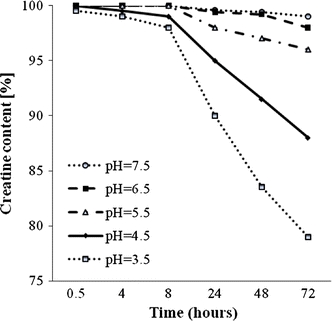
“Alkalinity may contribute to prevention of creatine breakdown during a long shelf life or after dissolution in water in which lower pH leads to increased creatine solubility and degradation [2].”
BackgroundRethinking creatine fortification: Addressing nutritional gaps through food enrichment
Ostojić, S. M. (2025) · Trends in Food Science & Technology · doi:10.1016/j.tifs.2025.104990 · Cited by 3
Tambalis, K. D., & Arnaoutis, G. (2022) · Journal of Sports Science and Nutrition · doi:10.33545/27077012.2022.v3.i1a.57 · Cited by 3
António, J., Evans, C., Jiannine, L., Curtis, J., Wojnas, K., Burgess, V., Willoughby, D. S., Hohl, C., Petersen, B., Flynn, S., et al. (2022) · Cureus · doi:10.7759/cureus.24395 · Cited by 3
“Highly acidic environments can negatively affect the breakdown of creatine [2,7,13].”
BackgroundGutiérrez, A. J., Gil‐Izquierdo, Á., García, C. M. A., Lesmes, I. B., Nieto, G., Sánchez, S. P., & Mata, M. D. C. S. (2024) · Food Risk Assess Europe · doi:10.2903/fr.efsa.2024.fr-0046 · Cited by 3
Hone, M., Kent, R. M., di Palumbo, A. S., Bleiel, S. B., VITO, G. D., & Egan, B. (2017) · Journal of Dietary Supplements · doi:10.1080/19390211.2016.1267060 · Cited by 2
“Creatine monohydrate supplementation has long-established benefits for improving high intensity exercise training and sports performance (Buford et al., 2007; Cooper et al., 2012), and therefore represents one of the largest sports supplement markets (Jager et al., 2011).”
BackgroundInfluentialAo, T., Liu, A., Soko, W. C., & Bi, H. (2024) · The Analyst · doi:10.1039/d4an00186a · Cited by 1
"A Narrative Review On Athletic Performance And Safety Of Creatine Supplementation For Adolescents"
Machado, M. (2022) · Open Access Journal of Biomedical Science · doi:10.38125/oajbs.000419 · Cited by 2
Revisiting the solid-state landscape of creatine citric acid: A salt or a cocrystal?
York, G., Kelly, A. W., Robison, L., Iuzzolino, L., & Lee, A. Y. (2025) · Journal of Pharmaceutical Sciences · doi:10.1016/j.xphs.2025.01.023 · Cited by 1
Trehan, A., Anand, R., Kumari, P., Singh, H., Soni, N., Madan, R., Matta, R., Maheshwari, S., & Verma, M. K. (2025) · Cureus · doi:10.7759/cureus.81555 · Cited by 1
“[7].”
Nagy, S.-R., Mititelu, M., Popovici, V., Marin, R.-C., Pallag, A., & Jurca, T. (2025) · Journal of Functional Morphology and Kinesiology · doi:10.3390/jfmk10030248 · Cited by 3
Wideman, C. H., Iemma, A., Janolo, O., Kalinina, A., & Murphy, H. (2025) · Nutrients · doi:10.3390/nu17132218 · Cited by 1
Verma, S., Bogun, B., Robinson, J. A., & Holland, D. J. (2026) · Forensic Chemistry · doi:10.1016/j.forc.2026.100771 · Cited by 1
Papadimitriou, K., Kreider, R. B., Deligiannidou, G.-E., Giaginis, C., & Papadopoulou, S. Κ. (2026) · Muscles · doi:10.3390/muscles5040071 · Cited by 1
“Creatine (Cr) is synthesized endogenously from the amino acids arginine, glycine, and methionine, primarily in the liver, kidneys, and pancreas [1].”
Self-citationImproved Creatine Stability and pH Profile for Kre-Alkalyn
Golini, J. (2015) · Journal of Biosensors & Bioelectronics · doi:10.4172/2155-6210.1000187 · Cited by 1
Improved Creatine Stability and pH Profile for Kre-Alkalyn
Golini, J. (2015) · International Journal of Pharmacology Phytochemistry and Ethnomedicine · doi:10.18052/www.scipress.com/ijppe.1.20 · Cited by 1
“Creatine (N-(aminoiminomethyl-N-methyl glycine) is an important energy producing amino acid based metabolite produced in the liver, kidneys, and pancreas and commonly used by the muscles [1-3].”
BackgroundNON-STEROIDAL HUMAN PERFORMANCE ENHANCING AGENTS
Mehta, G., Joshi, M., & Joshi, S. V. (2021) · INDIAN DRUGS · doi:10.53879/id.57.12.12777 · Cited by 2
Böbrek iskemi ve reperfüzyon hasarında kreatin monohidrat desteğinin etkileri
Helvacıoğlu, F., Göktaş, T., ALTUNKAYNAK-CAMCA, H. O., & ŞİRİNOĞLU, T. (2023) · Anadolu Kliniği Tıp Bilimleri Dergisi · doi:10.21673/anadoluklin.1132144 · Cited by 1
Acid-Base Physiology at Rest, During Exercise, and in Response to Training
Lindinger, M. I., & Waller, A. P. (2024) · Elsevier eBooks · doi:10.1016/b978-0-7020-8370-9.00043-6 · Cited by 2
Clemente, J. C. L., Fuertes-Kenneally, L., Huerta, J. A., Arcos, F. S., González-López, J., Lozano, R., & Castillo, J. A. (2024) · REC CardioClinics · doi:10.1016/j.rccl.2024.10.012 · Cited by 5
Modified creatine greatly increases the performance of skeletal and smooth muscles
Soloviev, A. I., Kozlovsky, V., Nozdrenko, D. M., Sydorenko, V., Monchak, I., Vdovenko, N., Maidaniuk, O., & FETYUKHIN, V. N. (2025) · Biochemistry and Biophysics Reports · doi:10.1016/j.bbrep.2025.101934 · Cited by 2
Effective Nutritional Supplement Combinations
Cooke, M. B., & Cribb, P. J. (2015) · Springer eBooks · doi:10.1007/978-3-319-18230-8_9 · Cited by 2
Toniolo, R. A. (2016) · Digital Library of Theses and Dissertations (Universidade de São Paulo) · doi:10.11606/t.5.2016.tde-07122016-150647 · Cited by 2
Chun, J., Liu, Y., Kibler, G. L., Lee, H., Babakhani, K., Rhoades, N., Bivins, I., Ko, J., Dickerson, B., Gonzalez, D. E., et al. (2026) · Journal of the International Society of Sports Nutrition · doi:10.1080/15502783.2026.2716273
“Participant-reported side effects were recorded using a validated subjective questionnaire adapted from prior supplementation trials [71–73].”
Self-citationAn Energiser with Herbal Extracts, Creatine and Collagen to Prevent Post-Exercise Fatigue
Fung, K., Lau, C. B.-S., Pang, E. S.-Y., Cheng, W. K.-F., Wong, C.-K., & Leung, P.-C. (2015) · International Journal of Nutrition and Food Sciences · doi:10.11648/j.ijnfs.20150406.16
“Patients put on long term casting because of long bone fractures when muscle training becomes impossible, are put on creatine so that after removal of the rigid cast, muscle strength recovery can be hastened [11,12].”
BackgroundApplication of Creatine in Advanced Skin Care Cosmetics
Malinowska, P. (2014) · Towaroznawcze Problemy Jakości. Polskie Towarzystwo Towaroznawcze
Creatine supplementation: a novel role in antioxidant system in exercise and in chronic diseases
Stefani, G. P., Nunes, R. B., & Rhoden, C. R. (2015) · Revista Contexto & Saúde · doi:10.21527/2176-7114.2014.27.32-43
Dietary Supplements for Strength Power Athletes
Rawson, E. S., & Volpe, S. (2015) · CRC Press eBooks · doi:10.1201/b18866-11
Effects of Creatine-Electrolyte Supplement on Power and Strength Performance
Hummer, E. T. (2016) · Western CEDAR (Western Washington University) · doi:10.25710/fnn6-qd53
Nitrogenous Compounds and Supplements
Landis, J. A., Ziegenfuss, T. N., & Lopez, H. L. (2012) · CRC Press eBooks · doi:10.1201/b11928-10
Renal function estimation : the implications for clinical practice
Drion, I. (2014) · University of Groningen research database (University of Groningen / Centre for Information Technology)
The Effects of 'High-Low' Resistance Training and Creatine Supplementation in Aging Adults
Johannsmeyer, S. (2016) · doi:10.82465/5802 · Cited by 1
Martínez-Martínez, P. J. (2017) · REVISTA ESPAÑOLA DE COMUNICACIÓN EN SALUD · doi:10.20318/recs.2017.3997 · Cited by 1
de Almeida, F. M. (2018) · Digital Library of Theses and Dissertations (Universidade de São Paulo) · doi:10.11606/t.5.2018.tde-15032018-102313
Carlos, J. P. C. (2014) · Buleria (Universidad de León) · doi:10.18002/10612/3602 · Cited by 1
Bach, J. L. (2018) · Holmes Museum Of Anthropology (Wichita State University)
Nutraceutical Application of Creatine
Kreider, R. B., Kalman, D., António, J., Ziegenfuss, T. N., Wildman, R. E. C., Candow, D. G., & Kerksick, C. M. (2019) · CRC Press eBooks · doi:10.1201/9780429195594-15
Self-citationDietary Supplements for Strength Power Athletes
Rawson, E. S., Brightbill, C. E., & Steele, C. N. (2015) · CRC Press eBooks · doi:10.1201/b18866-6
Stephens, F. B., & Greenhaff, P. L. (2013) · Wiley eBooks · doi:10.1002/9781118692318.ch24 · Cited by 2
What do we know about creatine supplementation?
Egierska, D. M., & Perszke, M. (2022) · Journal of Education Health and Sport · doi:10.12775/jehs.2022.12.10.002
“[3,29] The literature has not provided any confirmation that creatine may promote renal dysfunction[30–32] or has long-term detrimental effects.[3,33,34] Furthermore, as previously mentioned, the possible medical uses of creatine supplementation that lead to general health improvement, well-being and provide beneficia…”
BackgroundZapata, C. M. M., Gil, C. P. C., & Bermúdez, L. C. A. (2022) · Perspectivas en Nutrición Humana · doi:10.17533/udea.penh.346208 · Cited by 2
ATUALIZAÇÃO SOBRE OS EFEITOS DA CREATINA NO ESPORTE
Dias, A. C. D. S., Silva, J. A. B., Eustáquio, J. M. J., & da Silva, M. L. T. (2022) · Editora Científica Digital eBooks · doi:10.37885/230212104
The interaction of caffeine on creatine absorption
dos Santos, I. R., dos Reis, K. A., Lucas, R. D. J. S., & Barros, E. D. S. (2023) · International Seven Journal of Multidisciplinary · doi:10.56238/isevmjv1n1-002
IMPACT ASSESSMENT OF CREATINE ON MANY PHYSIOLOGICAL AND BIOCHEMICAL SCALES IN MALE RABBITS
Alwan, N. A., AL-MASOUDI, E. A., & Kudayer, A. (2022) · MINAR International Journal of Applied Sciences and Technology · doi:10.47832/2717-8234.12.21
Feedlot Cattle Nutrition and Metabolism
(2023) · Frontiers research topics · doi:10.3389/978-2-8325-3018-4
Kostadinova, I., Danchev, N. D., Landzhov, B. V., Marinov, L., Ivanova, I., & Tsvetkova, D. D. (2023) · Pharmacia · doi:10.3897/pharmacia.70.e109446
Vraneš, M., & Panić, J. J. (2024) · Journal of the Serbian Chemical Society · doi:10.2298/jsc230610041v
Ostojić, S. M., Štajer, V., Todorović, N., Ranisavljev, M., Andjelic, B., Panic, J., Nikolaidis, A., Kramer, R., & Vraneš, M. (2024) · Current Nutrition & Food Science · doi:10.2174/0115734013307562240702114411 · Cited by 1
Dadvand, S., & Arazi, H. (2025) · Comparative Exercise Physiology · doi:10.1163/17552559-00001101
Multi-analytical characterization of creatine degradation for dietary supplement safety assessment
Saiki, P. Y., Sales, G. M., de Oliveira, A. N., & Catharino, R. R. (2025) · Food Research International · doi:10.1016/j.foodres.2025.117472
Ünal, K., Alışık, M., Sert, M. A., & Erol, M. E. (2025) · Journal of Laboratory Medicine · doi:10.1515/labmed-2025-0233
Cooper, R. G. (2013) · Greenwich Academic Literature Archive (University of Greenwich)
Sandkühler, J. F., Kersting, X. A. K., Faust, A., Königs, E. K., Altman, G., Ettinger, U., Lux, S., Philipsen, A., Müller, H., & Brauner, J. (2023) · Figshare · doi:10.6084/m9.figshare.24571822
State of the Art and Development Trends in Obtaining Fast-Dissolving Forms of Creatine Monohydrate
Albagachiev, S. A., Pinegina, E. D., Sadkovskii, I. A., Krasnyuk, I. I., & Александрович, М. М. (2026) · Pharmaceuticals · doi:10.3390/ph19010128 · Cited by 1
“…hydrochloride creatine, sodium creatine phosphate, creatine malate, creatine glutamate, ethyl ester malate creatine, 5-hydroxytryptamine creatine, creatine trinitrate, D-gluconate creatine, creatine phosphate lactate, creatine-CoA, creatyl-L-leucine, and guanidinoacetic acid as a precursor [11,13].”
InfluentialTrotier-Faurion, A. (2013) · theses.fr (ABES) · doi:10.70675/88744a8azcb26z49dbz977az6bf9162d955c
Sacher, J. B., Bolf, N., & Rogue, M. (2026) · Crystals · doi:10.3390/cryst16040248
CREATINE SUPPLEMENTATION IN INFLAMMATORY BOWEL DISEASE: LITERATURE REVIEW
Bułat, A., Sydor, M., Plizga, W., & Lepa, Z. (2026) · International Journal of Innovative Technologies in Social Science · doi:10.31435/ijitss.1(49).2026.4898
Mińkowski, M., Oćwieja, Z., Wyborska, A., Fengler, K., Jakubowska, O., Kominiak, D., Carreno, M. G., Solecka, K., Urbanik, A., & Pietrzak, K. (2026) · Quality in Sport · doi:10.12775/qs.2026.55.71118
Frese, S., Gascho, D., Thali, M. J., Kozerke, S., & Zoelch, N. (2026) · NMR in Biomedicine · doi:10.1002/nbm.70323
Robustness-Aware Genetic Algorithm for Batch Crystallization with an LSTM Digital Twin
Vrban, I., Bolf, N., & Sacher, J. B. (2026) · Crystals · doi:10.3390/cryst16060367
Tromboembolismo pulmonar asociado al consumo de creatina. Reporte de un caso
Quiroz, R. E. G., Ramírez, C. Z. C., Calderón, I. C. G., & Agudelo, L. G. (2026) · REVISTA ARGENTINA DE MEDICINA · doi:10.61222/qyxc1192
Xie, S., Chen, R., Sun, X., Ni, X., Wu, Y., Cai, L., Chen, Y., Lin, S., Rao, M., Chen, L., et al. (2026) · Nature Communications · doi:10.1038/s41467-026-74639-z
Impact of creatine supplementation on kidney health: a systematic review and meta-analysis
Almeida, A. D. S., da Silva, L. O. D., Takahasi, B. N. A., Terada, B. D., Gonçalves, F. G. A., Porto, B. C., Sardenberg, R. A. D. S., PASSEROTTI, C. C., Maia, R. S., Samaan, F., et al. (2026) · International Urology and Nephrology · doi:10.1007/s11255-026-05287-x · Cited by 3
Franków, M., Kudłacik, A., Jarosz, K. A., Schmidt, A. K., Żmuda, A. R., Całusińska-Skowron, M., Łukasik, J., Jeziorowska, K., Bałdys, K., & Kaczmarek, O. (2026) · International Journal of Innovative Technologies in Social Science · doi:10.31435/ijitss.3(51).2026.6431
Szczuciński, W., Polczyk, J. K., Ogorzałek, F. M., Drelich, K., Deptuch, W., Maćko, P. K., Golińska, Z., Zając, M. T., Rajzer, P., & Rurkowska, J. (2026) · Quality in Sport · doi:10.12775/qs.2026.70.74583
Rintoul, J., Alvar, B. A., Aguinaldo, A., Goodin, J., Johnson, B. B., Awerbuck, M., Hutton, T., & Cochrane-Snyman, K. C. (2026) · Journal of Exercise and Nutrition · doi:10.53520/jen2026.103245
“10 Despite marketing claims for alternative forms, clinical evidence has not demonstrated superior bioavailability, efficacy, or safety compared with CrM. 11 The application of creatine as an ergogenic aid is supported by decades of empirical research.”
Duan, C., Wang, Z., & Wang, Q. (2026) · Journal of the International Society of Sports Nutrition · doi:10.1080/15502783.2026.2721147
“…dose of 5 g, without an initial loading phase of 20 g/day, may take approximately 3 to 4 weeks to achieve maximal intramuscular creatine saturation [22], this protocol was deliberately chosen to assess the cumulative ergogenic effects of these formulations under conditions that enhance…”
Masjedizadeh, V., Guu, K., Chen, K., Ghoubrial, C., Wu, C., Morgan, J. T., & Hu, X. (2026) · Research Square · doi:10.21203/rs.3.rs-10595834/v1
Wati, A., Hidayah, A., Murti, A., Windarsih, A., & Laksitorini, M. (2026) · Jordan Journal of Pharmaceutical Sciences · doi:10.35516/jjps.v19i3.3827
Tashiro, N., Miyano, A., Uchi, M., Uemura, T., Ito, S., Chikamatsu, S., Sugimoto, M., Araki, K., Nakao, S., Nakagata, N., et al. (2026) · Pharmaceutical Research · doi:10.1007/s11095-026-04217-x
Metadata
- Authors
- Jäger, R., Purpura, M., Shao, A., Inoue, T., & Kreider, R. B.
- Affiliations
- Increnovo LLC (United States) (US)
- Texas A&M University (US)
- Corresponding author
- Kreider, Richard B.
- Venue
- Amino Acids
- Published
- 2011-03-22
- Volume
- 40
- Issue
- 5
- Pages
- 1369-1383
- ISSN
- 0939-4451 (ISSN-L)
- 1438-2199
- PMC
- PMC3080578
- OpenAlex
- W2137242866
- Cited by
- 181
- References
- 75
- Citations by year
- 2026: 16 · 2025: 18 · 2024: 22 · 2023: 13 · 2022: 19 · 2021: 16 · 2020: 9 · 2019: 9 · 2018: 12 · 2017: 5 · 2016: 8 · 2015: 11 · 2014: 11 · 2013: 6 · 2012: 5
- FWCI
- 0.63
- Type
- journal article
- Language
- en
- Open access
- hybrid
- doi.org
- Licence
- cc-by-nc
- Locations
- Amino Acids (publishedVersion, cc-by-nc)
- PubMed Central (publishedVersion, cc-by-nc)
- PubMed (publishedVersion)
- Topics
- Health Sciences › Nursing › Nutrition and Dietetics › Muscle metabolism and nutrition
- Health Sciences › Medicine › Physiology (medical) › Biochemical effects in animals
- Health Sciences › Medicine › Public Health, Environmental and Occupational Health › Nutrition and Health Studies
- Keywords
- creatine, creatine monohydrate, sports nutrition, dietary supplements, bioavailability, supplement efficacy, supplement safety, regulatory status, phosphocreatine, muscle creatine, anaerobic exercise performance, muscle mass
- MeSH terms
- Creatine, Humans
About these checks
Registry, retraction, Cites and statistics results are computed, not judged, with one exception: a printed reference that no index lists is read once by a model before it counts as a citation error. Claims are extracted by a model and kept only when their quote appears verbatim in the text; each cited source is then checked, with a model’s help, for whether it says what the claim relies on. Those verdicts can be wrong — read the claim’s quote and the cited source before relying on one.
The claim verdicts this report counts are experimental: their accuracy is not yet measured.
A language model drew the claims from the paper on 2026-10-31, under version 3 of the claim definition (model deepseek-v4.1-flash, prompt extract-v3).
A second model labelled each claim on 2026-10-31 (model jev-1.13-20260917, definition revision gold-guideline-v0.2).
Cited sources are checked with a language model’s help (gpt-6-sol).
Statistics and arithmetic are recomputed, not judged.
Confidence bands are shown only for fields calibrated on our annotated test set. None is calibrated yet, so no band is shown.
What counts as a claim ›How we measure confidence ›How we check this ›
Are you an author, or do you see a problem with this page? Request a review
Data sources
Bibliographic data: Semantic Scholar, OpenAlex, Crossref.
Contains information from the Semantic Scholar Academic Graph Datasets, made available under the ODC Attribution License (ODC-BY 1.0).
Semantic Scholar’s data is described in: Kinney, R., et al. (2023). The Semantic Scholar Open Data Platform. arXiv:2301.10140.
