

Taurine and inflammatory diseases
Open accessThe DOI matches its Crossref record; 107 of the 107 references it cites were found in a registry or an index.
Abstract
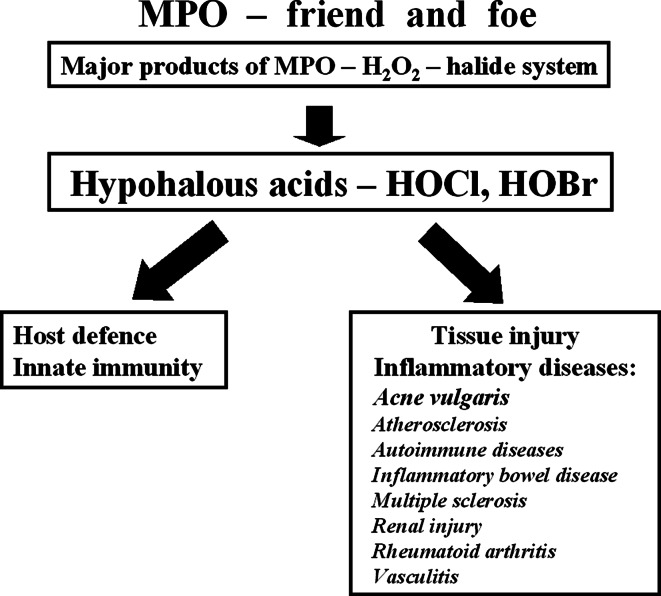
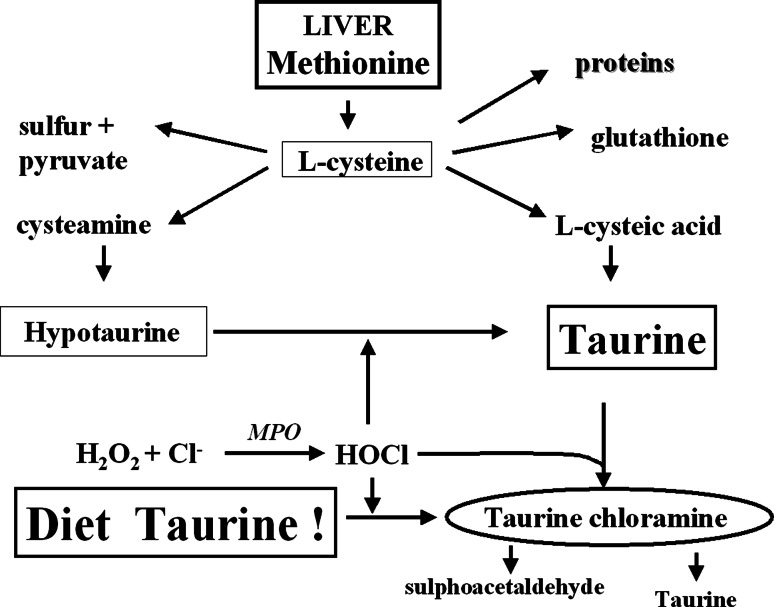
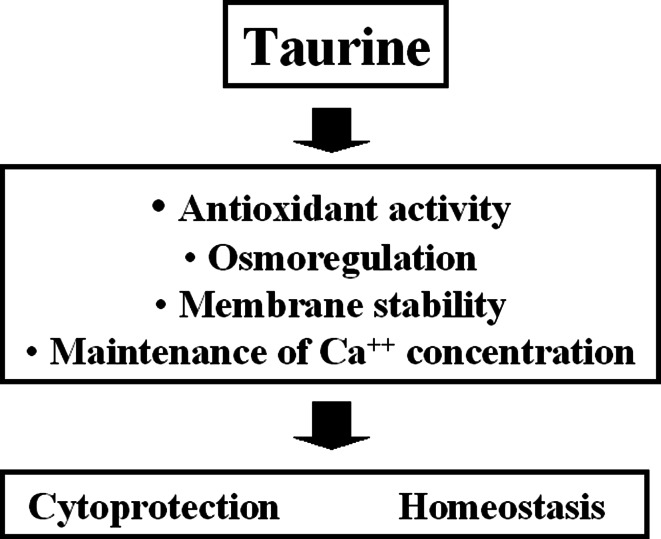
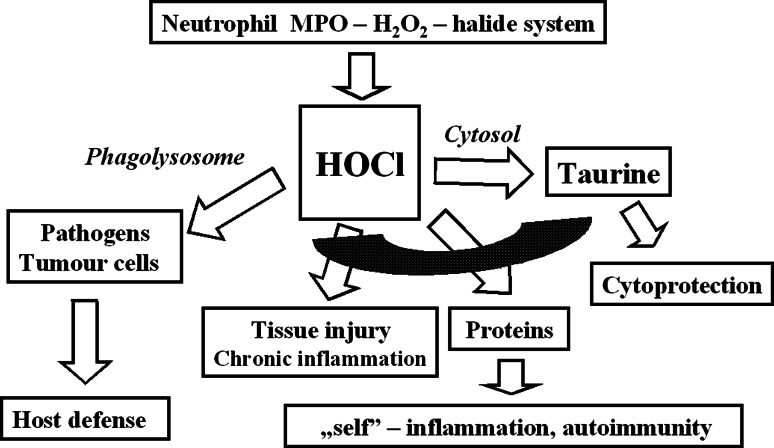
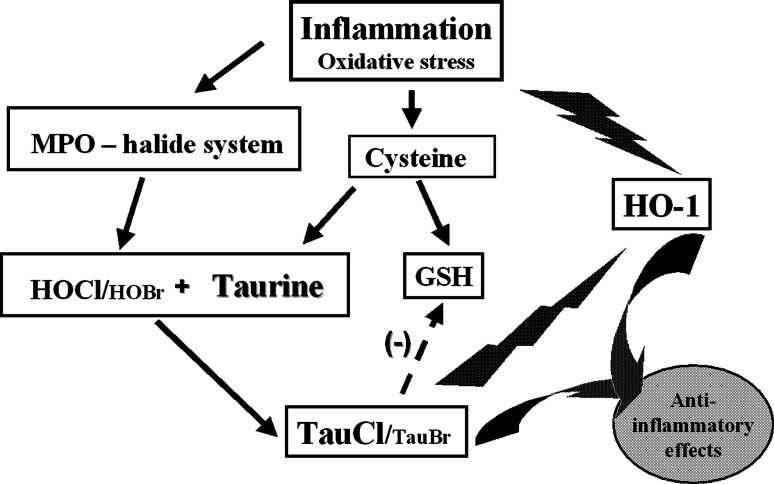
Taurine (2-aminoethanesulfonic acid) is the most abundant free amino acid in humans and plays an important role in several essential biological processes such as bile acid conjugation, maintenance of calcium homeostasis, osmoregulation and membrane stabilization. Moreover, attenuation of apoptosis and its antioxidant activity seem to be crucial for the cytoprotective effects of taurine. Although these properties are not tissue specific, taurine reaches particularly high concentrations in tissues exposed to elevated levels of oxidants (e.g., inflammatory cells). It suggests that taurine may play an important role in inflammation associated with oxidative stress. Indeed, at the site of inflammation, taurine is known to react with and detoxify hypochlorous acid generated by the neutrophil myeloperoxidase (MPO)-halide system. This reaction results in the formation of less toxic taurine chloramine (TauCl). Both haloamines, TauCl and taurine bromamine (TauBr), the product of taurine reaction with hypobromous acid (HOBr), exert antimicrobial and anti-inflammatory properties. In contrast to a well-documented regulatory role of taurine and taurine haloamines (TauCl, TauBr) in acute inflammation, their role in the pathogenesis of inflammatory diseases is not clear. This review summarizes our current knowledge concerning the role of taurine, TauCl and TauBr in the pathogenesis of inflammatory diseases initiated or propagated by MPO-derived oxidants. The aim of this paper is to show links between inflammation, neutrophils, MPO, oxidative stress and taurine. We will discuss the possible contribution of taurine and taurine haloamines to the pathogenesis of inflammatory diseases, especially in the best studied example of rheumatoid arthritis.
Overview
The claims and statistics of this paper haven’t been checked yet.
Free: it reads the open-access text and checks the first 5 claims that cite a source we can check. Create a free account to check every claim.
Integrity signals
Registry
Cites
Statistics
Figures
Verification
Claims the paper makes
The claims and statistics of this paper haven’t been checked yet.
Free: it reads the open-access text and checks the first 5 claims that cite a source we can check. Create a free account to check every claim.
Claims other papers make about this one
Each is checked against this paper’s own text: does it say what the citing paper says it does?
The cited source says what the claim attributes to it.
In the citing paper
“Strikingly, neutrophils represent a large reservoir of free taurine compromising approximately 50% of the cellular amino acid/amino acid-derivative pool thought to be involved in direct chemical protection against cytotoxic consequences of the respiratory burst associated with microbicidal HOCl formation (114).”
From Hypochlorous Acid: From Innate Immune Factor and Environmental Toxicant to Chemopreventive Agent Targeting Solar UV-Induced Skin Cancer (2022) · cites this paper as [114]
Self-check
Percentages, sums and reported differences re-computed from the paper’s own numbers.
The self-check needs the paper’s full text.
Citations
Cites
Bacterial Biofilms: A Common Cause of Persistent Infections
Costerton, J. W., Stewart, P. S., & Greenberg, E. P. (1999) · Science · doi:10.1126/science.284.5418.1318 · Cited by 12,167 · cited 2×
“Recently, there has been a tremendous interest in the role of biofilms in chronic infectious diseases and in the resistance of biofilms to antibiotics, disinfectants and phagocytosis (Costeron et al. 1991).”
BackgroundTissue Destruction by Neutrophils
Epstein, F. H., & Weiss, S. J. (1989) · New England Journal of Medicine · doi:10.1056/nejm198902093200606 · Cited by 3,950 · cited 9×
“On the other hand, overproduction of these oxidants and insufficient neutralization by antioxidants may lead to the development of oxidative stress and chronic inflammation (Smith 1994; Weiss 1988).”
BackgroundInfluentialTissue Destruction by Neutrophils
(1989) · New England Journal of Medicine · doi:10.1056/nejm198908033210513 · Cited by 3,631
Biofilm formation as microbial development
O'Toole, G., Kaplan, H. B., & Kolter, R. (2000) · Annual Review of Microbiology · doi:10.1146/annurev.micro.54.1.49 · Cited by 3,571 · cited 1×
“As microbial biofilms are the most common mode of growth of bacteria and fungi in nature (O’Toole et al. 2000), it is reasonable to study whether TauCl and TauBr are able to kill bacteria hidden in a biofilm or destroy a protective exopolymeric matrix of growing biofilms.”
BackgroundGregersen, P. K., Silver, J., & Winchester, R. J. (1987) · Arthritis & Rheumatism · doi:10.1002/art.1780301102 · Cited by 2,599 · cited 2×
“, Porphyromonas gingivalis infection) are generally accepted as participating in disease development, while repeated activation of innate immunity and deregulated adaptive immunity are thought to contribute to inflammation chronicity and self-tolerance breakdown (Gregersen et al. 1987; Detert et al. 2010; Gierut et al…”
BackgroundPhysiological actions of taurine
Huxtable, R. J. (1992) · Physiological Reviews · doi:10.1152/physrev.1992.72.1.101 · Cited by 2,595 · cited 1×
“Taurine tissue distribution is characterized by low concentrations of taurine in the plasma and extracellular fluids (ranging from 10 to 100 lM) and high intracellular concentrations of taurine reaching up to 50 mM, depending on the cell type (Huxtable 1992; Learn et al. 1990).”
BackgroundMyeloperoxidase: friend and foe
Klebanoff, S. J. (2005) · Journal of Leukocyte Biology · doi:10.1189/jlb.1204697 · Cited by 2,282 · cited 2×
“It suggests that taurine may play an important role in inflammation associated with oxidative stress.”
BackgroundFibroblast‐like synoviocytes: key effector cells in rheumatoid arthritis
Bartok, B., & Firestein, G. S. (2010) · Immunological Reviews · doi:10.1111/j.0105-2896.2009.00859.x · Cited by 1,906 · cited 2×
“age to the articular cartilage and subchondral bone (Firestein 2009; Bartok and Firestein 2010).”
BackgroundIL-1 pathways in inflammation and human diseases
Gabay, C., Lamacchia, C., & Palmer, G. (2010) · Nature Reviews Rheumatology · doi:10.1038/nrrheum.2010.4 · Cited by 897 · cited 1×
“The biological activity of IL-1b is counteracted by IL-1Ra, but for successful blockade a large molecular excess (100-fold to 1,000-fold) of IL-1Ra is required (Gabay et al. 2010).”
BackgroundMyeloperoxidase-Halide-Hydrogen Peroxide Antibacterial System
Klebanoff, S. J. (1968) · Journal of Bacteriology · doi:10.1128/jb.95.6.2131-2138.1968 · Cited by 815 · cited 4×
“In neutrophil phagolysosomes, myeloperoxidase (MPO) uses H2O2 to convert chloride ion to HOCl, or bromide ion to HOBr (Klebanoff 1968; Thomas 1979; Henderson et al. 2001)”
BackgroundInfluential
Research works printed but not linked: 2
- Marcinkiewicz J, Kontny E (2012) Taurine, taurine derivatives and immune system. In: A El Idrissi, W L’Amoreaux (eds) Taurine in health and disease, Transworld Research Network Chapter 6, 2011: 000–000 ISBN:978-81-7895-520-9
- Marcinkiewicz J Grabowska A Bereta J Stelmaszyńska T Taurine chloramine a product of activated neutrophils, inhibits in vitro the release of tumor necrosis factor in activated RAW 264.7 cells J Leukoc Biol 1995 54 119 7499964
Cited by
Items 301–400 of 581
A novel treatment of intertrigo in athletes and overweight subjects
Verzì, A. E., Nasca, M. R., Dall’Oglio, F., Cosentino, C. C., & Micali, G. (2021) · Journal of Cosmetic Dermatology · doi:10.1111/jocd.14097 · Cited by 10
Rana, K., Chongtham, N., & Bisht, M. S. (2022) · Current Research in Nutrition and Food Science Journal · doi:10.12944/crnfsj.10.1.27 · Cited by 10
Bhandari, R., Varma, M., Rana, P., Dhingra, N., & Kuhad, A. (2023) · IBRO Neuroscience Reports · doi:10.1016/j.ibneur.2023.08.2191 · Cited by 10
“A conditionally essential amino acid, it has found use as a neuroprotectant, owing mainly to its activities as an anti-inflammatory agent (Marcinkiewicz and Kontny, 2014) and in the regulation of electrolytes, particularly the levels of calcium (Liu et al.”
BackgroundTaurine Enhances Antinociception Produced by a COX-2 Inhibitor in an Inflammatory Pain Model
de Rienzo‐Madero, B., Coffeen, U., Simón‐Arceo, K., Mercado, F., Jaimes, O., Magis‐Weinberg, L., Contreras, B., & Pellicer, F. (2013) · Inflammation · doi:10.1007/s10753-012-9589-4 · Cited by 10
“This represents an additional synergic mode of action in the periphery that could be acting in parallel to central mechanisms through the opioid system [25].”
BackgroundLogotheti, S., Khoury, N., Vlahopoulos, S., Skourti, E., Papaevangeliou, D., Liloglou, T., Gorgoulis, V. G., Budunova, I. V., Kyriakopoulos, A. M., & Zoumpourlis, V. C. (2016) · Translational research · doi:10.1016/j.trsl.2016.03.009 · Cited by 10
“currently used, in the investigational clinical setting against inflammatory conditions and microbial infections.(13,15) BrTaur exerted a potent, dose-dependent antiproliferative effect in”
MethodAmmann, C. O., Fille, M., Hausdorfer, J., Nogler, M., Nagl, M., & Coraça-Huber, D. C. (2017) · PubMed · doi:10.5281/zenodo.1110703 · Cited by 10
Taurine Inhibits TRPV-Dependent Activity to Overcome Oxidative Stress in Caenorhabditis elegans
Moriuchi, M., Nakano, Y., Tsurekawa, Y., Piruzyan, M., Matsuyama, S., Nohara, H., Suico, M. A., Shuto, T., & Kai, H. (2018) · Biological and Pharmaceutical Bulletin · doi:10.1248/bpb.b18-00370 · Cited by 10
Kang, I. S., & Kim, C. (2019) · Advances in experimental medicine and biology · doi:10.1007/978-981-13-8023-5_6 · Cited by 10
Maleki, V., Mahdavi, R., Hajizadeh‐Sharafabad, F., & Alizadeh, M. (2020) · Pharmaceutical Sciences · doi:10.34172/ps.2020.17 · Cited by 10
Protective Effect of Taurine on Thiopurine-Induced Testicular Atrophy in Male Albino Rats
Ramadan, B. K., Schaalan, M. F., & Mahmoud, E. (2018) · Journal of Steroids & Hormonal Science · doi:10.4172/2157-7536.1000192 · Cited by 10
“There is a growing consensus that oxidative stress is linked to mitochondrial dysfunction and that the beneficial effects of taurine are due to its antioxidant properties [18], added to its ability to improve mitochondrial function by stabilizing the electron transport chain and inhibiting the generation of reactive o…”
BackgroundRespiratory Responses to Single Oral Administration of Taurine in Sprague-Dawley Rats
Cho, S.-H., Kim, J.-C., & Ha, J. (2024) · Journal of Medicinal Food · doi:10.1089/jmf.2024.k.0038 · Cited by 9
PERSPECTIVE: Semen additives for improving frozen-thawed buffalo and cattle semen ‐ a review
Venkatesh, S., Murugavel, K., Hemalatha, H., Kantharaj, S., & Shalini, G. (2024) · Cryoletters · doi:10.54680/fr24410110112 · Cited by 9
Serim, I., Demirel, H. H., Zemheri‐Navruz, F., & İnce, S. (2024) · Toxicology Research · doi:10.1093/toxres/tfae120 · Cited by 9
Sharma, R., Mendez, K. M., Begum, S., Chu, S. H., Prince, N., Hecker, J., Kelly, R. S., Chen, Q., Wheelock, C. E., Celedon, J. C., et al. (2024) · EBioMedicine · doi:10.1016/j.ebiom.2024.105534 · Cited by 9
Zhou, Q., Hu, S., Yu, J., Li, C., Liu, X., Chen, Z., Ye, J., Zhao, C., Luo, K., Gao, W., et al. (2025) · Aquaculture Reports · doi:10.1016/j.aqrep.2025.102817 · Cited by 9
Gill, E. L., Koelmel, J. P., Meke, L. E., Yost, R. A., Garrett, T. J., Okun, M. S., Flores, C. T., & Vedam‐Mai, V. (2019) · Journal of Proteome Research · doi:10.1021/acs.jproteome.9b00605 · Cited by 9
Huang, Y.-C., Yang, T.-Y., Chen, B.-X., Kung, J., & Shih, C. (2021) · Pharmaceuticals · doi:10.3390/ph14111094 · Cited by 9
Shi, W., Wang, Z., Feng, J., Yang, Y., Lin, X., & Huang, H. (2022) · Metabolites · doi:10.3390/metabo12060565 · Cited by 9
“the immune system and inflammation may be involved [17,18].”
BackgroundAnalyzing Feature Importance for Metabolomics Using Genetic Programming
Hu, T., Oksanen, K., Zhang, W., Randell, E. W., Furey, A. J., & Zhai, G. (2018) · Lecture notes in computer science · doi:10.1007/978-3-319-77553-1_5 · Cited by 9
Interaction Between Nutrition and Metabolism
Barrouin‐Melo, S. M., Morejón-Terán, Y. A., Anturaniemi, J., & Hielm-Björkman, A. K. (2018) · Experientia supplementum · doi:10.1007/978-3-319-74932-7_2 · Cited by 9
Magnetic resonance imaging-guided radiation therapy using animal models of glioblastoma
Vanhove, C., & Goethals, I. (2018) · British Journal of Radiology · doi:10.1259/bjr.20180713 · Cited by 9
Komatsu, Y., Wada, Y., Izumi, H., Shimizu, T., Takeda, Y., & Aizawa, T. (2020) · British Journal Of Nutrition · doi:10.1017/s0007114520003281 · Cited by 9
“Taurine contributes to numerous biological functions through its anti-oxidative and anti-inflammatory properties(32).”
BackgroundTaurine and N-Bromotaurine in Topical Treatment of Psoriasis
Kyriakopoulos, A. M., Nagl, M., Gupta, R. C., & Marcinkiewicz, J. (2022) · Advances in experimental medicine and biology · doi:10.1007/978-3-030-93337-1_9 · Cited by 9
Self-citationA Comparative Study of Antifatigue Effects of Taurine and Vitamin C on Chronic Fatigue Syndrome
Kim, S., Kim, H., Kim, S., Kang, J., Koo, Y. T., Lee, S. H., & Paik, D.-H. (2022) · Pharmacology & Pharmacy · doi:10.4236/pp.2022.138023 · Cited by 9
“Vitamin C and TR, widely used in energy drinks and functional foods, have multiple physiological functions and pharmacological benefits including anti-fatigue, antioxidant, anti-inflammatory, and neuroprotective activities [9] [10] [11] [14] [15] [16] [17] [18].”
BackgroundWu, D., Xu, H., Yang, Y., Feng, W., Han, T., & Wang, J. (2022) · Water · doi:10.3390/w14213393 · Cited by 9
Alleviating Promotion of Inflammation and Cancer Induced by Nonsteroidal Anti-Inflammatory Drugs
Kyriakopoulos, A. M., Nagl, M., Baliou, S., & Zoumpourlis, V. (2017) · International Journal of Inflammation · doi:10.1155/2017/9632018 · Cited by 9
Manzini, R., Schwarzfischer, M., Bircher, A., Niechcial, A., Vavricka, S. R., Atrott, K., Lang, S., Scharl, M. M., & Spalinger, M. R. (2021) · Inflammatory Bowel Diseases · doi:10.1093/ibd/izaa328 · Cited by 9
Lee, H., Hossain, M. K., Lee, H.-Y., Kumar, V., Shin, S. J., Kim, B., Park, H. H., Son, J. G., Moon, M., & Kim, H. (2025) · Biomedicine & Pharmacotherapy · doi:10.1016/j.biopha.2025.118527 · Cited by 8
Petrella, G., Ciufolini, G., Lentini, S., Montorsi, F., Salonia, A., Pieri, M., Albisinni, S., Vago, R., & Cicero, D. O. (2024) · Minerva Urology and Nephrology · doi:10.23736/s2724-6051.24.05747-1 · Cited by 8
Taurine promotes glucagon‐like peptide‐1 secretion in enteroendocrine L cells
Osuga, Y., Harada, K., Yamauchi, T., Kitaguchi, T., Hirai, M. Y., Matsumoto, M., & Tsuboi, T. (2025) · FEBS Letters · doi:10.1002/1873-3468.70014 · Cited by 8
Taurine ameliorates liver fibrosis by repressing Fpr2-regulated macrophage M1 polarization
Xie, K., Zhang, Y., Ou, X., Xiao, Y., Luo, J., & Tan, S. (2025) · European Journal of Pharmacology · doi:10.1016/j.ejphar.2025.177614 · Cited by 8
In vitro and in vivo Antiallergic Effects of Taurine on Allergic Rhinitis
Zhou, J., Lü, Y., Li, F., Wu, W., Xie, D., & Feng, Y. (2020) · International Archives of Allergy and Immunology · doi:10.1159/000505209 · Cited by 8
Deng, Y., Li, H., & Tang, Y. (2021) · Journal of Healthcare Engineering · doi:10.1155/2021/6656080 · Cited by 8
RetractedZhang, Z., Zhang, J., Zhao, S., Peng, T., Zhang, M., Xu, X., Li, K., & Liu, Y. (2023) · Journal of Chromatography B · doi:10.1016/j.jchromb.2023.123594 · Cited by 8
Yang, H., Li, X., Jin, H., Türkez, H., Öztürk, G., Doğanay, H. L., Zhang, C., Nielsen, J., Uhlén, M., Borén, J., et al. (2023) · Free Radical Biology and Medicine · doi:10.1016/j.freeradbiomed.2023.05.013 · Cited by 8
Yao, X., Huang, H., Li, Z., Liu, X., Fan, W., Wang, X., Sun, X., Zhu, J., Zhou, H., & Wei, H. (2017) · Neurochemical Research · doi:10.1007/s11064-017-2252-6 · Cited by 8
Amino Acid-Containing Krebs-Henseleit Buffer Protects Rat Liver in a Long-Term Organ Perfusion Model
Heidari, R., Ommati, M. M., Alahyari, S., Azarpira, N., & Niknahad, H. (2018) · Pharmaceutical Sciences · doi:10.15171/ps.2018.25 · Cited by 8
Li, C., Li, K., Xu, X., Qi, W., Hu, X., & Jin, P. (2021) · Biochimica et Biophysica Acta (BBA) - Molecular Basis of Disease · doi:10.1016/j.bbadis.2021.166210 · Cited by 8
Kamal, M. S. A., Mediani, A., Kasim, N., Ismail, N. H., Satar, N. A., Azis, N. A., Radjeni, Z., & Singh, H. J. (2022) · Journal of Pharmaceutical and Biomedical Analysis · doi:10.1016/j.jpba.2021.114579 · Cited by 8
Urinary Taurine Excretion and Risk of Late Graft Failure in Renal Transplant Recipients
Post, A., Said, M. Y., Neto, A. W. G., van der Krogt, J., de Blaauw, P., Berger, S. P., Geleijnse, J. M., den Berg, K. J. B., van den Berg, E., van Goor, H., et al. (2019) · Nutrients · doi:10.3390/nu11092212 · Cited by 8
Ximenes, V. F., Ximenes, T. P., Morgon, N. H., & de Souza, A. R. (2021) · Photochemistry and Photobiology · doi:10.1111/php.13410 · Cited by 7
“detected in inflammatory sites (< 100 lM) (23).”
Zhao, P., & Qi, Y. (2025) · Food Science and Human Wellness · doi:10.26599/fshw.2024.9250433 · Cited by 8
Sharma, V., Fernando, V., Zheng, X., Choi, E. S., Sweef, O., Thomas, V. D., Szpendyk, J., & Furuta, S. (2025) · Cancer & Metabolism · doi:10.1186/s40170-025-00384-4 · Cited by 7
Ghaffari, M. H., Ostendorf, C. S., Hemmert, K. J., Schuchardt, S., Koch, C., & Sauerwein, H. (2025) · Journal of Dairy Science · doi:10.3168/jds.2025-26814 · Cited by 7
Romera, L. F., Schuh, L., Leal, C., Chang, L. F. D. A., dos Santos, B. M., da Rocha, P. H. A. D. J., Radicchi, M. A., Gris, E. F., Falcao, L., Báo, S. N., et al. (2025) · International Journal of Molecular Sciences · doi:10.3390/ijms26178373 · Cited by 7
Rahiem, R. A. E., Ibrahim, S., Effat, H., El-Houseini, M. E., Osman, R., Abdelraouf, A., & Elzayat, E. M. (2024) · Asian Pacific Journal of Cancer Prevention · doi:10.31557/apjcp.2024.25.5.1589 · Cited by 7
“Under both acute and chronic oxidative and inflammatory stress, taurine helps cells maintain their homeostasis and cytoprotection [12, 13].”
BackgroundTabet, S. A., Grar, H., Haddi, A., Negaoui, H., Guermat, A., Khéroua, O., & Saidi, D. (2018) · Allergologia et Immunopathologia · doi:10.1016/j.aller.2018.07.010 · Cited by 7
Lee, H., Lee, D., Chang, K. J., Kim, S. H., & Cheong, S. H. (2019) · Advances in experimental medicine and biology · doi:10.1007/978-981-13-8023-5_82 · Cited by 7
Ye, Y., Yu, D., Liu, Q., Ma, S., Zhang, M., Zhao, M., Xu, J., & Yu, J. (2023) · Animal Feed Science and Technology · doi:10.1016/j.anifeedsci.2023.115627 · Cited by 7
Beggan, L., Mulhern, M. S., Mæhre, H. K., McSorley, E. M., Yeates, A. J., Zavez, A. E., Thurston, S. W., Shamlaye, C. F., van Wijngaarden, E., Davidson, P. W., et al. (2023) · NeuroToxicology · doi:10.1016/j.neuro.2023.08.004 · Cited by 7
Specific role of taurine in the 8-brominated-2′-deoxyguanosine formation
Asahi, T., Nakamura, Y., Kato, Y., & Osawa, T. (2015) · Archives of Biochemistry and Biophysics · doi:10.1016/j.abb.2015.10.002 · Cited by 7
Plata, J. C., Díaz‐Báez, D., Delgadillo, N. A., Castillo, D. M., Castillo, Y., Hurtado, C. P., Neuta, Y., Calderón, J. L., & Lafaurie, G. I. (2023) · Antibiotics · doi:10.3390/antibiotics12081311 · Cited by 6
“However, HOCl has been shown to have an anti-inflammatory effect in atopic dermatitis, and it is favored when combined with taurine [27,28].”
BackgroundKosho, M. X. F., Ciurli, A., Giera, M. A., Neefjes, J., & Loos, B. G. (2025) · Journal of Periodontal Research · doi:10.1111/jre.13379 · Cited by 6
“Taurine is the most abundant amino acid present in polymorpho-nuclear leukocytes and showed to be tissue protective in models of oxidant-induced injury [49, 50].”
Pereiro, P., Falcó, A., Fernández-Oliver, M., Paladea-Rojo, R., Bonet-García, R., Yuste, J. E., Rey-Campos, M., Figueras, A. J., Mallavia, R. M., & Novoa, B. (2025) · Aquaculture · doi:10.1016/j.aquaculture.2025.742721 · Cited by 6
Metabolomic stratification of shock: pathophysiological insights for personalized critical care
Sangla, F., Bendjelid, K., Aletti, F. M., Ribas, V., Herpain, A., Pinto, B. B., & Legouis, D. (2025) · Annals of Intensive Care · doi:10.1186/s13613-025-01532-1 · Cited by 6
“In contrast, taurine levels were reduced, consistent with prior observations in critical illness [21], and may reflect depletion of cytoprotective osmolytes during mitochondrial dysfunction and oxidative stress [22].”
Do, C.-H., & Lee, D.-H. (2022) · Advances in experimental medicine and biology · doi:10.1007/978-3-030-93337-1_3 · Cited by 6
Leishmania mexicana centrin knockout parasites promote M1-polarizing metabolic changes
Volpedo, G., Pacheco‐Fernández, T., Oljuskin, T., Markle, H. L., Azodi, N., Hamano, S., Matlashewski, G., Gannavaram, S., Nakhasi, H. L., & Satoskar, A. R. (2023) · iScience · doi:10.1016/j.isci.2023.107594 · Cited by 6
Paslı, D., & Gürbay, A. (2024) · Biological Trace Element Research · doi:10.1007/s12011-024-04161-0 · Cited by 6
Taurine stimulation of planarian motility: a role for the dopamine receptor pathway
Livengood, E. J., Fong, R. A. M. V., Pratt, A. M., Alinskas, V. O., Gorder, G. V., Mezzio, M., Mulligan, M. E., & Voura, E. B. (2024) · PeerJ · doi:10.7717/peerj.18671 · Cited by 6
Wang, Y., Mei, X., Yuan, J., Lai, X., & Xu, D. (2016) · Toxicology · doi:10.1016/j.tox.2016.07.015 · Cited by 6
Taurine as Anticancer and Antiviral: Case Report and Prospective Update
Morales-Borges, R. H., González, M. J., Gupta, R. C., & Ayeotan, O. (2020) · doi:10.47733/gjccr.2020.1205 · Cited by 6
“Among them, hypohalous acids (HOCl, HOBr), robust microbicidal agents, play an important role within the killing of pathogens by neutrophils and eosinophils (Marcinkiewicz and Kontny, 2014).”
BackgroundGuo, Y., Xu, D., Fang, Z., Xu, S., Liu, J., Xu, Z., Zhou, J., Bu, Z., Yingyi, Z., He, J., et al. (2021) · Frontiers in Veterinary Science · doi:10.3389/fvets.2021.718743 · Cited by 6
“It also causes the enhanced transcript levels of IL-8 and the secretion of its corresponding gene Frontiers in Veterinary Science | www.frontiersin.org 9 September 2021 | Volume 8 | Article 718743 product by monocytes/macrophages (57), thereby promoting the progression of atherosclerosis.”
BackgroundA REVIEW ON NATURAL PRODUCTS AS IMMUNE SYSTEM MODULATORS AGAINST INFECTIONS
Nassar, S. A. (2022) · Journal of Pharmaceutical Negative Results · doi:10.47750/pnr.2022.13.s07.654 · Cited by 6
Karjalainen, H. M., Qu, C., Leskelä, S., Rilla, K. J., & Lammi, M. J. (2014) · Amino Acids · doi:10.1007/s00726-014-1888-7 · Cited by 6
“2009), prevention of cell death (Ripps and Shen 2012; Yancey 2005), and it may even act as an microbicidal agent when it is in the forms of taurine chloramine and bromamine (Marcinkiewicz and Kontny 2012).”
BackgroundImmunomodulatory properties of shellfish derivatives associated with human health
Natarajan, S. B., Kim, Y.-S., Hwang, J.-W., & Park, P. (2016) · RSC Advances · doi:10.1039/c5ra26375a · Cited by 6
Bondarenko, L. B., GORCHAKOVA, N., Golembiovska, О., & Galkin, O. Y. (2018) · Regulatory Mechanisms in Biosystems · doi:10.15421/021804 · Cited by 6
Microbicidal activity of N-chlorotaurine can be enhanced in the presence of lung epithelial cells
Leiter, H., Toepfer, S., Messner, P., Rabensteiner, M., Gostner, J. M., Lackner, M., Hermann, M., & Nagl, M. (2020) · Journal of Cystic Fibrosis · doi:10.1016/j.jcf.2020.03.005 · Cited by 6
Speth, C., Rambach, G., Windisch, A., Neurauter, M., Maier, H., & Nagl, M. (2022) · Journal of Fungi · doi:10.3390/jof8050535 · Cited by 6
“In addition, the reaction product of NCT, taurine, which can be absorbed and distributed systemically, might contribute due to its antioxidative and anti-inflammatory properties [8].”
BackgroundNeuroprotection of the rat’s retinal ganglion cells against glutamate-induced toxicity
Said, A. A., El-Gohari, K., Bahei-Eldin, I. A., Habib, E. K., Saad, S., & Rady, H. Y. (2016) · Journal of the Egyptian Ophthalmological Society · doi:10.4103/2090-0686.202261 · Cited by 6
Microbicidal activity of N-chlorotaurine in combination with hydrogen peroxide
Mustedanagic, J., Ximenes, V. F., & Nagl, M. (2017) · AMB Express · doi:10.1186/s13568-017-0404-3 · Cited by 6
“2002; Mongkolsuk and Helmann 2002), or anti-inflammatory effects by NCT (Kim and Cha 2014; Marcinkiewicz and Kontny 2014).”
BackgroundWang, C., Lei, M., Zhang, H., Zhao, L., Mu, Z., Wang, M., Zhang, J., Deng, Y., & Zhao, L. (2019) · Journal of Plant Biochemistry and Biotechnology · doi:10.1007/s13562-019-00538-8 · Cited by 6
“As a major intracellular free b-amino acid in mammalian tissues, taurine also mediates various physiological functions such as neuromodulation, maintenance of calcium homeostasis, and antioxidant and anti-inflammatory activities (Marcinkiewicz and Kontny 2014; Menzie et al. 2014).”
BackgroundNeuroprotective effects of taurine on SH-SY5Y cells under hydrocortisone induced stress
Rossato, R. C., Granato, A. E. C., Moraes, C. D. G. D. O., Salles, G. N., & Soares, C. P. (2021) · Research Society and Development · doi:10.33448/rsd-v10i9.18426 · Cited by 6
“Taurine is found in abundance in liver and brain, being synthesized from the metabolism of sulfur amino acids (methionine and cysteine), and is also considered a nonessential amino acid (Marcinkiewicz & Kontny, 2014).”
BackgroundSandoghdar, T., Irani, M., & Gharahveysi, S. (2024) · Tropical Animal Health and Production · doi:10.1007/s11250-024-03961-9 · Cited by 5
“Significant taurine concentrations have been reported after tissue exposure to high oxidant levels (such as inflamma - tory cells), highlighting taurine’s’ potential contribution to inflammation due to oxidative stress (Marcinkiewicz and Kontny, 2014).”
Zheng, Q., Lin, R., Li, Z., Zheng, Q., & Xu, W. (2025) · PLoS ONE · doi:10.1371/journal.pone.0318311 · Cited by 5
Shan, L., Chelliah, R., Park, S., Lee, Y., Vijayalakshmi, S., & Oh, D. (2025) · Food & Function · doi:10.1039/d5fo00818b · Cited by 5
Moskalev, A., Veselova, O., Calabrese, V., Rashan, L. J., & Franceschi, C. (2026) · Ageing Research Reviews · doi:10.1016/j.arr.2026.103241 · Cited by 5
Influences of Taurine Pharmacodynamics and Sex on Active Avoidance Learning and Memory
Zhu, W. M., Cruz, G. B., Ayaz, Z., Joseph, J. N., Boby, A., Cadet, P., & Neuwirth, L. S. (2022) · Advances in experimental medicine and biology · doi:10.1007/978-3-030-93337-1_36 · Cited by 5
Salivary metabolomic profile in adolescents with juvenile systemic lupus erythematosus
Bragard, L. C. A., Sete, M. R. C., Freitas‐Fernandes, L. B., Sztajnbok, F., Figueredo, C. M., Valente, A. P., Fidalgo, T. K. D. S., & Brito, F. (2022) · Brazilian Oral Research · doi:10.1590/1807-3107bor-2022.vol36.0128 · Cited by 5
Dicks, L., Graevenitz, K. S.-V., Prehn, C. P., Sadri, H., Ghaffari, M. H., & Häussler, S. (2024) · Journal of Dairy Science · doi:10.3168/jds.2024-24844 · Cited by 5
Mahmoud, M. M., Hegazy, R. R., & El-Sayed, W. M. (2024) · Drug and Chemical Toxicology · doi:10.1080/01480545.2024.2424282 · Cited by 5
“…and eMiQ exhibit protective roles against oxidative stress by scavenging ROs and enhancing cellular antioxidant defenses (chowdhury et al., 2016; Marcinkiewicz & Kontny, 2014). eMiQ has been shown to reduce MDa and NO levels and preserve endogenous antioxidant capacity during coronary…”
Mandal, A., Banerjee, S., Ghosh, S., & Sil, P. C. (2025) · Naunyn-Schmiedeberg s Archives of Pharmacology · doi:10.1007/s00210-025-04106-x · Cited by 5
“Moreover, its ability to mitigate ER stress and apoptosis has been extensively reported in numerous studies (Marcinkiewicz and Kontny 2014).”
Calabrese, E. J., Pressman, P., Hayes, A. W., Kapoor, R., Dhawan, G., Agathokleous, E., & Calabrese, V. (2024) · Chemico-Biological Interactions · doi:10.1016/j.cbi.2024.110930 · Cited by 5
Darsiani, D., Setiawati, M., Jusadi, D., Suprayudi, M. A., & Laining, A. (2024) · BIOTROPIA · doi:10.11598/btb.2024.31.2.2057 · Cited by 5
The potential role of amino acids in myopia: inspiration from metabolomics
Xie, Y., Zhang, L., Chen, S., Xie, C., Tong, J., & Shen, Y. (2024) · Metabolomics · doi:10.1007/s11306-024-02207-x · Cited by 5
“Mammalian tissues contain large amounts of taurine, which has numerous biological functions, such as antioxidative, anti-inflammatory, and anti-apoptotic effects (Marcinkiewicz & Kontny, 2014).”
Metabolic Reprogramming in Response to Freund’s Adjuvants: Insights from Serum Metabolomics
Mone, K., Garcia, E. J. T., Abdullatif, F., Rasquinha, M. T., Sur, M., Hanafy, M., Zinniel, D. K., Singh, S., Thomas, R., Barletta, R. G., et al. (2025) · Microorganisms · doi:10.3390/microorganisms13030492 · Cited by 5
Skalska, U., & Kontny, E. (2013) · Central European Journal of Immunology · doi:10.5114/ceji.2013.34359 · Cited by 5
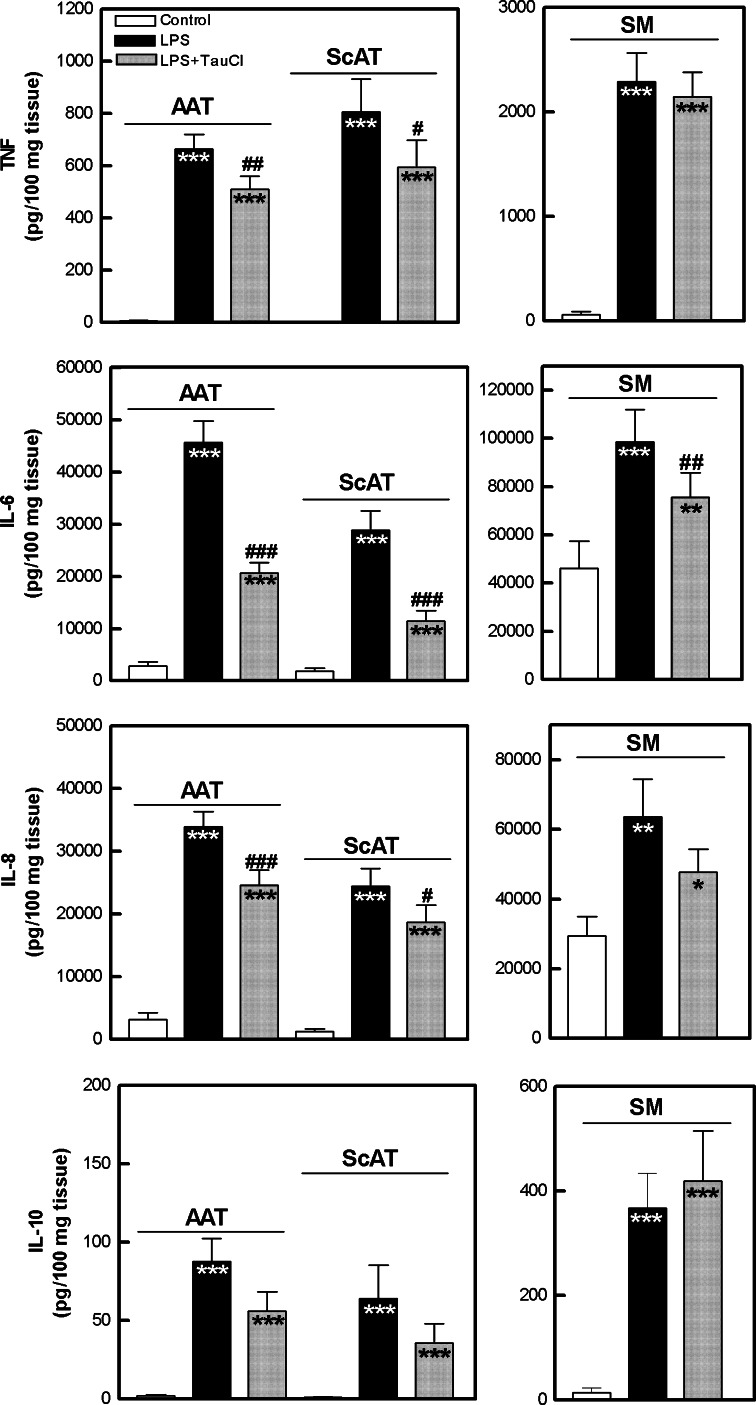
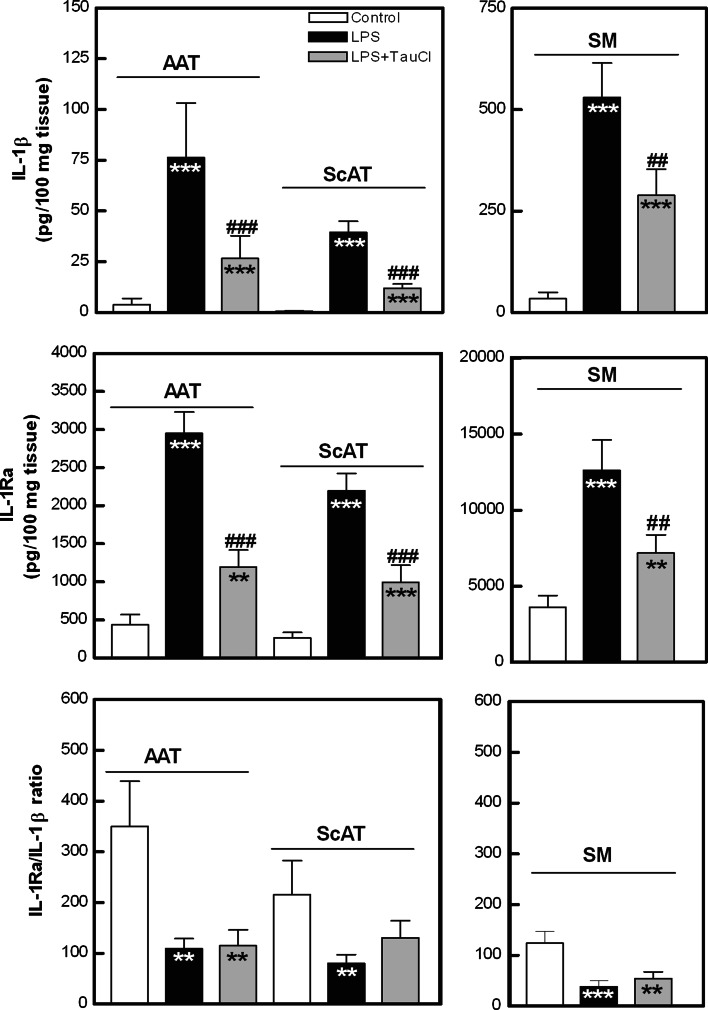
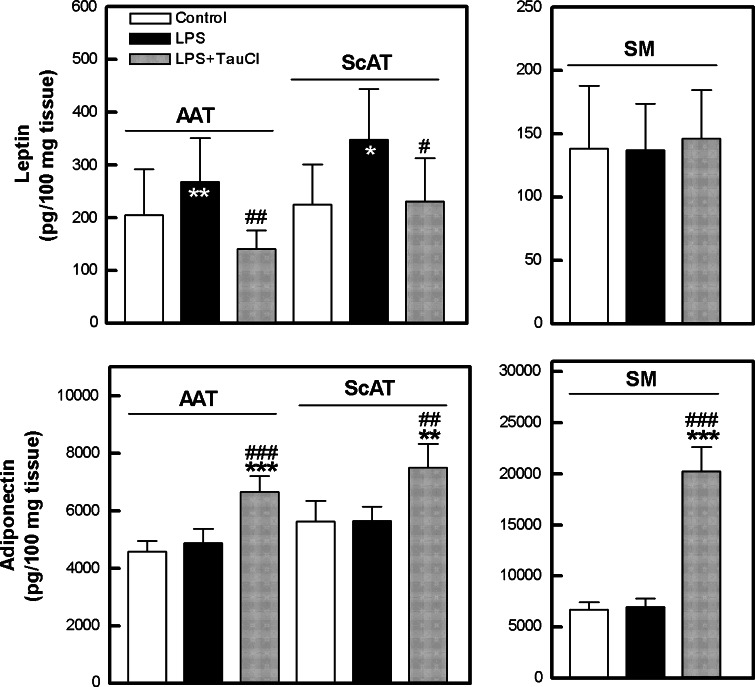
“Although we have previously found some differences in spontaneous secretory activity of rheumatoid AAT and ScAT, both tissues were highly reactive to proinflammatory stimuli [5].”
BackgroundSelf-citationTaurine Intakes Increase Superoxide Dismutase Activity in Knee Osteoarthritis
Saraswati, A. A. E. W., Sunardi, D., Lubis, A. M. T., Heru, F. Y., & Mudjihartini, N. (2019) · IOP Conference Series Earth and Environmental Science · doi:10.1088/1755-1315/217/1/012054 · Cited by 5
“[9] This is supported by study from Oliviera [10] which found that taurine can prevent a decrease in SOD activity.”
Thiotaurine Modulates Human Neutrophil Activation
Capuozzò, E., Conrado, A. B., & Fontana, M. (2015) · Advances in experimental medicine and biology · doi:10.1007/978-3-319-15126-7_13 · Cited by 5
Ribeiro, R. A., Santos-Silva, J. C., Vettorazzi, J. F., Cotrim, B. B., Boschero, A. C., & Carneiro, E. M. (2015) · Advances in experimental medicine and biology · doi:10.1007/978-3-319-15126-7_27 · Cited by 5
Maternal Taurine Supplementation Prevents Misprogramming
Arany, E. J. (2017) · Springer eBooks · doi:10.1007/978-3-319-60289-9_23 · Cited by 5
Shin, E.-J., Han, E. J., Han, H.-J., Jung, K., Heo, S., Kim, E.-A. L., Kim, K., Kim, S.-C., Seo, M.-J., Kwak, I., et al. (2019) · Advances in experimental medicine and biology · doi:10.1007/978-981-13-8023-5_58 · Cited by 5
Dall’Igna, D. M., LUZ, J. M. D., Vuolo, F. S., Michels, M., & Dal‐Pizzol, F. (2020) · Anais da Academia Brasileira de Ciências · doi:10.1590/0001-3765202020191311 · Cited by 5
Bromamine T, a stable active bromine compound, prevents the LPS‑induced inflammatory response
Baliou, S., Sofopoulos, M., Goulielmaki, M., Spandidos, D. A., Ιωάννου, Π., Kyriakopoulos, A. M., & Zoumpourlis, V. (2021) · International Journal of Molecular Medicine · doi:10.3892/ijmm.2021.4870 · Cited by 5
“The anti‐inflammatory capacity of TauNHBr is highly associated with i) its capacity to hinder phagocyte function and to impair the respiratory burst (26); ii) the reduc‐ tion of various pro‐inflammatory mediators [tumor necrosis factor‐α (TNF‐α), interleukin (IL)‐6, IL‐1β, IL‐8 and IL‐12], nitric oxide (NO), prostagla…”
BackgroundInfluentialEarly Metabolomic Markers of Acute Low-Dose Exposure to Uranium in Rats
Grison, S., Habchi, B., Gloaguen, C., Kereselidze, D., Elie, C., Martin, J., & Souidi, M. (2022) · Metabolites · doi:10.3390/metabo12050421 · Cited by 5
Hartsema, E. A., Hemmling, H., & Hawkins, C. L. (2025) · Advances in Redox Research · doi:10.1016/j.arres.2025.100119 · Cited by 4
Non-Coding RNAs in Asthma: Regulators of Eosinophil Biology and Airway Inflammation
Vasylė, E., Januškevičius, A., & Malakauskas, K. (2025) · Diagnostics · doi:10.3390/diagnostics15141750 · Cited by 4
“Taurine, a semi-essential amino acid and potent antioxidant, inhibits pro-inflammatory cytokines (IL-1, IL-6, and TGF-β ) and is elevated in plasma and bronchoalveolar lavage fluid of asthma patients [156,157].”
Arroyo-Xochihua, O., Zepeda, R. C., & Sánchez-Medina, A. (2026) · Naunyn-Schmiedeberg s Archives of Pharmacology · doi:10.1007/s00210-026-05038-w · Cited by 4
“Taurine showed protective effects against oxidative stress and is remarkably decreased in the LPS group, participating in decreasing of TNF-α and IL-1β (Table 3) (Wang et al. 2020; Marcinkiewicz and Kontny 2014; Sartori et al. 2018).”
Structural mechanism of substrate binding and inhibition of human taurine transporter
Qi, Y., Zhang, Y., Wang, D., Liu, J., Zhou, Y., Ji, W., Chen, X., Liu, L., Wang, R., & Wu, J.-X. (2026) · Nature Communications · doi:10.1038/s41467-026-70772-x · Cited by 4
Beine, B. J., Castellano, M., Fiamoncini, J., & Hiller, K. (2026) · Food & Function · doi:10.1039/d6fo01808d · Cited by 4
Antimicrobial Efficacy and Stability of an N-Chlorotaurine Gel for Chronic Wound Treatment
Thomas, Z. M., Staudinger, G. J., Hooper, S. E., Williams, J. F., & Robins, L. I. (2025) · International Journal of Molecular Sciences · doi:10.3390/ijms26178677 · Cited by 4
“Beyond its antimicrobial activity, NCT also reduces inflammation through inhibition of the pro-inflammatory cytokine IL-6, offering additional therapeutic value in wound care [23,24].”
Metadata
- Authors
- Marcinkiewicz, J., & Kontny, E.
- Affiliations
- Jagiellonian University (PL)
- National Institute of Geriatrics, Rheumatology and Rehabilitation (PL)
- Corresponding author
- Marcinkiewicz, Janusz
- Venue
- Amino Acids
- Published
- 2012-07-19
- Volume
- 46
- Issue
- 1
- Pages
- 7-20
- ISSN
- 0939-4451 (ISSN-L)
- 1438-2199
- PMC
- PMC3894431
- OpenAlex
- W1968690534
- Cited by
- 531
- References
- 106
- Citations by year
- 2026: 35 · 2025: 46 · 2024: 46 · 2023: 36 · 2022: 64 · 2021: 64 · 2020: 48 · 2019: 35 · 2018: 47 · 2017: 36 · 2016: 26 · 2015: 25 · 2014: 8 · 2013: 12 · 2012: 2
- FWCI
- 1.38
- Type
- journal article
- Language
- en
- Open access
- hybrid
- doi.org
- Licence
- cc-by
- Locations
- Amino Acids (publishedVersion, cc-by)
- Europe PMC (PubMed Central) (publishedVersion, cc-by)
- PubMed Central (publishedVersion, cc-by)
- PubMed (publishedVersion)
- Homo Politicus (Academy of Humanities and Economics in Lodz) (submittedVersion, cc-by-nc-nd)
- Homo Politicus (Academy of Humanities and Economics in Lodz) (submittedVersion)
- Jagiellonian University Repository (Jagiellonian University) (submittedVersion, cc-by-nc-nd)
- Funders
- Uniwersytet Jagielloński Collegium Medicum (K/ZDS/001008)
- Topics
- Life Sciences › Biochemistry, Genetics and Molecular Biology › Cell Biology › Aldose Reductase and Taurine
- Life Sciences › Immunology and Microbiology › Immunology › Neutrophil, Myeloperoxidase and Oxidative Mechanisms
- Health Sciences › Medicine › Biochemistry (medical) › Antioxidant Activity and Oxidative Stress
- Keywords
- taurine, taurine chloramine, inflammatory diseases, rheumatoid arthritis, myeloperoxidase, neutrophils, oxidative stress, hypochlorous acid, hypobromous acid, antimicrobial activity, anti-inflammatory activity, apoptosis, antioxidant activity, pathogenesis
- MeSH terms
- Animals, Anti-Infective Agents, Arthritis, Rheumatoid, Bile Acids and Salts, Calcium, Humans, Inflammation, Peroxidase, Taurine, Apoptosis, Osmoregulation
About these checks
Registry, retraction, Cites and statistics results are computed, not judged, with one exception: a printed reference that no index lists is read once by a model before it counts as a citation error. Claims are extracted by a model and kept only when their quote appears verbatim in the text; each cited source is then checked, with a model’s help, for whether it says what the claim relies on. Those verdicts can be wrong — read the claim’s quote and the cited source before relying on one.
Statistics and arithmetic are recomputed, not judged.
Confidence bands are shown only for fields calibrated on our annotated test set. None is calibrated yet, so no band is shown.
What counts as a claim ›How we measure confidence ›How we check this ›
Are you an author, or do you see a problem with this page? Request a review
Data sources
Bibliographic data: Semantic Scholar, OpenAlex, Crossref.
Contains information from the Semantic Scholar Academic Graph Datasets, made available under the ODC Attribution License (ODC-BY 1.0).
Semantic Scholar’s data is described in: Kinney, R., et al. (2023). The Semantic Scholar Open Data Platform. arXiv:2301.10140.
