

Adaptations of archaeal and bacterial membranes to variations in temperature, pH and pressure
Open accessThe DOI matches its Crossref record; 180 of the 180 references it cites were found in a registry or an index.
Abstract
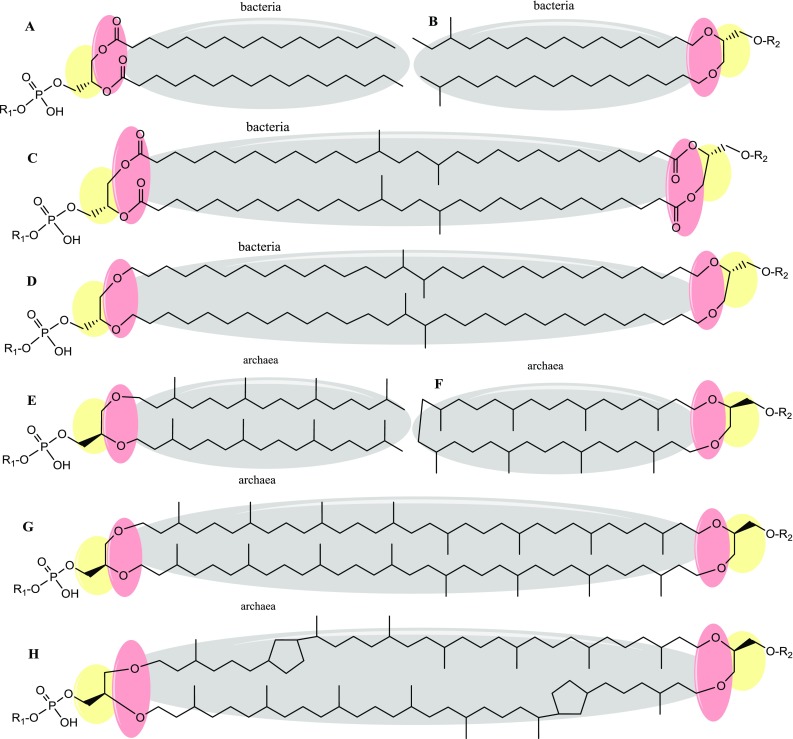
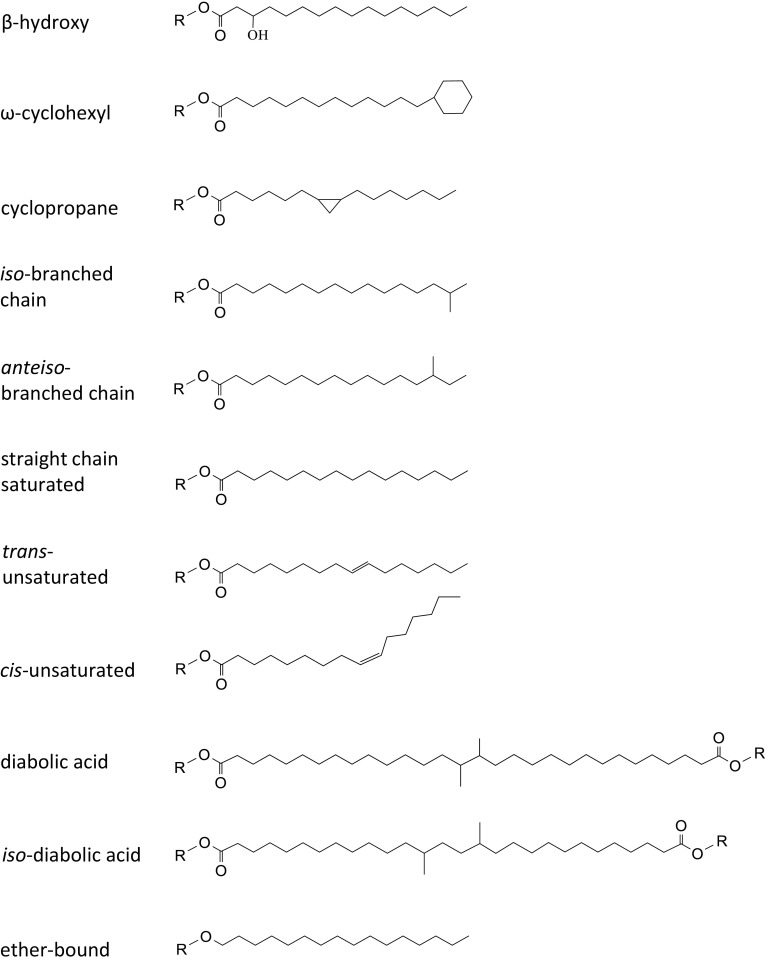
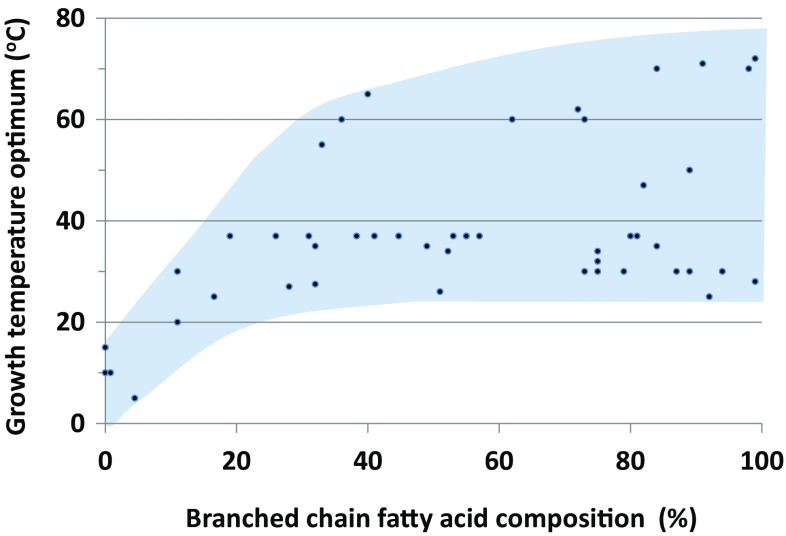
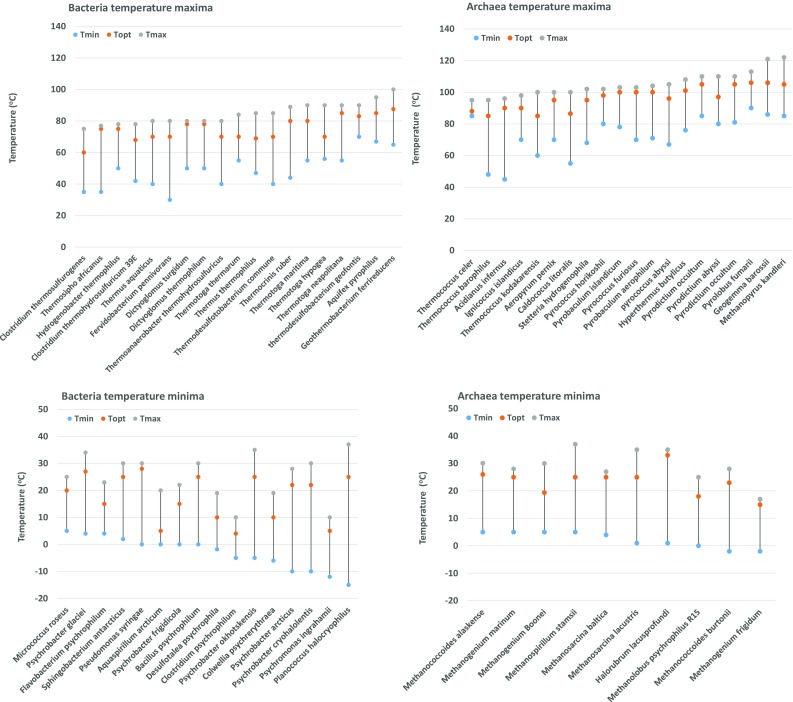
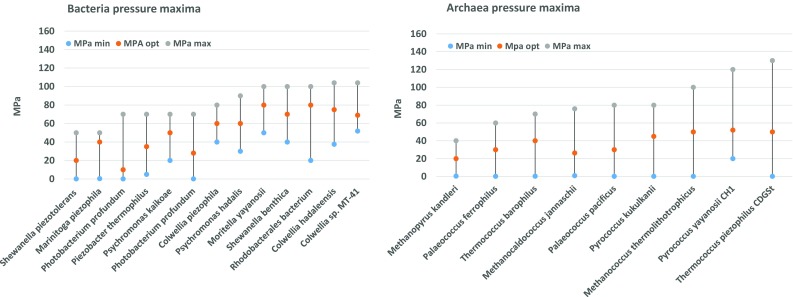
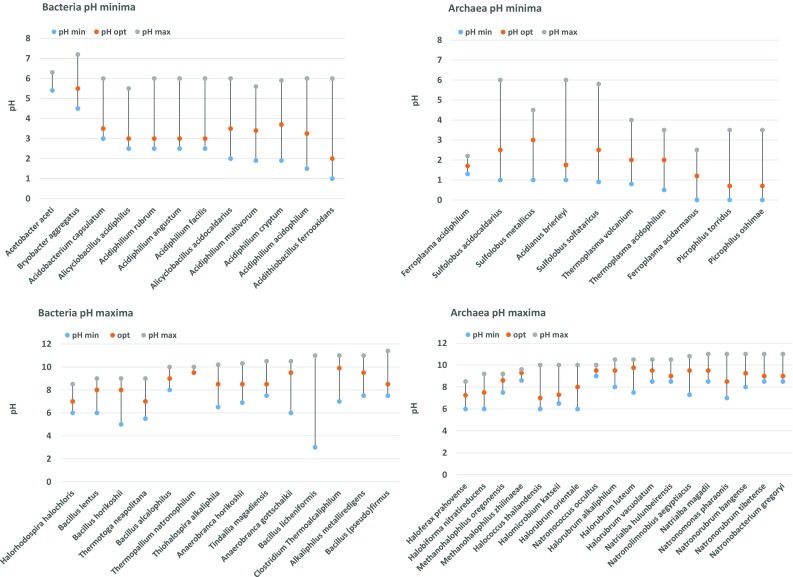
The cytoplasmic membrane of a prokaryotic cell consists of a lipid bilayer or a monolayer that shields the cellular content from the environment. In addition, the membrane contains proteins that are responsible for transport of proteins and metabolites as well as for signalling and energy transduction. Maintenance of the functionality of the membrane during changing environmental conditions relies on the cell's potential to rapidly adjust the lipid composition of its membrane. Despite the fundamental chemical differences between bacterial ester lipids and archaeal ether lipids, both types are functional under a wide range of environmental conditions. We here provide an overview of archaeal and bacterial strategies of changing the lipid compositions of their membranes. Some molecular adjustments are unique for archaea or bacteria, whereas others are shared between the two domains. Strikingly, shared adjustments were predominantly observed near the growth boundaries of bacteria. Here, we demonstrate that the presence of membrane spanning ether-lipids and methyl branches shows a striking relationship with the growth boundaries of archaea and bacteria.
Overview
The claims and statistics of this paper haven’t been checked yet.
Free: it reads the open-access text and checks the first 5 claims that cite a source we can check. Create a free account to check every claim.
Integrity signals
Registry
Cites
Statistics
Figures
Verification
Claims the paper makes
The claims and statistics of this paper haven’t been checked yet.
Free: it reads the open-access text and checks the first 5 claims that cite a source we can check. Create a free account to check every claim.
Claims other papers make about this one
Each is checked against this paper’s own text: does it say what the citing paper says it does?
The source backs part of the claim, not all of it — or backs it for a different population, condition or comparison.
In the citing paper
“Additionally, CPFAs may decrease membrane permeability for protons, which aids the cell's energy conservation (Siliakus et al., 2017).”
From A stable isotope assay with 13C-labeled polyethylene to investigate plastic mineralization mediated by Rhodococcus ruber (2023) · cites this paper as Siliakus et al., 2017
Experimental — accuracy not yet measured
Self-check
Percentages, sums and reported differences re-computed from the paper’s own numbers.
The self-check needs the paper’s full text.
Citations
Cites
Sinensky, M. (1974) · Proceedings of the National Academy of Sciences · doi:10.1073/pnas.71.2.522 · Cited by 1,517 · cited 2×
“Mesophilic and thermophilic bacteria mainly adjust fluidity by increasing the amount of (i) branched chain iso-fatty acids (Patel et al. 1991; Sinensky 1971, 1974), (ii) saturated fatty acids (Oshima and Miyagawa 1974), (iii) long-chain fatty acids and (iv) polar carotenoid content (Ray et al.…”
Iso- and anteiso-fatty acids in bacteria: biosynthesis, function, and taxonomic significance
Kaneda, T. (1991) · Microbiological Reviews · doi:10.1128/mmbr.55.2.288-302.1991 · Cited by 1,464
RAINEY, F. A., WARD-RAINEY, N., KROPPENSTEDT, R. M., & STACKEBRANDT, E. (1996) · International Journal of Systematic Bacteriology · doi:10.1099/00207713-46-4-1088 · Cited by 973 · cited 1×
“The alkaliphilic membranes are also copiously enriched in BCFAs (both iso as anteiso), and oftentimes MUFAs are very abundant (Clejan et al. 1986; Li et al. 1994; Rainey et al. 1996; Ye et al. 2004).”
Takai, K., Nakamura, K., Toki, T., Tsunogai, U., Miyazaki, M., Miyazaki, J., Hirayama, H., Nakagawa, S., Nunoura, T., & Horikoshi, K. (2008) · Proceedings of the National Academy of Sciences · doi:10.1073/pnas.0712334105 · Cited by 848
Psychrophilic microorganisms: challenges for life
D'Amico, S., Collins, T., Marx, J., Feller, G., Gerday, C., & Gerday, C. (2006) · EMBO reports · doi:10.1038/sj.embor.7400662 · Cited by 847
EFFECT OF TEMPERATURE ON THE COMPOSITION OF FATTY ACIDS IN ESCHERICHIA COLI
Marr, A. G., & Ingraham, J. L. (1962) · Journal of Bacteriology · doi:10.1128/jb.84.6.1260-1267.1962 · Cited by 730
Thermus aquaticus gen. n. and sp. n., a Nonsporulating Extreme Thermophile
Brock, T. D., & Freeze, H. (1969) · Journal of Bacteriology · doi:10.1128/jb.98.1.289-297.1969 · Cited by 690
Life in acid: pH homeostasis in acidophiles
Baker-Austin, C., & Dopson, M. (2007) · Trends in Microbiology · doi:10.1016/j.tim.2007.02.005 · Cited by 659 · cited 1×
“Obligate acidophiles synthesize a membrane that is highly impermeable to protons (Baker-Austin and Dopson 2007).”
Schleifer, K. H., & Kilpper-Balz, R. (1984) · International Journal of Systematic Bacteriology · doi:10.1099/00207713-34-1-31 · Cited by 603
OSHIMA, T., & IMAHORI, K. (1974) · International Journal of Systematic Bacteriology · doi:10.1099/00207713-24-1-102 · Cited by 602
Research works printed but not linked: 1
- Nonomura H Ohara Y Distribution of the actinomycetes in soil. IV. The isolation and classification of the genus Streptosporangium J Ferment Technol 1960 38 405 409
Cited by
Items 101–200 of 480
Physicochemical considerations for bottom-up synthetic biology
Śmigiel, W. M., Lefrançois, P., & Poolman, B. (2019) · Emerging Topics in Life Sciences · doi:10.1042/etls20190017 · Cited by 30
Recent advances of pH homeostasis mechanisms in Corynebacterium glutamicum
Guo, J., Ma, Z., Gao, J., Zhao, J., Wei, L., Liu, J., & Xu, N. (2019) · World Journal of Microbiology and Biotechnology · doi:10.1007/s11274-019-2770-2 · Cited by 33
Boyer, G. M., Schubotz, F., Summons, R. E., Woods, J., & Shock, E. L. (2020) · Frontiers in Microbiology · doi:10.3389/fmicb.2020.00229 · Cited by 33
“Overall, these trends in weighted nC agree with a plethora of studies demonstrating the capacity of microorganisms to adapt their membrane fluidity and permeability in response to temperature by adjusting the strength of hydrophobic interactions in the nonpolar portion of their membranes (see reviews by Denich et al.,…”
Catabolic protein degradation in marine sediments confined to distinct archaea
Yin, X., Zhou, G., Cai, M., Zhu, Q., Richter‐Heitmann, T., Aromokeye, D. A., Liu, Y., Nimzyk, R., Zheng, Q., Tang, X., et al. (2022) · The ISME Journal · doi:10.1038/s41396-022-01210-1 · Cited by 36
“One such example is mixotrophic organic and inorganic carbon utilization (demonstrated for some Lokiarchaeota and Bathyarchaeota [10–12]), another is the cellular lipid metabolism, which depends on environmental conditions such as temperature and pH [22], and for which de novo synthesis and scavenging from sediments i…”
BackgroundRincón-Molina, C. I., Hernández-García, J. A., Rincón-Rosales, R., Gutiérrez-Miceli, F. A., Ramírez-Villanueva, D. A., González-Terreros, E., Peña-Ocaña, B. A., Palomeque-Dominguez, H., Dendooven, L., & Ruíz-Valdiviezo, V. M. (2018) · Geomicrobiology Journal · doi:10.1080/01490451.2018.1509158 · Cited by 29
“At high temperatures, microbial activity is inhibited as the stability of proteins is lower and the physical integrity of the microorganisms is affected (Sawle and Ghosh 2011; Siliakus et al. 2017).”
BackgroundBozdaganyan, M. E., Lokhmatikov, A. V., Voskoboynikova, N. E., Cherepanov, D. A., Steinhoff, H., Шайтан, К. В., & Mulkidjanian, A. Y. (2019) · Biochimica et Biophysica Acta (BBA) - Bioenergetics · doi:10.1016/j.bbabio.2019.03.001 · Cited by 32
Moosmann, B., Schindeldecker, M., & Hajieva, P. (2019) · Biological Chemistry · doi:10.1515/hsz-2019-0232 · Cited by 30
Das, D., Riamei, M., Paul, P., Singh, N. K., Ingti, B., Sarkar, R. D., Rose, R., Sharma, P. L., & Paul, S. (2025) · Discover Soil. · doi:10.1007/s44378-025-00076-x · Cited by 29
“Archaea have adapted to extreme environmental conditions [133], suggesting potential roles in enhancing plant tolerance to abiotic stresses such as salinity or drought.”
Ribozyme Chemistry: To Be or Not To Be under High Pressure
Maurel, M., Leclerc, F., & Hervé, G. (2019) · Chemical Reviews · doi:10.1021/acs.chemrev.9b00457 · Cited by 28
Lagostina, L., Frandsen, S., MacGregor, B. J., Glombitza, C., Deng, L., Fiskal, A., Li, J., Doll, M., Geilert, S., Schmidt, M., et al. (2021) · Communications Biology · doi:10.1038/s42003-021-02507-1 · Cited by 29
Naguib, M. M., Feldman, N., Zarodkiewicz, P., Shropshire, H., Biamis, C., El-Halfawy, O. M., McCain, J., Dezanet, C., Décout, J., Chen, Y., et al. (2022) · PLoS Biology · doi:10.1371/journal.pbio.3001610 · Cited by 32
“This partly relates to the prevailing notion that membrane lipids containing polyunsaturated fatty acids with labile bis-allylic hydrogen atoms, which are highly susceptible to lipid peroxidation [15], are generally absent from bacteria, whose membranes are rich in poorly oxidizable saturated or monounsaturated lipid…”
BackgroundAcidophilic microorganisms in remediation of contaminants present in extremely acidic conditions
Razia, S., Hadibarata, T., & Lau, S. Y. (2023) · Bioprocess and Biosystems Engineering · doi:10.1007/s00449-022-02844-3 · Cited by 28
Adaptivity of Archaeal and Bacterial Extremophiles
Saralov, A. I. (2019) · Microbiology · doi:10.1134/s0026261719040106 · Cited by 31
Wang, Y., Chen, X., Wu, B., Ma, T., Jiang, H., Mi, Y., Jiang, C., Zang, H., Zhao, X., & Li, C. (2022) · Journal of Hazardous Materials · doi:10.1016/j.jhazmat.2022.129534 · Cited by 27
Łapińska, U., Glover, G., Kahveci, Z., Irwin, N. A. T., Milner, D. S., Tourte, M., Albers, S., Santoro, A. E., Richards, T. A., & Pagliara, S. (2023) · PLoS Biology · doi:10.1371/journal.pbio.3002048 · Cited by 28
Molecular adaptations in proteins and enzymes produced by extremophilic microorganisms
Rao, A. S., Nair, A., Nivetha, K., More, V. S., Anantharaju, K. S., & More, S. S. (2022) · Elsevier eBooks · doi:10.1016/b978-0-323-90274-8.00002-2 · Cited by 32
Yang, Y., Wang, J., Yin, J., Cui, Z., Li, G., Liu, G., Jiang, J., & Yuan, J. (2024) · Bioresource Technology · doi:10.1016/j.biortech.2024.131420 · Cited by 25
Methanobrevibacter smithii cell variants in human physiology and pathology: A review
Malat, I., Drancourt, M., & Grine, G. (2024) · Heliyon · doi:10.1016/j.heliyon.2024.e36742 · Cited by 28
Pei, H., Wang, C., Wang, Y., Yang, H., & Xie, S. (2019) · Organic Geochemistry · doi:10.1016/j.orggeochem.2019.05.008 · Cited by 26
García-Descalzo, L., García‐López, E., & Cid, C. (2022) · Frontiers in Microbiology · doi:10.3389/fmicb.2022.841359 · Cited by 27
“Since cold affects the membrane fluidity (Bajerski et al., 2017; Siliakus et al., 2017), it could also be prompting these proteins for a better regulation of iron homeostasis to be used as a cofactor for the function of other proteins and respiration and to avoid more ROS emergence (Yang et al.”
BackgroundProteorhodopsin Overproduction Enhances the Long-Term Viability of Escherichia coli
Song, Y., Cartron, M. L., Jackson, P. J., Davison, P. A., Dickman, M. J., Zhu, D., Huang, W. E., & Hunter, C. N. (2019) · Applied and Environmental Microbiology · doi:10.1128/aem.02087-19 · Cited by 25
Gara‐Ali, M., Zili, F., Hosni, K., Ouada, H. B., & Ben‐Mahrez, K. (2021) · Algal Research · doi:10.1016/j.algal.2021.102511 · Cited by 25
Dunn, C. D. (2017) · Journal of Molecular Evolution · doi:10.1007/s00239-017-9809-5 · Cited by 26
Scope of Archaea in Fish Feed: a New Chapter in Aquafeed Probiotics?
Chuphal, N., Singha, K. P., Sardar, P., Sahu, N. P., Shamna, N., & Kumar, V. (2021) · Probiotics and Antimicrobial Proteins · doi:10.1007/s12602-021-09778-4 · Cited by 26
Sulfate reducing microorganisms in high temperature oil reservoirs
Marietou, A. (2021) · Advances in applied microbiology · doi:10.1016/bs.aambs.2021.03.004 · Cited by 24
Taubner, R.-S., Baumann, L. M. F., Steiner, M., Pfeifer, K., Reischl, B., Korynt, K., Bauersachs, T., Mähnert, B., Clifford, E. L., Peckmann, J., et al. (2023) · mSystems · doi:10.1128/msystems.01159-22 · Cited by 24
“Numerous studies have examined the lipid biomarker inventory of methanogens and other, nonmethanogenic organisms under changing temperatures, pressures, and pH (28, 47, 48).”
BackgroundSelensky, M. J., Masterson, A. L., Blank, J. G., Lee, S. C., & Osburn, M. R. (2021) · Journal of Geophysical Research Biogeosciences · doi:10.1029/2021jg006430 · Cited by 24
“walls (Siliakus et al., 2017), although temperatures are consistent between cave features.”
BackgroundLin, M., Guo, S., Xie, D., Li, S., & Hu, H. (2022) · LWT · doi:10.1016/j.lwt.2022.113497 · Cited by 24
Maza‐Márquez, P., Rodríguez–Sánchez, A., Muñoz-Palazón, B., González-López, J., & González‐Martínez, A. (2022) · Journal of environmental chemical engineering · doi:10.1016/j.jece.2022.108393 · Cited by 22
Sastre, D. E., Basso, L. G. M., Trastoy, B., Cifuente, J. O., Contreras, F. ‐., Gueiros‐Filho, F. J., de Mendoza, D., Navarro, M. V. A. S., & Guerin, M. E. (2019) · Journal of Biological Chemistry · doi:10.1074/jbc.ra119.011122 · Cited by 24
MacLean, A., Bley, A. M., Appanna, V. P., & Appanna, V. D. (2020) · Journal of Medical Microbiology · doi:10.1099/jmm.0.001139 · Cited by 22
The Molecular Determinants of Thermoadaptation:Methanococcalesas a Case Study
Lecocq, M., Groussin, M., Gouy, M., & Brochier‐Armanet, C. (2020) · Molecular Biology and Evolution · doi:10.1093/molbev/msaa312 · Cited by 22
“2012): their membranes are enriched in unsaturated lipids: and they accumulate intracellular cryoprotectant compounds (Chintalapati et al. 2004; Koga 2012; Siliakus et al. 2017; Collins and Margesin 2019).”
BackgroundCeron‐Chafla, P., Chang, Y.-T., Rabaey, K., van Lier, J. B., & Lindeboom, R. E. F. (2021) · Frontiers in Microbiology · doi:10.3389/fmicb.2021.675763 · Cited by 22
Walczak‐Skierska, J., Ludwiczak, A., Sibińska, E., & Pomastowski, P. (2024) · ACS Omega · doi:10.1021/acsomega.4c03778 · Cited by 22
Bregnard, D., Leins, A., Cailleau, G., Vieth‐Hillebrand, A., Eichinger, F., Iannotta, J., Hoffmann, R., Uhde, J., Bindschedler, S., Regenspurg, S., et al. (2023) · Geothermal Energy · doi:10.1186/s40517-023-00269-z · Cited by 23
Anomalous lateral diffusion of lipids during the fluid/gel phase transition of a lipid membrane
Kumar, A., & Daschakraborty, S. (2023) · Physical Chemistry Chemical Physics · doi:10.1039/d3cp04081j · Cited by 23
Taubner, R.-S., Baumann, L. M. F., Bauersachs, T., Clifford, E. L., Mähnert, B., Reischl, B., Seifert, R., Peckmann, J., Rittmann, S. K. ‐. R., & Birgel, D. (2019) · Life · doi:10.3390/life9040085 · Cited by 21
“Beside these theoretical considerations, there are studies, which give hints that the content of macrocyclic archaeol and GMGTs indeed increases when temperatures rise [54,62] and the content of GDGT-0 increases when the pH becomes lower [63] (for reviews on that topic, see [53,64]).”
BackgroundPapatheodorou, E. M., Papapostolou, A., Monokrousos, N., Jones, D.-W., Scullion, J., & Stamou, G. P. (2020) · European Journal of Soil Biology · doi:10.1016/j.ejsobi.2020.103243 · Cited by 21
Fungi promote cross-domain interactions even in deep anoxic mangrove sediments
Ng, M. S., Soon, N., Chin, M. Y., Ho, S. K., Drescher, L., Sani, M. A. B., Lim, K. E., Wainwright, B. J., & Chang, Y. (2025) · Environmental Microbiome · doi:10.1186/s40793-025-00686-6 · Cited by 20
“Previous studies have demonstrated that pH is a major factor in shaping archaeal and bacterial communities [74, 75], with prokar-yotic groups adapting to different pH conditions through modifications in their plasma membranes [76].”
Barnes, N. M., & Wu, H. (2022) · Indoor Air · doi:10.1111/ina.12991 · Cited by 20
Microbial adaptations in extreme environmental conditions
Sarma, J., Sengupta, A., Laskar, M. K., Sengupta, S., Tenguria, S., & Kumar, A. (2022) · Elsevier eBooks · doi:10.1016/b978-0-323-91806-0.00007-2 · Cited by 27
Membrane lipid adaptation of soil Bacteroidetes isolates to temperature and pH
Hellequin, E., Collin, S., Seder-Colomina, M., Véquaud, P., Anquetil, C., Kish, A., & Huguet, A. (2023) · Frontiers in Microbiology · doi:10.3389/fmicb.2023.1032032 · Cited by 21
“Furthermore, the anteiso-positioned methyl groups cause greater fluidity of the membrane due to a greater disturbance of the packing order of the hydrocarbon chains (Siliakus et al., 2017).”
BackgroundAn Overview of Extremophile: Microbial Diversity, Adaptive Strategies, and Potential Applications
Amina, M., & Ghellai, L. (2024) · Microbiology and Biotechnology Letters · doi:10.48022/mbl.2406.06007 · Cited by 20
Ericson, J. A., Hellessey, N., Kawaguchi, S., Nichols, P. D., Nicol, S., Hoem, N., & Virtue, P. (2019) · Scientific Reports · doi:10.1038/s41598-019-48665-5 · Cited by 22
Lei, Y., Strong, D. J., Caballero, M., Correa‐Metrio, A., Pérez, L., Schwalb, A., Macario-González, L., Cohuo, S., Lozano‐García, S., Ortega‐Guerrero, B., et al. (2023) · Organic Geochemistry · doi:10.1016/j.orggeochem.2023.104660 · Cited by 19
Sun, J., Pan, F., Zhu, H., Wu, Q., Pan, C., & Lu, F. (2024) · International Journal of Hydrogen Energy · doi:10.1016/j.ijhydene.2024.01.255 · Cited by 21
Thermophiles and thermophilic hydrolases
Ghosh, S., Lepcha, K., Basak, A., & Mahanty, A. K. (2020) · Elsevier eBooks · doi:10.1016/b978-0-12-818322-9.00016-2 · Cited by 19
Flores, E., Cantarero, S. I., Ruiz‐Fernández, P., Dildar, N., Zabel, M., Ulloa, O., & Sepúlveda, J. (2022) · Biogeosciences · doi:10.5194/bg-19-1395-2022 · Cited by 20
“…and pressure impact the permeability and fluidity of cell membranes (Shaw, 1974; Macdonald, 1984; DeLong and Yayanos, 1985; Somero, 1992; Komatsu and Chong, 1998; Van Mooy et al., 2009; Carini et al., 2015; Sebastián et al., 2016; Siliakus et al., 2017; Boyer et al., 2020; Allen et al., 1999).”
BackgroundLife at high temperature observed in vitro upon laser heating of gold nanoparticles
Molinaro, C., Bénéfice, M., Gorlas, A., Cunha, V. D., Robert, H. M. L., Catchpole, R. J., Gallais, L., Forterre, P., & Baffou, G. (2022) · Nature Communications · doi:10.1038/s41467-022-33074-6 · Cited by 19
Structural Basis of Acyl-Carrier Protein Interactions in Fatty Acid and Polyketide Biosynthesis
Mindrebo, J. T., Patel, A., Misson, L., Kim, W. E., Davis, T. D., Ni, Q. Z., Clair, J. J. L., & Burkart, M. D. (2019) · Elsevier eBooks · doi:10.1016/b978-0-12-409547-2.14662-1 · Cited by 20
Thriving at Low pH: Adaptation Mechanisms of Acidophiles
Chen, X. (2021) · IntechOpen eBooks · doi:10.5772/intechopen.96620 · Cited by 18
Wang, X., & Xie, J. (2022) · Journal of Agricultural and Food Chemistry · doi:10.1021/acs.jafc.2c03303 · Cited by 18
Rodrigues, E. M., Cesar, D. E., de Oliveira, R. S., Siqueira, T. D. P., & Tótola, M. R. (2020) · Environmental Pollution · doi:10.1016/j.envpol.2020.115579 · Cited by 18
Rani, N., Maiti, A., & Daschakraborty, S. (2024) · Chemical Physics Impact · doi:10.1016/j.chphi.2024.100645 · Cited by 17
Actinobacteria: Basic Adaptation to Harsh Environments
Yaradoddi, J. S., & Kontro, M. H. (2021) · Rhizosphere biology · doi:10.1007/978-981-16-3353-9_5 · Cited by 21
Pan, C., Li, W., Xu, D., Chen, W., Guo, L., Kang, D., Hu, B., Zheng, P., & Zhang, M. (2023) · Chemical Engineering Journal · doi:10.1016/j.cej.2023.144963 · Cited by 16
Adaptive laboratory evolution of a thermophile toward a reduced growth temperature optimum
Lehmann, M., Prohaska, C., Zeldes, B. M., Poehlein, A., Daniel, R., & Basen, M. (2023) · Frontiers in Microbiology · doi:10.3389/fmicb.2023.1265216 · Cited by 16
Suleiman, A. I., Itopa, A. A., Idris, M. O., Eva, A. I., Zakari, D. A., Esan, A. O., & Imam, A. A. (2025) · Eurasian journal of physics and functional materials · doi:10.69912/2616-8537.1249 · Cited by 18
The archaeal-bacterial lipid divide, could a distinct lateral proton route hold the answer?
Mencía, M. (2020) · Biology Direct · doi:10.1186/s13062-020-00262-7 · Cited by 16
“quired by bacteria from the beginning or subsequently derived from archaeal-like membranes, do the ester phospholipids membranes represent any advantage for bacteria, especially in mesophilic environments? Biological membranes, both archaeal and bacterial, obviously function under all conditions where we can find thes…”
BackgroundExtremophiles in Earth's Deep Seas: A View Toward Life in Exo-Oceans
McClain, C. R., Bryant, S. R. D., Hanks, G. W., & Bowles, M. W. (2022) · Astrobiology · doi:10.1089/ast.2021.0120 · Cited by 17
“Specific adaptations of prokaryotes for acidic and alkaline conditions exist with commonalities being that they both try to maintain a more neutral internal pH and have cellular membrane lipid (Horikoshi, 2006; Baker-Austin and Dopson, 2007; Siliakus et al. , 2017).”
Luo, Y., Javed, M. A., & Deneer, H. G. (2018) · Scientific Reports · doi:10.1038/s41598-018-20801-7 · Cited by 16
Development of a novel sea surface temperature proxy based on bacterial 3-hydroxy fatty acids
Dong, Z., Yang, Y., Wang, C., Bendle, J., Ruan, X., Lü, X., & Xie, S. (2023) · Frontiers in Marine Science · doi:10.3389/fmars.2022.1050269 · Cited by 16
The cell envelope of Thermotogae suggests a mechanism for outer membrane biogenesis
Sexton, D. L., Hashimi, A., Beskrovnaya, P., Sibanda, L., Huan, T., & Tocheva, E. I. (2023) · Proceedings of the National Academy of Sciences · doi:10.1073/pnas.2303275120 · Cited by 16
“Intriguingly, the membrane-spanning PG-ester/ether lipids, suggested to stabilize membranes at high temperatures (45), were found equally in the IM and the toga, whereas DAs were enriched in the toga (Fig.”
The regulation of bacterial two‐partner secretion systems
Trouillon, J., Attrée, I., & Elsen, S. (2023) · Molecular Microbiology · doi:10.1111/mmi.15112 · Cited by 15
“Membrane composition is known to change in response to changes in temperature (Siliakus et al., 2017), which could represent an additional layer of temperature- sensing mechanisms.”
BackgroundMoens, E., Bolca, S., de Wiele, T. V., LANDSCHOOT, A. V., Goeman, J., Possemiers, S., & Verstraete, W. (2020) · AMB Express · doi:10.1186/s13568-020-01015-5 · Cited by 16
Mwatondo, M. H., & Silverman, A. I. (2021) · Environmental Science & Technology Letters · doi:10.1021/acs.estlett.1c00732 · Cited by 15
Localization of Intrachain Modifications in Bacterial Lipids Via Radical-Directed Dissociation
Lin, Q., Li, P., Jian, R., & Xia, Y. (2022) · Journal of the American Society for Mass Spectrometry · doi:10.1021/jasms.2c00011 · Cited by 15
Luo, Y., Javed, M. A., Deneer, H. G., & Chen, X. (2018) · Scientific Reports · doi:10.1038/s41598-018-25869-9 · Cited by 17
Gao, X., Li, P., Mei, J., & Xie, J. (2021) · Journal of Chemistry · doi:10.1155/2021/8876986 · Cited by 15
“changes from a “fluid” (liquid-crystalline) to a “rigid” phase to maintain sufficient membrane fluidity under cold stress [52, 53].”
BackgroundAdekanmbi, A. A., Shu, X., Zou, Y., Shaw, L. J., & Sizmur, T. (2022) · European Journal of Soil Science · doi:10.1111/ejss.13319 · Cited by 14
“The combination of these indicators could also represent microbial adaptation to sub-optimal temperature changes (Siliakus et al., 2017).”
BackgroundDing, S., Grossi, V., Hopmans, E. C., Bale, N. J., Cravo‐Laureau, C., & Damsté, J. S. S. (2024) · Proceedings of the National Academy of Sciences · doi:10.1073/pnas.2400711121 · Cited by 15
Microbial Communities Degrade Ancient Permafrost‐Derived Organic Matter in Arctic Seawater
Ruben, M., Marchant, H. K., Wietz, M., Gentz, T., Strauß, J., Koch, B. P., & Mollenhauer, G. (2024) · Journal of Geophysical Research Biogeosciences · doi:10.1029/2023jg007936 · Cited by 15
“…by the specific and diverse adaptations of permafrost bacteria including dormancy (Johnson et al., 2007; Mackelprang et al., 2017), DNA repair (Hueffer et al., 2020; Johnson et al., 2007; Miner et al., 2021), stress response (Mackelprang et al., 2017), and membrane fluidity (Siliakus et al., 2017).”
Morphological and structural response of Bacillus sp. SFC 500‐1E after Cr(VI) and phenol treatment
Fernández, M., Paulucci, N. S., Reynoso, E., Morales, G. M., Agostini, E., & González, P. S. (2020) · Journal of Basic Microbiology · doi:10.1002/jobm.202000076 · Cited by 14
Basak, P., Biswas, A., & Bhattacharyya, M. (2020) · Elsevier eBooks · doi:10.1016/b978-0-12-818322-9.00024-1 · Cited by 19
Bertolini, M., Zecchin, S., Beretta, G. P., Nisi, P. D., Ferrari, L., & Cavalca, L. (2021) · Water · doi:10.3390/w13172442 · Cited by 14
“As already observed in previous studies [95,96], Archaea showed a negative correlation with the pH value, being favored by acidic conditions.”
ResultTemporal change of prokaryotic community in surface sediments of the Chukchi Sea
Sun, J., Zhou, H., Cheng, H., Zhu, C., & Wang, Y. (2022) · Ecohydrology & Hydrobiology · doi:10.1016/j.ecohyd.2022.06.001 · Cited by 14
Mohanty, A., Shilpa, S., & Meena, S. S. (2022) · Elsevier eBooks · doi:10.1016/b978-0-323-90274-8.00009-5 · Cited by 14
Erimban, S., & Daschakraborty, S. (2022) · The Journal of Physical Chemistry B · doi:10.1021/acs.jpcb.2c01359 · Cited by 14
Rahn, H. P., Sun, J., Li, Z., Waymouth, R. M., Levy, R., & Wender, P. A. (2024) · Biomacromolecules · doi:10.1021/acs.biomac.4c00373 · Cited by 14
Grandy, J. J., Onat, B., Tunnicliffe, V., Butterfield, D. A., & Pawliszyn, J. B. (2020) · Scientific Reports · doi:10.1038/s41598-020-58418-4 · Cited by 14
Podolich, O. V., Kukharenko, O. E., Zaets, I., Orlovska, I., Palchykovska, L. G., Zaika, L. A., Sysoliatin, S., Zubova, G., Reva, O. N., Galkin, M., et al. (2020) · Frontiers in Microbiology · doi:10.3389/fmicb.2020.01268 · Cited by 15
Kim, J., Ha, S., & Park, W. (2018) · Research in Microbiology · doi:10.1016/j.resmic.2018.04.011 · Cited by 14
Kaya, F. E. A., Avcı, F. G., Sayar, N. A., Kazan, D., Sayar, N. A., & Akbulut, B. S. (2018) · OMICS A Journal of Integrative Biology · doi:10.1089/omi.2018.0127 · Cited by 18
“It was proposed that these neutral lipids specifically position themselves in the center of the lipid bilayer to reduce lipid motility and proton leakiness (Siliakus et al., 2017).”
Enantioselective Total Synthesis of the Archaeal Lipid Parallel GDGT‐0 (Isocaldarchaeol)**
Falk, I. D., Gál, B., Bhattacharya, A., Wei, J. H., Welander, P. V., Boxer, S. G., & Burns, N. Z. (2021) · Angewandte Chemie International Edition · doi:10.1002/anie.202104051 · Cited by 14
Vieira, A. F. C., Xatse, M. A., Tifeki, H., Diot, C., Walhout, A. J. M., & Olsen, C. P. (2021) · Journal of Biological Chemistry · doi:10.1016/j.jbc.2021.101444 · Cited by 13
“sensors, that detect perturbations in the biophysical properties of the membrane and can allow membranes to adapt to variations in environmental cues including temperature and dietary composition (12, 13).”
BackgroundEffects of phenyl acids on different degradation phases during thermophilic anaerobic digestion
Prem, E. M., Schwarzenberger, A., Markt, R., & Wagner, A. O. (2023) · Frontiers in Microbiology · doi:10.3389/fmicb.2023.1087043 · Cited by 13
Bacterial membrane dynamics: Compartmentalization and repair
Bramkamp, M., & Scheffers, D. (2023) · Molecular Microbiology · doi:10.1111/mmi.15077 · Cited by 14
“…has primarily focused on the adaptation of membrane lipids in organisms to changes in growth temperature (or pH, pressure) with the aim of keeping the membrane in the liquid-crystalline phase— so-called homo-viscous adaptation (Mansilla & de Mendoza, 2019; Siliakus et al., 2017; Sinensky, 1974).”
BackgroundImpact of bioaugmentation on psychrophilic anaerobic digestion of corn straw
Shang, Z., Zhang, X., Cheng, X., Li, S., Liang, X., Tao, Y., Sun, Y., Yu, Q., & Li, Y. (2024) · Bioresource Technology · doi:10.1016/j.biortech.2024.131886 · Cited by 13
Adaptation of anammox bacteria in granular sludge under the different temperature rhythms
Xiong, Y.-T., Yan, Z.-L., He, J., Liu, S., Chen, Y., Guo, J., Fang, F., & Yan, P. (2025) · Chemical Engineering Journal · doi:10.1016/j.cej.2025.166721 · Cited by 13
Unsaturated fatty acids augment protein transport via the SecA:SecYEG translocon
Kamel, M., Löwe, M., Schott‐Verdugo, S., Gohlke, H., & Kedrov, A. (2021) · FEBS Journal · doi:10.1111/febs.16140 · Cited by 14
Ding, S., Henkel, J. V., Hopmans, E. C., Bale, N. J., Koenen, M., Villanueva, L., & Damsté, J. S. S. (2022) · ISME Communications · doi:10.1038/s43705-022-00207-3 · Cited by 13
“Many microorganisms maintain their membrane functionality, permeability, and fluidity during changing environmental conditions by membrane adaptation [20, 21] through the regulation of its lipid composition [e.”
BackgroundPither, M. D., Sun, M., Speciale, I., Silipo, A., Zhang, Y., Molinaro, A., & Lorenzo, F. D. (2022) · Glycoconjugate Journal · doi:10.1007/s10719-022-10076-6 · Cited by 13
“This might be explained by the peculiarity of anteiso-positioned methyl groups of causing a greater disturbance of the packing order of the lipid chains, thus resulting in higher fluidity of the membrane [34, 35].”
BackgroundSaggu, G. S., Garg, S., Pala, Z. R., Kochar, S. K., & Saxena, V. (2018) · Gene · doi:10.1016/j.gene.2018.06.084 · Cited by 13
Influence of Decreasing Temperature on Soil Microbial Activity in a Boreal Shield Ecozone
Moy, A., & Nkongolo, K. K. C. (2022) · American Journal of Environmental Sciences · doi:10.3844/ajessp.2022.42.51 · Cited by 12
“Lower temperatures cause a decrease in cell membrane fluidity in microorganisms and do not provide the activation energy necessary for extracellular enzymes to react with the substrates (Siliakus et al., 2017).”
BackgroundMa, Y., Ma, Y., Gong, W., Chi, L., & Xiang, Q. (2024) · LWT · doi:10.1016/j.lwt.2024.116954 · Cited by 12
Kumari, M., Karn, S. K., & Raj, V. (2024) · Industrial Biotechnology · doi:10.1089/ind.2024.0029 · Cited by 14
“31 For instance, bacteria from the genera Thermo-plasma , Ferroplasma , and Sulfolobus can control proton permeation under extremely low pH conditions because their cell membrane is extremely impermeable and primarily made of tetraether lipids with a wide variety of polar head groups and a thick…”
Atakav, Y., Pinar, O., & Kazan, D. (2021) · Microorganisms · doi:10.3390/microorganisms9020462 · Cited by 12
“Since branch chain fatty acids are generally enriched in extremophiles [39], it might be preferable to use fatty acids, rather than the accumulation of PHB, for the alkaline adaptation of B.”
BackgroundMoalic, Y., Hartunians, J., Dalmasso, C., Courtine, D., Georges, M., Oger, P., Shao, Z., Jebbar, M., & Alain, K. (2021) · Frontiers in Microbiology · doi:10.3389/fmicb.2021.730231 · Cited by 12
“Compared to psychrophiles, in which pressure and cold adaptation mechanisms may be overlapping, it is easier to independently sift through pressure adaptation mechanisms within (hyper)thermophilic models where high pressures and high temperatures have antagonistic effects (Siliakus et al., 2017).”
BackgroundDixon, B., Ahmed, W., Felton, T., & Fowler, S. J. (2022) · Journal of Mass Spectrometry and Advances in the Clinical Lab · doi:10.1016/j.jmsacl.2022.09.001 · Cited by 13
Yang, K., Zheng, Y., Sun, K., Wu, X., Zhang, Z., He, C., & Xiao, P. (2024) · Chinese Herbal Medicines · doi:10.1016/j.chmed.2023.11.003 · Cited by 17
“In addition, adapting to the environment can lead to altered fatty acid structure in the cell wall (Siliakus, van der Oost, & Kengen, 2017), archaeal cell walls have ether instead of ester bonds in their polar membrane lipids, and the PLFA patterns are similar in various soils, therefore PLFA is…”
Background
Metadata
- Authors
- Siliakus, M. F., van der Oost, J., & Kengen, S. W. M.
- Affiliations
- Wageningen University & Research (NL)
- Corresponding author
- Siliakus, Melvin F.
- Venue
- Extremophiles
- Published
- 2017-05-15
- Volume
- 21
- Issue
- 4
- Pages
- 651-670
- ISSN
- 1431-0651 (ISSN-L)
- 1433-4909
- PMC
- PMC5487899
- OpenAlex
- W2614364664
- Semantic Scholar
- fb05998ae3ab304e5c62cd4946ad9e4185cd32d0
- Cited by
- 450
- References
- 179
- Citations by year
- 2026: 51 · 2025: 60 · 2024: 56 · 2023: 57 · 2022: 58 · 2021: 60 · 2020: 44 · 2019: 40 · 2018: 21 · 2017: 2
- FWCI
- 2.74
- Type
- journal article
- Language
- en
- Open access
- hybrid
- doi.org
- Locations
- Extremophiles (publishedVersion, cc-by)
- Europe PMC (PubMed Central) (publishedVersion, cc-by)
- PubMed Central (publishedVersion, cc-by)
- PubMed (publishedVersion)
- Socio-Environmental Systems Modeling (acceptedVersion, cc-by)
- Data Archiving and Networked Services (DANS) (submittedVersion, cc-by)
- Funders
- BE-Basic (Project F06.002.01)
- Topics
- Life Sciences › Biochemistry, Genetics and Molecular Biology › Molecular Biology › Lipid Membrane Structure and Behavior
- Life Sciences › Biochemistry, Genetics and Molecular Biology › Genetics › Bacterial Genetics and Biotechnology
- Life Sciences › Biochemistry, Genetics and Molecular Biology › Biochemistry › Lipid metabolism and biosynthesis
- Keywords
- membrane lipid composition, archaeal membranes, bacterial membranes, ether lipids, membrane fluidity, thermal adaptation, pH adaptation, pressure adaptation, growth boundaries, lipid bilayers
- MeSH terms
- Adaptation, Physiological, Archaea, Cell Membrane, Hydrogen-Ion Concentration, Pressure, Temperature, Bacterial Physiological Phenomena
About these checks
Registry, retraction, Cites and statistics results are computed, not judged, with one exception: a printed reference that no index lists is read once by a model before it counts as a citation error. Claims are extracted by a model and kept only when their quote appears verbatim in the text; each cited source is then checked, with a model’s help, for whether it says what the claim relies on. Those verdicts can be wrong — read the claim’s quote and the cited source before relying on one.
Statistics and arithmetic are recomputed, not judged.
Confidence bands are shown only for fields calibrated on our annotated test set. None is calibrated yet, so no band is shown.
What counts as a claim ›How we measure confidence ›How we check this ›
Are you an author, or do you see a problem with this page? Request a review
Data sources
Bibliographic data: Semantic Scholar, OpenAlex, Crossref.
Contains information from the Semantic Scholar Academic Graph Datasets, made available under the ODC Attribution License (ODC-BY 1.0).
Semantic Scholar’s data is described in: Kinney, R., et al. (2023). The Semantic Scholar Open Data Platform. arXiv:2301.10140.
