

Adaptations of archaeal and bacterial membranes to variations in temperature, pH and pressure
Open accessThe DOI matches its Crossref record; 180 of the 180 references it cites were found in a registry or an index.
Abstract
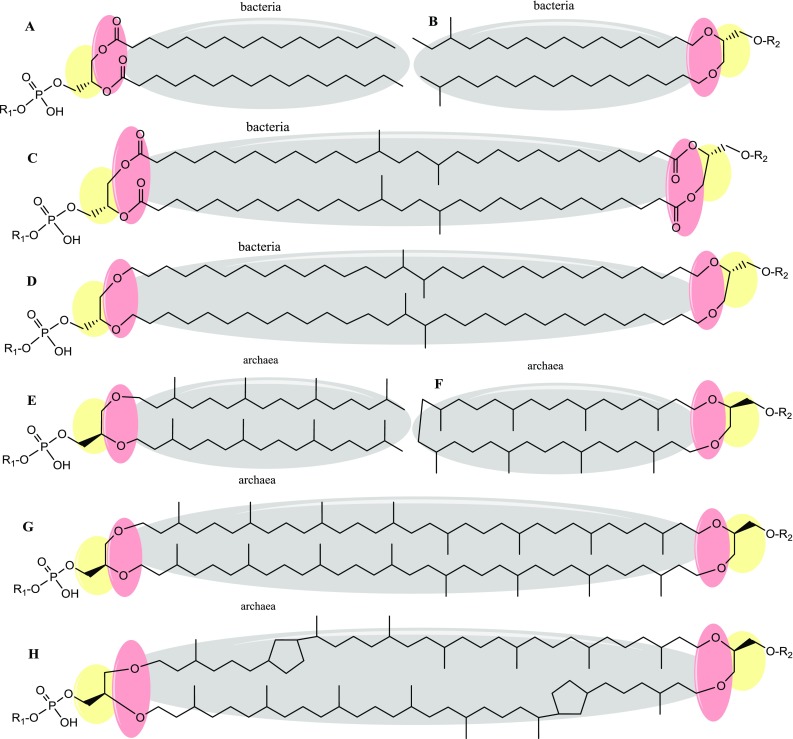
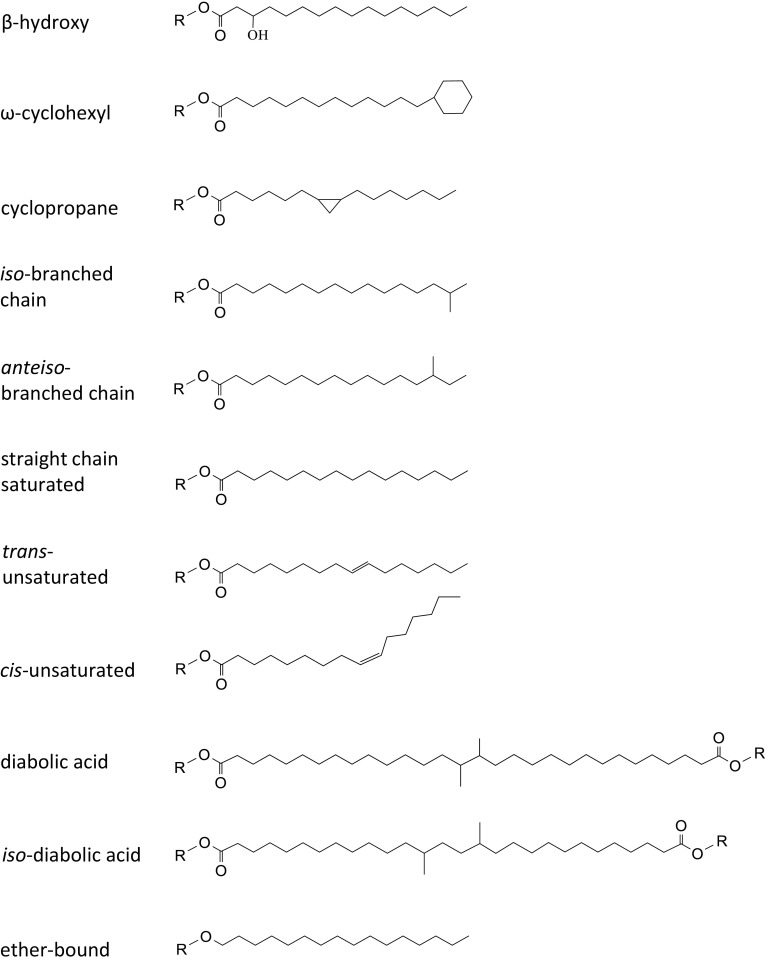
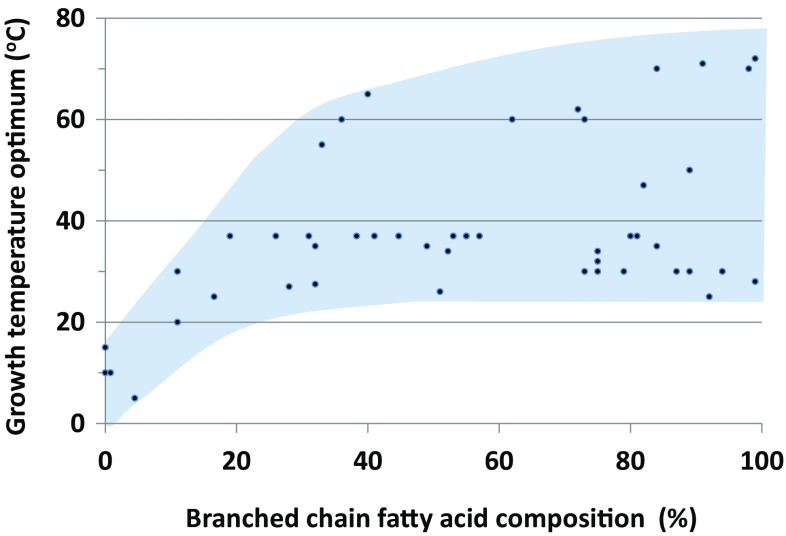
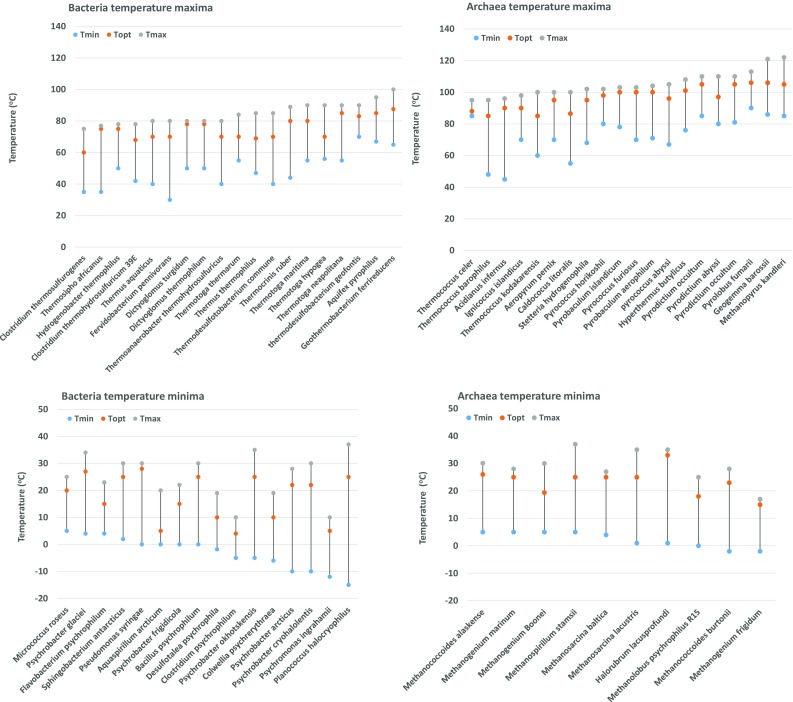
The cytoplasmic membrane of a prokaryotic cell consists of a lipid bilayer or a monolayer that shields the cellular content from the environment. In addition, the membrane contains proteins that are responsible for transport of proteins and metabolites as well as for signalling and energy transduction. Maintenance of the functionality of the membrane during changing environmental conditions relies on the cell's potential to rapidly adjust the lipid composition of its membrane. Despite the fundamental chemical differences between bacterial ester lipids and archaeal ether lipids, both types are functional under a wide range of environmental conditions. We here provide an overview of archaeal and bacterial strategies of changing the lipid compositions of their membranes. Some molecular adjustments are unique for archaea or bacteria, whereas others are shared between the two domains. Strikingly, shared adjustments were predominantly observed near the growth boundaries of bacteria. Here, we demonstrate that the presence of membrane spanning ether-lipids and methyl branches shows a striking relationship with the growth boundaries of archaea and bacteria.
Overview
The claims and statistics of this paper haven’t been checked yet.
Free: it reads the open-access text and checks the first 5 claims that cite a source we can check. Create a free account to check every claim.
Integrity signals
Registry
Cites
Statistics
Figures
Verification
Claims the paper makes
The claims and statistics of this paper haven’t been checked yet.
Free: it reads the open-access text and checks the first 5 claims that cite a source we can check. Create a free account to check every claim.
Claims other papers make about this one
Each is checked against this paper’s own text: does it say what the citing paper says it does?
The source backs part of the claim, not all of it — or backs it for a different population, condition or comparison.
In the citing paper
“Additionally, CPFAs may decrease membrane permeability for protons, which aids the cell's energy conservation (Siliakus et al., 2017).”
From A stable isotope assay with 13C-labeled polyethylene to investigate plastic mineralization mediated by Rhodococcus ruber (2023) · cites this paper as Siliakus et al., 2017
Experimental — accuracy not yet measured
Self-check
Percentages, sums and reported differences re-computed from the paper’s own numbers.
The self-check needs the paper’s full text.
Citations
Cites
Sinensky, M. (1974) · Proceedings of the National Academy of Sciences · doi:10.1073/pnas.71.2.522 · Cited by 1,517 · cited 2×
“Mesophilic and thermophilic bacteria mainly adjust fluidity by increasing the amount of (i) branched chain iso-fatty acids (Patel et al. 1991; Sinensky 1971, 1974), (ii) saturated fatty acids (Oshima and Miyagawa 1974), (iii) long-chain fatty acids and (iv) polar carotenoid content (Ray et al.…”
Iso- and anteiso-fatty acids in bacteria: biosynthesis, function, and taxonomic significance
Kaneda, T. (1991) · Microbiological Reviews · doi:10.1128/mmbr.55.2.288-302.1991 · Cited by 1,464
RAINEY, F. A., WARD-RAINEY, N., KROPPENSTEDT, R. M., & STACKEBRANDT, E. (1996) · International Journal of Systematic Bacteriology · doi:10.1099/00207713-46-4-1088 · Cited by 973 · cited 1×
“The alkaliphilic membranes are also copiously enriched in BCFAs (both iso as anteiso), and oftentimes MUFAs are very abundant (Clejan et al. 1986; Li et al. 1994; Rainey et al. 1996; Ye et al. 2004).”
Takai, K., Nakamura, K., Toki, T., Tsunogai, U., Miyazaki, M., Miyazaki, J., Hirayama, H., Nakagawa, S., Nunoura, T., & Horikoshi, K. (2008) · Proceedings of the National Academy of Sciences · doi:10.1073/pnas.0712334105 · Cited by 848
Psychrophilic microorganisms: challenges for life
D'Amico, S., Collins, T., Marx, J., Feller, G., Gerday, C., & Gerday, C. (2006) · EMBO reports · doi:10.1038/sj.embor.7400662 · Cited by 847
EFFECT OF TEMPERATURE ON THE COMPOSITION OF FATTY ACIDS IN ESCHERICHIA COLI
Marr, A. G., & Ingraham, J. L. (1962) · Journal of Bacteriology · doi:10.1128/jb.84.6.1260-1267.1962 · Cited by 730
Thermus aquaticus gen. n. and sp. n., a Nonsporulating Extreme Thermophile
Brock, T. D., & Freeze, H. (1969) · Journal of Bacteriology · doi:10.1128/jb.98.1.289-297.1969 · Cited by 690
Life in acid: pH homeostasis in acidophiles
Baker-Austin, C., & Dopson, M. (2007) · Trends in Microbiology · doi:10.1016/j.tim.2007.02.005 · Cited by 659 · cited 1×
“Obligate acidophiles synthesize a membrane that is highly impermeable to protons (Baker-Austin and Dopson 2007).”
Schleifer, K. H., & Kilpper-Balz, R. (1984) · International Journal of Systematic Bacteriology · doi:10.1099/00207713-34-1-31 · Cited by 603
OSHIMA, T., & IMAHORI, K. (1974) · International Journal of Systematic Bacteriology · doi:10.1099/00207713-24-1-102 · Cited by 602
Research works printed but not linked: 1
- Nonomura H Ohara Y Distribution of the actinomycetes in soil. IV. The isolation and classification of the genus Streptosporangium J Ferment Technol 1960 38 405 409
Cited by
Items 201–300 of 480
Quorum Sensing in Extremophiles
Abbamondi, G. R., Kambourova, M. S., Poli, A., Finore, I., & Nicolaus, B. (2019) · Elsevier eBooks · doi:10.1016/b978-0-12-814905-8.00004-6 · Cited by 16
Chen, Z., Li, J., Li, X., Chen, S., Dasgupta, S., Bai, S., Ta, K., Xu, H., Du, M., & Peng, X. (2020) · Chemical Geology · doi:10.1016/j.chemgeo.2020.119742 · Cited by 12
Altitudinal transects reveal large differences in intact lipid composition among soils
Warren, C. R. (2021) · Soil Research · doi:10.1071/sr20055 · Cited by 13
Duqué, B., Rezé, S., Rossero, A., Membré, J., Guillou, S., & Haddad, N. (2021) · Food Microbiology · doi:10.1016/j.fm.2021.103795 · Cited by 12
Sharma, D., Astapati, A. D., Dey, S., Bhattacharjee, D., Singha, D. M., & Nath, S. (2025) · Springer eBooks · doi:10.1007/978-3-031-90530-8_2 · Cited by 11
Cu transport and distribution in different cellular fractions of Klebsiella oxytoca strain CAV 1374
Lin, S., Song, Y., Huo, Y., Wang, Q., Liu, X., Gao, Y., Fan, W., & Huo, M. (2021) · Journal of Hazardous Materials · doi:10.1016/j.jhazmat.2021.126416 · Cited by 11
Smedile, F., Foustoukos, D. I., Patwardhan, S., Mullane, K. K., Schlegel, I., Adams, M. W. W., Schut, G. J., Giovannelli, D., & Vetriani, C. (2022) · Environmental Microbiology · doi:10.1111/1462-2920.16256 · Cited by 13
Mitochondrial Dynamics during Development
Maheshwari, A., He, L., & Tronstad, K. J. (2023) · Newborn · doi:10.5005/jp-journals-11002-0053 · Cited by 13
Extremophilic microbial metabolism and radioactive waste disposal
Butterworth, S. J., Barton, F., & Lloyd, J. R. (2023) · Extremophiles · doi:10.1007/s00792-023-01312-4 · Cited by 12
“Thermophiles may adjust fluidity by changing the lipid content of the membrane (e.g. increasing the amount of branched-chain iso-fatty acids) (Siliakus et al. 2017).”
BackgroundChen, B., Azman, S., Crauwels, S., Dewil, R., & Appels, L. (2024) · Bioresource Technology · doi:10.1016/j.biortech.2024.131009 · Cited by 11
Rola, K., Chowaniec, K., Stanek, M., Błaszkowski, J., Móll, M., & Zubek, S. (2024) · Applied Soil Ecology · doi:10.1016/j.apsoil.2024.105832 · Cited by 11
High-pressure adaptation of extremophiles and biotechnological applications
Salvador‐Castell, M., Oger, P., & Peters, J. (2020) · Elsevier eBooks · doi:10.1016/b978-0-12-818322-9.00008-3 · Cited by 12
“The common routes of lipid adaptation of bacterial and archaeal membranes are the change of the acyl chain length, the addition or removal of mono-unsaturated lipids and the change in the polar headgroups [115,116].”
BackgroundCell-Free Expression to Probe Co-Translational Insertion of an Alpha Helical Membrane Protein
Blackholly, L. R., Harris, N. J., Findlay, H. E., & Booth, P. J. (2022) · Frontiers in Molecular Biosciences · doi:10.3389/fmolb.2022.795212 · Cited by 11
“The hyperthermophile Aquifex aeolicus from which LeuT has been derived presents diverse lipid membrane structures (Braakman and Smith, 2014; Siliakus et al., 2017).”
BackgroundRamos-Pérez, D., Alcántara‐Hernández, R., Romero, F. M., & González-Chávez, J. L. (2022) · The Science of The Total Environment · doi:10.1016/j.scitotenv.2022.156629 · Cited by 11
Mara, P., Beaudoin, D., Aiello, I. W., Morono, Y., Geller‐McGrath, D., Edgcomb, V. P., & Teske, A. (2024) · Communications Earth & Environment · doi:10.1038/s43247-024-01662-7 · Cited by 11
“However, 16S rRNA archaeal amplicons (hereafter referred as PacBio ASVs; section “ Methods ” ), include hot subsurface sediments (>45 °C; Table 1) that have been suggested to host thermophilic Archaea in Guaymas Basin 39 .”
InfluentialYuan, S., Fu, W., Du, M., Yao, R., Zhang, D., Li, C., Chen, Z., & Wang, J. (2024) · Frontiers in Microbiology · doi:10.3389/fmicb.2024.1465351 · Cited by 13
Gupta, S., Bhargava, V., Kaur, J., & Lata, P. (2025) · 3 Biotech · doi:10.1007/s13205-025-04382-7 · Cited by 11
“Membrane-spanning tetraether lipids, such as dimeric dibiphytanylglycerol nonitol tetraethers (nonitol-caldarchaeols) and dibiphytanyldiglycerol tetraethers (cal-darchaeols) (Caforio and Driessen 1862), serve as core lipid in archaeal thermophiles (Siliakus et al. 2017).”
Prokofeva, M. I., Karaseva, A. I., Tulenkov, A. S., Klyukina, A. A., Сузина, Н. Е., Bale, N. J., Mets, A., Schleper, C., Elcheninov, A. G., & Kochetkova, T. V. (2025) · mSystems · doi:10.1128/msystems.00710-25 · Cited by 10
“Lipids of moderate thermophilic Tardisphaera species rather resemble those of hyperthermophilic archaea in terms of the ratio of diethers/tetraeth ers and polar head groups structure (47).”
Adaptive regulation of glycerophospholipid metabolism
Zhang, T., Wang, Y., & Ye, C. (2026) · Journal of Cell Science · doi:10.1242/jcs.264300 · Cited by 10
Ahn, A., Jongepier, E., Schuurmans, J. M., Rijpstra, W. I. C., Damsté, J. S. S., Galinski, E. A., Roman, P., Sorokin, D. Y., & Muyzer, G. (2021) · mSystems · doi:10.1128/msystems.01202-20 · Cited by 12
“increasing the proportion of unsaturated FAs, a reduction in chain length and increase in branching of FA are also used by bacteria as an adaptation to lower temperature (20).”
InfluentialWhole-genome sequencing analysis of two heat-evolved Escherichia coli strains
McGuire, B. E., & Nano, F. E. (2023) · BMC Genomics · doi:10.1186/s12864-023-09266-9 · Cited by 10
“, more saturated, long chain and branched chain fatty acids [4]) and other variations compared to moderate-temperature-loving mesophiles or cold-loving psychrophiles.”
BackgroundHeat shock response in Sulfolobus acidocaldarius and first implications for cross-stress adaptation
Bhowmick, A., Bhakta, K., Roy, M., Gupta, S., Das, J., Samanta, S., Patranabis, S., & Ghosh, A. (2023) · Research in Microbiology · doi:10.1016/j.resmic.2023.104106 · Cited by 10
Selective lipid recruitment by an archaeal DPANN symbiont from its host
Ding, S., Hamm, J. N., Bale, N. J., Damsté, J. S. S., & Spang, A. (2024) · Nature Communications · doi:10.1038/s41467-024-47750-2 · Cited by 11
Prokaryotic and Mitochondrial Lipids: A Survey of Evolutionary Origins
Rappocciolo, E., & Stiban, J. (2019) · Advances in experimental medicine and biology · doi:10.1007/978-3-030-21162-2_2 · Cited by 14
Ginawi, A., Wang, L., Wang, H., Yu, B., & Yan, Y. (2020) · PeerJ · doi:10.7717/peerj.8256 · Cited by 10
Law, K. P., Li, X., & Zhang, C. (2020) · Science China Earth Sciences · doi:10.1007/s11430-019-9571-2 · Cited by 10
Meslé, M., Mueller, R., Peach, J. T., Eilers, B. J., Tripet, B., Bothner, B. B., Copié, V., & Peyton, B. (2021) · Applied and Environmental Microbiology · doi:10.1128/aem.00958-21 · Cited by 10
“lipid metabolism as a means to counter increased cellular stress (36).”
BackgroundNirmala, L., Reghu, R. J., Narayanan, M., Santhosh, R. S., Sugathan, S., Sophy, A. J. K., & Sophy, A. J. K. (2022) · Ecological Genetics and Genomics · doi:10.1016/j.egg.2022.100157 · Cited by 11
Eichler, J. (2020) · BioEssays · doi:10.1002/bies.201900207 · Cited by 11
Taylor, A. E., & Mellbye, B. L. (2022) · Frontiers in Microbiology · doi:10.3389/fmicb.2022.817986 · Cited by 9
Unexpected vulnerability of Enterococcus faecium to polymyxin B under anaerobic condition
Son, Y., Kim, B., Kim, P., Min, J., Park, Y., Yang, J., Kim, W., Toyofuku, M., & Park, W. (2024) · Gut Microbes · doi:10.1080/19490976.2024.2438465 · Cited by 10
Bilayer-Forming Lipids Enhance Archaeal Monolayer Membrane Stability
Saracco, M., Schaeffer, P., Tourte, M., Albers, S., Louis, Y., Peters, J., Demé, B., Fontanay, S., & Oger, P. (2025) · International Journal of Molecular Sciences · doi:10.3390/ijms26073045 · Cited by 9
“In Bacteria and Eukarya, homeoviscous adaptation primarily involves varying the acyl chain length and/or the number of unsaturations along the acyl chain or modifying the proportions of the different polar headgroups [5,6].”
Shao, D.-H., Yao, Y., & Wang, D. (2025) · Virulence · doi:10.1080/21505594.2025.2553787 · Cited by 10
“…and effectively inhibits their reproduction [106–108], however, due to the fact that the phospholipids on the surface of bacteria are mostly composed of saturated fatty acids or monounsaturated fatty acids, inducing ferroptosis in bacteria is more difficult than inducing mammalian cells [109,110].”
Liu, H., Zhu, G., Chen, L., Ye, H., Zhang, Y., & Han, G. (2025) · BMC Genomics · doi:10.1186/s12864-025-12162-z · Cited by 11
“Specifically, cold adaptation often involves increased unsaturated fatty acid content to maintain membrane fluidity, while thermophilic adaptations include higher proportions of saturated fatty acids and enhanced DNA stability [6, 8, 9, 11].”
Wang, C., Holmes, S. E., Liu, X., Zhou, J., & Holmes, D. E. (2025) · Bioresource Technology · doi:10.1016/j.biortech.2025.133822 · Cited by 9
Perez, B., Baumgartner, J., Macken, D., Haberkorn, I., & Mathys, A. (2026) · Comprehensive Reviews in Food Science and Food Safety · doi:10.1111/1541-4337.70411 · Cited by 9
“Using a sensitivity index can help to determine the correct dye concentration (Siliakus et al. 2017 ).”
Satari, L., Iglesias, A., & Porcar, M. (2023) · Microorganisms · doi:10.3390/microorganisms11061507 · Cited by 10
“In addition, several particular strategies—including ferric iron respiration, synthesis of the impermeable membrane to protons, and the presence of squalenes, tetrahydrosqualenes, and other polyisoprenes in the membrane—are applied by acidophilic and alkaliphilic microorganisms in order to maintain the intercellular p…”
BackgroundAdetunji, A. I., & Erasmus, M. (2024) · Minerals · doi:10.3390/min14090861 · Cited by 9
Halophytic Microbiome in Ameliorating the Stress
Mahmood, A., Kataoka, R., Turgay, O. C., & Yaprak, A. E. (2019) · Springer eBooks · doi:10.1007/978-981-13-3762-8_8 · Cited by 11
Vélez, M. (2022) · Frontiers in Microbiology · doi:10.3389/fmicb.2022.757711 · Cited by 12
Lopes-dos-Santos, R. M. A., Troch, M. D., Bossier, P., & Stappen, G. V. (2019) · FEMS Microbiology Ecology · doi:10.1093/femsec/fiz178 · Cited by 9
LoRicco, J. G., Salvador‐Castell, M., Demé, B., Peters, J., & Oger, P. (2020) · Frontiers in Chemistry · doi:10.3389/fchem.2020.594039 · Cited by 9
“To compensate, bacteria and eukaryotes are known to regulate the length, saturation, and branching of the hydrophobic chains as well as the proportion of different polar headgroups (Jebbar et al., 2015; Siliakus et al., 2017).”
BackgroundInfluentialRempfert, K. R., Kraus, E., Nothaft, D. B., Dildar, N., Spear, J. R., Sepúlveda, J., & Templeton, A. S. (2023) · Frontiers in Microbiology · doi:10.3389/fmicb.2023.1198786 · Cited by 10
On the Molecular Basis of the Hypersaline Adaptation of Halophilic Proteins
Ortega, G., & Millet, Ó. (2025) · Journal of Molecular Biology · doi:10.1016/j.jmb.2025.169439 · Cited by 11
Lipid Regulation of Mechanosensitive Ion Channels
Cai, Y., Bauer, C. C., & Shi, J. (2026) · International Journal of Molecular Sciences · doi:10.3390/ijms27041984 · Cited by 8
Liu, R., & Zhou, H. (2022) · International Microbiology · doi:10.1007/s10123-021-00227-4 · Cited by 8
Archaea membranes in response to extreme acidic environments
Chong, P. L. (2024) · Frontiers in Biophysics · doi:10.3389/frbis.2023.1338019 · Cited by 8
García-Descalzo, L., Lezcano, M. Á., Carrizo, D., & Fairén, A. G. (2023) · Frontiers in Astronomy and Space Sciences · doi:10.3389/fspas.2023.1034651 · Cited by 9
“Bacteria that grow below their optimal temperature perform several cellular modifications to decrease the Tm of the lipid membrane and therefore keep its fluidity by arranging a more disordered gel phase or preventing the gel phase formation (Siliakus et al., 2017).”
BackgroundInfluentialViability of the soddy–podzolic soil microbial community after 148–1250 kGy gamma irradiation
Чепцов, В. С., Belov, A. A., Vorobyova, E. A., Osipov, G. A., & Bulat, S. A. (2019) · Planetary and Space Science · doi:10.1016/j.pss.2019.04.008 · Cited by 8
Сергеевна, Ш. Е., & Duvanova, O. V. (2019) · Journal of microbiology epidemiology immunobiology · doi:10.36233/0372-9311-2019-5-109-118 · Cited by 8
Kinetics for the Methanogen’s Death in the Acidic Environments
Sun, M., Yanagawa, K., Prasitwuttisak, W., Goel, R., Watanabe, R., Harada, H., Liu, B., Terashima, M., & Yasui, H. (2023) · Journal of Water and Environment Technology · doi:10.2965/jwet.22-113 · Cited by 8
Proteome Cold-Shock Response in the Extremely Acidophilic Archaeon, Cuniculiplasma divulgatum
Bargiela, R., Lanthaler, K., Potter, C. M., Ferrer, M., Yakunin, A. F., Paizs, B., Golyshin, P. N., & Golyshina, O. V. (2020) · Microorganisms · doi:10.3390/microorganisms8050759 · Cited by 8
“The cold stress response of archaeal membranes is reflected by a higher abundance of unsaturated membrane lipids (diethers), by isoprenoids’ hydroxylation and reducing in the ratio of tetraethers to diethers and in the number of pentacycli [11,13].”
BackgroundPotential of microbial extremophiles for biotechnological applications: An overview
Bankar, A. V., Patil, S., Shinde, M. S., Shinde, S., & Kowligi, B. (2021) · Elsevier eBooks · doi:10.1016/b978-0-12-822945-3.00016-6 · Cited by 10
Role of archaea in aquaculture: prospects and challenges
Jifiriya, M. J., Preena, P. G., Rejish Kumar, V. J., Nair, A. J., & Joseph, V. (2023) · Aquaculture International · doi:10.1007/s10499-023-01317-y · Cited by 7
“The absence of endospore formation also differentiates archaea from conventional probiotics and pointed out their safe administration to fishes (Siliakus et al. 2017).”
Bacterial Growth Temperature as a Horizontally Acquired Polygenic Trait
Farrell, A. A., Nesbø, C. L., & Zhaxybayeva, O. (2024) · Genome Biology and Evolution · doi:10.1093/gbe/evae277 · Cited by 9
“5; Table 1), and evaluate the genes’ possible origins and evolutionary trajectories.”
Acid catalysis coupling bioleaching for enhancement of metals removal from waste resin powder
Liu, R., Wang, W. Q., Zhou, W., Cheng, H., & Zhou, H. (2019) · Journal of Cleaner Production · doi:10.1016/j.jclepro.2019.119130 · Cited by 7
Wang, W., Lei, J., Li, M., Zhang, X., Xiang, X., Wang, H., Lu, X., Ma, L., Liu, X., & Tuovinen, O. H. (2023) · The Science of The Total Environment · doi:10.1016/j.scitotenv.2023.166999 · Cited by 7
Isolation and Characterization of a Serratia rubidaea from a Shallow Water Hydrothermal Vent
Pereira, R. F. S., Ferreira, M. J., Oliveira, M. C., Serra, M. C., & de Carvalho, C. C. C. R. (2023) · Marine Drugs · doi:10.3390/md21120599 · Cited by 8
Does increased cropping intensity translate into better soil health in dryland wheat systems?
Singh, S., Singh, S., Schillinger, W. F., Neely, H. L., Cappellazzi, S. B., & Norris, C. E. (2024) · Applied Soil Ecology · doi:10.1016/j.apsoil.2024.105728 · Cited by 7
Yoshida, R., Yoshimura, T., & Hemmi, H. (2018) · Biochemical and Biophysical Research Communications · doi:10.1016/j.bbrc.2018.02.028 · Cited by 7
LoRicco, J. G., Hoffmann, I., Caliò, A., & Peters, J. (2023) · Soft Matter · doi:10.1039/d3sm00352c · Cited by 7
Sulfide stress tolerance as a controller of methane production in temperate wetlands
Bechtold, E. K., Ellenbogen, J., Xin, D., Pacheco, M., Toner, B. M., Chin, Y., Arnold, W. A., Bansal, S., & Wilkins, M. J. (2025) · The ISME Journal · doi:10.1093/ismejo/wraf196 · Cited by 8
“This enzyme plays an important role in phospholipid remodeling by incorporating fatty acid chains into membrane lipids [75], a strategy employed by some microbes for mitigating environmental stress [76–78].”
Stability and Adaptation of Proteins, Membranes and Cells to Extreme Temperature and Pressure
Peters, J., LoRicco, J. G., Saracco, M., Caliò, A., & Oger, P. (2025) · Journal of Molecular Biology · doi:10.1016/j.jmb.2025.169477 · Cited by 6
Karmann, C., Navrátilová, K., Behner, A., Tayyaba, N., Stella, D., Anastasia, M., Jiří, Š., Podzimek, T., Lopez Marin Marco, A., Hajšlová, J., et al. (2025) · Journal of environmental chemical engineering · doi:10.1016/j.jece.2025.115628 · Cited by 6
Role of initial pH in modulating sulfur cycle dynamics in sludge anaerobic fermentation
Liu, Z., Fu, Q., Jiyong, W., Liang, X., Yang, F., Liu, X., & Wang, D. (2025) · Bioresource Technology · doi:10.1016/j.biortech.2025.132222 · Cited by 6
Hong, Y., Makarova, K. S., Garcia, A. A., Xu, R., Pfeiffer, F., Welander, P. V., & Pohlschröder, M. (2025) · Nature Communications · doi:10.1038/s41467-025-63625-6 · Cited by 6
“2a, c and Supplementary Figs.”
Balancing stability and flexibility when reshaping archaeal membranes
Amaral, M. S. D. F., Frey, F., Jiang, X., Baum, B., & Šarić, A. (2025) · eLife · doi:10.7554/elife.105432.3 · Cited by 6
Growth Physiology and Kinetics
Khasa, Y. P., & Mohanty, S. (2021) · Springer eBooks · doi:10.1007/978-981-16-0723-3_5 · Cited by 6
Hicks, D. B., Jereen, A., Fackelmayer, O. J., LaFountain, A. M., Frank, H. A., & KRULWICH, T. A. (2019) · Microbiology · doi:10.1099/mic.0.000828 · Cited by 6
“Polar carotenoids also influence membrane fluidity, tending to make bilayers relatively more rigid (less fluid) [7, 37, 39].”
BackgroundRamalakshmi, S., Ramanan, R. N., Shanmugavel, M., Ooi, C. W., Chang, C. C. H., Harper, I. S., Lewis, D. M., Lee, A. K., He, L., & Seenichamy, A. (2021) · Biochemical Engineering Journal · doi:10.1016/j.bej.2021.108009 · Cited by 6
Анатольевич, С. Д., Karlov, S. P., Khrunyk, Y. Y., & Kotsyurbenko, O. R. (2021) · Life · doi:10.3390/life11101034 · Cited by 7
Bonanno, A. P., & Chong, P. L. (2021) · International Journal of Molecular Sciences · doi:10.3390/ijms222312941 · Cited by 6
“Bipolar tetraether lipids (BTL) have been long thought to play a pivotal role in allowing thermoacidophiles to thrive under extreme conditions such as high temperatures and low pH [1,2].”
BackgroundFernández, M., Paulucci, N. S., Margutti, M. P., Biasutti, A., Racagni, G. E., Villasuso, A. L., Agostini, E., & González, P. S. (2019) · Lipids · doi:10.1002/lipd.12187 · Cited by 6
Photosynthetic Acclimation and Adaptation to Cold Ecosystems
Hüner, N. P. A., Ivanov, A. G., Cvetkovska, M., Szyszka‐Mroz, B., Possmayer, M., & Porter, P. (2020) · Springer eBooks · doi:10.1007/978-981-15-5228-1_6 · Cited by 7
Wang, Z., Ge, S., Li, H., Xiao, W., Wang, X., & Pei, J. (2025) · International Journal of Food Microbiology · doi:10.1016/j.ijfoodmicro.2025.111388 · Cited by 5
Geometry Controls Confined Water Dynamics in Lipidic Mesophases
Catalini, S., Rutsch, M., Lapini, A., Rossi, B., Donato, M. D., Bracco, B., Paolantoni, M., & Yao, Y. (2026) · Angewandte Chemie International Edition · doi:10.1002/anie.202522757 · Cited by 5
Dharsandia, I., Kumar, N., Tiwari, A., Vadiya, C., & Parmar, P. (2026) · Journal of Microbiological Methods · doi:10.1016/j.mimet.2026.107444 · Cited by 6
Synthesis and Characterization of Mitochondria-Targeted Triphenylphosphonium Bolaamphiphiles
Ceccacci, F., Sennato, S., Rossi, E., Proroga, R., Sarti, S., Diociaiuti, M., Casciardi, S., Mussi, V., Ciogli, A., Bordi, F., et al. (2021) · Methods in molecular biology · doi:10.1007/978-1-0716-1262-0_3 · Cited by 5
Thermophiles: Physiology, Metabolism, Enzymology, and Adaptation Mechanisms
Mangrola, A. V., Patel, R. K., Dudhagara, P. R., Gandhi, H. R., Ghelani, A., Jain, K. R., Shah, H., & Mevada, V. A. (2021) · Advances in environmental engineering and green technologies book series · doi:10.4018/978-1-7998-9144-4.ch004 · Cited by 5
Ruiz, J., LoRicco, J. G., Soulère, L., Salvador‐Castell, M., Grélard, A., Kauffmann, B., Dufourc, É. J., Demé, B., Popowycz, F., & Peters, J. (2023) · Physical Chemistry Chemical Physics · doi:10.1039/d3cp01646c · Cited by 5
Baccile, N., Chaleix, V., & Hoffmann, I. (2023) · Biochimica et Biophysica Acta (BBA) - Biomembranes · doi:10.1016/j.bbamem.2023.184243 · Cited by 5
“[26] In this respect, even if glycolipids bioamphiphiles, such as G-C18:1 or G-C18:0, are not reported in extremophiles, they are still a product of fermentation.”
BackgroundInfluentialGeonczy, S. E., Hillary, L. S., Santos‐Medellín, C., Fudyma, J., Sorensen, J. W., & Emerson, J. (2024) · Soil Biology and Biochemistry · doi:10.1016/j.soilbio.2024.109651 · Cited by 5
Outstanding enrichment of ladderane lipids in anammox bacteria: Overlooked effect of pH
Karmann, C., Čadková, D., Behner, A., Šantrůček, J., Podzimek, T., Cejnar, P., Marin, M. A. L., Hajšlová, J., Lipovová, P., Bartáček, J., et al. (2024) · Journal of Environmental Management · doi:10.1016/j.jenvman.2024.123961 · Cited by 5
Cirella, R., Andretta, E., Carone, L. D. S., Olmeo, F., Sun, M., Zhang, Y., Mercogliano, M., Molinaro, A., Silipo, A., & Lorenzo, F. D. (2025) · ChemBioChem · doi:10.1002/cbic.202500100 · Cited by 5
Song, H., Xie, C., Kong, Q., Wei, L., & Wang, X. (2022) · The Science of The Total Environment · doi:10.1016/j.scitotenv.2022.160729 · Cited by 5
Membrane lipid and expression responses of Saccharolobus islandicus REY15A to acid and cold stress
Chiu, B. K., Waldbauer, J., Elling, F. J., Mete, Ö. Z., Zhang, L., Pearson, A., Eggleston, E. M., & Leavitt, W. D. (2023) · Frontiers in Microbiology · doi:10.3389/fmicb.2023.1219779 · Cited by 5
“However, a coherent empirical relationship between archaeal GDGT cyclization and pH has not yet been established (Siliakus et al., 2017).”
BackgroundBiomarker evidence of a serpentinite chemosynthetic biosphere at the Mariana forearc
Kumawat, P., Albers, E., Bach, W., Klein, F., Menapace, W., Vogt, C., & Schubotz, F. (2025) · Communications Earth & Environment · doi:10.1038/s43247-025-02667-6 · Cited by 5
“This increase in unsaturation is accompanied by an increase in chain length, despite the fact that unsaturated shorter chains are typically favored incoldenvironments 90 .”
Understanding Ladderane Lipid Packing in Anammox Bacterial Membranes
Farkaš, B., Trujillo, C., & Rozas, I. (2025) · The Journal of Physical Chemistry B · doi:10.1021/acs.jpcb.5c04452 · Cited by 4
Li, S., Gan, Y., Zhou, C., Zhou, Y., & Ding, L. (2026) · The Innovation Life · doi:10.59717/j.xinn-life.2026.100193 · Cited by 4
Yang, J., Liu, Y., Yu, Y., Li, Q., Wang, R., Zhan, J., Ge, S., Zhang, Y., Yao, K., Sang, Y., et al. (2026) · Foods · doi:10.3390/foods15040613 · Cited by 4
“Variations in membrane lipid saturation and unsaturated fatty acid levels can impact membrane fluidity, proton permeability, and acid resistance [24,25].”
Rethinking the Last Universal Common Ancestor of Life: Network Convergence and the Root of the Tree
Bowman, J. C., Goldenfeld, N. D., Rogers, K. L., Petrov, A., & Williams, L. D. (2026) · Astrobiology · doi:10.1177/15311074261452809 · Cited by 5
“Membrane compositions across the TOL are highly variable; bacteria and archaea use fundamentally distinct lipids (Siliakus et al., 2017).”
Kurfman, E. A., Mora, M. F., Willis, P. A., & Lunte, S. M. (2024) · Electrophoresis · doi:10.1002/elps.202400073 · Cited by 4
“This could be due to the fact that psychrophilic bacteria have been noted to possess membrane structures adapted for cold resistance through inclusion of more polar and unsaturated fatty acids [17], which could affect the lysis of the cells by making their membranes more soluble in polar solvents.”
Yoshida, R., Motoyama, K., Ito, T., & Hemmi, H. (2024) · Biochemical and Biophysical Research Communications · doi:10.1016/j.bbrc.2024.150349 · Cited by 4
Harris, C. M., Kopf, S., Rhim, J. H., Cobban, A., Elling, F. J., Feng, X., McFarlin, J. M., Weber, Y., Zhang, Y., Zhou, A., et al. (2025) · Applied and Environmental Microbiology · doi:10.1128/aem.01983-24 · Cited by 4
“High temperatures and low pH reduce water exchange across archaeal membranes to prevent osmotic stress (65), which could enrich the intracellular water in ²H and poten tially reduce apparent lipid/water fractionation (67).”
Slesinger, E., Copeman, L. A., Laurel, B. J., Hicks, M. B. R., Iseri, P. J., Stowell, M. A., & Hurst, T. P. (2025) · Journal of Fish Biology · doi:10.1111/jfb.70082 · Cited by 4
Dickinson, A. W., Gault, S., Cane, R., & Cockell, C. S. (2025) · International Journal of Astrobiology · doi:10.1017/s1473550425100153 · Cited by 4
“…microbial community composition and abundance (Merino et al., 2019) and adaptations to both alkaline and acidic pH rely on maintaining intracellular neutrality through proton uptake or efflux over the cell membrane (Baker-Austin and Dopson, 2007; Krulwich et al., 2011; Siliakus et al., 2017).”
InfluentialUllah, A., & Bano, A. (2021) · Current Microbiology · doi:10.1007/s00284-021-02647-x · Cited by 4
“Tri terpenoids are involved in stabilizing membrane lipid matrix under stress condition [47, 48].”
BackgroundZhang, H., Li, L., Xing, Q., Chen, J., Fan, Y., Luo, D., Zhong, Y., Wang, Y., Guo, D., Guan, W., et al. (2023) · Journal of Cleaner Production · doi:10.1016/j.jclepro.2023.139413 · Cited by 4
Zhang, Y., Chung, W.-K., Moon, S.-H., Lee, J.-G., & Om, A. (2023) · Molecules · doi:10.3390/molecules29010165 · Cited by 5
“However, bacteria are capable of adapting their membrane structures to survive from these detrimental effects by the alteration of the membrane fatty acid profiles [16–18].”
Mode of carbon and energy metabolism shifts lipid composition in the thermoacidophile Acidianus
Rhim, J. H., Zhou, A. Q., Amenábar, M. J., Boyer, G. M., Elling, F. J., Weber, Y., Pearson, A., Boyd, E. S., & Leavitt, W. D. (2024) · Applied and Environmental Microbiology · doi:10.1128/aem.01369-23 · Cited by 4
“These unique structures are abundant in the core lipids produced by many thermophilic archaea (2) and comprise nearly all of the lipid membranes of acidophilic archaea (3, 4).”
Background
Metadata
- Authors
- Siliakus, M. F., van der Oost, J., & Kengen, S. W. M.
- Affiliations
- Wageningen University & Research (NL)
- Corresponding author
- Siliakus, Melvin F.
- Venue
- Extremophiles
- Published
- 2017-05-15
- Volume
- 21
- Issue
- 4
- Pages
- 651-670
- ISSN
- 1431-0651 (ISSN-L)
- 1433-4909
- PMC
- PMC5487899
- OpenAlex
- W2614364664
- Semantic Scholar
- fb05998ae3ab304e5c62cd4946ad9e4185cd32d0
- Cited by
- 450
- References
- 179
- Citations by year
- 2026: 51 · 2025: 60 · 2024: 56 · 2023: 57 · 2022: 58 · 2021: 60 · 2020: 44 · 2019: 40 · 2018: 21 · 2017: 2
- FWCI
- 2.74
- Type
- journal article
- Language
- en
- Open access
- hybrid
- doi.org
- Locations
- Extremophiles (publishedVersion, cc-by)
- Europe PMC (PubMed Central) (publishedVersion, cc-by)
- PubMed Central (publishedVersion, cc-by)
- PubMed (publishedVersion)
- Socio-Environmental Systems Modeling (acceptedVersion, cc-by)
- Data Archiving and Networked Services (DANS) (submittedVersion, cc-by)
- Funders
- BE-Basic (Project F06.002.01)
- Topics
- Life Sciences › Biochemistry, Genetics and Molecular Biology › Molecular Biology › Lipid Membrane Structure and Behavior
- Life Sciences › Biochemistry, Genetics and Molecular Biology › Genetics › Bacterial Genetics and Biotechnology
- Life Sciences › Biochemistry, Genetics and Molecular Biology › Biochemistry › Lipid metabolism and biosynthesis
- Keywords
- membrane lipid composition, archaeal membranes, bacterial membranes, ether lipids, membrane fluidity, thermal adaptation, pH adaptation, pressure adaptation, growth boundaries, lipid bilayers
- MeSH terms
- Adaptation, Physiological, Archaea, Cell Membrane, Hydrogen-Ion Concentration, Pressure, Temperature, Bacterial Physiological Phenomena
About these checks
Registry, retraction, Cites and statistics results are computed, not judged, with one exception: a printed reference that no index lists is read once by a model before it counts as a citation error. Claims are extracted by a model and kept only when their quote appears verbatim in the text; each cited source is then checked, with a model’s help, for whether it says what the claim relies on. Those verdicts can be wrong — read the claim’s quote and the cited source before relying on one.
Statistics and arithmetic are recomputed, not judged.
Confidence bands are shown only for fields calibrated on our annotated test set. None is calibrated yet, so no band is shown.
What counts as a claim ›How we measure confidence ›How we check this ›
Are you an author, or do you see a problem with this page? Request a review
Data sources
Bibliographic data: Semantic Scholar, OpenAlex, Crossref.
Contains information from the Semantic Scholar Academic Graph Datasets, made available under the ODC Attribution License (ODC-BY 1.0).
Semantic Scholar’s data is described in: Kinney, R., et al. (2023). The Semantic Scholar Open Data Platform. arXiv:2301.10140.
