

Adaptations of archaeal and bacterial membranes to variations in temperature, pH and pressure
Open accessThe DOI matches its Crossref record; 180 of the 180 references it cites were found in a registry or an index.
Abstract
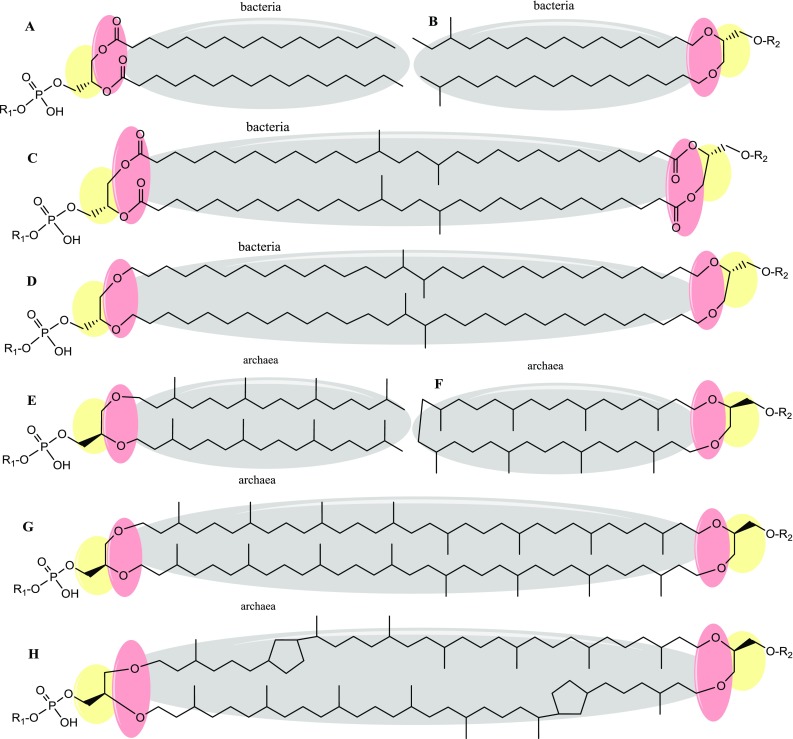
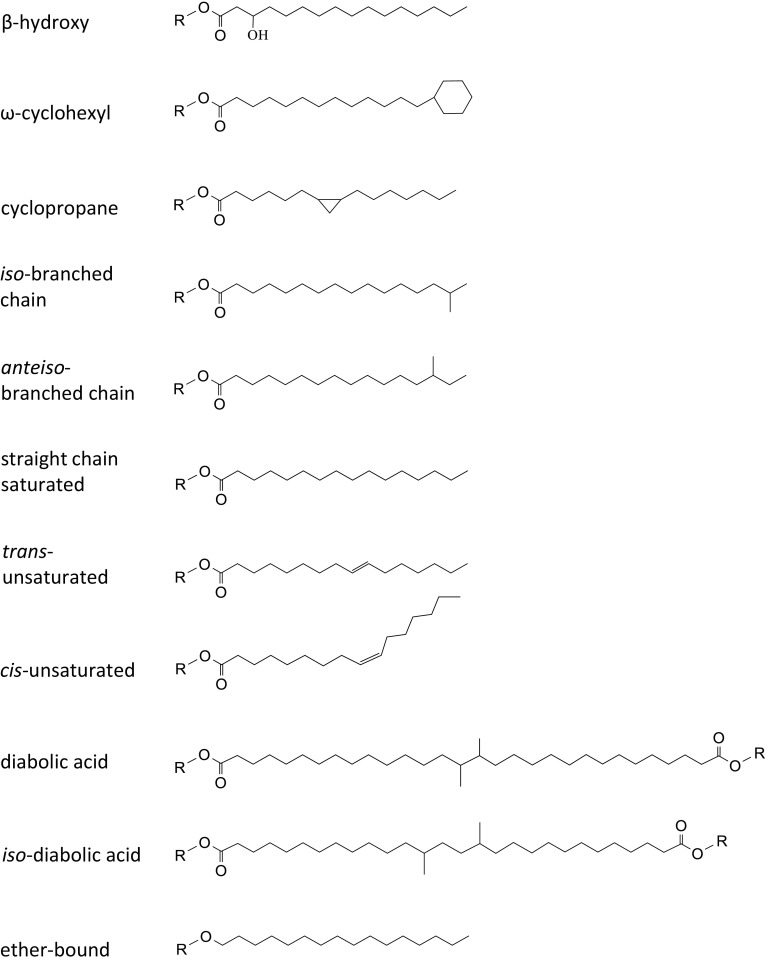
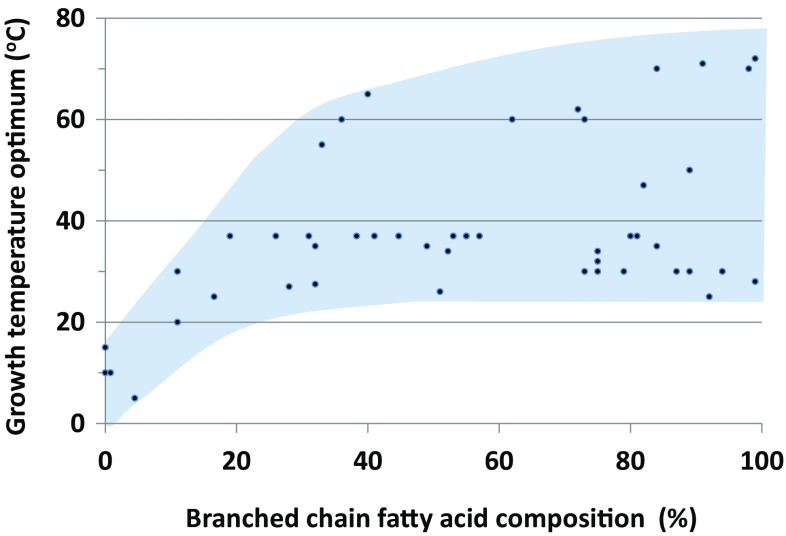
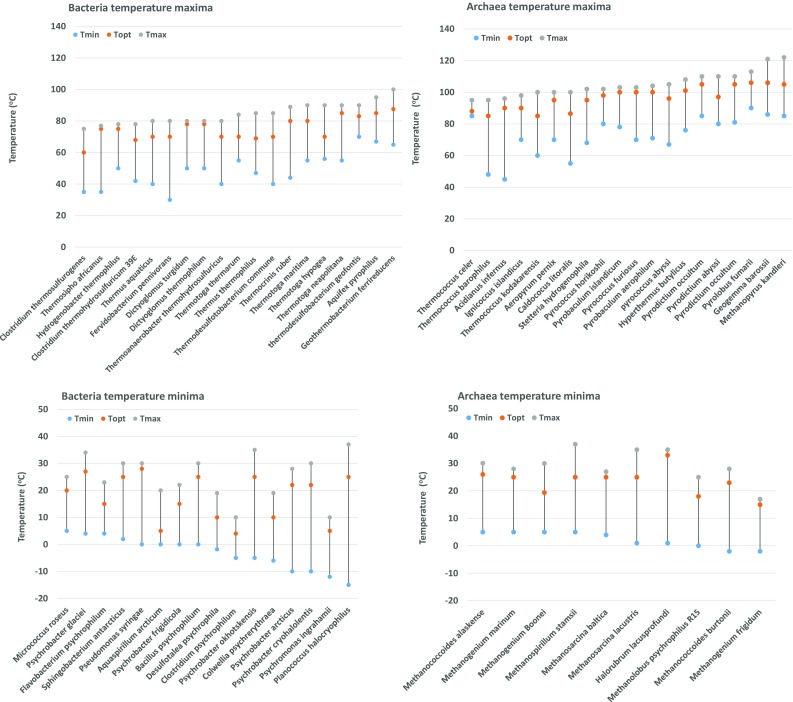
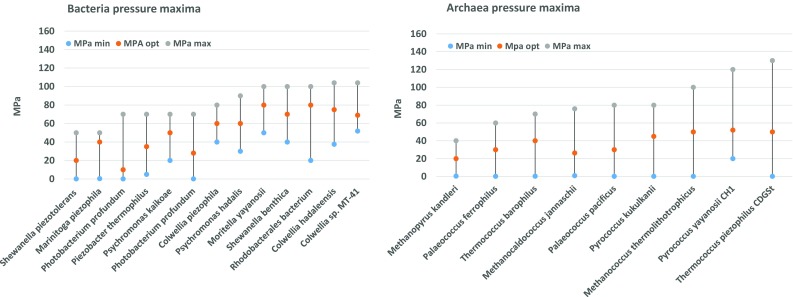
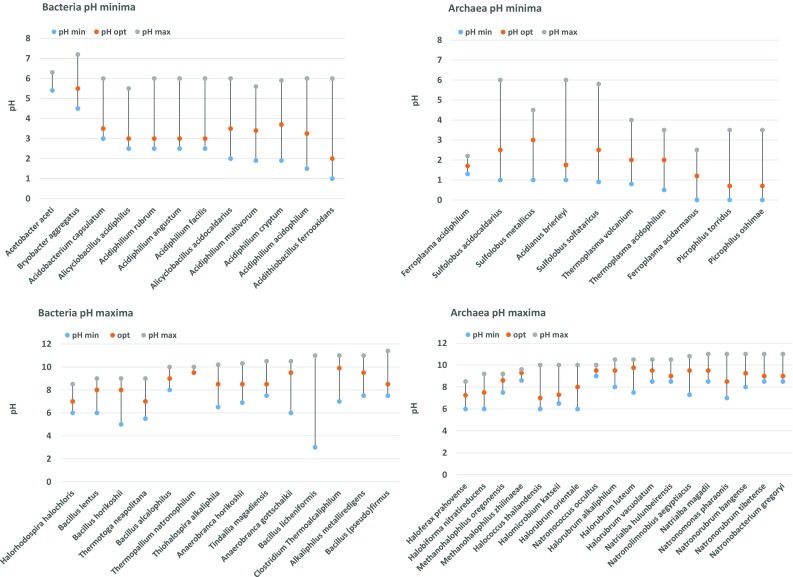
The cytoplasmic membrane of a prokaryotic cell consists of a lipid bilayer or a monolayer that shields the cellular content from the environment. In addition, the membrane contains proteins that are responsible for transport of proteins and metabolites as well as for signalling and energy transduction. Maintenance of the functionality of the membrane during changing environmental conditions relies on the cell's potential to rapidly adjust the lipid composition of its membrane. Despite the fundamental chemical differences between bacterial ester lipids and archaeal ether lipids, both types are functional under a wide range of environmental conditions. We here provide an overview of archaeal and bacterial strategies of changing the lipid compositions of their membranes. Some molecular adjustments are unique for archaea or bacteria, whereas others are shared between the two domains. Strikingly, shared adjustments were predominantly observed near the growth boundaries of bacteria. Here, we demonstrate that the presence of membrane spanning ether-lipids and methyl branches shows a striking relationship with the growth boundaries of archaea and bacteria.
Overview
The claims and statistics of this paper haven’t been checked yet.
Free: it reads the open-access text and checks the first 5 claims that cite a source we can check. Create a free account to check every claim.
Integrity signals
Registry
Cites
Statistics
Figures
Verification
Claims the paper makes
The claims and statistics of this paper haven’t been checked yet.
Free: it reads the open-access text and checks the first 5 claims that cite a source we can check. Create a free account to check every claim.
Claims other papers make about this one
Each is checked against this paper’s own text: does it say what the citing paper says it does?
The source backs part of the claim, not all of it — or backs it for a different population, condition or comparison.
In the citing paper
“Additionally, CPFAs may decrease membrane permeability for protons, which aids the cell's energy conservation (Siliakus et al., 2017).”
From A stable isotope assay with 13C-labeled polyethylene to investigate plastic mineralization mediated by Rhodococcus ruber (2023) · cites this paper as Siliakus et al., 2017
Experimental — accuracy not yet measured
Self-check
Percentages, sums and reported differences re-computed from the paper’s own numbers.
The self-check needs the paper’s full text.
Citations
Cites
Sinensky, M. (1974) · Proceedings of the National Academy of Sciences · doi:10.1073/pnas.71.2.522 · Cited by 1,517 · cited 2×
“Mesophilic and thermophilic bacteria mainly adjust fluidity by increasing the amount of (i) branched chain iso-fatty acids (Patel et al. 1991; Sinensky 1971, 1974), (ii) saturated fatty acids (Oshima and Miyagawa 1974), (iii) long-chain fatty acids and (iv) polar carotenoid content (Ray et al.…”
Iso- and anteiso-fatty acids in bacteria: biosynthesis, function, and taxonomic significance
Kaneda, T. (1991) · Microbiological Reviews · doi:10.1128/mmbr.55.2.288-302.1991 · Cited by 1,464
RAINEY, F. A., WARD-RAINEY, N., KROPPENSTEDT, R. M., & STACKEBRANDT, E. (1996) · International Journal of Systematic Bacteriology · doi:10.1099/00207713-46-4-1088 · Cited by 973 · cited 1×
“The alkaliphilic membranes are also copiously enriched in BCFAs (both iso as anteiso), and oftentimes MUFAs are very abundant (Clejan et al. 1986; Li et al. 1994; Rainey et al. 1996; Ye et al. 2004).”
Takai, K., Nakamura, K., Toki, T., Tsunogai, U., Miyazaki, M., Miyazaki, J., Hirayama, H., Nakagawa, S., Nunoura, T., & Horikoshi, K. (2008) · Proceedings of the National Academy of Sciences · doi:10.1073/pnas.0712334105 · Cited by 848
Psychrophilic microorganisms: challenges for life
D'Amico, S., Collins, T., Marx, J., Feller, G., Gerday, C., & Gerday, C. (2006) · EMBO reports · doi:10.1038/sj.embor.7400662 · Cited by 847
EFFECT OF TEMPERATURE ON THE COMPOSITION OF FATTY ACIDS IN ESCHERICHIA COLI
Marr, A. G., & Ingraham, J. L. (1962) · Journal of Bacteriology · doi:10.1128/jb.84.6.1260-1267.1962 · Cited by 730
Thermus aquaticus gen. n. and sp. n., a Nonsporulating Extreme Thermophile
Brock, T. D., & Freeze, H. (1969) · Journal of Bacteriology · doi:10.1128/jb.98.1.289-297.1969 · Cited by 690
Life in acid: pH homeostasis in acidophiles
Baker-Austin, C., & Dopson, M. (2007) · Trends in Microbiology · doi:10.1016/j.tim.2007.02.005 · Cited by 659 · cited 1×
“Obligate acidophiles synthesize a membrane that is highly impermeable to protons (Baker-Austin and Dopson 2007).”
Schleifer, K. H., & Kilpper-Balz, R. (1984) · International Journal of Systematic Bacteriology · doi:10.1099/00207713-34-1-31 · Cited by 603
OSHIMA, T., & IMAHORI, K. (1974) · International Journal of Systematic Bacteriology · doi:10.1099/00207713-24-1-102 · Cited by 602
Research works printed but not linked: 1
- Nonomura H Ohara Y Distribution of the actinomycetes in soil. IV. The isolation and classification of the genus Streptosporangium J Ferment Technol 1960 38 405 409
Cited by
Bacteria and archaea on Earth and their abundance in biofilms
Flemming, H.-C., & Wuertz, S. (2019) · Nature Reviews Microbiology · doi:10.1038/s41579-019-0158-9 · Cited by 1,729
The Various Roles of Fatty Acids
De Carvalho, C., & Caramujo, M. (2018) · Molecules · doi:10.3390/molecules23102583 · Cited by 921
“This provides a functional state for many biochemical processes, and permeability to neutral molecules such as water, oxygen and carbon dioxide but restricted access to ions and solutes [72].”
BackgroundRegulation of lipid peroxidation and ferroptosis in diverse species
Conrad, M., Kagan, V. E., Bayir, H., Pagnussat, G. C., Head, B., Traber, M. G., & Stockwell, B. R. (2018) · Genes & Development · doi:10.1101/gad.314674.118 · Cited by 544
“Heat-shock (55°C)-induced cell death inArabidopsis requires peroxidation of PUFAs (Distefano et al. 2017), as has been observed in human cancer cells (Skouta et al. 2014).”
BackgroundPermafrost carbon emissions in a changing Arctic
Miner, K. R., Turetsky, M. R., Malina, E., Bartsch, A., Tamminen, J., McGuire, A. D., Fix, A., Sweeney, C., Elder, C. D., & Miller, C. E. (2022) · Nature Reviews Earth & Environment · doi:10.1038/s43017-021-00230-3 · Cited by 538
Wani, A. K., Akhtar, N., Sher, F., Navarrete, A. A., & Américo-Pinheiro, J. H. P. (2022) · Archives of Microbiology · doi:10.1007/s00203-022-02757-5 · Cited by 277
Emergent biogeochemical risks from Arctic permafrost degradation
Miner, K. R., D’Andrilli, J., Mackelprang, R., Edwards, A., Malaska, M. J., Waldrop, M. P., & Miller, C. E. (2021) · Nature Climate Change · doi:10.1038/s41558-021-01162-y · Cited by 212
The Effects of Temperature on Cellular Physiology
Knapp, B. D., & Huang, K. C. (2022) · Annual Review of Biophysics · doi:10.1146/annurev-biophys-112221-074832 · Cited by 201
Biological Role of Unsaturated Fatty Acid Desaturases in Health and Disease
Czumaj, A., & Śledziński, T. (2020) · Nutrients · doi:10.3390/nu12020356 · Cited by 150
Wang, L., Zeng, X., Wang, M., Brennan, C. S., & Gong, D. (2017) · Biochimica et Biophysica Acta (BBA) - Biomembranes · doi:10.1016/j.bbamem.2017.11.007 · Cited by 143
Perspective on anaerobic digestion for biomethanation in cold environments
Dev, S., Saha, S., Kurade, M. B., Salama, E., El-Dalatony, M. M., Ha, G.-S., Chang, S. W., & Jeon, B. (2018) · Renewable and Sustainable Energy Reviews · doi:10.1016/j.rser.2018.12.034 · Cited by 138
In a quest for engineering acidophiles for biomining applications: challenges and opportunities
Gumulya, Y., Boxall, N., Khaleque, H., Santala, V., Carlson, R., & Kaksonen, A. (2018) · Genes · doi:10.3390/genes9020116 · Cited by 120
“The presence of distinct cell membranes, robust enzymes, and DNA repair mechanism in thermophilic archaea are known to play an important role in their survival in extreme environments (Figure 1D) [82,83,128].”
BackgroundAkindolire, M. A., Rama, H., & Roopnarain, A. (2022) · Renewable and Sustainable Energy Reviews · doi:10.1016/j.rser.2022.112394 · Cited by 126
Qattan, S. Y. A. (2025) · Environmental Sciences Europe · doi:10.1186/s12302-025-01103-y · Cited by 109
“Acidophilic microorganisms, such as Thermoplasma , Ferroplasma , and Sulfolobus , can keep pH levels stable even when the pH level is very low [330].”
Molecular Mechanisms of Lipid-Based Metabolic Adaptation Strategies in Response to Cold
Wu, G., Baumeister, R., & Heimbucher, T. (2023) · Cells · doi:10.3390/cells12101353 · Cited by 111
“The regulation of BCFA is species- and temperature-dependent and an upregulation of iso-BCFAs is also observed in Gram-positive bacteria when exposed to low-temperature stress [34,38].”
BackgroundVerrucomicrobial methanotrophs: ecophysiology of metabolically versatile acidophiles
Schmitz, R. A., Peeters, S. H., Versantvoort, W., Picone, N., Pol, A., Jetten, M. S. M., & den Camp, H. J. M. O. (2021) · FEMS Microbiology Reviews · doi:10.1093/femsre/fuab007 · Cited by 118
de Mendoza, D., & Pilon, M. (2019) · Progress in Lipid Research · doi:10.1016/j.plipres.2019.100996 · Cited by 103
Complexity of temperature dependence in methanogenic microbial environments
Conrad, R. (2023) · Frontiers in Microbiology · doi:10.3389/fmicb.2023.1232946 · Cited by 101
“The temperature dependence of membrane rigidity and flexibility is different for the two types of lipid membranes (Koga, 2012; Siliakus et al., 2017), thus affecting microbial adaptation.”
BackgroundStructure and Dynamics of GPCRs in Lipid Membranes: Physical Principles and Experimental Approaches
Jones, A. J. Y., Gabriel, F., Tandale, A., & Nietlispach, D. (2020) · Molecules · doi:10.3390/molecules25204729 · Cited by 98
“This is often achieved by an increased incorporation of unsaturated and shorter acyl chains into the membrane [107].”
BackgroundPhysiology of anammox adaptation to low temperatures and promising biomarkers: A review
Kouba, V., Bachmannová, C., Podzimek, T., Lipovová, P., & van Loosdrecht, M. C. M. (2022) · Bioresource Technology · doi:10.1016/j.biortech.2022.126847 · Cited by 91
Goudriaan, M., Morales, V. H., van der Meer, M. T. J., Mets, A., Ndhlovu, R. T., van Heerwaarden, J., Simon, S., Heuer, V. B., Hinrichs, K.-U., & Niemann, H. (2023) · Marine Pollution Bulletin · doi:10.1016/j.marpolbul.2022.114369 · Cited by 88
Bale, N. J., Palatinszky, M., Rijpstra, W. I. C., Herbold, C. W., Wagner, M., & Damsté, J. S. S. (2019) · Applied and Environmental Microbiology · doi:10.1128/aem.01332-19 · Cited by 94
“Studies that describe the effect of temperature on archaeal polar headgroup composition are limited (for a review, see reference 70).”
Evolution of bacterial steroid biosynthesis and its impact on eukaryogenesis
Hoshino, Y., & Gaucher, E. A. (2021) · Proceedings of the National Academy of Sciences · doi:10.1073/pnas.2101276118 · Cited by 92
The Molecular Basis for Life in Extreme Environments
Ando, N., Barquera, B., Bartlett, D. H., Boyd, E., Burnim, A. A., Byer, A. S., Colman, D., Gillilan, R. E., Gruebele, M., Makhatadze, G., et al. (2021) · Annual Review of Biophysics · doi:10.1146/annurev-biophys-100120-072804 · Cited by 82
Extremophilic Microorganisms for the Treatment of Toxic Pollutants in the Environment
Jeong, S.-W., & Choi, Y. J. (2020) · Molecules · doi:10.3390/molecules25214916 · Cited by 87
“Acidophilic microorganisms can survive under extremely low pH (less than pH 3) conditions, maintaining pH homeostasis by controlling proton permeation [19].”
BackgroundRecent advances in understanding extremophiles
Coker, J. (2019) · F1000Research · doi:10.12688/f1000research.20765.1 · Cited by 87
“To counteract this, bacterial piezophiles have been shown to incorporate polyunsaturated and monounsaturated fatty acids 11 or phosphatidylglycerol and phosphatidylcholine instead of phosphatidylethanolamine 35 .”
BackgroundTiwari, B. R., Rouissi, T., Brar, S. K., & Surampalli, R. Y. (2021) · Waste Management · doi:10.1016/j.wasman.2021.07.002 · Cited by 86
Polyhydroxyalkanoates from extremophiles: A review
Obulisamy, P. K., & Mehariya, S. (2021) · Bioresource Technology · doi:10.1016/j.biortech.2020.124653 · Cited by 83
A Glacier Bacterium Produces High Yield of Cryoprotective Exopolysaccharide
Ali, P., Shah, A. A., Hasan, F., Hertkorn, N., Gonsior, M. J., Sajjad, W., & Chen, F. (2020) · Frontiers in Microbiology · doi:10.3389/fmicb.2019.03096 · Cited by 76
Prebiological Membranes and Their Role in the Emergence of Early Cellular Life
Sarkar, S., Das, S., Dagar, S., Joshi, M. P., Mungi, C. V., Sawant, A. A., Patki, G. M., & Rajamani, S. (2020) · The Journal of Membrane Biology · doi:10.1007/s00232-020-00155-w · Cited by 78
Yusof, N. A., Hashim, N. H. F., & Bharudin, I. (2021) · Journal of Fungi · doi:10.3390/jof7070528 · Cited by 73
“The cell membrane plays a vital role in nutrient uptake, signaling, energy transduction and acts as the first barrier from any environmental stressors [72].”
BackgroundHow methanotrophs respond to pH: A review of ecophysiology
Yao, X., Wang, J., & Hu, B. (2023) · Frontiers in Microbiology · doi:10.3389/fmicb.2022.1034164 · Cited by 83
Pazhani, G. P., Chowdhury, G., & Ramamurthy, T. (2021) · Frontiers in Microbiology · doi:10.3389/fmicb.2021.737299 · Cited by 84
Norris, C. E., Swallow, M. J. B., Liptzin, D., Cope, M. P., Bean, G. M., Cappellazzi, S. B., Greub, K. L. H., Rieke, E. L., Tracy, P. W., Morgan, C. L. S., et al. (2023) · Applied Soil Ecology · doi:10.1016/j.apsoil.2022.104793 · Cited by 70
Hu, W., Feng, S., Tong, Y., Zhang, H., & Yang, H. (2020) · Biotechnology Advances · doi:10.1016/j.biotechadv.2020.107580 · Cited by 71
The lipid bilayer membrane and its protein constituents
Robertson, J. (2018) · The Journal of General Physiology · doi:10.1085/jgp.201812153 · Cited by 73
“Therefore, mixed membranes offer a way of regulating membrane physiology beyond the activity of each individual protein, and this can be modulated by changes in lipid synthesis or metabolism (Siliakus et al., 2017).”
BackgroundRóg, T., Girych, M., & Bunker, A. (2021) · Pharmaceuticals · doi:10.3390/ph14101062 · Cited by 70
Ruiz, M., Bodhicharla, R. K., Svensk, E., Devkota, R., Busayavalasa, K., Palmgren, H., Ståhlman, M., Borén, J., & Pilon, M. (2018) · eLife · doi:10.7554/elife.40686 · Cited by 68
“Today we find numerous instances of membrane composition adaptation to environmental conditions such as temperature, pH or pressure across all of life’s diversity (Siliakus et al., 2017; Guschina and Harwood, 2006; Cossins and Macdonald, 1989).”
An insight into the mechanisms of homeostasis in extremophiles
Somayaji, A., Dhanjal, C. R., Lingamsetty, R., Vinayagam, R., Selvaraj, R., Varadavenkatesan, T., & Govarthanan, M. (2022) · Microbiological Research · doi:10.1016/j.micres.2022.127115 · Cited by 68
Kerou, M., Ponce-Toledo, R. I., Zhao, R., Abby, S. S., Hirai, M., Nomaki, H., Takaki, Y., Nunoura, T., Jørgensen, S. L., & Schleper, C. (2021) · The ISME Journal · doi:10.1038/s41396-021-00962-6 · Cited by 66
“414 415 The cytoplasmic membrane is severely affected by HHP, which induces a tighter packing of the lipids 416 and a transition to a gel state, resulting in a decrease in fluidity and permeability [92, 93].”
BackgroundHuguet, A., Coffinet, S., Roussel, A., Gayraud, F., Anquetil, C., Bergonzini, L., Bonanomi, G., Williamson, D., Majule, A. E., & Derenne, S. (2019) · Organic Geochemistry · doi:10.1016/j.orggeochem.2019.01.002 · Cited by 63
Cold adaptation in bacteria with special focus on cellulase production and its potential application
Gupta, S. K., Kataki, S., Chatterjee, S., Prasad, R. K., Datta, S., Vairale, M. G., Sharma, S., Dwivedi, S. K., & Gupta, D. K. (2020) · Journal of Cleaner Production · doi:10.1016/j.jclepro.2020.120351 · Cited by 67
Bale, N. J., Sorokin, D. Y., Hopmans, E. C., Koenen, M., Rijpstra, W. I. C., Villanueva, L., Wienk, H., & Damsté, J. S. S. (2019) · Frontiers in Microbiology · doi:10.3389/fmicb.2019.00377 · Cited by 62
Fatty Acid and Hopanoid Adaption to Cold in the Methanotroph Methylovulum psychrotolerans
Bale, N. J., Rijpstra, W. I. C., Sahonero-Canavesi, D. X., Oshkin, I. Y., Belova, S. E., Dedysh, S. N., & Sinninghe Damsté, J. S. (2019) · Frontiers in Microbiology · doi:10.3389/fmicb.2019.00589 · Cited by 62
“Indeed, in order to maintain sufficient membrane fluidity at low temperatures, bacteria adapt their membranes to lower the phase-transition temperature below which their membrane changes from a “fluid” (liquid-crystalline) to a “rigid” phase (Chattopadhyay, 2006; Guschina and Harwood, 2006; Shivaji and Prakash, 2010;…”
BackgroundTimmers, P. H. A., Vavourakis, C. D., Kleerebezem, R., Damsté, J. S. S., Muyzer, G., Stams, A. J. M., Sorokin, D. Y., & Plugge, C. M. (2018) · Frontiers in Microbiology · doi:10.3389/fmicb.2018.03039 · Cited by 61
“Bacterial alkyl glycerol ether lipids were found in (hyper)thermophilic bacteria and acidophilic bacteria (Koga, 2012; Siliakus et al., 2017), but also in mesophilic Planctomycetes (Sinninghe Damsté et al.”
BackgroundPluháčková, K., & Hörner, A. (2021) · BMC Biology · doi:10.1186/s12915-020-00936-8 · Cited by 62
“Results and discussion Escherichia coli adapts to the surrounding conditions by altering the lipid tail composition of its plasma membrane [66].”
BackgroundDesiccation-induced cell damage in bacteria and the relevance for inoculant production
Greffe, V. R. G., & Michiels, J. J. (2020) · Applied Microbiology and Biotechnology · doi:10.1007/s00253-020-10501-6 · Cited by 65
Development of fluorescent probes targeting the cell wall of pathogenic bacteria
Liu, W., Lu, M., Li, X., & Xu, Z. (2020) · Coordination Chemistry Reviews · doi:10.1016/j.ccr.2020.213646 · Cited by 59
Physiological and Biotechnological Aspects of Extremophiles
Salvador‐Castell, M., Oger, P., & Peters, J. (2020) · Elsevier eBooks · doi:10.1016/c2018-0-03860-8 · Cited by 61
Microbial membrane lipid adaptations to high hydrostatic pressure in the marine environment
Tamby, A., Damsté, J. S. S., & Villanueva, L. (2023) · Frontiers in Molecular Biosciences · doi:10.3389/fmolb.2022.1058381 · Cited by 64
“hydroxy groups covalent bonds, and ring moieties, the abundance of which has been related to membrane fluidity adaptation to compensate for environmental changes (Figure 3; Siliakus et al., 2017; Jebbar et al., 2015).”
BackgroundHua, S., Wang, Y., Wang, L., Zhou, Q., Li, Z., Liu, P., Wang, K., Zhu, Y., Han, D. K., & Yu, Y. (2024) · Microbial Cell Factories · doi:10.1186/s12934-024-02602-y · Cited by 61
“For cell membrane fatty acids, trans-UFA structures are more stable than cis-UFA structures, increasing membrane density, resulting in a more tightly ordered membrane with reduced fluidity [105, 106].”
Neurath, R. A., Pett‐Ridge, J., Chu‐Jacoby, I., Herman, D. J., Whitman, T. L., Nico, P., Lipton, A. S., Kyle, J. E., Tfaily, M., Thompson, A. M., et al. (2021) · Environmental Science & Technology · doi:10.1021/acs.est.1c00300 · Cited by 69
Extremophiles: the species that evolve and survive under hostile conditions
Rekadwad, B. N., Li, W.-J., Grau, J. M. G., Devasya, R. P., Bhagwath, A. A., Urana, R., & Parwez, K. (2023) · 3 Biotech · doi:10.1007/s13205-023-03733-6 · Cited by 57
Natural biocide cocktails: Combinatorial antibiotic effects of prodigiosin and biosurfactants
Hage‐Hülsmann, J., Grünberger, A., Thies, S., Santiago‐Schübel, B., Klein, A., Pietruszka, J., Binder, D., Hilgers, F., Domröse, A., Drepper, T., et al. (2018) · PLoS ONE · doi:10.1371/journal.pone.0200940 · Cited by 58
Sun, J., He, X., Le, Y., Al-Tohamy, R., & Ali, S. S. (2024) · Journal of Environmental Management · doi:10.1016/j.jenvman.2024.120081 · Cited by 60
Kouba, V., Vejmelková, D., Zwolsman, E. J., Hůrková, K., Navrátilová, K., Laureni, M., Vodičková, P., Podzimek, T., Hajšlová, J., Pabst, M., et al. (2021) · Water Research · doi:10.1016/j.watres.2021.117822 · Cited by 56
On anammox activity at low temperature: Effect of ladderane composition and process conditions
Kouba, V., Hůrková, K., Navrátilová, K., Kok, D., Benáková, A., Laureni, M., Vodičková, P., Podzimek, T., Lipovová, P., van Niftrik, L. A., et al. (2022) · Chemical Engineering Journal · doi:10.1016/j.cej.2022.136712 · Cited by 54
Pandey, A., Jain, R., Sharma, A., Dhakar, K., Kaira, G. S., Rahi, P., Dhyani, A., Pandey, N., Adhikari, P., & Shouche, Y. S. (2019) · SN Applied Sciences · doi:10.1007/s42452-019-0273-2 · Cited by 54
OPTiMAL: a new machine learning approach for GDGT-based palaeothermometry
Jones, T. D., Eley, Y. L., Thomson, W., Greene, S. E., Mandel, I., Edgar, K. M., & Bendle, J. (2020) · Climate of the past · doi:10.5194/cp-16-2599-2020 · Cited by 58
Chen, B., Azman, S., Dewil, R., & Appels, L. (2023) · Chemical Engineering Journal · doi:10.1016/j.cej.2023.146852 · Cited by 55
Harnessing bacterial endophytes for environmental resilience and agricultural sustainability
Muhammad, M., Wahab, A. H., Waheed, A., Mohamed, H. I., Hakeem, K. R., Li, L., & Li, W. (2024) · Journal of Environmental Management · doi:10.1016/j.jenvman.2024.122201 · Cited by 60
Controlled lacustrine microcosms show a brGDGT response to environmental perturbations
Martínez‐Sosa, P., Tierney, J. E., & Meredith, L. (2020) · Organic Geochemistry · doi:10.1016/j.orggeochem.2020.104041 · Cited by 55
Advancing the fundamental understanding and practical applications of photo-bioelectrocatalysis
Grattieri, M., Beaver, K., Gaffney, E. M., Dong, F., & Minteer, S. D. (2020) · Chemical Communications · doi:10.1039/d0cc02672g · Cited by 52
The Potential of Modified and Multimeric Antimicrobial Peptide Materials as Superbug Killers
Matthyssen, T., Li, W., Holden, J. A., Lenzo, J. C., Hadjigol, S., & O’brien-simpson, N. M. (2022) · Frontiers in Chemistry · doi:10.3389/fchem.2021.795433 · Cited by 52
Redox (phospho)lipidomics of signaling in inflammation and programmed cell death
Tyurina, Y. Y., Croix, C. M. S., Watkins, S. C., Watson, A. M., Epperly, M. W., Anthonymuthu, T. S., Kisin, E. R., Vlasova, I. I., Krysko, O., Krysko, D. V., et al. (2019) · Journal of Leukocyte Biology · doi:10.1002/jlb.3mir0119-004rr · Cited by 49
Huang, M., Wang, Z., Yao, L., Zhang, L., Gou, X., Mo, H., Li, H., Hu, L., & Zhou, X. (2023) · International Journal of Antimicrobial Agents · doi:10.1016/j.ijantimicag.2023.106794 · Cited by 45
Insights into the biotechnology potential of Methanosarcina
Carr, S., & Buan, N. R. (2022) · Frontiers in Microbiology · doi:10.3389/fmicb.2022.1034674 · Cited by 49
“Caldarcheol is of particular biotechnological interest as the cyclized tetraether lipids maintain cellular homeostasis in the presence of extreme pH and thermal stress (Boyd et al., 2013; Siliakus et al., 2017).”
BackgroundThe Cell Membrane of Sulfolobus spp.—Homeoviscous Adaption and Biotechnological Applications
Rastädter, K., Wurm, D. J., Oliver Spadiut, A., & Quehenberger, J. (2020) · International Journal of Molecular Sciences · doi:10.3390/ijms21113935 · Cited by 46
Kou, Q., Zhu, L., Ju, J., Wang, J., Xu, T., Li, C., & Ma, Q. (2022) · Palaeogeography Palaeoclimatology Palaeoecology · doi:10.1016/j.palaeo.2022.111127 · Cited by 43
Life on the Edge: Bioprospecting Extremophiles for Astrobiology
Schultz, J., dos Santos, A., Patel, N. S., & Rosado, A. S. (2023) · Journal of the Indian Institute of Science · doi:10.1007/s41745-023-00382-9 · Cited by 44
Energy flux controls tetraether lipid cyclization in Sulfolobus acidocaldarius
Zhou, A. Q., Chiu, B. K., Weber, Y., Elling, F. J., Cobban, A., Pearson, A., & Leavitt, W. D. (2019) · Environmental Microbiology · doi:10.1111/1462-2920.14851 · Cited by 42
Zhang, C., Tan, X., Yang, X. H., Wu, F., & Liu, X. (2020) · The Science of The Total Environment · doi:10.1016/j.scitotenv.2020.142947 · Cited by 41
Relevance of Earth-Bound Extremophiles in the Search for Extraterrestrial Life
Carré, L., Zaccaï, G., Delfosse, X., Girard, É., & Franzetti, B. (2022) · Astrobiology · doi:10.1089/ast.2021.0033 · Cited by 52
“The common feature of piezophilic membrane is increased flu-idity (Siliakus et al. , 2017), which is achieved with molecular traits shared with psychrophiles: more unsaturated (DeLong and Yayanos, 1985; Hazel and Eugene Williams, 1990) and shorter (Bartlett and Bidle, 1999) hydrophobic tails.”
Xu, X., Yan, M., Sun, Y., & Li, Y. (2023) · Chemical Engineering Journal · doi:10.1016/j.cej.2023.143183 · Cited by 40
Factors Influencing the Bioavailability of Organic Molecules to Bacterial Cells—A Mini-Review
Smułek, W., & Kaczorek, E. (2022) · Molecules · doi:10.3390/molecules27196579 · Cited by 41
“, its fluidity and porosity) changes as a result of exposure to a changing external environment [121].”
BackgroundThe Underrated Gut Microbiota Helminths, Bacteriophages, Fungi, and Archaea
García-Bonete, M.-J., Rajan, A., Suriano, F., & Layunta, E. (2023) · Life · doi:10.3390/life13081765 · Cited by 43
Abedi, R., Raoof, J. B., Hashkavayi, A. B., Darbandi, Z. J., Abedi, P., & Darband, G. B. (2025) · Talanta · doi:10.1016/j.talanta.2025.128330 · Cited by 40
Thermophilic caproic acid production from grass juice by sugar-based chain elongation
Sakarika, M., Regueira, A., Rabaey, K., & Ganigué, R. (2022) · The Science of The Total Environment · doi:10.1016/j.scitotenv.2022.160501 · Cited by 39
Lactobacillus paracasei A13 and High-Pressure Homogenization Stress Response
Siroli, L., Braschi, G., Rossi, S., Gottardi, D., Patrignani, F., & Lanciotti, R. (2020) · Microorganisms · doi:10.3390/microorganisms8030439 · Cited by 40
“The importance of specific UFAs, such as oleic and linoleic acids, as a general stress response mechanism in gram-positive and gram-negative bacteria and yeasts was recognized by several authors [34,36,39,55].”
BackgroundEarly Response of Sulfolobus acidocaldarius to Nutrient Limitation
Bischof, L. F., Haurat, M. F., Hoffmann, L., Albersmeier, A., Wolf, J., Neu, A., Pham, T. K., Albaum, S. P., Jakobi, T., Schouten, S., et al. (2019) · Frontiers in Microbiology · doi:10.3389/fmicb.2018.03201 · Cited by 44
Puig‐Castellví, F., Midoux, C., Guenne, A., Conteau, D., Franchi, Ó., Bureau, C., Madigou, C., Bouveresse, D. J., Kroff, P., Mazéas, L., et al. (2021) · Bioresource Technology · doi:10.1016/j.biortech.2021.126612 · Cited by 37
Ecological and Biotechnological Relevance of Mediterranean Hydrothermal Vent Systems
Rizzo, C., Arcadi, E., Calogero, R., Sciutteri, V., Consoli, P., Esposito, V., Canese, S., Andaloro, F., & Romeo, T. (2022) · Minerals · doi:10.3390/min12020251 · Cited by 37
Řezanka, T., Kyselová, L., & Murphy, D. J. (2023) · Progress in Lipid Research · doi:10.1016/j.plipres.2023.101237 · Cited by 36
RetractedSuperoxide dismutase in nanoarchaeosomes for targeted delivery to inflammatory macrophages
Schilrreff, P., Simioni, Y. R., Jerez, H. E., Caimi, A. T., de Farias, M. A., Portugal, R. V., Romero, E. L., & Morilla, M. J. (2019) · Colloids and Surfaces B Biointerfaces · doi:10.1016/j.colsurfb.2019.03.061 · Cited by 42
“Another interesting property is the natural targeting ability of certain ARC, that depends on the type of lipids produced by different archaebacteria gender [24].”
BackgroundGao, G., Peng, D., Wu, D., Zhang, Y., & Chu, H. (2021) · Applied and Environmental Microbiology · doi:10.1128/aem.02560-20 · Cited by 34
Jamil, F. N., Hashim, A. M., Yusof, M. T., & Saidi, N. B. (2022) · Scientific Reports · doi:10.1038/s41598-022-04886-9 · Cited by 34
Molecular insights into the ecology of a psychrotolerant Pseudomonas syringae
Pavankumar, T. L., Mittal, P., & Hallsworth, J. E. (2020) · Environmental Microbiology · doi:10.1111/1462-2920.15304 · Cited by 37
Membrane fatty acid desaturase: biosynthesis, mechanism, and architecture
Halim, N. F. A. A., Ali, M. S. M., Leow, T. C., & Rahman, R. N. Z. R. A. (2022) · Applied Microbiology and Biotechnology · doi:10.1007/s00253-022-12142-3 · Cited by 44
Phosphorus drives adaptive shifts in membrane lipid pools and synthesis between soils
Warren, C. R., & Butler, O. M. (2024) · Soil Biology and Biochemistry · doi:10.1016/j.soilbio.2024.109387 · Cited by 32
“…ecosystems established the proportions of different membrane lipid classes is fine-tuned to nutrient availability (e.g. Van Mooy et al., 2009; Siliakus et al., 2017), and we can now likewise add that the proportion of phospholipids to P-free betaine lipids in soil microbial communities is…”
Pedrosa‐Pamies, R., Conte, M. H., Weber, J. C., & Johnson, R. J. (2018) · Progress In Oceanography · doi:10.1016/j.pocean.2018.08.005 · Cited by 34
Sánchez‐Andrea, I., van der Graaf, C. M., Hornung, B., Bale, N. J., Jarzembowska, M., Sousa, D. Z., Rijpstra, W. I. C., Damsté, J. S. S., & Stams, A. J. M. (2022) · Frontiers in Microbiology · doi:10.3389/fmicb.2022.816605 · Cited by 31
Food, Health, and Environmental Impact of Lactic Acid Bacteria: The Superbacteria for Posterity
Akpoghelie, P. O., Edo, G. I., Mafe, A. N., Isoje, E. F., Igbuku, U. A., Ali, A. B. M., Yousif, E. A., Owheruo, J. O., Oberhiri, S. O., Essaghah, A. E. A., et al. (2025) · Probiotics and Antimicrobial Proteins · doi:10.1007/s12602-025-10546-x · Cited by 34
“Like polyunsaturated fatty acids, cyclopropane fatty acids are thought to play a part in making LAB membranes more fluid and shielding LAB from various environmental factors like low pH, harmful oxygen effects, and extremely high or low temperatures [106].”
Khiaosa‐ard, R., Mahmood, M., Lerch, F., Traintinger, F.-P., Petri, R. M., Münnich, M., & Zebeli, Q. (2020) · Anaerobe · doi:10.1016/j.anaerobe.2020.102263 · Cited by 31
Controls on soil microbial carbon use efficiency over long-term ecosystem development
Oliver, E. E., Houlton, B. Z., & Lipson, D. A. (2021) · Biogeochemistry · doi:10.1007/s10533-021-00758-y · Cited by 31
Diniz, B. C. C., Wilfert, P. K., Sorokin, D. Y., & van Loosdrecht, M. C. M. (2025) · Bioresource Technology · doi:10.1016/j.biortech.2025.132505 · Cited by 32
Global calibration of novel 3-hydroxy fatty acid based temperature and pH proxies
Wang, C., Bendle, J., Yang, H., Yang, Y., Hardman, A., Yamoah, K. A., Thorpe, A. C., Mandel, I., Greene, S. E., Huang, J., et al. (2021) · Geochimica et Cosmochimica Acta · doi:10.1016/j.gca.2021.03.010 · Cited by 30
Kouba, V., Hůrková, K., Navrátilová, K., Kok, D., Benáková, A., Laureni, M., Vodičková, P., Podzimek, T., Lipovová, P., van Niftrik, L. A., et al. (2022) · The Science of The Total Environment · doi:10.1016/j.scitotenv.2022.154715 · Cited by 30
Liu, R., Chen, Y., Tian, Z., Mao, Z., Cheng, H., Zhou, H., & Wang, W. (2019) · Bioresource Technology · doi:10.1016/j.biortech.2019.121416 · Cited by 30
The Lipidome Fingerprint of Longevity
Jové, M., Mota‐Martorell, N., Pradas, I., Galo‐Licona, J. D., Martin‐Garí, M., Òbis, È., Sol, J., & Pamplona, R. (2020) · Molecules · doi:10.3390/molecules25184343 · Cited by 32
Ferroptosis, Metabolic Rewiring, and Endometrial Cancer
Žalytė, E. (2023) · International Journal of Molecular Sciences · doi:10.3390/ijms25010075 · Cited by 32
“The unique composition of cellular membranes allows microorganisms to survive harsh environmental conditions—extreme pH, temperature, and pressure [85].”
BackgroundMicrobial Ecosystems as Guardians of Food Security and Water Resources in the Era of Climate Change
Toor, M. D., Rehman, M. U., Abid, J., Nath, D., Ullah, I., Basıt, A., Din, M. M. U., & Mohamed, H. I. (2024) · Water Air & Soil Pollution · doi:10.1007/s11270-024-07533-3 · Cited by 34
“…et al., 2019); however, Thermotoga maritima, a bacterial hyperthermophile, contains a membrane lipid known as 15,16-dimethyl-30-glyceryloxytriacontanedioic acid instead of the esterlipids that increases the membrane stability and prevents hydrolysis at higher temperatures (Siliakus et al., 2017).”
Metadata
- Authors
- Siliakus, M. F., van der Oost, J., & Kengen, S. W. M.
- Affiliations
- Wageningen University & Research (NL)
- Corresponding author
- Siliakus, Melvin F.
- Venue
- Extremophiles
- Published
- 2017-05-15
- Volume
- 21
- Issue
- 4
- Pages
- 651-670
- ISSN
- 1431-0651 (ISSN-L)
- 1433-4909
- PMC
- PMC5487899
- OpenAlex
- W2614364664
- Semantic Scholar
- fb05998ae3ab304e5c62cd4946ad9e4185cd32d0
- Cited by
- 450
- References
- 179
- Citations by year
- 2026: 51 · 2025: 60 · 2024: 56 · 2023: 57 · 2022: 58 · 2021: 60 · 2020: 44 · 2019: 40 · 2018: 21 · 2017: 2
- FWCI
- 2.74
- Type
- journal article
- Language
- en
- Open access
- hybrid
- doi.org
- Locations
- Extremophiles (publishedVersion, cc-by)
- Europe PMC (PubMed Central) (publishedVersion, cc-by)
- PubMed Central (publishedVersion, cc-by)
- PubMed (publishedVersion)
- Socio-Environmental Systems Modeling (acceptedVersion, cc-by)
- Data Archiving and Networked Services (DANS) (submittedVersion, cc-by)
- Funders
- BE-Basic (Project F06.002.01)
- Topics
- Life Sciences › Biochemistry, Genetics and Molecular Biology › Molecular Biology › Lipid Membrane Structure and Behavior
- Life Sciences › Biochemistry, Genetics and Molecular Biology › Genetics › Bacterial Genetics and Biotechnology
- Life Sciences › Biochemistry, Genetics and Molecular Biology › Biochemistry › Lipid metabolism and biosynthesis
- Keywords
- membrane lipid composition, archaeal membranes, bacterial membranes, ether lipids, membrane fluidity, thermal adaptation, pH adaptation, pressure adaptation, growth boundaries, lipid bilayers
- MeSH terms
- Adaptation, Physiological, Archaea, Cell Membrane, Hydrogen-Ion Concentration, Pressure, Temperature, Bacterial Physiological Phenomena
About these checks
Registry, retraction, Cites and statistics results are computed, not judged, with one exception: a printed reference that no index lists is read once by a model before it counts as a citation error. Claims are extracted by a model and kept only when their quote appears verbatim in the text; each cited source is then checked, with a model’s help, for whether it says what the claim relies on. Those verdicts can be wrong — read the claim’s quote and the cited source before relying on one.
Statistics and arithmetic are recomputed, not judged.
Confidence bands are shown only for fields calibrated on our annotated test set. None is calibrated yet, so no band is shown.
What counts as a claim ›How we measure confidence ›How we check this ›
Are you an author, or do you see a problem with this page? Request a review
Data sources
Bibliographic data: Semantic Scholar, OpenAlex, Crossref.
Contains information from the Semantic Scholar Academic Graph Datasets, made available under the ODC Attribution License (ODC-BY 1.0).
Semantic Scholar’s data is described in: Kinney, R., et al. (2023). The Semantic Scholar Open Data Platform. arXiv:2301.10140.
