

Adaptations of archaeal and bacterial membranes to variations in temperature, pH and pressure
Open accessThe DOI matches its Crossref record; 180 of the 180 references it cites were found in a registry or an index.
Abstract
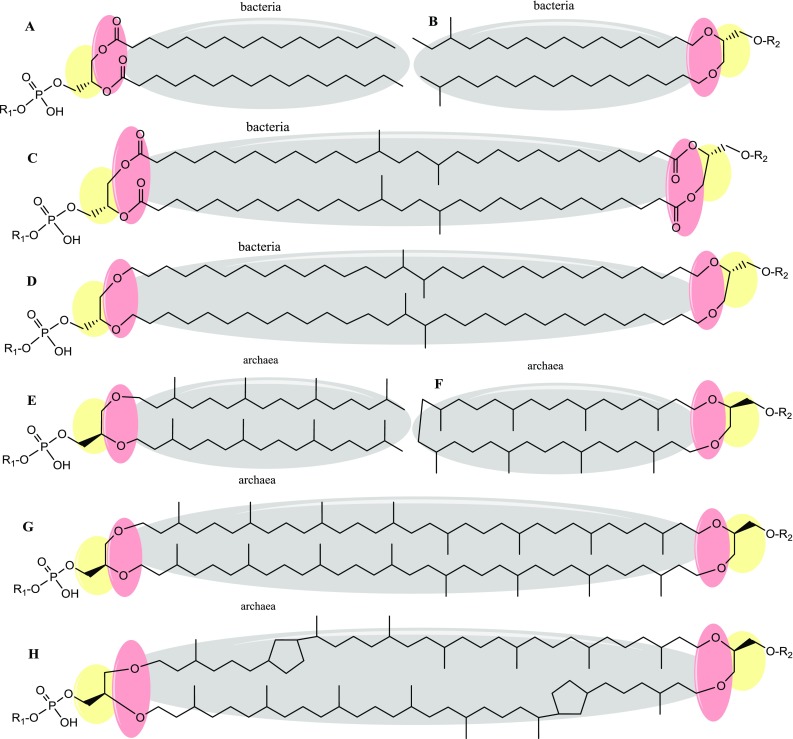
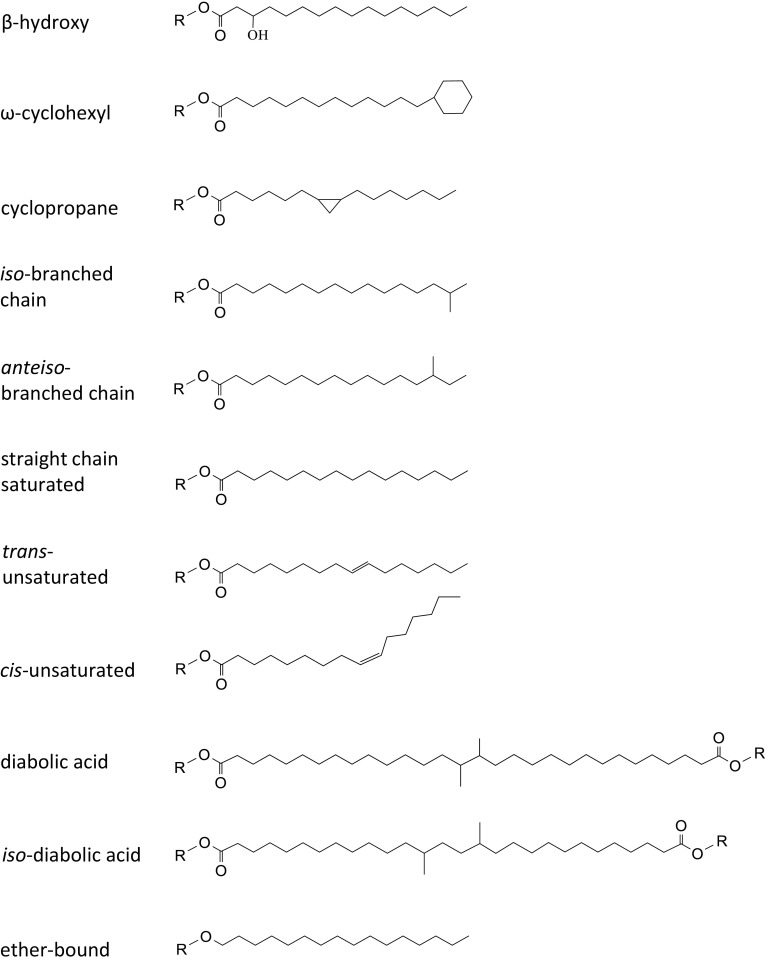
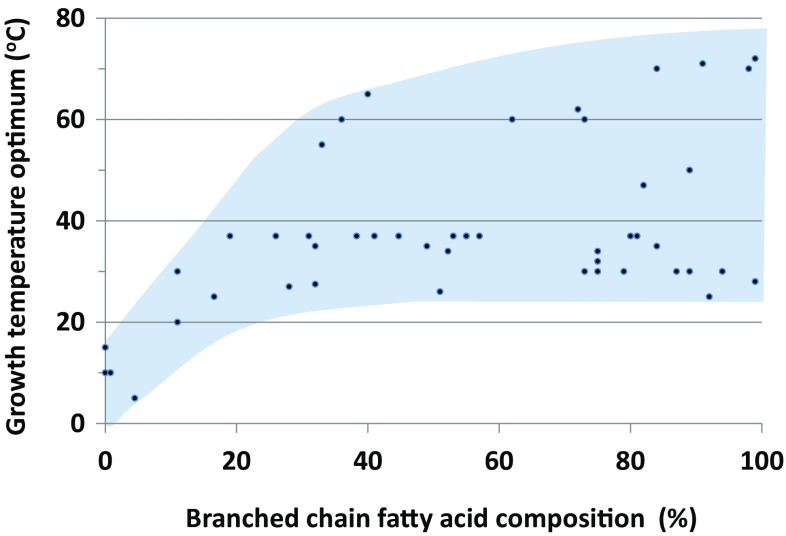
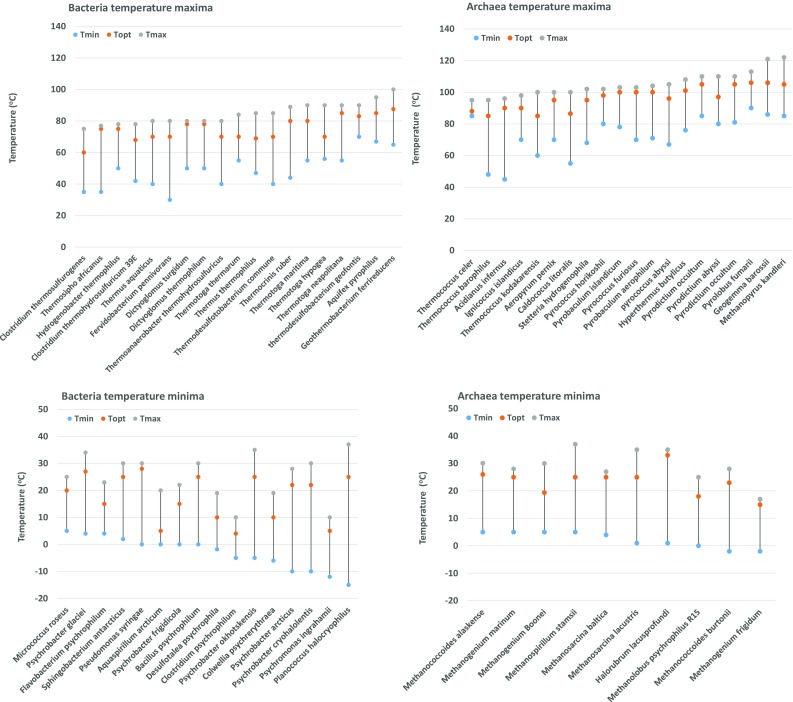
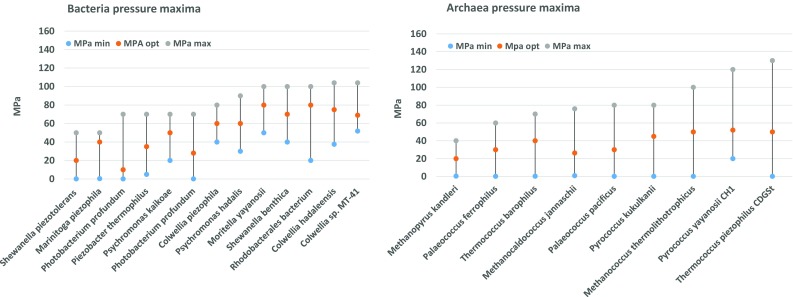
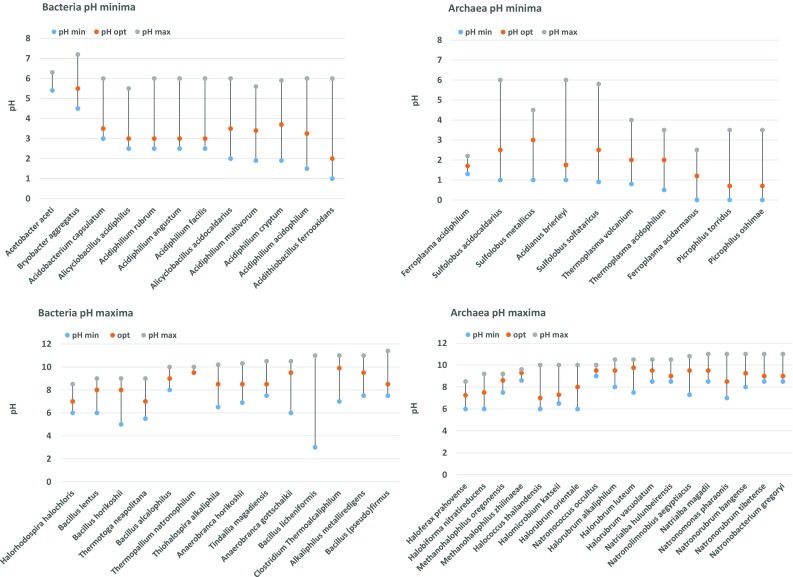
The cytoplasmic membrane of a prokaryotic cell consists of a lipid bilayer or a monolayer that shields the cellular content from the environment. In addition, the membrane contains proteins that are responsible for transport of proteins and metabolites as well as for signalling and energy transduction. Maintenance of the functionality of the membrane during changing environmental conditions relies on the cell's potential to rapidly adjust the lipid composition of its membrane. Despite the fundamental chemical differences between bacterial ester lipids and archaeal ether lipids, both types are functional under a wide range of environmental conditions. We here provide an overview of archaeal and bacterial strategies of changing the lipid compositions of their membranes. Some molecular adjustments are unique for archaea or bacteria, whereas others are shared between the two domains. Strikingly, shared adjustments were predominantly observed near the growth boundaries of bacteria. Here, we demonstrate that the presence of membrane spanning ether-lipids and methyl branches shows a striking relationship with the growth boundaries of archaea and bacteria.
Overview
The claims and statistics of this paper haven’t been checked yet.
Free: it reads the open-access text and checks the first 5 claims that cite a source we can check. Create a free account to check every claim.
Integrity signals
Registry
Cites
Statistics
Figures
Verification
Claims the paper makes
The claims and statistics of this paper haven’t been checked yet.
Free: it reads the open-access text and checks the first 5 claims that cite a source we can check. Create a free account to check every claim.
Claims other papers make about this one
Each is checked against this paper’s own text: does it say what the citing paper says it does?
The source backs part of the claim, not all of it — or backs it for a different population, condition or comparison.
In the citing paper
“Additionally, CPFAs may decrease membrane permeability for protons, which aids the cell's energy conservation (Siliakus et al., 2017).”
From A stable isotope assay with 13C-labeled polyethylene to investigate plastic mineralization mediated by Rhodococcus ruber (2023) · cites this paper as Siliakus et al., 2017
Experimental — accuracy not yet measured
Self-check
Percentages, sums and reported differences re-computed from the paper’s own numbers.
The self-check needs the paper’s full text.
Citations
Cites
Sinensky, M. (1974) · Proceedings of the National Academy of Sciences · doi:10.1073/pnas.71.2.522 · Cited by 1,517 · cited 2×
“Mesophilic and thermophilic bacteria mainly adjust fluidity by increasing the amount of (i) branched chain iso-fatty acids (Patel et al. 1991; Sinensky 1971, 1974), (ii) saturated fatty acids (Oshima and Miyagawa 1974), (iii) long-chain fatty acids and (iv) polar carotenoid content (Ray et al.…”
Iso- and anteiso-fatty acids in bacteria: biosynthesis, function, and taxonomic significance
Kaneda, T. (1991) · Microbiological Reviews · doi:10.1128/mmbr.55.2.288-302.1991 · Cited by 1,464
RAINEY, F. A., WARD-RAINEY, N., KROPPENSTEDT, R. M., & STACKEBRANDT, E. (1996) · International Journal of Systematic Bacteriology · doi:10.1099/00207713-46-4-1088 · Cited by 973 · cited 1×
“The alkaliphilic membranes are also copiously enriched in BCFAs (both iso as anteiso), and oftentimes MUFAs are very abundant (Clejan et al. 1986; Li et al. 1994; Rainey et al. 1996; Ye et al. 2004).”
Takai, K., Nakamura, K., Toki, T., Tsunogai, U., Miyazaki, M., Miyazaki, J., Hirayama, H., Nakagawa, S., Nunoura, T., & Horikoshi, K. (2008) · Proceedings of the National Academy of Sciences · doi:10.1073/pnas.0712334105 · Cited by 848
Psychrophilic microorganisms: challenges for life
D'Amico, S., Collins, T., Marx, J., Feller, G., Gerday, C., & Gerday, C. (2006) · EMBO reports · doi:10.1038/sj.embor.7400662 · Cited by 847
EFFECT OF TEMPERATURE ON THE COMPOSITION OF FATTY ACIDS IN ESCHERICHIA COLI
Marr, A. G., & Ingraham, J. L. (1962) · Journal of Bacteriology · doi:10.1128/jb.84.6.1260-1267.1962 · Cited by 730
Thermus aquaticus gen. n. and sp. n., a Nonsporulating Extreme Thermophile
Brock, T. D., & Freeze, H. (1969) · Journal of Bacteriology · doi:10.1128/jb.98.1.289-297.1969 · Cited by 690
Life in acid: pH homeostasis in acidophiles
Baker-Austin, C., & Dopson, M. (2007) · Trends in Microbiology · doi:10.1016/j.tim.2007.02.005 · Cited by 659 · cited 1×
“Obligate acidophiles synthesize a membrane that is highly impermeable to protons (Baker-Austin and Dopson 2007).”
Schleifer, K. H., & Kilpper-Balz, R. (1984) · International Journal of Systematic Bacteriology · doi:10.1099/00207713-34-1-31 · Cited by 603
OSHIMA, T., & IMAHORI, K. (1974) · International Journal of Systematic Bacteriology · doi:10.1099/00207713-24-1-102 · Cited by 602
Research works printed but not linked: 1
- Nonomura H Ohara Y Distribution of the actinomycetes in soil. IV. The isolation and classification of the genus Streptosporangium J Ferment Technol 1960 38 405 409
Cited by
Items 401–480 of 480
Park, J., Jang, K. B., Kanga, M.-G., Kyung, J., Yoon, J., Ryu, S., & Kim, Y. (2025) · Journal of Animal Science and Technology · doi:10.5187/jast.2500412
“3C). enrichment of cell wall, membrane and envelope functions in the rumen methanogen clade, relative to other clades, supports the interpretation that these taxa engage in potential ecological and physical interactions with coexisting rumen S1. microbiome [47].”
Schneider, V., Antoszkiewicz, J., Vreeken, M., Cheung, S. M. K., Zeng, Z., Atencio, D. A., Gallego-Sala, A. V., Blewett, J., Pancost, R. D., & Naafs, B. D. A. (2025) · Organic Geochemistry · doi:10.1016/j.orggeochem.2025.105094 · Cited by 1
Rath, S., Panda, S. K., & Das, S. (2025) · Critical Reviews in Microbiology · doi:10.1080/1040841x.2025.2591753
“…acid and spore inactivation (Setlow et al. 2016). in response to increasing temperature, bacteria were reported to maintain the membrane fluidity by increasing the branched chain iso-fatty acids, saturated fatty acids, long-chain fatty acids, and polar carotenoid content (Siliakus et al. 2017).”
Comprehensive genomic review of the genus Salinisphaera with the proposal of two new subspecies
Dif, G., Djemouaı, N., Bouras, N., Laassami, A., & Zitouni, A. (2025) · INTERNATIONAL JOURNAL OF SYSTEMATIC AND EVOLUTIONARY MICROBIOLOGY · doi:10.1099/ijsem.0.006975
Response and adaptation of verrucomicrobial methanotrophs to heat and acidity
Schmitz, R. A., Peeters, S. H., van Alen, T. A., Mets, A., Hogendoorn, C., Nuijten, G. H. L., Iosif, C. A., Pol, A., Schouten, S., Jetten, M. S. M., et al. (2025) · Archives of Microbiology · doi:10.1007/s00203-025-04630-7 · Cited by 2
“Acidophiles seem to synthesize various combinations of fatty acids to grow in an environ - ment with low pH, such as iso - and anteiso -branched chain fatty acids and β-hydroxy fatty acids (Siliakus et al. 2017 ).”
InfluentialAdditional file 2 of Whole-genome sequencing analysis of two heat-evolved Escherichia coli strains
McGuire, B. E., & Nano, F. E. (2024) · Figshare · doi:10.6084/m9.figshare.26578184
Thomas, K. (2025) · DuEPublico (University of Duisburg-Essen) · doi:10.17185/duepublico/78416
Ancient carbon utilization in Arctic marine waters and sediments
Ruben, M. (2024) · Media (https://www.suub.uni-bremen.de/) · doi:10.26092/elib/2980
Additional file 1 of Whole-genome sequencing analysis of two heat-evolved Escherichia coli strains
McGuire, B. E., & Nano, F. E. (2024) · Figshare · doi:10.6084/m9.figshare.26578181
Pluháčková, K., & Hörner, A. (2021) · Figshare · doi:10.6084/m9.figshare.13572119
Pinto, L. C. D. A. (2021) · Portuguese National Funding Agency for Science, Research and Technology (RCAAP Project by FCT) · Cited by 2
Microbial Communities in Bentonite Analogues of a Deep Geologic Repository
Beckering Vinckers Stofer, L. (2024) · MacSphere (McMaster University) · doi:10.71548/24629
Thorpe, A. C. (2023) · University of Birmingham Institutional Research Archive (University of Birmingham)
Gibbons, E. (2024) · eScholarship@McGill (McGill) · doi:10.82308/22222
Gómez‐Pérez, D., & Keller, A. (2025) · NAR Genomics and Bioinformatics · doi:10.1093/nargab/lqaf174 · Cited by 1
“Membrane-and catalytic-activity-related terms were common to most of the relations, high-lighting the relevance of proteins that fit these categories in the adaptation and evolution within different environments, eventually resulting in different phenotypes [ 58 , 59 ].”
Geometry Controls Confined Water Dynamics in Lipidic Mesophases
Catalini, S., Rutsch, M., Lapini, A., Rossi, B., Donato, M. D., Bracco, B., Paolantoni, M., & Yao, Y. (2026) · Angewandte Chemie · doi:10.1002/ange.202522757
Chaudhari, T. B., Chaudhari, B. L., & Patil, S. P. (2026) · Springer eBooks · doi:10.1007/978-981-95-5378-5_18
Prophage activity shapes the thermal ecology and evolution of a marine bacterial hostPreprint
Hernandez, C. A., Cha, J., Houpt, N. S. B., Antani, J. D., & Turner, P. E. (2026) · bioRxiv (Cold Spring Harbor Laboratory) · doi:10.64898/2026.02.19.706829
Fluid flow shapes microbial carbon cycling and mineral formation in shallow-water hydrothermal vents
Maak, J. (2026) · Media (https://www.suub.uni-bremen.de/) · doi:10.26092/elib/5557
Roldán, D. M., Carrizo, D., Sánchez‐García, L., & Menes, R. J. (2026) · Microbial Ecology · doi:10.1007/s00248-026-02717-2
“At lower temperatures, they typically increase the proportion of unsaturated FAs to maintain membrane fluidity and prevent solidification [ 50].”
Microbial adaptation under pH fluctuation: Response and molecular strategies
Joshi, H. C., Pant, P., Karki, H., Chauhan, H. K., & Joshi, S. M. (2026) · Elsevier eBooks · doi:10.1016/b978-0-443-41696-5.00018-2
Microbial stress in extreme environments and their molecular adaptations and regulations
Bharti, D., Bano, R., Tiwari, S., Sharma, B., & Joshi, S. (2026) · Elsevier eBooks · doi:10.1016/b978-0-443-41696-5.00008-x
Etudes des interactions entre virus et hôtes archéens hydrothermaux hyperthermophiles
Thiroux, S. (2019) · theses.fr (ABES) · doi:10.70675/8993e3d5z507cz4c6ez95dcz99d8b6cd38c2 · Cited by 1
Degournay, A. (2018) · theses.fr (ABES) · doi:10.70675/ba76bc4az07f9z425fz9015zd5e3b1c7cf60
Isolation and characterization of hyperthermophilic archaeal viruses
Baquero, D. P. (2020) · theses.fr (ABES) · doi:10.70675/10cf5616zd69az43f3z9f17z26d9cc89cbcf
Vindret, M. (2021) · theses.fr (ABES) · doi:10.70675/3eee3a6ez38a2z4269zb7b1z97e06a40fecc · Cited by 1
García, J. D. L. G. (2020) · theses.fr (ABES) · doi:10.70675/4b1da2c6z7774z4852za778z30be72ee57f9
Plateforme modulable pour le développement de glycolipides à potentiel immunoadjuvant
Vaugenot, J. (2019) · theses.fr (ABES) · doi:10.70675/85f3d0baz5eaez4b90za83dza134ecd4a506
Apolar lipids : The membrane adaptation toolbox of extremophiles
Salvador‐Castell, M., Golub, M., Erwin, N., Demé, B., Brooks, N. J., Winter, R., Peters, J., & Oger, P. (2019) · HAL · doi:10.70675/edfe5d87z2629z41b9zb35dz19baaff30bd2 · Cited by 1
Effects of heat-assisted sample desiccation on microbiome surveys
Mullin, C. E., & Louca, S. (2026) · Environmental Microbiome · doi:10.1186/s40793-026-00889-5
“Further, heating and more generally desiccation could differentially affect different cell types [13, 57], thus altering the representation of taxa in the retrieved amplicon or metagenomic sequences.”
Phylogenomics & Molecular studies of Lhr-type SF2 helicases in Archaea and Bacteria
Hajj, M. (2021) · theses.fr (ABES) · doi:10.70675/0d717105za31dz4eacza5c1zffbbec62cdea
In vivo study of DNA topology in hyperthermophilic archaeon Thermococcus kodakarensis
Villain, P. (2021) · theses.fr (ABES) · doi:10.70675/63695de5z98cbz413bzb06bz74a37611259c
Study of CO2 valorisation by hydrogenotrophic methanogenesis in a geological storage context
Vidal, E. (2023) · theses.fr (ABES) · doi:10.70675/7b765107zabcbz47aaz91b9zbc338fb816e3 · Cited by 1
Dendene, S. (2023) · theses.fr (ABES) · doi:10.70675/fa2cce89z6211z45d0zbeccze178b9e4123d · Cited by 1
The molecular mechanisms involved in Thermococcales biomineralization
Mariotte, T. (2024) · theses.fr (ABES) · doi:10.70675/73760d1dzad4bz4b12z85d9zf1b773a9a18f
Évolution de la thermophilie au sein de la lignée des annélides polychètes Alvinellidae
Brun, P.-G. (2024) · theses.fr (ABES) · doi:10.70675/43c6d07cz5874z44a2zb428zc21b16f62a89
Romanenko, M. N., Shikov, A. E., Shmatov, F. M., Savina, I. A., Belousov, M. V., Solovchenko, A. E., Chivkunova, O. B., Savelev, G. K., Kuznetsova, I. G., Karlov, D. S., et al. (2026) · Microbiology Spectrum · doi:10.1128/spectrum.02919-25
“Elevated levels of straight-chain unsaturated fatty acids are generally associated with increased membrane fluidity (35), and modulation of fatty-acid saturation is a well-established mechanism of cold adaptation in psychrotolerant and psychrophilic bacteria (36).”
Ouyang, K., Yang, Y., Guo, J., Zhang, Y., Wang, Y., Tang, W., Tang, W., Guo, M., Liu, Y., Yu, P., et al. (2026) · Applied Soil Ecology · doi:10.1016/j.apsoil.2026.107042 · Cited by 1
Kim, K. D., & Yoo, B. C. (2026) · International Journal of Molecular Sciences · doi:10.3390/ijms27094089 · Cited by 1
“Extremophilic organisms provide striking examples of lipid adaptation [95].”
Recent Advances in Lipidomics of Extremophiles: A Review on Organic Biosignatures
Yadav, G., Teece, B. L., & Roohi, R. (2026) · Astrobiology · doi:10.1177/15311074261442661
“Most terrestrial membrane molecules possess aqueous-interacting functional groups, including hydroxyl groups linked to sugars, phosphate groups typically connected via a hydroxyl group as part of a phosphoester, carboxylate residues, or sulfate residues (Siliakus et al., 2017).”
InfluentialCold Adaptive Bacteria: Survival Strategies and Potential Applications for Sustainable Industry
Kour, D., Kaur, T., Maithani, D., & Khan, S. S. (2026) · National Academy Science Letters · doi:10.1007/s40009-026-02248-x
Mundhe, S., Maiti, S., Sanyal, A., Majumder, A., Kadoo, N. Y., Dhotre, D. P., Barvkar, V. T., Shaikh, S., Antony, R., & Paul, D. (2026) · Analytica Chimica Acta · doi:10.1016/j.aca.2026.345648
Soriano-Bernilla, B. S., Silva-Quipan, G., Zavaleta-Verde, D., Quiñones-Cerna, C. E., Quijano-Jara, C., & Vasquez, Y. M. S.-C. (2026) · F1000Research · doi:10.12688/f1000research.178750.1
Microbial Diversity of a Warming World
Chaudhary, A., Chaudhary, P., & Jaiswal, D. K. (2026) · Springer eBooks · doi:10.1007/978-981-95-8883-1_10 · Cited by 1
Lu, L., Zhang, R., Jie, W., Zhou, H., Yang, Y., He, Y., Ren, M., & Zhou, L. (2026) · World Journal of Microbiology and Biotechnology · doi:10.1007/s11274-026-05019-4
“The foremost target of fungi in response to ambient temperature changes is the cell membrane (Margesin et al. 2007; Siliakus et al. 2017).”
Beblo‐Vranesevic, K., Palomeque-Dominguez, H., Zaccaria, T., Reichelt, R., Grohmann, D., Stammeier, J. A., & Rettberg, P. (2026) · FEMS Microbes · doi:10.1093/femsmc/xtag029
“Membrane rigidity in hyperthermophiles helps prevent penetration of ROS (Cario et al. 2015 , Siliakus et al. 2017 ) (Del Val et al. 2019 , Hogrel et al. 2020 ).”
Lipid trapping slows ball-and-chain inactivation in a calcium-activated potassium channel
Sukomon, N., Yoo, H.-S., Williams‐Noonan, B. J., Fan, C., Boiteux, C., Perrino, A., Scheuring, S., Allen, T. W., & Nimigean, C. M. (2026) · Nature Communications · doi:10.1038/s41467-026-74438-6
“Although prokaryotic membranes can undergo adaptive changes in lipid composition and physical properties 85 – 87 , whether membrane thickness-dependence can in fl uence MthK channel inactivation in vivo is unknown.”
Guo, W., Cao, Z., Nychas, G. E., Zhu, L., ZHANG, Y., Liang, R., Mao, Y., Li, K., Dong, P., & Yang, X. Y. (2026) · International Journal of Food Microbiology · doi:10.1016/j.ijfoodmicro.2026.111931
Qongwe, V. V., Nontongana, N., & Okoh, A. (2026) · IGI Global eBooks · doi:10.4018/979-8-2600-2100-2.ch003
Kim, T., Shin, Y., Doh, G., Lee, S. H., Koh, H. G., Park, S., Park, K., Joo, J. C., Lee, J. H., Lee, H.-W., et al. (2026) · Journal of Biotechnology · doi:10.1016/j.jbiotec.2026.07.013
Kang, J., Zhang, X., Zheng, F., & Zhang, C. (2026) · SSRN Electronic Journal · doi:10.2139/ssrn.7300700
Adaptation mechanisms of ANAMMOX bacteria to extreme environments
Pathania, R., Saxena, P., & Awasthi, K. K. (2026) · Archives of Microbiology · doi:10.1007/s00203-026-05148-2
“…AnAOB, which contribute to thermal and chemical tolerance by limiting passive diffusion and maintaining proton motive force, require further investigation, including structure–function relationships and synthetic biology-based modifications to enhance mem - brane properties (Siliakus et al. 2017).”
Molecular architecture of colossal surface layers from hyperthermophilic archaeaPreprint
Caspy, I., Cvirkaitė‐Krupovič, V., van Dorst, S., von Kügelgen, A., Ford, Z., Alva, V., Krupovìč, M., & Bharat, T. A. M. (2026) · bioRxiv (Cold Spring Harbor Laboratory) · doi:10.64898/2026.08.21.746120
Hadal trench microbiomes as models of extreme adaptation and ecosystem function
Barcan, A. S., Barcan, R. A., He, L., & Wang, Y. (2026) · Communications Earth & Environment · doi:10.1038/s43247-026-03922-0
“…fatty acid unsaturation to maintain membrane fl uidity, hadal Thaumarchaeota leverage their ether-linked iso-prenoid membrane chemistry, a general archaeal feature also found outside hadal environments, which is predicted to confer increased membrane stability under elevated pressure 93,121,124 .”
Rajpurohit, Y. S., Sharma, D. K., & Soni, I. (2026) · Elsevier eBooks · doi:10.1016/b978-0-443-42857-9.00022-0
Maier, B., Engberg, O., Döbel, V., Leopold, J., Scheidt, H. A., van Beekveld, R. A. M., Weingarth, M. H., Smith, A. A., & Huster, D. (2026) · Journal of the American Chemical Society · doi:10.1021/jacs.6c09491
Gelaw, T. A., Dagnaw, A. Y., Abegaz, B., Mullualem, D., Biru, T. G., Oubaha, B., Dimkić, I., Yimer, F., & Mishra, N. S. (2026) · Planta · doi:10.1007/s00425-026-05140-6 · Cited by 1
“…even if these interactions generally lack specialized symbiotic structures comparable to those observed in bacterial or fungal symbioses, they represent functional rhizosphere partnerships that may contribute to plant resilience and ecosystem stability (Wrede et al. 2012; Siliakus et al. 2017).”
Welford, H. E., Carere, C. R., Marshall, M. E. A., Lagutin, K., Mitchell, K. A., & Stott, M. B. (2026) · bioRxiv (Cold Spring Harbor Laboratory) · doi:10.64898/2026.09.07.749006
Chaotropic stress as growth factor for ubiquitous fungi from various extreme environments
Predalič, B. (2026) · Repository of the University of Ljubljana (University of Ljubljana)
Avila‐Nuñez, G., Revah, S., Muñoz, R., & Cantera, S. (2026) · Bioresource Technology · doi:10.1016/j.biortech.2026.135895
Virus-integrated laboratory models for habitability studies of Enceladus, Europa, and Titan
Saggio, D., Stieber, S. C. E., & Snyder, J. C. (2026) · Journal of Virology · doi:10.1128/jvi.00904-26
“Psychrophiles, for instance, have adapted isoprenoids with lower volumes of cyclopentane and cyclohexane rings for less dense, more porous mem branes at low-temperature conditions (140, 142, 143).”
Diverse S-layer anchoring mechanisms create an epiplasmic space in prokaryotic cell envelopes
Isbilir, B., Bharat, T. A. M., & Alva, V. (2026) · Current Opinion in Microbiology · doi:10.1016/j.mib.2026.102839
Ruthenium‐Anchored Ag 2 Se Quantum Dots for Enhanced Near‐Infrared Antibacterial Nanotherapeutics
Khan, S. U., Ozelci, O. F., Kaya, T. S., Hassnain, M., Almammadov, T., Eroğlu, Z., Yildiz, G., Kaleli, H. N., Yilmaz, A., Saadatlou, G. A., et al. (2026) · Small · doi:10.1002/smll.76023
Rauf, W. (2024) · Hasanuddin University Repository
Lipid Hydrogen Stable Isotope Probing Reveals Archaeal Lipid Turnover in Hot Spring Sediments
Harris, C. M., Kopf, S., Amenábar, M. J., Boyd, E. S., Feng, X., Pearson, A., & Leavitt, W. D. (2026) · Journal of Geophysical Research Biogeosciences · doi:10.1029/2026jg010076
“If hydrothermal systems beyond Earth once harbored life, it may have resembled the thermophilic archaea in modern hot springs (Matthews et al., 2023; Siliakus et al., 2017).”
Santacruz, D. E., Hontoria, C., Peregrina, F., Navas, M., Pérez‐Esteban, J., & Mariscal‐Sancho, I. (2026) · European Journal of Soil Science · doi:10.1111/ejss.70434
Optimasi Fermentasi Keratinase oleh Bacillus sp. MD24 dengan Pendekatan Response Surface Methodology
Shobrina, L., Sanjaya, E. H., Alvionita, M., & Suharti, S. (2025) · JC-T (Journal Cis-Trans) Jurnal Kimia dan Terapannya · doi:10.17977/um0260v9i12025p001
“Kondisi suhu dan pH mempengaruhi struktur sel terutama membran yang bertanggung jawab untuk transportasi protein, metabolit serta untuk sinyal dan transduksi energi [15].”
Vardanyan, D., Mancini, L., Bernardi, M., Filannino, P., Calabrese, F. M., & Angelis, M. D. (2026) · Frontiers in Microbiology · doi:10.3389/fmicb.2026.1914052
Marine microbial arginase: a metabolic therapeutic strategy for oral squamous cell carcinoma
Priya, R., Ragul, G., Ritika, G., Kannan, K., Ganapathy, D. M., & Sivaperumal, P. (2026) · Medical Oncology · doi:10.1007/s12032-026-03456-7
“These adaptations can enable the microbial enzymes to remain active and stable under harsh physicochemical conditions [ 58 ].”
Wang, L., Xiao, W., Han, L., Zhao, L., Wang, Y., Zhao, X., Wu, W., & Xu, Y. (2026) · Organic Geochemistry · doi:10.1016/j.orggeochem.2026.105334
Liu, S., Timmers, P. H. A., Mohammad-pajooh, E., Leão, P., Seelen, A.-M., Cremers, G., van Niftrik, L. A., van Kessel, M. A. H. J., & Lücker, S. (2026) · Water Research · doi:10.1016/j.watres.2026.127237
Prokaryotes bridging the lipid divide
García-Domínguez, R., & Devos, D. P. (2026) · FEMS Microbiology Reviews · doi:10.1093/femsre/fuag056
Mikrobiologi Umum: Memahami Dunia Mikroba dari Dasar hingga Aplikasi
Fatimah, F., Nurhariyati, T., Geraldi, A., SALAMUN, S., Ni’matuzahroh, N., Supriyanto, A., & Susetyo, R. (2026) · Airlangga University Press eBooks · doi:10.20473/aup.1816
Growth Conditions Shape the Fatty Acid Composition of Pedobacter lusitanus NL19
Gamelas, S., Figueiredo, G., Sousa, T., Rey, F., Domingues, M. R., & Mendo, S. (2026) · Lipids · doi:10.1002/lipd.70090
Li, Z., Li, J., Bao, W., Wang, X., & Zhang, R. (2026) · Food Bioscience · doi:10.1016/j.fbio.2026.110457
Rani, N., Erimban, S., & Daschakraborty, S. (2026) · The Journal of Physical Chemistry B · doi:10.1021/acs.jpcb.6c05670
Metadata
- Authors
- Siliakus, M. F., van der Oost, J., & Kengen, S. W. M.
- Affiliations
- Wageningen University & Research (NL)
- Corresponding author
- Siliakus, Melvin F.
- Venue
- Extremophiles
- Published
- 2017-05-15
- Volume
- 21
- Issue
- 4
- Pages
- 651-670
- ISSN
- 1431-0651 (ISSN-L)
- 1433-4909
- PMC
- PMC5487899
- OpenAlex
- W2614364664
- Semantic Scholar
- fb05998ae3ab304e5c62cd4946ad9e4185cd32d0
- Cited by
- 450
- References
- 179
- Citations by year
- 2026: 51 · 2025: 60 · 2024: 56 · 2023: 57 · 2022: 58 · 2021: 60 · 2020: 44 · 2019: 40 · 2018: 21 · 2017: 2
- FWCI
- 2.74
- Type
- journal article
- Language
- en
- Open access
- hybrid
- doi.org
- Locations
- Extremophiles (publishedVersion, cc-by)
- Europe PMC (PubMed Central) (publishedVersion, cc-by)
- PubMed Central (publishedVersion, cc-by)
- PubMed (publishedVersion)
- Socio-Environmental Systems Modeling (acceptedVersion, cc-by)
- Data Archiving and Networked Services (DANS) (submittedVersion, cc-by)
- Funders
- BE-Basic (Project F06.002.01)
- Topics
- Life Sciences › Biochemistry, Genetics and Molecular Biology › Molecular Biology › Lipid Membrane Structure and Behavior
- Life Sciences › Biochemistry, Genetics and Molecular Biology › Genetics › Bacterial Genetics and Biotechnology
- Life Sciences › Biochemistry, Genetics and Molecular Biology › Biochemistry › Lipid metabolism and biosynthesis
- Keywords
- membrane lipid composition, archaeal membranes, bacterial membranes, ether lipids, membrane fluidity, thermal adaptation, pH adaptation, pressure adaptation, growth boundaries, lipid bilayers
- MeSH terms
- Adaptation, Physiological, Archaea, Cell Membrane, Hydrogen-Ion Concentration, Pressure, Temperature, Bacterial Physiological Phenomena
About these checks
Registry, retraction, Cites and statistics results are computed, not judged, with one exception: a printed reference that no index lists is read once by a model before it counts as a citation error. Claims are extracted by a model and kept only when their quote appears verbatim in the text; each cited source is then checked, with a model’s help, for whether it says what the claim relies on. Those verdicts can be wrong — read the claim’s quote and the cited source before relying on one.
Statistics and arithmetic are recomputed, not judged.
Confidence bands are shown only for fields calibrated on our annotated test set. None is calibrated yet, so no band is shown.
What counts as a claim ›How we measure confidence ›How we check this ›
Are you an author, or do you see a problem with this page? Request a review
Data sources
Bibliographic data: Semantic Scholar, OpenAlex, Crossref.
Contains information from the Semantic Scholar Academic Graph Datasets, made available under the ODC Attribution License (ODC-BY 1.0).
Semantic Scholar’s data is described in: Kinney, R., et al. (2023). The Semantic Scholar Open Data Platform. arXiv:2301.10140.
