

Adaptations of archaeal and bacterial membranes to variations in temperature, pH and pressure
Open accessThe DOI matches its Crossref record; 180 of the 180 references it cites were found in a registry or an index.
Abstract
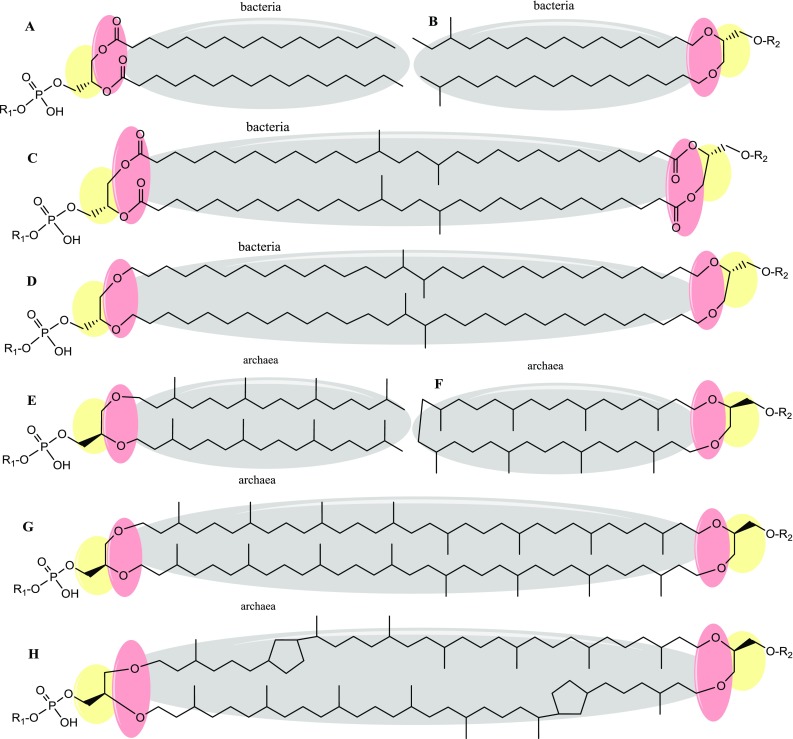
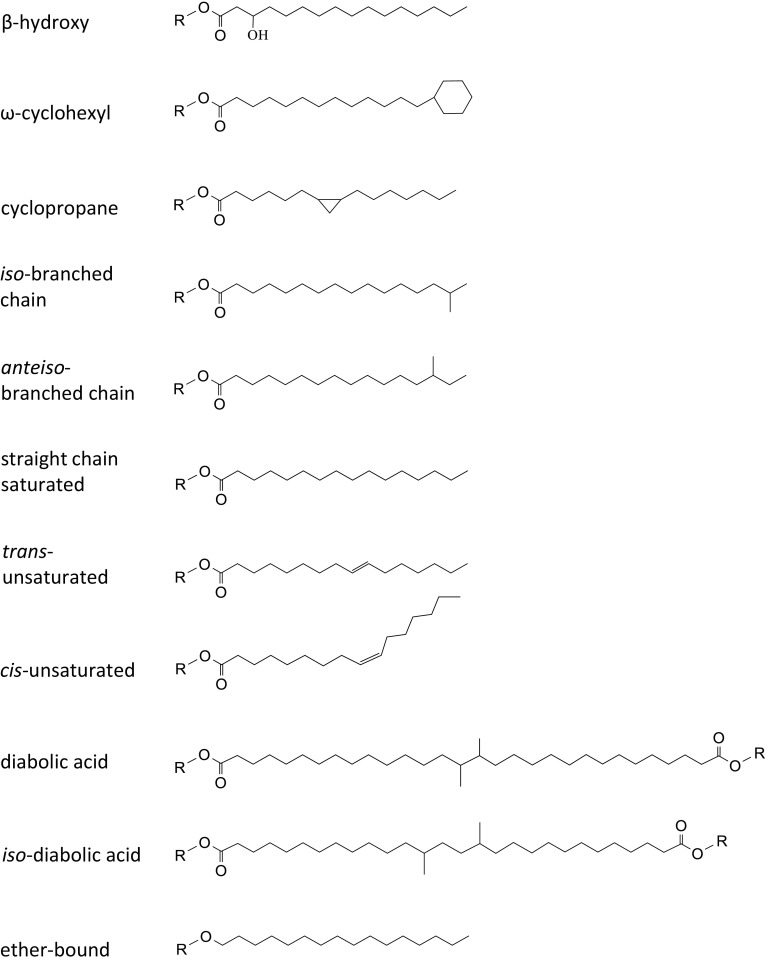
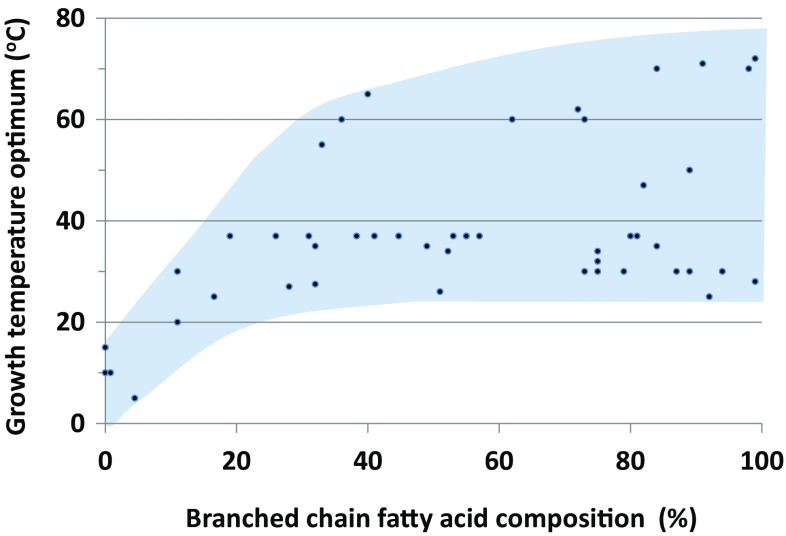
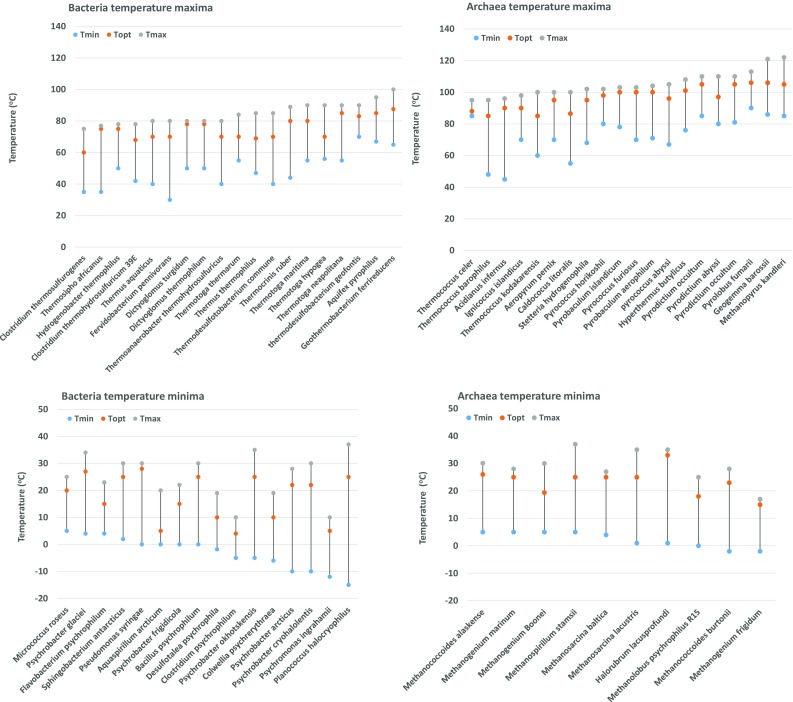
The cytoplasmic membrane of a prokaryotic cell consists of a lipid bilayer or a monolayer that shields the cellular content from the environment. In addition, the membrane contains proteins that are responsible for transport of proteins and metabolites as well as for signalling and energy transduction. Maintenance of the functionality of the membrane during changing environmental conditions relies on the cell's potential to rapidly adjust the lipid composition of its membrane. Despite the fundamental chemical differences between bacterial ester lipids and archaeal ether lipids, both types are functional under a wide range of environmental conditions. We here provide an overview of archaeal and bacterial strategies of changing the lipid compositions of their membranes. Some molecular adjustments are unique for archaea or bacteria, whereas others are shared between the two domains. Strikingly, shared adjustments were predominantly observed near the growth boundaries of bacteria. Here, we demonstrate that the presence of membrane spanning ether-lipids and methyl branches shows a striking relationship with the growth boundaries of archaea and bacteria.
Overview
The claims and statistics of this paper haven’t been checked yet.
Free: it reads the open-access text and checks the first 5 claims that cite a source we can check. Create a free account to check every claim.
Integrity signals
Registry
Cites
Statistics
Figures
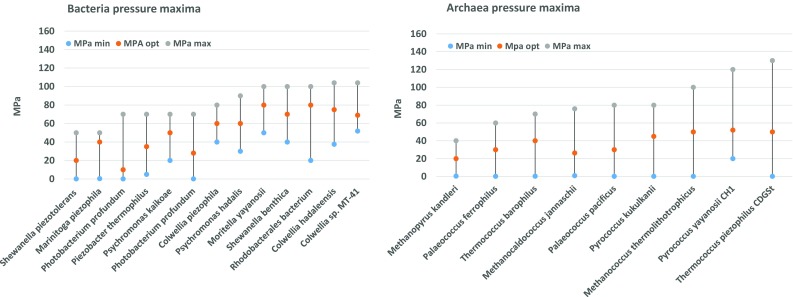
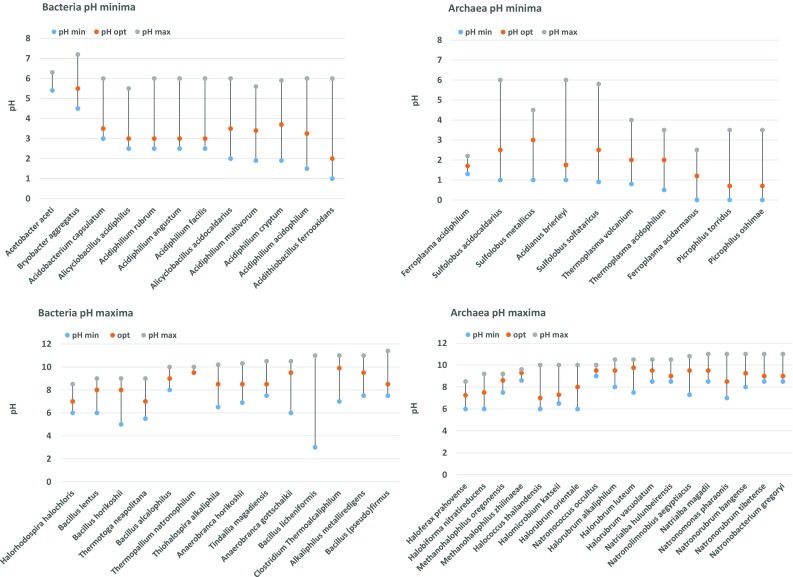
Verification
Claims the paper makes
The claims and statistics of this paper haven’t been checked yet.
Free: it reads the open-access text and checks the first 5 claims that cite a source we can check. Create a free account to check every claim.
Claims other papers make about this one
Each is checked against this paper’s own text: does it say what the citing paper says it does?
The source backs part of the claim, not all of it — or backs it for a different population, condition or comparison.
In the citing paper
“Additionally, CPFAs may decrease membrane permeability for protons, which aids the cell's energy conservation (Siliakus et al., 2017).”
From A stable isotope assay with 13C-labeled polyethylene to investigate plastic mineralization mediated by Rhodococcus ruber (2023) · cites this paper as Siliakus et al., 2017
Experimental — accuracy not yet measured
Self-check
Percentages, sums and reported differences re-computed from the paper’s own numbers.
The self-check needs the paper’s full text.
Citations
Cites
Sinensky, M. (1974) · Proceedings of the National Academy of Sciences · doi:10.1073/pnas.71.2.522 · Cited by 1,517 · cited 2×
“Mesophilic and thermophilic bacteria mainly adjust fluidity by increasing the amount of (i) branched chain iso-fatty acids (Patel et al. 1991; Sinensky 1971, 1974), (ii) saturated fatty acids (Oshima and Miyagawa 1974), (iii) long-chain fatty acids and (iv) polar carotenoid content (Ray et al.…”
Iso- and anteiso-fatty acids in bacteria: biosynthesis, function, and taxonomic significance
Kaneda, T. (1991) · Microbiological Reviews · doi:10.1128/mmbr.55.2.288-302.1991 · Cited by 1,464
RAINEY, F. A., WARD-RAINEY, N., KROPPENSTEDT, R. M., & STACKEBRANDT, E. (1996) · International Journal of Systematic Bacteriology · doi:10.1099/00207713-46-4-1088 · Cited by 973 · cited 1×
“The alkaliphilic membranes are also copiously enriched in BCFAs (both iso as anteiso), and oftentimes MUFAs are very abundant (Clejan et al. 1986; Li et al. 1994; Rainey et al. 1996; Ye et al. 2004).”
Takai, K., Nakamura, K., Toki, T., Tsunogai, U., Miyazaki, M., Miyazaki, J., Hirayama, H., Nakagawa, S., Nunoura, T., & Horikoshi, K. (2008) · Proceedings of the National Academy of Sciences · doi:10.1073/pnas.0712334105 · Cited by 848
Psychrophilic microorganisms: challenges for life
D'Amico, S., Collins, T., Marx, J., Feller, G., Gerday, C., & Gerday, C. (2006) · EMBO reports · doi:10.1038/sj.embor.7400662 · Cited by 847
EFFECT OF TEMPERATURE ON THE COMPOSITION OF FATTY ACIDS IN ESCHERICHIA COLI
Marr, A. G., & Ingraham, J. L. (1962) · Journal of Bacteriology · doi:10.1128/jb.84.6.1260-1267.1962 · Cited by 730
Thermus aquaticus gen. n. and sp. n., a Nonsporulating Extreme Thermophile
Brock, T. D., & Freeze, H. (1969) · Journal of Bacteriology · doi:10.1128/jb.98.1.289-297.1969 · Cited by 690
Life in acid: pH homeostasis in acidophiles
Baker-Austin, C., & Dopson, M. (2007) · Trends in Microbiology · doi:10.1016/j.tim.2007.02.005 · Cited by 659 · cited 1×
“Obligate acidophiles synthesize a membrane that is highly impermeable to protons (Baker-Austin and Dopson 2007).”
Schleifer, K. H., & Kilpper-Balz, R. (1984) · International Journal of Systematic Bacteriology · doi:10.1099/00207713-34-1-31 · Cited by 603
OSHIMA, T., & IMAHORI, K. (1974) · International Journal of Systematic Bacteriology · doi:10.1099/00207713-24-1-102 · Cited by 602
Research works printed but not linked: 1
- Nonomura H Ohara Y Distribution of the actinomycetes in soil. IV. The isolation and classification of the genus Streptosporangium J Ferment Technol 1960 38 405 409
Cited by
Items 301–400 of 480
Structure Diversity and Properties of Some Bola-like Natural Products
Stonik, V. A., Makarieva, T. N., Shubina, L. K., Guzii, A. G., & Ivanchina, N. V. (2024) · Marine Drugs · doi:10.3390/md23010003 · Cited by 4
“The more pentacyclic fragments are present in the hydrophobic chains of the corresponding lipids, the higher the temperature at which the membranes retain the liquid crystalline state and the barrier properties, necessary for the survival of their producers [38].”
High-pressure continuous culturing: life at the extreme
Foustoukos, D. I., & Houghton, J. L. (2025) · Applied and Environmental Microbiology · doi:10.1128/aem.02010-24 · Cited by 5
Baumann, L. M. F., Taubner, R.-S., Oláh, K., Rohrweber, A.-C., Schuster, B., Birgel, D., & Rittmann, S. K. ‐. R. (2022) · Bioengineering · doi:10.3390/bioengineering9040169 · Cited by 4
Rao, A., de Kok, N. A. W., & Driessen, A. J. M. (2023) · International Journal of Molecular Sciences · doi:10.3390/ijms24087328 · Cited by 4
Bio-prospective of Acidophile Microorganisms in Biodegradation of NSAIDs
Ratnasari, A., Zainiyah, I. F., Thakur, S. S., & Boopathy, R. (2024) · Current Pollution Reports · doi:10.1007/s40726-024-00301-1 · Cited by 5
“Hyperacidophiles have survival growth at a pH of less than 1.0 [63].”
InfluentialKorchowiec, B., Orlof-Naturalna, M., Korchowiec, J., Regnouf‐de‐Vains, J., Mourer, M., & Rogalska, E. (2021) · Journal of Molecular Liquids · doi:10.1016/j.molliq.2021.117636 · Cited by 4
(2024) · doi:10.1007/s00792-023-01330-2 · Cited by 3
“Membranes of archaea typically show a low phase transition temperature and a broad melting behavior (Siliakus et al. 2017), which is attributed to the presence of the isoprenoid chains, their length, degree of saturation, and the positioning of methyl groups (Driessen and Albers 2007; Dannenmuller…”
BackgroundResultN-glyceroyl alkylamine phosphoglycolipids dominate the lipidome of several Bacillota bacteria
Bale, N. J., Koenen, M., Ding, S., & Damsté, J. S. S. (2025) · Systematic and Applied Microbiology · doi:10.1016/j.syapm.2025.126609 · Cited by 3
Membrane-Spanning Molecular Lengths as an Agnostic Biosignature
Malaska, M. J., Sandström, H., Hofmann, A. E., Hodyss, R., Rensmo, L., van der Meulen, M., Rahm, M., Cable, M. L., & Lunine, J. I. (2025) · Astrobiology · doi:10.1089/ast.2024.0125 · Cited by 3
“The non-polar lipid membrane-spanning sections include saturated and partially unsaturated long chain hydrocarbon sections, linked isoprene units, or in some cases, complex fused-ring saturated carbocycles (Schouten et al., 2000; Boumann et al., 2009a Dawson et al., 2012; Siliakus et al., 2017).”
InfluentialAbrashev, R., Krumova, E. T., Petrova, P. M., Еneva, R., Gocheva, Y. G., Engibarov, S., Miteva‐Staleva, J., Dishliyska, V., Stoyancheva, G. D., Spasova, B., et al. (2025) · Life · doi:10.3390/life15060926 · Cited by 3
“The change in lipid compositions of membranes has been characterized as bacterial and fungal strategies during extreme environmental conditions [118–121].”
Variyam, A. R., Mencía, M., & Amdursky, N. (2025) · Biophysical Journal · doi:10.1016/j.bpj.2025.07.005 · Cited by 3
Lezcano, M. Á., Carrizo, D., Lominchar, M. A., Sánchez‐García, L., Quesada, A., & Parro, V. (2025) · Microbial Ecology · doi:10.1007/s00248-025-02583-4 · Cited by 3
“Although the specific role of long-chain unsaturated alkanes in our Arthrobacter strains is unclear, their greater concentration at the highest temperature may be related to the regulation of membrane fluidity to increasing temperatures to ensure proper membrane function under thermal stress [44].”
Mwatondo, M. H., Chiyenge, M., Rocha, A. Y., & Silverman, A. I. (2025) · ACS ES&T Water · doi:10.1021/acsestwater.5c00285 · Cited by 3
Stable squalene-boron cluster nanoemulsions in aqueous media
Kalistratova, A. V., Tomilina, A. Y., Nikitin, A. A., Kubasov, A. S., Zhizhin, K. Y., Gelperina, S. E., Kuznetsov, N. T., & Ofitserov, E. N. (2025) · Nano-Structures & Nano-Objects · doi:10.1016/j.nanoso.2025.101572 · Cited by 3
Ogunyewo, O. A., Fleming, K., Morris, M., Fort, K. A., Huberman, L. B., & Brem, R. B. (2026) · mBio · doi:10.1128/mbio.03907-25 · Cited by 3
“been linked to genome streamlining, higher GC content, thermostable protein folds, membrane lipid saturation, and enhanced chaperone and DNA-repair capacities (4, 5).”
Cold-tolerant and cold-loving microorganisms and their applications
Abeysinghe, G., Zoysa, H. K. S. D., Bamunuarachchige, T. C., & Zakeel, M. C. M. (2022) · Elsevier eBooks · doi:10.1016/b978-0-323-91595-3.00006-9 · Cited by 3
Carlson, D. L., Kowalewski, M. E., Bodoor, K., Lietzan, A. D., Hughes, P. F., Gooden, D. M., Loiselle, D. R., Alcorta, D. A., Dingman, Z., Mueller, E. A., et al. (2023) · Cell chemical biology · doi:10.1016/j.chembiol.2023.10.004 · Cited by 3
Petrosyan, H., & Trchounian, K. A. (2024) · AIMS Microbiology · doi:10.3934/microbiol.2024045 · Cited by 3
“Moreover, exergonic reactions in hydrothermal vents are considered to dominate facilitating the synthesis of organic matter [10,14,15].”
A New Era for Using Natural Pigments: The Case of the C 50 Carotenoid Called Bacterioruberin
Giani, M., Valdés, E., Miralles‐Robledillo, J. M., Martínez, G. M., Pire, C., & Martínez‐Espinosa, R. M. (2025) · Biotechnology and Applied Biochemistry · doi:10.1002/bab.70072 · Cited by 3
“Thesedifferencesinmembranelipidstructureresultinmorerigid membranes in archaea, increasing their stability under extreme physico-chemical conditions [50, 69].”
Blank, P. N., Barnett, A. A., Ronnebaum, T. A., Alderfer, K. E., Gillott, B. N., Christianson, D. W., & Himmelberger, J. A. (2020) · Acta Crystallographica Section D Structural Biology · doi:10.1107/s2059798320004878 · Cited by 3
“In order to maintain optimal liquid-crystalline membrane properties, organisms have evolved mechanisms of ‘homeoviscous adaptation’ that sustain membrane integrity at the optimal growth temperature of the organism (Siliakus et al., 2017).”
BackgroundSunny, J. S., Nisha, K., Natarajan, A., & Saleena, L. M. (2021) · Extremophiles · doi:10.1007/s00792-021-01231-2 · Cited by 3
Enantioselective Total Synthesis of the Archaeal Lipid Parallel GDGT‐0 (Isocaldarchaeol)**
Falk, I. D., Gál, B., Bhattacharya, A., Wei, J. H., Welander, P. V., Boxer, S. G., & Burns, N. Z. (2021) · Angewandte Chemie · doi:10.1002/ange.202104051 · Cited by 3
Mechanistic Adaptation of Microbiomes in Extreme Environments
Viswadeepika, K., & Bramhachari, P. V. (2022) · Springer eBooks · doi:10.1007/978-981-19-3696-8_3 · Cited by 7
Polymorphobacter megasporae sp. nov., isolated from an Antarctic lichen
Noh, H.-J., Park, Y., Yang, J.-W., Jang, S., Lee, H., & Lee, Y. M. (2022) · INTERNATIONAL JOURNAL OF SYSTEMATIC AND EVOLUTIONARY MICROBIOLOGY · doi:10.1099/ijsem.0.005535 · Cited by 3
Adaptation strategies of piezophilic microbes
Banerjee, S., Pati, S., Sengupta, A., Shaheen, S., Sarma, J., Palla, M. S., Tenguria, S., & Kumar, A. (2022) · Elsevier eBooks · doi:10.1016/b978-0-323-91806-0.00015-1 · Cited by 3
Membrane proteome of the thermoalkaliphile Caldalkalibacillus thermarum TA2.A1
de Jong, S. I., Sorokin, D. Y., van Loosdrecht, M. C. M., Pabst, M., & McMillan, D. G. G. (2023) · Frontiers in Microbiology · doi:10.3389/fmicb.2023.1228266 · Cited by 3
“Adaptations to cope with this environment are proposed to include a highly saturated and branched lipid composition (Siliakus et al., 2017), making solubilisation of such membranes to extract membrane proteins for downstream analysis a challenging process.”
BackgroundApplications of Extremophiles in Therapeutics
Uppar, A. P., Vanti, G. L., Poondla, N., Veeresh, S., Kaulgud, R. S., & Kurjogi, M. M. (2024) · Springer eBooks · doi:10.1007/978-3-031-55032-4_10 · Cited by 5
Meyer-dombard, D. R., Malas, J., Russo, D. C., & Kenig, F. (2025) · Elsevier eBooks · doi:10.1016/b978-0-323-99161-2.00003-6 · Cited by 4
Sterol Biosynthetic Pathways and Their Function in Bacteria
Franke, J. D. (2021) · Springer eBooks · doi:10.1007/978-3-030-77595-7_9 · Cited by 3
Thermodynamic compensation to temperature extremes in B. subtilis vs T. maritima lysine riboswitches
Menendez, A. M., & Nesbitt, D. J. (2024) · Biophysical Journal · doi:10.1016/j.bpj.2024.07.039 · Cited by 2
Thermophiles and Their Diverse Function in Agricultural and Biotechnological Applications
Aggarwal, H., Chaudhary, D., Tyagi, J., Joshi, N. C., Arora, S., Mishra, V. K., & Kumar, M. (2024) · Springer eBooks · doi:10.1007/978-3-031-70203-7_14 · Cited by 3
Rani, N., Maiti, A., & Daschakraborty, S. (2025) · The Journal of Physical Chemistry B · doi:10.1021/acs.jpcb.5c01946 · Cited by 2
Cheng, J. H., Yang, F., Zhang, L., Zhao, J., Zhang, X., Qiao, H., Yan, Z., Luo, Y., & Dai, Y. (2025) · Current Microbiology · doi:10.1007/s00284-025-04585-4 · Cited by 2
“The composition of polar lipids in microorganisms is closely linked to their adaptation to environmental stresses such as temperature, pressure, salinity, and nutrient limitation [36 ].”
Lee, J.-H., Moon, M.-Y., Ko, M.-S., & Hyun, C. (2025) · Applied Sciences · doi:10.3390/app152312681 · Cited by 2
Shankar, S., Vadivel, M., Gurusamy, R., & Sakthivel, N. (2026) · Current Microbiology · doi:10.1007/s00284-026-04808-2 · Cited by 2
“The branched-chain fatty acids regulate lateral pressure and phase transitions across the membrane, avoiding rigidifica - tion under cold temperatures and maintaining membrane integrity in fluctuating environments [ 54].”
Multi-scale ecological drivers shape the genome flexibility of soil-dwelling Listeria monocytogenes
Goh, Y., Hardeep, F., Zhang, H., & Liao, J. (2026) · ISME Communications · doi:10.1093/ismeco/ycag093 · Cited by 2
Chang, G., Li, X., Liao, H., Zhong, G., Weng, J., & Guo, Z. (2026) · Water · doi:10.3390/w18091051 · Cited by 2
Egas, R. A., Bale, N. J., Koenen, M., Villanueva, L., Sousa, D. Z., Welte, C. U., & Sánchez‐Andrea, I. (2026) · Environmental Science & Technology · doi:10.1021/acs.est.5c15969 · Cited by 3
Kayani, H., Rasheed, M. A., Alonazi, W. B., Jamil, F., Hussain, A., Yan, C., Ahmed, R., & Ibrahim, M. K. (2023) · Extremophiles · doi:10.1007/s00792-023-01301-7 · Cited by 2
“Increased membrane fluidity caused by modifications in the membrane's lipid profile is one of these adaptations (Siliakus et al. 2017).”
BackgroundA laboratory ice machine as a cold oligotrophic artificial microbial niche for biodiscovery
Satari, L., Torrent, D., Ortega‐Legarreta, A., Latorre‐Pérez, A., Pascual, J., Porcar, M., & Iglesias, A. (2023) · Scientific Reports · doi:10.1038/s41598-023-49017-0 · Cited by 2
“These mechanisms include changes in the lipid profile of their membranes to increase fluidity 51,52 .”
BackgroundOrtiz-Cortés, L. Y., Aréchiga‐Carvajal, E. T., Ventura-Canseco, L. M. C., Ruíz-Valdiviezo, V. M., Gutiérrez-Miceli, F. A., & Gutiérrez, P. E. Á. (2024) · Archives of Microbiology · doi:10.1007/s00203-023-03735-1 · Cited by 2
“They also modify the lipid composition of their membranes with new and specific lipids (15, 16-dimethyl-30-glycerylox-triacontanedioic acid) (Siliakus et al. 2017).”
Hernández-Sánchez, M. T., Hepburn, L. E., Stock, M. J., Connelly, D. P., & Pancost, R. D. (2024) · Deep Sea Research Part I Oceanographic Research Papers · doi:10.1016/j.dsr.2024.104247 · Cited by 2
Extremophilic microorganisms for the removal of harmful pollutants
Poosarla, V. G., Rathod, B. G., Nagarajan, D., & Chang, J. (2024) · Elsevier eBooks · doi:10.1016/b978-0-443-13884-3.00001-9 · Cited by 2
On an RNA-Membrane Protogenome
Yarus, M. (2025) · Life · doi:10.3390/life15050692 · Cited by 2
“Perhaps chemically distinct Archaean ether-linked isoprenoid lipids [51] would be more appropriate (Figure 5).”
Chiara, S. D., Olmeo, F., Andretta, E., Carone, L. D. S., Mercogliano, M., Belova, V. S., Romanenko, L. A., Kokoulin, M. S., Silipo, A., Molinaro, A., et al. (2025) · RSC Chemical Biology · doi:10.1039/d5cb00134j · Cited by 2
Oku, N., Hasada, A., Kimura, K., Honoki, H., Katsuta, R., Yajima, A., Nukada, T., Ishigami, K., & Igarashi, Y. (2021) · Chemistry - An Asian Journal · doi:10.1002/asia.202100278 · Cited by 2
Hydrothermal Vents: The Inhabitants, Their Way of Life and Their Adaptation to High Pressure
Macdonald, A. (2021) · Springer eBooks · doi:10.1007/978-3-030-67587-5_9 · Cited by 2
Influence of temperature stress on the spectrum of fatty acids of Vibrio cholerae strains
Сергеевна, Ш. Е., & Duvanova, O. V. (2022) · Вестник Пермского университета. Серия: Биология · doi:10.17072/1994-9952-2022-2-143-154 · Cited by 2
Lubbers, M., van Wezel, G. P., & Claessen, D. (2022) · Journal of Microbiological Methods · doi:10.1016/j.mimet.2022.106660 · Cited by 2
Gordon, R. (2023) · Wiley eBooks · doi:10.1002/9781119555568.ch9 · Cited by 2
Tangeraas, T., Kristensen, E., Mørkrid, L., Elind, E., Bliksrud, Y. T., & Eide, L. (2023) · JIMD Reports · doi:10.1002/jmd2.12380 · Cited by 2
“The BCFAs exist in all organisms and are well known for their important role in temperature adaption in bacteria.(1) In some bacterial species, the BCFAs constitute more than 20% of the total cellular fatty acids.”
BackgroundGarcia, A. A., Chadwick, G. L., Nayak, D. D., & Welander, P. V. (2025) · bioRxiv (Cold Spring Harbor Laboratory) · doi:10.1101/2025.10.20.683597 · Cited by 2
Extremophilic Enzymes Related to Energy Conversion
Wakai, S., & Sambongi, Y. (2018) · Springer eBooks · doi:10.1007/978-981-10-8459-1_17 · Cited by 1
Mohd-Aspar, M. A. S., Kamarudin, N., Ghafar, A. N. A., & Manap, H. S. A. (2024) · Malaysian Journal of Microbiology · doi:10.21161/mjm.230348 · Cited by 1
Electrochemical biofilter enhances performance of volatile organic compounds abatement
Yeung, M., Wang, G., Yang, B., & Xi, J. (2024) · Environmental Technology · doi:10.1080/09593330.2024.2375009 · Cited by 1
“It is known that thermophilic bacteria can increase the fluidity of the cell membrane ultimately to a non-lamellar phase, similar to a cubic and hexagonal structure, which aligns with the response of bacteria to changes in membrane potential, similar to what likely occurs in the EBF [20,21].”
Alkaline pH shocks alter digester activity and community dynamics during long-term operation
Chen, B., Azman, S., Sweygers, N., Crauwels, S., Dewil, R., & Appels, L. (2024) · Journal of environmental chemical engineering · doi:10.1016/j.jece.2024.113557 · Cited by 1
Exploring robustness of hybrid membranes under high hydrostatic pressure and temperature
Tamby, A., Sahonero‐Canavesi, D. X., & Villanueva, L. (2024) · Frontiers in Microbiology · doi:10.3389/fmicb.2024.1470844 · Cited by 1
“Bacterial and eukaryotic cell membranes typically consist of lipids with fatty acids bound to glycerol-3-phosphate through an ester bond, while archaeal lipids differ by harboring isoprenoid chains bound to glycerol-1-phosphate through ether bonds (Siliakus et al., 2017).”
Xing, Q., Tao, X., Zhang, S., Mesbah, N. M., Mao, X., Guo, X., Hu, Q. P., Wang, H., & Zhao, B. (2025) · Journal of Proteome Research · doi:10.1021/acs.jproteome.5c00395 · Cited by 1
Baccile, N., Vyas, A., Ramanujam, R., Hermida‐Merino, D., Hoffmann, I., Porcar, L., & Parikh, A. N. (2025) · ACS Nano · doi:10.1021/acsnano.5c10120 · Cited by 1
Kish, A., Hellequin, E., Collin, S., Piquet, B., & Huguet, A. (2025) · Geomicrobiology Journal · doi:10.1080/01490451.2025.2573817 · Cited by 1
“…(e.g. psychro-philic, Hassan et al. 2020; thermophilic, Oshima and Miyagawa 1974), reports that modifications of fatty acid composition are the main drivers influencing the fluidity, flexibility and permeability of the bacterial cell membranes in environmental settings (Siliakus et al. 2017).”
Effect of extreme temperatures on microbial growth and associated activities
Mehendiratta, S., Badhwar, A., Banerjee, A., & Singh, R. (2026) · Elsevier eBooks · doi:10.1016/b978-0-443-32932-6.00024-2 · Cited by 1
Tamby, A., Sahonero‐Canavesi, D. X., Bale, N. J., & Villanueva, L. (2026) · FEMS Microbiology Ecology · doi:10.1093/femsec/fiag012 · Cited by 1
“The fatty acyl chains can have various lengths, degrees of unsaturation and methylation (Siliakus et al. 2017 ).”
Archaea synthesize heterochiral phospholipid membranes as revealed by chiral analysis of archaeols
Hofmann, W., Palyzová, A., Jansa, J., Pende, N., Rittmann, S. K. ‐. R., & Řezanka, T. (2026) · Journal of Chromatography A · doi:10.1016/j.chroma.2026.466853 · Cited by 1
The potential of plant-derived triterpenoids as biological nitrification inhibitors
Ribeiro, H., Papadopoulou, E. S., Zhang, K., Kanellopoulos, A. E., Papadopoulou, K. Κ., & Karpouzas, D. G. (2026) · Applied Microbiology and Biotechnology · doi:10.1007/s00253-026-13776-3 · Cited by 2
“These tetraether lipids can form densely packed membrane structures with physicochemical properties that differ substantially from bacterial bilayers (Siliakus et al. 2017).”
Kimiran, A., Çağ, M. M., & Güngör, N. D. (2026) · Progress in molecular and subcellular biology · doi:10.1007/978-3-032-11438-9_3 · Cited by 1
Microbial adaptation to pressure: At cellular, genomic, and proteomic levels
Goswami, R., Vashishth, D. S., Walia, S. B., Sharma, P., & Joshi, S. (2026) · Elsevier eBooks · doi:10.1016/b978-0-443-41696-5.00002-9 · Cited by 1
Liu, G., Sun, B., Fan, W., Yue, S., He, Q., & Picimbon, J. (2026) · Insects · doi:10.3390/insects17090940 · Cited by 1
Hong, Y., Garcia, A. A., Kopelev, S., Cote, J. A., Pfeiffer, F., Welander, P. V., Schulze, S., & Pohlschröder, M. (2026) · Journal of Biological Chemistry · doi:10.1016/j.jbc.2026.113477 · Cited by 1
Goordial, J. (2021) · Advances in environmental microbiology · doi:10.1007/978-3-030-63512-1_6 · Cited by 1
Dostos, T., Kapagianni, P. D., Monokrousos, N., Stamou, G. P., & Papatheodorou, E. M. (2022) · Web Ecology · doi:10.5194/we-22-21-2022 · Cited by 1
“The sum of all identified lipid quantities was used as an index of total microbial biomass, and the ratio iso/anteiso was used as an index of environmental stress (Siliakus et al., 2017).”
MethodTiwary, B. K., & Alam, M. (2023) · BENTHAM SCIENCE PUBLISHERS eBooks · doi:10.2174/9789815080353122010005 · Cited by 1
Viability and Ultrastructural Changes of Bacterial Cells Grown in the Presence of a Pollutant
Поливцева, В. Н., Iminova, L., Сузина, Н. Е., & Solyanikova, I. P. (2023) · Microbiology · doi:10.1134/s0026261723603512 · Cited by 1
“Such properties of the membrane as its physical state and fluidity changed under stress conditions, indicating that the cell membrane may play an important part in tolerance to some stress agents (Siliakus et al., 2017).”
Cellulases from Psychrophilic and Psychrotrophic Microorganisms and their Potential Applications
Bhanu, L. S. M., & Chatterjee, S. (2024) · Energy, environment, and sustainability · doi:10.1007/978-981-97-1152-9_21 · Cited by 2
Saukoly, S. A., Meitiniarti, V. I., Nugroho, R. A., & Krave, A. S. (2024) · Biodiversitas Journal of Biological Diversity · doi:10.13057/biodiv/d250302 · Cited by 1
Extremophiles: How Smart Are the Cells to Cope with the Environment?
Chakraborty, R., Diwan, S., & Mitra, A. K. (2024) · Springer eBooks · doi:10.1007/978-3-031-55032-4_4 · Cited by 1
Molecular Adaptation to High Pressure: Membranes
Macdonald, A. (2021) · Springer eBooks · doi:10.1007/978-3-030-67587-5_7 · Cited by 1
Breaking down barriers: construction of a hybrid heterochiral membrane
Siliakus, M. F. (2016) · doi:10.18174/390044
Self-citationGinawi, A., Lixiao, W., Wang, H., Yu, B., & Yan, Y. (2018) · Preprints.org · doi:10.20944/preprints201812.0154.v1
“Compared to AOA, AOB is very sensitive to higher pH values [11,12] and less dominant [13,14].”
BackgroundEvolutionary Success of Prokaryotes
Bertrand, J.-C., Bonin, P., Ollivier, B., Alain, K., Godfroy, A., Pradel, N., & Normand, P. (2018) · Springer eBooks · doi:10.1007/978-3-319-99784-1_4 · Cited by 1
Ferraro, N. A., & Cascio, M. (2020) · bioRxiv (Cold Spring Harbor Laboratory) · doi:10.1101/2020.07.02.185280
“The incorporation of cis-unsaturation reduces close ordering and side-by-side packing which increases membrane permeability.(13) Phospholipid head groups play a significant role in membrane fluidity and permeability where the strength and relative amount of head group intermolecular interactions with the hydrophilic e…”
BackgroundPossible Tectonic Impact of BiospherePreprint
Bagashov, E. (2019) · EarthArXiv (California Digital Library) · doi:10.31223/osf.io/bae7t
Effect of microbial metabolites on mitochondrial function in colonocytes
Utheim, K. S. (2020) · NVA (Nasjonalt vitenarkiv)
Enantioselective Total Synthesis of the Archaeal Lipid Parallel GDGT-0Preprint
Falk, I. D., Gál, B., Bhattacharya, A., Wei, J. H., Welander, P. V., Boxer, S. G., & Burns, N. Z. (2021) · ChemRxiv · doi:10.26434/chemrxiv.14227133.v1
Chadha, Y., Seydel, C., & Klingl, A. (2020) · Wiley eBooks · doi:10.1002/9780470015902.a0029201
Enantioselective Total Synthesis of the Archaeal Lipid Parallel GDGT-0Preprint
Falk, I. D., Gál, B., Bhattacharya, A., Wei, J. H., Welander, P. V., Boxer, S. G., & Burns, N. Z. (2021) · ChemRxiv · doi:10.26434/chemrxiv.14227133
Vieira, A. D. N., da Rocha, A. S. B., & Ribeiro, M. G. L. (2022) · Gondola/Góndola, enseñanza y aprendizaje de las ciencias · doi:10.14483/23464712.18604
Perháčová, Z., Prepilková, V., Schwarz, M., Pristaš, P., & Kisková, J. (2022) · Biologia · doi:10.1007/s11756-022-01170-z
Ortiz-Cortés, L. Y., Aréchiga‐Carvajal, E. T., Ventura-Canseco, L. M. C., Valera, F. E. R., Cabello‐Yeves, P. J., Ruíz-Valdiviezo, V. M., Gutiérrez-Miceli, F. A., & Gutiérrez, P. E. Á. (2023) · Research Square · doi:10.21203/rs.3.rs-2464478/v1
Rational ignorance in the search for extra-terrestrial life
Zanders, E. D. (2023) · New Astronomy Reviews · doi:10.1016/j.newar.2023.101675
Soil Corrosivity Under Natural Attenuation
da Silva, L. O., de Oliveira, S. H., da Silva, R. G. C., Vieira, M. R. S., de Melo, I. R., & Filho, S. L. U. (2023) · Materials Research · doi:10.1590/1980-5373-mr-2023-0563
Gordon, R. (2024) · Wiley eBooks · doi:10.1002/9781119901228.ch5
Industrial Marvels of Extreme Microbial Adaptations
Priscilla, R. A., & Saleena, L. M. (2024) · Springer eBooks · doi:10.1007/978-981-97-6270-5_31 · Cited by 1
Sánchez, D. F. (2024) · Digital Library of Theses and Dissertations (Universidade de São Paulo) · doi:10.11606/d.97.2024.tde-12122024-111306
Hot springs as a Source for Studying Rhomboid Protease Genes and Inhibitors in Silico Study
Al-Shomali, B., & Danish‐Daniel, M. (2024) · Research Journal of Pharmacy and Technology · doi:10.52711/0974-360x.2024.00894
Stability vs flexibility: reshaping archaeal membranes in silicoPreprint
Amaral, M., Frey, F., Jiang, X., Baum, B., & Šarić, A. (2025) · eLife · doi:10.7554/elife.105432.1
Physiological Basis for Growth in Extreme Environments
Barton, L. L. (2025) · Springer eBooks · doi:10.1007/978-3-031-91320-4_8
Stability vs flexibility: reshaping archaeal membranes in silicoPreprint
Amaral, M., Frey, F., Jiang, X., Baum, B., & Šarić, A. (2025) · eLife · doi:10.7554/elife.105432.2
Exploring Extremophiles: Diversity, Adaptation, and Applications in Extreme Environments
Chhettri, S., Sen, G., & Sen, A. (2025) · Sustainable landscape planning and natural resources management · doi:10.1007/978-3-031-90139-3_12
Enzymes from the marine microbes of the Arctic region and their potential applications
Vishnupriya, S., Alangadan, F., Venu, A. T., Kabeer, S. S., Prakash, E. A., Kattatheyil, H., Yousuf, J., Vijayan, J., Hatha, A. A. M., & Rahman, S. M. (2025) · Elsevier eBooks · doi:10.1016/b978-0-443-26771-0.00012-6
Metadata
- Authors
- Siliakus, M. F., van der Oost, J., & Kengen, S. W. M.
- Affiliations
- Wageningen University & Research (NL)
- Corresponding author
- Siliakus, Melvin F.
- Venue
- Extremophiles
- Published
- 2017-05-15
- Volume
- 21
- Issue
- 4
- Pages
- 651-670
- ISSN
- 1431-0651 (ISSN-L)
- 1433-4909
- PMC
- PMC5487899
- OpenAlex
- W2614364664
- Semantic Scholar
- fb05998ae3ab304e5c62cd4946ad9e4185cd32d0
- Cited by
- 450
- References
- 179
- Citations by year
- 2026: 51 · 2025: 60 · 2024: 56 · 2023: 57 · 2022: 58 · 2021: 60 · 2020: 44 · 2019: 40 · 2018: 21 · 2017: 2
- FWCI
- 2.74
- Type
- journal article
- Language
- en
- Open access
- hybrid
- doi.org
- Locations
- Extremophiles (publishedVersion, cc-by)
- Europe PMC (PubMed Central) (publishedVersion, cc-by)
- PubMed Central (publishedVersion, cc-by)
- PubMed (publishedVersion)
- Socio-Environmental Systems Modeling (acceptedVersion, cc-by)
- Data Archiving and Networked Services (DANS) (submittedVersion, cc-by)
- Funders
- BE-Basic (Project F06.002.01)
- Topics
- Life Sciences › Biochemistry, Genetics and Molecular Biology › Molecular Biology › Lipid Membrane Structure and Behavior
- Life Sciences › Biochemistry, Genetics and Molecular Biology › Genetics › Bacterial Genetics and Biotechnology
- Life Sciences › Biochemistry, Genetics and Molecular Biology › Biochemistry › Lipid metabolism and biosynthesis
- Keywords
- membrane lipid composition, archaeal membranes, bacterial membranes, ether lipids, membrane fluidity, thermal adaptation, pH adaptation, pressure adaptation, growth boundaries, lipid bilayers
- MeSH terms
- Adaptation, Physiological, Archaea, Cell Membrane, Hydrogen-Ion Concentration, Pressure, Temperature, Bacterial Physiological Phenomena
About these checks
Registry, retraction, Cites and statistics results are computed, not judged, with one exception: a printed reference that no index lists is read once by a model before it counts as a citation error. Claims are extracted by a model and kept only when their quote appears verbatim in the text; each cited source is then checked, with a model’s help, for whether it says what the claim relies on. Those verdicts can be wrong — read the claim’s quote and the cited source before relying on one.
Statistics and arithmetic are recomputed, not judged.
Confidence bands are shown only for fields calibrated on our annotated test set. None is calibrated yet, so no band is shown.
What counts as a claim ›How we measure confidence ›How we check this ›
Are you an author, or do you see a problem with this page? Request a review
Data sources
Bibliographic data: Semantic Scholar, OpenAlex, Crossref.
Contains information from the Semantic Scholar Academic Graph Datasets, made available under the ODC Attribution License (ODC-BY 1.0).
Semantic Scholar’s data is described in: Kinney, R., et al. (2023). The Semantic Scholar Open Data Platform. arXiv:2301.10140.
