

The DOI matches its Crossref record; 67 of the 67 references it cites were found in a registry or an index.
Anxiety Disorders and Sensory Over-Responsivity in Children with Autism Spectrum Disorders: Is There a Causal Relationship?
Open accessAbstract
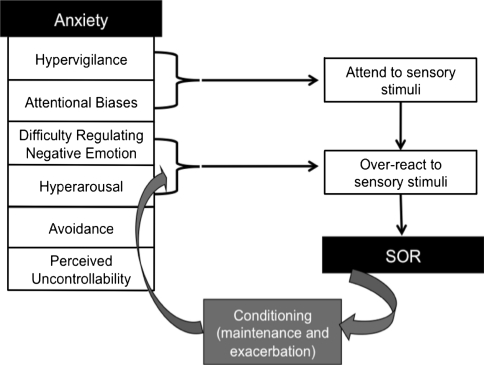
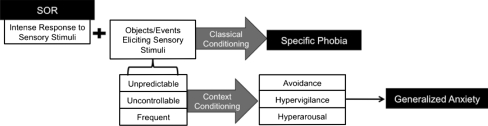
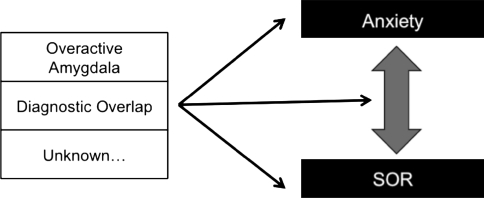
Anxiety disorders and sensory over-responsivity (SOR) are common in children with autism spectrum disorders (ASD), and there is evidence for an association between these two conditions. Currently, it is unclear what causal mechanisms may exist between SOR and anxiety. We propose three possible theories to explain the association between anxiety and SOR: (a) SOR is caused by anxiety; (b) Anxiety is caused by SOR; or (c) SOR and anxiety are causally unrelated but are associated through a common risk factor or diagnostic overlap. In this paper, we examine support for each theory in the existing anxiety, autism, and neuroscience literature, and discuss how each theory informs choice of interventions and implications for future studies.
Overview
The claims and statistics of this paper haven’t been checked yet.
Run the check — free, no account needed. It reads the open-access text and checks the sources it cites.
Integrity signals
Registry
Cites
Statistics
Figures
Verification
Claims the paper makes
The claims and statistics of this paper haven’t been checked yet.
Run the check — free, no account needed. It reads the open-access text and checks the sources it cites.
Claims other papers make about this one
Each is checked against this paper’s own text: does it say what the citing paper says it does?
The source backs part of the claim, not all of it — or backs it for a different population, condition or comparison.
In the citing paper
“Rather than considering SPD as a contributing cause of anxiety, the authors show that anxiety can also be considered a mediator of the relationship between IU and SPD on the basis that anxiety resulting from IU might lead to hypervigilance and, thus, hypersensitivity to the sensory environment”
From Examining a model of anxiety in autistic adults (2024) · cites this paper as Green & Ben-Sasson (2010)
Experimental — accuracy not yet measuredThe source backs part of the claim, not all of it — or backs it for a different population, condition or comparison.
In the citing paper
“Sensory function in ASD samples may be marked by both over-responsivity (e.g., experiencing various sounds as painful) and under-responsivity (e.g., repeated touching of objects). Both extremes may occur in the same children (Green and Ben-Sasson, 2010; Wigham et al., 2015; Watts et al., 2016).”
From Sensory, emotional and cognitive contributions to anxiety in autism spectrum disorders (2017) · cites this paper as Green and Ben-Sasson, 2010
Experimental — accuracy not yet measuredIn the citing paper
“Another factor which is thought to play an important role in anxiety in autism is sensory sensitivities (Green and Ben-Sasson 2010).”
From Experiences of autism acceptance and mental health in autistic adults (2018) · cites this paper as Green and Ben-Sasson 2010
Self-check
Percentages, sums and reported differences re-computed from the paper’s own numbers.
The self-check needs the paper’s full text.
Citations
Cites
The role of the amygdala in fear and anxiety
Davis, M. (1992) · Annual Review of Neuroscience · doi:10.1146/annurev.ne.15.030192.002033 · Cited by 2,357 · cited 2×
“The amygdala has been implicated in anxiety disorders, mainly due to its central role in fear conditioning (e.g., Davis 1992; Garakani et al. 2006; Rauch et al. 2003).”
BackgroundA cognitive-motivational analysis of anxiety.
Mogg, K., & Bradley, B. P. (1998) · Behaviour Research and Therapy · doi:10.1016/s0005-7967(98)00063-1 · Cited by 1,642 · cited 1×
“However, Mogg and Bradley (1998) describe anxiety as a preattentive bias towards threat, and theorize that the automatic encoding of threat without elaborative processing leads to anxiety.”
BackgroundBehavioral manifestations of autism in the first year of life
Zwaigenbaum, L., Bryson, S., Rogers, T., Roberts, W., Brian, J., & Szatmari, P. (2005) · International Journal of Developmental Neuroscience · doi:10.1016/j.ijdevneu.2004.05.001 · Cited by 1,602 · cited 1×
“Currently, SOR can be identified in infants later diagnosed with ASD (Zwaigenbaum et al. 2005), which is much earlier than anxiety is usually diagnosed.”
BackgroundAmaral, D. G., Schumann, C. M., & Nordahl, C. W. (2008) · Trends in Neurosciences · doi:10.1016/j.tins.2007.12.005 · Cited by 1,492 · cited 2×
“There is evidence that children with ASD have increased amygdala volumes compared to typically developing children, and that amygdala size is positively correlated with anxiety and severity of social-communication symptoms in these children (Amaral et al. 2008; Juranek et al. 2006).”
BackgroundAnxiety in children and adolescents with autism spectrum disorders
White, S. W., Oswald, D., Ollendick, T., & Scahill, L. (2009) · Clinical Psychology Review · doi:10.1016/j.cpr.2009.01.003 · Cited by 1,427 · cited 4×
“Anxiety disorders are very common in children with autism spectrum disorders (ASD), and can increase the functional impairment of these children (Lainhart 1999; White et al. 2009 ).”
BackgroundInfluentialMacLeod, C., Rutherford, E., Campbell, L., Ebsworthy, G., & Holker, L. (2002) · Journal of Abnormal Psychology · doi:10.1037/0021-843x.111.1.107 · Cited by 1,334 · cited 2×
“In particular, MacLeod et al. (2002) demonstrated that training individuals to have an attentional bias towards threat-relevant words subsequently increased their negative response to stress.”
BackgroundAn information processing model of anxiety: Automatic and strategic processes
Beck, A. T., & Clark, D. A. (1997) · Behaviour Research and Therapy · doi:10.1016/s0005-7967(96)00069-1 · Cited by 1,317 · cited 2×
“It is also important to ask whether, theoretically, a preverbal child with low cognitive ability can be anxious, as some theories of anxiety relate anxiety to conscious cognitive processing and anticipation of future events (e.g., Beck and Clark 1997 ).”
BackgroundThe human amygdala and the emotional evaluation of sensory stimuli
Zald, D. H. (2003) · Brain Research Reviews · doi:10.1016/s0165-0173(02)00248-5 · Cited by 1,062 · cited 3×
“The amount of enhancement in the sensory response is correlated with the amount of amygdala activation, which suggests that children with SOR may have over-active amygdalas (Zald 2003).”
BackgroundInfluentialBaranek, G. T., David, F. J., Poe, M. D., Stone, W. L., & Watson, L. R. (2006) · Journal of Child Psychology and Psychiatry · doi:10.1111/j.1469-7610.2005.01546.x · Cited by 975 · cited 1×
“Reports of SOR rates of 56–70% in children with ASD (Baranek et al. 2006; Ben-Sasson et al. 2007b) indicate elevated levels of SOR relative to rates of 10–17% in the general population (Ben-Sasson et al. 2009; Ben-Sasson et al. 2007b).”
BackgroundConcept Evolution in Sensory Integration: A Proposed Nosology for Diagnosis
Miller, L. J., Anzalone, M. E., Lane, S. J., Cermak, S. A., & Osten, E. T. (2007) · American Journal of Occupational Therapy · doi:10.5014/ajot.61.2.135 · Cited by 953 · cited 4×
“This may be an indicator of poor modulation of vestibularproprioceptive input, which is often observed in children with SOR ( Miller et al. 2007 ).”
BackgroundInfluential
Cited by
Sorted by citations
Items 101–200 of 327
Chen, Y., Xi, Z., Saunders, R., Simmons, D., Totsika, V., & Mandy, W. (2024) · Clinical Psychology Review · doi:10.1016/j.cpr.2024.102516 · Cited by 43
Lázaro, C. P., Siquara, G. M., & Pondé, M. P. (2019) · Jornal Brasileiro de Psiquiatria · doi:10.1590/0047-2085000000246 · Cited by 38
Yuan, H.-L., Lai, C. Y. Y., Wong, M., Kwong, T. C., Choy, Y. S., Mung, S. W. Y., & Chan, C. C. H. (2022) · Children · doi:10.3390/children9101584 · Cited by 47
“Given the substantial co-occurrence of anxiety and SOR in children with ASD, these therapies may be adaptable to target SOR [140].”
BackgroundAnxiety in youth with autism spectrum disorders: implications for treatment
Johnco, C. J., & Storch, E. A. (2015) · Expert Review of Neurotherapeutics · doi:10.1586/14737175.2015.1111762 · Cited by 34
“[14] It is also common for children with ASD to experience sensory hyper-responsivity and become particularly anxious in response to normal levels of sensory input.[23] For example, youth with ASD are often anxious about eating certain foods due to textural issues and some may even report being fearful of vomiting as…”
BackgroundRingold, S. M., McGuire, R. W., Jayashankar, A., Kilroy, E., Butera, C. D., Harrison, L., Cermak, S. A., & Aziz‐Zadeh, L. (2022) · Brain Sciences · doi:10.3390/brainsci12091171 · Cited by 28
“Extensive research has shown that anxiety and depression are commonly reported in children with ASD [56–58] and that anxiety is associated with sensory over-responsivity [57,59].”
BackgroundSerafini, G., Engel‐Yeger, B., Vázquez, G. H., Pompili, M., & Amore, M. (2017) · Psychiatry Investigation · doi:10.4306/pi.2017.14.1.51 · Cited by 28
Carruthers, S., Kent, R. G., Hollocks, M. J., & Simonoff, E. A. (2018) · Journal of Autism and Developmental Disorders · doi:10.1007/s10803-018-3774-8 · Cited by 33
Lane, A. E. (2020) · Journal of Child Psychology and Psychiatry · doi:10.1111/jcpp.13230 · Cited by 34
McLean, M. A., Niknafs, N., Scoten, O. C., Chau, C. M. Y., Mackay, M., Weinberg, J., Synnes, A. R., Miller, S. P., & GRUNAU, R. E. (2020) · Developmental Psychobiology · doi:10.1002/dev.22079 · Cited by 29
Bart, O., Bar‐Shalita, T., Mansour, H. A., & Dar, R. (2016) · Physical & Occupational Therapy In Pediatrics · doi:10.1080/01942638.2016.1185504 · Cited by 26
“Green and Ben-Sasson (2010) proposed three models worthy of further study: (i) anxiety as a symptom of or caused by SOR; (ii) SOR as a symptom of or caused by anxiety; and (iii) the presence of both anxiety and SOR, linked by a different factor (non-causal model).”
BackgroundCarson, T. B., Valente, M. J., Wilkes, B. J., & Richard, L. F. (2021) · Journal of Autism and Developmental Disorders · doi:10.1007/s10803-021-04991-0 · Cited by 26
“Across the lifespan for those with ASD, anxiety and over-responsivity to different types of sensory stimuli have been closely linked (Gillott & Standen, 2007; Green & Ben-Sasson, 2010; Mazurek et al., 2012; Syu & Lin, 2018).”
Autism-related behavioral phenotypes in an inbred rat substrain
Zhang-James, Y., Yang, L., Middleton, F. A., Yang, L., Patak, J., & Faraone, S. V. (2014) · Behavioural Brain Research · doi:10.1016/j.bbr.2014.04.035 · Cited by 26
Uljarević, M., Labuschagne, I., Bobin, R., Atkinson, A., & Hocking, D. R. (2018) · Journal of Autism and Developmental Disorders · doi:10.1007/s10803-018-3631-9 · Cited by 25
“It has been suggested that sensory features, in particular sensory hypersensitivity (i.e. overresponsiveness to sensory stimulation) are important factors in the development and maintenance of anxiety in ASD (Green and Ben-Sasson 2010; Green et al.”
Views of Teachers on Anxiety Symptoms in Students with Autism Spectrum Disorder
Syriopoulou–Delli, C. K., Polychronopoulou, S. A., Kolaitis, G. A., & Antoniou, A.-S. G. (2018) · Journal of Autism and Developmental Disorders · doi:10.1007/s10803-018-3752-1 · Cited by 31
Sensory Modulation in Children Exposed to Continuous Traumatic Stress
Yochman, A., & Pat‐Horenczyk, R. (2019) · Journal of Child & Adolescent Trauma · doi:10.1007/s40653-019-00254-4 · Cited by 26
Co-occurring mental health symptoms and cognitive processes in trauma-exposed ASD adults
Rumball, F., Antal, K., Happe, F. G. E., & Grey, N. (2021) · Research in Developmental Disabilities · doi:10.1016/j.ridd.2020.103836 · Cited by 29
The Impact of Anxiety on the Participation of Children on the Autism Spectrum
Ambrose, K., Simpson, K., & Adams, D. (2021) · Journal of Autism and Developmental Disorders · doi:10.1007/s10803-021-05162-x · Cited by 25
A multilevel investigation of sensory sensitivity and responsivity in autistic adults
Sapey‐Triomphe, L., Dierckx, J., Vettori, S., Overwalle, J. V., & Wagemans, J. P. (2023) · Autism Research · doi:10.1002/aur.2962 · Cited by 29
“Sensory over-responsivity has been hypothesized to be either caused by anxiety, a consequence of anxiety, or simply associated with anxiety through a common factor (Green & Ben-Sasson, 2010).”
BackgroundAutism Spectrum Disorder and Specific Phobia: the Role of Sensory Sensitivity: Brief Review
Muskett, A., Radtke, S. R., White, S., & Ollendick, T. H. (2019) · Review Journal of Autism and Developmental Disorders · doi:10.1007/s40489-019-00159-w · Cited by 23
Rosa, M., Puig, O., Lázaro, L., & Calvo, R. M. (2016) · Autism · doi:10.1177/1362361315617881 · Cited by 28
“…of a weak integration capacity, referring to extreme difficulties when relating diverse sources of information, as well as sensory hypersensitivity, social misunderstanding, and deficient emotional regulation (Bellini, 2004; Green et al., 2010; Happé and Frith, 2006; Scarpa and Reyes, 2011).”
BackgroundGlod, M., Riby, D. M., & Rodgers, J. (2020) · Journal of Intellectual Disability Research · doi:10.1111/jir.12738 · Cited by 21
Perdikaris, P., & Dermon, C. R. (2021) · Progress in Neuro-Psychopharmacology and Biological Psychiatry · doi:10.1016/j.pnpbp.2021.110494 · Cited by 23
Li, X., Shen, H., Kong, H., & Xie, J. (2023) · Scandinavian Journal of Psychology · doi:10.1111/sjop.12946 · Cited by 24
Autism and Anxiety: Etiologic Factors and Transdiagnostic Processes
Mazefsky, C. A., & Herrington, J. D. (2014) · Autism and child psychopathology series · doi:10.1007/978-3-319-06796-4_7 · Cited by 22
Fodstad, J. C., Kerswill, S. A., Kirsch, A. C., Lagges, A. M., & Schmidt, J. D. (2020) · Journal of Autism and Developmental Disorders · doi:10.1007/s10803-020-04650-w · Cited by 20
“Given data suggesting that noise hypersensitivity in those with ASD could be conceptualized as an anxiety disorder, but more so a specific phobia (Green and Ben-Sasson 2010; Koegel et al. 2004; Landon et al. 2016; Stiegler and Davis 2010), it may be reasonable to assume that incorporating relevant assessments and trea…”
BackgroundCakar, M. E., Okada, N. J., Cummings, K. K., Jung, J., Bookheimer, S. Y., Dapretto, M., & Green, S. A. (2024) · Frontiers in Psychiatry · doi:10.3389/fpsyt.2024.1337921 · Cited by 24
“Anxiety severity was included as a covariate in these analyses to examine the unique effect of SOR over and above anxiety, due to previously reported high correlations between SOR and anxiety symptoms (e.g., 45, 52).”
BackgroundMethodInfluentialSelf-citationHulle, C. A. V., Esbensen, K., & Goldsmith, H. H. (2019) · Journal of Developmental & Behavioral Pediatrics · doi:10.1097/dbp.0000000000000671 · Cited by 23
Alamdarloo, G. H., & Mradi, H. (2020) · Advances in Autism · doi:10.1108/aia-12-2019-0051 · Cited by 26
Early Sensory Profile in Autism Spectrum Disorders Predicts Emotional and Behavioral Issues
Fabbri‐Destro, M., Maugeri, F., Ianni, C., Corsini, S., Stefano, E. D., Scatigna, S., Crifaci, G., Bruzzi, G., Berloffa, S., Fantozzi, P., et al. (2022) · Journal of Personalized Medicine · doi:10.3390/jpm12101593 · Cited by 19
Chen, Y., Sideris, J. H., Watson, L. R., Crais, E. R., & Baranek, G. T. (2022) · Development and Psychopathology · doi:10.1017/s0954579422001195 · Cited by 20
“The relationship between sensory hyperresponsiveness and internalizing behavior, such as anxiety, has been well documented across literature at both behavioral and neurological levels (Green & Ben-Sasson, 2010; Williams et al., 2021).”
Cummings, K. K., Jung, J., Zbozinek, T. D., Wilhelm, F. H., Dapretto, M., Craske, M. G., Bookheimer, S. Y., & Green, S. A. (2023) · Journal of Neuroscience Research · doi:10.1002/jnr.25250 · Cited by 24
“In contrast, in ANX, anxiety symptoms may develop first, and if heightened enough, may cause hypervigilance to sensory cues, thus being the primary cause of over-reactive behavioral responses (Green & Ben-Sasson, 2010).”
InfluentialSelf-citationPark, S., Park, M.-H., Kim, H. J., & Yoo, H. J. (2012) · Journal of Child and Family Studies · doi:10.1007/s10826-012-9611-3 · Cited by 21
Ollendick, T., Muskett, A., Radtke, S. R., & Smith, I. (2021) · Journal of Autism and Developmental Disorders · doi:10.1007/s10803-020-04582-5 · Cited by 16
Pregnancy in autistic women and social medical considerations: scoping review and meta- synthesis
Ferrara, R., Ricci, P., Damato, F. M., Iovino, L., Ricci, L., Cicinelli, G., Simeoli, R., & Keller, R. (2023) · Frontiers in Psychiatry · doi:10.3389/fpsyt.2023.1222127 · Cited by 19
“Specifically, individuals with autism often experience sensory hyperresponsivity or hyposensitivity, displaying atypical responses to sensory stimuli from the environment (15).”
BackgroundUse of sensory adaptive environments with autistic children: A scoping review
Williams, K. L., Dumont, R. L., Schiano, N. R., Lawlor, K. F., Greaney, K., Kim, R., Duryea, E., Rios-Vega, L., Simms, K., & Schaaf, R. C. (2024) · Research in Autism · doi:10.1016/j.rasd.2024.102362 · Cited by 18
Clark, M., & Adams, D. (2020) · Clinical Psychologist · doi:10.1111/cp.12223 · Cited by 16
Warreman, E. B., Nooteboom, L., Terry, M.-B., Hoek, H. W., Leenen, P., van Rossum, E. F. C., Ramlal, D., Vermeiren, R. R. J. M., & Ester, W. (2023) · Autism · doi:10.1177/13623613231155324 · Cited by 21
Examining a model of anxiety in autistic adults
Riedelbauch, S., Gaigg, S. B., Thiel, T., Roessner, V., & Ring, M. (2024) · Autism · doi:10.1177/13623613231177777 · Cited by 19
“…anxiety can also be considered a mediator of the relationship between IU and SPD on the basis that anxiety resulting from IU might lead to hypervigilance and, thus, hypersensitivity to the sensory environment (see Green & Ben-Sasson (2010) and Normansell-Mossa et al. (2021) for further discussion).”
BackgroundIstvan, E. M., Nevill, R. E. A., & Mazurek, M. O. (2020) · Research in Autism · doi:10.1016/j.rasd.2020.101573 · Cited by 21
The lived experience of parenting a child with sensory sensitivity and picky eating
Cunliffe, L., Coulthard, H., & Williamson, I. R. (2022) · Maternal and Child Nutrition · doi:10.1111/mcn.13330 · Cited by 16
Anxiety in autistic preschool children: Phenomenology and a network analysis of correlates
Vasa, R. A., Kerns, C. M., Singh, V., McDonald, R. G., Jang, Y. S., & Keefer, A. J. (2023) · Autism Research · doi:10.1002/aur.2968 · Cited by 16
“This finding of child IU playing a modulatory role in anxiety is consistent with models proposed by other researchers, which postulate that heightened responses to sensory stimuli may trigger uncertainty either prior to or during the preschool years (Green & Ben-Sasson, 2010).”
ResultParent-Offspring Transmission of Internalizing and Sensory over-Responsivity Symptoms in Adolescence
Hulle, C. A. V., Lemery‐Chalfant, K., & Goldsmith, H. H. (2017) · Research on Child and Adolescent Psychopathology · doi:10.1007/s10802-017-0300-y · Cited by 19
Anxiety in Individuals with ASD: Prevalence, Phenomenology, Etiology, Assessment, and Interventions
van Steensel, F. J. A., Bögels, S. M., Magiati, I., & Perrin, S. G. (2013) · Springer eBooks · doi:10.1007/978-1-4614-4788-7_31 · Cited by 18
Crooke, P. J., Winner, M. G., & Olswang, L. B. (2016) · Topics in Language Disorders · doi:10.1097/tld.0000000000000094 · Cited by 16
Age-related changes in neural responses to sensory stimulation in autism: a cross-sectional study
Cakar, M. E., Cummings, K. K., Bookheimer, S. Y., Dapretto, M., & Green, S. A. (2023) · Molecular Autism · doi:10.1186/s13229-023-00571-4 · Cited by 15
“SOR often emerges in early childhood [5, 7, 8] and is associated with elevated anxiety as well as internalizing and externalizing problems [9, 10].”
BackgroundSelf-citationBrandes-Aitken, A. N., Powers, R., Wren, J., Chu, R., Shapiro, K. A., Steele, M., Mukherjee, P., & Marco, E. J. (2024) · Scientific Reports · doi:10.1038/s41598-024-78573-2 · Cited by 22
“This is in line with research documenting greater sensory sensitivities among children with anxiety 9,11 .”
Bitsika, V., Arnold, W. M., & Sharpley, C. F. (2019) · Journal of Autism and Developmental Disorders · doi:10.1007/s10803-019-03917-1 · Cited by 15
A Novel Head-Fixed Assay for Social Touch in Mice Uncovers Aversive Responses in Two Autism Models
Chari, T., Hernandez, A., & Portera‐Cailliau, C. (2023) · Journal of Neuroscience · doi:10.1523/jneurosci.0226-23.2023 · Cited by 14
Post-traumatic Stress Disorder in School-age Children: A Nationwide Prospective Birth Cohort Study
CHRISTOFFERSEN, M. N., & Thorup, A. A. E. (2024) · Journal of Child & Adolescent Trauma · doi:10.1007/s40653-024-00611-y · Cited by 15
“…may lead to PTSD. PTSD is rather common as a comorbid condition to neurodevelopmental disorders such as autism and attention-deficit hyperactivity disorder (ADHD) (Green & Ben-Sasson, 2010; Tannock, 2009) and is also common in combination with for example depression, eating disorders and psychosis.”
BackgroundSensory Overresponsivity as a Predictor of Amplitude Discrimination Performance in Youth with ASD
McKernan, E. P., Wu, Y., & Russo, N. N. (2019) · Journal of Autism and Developmental Disorders · doi:10.1007/s10803-019-04013-0 · Cited by 16
Managing anxiety comorbidity in youth with autism spectrum disorders
Rudy, B. M., Lewin, A. B., & Storch, E. A. (2013) · Neuropsychiatry · doi:10.2217/npy.13.53 · Cited by 16
Engel‐Yeger, B., Gonda, X., Walker, M., Rihmer, Z., Pompili, M., Amore, M., & Serafini, G. (2017) · Journal of Psychiatric Practice · doi:10.1097/pra.0000000000000210 · Cited by 12
Saggers, B. R., & Ashburner, J. K. (2019) · Springer eBooks · doi:10.1007/978-981-13-6092-3_8 · Cited by 13
Barros, F., Figueiredo, C., Costa, A., & Soares, S. C. (2020) · Journal of Autism and Developmental Disorders · doi:10.1007/s10803-020-04711-0 · Cited by 13
South, M., Hanley, M., Normansell, K. M., Russell, N. C. C., Cawthorne, T., & Riby, D. M. (2021) · Autism Research · doi:10.1002/aur.2554 · Cited by 15
Social Communication Strategies for Adolescents With Autism
Winner, M. G., & Crooke, P. J. (2011) · ASHA Leader · doi:10.1044/leader.ftr1.16012011.8 · Cited by 13
Silva, R. M., Martins, P., & Rocha, T. (2024) · Research in Autism · doi:10.1016/j.rasd.2024.102521 · Cited by 17
Chin, W., Li, H., Chao, K., & Chang, H. (2018) · Nursing and Health Sciences · doi:10.1111/nhs.12583 · Cited by 12
Swierczynski, A. (2019) · SciMedicine Journal · doi:10.28991/scimedj-2019-0102-5 · Cited by 17
The Sensory Abnormalities and Neuropsychopathology of Autism and Anxiety
Gara, S. K., Chhetri, A. G., ALRJOOB, M., Abbasi, S. A. A., & Rutkofsky, I. H. (2020) · Cureus · doi:10.7759/cureus.8071 · Cited by 12
Sensory Modulation Disorder and its Neural Circuitry in Adults with ADHD: A Pilot Study
Adra, N., Cao, A., Makris, N., & Valera, E. M. (2020) · Brain Imaging and Behavior · doi:10.1007/s11682-020-00302-w · Cited by 11
“Though preliminary, these findings are consistent with the primary anxiety model of Green and Ben-Sasson (2010), who proposed three theories on the link between SOR and anxiety: the primary anxiety model, primary SOR model, and a non-causal model linking the two conditions (Green and Ben-Sasson…”
ResultCamacho, M. C., Balser, D., Furtado, E., Rogers, C. E., Schwarzlose, R. F., Sylvester, C. M., & Barch, D. M. (2023) · Journal of the American Academy of Child & Adolescent Psychiatry · doi:10.1016/j.jaac.2023.08.020 · Cited by 11
“For example, children with social anxiety symptoms may also have heightened or otherwise atypical sensory responses, 29-33 which could lead to altered emotion reasoning development through alterations in the early phases of emotion processing.”
BackgroundDollion, N., Poirier, M., Auffret, F., François, N., Plusquellec, P., Grandgeorge, M., Handi’Chiens, & Mira, F. (2024) · PLoS ONE · doi:10.1371/journal.pone.0295702 · Cited by 12
Ludlow, A., Osborne, C., & Keville, S. (2022) · Journal of Autism and Developmental Disorders · doi:10.1007/s10803-022-05674-0 · Cited by 10
“While previous research has indicated sensory difficulties underlie anxiety behaviours in children with ASD (Green & Ben-Sasson, 2010; Uljarević et al., 2016), the relationship with social anxiety has been less well established (Spain et al., 2018, Bellini, 2004, Black et al., 2017).”
BackgroundLin, C.-Y., Wu, Y.-L., Chien, Y., & Gau, S. S. (2024) · Journal of the Formosan Medical Association · doi:10.1016/j.jfma.2024.03.022 · Cited by 10
Dwyer, P., Williams, Z., Lawson, W., & Rivera, S. M. (2025) · Journal of Attention Disorders · doi:10.1177/10870547251361226 · Cited by 9
“Unfortunately, if the threat is an uncomfortable sensory stimulus, noticing and focusing attention on it could then increase one’s discomfort (Green & Ben-Sasson, 2010).”
Social Anxiety and Response to Touch
Ludlow, A., Roberts, H., & Gutierrez, R. G. (2015) · SAGE Open · doi:10.1177/2158244015580854 · Cited by 12
“It remains a possibility that sensory sensitivity is innately characteristic of both conditions and may be important in highlighting those with either of these disorders (Green & Ben-Sasson, 2010).”
A review of prevalence studies of Autism Spectrum Disorder by latitude and solar irradiance impact
Syed, S., Moore, K., & March, E. (2017) · Medical Hypotheses · doi:10.1016/j.mehy.2017.09.012 · Cited by 10
Touch and olfaction/taste differentiate children carrying a 16p11.2 deletion from children with ASD
Osório, J. M. A., Rodríguez‐Herreros, B., Romascano, D., Junod, V., Habegger, A., Pain, A., Richetin, S., Yu, P., Isidor, B., Maldergem, L. V., et al. (2021) · Molecular Autism · doi:10.1186/s13229-020-00410-w · Cited by 10
Barriers to Inclusive Learning for Autistic Individuals
Waisman, T., Alba, L. A., & Green, S. A. (2022) · PEDIATRICS · doi:10.1542/peds.2020-049437q · Cited by 9
Self-citationChen, Y., Sideris, J. H., Watson, L. R., Crais, E. R., & Baranek, G. T. (2024) · Journal of Autism and Developmental Disorders · doi:10.1007/s10803-024-06494-0 · Cited by 9
“The link between sensory hyperresponsiveness and inter-nalizing behavior, such as anxiety, has been well supported by both behavioral and neurological evidence (Ben-Sasson et al., 2009; Carpenter et al., 2019; Green & Ben-Sasson, 2010; Green et al., 2012).”
Spielmann, V., Burke, H. K., McCulloch, S., Mason, A., & Lane, S. J. (2023) · American Journal of Occupational Therapy · doi:10.5014/ajot.2023.050127 · Cited by 10
Sensory processing in Sotos syndrome and Tatton-Brown–Rahman Syndrome.
Smith, H. L., Lane, C., Al‐Jawahiri, R., & Freeth, M. (2023) · Journal of Psychopathology and Clinical Science · doi:10.1037/abn0000837 · Cited by 9
Vestibular sensory dysfunction: neuroscience and psychosocial behaviour overview
Kreivinienė, B. (2016) · SOCIAL WELFARE INTERDISCIPLINARY APPROACH · doi:10.21277/sw.v2i6.263 · Cited by 9
Keshavarz, S., & Esmaeilpour, K. (2025) · BMC Psychology · doi:10.1186/s40359-025-02369-w · Cited by 8
“This sensory hypersensitivity can lead to increased social anxiety, as individuals with ASD may find social interactions overwhelming and uncomfortable [13].”
Experiences of interoception and anxiety in autistic adolescents: A reflexive thematic analysis
Kiera, A., Jonahs, S., Mary, B., Geoffrey, B., & Polly, W. (2025) · Autism · doi:10.1177/13623613251314595 · Cited by 6
“…finding that hyperawareness can cause anxiety is consistent with models proposed within the context of more general sensory sensitivity in autism (Green & Ben-Sasson, 2010; Hazen et al., 2014), as illustrated in Acker and colleagues’ (2018) interpretative phenomenological analysis of interviews…”
Sandland, B., MacLeod, A., Hall, N., & Chown, N. (2023) · Journal of Further and Higher Education · doi:10.1080/0309877x.2023.2250740 · Cited by 5
“Heightened anxiety may increase sensory sensitivities (S.A. Green and Ben-Sasson 2010), therefore rendering those more problematic during the examination Beardon (2017, 55) wrote that ‘compared to a usual sensory experience you might be highly sensitive, or less sensitive, in any or all the ways in…”
BackgroundPrice, A., Sumner, P., & Powell, G. (2025) · Vision Research · doi:10.1016/j.visres.2025.108610 · Cited by 8
Emerson, A., & Costley, D. (2023) · Education Sciences · doi:10.3390/educsci13060575 · Cited by 11
Burke, A. (2014) · International Journal of Therapeutic Massage & Bodywork Research Education & Practice · doi:10.3822/ijtmb.v7i4.246 · Cited by 8
“Anxiety disorders are higher in children with ASD and may be directly related to heightened sensory response, including touch(9).”
BackgroundTen questions concerning autism and auditory accessibility in buildings
Masiero, B., Caldas, F., Underwood, S. H., Rosas-Pérez, C., Algargoosh, A. S., Bettarello, F., Caniato, M., Davies, W. J., Manley, D., Remington, A., et al. (2025) · Building and Environment · doi:10.1016/j.buildenv.2025.113634 · Cited by 7
Sensory processing challenges as a novel link between early caregiving experiences and mental health
Leal, A. S. M., Alba, L. A., Cummings, K. K., Jung, J., Waizman, Y. H., Moreira, J. F. G., Saragosa‐Harris, N. M., Ninova, E., Waterman, J., Langley, A. K., et al. (2022) · Development and Psychopathology · doi:10.1017/s0954579422000633 · Cited by 9
Self-citationGernert, C. C., Falter‐Wagner, C. M., Noreika, V., Jachs, B., Jassim, N., Gibbs, K., Streicher, J., Betts, H., & Bekinschtein, T. A. (2024) · PLoS ONE · doi:10.1371/journal.pone.0303209 · Cited by 9
Haptic Feedback: An Experimental Evaluation of Vibrations as Tactile Sense in Autistic People
Krishnan, K., Jomhari, N., Ayyasamy, R. K., Kareem, S. A., & Krishnan, S. (2024) · IEEE Access · doi:10.1109/access.2024.3410845 · Cited by 8
“Furthermore, there are studies [30], [31] that report that there is a possibility where these experimental evaluation results can be impacted due to being overly anxious or stressed during the interaction with a virtual object in a virtual environment via a haptic device.”
BackgroundA Brief Commentary on the Consensus Definition of Misophonia
Brout, J. J. (2022) · Frontiers in Neuroscience · doi:10.3389/fnins.2022.879070 · Cited by 7
“In addition, when one considers that many individuals with misophonia also report visual sensitivity to movement (Green and Ben-Sasson, 2010) it is appropriate to have considered studies related to visual and auditory cross-modal processes.”
BackgroundSensory Processing Difficulties in Opsoclonus-Myoclonus Syndrome
Green, D., Lim, M. J., Lang, B., Pohl, K., & Turk, J. (2016) · Journal of Child Neurology · doi:10.1177/0883073816634856 · Cited by 7
“The relative contribution of sensory overresponsiveness as an independent symptom is however confounded with the overlap of symptoms with those of anxiety and the lack of a ‘‘gold standard’’ for the identification of sensory modulation dysfunction or sensory processing disorder, with questionnaire report most commonly…”
BackgroundSensory Modulation Disorder: Impact on Coping and Occupational Performance
Kane, A. E. (2013) · VCU Scholars Compass (Virginia Commonwealth University) · doi:10.25772/f6xq-1734 · Cited by 7
Cardon, G. J., McQuarrie, M., Calton, S., & Gabrielsen, T. P. (2023) · Research in Autism · doi:10.1016/j.rasd.2023.102263 · Cited by 10
Zheng, S., & Chen, C. (2025) · Journal of Neural Transmission · doi:10.1007/s00702-025-02919-x · Cited by 6
“For example, Fragile X syndrome (FXS), a common cause of intellectual disability associated with ASD, typically manifests with pronounced sensory hypersensitivity that can lead to language delays, social anxiety, and ritualized behaviors (Green and Ben-Sasson 2010; Sinclair et al. 2017).”
Powell, H. J., He, J. L., Khalil, N., Wodka, E. L., Deronda, A. C., Edden, R. A. E., Vasa, R. A., Mostofsky, S. H., & Puts, N. A. J. (2023) · Development and Psychopathology · doi:10.1017/s0954579423001360 · Cited by 10
“…between sensory differences and anxiety requires further elucidation and is likely to be complex in nature, two longitudinal studies in groups with and without autism found a unidirectional relationship between sensory hyper-reactivity and anxiety (Carpenter et al., 2019; Green & Ben-Sasson, 2010).”
BackgroundSazzed, S. (2025) · International Journal of Medical Informatics · doi:10.1016/j.ijmedinf.2025.106110 · Cited by 6
Waldman, J., McPaul, A., & Jahoda, A. J. (2022) · Autism · doi:10.1177/13623613221111313 · Cited by 10
“As such, surroundings may be perceived as more uncertain by autistic people, contributing to more persistent states of anxiety (Green & Ben-Sasson, 2010).”
BackgroundUljarević, M. (2013) · ORCA Online Research @Cardiff (Cardiff University) · Cited by 6
Abnormal resting-state brain network dynamics in toddlers with autism spectrum disorder
Li, X., Wu, S., Yang, W., Jiang, C., Zhao, Z., Wang, H., & Lin, F. (2025) · European Child & Adolescent Psychiatry · doi:10.1007/s00787-025-02651-7 · Cited by 5
“Consistent with the view that increased connectivity in primary sensory regions leads to overly prominent basic sensory stimuli in patients [ 41, 42], we can speculate that ASD toddlers may rely on the visual state to overly focus on this information, thereby reducing the attention to important…”
Billington, J., Knott, F. J., & Craythorne, S. (2025) · International Journal of Qualitative Methods · doi:10.1177/16094069251346839 · Cited by 8
“In particular, oversensitivity to sensory information (e.g., light, sound, temperature etc.) has been associated with increased levels of anxiety (Carpenter et al., 2019; Green & Ben-Sasson, 2010).”
The History of Comorbidity in Autism Spectrum Disorders (ASD)
Mazurek, M. O. (2015) · Autism and child psychopathology series · doi:10.1007/978-3-319-19183-6_1 · Cited by 5
Cross, A. J., Goharpey, N., Laycock, R., & Crewther, S. G. (2019) · Frontiers in Psychology · doi:10.3389/fpsyg.2019.01420 · Cited by 6
Yazdanbakhsh, A., Barbas, H., & Zikopoulos, B. (2023) · Network Neuroscience · doi:10.1162/netn_a_00311 · Cited by 6
“…attention is a hallmark of schizophrenia (Braff, 1993; Luck and Gold, 2008) whereas, difficulty switching attentional focus and sensory over-responsivity are often seen in ASD (Allen, 2001; Cheung and Lau, 2020; Fan et al., 2012; Green and Ben-Sasson, 2010; Keehn et al., 2013; Marco et al., 2011).”
BackgroundPathogenicity of Endocrine Dysregulation in AutismPreprint
Swierczynski, A. (2018) · Preprints.org · doi:10.20944/preprints201805.0359.v1 · Cited by 4
“A state of threat detection and hyper-arousal often seen in anxiety is thought to be the driving force behind difficulty in shifting attention in ASD by over-attending to aversive stimuli in the environment [88].”
BackgroundKeefer, A., Perrin, J., Singh, V., Holingue, C., Winchell, S., & Vasa, R. A. (2024) · Journal of Pediatric Psychology · doi:10.1093/jpepsy/jsad093 · Cited by 6
Metadata
- Authors
- Green, S. A., & Ben-Sasson, A.
- Affiliations
- University of California, Los Angeles (US)
- Corresponding author
- Green, Shulamite A.
- ORCID
- Green, Shulamite A.
- Venue
- Journal of Autism and Developmental Disorders
- Published
- 2010-04-10
- Volume
- 40
- Issue
- 12
- Pages
- 1495-1504
- ISSN
- 0162-3257 (ISSN-L)
- 1573-3432
- PMC
- PMC2980623
- OpenAlex
- W2097949702
- Cited by
- 327
- References
- 67
- Citations by year
- 2026: 28 · 2025: 32 · 2024: 25 · 2023: 28 · 2022: 19 · 2021: 32 · 2020: 25 · 2019: 24 · 2018: 17 · 2017: 13 · 2016: 17 · 2015: 12 · 2014: 19 · 2013: 17 · 2012: 11
- FWCI
- 0.84
- Type
- journal article
- Language
- en
- Open access
- hybrid
- doi.org
- Licence
- cc-by-nc
- Locations
- Journal of Autism and Developmental Disorders (publishedVersion, cc-by-nc)
- PubMed Central (publishedVersion, cc-by-nc)
- PubMed (publishedVersion)
- eScholarship (California Digital Library) (submittedVersion)
- Funders
- National Institute of Child Health and Human Development (34879-1459)
- Eunice Kennedy Shriver National Institute of Child Health and Human Development (HD34879-1459, 34879‐1459, R01HD034879)
- Topics
- Life Sciences › Neuroscience › Cognitive Neuroscience › Autism Spectrum Disorder Research
- Health Sciences › Medicine › Psychiatry and Mental health › Child Nutrition and Feeding Issues
- Social Sciences › Psychology › Clinical Psychology › Child and Adolescent Psychosocial and Emotional Development
- Keywords
- autism spectrum disorder, anxiety disorders, sensory hypersensitivity, sensory processing, causal relationship, children, comorbidities, diagnostic overlap, risk factors, intervention
- MeSH terms
- Anxiety Disorders, Arousal, Child, Child Development Disorders, Pervasive, Humans, Risk Factors, Sensation Disorders
About these checks
Registry, retraction, Cites and statistics results are computed, not judged, with one exception: a printed reference that no index lists is read once by a model before it counts as a citation error. Claims are extracted by a model and kept only when their quote appears verbatim in the text; each cited source is then checked, with a model’s help, for whether it says what the claim relies on. Those verdicts can be wrong — read the claim’s quote and the cited source before relying on one.
Statistics and arithmetic are recomputed, not judged.
Confidence bands are shown only for fields calibrated on our annotated test set. None is calibrated yet, so no band is shown.
What counts as a claim ›How we measure confidence ›How we check this ›
Are you an author, or do you see a problem with this page? Request a review
