

The DOI matches its Crossref record; 67 of the 67 references it cites were found in a registry or an index.
Anxiety Disorders and Sensory Over-Responsivity in Children with Autism Spectrum Disorders: Is There a Causal Relationship?
Open accessAbstract
Anxiety disorders and sensory over-responsivity (SOR) are common in children with autism spectrum disorders (ASD), and there is evidence for an association between these two conditions. Currently, it is unclear what causal mechanisms may exist between SOR and anxiety. We propose three possible theories to explain the association between anxiety and SOR: (a) SOR is caused by anxiety; (b) Anxiety is caused by SOR; or (c) SOR and anxiety are causally unrelated but are associated through a common risk factor or diagnostic overlap. In this paper, we examine support for each theory in the existing anxiety, autism, and neuroscience literature, and discuss how each theory informs choice of interventions and implications for future studies.
Overview
The claims and statistics of this paper haven’t been checked yet.
Run the check — free, no account needed. It reads the open-access text and checks the sources it cites.
Integrity signals
Registry
Cites
Statistics
Figures
Verification
Claims the paper makes
The claims and statistics of this paper haven’t been checked yet.
Run the check — free, no account needed. It reads the open-access text and checks the sources it cites.
Claims other papers make about this one
Each is checked against this paper’s own text: does it say what the citing paper says it does?
The source backs part of the claim, not all of it — or backs it for a different population, condition or comparison.
In the citing paper
“Rather than considering SPD as a contributing cause of anxiety, the authors show that anxiety can also be considered a mediator of the relationship between IU and SPD on the basis that anxiety resulting from IU might lead to hypervigilance and, thus, hypersensitivity to the sensory environment”
From Examining a model of anxiety in autistic adults (2024) · cites this paper as Green & Ben-Sasson (2010)
Experimental — accuracy not yet measuredThe source backs part of the claim, not all of it — or backs it for a different population, condition or comparison.
In the citing paper
“Sensory function in ASD samples may be marked by both over-responsivity (e.g., experiencing various sounds as painful) and under-responsivity (e.g., repeated touching of objects). Both extremes may occur in the same children (Green and Ben-Sasson, 2010; Wigham et al., 2015; Watts et al., 2016).”
From Sensory, emotional and cognitive contributions to anxiety in autism spectrum disorders (2017) · cites this paper as Green and Ben-Sasson, 2010
Experimental — accuracy not yet measuredIn the citing paper
“Another factor which is thought to play an important role in anxiety in autism is sensory sensitivities (Green and Ben-Sasson 2010).”
From Experiences of autism acceptance and mental health in autistic adults (2018) · cites this paper as Green and Ben-Sasson 2010
Self-check
Percentages, sums and reported differences re-computed from the paper’s own numbers.
The self-check needs the paper’s full text.
Citations
Cites
The role of the amygdala in fear and anxiety
Davis, M. (1992) · Annual Review of Neuroscience · doi:10.1146/annurev.ne.15.030192.002033 · Cited by 2,357 · cited 2×
“The amygdala has been implicated in anxiety disorders, mainly due to its central role in fear conditioning (e.g., Davis 1992; Garakani et al. 2006; Rauch et al. 2003).”
BackgroundA cognitive-motivational analysis of anxiety.
Mogg, K., & Bradley, B. P. (1998) · Behaviour Research and Therapy · doi:10.1016/s0005-7967(98)00063-1 · Cited by 1,642 · cited 1×
“However, Mogg and Bradley (1998) describe anxiety as a preattentive bias towards threat, and theorize that the automatic encoding of threat without elaborative processing leads to anxiety.”
BackgroundBehavioral manifestations of autism in the first year of life
Zwaigenbaum, L., Bryson, S., Rogers, T., Roberts, W., Brian, J., & Szatmari, P. (2005) · International Journal of Developmental Neuroscience · doi:10.1016/j.ijdevneu.2004.05.001 · Cited by 1,602 · cited 1×
“Currently, SOR can be identified in infants later diagnosed with ASD (Zwaigenbaum et al. 2005), which is much earlier than anxiety is usually diagnosed.”
BackgroundAmaral, D. G., Schumann, C. M., & Nordahl, C. W. (2008) · Trends in Neurosciences · doi:10.1016/j.tins.2007.12.005 · Cited by 1,492 · cited 2×
“There is evidence that children with ASD have increased amygdala volumes compared to typically developing children, and that amygdala size is positively correlated with anxiety and severity of social-communication symptoms in these children (Amaral et al. 2008; Juranek et al. 2006).”
BackgroundAnxiety in children and adolescents with autism spectrum disorders
White, S. W., Oswald, D., Ollendick, T., & Scahill, L. (2009) · Clinical Psychology Review · doi:10.1016/j.cpr.2009.01.003 · Cited by 1,427 · cited 4×
“Anxiety disorders are very common in children with autism spectrum disorders (ASD), and can increase the functional impairment of these children (Lainhart 1999; White et al. 2009 ).”
BackgroundInfluentialMacLeod, C., Rutherford, E., Campbell, L., Ebsworthy, G., & Holker, L. (2002) · Journal of Abnormal Psychology · doi:10.1037/0021-843x.111.1.107 · Cited by 1,334 · cited 2×
“In particular, MacLeod et al. (2002) demonstrated that training individuals to have an attentional bias towards threat-relevant words subsequently increased their negative response to stress.”
BackgroundAn information processing model of anxiety: Automatic and strategic processes
Beck, A. T., & Clark, D. A. (1997) · Behaviour Research and Therapy · doi:10.1016/s0005-7967(96)00069-1 · Cited by 1,317 · cited 2×
“It is also important to ask whether, theoretically, a preverbal child with low cognitive ability can be anxious, as some theories of anxiety relate anxiety to conscious cognitive processing and anticipation of future events (e.g., Beck and Clark 1997 ).”
BackgroundThe human amygdala and the emotional evaluation of sensory stimuli
Zald, D. H. (2003) · Brain Research Reviews · doi:10.1016/s0165-0173(02)00248-5 · Cited by 1,062 · cited 3×
“The amount of enhancement in the sensory response is correlated with the amount of amygdala activation, which suggests that children with SOR may have over-active amygdalas (Zald 2003).”
BackgroundInfluentialBaranek, G. T., David, F. J., Poe, M. D., Stone, W. L., & Watson, L. R. (2006) · Journal of Child Psychology and Psychiatry · doi:10.1111/j.1469-7610.2005.01546.x · Cited by 975 · cited 1×
“Reports of SOR rates of 56–70% in children with ASD (Baranek et al. 2006; Ben-Sasson et al. 2007b) indicate elevated levels of SOR relative to rates of 10–17% in the general population (Ben-Sasson et al. 2009; Ben-Sasson et al. 2007b).”
BackgroundConcept Evolution in Sensory Integration: A Proposed Nosology for Diagnosis
Miller, L. J., Anzalone, M. E., Lane, S. J., Cermak, S. A., & Osten, E. T. (2007) · American Journal of Occupational Therapy · doi:10.5014/ajot.61.2.135 · Cited by 953 · cited 4×
“This may be an indicator of poor modulation of vestibularproprioceptive input, which is often observed in children with SOR ( Miller et al. 2007 ).”
BackgroundInfluential
Cited by
Sorted by citations
Experiences of autism acceptance and mental health in autistic adults
Cage, E., Di Monaco, J., & Newell, V. (2018) · Journal of Autism and Developmental Disorders · doi:10.1007/s10803-017-3342-7 · Cited by 538
“Another factor which is thought to play an important role in anxiety in autism is sensory sensitivities (Green and Ben-Sasson 2010).”
BackgroundMazurek, M. O., Vasa, R. A., Kalb, L. G., Kanne, S. M., Rosenberg, D., Keefer, A., Murray, D. S., Freedman, B., & Lowery, L. A. (2013) · Journal of Abnormal Child Psychology · doi:10.1007/s10802-012-9668-x · Cited by 419
“Although these areas of difficulty have been examined separately, studies have yet to examine the relations among these three conditions despite evidence suggesting that they may represent related and overlapping constructs (Campo et al. 2004; Green and Ben-Sasson 2010).”
BackgroundA systematic review of sensory processing interventions for children with autism spectrum disorders
Case‐Smith, J., Weaver, L. L., & Fristad, M. A. (2014) · Autism · doi:10.1177/1362361313517762 · Cited by 492
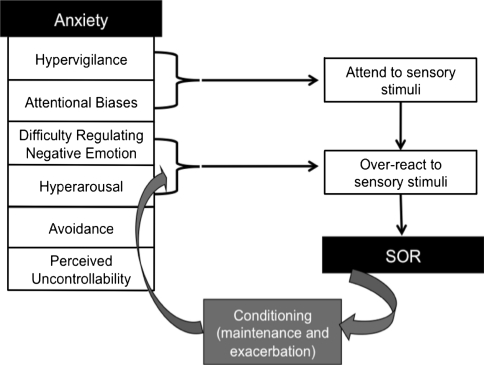
“Green and Ben-Sasson (2010) proposed a model to explain how hyperreactivity in children with ASD can be characterized as hyper-attention to sensory stimuli and overreaction to those stimuli.”
BackgroundTraditional and atypical presentations of anxiety in youth with autism spectrum disorder
Kerns, C. M., Kendall, P. C., Berry, L., Souders, M. C., Franklin, M. E., Schultz, R. T., Miller, J., & Herrington, J. (2014) · Journal of Autism and Developmental Disorders · doi:10.1007/s10803-014-2141-7 · Cited by 405
Salazar, F., Baird, G., Chandler, S., Tseng, E., O’sullivan, T., Howlin, P., Pickles, A., & Simonoff, E. (2015) · Journal of Autism and Developmental Disorders · doi:10.1007/s10803-015-2361-5 · Cited by 364
“One explanation is that abnormal responses to high levels of sensory stimuli may be causative but this needs further exploration (Goldsmith et al. 2006; Green et al. 2010).”
BackgroundThe presentation and classification of anxiety in autism spectrum disorder.
Kerns, C. M., & Kendall, P. C. (2012) · Clinical Psychology Science and Practice · doi:10.1111/cpsp.12009 · Cited by 347
Mazurek, M. O., & Petroski, G. F. (2015) · Sleep Medicine · doi:10.1016/j.sleep.2014.11.006 · Cited by 305
Altered brain-gut axis in autism: comorbidity or causative mechanisms
Mayer, E. A., Padua, D., & Tillisch, K. (2014) · BioEssays · doi:10.1002/bies.201400075 · Cited by 304
“Based on the observation of increased prevalence of anxiety in more than 40% of ASD children [20], a model has been proposed that links anxiety with the highly prevalent trait of sensory over-responsitivity [21, 22].”
BackgroundSensory over-responsivity in adults with autism spectrum conditions
Tavassoli, T., Miller, L. J., Schoen, S. A., Nielsen, D. M., & Baron-Cohen, S. (2014) · Autism · doi:10.1177/1362361313477246 · Cited by 291
“Understanding sensory issues in adults with ASC is critical to the detection and prescription of appropriate interventions especially in light of studies that propose a theoretical relationship between anxiety and sensory over-responsivity (Green and Ben-Sasson, 2010).”
BackgroundNeurobiology of Sensory Overresponsivity in Youth With Autism Spectrum Disorders
Green, S. A., Hernandez, L. M., Tottenham, N., Krasileva, K. E., Bookheimer, S. Y., & Dapretto, M. (2015) · JAMA Psychiatry · doi:10.1001/jamapsychiatry.2015.0737 · Cited by 310
Self-citationSensory Symptoms in Autism Spectrum Disorders
Hazen, E. P., Stornelli, J. L., O’Rourke, J. A., Koesterer, K., & McDougle, C. J. (2014) · Harvard Review of Psychiatry · doi:10.1097/01.hrp.0000445143.08773.58 · Cited by 274
“Two studies present results supporting Green & BenSasson’s primary SOR theory—namely, (2) above, that SOR precedes anxiety.(98) In a sample including children with ASD, ADHD, and typical development who were presented with a sensory challenge, the intensity of the physical response measured with skin conductance media…”
BackgroundResultDevelopment of the anxiety scale for children with autism spectrum disorder (ASC‐ASD)
Rodgers, J., Wigham, S., McConachie, H., Freeston, M., Honey, E., & Parr, J. R. (2016) · Autism Research · doi:10.1002/aur.1603 · Cited by 276
Green, S. A., Ben‐Sasson, A., Soto, T. W., & Carter, A. S. (2011) · Journal of Autism and Developmental Disorders · doi:10.1007/s10803-011-1361-3 · Cited by 276
“…of each condition in young children as well as simultaneously examining whether each one predicts change in the other can help us understand the direction of effect, given that it is as yet unclear what reciprocal patterns (if any) exist between anxiety and SOR (Green and Ben-Sasson 2010).”
InfluentialSelf-citationSensory, emotional and cognitive contributions to anxiety in autism spectrum disorders
South, M., & Rodgers, J. (2017) · Frontiers in Human Neuroscience · doi:10.3389/fnhum.2017.00020 · Cited by 270
“Green and Ben-Sasson (2010) proposed separate causal models for sensory over-responsivity and anxiety in ASD that moves in both directions.”
BackgroundLidstone, J., Uljarević, M., Sullivan, J., Rodgers, J., McConachie, H., Freeston, M., Le Couteur, A., Prior, M., & Leekam, S. (2014) · Research in Autism Spectrum Disorders · doi:10.1016/j.rasd.2013.10.001 · Cited by 264
“There is also evidence of an association between atypical sensory features and anxiety in ASD (Ben-Sasson et al., 2009; Green & Ben-Sasson, 2010; Green, Ben-Sasson, Soto, & Carter, 2012; Pfeiffer, Kinnealey, Reed, & Hertzberg, 2005).”
Update of a Meta-analysis of Sensory Symptoms in ASD: A New Decade of Research
Ben-Sasson, A., Gal, E., Fluss, R., Katz-Zetler, N., & Cermak, S. A. (2019) · Journal of Autism and Developmental Disorders · doi:10.1007/s10803-019-04180-0 · Cited by 263
Self-citationWhite, S. W., Mazefsky, C. A., Dichter, G. S., Chiu, P. H., Richey, J. A., & Ollendick, T. H. (2014) · International Journal of Developmental Neuroscience · doi:10.1016/j.ijdevneu.2014.05.012 · Cited by 252
“…with ASD, and sensory symptoms correlate with anxiety severity in children with ASD (Ben-Sasson et al., 2008), although the potential causal linkages and direction of effects between anxiety and sensory over-responsivity in ASD have not yet been fully determined (Green and Ben-Sasson, 2010).”
BackgroundOverreactive brain responses to sensory stimuli in youth with autism spectrum disorders
Green, S. A., Rudie, J. D., Colich, N. L., Wood, J. J., Shirinyan, D., Hernandez, L., Tottenham, N., Dapretto, M., & Bookheimer, S. Y. (2013) · Journal of the American Academy of Child & Adolescent Psychiatry · doi:10.1016/j.jaac.2013.08.004 · Cited by 207
“A number of correlational studies have shown that children with ASD and SOR also have high rates of anxiety symptoms.(6,13,16) Because SOR co-occurs frequently with anxiety symptoms, theories related to abnormal amygdala and hippocampus functioning are particularly relevant, given the role of these structures in anxie…”
BackgroundNeil, L., Olsson, N. C., & Pellicano, E. (2016) · Journal of Autism and Developmental Disorders · doi:10.1007/s10803-016-2721-9 · Cited by 201
“In this hypervigilant state, individuals may be more likely to notice and respond to aversive sensory stimuli, and less likely to successfully disengage from potentially threatening sensory stimuli (Green and Ben-Sasson 2010).”
BackgroundInfluential(2014) · doi:10.1007/978-1-4614-4788-7 · Cited by 201
Brout, J. J., Edelstein, M., Erfanian, M., Mannino, M., Miller, L. J., Rouw, R., Kumar, S., & Rosenthal, M. Z. (2018) · Frontiers in Neuroscience · doi:10.3389/fnins.2018.00036 · Cited by 198
“Whereas SPD, like misophonia, is not delineated as a discrete DSM-5 disorder or ICD-10 condition, and has commonly received attention in the field of occupational therapy, auditory sensory over-responsivity shares some similar phenotypic signs and symptoms to those expressed by individuals with misophonia.”
BackgroundInfluentialExploring the Relationship Between Anxiety and Insistence on Sameness in Autism Spectrum Disorders
Gotham, K., Bishop, S. L., Hus, V., Huerta, M., Lund, S., Buja, A., Krieger, A., & Lord, C. (2013) · Autism Research · doi:10.1002/aur.1263 · Cited by 176
Williams, Z. J., He, J. L., Cascio, C. J., & Woynaroski, T. G. (2021) · Neuroscience & Biobehavioral Reviews · doi:10.1016/j.neubiorev.2020.11.030 · Cited by 175
Green, S. A., Hernandez, L. M., Bookheimer, S. Y., & Dapretto, M. (2016) · Journal of the American Academy of Child & Adolescent Psychiatry · doi:10.1016/j.jaac.2016.04.013 · Cited by 170
Self-citationOzsivadjian, A., Knott, F., & Magiati, I. (2012) · Autism · doi:10.1177/1362361311431703 · Cited by 161
“…is also emerging of the relationship between anxiety and ASD-specific factors, including impoverished empathy and social skills (Bellini, 2004), theory of mind and central coherence difficulties (Burnette, et al., 2005) and sensory over-sensitivity and responsivity (Green and Ben-Sasson, 2010).”
BackgroundThe cascading influence of multisensory processing on speech perception in autism
Stevenson, R. A., Segers, M., Ncube, B. L., Black, K. R., Bebko, J. M., Ferber, S., & Barense, M. D. (2017) · Autism · doi:10.1177/1362361317704413 · Cited by 171
“Recent work from our laboratories and others has shown a strong link between sensory sensitivity and anxiety (Black et al. in press; Green and Ben-Sasson, 2010; Green et al., 2012; Lidstone et al., 2014), for example.”
ResultPsychological and Psychosocial Impairment in Preschoolers With Selective Eating
Zucker, N. L., Copeland, W., Franz, L., Carpenter, K. L. H., Keeling, L. A., Angold, A. C., & EGGER, H. L. (2015) · PEDIATRICS · doi:10.1542/peds.2014-2386 · Cited by 154
Misophonia: Current perspectives
Cavanna, A. E., & Seri, S. (2015) · Neuropsychiatric Disease and Treatment · doi:10.2147/ndt.s81438 · Cited by 135
Kas, M. J., Glennon, J. C., Buitelaar, J., Ey, E., Biemans, B., Crawley, J., Ring, R. H., Lajonchere, C., Esclassan, F., Talpos, J., et al. (2014) · Psychopharmacology · doi:10.1007/s00213-013-3268-5 · Cited by 132
Haruvi-Lamdan, N., Horesh, D., Zohar, S., Kraus, M., & Golan, O. (2020) · Autism · doi:10.1177/1362361320912143 · Cited by 139
“In addition, individuals with ASD have been shown to experience sensory hyper-sensitivity, which in turn may cause them to feel more agitated, hypervigilant, and generally aroused (Green & Ben-Sasson, 2010).”
BackgroundA Scoping Review of Anxiety in Young Children with Autism Spectrum Disorder
Vasa, R. A., Keefer, A., McDonald, R. G., Hunsche, M. C., & Kerns, C. M. (2020) · Autism Research · doi:10.1002/aur.2395 · Cited by 127
Smith, R. S., & Sharp, J. (2013) · Journal of Autism and Developmental Disorders · doi:10.1007/s10803-012-1633-6 · Cited by 120
Sensory subtypes and anxiety in older children and adolescents with autism spectrum disorder
Uljarević, M., Lane, A., Kelly, A., & Leekam, S. (2016) · Autism Research · doi:10.1002/aur.1602 · Cited by 108
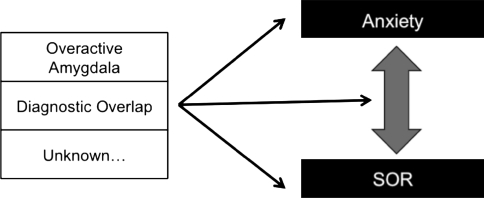
“It is not known whether sensory features serve as a causal factor for the development of anxiety [Green & Ben-Sasson, 2010], whether both might be a consequence of common underlying pathology such as amygdala dysregulation, and how sensory features relate to cognitive processes and traits such as,…”
BackgroundLane, S. J., Reynolds, S., & Dumenci, L. (2012) · American Journal of Occupational Therapy · doi:10.5014/ajot.2012.004523 · Cited by 116
“The relationship be-tween anxiety and SOR has rarely been addressed, although recently Green and Ben-Sasson (2010) presented both causal and noncausal models to explain the development and maintenance of these conditions.”
InfluentialBoterberg, S., & Warreyn, P. (2015) · Personality and Individual Differences · doi:10.1016/j.paid.2015.12.022 · Cited by 117
Vasa, R. A., Kalb, L. G., Mazurek, M. O., Kanne, S. M., Freedman, B. H., Keefer, A. J., Clemons, T. E., & Murray, D. S. (2013) · Research in Autism · doi:10.1016/j.rasd.2013.07.005 · Cited by 114
Enhanced olfactory sensitivity in autism spectrum conditions
Ashwin, C., Chapman, E., Howells, J., Rhydderch, D., Walker, I. O., & Baron‐Cohen, S. (2014) · Molecular Autism · doi:10.1186/2040-2392-5-53 · Cited by 103
“In terms of neurophysiology, a brain region hypothesised to be involved in sensory over-reactivity and hyperattention in ASC is the amygdala [39].”
BackgroundAutism severity and its relationship to disability
Waizbard‐Bartov, E., FEIN, D. A., Lord, C., & Amaral, D. G. (2023) · Autism Research · doi:10.1002/aur.2898 · Cited by 119
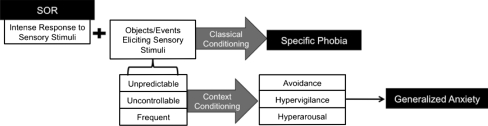
“Sensory sensitivities, a type of RRBs, can also lead to specific phobias focused on that sensory stimulus (Green & Ben-Sasson, 2010).”
BackgroundKeith, J. M., Jamieson, J. P., & Bennetto, L. (2018) · Research on Child and Adolescent Psychopathology · doi:10.1007/s10802-018-0455-1 · Cited by 101
Carpenter, K. L. H., Baranek, G. T., Copeland, W., Compton, S. N., Zucker, N. L., Dawson, G., & EGGER, H. L. (2018) · Research on Child and Adolescent Psychopathology · doi:10.1007/s10802-018-0502-y · Cited by 98
Assessment of anxiety in children and adolescents with autism spectrum disorders
Grondhuis, S. N., & Aman, M. G. (2012) · Research in Autism · doi:10.1016/j.rasd.2012.04.006 · Cited by 95
Black, K. R., Stevenson, R. A., Segers, M., Ncube, B., Sun, S. Z., Philipp-Muller, A. Z., Bebko, J. M., Barense, M. D., & Ferber, S. (2017) · Journal of Autism and Developmental Disorders · doi:10.1007/s10803-017-3161-x · Cited by 95
“Linked with increased levels of anxiety, the rigidity associated with I/S has been theorized to exacerbate and compound distress (Green and Ben-Sasson 2010).”
BackgroundInfluentialA qualitative study of noise sensitivity in adults with autism spectrum disorder
Landon, J., Shepherd, D., & Lodhia, V. (2016) · Research in Autism · doi:10.1016/j.rasd.2016.08.005 · Cited by 94
The amygdala and the relevance detection theory of autism: an evolutionary perspective
Zalla, T., & Sperduti, M. (2013) · Frontiers in Human Neuroscience · doi:10.3389/fnhum.2013.00894 · Cited by 98
“Indeed, amygdalar abnormalities typically associated with difficulties with fear extinction (Davis, 1992, 2000), also involve disturbances in social anxiety, hyperarousal, and sensory over-responsivity in ASDs (Amaral et al., 2008; Green and Ben-Sasson, 2010).”
BackgroundOptimizing arousal to manage aggression: A pilot study of sensory modulation
Sutton, D., Wilson, M., van Kessel, K., & Vanderpyl, J. (2013) · International Journal of Mental Health Nursing · doi:10.1111/inm.12010 · Cited by 82
“Green and Ben-Sasson (2010) suggest that responses to particular sensory input may be conditioned through repeated exposure, leading to the expectation of being calmed and a shift in affective state.”
BackgroundVincent, J., Potts, M., Fletcher, D., Hodges, S., Howells, J., Mitchell, A., Mallon, B., & Ledger, T. (2016) · Educational Action Research · doi:10.1080/09650792.2016.1153978 · Cited by 95
“Green and Ben-Sasson (2010) suggest that sensory over-responsivity is a common feature found in more than one-half of individuals on the autistic spectrum and is also often linked to anxiety and isolation.”
BackgroundRenno, P., & Wood, J. J. (2013) · Journal of Autism and Developmental Disorders · doi:10.1007/s10803-013-1767-1 · Cited by 82
“Green and Ben-Sasson (2010) recently proposed three possible pathways linking anxiety and sensory over-responsivity in children with ASD: (a) anxiety causes sensory over-responsivity, (b) sensory over-responsivity causes anxiety, and (c) anxiety and overresponsivity are causally related by a common…”
Hulle, C. A. V., Schmidt, N. L., & Goldsmith, H. H. (2011) · Journal of Child Psychology and Psychiatry · doi:10.1111/j.1469-7610.2011.02432.x · Cited by 80
“…covariance between SOR and internalizing than externalizing symptoms is perhaps unsurprising in the light of previous studies showing children (typical and atypical) who display elevated symptoms of SOR also tend to be at elevated risk for anxiety (Goldsmith et al., 2006; Green & Ben-Sasson, 2010).”
Sensory over-responsivity is related to GABAergic inhibition in thalamocortical circuits
Wood, E. T., Cummings, K. K., Jung, J., Patterson, G., Okada, N. J., Guo, J., O’Neill, J., Dapretto, M., Bookheimer, S. Y., & Green, S. A. (2021) · Translational Psychiatry · doi:10.1038/s41398-020-01154-0 · Cited by 84
Self-citationSensory Over-Responsivity, Psychopathology, and Family Impairment in School-Aged Children
Carter, A. S., Ben‐Sasson, A., & Briggs‐Gowan, M. J. (2011) · Journal of the American Academy of Child & Adolescent Psychiatry · doi:10.1016/j.jaac.2011.09.010 · Cited by 80
“Reciprocally, occupational herapists need to be aware of the potential for o-occurring psychopathology among children ith SOR.”
InfluentialSelf-citationSex differences in sensory processing in children with autism spectrum disorder
Osório, J. M. A., Rodríguez‐Herreros, B., Richetin, S., Junod, V., Romascano, D., Pittet, V. E. H., Chabane, N., Gygax, M. J., & Maillard, A. M. (2021) · Autism Research · doi:10.1002/aur.2580 · Cited by 91
“…et al., 2018), repetitive behaviors (Boyd et al., 2010; Glod et al., 2019; Lidstone et al., 2014; Wigham et al., 2015), increased anxiety (S. A. Green & Ben-Sasson, 2010; S. A. Green et al., 2012; S. J. Lane et al., 2012; Lidstone et al., 2014; Wigham et al., 2015) and sensorimotor coupling…”
BackgroundLiew, S. M., Thevaraja, N., Hong, R. Y. S., & Magiati, I. (2014) · Journal of Autism and Developmental Disorders · doi:10.1007/s10803-014-2238-z · Cited by 89
“These findings tentatively suggest that sensory sensitivity and aversive sensory experiences in the general population might lead to increased symptoms of worry, possibly through avoidance, hyper-vigilance, hyper-arousal and contextualized conditioning (see Grillon 2008; Green and Ben-Sasson 2010).”
BackgroundThe Differential Diagnosis of Anxiety Disorders in Cognitively-Able Youth With Autism
Kerns, C. M., Rump, K., Worley, J., Kratz, H., McVey, A., Herrington, J., & Miller, J. (2016) · Cognitive and Behavioral Practice · doi:10.1016/j.cbpra.2015.11.004 · Cited by 75
Magiati, I., Ong, C. W., Lim, X. Y., Tan, J. W., Ong, A. Y. L., Patrycia, F., Fung, D. S. S., Sung, M., Poon, K. K., & Howlin, P. (2015) · Autism · doi:10.1177/1362361315577519 · Cited by 81
“Given the crosssectional design of these studies, it is difficult to determine whether this relationship is uni- or bi-directional or whether these two variables are simply associated through other common risk factors (see Gotham et al., 2013; Green and Ben-Sasson, 2010; Kerns and Kendall, 2012; Lidstone et al., 2014).”
BackgroundThe Relationship Between Sensory Reactivity Differences and Anxiety Subtypes in Autistic Children
MacLennan, K., Roach, L. E., & Tavassoli, T. (2020) · Autism Research · doi:10.1002/aur.2259 · Cited by 86
“…in line with previous findings our results show a significant relationship between sensory hyperreactivity and separation anxiety and phobia/physical injury fears, but not social anxiety [Black et al., 2017; Green & Ben-Sasson, 2010; Kerns et al., 2014; Spain et al., 2018; White et al., 2009].”
BackgroundResultInfluentialWatson, L. R., Roberts, J. E., Baranek, G. T., Mandulak, K. C., & Dalton, J. C. (2012) · Journal of Autism and Developmental Disorders · doi:10.1007/s10803-011-1401-z · Cited by 66
“In terms of possible structural mechanisms, Green and Ben-Sasson (2010) cited replicated evidence for amygdala abnormalities among individuals with autism, and suggested that these may play a role in both sensory hyperresponsiveness and anxiety in autism, symptoms associated with autonomic…”
BackgroundSelective Mutism and Its Relations to Social Anxiety Disorder and Autism Spectrum Disorder
Muris, P., & Ollendick, T. H. (2021) · Clinical Child and Family Psychology Review · doi:10.1007/s10567-020-00342-0 · Cited by 81
Sensory Features in Autism Spectrum Disorders
Baranek, G. T., Little, L. M., Parham, L. D., Ausderau, K., & Sabatos‐DeVito, M. (2014) · Wiley eBooks · doi:10.1002/9781118911389.hautc16 · Cited by 66
Herrington, J. D., Miller, J. S., Pandey, J., & Schultz, R. T. (2016) · Social Cognitive and Affective Neuroscience · doi:10.1093/scan/nsw015 · Cited by 70
Glod, M., Creswell, C., Waite, P., Jamieson, R., McConachie, H., South, M., & Rodgers, J. (2017) · Journal of Autism and Developmental Disorders · doi:10.1007/s10803-017-3118-0 · Cited by 68
“2009) compared to 3–24% of typically developing children (Green and Ben-Sasson 2010).”
BackgroundWeighted Vests, Stereotyped Behaviors and Arousal in Children with Autism
Thompson‐Hodgetts, S., Magill‐Evans, J., & Misiaszek, J. E. (2010) · Journal of Autism and Developmental Disorders · doi:10.1007/s10803-010-1104-x · Cited by 59
A Qualitative Exploration into the Sensory Experiences of Autistic Mothers
Talcer, M. C., Duffy, O. M., & Pedlow, K. (2021) · Journal of Autism and Developmental Disorders · doi:10.1007/s10803-021-05188-1 · Cited by 79
Clinical characteristics of high-functioning youth with autism spectrum disorder and anxiety
Ung, D., Wood, J. J., Ehrenreich, J. T., Arnold, E. B., Fujii, C., Renno, P., Murphy, T. K., Lewin, A. B., Mutch, P. J., & Storch, E. A. (2013) · Neuropsychiatry · doi:10.2217/npy.13.9 · Cited by 64
Sensory Over-Responsivity as an Added Dimension in ADHD
Lane, S. J., & Reynolds, S. (2019) · Frontiers in Integrative Neuroscience · doi:10.3389/fnint.2019.00040 · Cited by 70
Sensory Over-Responsivity in Pediatric Obsessive Compulsive Disorder
Lewin, A. B., Wu, M. S., Murphy, T. K., & Storch, E. A. (2014) · Journal of Psychopathology and Behavioral Assessment · doi:10.1007/s10862-014-9442-1 · Cited by 59
Zickgraf, H. F., & Elkins, A. R. (2018) · Appetite · doi:10.1016/j.appet.2018.06.023 · Cited by 57
“More work is needed to clarify the relationship between sensory sensitivity and anxiety, but it appears that sensory sensitivity, like anxiety, may be both state- and trait-like (e.g., Green & Ben-Sasson, 2010).”
BackgroundInfluentialMacLennan, K., Rossow, T., & Tavassoli, T. (2021) · Autism · doi:10.1177/13623613211016110 · Cited by 63
Sapey‐Triomphe, L., Moulin, A. M., Sonié, S., & Schmitz, C. (2017) · Journal of Autism and Developmental Disorders · doi:10.1007/s10803-017-3422-8 · Cited by 60
“Anxiety disorders are more common in individuals with ASD than controls, and are closely related to sensory overresponsivity (Green and Ben-Sasson 2010).”
BackgroundKurzius‐Spencer, M., Pettygrove, S. D., Christensen, D., Pedersen, A. L., Cunniff, C. M., Meaney, F. J., Soke, G. N., Harrington, R. A., Durkin, M. S., & Rice, S. A. (2018) · Research in Autism · doi:10.1016/j.rasd.2018.09.002 · Cited by 58
Neural Correlates of Auditory Hypersensitivity in Fragile X Syndrome
Razak, K. A., Binder, D. K., & Ethell, I. M. (2021) · Frontiers in Psychiatry · doi:10.3389/fpsyt.2021.720752 · Cited by 55
“Based on studies of the circuit mechanisms underlying auditory hypersensitivity in FXS, we emphasize a “quadruple hit” model to explain auditory hypersensitivity: (1) individual cortical neurons are hyper-responsive to sounds (59, 60); (2) more cortical neurons respond synchronously to the same sound (60); (3) habitua…”
BackgroundAcker, L., Knight, M. T. D., & Knott, F. J. (2018) · Research in Autism · doi:10.1016/j.rasd.2018.07.005 · Cited by 55
Sullivan, J. C., Miller, L. J., Nielsen, D. M., & Schoen, S. A. (2013) · Autism · doi:10.1177/1362361313489377 · Cited by 50
“, 2009), the presence of which is associated with or possibly even caused by sensory hyperreactivity (Green and Ben-Sasson, 2010; Lane et al., 2012).”
BackgroundResultZainal, N. H., Magiati, I., Tan, J. W., Sung, M., Fung, D. S. S., & Howlin, P. (2014) · Journal of Autism and Developmental Disorders · doi:10.1007/s10803-014-2075-0 · Cited by 51
“Compared with typically developing youth, anxiety in ASD may be triggered by ASDspecific stressors (i.e., sensory overload, disruption to routines or social interaction difficulties; see Bellini 2004; Ben-Sasson et al. 2008; Green and Ben-Sasson 2010; Ozsivadjian et al. 2012; Pfeiffer et al. 2005; Wood and Gadow 2010)…”
BackgroundCoulthard, H., Aldridge, V. K., & Fox, G. (2021) · Appetite · doi:10.1016/j.appet.2021.105764 · Cited by 47
Settipani, C. A., Puleo, C. M., Conner, B. T., & Kendall, P. C. (2012) · Journal of Anxiety Disorders · doi:10.1016/j.janxdis.2012.01.010 · Cited by 51
“Given that heightened sensitivity to environmental stimulation and difficulties in sensory modulation are related to anxiety in individuals with ASD (Green & Ben-Sasson, 2010; Pfeiffer Kinnealey, Reed, & Herzberg, 2005), it is not surprising that specific phobias involving adverse sensory…”
BackgroundExperiences of Dental Care and Dental Anxiety in Adults with Autism Spectrum Disorder
Blomqvist, M., Dahllöf, G., & Bejerot, S. (2014) · Autism Research and Treatment · doi:10.1155/2014/238764 · Cited by 46
Sensory over responsivity and obsessive compulsive symptoms: A cluster analysis
Ben‐Sasson, A., & Podoly, T. Y. (2016) · Comprehensive Psychiatry · doi:10.1016/j.comppsych.2016.10.013 · Cited by 48
Self-citationCummings, K. K., Lawrence, K. E., Hernandez, L. M., Wood, E. T., Bookheimer, S. Y., Dapretto, M., & Green, S. A. (2020) · Autism Research · doi:10.1002/aur.2351 · Cited by 45
“Anxiety symptoms were used as a covariate in these analyses because of their high comorbidity with SOR [Green & Ben-Sasson, 2010; Ben-Sasson et al., 2008], and their correlation with SOR in the ASD sample (r = 0.31, p = .05).”
BackgroundMethodInfluentialSelf-citationAutism Traits, Sensory Over-Responsivity, Anxiety, and Stress: A Test of Explanatory Models
Amos, G. A., Byrne, G., Chouinard, P. A., & Godber, T. (2018) · Journal of Autism and Developmental Disorders · doi:10.1007/s10803-018-3695-6 · Cited by 55
Williams, K. L., Campi, E., & Baranek, G. T. (2021) · Research in Autism Spectrum Disorders · doi:10.1016/j.rasd.2021.101763 · Cited by 45
Magiati, I., Chan, J. Y., Tan, W.-L. J., & Poon, K. K. (2014) · Research in Autism · doi:10.1016/j.rasd.2014.01.015 · Cited by 44
Ooi, Y. P., Weng, S.-J., Magiati, I., Ang, R. P.-H., Goh, T. J., Fung, D. S. S., & Sung, M. (2016) · Journal of Developmental and Physical Disabilities · doi:10.1007/s10882-016-9481-5 · Cited by 45
Ide, M., Yaguchi, A., Sano, M., Fukatsu, R., & Wada, M. (2018) · Journal of Autism and Developmental Disorders · doi:10.1007/s10803-018-3677-8 · Cited by 44
Family Experiences of Decreased Sound Tolerance in ASD
Scheerer, N. E., Boucher, T. Q., Bahmei, B., Iarocci, G., Arzanpour, S., & Birmingham, E. (2021) · Journal of Autism and Developmental Disorders · doi:10.1007/s10803-021-05282-4 · Cited by 43
Verhulst, I., MacLennan, K., Haffey, A., & Tavassoli, T. (2022) · Autism in Adulthood · doi:10.1089/aut.2022.0018 · Cited by 39
“31 The primary anxiety model proposes anxiety to be a cause of sensory hyperreactivity, as individuals may be more likely to be conditioned to attend and overreact to sensory input due to characteristics of anxiety (e.g., hypervigilance, hyperarousal, attentional bias, and avoidance).”
Factors Associated with Quality of Life in Adults with Autism Spectrum Disorder: A Systematic Review
Sáez‐Suanes, G. P., & Álvarez-Couto, M. (2021) · Review Journal of Autism and Developmental Disorders · doi:10.1007/s40489-021-00254-x · Cited by 39
Structural Covariance of Sensory Networks, the Cerebellum, and Amygdala in Autism Spectrum Disorder
Cardon, G. J., Hepburn, S., & Rojas, D. C. (2017) · Frontiers in Neurology · doi:10.3389/fneur.2017.00615 · Cited by 39
Morgan, H. (2019) · PSU McNair Scholars Online Journal · doi:10.15760/mcnair.2019.13.1.11 · Cited by 41
“…anxiety, and depression in autism I reviewed studies seeking to assess the relationship between sensory differences in the autistic population and their relationship to stress (Elwin, Schroder, Ek, Wallsten, & Kjellin, 2016; Green & Ben-Sasson, 2010; Horder, Wilson, Mendez, & Murphy, 2014).”
BackgroundJassim, N., Baron‐Cohen, S., & Suckling, J. (2021) · Neuroscience & Biobehavioral Reviews · doi:10.1016/j.neubiorev.2021.04.014 · Cited by 45
Ismail, N. A. S., Ramli, N. S., Hamzaid, N. H., & Hassan, N. I. (2020) · Nutrients · doi:10.3390/nu12092530 · Cited by 43
“This experience allows children with ASD to be familiar with the new foods [48,49].”
BackgroundToward a theoretical model of misophonia
Webber, T. A., & Storch, E. A. (2015) · General Hospital Psychiatry · doi:10.1016/j.genhosppsych.2015.03.019 · Cited by 35
Rossow, T., MacLennan, K., & Tavassoli, T. (2021) · Autism Research · doi:10.1002/aur.2525 · Cited by 35
“Our results echo the established understanding of the relationship between sensory hyper-reactivity and anxiety (Green et al., 2012; Green & Ben-Sasson, 2010; Liss et al., 2005; MacLennan et al., 2020) and our combined data also shows more broadly a relationship of hyper-reactivity and…”
BackgroundResultAre PTSD and autistic traits related? An examination among typically developing Israeli adults
Haruvi-Lamdan, N., Lebendiger, S., Golan, O., & Horesh, D. (2018) · Comprehensive Psychiatry · doi:10.1016/j.comppsych.2018.11.004 · Cited by 35
Wuang, Y.-P., Huang, C.-L., & Tsai, H.-Y. (2020) · Neuropsychiatric Disease and Treatment · doi:10.2147/ndt.s253337 · Cited by 34
Top Jr., D. N., Luke, S. G., Stephenson, K. G., & South, M. (2019) · Frontiers in Psychiatry · doi:10.3389/fpsyt.2018.00783 · Cited by 36
“Another characteristic of studies in this area is a reliance on questionnaires including parent-report surveys (16, 17, 20, 34, 40) or self-report surveys (19, 31, 41).”
BackgroundMazurek, M. O., Keefer, A. J., Shui, A. M., & Vasa, R. A. (2014) · Research in Autism · doi:10.1016/j.rasd.2014.07.018 · Cited by 32
Storch, E. A., Schneider, S. C., Nadai, A. S. D., Selles, R. R., McBride, N. M., Grebe, S. C., Bergez, K. C., Ramírez, A. C., Viana, A. G., & Lewin, A. B. (2019) · Child Psychiatry & Human Development · doi:10.1007/s10578-019-00923-3 · Cited by 35
Autonomic dysfunction in autism: the roles of anxiety, depression, and stress
Taylor, E. C., Livingston, L. A., Callan, M. J., Ashwin, C., & Shah, P. (2021) · Autism · doi:10.1177/1362361320985658 · Cited by 30
The neurobiological presentation of anxiety in autism spectrum disorder: A systematic review
McVey, A. J. (2019) · Autism Research · doi:10.1002/aur.2063 · Cited by 32
Schwarzlose, R. F., Tillman, R., Hoyniak, C. P., Luby, J. L., & Barch, D. M. (2022) · Biological Psychiatry · doi:10.1016/j.biopsych.2022.09.004 · Cited by 38
Metadata
- Authors
- Green, S. A., & Ben-Sasson, A.
- Affiliations
- University of California, Los Angeles (US)
- Corresponding author
- Green, Shulamite A.
- ORCID
- Green, Shulamite A.
- Venue
- Journal of Autism and Developmental Disorders
- Published
- 2010-04-10
- Volume
- 40
- Issue
- 12
- Pages
- 1495-1504
- ISSN
- 0162-3257 (ISSN-L)
- 1573-3432
- PMC
- PMC2980623
- OpenAlex
- W2097949702
- Cited by
- 327
- References
- 67
- Citations by year
- 2026: 28 · 2025: 32 · 2024: 25 · 2023: 28 · 2022: 19 · 2021: 32 · 2020: 25 · 2019: 24 · 2018: 17 · 2017: 13 · 2016: 17 · 2015: 12 · 2014: 19 · 2013: 17 · 2012: 11
- FWCI
- 0.84
- Type
- journal article
- Language
- en
- Open access
- hybrid
- doi.org
- Licence
- cc-by-nc
- Locations
- Journal of Autism and Developmental Disorders (publishedVersion, cc-by-nc)
- PubMed Central (publishedVersion, cc-by-nc)
- PubMed (publishedVersion)
- eScholarship (California Digital Library) (submittedVersion)
- Funders
- National Institute of Child Health and Human Development (34879-1459)
- Eunice Kennedy Shriver National Institute of Child Health and Human Development (HD34879-1459, 34879‐1459, R01HD034879)
- Topics
- Life Sciences › Neuroscience › Cognitive Neuroscience › Autism Spectrum Disorder Research
- Health Sciences › Medicine › Psychiatry and Mental health › Child Nutrition and Feeding Issues
- Social Sciences › Psychology › Clinical Psychology › Child and Adolescent Psychosocial and Emotional Development
- Keywords
- autism spectrum disorder, anxiety disorders, sensory hypersensitivity, sensory processing, causal relationship, children, comorbidities, diagnostic overlap, risk factors, intervention
- MeSH terms
- Anxiety Disorders, Arousal, Child, Child Development Disorders, Pervasive, Humans, Risk Factors, Sensation Disorders
About these checks
Registry, retraction, Cites and statistics results are computed, not judged, with one exception: a printed reference that no index lists is read once by a model before it counts as a citation error. Claims are extracted by a model and kept only when their quote appears verbatim in the text; each cited source is then checked, with a model’s help, for whether it says what the claim relies on. Those verdicts can be wrong — read the claim’s quote and the cited source before relying on one.
Statistics and arithmetic are recomputed, not judged.
Confidence bands are shown only for fields calibrated on our annotated test set. None is calibrated yet, so no band is shown.
What counts as a claim ›How we measure confidence ›How we check this ›
Are you an author, or do you see a problem with this page? Request a review
