

Psychiatric Co-occurring Symptoms and Disorders in Young, Middle-Aged, and Older Adults with Autism Spectrum Disorder
Open accessThe DOI matches its Crossref record; 88 of the 93 references it cites were found in a registry or an index.
Abstract
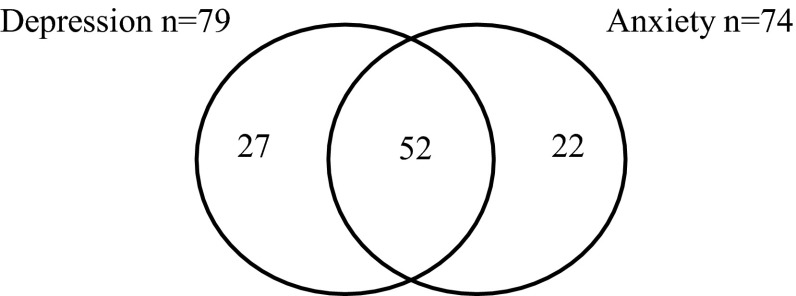
Although psychiatric problems are less prevalent in old age within the general population, it is largely unknown whether this extends to individuals with autism spectrum disorders (ASD). We examined psychiatric symptoms and disorders in young, middle-aged, and older adults with and without ASD (Nmax = 344, age 19-79 years, IQ > 80). Albeit comparable to other psychiatric patients, levels of symptoms and psychological distress were high over the adult lifespan; 79 % met criteria for a psychiatric disorder at least once in their lives. Depression and anxiety were most common. However, older adults less often met criteria for any psychiatric diagnosis and, specifically, social phobia than younger adults. Hence, despite marked psychological distress, psychiatric problems are also less prevalent in older aged individuals with ASD.
Overview
The claims and statistics of this paper haven’t been checked yet.
Free: it reads the open-access text and checks the first 5 claims that cite a source we can check. Create a free account to check every claim.
Integrity signals
Registry
Cites
Statistics
Figures
Verification
Claims the paper makes
The claims and statistics of this paper haven’t been checked yet.
Free: it reads the open-access text and checks the first 5 claims that cite a source we can check. Create a free account to check every claim.
Claims other papers make about this one
Each is checked against this paper’s own text: does it say what the citing paper says it does?
The cited source doesn’t support the claim as written.
In the citing paper
“However, lifetime experience of depression in the general population (44.9%) and ASC group (80%) were much higher than previous estimates [2, 22, 54], despite participants not being recruited because of experience with mental health problems.”
From Risk markers for suicidality in autistic adults (2018) · cites this paper as [22]
Checked by a reasoning model — may be wrong.
Experimental — accuracy not yet measuredThe cited source says what the claim attributes to it.
In the citing paper
“Anxiety in social situations (Spain et al., 2018) and phobias/situation specific anxiety (Lever & Geurts, 2016) are particularly common for autistic people”
In the citing paper
“given the high rates of co-occurring mental health difficulties found amongst autistic adults (Lever & Geurst, 2016).”
From Camouflaging in autism: A systematic review (2021) · cites this paper as Lever & Geurst, 2016
Self-check
Percentages, sums and reported differences re-computed from the paper’s own numbers.
The self-check needs the paper’s full text.
Citations
Cites
1 retracted
Tureck, K., Matson, J. L., Cervantes, P. E., & Konst, M. J. (2014) · Research in Developmental Disabilities · doi:10.1016/j.ridd.2014.02.013 · Cited by 48 · cited 1×
“…et al. 2010; Garcı ´ a-Vil-lamisar and Rojahn 2015; Gotham et al. 2015; Holtmann et al. 2007; Jang and Matson 2015; Lai et al. 2011; Lugnega˚rd et al. 2011; Moss et al. 2015; Simonoff et al. 2008, 2013; Sterling et al. 2008; Tureck et al. 2014; van Steensel et al. 2012; Verheij et al. 2015).”
RetractedDiagnostic and Statistical Manual of Mental Disorders
American Psychiatric Association (2013) · doi:10.1176/appi.books.9780890425596 · Cited by 116,369
Diagnostic and Statistical Manual of Mental Disorders
Williams, J. B. W., & First, M. (2013) · Encyclopedia of Social Work · doi:10.1093/acrefore/9780199975839.013.104 · Cited by 109,519
Folstein, M. F., Folstein, S. E., & McHugh, P. R. (1975) · Journal of Psychiatric Research · doi:10.1016/0022-3956(75)90026-6 · Cited by 88,282 · cited 1×
“All individuals had a Mini Mental State Examination score above 26 (Folstein et al. 1975).”
Hirono, N., Mori, E., Ikejiri, Y., Imamura, T., Shimomura, T., Hashimoto, M., Yamashita, H., & Ikeda, M. (1997) · Brain and nerve · Cited by 21,038
Kok, J. S., Berg, I. J., & Scherder, E. J. A. (2013) · Dementia and Geriatric Cognitive Disorders Extra · doi:10.1159/000353441 · Cited by 20,589
Kessler, R. C., Berglund, P., Demler, O., Jin, R., Merikangas, K. R., & Walters, E. E. (2005) · Archives of General Psychiatry · doi:10.1001/archpsyc.62.6.593 · Cited by 20,391 · cited 6×
“Nevertheless, lifetime diagnoses for any psychiatric disorder were less often present in older than in younger adults with ASD, suggesting reduced psychopathology in late adulthood, a pattern that has been commonly observed in large typical aging studies (Bijl et al. 1998; Kessler et al. 2005).”
InfluentialDiagnostic and Statistical Manual of Mental Disorders.
Widiger, T. A. (2000) · Encyclopedia of Psychology, Vol. 3. · doi:10.1037/10518-009 · Cited by 19,744
Older Adults' Reasons for Using Technology while Aging in Place
Peek, S. T. M., Luijkx, K. G., Rijnaard, M. D., Nieboer, M. E., van der Voort, C. S., Aarts, S., van Hoof, J., Vrijhoef, H. J. M., & Wouters, E. J. M. (2016) · Gerontology · doi:10.1159/000430949 · Cited by 19,690
(1998) · The Journal of Clinical Psychiatry · Cited by 19,139
Research works printed but not linked: 6
- Arrindell WA Ettema JHM SCL-90 Handleiding bij een multidimensionale psychopathologie-indicator [SCL-90: Manual for a multidimensional indicator of psychopathology] 2005 Amsterdam Pearson
- de Bildt A de Jonge MV Autisme diagnostisch observatie schema 2008 Amsterdam Hogrefe
- Derogatis LR Administration, scoring, and procedures manual for the SCL-90-R 1977 Baltimore, MD Clinical Psychometrics Research
- IBM Corp IBM SPSS statistics for windows (Version 22.0) 2013 Armonk, NY IBM Corp
- Uterwijk J WAIS-III nederlandstalige bewerking. Technische handleiding 2000 Lisse Swets & Zeitlinger
- van Vliet IM Leroy H van Megen HJGM De MINI internationaal neuropsychiatrisch interview, nederlandse versie 5.0.0 2000 Leiden Leiden University Medical Center, Department of Psychiatry
Cited by
Items 301–400 of 571
Kütük, M. Ö., Tufan, A. E., Kılıçaslan, F., Vural, P., Gökçen, C., Güney, S. A., Kütük, B., Özyurt, G., İnal, N., Mutluer, T., et al. (2023) · Heliyon · doi:10.1016/j.heliyon.2023.e20766 · Cited by 12
Bianco, T. D., Estrin, G. L., Tillmann, J., Oakley, B. F. M., Crawley, D., Cáceres, A. S. J., Hayward, H., Potter, M., Mackay, W., Smit, P., et al. (2023) · Autism · doi:10.1177/13623613231200297 · Cited by 13
“Beyond the clinically defining difficulties in the social domain and repetitive behaviour, 80% of autistic adults experience a mental health condition during their lifetime, including externalising and internalising symptoms (Lai et al., 2019; Lever & Geurts, 2016).”
BackgroundAge differences in broader autism phenotype traits from young adulthood to older adulthood
Chopik, W. J., Oh, J., Nuttall, A. K., Thakkar, K. N., & Ingersoll, B. R. (2021) · Autism Research · doi:10.1002/aur.2504 · Cited by 11
“…among middle-aged and older adults that do exist often focus on the presence of clinical problems or ASD-related traits among parents of children with ASD, and less on comparing younger and older adults in their levels of BAP in the general population (Kats et al., 2013; Lever & Geurts, 2016).”
UK-based specialist dental professionals' experiences of working with autistic patients.
McMillion, A., Tobianksy, B., Wang, K.-F., Cronin, A., Johnson, A., Monteiro, J., & Remington, A. (2021) · Special Care in Dentistry: managing special patients, settings, and situations · doi:10.1111/scd.12653 · Cited by 7
Integrating the Autistic Experience Into Existing Models for Disordered Eating
Longhurst, P., & Clark, L. (2022) · Frontiers in Psychology · doi:10.3389/fpsyg.2022.926415 · Cited by 12
“Moreover, impaired CC increases the probability of the AP to become both pronounced and maladaptive, giving rise to complex mental health difficulties (Geurts et al., 2014; Ullman and Pullman, 2015; Lever and Geurts, 2016).”
BackgroundMcCrossin, R. (2023) · Children · doi:10.3390/children10020272 · Cited by 9
Child and Adult Autism Spectrum Disorder in COVID-19 PandemicPreprint
Altable, M. (2020) · doi:10.32388/8zrwpm · Cited by 8
Horton, E., Goldschmied, A. Z., Knops, M. J. J., Brownhill, L. A., Bycroft, A., Lloyd, A., Tones, D., Wiltshire, B., Toro, C. T., & Jutley-Neilson, J. (2024) · Journal of Participatory Research Methods · doi:10.35844/001c.122455 · Cited by 8
Liu, C., Zhang, Q., Liu, Y., Wang, Z., Chen, F., Li, Y., Zhao, Y., Zhu, J., Li, D., & Zhu, C. (2024) · Psychology Research and Behavior Management · doi:10.2147/prbm.s482404 · Cited by 11
Putting on a disguise to fit in: A mixed methods study of experiences in autistic camouflaging
Jones, S., Sharpe, B. T., King, R., Waldeck, D., & Tyndall, I. T. (2025) · Research in Neurodiversity · doi:10.1016/j.rin.2025.100004 · Cited by 8
Chew, X. Y., Leong, D.-J., Khor, K. M., Tan, G. M. Y., Wei, K., & Magiati, I. (2021) · Autism in Adulthood · doi:10.1089/aut.2019.0064 · Cited by 7
Neuroticism Drives Associations Between Repetitive Behaviors and Depression in Autistic Adults
Schwartzman, J. M., Williams, Z. J., Richards, J. K., Mattheiss, S. R., & Gotham, K. O. (2022) · Frontiers in Psychiatry · doi:10.3389/fpsyt.2022.803361 · Cited by 10
“Lower educational level also showed a small and practically insignificant relationship with depressive symptoms in this sample, which adds to the few studies of mixed findings on educational level and depression in autism (71, 72).”
ResultCarpita, B., Cremone, I. M., Nardi, B., Amatori, G., Bonelli, C., Massimetti, E., Casagrande, D., Pini, S., & Dell’Osso, L. (2023) · Brain Sciences · doi:10.3390/brainsci13111559 · Cited by 8
How to build resiliency in autistic individuals: an implication to advance mental health
Ghanouni, P., Raphael, R., Seaker, L., & Casey, A. (2024) · BMC Psychology · doi:10.1186/s40359-024-01916-1 · Cited by 10
Zukerman, G., Yahav, G., & Ben‐Itzchak, E. (2022) · Psychiatry Research · doi:10.1016/j.psychres.2022.114701 · Cited by 18
Petty, S., Lambarth, S., & Hamilton, L. (2023) · Counselling and Psychotherapy Research · doi:10.1002/capr.12729 · Cited by 10
Abnormal EEG Power Spectrum in Individuals with High Autistic Personality Traits: an eLORETA Study
Massullo, C., Imperatori, C., Adenzato, M., Brunetti, R., Indraccolo, A., Marca, G. D., Farina, B., & Ardito, R. B. (2019) · Journal of Psychopathology and Behavioral Assessment · doi:10.1007/s10862-019-09777-4 · Cited by 8
Understanding camouflaging, stigma, and mental health for autistic people in JapanPreprint
Tamura, M., Cage, E., Perry, E., Hongo, M., Takahashi, T., Seto, M., Shimizu, E., & Oshima, F. (2023) · Research Square · doi:10.21203/rs.3.rs-2614748/v2 · Cited by 7
McQuaid, G. A., Ratto, A. B., Jack, A., Khuu, A., Smith, J. V., Duane, S. C., Clawson, A., Lee, N., Verbalis, A. D., Pelphrey, K. A., et al. (2023) · doi:10.31234/osf.io/kc6ax · Cited by 7
Central Sensitivity Symptoms and Autistic Traits in Autistic and Non‐Autistic Adults
Grant, S., Norton, S., & Hoekstra, R. A. (2025) · Autism Research · doi:10.1002/aur.3297 · Cited by 10
“Anxiety is associated with both autism and CSS (Adams and Turk 2015; Lever and Geurts 2016), so these results are not unexpected.”
Lacroix, A., Tzang, C.-C., Yu, J., Jacob, B. K., Alexandrovsky, M., Winge-Breen, A., Rodak, T., & Lai, M. (2025) · Frontiers in Neuroendocrinology · doi:10.1016/j.yfrne.2025.101229 · Cited by 11
Klein, J., Kerns, C. M., Hills, K. J., Hogan, A. L., Matherly, S., & Roberts, J. E. (2023) · Journal of Autism and Developmental Disorders · doi:10.1007/s10803-023-05978-9 · Cited by 6
“Autistic children with anxiety are more likely to have adaptive impairments, increased social difficulties, and a lower quality of life as they age (Kerns et al., 2015; Lever & Geurts, 2016; Smith, et al., 2019; van Steensel, et al., 2012).”
Fuld, S., & McKelvie, M. R. (2024) · Counselling and Psychotherapy Research · doi:10.1002/capr.12792 · Cited by 9
Summerill, J., Leedale, C., Thompson, D., Ingham, B., & Rutter, L. (2025) · Research in Autism · doi:10.1016/j.reia.2025.202557 · Cited by 7
Sazzed, S. (2025) · International Journal of Medical Informatics · doi:10.1016/j.ijmedinf.2025.106110 · Cited by 6
Old Age in Adults with ASD: Psychosocial Aspects—a Systematic Review
Parchomiuk, M. (2021) · Review Journal of Autism and Developmental Disorders · doi:10.1007/s40489-020-00229-4 · Cited by 7
“In turn, Lever and Geurts (2016) showed that the oldest people (55–79), most with AS, exhibited the fewest psychopathological symptoms (SCL-90-R; MINIPlus) compared to younger groups of adults with ASD.”
BackgroundResultInfluentialCheak‐Zamora, N., Nowell, K. P., Helterbrand, E., & Tait, A. (2021) · Research in Autism · doi:10.1016/j.rasd.2021.101801 · Cited by 7
Brookman-Frazee, L. I., Baker-Ericzén, M. J., Chan, J., Dickson, K. S., Rieth, S. R., Haine‐Schlagel, R., Stadnick, N. A., Stahmer, A. C., & Suhrheinrich, J. (2022) · Autism and child psychopathology series · doi:10.1007/978-3-030-88538-0_26 · Cited by 8
Revising our understanding of emotional distress for autistic adults: call for research
Petty, S., Trickett, A., Thompson, K., Garbutt, R., & Saunders, M. (2023) · Current Psychology · doi:10.1007/s12144-022-03254-0 · Cited by 6
Muniandy, M., Richdale, A. L., Arnold, S. R. C., Trollor, J. N., & Lawson, L. P. (2023) · Journal of Autism and Developmental Disorders · doi:10.1007/s10803-023-05953-4 · Cited by 12
“Lower age as a pre - dictor for higher anxiety in the current sample, was consis - tent with some autistic adult studies (Lever & Geurts, 2016 ), but not others (Uljarević et al., 2020 ), and this may be due to the different age groupings across the studies.”
InfluentialAutistic Traits and Somatic Symptom Disorders: What Is the Link?
Carpita, B., Nardi, B., Tognini, V., Poli, F., Amatori, G., Cremone, I. M., Pini, S., & Dell’Osso, L. (2024) · Brain Sciences · doi:10.3390/brainsci14030274 · Cited by 8
“Indeed, recent studies have confirmed higher levels of somatization in ASD subjects compared to the non-clinical population [39,66,67], suggesting that some symptomatology experienced by autistic subjects is likely to stem from behavioral and emotional factors [68].”
ResultPetty, S., & Clegg, V. (2025) · Review Journal of Autism and Developmental Disorders · doi:10.1007/s40489-025-00505-1 · Cited by 8
Factors associated with positive mental health in young adults with a neurodevelopmental disorder
Appelqvist‐Schmidlechner, K., Lämsä, R., & Tuulio‐Henriksson, A. (2020) · Research in Developmental Disabilities · doi:10.1016/j.ridd.2020.103780 · Cited by 9
McKernan, E. P., & Russo, N. N. (2023) · Journal of Autism and Developmental Disorders · doi:10.1007/s10803-023-05944-5 · Cited by 8
“A majority of autistic adults meet diagnostic criteria for at least one psychiatric condition, with anxiety and depression being the most commonly co-occurring psychiatric disorders in autistic adults after attention-deficit/hyperactivity disorder (Lever & Geurts, 2016).”
Editorial: Special Issue on Mental Health Issues in Autism Spectrum Disorder
Fodstad, J. C. (2019) · Review Journal of Autism and Developmental Disorders · doi:10.1007/s40489-019-00178-7 · Cited by 7
“…with ASD experience at least one co-occurring concern (Dominick et al. 2007; Leyfer et al. 2006), with the high rate of comorbidity emerging in very young children (Fodstad et al. 2010) and persisting well into adulthood (Gadke et al. 2016; Lever and Geurts 2016; Lugo-Marín et al. 2019).”
BackgroundMcMaughan, D. J., Lewis, C., McGehee, A. L., Noreen, D., Parker, E., & Criss, M. M. (2023) · JMIR Research Protocols · doi:10.2196/52658 · Cited by 8
“…population in the United States hit an all-time high during the COVID-19 pandemic, with an estimated 40% reporting mental health challenges [10], while rates of co-occurring mental health issues among autistic adolescents and emerging adults during a “typical” time period are as high as 82% [11].”
BackgroundBransgrove, K., & Karakas, G. (2025) · Journal of Autism and Developmental Disorders · doi:10.1007/s10803-025-06865-1 · Cited by 11
Psychometric Evaluation of Two Adult Autism Screening Tools in Brazil
Marques, L. D. N., Murray, C., Ferreira, L. F. D. A., Landeira-Fernández, J., & Anunciação, L. (2025) · Autism Research · doi:10.1002/aur.70089 · Cited by 9
Çetin, S., Uysal, S., Girgin, D., Alp, A., Kiliç, E., & Çıray, R. O. (2025) · Neuroglia · doi:10.3390/neuroglia6030034 · Cited by 5
“In addition, intellectual disability is present in approximately 30% of individuals with autism [13].”
Early autism detection: a review of emerging technologies, biomarkers, and explainable AI approaches
Agrawal, R., & Agrawal, R. (2025) · Molecular Brain · doi:10.1186/s13041-025-01269-9 · Cited by 11
“The prevalence of neurodevelopmental difficulties is gradually increasing worldwide as a result of today's more sedentary lifestyles and changing work environments [30, 31].”
Palmer, M. L., Fang, Z., Hollocks, M. J., Charman, T., Pickles, A. R., Baird, G., & Simonoff, E. A. (2023) · Journal of Autism and Developmental Disorders · doi:10.1007/s10803-023-06146-9 · Cited by 5
Multi-modal Generative AI for People with Disabilities
Raji, N. R., Biji, C. L., & Vineetha, V. (2025) · Springer eBooks · doi:10.1007/978-981-96-2355-6_12 · Cited by 5
Social prescribing for autistic people: A framework for service provision
Charlton, R. A., Crompton, C. J., Roestorf, A., Torry, C., & The Autistica Physical Health and Ageing Study Group (2020) · AMRC Open Research · doi:10.12688/amrcopenres.12901.1 · Cited by 13
Treadmill Exercise Improves Stereotypical Behaviors in Autistic Rats
Alipour, V., Shabani, R., Zarrindast, M., Rahmani-Nia, F., & Nasehi, M. (2022) · Galen Medical Journal · doi:10.31661/gmj.v11i.1990 · Cited by 7
Negative Peer Experiences in Adolescents With Autism Spectrum Disorders
Adams, R. E., Bishop, S. L., & Taylor, J. L. (2017) · International review of research in developmental disabilities · doi:10.1016/bs.irrdd.2017.07.003 · Cited by 6
A New Real-Life Test for Reciprocity in Autistic Adults: The Interactive Drawing Test
van Ommeren, T. B., Vreugdenhil, M., Koot, H. M., Spek, A. A., Scheeren, A. M., Jertberg, R., & Begeer, S. (2022) · Frontiers in Psychiatry · doi:10.3389/fpsyt.2022.842902 · Cited by 5
“Also, cooccurring disorders often occur in autistic adults and could influence their social functioning (52, 53).”
BackgroundGuo, D., Yang, X., Gao, M., Chen, X., Tang, Y., Shen, L., Li, K., & Shi, L. (2022) · Cellular and Molecular Neurobiology · doi:10.1007/s10571-022-01233-4 · Cited by 6
“2013, 2014; Lever and Geurts 2016; Uljarević et al.”
BackgroundAutism training at a small liberal arts college: librarian perceptions and takeaways
Robinson, B., & Anderson, A. M. (2022) · Public & Access Services Quarterly · doi:10.1080/15228959.2021.1988808 · Cited by 6
“ASD is often comorbid with a range of mental health conditions, such as depression and anxiety, at all age levels (Hammond & Hoffman, 2014; Hoover & Kaufman, 2018; Lever & Geurts, 2016; Mayes et al., 2011; van Steensel & Heeman, 2017).”
BackgroundCamouflaging Behaviours Used by Autistic Adults During Everyday Social Interactions
Cook, J., Crane, L., Hull, L., Bourne, L., & Mandy, W. (2020) · doi:10.21203/rs.3.rs-96362/v1 · Cited by 5
Memory strategies in autistic and older adults
Torenvliet, C., Groenman, A. P., der Burg, E. V., Charlton, R. A., Hamilton, C., & Geurts, H. M. (2024) · Autism Research · doi:10.1002/aur.3195 · Cited by 8
“…measures of psychological distress (van der Werf & Vos, 2011), in addition to increased rates of psychological distress in autistic adults (e.g., Lever & Geurts, 2016b), we also need to consider the possibility that autistic adults have an increased sensitivity to the experience of cognitive…”
InfluentialSelf-citationBirtwell, K., Bramwell, D., Gowen, E., BROWN, L. J. E., Hulme, L., Corsellis, E., & Rowland, C. (2025) · Autism in Adulthood · doi:10.1089/aut.2024.0028 · Cited by 6
“6 Older autistic adults show an increased prevalence of many physical and mental health conditions compared with non-autistic older adults, 1,7 suggesting a greater need for health and care services.”
Fukushima, Y., Yajima, Y., & Moriyama, M. (2025) · Japan Journal of Nursing Science · doi:10.1111/jjns.70008 · Cited by 7
The healthcare experiences of middle and older age autistic women in the United Kingdom
Gillions, A., O’Nions, E., Mansour, H., Hoare, S., Mandy, W., & Stott, J. C. H. (2025) · Autism · doi:10.1177/13623613251362265 · Cited by 9
“…population, diagnosed autistic people have a higher prevalence of physical and mental health conditions across the lifespan (Croen et al., 2015; Lever & Geurts, 2016) and are more likely to have a learning disability (Russell et al., 2019) or attention-deficit hyperactivity disorder (Hours et…”
Social Life Influences on the Academic Success of Neurodiverse University Students
Shoko, R. (2024) · Journal of Education Society & Multiculturalism · doi:10.2478/jesm-2024-0007 · Cited by 4
Investigating the mental health of Autistic working parents: A scoping review
Gore, K., Gilbert, M., Hayward, S. M., Flower, R. L., & Barbaro, J. (2024) · Neurodiversity · doi:10.1177/27546330241272174 · Cited by 4
“Autistic people have higher incidences of mental health conditions compared to non-Autistic people (e.g., DaWalt et al., 2021; Lai et al., 2019; Lever & Geurts, 2016).”
Piro‐Gambetti, B., Greenlee, J. L., Bolt, D. M., Litzelman, K., & Hartley, S. L. (2024) · Development and Psychopathology · doi:10.1017/s0954579424001378 · Cited by 10
“Indeed, it is estimated that 70%–95% of autistic children experience mental health conditions such as depression, anxiety, or attention deficit hyperactivity disorder (Joshi et al., 2010; Lever & Geurts, 2016; Mosner et al., 2020).”
Knüppel, A., Telléus, G. K., & Lauritsen, M. B. (2018) · Journal of Mental Health Research in Intellectual Disabilities · doi:10.1080/19315864.2018.1497109 · Cited by 6
Chen, B. B., Yakubova, G., & Hughes, E. M. (2022) · Preventing School Failure Alternative Education for Children and Youth · doi:10.1080/1045988x.2022.2037493 · Cited by 7
“…with ASD have co-occurring intellectual disability (ID; Baio et al., 2018), 30% have co-occurring Attention Deficit Hyperactivity Disorder (ADHD; Lever & Geurts, 2016), and 23% have a co-occurring mathematics learning disability (MLD; Mayes & Calhoun, 2006), all of which may contribute to…”
BackgroundCooper, C. M., Rosen, T. E., hyunsik, K., Eaton, N. R., Cohn, E. G., Drahota, A., Moskowitz, L. J., Lerner, M. D., & Kerns, C. M. (2022) · Autism · doi:10.1177/13623613221100787 · Cited by 6
“…disorders, interventions—psychosocial/behavioral, psychiatric comorbidity, school-age children Social skill, internalizing and externalizing problems are common for autistic youth during the school-age years into young adulthood (Jang et al., 2011; Lever & Geurts, 2016; Simonoff et al., 2008).”
BackgroundPsychopathologies Associated with ASD: Anxiety, OCD, Depression, and ADHD
Braconnier, M. L., Garza, I., & Moskowitz, L. J. (2022) · Autism and child psychopathology series · doi:10.1007/978-3-030-88538-0_2 · Cited by 5
Addressing suicidality in autistic youth: Implications for school mental health professionals
Rodriguez, G., Holmberg, D. R., Fredrick, A., & Stadelman, S. (2024) · Psychology in the Schools · doi:10.1002/pits.23273 · Cited by 4
Petty, S., & Cantwell, A. (2025) · Diversity & Inclusion Research · doi:10.1002/dvr2.70018 · Cited by 5
“Only limited examples and descriptions of repetitive behaviours used by autistic people inform who receives a referral, assessment, or diagnosis of autism and who does not (Hull et al. 2020; Lever and Geurts 2016).”
Maietta, J. E., Kuwabara, H. C., Cross, C. L., Flood, S. M., Kinsora, T. F., Ross, S. R., & Allen, D. N. (2021) · Archives of Clinical Neuropsychology · doi:10.1093/arclin/acab006 · Cited by 6
Kajitani, K., Tsuchimoto, R., Omodaka, Y., Matsushita, T., Fukumori, H., Sato, T., & Nagano, J. (2021) · Psychiatry Journal · doi:10.1155/2021/1661617 · Cited by 3
Muratori, F., Santocchi, E., & Calderoni, S. (2020) · Handbook of clinical neurology · doi:10.1016/b978-0-444-64148-9.00016-8 · Cited by 4
Radley, K. C., & Dart, E. H. (2021) · Springer series on child and family studies · doi:10.1007/978-3-030-91665-7_1 · Cited by 4
Johnson, A. R., Wolpe, S., Straus, J., Wood, K. S., & Wood, J. J. (2025) · Springer eBooks · doi:10.1007/978-3-031-78143-8_11 · Cited by 3
Health anxiety and somatic symptoms in adults on the autism spectrum
Huang, W., LEVENTHAL, B. L., Lin, C.-C., & Chien, Y. (2025) · Psychiatry Research · doi:10.1016/j.psychres.2025.116550 · Cited by 5
Predictors of Depression and Anxiety Among Self-Medicating Autistic Adults
Papadopoulos, C., Adkin, T., Munday, K., & Gray-Hammond, D. (2025) · Neurodiversity · doi:10.1177/27546330251344453 · Cited by 3
“…56% (Howlin & Magiati, 2017; Lai et al., 2019; Mazzone et al., 2012; Spain et al., 2016), depression affects 11% to 70% (Howlin and Magiati, 2017, Lever and Geurts, 2016, Lugnegard et al., 2011), and eating disorders are present in approximately 7.9% (Karjalainen et al., 2016) to 23% (Huke et…”
InfluentialThe Role of Gender and Strong Interests in Self-Reported Camouflaging of Autistic Adults
Putnam, O. C., Swisher, M., McFayden, T. C., Chan, D. V., & Harrop, C. (2025) · Neurodiversity · doi:10.1177/27546330251351732 · Cited by 15
“In a population wherein previous research has already established elevated rates of mental health problems across the lifespan (Lever & Geurts, 2016), camou fl aging has been described as “ exhausting ” , contributing to feelings of anxiety, stress, depression, and even suicidality, which can serve…”
Chan, K. K. S., & Tsui, J. K. C. (2025) · Mindfulness · doi:10.1007/s12671-025-02677-7 · Cited by 3
“Research indicates that many children and adolescents with autism spectrum disorder experience emotion dysregulation and exhibit behavioral problems (Lever & Geurts, 2016; Restoy et al., 2024).”
Wise, E. A., Holingue, C., Klein, A., Caoili, A., Charlot, L., Barnhill, J., & Beasley, J. B. (2021) · American Journal of Geriatric Psychiatry · doi:10.1016/j.jagp.2021.05.022 · Cited by 3
Bennett, R., Sturdee, M., Kershaw, P., & Smith, I. (2025) · Research in Autism · doi:10.1016/j.reia.2025.202644 · Cited by 4
Traumatic Experiences, Psychological Distress and Suicide‐Related Behaviors in Autistic Adults
Chikaura, T., Weir, E. M., Griffiths, S., Procyshyn, T. L., Pelton, M., Allison, C. L., Hodges, H., White, S. R., Ford, T. J., & Baron‐Cohen, S. (2025) · Autism Research · doi:10.1002/aur.70137 · Cited by 5
“Approximately 54% to 79% of autistic adults receive at least one psychiatric diagnosis (Croen et al. 2015; Lever and Geurts 2016) with anxiety and depression being the most common (Lever and Geurts 2016; Martini et al. 2022a).”
Autism Spectrum Disorder, Extremism, and the Role of Developmental-Behavioral Pediatric Clinicians
Soares, N. S., Allely, C. S., Straub, F., & Penner, M. (2022) · Journal of Developmental & Behavioral Pediatrics · doi:10.1097/dbp.0000000000001108 · Cited by 3
First things first: An exploration of the effects of psychoeducation for older autistic adults
Lenders, M., Ouwens, M. A., Wilting, R. M. H. J., & Videler, A. C. (2024) · Autism · doi:10.1177/13623613231219745 · Cited by 5
“The total BSI score of the participants in this study (mean score = 1.28, a score between the minimum of 0 and a maximum of 4) was lower than expected, given the findings of Lever and Geurts (2016) that approximately 69% of the autistic adult population suffer from comorbid psychiatric disorders.”
ResultInfluentialSadat-Nejad, Y., Vandewouw, M. M., Brian, J. A., Crosbie, J., Schachar, R. J., Iaboni, A., Kelley, E. A., Jones, J., Taylor, M. J., Ayub, M., et al. (2025) · Translational Psychiatry · doi:10.1038/s41398-025-03540-y · Cited by 5
The Clinical Neuropsychology of ASD
Geurts, H. M., & Lever, A. G. (2017) · Springer eBooks · doi:10.1007/978-3-319-42713-3_3 · Cited by 5
Self-citationIsenberg, B. M., Woodward, D. W., Burke, C. W., Nowinski, L. A., Joshi, G., & Wilens, T. E. (2021) · Research in Autism · doi:10.1016/j.rasd.2021.101728 · Cited by 5
Nostalgia, authenticity and wellbeing in autistic and non-autistic young adults
Bennett, J., Rathbone, C. J., & Wilmut, K. (2024) · Current Psychology · doi:10.1007/s12144-024-06296-8 · Cited by 5
“An abundance of evidence shows that autistic (diagnosed) compared to non-autistic people experience considerably higher rates of mental health difficulties (Lever & Geurts, 2016).”
(2021) · Wiley eBooks · doi:10.1002/9781119870203.mpg005 · Cited by 3
Menstruation and Menopause in autistic adults: Periods of importance?Preprint
Groenman, A. P., Torenvliet, C., Radhoe, T. A., van Rentergem, J. A. A., & Geurts, H. M. (2021) · PsyArXiv (OSF Preprints) · doi:10.31234/osf.io/kn8xe · Cited by 3
Self-citationAdams, R. E., Bishop, S. L., & Taylor, J. L. (2017) · Springer eBooks · doi:10.1007/978-1-4614-6435-8_102151-1 · Cited by 3
McQuaid, G. A., Sadowski, L. Y., Lee, N., & Wallace, G. L. (2022) · doi:10.31234/osf.io/q375t · Cited by 3
Neurodevelopmental Disorders and Psychosocial Issues Later in Life
Zoccante, L., Antolini, G., Passarella, L., Puttini, E., Rizzo, V., & Colizzi, M. (2022) · Springer eBooks · doi:10.1007/978-3-030-97906-5_7 · Cited by 2
Depressive symptomatology in autism and intellectual disability: A network analysis
Sáez‐Suanes, G. P., & Pecora, R. D. (2025) · Research in Autism · doi:10.1016/j.reia.2025.202574 · Cited by 2
Clark, S. (2025) · Journal of Patient Experience · doi:10.1177/23743735251333601 · Cited by 3
van Asselt, A., Roke, Y., Begeer, S., & Scheeren, A. M. (2025) · Autism · doi:10.1177/13623613251376893 · Cited by 4
“Quality of life in autistic adults is generally low (Ayres et al., 2018; McQuaid et al., 2022), with up to 79% of people with autism meeting criteria for co-occurring conditions (Lever & Geurts, 2016).”
Autism in Adulthood: Challenges, Strengths, and Support Systems
Rahman, A. M., & Rawitt, R. R. (2026) · Psychiatric Annals · doi:10.3928/00485713-20260113-02 · Cited by 3
Passarini, S., Parisi, M., Guerrera, S., Vicari, S., & Fucà, E. (2026) · Journal of Eating Disorders · doi:10.1186/s40337-026-01639-1 · Cited by 2
Huyst, V., Dewinter, J., Noens, I. L. J., Platteau, T., & Tsoumanis, A. (2023) · BMJ Open · doi:10.1136/bmjopen-2023-075667 · Cited by 2
Managing self-regulatory behaviour in young autistic children in the Western Cape, South Africa
Veerasamy, S. (2024) · South African Journal of Childhood Education · doi:10.4102/sajce.v14i1.1352 · Cited by 4
Health Promotion with Long-Term Physical Activity Program for Adults with Autism Spectrum Disorder
Dunsky, A., & Barak, S. (2024) · Healthcare · doi:10.3390/healthcare12020247 · Cited by 2
“…with autism spectrum disorder (ASD) are at higher risk for developing common chronic diseases (e.g., hypertension and diabetes), rare conditions (e.g., Parkinson’s disease, vitamin deficiency, and genetic disorders) [1–3] and mental health problems [4,5] compared to the general population.”
BackgroundGerçek, H. G., Sadıç, Ç. Ç., & Kara, A. (2024) · Journal of Clinical Psychiatry · doi:10.5505/kpd.2024.86836 · Cited by 4
“It has been reported that individuals with ASD have a higher probability of having mental disorders than the general population (3,4).”
BackgroundNorris, J. E., Tales, A., Badger, J. R., Cousins, A. L., & Richards, E. (2024) · Autism in Adulthood · doi:10.1089/aut.2023.0120 · Cited by 2
“…support the suggestion that some aspects of cognitive decline in aging may be steeper for older adults with higher levels of autistic traits, 4,10,28,34 but also highlight that the impact may be different depending on sex, with poorer RT performance on some tasks for females in particular.”
InfluentialTrajectories of positive affect in autistic individuals during the transition to adulthood
McCauley, J. B., Clarke, E. M., Schiltz, H. K., & Lord, C. (2024) · Autism · doi:10.1177/13623613241263902 · Cited by 3
“Notably, cross-sectional research highlights changes in negative aspects of well-being (e.g. anxiety, depression, etc.) across adulthood in autism (Lever & Geurts, 2016; Uljarević et al., 2020), with longitudinal research indicating that some risk factors during childhood may heighten risk for…”
Benevides, S. B., de Souza, E. C., Soares, A. G. B., Ferreira, L. F. D. A., Marques, L. D. N., Lopes, E. R., & Anunciação, L. (2024) · Research Society and Development · doi:10.33448/rsd-v13i7.46465 · Cited by 4
Bortoletto, R., Piscitelli, F., Basaldella, M., Scipioni, C., Comacchio, C., Fiorino, R., Fornasaro, S., Barbieri, P., Pagliaro, D., Sepulcri, O., et al. (2024) · Frontiers in Psychiatry · doi:10.3389/fpsyt.2024.1463849 · Cited by 2
“Autistic individuals often encounter numerous psychosocial barriers and challenges starting from early childhood (4 – 6), leading to limited social integration, poor job prospects, and a high incidence of comorbid psychic distress during adulthood (7 – 11).”
BackgroundMcMahon, C. M. (2024) · Journal of Autism and Developmental Disorders · doi:10.1007/s10803-024-06631-9 · Cited by 2
“…ASKA even when individuals with autism are diagnosed with a co-occurring disability, this diagnosis could change over time, as not everyone may continue to meet the diagnostic criteria for co-occurring disabilities throughout their lifetime (e.g., Lever & Geurts, 2016; McCauley et al., 2020).”
‘It’s never too late’: Insights from the autism and older people workstream
Crabtree, A., & Rutter, L. (2025) · FPOP Bulletin Psychology of Older People · doi:10.53841/bpsfpop.2024.1.169.23 · Cited by 2
Metadata
- Authors
- Lever, A. G., & Geurts, H. M.
- Affiliations
- University of Amsterdam (NL)
- Corresponding author
- Lever, Anne G.
- Venue
- Journal of Autism and Developmental Disorders
- Published
- 2016-02-09
- Volume
- 46
- Issue
- 6
- Pages
- 1916-1930
- ISSN
- 0162-3257 (ISSN-L)
- 1573-3432
- PMC
- PMC4860203
- OpenAlex
- W2272786625
- Cited by
- 572
- References
- 93
- Citations by year
- 2026: 47 · 2025: 68 · 2024: 74 · 2023: 61 · 2022: 58 · 2021: 96 · 2020: 54 · 2019: 53 · 2018: 31 · 2017: 23 · 2016: 7
- FWCI
- 24.18
- Type
- journal article
- Language
- en
- Open access
- hybrid
- doi.org
- Locations
- Journal of Autism and Developmental Disorders (publishedVersion, cc-by)
- PubMed Central (publishedVersion, cc-by)
- PubMed (publishedVersion)
- UvA-DARE (University of Amsterdam) (publishedVersion, cc-by)
- Data Archiving and Networked Services (DANS) (submittedVersion, other-oa)
- Funders
- NWO MagW (452-10-003)
- Topics
- Life Sciences › Neuroscience › Cognitive Neuroscience › Autism Spectrum Disorder Research
- Social Sciences › Psychology › Clinical Psychology › Family and Disability Support Research
- Health Sciences › Medicine › Psychiatry and Mental health › Child Nutrition and Feeding Issues
- Keywords
- autism spectrum disorder, psychiatric comorbidity, depression, anxiety, social anxiety disorder, psychological distress, aging, older adults, lifespan differences, prevalence of mental disorders
- MeSH terms
- Autism Spectrum Disorder, Adult, Age Factors, Aged, Anxiety, Anxiety Disorders, Depression, Depressive Disorder, Female, Humans, Male, Middle Aged, Comorbidity, Prevalence, Young Adult
About these checks
Registry, retraction, Cites and statistics results are computed, not judged, with one exception: a printed reference that no index lists is read once by a model before it counts as a citation error. Claims are extracted by a model and kept only when their quote appears verbatim in the text; each cited source is then checked, with a model’s help, for whether it says what the claim relies on. Those verdicts can be wrong — read the claim’s quote and the cited source before relying on one.
Statistics and arithmetic are recomputed, not judged.
Confidence bands are shown only for fields calibrated on our annotated test set. None is calibrated yet, so no band is shown.
What counts as a claim ›How we measure confidence ›How we check this ›
Are you an author, or do you see a problem with this page? Request a review
Data sources
Bibliographic data: Semantic Scholar, OpenAlex, Crossref.
Contains information from the Semantic Scholar Academic Graph Datasets, made available under the ODC Attribution License (ODC-BY 1.0).
Semantic Scholar’s data is described in: Kinney, R., et al. (2023). The Semantic Scholar Open Data Platform. arXiv:2301.10140.
