

Psychiatric Co-occurring Symptoms and Disorders in Young, Middle-Aged, and Older Adults with Autism Spectrum Disorder
Open accessThe DOI matches its Crossref record; 88 of the 93 references it cites were found in a registry or an index.
Abstract
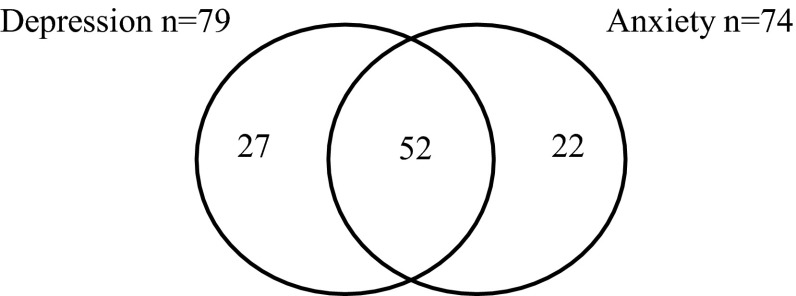
Although psychiatric problems are less prevalent in old age within the general population, it is largely unknown whether this extends to individuals with autism spectrum disorders (ASD). We examined psychiatric symptoms and disorders in young, middle-aged, and older adults with and without ASD (Nmax = 344, age 19-79 years, IQ > 80). Albeit comparable to other psychiatric patients, levels of symptoms and psychological distress were high over the adult lifespan; 79 % met criteria for a psychiatric disorder at least once in their lives. Depression and anxiety were most common. However, older adults less often met criteria for any psychiatric diagnosis and, specifically, social phobia than younger adults. Hence, despite marked psychological distress, psychiatric problems are also less prevalent in older aged individuals with ASD.
Overview
The claims and statistics of this paper haven’t been checked yet.
Free: it reads the open-access text and checks the first 5 claims that cite a source we can check. Create a free account to check every claim.
Integrity signals
Registry
Cites
Statistics
Figures
Verification
Claims the paper makes
The claims and statistics of this paper haven’t been checked yet.
Free: it reads the open-access text and checks the first 5 claims that cite a source we can check. Create a free account to check every claim.
Claims other papers make about this one
Each is checked against this paper’s own text: does it say what the citing paper says it does?
The cited source doesn’t support the claim as written.
In the citing paper
“However, lifetime experience of depression in the general population (44.9%) and ASC group (80%) were much higher than previous estimates [2, 22, 54], despite participants not being recruited because of experience with mental health problems.”
From Risk markers for suicidality in autistic adults (2018) · cites this paper as [22]
Checked by a reasoning model — may be wrong.
Experimental — accuracy not yet measuredThe cited source says what the claim attributes to it.
In the citing paper
“Anxiety in social situations (Spain et al., 2018) and phobias/situation specific anxiety (Lever & Geurts, 2016) are particularly common for autistic people”
In the citing paper
“given the high rates of co-occurring mental health difficulties found amongst autistic adults (Lever & Geurst, 2016).”
From Camouflaging in autism: A systematic review (2021) · cites this paper as Lever & Geurst, 2016
Self-check
Percentages, sums and reported differences re-computed from the paper’s own numbers.
The self-check needs the paper’s full text.
Citations
Cites
1 retracted
Tureck, K., Matson, J. L., Cervantes, P. E., & Konst, M. J. (2014) · Research in Developmental Disabilities · doi:10.1016/j.ridd.2014.02.013 · Cited by 48 · cited 1×
“…et al. 2010; Garcı ´ a-Vil-lamisar and Rojahn 2015; Gotham et al. 2015; Holtmann et al. 2007; Jang and Matson 2015; Lai et al. 2011; Lugnega˚rd et al. 2011; Moss et al. 2015; Simonoff et al. 2008, 2013; Sterling et al. 2008; Tureck et al. 2014; van Steensel et al. 2012; Verheij et al. 2015).”
RetractedDiagnostic and Statistical Manual of Mental Disorders
American Psychiatric Association (2013) · doi:10.1176/appi.books.9780890425596 · Cited by 116,369
Diagnostic and Statistical Manual of Mental Disorders
Williams, J. B. W., & First, M. (2013) · Encyclopedia of Social Work · doi:10.1093/acrefore/9780199975839.013.104 · Cited by 109,519
Folstein, M. F., Folstein, S. E., & McHugh, P. R. (1975) · Journal of Psychiatric Research · doi:10.1016/0022-3956(75)90026-6 · Cited by 88,282 · cited 1×
“All individuals had a Mini Mental State Examination score above 26 (Folstein et al. 1975).”
Hirono, N., Mori, E., Ikejiri, Y., Imamura, T., Shimomura, T., Hashimoto, M., Yamashita, H., & Ikeda, M. (1997) · Brain and nerve · Cited by 21,038
Kok, J. S., Berg, I. J., & Scherder, E. J. A. (2013) · Dementia and Geriatric Cognitive Disorders Extra · doi:10.1159/000353441 · Cited by 20,589
Kessler, R. C., Berglund, P., Demler, O., Jin, R., Merikangas, K. R., & Walters, E. E. (2005) · Archives of General Psychiatry · doi:10.1001/archpsyc.62.6.593 · Cited by 20,391 · cited 6×
“Nevertheless, lifetime diagnoses for any psychiatric disorder were less often present in older than in younger adults with ASD, suggesting reduced psychopathology in late adulthood, a pattern that has been commonly observed in large typical aging studies (Bijl et al. 1998; Kessler et al. 2005).”
InfluentialDiagnostic and Statistical Manual of Mental Disorders.
Widiger, T. A. (2000) · Encyclopedia of Psychology, Vol. 3. · doi:10.1037/10518-009 · Cited by 19,744
Older Adults' Reasons for Using Technology while Aging in Place
Peek, S. T. M., Luijkx, K. G., Rijnaard, M. D., Nieboer, M. E., van der Voort, C. S., Aarts, S., van Hoof, J., Vrijhoef, H. J. M., & Wouters, E. J. M. (2016) · Gerontology · doi:10.1159/000430949 · Cited by 19,690
(1998) · The Journal of Clinical Psychiatry · Cited by 19,139
Research works printed but not linked: 6
- Arrindell WA Ettema JHM SCL-90 Handleiding bij een multidimensionale psychopathologie-indicator [SCL-90: Manual for a multidimensional indicator of psychopathology] 2005 Amsterdam Pearson
- de Bildt A de Jonge MV Autisme diagnostisch observatie schema 2008 Amsterdam Hogrefe
- Derogatis LR Administration, scoring, and procedures manual for the SCL-90-R 1977 Baltimore, MD Clinical Psychometrics Research
- IBM Corp IBM SPSS statistics for windows (Version 22.0) 2013 Armonk, NY IBM Corp
- Uterwijk J WAIS-III nederlandstalige bewerking. Technische handleiding 2000 Lisse Swets & Zeitlinger
- van Vliet IM Leroy H van Megen HJGM De MINI internationaal neuropsychiatrisch interview, nederlandse versie 5.0.0 2000 Leiden Leiden University Medical Center, Department of Psychiatry
Cited by
Items 201–300 of 571
Stronger Associations Between Sleep and Mental Health in Adults with Autism: A UK Biobank Study
Henderson, L. M., Clair, M. S., Knowland, V. C. P., van Rijn, E., Walker, S., & Gaskell, M. G. (2021) · Journal of Autism and Developmental Disorders · doi:10.1007/s10803-021-05382-1 · Cited by 24
“These findings closely align with high rates of anxiety and depression previously reported in adults with ASD (Davis et al., 2011; Gray et al., 2012; Lever & Geurts, 2016; Uljarević et al., 2019; Rai et al., 2018; Wigham et al., 2017), particularly in those who have at least age-expected cognitive…”
ResultLarkin, F., Ralston, B., Dinsdale, S. J., Kimura, S., & Hayiou‐Thomas, M. E. (2022) · Autism · doi:10.1177/13623613221109717 · Cited by 27
“One study in the Netherlands found that autistic adults (n = 172) reported significantly higher levels of somatisation on the Symptom Checklist–90– Revised (SCL-90-R) compared to a comparison group of non-autistic adults (n = 172) (Lever & Geurts, 2016).”
ResultMcQuaid, G. A., Sadowski, L. Y., Lee, N., & Wallace, G. L. (2024) · Autism in Adulthood · doi:10.1089/aut.2022.0121 · Cited by 26
“148,149 Thus, given the independent streams of evidence indicating (i) increased prevalence of anxiety and depression among autistic adults, 74,75 (ii) overall increased prevalence of anxiety and depression among gender-diverse relative to cisgender people, 150–152 and elevated rates of mental…”
González‐Peñas, J., Costas, J., García-Alcón, A., Penzol, M. J., Rodriguez‐Lopez, J. A., Rodriguez‐Fontenla, C., Alonso-González, A., Fernández‐Prieto, M., Carracedo, Á., Arango, C., et al. (2020) · Translational Psychiatry · doi:10.1038/s41398-020-00939-7 · Cited by 20
Mansour, H., Gillions, A., Brown, J. M., Pattenden, A., HARTLEY, S. H., Patel, S., James, S., Styles, M., Mandy, W., Stott, J. C. H., et al. (2024) · Autism · doi:10.1177/13623613241291081 · Cited by 25
“Up to 57% of autistic people meet diagnostic criteria for multiple co-occurring mental health conditions (Lever & Geurts, 2016).”
Understanding Camouflaging, Stigma, and Mental Health for Autistic People in Japan
Tamura, M., Cage, E., Perry, E., Hongo, M., Takahashi, T., Seto, M., Shimizu, E., & Oshima, F. (2025) · Autism in Adulthood · doi:10.1089/aut.2023.0035 · Cited by 29
González‐Herrero, B., Happe, F. G. E., Nicholson, T. R., Morgante, F., Pagonabarraga, J., Deeley, Q., & Edwards, M. J. (2024) · Brain and Behavior · doi:10.1002/brb3.70168 · Cited by 22
Aging and Autism: Understanding, Intervention and Proposals to Improve Quality of Life
Ruggieri, V. L., Gómez, J. L. C., Martínez, M. M., & Arberas, C. L. (2019) · Current Pharmaceutical Design · doi:10.2174/1381612825666191204165117 · Cited by 24
Camouflaging in autism: a systematic reviewPreprint
Cook, J. M., Hull, L., Crane, L., & Mandy, W. (2021) · OSF Preprints (OSF Preprints) · doi:10.31219/osf.io/u5b9e · Cited by 29
Paynter, J. M., Sommer, K., & Cook, A. (2025) · Autism · doi:10.1177/13623613251313569 · Cited by 26
Supportive employment practices: perspectives of autistic employees
Hedley, D., Spoor, J. R., Cai, R. Y., Uljarević, M., Bury, S. M., Gal, E., Moss, S. A., Richdale, A. L., Bartram, T., & Dissanayake, C. (2021) · Advances in Autism · doi:10.1108/aia-09-2019-0029 · Cited by 23
Chen, B. B., & Yakubova, G. (2021) · Review Journal of Autism and Developmental Disorders · doi:10.1007/s40489-021-00282-7 · Cited by 27
Stroth, S., Tauscher, J., Wolff, N., Küpper, C. S., Poustka, L., Roepke, S., Roessner, V., Heider, D., & Kamp‐Becker, I. (2022) · Molecular Autism · doi:10.1186/s13229-022-00491-9 · Cited by 30
Autism Spectrum Disorder: a Review of Behavioral and Psychiatric Challenges Across the Lifespan
Genovese, A., & Ellerbeck, K. A. (2022) · SN Comprehensive Clinical Medicine · doi:10.1007/s42399-022-01302-1 · Cited by 25
“A recent study found that older autistic adults were at lower risk for having a cooccurring psychiatric diagnosis compared to younger adults with ASD, a pattern like that seen in the general population [6].”
Autistic-Delivered Peer Support: A Feasibility Study
Shea, L., Wong, M.-Y., Song, W., Kaplan, K., Uppal, D., & Salzer, M. S. (2022) · Journal of Autism and Developmental Disorders · doi:10.1007/s10803-022-05816-4 · Cited by 31
“This percentage was lower than the prevalence of co-occurring mental health conditions in the autistic adult sample in previous studies (Buck et al., 2014; Lever & Geurts, 2016).”
ResultAnxiety and Depression from Adolescence to Old Age in Autism Spectrum Disorder
Uljarević, M., Hedley, D., Cai, R., Hardan, A., & South, M. (2020) · Encyclopedia of Autism Spectrum Disorders · doi:10.1007/978-1-4614-6435-8_102432-1 · Cited by 1
Self-reported social impairments predict depressive disorder in adults with autism spectrum disorder
Day, T. C., McNaughton, K. A., Naples, A. J., & McPartland, J. C. (2020) · Autism · doi:10.1177/1362361319857375 · Cited by 17
“In addition to these core symptoms, co-occurring psychiatric conditions are common in ASD throughout adolescence and adulthood (Buck et al., 2014; Croen et al., 2015; Ghaziuddin & Zafar, 2008; Lever & Geurts, 2016; Lugnegård, Hallerbäck, & Gillberg, 2011; Moseley, Tonge, Brereton, & Einfeld, 2011).”
BackgroundLebeña, A., Faresjö, Å., Faresjö, T., & Ludvigsson, J. (2023) · BMC Psychiatry · doi:10.1186/s12888-023-05298-3 · Cited by 24
Jenks, E., Selman, F., Harmens, M., Boon, S., Tran, T., Hobson, H., Eagle, S., & Sedgewick, F. (2023) · Frontiers in Psychiatry · doi:10.3389/fpsyt.2023.1264895 · Cited by 22
“Autistic people are more likely to experience mental health conditions, such as depression and anxiety, across the lifespan (26).”
BackgroundGu, P., Xu, X., Qian, X., & Weng, T. (2022) · IEEE Transactions on Learning Technologies · doi:10.1109/tlt.2022.3197430 · Cited by 17
“…immersion, the sense of discomfort caused by the assistive technology may stand a barrier to individuals’ continuing engagement in the XR-based environments [45], which is crucial to the success of autism interventions [68], since autistic individuals are more likely to experience anxiety [69].”
BackgroundZukerman, G., Yahav, G., & Ben‐Itzchak, E. (2019) · Autism Research · doi:10.1002/aur.2129 · Cited by 17
“The LSAS assesses social interaction and social performance anxiety and includes 24 Likert scale items (0–3) that tap into fear and avoidance in social situations [Liebowitz, 1987].”
BackgroundBrief Report: Factors Influencing Healthcare Satisfaction in Adults with Autism Spectrum Disorder
Gerber, A. H., McCormick, C. E. B., Levine, T. P., Morrow, E. M., Anders, T. F., & Sheinkopf, S. J. (2017) · Journal of Autism and Developmental Disorders · doi:10.1007/s10803-017-3087-3 · Cited by 16
“2012; Lever and Geurts 2016; Tyler et al.”
BackgroundCharlton, R. A., Happe, F. G. E., Shand, A. J., Mandy, W., & Stewart, G. R. (2025) · Journal of Women s Health · doi:10.1089/jwh.2024.0784 · Cited by 22
Francis, D., Hershman, D., Charlton, R. A., Happe, F. G. E., & Stewart, G. R. (2025) · Research in Autism · doi:10.1016/j.reia.2025.202533 · Cited by 17
“These high rates of mental health problems have also been found in middle-aged and older autistic adults (Bishop-Fitzpatrick & Rubenstein, 2019; Lever & Geurts, 2016), and middle-aged and older adults with high autistic traits (Lodi-Smith et al., 2021; Stewart et al., 2020a, 2020b, 2021, 2022).”
Autistic Traits and Psychosocial Predictors of Depressive Symptoms
Camus, L., Jones, K., O’Dowd, E., Auyeung, B., Rajendran, G., & Stewart, M. E. (2024) · Journal of Autism and Developmental Disorders · doi:10.1007/s10803-024-06361-y · Cited by 20
“Autistic people when compared to non-autistic people were found to be significantly more likely to report a diagnosis of depression (Lever & Geurts, 2016; Rai et al., 2018a, 2018b).”
InfluentialCroteau, C., Mottron, L., Dorais, M., Tarride, J., & Perreault, S. (2019) · Autism · doi:10.1177/1362361319840229 · Cited by 20
“At least, 69% of autistic individuals are also diagnosed with comorbid psychiatric disorders (Lever & Geurts, 2016), which further impair psychosocial functioning (National Institute for Health and Care Excellence (NICE), 2013).”
BackgroundGubbiotti, M., Balboni, G., Bini, V., Elisei, S., Bedetti, C., Marchiafava, M., & Giannantoni, A. (2019) · Neurourology and Urodynamics · doi:10.1002/nau.24081 · Cited by 16
Using phecode analysis to characterize co-occurring medical conditions in autism spectrum disorder
Failla, M. D., Schwartz, K. L., Chaganti, S., Cutting, L. E., Landman, B. A., & Cascio, C. J. (2020) · Autism · doi:10.1177/1362361320934561 · Cited by 21
“…conditions represent a significant burden for individuals with ASD and their families as they are related to emergency department visits (Kalb et al., 2012; Vohra et al., 2016), associated with parental stress (Yorke et al., 2018), and remain prevalent throughout adulthood (Lever & Geurts, 2016).”
BackgroundCassidy, S., Bradley, L., Cogger-Ward, H., Graham, J. R., & Rodgers, J. (2021) · Research Square · doi:10.21203/rs.3.rs-358997/v1 · Cited by 20
Rodgers, J., Brice, S., Welsh, P., Ingham, B., Wilson, C., Evans, G., Steele, K., Cropper, E., Le Couteur, A., Freeston, M., et al. (2024) · Journal of Autism and Developmental Disorders · doi:10.1007/s10803-023-06112-5 · Cited by 15
“Anxiety in social situations (Spain et al., 2018) and phobias/situation specific anxiety (Lever & Geurts, 2016) are particularly common for autistic people and there is evidence supporting adapted CBT as an effective treat-ment for both (Maskey et al., 2019a; Maskey et al., 2019a, 2019b, 2019c,…”
BackgroundHartley, M., Due, C., & Dorstyn, D. (2022) · Disability and Rehabilitation · doi:10.1080/09638288.2021.1921859 · Cited by 15
Adams, R. E., Lampinen, L. A., Zheng, S., Sullivan, V., Taylor, J. L., & Bishop, S. L. (2023) · Autism · doi:10.1177/13623613231173859 · Cited by 19
“…as well as higher rates of depression diagnoses (prevalence rates range from 20% to 52% in ASD compared to 5% in typically developing groups; Andersen et al., 2015; Costello et al., 2005; Hudson et al., 2019; Lever & Geurts, 2016; Leyfer et al., 2006; Pisula et al., 2017; Weiss et al., 2018).”
Backgroundvan der Putten, W., Mol, A. J. J., Radhoe, T. A., Torenvliet, C., van Rentergem, J. A. A., Groenman, A. P., & Geurts, H. M. (2023) · Autism · doi:10.1177/13623613231185402 · Cited by 24
“In addition, age is a relevant factor when investigating mental health difficulties, as older autistic adults meet the criteria of fewer psychiatric disorders compared with younger autistic adults (Lever & Geurts, 2016).”
BackgroundSelf-citationRamírez, D. Z. M., Barbareschi, G., & Holloway, C. (2024) · ACM Transactions on Computer-Human Interaction · doi:10.1145/3635148 · Cited by 22
“Autistic people experience high rate of mental health problems [ 84 –86 ], have lower life expectancy [ 87 ], lower self-compassion [ 88 ], and also higher suicide rates compared to neurotypical people [ 89 –91 ].”
Webb, R., Ford, E. M., Shakespeare, J., Easter, A., Alderdice, F. A., Holly, J., Coates, R., Hogg, S., Cheyne, H., McMullen, S., et al. (2024) · Health and Social Care Delivery Research · doi:10.3310/kqfe0107 · Cited by 27
Simpson, A., Rensburg, M. V., Ding, L., & Rydzewska, E. (2024) · Research in Autism · doi:10.1016/j.rasd.2024.102427 · Cited by 19
Aging Well and Autism: A Narrative Review and Recommendations for Future Research
Klein, C. B., & Klinger, L. G. (2024) · Healthcare · doi:10.3390/healthcare12121207 · Cited by 23
“…years) from three studies, with one using an autism research registry (SPARK, [29]), one including autistic adults mostly diagnosed in childhood [59], and one including autistic adults mostly diagnosed in adulthood [61], a pattern of the highest rates occurring in middle adulthood and lower…”
BackgroundMethodInfluentialVickers, M. L., Menhinnitt, R. S., Choi, Y. K., Malacova, E., Eriksson, L., Churchill, A. W., Oddy, B., Boon, K., Randall, C., Braun, A. N., et al. (2024) · Autism · doi:10.1177/13623613241272958 · Cited by 19
“Five studies assessed the prevalence of SSD among adult patients with ASD (Lever & Geurts, 2016; Nimmo-Smith et al., 2020; Rodgaard et al., 2021; Williams & Gotham, 2022; Yarar et al., 2022).”
InfluentialAdult Life for People with Autism Spectrum Disorders
Magiati, I., & Howlin, P. (2019) · Cambridge University Press eBooks · doi:10.1017/9781108297769.011 · Cited by 17
Khan, Y. S., Khan, A. W., Tahir, M. O. E., Hammoudeh, S., Al-Shamlawi, M., & Alabdulla, M. (2021) · Research in Developmental Disabilities · doi:10.1016/j.ridd.2021.104090 · Cited by 19
Kimura, Y., Fujioka, T., Jung, M., Fujisawa, T. X., Tomoda, A., & Kosaka, H. (2020) · Psychiatry Research · doi:10.1016/j.psychres.2020.113503 · Cited by 16
Yule, A. M., DiSalvo, M., Biederman, J., Wilens, T. E., Dallenbach, N. T., Taubin, D., & Joshi, G. (2021) · European Child & Adolescent Psychiatry · doi:10.1007/s00787-021-01852-0 · Cited by 15
“Our finding showing that relative to individuals with ADHD and controls, individuals with high-functioning ASD were at significantly decreased risk to develop a SUD (80% and 40% reductions, respectively) relative to individuals with ADHD, are consistent with those found in referred adults with ASD [8, 9].”
Autism severity aggregates with family psychiatric history in a community‐based autism sample
Sipsock, D., Tokadjian, H., Righi, G., Morrow, E. M., & Sheinkopf, S. J. (2021) · Autism Research · doi:10.1002/aur.2625 · Cited by 15
“Depression is one of the most common disorders in individuals with ASD and their family members (Bolton et al., 1998; Cohen & Tsiouris, 2006; Ghaziuddin et al., 1998; Lever & Geurts, 2016; Micali et al., 2004).”
Westerberg, B., Bäärnhielm, S., Giles, C. J., Hylén, U., Holländare, F., & Bejerot, S. (2021) · Frontiers in Psychiatry · doi:10.3389/fpsyt.2021.789663 · Cited by 25
Vuijk, R., de Nijs, P. F. A., Deen, M. L., Vitale, S., Simons-Sprong, M., & Hengeveld, M. W. (2018) · Contemporary Clinical Trials Communications · doi:10.1016/j.conctc.2018.09.002 · Cited by 15
Risk factors of violent offending in mentally ill prisoners with autism spectrum disorders
van Buitenen, N., Meijers, J., van den Berg, C. J. W., & Harte, J. M. (2021) · Journal of Psychiatric Research · doi:10.1016/j.jpsychires.2021.09.010 · Cited by 21
Uljarević, M., McCabe, K., Angkustsiri, K., Simon, T. J., & Hardan, A. Y. (2019) · Autism Research · doi:10.1002/aur.2194 · Cited by 15
Oshima, F., Murata, T., Ohtani, T., Seto, M., & Shimizu, E. (2021) · BMC Research Notes · doi:10.1186/s13104-021-05556-1 · Cited by 13
Downs, J. L., & Adams, M. (2025) · Journal of Eating Disorders · doi:10.1186/s40337-025-01271-5 · Cited by 17
“These experiences suggest that neurodivergent individuals with EDs face a dual risk whereby they are more predisposed to co-occurring physical conditions [56–57], yet may be less likely to have them fully comprehended and treated.”
Simonoff, E. A., Mowlem, F. D., Pearson, O., Anagnostou, E. A., Donnelly, C. L., Hollander, E., King, B. H., McCracken, J. T., Scahill, L. D., Sikich, L., et al. (2022) · Journal of Child and Adolescent Psychopharmacology · doi:10.1089/cap.2021.0137 · Cited by 18
“Anxiety symptoms and disorders in people with ASD can be present from the preschool period (Gadow et al. 2004; Salazar et al. 2015), remain common across the lifespan (Lever and Geurts 2016), and appear to be stable over time (Simonoff et al. 2013a; Stringer et al. 2020).”
Healthy Aging and Older Adults With Autism: A Scoping Review
Stringfellow, M. K., Fields, N. L., Lee, K., Anderson, K. A., & Brokaw, E. (2024) · The Gerontologist · doi:10.1093/geront/gnae026 · Cited by 15
Gobrial, E. S. (2019) · Advances in Mental Health and Intellectual Disabilities · doi:10.1108/amhid-05-2018-0026 · Cited by 19
The Mental and Physical Health of Older Adults With a Genetic Predisposition for Autism
Stewart, G. R., Corbett, A., Ballard, C. G., Creese, B., Aarsland, D., Hampshire, A., Charlton, R. A., & Happe, F. G. E. (2020) · Autism Research · doi:10.1002/aur.2277 · Cited by 16
“Therefore, it is unknown whether this genetic susceptibility for poor mental health extends into older age for adults with an autistic relative as it has been found to in autistic populations [Bishop-Fitzpatrick & Rubenstein, 2019; Croen et al., 2015; Hand et al., 2019; Lever & Geurts, 2016].”
BackgroundTrends in Supplemental Security Income Payments to Adults With Autism
Anderson, K. A., Hemmeter, J., Rast, J. E., Roux, A. M., & Shattuck, P. T. (2020) · Psychiatric Services · doi:10.1176/appi.ps.201900265 · Cited by 15
Buckley, E., Pellicano, E., & Remington, A. (2021) · PLoS ONE · doi:10.1371/journal.pone.0246423 · Cited by 22
Schema therapy for personality disorders in autistic adults: Results of a multiple case series study
Vuijk, R., Deen, M. L., Geurts, H. M., & Arntz, A. R. (2022) · Clinical Psychology & Psychotherapy · doi:10.1002/cpp.2817 · Cited by 17
Self-citationHwang, Y. I., Arnold, S. R. C., Trollor, J. N., & Uljarević, M. (2020) · Autism · doi:10.1177/1362361320908095 · Cited by 16
“Lifetime rates for diagnosed psychiatric conditions are reported to be between 54% and 79%, with anxiety and mood disorders being the most common (Croen et al., 2015; Lever & Geurts, 2016; Uljarević et al., 2019).”
BackgroundAdams, L., Adamo, N., Hollocks, M. J., Valmaggia, L., Brewster, A., Watson, J., Krisson, M., & Simonoff, E. A. (2022) · Research in Autism · doi:10.1016/j.rasd.2022.101956 · Cited by 19
What Are You Worried About? Content and Extent of Worry in Autistic Adults
Black, M. H., Greenwood, D. L., Hwa, J. C. C., Pivac, J., Tang, J., & Clarke, P. J. F. (2024) · Journal of Autism and Developmental Disorders · doi:10.1007/s10803-023-05963-2 · Cited by 12
“Within the interview, interviewers sought to confirm their understanding of the participant responses, and to clarify areas of possible ambiguity in interpretation (Lincoln & Guba, 1985).”
BackgroundMethodPetty, S., Allen, S., Pickup, H., & Woodier, B. (2023) · Autism in Adulthood · doi:10.1089/aut.2022.0073 · Cited by 18
Westerberg, B., Holländare, F., & Bejerot, S. (2023) · Internet Interventions · doi:10.1016/j.invent.2023.100672 · Cited by 18
“Psychiatric comorbidity is common (Murray et al., 2019; Hollocks et al., 2019; Lever and Geurts, 2016; Hossain et al., 2020; Gillberg et al., 2016) and experiences of bullying are frequent (Cappadocia et al.”
BackgroundHarker, S. A., Al-Hassan, L., Huentelman, M. J., Braden, B. B., & Lewis, C. R. (2023) · International Journal of Molecular Sciences · doi:10.3390/ijms242115988 · Cited by 12
“Participants from both groups were excluded if their full-scale IQ score was <70 on the Kaufman Brief Intelligence Test-2 (KBIT-2) [48], they scored <25 on the Mini Mental State Exam (MMSE; [49]), or they self-reported a neurological disease such as a stroke or dementia, a head injury with loss of…”
MethodYoshida, K., Lunsky, Y., Müller, D. J., & Desarkar, P. (2024) · Journal of Autism and Developmental Disorders · doi:10.1007/s10803-023-06208-y · Cited by 18
“…that challenge in this study (i.e., 40.1%), these factors could partly contribute to the high rates of psychotropic medication use and polypharmacy, as reported in the previous studies (Buck et al., 2014; Im, 2021; Lai et al., 2019; Lever & Geurts, 2016; Matson et al., 2011; McCarthy et al., 2010).”
InfluentialPowell, T. J., Parker, J., Kitson, H., & Rogalewski, M. (2024) · Autism in Adulthood · doi:10.1089/aut.2023.0031 · Cited by 20
National Survey on bladder and bowel dysfunctions in Autism Spectrum Disorder population
Gubbiotti, M., Balzarro, M., Zoccante, L., Gennaro, G. D., Marchiafava, M., Bedetti, C., & Rubilotta, E. (2024) · Frontiers in Psychiatry · doi:10.3389/fpsyt.2024.1140113 · Cited by 12
The impact of depressive and anxious symptoms on quality of life in adults on the autism spectrum
Thiel, T., Riedelbauch, S., Gaigg, S., Roessner, V., & Ring, M. (2024) · Autism Research · doi:10.1002/aur.3144 · Cited by 18
“Many AS adults, who meet criteria for depression, also meet criteria for anxiety and vice versa, while also scoring higher on AS specific measures like the AQ and ADOS (Lever & Geurts, 2016).”
BackgroundInfluentialLever, A. G., Ridderinkhof, K. R., Marsman, M., & Geurts, H. M. (2017) · Developmental Psychology · doi:10.1037/dev0000219 · Cited by 16
Self-citationLongitudinal Analysis of Mental Health in Autistic University Students Across an Academic Year
Scott, M. P., Leppänen, J., Allen, M. L., Jarrold, C., & Sedgewick, F. (2022) · Journal of Autism and Developmental Disorders · doi:10.1007/s10803-022-05560-9 · Cited by 23
The adult outcome of childhood quasi‐autism arising following extreme institutional deprivation
Rodriguez‐Perez, M., Kennedy, M., Barker, E. D., Kreppner, J., Solerdelcoll, M., & Sonuga-Barke, E. J. S. (2023) · Journal of Child Psychology and Psychiatry · doi:10.1111/jcpp.13767 · Cited by 16
Stress and well‐being in autistic adults: Exploring the moderating role of coping
Muniandy, M., Richdale, A. L., & Lawson, L. P. (2023) · Autism Research · doi:10.1002/aur.3028 · Cited by 17
“…and mood disorders, is significantly higher in autistic adults compared to that in the general population (Lai et al., 2019), with lifetime rates of psychiatric conditions reported to range between 37% and 79% in autistic adults (Croen et al., 2015; Hollocks et al., 2019; Lever & Geurts, 2016).”
BackgroundHoribe, K., & Hasegawa, A. (2018) · Current Psychology · doi:10.1007/s12144-018-9853-3 · Cited by 13
“It is well known that individuals with ASD and ADHD are frequently diagnosed with depressive disorders (Kessler et al. 2006; Lever and Geurts 2016).”
BackgroundGisbert, L., Lugo‐Marín, J., Setién-Ramos, I., Español‐Martín, G., Vieta, E., Bonnín, C. D. M., & Ramos‐Quiroga, J. A. (2021) · BMC Psychiatry · doi:10.1186/s12888-021-03330-y · Cited by 15
“[11] studied the prevalence of psychiatric disorders in young, middle and older adults, finding a higher level of psychopathology in young and middle-aged adults when compared to older adults.”
ResultMarrus, N. M., Koth, K. A., Hellings, J. A., McDonald, R. G., Gwynette, M. F., Muhle, R., Lohr, W. D., & Vasa, R. A. (2022) · Autism · doi:10.1177/13623613221112197 · Cited by 18
“…ID have elevated rates of co-occurring psychiatric conditions and symptoms, including anxiety and mood disorders, attention-deficit/hyperactivity disorder, suicidal ideation, and aggression (Cassidy et al., 2014; Einfeld et al., 2006; Joshi et al., 2010; Lever & Geurts, 2016; Vasa et al., 2020).”
BackgroundFossum, I. N., Orm, S., Andersen, P. N., Geurts, H. M., Øie, M. G., & Skogli, E. W. (2023) · Developmental Neuropsychology · doi:10.1080/87565641.2023.2206663 · Cited by 12
“Findings indicate that co-occurring symptoms are prevalent among individuals with ASD throughout the life span (Lever & Geurts, 2016; Orm et al., 2021; Uljarevic et al., 2020).”
BackgroundSelf-citationSocial Anxiety and Shame Among Young Adults with Autism Spectrum Disorder Compared to Typical Adults
Gaziel, M., Anaki, D., & Mashal, N. (2022) · Journal of Autism and Developmental Disorders · doi:10.1007/s10803-022-05526-x · Cited by 18
Crutel, V., Lambert, E., Pénélaud, P., Severo, C. A., Fuentes, J., Rosier, A., Hervas, A., Marret, S., Oliveira, G., Parellada, M., et al. (2021) · Journal of Autism and Developmental Disorders · doi:10.1007/s10803-020-04822-8 · Cited by 11
Buckley, E., Sideropoulos, V., Pellicano, E., & Remington, A. (2024) · Neurodiversity · doi:10.1177/27546330241245354 · Cited by 17
“The majority of the autistic population are estimated to have mental health conditions (Lever & Geurts, 2016; Roy et al., 2015; Simonoff et al., 2008), with anxiety and depression being most prevalent (Strang et al., 2012).”
BackgroundChang, Z., Yao, H., Sun, S., Zhang, L., Liu, S., Brikell, I., D'Onofrio, B. M., Larsson, H., Lichtenstein, P., Kuja‐Halkola, R., et al. (2025) · Molecular Psychiatry · doi:10.1038/s41380-025-03045-6 · Cited by 14
“To date, existing studies show that autistic individuals of age are at an increased risk for depression [2] and certain somatic conditions associated with aging [3], yet there remains scant evidence concerning the other outcomes experienced by autistic individuals as they age [1].”
Mansour, H., Kurana, S., Eshetu, A., Hoare, S., Baou, C. E., Arnold, I., Halys, C., Stewart, G. R., Desai, R., John, A., et al. (2025) · Clinical Psychology Review · doi:10.1016/j.cpr.2025.102621 · Cited by 13
Shields, M. C., Akobirshoev, I., Dembo, R. S., & Mitra, M. (2019) · Psychiatric Services · doi:10.1176/appi.ps.201800318 · Cited by 12
Characterizing autistic traits in treatment‐seeking young adults with substance use disorders
McKowen, J. W., Woodward, D. W., Yule, A. M., DiSalvo, M., Rao, V., Greenbaum, J., Joshi, G., & Wilens, T. E. (2021) · American Journal on Addictions · doi:10.1111/ajad.13247 · Cited by 12
Gulisano, M., Domini, C., Ferro, M. C., Curatolo, P., & Rizzo, R. (2017) · Journal of Pediatric Neurology · doi:10.1055/s-0037-1602821 · Cited by 13
Croteau, C., Amor, L. B., Ilies, D., Mottron, L., Tarride, J., Dorais, M., & Perreault, S. (2019) · Childhood Obesity · doi:10.1089/chi.2018.0170 · Cited by 10
Financial literacy among autistic adults
Galizzi, M., Hillier, A. J., & Schena, D. A. (2023) · Journal of Consumer Affairs · doi:10.1111/joca.12564 · Cited by 13
Cognitive and Cerebral Aging Research in Autism: A Systematic Review on an Emerging Topic
Besse, M., Morel‐Kohlmeyer, S., Houy‐Durand, E., Prévost, P., Tuller, L., Bouazzaoui, B., Taconnat, L., Capdeville, J., Angel, L., & Gomot, M. (2025) · Autism Research · doi:10.1002/aur.70031 · Cited by 13
Self-harm and suicidality experiences of autistic and non-autistic adults in midlife and old age
Roper, S., Charlton, R. A., Happe, F. G. E., & Stewart, G. R. (2025) · Molecular Autism · doi:10.1186/s13229-025-00693-x · Cited by 10
“Autistic individuals show higher prevalence rates for nearly all mental health conditions compared to non-autistic counterparts [8, 9, 13].”
Payne, K.-L., Maras, K., Russell, A., & Brosnan, M. (2020) · Journal of Autism and Developmental Disorders · doi:10.1007/s10803-020-04622-0 · Cited by 10
Suicide and Autism: A Lifespan Perspective
Hedley, D., Hayward, S. M., Clarke, A., Uljarević, M., & Stokes, M. A. (2022) · Springer eBooks · doi:10.1007/978-3-030-98697-1_3 · Cited by 10
Culnane, E., Efron, D., Williams, K. J., Marraffa, C., Antolovich, G. C., Prakash, C., & Loftus, H. (2022) · Child Care Health and Development · doi:10.1111/cch.13040 · Cited by 14
Predictors of Sexual Victimization Among Autistic and Non-Autistic College Students
Libster, N., Kasari, C. L., & Sturm, A. (2023) · Journal of Autism and Developmental Disorders · doi:10.1007/s10803-023-06064-w · Cited by 24
“As many as 70–79% of autistic adults meet criteria for at least one co-occurring psychiatric condition (Buck et al., 2014; Kentrou et al., 2021; Lever & Geurts, 2016; Moss et al., 2015; Rosen et al., 2018 ).”
Torenvliet, C., Groenman, A. P., van Rentergem, J. A. A., Radhoe, T. A., & Geurts, H. M. (2024) · Psychiatry Research · doi:10.1016/j.psychres.2024.115759 · Cited by 9
“Hence, SCCs were not only related to depression symptoms, but they also seemed insufficiently related to objective cognitive performance or expected age-related decline (see also: Geurts et al., 2020; Lever & Geurts, 2016a, but for conflicting results see: Davids et al., 2016).”
InfluentialSelf-citationTung, R., Reiter, M. A., Linke, A. C., Kohli, J. S., Kinnear, M., Müller, R., & Carper, R. A. (2021) · Autism Research · doi:10.1002/aur.2579 · Cited by 10
Riese, B., & Mukherjee, R. (2021) · Advances in Autism · doi:10.1108/aia-06-2021-0026 · Cited by 10
Schreuder, M. J., Groen, R. N., Wigman, J. T. W., Wichers, M., & Hartman, C. A. (2023) · Psychological Assessment · doi:10.1037/pas0001197 · Cited by 11
Oshima, F., Mandy, W., Seto, M., Hongo, M., Tsuchiyagaito, A., Hirano, Y., Sutoh, C., Guan, S., Nitta, Y., Ozawa, Y., et al. (2023) · BMC Psychiatry · doi:10.1186/s12888-023-05075-2 · Cited by 10
Neurodevelopmental roles and the serotonin hypothesis of autism spectrum disorder
Daly, E., Tricklebank, M. D., & Wichers, R. (2019) · Elsevier eBooks · doi:10.1016/b978-0-12-813323-1.00002-5 · Cited by 13
Bowers, C., & Widdowson, M. (2023) · International Journal of Transactional Analysis Research & Practice · doi:10.29044/v14i1p32 · Cited by 10
Acton, D., Arnold, R., Williams, G. P., Nicky, N. G., Mackay, K., & Jaydeokar, S. (2024) · Advances in Mental Health and Intellectual Disabilities · doi:10.1108/amhid-10-2023-0039 · Cited by 9
Autism, menstruation and mental health- a scoping review and a call to action
Skommer, J., & Gunesh, K. (2025) · Frontiers in Global Women s Health · doi:10.3389/fgwh.2025.1531934 · Cited by 9
Molecular and Genetic Mechanisms in Autism Spectrum Disorder
Pruitt, A., Gupta, A. R., & Hoffman, E. J. (2025) · Annals of Neurology · doi:10.1002/ana.70013 · Cited by 12
“43,44 Moreover, anxiety and depressive symptoms may manifest differently in individuals with ASD compared to neurotypical individuals.”
Metadata
- Authors
- Lever, A. G., & Geurts, H. M.
- Affiliations
- University of Amsterdam (NL)
- Corresponding author
- Lever, Anne G.
- Venue
- Journal of Autism and Developmental Disorders
- Published
- 2016-02-09
- Volume
- 46
- Issue
- 6
- Pages
- 1916-1930
- ISSN
- 0162-3257 (ISSN-L)
- 1573-3432
- PMC
- PMC4860203
- OpenAlex
- W2272786625
- Cited by
- 572
- References
- 93
- Citations by year
- 2026: 47 · 2025: 68 · 2024: 74 · 2023: 61 · 2022: 58 · 2021: 96 · 2020: 54 · 2019: 53 · 2018: 31 · 2017: 23 · 2016: 7
- FWCI
- 24.18
- Type
- journal article
- Language
- en
- Open access
- hybrid
- doi.org
- Locations
- Journal of Autism and Developmental Disorders (publishedVersion, cc-by)
- PubMed Central (publishedVersion, cc-by)
- PubMed (publishedVersion)
- UvA-DARE (University of Amsterdam) (publishedVersion, cc-by)
- Data Archiving and Networked Services (DANS) (submittedVersion, other-oa)
- Funders
- NWO MagW (452-10-003)
- Topics
- Life Sciences › Neuroscience › Cognitive Neuroscience › Autism Spectrum Disorder Research
- Social Sciences › Psychology › Clinical Psychology › Family and Disability Support Research
- Health Sciences › Medicine › Psychiatry and Mental health › Child Nutrition and Feeding Issues
- Keywords
- autism spectrum disorder, psychiatric comorbidity, depression, anxiety, social anxiety disorder, psychological distress, aging, older adults, lifespan differences, prevalence of mental disorders
- MeSH terms
- Autism Spectrum Disorder, Adult, Age Factors, Aged, Anxiety, Anxiety Disorders, Depression, Depressive Disorder, Female, Humans, Male, Middle Aged, Comorbidity, Prevalence, Young Adult
About these checks
Registry, retraction, Cites and statistics results are computed, not judged, with one exception: a printed reference that no index lists is read once by a model before it counts as a citation error. Claims are extracted by a model and kept only when their quote appears verbatim in the text; each cited source is then checked, with a model’s help, for whether it says what the claim relies on. Those verdicts can be wrong — read the claim’s quote and the cited source before relying on one.
Statistics and arithmetic are recomputed, not judged.
Confidence bands are shown only for fields calibrated on our annotated test set. None is calibrated yet, so no band is shown.
What counts as a claim ›How we measure confidence ›How we check this ›
Are you an author, or do you see a problem with this page? Request a review
Data sources
Bibliographic data: Semantic Scholar, OpenAlex, Crossref.
Contains information from the Semantic Scholar Academic Graph Datasets, made available under the ODC Attribution License (ODC-BY 1.0).
Semantic Scholar’s data is described in: Kinney, R., et al. (2023). The Semantic Scholar Open Data Platform. arXiv:2301.10140.
