

Psychiatric Co-occurring Symptoms and Disorders in Young, Middle-Aged, and Older Adults with Autism Spectrum Disorder
Open accessThe DOI matches its Crossref record; 88 of the 93 references it cites were found in a registry or an index.
Abstract
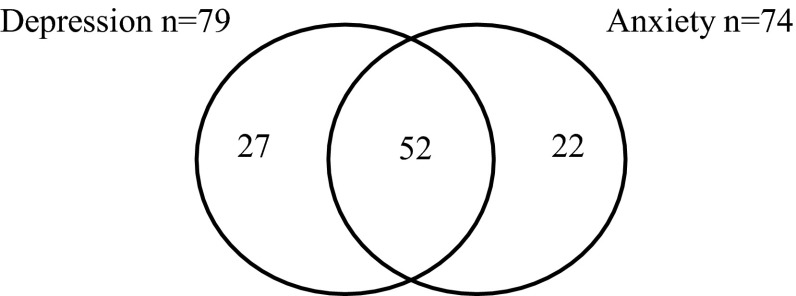
Although psychiatric problems are less prevalent in old age within the general population, it is largely unknown whether this extends to individuals with autism spectrum disorders (ASD). We examined psychiatric symptoms and disorders in young, middle-aged, and older adults with and without ASD (Nmax = 344, age 19-79 years, IQ > 80). Albeit comparable to other psychiatric patients, levels of symptoms and psychological distress were high over the adult lifespan; 79 % met criteria for a psychiatric disorder at least once in their lives. Depression and anxiety were most common. However, older adults less often met criteria for any psychiatric diagnosis and, specifically, social phobia than younger adults. Hence, despite marked psychological distress, psychiatric problems are also less prevalent in older aged individuals with ASD.
Overview
The claims and statistics of this paper haven’t been checked yet.
Free: it reads the open-access text and checks the first 5 claims that cite a source we can check. Create a free account to check every claim.
Integrity signals
Registry
Cites
Statistics
Figures
Verification
Claims the paper makes
The claims and statistics of this paper haven’t been checked yet.
Free: it reads the open-access text and checks the first 5 claims that cite a source we can check. Create a free account to check every claim.
Claims other papers make about this one
Each is checked against this paper’s own text: does it say what the citing paper says it does?
The cited source doesn’t support the claim as written.
In the citing paper
“However, lifetime experience of depression in the general population (44.9%) and ASC group (80%) were much higher than previous estimates [2, 22, 54], despite participants not being recruited because of experience with mental health problems.”
From Risk markers for suicidality in autistic adults (2018) · cites this paper as [22]
Checked by a reasoning model — may be wrong.
Experimental — accuracy not yet measuredThe cited source says what the claim attributes to it.
In the citing paper
“Anxiety in social situations (Spain et al., 2018) and phobias/situation specific anxiety (Lever & Geurts, 2016) are particularly common for autistic people”
In the citing paper
“given the high rates of co-occurring mental health difficulties found amongst autistic adults (Lever & Geurst, 2016).”
From Camouflaging in autism: A systematic review (2021) · cites this paper as Lever & Geurst, 2016
Self-check
Percentages, sums and reported differences re-computed from the paper’s own numbers.
The self-check needs the paper’s full text.
Citations
Cites
1 retracted
Tureck, K., Matson, J. L., Cervantes, P. E., & Konst, M. J. (2014) · Research in Developmental Disabilities · doi:10.1016/j.ridd.2014.02.013 · Cited by 48 · cited 1×
“…et al. 2010; Garcı ´ a-Vil-lamisar and Rojahn 2015; Gotham et al. 2015; Holtmann et al. 2007; Jang and Matson 2015; Lai et al. 2011; Lugnega˚rd et al. 2011; Moss et al. 2015; Simonoff et al. 2008, 2013; Sterling et al. 2008; Tureck et al. 2014; van Steensel et al. 2012; Verheij et al. 2015).”
RetractedDiagnostic and Statistical Manual of Mental Disorders
American Psychiatric Association (2013) · doi:10.1176/appi.books.9780890425596 · Cited by 116,369
Diagnostic and Statistical Manual of Mental Disorders
Williams, J. B. W., & First, M. (2013) · Encyclopedia of Social Work · doi:10.1093/acrefore/9780199975839.013.104 · Cited by 109,519
Folstein, M. F., Folstein, S. E., & McHugh, P. R. (1975) · Journal of Psychiatric Research · doi:10.1016/0022-3956(75)90026-6 · Cited by 88,282 · cited 1×
“All individuals had a Mini Mental State Examination score above 26 (Folstein et al. 1975).”
Hirono, N., Mori, E., Ikejiri, Y., Imamura, T., Shimomura, T., Hashimoto, M., Yamashita, H., & Ikeda, M. (1997) · Brain and nerve · Cited by 21,038
Kok, J. S., Berg, I. J., & Scherder, E. J. A. (2013) · Dementia and Geriatric Cognitive Disorders Extra · doi:10.1159/000353441 · Cited by 20,589
Kessler, R. C., Berglund, P., Demler, O., Jin, R., Merikangas, K. R., & Walters, E. E. (2005) · Archives of General Psychiatry · doi:10.1001/archpsyc.62.6.593 · Cited by 20,391 · cited 6×
“Nevertheless, lifetime diagnoses for any psychiatric disorder were less often present in older than in younger adults with ASD, suggesting reduced psychopathology in late adulthood, a pattern that has been commonly observed in large typical aging studies (Bijl et al. 1998; Kessler et al. 2005).”
InfluentialDiagnostic and Statistical Manual of Mental Disorders.
Widiger, T. A. (2000) · Encyclopedia of Psychology, Vol. 3. · doi:10.1037/10518-009 · Cited by 19,744
Older Adults' Reasons for Using Technology while Aging in Place
Peek, S. T. M., Luijkx, K. G., Rijnaard, M. D., Nieboer, M. E., van der Voort, C. S., Aarts, S., van Hoof, J., Vrijhoef, H. J. M., & Wouters, E. J. M. (2016) · Gerontology · doi:10.1159/000430949 · Cited by 19,690
(1998) · The Journal of Clinical Psychiatry · Cited by 19,139
Research works printed but not linked: 6
- Arrindell WA Ettema JHM SCL-90 Handleiding bij een multidimensionale psychopathologie-indicator [SCL-90: Manual for a multidimensional indicator of psychopathology] 2005 Amsterdam Pearson
- de Bildt A de Jonge MV Autisme diagnostisch observatie schema 2008 Amsterdam Hogrefe
- Derogatis LR Administration, scoring, and procedures manual for the SCL-90-R 1977 Baltimore, MD Clinical Psychometrics Research
- IBM Corp IBM SPSS statistics for windows (Version 22.0) 2013 Armonk, NY IBM Corp
- Uterwijk J WAIS-III nederlandstalige bewerking. Technische handleiding 2000 Lisse Swets & Zeitlinger
- van Vliet IM Leroy H van Megen HJGM De MINI internationaal neuropsychiatrisch interview, nederlandse versie 5.0.0 2000 Leiden Leiden University Medical Center, Department of Psychiatry
Cited by
Items 101–200 of 571
Connor, A., Sung, C. Y. Y., Strain, A., Zeng, S., & Fabrizi, S. E. (2019) · Journal of Autism and Developmental Disorders · doi:10.1007/s10803-019-03962-w · Cited by 72
Exploring the nature of anxiety in young adults on the autism spectrum: A qualitative study
Halim, A. T., Richdale, A. L., & Uljarević, M. (2018) · Research in Autism Spectrum Disorders · doi:10.1016/j.rasd.2018.07.006 · Cited by 58
Stability of co-occurring psychiatric diagnoses in autistic men and women
Kentrou, V., Oostervink, M., Scheeren, A. M., & Begeer, S. (2021) · Research in Autism · doi:10.1016/j.rasd.2021.101736 · Cited by 65
Schwartzman, J. M., & Corbett, B. A. (2020) · Research in Autism Spectrum Disorders · doi:10.1016/j.rasd.2020.101613 · Cited by 53
Understanding the factors that affect university completion for autistic people
Cage, E., Andres, M. D., & Mahoney, P. (2020) · Research in Autism · doi:10.1016/j.rasd.2020.101519 · Cited by 73
Lipinski, S., Blanke, E. S., Suenkel, U., & Dziobek, I. (2018) · Journal of Autism and Developmental Disorders · doi:10.1007/s10803-018-3797-1 · Cited by 66
Briot, K., Jean, F. A. M., Jouni, A., Geoffray, M., Moal, M. L., Umbricht, D., Chatham, C. H., Murtagh, L., Delorme, R., Bouvard, M. P., et al. (2020) · Frontiers in Psychiatry · doi:10.3389/fpsyt.2020.00710 · Cited by 73
“Significant relationships between ASD severity and the parental-rated Revised Child Anxiety and Depression Scale (24), the parental-rated KSADS-PL (25) or clinician-rated anxiety symptoms with the MINI-plus (26) was described.”
MethodNeuhaus, E., Bernier, R., Tham, S. W., & Webb, S. J. (2018) · Frontiers in Psychiatry · doi:10.3389/fpsyt.2018.00515 · Cited by 55
“During childhood, rates of anxiety, depression, aggression, and self-injurious behaviors are elevated relative to peers without ASD (3–5), and psychiatric symptoms often persist into adulthood (6).”
BackgroundBuckley, E., Pellicano, E., & Remington, A. (2021) · Journal of Autism and Developmental Disorders · doi:10.1007/s10803-020-04517-0 · Cited by 49
Curnow, E., Rutherford, M., Maciver, D., Johnston, L., Prior, S., Boilson, M., Shah, P. J., Jenkins, N. D., & Meff, T. (2023) · PLoS ONE · doi:10.1371/journal.pone.0288275 · Cited by 78
Dow, D., Morgan, L., Hooker, J. L., Michaels, M. S., Joiner, T. E., Woods, J. J., & Wetherby, A. M. (2019) · Archives of Suicide Research · doi:10.1080/13811118.2019.1678537 · Cited by 56
“…of Suicide Research, 25:297–314, 2021 # 2019 International Academy for Suicide Research ISSN: 1381-1118 print/1543-6136 online DOI: 10.1080/13811118.2019.1678537 depression and anxiety (Buck et al., 2014; Joshi et al., 2013; Lever & Geurts, 2016; Lugnegård, Hallerb€ack, & Gillberg, 2011).”
InfluentialCurrent and lifetime somatic symptom burden among transition‐aged autistic young adults
Williams, Z. J., & Gotham, K. O. (2022) · Autism Research · doi:10.1002/aur.2671 · Cited by 57
“However, with the notable exceptions of gastrointestinal symptoms 4 and sleep disturbances 5,6 , somatic symptoms are infrequently studied in the autistic population 7–10 .”
BackgroundMethodInfluentialBoesley, L., & Crane, L. (2018) · Journal of Research in Special Educational Needs · doi:10.1111/1471-3802.12416 · Cited by 58
“…been reported to show particularly high rates of mental health problems that can severely impact children’s wellbeing and development and attainment (Lever & Geurts, 2016; Riglin, et al., 2013; Simonoff et al., 2008; Tsai, 2014; Woodward & Fergusson, 2001) Academic difficulties are not specified…”
BackgroundScheeren, A. M., Buil, J. M., Howlin, P., Bartels, M., & Begeer, S. (2021) · Autism · doi:10.1177/13623613211027673 · Cited by 63
“Several studies report a reduction in autism severity (e.g. (Howlin et al., 2013; Seltzer et al., 2004) and mental health problems (Lever & Geurts, 2016; Uljarević et al., 2020) from late adolescence/early adulthood onwards.”
BackgroundAutism spectrum disorder and personality disorders: Comorbidity and differential diagnosis
Rinaldi, C., Attanasio, M., Valenti, M., Mazza, M., & Keller, R. (2021) · World Journal of Psychiatry · doi:10.5498/wjp.v11.i12.1366 · Cited by 73
Scott, M. P., & Sedgewick, F. (2021) · Autism & Developmental Language Impairments · doi:10.1177/23969415211010419 · Cited by 67
“The most common mental health conditions among autistic people are anxiety and depression, with up to 80% meeting the clinical criteria for anxiety at some point in their lifetime (Lever & Geurts, 2016) and around 40% meeting criteria for depression at any given point (Hollocks et al., 2019).”
BackgroundFusar‐Poli, L., Brondino, N., Rocchetti, M., Petrosino, B., Arillotta, D., Damiani, S., Provenzani, U., Petrosino, C., Aguglia, E., & Politi, P. (2019) · Psychiatry Research · doi:10.1016/j.psychres.2019.04.013 · Cited by 49
Braden, B. B., Pagni, B. A., Monahan, L., Walsh, M. J. M., Dixon, M. V., Delaney, S., Ballard, L., & Ware, J. E. (2022) · Quality of Life Research · doi:10.1007/s11136-021-03013-x · Cited by 44
A pilot study of dialectical behaviour therapy skills training for autistic adults
Ritschel, L. A., Guy, L., & Maddox, B. B. (2022) · Behavioural and Cognitive Psychotherapy · doi:10.1017/s1352465821000370 · Cited by 45
“Co-occurring psychiatric conditions are present at a significantly higher rate in ASD than in the general population, are evident across the entire lifespan of adults with ASD, and contribute to long-term negative effects on health and quality of life (Lai et al., 2019; Lever and Geurts, 2016).”
BackgroundFuentes, J., Parellada, M., Georgoula, C., Oliveira, G., Marret, S., Crutel, V., Severo, C. A., Lambert, E., Pénélaud, P., Ravel, D., et al. (2023) · Autism Research · doi:10.1002/aur.3005 · Cited by 51
“Furthermore, most individuals with ASD will experience at least one additional psychiatric condition during their lifetime (Buck et al., 2014; Lever & Geurts, 2016).”
BackgroundKuiper, M. W. M., Verhoeven, E. W. M., & Geurts, H. M. (2018) · Autism · doi:10.1177/1362361318788065 · Cited by 62
“…percentile of the TD group to provide a cut-off score that indicates heightened sensory sensitivity levels and report the percentage of autistic adults reporting heightened sensory sensitivities (for similar methods, see, for example, Geurts et al., 2014; Lever and Geurts, 2016; Nigg et al., 2005).”
MethodSelf-citationvan Rentergem, J. A. A., Lever, A. G., & Geurts, H. M. (2019) · Autism · doi:10.1177/1362361319828361 · Cited by 51
Self-citationNylander, L., Axmon, A., Björne, P., Ahlström, G., & Gillberg, C. (2018) · Journal of Autism and Developmental Disorders · doi:10.1007/s10803-018-3567-0 · Cited by 43
“5) without ID, which is in concordance with other studies (Lever and Geurts 2016).”
InfluentialAging in Autism Spectrum Disorder
Wise, E. A. (2019) · American Journal of Geriatric Psychiatry · doi:10.1016/j.jagp.2019.12.001 · Cited by 52
Pagni, B. A., Walsh, M. J. M., Ofori, E., Chen, K., Sullivan, G. R., Alvar, J., Monahan, L., Guerithault, N., Delaney, S., & Braden, B. B. (2022) · Autism Research · doi:10.1002/aur.2797 · Cited by 50
“The cross-sectional age by group interactions for memory were exploratory as prior findings from Lever and Geurts (2016a) would suggest they were under-powered.”
BackgroundResultInfluentialHuntjens, A., van den Bosch, L. M. C., Sizoo, B. B., Kerkhof, A. J. F. M., Smit, F., & van der Gaag, M. (2024) · Psychological Medicine · doi:10.1017/s0033291724000825 · Cited by 53
“Among these comorbidities, anxiety and depression are the most common and persistent (Hossain et al., 2020; Lever & Geurts, 2016; Sampson et al., 2020).”
BackgroundVagni, D., Moscone, D., Travaglione, S., & Cotugno, A. (2016) · Research in Autism · doi:10.1016/j.rasd.2016.10.002 · Cited by 48
Walsh, M. J. M., Baxter, L. C., Smith, C. J., & Braden, B. B. (2019) · Research in Autism · doi:10.1016/j.rasd.2019.02.008 · Cited by 41
“While Lever and Geurts (2016) found that middle age was related to worse theory of mind scores on a performance-based measure; a subsequent study by Lever and Geurts (2016) found no age-related differences in perspective-taking, empathy, or personal distress in response to others’ distress using a…”
BackgroundMoving forwards not backwards: heterogeneity in autism spectrum disorders
Hobson, H., & Petty, S. (2021) · Molecular Psychiatry · doi:10.1038/s41380-021-01226-7 · Cited by 42
Haasbroek, H., & Morojele, N. K. (2021) · Review Journal of Autism and Developmental Disorders · doi:10.1007/s40489-021-00242-1 · Cited by 44
“As many as 69% of individuals with ASD present a comorbid diagnosis or psychiatric symptoms with depression and anxiety disorders being common (Lever and Geurts 2016).”
BackgroundFinch, T. L., Mackintosh, J. E., Petrou, A., McConachie, H., Couteur, A. S. L., Garland, D., & Parr, J. R. (2022) · PLoS ONE · doi:10.1371/journal.pone.0264932 · Cited by 67
Oshima, F., Takahashi, T., Tamura, M., Guan, S., Seto, M., Hull, L., Mandy, W., Tsuchiya, K. J., & Shimizu, E. (2024) · Molecular Autism · doi:10.1186/s13229-023-00579-w · Cited by 47
“Researchers have reported that 79% of autistic adults have mental health problems, such as depression, anxiety, social anxiety, and obsessive–compulsive symptoms [8, 9].”
BackgroundThe health of college students on the autism spectrum as compared to their neurotypical peers
McLeod, J. D., Hawbaker, A. K., & Meanwell, E. V. (2020) · Autism · doi:10.1177/1362361320926070 · Cited by 71
Longmire, N. H., Vogus, T. J., & Colella, A. (2025) · Human Resource Management · doi:10.1002/hrm.22248 · Cited by 39
Narasingharao, K., Pradhan, B., & Janardhana, N. (2017) · JOURNAL OF CLINICAL AND DIAGNOSTIC RESEARCH · doi:10.7860/jcdr/2017/25894.9502 · Cited by 53
The Mental and Physical Health Profiles of Older Adults Who Endorse Elevated Autistic Traits
Stewart, G. R., Corbett, A., Ballard, C. G., Creese, B., Aarsland, D., Hampshire, A., Charlton, R. A., & Happe, F. G. E. (2020) · The Journals of Gerontology Series B · doi:10.1093/geronb/gbaa112 · Cited by 48
Atherton, G., Morimoto, Y., Nakashima, S., & Cross, L. (2023) · Journal of Cross-Cultural Psychology · doi:10.1177/00220221231169945 · Cited by 47
“…model becoming more widely used in disability discourse, autistic people are still more likely to develop mental health conditions as they age (Lever & Geurts, 2016), although recent research suggests that an earlier age of diagnosis may positively relate to better mental health and…”
MethodExperiences of social isolation and loneliness in middle-aged and older autistic adults
Stewart, G. R., Luedecke, E., Mandy, W., Charlton, R. A., & Happe, F. G. E. (2024) · Neurodiversity · doi:10.1177/27546330241245529 · Cited by 45
“Inconsistencies have been found in the existing literature in age associations in mental health; some studies (e.g., Lever and Geurts, 2016) have found negative associations, with others (e.g., Charlton et al., 2023 and Yarar et al. (2022)) have found positive associations.”
Khudiakova, V., Russell, E., Sowden, S., & Surtees, A. D. R. (2024) · Research in Autism · doi:10.1016/j.rasd.2024.102492 · Cited by 56
Is Older Age Associated with Higher Self- and Other-Rated ASD Characteristics?
Lever, A. G., & Geurts, H. M. (2018) · Journal of Autism and Developmental Disorders · doi:10.1007/s10803-017-3444-2 · Cited by 44
“Not only ASD characteristics are most pronounced in middle adulthood, also comorbid psychopathology is frequently experienced in this life period (Lever and Geurts 2016b).”
InfluentialSelf-citationSelf-reported parkinsonism features in older autistic adults: A descriptive study
Geurts, H. M., McQuaid, G. A., Begeer, S., & Wallace, G. L. (2021) · Autism · doi:10.1177/13623613211020183 · Cited by 40
“…health conditions that co-occur with PD—such as sleep disturbances, gastrointestinal problems, mood disorders, and cognitive problems—are also common across the lifespan of autistic adults (e.g. Bishop-Fitzpatrick & Rubenstein, 2019; Croen et al., 2015; Lever & Geurts, 2016; Nylander et al., 2018).”
BackgroundSelf-citationThe Medical Home and Health Care Transition for Youth With Autism
Rast, J. E., Shattuck, P. T., Roux, A. M., Anderson, K. A., & Kuo, A. (2018) · Pediatrics · doi:10.1542/peds.2016-4300j · Cited by 35
Autistic women’s experiences of self-compassion after receiving their diagnosis in adulthood
Wilson, R. B., Thompson, A. R., Rowse, G., Smith, R. S., Dugdale, A.-S., & Freeth, M. (2022) · Autism · doi:10.1177/13623613221136752 · Cited by 51
Treatment utilization by adults with autism and co-occurring anxiety or depression
Maddox, B. B., Kang-Yi, C. D., Brodkin, E. S., & Mandell, D. S. (2018) · Research in Autism Spectrum Disorders · doi:10.1016/j.rasd.2018.03.009 · Cited by 35
Abbott, P., Happe, F. G. E., & Charlton, R. A. (2018) · Journal of Autism and Developmental Disorders · doi:10.1007/s10803-018-3675-x · Cited by 41
Autistic traits are associated with faster pace of aging: Evidence from the Dunedin study at age 45
Mason, D., Ronald, A., Ambler, A. P., Caspi, A., Houts, R., Poulton, R., Ramrakha, S., Wertz, J., Moffitt, T. E., & Happe, F. G. E. (2021) · Autism Research · doi:10.1002/aur.2534 · Cited by 45
“Cronbach’s alpha for those completing the measure was 0.60, indicating acceptable internal reliability, albeit somewhat lower than other published studies with general population samples (e.g., 0.85, Allison et al., 2012; 0.67 to 0.73, depending on age, Lundin et al., 2019).”
ResultInfluentialMuniandy, M., Richdale, A. L., Arnold, S. R. C., Trollor, J. N., & Lawson, L. P. (2021) · Autism Research · doi:10.1002/aur.2564 · Cited by 46
“Furthermore, with anxiety and mood disorders being the most common, lifetime rates for psychiatric conditions are reported to range between 37% and 79% in the autistic adult population (Croen et al., 2015; Hollocks et al., 2019; Lever & Geurts, 2016; Uljarevi c et al., 2019).”
BackgroundMcQuaid, G. A., Ratto, A. B., Jack, A., Khuu, A., Smith, J. V., Duane, S. C., Clawson, A., Lee, N., Verbalis, A. D., Pelphrey, K. A., et al. (2024) · Autism · doi:10.1177/13623613241243117 · Cited by 47
“Previous work has reported later age of autism diagnosis in people referred to as “female” (PRF) relative to people referred to as “male” (PRM) (Fusar-Poli et al., 2020; Gesi et al., 2021; McCormick et al., 2020; Russell et al., 2011, 2022); however, these studies did not differentiate gender from assigned sex at birt…”
InfluentialCapriola-Hall, N. N., Brewe, A. M., Golt, J., & White, S. W. (2020) · Journal of Autism and Developmental Disorders · doi:10.1007/s10803-020-04549-6 · Cited by 65
Gilmore, D., Harris, L., Longo, A., & Hand, B. N. (2020) · Autism · doi:10.1177/1362361320955109 · Cited by 36
“…about this population comes from self-report studies, which exclude individuals for whom surveys are inaccessible (van Heijst & Geurts, 2015), or studies with limited generalizability due to restriction to a single geographic region (Bishop-Fitzpatrick & Rubenstein, 2019; Lever & Geurts, 2016).”
BackgroundRoestorf, A., Howlin, P., & Bowler, D. (2022) · Frontiers in Psychology · doi:10.3389/fpsyg.2022.741213 · Cited by 48
“These findings concur with previous reports of sustained difficulties related to mental health and QoL (see Roestorf and Bowler, 2016; Roestorf, 2018; Yarar Zivrali et al., in press, for cross-sectional comparisons with non-autistic groups; and see, e.g., Gotham et al., 2015; Van Heijst and Geurts, 2015; Lever and Geu…”
BackgroundResultInfluentialRelating ASD symptoms to well-being: moving across different construct levels
Deserno, M. K., Borsboom, D., Begeer, S., & Geurts, H. M. (2017) · Psychological Medicine · doi:10.1017/s0033291717002616 · Cited by 40
“…related to social interactions: individuals experiencing depression may be less likely to employ their social skills in daily life interactions and, vice versa, individuals who do not practice their social skills might be more likely to experience loneliness (Bellini, 2004; Lever & Geurts, 2016).”
BackgroundSelf-citationWilson, R. B., Thompson, A. R., Rowse, G., & Freeth, M. (2023) · Research in Autism · doi:10.1016/j.rasd.2023.102135 · Cited by 52
“Previous research suggests mental health issues commonly co-occur with autism, with one study reporting that 79% of autistic adults in the Netherlands met diagnostic criteria for a mental health condition, with depression and anxiety as the most common (Lever & Geurts, 2016).”
ResultCharacteristics of Older Autistic Adults: a Systematic Review of Literature
Tse, V. W. S., Lei, J., Crabtree, J. W., Mandy, W., & Stott, J. C. H. (2021) · Review Journal of Autism and Developmental Disorders · doi:10.1007/s40489-021-00238-x · Cited by 46
Crutel, V., Lambert, E., Pénélaud, P., Severo, C. A., Fuentes, J., Rosier, A., Hervas, A., Marret, S., Oliveira, G., Parellada, M., et al. (2020) · Journal of Autism and Developmental Disorders · doi:10.1007/s10803-020-04709-8 · Cited by 37
Pelton, M., Crawford, H., Bul, K., Robertson, A., Adams, J., Beurs, D. P. D., Rodgers, J., Baron‐Cohen, S., & Cassidy, S. (2023) · Suicide and Life-Threatening Behavior · doi:10.1111/sltb.12954 · Cited by 39
Autism in Later Life: What Is Known and What Is Needed?
Sonido, M. T., Arnold, S. R. C., Higgins, J. M., & Hwang, Y. I. (2020) · Current Developmental Disorders Reports · doi:10.1007/s40474-020-00192-z · Cited by 48
Case Report: Mechanisms in Misdiagnosis of Autism as Borderline Personality Disorder
Iversen, S., & Kildahl, A. N. (2022) · Frontiers in Psychology · doi:10.3389/fpsyg.2022.735205 · Cited by 51
Wichers, R., van der Wouw, L. C., Brouwer, M. E., Lok, A., & Bockting, C. (2022) · Psychological Medicine · doi:10.1017/s0033291722003415 · Cited by 43
Cai, R. Y., Richdale, A. L., Foley, K.-R., Trollor, J., & Uljarević, M. (2018) · Research in Autism Spectrum Disorders · doi:10.1016/j.rasd.2017.10.002 · Cited by 32
Keating, C. T., Hickman, L., Geelhand, P., Takahashi, T., Leung, J., Monk, R., Schuster, B. A., Rybicki, A. J., Girolamo, T. M., Clin, É., et al. (2024) · PLoS ONE · doi:10.1371/journal.pone.0299824 · Cited by 47
Sleep problems and mental health difficulties in older adults who endorse high autistic traits
Stewart, G. R., Corbett, A., Ballard, C. G., Creese, B., Aarsland, D., Hampshire, A., Charlton, R. A., & Happe, F. G. E. (2020) · Research in Autism · doi:10.1016/j.rasd.2020.101633 · Cited by 37
“While some studies have explored sleep in older autistic populations (Croen et al., 2015; Hand et al., 2019; Lever & Geurts, 2016), it is currently unknown whether sleep problems are elevated in adults growing older with sub-clinical autistic traits.”
Pereira, A. C., Violante, I. R., Mouga, S., Oliveira, G., & Castelo-Branco, M. S. (2017) · Journal of Autism and Developmental Disorders · doi:10.1007/s10803-017-3406-8 · Cited by 39
“2017), which are typically altered in ASD (Brunsdon and Happé 2014; Lever and Geurts 2016), and it would be relevant to investigate the impact of GABA in these behavioral patterns in ASD.”
BackgroundWalsh, M. J. M., Ofori, E., Pagni, B. A., Chen, K., Sullivan, G. R., & Braden, B. B. (2022) · Frontiers in Aging Neuroscience · doi:10.3389/fnagi.2022.1029166 · Cited by 33
“Psychiatric conditions were non-exclusionary because of high prevalence in ASD (Lever and Geurts, 2016b), and both psychiatric and general health conditions were tracked based on self-report of diagnoses and medications use (Supplementary Table 1).”
BackgroundDeepASD: a deep adversarial-regularized graph learning method for ASD diagnosis with multimodal data
Chen, W., Yang, J., Sun, Z., Zhang, X., Tao, G., Ding, Y., Gu, J., Bu, J., & Wang, H. (2024) · Translational Psychiatry · doi:10.1038/s41398-024-02972-2 · Cited by 39
“Autism spectrum disorder (ASD) is one of the most common neurodevelopmental disorders, mainly characterized by qualitative impairments in social functioning [1 – 6].”
BackgroundMurray, C. A., Kovshoff, H., Brown, A., Abbott, P., & Hadwin, J. A. (2018) · Research in Autism · doi:10.1016/j.rasd.2018.11.002 · Cited by 39
Health Status of Adults with Autism Spectrum Disorder
Forde, J., Bonilla, P. M., Mannion, A., Coyne, R., Haverty, R., & Leader, G. (2021) · Review Journal of Autism and Developmental Disorders · doi:10.1007/s40489-021-00267-6 · Cited by 36
Stewart, G. R., Corbett, A., Ballard, C. G., Creese, B., Aarsland, D., Hampshire, A., Charlton, R. A., & Happe, F. G. E. (2022) · Journal of Autism and Developmental Disorders · doi:10.1007/s10803-022-05595-y · Cited by 42
“…who either meet diagnostic thresholds or who endorse high autistic traits, also often report poorer physical and mental health (Croen et al., 2015; Lever & Geurts, 2016; Stewart et al., 2020a), higher rates of traumatic life events (Rumball et al., 2020; Stewart et al., 2022), more sleep…”
BackgroundZukerman, G., Yahav, G., & Ben‐Itzchak, E. (2019) · Psychiatry Research · doi:10.1016/j.psychres.2019.01.098 · Cited by 34
Reliability and validity of the Japanese version of the camouflaging autistic traits questionnaire
Hongo, M., Oshima, F., Guan, S., Takahashi, T., Nitta, Y., Seto, M., Hull, L., Mandy, W., Ohtani, T., Tamura, M., et al. (2024) · Autism Research · doi:10.1002/aur.3137 · Cited by 39
“%) among non-autistic individuals (Lever & Geurts, 2016).”
Geurts, H. M., van Rentergem, J. A. A., Radhoe, T. A., Torenvliet, C., van der Putten, W., & Groenman, A. P. (2021) · BMJ Open · doi:10.1136/bmjopen-2020-040943 · Cited by 31
Self-citationAutism disclosure – The decisions autistic adults make
Farsinejad, A., Russell, A., & Butler, C. (2022) · Research in Autism · doi:10.1016/j.rasd.2022.101936 · Cited by 42
Wigham, S., Ingham, B., Couteur, A. S. L., Wilson, C., Ensum, I., & Parr, J. R. (2022) · Autism · doi:10.1177/13623613211073020 · Cited by 34
“For some, it might also facilitate appropriately adapted support for co-occurring physical and mental health conditions (Hand et al., 2020; Lever & Geurts, 2016; Mason et al., 2021; Matson & Cervantes, 2014; Zerbo et al., 2019).”
BackgroundKing, C., Merrick, H., & Couteur, A. S. L. (2020) · Epidemiology and Psychiatric Sciences · doi:10.1017/s2045796019000830 · Cited by 42
“The conditions include attention deficit hyperactivity disorder (ADHD), anxiety and emotional disorders, and oppositional defiant disorder (Billstedt et al., 2005; Leyfer et al., 2006; Simonoff et al., 2013; Lever and Geurts, 2016).”
Modulation of brain activation during executive functioning in autism with citalopram
Wichers, R., Findon, J. L., Jelsma, A., Giampietro, V., Stoencheva, V., Robertson, D., Murphy, C. M., McAlonan, G. M., Ecker, C., Rubia, K., et al. (2019) · Translational Psychiatry · doi:10.1038/s41398-019-0641-0 · Cited by 29
Walsh, M. J. M., Pagni, B. A., Monahan, L., Delaney, S., Smith, C. J., Baxter, L. C., & Braden, B. B. (2022) · Cerebral Cortex · doi:10.1093/cercor/bhac069 · Cited by 30
Yarar, E., Roestorf, A., Spain, D., Howlin, P., Bowler, D., Charlton, R. A., & Happe, F. G. E. (2022) · Autism Research · doi:10.1002/aur.2780 · Cited by 43
“…with some studies in groups without intellectual disability reporting fewer psychiatric symptoms in older compared to younger autistic adults (e.g., Lever & Geurts, 2016; Totsika et al., 2010), and others finding the opposite (e.g., Roy et al., 2015) or no significant association between age and…”
Liu, S., Larsson, H., Kuja‐Halkola, R., Lichtenstein, P., Butwicka, A., & Taylor, M. J. (2023) · The Lancet Healthy Longevity · doi:10.1016/s2666-7568(23)00067-3 · Cited by 35
Nocon, A. S., Roestorf, A., & Menéndez, L. M. G. (2022) · Research in Autism · doi:10.1016/j.rasd.2022.102071 · Cited by 44
Beck, K. B., MacKenzie, K. T., Kumar, T., Breitenfeldt, K. E., Chang, J. C., Conner, C. M., Mandell, D. L., White, S. W., & Mazefsky, C. A. (2024) · Autism in Adulthood · doi:10.1089/aut.2023.0214 · Cited by 49
Stewart, G. R., Charlton, R. A., & Wallace, G. L. (2018) · Research in Autism · doi:10.1016/j.rasd.2018.06.009 · Cited by 32
“…the BAP group reports greater anxiety and depression symptoms (consistent with children, adolescents, and adults with ASD: Croen et al., 2015; Lever & Geurts, 2016b; Salazar et al., 2015; Strang et al., 2012), at least some significant portion of this poorer performance is attributable to…”
Moore, L., Larkin, F., & Foley, S. (2023) · Journal of Autism and Developmental Disorders · doi:10.1007/s10803-023-06006-6 · Cited by 41
“A significant proportion of autistic people 1 will experience mental health difficulties at some point throughout their lives (Hollocks et al., 2019; Lai et al., 2019; Lever & Geurts, 2016).”
BackgroundSocial self-efficacy and mental well-being in autistic adults: Exploring the role of social identity
Camus, L., Rajendran, G., & Stewart, M. E. (2023) · Autism · doi:10.1177/13623613231195799 · Cited by 33
Gisbert, L., Lugo‐Marín, J., Setién-Ramos, I., Ibañez-Jiménez, P., Romero, O., Jurado, M. J., Ballester, P., Cruella, A. E., Villoria, E. D., Canal‐Bedia, R., et al. (2021) · Sleep Medicine · doi:10.1016/j.sleep.2021.04.022 · Cited by 30
Depression and Employment Outcomes in Autistic Adults: A Systematic Review
Schwartzman, J. M., & Corbett, B. A. (2022) · Review Journal of Autism and Developmental Disorders · doi:10.1007/s40489-022-00331-9 · Cited by 27
Mindfulness, Anxiety Symptoms, and Quality of Life in Heart Failure.
Rechenberg, K., Cousin, L., & Redwine, L. (2020) · Journal of Cardiovascular Nursing · doi:10.1097/jcn.0000000000000630 · Cited by 24
“This may be because, in general, older adults exhibit lower anxiety levels(44) and overall mental health conditions are less prevalent in older age groups.(45)”
BackgroundPetty, S., Bergenheim, M.-L., Mahoney, G., & Chamberlain, L. (2023) · Current Psychology · doi:10.1007/s12144-021-02061-3 · Cited by 24
Anxiety in adults with autism: Perspectives from practitioners
Ainsworth, K., Robertson, A. E., Welsh, H., Day, M., Watt, J., Barry, F., Stanfield, A., & Melville, C. (2020) · Research in Autism Spectrum Disorders · doi:10.1016/j.rasd.2019.101457 · Cited by 24
Chen, Y., Jenkins, C. A., Charlton, R. A., Happe, F. G. E., Mandy, W., & Stewart, G. R. (2024) · Autism in Adulthood · doi:10.1089/aut.2024.0031 · Cited by 36
“18,19 The positive associations between SPDs and mental health challenges, such as anxiety and depression symptoms, have been evidenced in numerous empirical studies.”
Schreck, K. A. (2021) · Research in Autism · doi:10.1016/j.rasd.2021.101767 · Cited by 27
Orm, S., Øie, M. G., Fossum, I. N., Andersen, P. N., & Skogli, E. W. (2021) · Frontiers in Psychiatry · doi:10.3389/fpsyt.2021.724759 · Cited by 23
Nahar, A., Thippeswamy, H., Shanker Reddy, M. S., Kishore, M. T., & Chaturvedi, S. K. (2019) · Asian Journal of Psychiatry · doi:10.1016/j.ajp.2018.09.008 · Cited by 22
Autistic Adult Health and Professional Perceptions of It: Evidence From the ASDEU Project
Micai, M., Ciaramella, A., Salvitti, T., Fulceri, F., Fatta, L. M., Poustka, L., Diehm, R., Iskrov, G. G., Stefanov, R. S., Guillon, Q., et al. (2021) · Frontiers in Psychiatry · doi:10.3389/fpsyt.2021.614102 · Cited by 29
“The most common psychiatric conditions identified are depression, anxiety, attention-deficit hyperactivity disorder (ADHD), and obsessive-compulsive disorder (9, 10, 16, 17, 24, 25).”
BackgroundO’Hearn, K. M., & Lynn, A. (2023) · Frontiers in Human Neuroscience · doi:10.3389/fnhum.2022.957375 · Cited by 29
“, 2014) and mental health (anxiety, depression, schizophrenia, substance use; Taurines et al., 2012; Lever and Geurts, 2016; Park et al., 2018; Hossain et al., 2020; Schwartzman and Corbett, 2020; Oakley et al., 2021; Sun et al., 2021), compared to TD adolescents.”
BackgroundHadwin, J. A., Lee, E. J., Kumsta, R., Cortese, S., & Kovshoff, H. (2019) · Evidence-Based Mental Health · doi:10.1136/ebmental-2019-300098 · Cited by 24
Hooijer, A. A. T., & Sizoo, B. B. (2019) · Autism Research · doi:10.1002/aur.2221 · Cited by 25
“We know that there is a heightened risk of suicide and suicidal tendencies in patients with depression [American Psychological Association, 2003], and depression is one of the most common mental health problems experienced by adults with ASD [Lever & Geurts, 2016].”
BackgroundLacroix, A., Dutheil, F., Logemann, A., Cserjesi, R., Peyrin, C., Biro, B., Gomot, M., & Mermillod, M. (2022) · Autism · doi:10.1177/13623613211062776 · Cited by 21
“Aging trajectories might be atypical in ASD (e.g. Geurts & Vissers, 2012; Lever & Geurts, 2016; Wecker et al., 2005).”
BackgroundThe meaning of autistic movements
Petty, S., & Ellis, A. (2024) · Autism · doi:10.1177/13623613241262151 · Cited by 25
“Often the well-being of autistic people is understood in terms of high rates of mental health cooc-currence and a limited evidence base for therapeutic interventions (Lever & Geurts, 2016; Spain et al., 2015), rather than personally-authored definitions of individual differences and strengths.”
Horwitz, E., Schoevers, R. A., Greaves‐Lord, K., de Bildt, A. A., & Hartman, C. A. (2020) · Journal of Autism and Developmental Disorders · doi:10.1007/s10803-020-04403-9 · Cited by 23
Gerasimenko, M., Lopatina, O. L., Shabalova, A. A., Михайлович, Ч. С., Salmina, A. B., Yokoyama, S., Goto, H., Okamoto, H., Yamamoto, Y., Ishihara, K., et al. (2020) · PLoS ONE · doi:10.1371/journal.pone.0244022 · Cited by 21
Metadata
- Authors
- Lever, A. G., & Geurts, H. M.
- Affiliations
- University of Amsterdam (NL)
- Corresponding author
- Lever, Anne G.
- Venue
- Journal of Autism and Developmental Disorders
- Published
- 2016-02-09
- Volume
- 46
- Issue
- 6
- Pages
- 1916-1930
- ISSN
- 0162-3257 (ISSN-L)
- 1573-3432
- PMC
- PMC4860203
- OpenAlex
- W2272786625
- Cited by
- 572
- References
- 93
- Citations by year
- 2026: 47 · 2025: 68 · 2024: 74 · 2023: 61 · 2022: 58 · 2021: 96 · 2020: 54 · 2019: 53 · 2018: 31 · 2017: 23 · 2016: 7
- FWCI
- 24.18
- Type
- journal article
- Language
- en
- Open access
- hybrid
- doi.org
- Locations
- Journal of Autism and Developmental Disorders (publishedVersion, cc-by)
- PubMed Central (publishedVersion, cc-by)
- PubMed (publishedVersion)
- UvA-DARE (University of Amsterdam) (publishedVersion, cc-by)
- Data Archiving and Networked Services (DANS) (submittedVersion, other-oa)
- Funders
- NWO MagW (452-10-003)
- Topics
- Life Sciences › Neuroscience › Cognitive Neuroscience › Autism Spectrum Disorder Research
- Social Sciences › Psychology › Clinical Psychology › Family and Disability Support Research
- Health Sciences › Medicine › Psychiatry and Mental health › Child Nutrition and Feeding Issues
- Keywords
- autism spectrum disorder, psychiatric comorbidity, depression, anxiety, social anxiety disorder, psychological distress, aging, older adults, lifespan differences, prevalence of mental disorders
- MeSH terms
- Autism Spectrum Disorder, Adult, Age Factors, Aged, Anxiety, Anxiety Disorders, Depression, Depressive Disorder, Female, Humans, Male, Middle Aged, Comorbidity, Prevalence, Young Adult
About these checks
Registry, retraction, Cites and statistics results are computed, not judged, with one exception: a printed reference that no index lists is read once by a model before it counts as a citation error. Claims are extracted by a model and kept only when their quote appears verbatim in the text; each cited source is then checked, with a model’s help, for whether it says what the claim relies on. Those verdicts can be wrong — read the claim’s quote and the cited source before relying on one.
Statistics and arithmetic are recomputed, not judged.
Confidence bands are shown only for fields calibrated on our annotated test set. None is calibrated yet, so no band is shown.
What counts as a claim ›How we measure confidence ›How we check this ›
Are you an author, or do you see a problem with this page? Request a review
Data sources
Bibliographic data: Semantic Scholar, OpenAlex, Crossref.
Contains information from the Semantic Scholar Academic Graph Datasets, made available under the ODC Attribution License (ODC-BY 1.0).
Semantic Scholar’s data is described in: Kinney, R., et al. (2023). The Semantic Scholar Open Data Platform. arXiv:2301.10140.
