

Psychiatric Co-occurring Symptoms and Disorders in Young, Middle-Aged, and Older Adults with Autism Spectrum Disorder
Open accessThe DOI matches its Crossref record; 88 of the 93 references it cites were found in a registry or an index.
Abstract
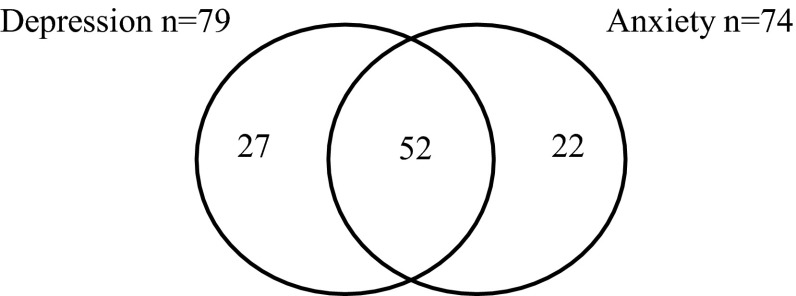
Although psychiatric problems are less prevalent in old age within the general population, it is largely unknown whether this extends to individuals with autism spectrum disorders (ASD). We examined psychiatric symptoms and disorders in young, middle-aged, and older adults with and without ASD (Nmax = 344, age 19-79 years, IQ > 80). Albeit comparable to other psychiatric patients, levels of symptoms and psychological distress were high over the adult lifespan; 79 % met criteria for a psychiatric disorder at least once in their lives. Depression and anxiety were most common. However, older adults less often met criteria for any psychiatric diagnosis and, specifically, social phobia than younger adults. Hence, despite marked psychological distress, psychiatric problems are also less prevalent in older aged individuals with ASD.
Overview
The claims and statistics of this paper haven’t been checked yet.
Free: it reads the open-access text and checks the first 5 claims that cite a source we can check. Create a free account to check every claim.
Integrity signals
Registry
Cites
Statistics
Figures
Verification
Claims the paper makes
The claims and statistics of this paper haven’t been checked yet.
Free: it reads the open-access text and checks the first 5 claims that cite a source we can check. Create a free account to check every claim.
Claims other papers make about this one
Each is checked against this paper’s own text: does it say what the citing paper says it does?
The cited source doesn’t support the claim as written.
In the citing paper
“However, lifetime experience of depression in the general population (44.9%) and ASC group (80%) were much higher than previous estimates [2, 22, 54], despite participants not being recruited because of experience with mental health problems.”
From Risk markers for suicidality in autistic adults (2018) · cites this paper as [22]
Checked by a reasoning model — may be wrong.
Experimental — accuracy not yet measuredThe cited source says what the claim attributes to it.
In the citing paper
“Anxiety in social situations (Spain et al., 2018) and phobias/situation specific anxiety (Lever & Geurts, 2016) are particularly common for autistic people”
In the citing paper
“given the high rates of co-occurring mental health difficulties found amongst autistic adults (Lever & Geurst, 2016).”
From Camouflaging in autism: A systematic review (2021) · cites this paper as Lever & Geurst, 2016
Self-check
Percentages, sums and reported differences re-computed from the paper’s own numbers.
The self-check needs the paper’s full text.
Citations
Cites
1 retracted
Tureck, K., Matson, J. L., Cervantes, P. E., & Konst, M. J. (2014) · Research in Developmental Disabilities · doi:10.1016/j.ridd.2014.02.013 · Cited by 48 · cited 1×
“…et al. 2010; Garcı ´ a-Vil-lamisar and Rojahn 2015; Gotham et al. 2015; Holtmann et al. 2007; Jang and Matson 2015; Lai et al. 2011; Lugnega˚rd et al. 2011; Moss et al. 2015; Simonoff et al. 2008, 2013; Sterling et al. 2008; Tureck et al. 2014; van Steensel et al. 2012; Verheij et al. 2015).”
RetractedDiagnostic and Statistical Manual of Mental Disorders
American Psychiatric Association (2013) · doi:10.1176/appi.books.9780890425596 · Cited by 116,369
Diagnostic and Statistical Manual of Mental Disorders
Williams, J. B. W., & First, M. (2013) · Encyclopedia of Social Work · doi:10.1093/acrefore/9780199975839.013.104 · Cited by 109,519
Folstein, M. F., Folstein, S. E., & McHugh, P. R. (1975) · Journal of Psychiatric Research · doi:10.1016/0022-3956(75)90026-6 · Cited by 88,282 · cited 1×
“All individuals had a Mini Mental State Examination score above 26 (Folstein et al. 1975).”
Hirono, N., Mori, E., Ikejiri, Y., Imamura, T., Shimomura, T., Hashimoto, M., Yamashita, H., & Ikeda, M. (1997) · Brain and nerve · Cited by 21,038
Kok, J. S., Berg, I. J., & Scherder, E. J. A. (2013) · Dementia and Geriatric Cognitive Disorders Extra · doi:10.1159/000353441 · Cited by 20,589
Kessler, R. C., Berglund, P., Demler, O., Jin, R., Merikangas, K. R., & Walters, E. E. (2005) · Archives of General Psychiatry · doi:10.1001/archpsyc.62.6.593 · Cited by 20,391 · cited 6×
“Nevertheless, lifetime diagnoses for any psychiatric disorder were less often present in older than in younger adults with ASD, suggesting reduced psychopathology in late adulthood, a pattern that has been commonly observed in large typical aging studies (Bijl et al. 1998; Kessler et al. 2005).”
InfluentialDiagnostic and Statistical Manual of Mental Disorders.
Widiger, T. A. (2000) · Encyclopedia of Psychology, Vol. 3. · doi:10.1037/10518-009 · Cited by 19,744
Older Adults' Reasons for Using Technology while Aging in Place
Peek, S. T. M., Luijkx, K. G., Rijnaard, M. D., Nieboer, M. E., van der Voort, C. S., Aarts, S., van Hoof, J., Vrijhoef, H. J. M., & Wouters, E. J. M. (2016) · Gerontology · doi:10.1159/000430949 · Cited by 19,690
(1998) · The Journal of Clinical Psychiatry · Cited by 19,139
Research works printed but not linked: 6
- Arrindell WA Ettema JHM SCL-90 Handleiding bij een multidimensionale psychopathologie-indicator [SCL-90: Manual for a multidimensional indicator of psychopathology] 2005 Amsterdam Pearson
- de Bildt A de Jonge MV Autisme diagnostisch observatie schema 2008 Amsterdam Hogrefe
- Derogatis LR Administration, scoring, and procedures manual for the SCL-90-R 1977 Baltimore, MD Clinical Psychometrics Research
- IBM Corp IBM SPSS statistics for windows (Version 22.0) 2013 Armonk, NY IBM Corp
- Uterwijk J WAIS-III nederlandstalige bewerking. Technische handleiding 2000 Lisse Swets & Zeitlinger
- van Vliet IM Leroy H van Megen HJGM De MINI internationaal neuropsychiatrisch interview, nederlandse versie 5.0.0 2000 Leiden Leiden University Medical Center, Department of Psychiatry
Cited by
Hollocks, M. J., Lerh, J. W., Magiati, I., Meiser-Stedman, R., & Brugha, T. S. (2019) · Psychological Medicine · doi:10.1017/s0033291718002283 · Cited by 988
The Lancet Commission on the future of care and clinical research in autism
Lord, C., Charman, T., Havdahl, A., Carbone, P., Anagnostou, E., Boyd, B., Carr, T., de Vries, P. J., Dissanayake, C., Divan, G., et al. (2022) · The Lancet · doi:10.1016/s0140-6736(21)01541-5 · Cited by 924
Understanding the reasons, contexts and costs of camouflaging for autistic adults
Cage, E., & Troxell-Whitman, Z. (2019) · Journal of Autism and Developmental Disorders · doi:10.1007/s10803-018-03878-x · Cited by 661
Risk markers for suicidality in autistic adults
Cassidy, S., Bradley, L., Shaw, R., & Baron-Cohen, S. (2018) · Molecular Autism · doi:10.1186/s13229-018-0226-4 · Cited by 621
Camouflaging in autism: A systematic review
Cook, J., Hull, L., Crane, L., & Mandy, W. (2021) · Clinical Psychology Review · doi:10.1016/j.cpr.2021.102080 · Cited by 554
Autism spectrum disorder: outcomes in adulthood
Howlin, P., & Magiati, I. (2017) · Current Opinion in Psychiatry · doi:10.1097/yco.0000000000000308 · Cited by 457
Camm-Crosbie, L., Bradley, L., Shaw, R., Baron-Cohen, S., & Cassidy, S. (2019) · Autism · doi:10.1177/1362361318816053 · Cited by 415
“Previous research has shown that autistic adults are at high risk of experiencing mental health problems (Lever and Geurts, 2016), NSSI (Maddox et al.”
BackgroundLivingston, L. A., & Happé, F. (2017) · Neuroscience & Biobehavioral Reviews · doi:10.1016/j.neubiorev.2017.06.005 · Cited by 414
‘Something needs to change’: Mental health experiences of young autistic adults in England
Crane, L., Adams, F., Harper, G., Welch, J., & Pellicano, E. (2019) · Autism · doi:10.1177/1362361318757048 · Cited by 397
“1 Approximately 70%–80% of autistic children and adults experience mental health problems (Lever and Geurts, 2016; Simonoff et al., 2008), most commonly depression and anxiety (Strang et al.”
BackgroundResultCrompton, C. J., Hallett, S., Ropar, D., Flynn, E., & Fletcher-Watson, S. (2020) · Autism · doi:10.1177/1362361320908976 · Cited by 351
“…relationship between camouflaging and mental distress is of particular importance given the high rates of mental illness in the autistic population, with studies finding 77% and 79% of autistic adults also having diagnosable mental health conditions (Eaves & Ho, 2008; Lever & Geurts, 2016).”
BackgroundHowes, O. D., Rogdaki, M., Findon, J. L., Wichers, R. H., Charman, T., King, B. H., Loth, E., McAlonan, G. M., McCracken, J. T., Parr, J. R., et al. (2018) · Journal of Psychopharmacology · doi:10.1177/0269881117741766 · Cited by 342
“Between 69–79% of individuals with ASD experience at least one additional psychiatric condition during their lifetime (Buck et al., 2014; Lever and Geurts, 2016), compared to rates of lifetime psychiatric disorder of approximately 40% in the general population (Bijl et al.”
InfluentialIs social camouflaging associated with anxiety and depression in autistic adults?
Hull, L., Levy, L., Lai, M.-C., Petrides, K. V., Baron-Cohen, S., Allison, C., Smith, P., & Mandy, W. (2021) · Molecular Autism · doi:10.1186/s13229-021-00421-1 · Cited by 337
“The prevalence of anxiety problems remains high with the transition to adulthood, but rates of externalising problems (ADHD, ODD) reduce, and risk of depression greatly increases [3, 4, 11].”
BackgroundPredictors of quality of life for autistic adults
Mason, D., McConachie, H., Garland, D., Petrou, A., Rodgers, J., & Parr, J. R. (2018) · Autism Research · doi:10.1002/aur.1965 · Cited by 327
“…spectrum [Gillberg, Helles, Billstedt, & Gillberg, 2016] with the chances of having at least one mental health condition ranging from 70% to 79% [Lever & Geurts, 2016; Perkins & Berkman, 2012]; however, some studies have found rates to be lower [Gotham et al., 2015] and overall mental health…”
BackgroundCo-occurring psychiatric conditions in autism spectrum disorder
Rosen, T. E., Mazefsky, C. A., Vasa, R. A., & Lerner, M. D. (2018) · International Review of Psychiatry · doi:10.1080/09540261.2018.1450229 · Cited by 325
Social anxiety in autism spectrum disorder: A systematic review
Spain, D., Sin, J., Linder, K. B., McMahon, J., & Happé, F. (2018) · Research in Autism Spectrum Disorders · doi:10.1016/j.rasd.2018.04.007 · Cited by 302
Mason, D., Ingham, B., Urbanowicz, A., Michael, C., Birtles, H., Woodbury-Smith, M., Brown, T., James, I., Scarlett, C., Nicolaidis, C., et al. (2019) · Journal of Autism and Developmental Disorders · doi:10.1007/s10803-019-04049-2 · Cited by 291
The forgotten plague: Psychiatric manifestations of ebola, zika, and emerging infectious diseases
Tucci, V., Moukaddam, N., Meadows, J., Shah, S., Galwankar, S., & Kapur, G. (2017) · Journal of Global Infectious Diseases · doi:10.4103/jgid.jgid_66_17 · Cited by 254
“”[24,25] Autism spectrum conditions can lead to secondary psychological sequela, such as depression and anxiety.[26] Various viral and immunology researchers have commented on how pathogens, such as Zika, could play a contributory role in the development of a variety of psychiatric diseases.”
BackgroundUse of psychotropic drugs in patients with autism spectrum disorders: a systematic review
Jobski, K., Höfer, J., Hoffmann, F., & Bachmann, C. (2017) · Acta Psychiatrica Scandinavica · doi:10.1111/acps.12644 · Cited by 263
“Regarding older individuals with ASD, two studies reported that 70% to nearly 80% of patients met lifetime criteria for a psychiatric disorder with anxiety disorder and depression being most common (31, 77) probably explaining the high prevalence of antidepressants in older individuals with ASD.”
BackgroundAutism and the double empathy problem: Implications for development and mental health
Mitchell, P., Sheppard, E., & Cassidy, S. (2021) · British Journal of Developmental Psychology · doi:10.1111/bjdp.12350 · Cited by 253
Risk and protective factors underlying depression and suicidal ideation in Autism Spectrum Disorder
Hedley, D., Uljarević, M., Foley, K.-R., Richdale, A., & Trollor, J. (2018) · Depression and Anxiety · doi:10.1002/da.22759 · Cited by 246
Autistic Adults' Experiences of Camouflaging and Its Perceived Impact on Mental Health
Bradley, L., Shaw, R., Baron-Cohen, S., & Cassidy, S. (2021) · Autism in Adulthood · doi:10.1089/aut.2020.0071 · Cited by 243
“We asked the steering group what aspects of the project they would like to work on with us and their decision was to be involved in the design, recruitment, and dissemination stages of the project, particularly the survey, rather than analysis or writeup.(1) The group advised us that an online survey would be the most…”
MethodEnhancing the Validity of a Quality of Life Measure for Autistic People
McConachie, H., Mason, D., Parr, J. R., Garland, D., Wilson, C., & Rodgers, J. (2018) · Journal of Autism and Developmental Disorders · doi:10.1007/s10803-017-3402-z · Cited by 245
“Mental health issues are very common in autistic people (Lever and Geurts 2016; Russell et al. 2016) and yet intervention and support services with staff knowledgeable about autism are still insufficient.”
BackgroundPrevalence of physical and mental health conditions in Medicare-enrolled, autistic older adults
Hand, B. N., Angell, A. M., Harris, L., & Carpenter, L. A. (2020) · Autism · doi:10.1177/1362361319890793 · Cited by 235
“In relation to non-autistic older adults, autistic older adults have higher prevalence of physical and mental health conditions (Bishop-Fitzpatrick & Rubenstein, 2019) and equally as prevalent or less prevalent age-related cognitive changes (Lever & Geurts, 2016a).”
BackgroundMethodInfluentialBeck, J. S., Lundwall, R. A., Gabrielsen, T., Cox, J. C., & South, M. (2020) · Autism · doi:10.1177/1362361320912147 · Cited by 224
“…suggest that autism spectrum disorder is associated with increased risk for psychiatric concerns, such as anxiety, attention-deficit/ hyperactivity, and affective disorders (Lai et al., 2019; Leitner, 2014; Lever & Geurts, 2016; Nylander et al., 2018; Stewart et al., 2006; White et al., 2009).”
BackgroundKallitsounaki, A., & Williams, D. M. (2023) · Journal of Autism and Developmental Disorders · doi:10.1007/s10803-022-05517-y · Cited by 235
“…population (e.g., Lai et al., 2014) and is associated with high rates of co-occurring conditions (e.g., depression and anxiety; Joshi et al., 2013; Lever & Geurts, 2016; Vohra et al., 2017) as well as with a higher risk of suicide than the general population (Cassidy et al., 2014; Hirvikoski et…”
BackgroundThe Autism Spectrum: Behavioral, Psychiatric and Genetic Associations
Genovese, A., & Butler, M. G. (2023) · Genes · doi:10.3390/genes14030677 · Cited by 211
“It has been shown that older autistic adults are at lower risk for having a co-occurring psychiatric diagnosis compared to their younger cohorts, a pattern similar to that found in the general population [6].”
ResultBrede, J., Babb, C., Jones, C., Elliott, M., Zanker, C., Tchanturia, K., Serpell, L., Fox, J., & Mandy, W. (2020) · Journal of Autism and Developmental Disorders · doi:10.1007/s10803-020-04479-3 · Cited by 184
Soke, G. N., Maenner, M. J., Christensen, D., Kurzius-Spencer, M., & Schieve, L. A. (2018) · Journal of Autism and Developmental Disorders · doi:10.1007/s10803-018-3521-1 · Cited by 194
“2015; Lever and Geurts 2016; Mannion and Leader 2016; Supekar et al.”
Anxiety Disorders and Obsessive-Compulsive Disorder in Individuals with Autism Spectrum Disorder
Postorino, V., Kerns, C. M., Vivanti, G., Bradshaw, J., Siracusano, M., & Mazzone, L. (2017) · Current Psychiatry Reports · doi:10.1007/s11920-017-0846-y · Cited by 186
The EU-AIMS Longitudinal European Autism Project (LEAP): clinical characterisation
Charman, T., Loth, E., Tillmann, J., Crawley, D., Wooldridge, C., Goyard, D., Ahmad, J., Auyeung, B., Ambrosino, S., Banaschewski, T., et al. (2017) · Molecular Autism · doi:10.1186/s13229-017-0145-9 · Cited by 183
Systematic Review of Suicide in Autism Spectrum Disorder: Current Trends and Implications
Hedley, D., & Uljarević, M. (2018) · Current Developmental Disorders Reports · doi:10.1007/s40474-018-0133-6 · Cited by 176
‘Anything but the phone!’: Communication mode preferences in the autism community
Howard, P. L., & Sedgewick, F. (2021) · Autism · doi:10.1177/13623613211014995 · Cited by 168
“It is estimated that 70%–80% of autistic people experience mental health difficulties (Lever & Geurts, 2016), with anxiety being experienced by most autistic people (Croen et al., 2015).”
BackgroundAnxiety and Depression from Adolescence to Old Age in Autism Spectrum Disorder
Uljarević, M., Hedley, D., Rose-Foley, K., Magiati, I., Cai, R. Y., Dissanayake, C., Richdale, A., & Trollor, J. (2020) · Journal of Autism and Developmental Disorders · doi:10.1007/s10803-019-04084-z · Cited by 160
“High rates of co-occurring emotional and psychiatric symptomatology are consistently reported in individuals with Autism Spectrum Disorder (ASD; Buck et al. 2014; Gillberg and Billstedt 2000; Leyfer et al. 2006; Lever and Geurts 2016; Simonoff et al. 2008) with strong evidence to suggest that anxiety and depression ar…”
BackgroundResultInfluentialHappé, F. G., Mansour, H., Barrett, P., Brown, T., Abbott, P., & Charlton, R. A. (2016) · Journal of Autism and Developmental Disorders · doi:10.1007/s10803-016-2886-2 · Cited by 145
“In a lifespan study of adults with ASD (aged 19-79 years old) severity of ASD traits - measured by self-reported (Autism Quotient, AQ) and clinical observation (Autism Diagnostic Observation Schedule) - did not change with age (Lever and Geurts, 2016).”
BackgroundResultInfluentialBishop-Fitzpatrick, L., & Rubenstein, E. (2019) · Research in Autism Spectrum Disorders · doi:10.1016/j.rasd.2019.01.001 · Cited by 146
“…high prevalence of affective disorders, anxiety, and psychotic disorders in older adults on the autism spectrum without co-occurring ID while Lever and Geurts (2016) found that older adults on the autism spectrum had fewer psychiatric diagnoses than young or middle aged adults on the autism…”
BackgroundNewell, V., Phillips, L., Jones, C., Townsend, E., Richards, C., & Cassidy, S. (2023) · Molecular Autism · doi:10.1186/s13229-023-00544-7 · Cited by 143
Cassidy, S. A., Bradley, L., Bowen, E., Wigham, S., & Rodgers, J. (2018) · Autism Research · doi:10.1002/aur.1922 · Cited by 144
“Hence, despite depression being a common difficulty among adults with ASC [Ghaziuddin, 2005; Lever & Geurts, 2016], few studies have used a validated depression measure, and no tool is available that has been specifically developed for or comprehensively validated with this group.”
BackgroundHwang, Y. I. (., Arnold, S., Srasuebkul, P., & Trollor, J. (2020) · Autism · doi:10.1177/1362361319868907 · Cited by 141
“Recent estimates suggest lifetime rates of anxiety to be between 50% and 65% for autistic individuals of all ages (Buck et al., 2014; Joshi et al., 2013; Lever & Geurts, 2016; Lugnegard, Hallerback, & Gillberg, 2011).”
BackgroundBrede, J., Cage, E., Trott, J., Palmer, L., Smith, A., Serpell, L., Mandy, W., & Russell, A. (2022) · Clinical Psychology Review · doi:10.1016/j.cpr.2022.102131 · Cited by 139
“Studies consistently report high prevalence rates of mental health conditions for autistic adults ranging between 54-80% (Croen et al., 2015; Lever & Geurts, 2016), with up to 57% meeting criteria for multiple co-occurring conditions (Gotham et al., 2015; Lever & Geurts, 2016).”
Dropping out and moving on: A qualitative study of autistic people’s experiences of university
Cage, E., & Howes, J. (2020) · Autism · doi:10.1177/1362361320918750 · Cited by 138
“Mental health difficulties are highly prevalent for autistic adults (Lever & Geurts, 2016) more so than in the non-autistic population although poorly understood (Howlin & Magiati, 2017; Lai et al., 2019).”
BackgroundOomen, D., Nijhof, A. D., & Wiersema, J. R. (2021) · Molecular Autism · doi:10.1186/s13229-021-00424-y · Cited by 136
Au-Yeung, S. K., Bradley, L., Robertson, A. E., Shaw, R., Baron-Cohen, S., & Cassidy, S. (2019) · Autism · doi:10.1177/1362361318818167 · Cited by 136
“Our findings are consistent with previous research documenting that autistic people (both diagnosed and undiagnosed) experience greater rates of co-occurring mental health conditions compared to the general population (Lever and Geurts, 2016).”
ResultGesi, C., Migliarese, G., Torriero, S., Capellazzi, M., Omboni, A. C., Cerveri, G., & Mencacci, C. (2021) · Brain Sciences · doi:10.3390/brainsci11070912 · Cited by 209
“While the comorbidity with other psychiatric conditions might be over-represented among patients with mild ASD compared to those with severe forms [5], lifetime estimates of overlapping disorders in this subgroup are quite large, ranging from 70 to about 80% [6,7].”
BackgroundCorden, K., Brewer, R., & Cage, E. (2022) · Review Journal of Autism and Developmental Disorders · doi:10.1007/s40489-021-00263-w · Cited by 129
“This finding is of concern, as high rates of physical illness and mental health difficulties are consistently reported in autistic individuals (Lever & Geurts, 2016; Rydzewska et al., 2019).”
BackgroundAnxiety Disorders in Adults with Autism Spectrum Disorder: A Population-Based Study
Nimmo-Smith, V., Heuvelman, H., Dalman, C., Lundberg, M., Idring, S., Carpenter, P., Magnusson, C., & Rai, D. (2020) · Journal of Autism and Developmental Disorders · doi:10.1007/s10803-019-04234-3 · Cited by 128
Older Age Autism Research: A Rapidly Growing Field, but Still a Long Way to Go
Mason, D., Stewart, G. R., Capp, S. J., & Happé, F. (2022) · Autism in Adulthood · doi:10.1089/aut.2021.0041 · Cited by 124
Autistic adults’ views of their communication skills and needs
Cummins, C., Pellicano, E., & Crane, L. (2020) · International Journal of Language & Communication Disorders · doi:10.1111/1460-6984.12552 · Cited by 125
“Considering the high rates of co-occurring psychiatric conditions in autistic adults (Lever and Geurts 2016), this has particular relevance.”
BackgroundQuality of life and its related factors for adults with autism spectrum disorder
Lin, L.-Y., & Huang, P.-C. (2019) · Disability and Rehabilitation · doi:10.1080/09638288.2017.1414887 · Cited by 122
“Adults with ASD had the high rates of the comorbid psychiatric conditions [55,56].”
BackgroundLugo-Marín, J., Gisbert-Gustemps, L., Setien-Ramos, I., Español-Martín, G., Ibañez-Jimenez, P., Forner-Puntonet, M., Arteaga-Henríquez, G., Soriano-Día, A., Duque-Yemail, J. D., & Ramos-Quiroga, J. A. (2021) · Research in Autism Spectrum Disorders · doi:10.1016/j.rasd.2021.101757 · Cited by 114
Walsh, C., Lydon, S., O’Dowd, E., & O’Connor, P. (2020) · Developmental Neurorehabilitation · doi:10.1080/17518423.2020.1716868 · Cited by 107
McVey, A. J., Dolan, B. K., Willar, K. S., Pleiss, S., Karst, J. S., Casnar, C. L., Caiozzo, C., Vogt, E. M., Gordon, N. S., & Van Hecke, A. V. (2016) · Journal of Autism and Developmental Disorders · doi:10.1007/s10803-016-2911-5 · Cited by 108
“For adults, Lever and Geurts (2016), found that 21.7 % of their sample of young adults with ASD met DSMIV-TR criteria for social phobia, while Maddox and White (2015) found that 50 % of their adult participants met criteria for social anxiety disorder (with 21 % showing mild, 29 % moderate, and 21…”
InfluentialSleep problems, behavior, and psychopathology in autism: inter-relationships across the lifespan
Schreck, K. A., & Richdale, A. L. (2020) · Current Opinion in Psychology · doi:10.1016/j.copsyc.2019.12.003 · Cited by 106
Self-reported camouflaging behaviours used by autistic adults during everyday social interactions
Cook, J., Crane, L., Hull, L., Bourne, L., & Mandy, W. (2022) · Autism · doi:10.1177/13623613211026754 · Cited by 105
“…and interpersonal outcomes for autistic people in domains such as social participation and relationships (Billstedt, Gillberg, & Gillberg, 2011; Orsmond, Shattuck, Cooper, Sterzing, & Anderson, 2013), employment (Howlin, Goode, Hutton, & Rutter, 2004) and mental health (Lever & Geurts, 2016).”
BackgroundCai, R. Y., Richdale, A. L., Dissanayake, C., & Uljarević, M. (2018) · Journal of Autism and Developmental Disorders · doi:10.1007/s10803-017-3318-7 · Cited by 107
“Anxiety and depression are frequent and disabling comorbid psychiatric conditions in individuals with autism spectrum disorder (ASD; Kerns et al. 2015; Lever and Geurts 2016; van Steensel et al. 2011), however, the mechanisms”
Adults with Autism: Changes in Understanding Since DSM-111
Howlin, P. (2021) · Journal of Autism and Developmental Disorders · doi:10.1007/s10803-020-04847-z · Cited by 102
Hartley, M., Dorstyn, D., & Due, C. (2019) · Journal of Autism and Developmental Disorders · doi:10.1007/s10803-019-04145-3 · Cited by 99
“Up to 70% of children and young people living with autism spectrum disorder (ASD) experience a co-morbid mental health problem or disorder, most commonly anxiety and depression (Lever and Geurts 2016), or a combination of the two (Simonoff et al.”
BackgroundWalsh, M. J. M., Wallace, G. L., Gallegos, S. M., & Braden, B. B. (2021) · NeuroImage: Clinical · doi:10.1016/j.nicl.2021.102719 · Cited by 97
“, 2018), and premenstrual dysphoric disorder (Lever and Geurts, 2016).”
BackgroundNeural Mechanisms Underlying Repetitive Behaviors in Rodent Models of Autism Spectrum Disorders
Gandhi, T., & Lee, C. C. (2021) · Frontiers in Cellular Neuroscience · doi:10.3389/fncel.2020.592710 · Cited by 88
Atherton, G., Edisbury, E., Piovesan, A., & Cross, L. (2021) · Journal of Autism and Developmental Disorders · doi:10.1007/s10803-021-05235-x · Cited by 133
Lipinski, S., Boegl, K., Blanke, E. S., Suenkel, U., & Dziobek, I. (2022) · Autism · doi:10.1177/13623613211057973 · Cited by 93
“Most autistic individuals suffer from some form of cooccurring mental health condition throughout their lifetime (Lever & Geurts, 2016), which can cause substantial impairment in adaptive functioning and in quality of life (Farley et al., 2009).”
BackgroundMorgan, B., Nageye, F., Masi, G., & Cortese, S. (2020) · Sleep Medicine · doi:10.1016/j.sleep.2019.07.019 · Cited by 92
Prevalence of Anxiety in Autism Spectrum Disorders
Kent, R., & Simonoff, E. A. (2017) · Elsevier eBooks · doi:10.1016/b978-0-12-805122-1.00002-8 · Cited by 132
Keating, C. T., Hickman, L., Geelhand, P., Takahashi, T., Leung, J., Schuster, B. A., Rybicki, A. J., Girolamo, T. M., Clin, É., Papastamou, F., et al. (2021) · PLoS ONE · doi:10.1371/journal.pone.0261774 · Cited by 95
Roestorf, A., Bowler, D. M., Deserno, M. K., Howlin, P., Klinger, L., McConachie, H., Parr, J. R., Powell, P., Van Heijst, B. F. C., & Geurts, H. M. (2019) · Research in Autism Spectrum Disorders · doi:10.1016/j.rasd.2018.08.007 · Cited by 87
“…other co-existing conditions, such as anxiety, depression, Attention Deficit Hyperactivity Disorder (ADHD) and Obsessive-Compulsive Disorder (OCD; Lever & Geurts, 2016) are associated with their own sets of psychological difficulties that can affect general wellbeing and autonomous living…”
BackgroundSelf-citationUljarević, M., Richdale, A. L., McConachie, H., Hedley, D., Cai, R. Y., Merrick, H., Parr, J. R., & Le Couteur, A. (2018) · Autism Research · doi:10.1002/aur.1872 · Cited by 85
“…on anxiety frequency across adolescence and adulthood in ASD [Buck et al., 2014; Croen et al., 2015; Hofvander et al., 2009; Joshi et al., 2013; Lever & Geurts, 2016; Lugnegård et al., 2011], which is significantly higher than reported frequency in non-ASD populations [Lenze & Wetherell,…”
BackgroundSex Differences in Autism Spectrum Disorder: Focus on High Functioning Children and Adolescents
de Giambattista, C., Ventura, P., Trerotoli, P., Margari, F., & Margari, L. (2021) · Frontiers in Psychiatry · doi:10.3389/fpsyt.2021.539835 · Cited by 114
Sex Differences in Mental Health Problems and Psychiatric Hospitalization in Autistic Young Adults
Martini, M. I., Kuja‐Halkola, R., Butwicka, A., Rietz, E. D., D'Onofrio, B. M., Happe, F. G. E., Kanina, A., Larsson, H., Lundström, S., Martin, J., et al. (2022) · JAMA Psychiatry · doi:10.1001/jamapsychiatry.2022.3475 · Cited by 106
Corden, K., Brewer, R., & Cage, E. (2021) · Frontiers in Psychology · doi:10.3389/fpsyg.2021.699335 · Cited by 140
Measuring Depression in Autistic Adults: Psychometric Validation of the Beck Depression Inventory–II
Williams, Z. J., Everaert, J., & Gotham, K. O. (2021) · Assessment · doi:10.1177/1073191120952889 · Cited by 83
“…additional psychiatric diagnoses (Bishop-Fitzpatrick & Rubenstein, 2019; Croen et al., 2015; Davignon et al., 2018; Griffiths et al., 2019; Hofvander et al., 2009; Hollocks et al., 2019; Howlin & Magiati, 2017; Lever & Geurts, 2016; Nylander et al., 2018; Supekar et al., 2017; Vohra et al., 2017).”
BackgroundLugo, J., Fadeuilhe, C., Gisbert, L., Setien, I., Delgado, M., Corrales, M., Richarte, V., & Ramos-Quiroga, J. A. (2020) · European Neuropsychopharmacology · doi:10.1016/j.euroneuro.2020.07.004 · Cited by 81
Stepping Out of Isolation: Autistic People and COVID-19
den Houting, J. (2020) · Autism in Adulthood · doi:10.1089/aut.2020.29012.jdh · Cited by 81
“11 Given that autistic people are already overwhelmingly likely to experience mental illness, 12,13 and nine times more likely than the general population to die by suicide, 14 the mental health consequences of COVID-19 may be devastating.”
Crane, L., Davidson, I., Prosser, R., & Pellicano, E. (2019) · BJPsych Open · doi:10.1192/bjo.2019.12 · Cited by 78
Linden, A., Best, L., Elise, F., Roberts, D., Branagan, A., Tay, Y. B. E., Crane, L., Cusack, J., Davidson, B., Davidson, I., et al. (2023) · Autism · doi:10.1177/13623613221117931 · Cited by 78
“For example, approximately 14% to 50% of autistic people have a current or previous history of depression (Hudson et al., 2019; Lever & Geurts, 2016; Rai et al., 2018) and 40% to 80% have a current or previous history of anxiety disorders (Kent & Simonoff, 2017).”
BackgroundUnrelenting Depression and Suicidality in Women with Autistic Traits
South, M., Beck, J. S., Lundwall, R. A., Christensen, M., Cutrer‐Párraga, E. A., Gabrielsen, T. P., Cox, J. C., & Lundwall, R. A. (2019) · Journal of Autism and Developmental Disorders · doi:10.1007/s10803-019-04324-2 · Cited by 90
Trajectories of emotional and behavioral problems from childhood to early adult life
Stringer, D., Kent, R., Briskman, J., Lukito, S., Charman, T., Baird, G., Lord, C., Pickles, A., & Simonoff, E. (2020) · Autism · doi:10.1177/1362361320908972 · Cited by 76
“%) the most common (Lever & Geurts, 2016).”
Park, S. H., Song, Y. J. C., Demetriou, E. A., Pepper, K. L., Norton, A., Thomas, E. E., Hickie, I. B., Hermens, D. F., Glozier, N., & Guastella, A. J. (2019) · Autism · doi:10.1177/1362361318823925 · Cited by 75
“The lack of support may be a possible reason for the strikingly high rates of mental health problems in autistic people (Lever & Geurts, 2016; McGorry, Bates, & Birchwood, 2013; Simonoff et al., 2008).”
BackgroundRemington, A., & Pellicano, E. (2019) · Journal of Management & Organization · doi:10.1017/jmo.2018.66 · Cited by 74
“It is known that around 70–80% of autistic children and adults experience mental health problems; most commonly anxiety and depression (Stewart, Barnard, Pearson, Hasan, & O’Brien, 2006; Simonoff, Pickles, Charman, Chandler, Loucas, & Baird, 2008; Lever & Geurts, 2016).”
BackgroundPehlivanidis, A., Papanikolaou, K., Mantas, V., Kalantzi, E., Korobili, K., Xenaki, L.-A., Vassiliou, G., & Papageorgiou, C. (2020) · BMC Psychiatry · doi:10.1186/s12888-020-02828-1 · Cited by 74
Intense connection and love: The experiences of autistic mothers
Dugdale, A.-S., Thompson, A. R., Leedham, A. T., Beail, N., & Freeth, M. (2021) · Autism · doi:10.1177/13623613211005987 · Cited by 106
“Autistic people display a range of traits and values, such as high standards of performance via increased attention to detail and strong work values (Lorenz et al., 2016), that may bring increased resilience and dedication to the challenge of motherhood.”
Backgroundvon Gontard, A., Hussong, J., Yang, S. S., Chase, J. W., Franco, I., & Wright, A. J. (2021) · Neurourology and Urodynamics · doi:10.1002/nau.24798 · Cited by 100
“Comorbid psychiatric disorders continue to be very common throughout the lifespan of individuals with ASD, especially anxiety and depression.(27) In addition, approximately half of children with ASD are affected by ID.”
BackgroundPerceived misdiagnosis of psychiatric conditions in autistic adults
Kentrou, V., Livingston, L. A., Grove, R., Hoekstra, R. A., & Begeer, S. (2024) · EClinicalMedicine · doi:10.1016/j.eclinm.2024.102586 · Cited by 112
“3,15,50 This suggests that autistic adults are more likely to receive psychiatric diagnoses compared with non-autistic adults, 5,50 but less likely to agree with these diagnoses.”
BackgroundWhere Do Neurodevelopmental Disorders Go? Casting the Eye Away from Childhood towards Adulthood
Antolini, G., & Colizzi, M. (2023) · Healthcare · doi:10.3390/healthcare11071015 · Cited by 94
Varcin, K. J., Herniman, S. E., Lin, A. P., Chen, Y., Perry, Y., Pugh, C., Chisholm, K., Whitehouse, A., & Wood, S. J. (2022) · Neuroscience & Biobehavioral Reviews · doi:10.1016/j.neubiorev.2022.104543 · Cited by 87
Neuropsychological Assessment in Autism Spectrum Disorder
Braconnier, M. L., & Siper, P. M. (2021) · Current Psychiatry Reports · doi:10.1007/s11920-021-01277-1 · Cited by 108
Psychiatric and Medical Profiles of Autistic Adults in the SPARK Cohort
The SPARK Consortium, Fombonne, E., Green Snyder, L., Daniels, A., Feliciano, P., & Chung, W. (2020) · Journal of Autism and Developmental Disorders · doi:10.1007/s10803-020-04414-6 · Cited by 65
Solberg, B. S., Zayats, T., Posserud, M.-B., Halmøy, A., Engeland, A., Haavik, J., & Klungsøyr, K. (2019) · Biological Psychiatry · doi:10.1016/j.biopsych.2019.04.021 · Cited by 64
“Adults with ASD present high rates of co-occurring anxiety, depression (13), bipolar disorder (BD), and schizophrenia spectrum disorder (SCZ) (14–16), while adult ADHD is reported to cooccur with anxiety disorder and major depressive disorder (MDD) (17–19), BD (11,19–22), personality disorders (PDs) (18,19,23), SCZ, (…”
Sleep Quality in Autism from Adolescence to Old Age
Jovevska, S., Richdale, A. L., Lawson, L. P., Uljarević, M., Arnold, S. R. C., & Trollor, J. N. (2020) · Autism in Adulthood · doi:10.1089/aut.2019.0034 · Cited by 63
“52 Further, pre-sleep arousal has been related to poor sleep in autistic adolescents 37 and adults.”
Eating Problems in Men and Women with an Autism Spectrum Disorder
Spek, A. A., van Rijnsoever, W., van Laarhoven, L., & Kiep, M. (2020) · Journal of Autism and Developmental Disorders · doi:10.1007/s10803-019-03931-3 · Cited by 66
Shalev, I., Warrier, V., Greenberg, D. M., Smith, P. L., Allison, C. L., Baron‐Cohen, S., Eran, A., & Uzefovsky, F. (2022) · Autism Research · doi:10.1002/aur.2794 · Cited by 83
“2022;15:1917–1928. wileyonlinelibrary.com/journal/aur 1917 including depression and anxiety, and often report feeling misunderstood by others (Camm-Crosbie et al., 2019; Lever & Geurts, 2016; Maddox et al., 2017).”
BackgroundInnovative use of virtual reality in autism spectrum disorder: A case-study
De Luca, R., Leonardi, S., Portaro, S., Le Cause, M., De Domenico, C., Colucci, P. V., Pranio, F., Bramanti, P., & Calabrò, R. S. (2021) · Applied Neuropsychology: Child · doi:10.1080/21622965.2019.1610964 · Cited by 61
How Can We Support the Healthcare Needs of Autistic Adults Without Intellectual Disability?
Bradshaw, P., Pellicano, E., van Driel, M., & Urbanowicz, A. (2019) · Current Developmental Disorders Reports · doi:10.1007/s40474-019-00159-9 · Cited by 60
Autism Spectrum Disorder and Transition-Aged Youth
Bennett, A. E., Miller, J. S., Stollon, N., Prasad, R., & Blum, N. J. (2018) · Current Psychiatry Reports · doi:10.1007/s11920-018-0967-y · Cited by 60
Howe, S. J., Hewitt, K., Baraskewich, J., Cassidy, S., & McMorris, C. A. (2020) · Journal of Autism and Developmental Disorders · doi:10.1007/s10803-020-04394-7 · Cited by 61
“For example, approximately 70% of youth with ASD experience mental health issues (Lever and Geurts 2016), with 40–50% of adolescents with ASD meeting diagnostic criteria for two or more psychiatric conditions (Reaven and Wainer 2015).”
BackgroundMenstruation and menopause in autistic adults: Periods of importance?
Groenman, A. P., Torenvliet, C., Radhoe, T. A., van Rentergem, J. A. A., & Geurts, H. M. (2021) · Autism · doi:10.1177/13623613211059721 · Cited by 77
“The current study is part of a multicohort longitudinal study and follows participants that were already included in Lever and Geurts (2016).”
InfluentialSelf-citationCohort profile: the Australian Longitudinal Study of Adults with Autism (ALSAA)
Arnold, S., Foley, K.-R., Hwang, Y. I. (., Richdale, A. L., Uljarevic, M., Lawson, L. P., Cai, R. Y., Falkmer, T., Falkmer, M., Lennox, N. G., et al. (2019) · BMJ Open · doi:10.1136/bmjopen-2019-030798 · Cited by 58
Autism and depression are connected: A report of two complimentary network studies
van Heijst, B. F., Deserno, M. K., Rhebergen, D., & Geurts, H. M. (2020) · Autism · doi:10.1177/1362361319872373 · Cited by 57
“It is well documented that people with an autism 1 diagnosis have a high incidence of co-occurring mental health conditions, and depression is among the most reported (e.g. Ghaziuddin, Ghaziuddin, & Greden, 2002; Hofvander et al., 2009; Lever & Geurts, 2016).”
BackgroundMethodSelf-citationMaskey, M., Rodgers, J., Ingham, B., Freeston, M., Evans, G., Labus, M., & Parr, J. R. (2019) · Autism in Adulthood · doi:10.1089/aut.2018.0019 · Cited by 62
Geurts, H. M., Pol, S. E., Lobbestael, J., & Simons, C. J. P. (2020) · Journal of Autism and Developmental Disorders · doi:10.1007/s10803-020-04368-9 · Cited by 64
“2 Please note that in the Lever and Geurts (2016a) paper, separate exploratory analyses were run for those over 50 years of age.”
BackgroundMethodInfluentialSelf-citationSocial anxiety in adults with autism: a qualitative study
Spain, D., Zıvralı Yarar, E., & Happé, F. (2020) · International Journal of Qualitative Studies on Health and Well-being · doi:10.1080/17482631.2020.1803669 · Cited by 56
“…core autism characteristics, and their impact, to SA development, reflecting previous general qualitative (Halim et al., 2018; Robertson et al., 2018; Trembath et al., 2012) and SA-specific quantitative research (Bejerot et al., 2014; Kanai et al., 2011; Lever & Geurts, 2016; Spain et al., 2016).”
BackgroundMethodSocial anxiety in adult males with autism spectrum disorders
Spain, D., Happé, F., Johnston, P., Campbell, M., Sin, J., Daly, E., Ecker, C., Anson, M., Chaplin, E., Glaser, K., et al. (2016) · Research in Autism Spectrum Disorders · doi:10.1016/j.rasd.2016.08.002 · Cited by 56
“Psychiatric disorders are frequently and consistently found to co-occur with autism spectrum disorders (ASD) (e.g. Lever and Geurts, 2016; Russell et al., 2015; Simonoff et al., 2008).”
Background
Metadata
- Authors
- Lever, A. G., & Geurts, H. M.
- Affiliations
- University of Amsterdam (NL)
- Corresponding author
- Lever, Anne G.
- Venue
- Journal of Autism and Developmental Disorders
- Published
- 2016-02-09
- Volume
- 46
- Issue
- 6
- Pages
- 1916-1930
- ISSN
- 0162-3257 (ISSN-L)
- 1573-3432
- PMC
- PMC4860203
- OpenAlex
- W2272786625
- Cited by
- 572
- References
- 93
- Citations by year
- 2026: 47 · 2025: 68 · 2024: 74 · 2023: 61 · 2022: 58 · 2021: 96 · 2020: 54 · 2019: 53 · 2018: 31 · 2017: 23 · 2016: 7
- FWCI
- 24.18
- Type
- journal article
- Language
- en
- Open access
- hybrid
- doi.org
- Locations
- Journal of Autism and Developmental Disorders (publishedVersion, cc-by)
- PubMed Central (publishedVersion, cc-by)
- PubMed (publishedVersion)
- UvA-DARE (University of Amsterdam) (publishedVersion, cc-by)
- Data Archiving and Networked Services (DANS) (submittedVersion, other-oa)
- Funders
- NWO MagW (452-10-003)
- Topics
- Life Sciences › Neuroscience › Cognitive Neuroscience › Autism Spectrum Disorder Research
- Social Sciences › Psychology › Clinical Psychology › Family and Disability Support Research
- Health Sciences › Medicine › Psychiatry and Mental health › Child Nutrition and Feeding Issues
- Keywords
- autism spectrum disorder, psychiatric comorbidity, depression, anxiety, social anxiety disorder, psychological distress, aging, older adults, lifespan differences, prevalence of mental disorders
- MeSH terms
- Autism Spectrum Disorder, Adult, Age Factors, Aged, Anxiety, Anxiety Disorders, Depression, Depressive Disorder, Female, Humans, Male, Middle Aged, Comorbidity, Prevalence, Young Adult
About these checks
Registry, retraction, Cites and statistics results are computed, not judged, with one exception: a printed reference that no index lists is read once by a model before it counts as a citation error. Claims are extracted by a model and kept only when their quote appears verbatim in the text; each cited source is then checked, with a model’s help, for whether it says what the claim relies on. Those verdicts can be wrong — read the claim’s quote and the cited source before relying on one.
Statistics and arithmetic are recomputed, not judged.
Confidence bands are shown only for fields calibrated on our annotated test set. None is calibrated yet, so no band is shown.
What counts as a claim ›How we measure confidence ›How we check this ›
Are you an author, or do you see a problem with this page? Request a review
Data sources
Bibliographic data: Semantic Scholar, OpenAlex, Crossref.
Contains information from the Semantic Scholar Academic Graph Datasets, made available under the ODC Attribution License (ODC-BY 1.0).
Semantic Scholar’s data is described in: Kinney, R., et al. (2023). The Semantic Scholar Open Data Platform. arXiv:2301.10140.
