

Hormonal treatments for endometriosis: The endocrine background
Open accessThe DOI matches its Crossref record; 297 of the 299 references it cites were found in a registry or an index; 98 of the 267 sources its claims cite were checked for support.
Abstract
Endometriosis is a benign uterine disorder characterized by menstrual pain and infertility, deeply affecting women's health. It is a chronic disease and requires a long term management. Hormonal drugs are currently the most used for the medical treatment and are based on the endocrine pathogenetic aspects. Estrogen-dependency and progesterone-resistance are the key events which cause the ectopic implantation of endometrial cells, decreasing apoptosis and increasing oxidative stress, inflammation and neuroangiogenesis. Endometriotic cells express AMH, TGF-related growth factors (inhibin, activin, follistatin) CRH and stress related peptides. Endocrine and inflammatory changes explain pain and infertility, and the systemic comorbidities described in these patients, such as autoimmune (thyroiditis, arthritis, allergies), inflammatory (gastrointestinal/urinary diseases) and mental health disorders.The hormonal treatment of endometriosis aims to block of menstruation through an inhibition of hypothalamus-pituitary-ovary axis or by causing a pseudodecidualization with consequent amenorrhea, impairing the progression of endometriotic implants. GnRH agonists and antagonists are effective on endometriosis by acting on pituitary-ovarian function. Progestins are mostly used for long term treatments (dienogest, NETA, MPA) and act on multiple sites of action. Combined oral contraceptives are also used for reducing endometriosis symptoms by inhibiting ovarian function. Clinical trials are currently going on selective progesterone receptor modulators, selective estrogen receptor modulators and aromatase inhibitors. Nowadays, all these hormonal drugs are considered the first-line treatment for women with endometriosis to improve their symptoms, to postpone surgery or to prevent post-surgical disease recurrence. This review aims to provide a comprehensive state-of-the-art on the current and future hormonal treatments for endometriosis, exploring the endocrine background of the disease.
Overview
CoChat Summary
## TL;DR
This review explains how estrogen dependency, progesterone resistance, and broader endocrine/inflammatory changes shape endometriosis and motivate hormonal treatment. It concludes that hormonal therapies are the cornerstone of management for symptom control, delaying surgery, and reducing postoperative recurrence, though they do not cure the disease.
## Key findings
- Endometriosis is described as a chronic disease affecting reproductive-age women, with prevalence reported as 2–10% in women of reproductive age, 30–50% among infertile women, and 5–21% among women with severe pelvic pain.
- The paper identifies estrogen-dependency and progesterone-resistance as the key endocrine events driving ectopic implantation, reduced apoptosis, increased oxidative stress, inflammation, and neuroangiogenesis.
- GnRH agonists improved endometriosis-associated pain; a meta-analysis of 41 trials found them more effective than placebo and as effective as other progestins for pain relief. Treatment for 3–6 months before ART may increase the odds of clinical pregnancy by fourfold.
- Elagolix (a GnRH antagonist) reduced dysmenorrhea and non-menstrual pelvic pain in two multicenter, double-blind, randomized phase 3 trials over 6 months; extension studies reported benefit over 12 months with improved QoL and reduced analgesic use.
- For postoperative prevention, the LNG-IUS and dienogest lowered recurrence: in one study, recurrence at 6 and 12 months was 3.8% and 9.7% in treatment groups versus 32.5% in controls.
- The review notes that progestins are first-choice therapy per ESHRE guidelines and that about two thirds of patients are satisfied with progestins for symptomatic endometriosis.
## Methods
- Narrative review of the endocrine background of endometriosis and the hormonal therapies used or under development.
- Draws on prior studies, including trials, cohort studies, systematic reviews, meta-analyses, and guideline statements, rather than reporting a new primary dataset.
- Synthesizes evidence across endocrine mechanisms, clinical symptoms, comorbidities, and treatments such as progestins, GnRH agonists/antagonists, COCs, SPRMs, SERMs, and aromatase inhibitors.
## Limitations
- Not stated in the paper. The paper does not describe a formal search strategy, inclusion/exclusion criteria, or systematic review methods.
- Not stated in the paper. It does not quantify the strength of evidence across all interventions in a standardized way, beyond citing selected studies and guidelines.
- Evident from the text: as a review, it is dependent on previously published studies and some therapeutic areas are described as having limited data or insufficient data to permit firm conclusions (for example, SPRMs).
Model-written summary. Check it against the paper before relying on it.
Integrity signals
Registry
Cites
Statistics
Figures
Verification
Claims the paper makes
76 Valid · 8 Not valid · 110 Not checked · 20 Own results and interpretations
Every source the paper cites for this claim was checked and supports it.
In the paper
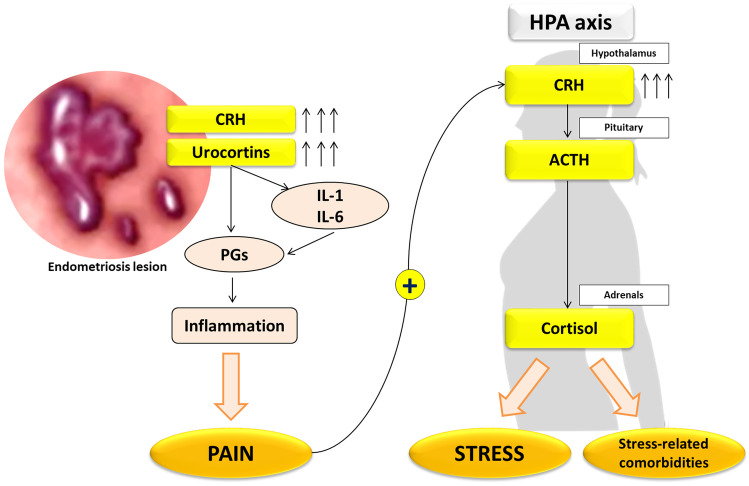
“an involvement of this stress pathway in inflammation is suggested [110].”
§ Hormonal treatments for endometriosis: The endocrine background > Other endocrine aspects > HPA axis and stress hormones
What the sources say
- Supportedcites [110] Novembri R Carrarelli P Toti P Urocortin 2 and urocortin 3 in endometriosis: evidence for a possible role in inflammatory response Mol Hum Reprod 2011 17 9 587 593 10.1093/molehr/gar020 21454316 source
The Discussion (p. 5) reports that Ucn 2 and Ucn 3 regulate secretion of cytokines involved in endometriosis and describes their endometrial modulation through CRH-R2. The Introduction (p. 2) identifies these neuropeptides with the CRH pathway, so the citing sentence's suggested involvement of a stress pathway in inflammation is supported. (LLM, conf=0.92)
hedgedstates a possible cause- Asserted: passes — The authors put it forward as true.
- Checkable: passes — It can be checked against evidence.
- Load-bearing: unclear — It is unclear whether the paper’s conclusions depend on it.
- Based: passes — The paper gives a reason why it holds.
- Supported
Every source the paper cites for this claim was checked and supports it.
In the paper
“increased serum cortisol levels were detected in infertile women with endometriosis, especially in those with advanced stage of disease [105].”
§ Hormonal treatments for endometriosis: The endocrine background > Other endocrine aspects > HPA axis and stress hormones
What the sources say
- Supportedcites [105] Lima AP, Moura MD, Rosa e Silva AAM. Prolactin and cortisol levels in women with endometriosis. Brazilian J Med Biol Res. 2006. 10.1590/S0100-879X2006000800015. 16906287 source
The Cortisol concentrations section reports significantly higher serum cortisol in infertile women with stage III–IV endometriosis than in fertile women without endometriosis; women with stage I–II disease had intermediate values. The Discussion also identifies the significant elevation in the advanced-stage group. (LLM, conf=0.94)
plainstates an association- Asserted: passes — The authors put it forward as true.
- Checkable: passes — It can be checked against evidence.
- Load-bearing: unclear — It is unclear whether the paper’s conclusions depend on it.
- Based: passes — The paper gives a reason why it holds.
- Supported
The cited sources support only part of this claim — read each source’s verdict below.
In the paper
“a blunted early morning cortisol response to CRH test was associated with greater menstrual and non-menstrual pain in endometriosis [101].”
§ Hormonal treatments for endometriosis: The endocrine background > Other endocrine aspects > HPA axis and stress hormones
What the sources say
- Partly supportedcites [101] Ortiz R Gemmill JAL Sinaii N Hypothalamic-Pituitary-Adrenal Axis Responses in Women with Endometriosis-Related Chronic Pelvic Pain Reprod Sci 2020 10.1007/s43032-020-00201-x 32572832 PMC12452883 sourceExperimental — accuracy not yet measured
The Discussion reports that a blunted response to early-morning CRH testing was associated with greater menstrual and non-menstrual pain, but this finding came from an analysis restricted to non-black participants that combined women with and without biopsy-confirmed endometriosis. The paper does not establish the association specifically for women with endometriosis or for the full study population. (LLM, conf=0.88)
plainstates an association- Asserted: passes — The authors put it forward as true.
- Checkable: passes — It can be checked against evidence.
- Load-bearing: unclear — It is unclear whether the paper’s conclusions depend on it.
- Based: passes — The paper gives a reason why it holds.
- Partly supported
Every source the paper cites for this claim was checked and supports it.
In the paper
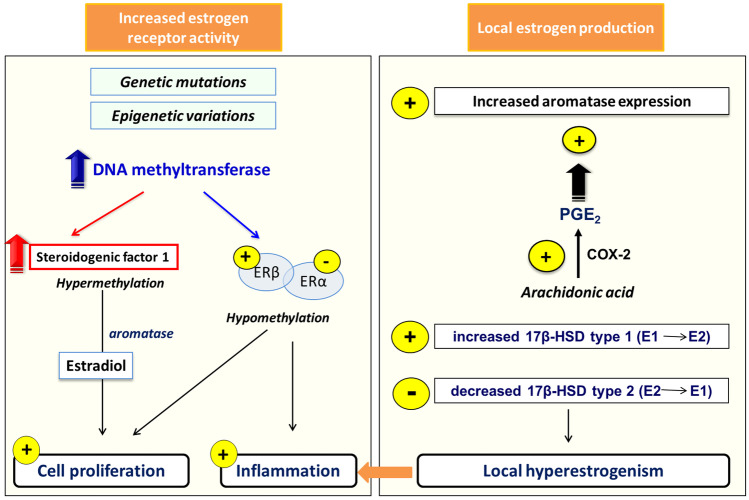
“Clear data show that endometriotic tissue expresses the entire set of steroidogenic genes, including aromatase, allowing to local de-novo estradiol (E2) production. [33]”
§ Hormonal treatments for endometriosis: The endocrine background > Endocrine changes in endometriosis > HPO axis hormones
What the sources say
- Supportedcites [33] Bulun SE Yilmaz BD Sison C Endometriosis Endocr Rev 2019 10.1210/er.2018-00242 30994890 PMC6693056 source
The supplied passage labeled Abstract states that endometriotic tissue expresses the complete set of steroidogenic genes, including aromatase, allowing local conversion of cholesterol to estradiol. This directly supports the claim of local de novo estradiol production. (LLM, conf=0.95)
boostedstates a cause- Asserted: passes — The authors put it forward as true.
- Checkable: passes — It can be checked against evidence.
- Load-bearing: passes — The paper’s conclusions depend on it.
- Based: passes — The paper gives a reason why it holds.
- Supported
The cited sources support only part of this claim — read each source’s verdict below.
In the paper
“Autoimmune thyroid disorders are frequently found in endometriosis patients”
§ Hormonal treatments for endometriosis: The endocrine background > Other endocrine aspects > Thyroid hormones
What the sources say
- Not checked — no full text of the sourcecites [113] Sinaii N Cleary SD Ballweg ML Nieman LK Stratton P High rates of autoimmune and endocrine disorders, fibromyalgia, chronic fatigue syndrome and atopic diseases among women with endometriosis: a survey analysis Hum Reprod 2002 17 10 2715 2724 10.1093/humrep/17.10.2715 12351553 source
- Not checked — no full text of the sourcecites [114] Poppe K Velkeniers B Glinoer D The role of thyroid autoimmunity in fertility and pregnancy Nat Clin Pract Endocrinol Metab 2008 4 7 394 405 10.1038/ncpendmet0846 18506157 source
- Partly supportedcites [115] Yuk JS Park EJ Seo YS Kim HJ Kwon SY Park WI Graves disease is associated with endometriosis: A 3-year population-based cross-sectional study Med (United States) 2016 95 10 1 5 10.1097/MD.0000000000002975 PMC4998884 26962803 sourceExperimental — accuracy not yet measured
The Discussion reports a higher prevalence of Graves disease, an autoimmune thyroid disorder, among women with endometriosis than among controls. But the Results found no significant association for autoimmune hypothyroidism, so the paper does not support the broader claim that autoimmune thyroid disorders generally are frequently found in endometriosis patients. (LLM, conf=0.88)
plainstates an association- Asserted: passes — The authors put it forward as true.
- Checkable: passes — It can be checked against evidence.
- Load-bearing: unclear — It is unclear whether the paper’s conclusions depend on it.
- Based: passes — The paper gives a reason why it holds.
107 more claims · 35 with their cited sources checked
Create a free account to see all 214 claims and to verify the 4 references still open.
- It may state two separate claims as one. 94
- Probably not a substantial claim. 13
Claims other papers make about this one
Each is checked against this paper’s own text: does it say what the citing paper says it does?
The source backs part of the claim, not all of it — or backs it for a different population, condition or comparison.
In the citing paper
“adenomyosis (AD) and certain subtypes of endometriosis, such as deep endometriosis (DE), do not respond to hormonal treatment as well as ovarian endometrioma (OE) (Stratopoulou et al., 2021; Vannuccini et al., 2022)”
From Progressively diminished estrogen signaling concordant with increased fibrosis in ectopic endometrium (2025) · cites this paper as Vannuccini et al., 2022
Experimental — accuracy not yet measured
Self-check
Percentages, sums and reported differences re-computed from the paper’s own numbers.
Self-check results appear here once an independent check has confirmed them.
Cited works that were retracted
Works this paper cites that were later retracted, from the retraction notices publishers deposit. Major when the notice came out before this paper was published.
A note, not an issue: for example, a cited work that was retracted only after this paper was published, which its authors could not have known.
In the paper
“Mousa SA, O’Connor LJ, Bergh JJ, Davis FB, Scanlan TS, Davis PJ. The proangiogenic action of thyroid hormone analogue GC-1 is initiated at an integrin. J Cardiovasc Pharmacol. 2005;46(3):356–60. https://doi.org/10.1097/01.fjc.0000175438.94906.a0.”
Cited work 10.1097/01.fjc.0000175438.94906.a0 · retracted 2023-09-08 · notice 10.1097/fjc.0000000000001471 · this paper published 2021-08-17
Citations
Cites
1 retracted
Items 201–297 of 297
Treatment of pelvic endometriosis with etonogestrel subdermal implant (Implanon®)
Yisa, S. B., Okenwa, A. A., & Husemeyer, R. P. (2005) · Journal of Family Planning and Reproductive Health Care · doi:10.1783/0000000052972799 · Cited by 54
Mitwally, M. F. M., Gotlieb, L., & Casper, R. F. (2002) · Menopause · doi:10.1097/00042192-200207000-00004 · Cited by 53
Bone Morphogenetic Protein Inhibits Ovarian Androgen Production
Dooley, C. A., Attia, G. R., Rainey, W. E., Moore, D. R., & Carr, B. R. (2000) · The Journal of Clinical Endocrinology & Metabolism · doi:10.1210/jcem.85.9.6835 · Cited by 53
Plasma Urocortin Levels in the Diagnosis of Ovarian Endometriosis
Florio, P., Reis, F. M., Torres, P. B., Calonaci, F., Toti, P., Bocchi, C., Linton, E. A., & Petraglia, F. (2007) · Obstetrics & Gynecology · doi:10.1097/01.aog.0000278572.86019.ae · Cited by 51
Self-citationCarrarelli, P., Luddi, A., Funghi, L., Arcuri, F., Batteux, F., Dela Cruz, C., Tosti, C., Reis, F. M., Chapron, C., & Petraglia, F. (2016) · Reproductive BioMedicine Online · doi:10.1016/j.rbmo.2016.07.009 · Cited by 51
Self-citationRole of thyroid dysimmunity and thyroid hormones in endometriosis
Peyneau, M., Kavian, N., Chouzenoux, S., Nicco, C., Jeljeli, M., Toullec, L., Reboul-Marty, J., Chenevier-Gobeaux, C., Reis, F. M., Santulli, P., et al. (2019) · Proceedings of the National Academy of Sciences · doi:10.1073/pnas.1820469116 · Cited by 50
Effect of Dienogest therapy on the size of the endometrioma
Vignali, M., Belloni, G. M., Pietropaolo, G., Barbasetti Di Prun, A., Barbera, V., Angioni, S., & Pino, I. (2020) · Gynecological Endocrinology · doi:10.1080/09513590.2020.1725965 · Cited by 50
The effect of endometriosis on the antimüllerian hormone level in the infertile population
Romanski, P. A., Brady, P. C., Farland, L. V., Thomas, A. M., & Hornstein, M. D. (2019) · Journal of Assisted Reproduction and Genetics · doi:10.1007/s10815-019-01450-9 · Cited by 49 · cited 1×
“Moreover, infertility patients with endometriosis showed lower AMH level compared to women with a primary diagnosis of male factor infertility [75].”
BackgroundEndometriosis and type 1 allergies/immediate type hypersensitivity: a systematic review
Bungum, H. F., Vestergaard, C., & Knudsen, U. B. (2014) · European Journal of Obstetrics & Gynecology and Reproductive Biology · doi:10.1016/j.ejogrb.2014.04.025 · Cited by 48
Rocha, V. B. C., Guerra‐Júnior, G., Marques‐de‐Faria, A. P., et al. (2011) · Fertility and Sterility · doi:10.1016/j.fertnstert.2011.09.009 · Cited by 48
Hair cortisol and the relationship with chronic pain and quality of life in endometriosis patients
van Aken, M., Oosterman, J., van Rijn, T., Ferdek, M., Ruigt, G., Kozicz, T., Braat, D., Peeters, A., & Nap, A. (2018) · Psychoneuroendocrinology · doi:10.1016/j.psyneuen.2018.01.001 · Cited by 48
Long-term hormonal treatment reduces repetitive surgery for endometriosis recurrence
Capezzuoli, T., Vannuccini, S., Mautone, D., Sorbi, F., Chen, H., dos Reis, F. M., Ceccaroni, M., & Petraglia, F. (2020) · Reproductive BioMedicine Online · doi:10.1016/j.rbmo.2020.09.018 · Cited by 48 · cited 2×
“Based on patient’s symptoms and the desire of pregnancy, an individualized approach aiming to reduce pain, stress, stress-related comorbidities and to improve QoL should be used for an adequate management [1, 21, 25].”
BackgroundMethodSelf-citationEvidence for local production of inhibin A and activin A in patients with ovarian endometriosis
dos Reis, F. M., Blasio, A. M. D., Florio, P., Ambrosini, G., Loreto, C. D., & Petraglia, F. (2001) · Fertility and Sterility · doi:10.1016/s0015-0282(00)01720-9 · Cited by 47 · cited 1×
“Both α and ß A subunits are expressed in glands and stroma of OMA, and their dimers inhibin A and activin A are more concentrated in the cystic fluid than in peritoneal fluid [63], suggesting that they may be contributing to both implantation defects in eutopic endometrium and to the development of ectopic locations o…”
BackgroundSelf-citationAkiyama, I., Yoshino, O., Osuga, Y., et al. (2013) · Reproductive Sciences · doi:10.1177/1933719113503411 · Cited by 46
Koshiba, A., Mori, T., Okimura, H., Akiyama, K., Kataoka, H., Takaoka, O., Ito, F., Matsushima, H., Kusuki, I., & Kitawaki, J. (2018) · Journal of Obstetrics and Gynaecology Research · doi:10.1111/jog.13725 · Cited by 46
Dienogest. A possible conservative approach in bladder endometriosis. Results of a pilot study
Angioni, S., Nappi, L., Pontis, A., Sedda, F., Luisi, S., Mais, V., & Melis, G. B. (2015) · Gynecological Endocrinology · doi:10.3109/09513590.2015.1006617 · Cited by 45
On-label and off-label drug use in the treatment of endometriosis
Quaas, A. M., Weedin, E. A., & Hansen, K. R. (2015) · Fertility and Sterility · doi:10.1016/j.fertnstert.2015.01.006 · Cited by 45
Terada, Y., Hasegawa, H., Takahashi, A., et al. (2008) · Fertility and Sterility · doi:10.1016/j.fertnstert.2008.09.043 · Cited by 44
Effectiveness of Dienogest for Treatment of Recurrent Endometriosis: Multicenter Data
Lee, J. H., Song, J. Y., Yi, K. W., Lee, S. R., Lee, D.-Y., Shin, J.-H., Cho, S., Seo, S. K., & Kim, S. H. (2018) · Reproductive Sciences · doi:10.1177/1933719118779733 · Cited by 44
Cho, B., Roh, J.-W., Park, J., Jeong, K., Kim, T.-H., Kim, Y. S., Kwon, Y.-S., Cho, C.-H., Park, S. H., & Kim, S. H. (2020) · Reproductive Sciences · doi:10.1007/s43032-019-00094-5 · Cited by 44
Juhasz‐Böss, I., Fischer, C., Lattrich, C., Skrzypczak, M., Malik, E., Ortmann, O., & Treeck, O. (2010) · Archives of Gynecology and Obstetrics · doi:10.1007/s00404-010-1768-7 · Cited by 43 · cited 1×
“ERβ expression is unchanged in eutopic endometrium of women with endometriosis, although an increased ERβ/ERα ratio has been observed [43].”
BackgroundChwaliszC. Mattia-Goldberg, K., Lee, M., Elger, W., & Edmonds, A. (2004) · Fertility and Sterility · doi:10.1016/j.fertnstert.2004.07.212 · Cited by 43
Reis, F. M., Luisi, S., Abrao, M. S., Rocha, A. L. L., Vigano, P., Rezende, C. P., Florio, P., & Petraglia, F. (2012) · Human Reproduction · doi:10.1093/humrep/des055 · Cited by 43 · cited 1×
“Serum activin A and follistatin are not significantly altered in SUP or DIE phenotypes and have limited diagnostic accuracy in the diagnosis of OMA [69].”
BackgroundSelf-citationT. Jones, G. (2016) · Current Rheumatology Reviews · doi:10.2174/1573397112666151231113438 · Cited by 43
Morotti, M., Venturini, P. L., Biscaldi, E., Racca, A., Calanni, L., Vellone, V. G., Stabilini, C., & Ferrero, S. (2017) · European Journal of Obstetrics & Gynecology and Reproductive Biology · doi:10.1016/j.ejogrb.2017.03.033 · Cited by 43
Aromatase as a target for treating endometriosis
Mori, T., Ito, F., Koshiba, A., Kataoka, H., Tanaka, Y., Okimura, H., Khan, K. N., & Kitawaki, J. (2018) · Journal of obstetrics and gynaecology research · doi:10.1111/jog.13743 · Cited by 43
Graves Disease Is Associated With Endometriosis: A 3-Year Population-Based Cross-Sectional Study
Yuk, J.-S., Park, E.-J., Seo, Y.-S., Kim, H. J., Kwon, S.-Y., & Park, W. I. (2016) · Medicine · doi:10.1097/md.0000000000002975 · Cited by 42
Considerations for extrapolating evidence of acute and chronic pain analgesic efficacy
Dworkin, R. H., Turk, D. C., Basch, E., Berger, A., Cleeland, C., Farrar, J. T., Haythornthwaite, J. A., Jensen, M. P., Kerns, R. D., Markman, J., et al. (2011) · Pain · doi:10.1016/j.pain.2011.02.026 · Cited by 41
Müllerian Inhibiting Substance Induces Apoptosis of Human Endometrial Stromal Cells in Endometriosis
Namkung, J., Song, J. Y., Jo, H. H., Kim, M. R., Lew, Y. O., Donahoe, P. K., MacLaughlin, D. T., & Kim, J. H. (2012) · The Journal of Clinical Endocrinology & Metabolism · doi:10.1210/jc.2012-1538 · Cited by 41
Florio, P., Luisi, S., Vigano, P., Busacca, M., Fadalti, M., Genazzani, A. R., & Petraglia, F. (1998) · Human Reproduction · doi:10.1093/humrep/13.9.2606 · Cited by 41 · cited 2×
“High levels of CRH-binding protein in peritoneal fluid from women with endometriosis than in controls has been observed, suggesting possible changes also in circulating levels [62].”
BackgroundSelf-citationUrocortin 2 and urocortin 3 in endometriosis: evidence for a possible role in inflammatory response
Novembri, R., Carrarelli, P., Toti, P., Rocha, A. L. L., Borges, L. E., Reis, F. M., Piomboni, P., Florio, P., & Petraglia, F. (2011) · Molecular Human Reproduction · doi:10.1093/molehr/gar020 · Cited by 41
Self-citationRocha, A. L. L., Carrarelli, P., Novembri, R., Pascalis, F. D., Luisi, S. V., dos Reis, F. M., & Petraglia, F. (2012) · Reproductive Sciences · doi:10.1177/1933719111434542 · Cited by 40 · cited 1×
“Indeed, in cultured human endometrial stromal cells from women with endometriosis, activin A increases IL-6 and IL-8 secretion [65, 66].”
BackgroundSelf-citationAquaporin-3 mediates ovarian steroid hormone-induced motility of endometrial epithelial cells
Cui, D., Sui, L., Han, X., Zhang, M., Guo, Z., Chen, W., Yu, X., Sun, Q., Dong, M., Ma, T., et al. (2018) · Human Reproduction · doi:10.1093/humrep/dey290 · Cited by 40
Novembri, R., Borges, L. E., Carrarelli, P., Rocha, A. L. L., De Pascalis, F., Florio, P., & Petraglia, F. (2011) · The Journal of Clinical Endocrinology & Metabolism · doi:10.1210/jc.2010-2263 · Cited by 38
Self-citationÁlvarez-Salvago, F., Lara-Ramos, A., Cantarero-Villanueva, I., Mazheika, M., Mundo-López, A., Galiano-Castillo, N., Fernández-Lao, C., Arroyo-Morales, M., Ocón-Hernández, O., & Artacho-Cordón, F. (2020) · International Journal of Environmental Research and Public Health · doi:10.3390/ijerph17103610 · Cited by 38
A peek into the drug development scenario of endometriosis – A systematic review
Goenka, L., George, M., & Sen, M. (2017) · Biomedicine & Pharmacotherapy · doi:10.1016/j.biopha.2017.03.092 · Cited by 37
Lee, K. H., Jung, Y. W., Song, S. Y., Kang, B. H., Yang, J. B., Ko, Y. B., Lee, M., Han, H. Y., & Yoo, H. J. (2018) · Journal of Obstetrics and Gynaecology Research · doi:10.1111/jog.13703 · Cited by 37
Stavreus Evers, A. (2012) · Frontiers in Endocrinology · doi:10.3389/fendo.2012.00050 · Cited by 36
Signorile, P. G., Petraglia, F., & Baldi, A. (2014) · Journal of Experimental & Clinical Cancer Research · doi:10.1186/1756-9966-33-46 · Cited by 36
Self-citationLee, D.-Y., Lee, J.-Y., Seo, J.-W., Yoon, B.-K., & Choi, D. (2016) · Archives of Gynecology and Obstetrics · doi:10.1007/s00404-016-4184-9 · Cited by 36
Techatraisak, K., Hestiantoro, A., Ruey, S., Banal-Silao, M. J., Kim, M.-R., Seong, S. J., Thaufik, S., Ahlers, C., Shin, S. Y., & Lee, B. S. (2019) · BMC Women's Health · doi:10.1186/s12905-019-0758-6 · Cited by 36
Pokrzywinski, R. M., Soliman, A. M., Chen, J., Snabes, M. C., Coyne, K. S., Surrey, E. S., & Taylor, H. S. (2020) · American Journal of Obstetrics and Gynecology · doi:10.1016/j.ajog.2019.11.1255 · Cited by 36
How is small bowel permeability in endometriosis patients? a case control pilot study
Viganò, D., Zara, F., Pinto, S. W. L., Loddo, E., Casula, L., Soru, M. B., D’Ancona, G., D’Alterio, M. N., GIULIANI, C., Angioni, S. L., et al. (2020) · Gynecological Endocrinology · doi:10.1080/09513590.2020.1766440 · Cited by 36
Endometriosis and Perceived Stress: Impact of Surgical and Medical Treatment
Lazzeri, L., Orlandini, C., Vannuccini, S., Pinzauti, S., Tosti, C., Zupi, E., Nappi, R. E., & Petraglia, F. (2015) · Gynecologic and Obstetric Investigation · doi:10.1159/000368776 · Cited by 34 · cited 15×
“In fact, endometriosis has a significantly negative impact on health-related QoL scores and the factors involved are mainly linked to pain symptoms [94].”
BackgroundInfluentialSelf-citationDienogest for Treatment of Endometriosis in Women: A 28-Week, Open-Label, Extension Study
Yu, Q., Zhang, S., Li, H., Wang, P., Zvolanek, M., Ren, X., Dong, L., & Lang, J. (2019) · Journal of Women's Health · doi:10.1089/jwh.2018.7084 · Cited by 34
Lazzeri, L., Vannuccini, S., Orlandini, C., Luisi, S. V., Zupi, E., Nappi, R. E., & Petraglia, F. (2014) · Fertility and Sterility · doi:10.1016/j.fertnstert.2014.10.036 · Cited by 33 · cited 1×
“Women with endometriosis and severe endometriosis-related pain (dysmenorrhea, pelvic pain, dyspareunia) usually present with very high scores of perceived stress [92].”
BackgroundSelf-citationThe infertility trap: how defeat and entrapment affect depressive symptoms
Galhardo, A. B., Moura‐Ramos, M., Cunha, M. I. V. A., & Pinto‐Gouveia, J. (2015) · Human Reproduction · doi:10.1093/humrep/dev311 · Cited by 33 · cited 1×
“Endometriosis-related pain and infertility elicit a stress response: from one side, infertility provokes family issues and fear of frustrating social expectations [85, 86], on the other pelvic pain causes sexual dysfunction and work absenteeism [87], all of which contribute to increase anxiety and chronic stress.”
BackgroundWu, L., Wu, Q., & Liu, L. (2013) · Gynecological Endocrinology · doi:10.3109/09513590.2013.819085 · Cited by 32
Surrey, E. S., Soliman, A. M., Agarwal, S. K., Snabes, M. C., & Diamond, M. P. (2019) · Fertility and Sterility · doi:10.1016/j.fertnstert.2019.02.031 · Cited by 32
Ileocecal endometriosis: clinical and pathogenetic implications of an underdiagnosed condition
Fedele, L., Berlanda, N., Corsi, C., Gazzano, G., Morini, M., & Vercellini, P. (2014) · Fertility and Sterility · doi:10.1016/j.fertnstert.2013.11.126 · Cited by 31
Neuroendocrine and stress-related aspects of endometriosis.
Luisi, S. V., Pizzo, A., Pinzauti, S., Zupi, E., Centini, G., Lazzeri, L., Carlo, C. D., & Petraglia, F. (2015) · PubMed · Cited by 30
Self-citationVaginally Administered Danazol: An Overlooked Option in the Treatment of Rectovaginal Endometriosis?
Godin, R., & Marcoux, V. (2015) · Journal of Obstetrics and Gynaecology Canada · doi:10.1016/s1701-2163(16)30075-5 · Cited by 30
Yucel, N., Baskent, E., Karamustafaoglu Balci, B., & Goynumer, G. (2018) · Australian and New Zealand Journal of Obstetrics and Gynaecology · doi:10.1111/ajo.12773 · Cited by 30
Neuroendocrine cells in eutopic endometrium of women with endometriosis
Wang, G., Tokushige, N., Russell, P., Dubinovsky, S., Markham, R., & Fraser, I. S. (2010) · Human Reproduction · doi:10.1093/humrep/dep379 · Cited by 29
Gori, M., Luddi, A., Belmonte, G., Piomboni, P., Tosti, C., Funghi, L., Zupi, E., Lazzeri, L., & Petraglia, F. (2015) · Fertility and Sterility · doi:10.1016/j.fertnstert.2015.10.024 · Cited by 29 · cited 1×
“Thus, endometriotic cells attach, penetrate and invade the peritoneum, determining growth of lesions which undergo cyclic bleeding with repeated tissue injury and repair [10], neoangiogenesis [11] and neurogenesis [12].”
BackgroundSelf-citationHarada, T., Ohta, I., Endo, Y., Sunada, H., Noma, H., & Taniguchi, F. (2017) · Yonago acta medica · doi:10.33160/yam.2017.12.003 · Cited by 28
Stress reactivity and family relationships in the development and treatment of endometriosis
Harrison, V., Rowan, K., & Mathias, J. R. (2005) · Fertility and Sterility · doi:10.1016/j.fertnstert.2004.10.033 · Cited by 27
Mabuchi (2009) · International Journal of Molecular Medicine · doi:10.3892/ijmm_00000308 · Cited by 27 · cited 1×
“Both α and ß A subunits are expressed in glands and stroma of OMA, and their dimers inhibin A and activin A are more concentrated in the cystic fluid than in peritoneal fluid [63], suggesting that they may be contributing to both implantation defects in eutopic endometrium and to the development of ectopic locations o…”
BackgroundOrtiz, R., Gemmill, J. A. L., Sinaii, N., Stegmann, B., Khachikyan, I., Chrousos, G., Segars, J., & Stratton, P. (2020) · Reproductive Sciences · doi:10.1007/s43032-020-00201-x · Cited by 27
Does Response to Hormonal Therapy Predict Presence or Absence of Endometriosis?
Jenkins, T. R., Liu, C. Y., & White, J. (2008) · Journal of Minimally Invasive Gynecology · doi:10.1016/j.jmig.2007.09.002 · Cited by 26
Altered expression of activin, cripto, and follistatin in the endometrium of women with endometrioma
Rocha, A. L. L., Carrarelli, P., Novembri, R., Sabbioni, L., Luisi, S. V., dos Reis, F. M., & Petraglia, F. (2011) · Fertility and Sterility · doi:10.1016/j.fertnstert.2011.03.048 · Cited by 25 · cited 1×
“An impaired expression of OMA and endometrial cripto (activin receptor antagonist), and follistatin (activinbinding protein) indicates an impaired activin pathway in endometriosis [67].”
BackgroundSelf-citationSchmitz, C. R., de Souza, C. A. B., Genro, V. K., Matte, Ú. D. S., Conto, E. D., & Cunha‐Filho, J. S. (2015) · Journal of Assisted Reproduction and Genetics · doi:10.1007/s10815-015-0477-3 · Cited by 25 · cited 1×
“Among LHR SNPs, a polymorphic insertion in exon 1 of LH receptor (LHR) gene (insLQ) is common in women with endometriosis and infertility, and it is thought to boost LHR activity, by decreasing the half maximal effective concentration and increasing the cell surface expression [32].”
BackgroundNear, A. M., Wu, A. H., Templeman, C., Van Den Berg, D. J., Doherty, J. A., Rossing, M. A., Goode, E. L., Cunningham, J. M., Vierkant, R. A., Fridley, B. L., et al. (2011) · Fertility and Sterility · doi:10.1016/j.fertnstert.2010.06.059 · Cited by 25 · cited 1×
“1 3 Progesterone receptor (PR) gene polymorphism may also promote the susceptibility to endometriosis [58].”
BackgroundWang, H., Cheng, B.-H., Wu, H., Yen, C., Liu, C., Chao, A., & Wang, T. (2010) · Fertility and Sterility · doi:10.1016/j.fertnstert.2010.07.1092 · Cited by 25 · cited 1×
“FSHR 680Ser-Ser/GG genotype and ‘‘GG/307Ala680Ser’’ haplotype were more frequently found in fertile women with endometriosis, while the presence of "GA/307Ala680Asn" haplotype lowers the likelihood of disease onset and progression [28, 29].”
BackgroundMifepristone 2.5, 5, 10mg versus placebo in the treatment of endometriosis
Carbonell, J. L., Riverón, A. M., Leonard, Y., González, J., Heredia, B., & Sánchez, C. (2016) · Journal of Reproductive Health and Medicine · doi:10.1016/j.jrhm.2015.09.001 · Cited by 25
Clinical efficacy and safety of ranibizumab in the treatment of wet age-related macular degeneration
Desideri, L. F., Barra, F., Ferrero, S., Traverso, C. E., & Nicolò, M. (2019) · Expert Opinion on Biological Therapy · doi:10.1080/14712598.2019.1627322 · Cited by 25
Cruz, C. D., Puerto, H. L. D., Rocha, A. L. L., Cavallo, I. K. D., Clarizia, A. D., Petraglia, F., & dos Reis, F. M. (2015) · Reproductive Sciences · doi:10.1177/1933719114549855 · Cited by 24 · cited 1×
“Furthermore, nodal, a growth factor highly expressed in high turnover tissues and acting through SMAD proteins, has shown only subtle changes in endometriosis, differentiating the high proliferation of endometriosis cells from malignancies [68].”
BackgroundSelf-citationViganò, P., Somigliana, E., & Vercellini, P. (2007) · Women's Health · doi:10.2217/17455057.3.2.207 · Cited by 23
Endometriosis allergic or autoimmune disease: pathogenetic aspects - a case control study
Caserta, D., Mallozzi, M., Pulcinelli, F. M., Mossa, B., & Moscarini, M. (2016) · Clinical and Experimental Obstetrics & Gynecology · doi:10.12891/ceog2122.2016 · Cited by 23
AMH Concentrations in Peritoneal Fluids of Women With and Without Endometriosis
Kitajima, M., Matsumoto, K., Murakami, N., Kajimura, I., Harada, A., Kitajima, Y., Masuzaki, H., & Miura, K. (2020) · Frontiers in Surgery · doi:10.3389/fsurg.2020.600202 · Cited by 22 · cited 1×
“AMH is also produced by eutopic and ectopic endometriotic cells and it secreted in peritoneal fluid [81].”
BackgroundScala, C., Maggiore, U. L. R., Barra, F., Venturini, P. L., & Ferrero, S. (2018) · European Journal of Obstetrics & Gynecology and Reproductive Biology · doi:10.1016/j.ejogrb.2018.01.022 · Cited by 21
Plasma urocortin-1 as a preoperative marker of endometriosis in symptomatic women
Maia, L. M., Rocha, A. L., Del Puerto, H. L., Petraglia, F., & Reis, F. M. (2018) · Gynecological Endocrinology · doi:10.1080/09513590.2017.1380188 · Cited by 20
Self-citationLeuprolide acetate for the treatment of endometriosis.
Miller, J. D. (1990) · PubMed · Cited by 19
Seo, J.-W., Lee, D.-Y., Kim, S. E., Yoon, B.-K., & Choi, D. (2019) · European Journal of Obstetrics & Gynecology and Reproductive Biology · doi:10.1016/j.ejogrb.2019.02.032 · Cited by 18
Expression patterns of the steroid receptor coactivator family in human ovarian endometriosis
熊耳, 敦., Ito, A., Yoshida‐Komiya, H., Fujimori, K., & Sato, A. (2011) · Journal of obstetrics and gynaecology research · doi:10.1111/j.1447-0756.2010.01509.x · Cited by 17 · cited 1×
“An important role is played by steroid receptor coactivators (SRCs) [44], and expression profiling of SRCs in endometriotic lesions identified SRC-1 as the predominant SRC [45].”
BackgroundPabalan, N., Salvador, A., Jarjanazi, H., Christofolini, D. M., Barbosa, C. P., & Bianco, B. (2014) · Archives of Gynecology and Obstetrics · doi:10.1007/s00404-014-3308-3 · Cited by 17 · cited 1×
“Among polymorphisms described in the PR gene of patients with endometriosis, the PROGINS polymorphism affects ligand-binding and downstream signaling in the cellular context of endometriosis, and is involved in progesterone resistance [59, 60].”
BackgroundThe Impact of FSHR Gene Polymorphisms Ala307Thr and Asn680Ser in the Endometriosis Development
André, G. M., Trevisan, C. M., Pedruzzi, I. N., Fernandes, R. F. M., de Oliveira, R., Christofolini, D. M., Bianco, B. A. V., & Barbosa, C. P. (2018) · DNA and Cell Biology · doi:10.1089/dna.2017.4093 · Cited by 17 · cited 1×
“FSHR 680Ser-Ser/GG genotype and ‘‘GG/307Ala680Ser’’ haplotype were more frequently found in fertile women with endometriosis, while the presence of "GA/307Ala680Asn" haplotype lowers the likelihood of disease onset and progression [28, 29].”
BackgroundPabalan, N., Pineda, M. R., Jarjanazi, H., Christofolini, D. M., Barbosa, C. P., & Bianco, B. A. V. (2014) · Archives of Gynecology and Obstetrics · doi:10.1007/s00404-014-3344-z · Cited by 15
Bosco, L., Ruvolo, G., Luparello, C., Ferrari, S., Valerio, D., Santi, D., Piomboni, P., Sarcina, E., Lispi, M., & Roccheri, M. C. (2017) · Cellular Physiology and Biochemistry · doi:10.1159/000484392 · Cited by 15 · cited 1×
“FSHR 680Asn/ Asn induces aromatase activity resulting in higher estrogens levels and proliferation of endometriotic lesions [31].”
BackgroundFollicle-stimulating hormone receptor gene polymorphisms in women with endometriosis
Kerimoğlu, Ö. S., Yılmaz, S. A., Pekin, A. T., Nergiz, S., İncesu, F., Doğan, N. U., Acar, H., & Çelık, Ç. (2014) · Archives of Gynecology and Obstetrics · doi:10.1007/s00404-014-3562-4 · Cited by 12 · cited 1×
“Besides, the SS (680 Ser/Ser) or AA (307 Ala/Ala) genotype are associated with a reduced risk to develop stage 3–4 endometriosis compared to the stage 1–2 endometriosis [30].”
BackgroundLin, E., McCabe, E., Newton-Cheh, C., Bloch, K., Buys, E., Wang, T., & Miller, K. K. (2012) · Fertility and Sterility · doi:10.1016/j.fertnstert.2011.11.001 · Cited by 12
Park, D. S., Kim, J. W., Chang, E. M., et al. (2018) · Journal of obstetrics and gynaecology research · doi:10.1111/jog.13897 · Cited by 11
Agarwal, S. K., Singh, S. S., Archer, D. F., Mai, Y., Chwalisz, K., Gordon, K., & Surrey, E. (2021) · Journal of Pain Research · doi:10.2147/jpr.s284703 · Cited by 11
(2007) · PubMed · Cited by 10
Vaginal danazol for the treatment of endometriosis-related pelvic pain
Bhattacharya, S. M., Tolasaria, A., & Khan, B. (2011) · International Journal of Gynecology & Obstetrics · doi:10.1016/j.ijgo.2011.06.021 · Cited by 10
Ulipristal Acetate Prior to Surgery for Endometriosis
Singh, S. S., Evans, D., McDonald, S., Senterman, M., & Strickland, S. (2020) · Reproductive Sciences · doi:10.1007/s43032-020-00146-1 · Cited by 10
Coratti, F., Vannuccini, S., Foppa, C., Staderini, F., Coratti, A., Cianchi, F., & Petraglia, F. (2020) · Reproductive BioMedicine Online · doi:10.1016/j.rbmo.2020.06.008 · Cited by 9
Self-citationClinical comparison of mifepristone and gestrinone for laparoscopic endometriosis
(2018) · Pakistan Journal of Pharmaceutical Sciences · doi:10.36721/pjps/31/5(special)/05.09.2018/6534/2197-2201 · Cited by 8
Follistatin Is Induced by IL-1β and TNF-α in Stromal Cells From Endometrioma
Akiyama, I., Yoshino, O., Osuga, Y., Izumi, G., Urata, Y., Hirota, Y., Hirata, T., Harada, M., Koga, K., Ogawa, K., et al. (2013) · Reproductive Sciences · doi:10.1177/1933719112463253 · Cited by 7 · cited 1×
“Indeed, in cultured human endometrial stromal cells from women with endometriosis, activin A increases IL-6 and IL-8 secretion [65, 66].”
BackgroundDetection of the smaller window of maximal receptivity: timing isn't everything
Lessey, B. A. (2017) · Fertility and Sterility · doi:10.1016/j.fertnstert.2017.11.013 · Cited by 5
Clinical outcome of vaginal danazol suppository use in women with pelvic endometriosis
Okamura, Y., Suzuki, J., Honda, R., Ohba, T., Katabuchi, H., & Okamura, H. (2008) · Fertility and Sterility · doi:10.1016/j.fertnstert.2008.07.072 · Cited by 4
Lazzeri, L., Centini, G., Vannuccini, S., et al. (2015) · Journal of Minimally Invasive Gynecology · doi:10.1016/j.jmig.2015.08.639 · Cited by 4
Self-citation[Dienogest usefulness in pelvic pain due to endometriosis. A meta-analysis of its effectiveness].
(2017) · PubMed · Cited by 2
Graefe, M. (2010) · Monatsschrift für Geburtshilfe und Gynäkologie · doi:10.1159/000280702 · Cited by 1
Amer, S. A. K. S. (2015) · Springer eBooks · doi:10.1007/978-1-4471-4953-8_5 · Cited by 1 · cited 1×
“There are limited data regarding the effect of SUP or DIE, without OMA, on ovarian reserve [80], showing that the effect of extraovarian endometriosis on ovarian reserve is less pronounced than that of OMA.”
Background(2019) · PubMed · Cited by 1
(2017) · doi:10.24563/yam.2017.12.003
Research works printed but not linked: 8
- Bulun SE Monsavais D Pavone ME Role of estrogen receptor-beta in endometriosis Semin Reprod Med 2012 30 1 39 45 10.1055/s-0031-1299596 22271293 PMC4034571 · DOI · Paper page
- Reis FM Petraglia F Taylor RN Endometriosis: Hormone regulation and clinical consequences of chemotaxis and apoptosis Hum Reprod Update 2013 10.1093/humupd/dmt010 23539633 PMC3682670 · DOI · Paper page
- Han SJ Jung SY Wu SP Estrogen Receptor β Modulates Apoptosis Complexes and the Inflammasome to Drive the Pathogenesis of Endometriosis Cell 2015 10.1016/j.cell.2015.10.034 26544941 PMC4640214 · DOI · Paper page
- Burney RO Giudice LC Pathogenesis and pathophysiology of endometriosis Fertil Steril 2012 10.1016/j.fertnstert.2012.06.029 22819144 PMC3836682 · DOI · Paper page
- Barra F Grandi G Tantari M Scala C Facchinetti F Ferrero S A comprehensive review of hormonal and biological therapies for endometriosis: latest developments Expert Opin Biol Ther 2019 19 4 343 360 10.1080/14712598.2019.1581761 30763525 · DOI · Paper page
- Dunselman GAJ Vermeulen N Becker C ESHRE guideline: Management of women with endometriosis Hum Reprod 2014 10.1093/humrep/det457 24435778 · DOI · Paper page
- Leonardo-Pinto JP Benetti-Pinto CL Cursino K Yela DA Dienogest and deep infiltrating endometriosis: The remission of symptoms is not related to endometriosis nodule remission Eur J Obstet Gynecol Reprod Biol 2017 10.1016/j.ejogrb.2017.02.015 28231497 · DOI · Paper page
- Techatraisak K Hestiantoro A Ruey S Effectiveness of dienogest in improving quality of life in Asian women with endometriosis (ENVISIOeN): Interim results from a prospective cohort study under real-life clinical practice BMC Womens Health 2019 10.1186/s12905-019-0758-6 31096979 PMC6524261 · DOI · Paper page
Cited by
Targeting Oxidative Stress Involved in Endometriosis and Its Pain
Clower, L., Fleshman, T., Geldenhuys, W. J., & Santanam, N. (2022) · Biomolecules · doi:10.3390/biom12081055 · Cited by 145
“Common clinical symptoms include irregular uterine bleeding, painful intercourse (dyspareunia), and painful periods (dysmenorrhea) [6,7].”
BackgroundNutrition in the prevention and treatment of endometriosis: A review
Barnard, N. D., Holtz, D. N., Schmidt, N., Kolipaka, S., Hata, E., Sutton, M., Znayenko‐Miller, T., Hazen, N., Cobb, C., & Kahleová, H. (2023) · Frontiers in Nutrition · doi:10.3389/fnut.2023.1089891 · Cited by 127
Endometriosis: Classification, pathophysiology, and treatment options
Pašalić, E., Tambuwala, M. M., & Hromić‐Jahjefendić, A. (2023) · Pathology - Research and Practice · doi:10.1016/j.prp.2023.154847 · Cited by 134
Hormonal drugs for the treatment of endometriosis
Capezzuoli, T., Rossi, M., Torre, F. L., Vannuccini, S., & Petraglia, F. (2022) · Current Opinion in Pharmacology · doi:10.1016/j.coph.2022.102311 · Cited by 92
Self-citationEpigenetic regulation and T-cell responses in endometriosis – something other than autoimmunity
Szukiewicz, D. (2022) · Frontiers in Immunology · doi:10.3389/fimmu.2022.943839 · Cited by 68
Metadata
- Authors
- Vannuccini, S., Clemenza, S., Rossi, M., & Petraglia, F.
- Affiliations
- Azienda Ospedaliero-Universitaria Careggi (IT)
- Corresponding author
- Petraglia, Felice
- Venue
- Reviews in Endocrine and Metabolic Disorders
- Published
- 2021-08-17
- Volume
- 23
- Issue
- 3
- Pages
- 333-355
- ISSN
- 1389-9155 (ISSN-L)
- 1573-2606
- PMC
- PMC9156507
- OpenAlex
- W3194419458
- Cited by
- 336
- References
- 299
- Citations by year
- 2026: 80 · 2025: 96 · 2024: 75 · 2023: 56 · 2022: 27 · 2021: 2
- FWCI
- 6.56
- Type
- journal article
- Language
- en
- Open access
- hybrid
- doi.org
- Licence
- cc-by
- creativecommons.org/licenses/by/4.0 (tdm)
- creativecommons.org/licenses/by/4.0 (vor)
- Locations
- Reviews in Endocrine and Metabolic Disorders (publishedVersion, cc-by)
- PubMed Central (publishedVersion, cc-by)
- PubMed (publishedVersion)
- Florence Research (University of Florence) (submittedVersion, other-oa)
- Funders
- Università degli Studi di Firenze
- Topics
- Health Sciences › Medicine › Reproductive Medicine › Endometriosis Research and Treatment
- Health Sciences › Medicine › Obstetrics and Gynecology › Ectopic Pregnancy Diagnosis and Management
- Health Sciences › Medicine › Public Health, Environmental and Occupational Health › Menstrual Health and Disorders
- Keywords
- endometriosis, hormone therapy, estrogen dependence, progesterone resistance, GnRH agonist, GnRH antagonist, progestins, combined oral contraceptives, selective progesterone receptor modulators, selective estrogen receptor modulators, aromatase inhibitors, hypothalamic-pituitary-ovarian axis, anti-Müllerian hormone, corticotropin-releasing factor, oxidative stress, inflammation, infertility, dysmenorrhea, comorbidities, recurrence
- MeSH terms
- Endometriosis, Endometrium, Female, Humans, Infertility, Uterine Diseases, Aromatase Inhibitors
About these checks
Registry, retraction, Cites and statistics results are computed, not judged, with one exception: a printed reference that no index lists is read once by a model before it counts as a citation error. Claims are extracted by a model and kept only when their quote appears verbatim in the text; each cited source is then checked, with a model’s help, for whether it says what the claim relies on. Those verdicts can be wrong — read the claim’s quote and the cited source before relying on one.
The claim verdicts this report counts are experimental: their accuracy is not yet measured.
A language model drew the claims from the paper on 2026-09-29, under version 3 of the claim definition (model deepseek-v4.1-flash, prompt extract-v3).
A second model labelled each claim on 2026-09-29 (model jev-1.13-20260917, definition revision gold-guideline-v0.2).
Cited sources are checked with a language model’s help (gpt-6-sol).
Statistics and arithmetic are recomputed, not judged.
Confidence bands are shown only for fields calibrated on our annotated test set. None is calibrated yet, so no band is shown.
What counts as a claim ›How we measure confidence ›How we check this ›
Are you an author, or do you see a problem with this page? Request a review
Data sources
Bibliographic data: Semantic Scholar, OpenAlex, Crossref.
Contains information from the Semantic Scholar Academic Graph Datasets, made available under the ODC Attribution License (ODC-BY 1.0).
Semantic Scholar’s data is described in: Kinney, R., et al. (2023). The Semantic Scholar Open Data Platform. arXiv:2301.10140.
