

Biochar physicochemical properties: pyrolysis temperature and feedstock kind effects
Open accessThe DOI matches its Crossref record; 223 of the 225 references it cites were found in a registry or an index, and 1 are not checked yet; 31 of the 174 sources its claims cite were checked for support.
Abstract
Abstract Biochar is a pyrogenous, organic material synthesized through pyrolysis of different biomass (plant or animal waste). The potential biochar applications include: (1) pollution remediation due to high CEC and specific surface area; (2) soil fertility improvement on the way of liming effect, enrichment in volatile matter and increase of pore volume, (3) carbon sequestration due to carbon and ash content, etc. Biochar properties are affected by several technological parameters, mainly pyrolysis temperature and feedstock kind, which differentiation can lead to products with a wide range of values of pH, specific surface area, pore volume, CEC, volatile matter, ash and carbon content. High pyrolysis temperature promotes the production of biochar with a strongly developed specific surface area, high porosity, pH as well as content of ash and carbon, but with low values of CEC and content of volatile matter. This is most likely due to significant degree of organic matter decomposition. Biochars produced from animal litter and solid waste feedstocks exhibit lower surface areas, carbon content, volatile matter and high CEC compared to biochars produced from crop residue and wood biomass, even at higher pyrolysis temperatures. The reason for this difference is considerable variation in lignin and cellulose content as well as in moisture content of biomass. The physicochemical properties of biochar determine application of this biomaterial as an additive to improve soil quality. This review succinctly presents the impact of pyrolysis temperature and the type of biomass on the physicochemical characteristics of biochar and its impact on soil fertility.
Verified 2026-11-25 · 1 reference not checked yet
Overview
CoChat Summary
TL;DR
This is a review of how pyrolysis temperature and feedstock type shape biochar physicochemical properties and, in turn, its usefulness for soil amendment and contaminant removal. The paper’s main message is that higher pyrolysis temperatures generally increase pH, specific surface area, ash and carbon content, while decreasing CEC, volatile matter, and acidic functional groups.
Key findings
- Increasing pyrolysis temperature was reported to increase biochar pH, with values ranging from 6.5 to 10.8, and pH becoming roughly constant around 600 °C when alkali salts are fully released.
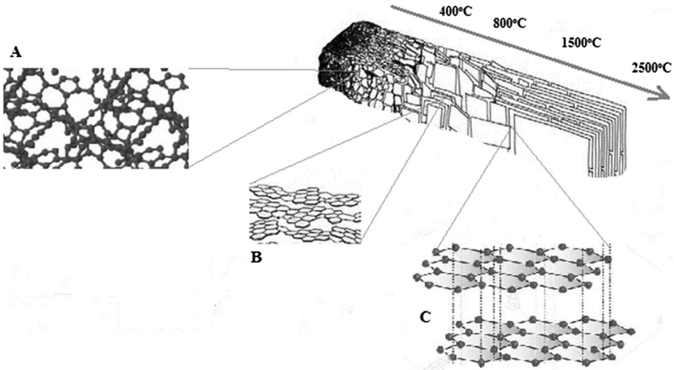
- The review states that higher pyrolysis temperature increases specific surface area and porosity, while decreasing CEC and volatile matter; it also notes that biochar produced at 600–700 °C is highly aromatic with well-organized C layers.
- Feedstock type strongly affects properties: biochars from animal litter and solid waste tend to have lower surface area, carbon content, and volatile matter, but higher CEC than those from crop residue and wood biomass.
- The paper reports several example values showing feedstock differences, e.g. wood biochar surface area 127.0 m²/g versus straw biochar 22.0 m²/g, green waste 46.0 m²/g, and algae 19.0 m²/g; and CEC 57.5 cmol/kg for algal biochar and 48.4 cmol/kg for poultry litter biochar at 500 °C.
Methods
- Review article synthesizing prior studies on biochar production and properties; no new experimental dataset was collected.
- The paper compares literature on the effects of pyrolysis temperature and feedstock kind on biochar physicochemical characteristics, and on resulting effects in soil.
- It draws on reported values from earlier studies and tables summarizing prior experiments and observed property ranges.
Limitations
- The paper does not report a systematic search strategy, study selection criteria, or meta-analytic methods; this is evident from the text, which presents a narrative review rather than a formal systematic review.
- The paper repeatedly notes that results vary by biomass and pyrolysis conditions, so many conclusions are broad generalizations across heterogeneous studies; this is evident from the text.
- Not stated in the paper.
Model-written summary. Check it against the paper before relying on it.
Integrity signals
Registry
Cites
Statistics
Figures

Verification
Claims the paper makes
28 Valid · 5 Not valid · 100 Not checked · 23 Own results and interpretations
At least one cited source doesn’t support this claim or points to a different paper, and none confirmed it — see the verdicts below.
In the paper
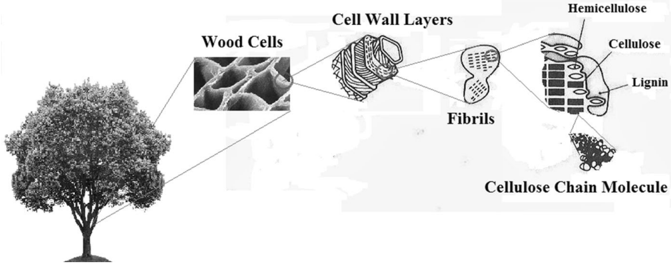
“Woody biomass often has higher cellulose, hemicellulose and lignin contents (Fig. 4) than biomass from herbaceous or grass species”
§ Biochar physicochemical properties: pyrolysis temperature and feedstock kind effects > 3.1 Volatile matter, carbon content and ash content
What the sources say
- Disputedcites Keiluweit et al. 2010 matched to “Dynamic Molecular Structure of Plant Biomass-Derived Black Carbon (Biochar)” (2010) sourceExperimental — accuracy not yet measured
The NEXAFS section attributes higher lignin content to woody material, but the Comparison of Precursor Materials section suggests grass has higher hemicellulose content—the opposite of the claim for that component. The cited passages do not establish that woody biomass has higher cellulose content. (LLM, conf=0.88)
Checked by a reasoning model — may be wrong.
- Not checked — no full text of the sourcecites Lupoi and Smith 2012 matched to “Characterization of Woody and Herbaceous Biomasses Lignin Composition with 1064 nm Dispersive Multichannel Raman Spectroscopy” (2012) source
hedgedstates an association- Asserted: passes — The authors put it forward as true.
- Checkable: passes — It can be checked against evidence.
- Load-bearing: unclear — It is unclear whether the paper’s conclusions depend on it.
- Based: passes — The paper gives a reason why it holds.
- Disputed
The cited sources support only part of this claim — read each source’s verdict below.
In the paper
“Numerous studies have proven that biochar increases the ability of soil to adsorb heavy metals and other contaminants, which is important for environmental protection and management”
- Also stated in: § 4.2 Inorganic and organic contaminates in soil · boosted
“Numerous studies have proven that biochar increases the ability of soil to adsorb heavy metals and other contaminants, which is important for environmental protection and management (Tomczyk et al. 2019;Wei et al. 2018).”
What the sources say
- Partly supportedcites Tomczyk et al. 2019 matched to “Biochar efficiency in copper removal from Haplic soils” (2019) sourceExperimental — accuracy not yet measured
The section ‘Amount of Cu adsorption on the soils as a function of biochar dose and pH value’ reports that adding biochar increased copper adsorption in the soils tested. The Conclusion limits the finding to copper in sandy and loess Haplic soils, with effective immobilization at acidic pH; it does not establish increased soil adsorption of other contaminants generally. (LLM, conf=0.86)
- Not checked — no full text of the sourcecites Wei et al. 2018 matched to “Biochar-based functional materials in the purification of agricultural wastewater: Fabrication, application and future research needs” (2018) source
boostedstates a cause- Asserted: passes — The authors put it forward as true.
- Checkable: passes — It can be checked against evidence.
- Load-bearing: passes — The paper’s conclusions depend on it.
- Based: passes — The paper gives a reason why it holds.
- Also stated in: § 4.2 Inorganic and organic contaminates in soil · boosted
The sources with a verdict support this claim; the rest weren’t checked yet, have no full text we could read, or their verdicts aren’t rated yet.
In the paper
“The pyrolysis temperature is strongly correlated with changes in the structure and physicochemical properties of biochar”
§ Biochar physicochemical properties: pyrolysis temperature and feedstock kind effects > 2 Effects of pyrolysis temperature
What the sources say
- Not checked — no full text of the sourcecites Asadullah et al. 2007 matched to “Production of bio-oil from fixed bed pyrolysis of bagasse” (2007) source
- Not checked — no full text of the sourcecites Chen et al. 2008 matched to “Transitional Adsorption and Partition of Nonpolar and Polar Aromatic Contaminants by Biochars of Pine Needles with Different Pyrolytic Temperatures” (2008) source
- Supportedcites Jindo et al. 2014 matched to “Physical and chemical characterization of biochars derived from different agricultural residues” (2014) source
The Conclusions state that pyrolysis temperature strongly influences biochar physicochemical properties. Section 3.4 also describes temperature-dependent changes in chemical composition and structure, supporting the structural part of the claim. (LLM, conf=0.93)
boostedstates an association- Asserted: passes — The authors put it forward as true.
- Checkable: passes — It can be checked against evidence.
- Load-bearing: passes — The paper’s conclusions depend on it.
- Based: passes — The paper gives a reason why it holds.
The cited sources support only part of this claim — read each source’s verdict below.
In the paper
“This was observed because the increasing temperature resulted in further cracking of the volatile fractions into low-molecular-weight liquids and gases instead of biochar”
§ Biochar physicochemical properties: pyrolysis temperature and feedstock kind effects > 2.3 Volatile matter
What the sources say
- Partly supportedcites Ronsse et al. 2012 matched to “Production and characterization of slow pyrolysis biochar: influence of feedstock type and pyrolysis conditions” (2013) sourceExperimental — accuracy not yet measured
The Discussion (page unavailable in our copy) reports that biochar’s volatile matter content declined as pyrolysis severity increased. The Proximate analysis section describes progressive devolatilization, and the Introduction identifies liquid and gaseous pyrolysis products. The paper does not establish the more specific explanation that volatile fractions underwent further cracking into low-molecular-weight liquids and gases instead of biochar. (LLM, conf=0.86)
plainstates a cause- Asserted: passes — The authors put it forward as true.
- Checkable: passes — It can be checked against evidence.
- Load-bearing: unclear — It is unclear whether the paper’s conclusions depend on it.
- Based: passes — The paper gives a reason why it holds.
- Partly supported
Every source the paper cites for this claim was checked and supports it.
In the paper
“increased pyrolysis temperature caused an increase of 5.7-18.7% in ash content”
§ Biochar physicochemical properties: pyrolysis temperature and feedstock kind effects > 2.4 Carbon content and ash content
What the sources say
- Supportedcites Rafiq et al. 2016 matched to “Influence of Pyrolysis Temperature on Physico-Chemical Properties of Corn Stover (Zea mays L.) Biochar and Feasibility for Carbon Capture and Energy Balance” (2016) source
Table 2 in Results and Discussion §4.1 reports ash content of 5.7%, 12.5%, and 18.7% at pyrolysis temperatures of 300°C, 400°C, and 500°C, respectively. The figures describe ash content rising from 5.7% to 18.7%, rather than a percentage increase of that magnitude. (LLM, conf=0.91)
plainstates a cause- Asserted: passes — The authors put it forward as true.
- Checkable: passes — It can be checked against evidence.
- Load-bearing: unclear — It is unclear whether the paper’s conclusions depend on it.
- Based: passes — The paper gives a reason why it holds.
- Supported
82 more claims · 15 with their cited sources checked
Create a free account to see all 156 claims and to verify the 11 references still open.
- It may state two separate claims as one. 60
- Probably not a substantial claim. 13
Claims other papers make about this one
Each is checked against this paper’s own text: does it say what the citing paper says it does?
The source backs part of the claim, not all of it — or backs it for a different population, condition or comparison.
In the citing paper
“For example, biochar with a high CEC retains more nutrients in soil by reducing nutrient loss through leaching (Tomczyk et al. 2020).”
From Biochar and its importance on nutrient dynamics in soil and plant (2020) · cites this paper as Tomczyk et al. 2020
Experimental — accuracy not yet measuredThe cited source says what the claim attributes to it.
In the citing paper
“the P and K contents increase due to an increase in ash content (Christel et al. 2016;Tomczyk et al. 2020;Wang et al. 2013).”
From Biochar and its importance on nutrient dynamics in soil and plant (2020) · cites this paper as Tomczyk et al. 2020
The cited source says what the claim attributes to it.
In the citing paper
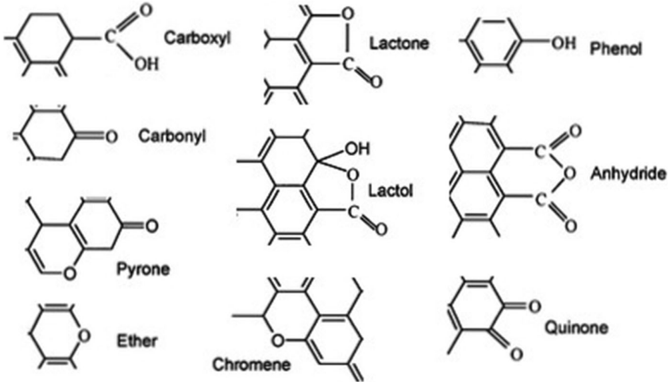
“The CEC of biochar is attributed to the generation of various functional groups, such as carboxyl and hydroxyl groups, during the pyrolysis of biomass (Tomczyk et al. 2020).”
From Biochar and its importance on nutrient dynamics in soil and plant (2020) · cites this paper as Tomczyk et al. 2020
In the citing paper
“Biochar also showed a positive impact on surface area of soil (Anawar et al. 2015), which varied with biochar types (Tomczyk et al. 2020).”
From Biochar and its importance on nutrient dynamics in soil and plant (2020) · cites this paper as Tomczyk et al. 2020
Citations
Cites
Pyrolysis of Wood/Biomass for Bio-oil: A Critical Review
Mohan, D., Pittman, C. U., & Steele, P. H. (2006) · Energy & Fuels · doi:10.1021/ef0502397 · Cited by 5,663
Biochar effects on soil biota – A review
Lehmann, J., Rillig, M. C., Thies, J., Masiello, C. A., Hockaday, W. C., & Crowley, D. (2011) · Soil Biology and Biochemistry · doi:10.1016/j.soilbio.2011.04.022 · Cited by 5,074
Biochar as a sorbent for contaminant management in soil and water: A review
Ahmad, M., Rajapaksha, A. U., Lim, J. E., Zhang, M., Bolan, N., Mohan, D., Vithanage, M., Lee, S. S., & Ok, Y. S. (2014) · Chemosphere · doi:10.1016/j.chemosphere.2013.10.071 · Cited by 4,662 · cited 4×
“As a result, the structure of biochar appears to have more organized C layers (like graphene structure) and less content of surface functional groups when pyrolysis temperature increases (Ahmad et al. 2014b).”
BackgroundInfluentialDynamic Molecular Structure of Plant Biomass-Derived Black Carbon (Biochar)
Keiluweit, M., Nico, P. S., Johnson, M. G., & Kleber, M. (2010) · Environmental Science & Technology · doi:10.1021/es9031419 · Cited by 3,230
Bio-char Sequestration in Terrestrial Ecosystems – A Review
Lehmann, J., Gaunt, J., & Rondon, M. (2006) · Mitigation and Adaptation Strategies for Global Change · doi:10.1007/s11027-005-9006-5 · Cited by 3,053
Structure Determination of Organic Compounds
Pretsch, E., Bühlmann, P., & Affolter, C. (2000) · Springer eBooks · doi:10.1007/978-3-662-04201-4 · Cited by 3,026
Biochar for environmental management: science and technology
(2009) · Choice Reviews Online · doi:10.5860/choice.47-0296 · Cited by 2,949
Glaser, B., Lehmann, J., & Zech, W. (2002) · Biology and Fertility of Soils · doi:10.1007/s00374-002-0466-4 · Cited by 2,890 · cited 3×
“However, Glaser et al. (2002) reported that Amazonian charcoal-rich anthrosols had a field water retention capacity 18.0% higher than that of surrounding soil without charcoal.”
BackgroundInfluentialSustainable biochar to mitigate global climate change
Woolf, D., Amonette, J. E., Street-Perrott, F. A., Lehmann, J., & Joseph, S. (2010) · Nature Communications · doi:10.1038/ncomms1053 · Cited by 2,680
Compant, S., Clément, C., & Sessitsch, A. (2010) · Soil Biology and Biochemistry · doi:10.1016/j.soilbio.2009.11.024 · Cited by 2,318
Research works printed but not linked: 10
- 39. Chen T, Zhang Y, Wang H, Lu W, Zhou Z, Zhang Y, Ren L (2015) Influence of pyrolysis temperature on characteristic and heavy metal adsorptive performance of biochar derived from municipal sewage sludge. Bioresour Technol 164:47-54 · DOI · Paper page
- 51. Denyes MJ, Parisien MA, Rutter A, Zeeb BA (2014) Physical, chemical and biological characterization of six biochar produced for the remediation of contamined soils. J Vis Exp 93:52183
- 56. Duong VT, Khanh NM, Nguyen NH, Phi NN, Nquyen T-C, Xo DH (2017) Impact of biochar on the water holding capacity and moisture of basalt and grey soil. J Sci Ho Chi Minh City Open Univers 7:36-43
- 58. El-Gamal E, Saleh M, Elsokkary I, Rashad M, Abd El-Latif MM (2017) Comparison between properties of biochar pro- duced by traditional and controlled pyrolysis. J Alex Sci Exch 38:413-424
- 66. Gerlach H (2014) Biochar in poultry farming. The Biochar Journal, Arbaz, Switzerland, www.biocharjournal.org/en/ ct/10
- 71. Guo M, Shen Y, He Z (2012) Poultry litter-based biochar: preparation, characterization, and utilization. In: He Z (ed) Applied research in animal manure management: chal- lenges and opportunities beyond the adverse environmental impacts. Nova Science Publishers, Hauppauge, NY, pp 171-202
- 114. Lewandowski W, Radziemska M, Ryms E, Ostrowski P (2010) Nowoczesne metody termochemiczne konwersji biomasy w paliwa gazowe, ciekłe i stałe. Proceedings of ECOpole 4 (2) (in Polish)
- 128. Malin ´ska K (2012) Biowe ˛giel odpowiedzia ˛na aktualne problem ochrony s ´rodowiska. In_ zynieria i ochrona s ´rodowiska 15:387-403 (in Polish)
- 203. Woolf D (2008) Biochar as a soil amendment: a review of the environmental implications. Swansea University, School of the Environment and Society. http://orgprints.org/13268
- 215. Yu H, Zhang Z, Li Z, Chen D (2014) Characteristic of tar for- mation during cellulose, hemicellulose and lignin gasifi- cation. Fuel 118:25-256
Cited by
Items 2,301–2,400 of 2,909
Alotaibi, K. D., Aloud, S. S., Alharbi, H. A., & Al-Modaihsh, A. S. (2024) · Advances in Science, Technology & Innovation/Advances in science, technology & innovation · doi:10.1007/978-3-031-47079-0_29 · Cited by 1
Zhang, Z., Xu, B., Guo, X., & Guo, Y. (2024) · Frontiers research topics · doi:10.3389/978-2-8325-4666-6 · Cited by 1
Mansoor, M. S., Mishra, A., Lokhat, D., & Meikap, B. C. (2024) · Journal of Environmental Science and Health Part A · doi:10.1080/10934529.2024.2329033 · Cited by 1
Characterization and evaluation of different biochars as soil amendment under a polluted environment
Mashwani, Z., Younas, Z., Tanveer, K., Ikram, M., & Raja, N. I. (2024) · Elsevier eBooks · doi:10.1016/b978-0-443-21562-9.00011-6 · Cited by 1
Kaur, H., Prince, D., Kaushal, S., & Shubham, S. (2024) · Asian Research Journal of Agriculture · doi:10.9734/arja/2024/v17i2449 · Cited by 3
Dhinesh, R., Aruna, S., Manikandavelu, D., Ravaneswaran, K., Kirthiga, S. S., Al‐Ghanim, K. A., & Kamaraj, C. (2024) · Journal of Chemical Technology & Biotechnology · doi:10.1002/jctb.7664 · Cited by 4
Sangotoye, S. E., Atere, C. T., Taiwo, L. B., & Olayinka, A. (2024) · Journal of Plant Nutrition · doi:10.1080/01904167.2024.2354193 · Cited by 5
“Biochar, obtained by pyrolyzing organic materials at high temperatures under limited or no oxygen supply (Tomczyk, Sokołowska, and Boguta 2020) is another organic amendment that can help reduce problem of rapid nutrient mineralization and poor nutrient retention associated with tropical soils.”
Use of Agricultural Biomass to Produce Low-Cost Adsorbent for Sustainable Environmental Management
Mehta, A., Kathuria, T., Puri, P., & Kumar, S. (2024) · Springer eBooks · doi:10.1007/978-981-99-7552-5_65 · Cited by 1
Recent Advances in Applications of Engineered Biochar for Wastewater Treatment
Zafar, S., Razzaq, A., Khalid, S., Tariq, T. Z., Fatima, R., Rabbani, F., Imran, M., Al‐Kahtani, A. A., Murtaza, B., Niazi, N. K., et al. (2024) · ACS symposium series · doi:10.1021/bk-2024-1478.ch005 · Cited by 3
Ribeiro, W. B., & Brandalise, R. N. (2024) · Journal of Elastomers & Plastics · doi:10.1177/00952443241289831 · Cited by 3
“33,34”
The Role of Biochar in the Era of Ecological Sustainability
Duwiejuah, A. B. (2024) · Circular economy and sustainability · doi:10.1007/978-3-031-66007-8_23 · Cited by 1
Sarkar, R., Basak, B. B., Banerjee, A., Mosaffa, E., & Bhowmik, A. (2025) · Journal of Applied Research on Medicinal and Aromatic Plants · doi:10.1016/j.jarmap.2025.100624 · Cited by 4
Ugbune, U., Edo, G. I., Avwenaghegha, J. O., & Oghoje, S. U. (2025) · Proceedings of the Indian National Science Academy · doi:10.1007/s43538-025-00397-z · Cited by 1
“Charcoal composed of some mineral matter (ash) and, surface charge at a reduced pH values (Tomczyk et al. 2020).”
Shammi, M., & Akter, B. (2025) · Elsevier eBooks · doi:10.1016/b978-0-443-29855-4.00004-7 · Cited by 2
Chen, Q., Jiang, J., Lin, J., Wang, X., Chen, K., Huang, X., Huang, J., Wang, C., Hu, Z., & Xu, H. Y. (2025) · Journal of Applied Polymer Science · doi:10.1002/app.56894 · Cited by 1
INNOVATIVE PYROLYSIS REACTOR DESIGN FOR ENHANCED PERFORMANCE AND SUPERIOR BIOCHAR QUALITY
Vlăduțoiu, L., Cristea, M., Nenciu, F., VLĂDUT, N.-V., Olan, M., GRIGORE, I., SORICĂ, C. M., Vanghele, N. A., & CRISTEA, O.-D. (2025) · INMATEH Agricultural Engineering · doi:10.35633/inmateh-75-35 · Cited by 1
Guo, J., Zhou, H., Jia, L., Wang, Y., Fan, M., & Shi, X. (2025) · Agronomy · doi:10.3390/agronomy15040945 · Cited by 1
Jahiding, M., Mashuni, M., Hasan, E. S., & Hamid, F. H. (2025) · Chemical Papers · doi:10.1007/s11696-025-04080-x · Cited by 2
“Increasing temperature causes a decrease in volatile matter content (Crombie et al. 2013; Tomczyk et al. 2020), according to this study, namely 17.04 wt% (400 °C) and 13.49 wt% (500 °C).”
Influentialsalem, M. B., Abdelouahed, L., Taouk, B., & Bouaziz, M. A. (2025) · Journal of Analytical and Applied Pyrolysis · doi:10.1016/j.jaap.2025.107203 · Cited by 3
Biochar Integration Sustaining Carbon-Nutrient Cycling and Soil Restoration
Sharma, R., Nath, S., ALI, S. K. A., Kumar, N. V., Bharadwaj, A., Hameed, R., Abbas, A., Singh, S. V., & Singh, Y. (2025) · Sustainability Sciences in Asia and Africa · doi:10.1007/978-981-96-7699-6_19 · Cited by 5
Usowicz, B., & Lipiec, J. (2025) · International Agrophysics · doi:10.31545/intagr/205565 · Cited by 1
Applying Compost Biochar for Gas Adsorption—Effects of Pyrolysis Conditions
Stegenta-Dąbrowska, S., Galik, M., Bednik, M., Syguła, E., & Kosiorowska, K. E. (2025) · Molecules · doi:10.3390/molecules30163365 · Cited by 4
“Moreover, as noted by Tomczyk et al. 2020 [26], the increasing trend of certain mineral components in biochars, such as calcium, potassium, sodium, and magnesium, is related to the rise in pyrolysis temperature.”
Collins, B. A., Birzer, C. H., Kidd, S. P., Hall, T., & Medwell, P. R. (2025) · Bioresource Technology Reports · doi:10.1016/j.biteb.2025.102219 · Cited by 1
Mobasser, S., Olanrewaju, T. O., Jafvert, C. T., Johnston, C. T., & Engelberth, A. S. (2025) · Bioresources and Bioproducts · doi:10.3390/bioresourbioprod1010005 · Cited by 2
“These findings are also corroborated by the review by Tomczyk et al. [34], which summarizes that across various biomass feedstocks, elevated pyrolysis temperatures consistently yield biochars with higher fixed carbon and ash fractions.”
Study of land suitability for rubber and cashew in the derived savanna zone of Edo State, Nigeria
Agbogun, L., Umweni, A. S., Kadiri, H., et al. (2021) · Ilmu Pertanian (Agricultural Science) · doi:10.22146/ipas.65285 · Cited by 1
Influence of process parameters for production of biochar: A potential tool for an energy transition
Samal, B., Vanapalli, K. R., Dubey, B., & Bhattacharya, J. (2021) · Advances in chemical pollution, environmental management and protection · doi:10.1016/bs.apmp.2021.08.009 · Cited by 1
Maiyo, A. K., Kibet, J. K., & Kengara, F. O. (2022) · Bulletin of the National Research Centre/Bulletin of the National Research Center · doi:10.1186/s42269-022-00715-1 · Cited by 2
“In addition, wood-based biochar—the type applied herein—has some advantages such as high surface area and lower ash content compared to other biochars (Tomczyk et al. 2020).”
BackgroundPark, J.-H., Yun, J.-J., Cho, H.-N., Lee, S., Kim, S.-H., Cho, J.-S., & Kang, S. (2021) · 한국토양비료학회지 · doi:10.7745/kjssf.2021.54.4.478 · Cited by 2
“바이오차의 pH는 원재료와 열분해 온도에 따라서 달라지지만, 일반적으로 고온에서 제조되기 때문에 열분해를 통한 유기물 감소 와 염기성 표면 산화물 형성 등으로 인해 pH가 증가된다 (Rehrah et al., 2014; Tomczyk et al., 2020).”
Utilization of Langsat Fruit Peel Waste to Adsorb Metal Contents from Acid Mine Drainage
Ni`mah, L., Juliastuti, S. R., & Mahfud, M. (2022) · Journal of Hunan University Natural Sciences · doi:10.55463/issn.1674-2974.49.5.8 · Cited by 2
Engineered Biochar: Sink and Sequestration of Carbon
Rawat, N., Nautiyal, P., Kumar, M., Vimal, V., & Karim, A. A. (2022) · Springer eBooks · doi:10.1007/978-981-19-2488-0_12 · Cited by 1
Carbonization of oil palm empty fruit bunches in a fixed- bed pyrolysis reactor for community use
Saipanya, I., Homdoung, N., Sasujit, K., Ramaraj, R., & Tippayawong, N. (2022) · AIP conference proceedings · doi:10.1063/5.0128772 · Cited by 2
Role of Biochar in Sustainable Agriculture
Saleem, M., Iftikhar, H., Akram, M., Naqi, N., Bibi, S. N., Riaz, A., Fatima, H., Nadeem, A., Tasawwar, L., Gul, M., et al. (2025) · Sustainable landscape planning and natural resources management · doi:10.1007/978-3-031-73154-9_11 · Cited by 2
Bydén, W., & Fridlund, D. (2020) · KTH Publication Database DiVA (KTH Royal Institute of Technology) · Cited by 3
Hollas, B. (2001) · Principal · Cited by 3
Conversion of Cud and Paper Waste to Biochar Using Slow Pyrolysis Process and Effects of ParametersPreprint
Takele, T. N., sundar, S., Awoke, K., Tesfaye, A., & Getu, E. (2022) · SSRN Electronic Journal · doi:10.2139/ssrn.4093732 · Cited by 1
Purhanudin, N., Idris, F. M., & Pallan, N. F. B. (2022) · Research Square · doi:10.21203/rs.3.rs-2239940/v1 · Cited by 2
Keller, D. A. (2022) · San José State University ScholarWorks (San Jose State University) · doi:10.31979/etd.edfx-t8z3 · Cited by 2
“, beneficial microbiota or water retention) (Tomczyk et al. 2020).”
Comparative Study of Biochar and Charcoal and Their Application in the Construction IndustryPreprint
Yadav, K., & Sharma, R. L. (2023) · Research Square · doi:10.21203/rs.3.rs-2790644/v1 · Cited by 1
Design of Bifunctional Nanocatalysts for Biomass ProcessingPreprint
Matveeva, V. G., & Bronstein, L. M. (2023) · Preprints.org · doi:10.20944/preprints202305.1287.v1 · Cited by 1
Utilization of Rice Husk in Energy Storage and Energy Conservation Devices: A ReviewPreprint
Nigrawal, A., sharma, A. K., Taiwade, K., Chandel, V., & Haque, F. Z. (2023) · SSRN Electronic Journal · doi:10.2139/ssrn.4627602 · Cited by 2
Marsolla, L. D., Brito, G. M., Freitas, J. C. C., & Coelho, E. R. C. (2024) · SSRN Electronic Journal · doi:10.2139/ssrn.4769531 · Cited by 1
Zabaleta, R., Torres, E., Sanchez, E. Y., Torres-Sciancalepore, R., Fabani, M. P., Mazza, G., & Rodríguez, R. (2024) · Preprints.org · doi:10.20944/preprints202407.0589.v1 · Cited by 1
Utilization of Agricultural wastes as biochar’s and pozzolanic ashes in cementitious blendsPreprint
Commeh, M. K., Thiedeitz, M., Acheampong, B., Ashley, N. N. K., Gafah, G., Tsitsi, J. M., Acheampong, S., Tsekpo, E., Ess, R. N. V., & Barnor-Arthur, J. O. (2024) · Research Square · doi:10.21203/rs.3.rs-4979519/v1 · Cited by 1
The Applying Composts' Biochar for Gas Adsorption- Effect of Pyrolysis ConditionsPreprint
Stegenta-Dąbrowska, S., Galik, M., Bednik, M., Syguła, E., & Kosiorowska, K. E. (2025) · SSRN Electronic Journal · doi:10.2139/ssrn.5081115 · Cited by 1
Engineering Biochar–Polymer Interactions for Sustainable Composite Applications: A ReviewPreprint
Hoque, M. M. U., Bakri, M. K. B., Chanda, A., et al. (2026) · SSRN Electronic Journal · doi:10.2139/ssrn.6459422 · Cited by 1
Application of Biochar for Treating the Water Contaminated with Polar Halogenated Organic Pollutants
Kamenická, B., Matějíček, P., Weidlich, T., & Pohořelý, M. (2020) · IntechOpen eBooks · doi:10.5772/intechopen.92760
Akingbola, O. O., Dayo-Olagbende, O. G., & Ojeniyi, S. O. (2020) · Sustainability in Food and Agriculture · doi:10.26480/sfna.02.2020.64.68
The potency of biochar to improve water quality in tidal swampland
Hairani, A., Susilawati, A., Alwi, M., & NOOR, M. A. M. (2021) · IOP Conference Series Earth and Environmental Science · doi:10.1088/1755-1315/648/1/012184
Studi Kesukaan Sensoris Aplikasi Tepung Asap Cair Cangkang Sawit dan Optimasinya Pada Mie Goreng
Kurniawan, E. W. (2021) · Buletin Loupe · doi:10.51967/buletinloupe.v17i01.457
Wijana, S., Setyawan, H. Y., Permata, M., Pranowo, D., & Santoso, I. (2021) · SSRN Electronic Journal · doi:10.2139/ssrn.3906007
Biochar for modification of manure properties
Thiele‐Bruhn, S., & Ngigi, A. N. (2021) · Advances in chemical pollution, environmental management and protection · doi:10.1016/bs.apmp.2021.08.006 · Cited by 1
Li, W., Meng, J., Zhang, Y., et al. (2021) · SSRN Electronic Journal · doi:10.2139/ssrn.3983076
Utility of Surface-Modified Biochar for Sequestration of Heavy Metals in Water
Parameswari, E., Kalaiarasi, R., Davamani, V., Ilakiya, T., Kalaiselvi, P., & Sebastian, S. P. (2021) · Springer eBooks · doi:10.1007/978-981-16-4059-9_2
CHARACTERISTICS OF WOOD SAWDUST-DERIVED BIOCHAR: POTENTIAL AS ADSORBENT MATERIAL
Lima, D. D. A. V., REZENDE, F. A., & Fungaro, D. A. (2022) · Southern Brazilian Journal of Chemistry International Virtual Conference · doi:10.48141/sbjchem.21scon.11_abstract_lima_ipen.pdf
Frimpong-Manso, J., & Abdul-Ganiyu, S. (2022) · doi:10.17501/26827018.2021.6104
Conversion of Cud and Paper Waste to Biochar Using Slow Pyrolysis Process and Effects of ParametersPreprint
Takele, T. N., Tesfaye, A., Awoke, K., et al. (2022) · Research Square · doi:10.21203/rs.3.rs-1410450/v1
Herts, А. І., Конончук, О. Б., Herts, N. V., Pidlisnyuk, V. V., Khomenchuk, V. O., & Пида, С. В. (2022) · Fiziologia rastenij i genetika · doi:10.15407/frg2022.02.161
Gopinandhan, T. N., Channabasamma, B. B., Sandeep, T. N., CHANDRASEKAR, N., SHRUTHI, H., & Nagaraja, J. S. (2022) · Asian Journal of Microbiology Biotechnology and Environmental Sciences · doi:10.53550/ajmbes.2022.v24i02.009
Application of Biochar from Waste for Carbon Dioxide Sequestration and Sustainable Agriculture
Shalini, S. S., Palanivelu, K., & Ramachandran, A. (2022) · Springer eBooks · doi:10.1007/978-3-030-98241-6_6 · Cited by 1
Benz, G. T. (2022) · doi:10.1002/9781119815525.ch10
El-Helece, W. A. (2022) · Journal of Physics Conference Series · doi:10.1088/1742-6596/2305/1/012032
“Thermal ignition in an inert atmosphere or law oxygen content of these residues gives a certain amount active carbon [2].”
BackgroundDong, Z., Bai, X., Xu, D., et al. (2022) · SSRN Electronic Journal · doi:10.2139/ssrn.4191315
Biochar: A Sustainable Approach Towards Environmental Remediation
Jha, S., Patel, J., Shahabuddin, S., & Gaur, R. (2022) · Springer Proceedings in Materials · doi:10.1007/978-981-19-2572-6_24 · Cited by 1
The effect of biochar on the salinity reduction in mung bean plantPreprint
Norolahi, Z., Farasati, M., & Moghaddam, A. N. (2022) · Research Square · doi:10.21203/rs.3.rs-2167340/v1
Characteristics Study of Daily Soil Cover in Pulau Burung Landfill, Penang
Mohamad, M., Osman, N. H., Rahim, M. K. I. A., et al. (2022) · Materials science forum · doi:10.4028/p-5z46oe
“The decrease in CEC is due to the removal of surface functional groups and the formation of aromatic carbon [24].”
BackgroundRodrigues, A. R. F., Maia, M. R. G., Cabrita, A. R. J., Oliveira, H. M., Valente, I. M., Pereira, J. L. S., Trindade, H., & Fonseca, A. J. M. (2023) · IntechOpen eBooks · doi:10.5772/intechopen.108952 · Cited by 6
Biochar and Chicken Manure Compost
Rosman, N. Z. I. B., & Jamaludin, N. S. (2022) · Springer eBooks · doi:10.1007/978-3-030-83783-9_51-1
ESTUDO ESTATÍSTICO DA PIRÓLISE DA CASCA DA MORINGA OLEIFERA PARA PRODUÇÃO DE MATERIAIS ADSORVENTES
da Silva, C. H., & Scaliante, M. H. N. O. (2022) · doi:10.29327/166591.2-36
Biogeochemistry of arsenic and lead in sediment and water amended with biochar
Soares, M. B. (2023) · Digital Library of Theses and Dissertations (Universidade de São Paulo) · doi:10.11606/t.11.2023.tde-10022023-100933
Boostani, H. R., Hardie, A. G., Najafi‐Ghiri, M., et al. (2023) · Research Square · doi:10.21203/rs.3.rs-2628368/v1
Dissolution Characteristics of Ammonium and Nitrate in Soil with Bottom Ash from Biomass Power Plant
Kim, S.-H., Lee, S., Park, J.-H., Yun, J.-J., Kang, S., & Cho, J.-S. (2023) · 한국토양비료학회지 · doi:10.7745/kjssf.2023.56.1.060 · Cited by 2
Anaerobik Parçalanma Prosesinin Zenginleştirilmesinde Katkı Maddesi Olarak Biyoçar
GÜNEÇ, C., TEKER, C., KOBAK, Z., Yılmaz, F., & Perendeci, N. A. (2023) · JENAS Journal of Environmental and Natural Studies · doi:10.53472/jenas.1190980 · Cited by 1
Muhammad, M., & Sofyan, N. (2023) · AIP conference proceedings · doi:10.1063/5.0115196
Study of biochar for salinity adsorption in barly plantPreprint
Norolahi, Z., Farasati, M., & Moghaddam, A. N. (2023) · Research Square · doi:10.21203/rs.3.rs-2988096/v1
O USO DO CARVÃO DE BAMBU PARA REMOÇÃO DE CONTAMINANTES EM ÁGUA
Abel, L. G. C., Rocha, K. D. O., & Gava, M. (2023) · Revista Multidisciplinar de Educação e Meio Ambiente · doi:10.51189/integrar/rema/3747
Activated bamboo charcoal and açaí waste to remove contaminants – a review
Abel, L. G. C., do Rosário, F. S., Rocha, K. D. O., Morales, E. A. M., Araújo, V. A. D., Barbosa, J. C., & Gava, M. (2023) · Revista Agraria Academica · doi:10.32406/v6n2/2023/84-100/agrariacad · Cited by 1
“This fact is explained by the large volumes of ash that block the activated carbon pores and hamper the adsorption process (LEE et al., 2014; TOMCZYK et al., 2020).”
BackgroundPaul, D., Kasera, N., Hall, S., Kolar, P., Sarker, M., & Sinitskii, A. S. (2023) · SSRN Electronic Journal · doi:10.2139/ssrn.4503830
Role of biochar and modified biochar for effective removal of heavy metals
Chugh, P., Kapoor, R., Batra, L., & Singh, R. (2023) · Elsevier eBooks · doi:10.1016/b978-0-443-14013-6.00006-8
Machine Learning-Guided Biochar Design for Antibiotics AdsorptionPreprint
Li, J., Pan, L., Huang, Y., Liu, X., Ye, Z., & Wang, Y. (2023) · SSRN Electronic Journal · doi:10.2139/ssrn.4569092
Gabetto, F. P. (2023) · Digital Library of Theses and Dissertations (Universidade de São Paulo) · doi:10.11606/d.11.2023.tde-12092023-155305
Poonia, P., Gaur, L., & Panwar, N. L. (2023) · Research Square · doi:10.21203/rs.3.rs-3344041/v1
Influence of Biochar on Growth, Yield and Quality of Broccoli
Zannatul, H. B. F., Akter, A., Ferzana, I., Abdul, H., & J, G. (2023) · International Journal of Advanced Research in Science Communication and Technology · doi:10.48175/ijarsct-13107 · Cited by 1
Yang, H., Mo, R., Hu, P., Liu, X., Liu, Y., Cui, J., & Xiao, Y. (2023) · SSRN Electronic Journal · doi:10.2139/ssrn.4597364
Variables psicológicas que inciden en la alfabetización digital
Morcillo, M. R., Ángel, N. G., & Rubio, I. M. (2023) · Dykinson eBooks · doi:10.14679/2150
Wang, Y., Feng, H., Li, N., et al. (2023) · SSRN Electronic Journal · doi:10.2139/ssrn.4610780
Physicochemical Properties of Temperature-/pH-Sensitive Hydrogel Materials
Bańkosz, M., Sala, K., Grzela, K., Wanat, D., Rzepka, K., Iglar, M., Piątkowski, J., Woźniak, A., Kędzierska, M., & Tyliszczak, B. (2023) · International Electronic Conference on Chemical Sensors and Analytical Chemistry (CSAC) · doi:10.3390/csac2023-15166
“When these materials are exposed to these factors, properties such as porosity and hydrophilicity of hydrogels can regulate the loading and release of drugs in a controlled manner, thereby finding utility in drug delivery systems [11,12].”
BackgroundImpact of Biochar Applications on Tropical Soils under Different Land-use Regimes
Muhamad, K., Ogbonnaya, U. O., Quinton, J. N., & Semple, K. T. (2023) · Sustainable Agriculture Research · doi:10.5539/sar.v13n1p14
“There are often low negative surface charges on high temperature biochar, due to dehydration and de-oxidation of the H-and O-containing functional groups and can have little or no effect on the CEC of soils (Tomczyk et al. 2020).”
BackgroundCaracterização de substrato e de biocarvão derivado de resíduo madeireiro
Lima, D. D. A. V. (2023) · Digital Library of Theses and Dissertations (Universidade de São Paulo) · doi:10.11606/d.85.2023.tde-13112023-131537 · Cited by 1
SYNTHESIS OF BIOCHAR PRODUCTION FROM WOOD WASTES USING SEMI-INDIRECT NON-ELECTRIC PYROLYTIC REACTOR
Prabha, B., SUBRAMANIAN, P., & Pugalendhi, S. (2023) · Pollution Research · doi:10.53550/pr.2023.v42i04.015 · Cited by 1
“The yield of biochar from wood wastes are vary based on the types of wood, as well as process conditions (Guida et al. (2020) and Tomczyk et al .”
BackgroundGemeiner, P., Sarakhman, O., Hatala, M., et al. (2024) · SSRN Electronic Journal · doi:10.2139/ssrn.4662615
The Effect of Biochar on the Salinity Reduction in Mung Bean Plant
(2023) · Journal of Genetic Engineering and Biotechnology Research · doi:10.33140/jgebr.05.03.08
“Most reported positive effects of biochar application are context-dependent but some studies even reported negative effects of biochar on crop growth and soil properties [12-15].”
BackgroundProperties, agronomic uses and public perceptions of faecal sludge biochar
Nicholas, L. (2023) · Cronfa (Swansea University) · doi:10.23889/suthesis.65510
Forero, J. A. J. (2023) · Queensland University of Technology · doi:10.5204/thesis.eprints.246104 · Cited by 1
USE OF BIOCHAR FROM NON-NATIVE TREES AS A GROWING MEDIA COMPONENT FOR BASIL
Flores‐Mangual, M. L., Pagán-Lopéz, M. A., & Román-Aponte, E. A. (2023) · The Journal of Agriculture of the University of Puerto Rico · doi:10.46429/jaupr.v107i2.21240
Influence of Biochar on Cd Bioavailability in Agricultural Soil-Plant Systems: A Meta-AnalysisPreprint
Zhang, F., Hu, B., Pang, M., Chen, Y., Meng, L., Song, W., Feng, Y., & Ma, Y. (2024) · SSRN Electronic Journal · doi:10.2139/ssrn.4717829
EFFECT OF ORANGE PEEL BIOCHAR ON THE FERTILITY OF THREE TYPES OF SOIL
Galindo-Segura, L. A., Pérez‐Vázquez, A., Ramírez-Martínez, A., López-Romero, G., & Gómez‐Merino, F. C. (2024) · Agrociencia · doi:10.47163/agrociencia.v58i1.2727
Comment on egusphere-2023-2687
Boostani, H. R., Hardie, A. G., Najafi‐Ghiri, M., et al. (2024) · doi:10.5194/egusphere-2023-2687-rc2
Comment on egusphere-2023-2687
Boostani, H. R., Hardie, A. G., Najafi‐Ghiri, M., et al. (2024) · doi:10.5194/egusphere-2023-2687-ec1
Metadata
- Authors
- Tomczyk, A., Sokołowska, Z., & Boguta, P.
- Affiliations
- Institute of Agrophysics, Polish Academy of Sciences (PL)
- Corresponding author
- Tomczyk, Agnieszka
- Venue
- Reviews in Environmental Science and Bio/Technology
- Published
- 2020-02-05
- Volume
- 19
- Issue
- 1
- Pages
- 191-215
- ISSN
- 1569-1705 (ISSN-L)
- 1572-9826
- OpenAlex
- W3004850069
- Semantic Scholar
- 6c053f4f737e2b53804c4d5aa53f4b80224a386d
- Cited by
- 2,948
- References
- 217
- Citations by year
- 2026: 613 · 2025: 679 · 2024: 573 · 2023: 435 · 2022: 355 · 2021: 216 · 2020: 76
- FWCI
- 84.93
- Type
- journal article
- Language
- en
- Open access
- hybrid
- doi.org
- Licence
- cc-by
- creativecommons.org/licenses/by/4.0 (tdm)
- creativecommons.org/licenses/by/4.0 (vor)
- Locations
- Reviews in Environmental Science and Bio/Technology (publishedVersion, cc-by)
- Funders
- Narodowe Centrum Badań i Rozwoju (BIOSTRATEG3/345940/7/NCBR/2017)
- Topics
- Physical Sciences › Energy › Fuel Technology › Thermochemical Biomass Conversion Processes
- Life Sciences › Agricultural and Biological Sciences › Soil Science › Soil Carbon and Nitrogen Dynamics
- Physical Sciences › Environmental Science › Water Science and Technology › Adsorption and biosorption for pollutant removal
- Keywords
- biochar, pyrolysis temperature, biomass feedstock, physicochemical properties, cation exchange capacity, specific surface area, pore volume, ash content, carbon content, volatile matter, soil fertility, liming, carbon sequestration, pollution remediation, crop residues, woody biomass
About these checks
Registry, retraction, Cites and statistics results are computed, not judged, with one exception: a printed reference that no index lists is read once by a model before it counts as a citation error. Claims are extracted by a model and kept only when their quote appears verbatim in the text; each cited source is then checked, with a model’s help, for whether it says what the claim relies on. Those verdicts can be wrong — read the claim’s quote and the cited source before relying on one.
The claim verdicts this report counts are experimental: their accuracy is not yet measured.
A language model drew the claims from the paper on 2026-10-11, under version 3 of the claim definition (model deepseek-v4.1-flash, prompt extract-v3).
A second model labelled each claim on 2026-10-11 (model jev-1.13-20260917, definition revision gold-guideline-v0.2).
Cited sources are checked with a language model’s help (gpt-6-sol).
Statistics and arithmetic are recomputed, not judged.
Confidence bands are shown only for fields calibrated on our annotated test set. None is calibrated yet, so no band is shown.
What counts as a claim ›How we measure confidence ›How we check this ›
Are you an author, or do you see a problem with this page? Request a review
Data sources
Bibliographic data: Semantic Scholar, OpenAlex, Crossref.
Contains information from the Semantic Scholar Academic Graph Datasets, made available under the ODC Attribution License (ODC-BY 1.0).
Semantic Scholar’s data is described in: Kinney, R., et al. (2023). The Semantic Scholar Open Data Platform. arXiv:2301.10140.
