

The DOI matches its Crossref record; 228 of the 228 references it cites were found in a registry or an index.
The potential of P2X7 receptors as a therapeutic target, including inflammation and tumour progression
Open accessAbstract
Seven P2X ion channel nucleotide receptor subtypes have been cloned and characterised. P2X7 receptors (P2X7R) are unusual in that there are extra amino acids in the intracellular C terminus. Low concentrations of ATP open cation channels sometimes leading to cell proliferation, whereas high concentrations of ATP open large pores that release inflammatory cytokines and can lead to apoptotic cell death. Since many diseases involve inflammation and immune responses, and the P2X7R regulates inflammation, there has been recent interest in the pathophysiological roles of P2X7R and the potential of P2X7R antagonists to treat a variety of diseases. These include neurodegenerative diseases, psychiatric disorders, epilepsy and a number of diseases of peripheral organs, including the cardiovascular, airways, kidney, liver, bladder, skin and musculoskeletal. The potential of P2X7R drugs to treat tumour progression is discussed.
Overview
The claims and statistics of this paper haven’t been checked yet.
Run the check — free, no account needed. It reads the open-access text and checks the sources it cites.
Integrity signals
Registry
Cites
Statistics
Figures
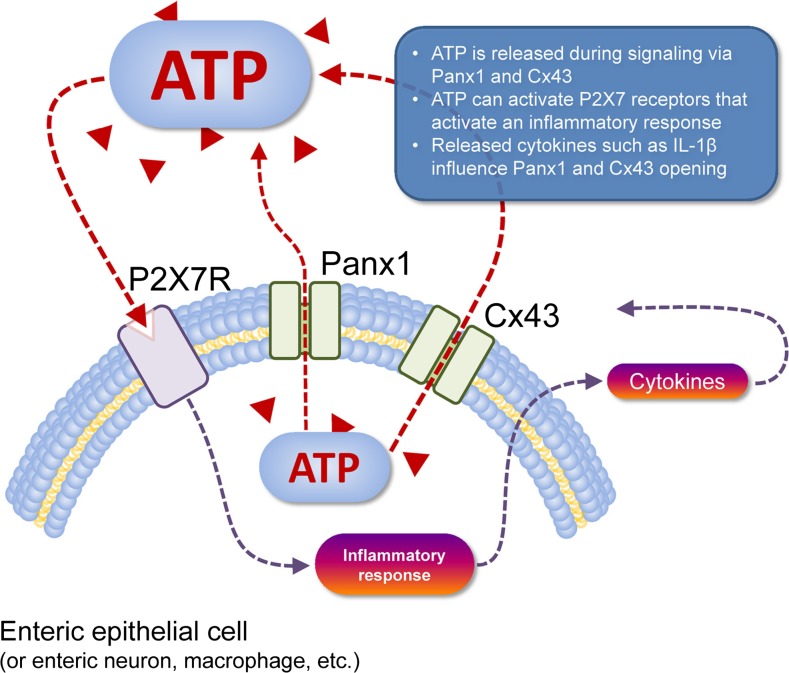
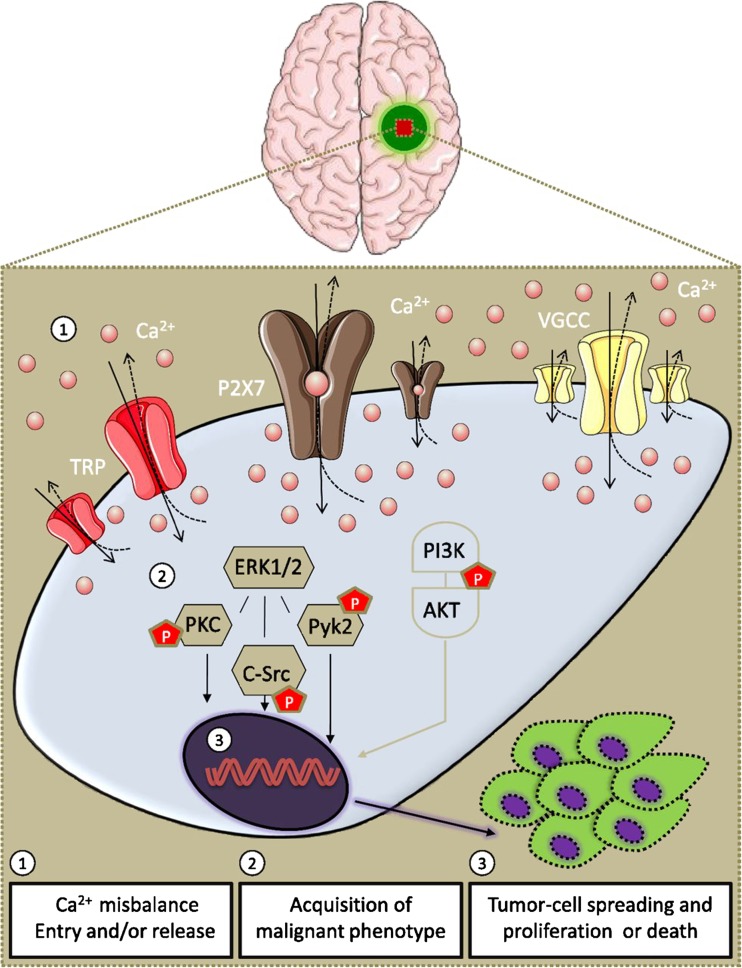
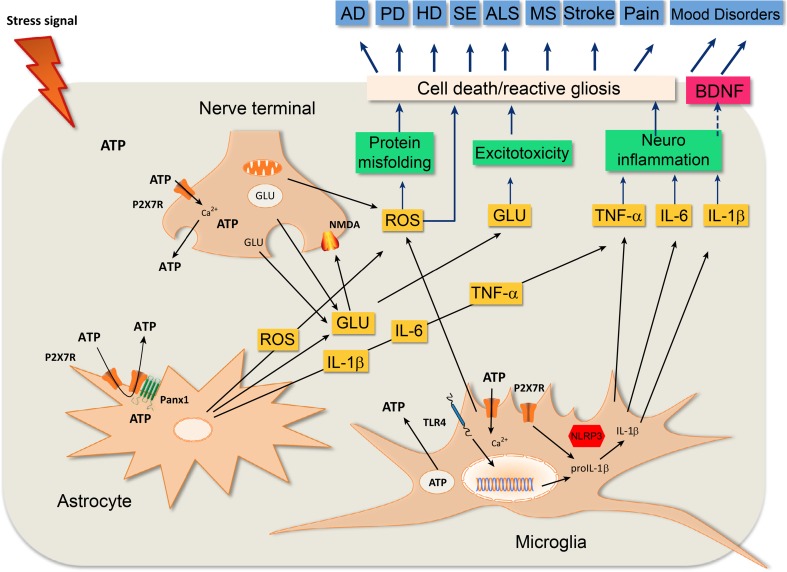
Verification
Claims the paper makes
The claims and statistics of this paper haven’t been checked yet.
Run the check — free, no account needed. It reads the open-access text and checks the sources it cites.
Claims other papers make about this one
Each is checked against this paper’s own text: does it say what the citing paper says it does?
In the citing paper
“P2X7R-mediated effects, which mainly occurs through activation of the neuroinflammatory response, have been involved in MDD, neurodegenerative diseases, schizophrenia, epilepsy, neuropathic pain and brain injury [28,66,67,68].”
From P2X7 Receptor Signaling in Stress and Depression (2019) · cites this paper as [66]
Self-check
Percentages, sums and reported differences re-computed from the paper’s own numbers.
The self-check needs the paper’s full text.
Citations
Cites
Receptors for Purines and Pyrimidines
Burnstock, G., & Verkhratsky, A. (2012) · Springer eBooks · doi:10.1007/978-3-642-28863-0_5 · Cited by 3,962
Self-citationReceptors for Purines and Pyrimidines
Ralevic, V., & Burnstock, G. (1998) · Pharmacological Reviews · doi:10.1016/s0031-6997(24)01373-5 · Cited by 2,028
Self-citationPhysiology and Pathophysiology of Purinergic Neurotransmission
Burnstock, G. (2007) · Physiological Reviews · doi:10.1152/physrev.00043.2006 · Cited by 1,609
Self-citationThe P2X7 Receptor in Infection and Inflammation
Di Virgilio, F., Dal Ben, D., Sarti, A. C., Giuliani, A. L., & Falzoni, S. (2017) · Immunity · doi:10.1016/j.immuni.2017.06.020 · Cited by 1,267
A P2X purinoceptor expressed by a subset of sensory neurons
Chen, C., Akopian, A. N., Sivilotti, L. G., Colquhoun, D., Burnstock, G., & Wood, J. N. (1995) · Nature · doi:10.1038/377428a0 · Cited by 1,016
Self-citationYang, D., He, Y., Muñoz-Planillo, R., Liu, Q., & Núñez, G. (2015) · Immunity · doi:10.1016/j.immuni.2015.10.009 · Cited by 622
Pathophysiology and Therapeutic Potential of Purinergic Signaling
Burnstock, G. (2006) · Pharmacological Reviews · doi:10.1124/pr.58.1.5 · Cited by 618
Self-citationExtracellular purines, purinergic receptors and tumor growth
Virgilio, F. D., & Adinolfi, E. (2016) · Oncogene · doi:10.1038/onc.2016.206 · Cited by 566
CD73 promotes anthracycline resistance and poor prognosis in triple negative breast cancer
Loi, S., Pommey, S., Haibe‐Kains, B., Beavis, P. A., Darcy, P. K., Smyth, M. J., & Stagg, J. (2013) · Proceedings of the National Academy of Sciences · doi:10.1073/pnas.1222251110 · Cited by 504
Abdulqawi, R., Dockry, R., Holt, K. J., Layton, G. R., McCarthy, B. G., Ford, A. P. D. W., & Smith, J. A. (2014) · The Lancet · doi:10.1016/s0140-6736(14)61255-1 · Cited by 488
Neutrophil P2X7 receptors mediate NLRP3 inflammasome-dependent IL-1β secretion in response to ATP
Karmakar, M., Katsnelson, M. A., Dubyak, G. R., & Pearlman, E. (2016) · Nature Communications · doi:10.1038/ncomms10555 · Cited by 450
The P2X7 Receptor Channel: Recent Developments and the Use of P2X7 Antagonists in Models of Disease
Bartlett, R., Stokes, L., & Sluyter, R. (2014) · Pharmacological Reviews · doi:10.1124/pr.113.008003 · Cited by 409
P2X7 receptor: an emerging target in central nervous system diseases
Sperlágh, B., & Illes, P. (2014) · Trends in Pharmacological Sciences · doi:10.1016/j.tips.2014.08.002 · Cited by 390
Iwata, M., Ota, K. T., Li, X.-Y., Sakaue, F., Li, N., Dutheil, S., Banasr, M., Duric, V., Yamanashi, T., Kaneko, K., et al. (2016) · Biological Psychiatry · doi:10.1016/j.biopsych.2015.11.026 · Cited by 387
Expression of P2X7 Receptor Increases In Vivo Tumor Growth
Adinolfi, E., Raffaghello, L., Giuliani, A. L., Cavazzini, L., Capece, M., Chiozzi, P., Bianchi, G., Kroemer, G., Pistoia, V., & Virgilio, F. D. (2012) · Cancer Research · doi:10.1158/0008-5472.can-11-1947 · Cited by 366
Sorge, R. E., Trang, T., Dorfman, R., Smith, S. B., Beggs, S., Ritchie, J., Austin, J., Zaykin, D. V., Meulen, H. V., Costigan, M., et al. (2012) · Nature Medicine · doi:10.1038/nm.2710 · Cited by 360
Yue, N., Huang, H., Zhu, X., Han, Q., Wang, Y., Li, B., Liu, Q., Wu, G., Zhang, Y., & Yu, J. (2017) · Journal of Neuroinflammation · doi:10.1186/s12974-017-0865-y · Cited by 334
Purinergic signalling and cancer
Burnstock, G., & Virgilio, F. D. (2013) · Purinergic Signalling · doi:10.1007/s11302-013-9372-5 · Cited by 328
Self-citationStructural basis for subtype-specific inhibition of the P2X7 receptor
Karasawa, A., & Kawate, T. (2016) · eLife · doi:10.7554/elife.22153 · Cited by 322
Purinergic signalling and immune cells
Burnstock, G., & Boeynaems, J. M. (2014) · Purinergic Signalling · doi:10.1007/s11302-014-9427-2 · Cited by 320
Self-citationP2X7 Receptors: Channels, Pores and More
Volonté, C., Apolloni, S., Skaper, S. D., & Burnstock, G. (2012) · CNS & Neurological Disorders - Drug Targets · doi:10.2174/187152712803581137 · Cited by 259
Self-citationPurinergic signaling in the immune system
Virgilio, F. D., & Vuerich, M. (2015) · Autonomic Neuroscience · doi:10.1016/j.autneu.2015.04.011 · Cited by 231
Dı́az-Hernández, M., Diez-Zaera, M., Sánchez‐Nogueiro, J., Gómez‐Villafuertes, R., Canals, J. M., Alberch, J., Miras‐Portugal, M. T., & Lucas, J. J. (2009) · The FASEB Journal · doi:10.1096/fj.08-122275 · Cited by 228
Lack of the purinergic receptor P2X7 results in resistance to contact hypersensitivity
Weber, F. C., Esser, P. R., Müller, T., Ganesan, J., Pellegatti, P., Simon, M. M., Zeiser, R., Idzko, M., Jakob, T., & Martin, S. F. (2010) · The Journal of Experimental Medicine · doi:10.1084/jem.20092489 · Cited by 221
The microglial ATP‐gated ion channel P2X7 as a CNS drug target
Bhattacharya, A., & Biber, K. (2016) · Glia · doi:10.1002/glia.23001 · Cited by 221
P2X ion channel receptors and inflammation
Burnstock, G. (2016) · Purinergic Signalling · doi:10.1007/s11302-015-9493-0 · Cited by 215
Self-citationAmoroso, F., Capece, M., Rotondò, A., Cangelosi, D., Ferracin, M., Franceschini, A., Raffaghello, L., Pistoia, V., Varesio, L., & Adinolfi, E. (2015) · Oncogene · doi:10.1038/onc.2014.444 · Cited by 194
Zhao, J., Wang, H., Dai, C., Wang, H., Zhang, H., Huang, Y., Wang, S., Gaskin, F., Yang, N., & Fu, S. M. (2013) · Arthritis & Rheumatism · doi:10.1002/art.38174 · Cited by 192
Nanobodies that block gating of the P2X7 ion channel ameliorate inflammation
Danquah, W., Meyer‐Schwesinger, C., Rissiek, B., Pinto, C., Prat, A. S., Amadi, M., Iacenda, D., Knop, J., Hammel, A., Bergmann, P., et al. (2016) · Science Translational Medicine · doi:10.1126/scitranslmed.aaf8463 · Cited by 191
Accelerated Tumor Progression in Mice Lacking the ATP Receptor P2X7
Adinolfi, E., Capece, M., Franceschini, A., Falzoni, S., Giuliani, A. L., Rotondo, A., Sarti, A. C., Bonora, M., Syberg, S., Corigliano, D. M., et al. (2014) · Cancer Research · doi:10.1158/0008-5472.can-14-1259 · Cited by 177
Shemon, A. N., Sluyter, R., Fernando, S. L., Clarke, A. L., Dao‐Ung, L., Skarratt, K. K., Saunders, B. M., Tan, K. S., Gu, B. J., Fuller, S. J., et al. (2005) · Journal of Biological Chemistry · doi:10.1074/jbc.m507816200 · Cited by 173
Tafani, M., Schito, L., Pellegrini, L., Villanova, L., Marfè, G., Anwar, T., Rosa, R., Indelicato, M., Fini, M., Pucci, B., et al. (2011) · Carcinogenesis · doi:10.1093/carcin/bgr101 · Cited by 172
The P2X7 Receptor-Interleukin-1 Liaison
Giuliani, A. L., Sarti, A. C., Falzoni, S., & Di Virgilio, F. (2017) · Frontiers in Pharmacology · doi:10.3389/fphar.2017.00123 · Cited by 166
Jimenez‐Pacheco, A., Díaz-Hernández, M., Arribas-Blázquez, M., Sanz‐Rodriguez, A., Olivos-Oré, L. A., Artalejo, A. R., Alves, M., Letavic, M. A., Miras‐Portugal, M. T., Conroy, R. M., et al. (2016) · Journal of Neuroscience · doi:10.1523/jneurosci.4009-15.2016 · Cited by 163
P2X7 Receptor Signaling in the Pathogenesis of Smoke-Induced Lung Inflammation and Emphysema
Lucattelli, M., Cicko, S., Müller, T., Lommatzsch, M., Cunto, G. D., Cardini, S., Sundas, W., Grimm, M., Zeiser, R., Dürk, T., et al. (2010) · American Journal of Respiratory Cell and Molecular Biology · doi:10.1165/rcmb.2010-0038oc · Cited by 146
Anthraquinone emodin inhibits human cancer cell invasiveness by antagonizing P2X7 receptors
Jelassi, B., Anchelin, M., Chamouton, J., Cayuela, M. L., Clarysse, L., Li, J., Goré, J., Jiang, L., & Roger, S. (2013) · Carcinogenesis · doi:10.1093/carcin/bgt099 · Cited by 146
Csóka, B., Németh, Z. H., Törő, G., Idzko, M., Zech, A., Koscsó, B., Spolarics, Z., Antonioli, L., Cseri, K., Erdélyi, K., et al. (2015) · The FASEB Journal · doi:10.1096/fj.15-272450 · Cited by 142
Eser, A., Colombel, J., Rutgeerts, P. J., Vermeire, S., Vogelsang, H., Braddock, M., Persson, T., & Reinisch, W. (2015) · Inflammatory Bowel Diseases · doi:10.1097/mib.0000000000000514 · Cited by 138
Hoque, R., Sohail, M. A., Salhanick, S. D., Malik, A. F., Ghani, A., Robson, S. C., & Mehal, W. Z. (2012) · American Journal of Physiology-Gastrointestinal and Liver Physiology · doi:10.1152/ajpgi.00352.2011 · Cited by 138
Territo, P. R., Meyer, J. A., Peters, J. S., Riley, A. K., McCarthy, B. P., Gao, M., Wang, M., Green, M. A., Zheng, Q., & Hutchins, G. D. (2016) · Journal of Nuclear Medicine · doi:10.2967/jnumed.116.181354 · Cited by 138
Matsumoto, Y., Ohashi, Y., Watanabe, H., & Tsubota, K. (2012) · Ophthalmology · doi:10.1016/j.ophtha.2012.04.010 · Cited by 137
do Carmo, M. R. S., Menezes, A. P. F., Nunes, A. C. L., Pliássova, A., Rolo, A. P., Palmeira, C. M., Cunha, R. A., Canas, P. M., & de Andrade, G. M. (2014) · Neuropharmacology · doi:10.1016/j.neuropharm.2014.01.045 · Cited by 137
AF‐353, a novel, potent and orally bioavailable P2X3/P2X2/3 receptor antagonist
Gever, J. R., Soto, R., Henningsen, R. A., Martin, R. S., Hackos, D. H., Panicker, S., Rubas, W., Oglesby, I. B., Dillon, M. P., Milla, M. E., et al. (2010) · British Journal of Pharmacology · doi:10.1111/j.1476-5381.2010.00796.x · Cited by 132
Self-citationGonçalves, R. G., Gabrich, L., Rosário, A., Takiya, C. M., Ferreira, M. L. L., Chiarini, L. B., Persechini, P. M., Coutinho‐Silva, R., & Leite, M. (2006) · Kidney International · doi:10.1038/sj.ki.5001804 · Cited by 126
Liu, S., Zou, L., Xie, J., Xie, W., Wen, S., Xie, Q., Gao, Y., Li, G., Zhang, C., Xu, C., et al. (2016) · Molecular Brain · doi:10.1186/s13041-016-0226-2 · Cited by 126
Interleukin-1β has trophic effects in microglia and its release is mediated by P2X7R pore
Monif, M., Reid, C. A., Powell, K. L., Drummond, K., O’Brien, T. J., & Williams, D. A. (2016) · Journal of Neuroinflammation · doi:10.1186/s12974-016-0621-8 · Cited by 126
Genetics of the P2X7 receptor and human disease
Fuller, S. J., Stokes, L., Skarratt, K. K., Gu, B. J., & Wiley, J. S. (2009) · Purinergic Signalling · doi:10.1007/s11302-009-9136-4 · Cited by 125
Purinergic mechanisms and pain—An update
Burnstock, G. (2013) · European Journal of Pharmacology · doi:10.1016/j.ejphar.2013.01.078 · Cited by 124
Self-citationPurinergic Signalling and Neurological Diseases: An Update
Burnstock, G. (2017) · CNS & Neurological Disorders - Drug Targets · doi:10.2174/1871527315666160922104848 · Cited by 119 · cited 1×
“The control of amyloid plaque formation in vivo by P2X7Rwas reviewed in 2015 [97] and discussed further in 2017 [101].”
Self-citationApolloni, S., Amadio, S., Parisi, C., Matteucci, A., Potenza, R. L., Armida, M., Popoli, P., D’Ambrosi, N., & Volonté, C. (2014) · Disease Models & Mechanisms · doi:10.1242/dmm.017038 · Cited by 119
P2X7 receptor stimulates breast cancer cell invasion and migration via the AKT pathway
Xia, J., Yu, X., Tang, L. P., LI, G., & He, T. (2015) · Oncology Reports · doi:10.3892/or.2015.3979 · Cited by 116
Early prostate cancer detected using expression of non‐functional cytolytic P2X7 receptors
Slater, M., Danieletto, S., Gidley-Baird, A. A., Teh, L. C., & Barden, J. A. (2004) · Histopathology · doi:10.1111/j.0309-0167.2004.01798.x · Cited by 116
Hofman, P. M., Cherfils‐Vicini, J., Bazin, M., Ilié, M., Juhel, T., Hébuterne, X., Gilson, É., Schmid‐Alliana, A., Boyer, O., Adriouch, S., et al. (2015) · Cancer Research · doi:10.1158/0008-5472.can-14-1778 · Cited by 116
Purinergic mechanisms in neuroinflammation: An update from molecules to behavior
Beamer, E. H., Gölöncsér, F., Horváth, G., Bekő, K., Otrokocsi, L., Koványi, B., & Sperlágh, B. (2015) · Neuropharmacology · doi:10.1016/j.neuropharm.2015.09.019 · Cited by 114
Inoue, K., Hosoi, J., & Denda, M. (2006) · Journal of Investigative Dermatology · doi:10.1038/sj.jid.5700526 · Cited by 114
Killeen, M. E., Ferris, L. K., Kupetsky, E. A., Falo, L. D., & Mathers, A. R. (2013) · The Journal of Immunology · doi:10.4049/jimmunol.1202045 · Cited by 111
Apolloni, S., Amadio, S., Montilli, C., Volonte, C., & D'Ambrosi, N. (2013) · Human Molecular Genetics · doi:10.1093/hmg/ddt259 · Cited by 109
Purinergic receptors as potential therapeutic targets in Alzheimer's disease
Woods, L. T., Ajit, D., Camden, J. M., Erb, L., & Weisman, G. A. (2015) · Neuropharmacology · doi:10.1016/j.neuropharm.2015.10.031 · Cited by 109
Chen, X., Hu, J., Jiang, L., Xu, S., Zheng, B., Wang, C., Zhang, J., Wei, X., Chang, L. Y., & Wang, Q. (2014) · Neuroscience · doi:10.1016/j.neuroscience.2014.08.036 · Cited by 107
Neves, A. R., Castelo-Branco, M. T. L., Figliuolo, V. R., Bernardazzi, C., Buongusto, F., Yoshimoto, A., Nanini, H. F., Coutinho, C. M. L. M., Carneiro, A. J. V., Coutinho-Silva, R., et al. (2014) · Inflammatory Bowel Diseases · doi:10.1097/01.mib.0000441201.10454.06 · Cited by 107
Solini, A., Menini, S., Rossi, C., Ricci, P. C., Santini, E., Fantauzzi, C. B., Iacobini, C., & Pugliese, G. (2013) · The Journal of Pathology · doi:10.1002/path.4237 · Cited by 107
Purinergic receptor P2X7: A novel target for anti-inflammatory therapy
Mehta, N., Kaur, M., Singh, M., Chand, S., Vyas, B., Silakari, P., Bahia, M. S., & Silakari, O. (2013) · Bioorganic & Medicinal Chemistry · doi:10.1016/j.bmc.2013.10.054 · Cited by 106
Jiang, S., Zhang, Y., Zheng, J., Li, X., Yao, Y., Wu, Y., Song, S., Sun, P., Nan, J., & Lian, L. (2016) · Pharmacological Research · doi:10.1016/j.phrs.2016.11.040 · Cited by 106
Purinergic signaling in kidney disease
Menzies, R. I., Tam, F. W. K., Unwin, R. J., & Bailey, M. A. (2016) · Kidney International · doi:10.1016/j.kint.2016.08.029 · Cited by 105
Gilbert, S. M., Baird, A. G., Glazer, S., Barden, J. A., Glazer, A., Teh, L. C., & King, J. (2017) · British Journal of Dermatology · doi:10.1111/bjd.15364 · Cited by 104
Lee, B. H., Hwang, D. M., Palaniyar, N., Grinstein, S., Philpott, D. J., & Hu, J. (2012) · PLoS ONE · doi:10.1371/journal.pone.0035812 · Cited by 102
Targeting of the P2X7 receptor in pancreatic cancer and stellate cells
Giannuzzo, A., Saccomano, M., Napp, J., Ellegaard, M., Alves, F., & Novak, I. (2016) · International Journal of Cancer · doi:10.1002/ijc.30380 · Cited by 101
Purinergic Signalling: Pathophysiology and Therapeutic Potential
Burnstock, G. (2013) · The Keio Journal of Medicine · doi:10.2302/kjm.2013-0003-re · Cited by 100
Self-citationStructural insights into the competitive inhibition of the ATP-gated P2X receptor channel
Kasuya, G., Yamaura, T., Ma, X., Nakamura, R., Takemoto, M., Nagumo, H., Tanaka, E., Dohmae, N., Nakane, T., Yu, Y., et al. (2017) · Nature Communications · doi:10.1038/s41467-017-00887-9 · Cited by 100
Amaral, E. P., Ribeiro, S. C. M., Lanes, V. R., Almeida, F. M., de Andrade, M. R. M., Bomfim, C. C. B., de Salles, É. M., Bortoluci, K. R., Coutinho‐Silva, R., Hirata, M. H., et al. (2014) · PLoS Pathogens · doi:10.1371/journal.ppat.1004188 · Cited by 99
P2X7 Receptors Regulate NKT Cells in Autoimmune Hepatitis
Kawamura, H., Aswad, F., Minagawa, M., Govindarajan, S., & Dennert, G. (2006) · The Journal of Immunology · doi:10.4049/jimmunol.176.4.2152 · Cited by 98
Metzger, M. W., Walser, S. M., Aprile-Garcia, F., Dedic, N., Chen, A., Holsboer, F., ARZT, E. S., Wurst, W., & Deussing, J. M. (2016) · Purinergic Signalling · doi:10.1007/s11302-016-9546-z · Cited by 98
Trophic Activity of Human P2X7 Receptor Isoforms A and B in Osteosarcoma
Giuliani, A. L., Colognesi, D., Ricco, T., Roncato, C., Capece, M., Amoroso, F., Wang, Q., Marchi, E. D., Gartland, A., Virgilio, F. D., et al. (2014) · PLoS ONE · doi:10.1371/journal.pone.0107224 · Cited by 97
Alves, L. A., Soares‐Bezerra, R. J., Faria, R. X., Ferreira, L., & Frutuoso, V. D. S. (2013) · Molecules · doi:10.3390/molecules180910953 · Cited by 97
Critical role of P2X7 receptors in the neuroinflammation and cognitive dysfunction after surgery
Zheng, B., Lai, R., Li, J., & Zuo, Z. (2017) · Brain Behavior and Immunity · doi:10.1016/j.bbi.2017.01.005 · Cited by 97
Purinergic receptors in psychiatric disorders
Krügel, U. (2015) · Neuropharmacology · doi:10.1016/j.neuropharm.2015.10.032 · Cited by 96
ATP Signaling in Brain: Release, Excitotoxicity and Potential Therapeutic Targets
Cisneros-Mejorado, A., Pérez‐Samartín, A., Gottlieb, M., & Matute, C. (2014) · Cellular and Molecular Neurobiology · doi:10.1007/s10571-014-0092-3 · Cited by 93
Purinergic signalling in the kidney in health and disease
Burnstock, G., Evans, L. C., & Bailey, M. A. (2013) · Purinergic Signalling · doi:10.1007/s11302-013-9400-5 · Cited by 92
Self-citationP2X7 receptor antagonists: a patent review (2010–2015)
Park, J.-H., & Kim, Y. (2016) · Expert Opinion on Therapeutic Patents · doi:10.1080/13543776.2017.1246538 · Cited by 92
P2X7 as a new target for chrysophanol to treat lipopolysaccharide-induced depression in mice
Zhang, K., Liu, J., You, X., Kong, P., Song, Y., Cao, L., Yang, S. T., Wang, W., Fu, Q., & Ma, Z. (2015) · Neuroscience Letters · doi:10.1016/j.neulet.2015.12.043 · Cited by 90
Turner, C. M., Tam, F. W. K., Lai, P., Tarzi, R. M., Burnstock, G., Pusey, C. D., Cook, H. T., & Unwin, R. J. (2006) · Nephrology Dialysis Transplantation · doi:10.1093/ndt/gfl589 · Cited by 89
Self-citationEffect of the Purinergic Inhibitor Oxidized ATP in a Model of Islet Allograft Rejection
Vergani, A., Fotino, C., D’Addio, F., Tezza, S., Podetta, M., Gatti, F., Chin, M., Bassi, R., Molano, R. D., Corradi, D., et al. (2013) · Diabetes · doi:10.2337/db12-0242 · Cited by 87
Allsopp, R. C., Dayl, S. A., Schmid, R., & Evans, R. J. (2017) · Scientific Reports · doi:10.1038/s41598-017-00732-5 · Cited by 87
Physiopathological Roles of P2X Receptors in the Central Nervous System
Burnstock, G. (2015) · Current Medicinal Chemistry · doi:10.2174/0929867321666140706130415 · Cited by 86
Self-citationWang, X., Xie, X., Luo, X., Shang, H., & He, Z. (2016) · Molecular Medicine Reports · doi:10.3892/mmr.2016.6070 · Cited by 86
Fu, W., McCormick, T., Qi, X., Luo, L., Zhou, L., Li, X., Wang, B.-C., Gibbons, H. E., Abdul‐Karim, F. W., & Gorodeski, G. I. (2009) · BMC Cancer · doi:10.1186/1471-2407-9-114 · Cited by 85
Takai, E., Tsukimoto, M., Harada, H., & Kojima, S. (2014) · Purinergic Signalling · doi:10.1007/s11302-014-9411-x · Cited by 85
Ali, S. R., Timmer, A. M., Bilgrami, S., Park, E. J., Eckmann, L., Nizet, V., & Karin, M. (2011) · Immunity · doi:10.1016/j.immuni.2011.04.015 · Cited by 84
Zhao, H., Zhang, X., Dai, Z., Feng, Y., Li, Q., Zhang, J. H., Liu, X., Chen, Y., & Feng, H. (2016) · Scientific Reports · doi:10.1038/srep23286 · Cited by 84
Extracellular ATP mediates inflammatory responses in colitis via P2 × 7 receptor signaling
Wan, P., Liu, X., Xiong, Y., Ren, Y., Jiang, C., Lü, N., Guo, Y., & Bai, A. (2016) · Scientific Reports · doi:10.1038/srep19108 · Cited by 83
Critical Evaluation of P2X7 Receptor Antagonists in Selected Seizure Models
Fischer, W., Franke, H., Krügel, U., Müller, H., Dinkel, K., Lord, B., Letavic, M. A., Henshall, D. C., & Engel, T. (2016) · PLoS ONE · doi:10.1371/journal.pone.0156468 · Cited by 82
The role of p2x7 receptor in infectious inflammatory diseases and the influence of ectonucleotidases
Coutinho-Silva, R., Morandini, A., & Savio, L. B. (2014) · Biomedical Journal · doi:10.4103/2319-4170.127803 · Cited by 81
The evolution of P2X7 antagonists with a focus on CNS indications
Rech, J. C., Bhattacharya, A., Letavic, M. A., & Savall, B. M. (2016) · Bioorganic & Medicinal Chemistry Letters · doi:10.1016/j.bmcl.2016.06.048 · Cited by 80
Graziano, F., Desdouits, M., Garzetti, L., Podini, P., Alfano, M., Rubartelli, A., Furlan, R., Benaroch, P., & Poli, G. (2015) · Proceedings of the National Academy of Sciences · doi:10.1073/pnas.1500656112 · Cited by 77
Ursu, D., Ebert, P. J., Langron, E., Ruble, C., Munsie, L. M., Zou, W., Fijal, B. A., Qian, Y., McNearney, T. A., Mogg, A. J., et al. (2014) · Molecular Pain · doi:10.1186/1744-8069-10-37 · Cited by 77
P2X7 receptor inhibition protects against ischemic acute kidney injury in mice
Yan, Y., Bai, J., Zhou, X., Tang, J., Jiang, C., Tolbert, E. M., Bayliss, G. P., Gong, R., Zhao, T. C., & Zhuang, S. (2015) · American Journal of Physiology-Cell Physiology · doi:10.1152/ajpcell.00245.2014 · Cited by 77
Xu, P., Xu, Y., Hu, B., Wang, J., Pan, R., Murugan, M., Wu, L., & Tang, Y. (2015) · Brain Behavior and Immunity · doi:10.1016/j.bbi.2015.06.020 · Cited by 76
P2X7 receptor antagonism attenuates the hypertension and renal injury in Dahl salt-sensitive rats
Ji, X., Naito, Y., Hirokawa, G., Weng, H., Hiura, Y., Takahashi, R., & Iwai, N. (2011) · Hypertension Research · doi:10.1038/hr.2011.153 · Cited by 76
P2X and P2Y purinoceptor expression in pancreas from streptozotocin-diabetic rats
Coutinho‐Silva, R., Parsons, M. E., Robson, T., Lincoln, J., & Burnstock, G. (2003) · Molecular and Cellular Endocrinology · doi:10.1016/s0303-7207(03)00003-0 · Cited by 75
Self-citationBlockade of P2X7 Receptors or Pannexin-1 Channels Similarly Attenuates Postischemic Damage
Cisneros-Mejorado, A., Gottlieb, M., Cavaliere, F., Magnus, T. U., Koch‐Nolte, F., Scemes, E., Pérez‐Samartín, A., & Matute, C. (2015) · Journal of Cerebral Blood Flow & Metabolism · doi:10.1038/jcbfm.2014.262 · Cited by 75
Figliuolo, V. R., Savio, L. E. B., Safya, H., Nanini, H. F., Bernardazzi, C., Abalo, A., de Souza, H. S. P., Kanellopoulos, J., Bobé, P., Coutinho, C. M. L. M., et al. (2017) · Biochimica et Biophysica Acta (BBA) - Molecular Basis of Disease · doi:10.1016/j.bbadis.2017.03.004 · Cited by 74
Gu, B. J., Field, J., Dutertre, S., Ou, A., Kilpatrick, T. J., Lechner‐Scott, J., Scott, R. J., Lea, R. A., Taylor, B. V., Stankovich, J. M., et al. (2015) · Human Molecular Genetics · doi:10.1093/hmg/ddv278 · Cited by 73
Gómez‐Villafuertes, R., García-Huerta, P., Díaz‐Hernandéz, J. I., & Miras‐Portugal, M. T. (2015) · Scientific Reports · doi:10.1038/srep18417 · Cited by 72
P2 receptors, microglial cytokines and chemokines, and neuropathic pain
Tsuda, M. (2016) · Journal of Neuroscience Research · doi:10.1002/jnr.23816 · Cited by 72
P2X7 Receptor Modulates Inflammatory and Functional Pulmonary Changes Induced by Silica
Monção-Ribeiro, L. C., Faffe, D. S., Santana, P. T., Vieira, F. S., da Graça, C. L. A. L., Marques-da-Silva, C., Machado, M. N., Caruso-Neves, C., Zin, W. A., Borojevic, R., et al. (2014) · PLoS ONE · doi:10.1371/journal.pone.0110185 · Cited by 71
Inhibition of the P2X7 Receptor Reduces Cystogenesis in PKD
Chang, M., Lu, J., Tian, Y., Chen, Y., Hung, C., Huang, Y.-H., Chen, Y., Wu, M.-S., Yang, C., & Cheng, Y. (2011) · Journal of the American Society of Nephrology · doi:10.1681/asn.2010070728 · Cited by 70
Extracellular ATP induces cell death in human intestinal epithelial cells
de Souza, C. O., Santoro, G. F., Figliuolo, V. R., Nanini, H. F., de Souza, H. S. P., Castelo-Branco, M. T. L., Abalo, A., Paiva, M. M., Coutinho, C. M. L. M., & Coutinho‐Silva, R. (2012) · Biochimica et Biophysica Acta (BBA) - General Subjects · doi:10.1016/j.bbagen.2012.08.013 · Cited by 69
Avanzato, D., Genova, T., Fiorio, A., Bernardini, M., Bianco, S., Bussolati, B., Mancardi, D., Giraudo, E., Maione, F., Cassoni, P., et al. (2016) · Scientific Reports · doi:10.1038/srep32602 · Cited by 69
Hu, H., Yang, B., Li, Y., Zhang, S., & Li, Z. (2016) · International Journal of Molecular Medicine · doi:10.3892/ijmm.2016.2770 · Cited by 69
Avendaño, B. C., Montero, T. D., Chávez, C. E., Rommy von Bernhardi, M., & Orellana, J. A. (2015) · Glia · doi:10.1002/glia.22877 · Cited by 68
Purinergic Signaling in Gut Inflammation: The Role of Connexins and Pannexins
Diezmos, E. F., Bertrand, P. P., & Liu, L. (2016) · Frontiers in Neuroscience · doi:10.3389/fnins.2016.00311 · Cited by 67
Motor neuron dysfunction in a mouse model of ALS: Gender-dependent effect of P2X7 antagonism
Cervetto, C., Frattaroli, D., Maura, G., & Marcoli, M. (2013) · Toxicology · doi:10.1016/j.tox.2013.04.004 · Cited by 66
Sinadinos, A., Young, C., Al-khalidi, R. A. A., Teti, A. M., Kaliński, P., Mohamad, S., Floriot, L., Henry, T., Tozzi, G., Jiang, T., et al. (2015) · PLoS Medicine · doi:10.1371/journal.pmed.1001888 · Cited by 65
Mishra, A., Guo, Y., Zhang, L., More, S., Weng, T., Chintagari, N. R., Huang, C., Liang, Y., Pushparaj, S., Gou, D., et al. (2016) · The Journal of Immunology · doi:10.4049/jimmunol.1501041 · Cited by 65
Xie, Y., Williams, C. D., McGill, M. R., Lebofsky, M., Ramachandran, A., & Jaeschke, H. (2012) · Toxicological Sciences · doi:10.1093/toxsci/kfs283 · Cited by 64
P2X7 Receptor Signaling Contributes to Sepsis-Associated Brain Dysfunction
Savio, L. E. B., Andrade, M. G. J., de Andrade Mello, P., Santana, P. T., Moreira-Souza, A. C. A., Kolling, J., Longoni, A., Feldbrügge, L., Wu, Y., Wyse, A. T. S., et al. (2017) · Molecular Neurobiology · doi:10.1007/s12035-016-0168-9 · Cited by 64
Jp, M., Silva, R. B. M., Coutinho‐Silva, R., Takiya, C. M., Battastini, A., Morrone, F. B., & Campos, M. M. (2011) · British Journal of Pharmacology · doi:10.1111/j.1476-5381.2011.01535.x · Cited by 63
Antonioli, L., Giron, M. C., Colucci, R., Pellegrini, C., Sacco, D., Caputi, V., Orso, G., Tuccori, M., Scarpignato, C., Blandizzi, C., et al. (2014) · PLoS ONE · doi:10.1371/journal.pone.0116253 · Cited by 63
Lipopolysaccharide-induced lung injury: Role of P2X7 receptor
Monção-Ribeiro, L. C., Cagido, V. R., Lima-Murad, G., Santana, P. T., Riva, D. R., Borojević, R., Zin, W. A., Cavalcante, M. C. M., Riça, I. G., Brando-Lima, A. C., et al. (2011) · Respiratory Physiology & Neurobiology · doi:10.1016/j.resp.2011.09.015 · Cited by 62
Şeref-Ferlengez, Z., Maung, S., Schaffler, M. B., Spray, D. C., Suadicani, S. O., & Thi, M. M. (2016) · PLoS ONE · doi:10.1371/journal.pone.0155107 · Cited by 60
Schneider, G., Glaser, T., Lameu, C., Abdelbaset‐Ismail, A., Sellers, Z. P., Moniuszko, M., Ulrich, H., & Ratajczak, M. Z. (2015) · Molecular Cancer · doi:10.1186/s12943-015-0469-z · Cited by 59
da Silva, M. V., Marosti, A. R., Mendes, C. E., Palombit, K., & Castelucci, P. (2014) · Histochemistry and Cell Biology · doi:10.1007/s00418-014-1270-6 · Cited by 58
Purinergic receptors P2RX4 and P2RX7 in familial multiple sclerosis
Sadovnick, A. D., Gu, B. J., Traboulsee, A. L., Bernales, C. Q., Encarnacion, M. J., Yee, I. M. L., Criscuoli, M. G., Huang, X., Ou, A., Milligan, C. J., et al. (2017) · Human Mutation · doi:10.1002/humu.23218 · Cited by 58
Murphy, N., Cowley, T. R., Richardson, J. C., Virley, D. J., Upton, N., Walter, D. S., & Lynch, M. A. (2011) · Brain Pathology · doi:10.1111/j.1750-3639.2011.00531.x · Cited by 56
Feasibility study of B16 melanoma therapy using oxidized ATP to target purinergic receptor P2X7
Hattori, F., Ohshima, Y., Seki, S., Tsukimoto, M., Sato, M., Takenouchi, T., Suzuki, A., Takai, E., Kitani, H., Harada, H., et al. (2012) · European Journal of Pharmacology · doi:10.1016/j.ejphar.2012.09.001 · Cited by 55
Astrocytes mediate HIV‐1 Tat‐induced neuronal damage via ligand‐gated ion channel P2X7R
Tewari, M., Monika, Varghese, R. K., Menon, M. R., & Seth, P. (2014) · Journal of Neurochemistry · doi:10.1111/jnc.12953 · Cited by 55
Ma, M., Ren, Q., Zhang, J.-C., & Hashimoto, K. (2014) · Clinical Psychopharmacology and Neuroscience · doi:10.9758/cpn.2014.12.1.31 · Cited by 55
Renal P2 receptors and hypertension
Menzies, R. I., Unwin, R. J., & Bailey, M. A. (2014) · Acta Physiologica · doi:10.1111/apha.12412 · Cited by 55
Altered responsiveness to extracellular ATP enhances acetaminophen hepatotoxicity
Amaral, S. S., de Oliveira, A. G., Marques, P. E., Quintão, J. L. D., Pires, D. A., Resende, R. R., de Sousa, B. R., Melgaço, J. G., Pinto, M. A., Russo, R. C., et al. (2013) · Cell Communication and Signaling · doi:10.1186/1478-811x-11-10 · Cited by 55
Tu, G., Zou, L., Liu, S., Wu, B., Lv, Q., Wang, S., Xue, Y., Zhang, C., Yi, Z., Zhang, X., et al. (2016) · Purinergic Signalling · doi:10.1007/s11302-016-9518-3 · Cited by 55
Salvestrini, V., Orecchioni, S., Talarico, G., Reggiani, F., Mazzetti, C., Bertolini, F., Orioli, E., Adinolfi, E., Virgilio, F. D., Pezzi, A., et al. (2016) · Oncotarget · doi:10.18632/oncotarget.13927 · Cited by 55
Atypical P2X7receptor pharmacology in two human osteoblast‐like cell lines
Alqallaf, S. M., Evans, B., & Kidd, E. J. (2009) · British Journal of Pharmacology · doi:10.1111/j.1476-5381.2009.00119.x · Cited by 54
Caseley, E. A., Muench, S. P., Roger, S., Mao, H., Baldwin, S. A., & Jiang, L. (2014) · International Journal of Molecular Sciences · doi:10.3390/ijms150813344 · Cited by 54
Xie, J., Liu, S., Wu, B., Li, G., Rao, S., Zou, L., Yi, Z., Zhang, C., Jia, T., Zhao, S., et al. (2016) · Neurochemistry International · doi:10.1016/j.neuint.2016.12.006 · Cited by 54
Contraction of intestinal effector T cells by retinoic acid-induced purinergic receptor P2X7
Hashimoto‐Hill, S., Friesen, L., Kim, M., & Kim, C. H. (2016) · Mucosal Immunology · doi:10.1038/mi.2016.109 · Cited by 54
Sustained activation of P2X7 induces MMP-2-evoked cleavage and functional purinoceptor inhibition
Young, C., Chira, N., Róg, J., Al-khalidi, R. A. A., Bénard, M., Galas, L., Chan, P., Vaudry, D., Zabłocki, K., & Górecki, D. C. (2017) · Journal of Molecular Cell Biology · doi:10.1093/jmcb/mjx030 · Cited by 53
Sun, L., Gao, J., Zhao, M., Cui, J., Li, Y., Yang, X., Jing, X., & Wu, Z. (2015) · Behavioural Brain Research · doi:10.1016/j.bbr.2015.05.049 · Cited by 52
Garg, A. D., Krysko, D. V., Vandenabeele, P., & Agostinis, P. (2016) · Cell Death and Disease · doi:10.1038/cddis.2015.411 · Cited by 52
P2X7 receptor as predictor gene for glioma radiosensitivity and median survival
Gehring, M. P., Kipper, F. C., Nicoletti, N. F., Sperotto, N. D. D. M., Zanin, R. F., Tamajusuku, A. S. K., Flores, D. G., Meurer, L., Roesler, R., Filho, A. B., et al. (2015) · The International Journal of Biochemistry & Cell Biology · doi:10.1016/j.biocel.2015.09.001 · Cited by 51
Gazzerro, E., Baldassari, S., Assereto, S., Fruscione, F., Pistorio, A., Panicucci, C., Volpi, S., Perruzza, L., Fiorillo, C., Minetti, C., et al. (2015) · American Journal Of Pathology · doi:10.1016/j.ajpath.2015.08.010 · Cited by 51
Santana, P. T., Benjamim, C. F., Martinez, C. G., Kurtenbach, E., Takiya, C. M., & Coutinho‐Silva, R. (2015) · Journal of Innate Immunity · doi:10.1159/000371388 · Cited by 51
Baudelet, D., Lipka, E., Millet, R., & Ghinet, A. (2015) · Current Medicinal Chemistry · doi:10.2174/0929867322666141212120926 · Cited by 51
Calcium Channels and Associated Receptors in Malignant Brain Tumor Therapy
Morrone, F. B., Gehring, M. P., & Nicoletti, N. F. (2016) · Molecular Pharmacology · doi:10.1124/mol.116.103770 · Cited by 51
Sáez-Orellana, F., Godoy, P. A., Bastidas, C. Y., Silva-Grecchi, T., Guzmán, L., Aguayo, L. G., & Fuentealba, J. (2015) · Neuropharmacology · doi:10.1016/j.neuropharm.2015.04.005 · Cited by 50
Purinergic receptors: new targets for the treatment of gout and fibrosis
Gicquel, T., Daré, B. L., Boichot, E., & Lagente, V. (2016) · Fundamental and Clinical Pharmacology · doi:10.1111/fcp.12256 · Cited by 50
Bartlett, R., Sluyter, V., Watson, D., Sluyter, R., & Yerbury, J. J. (2017) · PeerJ · doi:10.7717/peerj.3064 · Cited by 50
Bergamin, L. S., Braganhol, E., Figueiró, F., Casali, É. A., Zanin, R. F., Sévigny, J., & Battastini, A. M. O. (2014) · Journal of Cellular Biochemistry · doi:10.1002/jcb.25018 · Cited by 49
The effects of P2X7 receptor antagonists on the formation and function of human osteoclasts in vitro
Agrawal, A., Buckley, K. M., Bowers, K. C., Furber, M., Gallagher, J. A., & Gartland, A. (2010) · Purinergic Signalling · doi:10.1007/s11302-010-9181-z · Cited by 48
Bhave, S. M., Gade, A. R., Kang, M., Hauser, K. F., Dewey, W. L., & Akbarali, H. I. (2017) · The FASEB Journal · doi:10.1096/fj.201601068r · Cited by 48
The role of P2X7 receptors in tissue fibrosis: a brief review
Gentile, D., Natale, M., Lazzerini, P. E., Capecchi, P. L., & Pasini, F. L. (2015) · Purinergic Signalling · doi:10.1007/s11302-015-9466-3 · Cited by 47
Role of the purinergic signaling in epilepsy
Cieślak, M., Wojtczak, A., & Komoszyński, M. (2016) · Pharmacological Reports · doi:10.1016/j.pharep.2016.09.018 · Cited by 47
Leyva-Grado, V. H., Ermler, M. E., Schotsaert, M., Gonzalez, M. G., Gillespie, V., Lim, J. K., & García-Sastre, A. (2017) · mBio · doi:10.1128/mbio.00229-17 · Cited by 47
Greve, A., Skals, M., Fagerberg, S. K., Tonnus, W., Ellermann‐Eriksen, S., Evans, R. J., Linkermann, A., & Prætorius, H. A. (2017) · Frontiers in Cellular and Infection Microbiology · doi:10.3389/fcimb.2017.00113 · Cited by 46
Rozmer, K., Gao, P., Araújo, M. G. L., Khan, M. T., Liu, J., Rong, W., Tang, Y., Franke, H., Krügel, U., Fernandes, M. J. D. S., et al. (2016) · Cerebral Cortex · doi:10.1093/cercor/bhw178 · Cited by 45
Park, J., Williams, D. R., Lee, J., Lee, S., Lee, J., Ko, H., Lee, G.-E., Kim, S., Lee, J. M., Abdelrahman, A., et al. (2016) · Journal of Medicinal Chemistry · doi:10.1021/acs.jmedchem.5b01690 · Cited by 45
Effects of P2X7 receptor antagonists on hypoxia-induced neonatal seizures in mice
Rodriguez-Alvarez, N., Jimenez-Mateos, E. M., Engel, T., Quinlan, S., Reschke, C. R., Conroy, R. M., Bhattacharya, A., Boylan, G. B., & Henshall, D. C. (2017) · Neuropharmacology · doi:10.1016/j.neuropharm.2017.01.005 · Cited by 45
Du, D., Jiang, M., Liu, M., Wang, J., Xia, C., Guan, R., Shen, L., Ji, Y., & Zhu, D. (2014) · Neuroscience Letters · doi:10.1016/j.neulet.2014.12.026 · Cited by 44
Medicinal Chemistry of P2X Receptors: Allosteric Modulators
Müller, C. E. (2015) · Current Medicinal Chemistry · doi:10.2174/0929867322666141210155610 · Cited by 44
Portales‐Cervantes, L., Niño-Moreno, P., Salgado‐Bustamante, M., García-Hernández, M. H., Baranda-Candido, L., Reynaga-Hernández, E., Barajas‐López, C., González‐Amaro, R., & Portales‐Pérez, D. P. (2012) · Cellular Immunology · doi:10.1016/j.cellimm.2012.05.005 · Cited by 44
Wu, B., Zhang, C., Zou, L., Ma, Y., Huang, K., Lv, Q., Zhang, X., Wang, S., Xue, Y., Yi, Z., et al. (2016) · Autonomic Neuroscience · doi:10.1016/j.autneu.2016.04.001 · Cited by 44
Submucosal neurons and enteric glial cells expressing the P2X7 receptor in rat experimental colitis
da Silva, M. V., Marosti, A. R., Mendes, C. E., Palombit, K., & Castelucci, P. (2017) · Acta Histochemica · doi:10.1016/j.acthis.2017.05.001 · Cited by 44
Functional polymorphisms in the P2X7 receptor gene are associated with stress fracture injury
Varley, I., Greeves, J. P., Sale, C., Friedman, E., Moran, D. S., Yanovich, R., Wilson, P. J., Gartland, A., Hughes, D. C., Stellingwerff, T., et al. (2016) · Purinergic Signalling · doi:10.1007/s11302-016-9495-6 · Cited by 42
P2X7 receptor-mediated analgesia in cancer-induced bone pain
Falk, S., Schwab, S., Frøsig-Jørgensen, M., Clausen, R. P., Dickenson, A. H., & Heegaard, A. (2015) · Neuroscience · doi:10.1016/j.neuroscience.2015.02.011 · Cited by 41
Chandrashekaran, V., Das, S., Seth, R. K., Dattaroy, D., Alhasson, F. A., Michelotti, G. A., Nagarkatti, M., Nagarkatti, P. S., Diehl, A. M., & Chatterjee, S. (2015) · Biochimica et Biophysica Acta (BBA) - Molecular Basis of Disease · doi:10.1016/j.bbadis.2015.10.009 · Cited by 40
Corrêa, G., Lindenberg, C. D. A., Fernandes-Santos, C., Gandini, M., de Paiva, F. P., Coutinho‐Silva, R., & Kubelka, C. F. (2016) · Immunobiology · doi:10.1016/j.imbio.2016.02.003 · Cited by 40
miR-9 Mediates CALHM1-Activated ATP-P2X7R Signal in Painful Diabetic Neuropathy Rats
Liu, W., Ao, Q., Guo, Q., He, W., Peng, L., Jiang, J., & Hu, X. (2016) · Molecular Neurobiology · doi:10.1007/s12035-016-9700-1 · Cited by 39
Inflammatory early events associated to the role of P2X7 receptor in acute murine toxoplasmosis
Corrêa, G., Lindenberg, C. D. A., Moreira-Souza, A. C. A., Savio, L. E. B., Takiya, C. M., Marques-da-Silva, C., Vommaro, R. C., & Coutinho‐Silva, R. (2016) · Immunobiology · doi:10.1016/j.imbio.2016.12.007 · Cited by 39
P2X 7 -mediated chemoprevention of epithelial cancers
Gorodeski, G. I. (2009) · Expert Opinion on Therapeutic Targets · doi:10.1517/14728220903277249 · Cited by 38
Rodrigues, A. M., Bergamaschi, C. T., Fernandes, M. J. D. S., Paredes‐Gamero, E. J., Curi, M. V., Ferreira, A. T., Araújo, S., Punaro, G., Maciel, F. R., Nogueira, G. B., et al. (2014) · PLoS ONE · doi:10.1371/journal.pone.0097452 · Cited by 38
Purinergic signalling in autoimmunity: A role for the P2X7R in systemic lupus erythematosus?
Virgilio, F. D., & Giuliani, A. L. (2016) · Biomedical Journal · doi:10.1016/j.bj.2016.08.006 · Cited by 38
D’Alimonte, I., Nargi, E., Zuccarini, M., Lanuti, P., Iorio, P. D., Giuliani, P., Ricci‐Vitiani, L., Pallini, R., Caciagli, F., & Ciccarelli, R. (2015) · Purinergic Signalling · doi:10.1007/s11302-015-9454-7 · Cited by 37
Sociali, G., Visigalli, D., Prukop, T., Cervellini, I., Mannino, E., Venturi, C. B., Bruzzone, S., Sereda, M. W., & Schenone, A. E. (2016) · Neurobiology of Disease · doi:10.1016/j.nbd.2016.07.017 · Cited by 37
Figliuolo, V. R., Chaves, S. P., Savio, L. E. B., Thorstenberg, M. L., de Salles, É. M., Takiya, C. M., Lima, M. R. D., Guedes, H. L. D. M., Rossi‐Bergmann, B., & Coutinho‐Silva, R. (2016) · Purinergic Signalling · doi:10.1007/s11302-016-9544-1 · Cited by 37
Liu, Z., Liu, Y., Xu, L., An, H., Chang, Y., Yang, Y., Zhang, W., & Xu, J. (2015) · Cancer Science · doi:10.1111/cas.12736 · Cited by 35
Miras‐Portugal, M. T., Díaz‐Hernandéz, J. I., Gómez‐Villafuertes, R., Dı́az-Hernández, M., Artalejo, A. R., & Gualix, J. (2015) · Computational and Structural Biotechnology Journal · doi:10.1016/j.csbj.2015.02.005 · Cited by 33
Purinergic Receptors: Key Mediators of HIV-1 Infection and Inflammation
Swartz, T. H., Dubyak, G., & Chen, B. K. (2015) · Frontiers in Immunology · doi:10.3389/fimmu.2015.00585 · Cited by 33
Jörg, M., Scammells, P. J., & Capuano, B. (2014) · Current Medicinal Chemistry · doi:10.2174/1389200215666140217110716 · Cited by 32
P2X7 receptor knockout prevents streptozotocin-induced type 1 diabetes in mice
Vieira, F. S., Nanini, H. F., Takiya, C. M., & Coutinho‐Silva, R. (2015) · Molecular and Cellular Endocrinology · doi:10.1016/j.mce.2015.10.008 · Cited by 31
A Purinergic Trail for Metastases
Ferrari, D., Malavasi, F., & Antonioli, L. (2016) · Trends in Pharmacological Sciences · doi:10.1016/j.tips.2016.11.010 · Cited by 31
Franco, M., Bautista‐Pérez, R., Cano-Martı́nez, A., Pacheco, U., Santamaría, J., del Valle‐Mondragón, L., Pérez-Méndez, O. A., & Navar, L. G. (2017) · American Journal of Physiology-Renal Physiology · doi:10.1152/ajprenal.00663.2016 · Cited by 31
P2X7 mRNA expression in non-small cell lung cancer: MicroRNA regulation and prognostic value
Boldrini, L., Giordano, M., Alì, G., Melfi, F. M. A., Romano, G., Lucchi, M., & Fontanini, G. (2014) · Oncology Letters · doi:10.3892/ol.2014.2620 · Cited by 30
The P2X7 Receptor: A Key Player in Immune-Mediated Bone Loss?
Kvist, T., Schwarz, P., & Jørgensen, N. R. (2014) · The Scientific World JOURNAL · doi:10.1155/2014/954530 · Cited by 29
Zhang, J., Li, X., Gao, Y., Guo, G., Xu, C., Li, G., Liu, S., Huang, A., Tu, G., Peng, H., et al. (2012) · Burns · doi:10.1016/j.burns.2012.08.013 · Cited by 29
Role of P2Y12 Receptor in Thrombosis
Zhang, Y., Zhang, S., & Ding, Z. (2016) · Advances in experimental medicine and biology · doi:10.1007/5584_2016_123 · Cited by 29
Purinergic signaling during Porphyromonas gingivalis infection
Almeida-da-Silva, C. L. C., Morandini, A. C., Ulrich, H., Ojcius, D. M., & Coutinho‐Silva, R. (2016) · Biomedical Journal · doi:10.1016/j.bj.2016.08.003 · Cited by 29
Role of P2X7 receptor in Clostridium perfringens beta-toxin-mediated cellular injury
Nagahama, M., Seike, S., Shirai, H., Takagishi, T., Kobayashi, K., Takehara, M., & Sakùrai, J. (2015) · Biochimica et Biophysica Acta (BBA) - General Subjects · doi:10.1016/j.bbagen.2015.08.011 · Cited by 28
Fang, J., Chen, X., Wang, S., Xie, T., Du, X., Liu, H., Wang, S., Li, X., Chen, J., Zhang, B., et al. (2015) · Cancer Biology & Therapy · doi:10.1080/15384047.2015.1016663 · Cited by 27
Beswick, P., Billinton, A., Chambers, L. J., Dean, D. K., Fonfría, E., Gleave, R. J., Medhurst, S. J., Michel, A. D., Moses, A. P., Patel, S., et al. (2010) · Bioorganic & Medicinal Chemistry Letters · doi:10.1016/j.bmcl.2010.05.107 · Cited by 27
Mrázek, F., Gallo, J., Stahelova, A., & Petřek, M. (2009) · Human Immunology · doi:10.1016/j.humimm.2009.10.013 · Cited by 27
Human β Defensin-3 Increases CD86 Expression on Monocytes by Activating the ATP-Gated Channel P2X7
Lioi, A. B., Ferrari, B., Dubyak, G., Weinberg, A., & Sieg, S. F. (2015) · The Journal of Immunology · doi:10.4049/jimmunol.1401319 · Cited by 27
Co-Expression of Wild-Type P2X7R with Gln460Arg Variant Alters Receptor Function
Aprile-Garcia, F., Metzger, M. W., Páez-Pereda, M., Stadler, H., Acuña, M., Liberman, A. C., Senin, S. A., Gerez, J., Hoijman, E., Refojo, D., et al. (2016) · PLoS ONE · doi:10.1371/journal.pone.0151862 · Cited by 27
Catanzaro, J. M., Hueston, C. M., Deak, M. M., & Deak, T. (2014) · Behavioural Pharmacology · doi:10.1097/fbp.0000000000000072 · Cited by 27
P2X7 receptors are a potential novel target for anti-glioma therapies
Monif, M., O'Brien, T. J., Drummond, K. J., Reid, C. A., Liubinas, S. V., & Williams, D. A. (2014) · Journal of Inflammation · doi:10.1186/s12950-014-0025-4 · Cited by 26
Muñoz, A., Yazdi, I. K., Tang, X., Rivera, C., Taghipour, N., Grossman, R. G., Boone, T. B., & Tasciotti, E. (2016) · Life Sciences · doi:10.1016/j.lfs.2016.12.017 · Cited by 26
P2X7 Antagonists for CNS Indications: Recent Patent Disclosures
Pevarello, P., Bovolenta, S., Tarroni, P., Za, L., Severi, E., Torino, D., & Vitalone, R. (2017) · Pharmaceutical Patent Analyst · doi:10.4155/ppa-2016-0044 · Cited by 26
Role of P2X Purinoceptor 7 in Neurogenic Pulmonary Edema after Subarachnoid Hemorrhage in Rats
Chen, S., Zhu, Z., Klebe, D. W., Bian, H., Krafft, P. R., Tang, J., Zhang, J., & Zhang, J. H. (2014) · PLoS ONE · doi:10.1371/journal.pone.0089042 · Cited by 24
Zempo, H., Sugita, Y., Ogawa, M., Watanabe, R., Suzuki, J., & Isobe, M. (2014) · Heart and Vessels · doi:10.1007/s00380-014-0527-2 · Cited by 24
Martinez, C. G., Zamith‐Miranda, D., da Silva, M. G., Ribeiro, K. C., Brandão, I. T., Silva, C. L., Diaz, B. L., Bellio, M., Persechini, P. M., & Kurtenbach, E. (2015) · Scientific Reports · doi:10.1038/srep16940 · Cited by 24
McHugh, S. M., Roman, S. A., Davis, B. G., Koch, A., Pickett, A. M., Richardson, J. C., Miller, S. R., Wetten, S., Cox, C. J., Karpe, F., et al. (2012) · British Journal of Clinical Pharmacology · doi:10.1111/j.1365-2125.2012.04200.x · Cited by 23
Kurashima, Y., Kiyono, H., & Kunisawa, J. (2015) · Mediators of Inflammation · doi:10.1155/2015/427125 · Cited by 23
Cited by
Sorted by citations
Extracellular ATP and P2 purinergic signalling in the tumour microenvironment
Virgilio, F. D., Sarti, A. C., Falzoni, S., Marchi, E. D., & Adinolfi, E. (2018) · Nature reviews. Cancer · doi:10.1038/s41568-018-0037-0 · Cited by 748
The Role of Inflammation in the Pathogenesis of Osteoarthritis
Chow, Y. Y., & Chin, K. (2020) · Mediators of Inflammation · doi:10.1155/2020/8293921 · Cited by 536
Grams, R. J., Santos, W. L., Scorei, I. R., Abad-García, A., Rosenblum, C. A., Biţă, A., Cerecetto, H., Viñas, C., & Soriano-Ursua, M. A. (2024) · Chemical Reviews · doi:10.1021/acs.chemrev.3c00663 · Cited by 389
Interleukin-1β is a potential therapeutic target for periodontitis: a narrative review
Cheng, R., Wu, Z., Li, M., Shao, M., & Hu, T. (2020) · International Journal of Oral Science · doi:10.1038/s41368-019-0068-8 · Cited by 304
Microglia in Alzheimer’s disease: pathogenesis, mechanisms, and therapeutic potentials
Miao, J., Ma, H., Yang, Y., Liao, Y., Lin, C., Zheng, J., Yu, M., & Lan, J. (2023) · Frontiers in Aging Neuroscience · doi:10.3389/fnagi.2023.1201982 · Cited by 293
Metadata
- Authors
- Burnstock, G., & Knight, G. E.
- Affiliations
- The University of Melbourne (AU)
- University College London (GB)
- Corresponding author
- Burnstock, Geoffrey
- ORCID
- Burnstock, Geoffrey
- Venue
- Purinergic Signalling
- Published
- 2017-11-21
- Volume
- 14
- Issue
- 1
- Pages
- 1-18
- ISSN
- 1573-9538 (ISSN-L)
- 1573-9546
- PMC
- PMC5842154
- OpenAlex
- W2768734810
- Semantic Scholar
- 1aa37d0f163277fbeb968b6bb8cea0a8afcbe622
- Cited by
- 248
- References
- 228
- Citations by year
- 2026: 13 · 2025: 20 · 2024: 22 · 2023: 25 · 2022: 28 · 2021: 48 · 2020: 52 · 2019: 27 · 2018: 13
- FWCI
- 2.65
- Type
- journal article
- Language
- en
- Open access
- hybrid
- doi.org
- Locations
- Purinergic Signalling (publishedVersion, cc-by)
- Europe PMC (PubMed Central) (publishedVersion, cc-by)
- PubMed Central (publishedVersion, cc-by)
- PubMed (publishedVersion)
- UCL Discovery (University College London) (submittedVersion)
- Minerva Access (University of Melbourne) (submittedVersion, cc-by)
- Funders
- University College London (UCL)
- Topics
- Life Sciences › Biochemistry, Genetics and Molecular Biology › Physiology › Adenosine and Purinergic Signaling
- Health Sciences › Medicine › Physiology (medical) › Pain Mechanisms and Treatments
- Life Sciences › Biochemistry, Genetics and Molecular Biology › Physiology › Calcium signaling and nucleotide metabolism
- Keywords
- P2X7 receptor, ATP, P2X7 receptor antagonists, inflammation, tumor progression, apoptosis, neurodegenerative diseases, mental illness, epilepsy, therapeutic target
- MeSH terms
- Animals, Humans, Inflammation, Neoplasms, Disease Progression, Receptors, Purinergic P2X7, Purinergic P2X Receptor Antagonists
About these checks
Registry, retraction, Cites and statistics results are computed, not judged, with one exception: a printed reference that no index lists is read once by a model before it counts as a citation error. Claims are extracted by a model and kept only when their quote appears verbatim in the text; each cited source is then checked, with a model’s help, for whether it says what the claim relies on. Those verdicts can be wrong — read the claim’s quote and the cited source before relying on one.
Statistics and arithmetic are recomputed, not judged.
Confidence bands are shown only for fields calibrated on our annotated test set. None is calibrated yet, so no band is shown.
What counts as a claim ›How we measure confidence ›How we check this ›
Are you an author, or do you see a problem with this page? Request a review
