

Fundamental properties and sustainable applications of the natural zeolite clinoptilolite
Open accessThe DOI matches its Crossref record; 187 of the 188 references it cites were found in a registry or an index, and 1 are not checked yet; 29 of the 204 sources its claims cite were checked for support.
Abstract
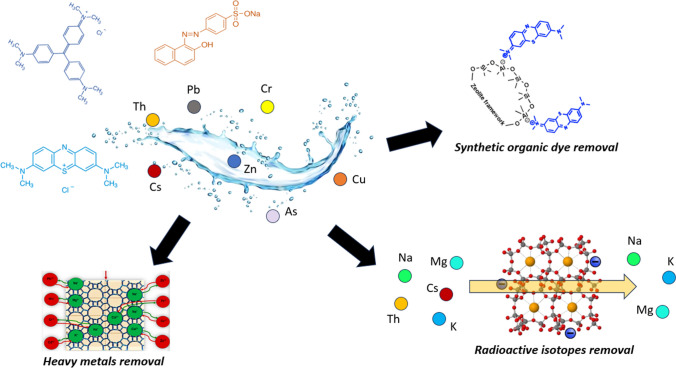
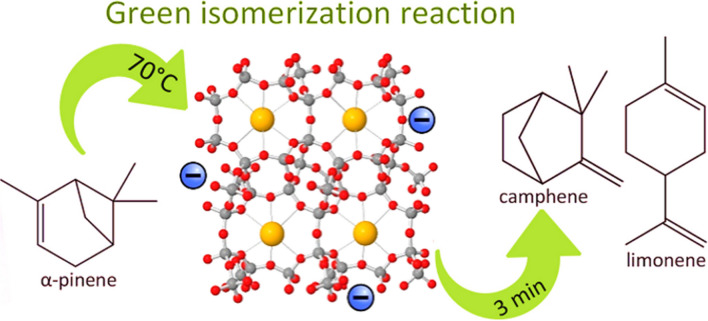
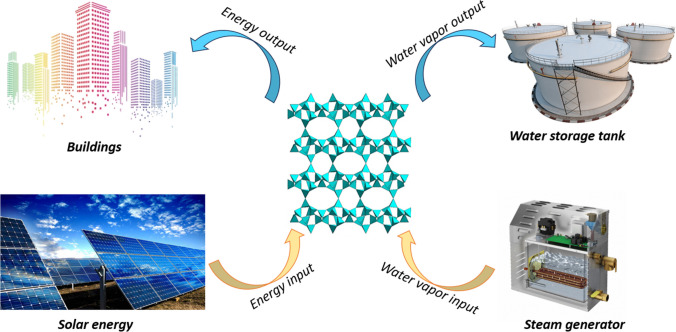
This review explores a set of sustainable applications of clinoptilolite, a natural zeolite abundant around the world in different localities. Thanks to its physico-chemical properties this material is extremely versatile for several applications, ranging from environmental catalysis and CO 2 removal to industrial and agricultural wastewater purification, aquaculture, animal feeding, and food industry but also medical applications and energy storage systems. Due to the presence of cations in its framework, it is possible to tune the material’s features making it suitable for adsorbing specific compounds. Thus, this review aims to provide insight into developing new technologies based on the use of this material that is sustainable, not harmful for humans and animals, naturally abundant, and above all cost-effective. Furthermore, it is intended to promote the use of natural materials in various areas with a view to sustainability and to reduce as far as possible the use of chemicals or other materials whose synthesis process can have a polluting effect on the environment. Graphical abstract
Verified 2026-11-25 · 1 reference not checked yet
Overview
CoChat Summary
## TL;DR
This review summarizes clinoptilolite as a naturally abundant, low-cost zeolite whose ion-exchange, adsorption, thermal stability, and water-holding properties make it useful across environmental, agricultural, food, medical, and energy applications. The paper argues that clinoptilolite is especially promising as a sustainable alternative to more expensive or polluting materials, but says further research is still needed, particularly for medical uses.
## Key findings
- Clinoptilolite’s main enabling properties are its porous framework, ion exchange, molecular sieving, hydrophilicity/dehydration behavior, and thermal stability; the review notes its cation-exchange capacity (CEC) in clinoptilolite ranges from 2.19 to 3.11 meq/g.
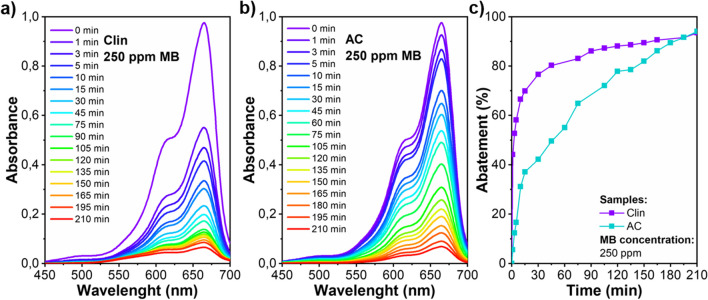
- In wastewater treatment, the paper reports several high-removal examples: Hungarian clinoptilolite removed ammonia from a 50 ppm solution by 89.92–99.74% after 60–180 min; Greek clinoptilolite removed Methylene Blue by 100%, 99%, and 93% at 100, 200, and 250 ppm after 210 min with 10 g/L adsorbent; and a Brazilian clinoptilolite adsorbed 95.4% Fe, 96.0% Cu, and 85.1% Cr at 25.0 °C and pH 4.0.
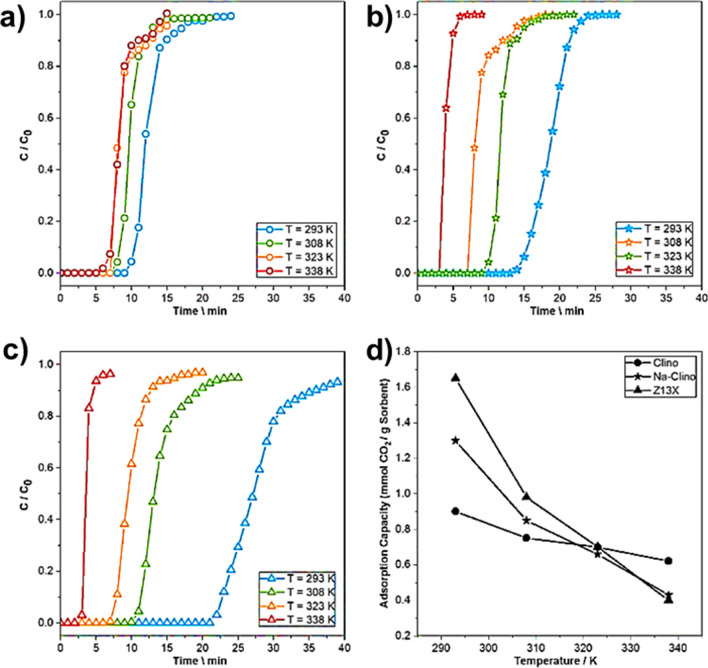
- In gas purification, the review says clinoptilolite can be used for CO2 capture and CCUS because of its thermal stability and selective adsorption; one cited study found bare clinoptilolite achieved a CO2 uptake of 0.6 mmol CO2/g at 338 K, and another reported 1.39 mg H2S/g and 173 mg CO2/g for biogas upgrading at 7 bar and 25 °C.
- For clean energy/storage, the review notes clinoptilolite-based materials showed a temperature lift of 50°C and an energy storage density of 63.94 kW/m3 in a thermal storage study, and in cement blends 10% clinoptilolite gave the highest heat capacity (1.93 J (m3K)−1) and lowest thermal diffusivity coefficient (1.409 m2s−1).
## Methods
- This is a narrative review of the natural zeolite clinoptilolite, organized around its origin/structure/properties and then its applications in environmental remediation, catalysis, agriculture, food, medical uses, and energy storage.
- The review synthesizes findings from previously published studies and reports specific examples with experimental conditions and outcomes, such as adsorption tests, thermal analyses, catalytic conversions, and in vitro/in vivo applications.
- The paper does not present a new dataset or a single primary experimental design; it compiles and compares published results, including figures and tables referenced throughout the text.
## Limitations
- The paper explicitly says “additional research and investigations are imperative” to understand underlying mechanisms and expand applications, especially “through in vivo studies for medical applications.”
- It also states that for energy applications, “there is the need to enhance the adsorption capacity through the activation and modification of this material.”
- Evident from the text: because this is a review, the paper does not provide a unified experimental protocol or a single controlled comparison across all claims; the evidence is drawn from many studies with different materials, conditions, and endpoints.
Model-written summary of a shortened version of the paper’s full text (it is longer than we read). Check it against the paper before relying on it.
Integrity signals
Registry
Cites
Statistics
Figures
Verification
Claims the paper makes
26 Valid · 3 Not valid · 152 Not checked · 57 Own results and interpretations
The sources with a verdict support this claim; the rest weren’t checked yet, have no full text we could read, or their verdicts aren’t rated yet.
In the paper
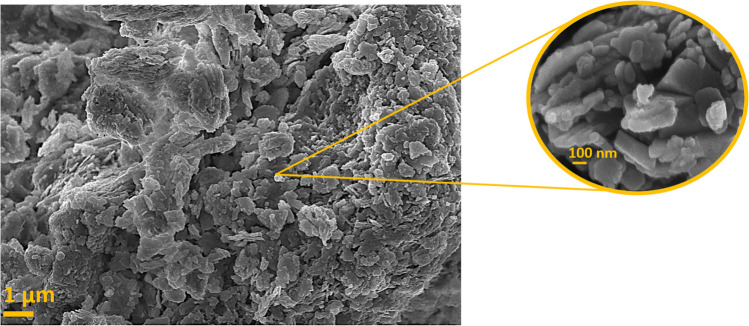
“This result is in agreement with those obtained with other clinoptilolites found in different geographical areas (i.e., 35 m2/g (Shen et al. 2020), 13 m2/g (Szymaszek-Wawryca et al. 2022), 22 m2/g (Cavallo et al. 2023), and so on).”
§ Fundamental properties and sustainable applications of the natural zeolite clinoptilolite > Natural origin, structure, and main properties of clinoptilolite > Morphology, structure, and textural properties of clinoptilolite
What the sources say
- Not checked — no full text of the sourcecites Shen et al. 2020 matched to “Synthesis of high-efficient TiO2/clinoptilolite photocatalyst for complete degradation of xanthate” (2020) source
- Supportedcites Szymaszek-Wawryca et al. 2022 matched to “Hydrotalcite-Modified Clinoptilolite as the Catalyst for Selective Catalytic Reduction of NO with Ammonia (NH3-SCR)” (2022) source
The citation to Szymaszek-Wawryca et al. is attached specifically to the 13 m²/g value, not to the citing paper’s 26 m²/g result or the other cited values. Section 3.2 reports that the raw clinoptilolite had a BET surface area of 13 m²/g. (LLM, conf=0.94)
- Supportedcites Cavallo et al. 2023 matched to “Shaped natural and synthetic zeolites for CO2 capture in a wide temperature range” (2023) source
Table 2 in our copy lists the pristine clinoptilolite sample (Clino) at 22 ± 1 m²/g BET surface area, measured by N₂ adsorption at 77 K. That supports the 22 m²/g value attributed to Cavallo et al.; the other values in the citing sentence are attributed to other sources. (LLM, conf=0.94)
plain- Asserted: passes — The authors put it forward as true.
- Checkable: passes — It can be checked against evidence.
- Load-bearing: unclear — It is unclear whether the paper’s conclusions depend on it.
- Based: passes — The paper gives a reason why it holds.
The cited sources support only part of this claim — read each source’s verdict below.
In the paper
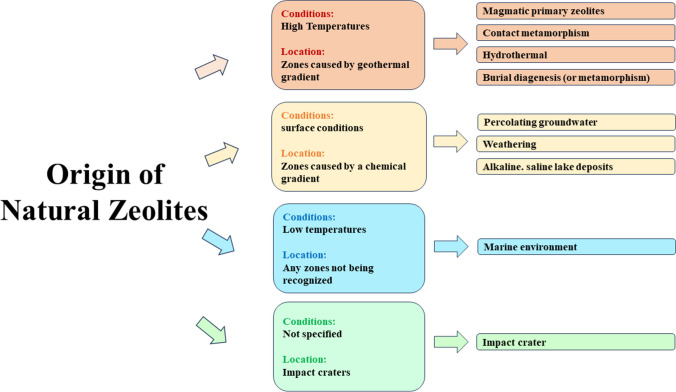
“Typically, this mineral is associated with low-temperature environments (60–110 °C), resulting from the alteration of volcanic rocks. This alteration occurs due to a reaction between acidic volcanic glass and interstitial solutions during burial diagenesis”
§ Fundamental properties and sustainable applications of the natural zeolite clinoptilolite > Natural origin, structure, and main properties of clinoptilolite > Formation process in nature
What the sources say
- Partly supportedcites Iijima 2007 matched to “Geology of natural zeolites and zeolitic rocks” (1980) sourceExperimental — accuracy not yet measured
The section labeled “9. Impact crater” says clinoptilolite mostly originates from acidic glass in vitric tuffs and sediments through burial diagenesis. “Geological Synthesis on Natural Zeolite Formation” describes reactions between volcanic glass and pore water, and the “Magmatic primary An” section associates clinoptilolite with low-temperature settings. No page numbers are available in our copy, and the passages do not establish the claimed 60–110 °C range specifically for clinoptilolite. (LLM, conf=0.87)
plainstates an association- Asserted: passes — The authors put it forward as true.
- Checkable: passes — It can be checked against evidence.
- Load-bearing: unclear — It is unclear whether the paper’s conclusions depend on it.
- Based: passes — The paper gives a reason why it holds.
- Partly supported
Every source the paper cites for this claim was checked and supports it.
In the paper
“when the Si/Al ratio is higher than 4, zeolite results in a relatively low ion exchange capacity (Álvarez et al. 2021).”
§ Fundamental properties and sustainable applications of the natural zeolite clinoptilolite > Natural origin, structure, and main properties of clinoptilolite > Physico-chemical properties
What the sources say
- Supportedcites Álvarez et al. 2021 matched to “Natural zeolite as a chromium VI removal agent in tannery effluents” (2021) source
The Results and discussion section, under “Quantification of cation exchange capacity (CEC),” explicitly states that a Si/Al ratio greater than 4 results in relatively low ion exchange capacity. The same section reports lower measured capacity for the natural zeolite with Si/Al = 4.64 than for the synthetic zeolite with Si/Al = 1.60. No page number is provided in our copy. (LLM, conf=0.95)
plainstates a cause- Asserted: passes — The authors put it forward as true.
- Checkable: passes — It can be checked against evidence.
- Load-bearing: unclear — It is unclear whether the paper’s conclusions depend on it.
- Based: passes — The paper gives a reason why it holds.
- Supported
The sources with a verdict support this claim; the rest weren’t checked yet, have no full text we could read, or their verdicts aren’t rated yet.
In the paper
“The most common adsorbent is activated carbon since it exhibits high efficiency in the removal (Bouchelkia et al. 2023; Fito et al. 2023; B. A. Mohamed et al. 2023; Obayomi et al. 2023; Raninga et al. 2023; Valério Filho et al. 2023).”
§ Fundamental properties and sustainable applications of the natural zeolite clinoptilolite > Environmental applications Natural zeolites, and in particular clinoptilolite, have been extensively exploited in the field of environmental remediation and restoration, above all for their ion-exchange properties. In particular, clinoptilolite, in its both natural and modified form, has proven to be extremely attractive in the separation, binding, and chemical stabilization of hazardous inorganic, organic, and radioactive species in soils and aqueous systems (Misaelides 2011). Not only that: over the years, several studies have reported the effectiveness of removing pollutants from gas streams, such as carbon dioxide, methane, and ammonia, in some cases reporting performance comparable to that of synthetic zeolites (Roque-Malherbe 2001). In addition to its ion exchange properties, which make clinoptilolite suitable for applications in environmental remediation, wastewater treatment, water softening, groundwater remediation, and so on, another extremely important property is its affinity for water, which makes it suitable for removing moisture and impurities from gases, thus acting as a desiccant. This is particularly interesting in air conditioning systems, natural gas drying, and protecting sensitive products from moisture damage (Bish and Ming 2018; Nakhli et al. 2017; Rodríguez-Iznaga et al. 2022; Saravanan et al. 2021). Therefore, the use of clinoptilolite has revealed numerous advantages, including its low cost, high availability in nature, good mechanical and thermal properties, and above all high adsorption capacity, as described in the previous sections. In the following paragraphs, we have tried to go into more detail about the various fields of application, dividing them into three main categories, specifically, (i) pollution control (both in gaseous and aqueous streams); (ii) catalysis; and (iii) agriculture and livestock breeding, trying to provide results that can be considered starting points for continuing to explore the potential of clinoptilolite. > Pollution control in wastewater
What the sources say
- Supportedcites Bouchelkia et al. 2023 matched to “Jujube stones based highly efficient activated carbon for methylene blue adsorption: Kinetics and isotherms modeling, thermodynamics and mechanism study, optimization via response surface methodology and machine learning approaches” (2023) source
The Introduction (p. 1, section 1) states verbatim that 'Activated carbon is the most commonly used adsorbent', attributing this to its characteristics — big specific surface area, diverse surface functional sites, developed porous structure, thermostability, high mechanical strength and capability of adsorbing many types of dyes over a wide pH range. The paper's own framing (title: 'Jujube stones based highly efficient activated carbon'; Section 3.1 and the Conclusion, where the jujube-stone activated carbon achieves a Langmuir capacity of 387.606 mg/g and is 'used successfully as a low-cost adsorbent to remove methylene blue') treats activated carbon as a high-efficiency adsorbent, so the citing sentence's 'because it exhibits high removal efficiency' is a fair paraphrase of the source's stated basis rather than a new cause. This is a broad background statement carried by several citations, and our copy clearly treats the topic that way. (LLM, conf=0.85)
- Supportedcites Fito et al. 2023 matched to “Adsorption of methylene blue from textile industrial wastewater using activated carbon developed from Rumex abyssinicus plant” (2023) source
The Introduction describes activated carbons as the most studied and applied adsorbents, says they are widely used, and calls commercial activated carbon the most effective adsorbent. The Results and discussion (Table 4) also report 99.9% methylene-blue removal for the activated carbon studied, supporting the claim's efficiency rationale. (LLM, conf=0.92)
- Not checked — no full text of the sourcecites B. A. Mohamed et al. 2023 matched to “Circular economy in wastewater treatment plants: Treatment of contaminants of emerging concerns (CECs) in effluent using sludge-based activated carbon” (2023) source
plainstates a cause- Asserted: passes — The authors put it forward as true.
- Checkable: passes — It can be checked against evidence.
- Load-bearing: unclear — It is unclear whether the paper’s conclusions depend on it.
- Based: passes — The paper gives a reason why it holds.
- Supported
The cited sources support only part of this claim — read each source’s verdict below.
In the paper
“it was able to capture 100%, 99%, and 93% respectively with an initial concentration of 100, 200, and 250 ppm of dye after 210 min and introducing an adsorbent load of 10 g/L.”
§ Fundamental properties and sustainable applications of the natural zeolite clinoptilolite > Environmental applications Natural zeolites, and in particular clinoptilolite, have been extensively exploited in the field of environmental remediation and restoration, above all for their ion-exchange properties. In particular, clinoptilolite, in its both natural and modified form, has proven to be extremely attractive in the separation, binding, and chemical stabilization of hazardous inorganic, organic, and radioactive species in soils and aqueous systems (Misaelides 2011). Not only that: over the years, several studies have reported the effectiveness of removing pollutants from gas streams, such as carbon dioxide, methane, and ammonia, in some cases reporting performance comparable to that of synthetic zeolites (Roque-Malherbe 2001). In addition to its ion exchange properties, which make clinoptilolite suitable for applications in environmental remediation, wastewater treatment, water softening, groundwater remediation, and so on, another extremely important property is its affinity for water, which makes it suitable for removing moisture and impurities from gases, thus acting as a desiccant. This is particularly interesting in air conditioning systems, natural gas drying, and protecting sensitive products from moisture damage (Bish and Ming 2018; Nakhli et al. 2017; Rodríguez-Iznaga et al. 2022; Saravanan et al. 2021). Therefore, the use of clinoptilolite has revealed numerous advantages, including its low cost, high availability in nature, good mechanical and thermal properties, and above all high adsorption capacity, as described in the previous sections. In the following paragraphs, we have tried to go into more detail about the various fields of application, dividing them into three main categories, specifically, (i) pollution control (both in gaseous and aqueous streams); (ii) catalysis; and (iii) agriculture and livestock breeding, trying to provide results that can be considered starting points for continuing to explore the potential of clinoptilolite. > Pollution control in wastewater
What the sources say
- Partly supportedcites Dosa et al. 2022 matched to “Natural Zeolite Clinoptilolite Application in Wastewater Treatment: Methylene Blue, Zinc and Cadmium Abatement Tests and Kinetic Studies” (2022) sourceExperimental — accuracy not yet measured
Methods §2.1 identifies the clinoptilolite as sourced from Greece, and §2.3.1 confirms tests at 100, 200, and 250 ppm. But §2.3.1 specifies 5 g/L for those tests, not 10 g/L; Results §3.2.1 reports 100% abatement at 100 ppm after about 30 minutes and approximately 94% at 250 ppm after 210 minutes, rather than the claimed set of percentages. The copy does not establish the claimed 99% result at 200 ppm. (LLM, conf=0.90)
plainstates a cause- Asserted: passes — The authors put it forward as true.
- Checkable: passes — It can be checked against evidence.
- Load-bearing: passes — The paper’s conclusions depend on it.
- Based: passes — The paper gives a reason why it holds.
- Partly supported
113 more claims · 4 with their cited sources checked
Create a free account to see all 238 claims and to verify the 41 references still open.
- It may state two separate claims as one. 105
- Probably not a substantial claim. 21
- The quote only partly states this claim. 3
Citations
Cites
Hench, L. L., & West, J. K. (1990) · Chemical Reviews · doi:10.1021/cr00099a003 · Cited by 4,450 · cited 1×
“However, the main economic disadvantage relies on the cost of the precursor (Hench and West 1990).”
(1974) · CERN Document Server (European Organization for Nuclear Research) · Cited by 2,468
Cundy, C. S., & Cox, P. A. (2003) · Chemical Reviews · doi:10.1021/cr020060i · Cited by 2,126 · cited 2×
“…hydrothermal conditions inside autoclaves or digestors, starting from reactive gels in alkaline media at temperatures between about 80 and 200 °C, emulating the conditions occurring during their natural formation (Cundy and Cox 2003; Favvas et al. 2016; Khaleque et al. 2020; Rosso et al. 2022).”
A Review: Fundamental Aspects of Silicate Mesoporous Materials
ALOthman, Z. (2012) · Materials · doi:10.3390/ma5122874 · Cited by 2,084 · cited 1×
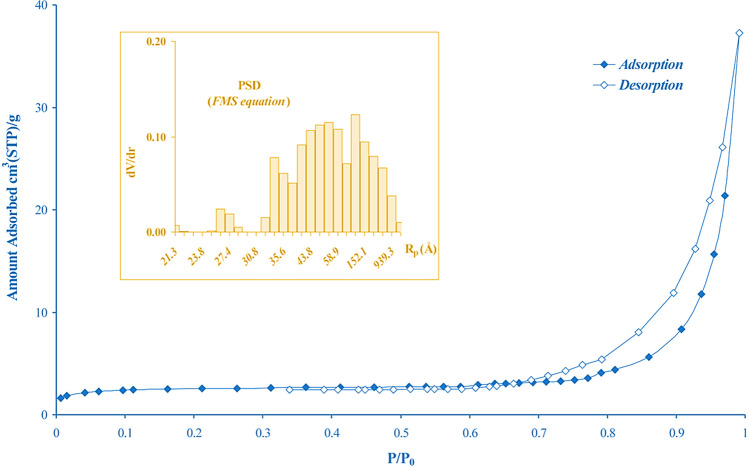
“The isotherm showed a hysteresis loop in the range of 0.6–1 P/P0 and the shape belongs to a type IV B or type H3 isotherm, according to the IUPAC classification (Alothman 2012).”
InfluentialPost-Combustion CO 2 Capture Using Solid Sorbents: A Review
Samanta, A., Zhao, A., Shimizu, G. K. H., Sarkar, P., & Gupta, R. (2012) · Industrial & Engineering Chemistry Research · doi:10.1021/ie200686q · Cited by 1,889 · cited 1×
“Different adsorbent materials are suitable for this purpose, i.e., activated carbon, alumina, silica gel, metal organic frameworks (MOFs), and, above all, zeolites (Samanta et al. 2012).”
Tkaczyk, A., Mitrowska, K., & Posyniak, A. (2020) · Science of The Total Environment · doi:10.1016/j.scitotenv.2020.137222 · Cited by 1,876 · cited 1×
“They are classified as micropollutants due to their low concentration (ng/l to μg/l) and exhibit toxicity and non-biodegradability (Tkaczyk et al. 2020; Yusuf 2019).”
Saravanan, A., Senthil Kumar, P., Jeevanantham, S., Karishma, S., Tajsabreen, B., Yaashikaa, P. R., & Reshma, B. (2021) · Chemosphere · doi:10.1016/j.chemosphere.2021.130595 · Cited by 1,330 · cited 2×
“Due to industrial growth, wastewater pollution increased over the years, therefore treatment with cost-effective technologies and sustainable materials to preserve public health and reduce levels of environmental degradation (Kumar 2013; Nafea et al. 2024; Saravanan et al. 2021).”
Mode of Bactericidal Action of Silver Zeolite and Its Comparison with That of Silver Nitrate
Matsumura, Y., Yoshikata, K., Kunisaki, S.-I., & Tsuchido, T. (2003) · Applied and Environmental Microbiology · doi:10.1128/aem.69.7.4278-4281.2003 · Cited by 1,048 · cited 1×
“Thanks to its adsorption capacity and ion exchange properties, clinoptilolite is also used as fertilizer, additive, or as a carrier of agrochemicals, pesticides, insecticides, antibacterial agents, and growth stimulators in agriculture (Matsumura et al. 2003; Rehakova et al. 2004).”
Weitkamp, J. (2000) · Solid State Ionics · doi:10.1016/s0167-2738(00)00632-9 · Cited by 973 · cited 1×
“For this reason, the Si/Al ratio must be greater than 1 (Weitkamp 2000).”
The Role of Hydrothermal Synthesis in Preparative Chemistry
Rabenau, A. (1985) · Angewandte Chemie International Edition in English · doi:10.1002/anie.198510261 · Cited by 853 · cited 1×
“…the use of water as a solvent and a base as a mineralizer for the production of commercial zeolites, provides a good quality product but it involves the use of very expensive autoclaves, and it requires the cost of the disposal of corrosive slurries produced (Rabenau 1985; Sugano et al. 2005).”
Research works printed but not linked: 21
- Alberti A, Vezzalini MG (1984) Topological changes in dehydrated zeolites: breaking of TOT oxygen bridges. Proceedings of the Sixth International Zeolite Conference, 834–841. https://hdl.handle.net/11380/738494
- An, I. (1978). Natural zeolites.
- Ariton A-M, Neculai-Văleanu A-S, Sănduleanu C, Ioana-Cristina C, Postolache A-N, Poroșnicu I, Mădescu B-M, Ungureanu E, Trincă LC (2022) Applications Of Clinoptilolite In Veterinary Medicine And Animal Husbandry. Sci Pap Vet Med 65(4):2393–4603
- Barrer, R. M. (1978). Cation-exchange equilibria in zeolites and feldspathoids.
- Bartlett, A. A. (2012). The meaning of sustainability. Teachers Clearinghouse for Science and Society Education Newsletter, 31(1), 1–17.
- Bogdanov B, Georgiev D, Angelova K, Yaneva K (2009) Natural zeolites: clinoptilolite. Review, Natural&Mathematical science, 4, 6-11. International Science conference 4. International Science Conference 4th - 5th June 2009, Stara Zagora, BULGARIA Economics and Society Development on the Base of Knowledge
- Boles JR (1972) Composition, optical properties, cell dimensions, and thermal stability of some heulandite group zeolites. Am Mineral 57(9–10):1463–1493
- Dimowa LT, Petrov SL, Shivachev BL (2013) Natural and Zn exchanged clinoptilolite: in situ high temperature XRD study of structural behavior and cation positions. Bulg Chem Commun 45(4):466–473
- Gottardi G, Galli E (2012) Natural zeolites, vol 18. Springer Science & Business Media
- Kam S-K, Kim K-S, Ahn B-J, Lee M-G (2002) Adsorption and desorption of triadimefon by natural and synthetic zeolites. Korean Chem Eng Res 40(2):265–273
- Kumar SCJMSS (2013) Wastewater treatment and reuse: sustainability options. Consilience: The Journal of. Sustain Dev 10(1):1–15
- Lizcano A, Brand J, Diaz E, Meza J, Roa M (2021) Analysis of thermal and structural properties of clinoptilolite zeolite and its possible application as a microwave radiation susceptor. J Phys Conf Ser 2046(1):12043. 10.1088/1742-6596/2046/1/012043 · doi:10.1088/1742-6596/2046/1/012043
- Lora CP (2018) Natural Zeolite Utilization in Pollution Control: A review. Journal of Emerging Technologies and Innovative Research (JETIR) 5(7):148–152
- Mansouri N, Rikhtegar N, Ahmad Panahi H, Atabi F, Shahraki BK (2013) Porosity, characterization and structural properties of natural zeolite - clinoptilolite - as a sorbent. Environ Prot Eng 39(1):139–152. 10.5277/EPE130111 · doi:10.5277/epe130111
- Mason B, Sand LB (1960) Clinoptilolite from Patagonia The relationship between clinoptilolite and heulandite. Am Mineral 45(3–4):341–350
- Mumpton FA (1960) Clinoptilolite redefined. Am Mineral 45(3–4):351–369
- Radosavljevic-Mihajlovic A (2003) Mineralogy and crystal chemistry of zeolitic tuffs from three deposits: Zlatokop, Beocin and Novakovici. Buletin Geoinstitute 38:149–153
- WHO (2011) Guidelines for drinking-water quality, vol 216. World Health Organization, pp 303–304
- Zabochnicka M, Malinska K (2010) Removal of ammonia by clinoptilolite. Global NEST J 12:256–261
- Zendelska A, Golomeova M, Jakupi Š, Lisičkov K, Kuvendžiev S, Marinkovski M (2018) Characterization and application of clinoptilolite for removal of heavy metal ions from water resources. Geol Maced 32(1):21–32
- Zhang X, Zhang S, He F, Cheng S, Liang W, Wu Z (2007) Differentiate performance of eight filter media in vertical flow constructed wetland: removal of organic matter, nitrogen and phosphorus. Fresenius Environ Bull 16(11 B):1468–1473
Cited by
Kumari, S., Chowdhry, J., Kumar, M., & Garg, M. C. (2024) · Environmental Research · doi:10.1016/j.envres.2024.119782 · Cited by 167
Thermal Behavior of Clinoptilolite
Król, M., Dechnik, J., Szymczak, P., Handke, B., Szumera, M., & Stoch, L. (2024) · Crystals · doi:10.3390/cryst14070646 · Cited by 31
“It is also applied in medical and health sectors for detoxifications as well as to the construction materials industry and plays a critical role in nuclear waste management by trapping and immobilizing radioactive ions [4–7].”
BackgroundAlsuhybani, M. S., Alshehri, S., Alquwaizany, A. S., Alosime, E. M., Alaeq, R., & Alrehaili, A. M. (2026) · Scientific Reports · doi:10.1038/s41598-025-33491-9 · Cited by 35
“However, BET surface area and pore volume were relatively low, typical for raw zeolites with mineral impurities and blocked pores, as reported for unmodified clinoptilolite 34 .”
An Overview of Zeolites: From Historical Background to Diverse Applications
Alotaibi, A. M. (2025) · Molecules · doi:10.3390/molecules30204036 · Cited by 33
“A 2024 review by Grifasi et al. further supports these findings, noting the role of clinoptilolite’s adjustable cation composition in enhancing CO 2 adsorption, particularly at elevated temperatures [68].”
Славова, М., Slavov, I., Terziev, V., et al. (2024) · Journal of Energy Storage · doi:10.1016/j.est.2024.112949 · Cited by 22
Mambetova, M., Dossumov, K., Baikhamurova, M., & Yergaziyeva, G. (2024) · Processes · doi:10.3390/pr12102071 · Cited by 28
Ghazoui, M., Elkacmi, R., Sylla, A. S., Anter, N., Dabali, S., & Boudouch, O. (2025) · Total environment engineering. · doi:10.1016/j.teengi.2025.100042 · Cited by 23
Silver-Exchanged Zeolites: Preparation and Applications—A Review
Șenilă, M., Kovács, E., & Senila, L. R. (2025) · Materials · doi:10.3390/ma18204779 · Cited by 19
“The negative framework charge is compensated by hydrated alkaline cations, which are commonly accompanied by water molecules within the zeolite channels [8–10].”
Parsafard, N., & Shakor, Z. M. (2025) · Discover Applied Sciences · doi:10.1007/s42452-025-06842-4 · Cited by 17
“Sustainable practices integrated into every stage of zeolite production and application will ensure that these catalysts remain a valuable tool in the pursuit of environmental sustainability [65, 86–90].”
Kakabouki, I. P., ROUSSIS, I. E., Mavroeidis, A., Stavropoulos, P., Kanatas, P. J., Pantaleon, K., Folina, A., Beslemes, D., & Tigka, E. L. (2025) · Sustainability · doi:10.3390/su17052178 · Cited by 22
Сіора, І. В., Andriyko, L. S., Gerashchenko, I. I., Borysenko, M. V., Pakhlov, E., Oranska, O. I., Lytvynenko, Y., Tsyba, N. N., Odinchenko, R. D., & Goncharuk, O. V. (2025) · Microporous and Mesoporous Materials · doi:10.1016/j.micromeso.2025.113778 · Cited by 9
Application of Modified Natural Zeolite—Clinoptilolite for Bacterial Control in the Environment
Hrenović, J., & Rajić, N. Z. (2025) · Materials · doi:10.3390/ma18102411 · Cited by 12
“…with transition metal cations (such as Ag + , Cu 2+ , Zn 2+ ), oxide nanoparticles (ZnO, TiO 2 , CuO or Cu 2 O), and organics (biopolymers, quaternary ammonium salts) enhances its intrinsic properties, facilitating applications in environmental science, catalysis, and materials engineering [24–26].”
Gattucci, F., Lallukka, M. S., Grifasi, N., Piumetti, M., & Miola, M. (2025) · Ceramics International · doi:10.1016/j.ceramint.2025.01.151 · Cited by 8
Self-citationSun, Y., Wu, Q., Chi, D., Chen, H., Zhu, S., & Liu, Q. (2024) · Agricultural Water Management · doi:10.1016/j.agwat.2024.109203 · Cited by 8
Fazli-Shokouhi, S., Nasirpouri, F., & Ramezanzadeh, B. (2025) · Journal of Materials Research and Technology · doi:10.1016/j.jmrt.2025.08.287 · Cited by 7
Arghavani‐Beydokhti, S., Darabi, F., Rajabi, M., Hosseini, M., Asghari, A., Bayuo, J., Silerio-Vázquez, F. D. J., & Noroozi, F. (2026) · Microchemical Journal · doi:10.1016/j.microc.2026.117186 · Cited by 6
A Study of the Influence of Thermoactivated Natural Zeolite on the Hydration of White Cement Mortars
Stoyanov, V., Petkova, V., Mihaylova, K., et al. (2024) · Materials · doi:10.3390/ma17194798 · Cited by 6
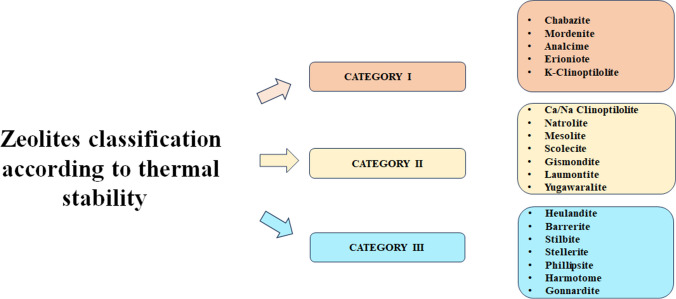
“Thermally activated zeolites are classified in 3 categories [28]: (i) they preserve their skeletal structure but the zeolite water is dehydrated, leading to the opening of interlayer spaces and channels in the zeolite.”
BackgroundProcess development of PVC/natural zeolite beads for the removal of ammonium ions from water
Currie, L., Millar, G. J., Gray, V., & Moghaddam, L. (2024) · Journal of Water Process Engineering · doi:10.1016/j.jwpe.2024.105714 · Cited by 4
Glevitzky, M., Bostan, R., Varvara, S., Corcheş, M.-T., Dumitrel, G., & Popa, M. (2025) · Clean Technologies · doi:10.3390/cleantechnol7020041 · Cited by 5
“Zeolites with various structures and chemical compositions are known worldwide, but clinoptilolite is the most commonly used in therapy [16], medicine (traditional Indian—Ayurveda, Chinese, and Russian medicine), and the cosmetic industry [17].”
Eco-Friendly Adsorbents: Innovative Strategies for Pesticide Removal from Soil and Wastewater
Gad, M., Todorova, T. I., & Mossa, A.-T. H. (2025) · Sustainability · doi:10.3390/su172310477 · Cited by 6
Ion Exchange and Zeolites: Sustainable Approaches to Water Pollution Mitigation
Somya, A., & Varshney, A. P. (2025) · IGI Global eBooks · doi:10.4018/979-8-3373-0320-8.ch005 · Cited by 4
Tavakkoli, M. A., Ardakani, A., & Kordnaeij, A. (2025) · Geotechnical and Geological Engineering · doi:10.1007/s10706-025-03504-5 · Cited by 6
“(1) These microstructural findings explain the superior strength, durability, and dimensional stability of optimized ternary NZ–MS–PCE grouts, aligning with their field-level performance criteria (Grifasi et al. 2024; Mao et al. 2024; Liu et al. 2025).”
Ltaief, O. O., Hamza, W., Amor, I. B., et al. (2025) · Chemistry Africa · doi:10.1007/s42250-025-01366-1 · Cited by 2
“…(ordered porous structure, good adsorption performance and high thermal stability), prepared zeolites, as key materials for industrial application, gained the attention of researchers, especially in sectors of catalysis, separation and adsorption (VOCs capture, wastewater treatment) [7, 8].”
Clinoptilolite-Based Adsorbents for Paracetamol Removal
Wójcik, S., Fendrych, K., Mozgawa, W., & Król, M. (2025) · Molecules · doi:10.3390/molecules30234506 · Cited by 3
“Clinoptilolite, a naturally occurring zeolite from the heulandite group, has recently attracted significant attention as an efficient and environmentally friendly adsorbent for the removal of organic and inorganic contaminants from water [35,36].”
CuO-Clinoptilolite Composites for Sustainable CO2 Conversion: Modulating Pathways Toward Alcohols
Santos, F. L., Filho, J. B. G., Santos, V. M. F., Furukawa, K., Gonçalves, M., Torres, J. A., Giroto, A. S., Ribeiro, L. S., Bonelli, L., Ribeiro, C., et al. (2025) · Photochem · doi:10.3390/photochem6010003 · Cited by 2
“Due to its high porosity, ion-exchange capacity, and excellent thermal and chemical stability, clinoptilo-lite finds broad use in environmental applications, such as photocatalysis and industrial applications [17–19].”
Lazarova, H. I., Tsvetanova, L., Barbov, B. Z., Atanasova-Vladimirova, S., & Nikolov, A. (2025) · Crystals · doi:10.3390/cryst16010032 · Cited by 2
“Among them, natural clinoptilolite is particularly attractive due to its wide availability, low cost, environmental compatibility, and strong affinity for cationic and polar organic species [11–15].”
Unraveling the role of extra-framework cations in molecular adsorption on clinoptilolite surfaces
Saeed, L., & Fischer, M. (2026) · Journal of Materials Science · doi:10.1007/s10853-026-12541-1 · Cited by 3
Şahin, D., Öz, M., & Öz, Ü. (2025) · Life · doi:10.3390/life15010074 · Cited by 2
“The properties of such natural materials are influenced by numerous factors, highlighting the need for research conducted under conditions specific to their intended applications [12].”
Pérez, F. J. S., Maldonado, C. S., Sánchez, R. A. L., Silos, N. O., Cristóbal, A. C., Sandoval‐Rangel, L., la Rosa, J. R. D., Rivera, G. L. D., & Atehortúa, L. (2025) · Topics in Catalysis · doi:10.1007/s11244-025-02070-7 · Cited by 3
Lopes, A. C., Klosowski, A. B., & Olivato, J. B. (2025) · ACS Omega · doi:10.1021/acsomega.4c10481 · Cited by 2
“28,29 Ion-exchange capacity and thermal stability of zeolites make them suitable carriers for the controlled release of active agents, including silver ions.”
Mohsenzadeh, A., Poorkhalil, A., Tabesh, H., & Farrokhzad, H. (2025) · International Journal of Environmental Science and Technology · doi:10.1007/s13762-025-06604-0 · Cited by 4
“By comparing the specific surface area of various natural zeolites, it is evident that, except Chabazite, all these minerals have relatively low surface area values ranging from 10 to 30 m 2 /g (Grifasi et al. 2024).”
A promising natural material for pollutants removal
Maftei, A. E., Ignat, M., Dobromir, M., Buzatu, A., & Neamțu, M. (2025) · Scientific Reports · doi:10.1038/s41598-025-07580-8 · Cited by 7
Clinoptilolite Perspectives as a Zeolite for Removing Pollutants From Water: A Review
Flores‐Hidalgo, M. A., Barraza‐Jimenez, D., Ríos-Arámbula, H. V., Flores-Hidalgo, H. I., & Torres-Herrera, S. I. (2025) · IGI Global eBooks · doi:10.4018/979-8-3373-0320-8.ch007 · Cited by 1
Kunecki, P., Czarna-Juszkiewicz, D., Gara, P., et al. (2025) · Microporous and Mesoporous Materials · doi:10.1016/j.micromeso.2025.113858 · Cited by 1
Dabizha, O. N. (2025) · Nanosystems Physics Chemistry Mathematics · doi:10.17586/2220-8054-2025-16-5-640-649 · Cited by 1
“The most common zeolite is clinoptilolite (Na,K) 6 Al 6 Si 30 O 72 · 20H 2 O, which belongs to the group of Heulandites (HEU) and has high porosity and absorption capacity [1–3].”
Ranftler, C., Zehentner, M., Tschegg, C., & Nagl, D. (2025) · International Journal of Molecular Sciences · doi:10.3390/ijms262311265 · Cited by 2
“Clinoptilolite’s adsorption potential is restricted to molecules with maximum kinetic diameters of 3.5/3.8 Å [34].”
InfluentialMarkhali, B. P., Farahani, A. A. D., Duarte, M. C., Chaggar, P. K., Javan, K., & Darestani, M. T. (2026) · Clean Technologies · doi:10.3390/cleantechnol8010021 · Cited by 2
“Natural clinoptilolite is abundant and inexpensive compared to activated carbon or synthetic resins, and it remains stable at high temperatures [51,52].”
Exploration of Natural Adsorbents for Applications in Pollution-Reducing Cosmetic Formulations
Kaspute, G., Ručinskienė, A., Ramanavičius, A., & Prentice, U. (2026) · Gels · doi:10.3390/gels12030232 · Cited by 2
“…carbon, and polyphenol-rich plant extracts demonstrate measurable pollutant-reduction potential when incorporated into topical formulations [5,73,75,79–83 , From a formulation perspective, biosorbents can provide dual functionality: (i) physical adsorption of environmental contaminants and (ii)…”
More, S., & Mandpe, A. (2026) · Bioresource Technology Reports · doi:10.1016/j.biteb.2026.102708 · Cited by 3
Sihombing, Y. A., Cuana, R., & Sawitri, A. (2026) · Next Materials · doi:10.1016/j.nxmate.2026.102718 · Cited by 1
Muhtar, S. A., & Taher, T. (2026) · Green and Sustainable Membranes · doi:10.62755/gsmb.2026.02 · Cited by 1
Strontium behavior in the presence of oyamel forest soil and its inorganic components
Albarrán-Olvera, M., de Oca-Palma, R. M., Solache‐Ríos, M., Vázquez-Mejía, G., & Almazán-Sánchez, P. T. (2025) · Journal of Dispersion Science and Technology · doi:10.1080/01932691.2025.2520876 · Cited by 1
Grifasi, N., Fornaro, M., Piumetti, M., Liguori, B., & Caputo, D. (2025) · Elsevier eBooks · doi:10.1016/b978-0-443-13844-7.00002-9 · Cited by 1
Self-citationSynthesis and Characterization of Conventional and Non-conventional Adsorbent Materials
Acosta-Sánchez, V., García-Hernández, M., Pérez-Labra, M., Cruz-Ramírez, A., Patiño-Cardona, F., Reyes, M., Tapia, J. C. J., Soto, J. I. M., & Barrientos-Hernández, F. R. (2025) · The minerals, metals & materials series · doi:10.1007/978-3-031-80680-3_45
ROUSSIS, I. E., Mavroeidis, A., Stavropoulos, P., Baginetas, K. N., Kanatas, P. J., Pantaleon, K., Folina, A., Beslemes, D., & Kakabouki, I. P. (2025) · Crops · doi:10.3390/crops5030027 · Cited by 1
“Clinoptilolite zeolite, a naturally formed crystalline aluminosilicate, has attracted significant attention as a soil amendment for carbon storage while increasing soil properties, macro-and micronutrients, crop yield, and ecological sustainability [20–22].”
Wilessa, L. D., Emana, A. N., Jabesa, A., et al. (2025) · International Journal of Chemical Engineering · doi:10.1155/ijce/5538289
Research on Impurity Removal Processes in the Production of Sodium Carbonate from Natural Soda Ash
Lu, Y., Liu, Z., Hu, W., Wu, B., Li, T., Ma, Y., & Zhang, H. (2025) · JOM · doi:10.1007/s11837-025-07812-2
Sustainable yield improvements in paddy cultivation using silicon-enhanced zeolite
Aziz, R. B. A., Salleh, M. N., Saleh, M., Gopinath, S. C. B., & Giap, S. G. E. (2025) · Sustainable Futures · doi:10.1016/j.sftr.2025.101413 · Cited by 1
Ouali, A., & Anane, M. (2026) · Water Air & Soil Pollution · doi:10.1007/s11270-026-09222-9
“Its persistence after acid purification, hydrothermal treatment, and calcination confirms the structural stability of the material during the modification process (Cadar et al., 2020; Grifasi et al., 2024).”
Biliani, I., & Zacharias, I. (2026) · Inorganics · doi:10.3390/inorganics14020050
“For natural zeolites, the expected peaks of the major components (clinop-tilolite) are located at specific 2 θ values (17 [45–48].”
Hasırcı, G., YÜZER, N. Y., Hosoz, A. O., Çakırca, E. E., Alptekin, E., İlgen, O., Çanakçı, M., & Hilmioğlu, N. D. (2026) · International Journal of Hydrogen Energy · doi:10.1016/j.ijhydene.2026.154158
Nitrogen and phosphorus removal and recovery in wastewater by natural adsorbents
Parde, D., Dash, R. R., & Behera, M. (2026) · Elsevier eBooks · doi:10.1016/b978-0-443-40602-7.00014-0
La zeolita natural micronizada reduce proteína y aminoácidos en dietas para pollos de engorde
Sánchez, B. R., Perdomo, M. C., Pérez, M. M., et al. (2026) · Revista Mvz Córdoba · doi:10.21897/rmvz.3859
Role of Submerged Aquatic Macrophytes in Wastewater Management
Zulfiqar, A., Anuradha, Singh, R. P., Kumar, V., Srivastava, V., & Saxena, R. (2026) · Springer eBooks · doi:10.1007/978-3-032-20493-6_8
Martins, S., Baltazar, M., Brito, C., et al. (2026) · Frontiers in Plant Science · doi:10.3389/fpls.2026.1833884
Muchiri, K. M., Murithi, G., Kiratu, J., & Simiyu, R. S. R. (2026) · Journal of Chemistry · doi:10.1155/joch/3200644 · Cited by 3
Todorova, T. I., Boyadzhiev, K. P., Kulekova, S., & Dimitrov, M. (2026) · Environmental Geochemistry and Health · doi:10.1007/s10653-026-03274-w
“Over the years, extensive research has been conducted on their applications across various fields, including industry, agri-culture, livestock breeding, wastewater management, biomedicine, and cosmetics (Grifasi et al., 2024).”
Czekaj, I., Kurzydym, I., & Grzesik, W. (2026) · Minerals · doi:10.3390/min16060615
Shanat, M. S., Ibrahim, M. M., Abdel-Hamid, M., Fahmy, W. A., & El-Seddik, M. M. (2026) · Water · doi:10.3390/w18121460
Fan, Y., Zhang, R., Zhang, C., et al. (2026) · SSRN Electronic Journal · doi:10.2139/ssrn.6953462
Kiradzhiyska, D. D., Gavazov, K. B., Bachvarov, V., & Milcheva, N. P. (2026) · Molecules · doi:10.3390/molecules31122142
“Owing to its sustainable nature, biocompatibility, widespread availability, economic viability, and the substantial body of research dedicated to its properties and applications, clinoptilolite was adopted as a primary keyword for the bibliometric search [6].”
Construction of CeO2/B-g-C3N4 Z-scheme heterojunction and its photocatalytic degradation activity
Liu, Q., Pan, X., 荣介伟, et al. (2026) · Journal of Physics and Chemistry of Solids · doi:10.1016/j.jpcs.2026.113951
Gattucci, F., Lallukka, M. S., Grifasi, N., Armandi, M., Piumetti, M., & Miola, M. (2026) · Materials Research Bulletin · doi:10.1016/j.materresbull.2026.114305 · Cited by 1
Self-citationHerliana, O., Kharisun, K., Tamad, T., & Sakhidin, S. (2026) · Journal of Degraded and Mining Lands Management · doi:10.15243/jdmlm.2026.133.10717
Akgün, Y., & Yamak, A. R. (2026) · Buildings · doi:10.3390/buildings16132657
“Clinoptilolite has the complex chemical formula (Na,K,Ca) 2 – 3 Al 3 (Al,Si) 2 Si 13 O 36 .12H 2 O [54].”
Santoso, A., Sumari, S., A’issyah, E. W. N., Kholish, M. N., & Hidayatulloh, A. F. (2026) · Next Materials · doi:10.1016/j.nxmate.2026.102725
Alejo-Díaz, J., García-Rosales, G., Longoria-Gándara, L. C., & Gómez, E. O. P. (2026) · Huella Científica · doi:10.67562/hc.v3i4.31
Grömmer, R., & Höhne, C. (2026) · Polymer Testing · doi:10.1016/j.polymertesting.2026.109309
Alfidru, S. F., Hanifah, I. R., Aflaha, R., & Rianjanu, A. (2026) · Green and Sustainable Membranes · doi:10.62755/gsmb.2026.04 · Cited by 1
Grifasi, N., Ziantoni, B., Mondello, A., Cruciani, G., Rizzetto, A., Lavagna, L., Pavese, M., Deorsola, F. A., Fino, D., & Piumetti, M. (2026) · Journal of Energy Storage · doi:10.1016/j.est.2026.123782
“They are crystalline aluminosilicate materials whose structure consists of interconnected [SiO 4 ] and [AlO 4 ] tetrahedra, linked by oxygen atoms, creating an open, crystalline lattice with micropores, where molecules can be trapped [27,28].”
InfluentialSelf-citationIqbal, M. A., Salim, O., & Piri, M. (2026) · Chemical Engineering Journal · doi:10.1016/j.cej.2026.180272 · Cited by 2
Yánez, D., Manterola, J., Guerrero, L., et al. (2026) · Biodegradation · doi:10.1007/s10532-026-10352-4
“This effect may be related to its ion-exchange capacity, which could have increased the availability of exchangeable Mg 2+ and Ca 2+ in the liquid phase (Grifasi et al. 2025).”
Din, R. M. U., Zhang, X., Eman, S., Saleh, A. A., Abdulrahman, M. Y., Husien, H. M., Rehman, S. U., Guo, X., Chen, N., & Wang, M. (2026) · Toxins · doi:10.3390/toxins18080352
“Among the clays, HSCAS and related aluminosilicates are most extensively studied and continue to be considered practical and field-ready feed-borne aflatoxin binders in production animals [200].”
Hreus, K., Václavíková, M., Zubrík, A., Matík, M., Ivaničová, L., Hredzák, S., & Briančin, J. (2026) · Microchemical Journal · doi:10.1016/j.microc.2026.119438
Fan, Y., Zhang, R., Zhang, C., et al. (2026) · Scientia Horticulturae · doi:10.1016/j.scienta.2026.115102
Borjan, N., Lazić, I. B., Lukić, M., et al. (2026) · Chemical Papers · doi:10.1007/s11696-026-05465-2
Salem, A., Alkallas, F. H., Algreiby, A. A., Trabelsi, A. B. G., Elsharkawy, W. B., Toghan, A., Younes, A. A. O., Mostafa, A., & Mwafy, E. A. (2026) · The European Physical Journal Plus · doi:10.1140/epjp/s13360-026-08190-7 · Cited by 1
Stępień, E., Dunkel, F., Manecki, M., & Bajda, T. (2026) · Environmental Geochemistry and Health · doi:10.1007/s10653-026-03472-6
Zaka, A., Ullah, R., Mazhar, M., Bashir, M. N., Iqbal, M., & Mansoor, M. A. (2026) · Silicon · doi:10.1007/s12633-026-03792-3
Сабадаш, В. В., & Nowik-Zając, A. (2026) · Environmental Problems · doi:10.23939/ep2026.03.392
Glevitzky, M., Rusu, G. I., Dumitrel, G., Avram, A., Corcheş, M.-T., Pană, A.-M., & Socalici, A. (2026) · Sustainability · doi:10.3390/su18199694
Manga, M., Kaboggoza, H. C., Sprouse, L., Guo, J., Sun, Z., Aragón-Briceño, C., & Muoghalu, C. (2026) · Colloids and Surfaces C Environmental Aspects · doi:10.1016/j.colsuc.2026.100106
Zhang, Z., Pang, S., Sun, Y., et al. (2026) · SSRN Electronic Journal · doi:10.2139/ssrn.7585077
Metadata
- Authors
- Grifasi, N., Ziantoni, B., Fino, D., & Piumetti, M.
- Affiliations
- Politecnico di Torino (IT)
- Corresponding author
- Piumetti, Marco
- Venue
- Environmental Science and Pollution Research
- Published
- 2024-05-23
- Volume
- 32
- Issue
- 48
- Pages
- 27805-27840
- ISSN
- 0944-1344 (ISSN-L)
- 1614-7499
- PMC
- PMC12696048
- OpenAlex
- W4398232524
- Cited by
- 88
- References
- 180
- Citations by year
- 2026: 48 · 2025: 33 · 2024: 7
- FWCI
- 2.06
- Type
- journal article
- Language
- en
- Open access
- hybrid
- doi.org
- Licence
- cc-by
- creativecommons.org/licenses/by/4.0 (tdm)
- creativecommons.org/licenses/by/4.0 (vor)
- Locations
- Environmental Science and Pollution Research (publishedVersion, cc-by)
- PubMed Central (publishedVersion, cc-by)
- PubMed (publishedVersion)
- PORTO@Iris (submittedVersion, cc-by)
- Funders
- Politecnico di Torino
- Topics
- Physical Sciences › Chemistry › Inorganic Chemistry › Zeolite Catalysis and Synthesis
- Physical Sciences › Environmental Science › Water Science and Technology › Adsorption and biosorption for pollutant removal
- Physical Sciences › Earth and Planetary Sciences › Geochemistry and Petrology › Clay minerals and soil interactions
- Keywords
- clinoptilolite, natural zeolite, sustainable applications, environmental catalysis, carbon dioxide removal, wastewater treatment, aquaculture, animal feeding, food industry, medical applications, energy storage, adsorption, cation exchange, natural materials
- MeSH terms
- Zeolites
About these checks
Registry, retraction, Cites and statistics results are computed, not judged, with one exception: a printed reference that no index lists is read once by a model before it counts as a citation error. Claims are extracted by a model and kept only when their quote appears verbatim in the text; each cited source is then checked, with a model’s help, for whether it says what the claim relies on. Those verdicts can be wrong — read the claim’s quote and the cited source before relying on one.
The claim verdicts this report counts are experimental: their accuracy is not yet measured.
A language model drew the claims from the paper on 2026-10-10, under version 3 of the claim definition (model deepseek-v4.1-flash, prompt extract-v3).
A second model labelled each claim on 2026-10-10 (model jev-1.13-20260917, definition revision gold-guideline-v0.2).
Cited sources are checked with a language model’s help (gpt-6-sol and qwen3.8-omni-flash).
Statistics and arithmetic are recomputed, not judged.
Confidence bands are shown only for fields calibrated on our annotated test set. None is calibrated yet, so no band is shown.
What counts as a claim ›How we measure confidence ›How we check this ›
Are you an author, or do you see a problem with this page? Request a review
Data sources
Bibliographic data: Semantic Scholar, OpenAlex, Crossref.
Contains information from the Semantic Scholar Academic Graph Datasets, made available under the ODC Attribution License (ODC-BY 1.0).
Semantic Scholar’s data is described in: Kinney, R., et al. (2023). The Semantic Scholar Open Data Platform. arXiv:2301.10140.
