

Fundamental properties and sustainable applications of the natural zeolite clinoptilolite
Open accessThe DOI matches its Crossref record; 186 of the 187 references it cites were found in a registry or an index, and 1 are not checked yet; 29 of the 204 sources its claims cite were checked for support.
Abstract
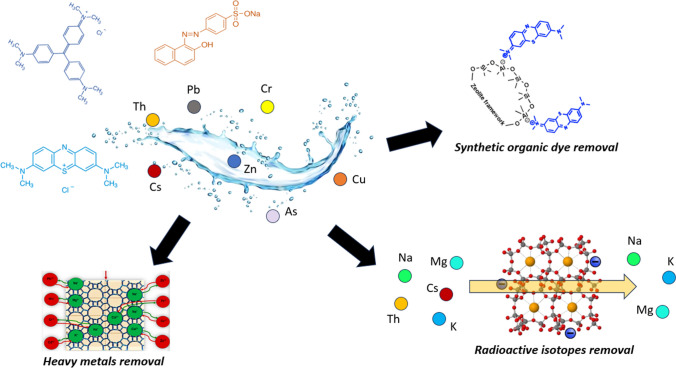
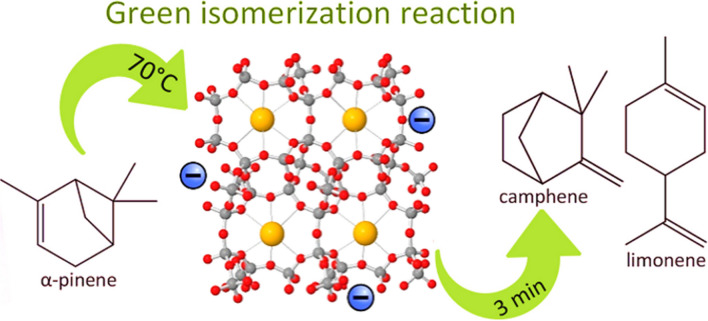
This review explores a set of sustainable applications of clinoptilolite, a natural zeolite abundant around the world in different localities. Thanks to its physico-chemical properties this material is extremely versatile for several applications, ranging from environmental catalysis and CO 2 removal to industrial and agricultural wastewater purification, aquaculture, animal feeding, and food industry but also medical applications and energy storage systems. Due to the presence of cations in its framework, it is possible to tune the material’s features making it suitable for adsorbing specific compounds. Thus, this review aims to provide insight into developing new technologies based on the use of this material that is sustainable, not harmful for humans and animals, naturally abundant, and above all cost-effective. Furthermore, it is intended to promote the use of natural materials in various areas with a view to sustainability and to reduce as far as possible the use of chemicals or other materials whose synthesis process can have a polluting effect on the environment. Graphical abstract
Verified 2026-11-22 · 1 reference not checked yet
Overview
CoChat Summary
## TL;DR
This review summarizes clinoptilolite as a naturally abundant, low-cost zeolite whose ion-exchange, adsorption, thermal stability, and water-holding properties make it useful across environmental, agricultural, food, medical, and energy applications. The paper argues that clinoptilolite is especially promising as a sustainable alternative to more expensive or polluting materials, but says further research is still needed, particularly for medical uses.
## Key findings
- Clinoptilolite’s main enabling properties are its porous framework, ion exchange, molecular sieving, hydrophilicity/dehydration behavior, and thermal stability; the review notes its cation-exchange capacity (CEC) in clinoptilolite ranges from 2.19 to 3.11 meq/g.
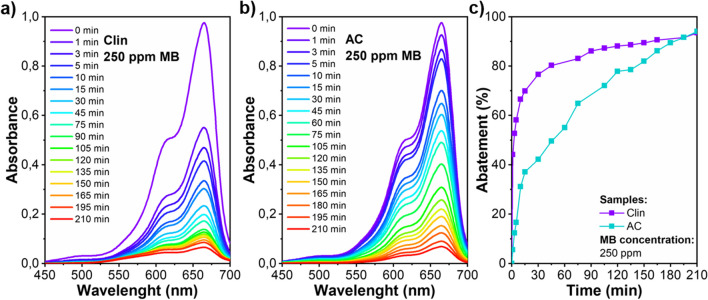
- In wastewater treatment, the paper reports several high-removal examples: Hungarian clinoptilolite removed ammonia from a 50 ppm solution by 89.92–99.74% after 60–180 min; Greek clinoptilolite removed Methylene Blue by 100%, 99%, and 93% at 100, 200, and 250 ppm after 210 min with 10 g/L adsorbent; and a Brazilian clinoptilolite adsorbed 95.4% Fe, 96.0% Cu, and 85.1% Cr at 25.0 °C and pH 4.0.
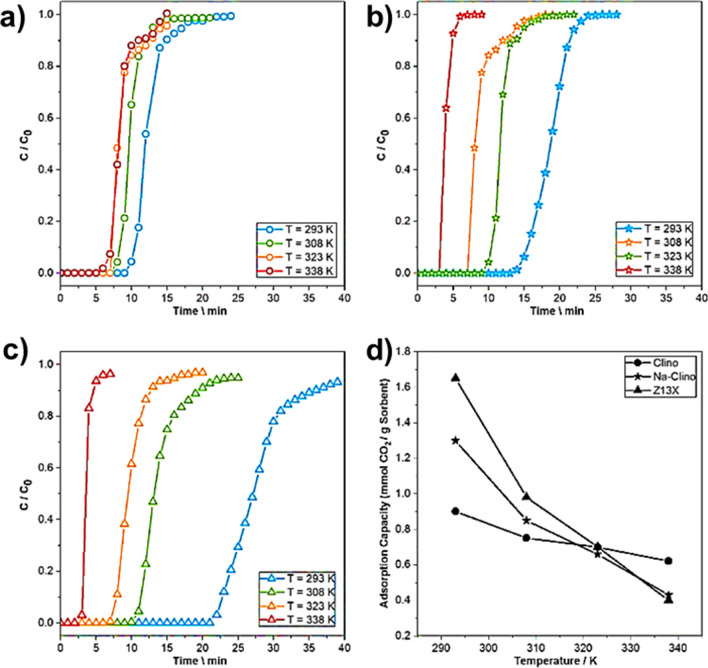
- In gas purification, the review says clinoptilolite can be used for CO2 capture and CCUS because of its thermal stability and selective adsorption; one cited study found bare clinoptilolite achieved a CO2 uptake of 0.6 mmol CO2/g at 338 K, and another reported 1.39 mg H2S/g and 173 mg CO2/g for biogas upgrading at 7 bar and 25 °C.
- For clean energy/storage, the review notes clinoptilolite-based materials showed a temperature lift of 50°C and an energy storage density of 63.94 kW/m3 in a thermal storage study, and in cement blends 10% clinoptilolite gave the highest heat capacity (1.93 J (m3K)−1) and lowest thermal diffusivity coefficient (1.409 m2s−1).
## Methods
- This is a narrative review of the natural zeolite clinoptilolite, organized around its origin/structure/properties and then its applications in environmental remediation, catalysis, agriculture, food, medical uses, and energy storage.
- The review synthesizes findings from previously published studies and reports specific examples with experimental conditions and outcomes, such as adsorption tests, thermal analyses, catalytic conversions, and in vitro/in vivo applications.
- The paper does not present a new dataset or a single primary experimental design; it compiles and compares published results, including figures and tables referenced throughout the text.
## Limitations
- The paper explicitly says “additional research and investigations are imperative” to understand underlying mechanisms and expand applications, especially “through in vivo studies for medical applications.”
- It also states that for energy applications, “there is the need to enhance the adsorption capacity through the activation and modification of this material.”
- Evident from the text: because this is a review, the paper does not provide a unified experimental protocol or a single controlled comparison across all claims; the evidence is drawn from many studies with different materials, conditions, and endpoints.
Model-written summary of a shortened version of the paper’s full text (it is longer than we read). Check it against the paper before relying on it.
Integrity signals
Registry
Cites
Statistics
Figures
Verification
Claims the paper makes
26 Valid · 3 Not valid · 152 Not checked · 57 Own results and interpretations
The sources with a verdict support this claim; the rest weren’t checked yet, have no full text we could read, or their verdicts aren’t rated yet.
In the paper
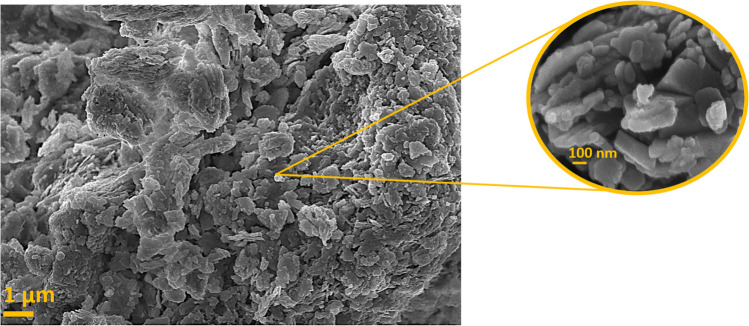
“This result is in agreement with those obtained with other clinoptilolites found in different geographical areas (i.e., 35 m2/g (Shen et al. 2020), 13 m2/g (Szymaszek-Wawryca et al. 2022), 22 m2/g (Cavallo et al. 2023), and so on).”
§ Fundamental properties and sustainable applications of the natural zeolite clinoptilolite > Natural origin, structure, and main properties of clinoptilolite > Morphology, structure, and textural properties of clinoptilolite
What the sources say
- Not checked — no full text of the sourcecites Shen et al. 2020 matched to “Synthesis of high-efficient TiO2/clinoptilolite photocatalyst for complete degradation of xanthate” (2020) source
- Supportedcites Szymaszek-Wawryca et al. 2022 matched to “Hydrotalcite-Modified Clinoptilolite as the Catalyst for Selective Catalytic Reduction of NO with Ammonia (NH3-SCR)” (2022) source
The citation to Szymaszek-Wawryca et al. is attached specifically to the 13 m²/g value, not to the citing paper’s 26 m²/g result or the other cited values. Section 3.2 reports that the raw clinoptilolite had a BET surface area of 13 m²/g. (LLM, conf=0.94)
- Supportedcites Cavallo et al. 2023 matched to “Shaped natural and synthetic zeolites for CO2 capture in a wide temperature range” (2023) source
Table 2 in our copy lists the pristine clinoptilolite sample (Clino) at 22 ± 1 m²/g BET surface area, measured by N₂ adsorption at 77 K. That supports the 22 m²/g value attributed to Cavallo et al.; the other values in the citing sentence are attributed to other sources. (LLM, conf=0.94)
plain- Asserted: passes — The authors put it forward as true.
- Checkable: passes — It can be checked against evidence.
- Load-bearing: unclear — It is unclear whether the paper’s conclusions depend on it.
- Based: passes — The paper gives a reason why it holds.
The cited sources support only part of this claim — read each source’s verdict below.
In the paper
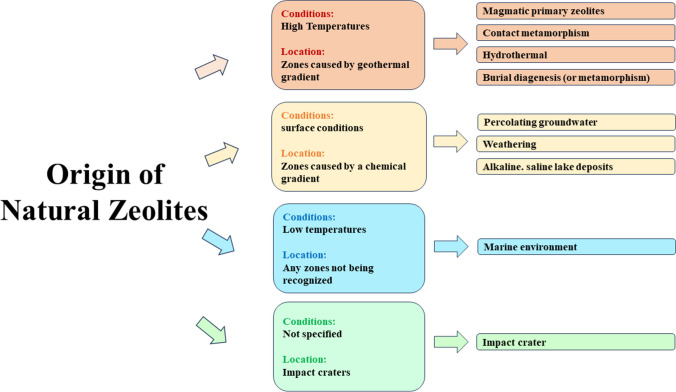
“Typically, this mineral is associated with low-temperature environments (60–110 °C), resulting from the alteration of volcanic rocks. This alteration occurs due to a reaction between acidic volcanic glass and interstitial solutions during burial diagenesis”
§ Fundamental properties and sustainable applications of the natural zeolite clinoptilolite > Natural origin, structure, and main properties of clinoptilolite > Formation process in nature
What the sources say
- Partly supportedcites Iijima 2007 matched to “Geology of natural zeolites and zeolitic rocks” (1980) sourceExperimental — accuracy not yet measured
The section labeled “9. Impact crater” says clinoptilolite mostly originates from acidic glass in vitric tuffs and sediments through burial diagenesis. “Geological Synthesis on Natural Zeolite Formation” describes reactions between volcanic glass and pore water, and the “Magmatic primary An” section associates clinoptilolite with low-temperature settings. No page numbers are available in our copy, and the passages do not establish the claimed 60–110 °C range specifically for clinoptilolite. (LLM, conf=0.87)
plainstates an association- Asserted: passes — The authors put it forward as true.
- Checkable: passes — It can be checked against evidence.
- Load-bearing: unclear — It is unclear whether the paper’s conclusions depend on it.
- Based: passes — The paper gives a reason why it holds.
- Partly supported
Every source the paper cites for this claim was checked and supports it.
In the paper
“when the Si/Al ratio is higher than 4, zeolite results in a relatively low ion exchange capacity (Álvarez et al. 2021).”
§ Fundamental properties and sustainable applications of the natural zeolite clinoptilolite > Natural origin, structure, and main properties of clinoptilolite > Physico-chemical properties
What the sources say
- Supportedcites Álvarez et al. 2021 matched to “Natural zeolite as a chromium VI removal agent in tannery effluents” (2021) source
The Results and discussion section, under “Quantification of cation exchange capacity (CEC),” explicitly states that a Si/Al ratio greater than 4 results in relatively low ion exchange capacity. The same section reports lower measured capacity for the natural zeolite with Si/Al = 4.64 than for the synthetic zeolite with Si/Al = 1.60. No page number is provided in our copy. (LLM, conf=0.95)
plainstates a cause- Asserted: passes — The authors put it forward as true.
- Checkable: passes — It can be checked against evidence.
- Load-bearing: unclear — It is unclear whether the paper’s conclusions depend on it.
- Based: passes — The paper gives a reason why it holds.
- Supported
The sources with a verdict support this claim; the rest weren’t checked yet, have no full text we could read, or their verdicts aren’t rated yet.
In the paper
“The most common adsorbent is activated carbon since it exhibits high efficiency in the removal (Bouchelkia et al. 2023; Fito et al. 2023; B. A. Mohamed et al. 2023; Obayomi et al. 2023; Raninga et al. 2023; Valério Filho et al. 2023).”
§ Fundamental properties and sustainable applications of the natural zeolite clinoptilolite > Environmental applications Natural zeolites, and in particular clinoptilolite, have been extensively exploited in the field of environmental remediation and restoration, above all for their ion-exchange properties. In particular, clinoptilolite, in its both natural and modified form, has proven to be extremely attractive in the separation, binding, and chemical stabilization of hazardous inorganic, organic, and radioactive species in soils and aqueous systems (Misaelides 2011). Not only that: over the years, several studies have reported the effectiveness of removing pollutants from gas streams, such as carbon dioxide, methane, and ammonia, in some cases reporting performance comparable to that of synthetic zeolites (Roque-Malherbe 2001). In addition to its ion exchange properties, which make clinoptilolite suitable for applications in environmental remediation, wastewater treatment, water softening, groundwater remediation, and so on, another extremely important property is its affinity for water, which makes it suitable for removing moisture and impurities from gases, thus acting as a desiccant. This is particularly interesting in air conditioning systems, natural gas drying, and protecting sensitive products from moisture damage (Bish and Ming 2018; Nakhli et al. 2017; Rodríguez-Iznaga et al. 2022; Saravanan et al. 2021). Therefore, the use of clinoptilolite has revealed numerous advantages, including its low cost, high availability in nature, good mechanical and thermal properties, and above all high adsorption capacity, as described in the previous sections. In the following paragraphs, we have tried to go into more detail about the various fields of application, dividing them into three main categories, specifically, (i) pollution control (both in gaseous and aqueous streams); (ii) catalysis; and (iii) agriculture and livestock breeding, trying to provide results that can be considered starting points for continuing to explore the potential of clinoptilolite. > Pollution control in wastewater
What the sources say
- Supportedcites Bouchelkia et al. 2023 matched to “Jujube stones based highly efficient activated carbon for methylene blue adsorption: Kinetics and isotherms modeling, thermodynamics and mechanism study, optimization via response surface methodology and machine learning approaches” (2023) source
The Introduction (p. 1, section 1) states verbatim that 'Activated carbon is the most commonly used adsorbent', attributing this to its characteristics — big specific surface area, diverse surface functional sites, developed porous structure, thermostability, high mechanical strength and capability of adsorbing many types of dyes over a wide pH range. The paper's own framing (title: 'Jujube stones based highly efficient activated carbon'; Section 3.1 and the Conclusion, where the jujube-stone activated carbon achieves a Langmuir capacity of 387.606 mg/g and is 'used successfully as a low-cost adsorbent to remove methylene blue') treats activated carbon as a high-efficiency adsorbent, so the citing sentence's 'because it exhibits high removal efficiency' is a fair paraphrase of the source's stated basis rather than a new cause. This is a broad background statement carried by several citations, and our copy clearly treats the topic that way. (LLM, conf=0.85)
- Supportedcites Fito et al. 2023 matched to “Adsorption of methylene blue from textile industrial wastewater using activated carbon developed from Rumex abyssinicus plant” (2023) source
The Introduction describes activated carbons as the most studied and applied adsorbents, says they are widely used, and calls commercial activated carbon the most effective adsorbent. The Results and discussion (Table 4) also report 99.9% methylene-blue removal for the activated carbon studied, supporting the claim's efficiency rationale. (LLM, conf=0.92)
- Not checked — no full text of the sourcecites B. A. Mohamed et al. 2023 matched to “Circular economy in wastewater treatment plants: Treatment of contaminants of emerging concerns (CECs) in effluent using sludge-based activated carbon” (2023) source
plainstates a cause- Asserted: passes — The authors put it forward as true.
- Checkable: passes — It can be checked against evidence.
- Load-bearing: unclear — It is unclear whether the paper’s conclusions depend on it.
- Based: passes — The paper gives a reason why it holds.
- Supported
The cited sources support only part of this claim — read each source’s verdict below.
In the paper
“it was able to capture 100%, 99%, and 93% respectively with an initial concentration of 100, 200, and 250 ppm of dye after 210 min and introducing an adsorbent load of 10 g/L.”
§ Fundamental properties and sustainable applications of the natural zeolite clinoptilolite > Environmental applications Natural zeolites, and in particular clinoptilolite, have been extensively exploited in the field of environmental remediation and restoration, above all for their ion-exchange properties. In particular, clinoptilolite, in its both natural and modified form, has proven to be extremely attractive in the separation, binding, and chemical stabilization of hazardous inorganic, organic, and radioactive species in soils and aqueous systems (Misaelides 2011). Not only that: over the years, several studies have reported the effectiveness of removing pollutants from gas streams, such as carbon dioxide, methane, and ammonia, in some cases reporting performance comparable to that of synthetic zeolites (Roque-Malherbe 2001). In addition to its ion exchange properties, which make clinoptilolite suitable for applications in environmental remediation, wastewater treatment, water softening, groundwater remediation, and so on, another extremely important property is its affinity for water, which makes it suitable for removing moisture and impurities from gases, thus acting as a desiccant. This is particularly interesting in air conditioning systems, natural gas drying, and protecting sensitive products from moisture damage (Bish and Ming 2018; Nakhli et al. 2017; Rodríguez-Iznaga et al. 2022; Saravanan et al. 2021). Therefore, the use of clinoptilolite has revealed numerous advantages, including its low cost, high availability in nature, good mechanical and thermal properties, and above all high adsorption capacity, as described in the previous sections. In the following paragraphs, we have tried to go into more detail about the various fields of application, dividing them into three main categories, specifically, (i) pollution control (both in gaseous and aqueous streams); (ii) catalysis; and (iii) agriculture and livestock breeding, trying to provide results that can be considered starting points for continuing to explore the potential of clinoptilolite. > Pollution control in wastewater
What the sources say
- Partly supportedcites Dosa et al. 2022 matched to “Natural Zeolite Clinoptilolite Application in Wastewater Treatment: Methylene Blue, Zinc and Cadmium Abatement Tests and Kinetic Studies” (2022) sourceExperimental — accuracy not yet measured
Methods §2.1 identifies the clinoptilolite as sourced from Greece, and §2.3.1 confirms tests at 100, 200, and 250 ppm. But §2.3.1 specifies 5 g/L for those tests, not 10 g/L; Results §3.2.1 reports 100% abatement at 100 ppm after about 30 minutes and approximately 94% at 250 ppm after 210 minutes, rather than the claimed set of percentages. The copy does not establish the claimed 99% result at 200 ppm. (LLM, conf=0.90)
plainstates a cause- Asserted: passes — The authors put it forward as true.
- Checkable: passes — It can be checked against evidence.
- Load-bearing: passes — The paper’s conclusions depend on it.
- Based: passes — The paper gives a reason why it holds.
- Partly supported
113 more claims · 4 with their cited sources checked
Create a free account to see all 238 claims and to verify the 41 references still open.
- It may state two separate claims as one. 105
- Probably not a substantial claim. 21
- The quote only partly states this claim. 3
Citations
Cites
Hench, L. L., & West, J. K. (1990) · Chemical Reviews · doi:10.1021/cr00099a003 · Cited by 4,450 · cited 1×
“However, the main economic disadvantage relies on the cost of the precursor (Hench and West 1990).”
(1974) · CERN Document Server (European Organization for Nuclear Research) · Cited by 2,468
Cundy, C. S., & Cox, P. A. (2003) · Chemical Reviews · doi:10.1021/cr020060i · Cited by 2,126 · cited 2×
“…hydrothermal conditions inside autoclaves or digestors, starting from reactive gels in alkaline media at temperatures between about 80 and 200 °C, emulating the conditions occurring during their natural formation (Cundy and Cox 2003; Favvas et al. 2016; Khaleque et al. 2020; Rosso et al. 2022).”
A Review: Fundamental Aspects of Silicate Mesoporous Materials
ALOthman, Z. (2012) · Materials · doi:10.3390/ma5122874 · Cited by 2,084 · cited 1×
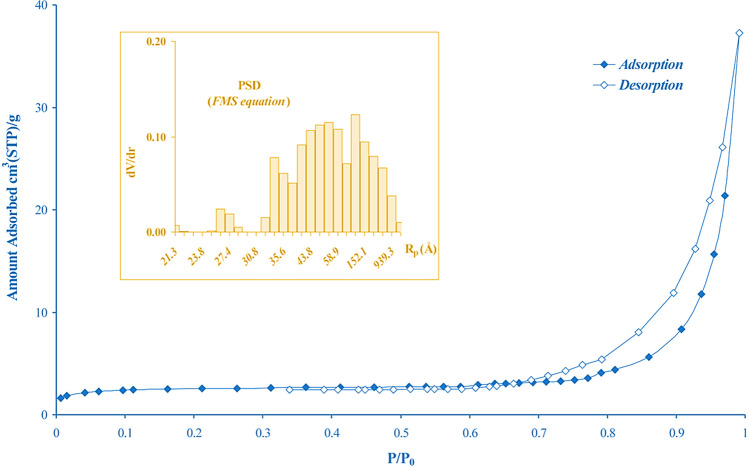
“The isotherm showed a hysteresis loop in the range of 0.6–1 P/P0 and the shape belongs to a type IV B or type H3 isotherm, according to the IUPAC classification (Alothman 2012).”
InfluentialPost-Combustion CO 2 Capture Using Solid Sorbents: A Review
Samanta, A., Zhao, A., Shimizu, G. K. H., Sarkar, P., & Gupta, R. (2012) · Industrial & Engineering Chemistry Research · doi:10.1021/ie200686q · Cited by 1,889 · cited 1×
“Different adsorbent materials are suitable for this purpose, i.e., activated carbon, alumina, silica gel, metal organic frameworks (MOFs), and, above all, zeolites (Samanta et al. 2012).”
Tkaczyk, A., Mitrowska, K., & Posyniak, A. (2020) · Science of The Total Environment · doi:10.1016/j.scitotenv.2020.137222 · Cited by 1,876 · cited 1×
“They are classified as micropollutants due to their low concentration (ng/l to μg/l) and exhibit toxicity and non-biodegradability (Tkaczyk et al. 2020; Yusuf 2019).”
Saravanan, A., Senthil Kumar, P., Jeevanantham, S., Karishma, S., Tajsabreen, B., Yaashikaa, P. R., & Reshma, B. (2021) · Chemosphere · doi:10.1016/j.chemosphere.2021.130595 · Cited by 1,330 · cited 2×
“Due to industrial growth, wastewater pollution increased over the years, therefore treatment with cost-effective technologies and sustainable materials to preserve public health and reduce levels of environmental degradation (Kumar 2013; Nafea et al. 2024; Saravanan et al. 2021).”
Mode of Bactericidal Action of Silver Zeolite and Its Comparison with That of Silver Nitrate
Matsumura, Y., Yoshikata, K., Kunisaki, S.-I., & Tsuchido, T. (2003) · Applied and Environmental Microbiology · doi:10.1128/aem.69.7.4278-4281.2003 · Cited by 1,048 · cited 1×
“Thanks to its adsorption capacity and ion exchange properties, clinoptilolite is also used as fertilizer, additive, or as a carrier of agrochemicals, pesticides, insecticides, antibacterial agents, and growth stimulators in agriculture (Matsumura et al. 2003; Rehakova et al. 2004).”
Weitkamp, J. (2000) · Solid State Ionics · doi:10.1016/s0167-2738(00)00632-9 · Cited by 973 · cited 1×
“For this reason, the Si/Al ratio must be greater than 1 (Weitkamp 2000).”
The Role of Hydrothermal Synthesis in Preparative Chemistry
Rabenau, A. (1985) · Angewandte Chemie International Edition in English · doi:10.1002/anie.198510261 · Cited by 853 · cited 1×
“…the use of water as a solvent and a base as a mineralizer for the production of commercial zeolites, provides a good quality product but it involves the use of very expensive autoclaves, and it requires the cost of the disposal of corrosive slurries produced (Rabenau 1985; Sugano et al. 2005).”
The Kyoto Protocol to the United Nations Framework Convention on Climate Change
Breidenich, C., Magraw, D., Rowley, A., & Rubin, J. W. (1998) · American Journal of International Law · doi:10.2307/2998044 · Cited by 591 · cited 1×
“To control human activities and decrease CO 2 emissions, many protocols have been implemented in different nations (Attila 2021; Breidenich et al. 1998).”
Ammonium removal from aqueous solutions by using natural Chinese (Chende) zeolite as adsorbent
Huang, H., Xiao, X., Yan, B., & Yang, L. (2010) · Journal of Hazardous Materials · doi:10.1016/j.jhazmat.2009.09.156 · Cited by 450 · cited 1×
“However, the removal of ammonia is highly influenced by the presence of some cations, i.e., K + , Ca 2+ , Mg 2+ , and Na + , but also pH, temperature, and composition of clinoptilolite (Huang et al. 2010).”
Application of natural zeolites in environmental remediation: a short review
Misaelides, P. (2011) · Microporous and Mesoporous Materials · doi:10.1016/j.micromeso.2011.03.024 · Cited by 444 · cited 1×
“In particular, clinoptilolite, in its both natural and modified form, has proven to be extremely attractive in the separation, binding, and chemical stabilization of hazardous inorganic, organic, and radioactive species in soils and aqueous systems (Misaelides 2011).”
Zeolite synthesis from low-cost materials and environmental applications: A review
Khaleque, A., Alam, M. M., Hoque, M., Mondal, S., Haider, J. B., Xu, B., Johir, M. A. H., Karmakar, A. K., Zhou, J. L., Ahmed, M. B., et al. (2020) · Environmental Advances · doi:10.1016/j.envadv.2020.100019 · Cited by 396
Structural and physicochemical properties of natural zeolites: clinoptilolite and mordenite
Korkuna, O., Leboda, R., Skubiszewska-Zie¸ba, J., Vrublevs’ka, T., Gun’ko, V. M., & Ryczkowski, J. (2006) · Microporous and Mesoporous Materials · doi:10.1016/j.micromeso.2005.08.002 · Cited by 357 · cited 3×
“In the USA, the price can vary from 20 to 100$/ton (200$/ton in the case of clinoptilolite), whereas a synthetic zeolite A ranges from 500 to 600$/ton (Borsatto and Inglezakis 2012).”
Ammoniacal nitrogen removal from water by treatment with clays and zeolites
Rozic, M. (2000) · Water Research · doi:10.1016/s0043-1354(00)00113-5 · Cited by 351 · cited 1×
“Ammonia is a frequent contaminant in wastewater from industrial and municipal sources deriving from the development of the industrial sector, more precisely the field of coking, chemical fertilizers, coal gasification, petroleum refining, pharmaceuticals, and catalyst (Rožić et al. 2000).”
Advances in principal factors influencing carbon dioxide adsorption on zeolites
Bonenfant, D., Kharoune, M., Niquette, P., Mimeault, M., & Hausler, R. (2008) · Science and Technology of Advanced Materials · doi:10.1088/1468-6996/9/1/013007 · Cited by 351 · cited 2×
“Moreover, CO 2 adsorption capacity strictly depends on Si/ Al ratio and pore size (Bonenfant et al. 2008; Hernández-Huesca et al. 1999).”
Fito, J., Abewaa, M., Mengistu, A., Angassa, K., Ambaye, A. D., Moyo, W., & Nkambule, T. (2023) · Scientific Reports · doi:10.1038/s41598-023-32341-w · Cited by 321 · cited 1×
“The most common adsorbent is activated carbon since it exhibits high efficiency in the removal (Bouchelkia et al. 2023; Fito et al. 2023; B. A. Mohamed et al. 2023; Obayomi et al. 2023; Raninga et al. 2023; Valério Filho et al. 2023).”
Sircar, S. (2002) · Industrial & Engineering Chemistry Research · doi:10.1021/ie0109758 · Cited by 319 · cited 1×
“…al. (2003) tested three different natural zeolites, including clinoptilolite, as possible sorbents in the pressure swing adsorption (PSA) process, known to be clean and economically attractive technology and efficient processes both for CO 2 capture and for gas streams purification (Sircar 2002).”
What Is Sustainability? A Review of the Concept and Its Applications
Giovannoni, E., & Fabietti, G. (2013) · Integrated Reporting · doi:10.1007/978-3-319-02168-3_2 · Cited by 275
Agricultural and agrochemical uses of natural zeolite of the clinoptilolite type
Reháková, M., Čuvanová, S., Dzivák, M., Rimár, J., & Gaval’ová, Z. (2004) · Current Opinion in Solid State and Materials Science · doi:10.1016/j.cossms.2005.04.004 · Cited by 270 · cited 3×
“In conclusion, clinoptilolite-based fertilizer has several advantages (Rehakova et al. 2004): (i) natural and non-toxic material, (ii) easily applied at the beginning of the vegetation period, (iii) beneficial effect through the years, (iv) ecologically advantageous, and (v) resistant to washing…”
Natural Zeolites : Occurrence, Properties, Applications
Bish, D. L., & Ming, D. W. (2001) · Mineralogical Society of America eBooks · Cited by 263
Application of Zeolites for Sustainable Agriculture: a Review on Water and Nutrient Retention
Nakhli, S. A. A., Delkash, M., Bakhshayesh, B. E., & Kazemian, H. (2017) · Water, Air, & Soil Pollution · doi:10.1007/s11270-017-3649-1 · Cited by 249 · cited 2×
“…application, and among them clinoptilolite, can improve both water use efficiency and nutrient use efficiency (NUE) in agricultural activities and consequently can reduce the potential for surface and groundwater pollution (Haemmerle and Tschegg 2023; Mondal et al. 2021; Nakhli et al. 2017).”
Integrated Reporting: Concepts and Cases that Redefine Corporate Accountability
Busco, C., Frigo, M. L., Riccaboni, A., & Paolo Quattrone, A. (2013) · Springer eBooks · doi:10.1007/978-3-319-02168-3 · Cited by 248
Critical Review on Zeolite Clinoptilolite Safety and Medical Applications in vivo
Kraljević Pavelić, S., Simović Medica, J., Gumbarević, D., Filošević, A., Pržulj, N., & Pavelić, K. (2018) · Frontiers in Pharmacology · doi:10.3389/fphar.2018.01350 · Cited by 247 · cited 1×
“On the other hand, clinoptilolite is considered safe and not toxic; thus, it is employed in some therapeutic applications (Kraljević Pavelić et al. 2018).”
Zanin, E., Scapinello, J., de Oliveira, M., Rambo, C. L., Franscescon, F., Freitas, L., de Mello, J. M. M., Fiori, M. A., Oliveira, J. V., & Dal Magro, J. (2017) · Process Safety and Environmental Protection · doi:10.1016/j.psep.2016.11.008 · Cited by 239 · cited 1×
“Zanin et al. (2017) studied the use of natural Brazilian clinoptilolite as an adsorbent for the removal of heavy metals in wastewater from the graphic industry, by performing adsorption experiments for the removal of copper(II), chromium(III), and iron(III) and revealing adsorption up to 95.4%…”
InfluentialPurification and upgrading of biogas by pressure swing adsorption on synthetic and natural zeolites
Alonso-Vicario, A., Ochoa-Gómez, J. R., Gil-Río, S., Gómez-Jiménez-Aberasturi, O., Ramírez-López, C. A., Torrecilla-Soria, J., & Domínguez, A. (2010) · Microporous and Mesoporous Materials · doi:10.1016/j.micromeso.2010.05.014 · Cited by 226 · cited 1×
“For example, in a study carried out by Alonso-Vicario et al. (2010), this material was used both for the removal of H 2 S and upgrading the biogas and then compared with a synthetic zeolite (13X).”
Studies in Surface Science and Catalysis
(2001) · Studies in Surface Science and Catalysis · doi:10.1016/s0167-2991(01)89000-5 · Cited by 225
Use of clinoptilolite for the removal of nickel ions from water: Kinetics and thermodynamics
Argun, M. E. (2008) · Journal of Hazardous Materials · doi:10.1016/j.jhazmat.2007.05.008 · Cited by 224 · cited 1×
“Argun (2008) employed a Turkish Clinoptilolite for the removal of Ni(II) ions, reaching 93.6% of adsorption at pH 7 after 45 min of contact time for 25 mg/L initial concentration and a 15 g/L solid-to-liquid ratio.”
InfluentialAdsorption of CO2, N2, and O2 on Natural Zeolites
Siriwardane, R. V., Shen, M.-S., & Fisher, E. P. (2003) · Energy & Fuels · doi:10.1021/ef020135l · Cited by 211 · cited 1×
“For example, Siriwardane et al. (2003) tested three different natural zeolites, including clinoptilolite, as possible sorbents in the pressure swing adsorption (PSA) process, known to be clean and economically attractive technology and efficient processes both for CO 2 capture and for gas streams…”
Clinoptilolite: the distribution of potassium atoms and its role in thermal stability
(1977) · Zeitschrift für Kristallographie - Crystalline Materials · doi:10.1524/zkri.1977.145.3-4.216 · Cited by 199
Radioactive waste treatments by using zeolites. A short review
Jiménez-Reyes, M., Almazán-Sánchez, P. T., & Solache-Ríos, M. (2021) · Journal of Environmental Radioactivity · doi:10.1016/j.jenvrad.2021.106610 · Cited by 193 · cited 1×
“Recent scientific developments led to the investigation of the role of clinoptilolite as an adsorbent for radioactive compounds (Jiménez-Reyes et al. 2021).”
Zeolites Enhance Soil Health, Crop Productivity and Environmental Safety
Mondal, M., Biswas, B., Garai, S., Sarkar, S., Banerjee, H., Brahmachari, K., Bandyopadhyay, P. K., Maitra, S., Brestic, M., Skalicky, M., et al. (2021) · Agronomy · doi:10.3390/agronomy11030448 · Cited by 186 · cited 1×
“…application, and among them clinoptilolite, can improve both water use efficiency and nutrient use efficiency (NUE) in agricultural activities and consequently can reduce the potential for surface and groundwater pollution (Haemmerle and Tschegg 2023; Mondal et al. 2021; Nakhli et al. 2017).”
Cation-Exchange Properties of Natural Zeolites
Pabalan, R. T., & Bertetti, F. P. (2001) · Reviews in Mineralogy and Geochemistry · doi:10.2138/rmg.2001.45.14 · Cited by 180 · cited 1×
“…of the most common natural zeolites (An 1978; Colella 1999; Inglezakis and Zorpas 2012; Joshi and Mohan Rao 1983; Mohammadzadeh Kakhki et al. 2023; Pabalan and Bertetti 2001) a Cation-exchange capacity (CEC) of natural zeolites based on the number of equivalents of exchangeable cations or the…”
Zeolite Clinoptilolite: Therapeutic Virtues of an Ancient Mineral
Mastinu, A., Kumar, A., Maccarinelli, G., Bonini, S. A., Premoli, M., Aria, F., Gianoncelli, A., & Memo, M. (2019) · Molecules · doi:10.3390/molecules24081517 · Cited by 180 · cited 1×
“Furthermore, this natural zeolite acts on intestinal lymphoid tissues with a positive impact on the intestinal ecosystem and boosts the immune system (Mastinu et al. 2019).”
Raninga, M., Mudgal, A., Patel, V. K., Patel, J. H., & Sinha, M. K. (2022) · Materials Today Proceedings · doi:10.1016/j.matpr.2022.11.358 · Cited by 175
(2012) · BENTHAM SCIENCE PUBLISHERS eBooks · doi:10.2174/97816080526151120101 · Cited by 171 · cited 3×
“In the USA, the price can vary from 20 to 100$/ton (200$/ton in the case of clinoptilolite), whereas a synthetic zeolite A ranges from 500 to 600$/ton (Borsatto and Inglezakis 2012).”
Zheng, K., Zeng, Z., Tian, Q., Huang, J., Zhong, Q., & Huo, X. (2023) · The Science of The Total Environment · doi:10.1016/j.scitotenv.2023.161691 · Cited by 171 · cited 1×
“14 Different uses of clinoptilolite for the purification of wastewater streams through adsorption process and lung damage (Liu et al. 2023; Zheng et al. 2023).”
Adsorption equilibria and kinetics of CO2, CH4 and N2 in natural zeolites
Hernández-Huesca, R., Dı́az, L., & Aguilar-Armenta, G. (1999) · Separation and Purification Technology · doi:10.1016/s1383-5866(98)00094-x · Cited by 167 · cited 2×
“Moreover, CO 2 adsorption capacity strictly depends on Si/ Al ratio and pore size (Bonenfant et al. 2008; Hernández-Huesca et al. 1999).”
Marinin, D. V., & Brown, G. N. (2000) · Waste Management · doi:10.1016/s0956-053x(00)00017-9 · Cited by 166 · cited 1×
“Other scientists tested this material for the adsorption of strontium in low-level liquid radioactive waste management, revealing a better affinity for strontium compared to other synthetic zeo-lites tested in the same context (Marinin and Brown 2000).”
Two-step method for preparation of NaA-X zeolite blend from fly ash for removal of cesium ions
El-Naggar, M. R., El-kamash, A. M., El-Dessouky, M. I., & Ghonaim, A. K. (2007) · Journal of Hazardous Materials · doi:10.1016/j.jhazmat.2007.10.115 · Cited by 165 · cited 1×
“This method has been exploited to obtain synthetic zeolites from fly ashes (El-Naggar et al. 2008).”
Aysan, H., Edebalı, S., Ozdemir, C., Karakaya, M. Ç., & Karakaya, N. (2016) · Microporous and Mesoporous Materials · doi:10.1016/j.micromeso.2016.08.007 · Cited by 161
Baghbanian, S. M., Rezaei, N., & Tashakkorian, H. (2013) · Green Chemistry · doi:10.1039/c3gc41302k · Cited by 154
Synthetic Dyes: A Threat to the Environment and Water Ecosystem
Yusuf, M. (2019) · Wiley eBooks · doi:10.1002/9781119526599.ch2 · Cited by 147 · cited 1×
“They are classified as micropollutants due to their low concentration (ng/l to μg/l) and exhibit toxicity and non-biodegradability (Tkaczyk et al. 2020; Yusuf 2019).”
Zeolites treated with silicon tetrachloride vapour. Part 1.—Preparation and characterisation
Anderson, M. W., & Klinowski, J. (1986) · Journal of the Chemical Society, Faraday Transactions 1: Physical Chemistry in Condensed Phases · doi:10.1039/f19868201449 · Cited by 141
Removal of Zn2+, Pb2+, Cd2+, and Cu2+ from aqueous solution by synthetic clinoptilolite
Li, Y., Bai, P., Yan, Y., Yan, W., Shi, W., & Xu, R. (2019) · Microporous and Mesoporous Materials · doi:10.1016/j.micromeso.2018.07.010 · Cited by 137 · cited 1×
“…represents an ideal candidate for the removal of pollutants from waste fluids thanks to its excellent selectivity for a variety of heavy metals (Li et al. 2019), including radioactive isotopes like Cs + and Sr 2+ (Lora 2018), and the presence of electrostatic forces in the cavities which allow…”
Sustainability and human resource management: reasoning and applications on corporate websites
Ehnert, I. (2009) · European J. of International Management · doi:10.1504/ejim.2009.028848 · Cited by 135 · cited 1×
“One meaning of “sustainability” was found in the report of the Brundtland Commission of the United Nations, which defined it as “the development that meets the needs of the pre-sent without compromising the ability of future generations to meet their own needs” (Bartlett 2012; Ehnert 2009).”
Clinoptilolite: Untapped potential for kinetics gas separations
Ackley, M. W., Giese, R. F., & Yang, R. T. (1992) · Zeolites · doi:10.1016/0144-2449(92)90050-y · Cited by 127 · cited 1×
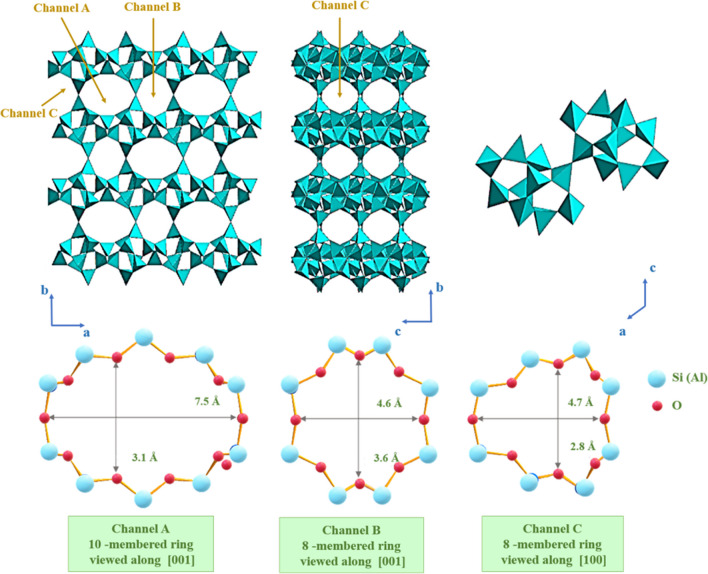
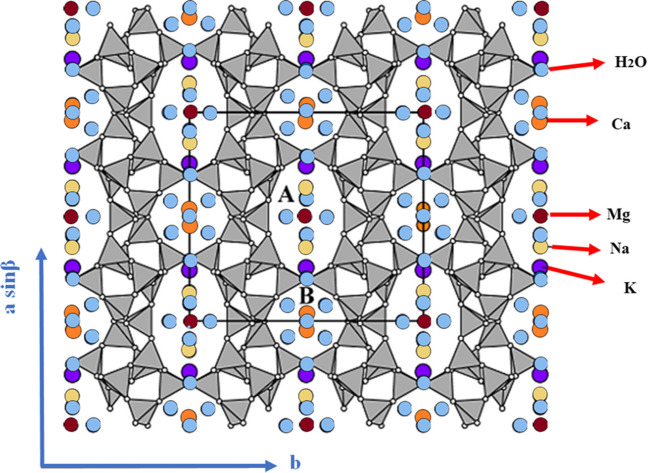
“…ring vertical channel C, exhibiting the same coordination as Ca 2+ and cation Mg 2+ commonly residing in the center of the channel of 10-member rings (channel A), coordinated only to six disordered H 2 O molecules (Ackley et al. 1992; IZA Commission on Natural Zeolites n.d.; Favvas et al. 2016).”
Properties of cement mortars containing clinoptilolite as a supplementary cementitious material
Bilim, C. (2011) · Construction and Building Materials · doi:10.1016/j.conbuildmat.2011.02.006 · Cited by 127 · cited 2×
“This makes them the ideal candidates to substitute pozzolan in cement manufacture, in case of shortage of this material (Bilim 2011; Kriptavičius et al. 2022).”
Favvas, E. P., Tsanaktsidis, C. G., Sapalidis, A. A., Tzilantonis, G. T., Papageorgiou, S. K., & Mitropoulos, A. C. (2016) · Microporous and Mesoporous Materials · doi:10.1016/j.micromeso.2016.01.021 · Cited by 127 · cited 5×
“…ring vertical channel C, exhibiting the same coordination as Ca 2+ and cation Mg 2+ commonly residing in the center of the channel of 10-member rings (channel A), coordinated only to six disordered H 2 O molecules (Ackley et al. 1992; IZA Commission on Natural Zeolites n.d.; Favvas et al. 2016).”
InfluentialAhmed, R. S., Abuarab, M. E., Ibrahim, M. M., Baioumy, M., & Mokhtar, A. (2022) · Chemosphere · doi:10.1016/j.chemosphere.2023.137872 · Cited by 127 · cited 1×
“In this context, heavy metals represent an important issue since it could lead to bioaccumulation and hazardous acute and long-term effects on human health and the environment (Ahmed et al. 2023; Kumari and Bhattacharya 2023).”
Davarpanah, E., Armandi, M., Hernández, S., Fino, D., Arletti, R., Bensaid, S., & Piumetti, M. (2020) · Journal of Environmental Management · doi:10.1016/j.jenvman.2020.111229 · Cited by 125 · cited 3×
“…mainly excellent thermal stability, acid resistance, and high CO 2 selective adsorption, this natural zeolite can be exploited in carbon capture, utilization, and sequestration (named CCUS) processes (Cavallo et al. 2023; Davarpanah et al. 2020; Diógenes et al. 2022; Montes Luna et al. 2018).”
Self-citationBouchelkia, N., Tahraoui, H., Amrane, A., Belkacemi, H., Bollinger, J.-C., Bouzaza, A., Zoukel, A., Zhang, J., & Mouni, L. (2023) · Process Safety and Environmental Protection · doi:10.1016/j.psep.2022.12.028 · Cited by 124 · cited 1×
“The most common adsorbent is activated carbon since it exhibits high efficiency in the removal (Bouchelkia et al. 2023; Fito et al. 2023; B. A. Mohamed et al. 2023; Obayomi et al. 2023; Raninga et al. 2023; Valério Filho et al. 2023).”
Thermal Behavior of Natural Zeolites
Bish, D. L., & Carey, J. W. (2001) · Reviews in Mineralogy and Geochemistry · doi:10.2138/rmg.2001.45.13 · Cited by 121 · cited 2×
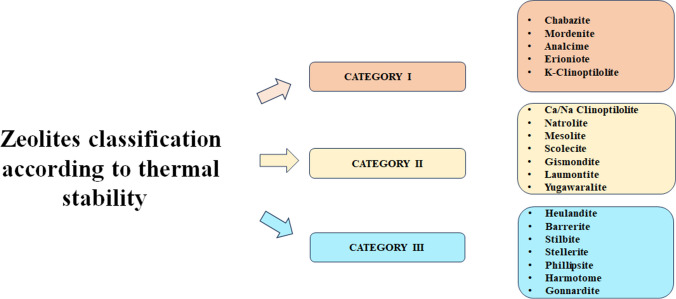
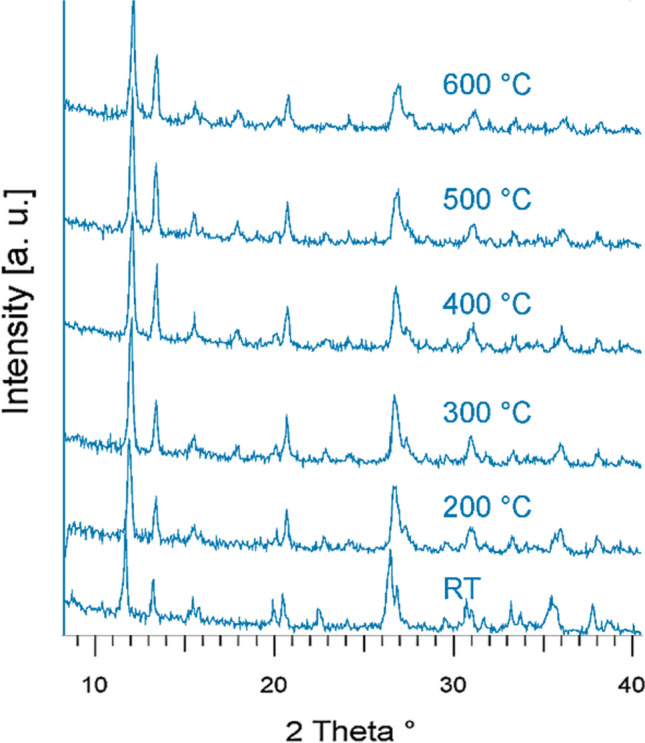
“8 Thermal classification of zeolites (Bish and Carey 2001; Rodríguez-Iznaga et al. 2022) deposit, reporting that no significant structural changes were observed up to 600 °C (see Fig.”
Removal of ammonium from aqueous solution by ion exchange on natural and modified chabazite
Leyva‐Ramos, R., Monsivais-Rocha, J. E., Aragón‐Piña, A., Berber-Mendoza, M. S., Guerrero-Coronado, R. M., Alonso-Dávila, P. A., & Mendoza-Barron, J. (2010) · Journal of Environmental Management · doi:10.1016/j.jenvman.2010.07.035 · Cited by 119
Geology of natural zeolites and zeolitic rocks
Iijima, A. (1980) · Pure and Applied Chemistry · doi:10.1351/pac198052092115 · Cited by 106 · cited 3×
“This alteration occurs due to a reaction between acidic volcanic glass and interstitial solutions during burial diagenesis (Iijima 2007).”
Mariah, M. A. A., Vonnie, J. M., Erna, K. H., Nur’Aqilah, M. N., Huda, N., Wahab, R. A., & Rovina, K. (2022) · Membranes · doi:10.3390/membranes12020117 · Cited by 105 · cited 1×
“This emerging technology allows to increase in the shelf life, thus increasing the market potential for fresh fruits and vegetables (Mariah et al. 2022).”
Thermal and spectroscopic studies of zeolites exchanged with metal cations
Castaldi, P., Santona, L., Cozza, C., Giuliano, V., Abbruzzese, C., Nastro, V., & Melis, P. (2005) · Journal of Molecular Structure · doi:10.1016/j.molstruc.2004.09.009 · Cited by 104 · cited 2×
“As an example, Castaldi et al. (2005) exploited both thermal analysis and Fourier-transform (FT) infrared (IR) spectroscopy to analyze the activation energy of dehydration and thermal stability of clinoptilolite.”
Potential and actual uses of zeolites in crop protection
De Smedt, C., Someus, E., & Spanoghe, P. (2015) · Pest Management Science · doi:10.1002/ps.3999 · Cited by 98 · cited 1×
“The result of both these processes is a rapid water loss from the insect’s body which leads to the insect’s death due to desiccation (De Smedt et al. 2015).”
Natural zeolites in environmentally friendly processes and applications
Colella, C. (1999) · Studies in surface science and catalysis · doi:10.1016/s0167-2991(99)80270-5 · Cited by 97 · cited 1×
“…(i) extra-framework ions for charge balance and Table 3 Si/Al ratio, CEC, and exchange selectivity of the most common natural zeolites (An 1978; Colella 1999; Inglezakis and Zorpas 2012; Joshi and Mohan Rao 1983; Mohammadzadeh Kakhki et al. 2023; Pabalan and Bertetti 2001) a Cation-exchange…”
Modelling the effect of water on cation exchange in zeolite A
(2002) · Journal of Materials Chemistry · doi:10.1039/b104069n · Cited by 95 · cited 1×
“In fact, if cations are strongly hydrated or solvated, they do not tend to share water molecules with other sites, thus affecting the ion exchange (Higgins et al. 2002).”
Two-Dimensional Zeolite Materials: Structural and Acidity Properties
Schulman, E., Wu, W., & Liu, D. (2020) · Materials · doi:10.3390/ma13081822 · Cited by 95 · cited 1×
“The result of this arrangement gives cages connected by pore openings of a defined size (Breck 1973; Martínez and Corma 2013; Schulman et al. 2020).”
Badeenezhad, A., Azhdarpoor, A., Bahrami, S., & Yousefinejad, S. (2019) · Molecular Simulation · doi:10.1080/08927022.2018.1564077 · Cited by 94
Wahono, S. K., Stalin, J., Addai-Mensah, J., Skinner, W., Vinu, A., & Vasilev, K. (2020) · Microporous and Mesoporous Materials · doi:10.1016/j.micromeso.2019.109871 · Cited by 93 · cited 1×
“On the other hand, Wahono et al. (2020) demonstrated that it was possible to obtain a competitive alternative to synthetic zeolites for CO 2 removal with an Indonesian mordenite-clinoptilolite zeolite, dealuminated through 12M HCl and then calci-nated at 400°C.”
Kumari, M., & Bhattacharya, T. (2023) · Environmental Development · doi:10.1016/j.envdev.2023.100859 · Cited by 88 · cited 1×
“In this context, heavy metals represent an important issue since it could lead to bioaccumulation and hazardous acute and long-term effects on human health and the environment (Ahmed et al. 2023; Kumari and Bhattacharya 2023).”
Hydrothermal Synthesis of Zeolite A Using Blast Furnace Slag
Sugano, Y., Sahara, R., Murakami, T., Narushima, T., Iguchi, Y., & Ouchi, C. (2005) · ISIJ International · doi:10.2355/isijinternational.45.937 · Cited by 83 · cited 1×
“…the use of water as a solvent and a base as a mineralizer for the production of commercial zeolites, provides a good quality product but it involves the use of very expensive autoclaves, and it requires the cost of the disposal of corrosive slurries produced (Rabenau 1985; Sugano et al. 2005).”
Tuning Zeolite Properties towards CO2 Methanation: An Overview
Bacariza, M. C., Graça, I., Lopes, J. M., & Henriques, C. (2019) · ChemCatChem · doi:10.1002/cctc.201900229 · Cited by 83 · cited 2×
“In fact, zeolite types such as MOR and ZSM-5 promote the interaction and affinity to CO 2 more than USY and BEA zeolites (Bacariza et al. 2019).”
Zhao, C., Ge, L., Mai, L., Li, X., Chen, S., Li, Q., Li, S., Yao, L., Wang, Y., & Xu, C. (2023) · Energy & Fuels · doi:10.1021/acs.energyfuels.3c01866 · Cited by 81 · cited 1×
“However, due to its high cost which depends on chemical activators, high regeneration temperatures, etc. (Dosa et al. 2021; Zhao et al. 2023), Scientific Community became more interested in other sustainable alternatives for wastewater treatments.”
McCusker, L. B., & Baerlocher, C. (2001) · Studies in surface science and catalysis · doi:10.1016/s0167-2991(01)80244-5 · Cited by 77 · cited 1×
“Both natural and synthetic ones can be classified depending on framework structure and framework type (Das and Das 2020; McCusker and Baerlocher 2001).”
Shaped natural and synthetic zeolites for CO2 capture in a wide temperature range
Cavallo, M., Dosa, M., Porcaro, N. G., Bonino, F., Piumetti, M., & Crocellà, V. (2023) · Journal of CO2 Utilization · doi:10.1016/j.jcou.2022.102335 · Cited by 77 · cited 3×
“…diameter (3.3 Å) and the higher temperature of adsorption allows an easier CO 2 entrance and diffusion into the micropores of the zeolite, thus resulting in higher values of specific surface area, namely, 22 m 2 /g and 240 m 2 /g for N 2 and CO 2 physisorption, respectively (Cavallo et al. 2023).”
InfluentialSelf-citationAlver, B. E., Sakizci, M., & Yörükoğullari, E. (2010) · Journal of Thermal Analysis and Calorimetry · doi:10.1007/s10973-009-0118-0 · Cited by 75 · cited 2×
“In a study led by Alver et al. (2010), a Turkish clinoptilolite exchanged both with mono-valent and with bivalent cations was investigated for the water loss.”
Kannan, A. D., & Parameswaran, P. (2021) · Journal of Water Process Engineering · doi:10.1016/j.jwpe.2021.102234 · Cited by 74
Obayomi, K. S., Lau, S. Y., Zahir, A., Meunier, L., Zhang, J., Dada, A. O., & Rahman, M. M. (2023) · Chemosphere · doi:10.1016/j.chemosphere.2022.137533 · Cited by 74 · cited 1×
“The most common adsorbent is activated carbon since it exhibits high efficiency in the removal (Bouchelkia et al. 2023; Fito et al. 2023; B. A. Mohamed et al. 2023; Obayomi et al. 2023; Raninga et al. 2023; Valério Filho et al. 2023).”
Chemical Modification Effect on the Sorption Capacities of Natural Clinoptilolite
Kurama, H., Zimmer, A., & Reschetilowski, W. (2002) · Chemical Engineering & Technology · doi:10.1002/1521-4125(200203)25:3<301::aid-ceat301>3.0.co;2-# · Cited by 74
Ion Exchange in Natural Clinoptilolite: Aspects Related to Its Structure and Applications
Rodríguez-Iznaga, I., Shelyapina, M. G., & Petranovskii, V. (2022) · Minerals · doi:10.3390/min12121628 · Cited by 73 · cited 9×
“…to 3.11 m eq /g. Finally, it should be highlighted that the evaluation of CEC related to a natural zeolite, such as clinoptilolite, is challenging due to the impurities and other phases depending on zeolites’ origin or on the process of purification they attended (Rodríguez-Iznaga et al. 2022).”
InfluentialEthylene adsorption on chitosan/zeolite composite films for packaging applications
do Nascimento Sousa, S. D., Santiago, R. G., Soares Maia, D. A., de Oliveira Silva, E., Vieira, R. S., & Bastos-Neto, M. (2020) · Food Packaging and Shelf Life · doi:10.1016/j.fpsl.2020.100584 · Cited by 70 · cited 3×
“In conclusion, even though natural zeolites showed half the adsorption capacity of 13X, they resulted thermally stable, less expensive, largely available, and faster to reach equilibrium conditions than zeolite 13X. Nasruddin et al. (2020) carried out a study on the performance of a natural Indonesian zeolite as a pot…”
Nano clays and its composites for food packaging applications
Deshmukh, R. K., Hakim, L., Akhila, K., Ramakanth, D., & Gaikwad, K. K. (2023) · International Nano Letters · doi:10.1007/s40089-022-00388-8 · Cited by 70
Clinoptilolite-Heulandite Nomenclature
Bish, D. L., & Boak, J. M. (2001) · Reviews in Mineralogy and Geochemistry · doi:10.2138/rmg.2001.45.5 · Cited by 69 · cited 1×
“Later, in 1934, Hey and Bannister concluded that clinoptilolite was simply a silica-rich heulandite, according to similarities in their X-ray diffraction patterns (Bish and Boak 2001).”
Synthesis of high-efficient TiO2/clinoptilolite photocatalyst for complete degradation of xanthate
Shen, Y., Zhou, P., Zhao, S., Li, A., Chen, Y., Bai, J., Han, C., Wei, D., & Ao, Y. (2020) · Minerals Engineering · doi:10.1016/j.mineng.2020.106640 · Cited by 67 · cited 1×
“This result is in agreement with those obtained with other clinoptilolites found in different geographical areas (i.e., 35 m 2 /g (Shen et al. 2020), 13 m 2 /g (Szymaszek-Wawryca et al. 2022), 22 m 2 /g (Cavallo et al. 2023), and so on).”
Lamprecht, M., Bogner, S., Steinbauer, K., Schuetz, B., Greilberger, J. F., Leber, B., Wagner, B., Zinser, E., Petek, T., Wallner-Liebmann, S., et al. (2015) · Journal of the International Society of Sports Nutrition · doi:10.1186/s12970-015-0101-z · Cited by 66 · cited 1×
“To avoid an excess of this molecule and restore the integrity of the intestinal barrier thus alleviating side effects like nausea and diarrhea, the use of clinoptilo-lite could be a possible solution (Lamprecht et al. 2015).”
Chemical Modification Effect on the Sorption Capacities of Natural Clinoptilolite
Kurama, H., Zimmer, A., & Reschetilowski, W. (2002) · Chemical Engineering & Technology · doi:10.1002/1521-4125(200203)25:3<237::aid-ceat237>3.0.co;2-4 · Cited by 63
Antiviral properties of clinoptilolite
Grce, M., & Pavelić, K. (2005) · Microporous and Mesoporous Materials · doi:10.1016/j.micromeso.2004.10.039 · Cited by 63 · cited 1×
“Similarly, the antiviral properties of clinoptilolite were investigated by Grce and Pavelić (2005) on different kinds of human viruses.”
Helmi, M., Ghadiri, M., Tahvildari, K., & Hemmati, A. (2021) · Journal of environmental chemical engineering · doi:10.1016/j.jece.2021.105988 · Cited by 63
Characterization and ethylene adsorption of natural and modified clinoptilolites
Alver, B. E., Sakızcı, M., & Yörükoğulları, E. (2007) · Applied Surface Science · doi:10.1016/j.apsusc.2007.09.058 · Cited by 61 · cited 1×
“In this context, different studies related to ethylene adsorption on natural zeolites, including clinoptilolite, were reported in the literature (Erdoğan et al. 2008; Vargas-Hernández et al. 2015).”
Gelatin-based films containing clinoptilolite-Ag for application as wound dressing
Hubner, P., Donati, N., Quines, L. K. D. M., Tessaro, I. C., & Marcilio, N. R. (2020) · Materials Science and Engineering: C · doi:10.1016/j.msec.2019.110215 · Cited by 61 · cited 1×
“However, recently, their use has been exploited in other, more specialized and innovative areas, i.e., biomedical and cosmetic applications (Hubner et al. 2020; Neag et al. 2022), which promotes the use of this natural material.”
Velarde, L., Nikjoo, D., Escalera, E., & Akhtar, F. (2024) · Heliyon · doi:10.1016/j.heliyon.2024.e24006 · Cited by 59
Mortazavi, N., Bahadori, M., Marandi, A., Tangestaninejad, S., Moghadam, M., Mirkhani, V., & Mohammadpoor-Baltork, I. (2021) · Sustainable Chemistry and Pharmacy · doi:10.1016/j.scp.2021.100495 · Cited by 54 · cited 1×
“In another study carried out by Mortazavi et al. (2021), clinoptilolite was doped by using different procedures including an ionic exchange with Li + , Mg 2+ , and Ca 2+ ions, modification with monoethanolamine (MEA), trieth-anolamine (TEA), and hexyl amine and by using ionic liquid modification…”
Aghel, B., Gouran, A., & Nasirmanesh, F. (2022) · Energy · doi:10.1016/j.energy.2022.123138 · Cited by 54 · cited 1×
“Another example concerns the synthesis of eco-friendly heterogeneous CaO/clinoptilolite catalyst and, subsequently, its high-performance in biodiesel production from the transesterification reaction of methanol and waste cooking oil (Aghel et al. 2022).”
Thermal and structural stability of microporous natural clinoptilolite zeolite
Kukobat, R., Škrbić, R., Massiani, P., Baghdad, K., Launay, F., Sarno, M., Cirillo, C., Senatore, A., Salčin, E., & Atlagić, S. G. (2022) · Microporous and Mesoporous Materials · doi:10.1016/j.micromeso.2022.112101 · Cited by 54 · cited 1×
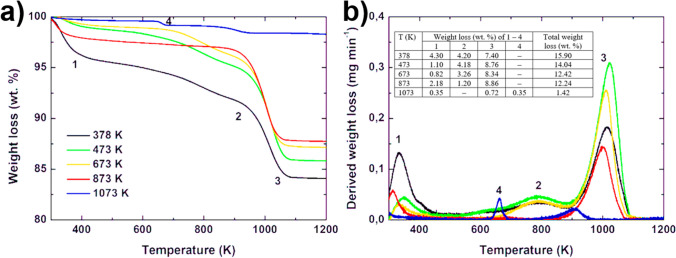
“This result was confirmed by Kukobat et al. (2022) performing TGA analyses considering different pretreatment temperatures at which clinoptilolite had undergone, and it was possible to distinguish different profiles (see Fig.”
Nannu Shankar, S., Dinakaran, D. R., Chandran, D. K., Mantha, G., Srinivasan, B., & Nyayiru Kannaian, U. P. (2023) · Energy Nexus · doi:10.1016/j.nexus.2023.100197 · Cited by 54 · cited 1×
“In another study, Nannu Shankar et al. (2023) investigated the adsorptive capacity of Indian clinoptilolite towards Vio-let 5BN (V5BN).”
Application of natural zeolite clinoptilolite for the removal of ammonia in wastewater
Adam, M. R., Othman, M. H. D., Hubadillah, S. K., Abd Aziz, M. H., & Jamalludin, M. R. (2023) · Materials Today: Proceedings · doi:10.1016/j.matpr.2022.12.207 · Cited by 50 · cited 1×
“In another work, Adam et al. (2023) reported that more than 80% of the ammonia in the feed solution (containing 50 ppm) was effectively adsorbed by the natural zeolite clinoptilolite, highlighting high affinity with this molecule.”
Yosefi, L., Haghighi, M., Allahyari, S., Shokrani, R., & Ashkriz, S. (2015) · Advanced Powder Technology · doi:10.1016/j.apt.2015.01.009 · Cited by 49 · cited 2×
“In a similar work, Yosefi et al. (Yosefi et al. 2015a, 2015b) modified a clinop-tilolite/CeO 2 nanocatalyst with 5%, 10%, and 15% of Cu, respectively, by means of the sonochemical method, which is efficient in controlling pore size, morphology, and distribution of active phase on the support.”
Zeolites for food applications: A review
Villa, C. C., Valencia, G. A., López Córdoba, A., Ortega-Toro, R., Ahmed, S., & Gutiérrez, T. J. (2022) · Food Bioscience · doi:10.1016/j.fbio.2022.101577 · Cited by 49 · cited 2×
“Another interesting food-related application concerns food packaging, where clinoptilolite is adopted as active packaging, to prolong the conservation or shelf life of the product, thus reducing food waste and economic loss due to the degradation of the food itself (Villa et al. 2022).”
Catalytic degradation of polypropylene: effect of dealumination of clinoptilolite catalyst
Kim, J. R., Kim, Y. A., Yoon, J. H., Park, D. W., & Woo, H. C. (2002) · Polymer Degradation and Stability · doi:10.1016/s0141-3910(01)00231-2 · Cited by 48 · cited 1×
“In 2002, Kim et al. (2002) investigated the role of clinoptilolite in the degradation of polypropylene (PP).”
Miądlicki, P., Wróblewska, A., Kiełbasa, K., Koren, Z. C., & Michalkiewicz, B. (2021) · Microporous and Mesoporous Materials · doi:10.1016/j.micromeso.2021.111266 · Cited by 47 · cited 1×
“17), to obtain high-value added chemicals (Miądlicki et al. 2021).”
Montes‐Luna, Á. D. J., León, G. C., Rodríguez, S. P. G., López, N. C. F., Pérez‐Camacho, O., & Perera-Mercado, Y. A. (2018) · Journal of Natural Gas Science and Engineering · doi:10.1016/j.jngse.2018.03.007 · Cited by 45 · cited 2×
“In addition, due to its properties, mainly excellent thermal stability, acid resistance, and high CO 2 selective adsorption, this natural zeolite can be exploited in carbon capture, utilization, and sequestration (named CCUS) processes (Cavallo et al. 2023; Davarpanah et al. 2020; Diógenes et al. 2022; Montes Luna et…”
Ji, G., Tong, J., & Tan, Y. (2010) · Bioresource Technology · doi:10.1016/j.biortech.2010.07.075 · Cited by 44 · cited 1×
“Finally, clinoptilolite can be also employed in multi-media biological aerated filters (MBAF) for synthetic water treatment (Ji et al. 2011).”
Liu, Y., Zhao, S., Qiu, X., Meng, Y., Wang, H., Zhou, S., Qiao, Q., & Yan, C. (2023) · Journal of Environmental Management · doi:10.1016/j.jenvman.2022.117167 · Cited by 43 · cited 3×
“However, due to its high cost which depends on chemical activators, high regeneration temperatures, etc. (Dosa et al. 2021; Zhao et al. 2023), Scientific Community became more interested in other sustainable alternatives for wastewater treatments.”
Chromium Removal from Aqueous Solution Using Natural Clinoptilolite
Kurniawan, T. A., Othman, M. H. D., Adam, M. R., Liang, X. P., Goh, H. H., Anouzla, A., Sillanpää, M. E. T., Mohyuddin, A., & Chew, K. W. (2023) · Water · doi:10.3390/w15091667 · Cited by 43
Adsorption Characteristics of Natural Erionite, Clinoptilolite and Mordenite Zeolites from Mexico
Hernáandez, M. A., Corona, L., & Rojas, F. (2000) · Adsorption · doi:10.1023/a:1008943031277 · Cited by 42
Khalilzadeh, M. A., Sadeghifar, H., & Venditti, R. A. (2019) · Industrial & Engineering Chemistry Research · doi:10.1021/acs.iecr.9b02239 · Cited by 42
Jänchen, J., & Stach, H. (2013) · Solar Energy · doi:10.1016/j.solener.2013.07.018 · Cited by 42
Martínez, C., & Corma, A. (2013) · Elsevier eBooks · doi:10.1016/b978-0-08-097774-4.00506-4 · Cited by 40
Kraljević Pavelić, S., Micek, V., Filošević, A., Gumbarević, D., Žurga, P., Bulog, A., Orct, T., Yamamoto, Y., Preočanin, T., Plavec, J., et al. (2017) · Microporous and Mesoporous Materials · doi:10.1016/j.micromeso.2017.04.062 · Cited by 40 · cited 1×
“Thus, a team of researchers recently investigated different clinop-tilolite materials obtained by various production methods and evaluated them for detoxification properties in vitro and in AlCl 3− -intoxicated rats in vivo (Kraljević Pavelić et al. 2017).”
Adsorption of Sulfur Dioxide on Clinoptilolite/Nano Iron Oxide and Natural Clinoptilolite
Mahmoodi Meimand, M., Javid, N., & Malakootian, M. (2019) · Health Scope · doi:10.5812/jhealthscope.69158 · Cited by 40 · cited 1×
“Furthermore, Meimand et al. (2019) tested clinoptilolite both in its natural form and as support for the dispersion of iron oxide nanoparticles with the aim of adsorbing sulfur dioxide gas (SO 2 ) which negatively affects both humans and the environment.”
Senila, L. R., Hoaghia, M.-A., Moldovan, A., Török, A. I., Kovacs, E. D., Simedru, D., Tomoiag, C. H., & Șenilă, M. (2022) · Materials · doi:10.3390/ma15103685 · Cited by 40
Mohamed, B. A., Hamid, H., Montoya-Bautista, C. V., & Li, L. Y. (2023) · Journal of Cleaner Production · doi:10.1016/j.jclepro.2023.136095 · Cited by 40 · cited 1×
“The most common adsorbent is activated carbon since it exhibits high efficiency in the removal (Bouchelkia et al. 2023; Fito et al. 2023; B. A. Mohamed et al. 2023; Obayomi et al. 2023; Raninga et al. 2023; Valério Filho et al. 2023).”
Alotaibi, A. M., Ismail, A. F., & Aziman, E. S. (2023) · Scientific Reports · doi:10.1038/s41598-023-36487-5 · Cited by 40 · cited 2×
“Adapted from (Alotaibi et al. 2023) of 6,11-dimethyl-2,6,10-dodecatrien-1-ol and thumbergol amounted to 14 and 47 mol%, respectively.”
Sources, fate, effects, and analysis of microplastic in wastewater treatment plants: A review
Nafea, T. H., Al-Maliki, A., & Al-Tameemi, I. M. (2023) · Environmental Engineering Research · doi:10.4491/eer.2023.040 · Cited by 40 · cited 1×
“Due to industrial growth, wastewater pollution increased over the years, therefore treatment with cost-effective technologies and sustainable materials to preserve public health and reduce levels of environmental degradation (Kumar 2013; Nafea et al. 2024; Saravanan et al. 2021).”
Zn2+ and Cd2+ removal from wastewater using clinoptilolite as adsorbent
Galletti, C., Dosa, M., Russo, N., & Fino, D. (2021) · Environmental Science and Pollution Research · doi:10.1007/s11356-020-08483-z · Cited by 39 · cited 2×
“Galletti et al. (2021) investigated its performance in a system comprising both zinc and cadmium ions, and observed that complete adsorption was reached when the metal concentration in the solutions was equal to 10 mg/L. Increasing the metal amount progressively to 50, 100, and 200 mg/L, adsorption…”
Self-citationRoyaee, S. J., Falamaki, C., Sohrabi, M., & Ashraf Talesh, S. S. (2008) · Applied Catalysis A: General · doi:10.1016/j.apcata.2008.01.011 · Cited by 38 · cited 1×
“In 2008, Royaee et al. (2008) employed this natural zeolite for catalyzing important petrochemical reactions, i.e., methanol dehydration to dimethylether (MTD), which is part of the methanol to olefin (MTO) and methanol to gasoline (MTG) processes.”
Effects of clinoptilolite treatment on oxidative stress after partial hepatectomy in rats
Saribeyoglu, K., Aytac, E., Pekmezci, S., Saygili, S., Uzun, H., Ozbay, G., Aydin, S., & Seymen, H. O. (2011) · Asian Journal of Surgery · doi:10.1016/j.asjsur.2011.11.007 · Cited by 38 · cited 1×
“Saribeyoglu et al. (2011) studied the ability of a cell to maintain functional homeostasis which depends on protective antioxidant enzymes, such as superoxide dismutase (SOD) and glutathione (GSH) which protect cells against oxygen radicals and toxic compounds.”
Beltcheva, M., Metcheva, R., Popov, N., Teodorova, S. E., Heredia-Rojas, J. A., Rodríguez-de la Fuente, A. O., Rodríguez-Flores, L. E., & Topashka-Ancheva, M. (2012) · Biological Trace Element Research · doi:10.1007/s12011-011-9278-4 · Cited by 37 · cited 1×
“For the first time in 2012, Beltcheva et al. (2012) studied its efficacy in lead poisoned mice and they observed that the natural zeolite caused a reduction of levels of lead’s accumulation in the intestine and provided the brain tissue with a protective effect.”
Basic Treatment in Natural Clinoptilolite for Improvement of Physicochemical Properties
De Souza, V. C., Villarroel-Rocha, J., De Araújo, M. J. G., Sapag, K., & Pergher, S. B. C. (2018) · Minerals · doi:10.3390/min8120595 · Cited by 35 · cited 1×
“This is feasible thanks to the presence of Van Der Waals forces and electrostatic interactions between CO 2 and clinoptilolite (De Souza et al. 2018; Dosa et al. 2021; Kurama et al. 2002).”
Dosa, M., Grifasi, N., Galletti, C., Fino, D., & Piumetti, M. (2022) · Materials · doi:10.3390/ma15228191 · Cited by 35 · cited 3×
“In one of our works (Dosa et al. 2022), we investigated the use of Greek clinoptilolite (labeled as Clin) for the adsorption of Methylene Blue (MB), used as a target molecule from textile wastewater.”
Self-citationKouchachvili, L., Bardy, D. A., Djebbar, R., & Hogg, L. E. W. (2023) · Journal of Porous Materials · doi:10.1007/s10934-022-01277-3 · Cited by 33
Beaucham, C., King, B., Feldmann, K., Harper, M., & Dozier, A. (2018) · Journal of Occupational and Environmental Hygiene · doi:10.1080/15459624.2018.1447116 · Cited by 32 · cited 1×
“In fact, erionite forms fragile wool-like fibers and exhibits properties similar to those of asbestos (Beaucham et al. 2018).”
Jahanbakhsh, S., Kabore, K. P., Fravalo, P., Letellier, A., & Fairbrother, J. M. (2015) · Research in Veterinary Science · doi:10.1016/j.rvsc.2015.07.014 · Cited by 31 · cited 1×
“For instance, different studies in vivo reported the capability of this zeolite to increase the antimicrobial resistance toward E. coli , observing a decrease of the microbial population in the intestine (Jahanbakhsh et al. 2015).”
Amereh, M., Haghighi, M., & Estifaee, P. (2018) · Arabian Journal of Chemistry · doi:10.1016/j.arabjc.2015.02.003 · Cited by 29 · cited 1×
“The synthesized catalyst was efficient for the oxidation of toluene, reaching 90% of abatement at 130°C (Amereh et al. 2018).”
Jamalzadeh, S., Haghighi, M., & Asgari, N. (2014) · Journal of Industrial and Engineering Chemistry · doi:10.1016/j.jiec.2013.11.001 · Cited by 29 · cited 1×
“Similarly, the removal of xylene from waste gas stream at relatively low temperatures (250°C) was performed by Jamalzadeh et al. (2014) via catalytic oxidation over Pd/carbon-clinoptilolite-CeO 2 , obtaining 95% of abatement.”
Mohammadzadeh Kakhki, R., Zirjanizadeh, S., & Mohammadpoor, M. (2023) · Journal of Materials Science · doi:10.1007/s10853-023-08643-9 · Cited by 29 · cited 2×
“…CEC, and exchange selectivity of the most common natural zeolites (An 1978; Colella 1999; Inglezakis and Zorpas 2012; Joshi and Mohan Rao 1983; Mohammadzadeh Kakhki et al. 2023; Pabalan and Bertetti 2001) a Cation-exchange capacity (CEC) of natural zeolites based on the number of equivalents…”
Experimental and theoretical assessment of CO2 capture by adsorption on clinoptilolite
Diógenes, T. S., Santiago, R. G., Maia, D. A. S., Gonçalves, D. V., Azevedo, D. C. S., Lucena, S. M. P., & Bastos-Neto, M. (2022) · Chemical Engineering Research and Design · doi:10.1016/j.cherd.2021.11.033 · Cited by 28
Compendium of Zeolite Framework Types: Building Schemes and Type Characteristics
van Koningsveld, H. (2007) · Cited by 27
Mohamed, M. M. (2001) · Thermochimica Acta · doi:10.1016/s0040-6031(01)00433-6 · Cited by 27 · cited 1×
“In fact, the location of water molecules can vary according to the shape and the cavities of channels, but also due to the number of cations and the environmental conditions in which the zeolite is placed (M. Mohamed 2001).”
Clinoptilolite as a natural, active zeolite catalyst for the chemical transformations of geraniol
Fajdek-Bieda, A., Wróblewska, A., Miądlicki, P., Tołpa, J., & Michalkiewicz, B. (2021) · Reaction Kinetics, Mechanisms and Catalysis · doi:10.1007/s11144-021-02027-3 · Cited by 27 · cited 1×
“In fact, in 2021, it was investigated for the isomerization of geraniol for medical applications (Fajdek-Bieda et al. 2021).”
Doğaroğlu, Z. G., Uysal, Y., Demir, A., Makas, M. N., & Çaylalı, Z. (2022) · Materials Chemistry and Physics · doi:10.1016/j.matchemphys.2022.127090 · Cited by 27
Phenol adsorption on natural phillipsite
García, J. E., González, M. M., & Notario, J. S. (1993) · Reactive Polymers · doi:10.1016/0923-1137(93)90119-z · Cited by 26
Margeta, K., & Farkaš, A. (2019) · IntechOpen eBooks · doi:10.5772/intechopen.77482 · Cited by 26
Natural zeolite as a chromium VI removal agent in tannery effluents
Álvarez, A. M., Guerrón, D. B., & Montero Calderón, C. (2021) · Heliyon · doi:10.1016/j.heliyon.2021.e07974 · Cited by 26 · cited 1×
“In fact, when the Si/Al ratio is higher than 4, zeolite results in a relatively low ion exchange capacity (Álvarez et al. 2021).”
Kriptavičius, D., Girskas, G., & Skripkiūnas, G. (2022) · Materials · doi:10.3390/ma15124219 · Cited by 26 · cited 1×
“This makes them the ideal candidates to substitute pozzolan in cement manufacture, in case of shortage of this material (Bilim 2011; Kriptavičius et al. 2022).”
Raj, J., Vasiljević, M., Tassis, P., Farkaš, H., Bošnjak-Neumüller, J., & Männer, K. (2021) · British Poultry Science · doi:10.1080/00071668.2021.1891522 · Cited by 25 · cited 1×
“Raj et al. (2021) tested the ability of this natural zeolite to bind mycotoxins in order to prevent the gastrointestinal absorption of aflatoxin B1 and ochratoxin A and its effects on the health status and performance parameters of broilers.”
Yosefi, L., Haghighi, M., Allahyari, S., & Ashkriz, S. (2014) · Journal of Chemical Technology & Biotechnology · doi:10.1002/jctb.4394 · Cited by 24
Kuley, E., Ozogul, F., Durmus, M., Gokdogan, S., Kacar, C., Ozogul, Y., & Ucar, Y. (2012) · International Journal of Food Science & Technology · doi:10.1111/j.1365-2621.2012.03060.x · Cited by 23 · cited 1×
“Kuley et al. (2012) examined the effect of different doses of this natural zeolite in vacuum-packaged sardine fillets.”
APPLICATIONS OF NATURAL ZEOLITES IN POLLUTION ABATEMENT AND INDUSTRY
Roque-Malherbe, R. (2001) · Handbook of Surfaces and Interfaces of Materials · doi:10.1016/b978-012513910-6/50069-4 · Cited by 21 · cited 8×
“Consequently, cations with low hydration heats (as in the above-mentioned cases) are selectively exchanged by zeolites (Roque-Malherbe 2001).”
InfluentialZeolites in Food Processing Industries
(2012) · Handbook of Natural Zeolites · doi:10.2174/978160805261511201010601 · Cited by 21 · cited 3×
“Subsequently, it was revealed that “ptilolite” was the former name of the mineral mordenite, rendering it obsolete (Bilgin 2017; Tzia and Zorpas 2012).”
Selective adsorption of ethylene over ethane on natural mordenite and on K+-exchanged mordenite
Vargas-Hernández, D., Pérez-Cruz, M. A., & Hernández-Huesca, R. (2015) · Adsorption · doi:10.1007/s10450-015-9658-8 · Cited by 21 · cited 1×
“In this context, different studies related to ethylene adsorption on natural zeolites, including clinoptilolite, were reported in the literature (Erdoğan et al. 2008; Vargas-Hernández et al. 2015).”
Characterization of natural phillipsite modified with orthophosphoric acid
Notario, J. S., García, J. E., Cáceres, J. M., Arteaga, I. J., & González, M. M. (1995) · Applied Clay Science · doi:10.1016/0169-1317(95)00025-y · Cited by 19
Acid Resistance and Ion-Exchange Capacity of Natural Mixtures of Heulandite and Chabazite
Tsitsishvili, V., Panayotova, M., Mirdzveli, N., Dzhakipbekova, N., Panayotov, V., Dolaberidze, N., & Nijaradze, M. (2023) · Minerals · doi:10.3390/min13030364 · Cited by 19
Zeolite‐based polymer composite films for vegetables and fruits packaging: A review
Hosseinnia, M., Alaee, R., Tabarzadi, P., Masoumi, A., Farrokhzad, H., & Poorkhalil, A. (2024) · Journal of Vinyl and Additive Technology · doi:10.1002/vnl.22067 · Cited by 19 · cited 1×
“In fact, the use of zeolite has different effects on the gas permeation or adsorption through the packaging films which can control the degradative parameters of fruits and vegetables (Hosseinnia et al. 2024).”
Zeolites of the Heulandite Group
Gottardi, G., & Galli, E. (1985) · Minerals and Rocks · doi:10.1007/978-3-642-46518-5_7 · Cited by 17 · cited 2×
“…exhibit similar frameworks, it is possible to distinguish them considering different parameters, i.e., the Si/Al ratio, which is always higher than four for the former and always lower than four for the latter (Gottardi et al. 1985; Radosavljevic-Mihajlovic 2003; Rodríguez-Iznaga et al. 2022).”
A Review on the Challenges of Using Zeolite 13X as Heat Storage Systems for the Residential Sector
Banaei, A., & Zanj, A. (2021) · Energies · doi:10.3390/en14238062 · Cited by 17 · cited 1×
“Additionally, it should be emphasized that both synthetic (13X) and natural (Clinoptilolite and Chabazite) zeolites have been investigated for this application (Banaei and Zanj 2021; Van Reeuwijk 1974).”
Use of Zeolites in the Capture and Storage of Thermal Energy by Water Desorption—Adsorption Cycles
de Gennaro, B., Cappi, A., de Gennaro, M., Bianco, N., Langella, A., Cappelletti, P., Marocco, A., Aprea, P., & Pansini, M. (2022) · Materials · doi:10.3390/ma15165574 · Cited by 17 · cited 3×
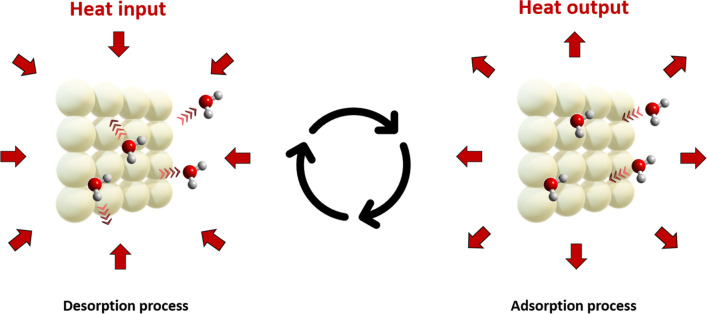
“To overcome these disadvantages, many studies focused attention on more sustainable alternative materials (de Gennaro et al. 2022; Kouchachvili et al. 2023).”
Sun, Y., Wu, Q., Chen, H., Jia, X., Gong, F., Liu, X., & Chi, D. (2023) · Field Crops Research · doi:10.1016/j.fcr.2023.109000 · Cited by 17 · cited 1×
“The results confirmed that the use of this zeolite is an environmentally friendly and effective management model for on-farm practices (Sun et al. 2023).”
Hiếu, Đ. T., Kosslick, H., Riaz, M., Schulz, A., Springer, A., Frank, M., Jaeger, C., Thư, N. T. M., & Sơn, L. T. (2022) · Catalysts · doi:10.3390/catal12030253 · Cited by 16
Rationalization of TS-1 synthesis through the design of experiments
Rosso, F., Rizzetto, A., Airi, A., Khoma, K., Signorile, M., Crocellà, V., Bordiga, S., Galliano, S., Barolo, C., Alladio, E., et al. (2022) · Inorganic Chemistry Frontiers · doi:10.1039/d2qi00643j · Cited by 16
Cation sieve properties of natural heulandite
Joshi, M. S., & Rao, P. M. (1983) · Journal of Colloid and Interface Science · doi:10.1016/0021-9797(83)90080-2 · Cited by 15 · cited 1×
“…and Table 3 Si/Al ratio, CEC, and exchange selectivity of the most common natural zeolites (An 1978; Colella 1999; Inglezakis and Zorpas 2012; Joshi and Mohan Rao 1983; Mohammadzadeh Kakhki et al. 2023; Pabalan and Bertetti 2001) a Cation-exchange capacity (CEC) of natural zeolites based on…”
Molecular Dynamics and Complexity in Catalysis and Biocatalysis
Piumetti, M. (2022) · Springer eBooks · doi:10.1007/978-3-030-88500-7 · Cited by 15
Self-citationClinoptilolite—A Sustainable Material for the Removal of Bisphenol A from Water
Dura, A. M., Ștefan, D. S., Chiriac, F. L., Trusca, R. D., Nicoară, A. I., & Ștefan, M. (2023) · Sustainability · doi:10.3390/su151713253 · Cited by 15
Cadar, O., Vagner, I., Miu, I., Scurtu, D., & Senila, M. (2023) · Materials · doi:10.3390/ma16051914 · Cited by 15 · cited 1×
“Another interesting application of this material concerns beer filtration (Cadar et al. 2023).”
Özoğul, F., Hamed, I., & Gökdoğan, S. (2015) · LWT · doi:10.1016/j.lwt.2015.08.072 · Cited by 14 · cited 1×
“The obtained results could be used in the food sectors to prevent undesirable compound production by pathogenic bacteria which constitute a risk to the consumers’ health and can cause several food-borne diseases (Özogul et al. 2016).”
Properties of the Clinoptilolite: Characterization and Adsorption Tests with Methylene Blue
Dosa, M., Piumetti, M., Department of Applied Science and Technology, P. D. T., Bensaid, S., Russo, N., Baglieri, O., Miglietta, F., & Fino, D. (2018) · Journal of Advanced Catalysis Science and Technology · doi:10.15379/2408-9834.2018.05.01.01 · Cited by 14 · cited 2×
“In literature, it is possible to find different works concerning the use of natural clinoptilolite for the removal of dyes (Amin et al. 2023; Dosa et al. 2018).”
Self-citationNanotechnology Advancement in Agro-Food Industry
Singh, R., & Kumar, S. (2023) · Springer eBooks · doi:10.1007/978-981-99-5045-4 · Cited by 14
Nikpey, A., Kazemian, H., Safari-Varyani, A., Rezaie, M., & Sirati‐Sabet, M. (2013) · Health Scope · doi:10.17795/jhealthscope-10041 · Cited by 12 · cited 1×
“In addition, clinoptilolite was proven to restore cholinesterase activity at the level system in rats that showed intoxication derived from organophosphates (Nikpey et al. 2013).”
EFSA Panel on Food Contact Materials, E. (2013) · EFSA Journal · doi:10.2903/j.efsa.2013.3155 · Cited by 12
Tailoring Natural Zeolites by Acid Treatments
Silva, M., Lecus, A., Lin, Y., & Corrao, J. (2019) · Journal of Materials Science and Chemical Engineering · doi:10.4236/msce.2019.72003 · Cited by 12
Exploring the Properties of Micronized Natural Zeolitic Volcanic Tuff as Cosmetic Ingredient
Neag, E. I., Stupar, Z., Török, A. I., Surupaceanu, I. C., Șenilă, M., & Cadar, O. (2022) · Materials · doi:10.3390/ma15072405 · Cited by 11 · cited 1×
“However, recently, their use has been exploited in other, more specialized and innovative areas, i.e., biomedical and cosmetic applications (Hubner et al. 2020; Neag et al. 2022), which promotes the use of this natural material.”
Filho, A. V., Tholozan, L. V., Arim, A. L., et al. (2022) · International Journal of Environmental Science and Technology · doi:10.1007/s13762-022-04215-7 · Cited by 11
Noori, M., Tahmasebpoor, M., & Nami, S. H. (2022) · doi:10.21203/rs.3.rs-1727993/v1 · Cited by 11
Szymaszek-Wawryca, A., Summa, P., Duraczyńska, D., Díaz, U., & Motak, M. (2022) · Materials · doi:10.3390/ma15227884 · Cited by 11
Purified Clinoptilolite-Tuff as an Efficient Sorbent for Gluten Derived from Food
Ranftler, C., Röhrich, A., Sparer, A., Tschegg, C., & Nagl, D. (2022) · International Journal of Molecular Sciences · doi:10.3390/ijms23095143 · Cited by 10 · cited 1×
“Surprisingly, clinoptilolite in the purified form was successfully tested for the adsorption of gluten derived from different origins, i.e., wheat, barley, and rye (Ranftler et al. 2022).”
Study of zeolite clinoptilolite d-glucose adsorption properties in vitro and in vivo
Markoska, R., Stojković, R., Filipović, M., Jurin, M., Špada, V., Kavre Piltaver, I., Pavelić, K., Marković, D., & Kraljević Pavelić, S. (2023) · Chemico-Biological Interactions · doi:10.1016/j.cbi.2023.110641 · Cited by 10 · cited 1×
“Finally, a further study successfully demonstrated the use of clinoptilolite in the management of d -glucose in subjects with impaired glucose metabolism or diabetes (Markoska et al. 2023).”
Paryzhak, S. Y., Dumych, T. I., Klyuchivska, O. Y., Manko, N. O., Gryshchouk, G. V., Vasylechko, V. O., & Stoika, R. S. (2023) · Applied Nanoscience · doi:10.1007/s13204-022-02624-1 · Cited by 9 · cited 1×
“In a recent study (Paryzhak et al. 2023), the immunostimulatory effects of clinoptilolite, eventually doped with silver, were investigated and it was observed an increase in the humoral immune response, acting in vivo as an adjuvant and leading to the stimulation of antibody-producing plasma cells,…”
Choo, L. N. L. K., Ahmed, O. H., Razak, N. A., & Sekot, S. (2022) · Agronomy · doi:10.3390/agronomy12112750 · Cited by 9
Segneanu, A., Vlase, G., Vlase, T., Biţă, A., Bejenaru, C., Buema, G., Bejenaru, L. E., Dumitru, A., & Boia, E. R. (2024) · International Journal of Molecular Sciences · doi:10.3390/ijms25031712 · Cited by 9 · cited 1×
“Finally, it is noteworthy to mention a very recent study in the field of nanomedicine conducted by Segneanu et al. (2024).”
Atlas of zeolite structure types. W. M. Meier, and D. H. Olson, 2nd rev. ed., Butterworth, 1987
Katzer, J. R. (1989) · AIChE Journal · doi:10.1002/aic.690350523 · Cited by 8 · cited 1×
“…for the classification of all types of zeolites is the framework type which, differently from the framework structure, can be defined as a description of the connectivity of the tetrahedrally coordinated atoms of the framework as symmetrically as possible (Katzer 1989; van Koningsveld 2007).”
Natural Zeolite Markets and Strategic Considerations
(2012) · Handbook of Natural Zeolites · doi:10.2174/978160805261511201010011 · Cited by 8 · cited 3×
“In the USA, the price can vary from 20 to 100$/ton (200$/ton in the case of clinoptilolite), whereas a synthetic zeolite A ranges from 500 to 600$/ton (Borsatto and Inglezakis 2012).”
Beigbeder, J.-B. (2023) · Bioresource Technology Reports · doi:10.1016/j.biteb.2023.101511 · Cited by 8 · cited 1×
“Moreover, this natural zeolite has proven to be effective in ammonia detoxification effect (Beigbeder 2023).”
Grzeszczak, J., Wróblewska, A., Kiełbasa, K., Koren, Z. C., & Michalkiewicz, B. (2023) · Sustainability · doi:10.3390/su151310381 · Cited by 8 · cited 1×
“In another work carried out by Grzeszczak et al. (2023) in the same application field, the solvent-free oxidation of α-pinene over clinoptilolite reached 35 mol% of conversion and a selectivity of 29 mol%, 17 mol%, and 13 mol% toward α-pinene oxide, verbenol, and verbenone, respectively, under 100…”
Enhanced dissolution of anticancer drug letrozole from mesoporous zeolite clinoptilolite
Kukobat, R., Škrbić, R., Vallejos-Burgos, F., Mercadelli, E., Gardini, D., Silvestroni, L., Zanelli, C., Esposito, L., Stević, D., Atlagić, S. G., et al. (2024) · Journal of Colloid and Interface Science · doi:10.1016/j.jcis.2023.08.199 · Cited by 8 · cited 2×
“Recently, another research team reported the use of this zeolite for the high dissolution of directly adsorbed anticancer drugs, mainly letrozole (LTZ), for the development of drug delivery systems with high bioavailability (Kukobat et al. 2024); see Fig.”
(2015) · UpSpace Institutional Repository (University of Pretoria) · Cited by 7
Beltcheva, M., Ostoich, P., Aleksieva, I., & Metcheva, R. (2022) · BioRisk · doi:10.3897/biorisk.17.77435 · Cited by 7 · cited 1×
“In another study, the role of this mineral was tested to contrast the toxicity of Cd and Pb in small rodents’ organisms, resulting a successful detoxifier against heavy metals and other toxic elements in living organisms (Beltcheva et al. 2022).”
Sorption of Natural Siderophores onto Clinoptilolite-Tuff and Its Controlled-Release Characteristics
Haemmerle, M. M., & Tschegg, C. (2023) · Minerals · doi:10.3390/min13050611 · Cited by 6 · cited 1×
“…application, and among them clinoptilolite, can improve both water use efficiency and nutrient use efficiency (NUE) in agricultural activities and consequently can reduce the potential for surface and groundwater pollution (Haemmerle and Tschegg 2023; Mondal et al. 2021; Nakhli et al. 2017).”
Singh, R., & Kumar, S. (2023) · Nanotechnology Advancement in Agro-Food Industry · doi:10.1007/978-981-99-5045-4_2 · Cited by 6
The thermal dehydration of natural zeolites
van Reeuwijk, L. P. (2024) · doi:10.18174/200253 · Cited by 6
Natural Zeolites as Sustainable Materials for Environmental Processes
Dosa, M., Piumetti, M., Davarpanah, E., Moncaglieri, G., Bensaid, S., & Fino, D. (2021) · Nanostructured Catalysts for Environmental Applications · doi:10.1007/978-3-030-58934-9_13 · Cited by 5 · cited 2×
“However, due to its high cost which depends on chemical activators, high regeneration temperatures, etc. (Dosa et al. 2021; Zhao et al. 2023), Scientific Community became more interested in other sustainable alternatives for wastewater treatments.”
Self-citationTechnologic Tests of Turkey-Gordes Zeolite Minerals
Bilgin, O. (2017) · Journal of Minerals and Materials Characterization and Engineering · doi:10.4236/jmmce.2017.55021 · Cited by 5 · cited 2×
“Subsequently, it was revealed that “ptilolite” was the former name of the mineral mordenite, rendering it obsolete (Bilgin 2017; Tzia and Zorpas 2012).”
Nasruddin, Arsyad, A. P., Djubaedah, Wulandari, D. A., & Hidayat, H. F. (2020) · AIP Conference Proceedings · doi:10.1063/5.0013934 · Cited by 4 · cited 2×
“…adsorption capacity of 13X, they resulted thermally stable, less expensive, largely available, and faster to reach equilibrium conditions than zeolite 13X. Nasruddin et al. (2020) carried out a study on the performance of a natural Indonesian zeolite as a potential adsor-bent for thermal storage.”
Adsorption Study of Textile Dye Basic Red 46 on Clinoptilolite
Amin, G., Konstantinovic, S. S., Jordanov, I., & Djordjević, D. (2023) · DOAJ (DOAJ: Directory of Open Access Journals) · doi:10.30492/ijcce.2023.557165.5428 · Cited by 4
Kusrini, E., Togar, Y. M., Hasyim, V., & Usman, A. (2018) · E3S Web of Conferences · doi:10.1051/e3sconf/20186703051 · Cited by 3
Gackowski, M., & Paczwa, M. (2021) · Materials · doi:10.3390/ma14247823 · Cited by 3 · cited 1×
“Zeolites are known to be perfect sorbents for water, which is directly connected with framework aluminum (Gackowski and Paczwa 2021).”
Tondar, M., Nooshin, B. J., Shetab-Boushehri, S. F., & Shetab-Boushehri, S. V. (2014) · Special Topics Reviews in Porous Media: An International Journal · doi:10.1615/specialtopicsrevporousmedia.v5.i4.70 · Cited by 2 · cited 1×
“For instance, in 2014, Tondar et al. (2014) proposed it as a non-toxic, highly available, and low-cost microporous material for oral drug delivery of aspirin.”
The Heat Storage Capacities of Mortars Containing Clinoptilolite Blended Cements
Akgün, Y., & Yılmaz, T. (2019) · Academic Perspective Procedia · doi:10.33793/acperpro.02.03.83 · Cited by 2 · cited 1×
“…extra-framework cations and evaluating the properties in order to make it competitive with 13X. Remaining in the field of heat storage, another study conducted by Akgün and Yılmaz (2019) investigated the possibility of blending cement with clinoptilolite for energy-efficient building design.”
Nikpey, A., Kazemian, H., Safari-Varyani, A., et al. (2013) · Health Scope · doi:10.5812/jhs.10041 · Cited by 2
Sorption Material Developments for TES Applications
Ristić, A. (2022) · Advances in Energy Storage · doi:10.1002/9781119239390.ch27 · Cited by 2
Electrical Method for the On-Line Monitoring of Zeolite-Based Thermochemical Storage
Carotenuto, G. (2023) · Coatings · doi:10.3390/coatings13020392 · Cited by 2 · cited 1×
“Some researchers focused on the possibility of storing waste heat energy on the zeolite’s framework, even for a long period of time, with the aim of releasing it subsequently, when it is needed (Carotenuto 2023).”
Baleón-Romero, J. D., Torres-Rodriguez, M. A., Enriquez-Torres, N., Téllez-Méndez, N., Paniagua-Solar, L. A., Cotzomi-Paleta, J., & De la Fuente-Morales, E. (2022) · Renewable energy, biomass & sustainability · doi:10.56845/rebs.v4i2.66 · Cited by 2
(2003) · PubMed
Research works printed but not linked: 22
- Alberti A, Vezzalini MG (1984) Topological changes in dehydrated zeolites: breaking of TOT oxygen bridges. Proceedings of the Sixth International Zeolite Conference, 834–841. https://hdl.handle.net/11380/738494
- An, I. (1978). Natural zeolites.
- Ariton A-M, Neculai-Văleanu A-S, Sănduleanu C, Ioana-Cristina C, Postolache A-N, Poroșnicu I, Mădescu B-M, Ungureanu E, Trincă LC (2022) Applications Of Clinoptilolite In Veterinary Medicine And Animal Husbandry. Sci Pap Vet Med 65(4):2393–4603
- Barrer, R. M. (1978). Cation-exchange equilibria in zeolites and feldspathoids.
- Bartlett, A. A. (2012). The meaning of sustainability. Teachers Clearinghouse for Science and Society Education Newsletter, 31(1), 1–17.
- Bogdanov B, Georgiev D, Angelova K, Yaneva K (2009) Natural zeolites: clinoptilolite. Review, Natural&Mathematical science, 4, 6-11. International Science conference 4. International Science Conference 4th - 5th June 2009, Stara Zagora, BULGARIA Economics and Society Development on the Base of Knowledge
- Boles JR (1972) Composition, optical properties, cell dimensions, and thermal stability of some heulandite group zeolites. Am Mineral 57(9–10):1463–1493
- Dimowa LT, Petrov SL, Shivachev BL (2013) Natural and Zn exchanged clinoptilolite: in situ high temperature XRD study of structural behavior and cation positions. Bulg Chem Commun 45(4):466–473
- Gottardi G, Galli E (2012) Natural zeolites, vol 18. Springer Science & Business Media
- Kam S-K, Kim K-S, Ahn B-J, Lee M-G (2002) Adsorption and desorption of triadimefon by natural and synthetic zeolites. Korean Chem Eng Res 40(2):265–273
- Kumar SCJMSS (2013) Wastewater treatment and reuse: sustainability options. Consilience: The Journal of. Sustain Dev 10(1):1–15
- Lizcano A, Brand J, Diaz E, Meza J, Roa M (2021) Analysis of thermal and structural properties of clinoptilolite zeolite and its possible application as a microwave radiation susceptor. J Phys Conf Ser 2046(1):12043. 10.1088/1742-6596/2046/1/012043 · doi:10.1088/1742-6596/2046/1/012043
- Lora CP (2018) Natural Zeolite Utilization in Pollution Control: A review. Journal of Emerging Technologies and Innovative Research (JETIR) 5(7):148–152
- Mansouri N, Rikhtegar N, Ahmad Panahi H, Atabi F, Shahraki BK (2013) Porosity, characterization and structural properties of natural zeolite - clinoptilolite - as a sorbent. Environ Prot Eng 39(1):139–152. 10.5277/EPE130111 · doi:10.5277/epe130111
- Mason B, Sand LB (1960) Clinoptilolite from Patagonia The relationship between clinoptilolite and heulandite. Am Mineral 45(3–4):341–350
- Mumpton FA (1960) Clinoptilolite redefined. Am Mineral 45(3–4):351–369
- Naccache C (1987) Innovation in Zeolite Materials Science: Proceedings of an International Symposium, Nieuwpoort, Belgium, September 13-17, in Studies In Surface Science And Catalysis, vol. 37 edited by P.J. Grobet, W.J. Mortier, E.F. Vansant and G. Schulz-Ekloff
- Radosavljevic-Mihajlovic A (2003) Mineralogy and crystal chemistry of zeolitic tuffs from three deposits: Zlatokop, Beocin and Novakovici. Buletin Geoinstitute 38:149–153
- WHO (2011) Guidelines for drinking-water quality, vol 216. World Health Organization, pp 303–304
- Zabochnicka M, Malinska K (2010) Removal of ammonia by clinoptilolite. Global NEST J 12:256–261
- Zendelska A, Golomeova M, Jakupi Š, Lisičkov K, Kuvendžiev S, Marinkovski M (2018) Characterization and application of clinoptilolite for removal of heavy metal ions from water resources. Geol Maced 32(1):21–32
- Zhang X, Zhang S, He F, Cheng S, Liang W, Wu Z (2007) Differentiate performance of eight filter media in vertical flow constructed wetland: removal of organic matter, nitrogen and phosphorus. Fresenius Environ Bull 16(11 B):1468–1473
Cited by
Kumari, S., Chowdhry, J., Kumar, M., & Garg, M. C. (2024) · Environmental Research · doi:10.1016/j.envres.2024.119782 · Cited by 167
Thermal Behavior of Clinoptilolite
Król, M., Dechnik, J., Szymczak, P., Handke, B., Szumera, M., & Stoch, L. (2024) · Crystals · doi:10.3390/cryst14070646 · Cited by 31
“It is also applied in medical and health sectors for detoxifications as well as to the construction materials industry and plays a critical role in nuclear waste management by trapping and immobilizing radioactive ions [4–7].”
BackgroundAlsuhybani, M. S., Alshehri, S., Alquwaizany, A. S., Alosime, E. M., Alaeq, R., & Alrehaili, A. M. (2026) · Scientific Reports · doi:10.1038/s41598-025-33491-9 · Cited by 35
“However, BET surface area and pore volume were relatively low, typical for raw zeolites with mineral impurities and blocked pores, as reported for unmodified clinoptilolite 34 .”
An Overview of Zeolites: From Historical Background to Diverse Applications
Alotaibi, A. M. (2025) · Molecules · doi:10.3390/molecules30204036 · Cited by 33
“A 2024 review by Grifasi et al. further supports these findings, noting the role of clinoptilolite’s adjustable cation composition in enhancing CO 2 adsorption, particularly at elevated temperatures [68].”
Славова, М., Slavov, I., Terziev, V., et al. (2024) · Journal of Energy Storage · doi:10.1016/j.est.2024.112949 · Cited by 22
Metadata
- Authors
- Grifasi, N., Ziantoni, B., Fino, D., & Piumetti, M.
- Affiliations
- Politecnico di Torino (IT)
- Corresponding author
- Piumetti, Marco
- Venue
- Environmental Science and Pollution Research
- Published
- 2024-05-23
- Volume
- 32
- Issue
- 48
- Pages
- 27805-27840
- ISSN
- 0944-1344 (ISSN-L)
- 1614-7499
- PMC
- PMC12696048
- OpenAlex
- W4398232524
- Cited by
- 88
- References
- 180
- Citations by year
- 2026: 48 · 2025: 33 · 2024: 7
- FWCI
- 2.06
- Type
- journal article
- Language
- en
- Open access
- hybrid
- doi.org
- Licence
- cc-by
- creativecommons.org/licenses/by/4.0 (tdm)
- creativecommons.org/licenses/by/4.0 (vor)
- Locations
- Environmental Science and Pollution Research (publishedVersion, cc-by)
- PubMed Central (publishedVersion, cc-by)
- PubMed (publishedVersion)
- PORTO@Iris (submittedVersion, cc-by)
- Funders
- Politecnico di Torino
- Topics
- Physical Sciences › Chemistry › Inorganic Chemistry › Zeolite Catalysis and Synthesis
- Physical Sciences › Environmental Science › Water Science and Technology › Adsorption and biosorption for pollutant removal
- Physical Sciences › Earth and Planetary Sciences › Geochemistry and Petrology › Clay minerals and soil interactions
- Keywords
- clinoptilolite, natural zeolite, sustainable applications, environmental catalysis, carbon dioxide removal, wastewater treatment, aquaculture, animal feeding, food industry, medical applications, energy storage, adsorption, cation exchange, natural materials
- MeSH terms
- Zeolites
About these checks
Registry, retraction, Cites and statistics results are computed, not judged, with one exception: a printed reference that no index lists is read once by a model before it counts as a citation error. Claims are extracted by a model and kept only when their quote appears verbatim in the text; each cited source is then checked, with a model’s help, for whether it says what the claim relies on. Those verdicts can be wrong — read the claim’s quote and the cited source before relying on one.
The claim verdicts this report counts are experimental: their accuracy is not yet measured.
A language model drew the claims from the paper on 2026-10-10, under version 3 of the claim definition (model deepseek-v4.1-flash, prompt extract-v3).
A second model labelled each claim on 2026-10-10 (model jev-1.13-20260917, definition revision gold-guideline-v0.2).
Cited sources are checked with a language model’s help (gpt-6-sol and qwen3.8-omni-flash).
Statistics and arithmetic are recomputed, not judged.
Confidence bands are shown only for fields calibrated on our annotated test set. None is calibrated yet, so no band is shown.
What counts as a claim ›How we measure confidence ›How we check this ›
Are you an author, or do you see a problem with this page? Request a review
Data sources
Bibliographic data: Semantic Scholar, OpenAlex, Crossref.
Contains information from the Semantic Scholar Academic Graph Datasets, made available under the ODC Attribution License (ODC-BY 1.0).
Semantic Scholar’s data is described in: Kinney, R., et al. (2023). The Semantic Scholar Open Data Platform. arXiv:2301.10140.
