

Associations between biomarkers of cellular senescence and physical function in humans: observations from the lifestyle interventions for elders (LIFE) study
Open accessThe DOI matches its Crossref record; 36 of the 36 references it cites were found in a registry or an index.
Abstract
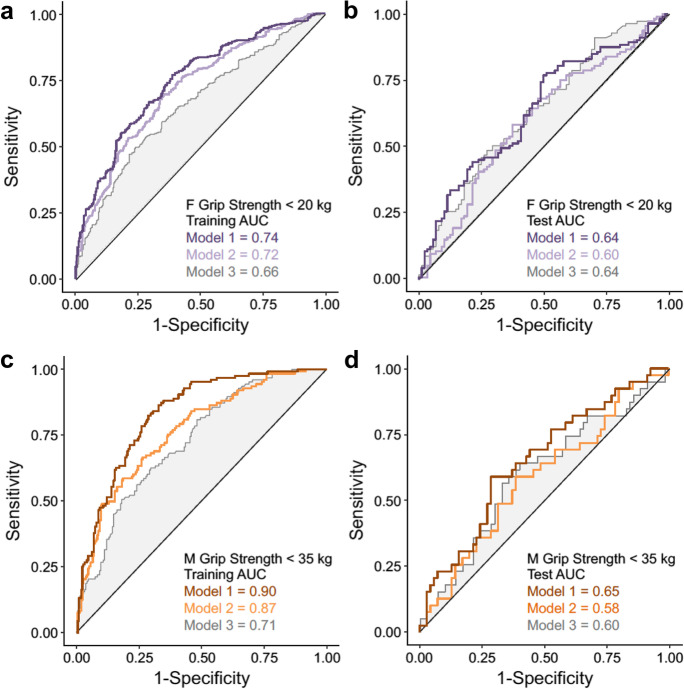
Cellular senescence is a plausible mediator of age-associated declines in physical performance. To test this premise, we examined cross-sectional associations between circulating components of the senescence-associated secretory phenotype (SASP) and measures of physical function and muscle strength in 1377 older adults. We showed significant associations between multiple SASP proteins and the short physical performance battery (SPPB), its subcomponents (gait speed, balance, chair rise time), and 400-m walk time. Activin A, ICAM1, MMP7, VEGFA, and eotaxin showed strong associations based on gradient boost machine learning (GBM), and, when combined with other proteins, effectively identified participants at the greatest risk for mobility disability (SPPB score $$\le$$ ≤ 7). Senescence biomarkers were also associated with lower grip strength, and GBM identified PARC, ADAMTS13, and RANTES as top candidates in females, and MMP2, SOST, and MCP1 in males. These findings highlight an association between senescence biomarkers and physical performance in older adults. ClinicalTrials.gov Identifier: NCT01072500.
Overview
The claims and statistics of this paper haven’t been checked yet.
Free: it reads the open-access text and checks the first 5 claims that cite a source we can check. Create a free account to check every claim.
Integrity signals
Registry
Cites
Statistics
Figures
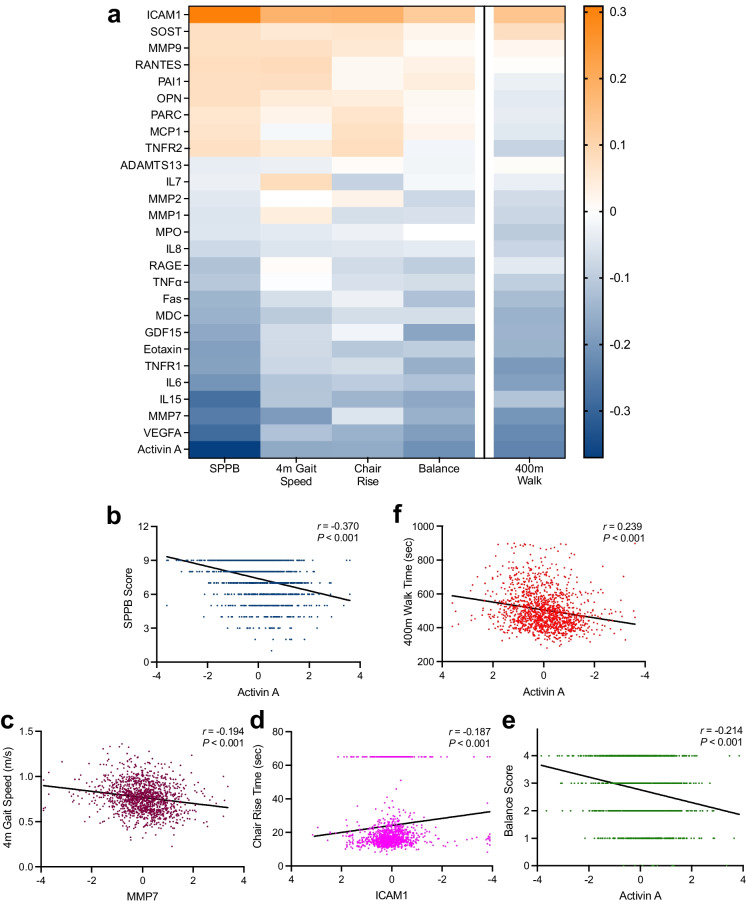
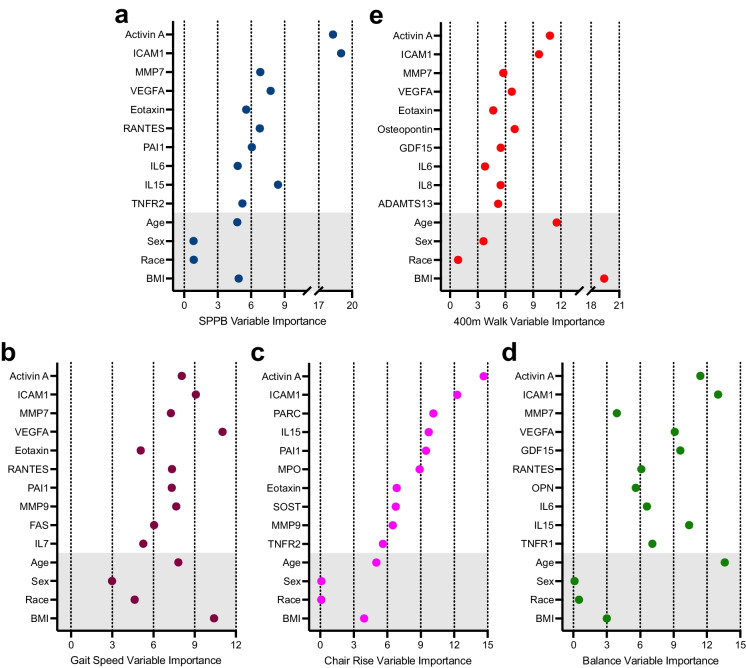
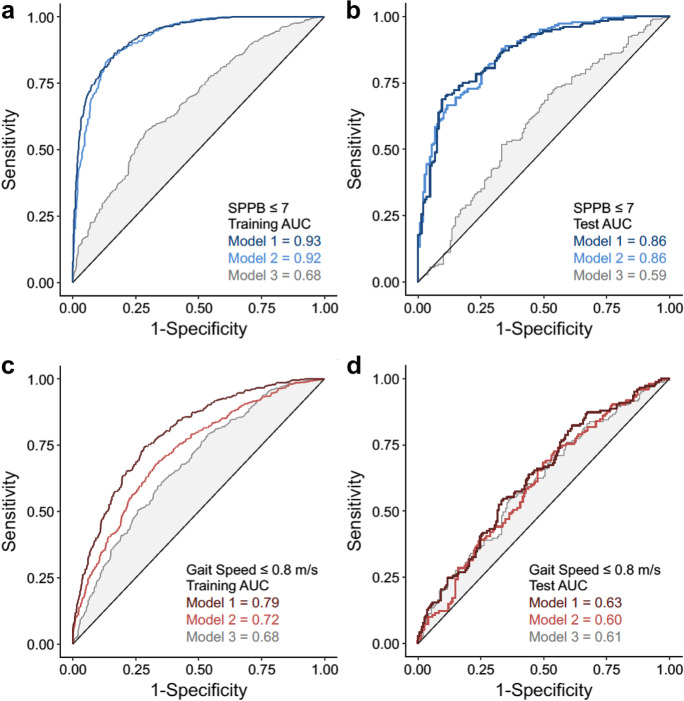
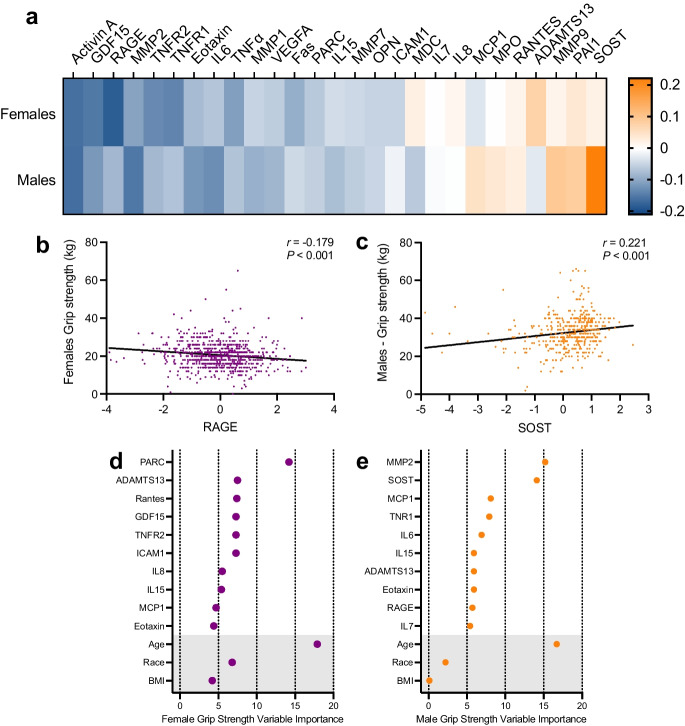
Verification
Claims the paper makes
The claims and statistics of this paper haven’t been checked yet.
Free: it reads the open-access text and checks the first 5 claims that cite a source we can check. Create a free account to check every claim.
Claims other papers make about this one
Each is checked against this paper’s own text: does it say what the citing paper says it does?
The source backs part of the claim, not all of it — or backs it for a different population, condition or comparison.
In the citing paper
“Recent evidence suggests that the accumulation of senescent cells, which can release a variety of pro-inflammatory, apoptotic, and toxic by-products, called the senescence-associated secretory phenotype (SASP), is one of the drivers of deficits in both cognition11, 12, 13, 14, 15, 16 and mobility.7,17, 18, 19, 20, 21, 22”
From A pilot study of senolytics to improve cognition and mobility in older adults at risk for Alzheimer's disease (2025) · cites this paper as [18]
Experimental — accuracy not yet measured
Self-check
Percentages, sums and reported differences re-computed from the paper’s own numbers.
The self-check needs the paper’s full text.
Citations
Cites
Sarcopenia: revised European consensus on definition and diagnosis
Cruz-Jentoft, A. J., Bahat, G., Bauer, J., Boirie, Y., Bruyère, O., Cederholm, T., Cooper, C., Landi, F., Rolland, Y., Sayer, A. A., et al. (2019) · Age and Ageing · doi:10.1093/ageing/afy169 · Cited by 13,818 · cited 2×
“0 kg) that have been recommended by the European Working Group on Sarcopenia in Older People (EWGSOP) [29].”
BackgroundInfluentialGuralnik, J. M., Simonsick, E. M., Ferrucci, L., Glynn, R. J., Berkman, L. F., Blazer, D. G., Scherr, P. A., & Wallace, R. B. (1994) · Journal of Gerontology · doi:10.1093/geronj/49.2.m85 · Cited by 9,792 · cited 1×
“Importantly, poor performance on the SPPB and 400 m walk is associated with a heightened risk of disability, institutionalization, and mortality among older adults [2, 3, 16, 17].”
BackgroundGait speed and survival in older adults.
Studenski, S. (2011) · JAMA · doi:10.1001/jama.2010.1923 · Cited by 4,558
Lower-extremity function in persons over the age of 70 years as a predictor of subsequent disability
Guralnik, J. M., Ferrucci, L., Simonsick, E. M., Salive, M. E., & Wallace, R. B. (1995) · New England Journal of Medicine · doi:10.1056/nejm199503023320902 · Cited by 4,083
Sarcopenia: revised European consensus on definition and diagnosis
Cruz-Jentoft, A. J., Bahat, G., Bauer, J., Boirie, Y., Bruyère, O., Cederholm, T., Cooper, C., Landi, F., Rolland, Y., Sayer, A. A., et al. (2019) · Age and Ageing · doi:10.1093/ageing/afz046 · Cited by 3,803
Guralnik, J. M., Ferrucci, L., Pieper, C. F., Leveille, S. G., Markides, K. S., Ostir, G. V., Studenski, S., Berkman, L. F., & Wallace, R. B. (2000) · The Journals of Gerontology Series A: Biological Sciences and Medical Sciences · doi:10.1093/gerona/55.4.m221 · Cited by 2,898
Cellular senescence: from physiology to pathology
Muñoz-Espín, D., & Serrano, M. (2014) · Nature Reviews Molecular Cell Biology · doi:10.1038/nrm3823 · Cited by 2,818 · cited 1×
“Cellular senescence is a hallmark of aging [6, 7].”
BackgroundThe role of senescent cells in ageing
van Deursen, J. M. (2014) · Nature · doi:10.1038/nature13193 · Cited by 2,623 · cited 14×
“The expression of ICAM1 is triggered by p53 and NFκB signaling and thus, it is a component of the SASP that we previously observed to be secreted by senescent endothelial and epithelial cells and preadipocytes [13].”
BackgroundInfluentialSenolytics improve physical function and increase lifespan in old age
Xu, M., Pirtskhalava, T., Farr, J. N., Weigand, B. M., Palmer, A. K., Weivoda, M. M., Inman, C. L., Ogrodnik, M. B., Hachfeld, C. M., Fraser, D. G., et al. (2018) · Nature Medicine · doi:10.1038/s41591-018-0092-9 · Cited by 2,287 · cited 3×
“Interestingly, in preclinical models, enrichment of the SASP through senescent cell transplantation compromises muscle performance and physical function [10], while pharmacological suppression of the SASP has been shown to improve these parameters [11, 12].”
BackgroundSelf-citationMidlife Hand Grip Strength as a Predictor of Old Age Disability
Rantanen, T. (1999) · JAMA · doi:10.1001/jama.281.6.558 · Cited by 1,476
Cited by
SenNet recommendations for detecting senescent cells in different tissues
Suryadevara, V., Hudgins, A. D., Rajesh, A., Pappalardo, A., Karpova, A., Dey, A. K., Hertzel, A., Agudelo, A., Rocha, A., Soygur, B., et al. (2024) · Nature Reviews Molecular Cell Biology · doi:10.1038/s41580-024-00738-8 · Cited by 408
Granic, A., Suetterlin, K., Shavlakadze, T., Grounds, M. D., & Sayer, A. A. (2023) · Clinical Science · doi:10.1042/cs20230319 · Cited by 136
Dowling, P., Gargan, S., Swandulla, D., & Ohlendieck, K. (2023) · International Journal of Molecular Sciences · doi:10.3390/ijms24032415 · Cited by 111
Biomarkers of cellular senescence and risk of death in humans
St. Sauver, J. L., Weston, S. A., Atkinson, E. J., Mc Gree, M. E., Mielke, M. M., White, T. A., Heeren, A. A., Olson, J. E., Rocca, W. A., Palmer, A. K., et al. (2023) · Aging Cell · doi:10.1111/acel.14006 · Cited by 86
“(Fielding et al., 2022; Schafer et al., 2020) As expected, chrono-logic age and male sex were strong predictors of mortality.”
BackgroundInfluentialSelf-citationMillar, C. L., Iloputaife, I., Baldyga, K., Norling, A. M., Boulougoura, A., Vichos, T., Tchkonia, T., Deisinger, A., Pirtskhalava, T., Kirkland, J. L., et al. (2025) · EBioMedicine · doi:10.1016/j.ebiom.2025.105612 · Cited by 88
Vascular senescence and aging: mechanisms, clinical implications, and therapeutic prospects
Picos, A., Seoane, N., Campos‐Toimil, M., & Viña, D. (2025) · Biogerontology · doi:10.1007/s10522-025-10256-5 · Cited by 93
“Biomarkers such as circulating extracellular vesicles carrying senescence-associated proteins or microRNAs may provide non-invasive tools for monitoring senescence progression in vivo (Fielding et al. 2024; Fielding et al. 2022; Salman et al. 2024; Sorokina et al. 2023).”
Evans, D. S., Young, D., Tanaka, T., Basisty, N., Bandinelli, S., Ferrucci, L., Campisi, J., & Schilling, B. (2023) · The Journals of Gerontology Series A · doi:10.1093/gerona/glad265 · Cited by 78
“In a recent study of 1 377 LIFE study participants, 27 SASP proteins were associated with physical function, as assessed using the short physical performance battery and its subcomponents and 400-meter walk time (17).”
BackgroundMethodResultInfluentialCalorie restriction reduces biomarkers of cellular senescence in humans
Aversa, Z., White, T. A., Heeren, A. A., Hulshizer, C. A., Saul, D., Zhang, X., Molina, A. J. A., Redman, L. M., Martin, C. K., Racette, S. B., et al. (2023) · Aging Cell · doi:10.1111/acel.14038 · Cited by 72
“…of humans with advanced chronological age or clinical evidence of advanced biological age (e.g., frailty or functional decline), consistent with an increase in senescent cell burden (Aversa et al., 2023; Basisty et al., 2020; Fielding et al., 2022; Schafer et al., 2020; Tanaka et al., 2018, 2020).”
BackgroundResultSelf-citationGeroscience and pathology: a new frontier in understanding age-related diseases
Fekete, M., Major, D., Fehér, Á., Fazekas‐Pongor, V., & Lehoczki, A. (2024) · Pathology & Oncology Research · doi:10.3389/pore.2024.1611623 · Cited by 70
Lawrence, M., Goyal, A., Pathak, S., & Ganguly, P. (2024) · International Journal of Molecular Sciences · doi:10.3390/ijms25137411 · Cited by 64
“They were successfully able to link the SASP phenotype with physical activity in sedentary elderly population [120].”
BackgroundNunes-Pinto, M., de Mello, R. G. B., Pinto, M. N., Moro, C., Vellas, B. J., Martinez, L. O., Rolland, Y., & Barreto, P. D. S. (2024) · Ageing Research Reviews · doi:10.1016/j.arr.2024.102587 · Cited by 61
Senescent cells at the crossroads of aging, disease, and tissue homeostasis
Kuehnemann, C., & Wiley, C. D. (2023) · Aging Cell · doi:10.1111/acel.13988 · Cited by 51
“Other sets of SASP factors have similarly been linked to age and frailty (Schafer et al., 2020) and loss of physiological function (Fielding et al., 2022).”
BackgroundGrowth and differentiation factor-15: A link between inflammaging and cardiovascular disease
Nyárády, B. B., Kiss, L. Z., Bagyura, Z., Merkely, B. P., Dósa, E., Láng, O., Kőhidai, L., & Pállinger, É. (2024) · Biomedicine & Pharmacotherapy · doi:10.1016/j.biopha.2024.116475 · Cited by 44
Geroscience: A Translational Review
Kritchevsky, S. B., & Cummings, S. R. (2025) · JAMA · doi:10.1001/jama.2025.11289 · Cited by 52
Self-citationBiomarkers of cellular senescence in idiopathic pulmonary fibrosis
Aversa, Z., Atkinson, E. J., Carmona, E. M., White, T. A., Heeren, A. A., Jachim, S. K., Zhang, X., Cummings, S. R., Chiarella, S. E., Limper, A. H., et al. (2023) · Respiratory Research · doi:10.1186/s12931-023-02403-8 · Cited by 39
Self-citationFielding, R. A., Atkinson, E. J., Aversa, Z., White, T. A., Heeren, A. A., Mielke, M. M., Cummings, S. R., Pahor, M., Leeuwenburgh, C., & LeBrasseur, N. K. (2024) · The Journals of Gerontology: Series A · doi:10.1093/gerona/glad257 · Cited by 38
Self-citationUngvari, A., Gulej, R., Csík, B., Mukli, P., Negri, S., Tarantini, S., Yabluchanskiy, A., Benyó, Z., Csiszár, A., & Ungvari, Z. I. (2023) · Nutrients · doi:10.3390/nu15214662 · Cited by 39
Balasubramanian, P., Kiss, T., Gulej, R., Toth, A. N., Tarantini, S., Yabluchanskiy, A., Ungvari, Z. I., & Csiszár, A. (2024) · Nutrients · doi:10.3390/nu16070952 · Cited by 39
The secretome of senescent monocytes predicts age-related clinical outcomes in humans
Olinger, B., Banarjee, R., Dey, A. K., Tsitsipatis, D., Tanaka, T., Ram, A., Nyunt, T., Daya, G. N., Peng, Z., Shrivastava, M., et al. (2025) · Nature Aging · doi:10.1038/s43587-025-00877-3 · Cited by 37
“…Aging), GESTALT (Genetic and Epigenetic Sig-natures of Translational Aging Laboratory Testing), Lifestyle Interventions for Elders (LIFE) and others 9–15 ; however, no biomarker studies have comprehensively characterized the monocyte-specific SASP and evaluated its clinical utility as circulating…”
InfluentialCellular Senescence: The Driving Force of Musculoskeletal Diseases
Falvino, A., Gasperini, B., Cariati, I., Bonanni, R., Chiavoghilefu, A., Gasbarra, E., Botta, A., Tancredi, V., & Tarantino, U. (2024) · Biomedicines · doi:10.3390/biomedicines12091948 · Cited by 36
“Importantly, the strongest association was found between activin A, a negative regulator of muscle mass, and physical decline, confirming the key role of senescence markers in age-associated decline in physical performance [42].”
Epigenetic and “redoxogenetic” adaptation to physical exercise
Radak, Z. O., Pan, L., Zhou, L., Mozaffaritabar, S., Gu, Y., Pinho, R. A., Zheng, X., Ba, X., & Boldogh, I. R. (2023) · Free Radical Biology and Medicine · doi:10.1016/j.freeradbiomed.2023.11.005 · Cited by 32
Picca, A., Lozanoska‐Ochser, B., Calvani, R., Coelho‐Júnior, H. J., Leewenburgh, C., & Marzetti, E. (2023) · Experimental Gerontology · doi:10.1016/j.exger.2023.112204 · Cited by 33
Justice, J. N., Leng, X., LeBrasseur, N. K., Tchkonia, T., Kirkland, J. L., Mitin, N., Liu, Y., Kritchevsky, S. B., Nicklas, B. J., & Ding, J. (2023) · The Journals of Gerontology Series A · doi:10.1093/gerona/glad214 · Cited by 32
Self-citationArtificial intelligence for the study of human ageing: a systematic literature review
Bernal, M. C., Batista, E., Martínez-Ballesté, A., & Solanas, A. (2024) · Applied Intelligence · doi:10.1007/s10489-024-05817-z · Cited by 32
Measuring the Senescence-Associated Secretory Phenotype
Karras, A., Λιούλιος, Γ., Kantartzi, K. M., Fylaktou, A., Panagoutsos, S. A., & Stangou, M. J. (2025) · Biomedicines · doi:10.3390/biomedicines13092062 · Cited by 29
“Some studies have reported associations between a subset of circulating SASP proteins and specific health outcomes, such as reproductive aging [28], surgical recovery [29], physical performance [30], and depressive symptoms in late life [31].”
Cellular senescence and frailty: a comprehensive insight into the causal links
Marcozzi, S., Bigossi, G., Giuliani, M. E., Giacconi, R., Piacenza, F., Cardelli, M., Brunetti, D., Segala, A., Valerio, A., Nisoli, E., et al. (2023) · GeroScience · doi:10.1007/s11357-023-00960-w · Cited by 28
“Similarly, another study conducted in 1377 older adults revealed significant associations between several SASP proteins and the short physical performance battery (SPPB), its subcomponents (gait speed, balance, and chair rise time), and 400-m walk time [189].”
ResultBiomarkers of cellular senescence and major health outcomes in older adults
Cummings, S. R., Lui, L., Aversa, Z., Mau, T., Fielding, R. A., Atkinson, E. J., Patel, S., & LeBrasseur, N. K. (2024) · GeroScience · doi:10.1007/s11357-024-01474-9 · Cited by 28
“Assay performance parameters have been reported previously [25].”
Self-citationMitchell, A. J., Malmgren, L., Bartosch, P., McGuigan, F. E., & Åkesson, K. (2023) · Journal of Bone and Mineral Research · doi:10.1002/jbmr.4861 · Cited by 24
“MMP7 has been associated with extensive tissue remodeling and organ dysfunction, particularly relating to pulmonary,((57)) urinary pathology,((58)) and, more recently, with cellular senescence and declines in physical performance.((59)) Further exploration in other populations using both targeted and nontargeted appro…”
BackgroundMahoney, S. A., Dey, A. K., Basisty, N., & Herman, A. B. (2023) · American Journal of Physiology-Heart and Circulatory Physiology · doi:10.1152/ajpheart.00352.2023 · Cited by 21
Hamsanathan, S., Anthonymuthu, T. S., Prosser, D., Lokshin, A. E., Greenspan, S. L., Resnick, N. M., Perera, S., Okawa, S., Narasimhan, G., & Gurkar, A. U. (2024) · Aging Cell · doi:10.1111/acel.14104 · Cited by 22
“The SASP secretome is considered to be a detrimental hallmark of senescent cells and leveraging such circulating SASP and inflammatory factors could potentially inform about biological age (Fielding et al., 2022).”
BackgroundAge-Related Alterations of Cerebral Autoregulation
Ungvari, A., Kállai, A., Stankovics, L., Lendvai-Emmert, D., Gulej, R., Pal, E., Patai, R., Csik, B., Fekete, M., Lipecz, Á., et al. (2025) · Life · doi:10.3390/life15111669 · Cited by 14
“Various anti-aging treat-ment regimens [166], including antioxidants [167], mTOR inhibitors [168], and senolyt-ics [158,169] that selectively eliminate senescent cells are under investigation for their potential to rejuvenate vascular function, including cerebral autoregulatory capacity.”
Cellular Senescence and Frailty in Transplantation
Lorenz, E. C., Hickson, L. J., Khairallah, P., Najafi, B., & Kennedy, C. C. (2023) · Current Transplantation Reports · doi:10.1007/s40472-023-00393-6 · Cited by 14
Lee, C. H., Nguyen, T. M., Lee, Y., Choi, S. G., Nguyễn, P. N., Park, J. H., & Park, M. K. (2025) · International Journal of Molecular Sciences · doi:10.3390/ijms27010357 · Cited by 15
“Senolytic trials employ T-cell p16 and SASP panels for efficacy monitoring, and the LIFE study showed biomarker links to mobility disability reducible by physical activity [129,131].”
Circadian rhythm, hypoxia, and cellular senescence: From molecular mechanisms to targeted strategies
Nie, T., Nepovimová, E., & Wu, Q. (2025) · European Journal of Pharmacology · doi:10.1016/j.ejphar.2025.177290 · Cited by 13
Mielke, M. M., Fielding, R. A., Atkinson, E. J., Aversa, Z., Schafer, M. J., Cummings, S. R., Pahor, M., Leeuwenburgh, C., & LeBrasseur, N. K. (2025) · The journal of nutrition health & aging · doi:10.1016/j.jnha.2025.100529 · Cited by 15
“…previously identified as components of the SASP that were elicited by several human senescent cell types and associated with chronological age Incaseswhereavariablewasbelowthelimitofdetection(LOD)in asample,avalueofhalfofthelowestmeasuredvalueforthatanalytewas assigned, as previously described [2].”
Self-citationZampieri, S., Narici, M. V., Gargiulo, P., & Carraro, U. (2023) · European Journal of Translational Myology · doi:10.4081/ejtm.2023.11247 · Cited by 13
Translating Senotherapeutic Interventions into the Clinic with Emerging Proteomic Technologies
Dey, A. K., Banarjee, R., Boroumand, M., Rutherford, D. V., Strassheim, Q., Nyunt, T., Olinger, B., & Basisty, N. (2023) · Biology · doi:10.3390/biology12101301 · Cited by 14
“Fielding et al. found 13 significant inverse correlations between short physical performance battery (SPPB) scores and circulating SASP levels, with activin A, vascular endothelial growth factor A (VEGFA), and interleukin 15 (IL15) among the most strongly correlated [89].”
BackgroundBiomarkers and Clinical Evaluation in the Detection of Frailty
Devitt, C., Patel, D., Mahboubi-Ardakani, R., Poovathor, S., Jin, Z., & Moller, D. H. (2025) · International Journal of Molecular Sciences · doi:10.3390/ijms26167888 · Cited by 12
“This “secretome”, termed senescence-associated secretory phenotype (SASP), has been associated with physical frailty and sarcopenia in older patients [26,27].”
Exploring senescence markers as potential drivers of osteoarthritis pain in aging adults
Abbas, M., Cruz, C. J., Tamargo, J. A., Lipat, A. L., Fareed, R., Deaton, L., Gordon, C., Johnson, A. J., Sharma, B., Leeuwenburgh, C., et al. (2025) · Experimental Gerontology · doi:10.1016/j.exger.2025.112950 · Cited by 13
“In humans, higher concentrations of activin A, ICAM1, MMP7, VEGFA, eotaxin, and IL6 were associated with worse lower extremity physical function and handgrip strength (Fielding et al., 2022).”
Self-citationLee, A. R. Y. B., Vidhya, S. N., Hong, A., Amanda, T. W., Yau, C. E., Low, C. E., & Merchant, R. A. (2026) · Ageing Research Reviews · doi:10.1016/j.arr.2026.103085 · Cited by 12
Habiballa, L., Hruby, A. J., Granic, A., Dodds, R. M., Hillman, S. J., Jurk, D., Passos, J. F., & Sayer, A. A. (2023) · GeroScience · doi:10.1007/s11357-023-00869-4 · Cited by 11
“Third, the study did not measure SASP [35], but concentrated on the senescence burden within the muscle niche which was deemed to be more relevant for the muscle parameters used in correlations.”
InfluentialLewis, C. J., & de Grey, A. D. (2024) · Expert Opinion on Therapeutic Targets · doi:10.1080/14728222.2024.2330425 · Cited by 10
“A recent clinical trial investigating circulating SASP factors in relation to physical function in older adults solidified the validity of targeting senescent cells as a rejuvenation strategy, finding that senescent cell biomarkers are indeed closely linked to declining functional performance [47].”
Wu, Q., Klopack, E. T., Kim, J. K., Arpawong, T. E., Thyagarajan, B., Cole, S., Faul, J. D., Zhou, F., & Crimmins, E. M. (2025) · Nature Communications · doi:10.1038/s41467-025-64835-8 · Cited by 10
“…proteins primarily involved in DNA repair, oxidative stress, andtelomereshortening, indicatingtheoveralllevelof MD;SRP genes code pro-in fl ammatory cytokines and chemokines, growth modulators, angiogenic factors, and matrix metalloproteinases that are involved in SASP (Supplementary Tables 1, 15).”
Marcos-Pérez, D., Cruces‐Salguero, S., García-Domínguez, E., Araúzo-Bravo, M. J., Gómez‐Cabrera, M. C., Viña, J., Vergara, I., & Matheu, A. (2024) · Biomolecules · doi:10.3390/biom14020166 · Cited by 11
Cellular Senescence in Skeletal Muscle Aging
Li, Y., & Wang, H. (2026) · Endocrinology and Metabolism · doi:10.3803/enm.2025.2816 · Cited by 11
“Studies using human muscle biopsies and circulating biomarkers are essential to confirm the relevance of senescence markers and SASP components to physical function decline in older adults [7,8,15,17,18,56,68].”
Préfontaine, C., Pipella, J., Heidinger, I., Alcasid, N., & Thompson, P. J. (2025) · Scientific Reports · doi:10.1038/s41598-025-24506-6 · Cited by 8
Lorenz, E. C., Smith, B. H., Liang, Y., Park, W. D., Bentall, A., Dhala, A. F., Waterman, A. D., Kennedy, C. C., Hickson, L. J., Rule, A. D., et al. (2024) · Transplantation · doi:10.1097/tp.0000000000005103 · Cited by 8
“19-23 Specifically, our group has demonstrated that IL-15, MCP-1, IL-6, and sTNF-R1 are associated with frailty in older adults, 24,25 whereas GDF-15, sFAS, sTNF-R1, and TNF α are associated with mortality.”
Self-citationHerzig, S., Zollinger, A., Texari, L., Holzwarth, J. A., Middleton, R. P., Pan, Y., Steiner, P., & Gut, P. (2024) · GeroScience · doi:10.1007/s11357-024-01352-4 · Cited by 8
“This finding is comparable to the performance of biological clocks for humans [42, 43], and is consistent with the concept that such technologies do not qualify as a diagnostic test per se.”
Evaluating senescence-targeted approaches in Alzheimer’s Disease: What we know and what lies ahead
Doshi, P. P., Desale, S. H., Khutale, A. A., Sabarathinam, S., & Suresh, S. (2026) · Ageing Research Reviews · doi:10.1016/j.arr.2026.103029 · Cited by 8
Romero, E. A. S., Martínez‐Pozas, O., Carnero, S. F., Romero-Rosado, Á., Sillevis, R., & Cuenca-Zaldivar, J. N. (2026) · BMC Geriatrics · doi:10.1186/s12877-026-07025-5 · Cited by 7
“One of the studies analyzed (the LIFE Study) represents the largest and most rigorous trial conducted on exercise in older adults to date [32], whereas the second included trial was smaller in scale and less powered.”
Causal roles of circulating cytokines in sarcopenia-related traits: a Mendelian randomization study
Chen, Z., Sun, J., Shi, T., Song, C., Wu, C., Wu, Z., & Lin, J. (2024) · Frontiers in Endocrinology · doi:10.3389/fendo.2024.1370985 · Cited by 8
The Influence of Body Mass Index on Biomarkers of Cellular Senescence in Older Adults
Palmer, A. K., Sauver, J. L. S., Fielding, R. A., Atkinson, E. J., White, T. A., McGree, M. E., Weston, S. A., & LeBrasseur, N. K. (2024) · The Journals of Gerontology Series A · doi:10.1093/gerona/glae251 · Cited by 7
Self-citationAnalysis of COPD: Distinguishing Characteristics and Management of Smoking vs Never Smoking Patients
Fekete, M., Horváth, A. Z., Sánta, B., Abonyi‐Tóth, Z., Tomisa, G., Szöllösi, G. J., Lehoczki, A., Fazekas‐Pongor, V., & Varga, J. T. (2024) · International Journal of COPD · doi:10.2147/copd.s484664 · Cited by 8
Boroumand, M., Dey, A. K., Cupp‐Sutton, K. A., Pierce, T., Tsitsipatis, D., Herman, A. B., Wu, S., & Basisty, N. (2025) · Analytical Chemistry · doi:10.1021/acs.analchem.5c02694 · Cited by 6
Changes in senescence markers after a weight loss intervention in older adults with obesity
Lynch, D. H., Petersen, C. L., Stewart, D. A., Justice, J. N., Batchek, D. J., Sumner, S., McRitchie, S., & Batsis, J. A. (2024) · Archives of Gerontology and Geriatrics · doi:10.1016/j.archger.2024.105685 · Cited by 6
Intracerebral Hemorrhage in Aging: Pathophysiology, Clinical Challenges, and Future Directions
Zhubi, E., Lehoczki, A., Tóth, P., Lendvai-Emmert, D., Szalárdy, L., & Gunda, B. B. (2025) · Life · doi:10.3390/life15101569 · Cited by 8
Senotypes define the diverse landscape of senescent cells
Schafer, M. J., Basisty, N., Hertzel, A. V., Rindone, A. N., Elisseeff, J. H., Suryadevara, V., Aliferis, C., Robbins, P. D., Niedernhofer, L. J., Miller, K. N., et al. (2026) · Nature Aging · doi:10.1038/s43587-026-01148-5 · Cited by 8
“In clinical studies, circulating senescence-associated protein signatures derived from the SASP are associated with aging and age-related clinical outcomes, including mortality, multimorbidity, frailty and medical risk 37,74,75 .”
Senescence Biomarkers and Trajectories of Frailty and Physical Function After Kidney Transplantation
Lorenz, E. C., Smith, B. H., Wadei, H. M., Mour, G. K., Kennedy, C. C., Schinstock, C. A., Kremers, W. K., Cheville, A. L., Hickson, L. J., Atkinson, E. J., et al. (2024) · Clinical Transplantation · doi:10.1111/ctr.70022 · Cited by 5
“Patients with advanced CKD in our cohort appeared to have higher circulating biomarker levels than community-dwelling older adults [8, 9] suggesting patients with CKD experience activation of multiple senescent pathways.”
InfluentialSelf-citationImmune aging biomarkers for clinical trials
Cipriano, A., Justice, J. N., Poganik, J. R., Moqri, M., Abudayyeh, O. O., Gootenberg, J. S., Haynes, L., Levin, Y., Martin-Herranz, D. E., Akbar, A. N., et al. (2026) · Nature Medicine · doi:10.1038/s41591-026-04493-5 · Cited by 4
“For instance, the Mayo Clinic SASP Panel—derived by screening the secretory profile of induced senescence—is highly predictive of many relevant functional and disease outcomes 76–80 and responsive to exercise in older adults 79 .”
Plasma senescence associated secretory proteins: A new link to mild cognitive impairment
Banarjee, R., & Basisty, N. (2025) · The journal of nutrition health & aging · doi:10.1016/j.jnha.2025.100561 · Cited by 4
“The authors assessed a panel of 27 SASPs that were previously identified as markers associated with mobility disability [17].”
Postoperative Stress, Metabolism, and Catabolism
Calvani, R., Picca, A., Coelho‐Júnior, H. J., Tosato, M., & Marzetti, E. (2024) · Practical issues in geriatrics · doi:10.1007/978-3-031-77707-3_21 · Cited by 5
Carollo, L., Lawson, E. A., Stanley, T. L., Wang, J., Bhattacharya, R., Bishop, D. J., Carmichael, O. T., Esser, K. A., Febbraio, M. A., Fielding, R. A., et al. (2026) · American Journal of Clinical Nutrition · doi:10.1016/j.ajcnut.2026.101262 · Cited by 3
“These measures of strength and functionality are also associated with plasma biomarkers of cellular senescence, which accumulate in response to cellular, metabolic, and inflammatory stress throughout life [118].”
Self-citationThe immunology behind inflammaging—causes, sources, and mechanisms
Sturmlechner, I., LeBrasseur, N. K., Weyand, C. M., & Goronzy, J. J. (2026) · Journal of Allergy and Clinical Immunology · doi:10.1016/j.jaci.2026.05.031 · Cited by 3
Self-citationAchudhan, D., Orme, J. J., Sharma, R., Komel, A., Khan, K. G., White, T. A., LeBrasseur, N. K., Khosla, S., Park, S. S., Pignolo, R. J., et al. (2026) · Journal of Bone and Mineral Research · doi:10.1093/jbmr/zjag122 · Cited by 3
Self-citationAversa, Z., Frank, R. D., Geske, J. R., White, T. A., Heeren, A. A., Kapoor, E., Rocca, W. A., Schafer, M. J., Fields, J. A., Kantarci, K., et al. (2025) · Maturitas · doi:10.1016/j.maturitas.2025.108606 · Cited by 2
Self-citation2023 Padua Days of Muscle and Mobility Medicine: post-meeting Book of Abstracts
Zampieri, S., Bersch, I., Kern, H., Šarabon, N., Rosati, R., LeBrasseur, N. K., Leeuwenburg, C., & Carraro, U. (2023) · European Journal of Translational Myology · doi:10.4081/ejtm.2023.11427 · Cited by 2
Self-citationAzad, T. D., Li, M., Chiu, P.-Y., Jones, K. E., Lord, E. L., Molina, C. A., Walker, C. T., Osorio, J. A., Pizones, J., Theologis, A. A., et al. (2025) · Spine Deformity · doi:10.1007/s43390-025-01124-w · Cited by 1
Cellular Senescence in Skeletal Muscle: Age, Sarcopenia, Therapy
Плехова, Н. Г., Андреевна, Н. П., Voro, A. N., Korolev, D. V., & Шуматов, В. Б. (2025) · Journal of Evolutionary Biochemistry and Physiology · doi:10.1134/s0022093025030147 · Cited by 2
Senolytics and exercise: Dual modalities for rejuvenating muscle
Yesilyurt‐Dirican, Z. E., Qi, C., Okpechi, U., Ford, M. S., & Ellison, G. M. (2026) · The Journal of Physiology · doi:10.1113/jp287702 · Cited by 1
Borukaeva, I. K., Хараева, З. Ф., Tkhabisimova, I. K., Барасбиевич, Х. А., Алимбекович, У. Т., Shogenov, B. M., & Kunizhev, A. M. (2026) · Бюллетень Восточно-Сибирского научного центра Сибирского отделения Российской академии медицинских наук · doi:10.29413/abs.2026-11.1.11 · Cited by 1
The Biological Mechanisms of Frailty: Focusing on Cellular Senescence
Erusalimsky, J. D. (2026) · European Cardiology Review · doi:10.15420/ecr.2025.81 · Cited by 1
“40,41,88 102 Although not yet ready for clinical implementation, these findings indicate a plausible therapeutic avenue for future frailty management.”
Zhang, S., Chen, J., Dong, C., Wu, D., Haoyun, Z., Zhu, Y., Zhao, S., Li, W., Wei, H., & Liu, Q. (2025) · Research Square · doi:10.21203/rs.3.rs-6743872/v1
Zepeda, C. S., Dobrzycki, I., Acklie, P., Dungan, C. M., Jones, R. G., Murach, K. A., & Sundberg, C. W. (2026) · bioRxiv (Cold Spring Harbor Laboratory) · doi:10.64898/2026.02.11.705446
“Although the mechanisms contributing to fast fiber atrophy with aging are not fully understood, the accumulation of senescent markers within skeletal muscle has been suggested to contribute to age-related losses in muscle mass and physical function (Fielding et al., 2022; Zhang et al., 2022).”
Abdallah, N. H., Smith, B. H., White, T., Heeren, A. A., Wildes, T. M., Marar, R. I., Yee, C., Bodily, A., Kotajarvi, B. R., Aug, S., et al. (2026) · Blood Cancer Journal · doi:10.21203/rs.3.rs-8605152/v1
“18 17-20 Recent work by Schafer et al. demonstrated that elevated levels of speci�c SASP factors in peripheral blood were strongly associated with clinical frailty, measured using a cumulative de�cit FI, across multiple patient cohorts, and were predictive of adverse post-operative outcomes.”
Self-citationMolecular and epigenetic landscapes of immunosenescence in biological aging: A narrative review
Mittal, R., Saavedra, D., Mittal, M., Jaramillo, C., & Hirani, K. (2026) · Aging advances. · doi:10.4103/agingadv.agingadv-d-25-00038 · Cited by 1
Marcos-Pérez, D., Cruces‐Salguero, S., Saeteros, M., Molina, R. G., Córcoles, R. A., Alonso‐Bouzón, C., Vergara, I., Sanabria, S. J., Rodríguez‐Mañas, L., Abizanda, P., et al. (2026) · Journal of Cachexia Sarcopenia and Muscle · doi:10.1002/jcsm.70362 · Cited by 1
“Furthermore, exercise programmes have been shown to reduce senescence biomarkers, including critical drivers/pathways and senescence associated secretory phenotype (SASP) members [24, 25].”
Costa, R., Rodia, M. T., Pacilio, S., Zacchini, C., Bergonzoni, M., Fazzina, M., Frabetti, F., Borgatti, M., Santi, S., & Cenacchi, G. (2023) · Archivio istituzionale della ricerca (Alma Mater Studiorum Università di Bologna)
Longitudinal associations between the hallmarks of aging and body composition: a narrative review
Michel, É., Briand, M., Vellas, B. J., Lucas, A., Guérin, O., Barreto, P. D. S., & Rolland, Y. (2026) · GeroScience · doi:10.1007/s11357-026-02629-6
Metadata
- Authors
- Fielding, R. A., Atkinson, E. J., Aversa, Z., White, T. A., Heeren, A. A., Achenbach, S. J., Mielke, M. M., Cummings, S. R., Pahor, M., Leeuwenburgh, C., & LeBrasseur, N. K.
- Affiliations
- Tufts University (US)
- Mayo Clinic (US)
- Wake Forest University Health Sciences (US)
- University of California, San Francisco (US)
- University of Florida (US)
- Corresponding author
- LeBrasseur, Nathan K.
- ORCID
- Venue
- GeroScience
- Published
- 2022-11-11
- Volume
- 44
- Issue
- 6
- Pages
- 2757-2770
- ISSN
- 2152-4041 (ISSN-L)
- 2509-2715
- 2509-2723
- PMC
- PMC9768064
- OpenAlex
- W4308767256
- Cited by
- 75
- References
- 35
- Citations by year
- 2026: 14 · 2025: 20 · 2024: 21 · 2023: 20
- FWCI
- 9.44
- Type
- journal article
- Language
- en
- Open access
- hybrid
- doi.org
- Licence
- cc-by
- creativecommons.org/licenses/by/4.0 (tdm)
- creativecommons.org/licenses/by/4.0 (vor)
- Locations
- GeroScience (publishedVersion, cc-by)
- PubMed Central (publishedVersion, cc-by)
- PubMed (publishedVersion)
- Funders
- National Institute on Aging (P01 AG62413, R01 AG55529, R56 AG060907, P30 AG031679, P30 AG028740)
- Topics
- Life Sciences › Biochemistry, Genetics and Molecular Biology › Cell Biology › Telomeres, Telomerase, and Senescence
- Health Sciences › Medicine › Physiology (medical) › Nutrition and Health in Aging
- Health Sciences › Medicine › Geriatrics and Gerontology › Frailty in Older Adults
- Keywords
- cellular senescence, senescence-associated secretory phenotype, physical function, older adults, mobility impairment, muscle strength, grip strength, walking speed, balance, activin A, ICAM-1, MMP-7, VEGF-A, eotaxin, biomarkers, life studies
- MeSH terms
- Aged, Cross-Sectional Studies, Female, Humans, Life Style, Male, Biomarkers, Cellular Senescence, Muscle Strength
About these checks
Registry, retraction, Cites and statistics results are computed, not judged, with one exception: a printed reference that no index lists is read once by a model before it counts as a citation error. Claims are extracted by a model and kept only when their quote appears verbatim in the text; each cited source is then checked, with a model’s help, for whether it says what the claim relies on. Those verdicts can be wrong — read the claim’s quote and the cited source before relying on one.
Statistics and arithmetic are recomputed, not judged.
Confidence bands are shown only for fields calibrated on our annotated test set. None is calibrated yet, so no band is shown.
What counts as a claim ›How we measure confidence ›How we check this ›
Are you an author, or do you see a problem with this page? Request a review
Data sources
Bibliographic data: Semantic Scholar, OpenAlex, Crossref.
Contains information from the Semantic Scholar Academic Graph Datasets, made available under the ODC Attribution License (ODC-BY 1.0).
Semantic Scholar’s data is described in: Kinney, R., et al. (2023). The Semantic Scholar Open Data Platform. arXiv:2301.10140.
