

The impact of dietary protein or amino acid supplementation on muscle mass and strength in elderly people: Individual participant data and meta-analysis of RCT's
Open accessThe DOI matches its Crossref record; 44 of the 44 references it cites were found in a registry or an index.
Abstract
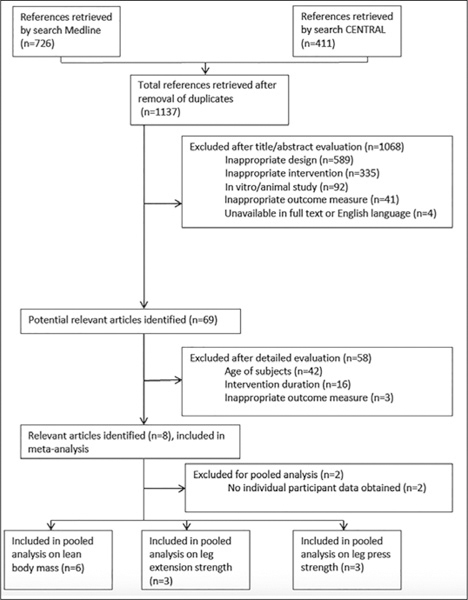
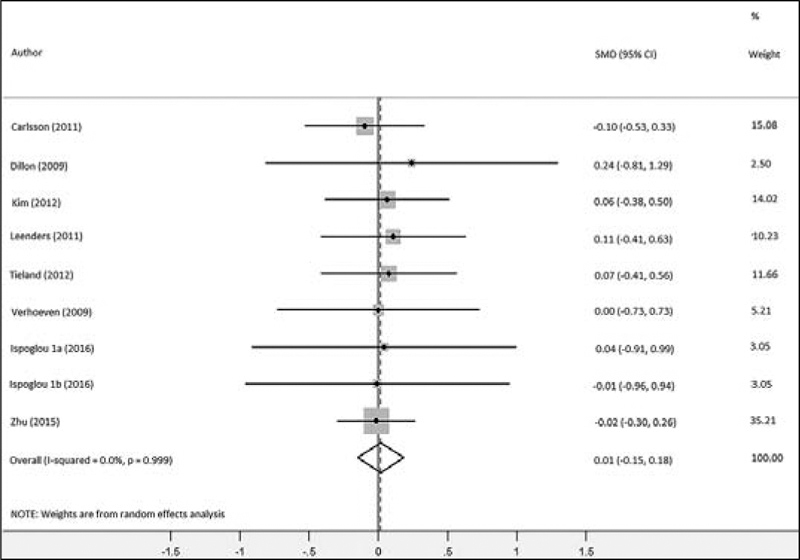
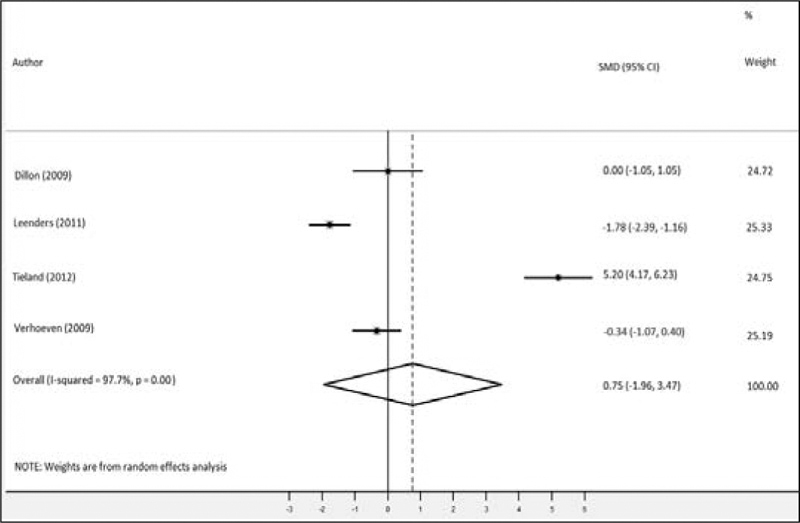
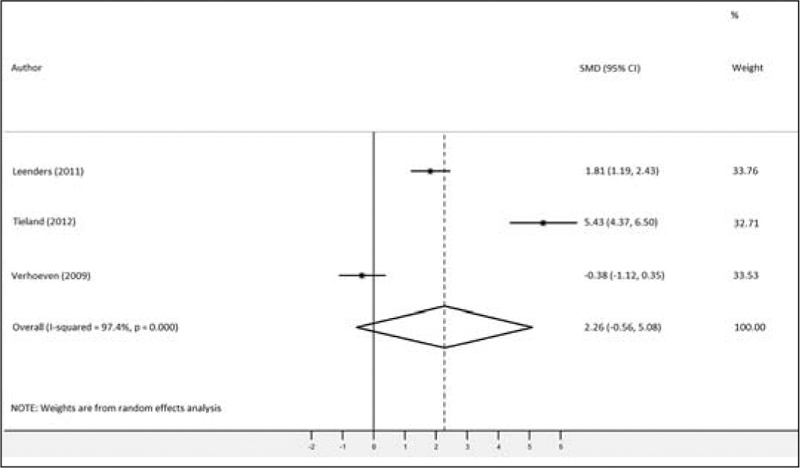
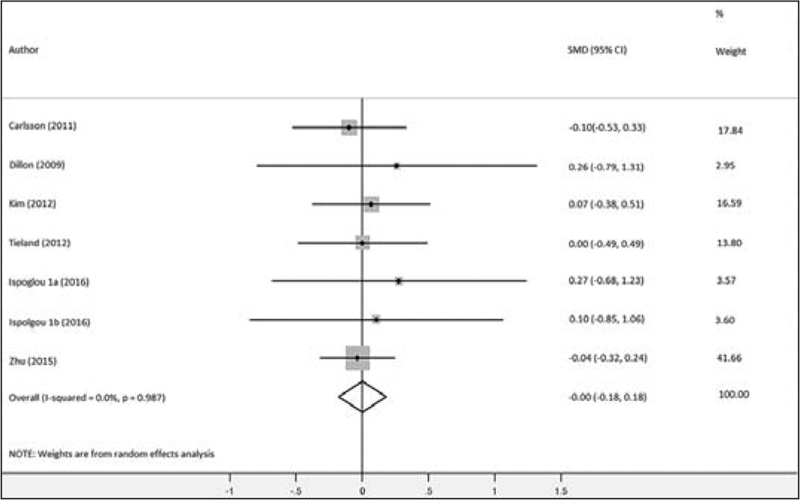
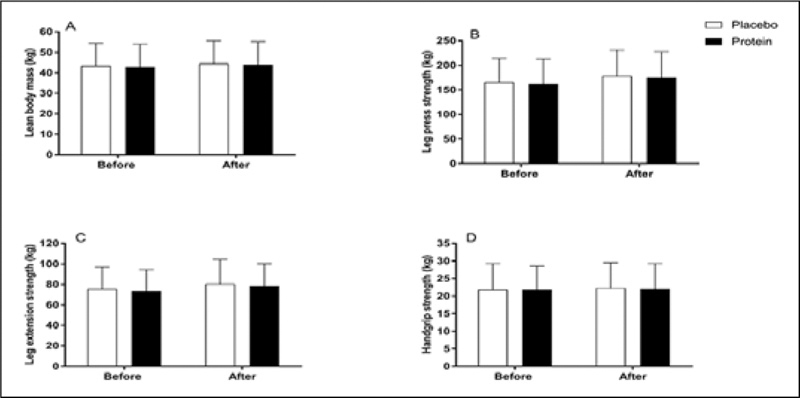
OBJECTIVES: Increasing protein or amino acid intake has been promoted as a promising strategy to increase muscle mass and strength in elderly people, however, long-term intervention studies show inconsistent findings. Therefore, we aim to determine the impact of protein or amino acid supplementation compared to placebo on muscle mass and strength in older adults by combining the results from published trials in a meta-analysis and pooled individual participant data analysis. DESIGN: We searched Medline and Cochrane databases and performed a meta-analysis on eight available trials on the effect of protein or amino acid supplementation on muscle mass and strength in older adults. Furthermore, we pooled individual data of six of these randomized double-blind placebo-controlled trials. The main outcomes were change in lean body mass and change in muscle strength for both the meta-analysis and the pooled analysis. RESULTS: The meta-analysis of eight studies (n=557) showed no significant positive effects of protein or amino acid supplementation on lean body mass (mean difference: 0.014 kg: 95% CI -0.152; 0.18), leg press strength (mean difference: 2.26 kg: 95% CI -0.56; 5.08), leg extension strength (mean difference: 0.75 kg: 95% CI: -1.96, 3.47) or handgrip strength (mean difference: -0.002 kg: 95% CI -0.182; 0.179). Likewise, the pooled analysis showed no significant difference between protein and placebo treatment on lean body mass (n=412: p=0.78), leg press strength (n=121: p=0.50), leg extension strength (n=121: p=0.16) and handgrip strength (n=318: p=0.37). CONCLUSIONS: There is currently no evidence to suggest that protein or amino acid supplementation without concomitant nutritional or exercise interventions increases muscle mass or strength in predominantly healthy elderly people.
Overview
The claims and statistics of this paper haven’t been checked yet.
Free: it reads the open-access text and checks the first 5 claims that cite a source we can check. Create a free account to check every claim.
Integrity signals
Registry
Cites
Statistics
Figures
Verification
Claims the paper makes
The claims and statistics of this paper haven’t been checked yet.
Free: it reads the open-access text and checks the first 5 claims that cite a source we can check. Create a free account to check every claim.
Claims other papers make about this one
Each is checked against this paper’s own text: does it say what the citing paper says it does?
The source backs part of the claim, not all of it — or backs it for a different population, condition or comparison.
In the citing paper
“However, the ability to enhance muscle mass and/or function with the chronic consumption of protein/amino acid-based supplements is somewhat equivocal in otherwise healthy adults,67–69”
From Reduced physical activity in young and older adults: Metabolic and musculoskeletal implications (2019) · cites this paper as [69]
Experimental — accuracy not yet measured
Self-check
Percentages, sums and reported differences re-computed from the paper’s own numbers.
The self-check needs the paper’s full text.
Citations
Cites
Liberati, A., Altman, D. G., Tetzlaff, J., Mulrow, C., Gøtzsche, P. C., Ioannidis, J. P. A., Clarke, M., Devereaux, P. J., Kleijnen, J., & Moher, D. (2009) · PLoS Medicine · doi:10.1371/journal.pmed.1000100 · Cited by 28,164 · cited 3×
“The Preferred Reporting Items for Systematic Reviews and Meta-Analyses (PRISMA) statement was followed in the reporting of this systematic review (19).”
InfluentialDermyshi, E., Wang, Y., Yan, C., Hong, W., Qiu, G., Gong, X., & Zhang, T. (2017) · Neonatology · doi:10.1159/000454668 · Cited by 24,451
Sarcopenia: European consensus on definition and diagnosis
Cruz-Jentoft, A. J., Baeyens, J. P., Bauer, J. M., Boirie, Y., Cederholm, T., Landi, F., Martin, F. C., Michel, J.-P., Rolland, Y., Schneider, S. M., et al. (2010) · Age and Ageing · doi:10.1093/ageing/afq034 · Cited by 11,601 · cited 1×
“3 INTRODUCTION Aging is associated with the loss of muscle mass and muscle strength, also referred to as sarcopenia [1].”
Liberati, A., Altman, D. G., Tetzlaff, J., Mulrow, C., Gøtzsche, P. C., Ioannidis, J. P. A., Clarke, M., Devereaux, P. J., Kleijnen, J., & Moher, D. (2009) · Journal of Clinical Epidemiology · doi:10.1016/j.jclinepi.2009.06.006 · Cited by 10,578
Fielding, R. A., Vellas, B., Evans, W. J., Bhasin, S., Morley, J. E., Newman, A. B., Abellan van Kan, G., Andrieu, S., Bauer, J., Breuille, D., et al. (2011) · Journal of the American Medical Directors Association · doi:10.1016/j.jamda.2011.01.003 · Cited by 3,256 · cited 1×
“The difference in efficacy of protein supplementation to augment muscle mass might be attributed to differences in amount of muscle mass, inflammatory status, hormone levels, insulin resistance, the level of habitual physical activity, as well as habitual dietary protein intake (4, 41).”
Goodpaster, B. H., Park, S. W., Harris, T. B., Kritchevsky, S. B., Nevitt, M., Schwartz, A. V., Simonsick, E. M., Tylavsky, F. A., Visser, M., Newman, A. B., et al. (2006) · The Journals of Gerontology Series A: Biological Sciences and Medical Sciences · doi:10.1093/gerona/61.10.1059 · Cited by 3,083 · cited 1×
“In people aged 65 years and older, the yearly loss of muscle mass is estimated to be ~0.2 kg (39, 40).”
InfluentialAging of skeletal muscle: a 12-yr longitudinal study
Frontera, W. R., Hughes, V. A., Fielding, R. A., Fiatarone, M. A., Evans, W. J., & Roubenoff, R. (2000) · Journal of Applied Physiology · doi:10.1152/jappl.2000.88.4.1321 · Cited by 1,443 · cited 1×
“In people aged 65 years and older, the yearly loss of muscle mass is estimated to be ~0.2 kg (39, 40).”
InfluentialHouston, D. K., Nicklas, B. J., Ding, J., Harris, T. B., Tylavsky, F. A., Newman, A. B., Lee, J. S., Sahyoun, N. R., Visser, M., & Kritchevsky, S. B. (2008) · The American Journal of Clinical Nutrition · doi:10.1093/ajcn/87.1.150 · Cited by 1,214 · cited 3×
“Development and progression of sarcopenia are triggered by multiple factors, such as a sedentary lifestyle and inadequate dietary protein intake (6, 7).”
Anabolic signaling deficits underlie amino acid resistance of wasting, aging muscle
Cuthbertson, D., Smith, K., Babraj, J., Leese, G., Waddell, T., Atherton, P., Wackerhage, H., Taylor, P. M., & Rennie, M. J. (2005) · The FASEB Journal · doi:10.1096/fj.04-2640fje · Cited by 1,211
Sarcopenia with limited mobility: an international consensus
Morley, J. E., Abbatecola, A. M., Argiles, J. M., Baracos, V., Bauer, J., Bhasin, S., Cederholm, T., Stewart Coats, A. J., Cummings, S. R., Evans, W. J., et al. (2011) · Journal of the American Medical Directors Association · doi:10.1016/j.jamda.2011.04.014 · Cited by 1,125 · cited 1×
“This condition is associated with a decline in physical functioning leading to a higher risk of falls, fractures, and physical disability [2-4].”
Research works printed but not linked: 3
- Fam Pract. 29 1 2012
- Journal of the American Medical Directors Association [Internet]. 16 9 2015
- European journal of clinicla nutrition [Internet]. 70 2 2016
Cited by
Dietary Protein and Amino Acids in Vegetarian Diets—A Review
Mariotti, F., & Gardner, C. D. (2019) · Nutrients · doi:10.3390/nu11112661 · Cited by 411
“protein intake from vegetarian diets may influence long term markers of muscle mass and function, fitness and ultimately the risk of sarcopenia, and how those processes might interact with other nutritional and lifestyle factors [87,88].”
BackgroundReduced physical activity in young and older adults: Metabolic and musculoskeletal implications
Bowden Davies, K. A., Pickles, S., Sprung, V. S., Kemp, G. J., Alam, U., Moore, D. R., Tahrani, A. A., & Cuthbertson, D. J. (2019) · Therapeutic Advances in Endocrinology and Metabolism · doi:10.1177/2042018819888824 · Cited by 278
Sarcopenia in the Older Adult With Cancer
Williams, G. R., Dunne, R. F., Giri, S., Shachar, S. S., & Caan, B. J. (2021) · Journal of Clinical Oncology · doi:10.1200/jco.21.00102 · Cited by 248
Tamura, Y., Omura, T., Toyoshima, K., & Araki, A. (2020) · Nutrients · doi:10.3390/nu12113367 · Cited by 224
“Although a meta-analysis of randomized controlled trials (RCTs) of healthy older individuals revealed that protein or amino acid supplementation could not improve muscle mass or strength [125], another meta-analysis found that protein supplementation increased muscle mass in middle-old adults with and without sarcopen…”
BackgroundStrategies to Prevent Sarcopenia in the Aging Process: Role of Protein Intake and Exercise
Rogeri, P. S., Zanella, R., Martins, G. L., Garcia, M. D. A., Leite, G., Lugaresi, R., Gasparini, S. O., Sperandio, G. A., Ferreira, L. H. B., Souza-Junior, T. P., et al. (2021) · Nutrients · doi:10.3390/nu14010052 · Cited by 181
“Additionally, two meta-analyses corroborate the findings of these two studies, suggesting that protein supplementation alone may not be enough to promote positive changes in skeletal muscle mass in older adults [130,131].”
Resultten Haaf, D. S. M., Nuijten, M. A. H., Maessen, M. F. H., Horstman, A. M. H., Eijsvogels, T. M. H., & Hopman, M. T. (2018) · The American Journal of Clinical Nutrition · doi:10.1093/ajcn/nqy192 · Cited by 152
Dietary Protein and Muscle in Aging People: The Potential Role of the Gut Microbiome
Ni Lochlainn, M., Bowyer, R. C. E., & Steves, C. J. (2018) · doi:10.20944/preprints201806.0152.v1 · Cited by 138
Dietary Protein and Muscle in Aging People: The Potential Role of the Gut Microbiome
Ni Lochlainn, M., Bowyer, R. C. E., & Steves, C. J. (2018) · Nutrients · doi:10.3390/nu10070929 · Cited by 138
Defining anabolic resistance: Implications for delivery of clinical care nutrition
Morton, R. W., Traylor, D. A., Weijs, P. J. M., & Phillips, S. M. (2018) · Current Opinion in Critical Care · doi:10.1097/mcc.0000000000000488 · Cited by 106
Tessier, A.-J., & Chevalier, S. (2018) · Nutrients · doi:10.3390/nu10081099 · Cited by 132
“From nine trials included in a recent meta-analysis, no significant effect of supplements was found on lean body mass, leg strength, or handgrip strength [19].”
BackgroundTagawa, R., Watanabe, D., Ito, K., Ueda, K., Nakayama, K., Sanbongi, C., & Miyachi, M. (2021) · Nutrition Reviews · doi:10.1093/nutrit/nuaa104 · Cited by 118
Nutritional Supplements to Support Resistance Exercise in Countering the Sarcopenia of Aging
McKendry, J., Currier, B. S., Lim, C., Mcleod, J. C., Thomas, A. C. Q., & Phillips, S. M. (2020) · Nutrients · doi:10.3390/nu12072057 · Cited by 118
“Together, these data suggest that increased total daily protein intake, and other important dietary permutations, combined with RE remains a promising strategy to combat sarcopenia [68], however, more nuanced discoveries require further exploration.”
BackgroundGranic, A., Mendonça, N., Sayer, A. A., Hill, T. R., Davies, K., Siervo, M., Mathers, J. C., & Jagger, C. (2020) · Clinical Nutrition · doi:10.1016/j.clnu.2019.01.009 · Cited by 97
Kirwan, R. P., Mazidi, M., Rodríguez García, C., Lane, K. E., Jafari, A., Butler, T., Perez de Heredia, F., & Davies, I. G. (2022) · The American Journal of Clinical Nutrition · doi:10.1093/ajcn/nqab355 · Cited by 89
Treatment of sarcopenia: the road to the future
Morley, J. E. (2018) · Journal of Cachexia, Sarcopenia and Muscle · doi:10.1002/jcsm.12386 · Cited by 70
Associations between diet and handgrip strength: a cross-sectional study from UK Biobank
Gedmantaitė, A., Celis-Morales, C. A., Ho, F. K. W., Pell, J. P., Ratkevičius, A., & Gray, S. R. (2020) · Mechanisms of Ageing and Development · doi:10.1016/j.mad.2020.111269 · Cited by 75
Wijnhoven, H. A. H., Elstgeest, L. E. M., de Vet, H. C. W., Nicolaou, M., Snijder, M. B., & Visser, M. (2018) · PLoS ONE · doi:10.1371/journal.pone.0196406 · Cited by 73
Optimizing Adult Protein Intake During Catabolic Health Conditions
Phillips, S. M., Paddon-Jones, D., & Layman, D. K. (2020) · Advances in Nutrition · doi:10.1093/advances/nmaa047 · Cited by 65
Ten Haaf, D., Van Dongen, E., Nuijten, M., Eijsvogels, T., De Groot, L., & Hopman, M. (2018) · Nutrients · doi:10.3390/nu10040506 · Cited by 64
Uremic Sarcopenia: Clinical Evidence and Basic Experimental Approach
Nishi, H., Takemura, K., Higashihara, T., & Inagi, R. (2020) · Nutrients · doi:10.3390/nu12061814 · Cited by 67
Therapeutic approaches to osteosarcopenia: insights for the clinician
Fatima, M., Brennan-Olsen, S. L., & Duque, G. (2019) · Therapeutic Advances in Musculoskeletal Disease · doi:10.1177/1759720x19867009 · Cited by 88
Hung, Y., Wijnhoven, H. A. H., Visser, M., & Verbeke, W. (2019) · Nutrients · doi:10.3390/nu11040777 · Cited by 60
“At the moment, there is no simple solution that effectively halts protein malnutrition, as protein or amino acid supplementation alone does not contribute sufficiently to increasing muscle mass or strength in older adults [10].”
BackgroundKirk, B., Mooney, K., Cousins, R., Angell, P. J., Jackson, M. J., Pugh, J. N., Coyles, G., Amirabdollahian, F., & Alizadehkhaiyat, O. (2020) · European Journal of Applied Physiology · doi:10.1007/s00421-019-04293-5 · Cited by 62
“On the other hand, longer interventions (≥ 24 weeks) are recommended to observe detectable increases in muscle mass when prescribing protein alone in older adults (Tieland et al. 2017), Pre Post -20 -10 0 10 20 30”
BackgroundBjörkman, M. P., Suominen, M. H., Kautiainen, H., Jyväkorpi, S. K., Finne-Soveri, H. U., Strandberg, T. E., Pitkälä, K. H., & Tilvis, R. S. (2020) · Journal of the American Medical Directors Association · doi:10.1016/j.jamda.2019.09.006 · Cited by 56
Markofski, M. M., Jennings, K., Timmerman, K. L., Dickinson, J. M., Fry, C. S., Borack, M. S., Reidy, P. T., Deer, R. R., Randolph, A., Rasmussen, B. B., et al. (2019) · The Journals of Gerontology: Series A · doi:10.1093/gerona/gly109 · Cited by 52
“Overall, chronic amino acid supplementation in healthy older adults may not increase lean mass, even when the muscle protein synthetic response is enhanced (32,33), possibly due to proteostasis (34,35).”
BackgroundIspoglou, T., Witard, O. C., Duckworth, L. C., & Lees, M. J. (2020) · Proceedings of The Nutrition Society · doi:10.1017/s0029665120008010 · Cited by 58
“placebo for maintaining muscle mass in healthy older adults((70)).”
BackgroundSelf-citationMurphy, C. H., Flanagan, E. M., VITO, G. D., Susta, D., Mitchelson, K. A. J., Castro, E. D. M., Senden, J. M., Goessens, J. P. B., Mikłosz, A., Chabowski, A., et al. (2021) · American Journal of Clinical Nutrition · doi:10.1093/ajcn/nqaa449 · Cited by 56
“2 g·kg−1·d−1) (60, 61) and may explain the lack of observed effect of the leucine/protein supplementation (62).”
BackgroundGingrich, A., Spiegel, A., Kob, R., Schoene, D., Skurk, T., Hauner, H., Sieber, C. C., Volkert, D., & Kiesswetter, E. (2017) · Nutrients · doi:10.3390/nu9121358 · Cited by 56
“In agreement with this hypothesis, a recent meta-analysis found no evidence that protein supplementation increases muscle mass or strength in healthy older people without concomitant exercise intervention [63].”
Oktaviana, J., Zanker, J., Vogrin, S., & Duque, G. (2019) · Archives of Gerontology and Geriatrics · doi:10.1016/j.archger.2019.103938 · Cited by 51
Verreijen, A. M., Engberink, M. F., Houston, D. K., Brouwer, I. A., Cawthon, P. M., Newman, A. B., Tylavsky, F. A., Harris, T. B., Weijs, P. J. M., & Visser, M. (2019) · The American Journal of Clinical Nutrition · doi:10.1093/ajcn/nqy341 · Cited by 44
“In contrast to their findings, a meta-analysis of 8 supplementation trials showed that protein or amino acid supplementation did not increase muscle mass in older people (30).”
Relevance to assess and preserve muscle strength in aging field
Buckinx, F., & Aubertin‐Leheudre, M. (2019) · Progress in Neuro-Psychopharmacology and Biological Psychiatry · doi:10.1016/j.pnpbp.2019.109663 · Cited by 60
Yoshida, S., Shiraishi, R., Nakayama, Y., & Taira, Y. (2023) · Nutrients · doi:10.3390/nu15132991 · Cited by 57
“muscle mass or strength in predominantly healthy elderly people [54].”
BackgroundTallis, J., Shelley, S., Degens, H., & Hill, C. (2021) · Biomolecules · doi:10.3390/biom11030372 · Cited by 41
New insights into the anorexia of ageing: from prevention to treatment
Dent, E., Hoogendijk, E. O., & Wright, O. R. L. (2018) · Current Opinion in Clinical Nutrition & Metabolic Care · doi:10.1097/mco.0000000000000525 · Cited by 56
Hengeveld, L. M., de Goede, J., Afman, L. A., Bakker, S. J. L., Beulens, J. W. J., Blaak, E. E., Boersma, E. H., Geleijnse, J. M., van Goudoever, J. B., Hopman, M. T. E., et al. (2021) · Advances in Nutrition · doi:10.1093/advances/nmab140 · Cited by 42
Use of Banana Peel As A By-Product to Increase The Nutritive Value of The Cake
Ahmed, Z., El-Sharnouby, G. A., & El-Waseif, M. (2021) · Journal of Food and Dairy Sciences · doi:10.21608/jfds.2021.167053 · Cited by 51
Romani, M., Berger, M. M., & D’Amelio, P. (2022) · Nutrients · doi:10.3390/nu14030483 · Cited by 38
Perttila, N. M., Pitkälä, K. H., Kautiainen, H., Tilvis, R., & Strandberg, T. E. (2017) · The Journal of Frailty & Aging · doi:10.14283/jfa.2017.26 · Cited by 46
Milk for Skeletal Muscle Health and Sarcopenia in Older Adults: A Narrative Review
Granic, A., Hurst, C., Dismore, L. L., Aspray, T., Stevenson, E., Witham, M. D., Sayer, A. A., & Robinson, S. M. (2020) · Clinical Interventions in Aging · doi:10.2147/cia.s245595 · Cited by 37
van Wijngaarden, J. P., Wojzischke, J., van den Berg, C., Cetinyurek‐Yavuz, A., Diekmann, R., Luiking, Y. C., & Bauer, J. M. (2020) · Journal of the American Medical Directors Association · doi:10.1016/j.jamda.2020.04.012 · Cited by 37
Adéquation de l’apport en protéines et acides aminés dans les régimes végétariens
Mariotti, F., & Gardner, C. D. (2020) · Cahiers de Nutrition et de Diététique · doi:10.1016/j.cnd.2019.12.002 · Cited by 39
Inadequacy of Protein Intake in Older UK Adults
Morris, S. J., Cater, J. D., Green, M. A., Johnstone, A. M., Brunstrom, J. M., Stevenson, E., Williams, E. A., & Corfe, B. M. (2020) · Geriatrics · doi:10.3390/geriatrics5010006 · Cited by 38
“This study found that 35% of participants failed to consume the UK RNI adequate protein, suggesting the South Yorkshire population intake of protein is considerably lower than other populations; a meta-analysis of European elderly populations indicated 10% fail to consume enough protein [12].”
BackgroundDietary Protein, Exercise, and Frailty Domains
Schoufour, J. D., Overdevest, E., Weijs, P. J. M., & Tieland, M. (2019) · Nutrients · doi:10.3390/nu11102399 · Cited by 31
“Whereas some studies show a beneficial effect of dietary protein on muscle mass [16] or physical performance [17] in frail elderly people, other studies did not find an effect of increased dietary protein intake on muscle mass, strength or performance in elderly people that consume adequate daily protein [38,39].”
Self-citationDommerholt, M. B., Blankestijn, M., Vieira‐Lara, M. A., van Dijk, T. H., Wolters, H., Koster, M. H., Gerding, A., van Os, R. P., Bloks, V. W., Bakker, B. M., et al. (2020) · FEBS Journal · doi:10.1111/febs.15604 · Cited by 31
Weijzen, M. E. G., Kouw, I. W. K., Verschuren, A. A. J., Muyters, R., Geurts, J. A. P., Emans, P. J., Geerlings, P., Verdijk, L. B., & van Loon, L. J. C. (2019) · The journal of nutrition health & aging · doi:10.1007/s12603-019-1157-2 · Cited by 30
“In support, additional protein supplementation at breakfast has been shown to increase skeletal muscle mass and function in older, frail individuals (62, 63).”
BackgroundZhang, C., Yu, D., Hong, L., Zhang, T., Liu, H., Fan, R., Wang, L., Zhong, J., & Wang, Z. (2021) · Gastroenterology Research and Practice · doi:10.1155/2021/3267201 · Cited by 29
Reinders, I., Wijnhoven, H. A. H., Jyväkorpi, S. K., Suominen, M. H., Niskanen, R. T., Bosmans, J. E., Brouwer, I. A., Fluitman, K. S., Klein, M. C. A., Kuijper, L. D. J., et al. (2020) · BMJ Open · doi:10.1136/bmjopen-2020-040637 · Cited by 31
Skrzypczak, D., Ratajczak, A. E., Szymczak‐Tomczak, A., Dobrowolska, A., Eder, P., & Krela‐Kaźmierczak, I. (2021) · Nutrients · doi:10.3390/nu13020293 · Cited by 29
Papageorgiou, M., & Biver, E. (2021) · Therapeutic Advances in Musculoskeletal Disease · doi:10.1177/1759720x211009018 · Cited by 23
Reinders, I., Visser, M., Jyväkorpi, S. K., Niskanen, R. T., Bosmans, J. E., Ben, Â. J., Brouwer, I. A., Kuijper, L. D. J., Olthof, M. R., Pitkälä, K. H., et al. (2021) · European Journal of Nutrition · doi:10.1007/s00394-021-02675-0 · Cited by 29
HMGB1 Promotes In Vitro and In Vivo Skeletal Muscle Atrophy through an IL-18-Dependent Mechanism
Ho, T., Tang, C., Chang, S. L., Tsai, C., Chen, H., & Su, C. (2022) · Cells · doi:10.3390/cells11233936 · Cited by 23
“To examine whether HMGB1-induced IL-18 inflammation affects myogenesis [43], we first quantified IL-18 mRNA levels in C2C12 and G7 cells in GM or DM after 24 h of HMGB1 stimulation compared with no such treatment of GM or DM.”
MethodMatsuda, T., Suzuki, H., Sugano, Y., Suzuki, Y., Yamanaka, D., Araki, R., Yahagi, N., Sekiya, M., Kawakami, Y., Osaki, Y., et al. (2022) · Nutrients · doi:10.3390/nu14193917 · Cited by 24
“effects of protein or amino acid supplementation without concomitant nutritional therapy and exercise training on lean body mass and muscle strength were not significantly different compared with control groups [42].”
Backgroundde Branco, F. M. S., Carneiro, M. A. S., Rossato, L. T., Nahas, P. C., Teixeira, K. R., Júnior, G. N. D. O., Orsatti, F. L., & de Oliveira, E. P. (2019) · Clinical Nutrition · doi:10.1016/j.clnu.2019.01.008 · Cited by 24
Protein intake in older people: Why, how much and how?
Kiesswetter, E., Sieber, C. C., & Volkert, D. (2020) · Zeitschrift für Gerontologie und Geriatrie · doi:10.1007/s00391-020-01723-4 · Cited by 23
Morley, J. E., & Sanford, A. M. (2019) · The journal of nutrition health & aging · doi:10.1007/s12603-019-1259-x · Cited by 22
Dulac, M., Pion, C. H., Lemieux, F. C., Carvalho, L. P., Boutros, G. E. H., Bélanger, M., Gaudreau, P., Chevalier, S., Morais, J. A., Noirez, P., et al. (2020) · British Journal Of Nutrition · doi:10.1017/s0007114520001932 · Cited by 21
“However, a recent meta-analysis has shown that there is currently no evidence to advise that supplementation of protein or amino acids alone increases muscle mass or MS in healthy elderly people(42).”
BackgroundMethodButterworth, M., Lees, M. J., Harlow, P., Hind, K., Duckworth, L. C., & Ispoglou, T. (2019) · Applied Physiology, Nutrition, and Metabolism · doi:10.1139/apnm-2018-0650 · Cited by 18
Self-citationLü, Y., Wang, Y., & Lü, Q. (2020) · Journal of Advanced Nursing · doi:10.1111/jan.14684 · Cited by 18
Landi, F., Sieber, C., Fielding, R. A., Rolland, Y., & Guralnik, J. M. (2018) · The Journal of Frailty & Aging · doi:10.14283/jfa.2018.26 · Cited by 24
“…of protein or amino acid supplementation on muscle mass and strength in healthy older adults, Tieland and colleagues found no evidence of a positive effect from either protein or amino acid supplementation on lean body mass, leg press strength, leg extension strength, or handgrip strength (25).”
Murphy, C. H., Connolly, C., Flanagan, E. M., Mitchelson, K. A. J., Castro, E. D. M., Egan, B., Brennan, L., & Roche, H. M. (2022) · Journal of Cachexia Sarcopenia and Muscle · doi:10.1002/jcsm.12936 · Cited by 17
“Variable baseline nutritional and/or metabolic status is a plausible and commonly cited explanation for the inconsistency between studies in the reported impact of protein and LC n-3 PUFA supplementation in older adults.(23,32) Counter to this notion however, despite a wide between-participant range in PRE-interventio…”
ResultVarjan, M., Böhmerová, Ľ. Ž., Oreská, Ľ., Schickhofer, P., & Hamar, D. (2024) · Frontiers in Physiology · doi:10.3389/fphys.2024.1386537 · Cited by 22
Juopperi, S., Sund, R., Rikkonen, T., Kröger, H., & Sirola, J. P. (2021) · BMC Musculoskeletal Disorders · doi:10.1186/s12891-021-04056-4 · Cited by 20
“Efforts to reduce the loss of muscle by increasing dietary protein intake without exercise or by using stand-alone pharmaceutical treatments have been disappointing [7, 8].”
BackgroundNutrition and physical activity countermeasures for sarcopenia: Time to get personal?
Murphy, C. H., & Roche, H. M. (2018) · Nutrition Bulletin · doi:10.1111/nbu.12351 · Cited by 16
“A recent meta-analysis of double-blind RCTs assessed the effects of isolated protein and/or amino acid supplementation in older adults and reported no effects of supplementation on muscle mass and strength (Tieland et al. 2017).”
BackgroundInfluentialZeng, Y., He, X., Peng, X., Zhao, L., Yin, C., & Mao, S. (2024) · International Journal of General Medicine · doi:10.2147/ijgm.s462594 · Cited by 14
Al-Rawhani, A. H., Adznam, S. N., Abu Zaid, Z., Md. Yusop, N. B., M. Sallehuddin, H., & Alshawsh, M. A. (2024) · Clinical Nutrition · doi:10.1016/j.clnu.2024.08.033 · Cited by 13
Okada, C., Okada, E., & Takimoto, H. (2020) · Public Health Nutrition · doi:10.1017/s1368980020000415 · Cited by 14
“of protein supplementation on leanmass without concomitant exercise(17), while the other showed that protein supplementation with resistant exercise has positive effects on lean mass compared with exercise intervention alone(18).”
BackgroundNutritional support in a comprehensive program of prevention and treatment of sarcopenia
Kurmaev, D. P., Bulgakova, S. V., Treneva, E. V., Kosareva, O. V., Dolgikh, Y. A., Sharonova, L. A., & Сергеевна, Ч. И. (2023) · Russian Journal of Geriatric Medicine · doi:10.37586/2686-8636-1-2023-29-38 · Cited by 16
Kim, H.-N., Kim, S., Eun, Y., & Song, S.-W. (2021) · Clinical Nutrition · doi:10.1016/j.clnu.2021.02.034 · Cited by 13
Self-citationResearch hotspots and trends of exercise for sarcopenia: A bibliometric analysis
Xiang, Q., Hu, Y., Zheng, J., Liu, W., & Tao, J. (2023) · Frontiers in Public Health · doi:10.3389/fpubh.2023.1106458 · Cited by 17
“The research focus of VAN LOON LJC and PHILLIPS SM is similar, mainly focusing on the effects of exercise (10), protein supplementation on muscle protein synthesis (11–15) and muscle strength (16) in sarcopenia.”
BackgroundReinders, I., Visser, M., & Wijnhoven, H. A. H. (2020) · Clinical Nutrition ESPEN · doi:10.1016/j.clnesp.2020.02.020 · Cited by 13
The Journal of Cachexia, Sarcopenia and Muscle stays the front‐runner in geriatrics and gerontology
Anker, M. S., Anker, S. D., Coats, A. J. S., & von Haehling, S. (2019) · Journal of Cachexia Sarcopenia and Muscle · doi:10.1002/jcsm.12518 · Cited by 11
Kim, H., Kojima, N., Uchida, R., Somekawa, S., Inoue, N., Kobayashi, H., & Osuka, Y. (2020) · Aging Clinical and Experimental Research · doi:10.1007/s40520-020-01713-x · Cited by 13
Self-citationHawley, A. L., & Baum, J. (2023) · Nutrition Reviews · doi:10.1093/nutrit/nuad061 · Cited by 12
Choi, E. Y. (2023) · Nutrients · doi:10.3390/nu15041014 · Cited by 14
Functional Nutrients to Ameliorate Neurogenic Muscle Atrophy
Moresi, V., Renzini, A., Cavioli, G., Seelaender, M. C. L., Coletti, D., Gigli, G., & Cedola, A. (2022) · Metabolites · doi:10.3390/metabo12111149 · Cited by 10
Yoshida, S., Shiraishi, R., Nakayama, Y., & Taira, Y. (2023) · Preprints.org · doi:10.20944/preprints202306.2095.v1 · Cited by 9
Dedeyne, L., Dupont, J., Verschueren, S., Koppo, K., Tournoy, J., Matthys, C., & Gielen, E. (2021) · Frontiers in Nutrition · doi:10.3389/fnut.2021.672971 · Cited by 12
“First, compared Frontiers in Nutrition | www.frontiersin.org 8 August 2021 | Volume 8 | Article 672971 to a single dose RDA (0.8 g·kg−1·d−1 of body mass), a double dose RDA (1.5 g·kg−1·d−1 of body mass) resulted in increased MPS and whole-body lean mass, maintenance of lean mass and less decrease in appendicular lean…”
BackgroundInfluentialAssociation of dietary protein intake with skeletal muscle mass in older adults: A systematic review
Yaegashi, A., Kimura, T., Hirata, T., & Tamakoshi, A. (2021) · Geriatrics and gerontology international/Geriatrics & gerontology international · doi:10.1111/ggi.14291 · Cited by 9
Schalla, J., Frommelt, S., Geisler, S., & Isenmann, E. (2024) · Frontiers in Sports and Active Living · doi:10.3389/fspor.2024.1346637 · Cited by 8
Overdevest, E., Dorhout, B. G., Nicolaou, M., van Valkengoed, I. G. M., Haveman‐Nies, A., Oztürk, H., de Groot, C. P. G. M., Tieland, M., & Weijs, P. J. M. (2021) · Nutrients · doi:10.3390/nu13010184 · Cited by 8
“Several studies, including a meta-analyses, indicate that a higher amount of protein is not associated with increased muscle mass [40–42] or muscle strength [43].”
ResultSelf-citationPharmacological targeting of age-related changes in skeletal muscle tissue
Leuchtmann, A. B., & Handschin, C. (2019) · Pharmacological Research · doi:10.1016/j.phrs.2019.02.030 · Cited by 9
Gehrmann, T., Beekman, M., Deelen, J., Partridge, L., van de Rest, O., Mei, L., Raz, Y., de Groot, C. P. G. M., van der Breggen, R., Reinders, M. J. T., et al. (2024) · doi:10.59368/agingbio.20240036 · Cited by 5
Baniasadi, M. M., Khakbaz, M., & Azadbakht, L. (2025) · Clinical Nutrition · doi:10.1016/j.clnu.2025.106569 · Cited by 5
Matsuyama, K., Tsuruoka, A., Nemoto, Y., & Nishinomiya, T. (2020) · The Journal of Supercritical Fluids · doi:10.1016/j.supflu.2020.105104 · Cited by 5
Association between dietary protein intake and skeletal muscle mass in older Korean adults
Kim, H., & Song, S.-W. (2021) · European Geriatric Medicine · doi:10.1007/s41999-021-00530-3 · Cited by 5
Self-citationValidation of the German version of the Protein Screener 55+
Kiesswetter, E., Siebentritt, H. M., Schoene, D., Kob, R., Freiberger, E., Sieber, C. C., Visser, M., Wijnhoven, H. A. H., & Volkert, D. (2023) · European Journal of Clinical Nutrition · doi:10.1038/s41430-023-01266-y · Cited by 5
“However, intervention studies using protein supplements have often failed to improve muscle mass and function in older people, presumably caused by sufficiently high habitual protein intake [11, 12].”
BackgroundNutritional concerns later in life
Grootswagers, P., & de Groot, C. P. G. M. (2021) · Proceedings of The Nutrition Society · doi:10.1017/s0029665121001932 · Cited by 7
“Examples of controlled intervention studies in older adults conclude that dietary protein supplementation (twice daily a 250-ml milk proteinsupplemented beverage containing 15 g protein) enhances muscle mass((31)) and strength gains during prolonged resistance-type exercise training in frail older subjects((32)) and i…”
BackgroundJones, D. J., Celis-Morales, C. A., Gray, S. R., Morrison, D. J., Ozanne, S. E., Jain, M., Mattin, L. R., & Burden, S. T. (2024) · Nutrients · doi:10.3390/nu16091398 · Cited by 5
Reduced Skeletal Muscle Mass and Lifestyle
Scott, D. S. (2018) · Elsevier eBooks · doi:10.1016/b978-0-12-810422-4.00002-6 · Cited by 4
Stable isotope approaches to study muscle mass outcomes in clinical populations
Chapple, L. S., Dirks, M. L., & Kouw, I. W. K. (2021) · Clinical Nutrition Open Science · doi:10.1016/j.nutos.2021.01.004 · Cited by 4
Tessier, A., Lévy-Ndejuru, J., Moyen, A., Lawson, M., Lamarche, M., Morais, J. A., Bhullar, A. S., Andriamampionona, F., Mazurak, V. C., & Chevalier, S. (2021) · PLoS ONE · doi:10.1371/journal.pone.0256386 · Cited by 5
“Thought a recent meta-analysis showed no added benefits from protein supplementation on lean mass and muscle strength [41], a dietary protein intake higher than the RDA (1.”
BackgroundChinese Expert Consensus on Home Nutrition Administration for Older Patients (2024)
Gong, J., Li, X., Shi, L., Jing, X., Liao, X., Ma, Y., & Hu, W. (2025) · Journal of Evidence-Based Medicine · doi:10.1111/jebm.70025 · Cited by 5
Beavers, K. M., Serra, M. C., Weaver, A. A., & Houston, D. K. (2020) · Elsevier eBooks · doi:10.1016/b978-0-12-813073-5.00035-6 · Cited by 6
Traylor, D. A., Nunes, E. A., Lees, M. J., Plucinski, M. J., Vondrasek, M., & Phillips, S. M. (2024) · Archives of Gerontology and Geriatrics Plus · doi:10.1016/j.aggp.2024.100058 · Cited by 2
Li, Y., Hou, W., Jia, Y., Wen, X., Rao, C., Xu, X., Wei, Z., Bai, L., & Tan, H. (2020) · bioRxiv (Cold Spring Harbor Laboratory) · doi:10.1101/2020.01.30.927509 · Cited by 2
Yoshida, S., Shiraishi, R., Nakayama, Y., & Taira, Y. (2023) · Preprints.org · doi:10.20944/preprints202306.2123.v1 · Cited by 1
Moirano, M., Sgaravatti, A., Massa, F., Fajardo, G., Riverón, N., Sena, G., Simoncelli, M., Sánchez, F., Guevara, N., Vázquez, M., et al. (2023) · Nutrition and Healthy Aging · doi:10.3233/nha-220186 · Cited by 2
“Interventions aim to preserve muscle mass include nutrition and physical activity [2–5].”
Dairy foods and maintenance of muscle mass in the elderly
Breen, L., & Smeuninx, B. (2020) · Elsevier eBooks · doi:10.1016/b978-0-12-815603-2.00014-0 · Cited by 3
Geriatric Medicine and Healthy Aging
Gouveia, É. R., de Gouveia, B. R. F. O., Marques, A., & Ihle, A. (2022) · IntechOpen eBooks · doi:10.5772/intechopen.98018 · Cited by 2
Mashhadi, N. S. (2023) · IntechOpen eBooks · doi:10.5772/intechopen.105433 · Cited by 1
Metadata
- Authors
- Tieland, M., Franssen, R., Dullemeijer, C., van Dronkelaar, C., Kim, H. K., Ispoglou, T., Zhu, K., Prince, R. L., van Loon, L. J. C., & de Groot, L. C. P. G. M.
- Affiliations
- Wageningen University & Research (NL)
- Maastricht University Medical Centre (NL)
- Tokyo Metropolitan Institute of Gerontology (JP)
- Leeds Beckett University (GB)
- The University of Western Australia (AU)
- Venue
- The Journal of nutrition, health and aging
- Publisher
- Elsevier BV
- Published
- 2017-11
- Volume
- 21
- Issue
- 9
- Pages
- 994-1001
- ISSN
- 1279-7707 (ISSN-L)
- PMC
- PMC12879879
- OpenAlex
- W2591962037
- Cited by
- 123
- References
- 44
- Citations by year
- 2026: 4 · 2025: 5 · 2024: 9 · 2023: 10 · 2022: 11 · 2021: 22 · 2020: 27 · 2019: 16 · 2018: 17 · 2017: 2
- FWCI
- 2.08
- Type
- journal article
- Language
- en
- Open access
- hybrid
- doi.org
- Licence
- cc-by-nc-nd
- www.elsevier.com/tdm/userlicense/1.0/ (tdm)
- www.elsevier.com/legal/tdmrep-license (tdm)
- creativecommons.org/licenses/by-nc-nd/4.0/ (vor, 2220 d)
- Locations
- The journal of nutrition health & aging (publishedVersion, cc-by-nc-nd)
- Europe PMC (PubMed Central) (publishedVersion, cc-by-nc-nd)
- PubMed (publishedVersion)
- Research Publications (Maastricht University) (publishedVersion, cc-by-nc-nd)
- PubMed Central (publishedVersion, cc-by-nc-nd)
- Socio-Environmental Systems Modeling (acceptedVersion)
- Leeds Beckett Repository (Leeds Beckett University) (submittedVersion, other-oa)
- UWA Profiles and Research Repository (UWA) (submittedVersion)
- Research Bank (Australian Catholic University) (submittedVersion)
- Data Archiving and Networked Services (DANS) (submittedVersion)
- Figshare (submittedVersion, cc-by)
- Pure Amsterdam UMC (submittedVersion, other-oa)
- VUBIR (Vrije Universiteit Brussel) (submittedVersion)
- Research Publications (Maastricht University) (submittedVersion)
- Funders
- Japan Society for the Promotion of Science (17H02187, 26282201)
- Topics
- Health Sciences › Medicine › Physiology (medical) › Nutrition and Health in Aging
- Health Sciences › Nursing › Nutrition and Dietetics › Muscle metabolism and nutrition
- Life Sciences › Biochemistry, Genetics and Molecular Biology › Molecular Biology › Muscle Physiology and Disorders
- Keywords
- protein supplementation, amino acid supplementation, muscle mass, muscle strength, lean body mass, older adults, sarcopenia, grip strength, leg strength, individual patient data
- MeSH terms
- Aged, Aged, 80 and over, Amino Acids, Dietary Proteins, Humans, Male, Nutritional Status, Body Mass Index, Muscle, Skeletal, Dietary Supplements, Muscle Strength, Sarcopenia
About these checks
Registry, retraction, Cites and statistics results are computed, not judged, with one exception: a printed reference that no index lists is read once by a model before it counts as a citation error. Claims are extracted by a model and kept only when their quote appears verbatim in the text; each cited source is then checked, with a model’s help, for whether it says what the claim relies on. Those verdicts can be wrong — read the claim’s quote and the cited source before relying on one.
Statistics and arithmetic are recomputed, not judged.
Confidence bands are shown only for fields calibrated on our annotated test set. None is calibrated yet, so no band is shown.
What counts as a claim ›How we measure confidence ›How we check this ›
Are you an author, or do you see a problem with this page? Request a review
Data sources
Bibliographic data: Semantic Scholar, OpenAlex, Crossref.
Contains information from the Semantic Scholar Academic Graph Datasets, made available under the ODC Attribution License (ODC-BY 1.0).
Semantic Scholar’s data is described in: Kinney, R., et al. (2023). The Semantic Scholar Open Data Platform. arXiv:2301.10140.
