

Convolutional neural networks: an overview and application in radiology
Open accessThe DOI matches its Crossref record; 65 of the 65 references it cites were found in a registry or an index; 30 of the 49 sources its claims cite were checked for support.
Abstract
Convolutional neural network (CNN), a class of artificial neural networks that has become dominant in various computer vision tasks, is attracting interest across a variety of domains, including radiology. CNN is designed to automatically and adaptively learn spatial hierarchies of features through backpropagation by using multiple building blocks, such as convolution layers, pooling layers, and fully connected layers. This review article offers a perspective on the basic concepts of CNN and its application to various radiological tasks, and discusses its challenges and future directions in the field of radiology. Two challenges in applying CNN to radiological tasks, small dataset and overfitting, will also be covered in this article, as well as techniques to minimize them. Being familiar with the concepts and advantages, as well as limitations, of CNN is essential to leverage its potential in diagnostic radiology, with the goal of augmenting the performance of radiologists and improving patient care. KEY POINTS: • Convolutional neural network is a class of deep learning methods which has become dominant in various computer vision tasks and is attracting interest across a variety of domains, including radiology. • Convolutional neural network is composed of multiple building blocks, such as convolution layers, pooling layers, and fully connected layers, and is designed to automatically and adaptively learn spatial hierarchies of features through a backpropagation algorithm. • Familiarity with the concepts and advantages, as well as limitations, of convolutional neural network is essential to leverage its potential to improve radiologist performance and, eventually, patient care.
Overview
CoChat Summary
TL;DR
This narrative review explains the basic concepts of convolutional neural networks (CNNs) — their building blocks, training, and data requirements — and surveys their application to radiological tasks such as classification, segmentation, detection, image denoising, and report analysis. It highlights small datasets and overfitting as the two central challenges for CNN use in radiology and reviews techniques to mitigate them.
Key findings
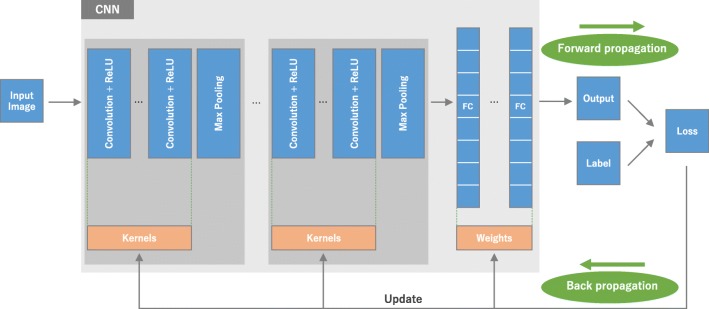
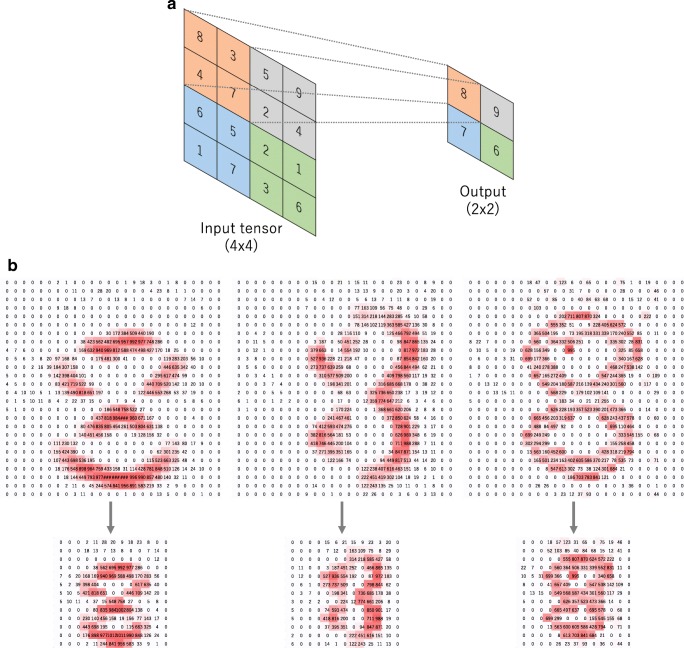
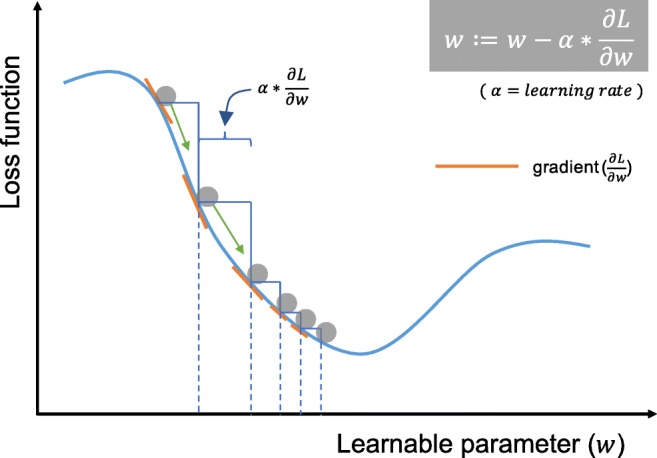
- CNN is composed of convolution, pooling, and fully connected layers; convolution and pooling perform feature extraction while fully connected layers map features to outputs, with kernels and weights learned via backpropagation and gradient descent.
- CNN differs from conventional radiomics in that it does not require hand-crafted feature extraction or expert segmentation, but is far more data hungry and computationally expensive, typically requiring GPUs.
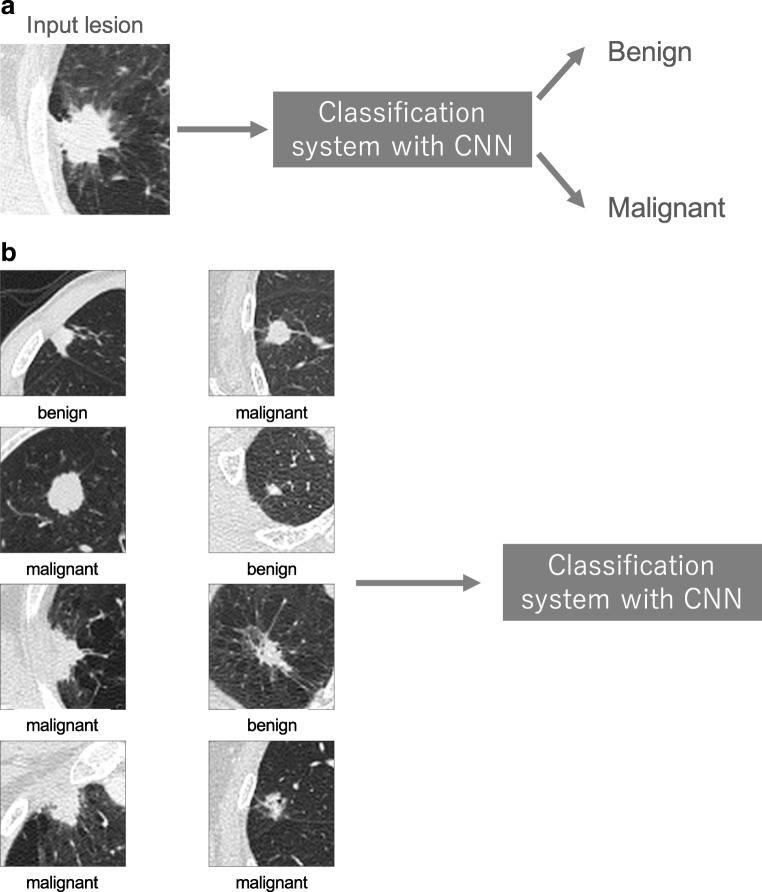
- Reported application results cited in the review include: an ensemble of AlexNet and GoogLeNet 2D-CNNs achieving a best AUC of 0.99 for detecting pulmonary tuberculosis on 1007 chest radiographs; a CNN-based CADe system trained on ~45,000 mammography images outperforming a hand-crafted-feature CADe system at low sensitivity and matching it at high sensitivity; and a detection system built from 33,688 bounding boxes mined from radiologists' reports showing significantly improved detection accuracy with pseudo-category labels.
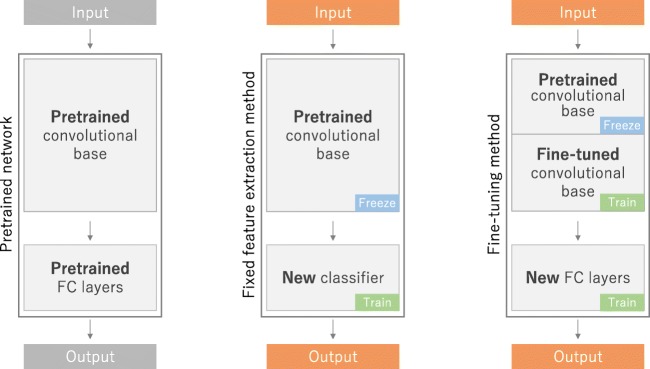
- Transfer learning from ImageNet (1.4 million images, 1000 classes) via fixed feature extraction or fine-tuning is presented as a key strategy for training on small datasets; U-net is highlighted for segmentation because it captures multiscale spatial context and can be trained end-to-end from limited data.
Methods
- Design: narrative review article (not a primary study), covering CNN concepts, training, data/label considerations, overfitting, small-dataset strategies, and radiology applications.
- Scope: applications are organized into classification, segmentation, detection, and "others" (denoising, image reconstruction, report classification); recurrent neural networks and other deep learning models are explicitly stated to be beyond the article's scope.
- Evidence base: illustrative prior studies are cited rather than systematically searched or quantitatively pooled; no new data, sample, or statistical analysis is generated by the authors.
Limitations
- Stated: the article is a perspective/overview, and other deep learning models such as recurrent neural networks for sequence models are beyond its scope; the details of improved gradient descent algorithms (momentum, RMSprop, Adam) are also stated to be beyond scope.
- Stated: whether semi-supervised techniques (pseudo-label, GANs) actually improve deep learning performance in radiology "is not clear and remains an area of active investigation," and whether medical pretrained networks would outperform ImageNet-pretrained transfer learning is likewise unclear.
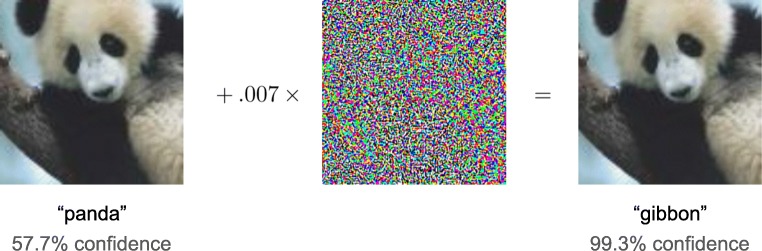
- Evident from the text: as a narrative review it reports no systematic search strategy, inclusion criteria, or quantitative synthesis, so the cited performance figures are illustrative examples rather than a comparative or exhaustive assessment; the authors also note deep learning's "black box" nature and vulnerability to adversarial examples as unresolved concerns for clinical robustness.
Model-written summary. Check it against the paper before relying on it.
Integrity signals
Registry
Cites
Statistics
Figures
Verification
Claims the paper makes
23 Valid · 11 Not valid · 6 Not checked · 47 Own results and interpretations
The sources with a verdict support this claim; the rest weren’t checked yet, have no full text we could read, or their verdicts aren’t rated yet.
In the paper
“several studies have already been published in areas such as lesion detection [7], classification [8], segmentation [9], image reconstruction [10, 11], and natural language processing [12].”
§ Convolutional neural networks: an overview and application in radiology > Introduction
What the sources say
- Not checked — no full text of the sourcecites [7] Lakhani P Sundaram B Deep learning at chest radiography: automated classification of pulmonary tuberculosis by using convolutional neural networks Radiology 2017 284 574 582 10.1148/radiol.2017162326 28436741 source
- Not checked — no full text of the sourcecites [8] Yasaka K Akai H Abe O Kiryu S Deep learning with convolutional neural network for differentiation of liver masses at dynamic contrast-enhanced CT: a preliminary study Radiology 2018 286 887 896 10.1148/radiol.2017170706 29059036 source
- Supportedcites [9] Christ PF, Elshaer MEA, Ettlinger F et al (2016) Automatic liver and lesion segmentation in CT using cascaded fully convolutional neural networks and 3D conditional random fields. In: Ourselin S, Joskowicz L, Sabuncu M, Unal G, Wells W (eds) Proceedings of Medical image computing and computer-assisted intervention – MICCAI 2016. 10.1007/978-3-319-46723-8_48 source
The citation [9] is attached to “segmentation,” not to the other listed applications. The paper’s opening page (p. 1) describes its CNN-based method for segmenting liver and lesions in CT images, so it is an example of the cited kind of study. (LLM, conf=0.95)
plain- Asserted: passes — The authors put it forward as true.
- Checkable: passes — It can be checked against evidence.
- Load-bearing: unclear — It is unclear whether the paper’s conclusions depend on it.
- Based: passes — The paper gives a reason why it holds.
Every source the paper cites for this claim was checked and supports it.
In the paper
“The results demonstrate that detection accuracy could be significantly improved by incorporating pseudo-category labels.”
§ Convolutional neural networks: an overview and application in radiology > Applications in radiology > Others
What the sources say
- Supportedcites [55] Yan K, Wang X, Lu L, Summers RM (2017) DeepLesion: automated deep mining, categorization and detection of significant radiology image findings using large-scale clinical lesion annotations. arXiv. Available online at: https://arxiv.org/pdf/1710.01766.pdf. Accessed 29 Jan 2018 source
In Results and Discussion (p. 7), the paper compares detection without categorization labels against detection with pseudo-category labels. Test accuracy rises from 59.45% to 64.30% overall, with improvements of 3–8 percentage points across the five lesion clusters. (LLM, conf=0.92)
hedgedstates a possible cause- Asserted: passes — The authors put it forward as true.
- Checkable: passes — It can be checked against evidence.
- Load-bearing: passes — The paper’s conclusions depend on it.
- Based: passes — The paper gives a reason why it holds.
- Supported
Every source the paper cites for this claim was checked and supports it.
In the paper
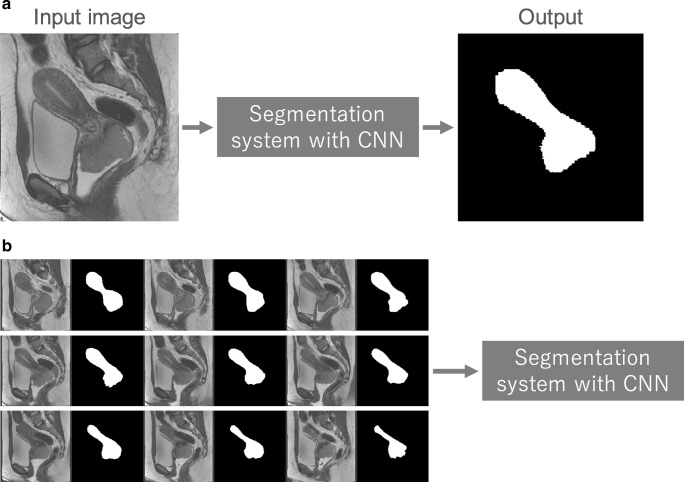
“As a result, U-net could be trained end-to-end from a limited number of training data.”
§ Convolutional neural networks: an overview and application in radiology > Applications in radiology > Segmentation
What the sources say
- Supportedcites [48] Ronneberger O, Fischer P, Brox T (2015) U-net: convolutional networks for biomedical image segmentation. In: Navab N, Hornegger J, Wells W, Frangi A (eds) Proceedings of Medical Image Computing and Computer-Assisted Intervention – MICCAI 2015. 10.1007/978-3-319-24574-4_28 source
The paper’s opening section states directly that U-Net can be trained end-to-end from very few images. The Conclusion likewise says it needs very few annotated images, thanks to data augmentation with elastic deformations. (LLM, conf=0.95)
hedgedstates a cause- Asserted: passes — The authors put it forward as true.
- Checkable: passes — It can be checked against evidence.
- Load-bearing: unclear — It is unclear whether the paper’s conclusions depend on it.
- Based: passes — The paper gives a reason why it holds.
- Supported
The sources with a verdict support this claim; the rest weren’t checked yet, have no full text we could read, or their verdicts aren’t rated yet.
In the paper
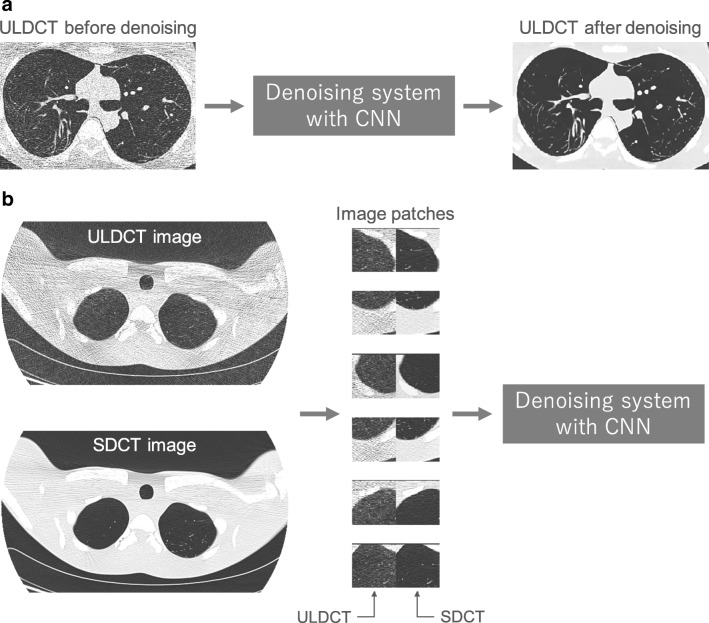
“Two previous studies showed that low-dose and ultra-low-dose CT images could be effectively denoised using deep learning [52, 53].”
§ Convolutional neural networks: an overview and application in radiology > Applications in radiology > Others
What the sources say
- Not checked — no full text of the sourcecites [52] Chen H Zhang Y Zhang W Low-dose CT via convolutional neural network Biomed Opt Express 2017 8 679 694 10.1364/BOE.8.000679 28270976 PMC5330597 source
- Supportedcites [53] Nishio M Nagashima C Hirabayashi S Convolutional auto-encoder for image denoising of ultra-low-dose CT Heliyon 2017 3 e00393 10.1016/j.heliyon.2017.e00393 28920094 PMC5577435 source
The Abstract (Materials and methods; Conclusion) reports that a convolutional auto-encoder denoised ultra-low-dose CT images of a chest phantom and performed better in visual assessments than the comparison methods. This supports the ultra-low-dose portion attributed to this study; the sentence cites two studies for the combined low-dose and ultra-low-dose claim. (LLM, conf=0.92)
hedgedstates a cause- Asserted: passes — The authors put it forward as true.
- Checkable: passes — It can be checked against evidence.
- Load-bearing: unclear — It is unclear whether the paper’s conclusions depend on it.
- Based: passes — The paper gives a reason why it holds.
The cited sources support only part of this claim — read each source’s verdict below.
In the paper
“Their study showed that U-net could effectively produce noiseless CT images from the subsampled sinogram.”
§ Convolutional neural networks: an overview and application in radiology > Applications in radiology > Others
What the sources say
- Partly supportedcites [54] Jin KH McCann MT Froustey E Unser M Deep convolutional neural network for inverse problems in imaging IEEE Trans Image Process 2017 26 4509 4522 10.1109/TIP.2017.2713099 28641250 sourceExperimental — accuracy not yet measured
The Experiments and Results section (p. 9) tests FBPConvNet on subsampled CT sinograms, and the Biomedical Dataset results (p. 13) report satisfactory removal of streaking artifacts and improved SNR. The network uses a modified U-net, but the paper does not claim its output is noiseless; the Discussion (p. 16) notes that artifacts can remain. (LLM, conf=0.88)
boostedstates a cause- Asserted: passes — The authors put it forward as true.
- Checkable: passes — It can be checked against evidence.
- Load-bearing: passes — The paper’s conclusions depend on it.
- Based: passes — The paper gives a reason why it holds.
- Partly supported
18 more claims · 8 with their cited sources checked
Create a free account to see all 87 claims and to verify the 4 references still open.
- Probably not a substantial claim. 56
- It may state two separate claims as one. 31
Citations
Cites
Deep Residual Learning for Image Recognition
He, K., Zhang, X., Ren, S., & Sun, J. (2016) · 2016 IEEE Conference on Computer Vision and Pattern Recognition (CVPR) · doi:10.1109/cvpr.2016.90 · Cited by 235,474 · cited 1×
“At present, many models pretrained on the ImageNet challenge dataset are open to the public and readily accessible, along with their learned kernels and weights, such as AlexNet [3], VGG [30], ResNet [31], Inception [32], and DenseNet [33].”
MethodVery Deep Convolutional Networks for Large-Scale Image Recognition
Simonyan, K., & Zisserman, A. (2014) · arXiv · doi:10.48550/arxiv.1409.1556 · Cited by 114,148 · cited 2×
“To perform unsupervised categorization, the following three steps were iteratively performed: (i) feature extraction using pretrained VGG16 model [30] from the lesions in the bounding box, (ii) clustering of the features, and (iii) fine-tuning of VGG16 based on the results of the clustering.”
MethodU-Net: Convolutional Networks for Biomedical Image Segmentation
Ronneberger, O., Fischer, P., & Brox, T. (2015) · Lecture notes in computer science · doi:10.1007/978-3-319-24574-4_28 · Cited by 99,404 · cited 1×
“Although segmentation based on image patch was successfully performed in deep learning, U-net of Ronneberger et al. [48] outperformed the image patch-based method on the ISBI [IEEE (The Institute of Electrical and Electronics Engineers) International Symposium on Biomedical Imaging] challenge for…”
MethodAdam: A Method for Stochastic Optimization
Kingma, D. P., & Ba, J. (2014) · arXiv · doi:10.48550/arxiv.1412.6980 · Cited by 98,946
LeCun, Y., Bengio, Y., & Hinton, G. (2015) · Nature · doi:10.1038/nature14539 · Cited by 84,126
Faster R-CNN: Towards Real-Time Object Detection with Region Proposal Networks
Ren, S., He, K., Girshick, R., & Sun, J. (2017) · IEEE Transactions on Pattern Analysis and Machine Intelligence · doi:10.1109/tpami.2016.2577031 · Cited by 73,472 · cited 1×
“The study also suggested that the detection system was built using the Faster R-CNN method [56], the lesions in the bounding box, and their corresponding pseudo-category.”
MethodFaster R-CNN: Towards Real-Time Object Detection with Region Proposal Networks
Ren, S., He, K., Girshick, R., & Sun, J. (2015) · arXiv · doi:10.48550/arxiv.1506.01497 · Cited by 70,812
Densely Connected Convolutional Networks
Huang, G., Liu, Z., Van Der Maaten, L., & Weinberger, K. Q. (2017) · 2017 IEEE Conference on Computer Vision and Pattern Recognition (CVPR) · doi:10.1109/cvpr.2017.243 · Cited by 48,566 · cited 1×
“At present, many models pretrained on the ImageNet challenge dataset are open to the public and readily accessible, along with their learned kernels and weights, such as AlexNet [3], VGG [30], ResNet [31], Inception [32], and DenseNet [33].”
MethodGoing deeper with convolutions
Szegedy, C., Liu, W., Jia, Y., Sermanet, P., Reed, S., Anguelov, D., Erhan, D., Vanhoucke, V., & Rabinovich, A. (2015) · 2015 IEEE Conference on Computer Vision and Pattern Recognition (CVPR) · doi:10.1109/cvpr.2015.7298594 · Cited by 48,562 · cited 5×
“According to the results, the best area under the curve of receiver operating characteristic curves for detecting pulmonary tuberculosis from healthy cases was 0.99, which was obtained by ensemble of the AlexNet and GoogLeNet 2D-CNNs.”
MethodInfluentialImageNet Large Scale Visual Recognition Challenge
Russakovsky, O., Deng, J., Su, H., Krause, J., Satheesh, S., Ma, S., Huang, Z., Karpathy, A., Khosla, A., Bernstein, M., et al. (2015) · International Journal of Computer Vision · doi:10.1007/s11263-015-0816-y · Cited by 39,380 · cited 1×
“…neural network (CNN), a class of artificial neural networks that has been a dominant method in computer vision tasks since the astonishing results were shared on the object recognition competition known as the ImageNet Large Scale Visual Recognition Competition (ILSVRC) in 2012 [2, 3].”
Method
Research works printed but not linked: 3
- Krizhevsky A, Sutskever I, Hinton GE (2012) ImageNet classification with deep convolutional neural networks. Adv Neural Inf Process Syst 25. Available online at: https://papers.nips.cc/paper/4824-imagenet-classification-with-deep-convolutional-neural-networks.pdf. Accessed 22 Jan 2018
- Lee DH (2013) Pseudo-label: the simple and efficient semi-supervised learning method for deep neural networks. In: Proceedings of the ICML 2013 Workshop: Challenges in Representation Learning. Available online at: http://deeplearning.net/wp-content/uploads/2013/03/pseudo_label_final.pdf. Accessed 23 Jan 2018
- Kurata Y, Nishio M, Fujimoto K et al (2018) Automatic segmentation of uterus with malignant tumor on MRI using U-net. In: Proceedings of the Computer Assisted Radiology and Surgery (CARS) 2018 congress (accepted)
Cited by
Items 2,701–2,800 of 4,673
Munkwitz, S. E., Shah, H., Iglesias, N. J., Quan, H., Riveron, S., Nayak, V. V., Thaller, S. R., & Coelho, P. G. (2025) · Journal of Craniofacial Surgery · doi:10.1097/scs.0000000000012277 · Cited by 5
Brain tumor classification from MRI scans using fine-tuned CNN models
İLGÜN, E. G., & Dener, M. (2025) · Neural Computing and Applications · doi:10.1007/s00521-025-11626-3 · Cited by 3
“The CNN architecture consists of a stack of repeated convolutional layers, pooling layers, followed by one or more fully connected layers [46].”
Shi, Z., Zhang, C., Liu, Y., Liu, M., Li, N., Cui, Y. R., Sun, H., & Zhao, L. (2025) · Radiation Oncology · doi:10.1186/s13014-025-02784-8 · Cited by 4
“CNNs employ hierarchical convolutional operations to discern subtle lesion characteristics from dermoscopic images, achieving diagnostic accuracy comparable to dermatologists in early skin cancer detection [47, 48].”
Hytranet: a deep learning model for traffic congestion prediction in road networks
Kumar, M., & Kumar, K. (2026) · Journal of Combinatorial Optimization · doi:10.1007/s10878-025-01382-4 · Cited by 3
“CNN’s unique features, including local connections, weight sharing, and pooling, make it suitable for processing high-resolution multidimensional data Yamashita et al. (2018), unlike LSTMNN.”
Rani, S., Rout, A., Soni, P., Gupta, M., Kumar, N., & Kumar, K. (2026) · Diagnostics · doi:10.3390/diagnostics16030461 · Cited by 7
“The convolutional layer learns filter weights and biases via backpropagation and gradient descent to detect image features, generating multiple feature maps representing different characteristics of the input tensors [46].”
Saeidinia, M., Haghiabi, A. H., Tahroudi, M. N., et al. (2026) · Scientific Reports · doi:10.1038/s41598-026-38496-6 · Cited by 3
Anwar, Z., Masood, S., & Srivastava, A. K. (2026) · Archives of Computational Methods in Engineering · doi:10.1007/s11831-026-10520-y · Cited by 7
Gurjar, Y., Wen, R., Farahbakhsh, E., & Chandra, R. (2026) · Advances in Space Research · doi:10.1016/j.asr.2026.03.024 · Cited by 10
Evaluating the Efficacy of Convolutional Neural Networks: Disease Detection in Crops
Mensah, S. A., Amoatey, P. K., Ofori, P. A., Owusu-Nketia, S., Sabi, E. B., Dwomoh, F. A., Simpson, A. R., & Asenso, E. (2026) · Advances in Agriculture · doi:10.1155/aia/3578856 · Cited by 2
Kamal, M., Wang, Y., Fangrui, X., & Ahmad, M. (2026) · Bulletin of Engineering Geology and the Environment · doi:10.1007/s10064-026-05053-4 · Cited by 4
Convolution of Images Using Deep Neural Networks in the Recognition of Footage Objects
Varlamova, L. P. (2020) · Studies in computational intelligence · doi:10.1007/978-3-030-51920-9_9 · Cited by 4
Applications of deep learning to the assessment of red blood cell deformability
Turgut, A., & Yalçın, Ö. (2021) · Biorheology · doi:10.3233/bir-201016 · Cited by 2
“The softmax function normalizes real output values of the neural network to target class probabilities, ranging from 0 to 1 [12].”
Detecting Hate Speech on Memes using FixEfficientNet-L2
Dandi, D., & Johan, M. E. (2021) · International Conference on New Media Studies (CONMEDIA) · doi:10.1109/conmedia53104.2021.9617177 · Cited by 5
Image Classification and Semantic Segmentation with Deep Learning
Quazi, S., & Musa, S. M. (2021) · IEEE International Conference on Recent Advances and Innovations in Engineering (ICRAIE) · doi:10.1109/icraie52900.2021.9704014 · Cited by 4
Analyzing Skin Disease Using XCNN (eXtended Convolutional Neural Network)
Tripathi, A., Singh, A. K., Singh, A., Choudhary, A., Pareek, K., & Mishra, K. K. (2022) · International Journal of Software Science and Computational Intelligence · doi:10.4018/ijssci.309708 · Cited by 3
System for automatic detection and classification of cars in traffic
Bralić, N., & Musić, J. (2022) · St open · doi:10.48188/so.3.10 · Cited by 4
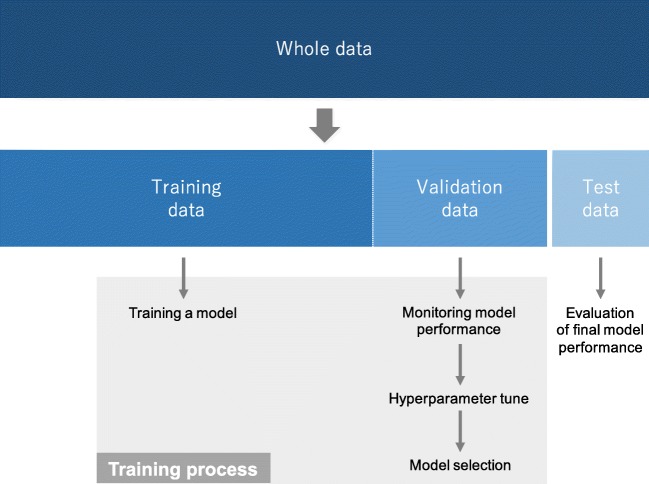
“We note that a validation dataset was not employed during distribution, given that its primary purpose is to tune neural network hyperparameters to increase accuracy [54].”
Saihood, A., Karshenas, H., & Nilchi, A. R. N. (2022) · International Conference on Computer and Knowledge Engineering · doi:10.1109/iccke57176.2022.9960025 · Cited by 3
“However, CNNs cannot assemble spatial information be-tween the medical image features [38].”
BackgroundWu, S., Nakao, M., Imanishi, K., Nakamura, M., Mizowaki, T., & Matsuda, T. (2022) · PLoS ONE · doi:10.1371/journal.pone.0279005 · Cited by 6
Emotion Recognition from Facial Expressions Using Deep Learning-CNN Model
Qasim, H., Safa, M., Tiwari, H., et al. (2022) · International Conference on Power, Energy, Control and Transmission Systems (ICPECTS) · doi:10.1109/icpects56089.2022.10046987 · Cited by 3
“[10] Emojis' ability to communicate has led to an increase in their popularity in recent years.”
BackgroundTrends and Future Directions for Tuberculosis Detection Research: A Study from 2018 to 2022
Saini, L. K., & Rani, R. (2023) · International Conference on Secure Cyber Computing and Communications (ICSCCC) · doi:10.1109/icsccc58608.2023.10176566 · Cited by 3
“It has a Convolution base to generate features and a Classifier to classify images based on those features [21].”
Tsai, M.-C. (2023) · Multimedia Tools and Applications · doi:10.1007/s11042-023-17125-8 · Cited by 3
“(5) CNN A CNN is a type of neural network that features backpropagation and adaptive learning of spatial layers, such as convolutional, pooling, and fully-connected layers [38].”
Supervised Contrastive Learning For Musical Onset Detection
Bolt, J., & Fazekas, G. (2023) · Audio Mostly Conference (AM) · doi:10.1145/3616195.3616215 · Cited by 5
“CNNs are also known to perform well in image recognition tasks [20].”
BackgroundKanda, T., Wakiya, T., Ishido, K., Kimura, N., Nagase, H., Yoshida, E., Nakagawa, J., Matsuzaka, M., Niioka, T., Sasaki, Y., et al. (2023) · Pancreas · doi:10.1097/mpa.0000000000002270 · Cited by 3
Car make and model recognition using convolutional neural network: fine-tune AlexNet architecture
Khan, M. A. R., Talukder, R., Hossen, M. A., & Jahan, N. (2024) · Indonesian Journal of Electrical Engineering and Computer Science · doi:10.11591/ijeecs.v33.i1.pp370-379 · Cited by 4
“CNN is designed to automatically and adaptively learn the spatial ordering of characteristics from low-level to high-level patterns [28].”
Estado del arte de inteligencia artificial en ortodoncia. Revisión narrativa
Morales-Bravo, R., Pisón-Santana, L., Hidalgo-Rivas, A., et al. (2022) · Avances en Odontoestomatología · doi:10.4321/s0213-12852022000400005 · Cited by 3
Reeja, J. J., & Arun, C. H. (2024) · Multimedia Tools and Applications · doi:10.1007/s11042-024-18622-0 · Cited by 3
“This fusion aims to address the limitations of traditional convolutional layers, such as information loss during transmission and enhances the overall recognition efficiency for AIS identification [27].”
Kaswar, A. B., Ilham, M. R., Tahir, R. A., Mappalotteng, A. M., Djawad, Y. A., & Andayani, D. D. (2023) · International Workshop on Artificial Intelligence and Image Processing (IWAIIP) · doi:10.1109/iwaiip58158.2023.10462730 · Cited by 4
“…development of the Multilayer Perceptron (MLP) used for two-dimensional data processing and has been applied in various fields, including radiology [14], plantar pressure image classification [15], hand gesture intention detection [16], chest X-ray image classification [15], image force transfer…”
MethodKim, J. K., & Chang, M. C. (2024) · Scientific Reports · doi:10.1038/s41598-024-59288-w · Cited by 7
“While neural networks and other various algorithms have been utilized for the past 50 years, developments in the field of CNNs constitute significant accomplishments 14,17 .”
MethodAlamri, N. M. H. (2024) · Arabian Journal for Science and Engineering · doi:10.1007/s13369-024-08998-4 · Cited by 5
“Also, the batch normalization layer comes after each convolutional layer to reduce the overfitting issue using the input normalization of the following layer [18].”
Alamri, N. M. H., Packianather, M., & Bigot, S. (2024) · doi:10.18573/conf1.w · Cited by 3
“Stochastic Gradient Descent with Momentum (SGDM) is used to train the BA-RCNN algorithm [9] along with the Bees Algorithm (BA) which is used to optimize the CNN four parameters namely Section Depth (SD) that controls the network depth, the Initial Learning Rate (ILR) that allows for features…”
BackgroundMethodHyperspectral imaging using deep learning in wheat diseases: (Review)
Zidi, F. A., & Ouafi, A. (2024) · International Conference on Image and Signal Processing and their Applications (ISPA) · doi:10.1109/ispa59904.2024.10536831 · Cited by 3
Borna, M.-R., Sepehri, M. M., Shadpour, P., & Mehr, F. K. (2024) · Frontiers in Artificial Intelligence · doi:10.3389/frai.2024.1406806 · Cited by 4
Das, S., & Padmanaban, K. (2024) · Multimedia Tools and Applications · doi:10.1007/s11042-024-19422-2 · Cited by 3
“The DCNN [13] can handle huge and complicated data.”
Morales-Perez, C., Pérez–Enríquez, L., Amézquita-Sánchez, J. P., Rangel‐Magdaleno, J., Valtierra‐Rodriguez, M., & Granados‐Lieberman, D. (2024) · Machines · doi:10.3390/machines12060399 · Cited by 5
Maurya, R., Chug, I., Vudatha, V., & Palma, A. M. (2024) · Advances in cancer research · doi:10.1016/bs.acr.2024.06.007 · Cited by 3
Russo, A. P., Pastorello, Y., & Dénes, L. (2024) · Cureus · doi:10.7759/cureus.66736 · Cited by 3
“For our model that is based on analyzing X-ray images, a CNN is needed, which is a type of deep neural network used to process visual information [19].”
MethodRyu, H., & Yoo, J. (2024) · Finite Elements in Analysis and Design · doi:10.1016/j.finel.2024.104269 · Cited by 3
PV Fault Detection Using CNN For Enhancing Reliability Of Solar Power Plants
Alam, S., Kaushik, S., Shaique, S. M., et al. (2024) · IEEE International Conference on Power Electronics, Intelligent Control and Energy Systems · doi:10.1109/icpeices62430.2024.10719330 · Cited by 3
“The neuron output in a convolutional layer can be mathematically expressed in eqution-1 [10].”
BackgroundImproving the Perception of Objects Under Daylight Foggy Conditions in the Surrounding Environment
Chaar, M. M., Raiyn, J., & Weidl, G. (2024) · Vehicles · doi:10.3390/vehicles6040105 · Cited by 8
Sengupta, S., Chyrmang, G., Bora, K., Das, H. S., Li, A., Lemos, B., & Mallik, S. (2025) · Pathology - Research and Practice · doi:10.1016/j.prp.2025.155820 · Cited by 6
Shim, D., & Lee, C. (2025) · IEEE Access · doi:10.1109/access.2025.3538876 · Cited by 3
“For example, convolutional neural networks (CNN) [32] have been successfully applied to various segmentation models including a fully convolutional network (FCN) [1], SegNet [2], U-Net [3], Residual U-Net [4], [8], and Attention U-Net [5].”
Jin, T., Jang, D., & Choo, H. (2025) · IEEE Access · doi:10.1109/access.2025.3543847 · Cited by 3
“The CNN extracts features from images to train and is known to be highly effective and accurate in recognizing images [22].”
Machine learning configurations for state of charge predictions of Li-ion batteries
Rae, M., Ottaviani, M., Capková, D., Kazda, T., & Singh, M. (2025) · Monatshefte für Chemie - Chemical Monthly · doi:10.1007/s00706-025-03293-w · Cited by 4
Deep Reinforcement Learning-based Automatic Augmentation for Gastrointestinal Disease Classification
Wrona, A., Atanasious, M. M. H., & Priscoli, F. D. (2025) · ACM Transactions on Computing for Healthcare · doi:10.1145/3726875 · Cited by 3
“Other works [4, 19] carry out the search for the optimal policy relying on techniques different from RL, namely Bayesian optimization, density matching, and random search.”
Nasir, K. N. M., Mohamed, H., Zamin, N. B., & Raju, R. (2025) · Pertanika journal of science & technology · doi:10.47836/pjst.33.s3.02 · Cited by 4
Aishwarya, S., Selvamurugan, C., Parthiban, K. G., Prabhakar, J. M., Lakshmikandhan, K. K., & Raja, J. T. (2025) · Advances in medical diagnosis, treatment, and care (AMDTC) book series · doi:10.4018/979-8-3693-9816-6.ch011 · Cited by 5
Real-Time Sign Language Translation System Using QCNN for Enhanced Accessibility
Venkatesh, B., Nagajyothi, D., Kumar, P. D., & Teja, K. R. (2025) · International Conference on Inventive Computation Technologies (ICICT) · doi:10.1109/icict64420.2025.11004846 · Cited by 3
“The complex computational requirements of real-time operation limit efficient application of CNNs in real-world applications [7].”
InfluentialViT-Based Classification of Mammogram Images: Impact of Data Augmentation Techniques
Cannata, S., Cicceri, G., Cirrincione, G., Currieri, T., Lovino, M., Militello, C., Pasero, E. G. A., Prinzi, F., & Vitabile, S. (2025) · Smart innovation, systems and technologies · doi:10.1007/978-981-96-0994-9_21 · Cited by 5
Zeng, B., Shu, C., Liao, Z., Yu, J., Liu, Z., & Chen, X. (2025) · Applied Sciences · doi:10.3390/app15116016 · Cited by 5
Zahedi, M., Taherkhani, A., Baserinia, R., Zahedi, S. A., Ali, H. M. A., & Abdi, M. (2025) · Macromolecular Materials and Engineering · doi:10.1002/mame.202500073 · Cited by 4
Yu, S., & Hur, J. (2025) · Energy · doi:10.1016/j.energy.2025.137052 · Cited by 3
Fourier ptychography microscopy for digital pathology
Eadie, F., Copeland, L. S., Caprio, G. D., et al. (2025) · Journal of Microscopy · doi:10.1111/jmi.70001 · Cited by 3
“93,94 The predictive model is then adapted using statistical weights of the unique characteristics.”
AFM‐Based Deep Learning Decodes Human Macrophage Mechanophenotypes
Chen, J., Wu, H., Yang, W., Li, H., Li, Q., Li, S., Liu, Y., Liu, F., Xu, Y., Chang, Y., et al. (2025) · Small Methods · doi:10.1002/smtd.202500953 · Cited by 6
Woite, N. L., Gameiro, R. R., Leite, M. G. H. S. J., Hammond, A., Cobanaj, M., & Celi, L. A. (2025) · Critical Care Science · doi:10.62675/2965-2774.20250380 · Cited by 7
“(26)”
Hu, F., Shao, Y., Liu, J., Liu, J., Xiao, X., Shi, K., Zheng, Y., Zhang, J., & Wang, X. (2025) · Frontiers in Medicine · doi:10.3389/fmed.2025.1667087 · Cited by 12
Mema, H., Gaxhja, E., Alicka, Y., Gugu, M., Topi, S., Giannoni, M., Pietropaoli, D., & Altamura, S. (2025) · Applied Sciences · doi:10.3390/app15179790 · Cited by 6
Chen, J., Zhang, T.-J., Peng, H., Zhang, J., & Zhang, J. (2025) · The European Physical Journal C · doi:10.1140/epjc/s10052-025-14714-9 · Cited by 11
Multi-Modal Deep Learning in Breast Cancer Diagnosis: A Review of Recent Advances
Zafari-Ghadim, Y., Elalfy, R., Nouman, M., Al-Maadeed, S. A., Khattab, T. M., Rashed, E. A., & Mabrok, M. A. (2025) · International Conference on Artificial Intelligence, Computer, Data Sciences and Applications (ACDSA) · doi:10.1109/acdsa65407.2025.11166434 · Cited by 4
“Convolutional Neural Networks (CNNs) are deep learning models effective in processing imaging modalities like mammography, MRI, and ultrasound by extracting relevant features from images [10].”
Mohamed, K., Chaieb, E. B., Mounim, C., Chadli, H., Chadli, S., Salmi, K., Derkaoui, A., & Tahani, A. (2025) · e-Prime - Advances in Electrical Engineering Electronics and Energy · doi:10.1016/j.prime.2025.101114 · Cited by 3
Azer, S. A. (2020) · Intelligent systems reference library · doi:10.1007/978-3-030-42750-4_7 · Cited by 3
Hybrid Neural Networks for Renewable Energy Forecasting
Nahid, F. A., Ongsakul, W., Nimal Madhu, M., et al. (2020) · Advances in computer and electrical engineering book series · doi:10.4018/978-1-7998-3970-5.ch011 · Cited by 3
Soon, G.-L., Samsudin, N. H., & Lim, D. (2020) · International Journal of Advanced Computer Science and Applications · doi:10.14569/ijacsa.2020.0111079 · Cited by 3
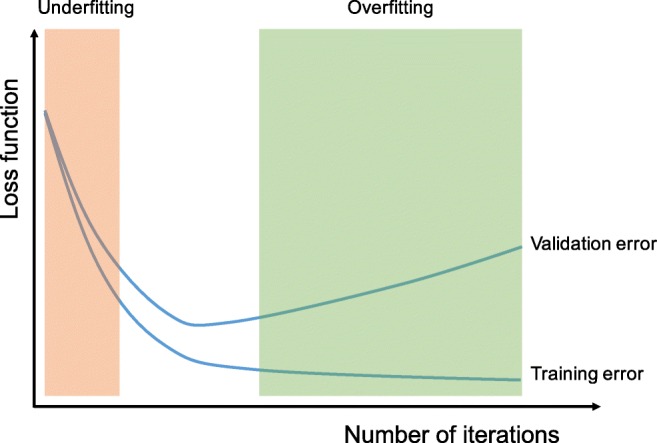
“Although the longer a network (in this case CNN) is trained, the better it performs on the training set, at some point, the network fits too well to the training data and loses its capability to generalize [35].”
BackgroundDeep learning object detection as an assistance system for complex image labeling tasks
Leimkühler, M., Gravemeier, L. S., Biester, T., & Thomas, O. (2021) · Hawaii International Conference on System Sciences (HICSS) · doi:10.24251/hicss.2021.039 · Cited by 4
“In order to use computer vision object detection models on patients, extremely high robustness is required [38].”
MethodLocal Backlight Dimming for Liquid Crystal Displays via Convolutional Neural Network
Jo, J., Soh, J. W., Park, J. S., & Cho, N. I. (2020) · Asia-Pacific Signal and Information Processing Association Annual Summit and Conference (APSIPA ASC) · Cited by 11
DCE-MRI interpolation using learned transformations for breast lesions classification
Wang, H., Gao, C., Feng, J. H., Pan, X., Yang, D., & Chen, B. (2021) · Multimedia Tools and Applications · doi:10.1007/s11042-021-10919-8 · Cited by 3
Kushnure, D. T., & Talbar, S. N. (2021) · Advances in healthcare information systems and administration book series · doi:10.4018/978-1-7998-7709-7.ch015 · Cited by 3
Guilcher, A., Lanéelle, D., & Mahé, G. (2021) · Journal of Clinical Medicine · doi:10.3390/jcm10194479 · Cited by 6
Human Visualization of Brain Tumor Classifications Using Deep CNN: Xception + BiGRU
Seong, A. (2021) · American Journal of Psychiatry and Neuroscience · doi:10.11648/j.ajpn.20210904.11 · Cited by 3
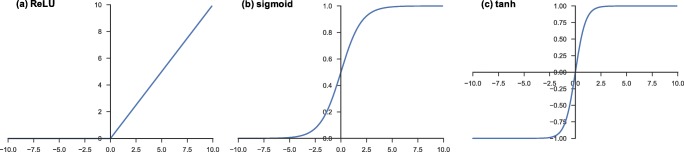
“For multi-class classification, the softmax function is used as the activation function; for binary classification, the sigmoid function is mainly used [14].”
Different CNNs for Enhancing Post-Hurricane Damage Classification
Zhao, Y., You, S., & Zhu, Z. (2021) · International Conference on Big Data & Artificial Intelligence & Software Engineering (ICBASE) · doi:10.1109/icbase53849.2021.00093 · Cited by 3
“In medical imaging, CNN models are utilized to segment anatomical structures and detect abnormalities within medical images [8].”
Inverse analysis of anisotropy of solid-liquid interfacial free energy based on machine learning
Kim, G., Yamada, R., Takaki, T., et al. (2022) · Computational Materials Science · doi:10.1016/j.commatsci.2022.111294 · Cited by 3
Design of Convolutional Neural Network Based on FPGA
Khoukhi, H. E., Filali, Y., Sabri, M. A., & Aarab, A. (2022) · WSEAS Transactions on Signal Processing archive · doi:10.37394/232014.2022.18.5 · Cited by 3
Detecting COVID-19 Pneumonia using Chest X-rays through Deep Learning Techniques
Meepaganithage, A., & Fernando, M. (2022) · International Conference on Advanced Research in Computing (ICARC) · doi:10.1109/icarc54489.2022.9753784 · Cited by 4
Dynamic Face Mask Detection Using Machine Learning
Nalinipriya, G., Shobana, M., Siva, C., Kanisha, B., Monica, J. K., & Ragavi, V. S. V. (2022) · International Conference on Smart Technologies and Systems for Next Generation Computing (ICSTSN) · doi:10.1109/icstsn53084.2022.9761291 · Cited by 4
Machine learning in endoscopic ultrasonography and the pancreas: The new frontier?
Şimşek, C., & Lee, L. (2022) · Artificial Intelligence in Gastroenterology · doi:10.35712/aig.v3.i2.54 · Cited by 3
Quality Control - An Anthology of Cases
Kounis, L. D. (2022) · IntechOpen eBooks · doi:10.5772/intechopen.97961 · Cited by 5
An 1-bit by 1-bit High Parallelism In-RRAM Macro with Co-Training Mechanism for DCNN Applications
Liu, C., Li, S. T., Pan, T.-L., Ni, C.-E., Sung, Y., Hu, C.-L., Chang, K.-Y., Hou, T., Chang, T., & Jou, S.-J. J. (2022) · International Symposium on VLSI Design, Automation and Test · doi:10.1109/vlsi-dat54769.2022.9768058 · Cited by 3
Iraqi Stock Market Prediction using Proposed Model of Convolution Neural Network
AlHakeem, S. H. A., Al-Anber, N. J., & Atee, H. A. (2022) · Journal of Computer Science · doi:10.3844/jcssp.2022.350.358 · Cited by 5
Improving the Accuracy of Diagnosis for Multiple-System Atrophy Using Deep Learning-Based Method
Kanatani, Y., Sato, Y., Nemoto, S., Ichikawa, M., & Onodera, O. (2022) · Biology · doi:10.3390/biology11070951 · Cited by 4
“Since the inclusion of a large amount of information can result in over-learning, which may lead to a decrease in model accuracy [27], we attempted to verify whether accuracy could be improved by narrowing down the items, but no significant differences were found.”
BackgroundDetecting Covid-19 in Chest X-Ray Images With Convolutional Neural Network
Rashid, N. M., Shuib, L. M., Eke, C. I., & Azmi, N. A. (2021) · doi:10.1109/ic2se52832.2021.9791913 · Cited by 3
Lin, R., & Wichadakul, D. (2022) · Frontiers in Genetics · doi:10.3389/fgene.2022.876721 · Cited by 5
“Many convolutional neural networks (CNNs), the 2D-CNNs, have been widely used for image classification and segmentation applications [18] because of their great capability for extracting features from input data.”
BackgroundTransfer learning using deep convolutional neural network for predicting dementia severity
Asayesh, V., Dehghani, M., Torabi, M., et al. (2022) · doi:10.1109/icee55646.2022.9827012 · Cited by 3
Multiple Sclerosis - Genetics, Disease Mechanisms and Clinical Developments
Kishore, U., & Shastri, A. (2022) · IntechOpen eBooks · doi:10.5772/intechopen.98110 · Cited by 4
Kushnure, D. T., & Talbar, S. N. (2022) · Communications in computer and information science · doi:10.1007/978-3-031-11349-9_10 · Cited by 3
Comparing the Clinical Viability of Automated Fundus Image Segmentation Methods
Gojić, G., Petrović, V. B., Драган, Д., GAJIĆ, D. B., Mišković, D., Džinić, V., Grgic, Z., Pantelić, J., & Oros, A. (2022) · Sensors · doi:10.3390/s22239101 · Cited by 3
Dabane, G., Perrinet, L., & Daucé, E. (2022) · International Joint Conference on Neural Networks (IJCNN) · doi:10.1109/ijcnn55064.2022.9892313 · Cited by 8
“From object recognition [5], [6] and natural language processing tasks [7], [8], to lymph node metastasis detection [9] and diagnostic radiology in patient care [10], there is no questioning the breadth of their applications throughout various fields.”
BackgroundEctopic Heartbeat Detection from ECG Signals using Deep Convolutional Neural Networks
Arachchige, H. K., Ng, S., Liew, A. W., Richards, B., Ross, K. J., Kumar, K., Haseler, L. J., McConnell, M., & Zhang, P. (2022) · IEEE International Conference on Bioinformatics and Biomedicine (BIBM) · doi:10.1109/bibm55620.2022.9995477 · Cited by 3
“A deep convolutional neural network (CNN) is a type of artificial neural network designed specifically to extract spatial hierarchical features, for example from images, and classify them into different categories [12].”
BackgroundHekmatyar, H. D., Saputra, W. A., & Ramdani, C. (2022) · InComTech Jurnal Telekomunikasi dan Komputer · doi:10.22441/incomtech.v12i3.15112 · Cited by 3
“Teknik deep learning adalah metode klasifikasi citra yang banyak diterapkan pada berbagai metode karena tingkat akurasinya yang tinggi dan juga dapat mendeteksi dengan cepat [11].”
Approximate Reasoning for Large-Scale ABox in OWL DL Based on Neural-Symbolic Learning
Zhu, X., Liu, B., Zhu, C., Ding, Z., & Yao, L. (2023) · Mathematics · doi:10.3390/math11030495 · Cited by 8
A Multiclass Retinal Diseases Classification Algorithm using Deep Learning Methods
Nejad, R. B., Khoramdel, J., Ghanbarzadeh, A., et al. (2022) · RSI International Conference on Robotics and Mechatronics (ICRoM) · doi:10.1109/icrom57054.2022.10025206 · Cited by 3
“CNN’s usually consists of three layers: convolutional layers, pooling layers, and fully-connected layers [14, 15].”
BackgroundBhowmik, R. T., Kandathil, C. K., & Most, S. P. (2023) · Facial Plastic Surgery & Aesthetic Medicine · doi:10.1089/fpsam.2022.0306 · Cited by 3
“14 Each layer contains convolutional filters that pass over each input image, which is cross-multiplied over every valid location of the image for an output.”
Urine Crystal Classification Using Convolutional Neural Networks
Aglibot, K. P., Angeles, J. A., Gecana, J. F., et al. (2022) · doi:10.1109/ivit55443.2022.10033363 · Cited by 3
“This layer plays a key role in CNN, which is composed of a stack of mathematical operations, such as convolution, a specialized type of linear operation [8].”
BackgroundPredicting Learning Behavior Using Hyper-Personalization and Attentiveness Measure
Desai, R., Muni, R., Madhani, D., & Joshi, A. R. (2022) · International Conference on Advances in Science and Technology (ICAST) · doi:10.1109/icast55766.2022.10039646 · Cited by 4
“2) Convolutional Neural Networks: Convolutional Neural Networks (CNN) is useful to obtain an output variable from image data [14] [16].”
BackgroundHandwritten Character Recognition Using Deep Learning (Convolutional Neural Network)
Ramjon, A., Bwatiramba, A., & Venkataraman, S. (2023) · Computer Engineering and Intelligent Systems · doi:10.7176/ceis/14-1-05 · Cited by 3
Artificial intelligence and machine learning
Pike, A., Benkli, B., Gilani, S. O., & Hirani, S. (2023) · Elsevier eBooks · doi:10.1016/b978-0-323-98814-8.00007-x · Cited by 3
Athlete Action Recognition in Sports Video: A Survey
Kausalya, K., & Raja, S. K. S. (2023) · Lecture notes in electrical engineering · doi:10.1007/978-981-19-9989-5_14 · Cited by 3
Role of AI in ADME/Tox toward formulation optimization and delivery
Elhag, I. Y. (2023) · Elsevier eBooks · doi:10.1016/b978-0-323-89925-3.00011-3 · Cited by 7
Deep Learning Based Intrusion Detection Systems Techniques in IoT - Survey
Patel, S. K., Sadhwani, S., Muthalagu, R., & Pawar, P. M. (2023) · International Conference on Computational Intelligence and Knowledge Economy (ICCIKE) · doi:10.1109/iccike58312.2023.10131739 · Cited by 3
“The output array goes through down sampling operation in pooling layer, it is then flattened into a one-dimensional (1D) array of numbers (or vector) and mapped by fully connected layers to the final outputs of the network [8].”
BackgroundA Real-Time Face Recognition Attendance Using Machine Learning
Adeline, U. M., Harerimana, G., & Kabandana, I. (2023) · Communications in computer and information science · doi:10.1007/978-3-031-34222-6_8 · Cited by 4
Jánki, Z. R., & Bilicki, V. (2023) · Applied Sciences · doi:10.3390/app13137548 · Cited by 3
Transfer learning with fine-tuned deep CNN model for COVID-19 diagnosis from chest X-ray images
(2023) · International Journal of Advanced Technology and Engineering Exploration · doi:10.19101/ijatee.2022.10100044 · Cited by 7
Metadata
- Authors
- Yamashita, R., Nishio, M., Do, R. K. G., & Togashi, K.
- Affiliations
- Memorial Sloan Kettering Cancer Center (US)
- Kyoto University (JP)
- Corresponding author
- Yamashita, Rikiya
- Venue
- Insights into Imaging
- Published
- 2018-06-22
- Volume
- 9
- Issue
- 4
- Pages
- 611-629
- ISSN
- 1869-4101 (ISSN-L)
- PMC
- PMC6108980
- OpenAlex
- W2809254203
- Cited by
- 4,682
- References
- 55
- Citations by year
- 2026: 390 · 2025: 701 · 2024: 915 · 2023: 889 · 2022: 772 · 2021: 592 · 2020: 312 · 2019: 97 · 2018: 12
- FWCI
- 5.66
- Type
- journal article
- Language
- en
- Open access
- gold
- doi.org
- Licence
- cc-by
- creativecommons.org/licenses/by/4.0 (tdm)
- creativecommons.org/licenses/by/4.0 (vor)
- Locations
- Insights into Imaging (publishedVersion, cc-by)
- Europe PMC (PubMed Central) (publishedVersion, other-oa)
- PubMed Central (publishedVersion, cc-by)
- PubMed (publishedVersion)
- DOAJ (DOAJ: Directory of Open Access Journals) (submittedVersion, cc-by-sa)
- Funders
- Japan Society for the Promotion of Science (JP16K19883)
- Topics
- Health Sciences › Medicine › Health Informatics › Artificial Intelligence in Healthcare and Education
- Health Sciences › Medicine › Radiology, Nuclear Medicine and Imaging › Radiomics and Machine Learning in Medical Imaging
- Physical Sciences › Computer Science › Computer Vision and Pattern Recognition › Advanced Neural Network Applications
- Keywords
- convolutional neural networks, deep learning in radiology, convolutional layers, pooling layers, small datasets, overfitting, computer-aided diagnosis, radiology image analysis
About these checks
Registry, retraction, Cites and statistics results are computed, not judged, with one exception: a printed reference that no index lists is read once by a model before it counts as a citation error. Claims are extracted by a model and kept only when their quote appears verbatim in the text; each cited source is then checked, with a model’s help, for whether it says what the claim relies on. Those verdicts can be wrong — read the claim’s quote and the cited source before relying on one.
The claim verdicts this report counts are experimental: their accuracy is not yet measured.
A language model drew the claims from the paper on 2026-10-10, under version 3 of the claim definition (model deepseek-v4.1-flash, prompt extract-v3).
A second model labelled each claim on 2026-10-10 (model jev-1.13-20260917, definition revision gold-guideline-v0.2).
Cited sources are checked with a language model’s help (gpt-6-sol).
Statistics and arithmetic are recomputed, not judged.
Confidence bands are shown only for fields calibrated on our annotated test set. None is calibrated yet, so no band is shown.
What counts as a claim ›How we measure confidence ›How we check this ›
Are you an author, or do you see a problem with this page? Request a review
Data sources
Bibliographic data: Semantic Scholar, OpenAlex, Crossref.
Contains information from the Semantic Scholar Academic Graph Datasets, made available under the ODC Attribution License (ODC-BY 1.0).
Semantic Scholar’s data is described in: Kinney, R., et al. (2023). The Semantic Scholar Open Data Platform. arXiv:2301.10140.
