

The Antifungal Pipeline: Fosmanogepix, Ibrexafungerp, Olorofim, Opelconazole, and Rezafungin
Open accessThe DOI matches its Crossref record; 190 of the 190 references it cites were found in a registry or an index.
Abstract
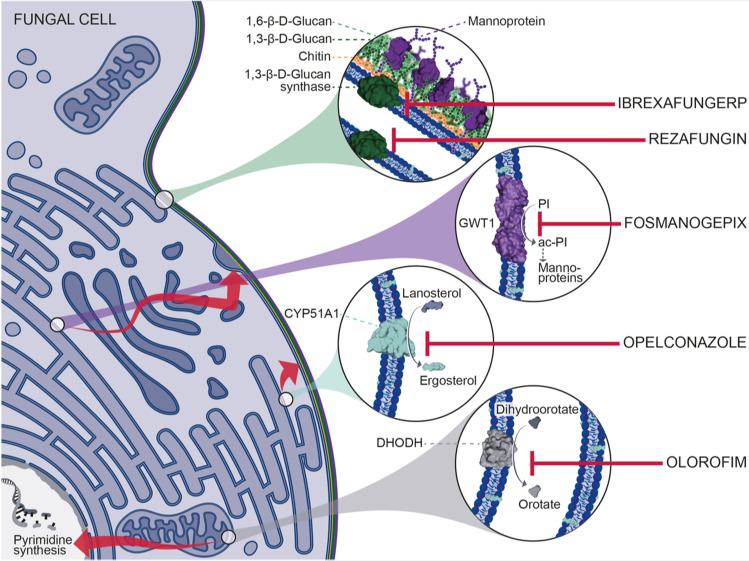
The epidemiology of invasive fungal infections is changing, with new populations at risk and the emergence of resistance caused by the selective pressure from increased usage of antifungal agents in prophylaxis, empiric therapy, and agriculture. Limited antifungal therapeutic options are further challenged by drug-drug interactions, toxicity, and constraints in administration routes. Despite the need for more antifungal drug options, no new classes of antifungal drugs have become available over the last 2 decades, and only one single new agent from a known antifungal class has been approved in the last decade. Nevertheless, there is hope on the horizon, with a number of new antifungal classes in late-stage clinical development. In this review, we describe the mechanisms of drug resistance employed by fungi and extensively discuss the most promising drugs in development, including fosmanogepix (a novel Gwt1 enzyme inhibitor), ibrexafungerp (a first-in-class triterpenoid), olorofim (a novel dihyroorotate dehydrogenase enzyme inhibitor), opelconazole (a novel triazole optimized for inhalation), and rezafungin (an echinocandin designed to be dosed once weekly). We focus on the mechanism of action and pharmacokinetics, as well as the spectrum of activity and stages of clinical development. We also highlight the potential future role of these drugs and unmet needs.
Overview
The claims and statistics of this paper haven’t been checked yet.
Free: it reads the open-access text and checks the first 5 claims that cite a source we can check. Create a free account to check every claim.
Integrity signals
Registry
Cites
Statistics
Figures
Verification
Claims the paper makes
The claims and statistics of this paper haven’t been checked yet.
Free: it reads the open-access text and checks the first 5 claims that cite a source we can check. Create a free account to check every claim.
Claims other papers make about this one
Each is checked against this paper’s own text: does it say what the citing paper says it does?
The source backs part of the claim, not all of it — or backs it for a different population, condition or comparison.
In the citing paper
“Fosmanogepix inhibits the inositol acyltransferase Gwt1 which catalyzes and early step in the glycosylphosphatidylinositol (GPI) anchor biosynthesis pathway, thereby preventing GPI-anchored protein maturation, a process critical for linkages between different components of the fungal cell wall [39,46].”
From Antifungal therapy of Candida biofilms: Past, present and future (2023) · cites this paper as [39]
Experimental — accuracy not yet measuredThe cited source says what the claim attributes to it.
In the citing paper
“Ibrexafungerp is another novel agent which inhibits (1→3)-β-D-glucan synthesis at a different site than echinocandins and thus retains activity against many organisms with echinocandin resistance due to FKS mutations, including many strains of C. auris.156”
From Epidemiology of Invasive Candidiasis (2024) · cites this paper as [156]
The cited source says what the claim attributes to it.
In the citing paper
“It has oral bioavailability of 35–50% and good systemic distribution except for the CNS.”
From Epidemiology of Invasive Candidiasis (2024) · cites this paper as [156]
The cited source says what the claim attributes to it.
In the citing paper
“Ibrexafungerp is currently only FDA approved as oral therapy for vulvovaginal candidiasis, although clinical trials for invasive candidiasis step-down therapy, refractory candidiasis, and C. auris are ongoing.149,156–159”
From Epidemiology of Invasive Candidiasis (2024) · cites this paper as [156]
In the citing paper
“At the present time there are a handful of investigational agents at different stages of the antifungal development pipeline. Although the majority still target ergosterol (same as azoles) or 1,3-β-D-glucan (same as echinocandins), they also include some novel classes with novel targets and mechanisms [25,39,40].”
From Antifungal therapy of Candida biofilms: Past, present and future (2023) · cites this paper as [39]
Self-check
Percentages, sums and reported differences re-computed from the paper’s own numbers.
The self-check needs the paper’s full text.
Citations
Cites
J Antimicrob Chemother 1994; 33: 350–351
O'SHAUGHNESSY, E. M., & DAS, S. S. (1994) · Journal of Antimicrobial Chemotherapy · doi:10.1093/jac/33.2.350 · Cited by 3,746
Cornely, O. A., Alastruey-Izquierdo, A., Arenz, D., Chen, S. C. A., Dannaoui, E., Hochhegger, B., Hoenigl, M., Jensen, H. E., Lagrou, K., Lewis, R. E., et al. (2019) · The Lancet Infectious Diseases · doi:10.1016/s1473-3099(19)30312-3 · Cited by 1,820
Self-citationDenning, D. W. (2003) · The Lancet · doi:10.1016/s0140-6736(03)14472-8 · Cited by 1,131 · cited 1×
“an N-linked acyl lipid side-chain [187] that is considered essential for the antifungal activity [188].”
BackgroundThe global problem of antifungal resistance: prevalence, mechanisms, and management
Perlin, D. S., Rautemaa-Richardson, R., & Alastruey-Izquierdo, A. (2017) · The Lancet Infectious Diseases · doi:10.1016/s1473-3099(17)30316-x · Cited by 1,055
Maertens, J. A., Raad, I. I., Marr, K. A., Patterson, T. F., Kontoyiannis, D. P., Cornely, O. A., Bow, E. J., Rahav, G., Neofytos, D., Aoun, M., et al. (2016) · The Lancet · doi:10.1016/s0140-6736(15)01159-9 · Cited by 1,001
Self-citationKoehler, P., Bassetti, M., Chakrabarti, A., Chen, S. C. A., Colombo, A. L., Hoenigl, M., Klimko, N., Lass-Flörl, C., Oladele, R. O., Vinh, D. C., et al. (2021) · The Lancet Infectious Diseases · doi:10.1016/s1473-3099(20)30847-1 · Cited by 951 · cited 1×
“In addition, new manifestations of disease in the intensive care population such as coronavirus disease 2019 (COVID-19)-associated aspergillosis [10–13] and mucormycosis [14, 15] are posing major problems because of extensive drug–drug interactions of antifungal drugs [16].”
BackgroundSelf-citationAneuploidy and Isochromosome Formation in Drug-Resistant Candida albicans
Selmecki, A., Forche, A., & Berman, J. (2006) · Science · doi:10.1126/science.1128242 · Cited by 733
Drug resistance and tolerance in fungi.
Berman, J., & Krysan, D. J. (2020) · Nature Reviews Microbiology · doi:10.1038/s41579-019-0322-2 · Cited by 642 · cited 21×
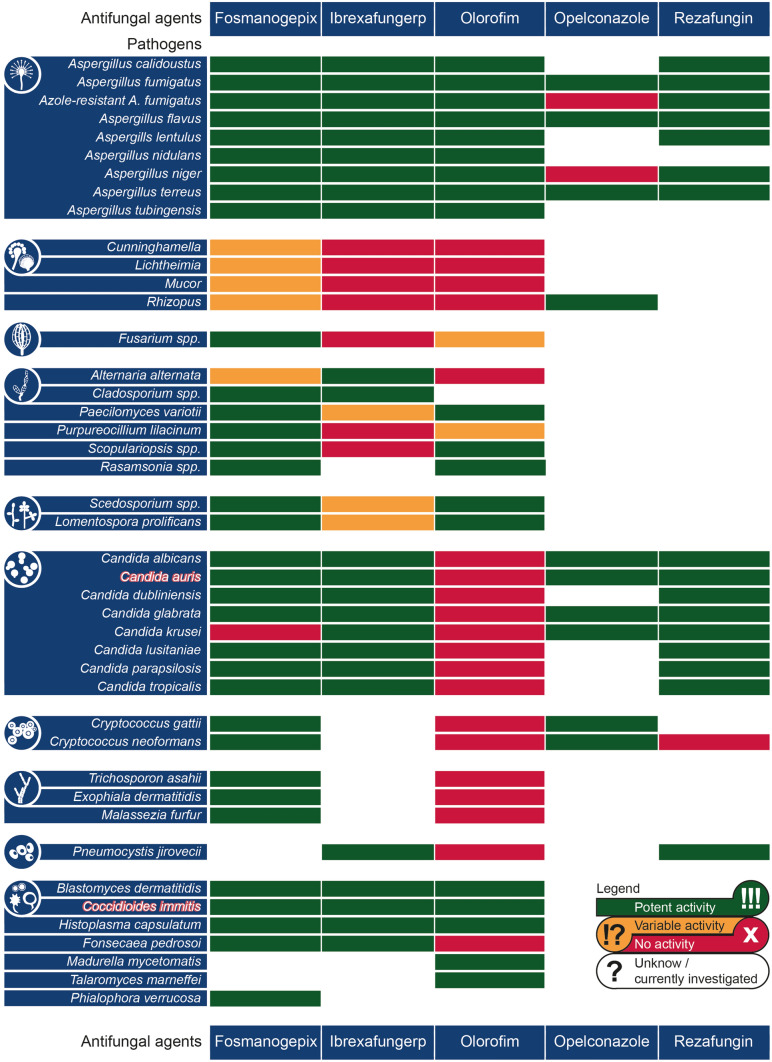
“Candida dubliensis, C. fabianii, C. glabrata, C. inconspicua, C. kefyr, C. krusei, C. lipolytica, C. pulcherrima, C. sojae, and C. tropicalis were also inhibited by MIC values ≤ 0.125 µg/mL and were susceptible to other echinocandins using epidemiological cut-off value (ECV) interpretive criteria [194, 195].”
BackgroundInfluentialChowdhary, A., Prakash, A., Sharma, C., Kordalewska, M., Kumar, A., Sarma, S., Tarai, B., Singh, A., Upadhyaya, G., Upadhyay, S., et al. (2018) · Journal of Antimicrobial Chemotherapy · doi:10.1093/jac/dkx480 · Cited by 577 · cited 1×
“At the same time, the emergence of Candida auris [7], as well as azole-resistant Aspergillus fumigatus [8], and cryptic species that are morphologically indistinguishable by classical methods within main Aspergillus sections [9] pose additional threats to our current antifungal armamentarium.”
BackgroundThe ALS gene family of Candida albicans.
Hoyer, L. L. (2001) · Trends in Microbiology · doi:10.1016/s0966-842x(01)01984-9 · Cited by 540
Research works printed but not linked: 9
- Vale-Silva L Ischer F Leibundgut-Landmann S Sanglard D Gain-of-function mutations in PDR1, a regulator of antifungal drug resistance in Candida glabrata, control adherence to host cells Infect Immun 2013 81 5 1709 1720 10.1128/IAI.00074-13 23460523 PMC3648025 · DOI · Paper page
- Hagiwara D Miura D Shimizu K Paul S Ohba A Gonoi T A novel Zn2-Cys6 transcription factor AtrR plays a key role in an azole resistance mechanism of Aspergillus fumigatus by co-regulating cyp51A and cdr1B expressions PLoS Pathog 2017 13 1 e1006096 10.1371/journal.ppat.1006096 28052140 PMC5215518 · DOI · Paper page
- Ghannoum M, Long L, Larkin EL, Isham N, Sherif R, Borroto-Esoda K, et al. SCY-078, a novel oral glucan synthase inhibitor, for the treatment of invasive aspergillosis: evaluation of antifungal activity singly and in combination. Antimicrob Agents Chemother. 2018;62(6):e00244-18. PMC5971594 29610204 · DOI · Paper page
- Trucksis M, Garrett G, Heriman I. A phase I multiple rising dose study evaluating safety, tolerability, and pharmacokinetics of MK-3118, oral glucan synthase inhibitor, in healthy volunteers. 51st Interscience Conference on Antimicrobial Agents and Chemotherapy (ICAAC); 2011; Chicago (IL).
- Kennedy T AG, Steiner J, Heep M, Oliver J, Sibley G, Law D., editor Multiple dose pharmacokinetics of an immediate-release tablet formulation of F901318 in healthy male and female subjects. In: Proceedings of the 27th European congress of clinical microbiology and infectious diseases; 22–25 April 2017; Vienna.
- Kennedy TAG, Steiner J, Heep M, Oliver J, Sibley G, Law D, editor Assessment of the duraiton of infusion on the tolerability and repaet dose pharmacokinetics of F901318 in health-volunteers (abstract P1711). In: Proceedings of the 27th European congress of clinical microbiology and infectious diseases; 22-25 April 2017; Vienna.
- Tio SH TK, Ng G, Rex JH, Carney D, Slavin M. Olorofim for a case of severe disseminated Lomentospora prolificans infection. In: Proceedings of the 30th European Congress of Clinical Microbiology and Infectious Diseases; 18–21 April 2020; Paris.
- Chen S RN, Cunneen S, Cornelissen K, Rex JH, Heath CH, Harvey E. A case of Lomentospora prolificans treated with the novel antifungal olorofim. In: Proceedings of the 30th European Congress of Clinical Microbiology and Infectious Diseases; 18–21 April 2020; Paris.
- Harvey EFL, Rex JH, Thompson G. Successful use of the novel antifungal olorofim in the treatment of dissemianted coccidioidomycosis. Proceedings of the 30th European Congress of Clinical Microbiology and Infectious Diseases; 18-21 April 2020; Paris.
Cited by
Items 201–300 of 488
Melenotte, C., Ratiney, R., Hermine, O., Bougnoux, M., & Lanternier, F. (2023) · Journal of Clinical Immunology · doi:10.1007/s10875-023-01519-2 · Cited by 10
“The identified Candida albicans strain was resistant to voriconazole (CMI > 32), fluconazole (CMI > 256), sensitive to caspofungin (CMI: 0.047), flucytosine (CMI: 0.125), and amphotericin B (CMI: 0.25).”
BackgroundInfluentialNew pharmacotherapeutic strategies for drug-resistant Candida infections: a review
Raposa, J., & Vázquez, J. A. (2025) · Expert Opinion on Pharmacotherapy · doi:10.1080/14656566.2024.2433605 · Cited by 12
“However, in vitro studies reveal a lack of activity against C. krusei and variable activity against some Mucorales [57,58].”
Fungal Meningitis in US Patients Who Received Epidural Anesthesia in Matamoros, Mexico
Smith, D. J., Misas, E., Gold, J. A. W., Evert, N., Dang, T., Prot, E., Godwin, S., Rivas, J., Pearson, J., Koenecke, L., et al. (2025) · Clinical Infectious Diseases · doi:10.1093/cid/ciaf399 · Cited by 11
Self-citationChen, Y., Dhillon, S., Adomakoh, N., & Roberts, J. A. (2025) · Expert Review of Anti-infective Therapy · doi:10.1080/14787210.2025.2539427 · Cited by 9
“…for use in recent years, and three new promising antifungals are in late-stage development, including fosma-nogepix (a novel Gwt1 enzyme inhibitor) [83], olorofim (a novel dihydroorotate dehydrogenase enzyme inhibitor) [84], and opelconazole (a novel triazole optimized for inhalation) [83].”
Ma, J., van de Sande, W. W. J., & Biersack, B. (2025) · International Journal of Molecular Sciences · doi:10.3390/ijms26167909 · Cited by 9
“…analog with improved pharmacokinetics (prolonged half-life) and reduced hepatotoxicity showing broad activity against Candida and Aspergillus pathogens while being inactive, in line with other enchinocandins, against C. neoformans , Trichosporon species, and non-Aspergillus molds [110,111].”
InfluentialBeyer, R., Zangl, I., Seidl, B., Pap, I.-J., Lackner, M., Strauss, J., Willinger, B., & Schüller, C. (2025) · mSystems · doi:10.1128/msystems.00786-25 · Cited by 9
Abduljalil, H., Bakri, A., Albashaireh, K. Z., Alshanta, O. A., Brown, J. L., Sherry, L., Kean, R., Nile, C. J., McLean, W., & Ramage, G. (2022) · Apmis · doi:10.1111/apm.13260 · Cited by 11
“Of these, only ibrexafungerp (a first-in-class triterpenoid) and rezafungin (an echinocandin [once weekly dose]) have been reported to exhibit anti-biofilm activity against Candida biofilms [11].”
BackgroundStott, K. E., Moyo, M., Ahmadu, A., Kajanga, C., Gondwe, E., Chimang’anga, W., Chasweka, M., Leeme, T., Molefi, M., Chofle, A. A., et al. (2022) · Journal of Antimicrobial Chemotherapy · doi:10.1093/jac/dkac389 · Cited by 9
Part 2: mucormycosis: focus on therapy
Lynch, J. P., & Zhanel, G. G. (2023) · Expert Review of Anti-infective Therapy · doi:10.1080/14787210.2023.2224564 · Cited by 12
de Oliveira, H. C., Santos, M. D. M., Camillo-Andrade, A. C., Castelli, R. F., Reis, F. C. G., Carvalho, P. C., & Rodrigues, M. L. (2024) · International Journal of Antimicrobial Agents · doi:10.1016/j.ijantimicag.2024.107157 · Cited by 9
Kerai, A., Doshi, S., Laleker, A., & Majumdar, A. (2024) · Open Forum Infectious Diseases · doi:10.1093/ofid/ofae286 · Cited by 9
“Newer antifungal agents such as fosmanogepix, ibrexafungerp, and opelconazole have demonstrated activity against C auris biofilm formation and may become future options to treat C auris infections in LVAD patients [21].”
BackgroundHøiby, N., Moser, C. E., Oliver, A., Williams, C., Ramage, G., Borghi, E., Azeredo, J., & Macia, M. D. (2023) · Biofilm · doi:10.1016/j.bioflm.2023.100135 · Cited by 10
“Moreover, the antifungal pipeline has long been limited in options to manage fungal biofilms, but there is renewed optimism with a new panel of compounds entering the market [36].”
BackgroundImmune signatures, testing, and management of febrile neutropenia in pediatric cancer patients
Bochennek, K., Hogardt, M., & Lehrnbecher, T. (2023) · Expert Review of Clinical Immunology · doi:10.1080/1744666x.2023.2168646 · Cited by 9
“mendations in the future and make other echinocandins with a longer half-life, such as rezafungin, an interesting option for prophylaxis, as they can be administered once weekly [79].”
BackgroundCPAnet: the challenges of gaining evidence-based knowledge in chronic pulmonary aspergillosis
Sprute, R., Salzer, H. J. F., & Seidel, D. (2022) · European Respiratory Journal · doi:10.1183/13993003.02879-2021 · Cited by 9
Self-citationFerrara, G. A., Spruijtenburg, B., Meijer, E. F. J., Meis, J. F. G. M., Ceballos-Garzón, A., & Cáceres, D. H. (2025) · Medical Mycology Case Reports · doi:10.1016/j.mmcr.2025.100745 · Cited by 8
Fusarium species central nervous system infection
Strong, N., & Ostrosky-Zeichner, L. L. (2024) · Current Opinion in Infectious Diseases · doi:10.1097/qco.0000000000001009 · Cited by 8
Ghogare, S. S., & Pathan, E. K. (2025) · Cell Death Discovery · doi:10.1038/s41420-025-02483-z · Cited by 8
“Currently, echino-candin and ibrexafungerp are widely used in clinical practice [186, 187] along with the other β -glucan inhibitors mentioned in the section above.”
Vahedi‐Shahandashti, R., Houbraken, J. A. M. P., Birch, M., & Lass‐Flörl, C. (2023) · Journal of Fungi · doi:10.3390/jof9060649 · Cited by 8
“Several antifungals are currently being developed in clinical trials and have received substantial support from pharmaceutical companies [18].”
BackgroundSelf-citationCoelho, R. A., Figueiredo‐Carvalho, M. H. G., Almeida‐Silva, F., Rabello, V. B. D. S., de Souza, G. R., Sangenito, L. S., Joffe, L. S., dos Santos, A. L. S., Lourenço, M. C. D. S., Rodrigues, M. L., et al. (2023) · Journal of Fungi · doi:10.3390/jof9070753 · Cited by 9
“Ibrexafungerp and isavuconazole are active against Fonsecaea pedrosoi, the main CBM agent [16,17], but for the other new approved antifungal drugs (2000–2022), there are no studies on CBM agents or the studies showed no satisfactory activity [18–20].”
BackgroundPolyphyllin I, a strong antifungal compound against Candida albicans
Zhang, Y., Zhang, J., Sun, J., Zhang, M., Liu, X., Yang, L., & Yin, Y. (2023) · Apmis · doi:10.1111/apm.13353 · Cited by 8
“Although several promising drugs are in development, the currently available drugs are still limited to the azoles, echinocandins, and amphotericin B [1, 2].”
BackgroundRavenel, K., Guegan, H., Gastebois, A., Bouchara, J., Gangneux, J., & Giraud, S. (2024) · Mycopathologia · doi:10.1007/s11046-023-00818-x · Cited by 8
“There are currently no clinical data available for guiding therapeutic considerations, and many hopes are pinned on the new antifungal molecules still under validation in clinical trials, which are potentially active on azole-resistant A. fumigatus isolates [98].”
Kline, A., & Lionakis, M. S. (2022) · Antimicrobial Agents and Chemotherapy · doi:10.1128/aac.02368-21 · Cited by 8
“inhibits the fungal Gwt1 enzyme involved in glycosylphosphatidylinositol-mannoprotein biosynthesis and anchoring (17).”
BackgroundAkdas, R., Schalk, E., Stemler, J., Schwartz, S., Meyding‐Lamadé, U., Panse, J., Krüger, W., Rohde, H., Ruhnke, M., Christopeit, M., et al. (2025) · European Journal of Cancer · doi:10.1016/j.ejca.2025.116103 · Cited by 7
Self-citationInvasive fungal infections in hematologic diseases: evidence, challenges, and clinical practice
Cho, S., Lee, C. E., Nho, D., & Lee, D. (2025) · Blood Research · doi:10.1007/s44313-025-00113-2 · Cited by 7
“Ibrexafungal, a triterpenoid glucan synthase inhibitor, has demonstrated clinical activity against Candida species, including azole-resistant strains, and has been investigated for broad indications, including invasive aspergillosis and refractory cases [36, 37].”
Lopez, C. M., Suarez, J. F., Mendoza, M. A., Anderson, A. D., Lykon, J., Li, W., Morris, M. I., Natori, Y., Raja, M. A., Lekakis, L. J., et al. (2026) · Mycopathologia · doi:10.1007/s11046-025-01046-1 · Cited by 7
“Thus, there is an unmet need for approval of novel anti-fungal therapies [58], some of which have already shown efficacy in difficult to treat mold infections such as fosmanogepix, [25, 59], olorofim [60], rezafungin [61] and ibrexafungerp [62].”
Storer, I. S. R., Sastré-Velásquez, L. E., Easter, T., Mertens, B., Dallemulle, A., Bottery, M. J., Tank, R. K. J., Offterdinger, M., Bromley, M., van Rhijn, N., et al. (2024) · Antimicrobial Agents and Chemotherapy · doi:10.1128/aac.00803-24 · Cited by 7
A difficult-to-treat septic arthritis by Scedosporium apiospermum successfully treated with olorofim
Leyva, S. F., Yuste, M. S., Querejeta, N. B., de la Pinta-Zazo, C., Candela, A. B., & Jorgensen, P. E. W. (2024) · Journal of Antimicrobial Chemotherapy · doi:10.1093/jac/dkae386 · Cited by 7
Paul, R. A., Madduri, M., Kashyap, N., Ramesh, S., Rudramurthy, S. M., & Roy, U. (2024) · Apmis · doi:10.1111/apm.13506 · Cited by 7
Castanheira, M., Deshpande, L. M., Kimbrough, J. H., & Winkler, M. (2025) · Open Forum Infectious Diseases · doi:10.1093/ofid/ofae702 · Cited by 7
Zhang, L., Liu, K., Zhou, J., Zhang, Y., Wen, J., He, J., Zheng, Y., Yang, L., Wang, K., & Tian, J. (2025) · Bioactive Materials · doi:10.1016/j.bioactmat.2025.06.027 · Cited by 17
“The primary therapeutic agents [4] for cutaneous candidiasis include poly-enes (e.g., amphotericin B) [5], nucleoside analogs, azoles [6,7], and echinocandins.”
Rocha, V., Carvalho, D., & das Neves, J. (2025) · International Journal of Pharmaceutics · doi:10.1016/j.ijpharm.2025.125978 · Cited by 7
Bioactive Antimicrobial Peptides: A New Weapon to Counteract Zoonosis
Zupin, L., dos Santos-Silva, C. A., Mughrbi, A. R. H. A., Vilela, L. M. B., Benko‐Iseppon, A. M., & Crovella, S. (2022) · Microorganisms · doi:10.3390/microorganisms10081591 · Cited by 9
“New antifungal drugs are currently under development, such as fosmanogepix, ibrexafungerp, olorofim, opelconazole, and rezafungin [28].”
BackgroundLeite, D. P. (2023) · Virology & Immunology Journal · doi:10.23880/vij-16000331 · Cited by 10
Antifungal therapy for the treatment of CNS infections
Aboabdo, M., & Mishkin, A. D. (2024) · Current Fungal Infection Reports · doi:10.1007/s12281-024-00492-6 · Cited by 7
“Fosmanogepix, an inhibitor of the fungal enzyme GwT1, is being trialed on murine models [30].”
Donati, L., Pierantoni, D. C., Conti, A., Calzoni, E., Corte, L., Santi, C., Rosati, O., Cardinali, G., & Emiliani, C. (2024) · International Journal of Molecular Sciences · doi:10.3390/ijms25073979 · Cited by 7
“The emergence of new antifungal treatments has brought renewed optimism for managing fungal infections [27].”
BackgroundUpdate on diagnosis and treatment of fungal meningitis: lessons from recent outbreaks
Beltrán-Reyes, P., Ostrosky-Zeichner, L. L., & González-Lara, M. F. (2024) · Current Opinion in Infectious Diseases · doi:10.1097/qco.0000000000001061 · Cited by 7
Las infecciones fúngicas: una amenaza creciente
Gómez, B. L., & Escandón, P. (2023) · Biomédica · doi:10.7705/biomedica.7214 · Cited by 9
“12 Actualmente, en la práctica clínica solo se utilizan cuatro clases de medicamentos antimicóticos sistémicos: los azoles, las equinocandinas, las pirimidinas y los polienos, y solo unos pocos más están en desarrollo (5,20-23).”
Pariano, M., Puccetti, M., Fabi, C., Nunzi, E., Balucchi, S., Perioli, L., Ricci, M., Giovagnoli, S., Garaci, E., & Romani, L. R. (2025) · Expert Review of Anti-infective Therapy · doi:10.1080/14787210.2025.2569831 · Cited by 7
Antagonistic in vitro interaction between olorofim and voriconazole against Aspergillus fumigatus
Laloum, I., Bidaud, A.-L., Recalt, E., Schwarz, P., Bougnoux, M., & Dannaoui, É. (2025) · Journal of Antimicrobial Chemotherapy · doi:10.1093/jac/dkaf393 · Cited by 6
Generation of antifungals to combat drug resistance using language models and diffusion models
Wang, Y., Dong, Y., Zheng, Y., Xu, L., Song, M., Chen, J., Zhang, K., Shen, T., Zhao, W., Lou, H., et al. (2025) · Journal of Advanced Research · doi:10.1016/j.jare.2025.11.046 · Cited by 8
Afroze, C. A., Ahmed, M. N., Jahan, R., & Rahmatullah, M. (2026) · Heliyon · doi:10.1016/j.heliyon.2026.e44524 · Cited by 9
New Perspectives on Antimicrobial Agents: Fosmanogepix
Lamoth, F. (2026) · Antimicrobial Agents and Chemotherapy · doi:10.1128/aac.00324-26 · Cited by 6
“In this scenario, it will enter into competition with ibrexafungerp, which offers similar advantages (i.e., broad-spectrum anti-Candida activity, including against echinocandin-or azole-resistant isolates, and oral bioavailability) (16, 88).”
Kow, C. S., Ramachandram, D. S., Hasan, S. S., & Thiruchelvam, K. (2025) · Journal de Mycologie Médicale · doi:10.1016/j.mycmed.2025.101534 · Cited by 6
Action Mechanisms of Medicinal Plant Components as Antimycosis: A Literature Review
El‐Sakhawy, M., Abusalim, G. S., Ashour, A. A., & Balah, M. A. A. (2025) · Salud Ciencia y Tecnología · doi:10.56294/saludcyt20251647 · Cited by 6
Clinical impact of fluconazole-resistant Candida parapsilosis : a narrative review
Bartalucci, C., Vena, A., Giacobbe, D. R., & Bassetti, M. (2025) · Future Microbiology · doi:10.1080/17460913.2025.2544443 · Cited by 9
Evolution of antifungals for invasive mold infections in immunocompromised hosts, then and now
Weiss, Z., Little, J. S., & Hammond, S. P. (2023) · Expert Review of Anti-infective Therapy · doi:10.1080/14787210.2023.2207821 · Cited by 6
“Of the emerging novel antifungals introduced above, fosmanogepix and olorofim have both demonstrated good in vitro activity against fusarium, while ibrexafungerp is not expected to have any activity [97].”
BackgroundOne Health Approach to Addressing Fungal Infection Disparities
Sengupta, M., Kundu, A., Nayak, G., Srivastava, S., & Banerjee, S. (2024) · Current Fungal Infection Reports · doi:10.1007/s12281-023-00480-2 · Cited by 7
Aspergillus-associated diseases from an infectious diseases and allergological perspective
Stemler, J., Nacov, J. A., Sprute, R., Cornely, O. A., Joest, M., Becker, S., & Klimek, L. (2024) · Allergo Journal International · doi:10.1007/s40629-024-00286-9 · Cited by 7
Self-citationNew approaches to tackle a rising problem: Large-scale methods to study antifungal resistance
Després, P. C., Shapiro, R. S., & Cuomo, C. A. (2024) · PLoS Pathogens · doi:10.1371/journal.ppat.1012478 · Cited by 6
Candent issues in pneumonia. Reflections from the Fifth Annual Meeting of Spanish Experts 2023
Rodriguez-Leal, C., González‐Corralejo, C., Candel, F. J., & Salavert, M. (2024) · Revista Española de Quimioterapia · doi:10.37201/req/018.2024 · Cited by 10
“New antifungal could be in the future therapeutic arsenal to treat Aspergillus spp. resistant isolates such as fosmanogepix, olorofim, opelconazol, ibrexafungerp and rezafungin [255,256].”
BackgroundChallenges in the diagnosis and treatment of chronic pulmonary aspergillosis in Japan
Takazono, T., Tashiro, M., Izumikawa, K., & Mukae, H. (2025) · Respiratory Investigation · doi:10.1016/j.resinv.2025.04.005 · Cited by 6
Chen, Y., Ou, J., Wu, C., Kuo, S., Lee, S. S., Hsieh, M., Lin, Y., Sun, P., & Lee, C. (2025) · Mycoses · doi:10.1111/myc.70056 · Cited by 5
“It operates through the inhibition of the enzyme Gwt1, presenting a novel therapeutic strategy with efficacy against Fusarium species [33, 37].”
In Vitro Activity of Nitroxoline (5‐Nitro‐8‐Hydroxyquinoline) Against Aspergillus Species
Hoffmann, A. M., Cornely, O. A., Vonhoegen, J., Sprute, R., Reinhold, I., Walther, G., Fuchs, F., & Simon, M. (2025) · Mycoses · doi:10.1111/myc.70131 · Cited by 6
Self-citationDrug Discovery and Repurposing for Coccidioides: A Systematic Review
Saeger, S., Lozano, S., Wiederhold, N. P., Yu, J., Lopez-Ribot, J. L., & Hung, C.-Y. (2025) · Journal of Fungi · doi:10.3390/jof11120875 · Cited by 5
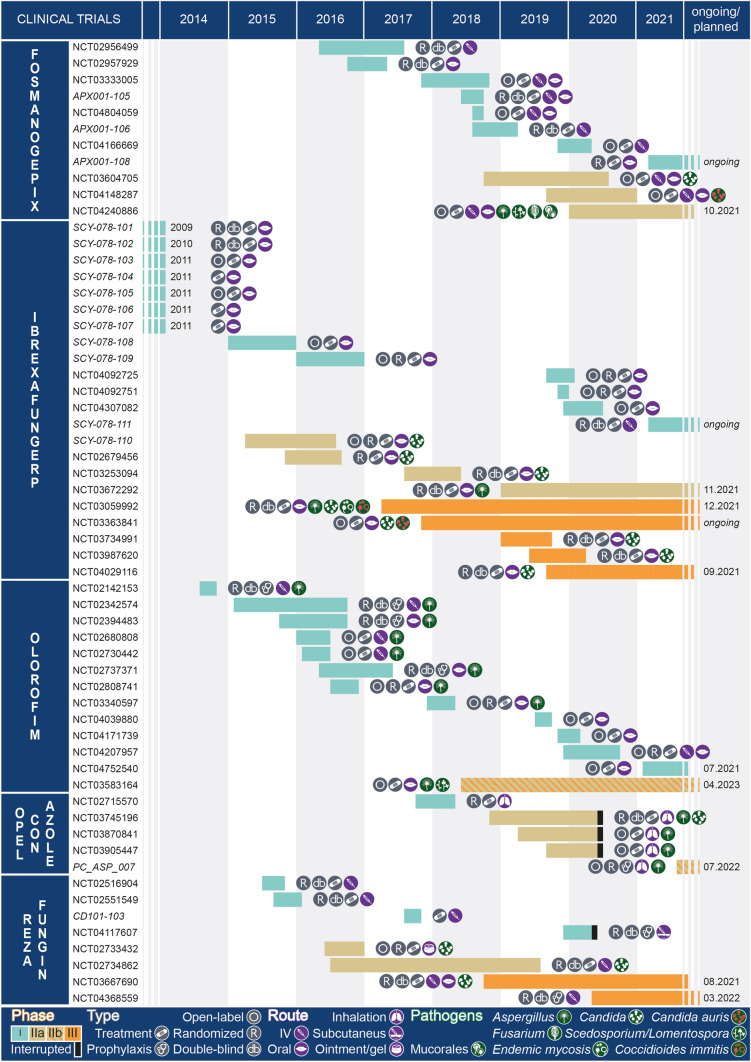
“Olorofim recently completed Phase IIb clinical trials on patients with refractory fungal infections (NCT03583164) [95].”
Self-citationHost defense mechanisms against Candida auris
Pechacek, J., & Lionakis, M. S. (2023) · Expert Review of Anti-infective Therapy · doi:10.1080/14787210.2023.2264500 · Cited by 6
Yen, J., Chang, S., & Sun, P. (2023) · Journal de Mycologie Médicale · doi:10.1016/j.mycmed.2023.101450 · Cited by 5
New anticancer therapeutics impact fungal pathobiology, infection dynamics, and outcome
Palmucci, J. R., Messina, J. A., Tenor, J. L., & Perfect, J. R. (2023) · PLoS Pathogens · doi:10.1371/journal.ppat.1011845 · Cited by 5
“While a new class of antifungals has not been approved in over 2 decades, there are currently several first-in-class antifungals in late-stage clinical trials, which present promising advances for tolerability and drug–drug interactions [60].”
BackgroundRahimli, L., Salmanton‐García, J., Kasper, P., Simon, M., Cornely, O. A., & Stemler, J. (2024) · Medical Mycology Case Reports · doi:10.1016/j.mmcr.2024.100636 · Cited by 6
“It has potent activity against echinocandin resistant Candida glabrata isolates with FKS mutations and has broad and fungicidal activity particularly against yeasts including Candida auris [19].”
BackgroundSelf-citationAn update on pharmacotherapy for fungal infections in allogeneic stem cell transplant recipients
Panagopoulou, P., & Roilides, E. (2024) · Expert Opinion on Pharmacotherapy · doi:10.1080/14656566.2024.2387686 · Cited by 6
Yu, Y., Vogel, T., Hirsch, S., Gröll, J., Albrecht, K., & Beilhack, A. (2024) · Nanoscale · doi:10.1039/d4nr03225j · Cited by 5
Prodrugging fungicidal amphotericin B significantly decreases its toxic effects
Štěpánek, O., Parigger, M., Procházková, E., Čmoková, A., Kolařík, M., Dračínská, H., Černá, V., Kalíková, K., Grobárová, V., Černý, J., et al. (2024) · European Journal of Medicinal Chemistry · doi:10.1016/j.ejmech.2024.117157 · Cited by 6
Timotheous, R., Naz, H., Arif, U., Dar, M. T., Sarwar, M. F., Awan, M. F., Ali, S., & Rab, S. O. (2025) · BMC Infectious Diseases · doi:10.1186/s12879-024-10400-5 · Cited by 5
Trichosporon and Antifungal Resistance: Current Knowledge and Gaps
Miranda, I. L., Peres, N. T. A., Bastos, R. W., Rossato, L. L., Morio, F., & Santos, D. A. (2025) · Mycopathologia · doi:10.1007/s11046-025-00969-z · Cited by 5
Clinical Relevance of Fungi in Cystic Fibrosis
Schwarz, C. (2023) · Seminars in Respiratory and Critical Care Medicine · doi:10.1055/s-0042-1759882 · Cited by 7
Caliskan, Z. C., Karahan, G., Fedai, N. K., Gokcinar, Y., Gülmez, D., Arıkan-Akdağlı, S., Ünal, S., & Uzun, Ö. (2024) · Journal de Mycologie Médicale · doi:10.1016/j.mycmed.2024.101461 · Cited by 5
Rhodes, J. L. (2025) · Current topics in microbiology and immunology · doi:10.1007/82_2025_327 · Cited by 6
Emerging mycoses: a neglected area of concern for global health
Barac, A. M., Cornely, O. A., Paño-Pardo, Gupta, N. D., Jokelainen, P., Mora-Rillo, M., Tsiodras, S., Gkrania‐Klotsas, E., Bulescu, C., Pellejero-Sagastizábal, G., et al. (2026) · Clinical Microbiology and Infection · doi:10.1016/j.cmi.2026.03.013 · Cited by 4
Self-citationA Bibliometric Review on Candida auris of the First Fifteen Years of Research (2009‐2023)
Villanueva‐Lozano, H., Trejo-Castro, A. I., Carrión-Álvarez, D., Lozano-Díaz, S. T., & Martínez‐Torteya, A. (2023) · BioMed Research International · doi:10.1155/2023/2385018 · Cited by 4
“The new drug “fosmanogepix,” also known as APX001, has a novel mechanism of action targeting the glycosylphosphatidylinositolanchored protein by inhibiting a fungal enzyme preventing the adherence of the fungal to surfaces, it is also the first broad-spectrum antifungal, and it currently has the fast track status by t…”
BackgroundHigh-dose amphotericin: yay or nay? A case series and literature review
Stover, K. R., Jordan, T., Wagner, J. L., & Barber, K. E. (2024) · Drugs in Context · doi:10.7573/dic.2023-9-1 · Cited by 4
Specifically Targeting Metacaspases of Candida: A New Therapeutic Opportunity
Bienvenu, A., Ballut, L., & Picot, S. (2024) · Journal of Fungi · doi:10.3390/jof10020090 · Cited by 4
New Antifungal Drugs: Discovery and Therapeutic Potential
Vicente, F., Reyes, F., & Genilloud, O. (2024) · Springer eBooks · doi:10.1007/978-981-99-5696-8_12 · Cited by 6
Costa, I. D., Lopes, I., Morais, M., Silva, R. V. D. S., Remião, F., Medeiros, R., Alves, L. G., Pinto, E., & Cerqueira, F. (2024) · International Journal of Molecular Sciences · doi:10.3390/ijms25105209 · Cited by 4
“CCCP (100 µ M, 2 h of incubation) was used as positive control for mitochondrial depolarization.”
MethodMilsap, D., Okuno, M., Kigozi, E., Mugabi, T., Ssekindi, F., Bajer, A., Gakuru, J., & Bahr, N. C. (2025) · Microorganisms · doi:10.3390/microorganisms13040847 · Cited by 5
“…compromising cell wall integrity, biofilm and germ tube formation, and fungal growth [33] Effective in vitro against various pathogenic fungi and exhibits synergistic effects with fluconazole [34] and liposomal amphotericin B [35] Reduced cryptococcal loads in the lungs and brain [34] NA”
Classifying patients with invasive fungal disease: towards a unified case definition?
Ergün, M., Brüggemann, R. J. M., Alanio, A., Bentvelsen, R. G., van Dijk, K., Ergün, M., Lagrou, K., Schouten, J. A., Wauters, J., White, P. L., et al. (2025) · Journal of Antimicrobial Chemotherapy · doi:10.1093/jac/dkaf261 · Cited by 4
Zein, S. E., Mendoza, M. A., & Wilson, J. W. (2023) · Transplant Infectious Disease · doi:10.1111/tid.14127 · Cited by 4
Jenks, J. D., Hoenigl, M., & Thompson, G. R. (2024) · Contemporary Clinical Trials Communications · doi:10.1016/j.conctc.2024.101310 · Cited by 5
“…a number of single center observational studies have reported on the benefits of antifungal prophylaxis in preventing CAPA [28 – 30], and while still no RCT has been performed on CAPA prophylaxis, one RCT evaluating prophylaxis with inhaled opel-conazole is currently in the planning phase [31,32].”
Self-citationEmerging Treatments in Neonatal Fungal Infections: Progress and Prospects
Eletel, L., Thomas, T., Berry, E. A., & Kearns, G. L. (2025) · Pediatric Drugs · doi:10.1007/s40272-025-00688-4 · Cited by 5
“While detailed pediatric data are not yet available, the safety and efficacy profiles of olorofim in adult populations suggest it could be a valuable addition to the antifungal armamentarium, especially in cases where traditional treatments are ineffective or not tolerated [86–89].”
Salmanton‐García, J., Koehler, P. A., Grothe, J. H., Mellinghoff, S. C., Sal, E., Simon, M., Stemler, J., Cornely, O. A., & Sprute, R. (2024) · Mycopathologia · doi:10.1007/s11046-023-00822-1 · Cited by 4
Self-citationAlmeida, M. D. A., Baeza, L. C., da Silva, L. B. R., Bernardes‐Engemann, A. R., Almeida‐Silva, F., Coelho, R. A., de Andrade, I. B., Corrêa-Junior, D., Frasés, S., Zancopé‐Oliveira, R. M., et al. (2024) · PLoS neglected tropical diseases · doi:10.1371/journal.pntd.0012586 · Cited by 3
Letailleur, V., Jullien, M., Garnier, A., Péterlin, P., Vantyghem, S., Fourmont, A.-M., Guillaume, T., Chevallier, P., & Bourgeois, A. L. (2025) · Bone Marrow Transplantation · doi:10.1038/s41409-025-02589-z · Cited by 4
Musculoskeletal Manifestations of Disseminated Fungal Infections
Koul, A., Traversone, J., Light, J. J., Chaturvedi, S., Daniel, J. M., & Rosenbaum, A. J. (2025) · JBJS Open Access · doi:10.2106/jbjs.oa.25.00095 · Cited by 3
The fungus among us: Emerging and re-emerging fungal infections
Huang, J. H., Oliver, N. T., & Witt, L. S. (2025) · The American Journal of the Medical Sciences · doi:10.1016/j.amjms.2025.10.011 · Cited by 3
Law, S. M., Choyce, A., Barzinji, H., Ellis, H., Kosmidis, C., & Seaton, R. A. (2025) · JAC-Antimicrobial Resistance · doi:10.1093/jacamr/dlaf234 · Cited by 3
Lass‐Flörl, C., & Arıkan-Akdağlı, S. (2025) · Mycopathologia · doi:10.1007/s11046-025-01033-6 · Cited by 3
Self-citationDetection and Management of Invasive Mold Disease in Pediatric Hematological Cancer Patients
Bochennek, K., Rohm, T., & Lehrnbecher, T. (2025) · Infection and Drug Resistance · doi:10.2147/idr.s541578 · Cited by 3
“78 The inhaled route offers high lung concentrations with minimal systemic absorption, and therefore, the agent has a low potential for systemic toxicities and drug–drug interaction.”
Antifungal treatment strategies in intensive care unit patients
Bartalucci, C., Mezzogori, L., Schiavoni, R., Vena, A. R., Giacobbe, D. R., & Bassetti, M. (2026) · European Journal of Clinical Investigation · doi:10.1111/eci.70177 · Cited by 3
Treatment of pulmonary mucormycosis: current concepts
Muthu, V., Sehgal, I. S., & Agarwal, R. (2026) · Expert Review of Anti-infective Therapy · doi:10.1080/14787210.2026.2622695 · Cited by 5
“Novel and investigational agents: Notwithstanding recent advances (Table 3), most newly developed antifungals have limited or negligible activity against Mucorales [105].”
Boán, J., Aparicio‐Minguijón, E., Fernández‐Ruiz, M., Asín, M. A. P., Rodríguez‐Góncer, I., López‐Medrano, F., San-Juan, R., Silva, J. T., Pérez‐Ayala, A., Caro‐Teller, J. M., et al. (2026) · Mycoses · doi:10.1111/myc.70163 · Cited by 3
Enzymatic glycosylation and amidation reshapes polyene bioactivity
Mirza, S. N., Carella, A., Thompson, J. W., Panda, D., McDonald, A. R. I., Crossley, M. D., Thong, W. L., Robins, K. J., Shepherd, S. A., Cliff, M. J., et al. (2026) · Nature · doi:10.1038/s41586-026-10834-8 · Cited by 3
“10).”
Nzimande, S., Govender, N. P., & Maphanga, T. G. (2023) · Antimicrobial Agents and Chemotherapy · doi:10.1128/aac.01104-23 · Cited by 3
In vitro activities of lipopeptides against fluconazole-resistant Candida auris
Fioriti, S., Pallotta, F., D’Achille, G., Cirioni, O., Simonetti, O., Neubauer, D., Kamysz, E., Kamysz, W., Brescini, L., Caucci, S., et al. (2025) · Microbiology Spectrum · doi:10.1128/spectrum.01786-24 · Cited by 3
“and rezafungin are currently in late-stage development to treat C. auris infections (8).”
Asensi-Díaz, E., del Olmo, L. B., Urrutia, P., Lario, A., de la Pedrosa, E. G.-G., García, A. G., Martín‐Dávila, P., & Fortün, J. (2025) · Journal of Fungi · doi:10.3390/jof11100723 · Cited by 3
Turan, D. (2023) · Haydarpaşa Numune medical journal (Online) · doi:10.14744/hnhj.2023.24572 · Cited by 4
Invasive aspergillosis: A comprehensive review
Machado, M., Fortün, J., & Muñóz, P. (2024) · Medicina Clínica (English Edition) · doi:10.1016/j.medcle.2024.01.039 · Cited by 3
Boronic acid derivatives inhibit Candida albicans growth by compromising energy metabolism
Wu, S., Mayandi, V., Goh, E. T. L., Wang, W., Han, N., Zhong, R., Luo, Z., Wang, Y., Chen, M., Lakshminarayanan, R., et al. (2025) · Journal of Advanced Research · doi:10.1016/j.jare.2025.07.044 · Cited by 3
Walsh, T. J., Coleman, C. I., Blissett, R. S., Prawitz, T., Bonetti, G., Aguiar, M., Bresnik, M., & Lovelace, B. (2025) · Antimicrobial Agents and Chemotherapy · doi:10.1128/aac.00570-25 · Cited by 2
“Olorofim has been developed as a novel antifungal agent to fulfill a critical need for the treatment of triazole-resistant aspergillosis and for patients with limited therapeutic options (1, 13).”
Insights into current coccidioidomycosis therapeutic pathways
Edwards, B., Ripperton, R., Tilley, A., Chastain, D. B., Thompson, G. R., & Henao‐Martínez, A. F. (2025) · Antimicrobial Agents and Chemotherapy · doi:10.1128/aac.01465-25 · Cited by 2
“Several novel therapies have also succeeded in vitro against Coccidioides or other invasive fungi (37, 38).”
Self-citationClinical Utility of Molecular Diagnostics for Invasive Fungal Diseases
Tsuchido, Y. (2025) · Medical Mycology Journal · doi:10.3314/mmj.25.007 · Cited by 2
Shivangani, S., & Hariprasad, P. (2025) · South African Journal of Botany · doi:10.1016/j.sajb.2025.11.051 · Cited by 2
Bes-Berlandier, H., Coron, N., Pottier, H., Manni, S., Mortier, C., Bouchara, J. P., Barrera, C., Bellanger, A., Millon, L., Parize, P., et al. (2025) · International Journal of Infectious Diseases · doi:10.1016/j.ijid.2025.108336 · Cited by 2
Metadata
- Authors
- Hoenigl, M., Sprute, R., Egger, M., Arastehfar, A., Cornely, O. A., Krause, R., Lass-Flörl, C., Prattes, J., Spec, A., Thompson, G. R., Wiederhold, N., & Jenks, J. D.
- Affiliations
- Medical University of Graz (AT)
- University of Cologne (DE)
- Hackensack Meridian Health (US)
- Washington University in St. Louis (US)
- University of California Davis Medical Center (US)
- The University of Texas at San Antonio Health Science Center (US)
- University of California San Diego (US)
- Corresponding author
- Hoenigl, Martin
- ORCID
- Venue
- Drugs
- Published
- 2021-10
- Volume
- 81
- Issue
- 15
- Pages
- 1703-1729
- ISSN
- 0012-6667 (ISSN-L)
- 1179-1950
- PMC
- PMC8501344
- OpenAlex
- W3202074216
- Cited by
- 467
- References
- 188
- Citations by year
- 2026: 78 · 2025: 116 · 2024: 117 · 2023: 98 · 2022: 54 · 2021: 3
- FWCI
- 7.96
- Type
- journal article
- Language
- en
- Open access
- hybrid
- doi.org
- Licence
- cc-by-nc
- creativecommons.org/licenses/by-nc/4.0 (tdm)
- creativecommons.org/licenses/by-nc/4.0 (vor, 8 d)
- Locations
- Drugs (publishedVersion, cc-by-nc)
- PubMed Central (publishedVersion, cc-by-nc)
- PubMed (publishedVersion)
- Kölner Universitäts PublikationsServer (Universität zu Köln) (publishedVersion)
- eScholarship (California Digital Library) (submittedVersion, cc-by-nc)
- Digital Commons@Becker (Washington University School of Medicine) (submittedVersion, cc-by-nc)
- eScholarship (California Digital Library) (submittedVersion)
- Funders
- national institute of allergy and infectious diseases (UL1TR001442)
- Medical University of Graz
- Topics
- Health Sciences › Medicine › Infectious Diseases › Antifungal resistance and susceptibility
- Life Sciences › Agricultural and Biological Sciences › Plant Science › Fungal Plant Pathogen Control
- Health Sciences › Medicine › Infectious Diseases › Fungal Infections and Studies
- Keywords
- antifungal drug development, fosmanogepix, ibrexafungerp, olorofim, rezafungin, invasive fungal infections, antifungal resistance mechanisms, triterpenoids, triazoles, echinocandins, pharmacokinetics, drug-drug interactions, unmet medical needs
- MeSH terms
- Invasive Fungal Infections, Drug Development, Animals, Antifungal Agents, Drug Interactions, Fungi, Humans, Drug Resistance, Fungal
About these checks
Registry, retraction, Cites and statistics results are computed, not judged, with one exception: a printed reference that no index lists is read once by a model before it counts as a citation error. Claims are extracted by a model and kept only when their quote appears verbatim in the text; each cited source is then checked, with a model’s help, for whether it says what the claim relies on. Those verdicts can be wrong — read the claim’s quote and the cited source before relying on one.
Statistics and arithmetic are recomputed, not judged.
Confidence bands are shown only for fields calibrated on our annotated test set. None is calibrated yet, so no band is shown.
What counts as a claim ›How we measure confidence ›How we check this ›
Are you an author, or do you see a problem with this page? Request a review
Data sources
Bibliographic data: Semantic Scholar, OpenAlex, Crossref.
Contains information from the Semantic Scholar Academic Graph Datasets, made available under the ODC Attribution License (ODC-BY 1.0).
Semantic Scholar’s data is described in: Kinney, R., et al. (2023). The Semantic Scholar Open Data Platform. arXiv:2301.10140.
