

The Antifungal Pipeline: Fosmanogepix, Ibrexafungerp, Olorofim, Opelconazole, and Rezafungin
Open accessThe DOI matches its Crossref record; 190 of the 190 references it cites were found in a registry or an index.
Abstract
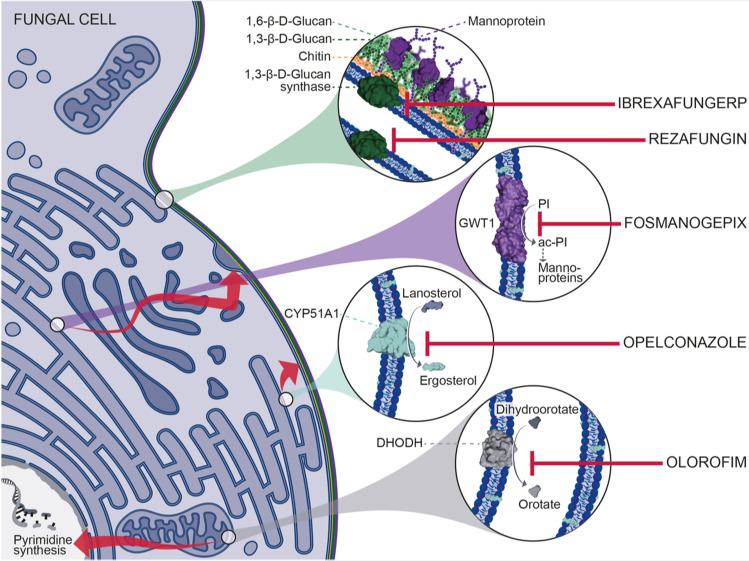
The epidemiology of invasive fungal infections is changing, with new populations at risk and the emergence of resistance caused by the selective pressure from increased usage of antifungal agents in prophylaxis, empiric therapy, and agriculture. Limited antifungal therapeutic options are further challenged by drug-drug interactions, toxicity, and constraints in administration routes. Despite the need for more antifungal drug options, no new classes of antifungal drugs have become available over the last 2 decades, and only one single new agent from a known antifungal class has been approved in the last decade. Nevertheless, there is hope on the horizon, with a number of new antifungal classes in late-stage clinical development. In this review, we describe the mechanisms of drug resistance employed by fungi and extensively discuss the most promising drugs in development, including fosmanogepix (a novel Gwt1 enzyme inhibitor), ibrexafungerp (a first-in-class triterpenoid), olorofim (a novel dihyroorotate dehydrogenase enzyme inhibitor), opelconazole (a novel triazole optimized for inhalation), and rezafungin (an echinocandin designed to be dosed once weekly). We focus on the mechanism of action and pharmacokinetics, as well as the spectrum of activity and stages of clinical development. We also highlight the potential future role of these drugs and unmet needs.
Overview
The claims and statistics of this paper haven’t been checked yet.
Free: it reads the open-access text and checks the first 5 claims that cite a source we can check. Create a free account to check every claim.
Integrity signals
Registry
Cites
Statistics
Figures
Verification
Claims the paper makes
The claims and statistics of this paper haven’t been checked yet.
Free: it reads the open-access text and checks the first 5 claims that cite a source we can check. Create a free account to check every claim.
Claims other papers make about this one
Each is checked against this paper’s own text: does it say what the citing paper says it does?
The source backs part of the claim, not all of it — or backs it for a different population, condition or comparison.
In the citing paper
“Fosmanogepix inhibits the inositol acyltransferase Gwt1 which catalyzes and early step in the glycosylphosphatidylinositol (GPI) anchor biosynthesis pathway, thereby preventing GPI-anchored protein maturation, a process critical for linkages between different components of the fungal cell wall [39,46].”
From Antifungal therapy of Candida biofilms: Past, present and future (2023) · cites this paper as [39]
Experimental — accuracy not yet measuredThe cited source says what the claim attributes to it.
In the citing paper
“Ibrexafungerp is another novel agent which inhibits (1→3)-β-D-glucan synthesis at a different site than echinocandins and thus retains activity against many organisms with echinocandin resistance due to FKS mutations, including many strains of C. auris.156”
From Epidemiology of Invasive Candidiasis (2024) · cites this paper as [156]
The cited source says what the claim attributes to it.
In the citing paper
“It has oral bioavailability of 35–50% and good systemic distribution except for the CNS.”
From Epidemiology of Invasive Candidiasis (2024) · cites this paper as [156]
The cited source says what the claim attributes to it.
In the citing paper
“Ibrexafungerp is currently only FDA approved as oral therapy for vulvovaginal candidiasis, although clinical trials for invasive candidiasis step-down therapy, refractory candidiasis, and C. auris are ongoing.149,156–159”
From Epidemiology of Invasive Candidiasis (2024) · cites this paper as [156]
In the citing paper
“At the present time there are a handful of investigational agents at different stages of the antifungal development pipeline. Although the majority still target ergosterol (same as azoles) or 1,3-β-D-glucan (same as echinocandins), they also include some novel classes with novel targets and mechanisms [25,39,40].”
From Antifungal therapy of Candida biofilms: Past, present and future (2023) · cites this paper as [39]
Self-check
Percentages, sums and reported differences re-computed from the paper’s own numbers.
The self-check needs the paper’s full text.
Citations
Cites
J Antimicrob Chemother 1994; 33: 350–351
O'SHAUGHNESSY, E. M., & DAS, S. S. (1994) · Journal of Antimicrobial Chemotherapy · doi:10.1093/jac/33.2.350 · Cited by 3,746
Cornely, O. A., Alastruey-Izquierdo, A., Arenz, D., Chen, S. C. A., Dannaoui, E., Hochhegger, B., Hoenigl, M., Jensen, H. E., Lagrou, K., Lewis, R. E., et al. (2019) · The Lancet Infectious Diseases · doi:10.1016/s1473-3099(19)30312-3 · Cited by 1,820
Self-citationDenning, D. W. (2003) · The Lancet · doi:10.1016/s0140-6736(03)14472-8 · Cited by 1,131 · cited 1×
“an N-linked acyl lipid side-chain [187] that is considered essential for the antifungal activity [188].”
BackgroundThe global problem of antifungal resistance: prevalence, mechanisms, and management
Perlin, D. S., Rautemaa-Richardson, R., & Alastruey-Izquierdo, A. (2017) · The Lancet Infectious Diseases · doi:10.1016/s1473-3099(17)30316-x · Cited by 1,055
Maertens, J. A., Raad, I. I., Marr, K. A., Patterson, T. F., Kontoyiannis, D. P., Cornely, O. A., Bow, E. J., Rahav, G., Neofytos, D., Aoun, M., et al. (2016) · The Lancet · doi:10.1016/s0140-6736(15)01159-9 · Cited by 1,001
Self-citationKoehler, P., Bassetti, M., Chakrabarti, A., Chen, S. C. A., Colombo, A. L., Hoenigl, M., Klimko, N., Lass-Flörl, C., Oladele, R. O., Vinh, D. C., et al. (2021) · The Lancet Infectious Diseases · doi:10.1016/s1473-3099(20)30847-1 · Cited by 951 · cited 1×
“In addition, new manifestations of disease in the intensive care population such as coronavirus disease 2019 (COVID-19)-associated aspergillosis [10–13] and mucormycosis [14, 15] are posing major problems because of extensive drug–drug interactions of antifungal drugs [16].”
BackgroundSelf-citationAneuploidy and Isochromosome Formation in Drug-Resistant Candida albicans
Selmecki, A., Forche, A., & Berman, J. (2006) · Science · doi:10.1126/science.1128242 · Cited by 733
Drug resistance and tolerance in fungi.
Berman, J., & Krysan, D. J. (2020) · Nature Reviews Microbiology · doi:10.1038/s41579-019-0322-2 · Cited by 642 · cited 21×
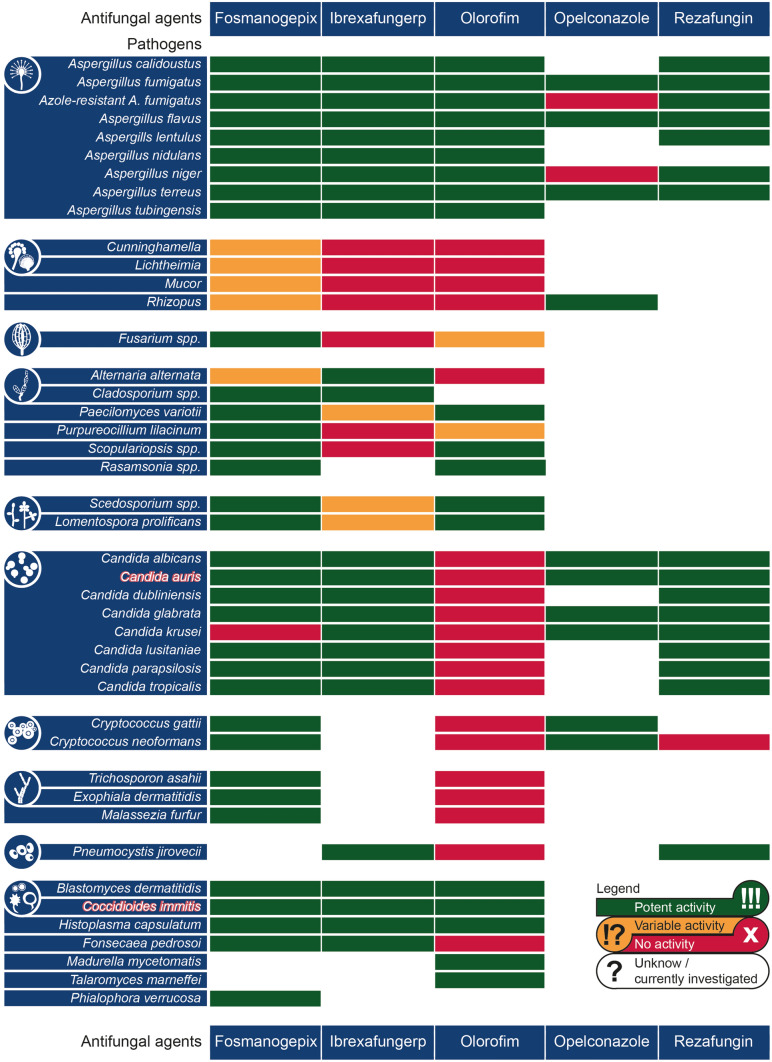
“Candida dubliensis, C. fabianii, C. glabrata, C. inconspicua, C. kefyr, C. krusei, C. lipolytica, C. pulcherrima, C. sojae, and C. tropicalis were also inhibited by MIC values ≤ 0.125 µg/mL and were susceptible to other echinocandins using epidemiological cut-off value (ECV) interpretive criteria [194, 195].”
BackgroundInfluentialChowdhary, A., Prakash, A., Sharma, C., Kordalewska, M., Kumar, A., Sarma, S., Tarai, B., Singh, A., Upadhyaya, G., Upadhyay, S., et al. (2018) · Journal of Antimicrobial Chemotherapy · doi:10.1093/jac/dkx480 · Cited by 577 · cited 1×
“At the same time, the emergence of Candida auris [7], as well as azole-resistant Aspergillus fumigatus [8], and cryptic species that are morphologically indistinguishable by classical methods within main Aspergillus sections [9] pose additional threats to our current antifungal armamentarium.”
BackgroundThe ALS gene family of Candida albicans.
Hoyer, L. L. (2001) · Trends in Microbiology · doi:10.1016/s0966-842x(01)01984-9 · Cited by 540
Research works printed but not linked: 9
- Vale-Silva L Ischer F Leibundgut-Landmann S Sanglard D Gain-of-function mutations in PDR1, a regulator of antifungal drug resistance in Candida glabrata, control adherence to host cells Infect Immun 2013 81 5 1709 1720 10.1128/IAI.00074-13 23460523 PMC3648025 · DOI · Paper page
- Hagiwara D Miura D Shimizu K Paul S Ohba A Gonoi T A novel Zn2-Cys6 transcription factor AtrR plays a key role in an azole resistance mechanism of Aspergillus fumigatus by co-regulating cyp51A and cdr1B expressions PLoS Pathog 2017 13 1 e1006096 10.1371/journal.ppat.1006096 28052140 PMC5215518 · DOI · Paper page
- Ghannoum M, Long L, Larkin EL, Isham N, Sherif R, Borroto-Esoda K, et al. SCY-078, a novel oral glucan synthase inhibitor, for the treatment of invasive aspergillosis: evaluation of antifungal activity singly and in combination. Antimicrob Agents Chemother. 2018;62(6):e00244-18. PMC5971594 29610204 · DOI · Paper page
- Trucksis M, Garrett G, Heriman I. A phase I multiple rising dose study evaluating safety, tolerability, and pharmacokinetics of MK-3118, oral glucan synthase inhibitor, in healthy volunteers. 51st Interscience Conference on Antimicrobial Agents and Chemotherapy (ICAAC); 2011; Chicago (IL).
- Kennedy T AG, Steiner J, Heep M, Oliver J, Sibley G, Law D., editor Multiple dose pharmacokinetics of an immediate-release tablet formulation of F901318 in healthy male and female subjects. In: Proceedings of the 27th European congress of clinical microbiology and infectious diseases; 22–25 April 2017; Vienna.
- Kennedy TAG, Steiner J, Heep M, Oliver J, Sibley G, Law D, editor Assessment of the duraiton of infusion on the tolerability and repaet dose pharmacokinetics of F901318 in health-volunteers (abstract P1711). In: Proceedings of the 27th European congress of clinical microbiology and infectious diseases; 22-25 April 2017; Vienna.
- Tio SH TK, Ng G, Rex JH, Carney D, Slavin M. Olorofim for a case of severe disseminated Lomentospora prolificans infection. In: Proceedings of the 30th European Congress of Clinical Microbiology and Infectious Diseases; 18–21 April 2020; Paris.
- Chen S RN, Cunneen S, Cornelissen K, Rex JH, Heath CH, Harvey E. A case of Lomentospora prolificans treated with the novel antifungal olorofim. In: Proceedings of the 30th European Congress of Clinical Microbiology and Infectious Diseases; 18–21 April 2020; Paris.
- Harvey EFL, Rex JH, Thompson G. Successful use of the novel antifungal olorofim in the treatment of dissemianted coccidioidomycosis. Proceedings of the 30th European Congress of Clinical Microbiology and Infectious Diseases; 18-21 April 2020; Paris.
Cited by
Items 301–400 of 488
Cooper, R. J., Arif, S., Baker, A. W., Wiederhold, N. P., Sarantopoulos, S., Iftikhar, M., Stanly, K., Collis, B. J., Ni, B., Sim, B., et al. (2026) · ASM Case Reports · doi:10.1128/asmcr.00189-25 · Cited by 3
“MICs were read as the lowest concentrations resulting in 100% inhibition of growth, and the MEC was read as the lowest concentration of manogepix that resulted in morphologic changes (i.e., short, stubby, abnormally branched hyphae) (5).”
Self-citationChiu, C., Hicklen, R., Ostrosky-Zeichner, L. L., Sheth, S. A., Tan, C., Weinberg, J. S., Chiller, T. M., Walsh, T. J., & Kontoyiannis, D. P. (2026) · Clinical Microbiology Reviews · doi:10.1128/cmr.00282-25 · Cited by 2
Stemler, J., Sprute, R., Koehler, P. A., & Cornely, O. A. (2026) · Clinical Microbiology and Infection · doi:10.1016/j.cmi.2026.03.001 · Cited by 2
Self-citationAngelini, J., Ferin, S., Martini, L., Flammini, S., Tascini, C., & Giuliano, S. (2026) · Clinical Microbiology Reviews · doi:10.1128/cmr.00228-25 · Cited by 2
“Opelconazole, an inhaled triazole designed to deliver high local pulmonary concentrations with limited systemic exposure, further exemplifies this diversification (252).”
The Upcoming Antifungal Drugs in Clinical Development for the Treatment of Invasive Candidiasis
Zubovskaia, A., & Vázquez, J. A. (2026) · Infection and Drug Resistance · doi:10.2147/idr.s547511 · Cited by 3
Prochelators modulate azole activity against Candida albicans in a metal-dependent manner
Merriman, M. A., Denning-Jannace, C. A., Hurtado, A. B., Vaccaro, F. A., Sung, Y., Tomat, E., & Franz, K. J. (2026) · RSC Chemical Biology · doi:10.1039/d6cb00073h · Cited by 2
Drug-Induced Liver Injury From a Novel Antifungal – Olorofim
Ranade, S. T., Sharma, D., Franco, G. R., Hsu, C., & Ghany, M. G. (2026) · ACG Case Reports Journal · doi:10.14309/crj.0000000000002116 · Cited by 2
“4,14 Our patient ’ s tolerance of a reduced dose (1/3 original dose) rechallenge without recurrent injury is suggestive of threshold-dependent mitochondrial and oxidative stress toxicity model, under-scoring the importance of dose reduction and regular hepatic monitoring.”
Jiang, L., Yang, S., Li, Y., Zhang, Y., Ren, X., Liu, W. T., Fu, H., Bao, C., Qi, Q., Liu, T., et al. (2026) · Frontiers in Microbiology · doi:10.3389/fmicb.2026.1861239 · Cited by 3
“Resistance development is associated with mechanisms such as efflux pump activation, target modification, and biofilm formation (Hoenigl et al., 2021).”
Oxidative stress-responsive cell wall remodeling depends on phosphate in Candida albicans
Jacob, A., Qi, W., Yarava, J. R., Barkarar, M., Withrow, A., Karai, A., Vermaas, J. V., Köhler, J. R., & Wang, T. (2026) · Nature Communications · doi:10.1038/s41467-026-77594-x · Cited by 2
“Compounding these challenges, C. albicans strains and other Candida species resistant to antifungal agents, particularly azoles and echinocandins, emerge during prolonged treatment courses, and multidrug-resistant strains are associated with increased mortality and healthcare costs 4,5,7 – 10 .”
Neue Antimykotika: Hoffnungsträger in der Therapie invasiver Mykosen?
Aldejohann, A. M., Kurzai, O., von Lilienfeld‐Toal, M., & Rüthrich, M. M. (2022) · Krankenhaushygiene up2date · doi:10.1055/a-1400-8371 · Cited by 2
San-Quirico, E., Curto, M.-Á., Gómez-Delgado, L., Moreno, M. B., Pérez, P., Ribas, J. C., & Cortés, J. C. G. (2023) · International Journal of Molecular Sciences · doi:10.3390/ijms24054299 · Cited by 2
Respiratory Fungal Infections in Cystic Fibrosis: Diagnostic and Therapeutic Challenges
Schwarz, C., Mainz, J. G., Romanowska, E., Rosseau, S., Schuette, H., Martin–Souto, L., Ramirez‐Garcia, A., & Eschenhagen, P. N. (2023) · Current Fungal Infection Reports · doi:10.1007/s12281-023-00467-z · Cited by 3
“1 3 fosmanogepix, ibrexafungerp, olorofim, opelconazole, and rezafungin [126] are in the pipeline.”
New Drugs and Other Strategies for the Treatment of Fungal Infections
Almeida‐Paes, R., & Frasés, S. (2023) · Future Microbiology · doi:10.2217/fmb-2023-0169 · Cited by 2
Antifúngicos: lo que tenemos, lo que tendremos, lo que queremos.
Martínez-Méndez, D., Bravo-Acosta, M., & Semprún-Hernández, N. (2023) · Investigación Clínica · doi:10.54817/ic.v64n4a11 · Cited by 1
“Es un análogo estructural de la anidalofungina, menos hepatotóxico y con vida media de hasta 150 horas luego de la segunda y tercera dosis, facilitando su admi-nistración semanal 59 .”
InfluentialLi, P., Li, Y., Zhang, Y., Zhu, S., Pei, Y., Zhang, Q., Liu, J., Bao, J., & Sun, M. (2024) · Frontiers in Cellular and Infection Microbiology · doi:10.3389/fcimb.2024.1281759 · Cited by 2
“In view of the alarming trend of IFSI and the lack of safe and effective antifungal drugs, with only a few others being under development (Hoenigl et al., 2021), more attention should be paid to its prevention while bolstering the antifungal pipeline.”
BackgroundPereira, L. D. V., Rizzi, T., Federizzi, M., Donato, K. Z., Donato, K. Z., Fuentefría, A. M., & Reginatto, P. (2024) · Current Microbiology · doi:10.1007/s00284-024-03960-x · Cited by 3
Hanafy, D. M., & Leaver, D. J. (2024) · ACS Medicinal Chemistry Letters · doi:10.1021/acsmedchemlett.4c00568 · Cited by 3
Scope on the Scalp: A Case of Pulmonary Infiltrates and a Scalp Lesion in a Neutropenic Host
Murphy, F., McHugh, J., Khodadadi, R. B., & Saleh, O. A. (2025) · Clinical Infectious Diseases · doi:10.1093/cid/ciae373 · Cited by 2
Kobayashi, K., Miyake, R., Nagai, K., Sato, Y., Seki, R., Sakai‐Kato, K., Nishimura, S., Ohshiro, T., & Tomoda, H. (2026) · ACS Omega · doi:10.1021/acsomega.5c12037 · Cited by 3
Histoplasmosis and blastomycosis: Progress and possibilities
Scolarici, M. J., & Smith, J. A. (2025) · CMI Communications · doi:10.1016/j.cmicom.2025.105067 · Cited by 3
AlSaleh, A., & Shahid, M. (2025) · BMC Infectious Diseases · doi:10.1186/s12879-025-10680-5 · Cited by 2
“Indeed, mycosis treatment is challenging when antifungal resistance is considered, with limited therapeutic options and modalities, toxicity associated with the medication, as well as drug-drug interactions, especially in complicated cases [124].”
Biologie et diagnostic des infections à Aspergillus
Gangneux, J., Bouchara, J. P., & Chabasse, D. (2013) · Cited by 3
Capoor, M. R., & Bal, A. M. (2022) · Elsevier eBooks · doi:10.1016/b978-0-12-820472-6.00211-5 · Cited by 4
Ramos, L. S., Silva, L. N., de Mello, T. P., Frota, H. F., Branquinha, M. H., & dos Santos, A. L. S. (2022) · Current Topics in Medicinal Chemistry · doi:10.2174/1568026622666220520153748 · Cited by 3
Invasive Mykosen – Innovative Therapien
Mellinghoff, S. C., Cornely, O. A., Mammadova, P., Sprute, R., & Stemler, J. (2024) · DMW - Deutsche Medizinische Wochenschrift · doi:10.1055/a-2132-9240 · Cited by 2
“Aktuell (Stand Q4/2023) befinden sich mehrere antimy-kotische Medikamente in fortgeschrittener klinischer Entwicklung, welche eine notwendige Bereicherung in der Prophylaxe und Therapie invasiver Pilzerkrankungen darstellen werden [11].”
BackgroundSelf-citationMechanisms of Resistance to Antifungal Agents
Perlin, D. S. (2023) · Wiley eBooks · doi:10.1002/9781683670438.mcm0134 · Cited by 2
Role of Posaconazole Drug in the Treatment of Invasive Fungal Disease: A Review
Singh, S. K., & Pancholi, S. S. (2024) · Infectious Disorders - Drug Targets · doi:10.2174/0118715265307531240801091445 · Cited by 1
The top 10 papers on the treatment of invasive fungal infections, 2018–2023
Stover, K. R., Aldridge, H. M., Pollan, K. L., Slain, D., Bland, C. M., Bookstaver, P. B., & Barber, K. E. (2024) · Therapeutic Advances in Infectious Disease · doi:10.1177/20499361241290349 · Cited by 2
“34,47,48 51 Ibrexafungerp is a first-in-class triterpenoid that is related to the echinocandins, and oteseconazole is a tetrazole related to the triazole antifungals.”
BackgroundEnhanced chitosan-based nanoformulation for antifungal applications
Nwachukwu, K. C., Ugbogu, O. C., Oyewole, O. A., Ewansiha, J. U., Adetunji, C. O., Adeyomoye, O., Adetunji, J. B., Ogundolie, F. A., Mathew, J. T., Inobeme, A., et al. (2024) · Elsevier eBooks · doi:10.1016/b978-0-443-13997-0.00008-4 · Cited by 1
Abduljalil, H., Alshanta, O. A., Chougule, S., Butcher, M. C., Short, B., McLean, W., Parry, N., O'Keeffe, J., & Ramage, G. (2025) · Apmis · doi:10.1111/apm.13510 · Cited by 1
Decoding Fungal Skin Infections: Current and Emerging Trends in Diagnosis and Management
Sanroman-Loza, E. A., Medina-Guerrero, E. O., Holguín-Aguirre, T. E., Licona-Lasteros, K. C., Zermeño-Ruiz, M., Gutiérrez-Sevilla, J. E., León-Hernández, C. Y., & Anaya-Ambriz, E. J. (2025) · Current Tropical Medicine Reports · doi:10.1007/s40475-024-00334-y · Cited by 1
“Several broad-spectrum antifungal drugs are being developed or tested in clinical trials, including ibrexafungerp (a triter-penoid glucan synthase inhibitor), rezafungin (an echino-candin), and fosmanogepix (a Gwt1 enzyme inhibitor) [53].”
A novel pan-fungal screening platform for antifungal drug discovery: proof of principle study
Inman, R., Warris, A., & Bignell, E. (2025) · Antimicrobial Agents and Chemotherapy · doi:10.1128/aac.01328-24 · Cited by 1
Feng, Y., Zhang, Z., Fang, W., Wang, S., Zhang, J., Li, D., Liao, W., Li, R., & Shi, D. (2025) · Mycoses · doi:10.1111/myc.70059 · Cited by 1
Nabeela, S., & Uppuluri, P. (2025) · Springer series on biofilms · doi:10.1007/978-3-031-93315-8_9 · Cited by 1
Ramage, G., Kean, R., Mackay, W. G., Vaccaro, A., Lopez-Ribot, J. L., & Howe, M. H. (2025) · Springer series on biofilms · doi:10.1007/978-3-031-93315-8_7 · Cited by 2
Olorofim: addressing unmet needs of patients with difficult-to-treat fungal infections
Paccoud, O., & Lanternier, F. (2025) · The Lancet Infectious Diseases · doi:10.1016/s1473-3099(25)00237-3 · Cited by 1
Synthesis and Antifungal Evaluation Against Candida spp. of 5-Arylfuran-2-Carboxamide Derivatives
Mirabile, S., Ginestra, G., Pennisi, R., Barreca, D., Mandalari, G., & Gitto, R. (2025) · Microorganisms · doi:10.3390/microorganisms13081835 · Cited by 1
“…that the studied compounds 3 – 14 possessed R M values ranging from − 0.36 to 0.03, with high values obtained for 3-or 4-methylsubstituted compounds 13 – 14 , whereas the 4-sulfamoyl-substituted compounds 4 – 5 possessed lower lipophilicity with respect to the corresponding unsubstituted compound…”
InfluentialCurrent scenario of antifungal resistance and the drugs in the pipeline
Sengar, D., Burade, D. K., Chaudhari, B. P., & Gajbhiye, V. (2025) · Elsevier eBooks · doi:10.1016/b978-0-443-29273-6.00014-x · Cited by 1
Epidemiology and Management of Antifungal-Resistant Bloodstream Infections in Healthcare Settings
Sayyouh, O. (2025) · Infectious diseases · doi:10.5772/intechopen.1012710 · Cited by 1
Synthesis and Biological Activity of Azidomethyl Derivatives of Pyridoxine and 3-Hydroxypyridine
Platonova, E. A., Khaziev, R. M., Lisovskaya, S. A., Bondar, O. V., Mukhametova, A. D., Kazakova, R. R., Vafina, R. M., Grishaev, D. Y., Gnezdilov, O. I., Romanova, E. I., et al. (2025) · Russian Journal of General Chemistry · doi:10.1134/s1070363225606143 · Cited by 1
Kane, A., Lai, F., Rothwell, J. G., Dinh, T. T. H., Campbell, L. T., Cain, A. K., Hibbs, D. E., Hanrahan, J. R., & Carter, D. J. (2025) · mBio · doi:10.1128/mbio.03199-25 · Cited by 2
“(24), and olorofim (25) have been described as broad-spectrum but fail to inhibit several important pathogenic taxa, whereas 10-ZOL appears to be active irrespective of species.”
Exploring New Antifungal Agents for the Treatment of Candida Infections in the Era of Resistance
Bhatol, J., Dwivedi, S., Jain, V. K., Sisodiya, N., & Darwhekar, G. N. (2025) · Biosciences Biotechnology Research Asia · doi:10.13005/bbra/3448 · Cited by 1
Кандидоз у новорожденных: новые решения старой проблемы (обзор литературы)
Альбертовна, С. Е., Семеко, О. Р., Muscherova, D. M., Сергеевна, З. К., Миронова, В. А., Морозов, С. Л., Саркисян, М. А., & Шумилов, П. В. (2025) · Педиатрия Восточная Европа · doi:10.34883/pi.2025.13.4.006 · Cited by 1
Malavia, D., Leaves, I., Onime, J., O'Neill, P., Yan, K., Brown, A. J., & Gow, N. A. R. (2026) · The Cell Surface · doi:10.1016/j.tcsw.2026.100170 · Cited by 1
“…antifungal agents has lagged significantly behind that of antibacterial therapy, leaving vulnerable populations at risk (Roemer and Krysan, 2014; Hoenigl et al., 2021; Jacobs et al., 2022; ( C. lusitaniae ) and Candidozyma auris ( C. auris ) (Denning, 2024; Kullberg and Arendrup, 2015; Talapko…”
Marena, G. D., Carvalho, G. C., Magalhães, M. H. C., Figueiredo, J., Ramos, D. H., Nosanchuk, J. D., & Taborda, C. P. (2026) · Journal of Fungi · doi:10.3390/jof12030162 · Cited by 1
“At present, olorofilm has an FDA Breakthrough Therapy and Orphan Drug Designation for the treatment of invasive mold infections in patients with few (or no) treatment options as well as for coccidioidomycosis of the central nervous system refractory to standard-of-care antifungal therapy [127].”
InfluentialMa, D., Yao, Y., Yang, C., Lin, H., Sun, M., Gao, Y., Xin, W., Wu, D., Ye, K., Luo, W., et al. (2026) · PLoS Pathogens · doi:10.1371/journal.ppat.1014021 · Cited by 1
Gandolpho, L. S., Aguilar-Zapata, D., Moncada, P. A., Riera, F. O., Guaraná, M., Breda, G. L., Ricardo Rabagliati, B., Nucci, M., & Colombo, A. L. (2026) · Microorganisms · doi:10.3390/microorganisms14040904 · Cited by 1
Hsieh, M., Choi, P., Wu, W.-L., Lin, Y.-F., & Wu, C. (2026) · Microbiology Spectrum · doi:10.1128/spectrum.02659-25 · Cited by 1
“Ibrexafungerp is an oral triterpenoid that targets a unique site on β−1,3-D-glucan synthase, distinct from the echinocandin-binding domain (4).”
Influential樊伶颖, & Chen, Y. (2026) · Frontiers in Cellular and Infection Microbiology · doi:10.3389/fcimb.2026.1647777 · Cited by 1
“Antibiotic resistance has emerged as a major global public health threat (Jean et al., 2022; Hoenigl et al., 2021; Arastehfar et al., 2021).”
Panda, J. P., Sunavala, A., Narula, S., Nagral, A. S., & Tandan, S. (2026) · Medical Mycology Case Reports · doi:10.1016/j.mmcr.2026.100796 · Cited by 1
“Escalation to intraventricular caspofungin via an Ommaya reservoir, alongside unsuccessful attempts to obtain ibrexafungerp, olorofim, or fosmanogepix on compassionate grounds, illustrates the paucity of salvage options and the urgent need for accessible next-generation antifungals [13].”
Gador‐Whyte, A., Rhodes, J. L., Farrer, R. A., Bakker, S., Wirth, W., Coldbeck-Shackley, R. C., Howden, B. P., Kwong, J. C., Sherry, N. L., & Seemann, T. (2026) · Microbial Genomics · doi:10.1099/mgen.0.001710 · Cited by 2
“The rigid fungal cell wall incorporates the carbohydrate 1,3-β - d-glucan (targeted by the echinocandins and the new triterpenoid class) and mannoproteins cross-linked to glucans (this cross-linking is the target of the novel agent fosmanogepix) [27, 28].”
Morelo, M. J., Firacative, C., García‐Effrón, G., Gómez, B. L., & Ceballos-Garzón, A. (2026) · International Journal of Antimicrobial Agents · doi:10.1016/j.ijantimicag.2026.107870 · Cited by 1
Skóra, M., Tymecka, M., Ciszek‐Lenda, M., Musielak, B., Klocek, N., Stączek, S., Zdybicka‐Barabas, A., Cytryńska, M., & Kamiński, K. (2026) · International Journal of Biological Macromolecules · doi:10.1016/j.ijbiomac.2026.152888 · Cited by 1
Inhibitory effect of Acetylshikonin on drug-resistant Candida albicans
Xu, Z., Zhou, W., Luo, J., Dai, Y., Yang, S., Li, S., & Huang, Y.-J. (2026) · Gut Pathogens · doi:10.1186/s13099-026-00851-3 · Cited by 1
“Currently, the main antifungal drugs used in the clinic are azoles, polyenes, and echinocandins [5].”
Aljarba, T. M., Bakht, M. A., Aldawsari, M. F., Anwer, M. K., Alam, P., Rahmani, M., & Kamal, M. A. (2026) · Computational Biology and Chemistry · doi:10.1016/j.compbiolchem.2026.109195 · Cited by 1
Finkina, E. I., Shevchenko, O. V., Gerasimova, А. А., Fateeva, S. I., Баландин, С. В., & Ovchinnikova, T. V. (2026) · International Journal of Molecular Sciences · doi:10.3390/ijms27188141 · Cited by 1
“Loss-of-function mutations in pyrimidine salvage pathway genes: FCY2 / FCY21 / FCY22 (cytosine permeases); FCA1 / FCY1 (cytosine deaminase); FUR1 (uracil phosphoribosyltransferase) [39,56].”
Multiresistant organisms: bacteria and beyond
Solé, A. (2022) · Current Opinion in Organ Transplantation · doi:10.1097/mot.0000000000000976 · Cited by 1
Dark Mold Infections in Solid Organ Transplant Recipients
Boyer, J., Kriegl, L., Krause, R., & Hoenigl, M. (2022) · Current Fungal Infection Reports · doi:10.1007/s12281-022-00436-y · Cited by 1
Self-citationDiagnosis of invasive respiratory mycoses in the immunocompromised host
Houston, H., Wilson, A. J., & Stone, N. R. H. (2023) · Current Opinion in Pulmonary Medicine · doi:10.1097/mcp.0000000000000955 · Cited by 1
Promising antimycotics for the treatment of invasive infections
Ortenberg, E. A. (2023) · Clinical Microbiology and Antimicrobial Chemotherapy · doi:10.36488/cmac.2023.2.165-170 · Cited by 2
“По результатам проведенного исследова ния 3 фазы CANDLE в июне 2021 г. ибрексафунгерп по лучил одобрение FDA для терапии вульвовагинального кандидоза, а в декабре 2022 г. к показаниям для при менения было добавлено снижение числа случаев реци дива вульвовагинального кандидоза [14].”
InfluentialAspergillus-assoziierte Erkrankungen aus infektiologischer und allergologischer Perspektive
Stemler, J., Nacov, J. A., Sprute, R., Cornely, O. A., Joest, M., Becker, S., & Klimek, L. (2024) · Allergo Journal · doi:10.1007/s15007-024-6283-4 · Cited by 1
Self-citationReview of Antifungal Resistance in West Africa
Muhindo, A. B., Aliero, A. A., Syalhasha, F. M., Ntulume, I., Eilu, E., Odoki, M., & Mutebi, J. (2024) · Borneo Journal of Pharmacy · doi:10.33084/bjop.v7i2.6507 · Cited by 1
Antifungal Agents and Their Role in the Management of Pulmonary Aspergillosis
Henig, O., & Ben‐Ami, R. (2024) · Springer eBooks · doi:10.1007/978-3-031-76524-7_8 · Cited by 1
ERS Congress 2024: highlights from the Respiratory Infections Assembly
Jonckheere, L., Papadopoulou, E., Piedepalumbo, F. V., Akkerman, O. W., Duarte, R., & Premuda, C. (2025) · ERJ Open Research · doi:10.1183/23120541.01262-2024 · Cited by 1
Kosmidis, C., & Hoenigl, M. (2023) · Thorax · doi:10.1136/thorax-2023-220621 · Cited by 1
“…antifungal pipeline which includes opelconazole, an inhaled antifungal agent with no systemic efficacy, toxicity or drug–drug interactions, 13 indeed, antifungal prophylaxis for selected patient groups may be a viable option to prevent CAPA, which is characterised by its primarily tissue…”
BackgroundSelf-citationMechanisms of Resistance to Antifungal Agents
Perlin, D. S. (2023) · Wiley eBooks · doi:10.1002/9781683674849.mcm0134 · Cited by 1
Yang, P., Qi, C., Du, S., Hu, X., Hua, Z., Yang, Y., Zhang, D., Ke, Y., Zhang, M., Liu, X., et al. (2026) · bioRxiv (Cold Spring Harbor Laboratory) · doi:10.64898/2026.02.07.704550 · Cited by 2
Perspective Chapter: Antifungal Drug Resistance in Candida Species
Turan, D. (2023) · IntechOpen eBooks · doi:10.5772/intechopen.106970
Pagliuca, A., & Akova, M. (2022) · Journal of Antimicrobial Chemotherapy · doi:10.1093/jac/dkac350
Antifungal Susceptibility Testing and the Ticking Clock
Saraswat, S., & Sarswat, S. (2023) · Journal of Bacteriology & Mycology Open Access · doi:10.15406/jbmoa.2023.11.00337
Headaches in a Horseback Rider
Hunter, N., Kostowniak, C., Hamayel, A., Bliss, A., Lakin, H., Tan, J. N. M., & Proia, L. A. (2023) · Open Forum Infectious Diseases · doi:10.1093/ofid/ofad145
(2023) · Clinical Infectious Diseases · doi:10.1093/cid/ciad138
COVID-19 and secondary fungal infections
Egger, M., Carvalho, A., Goldman, G. H., Ibrahim, A. S., & Hoenigl, M. (2023) · Elsevier eBooks · doi:10.1016/b978-0-323-91812-1.00002-0
Self-citationAPMIS focus issue 2023—fungal infections: diagnostics and therapeutics
Ramage, G., & Andersen, Å. B. (2023) · Apmis · doi:10.1111/apm.13350
“sance in antifungal development, with a new pipeline of agents coming through to Phase 2 and 3 trials, including Fosmanogepix, Ibrexafungerp, Olorofim, Opelconazole, and Rezafungin [5].”
BackgroundHow I approach: the transplant recipient with fever and pulmonary infiltrates
Kumar, M., & Hanisch, B. R. (2024) · Frontiers in Pediatrics · doi:10.3389/fped.2024.1273590
Guegan, H. (2023) · theses.fr (ABES) · doi:10.70675/05cecf32z0c03z4f23z85c2za54b10740685 · Cited by 2
Children and fungal priority pathogens
McMullan, B. J., Govender, N. P., Carlesse, F. A. D. M. C., Singhal, T., Sati, H. F., & Warris, A. (2024) · The Lancet Child & Adolescent Health · doi:10.1016/s2352-4642(24)00056-7
Advances in Managing Infections in Lung Transplantation: A Review
Chakravorty, S., & Patel, A. (2024) · OBM Transplantation · doi:10.21926/obm.transplant.2402215
A perspective on the synthetic potential of biobased building blocks for heterocyclic chemistry
Bovy, L., & Monbaliu, J. M. (2024) · Advances in heterocyclic chemistry · doi:10.1016/bs.aihch.2024.04.003
Contemporary Management of Pediatric Invasive Fungal Rhinosinusitis
Zhou, S., Yu, A. J., Frank, E. D., Valencia‐Sanchez, B. A., Chen, S. D., Polster, S. P., & Patel, V. A. (2024) · Current Infectious Disease Reports · doi:10.1007/s11908-024-00844-w
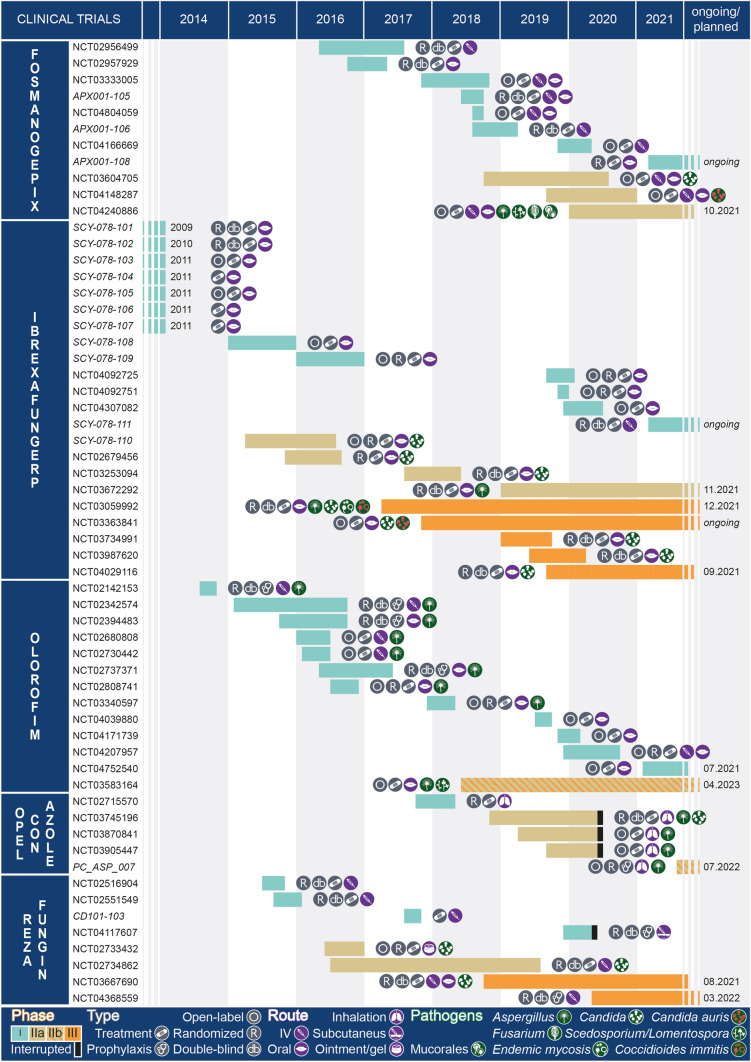
“At this time, it is in phase 1 and 2a clinical trials (ClinicalTrials.gov Identifier: NCT02715570, NCT03745196, NCT03870841, NCT05037851) [78, 79].”
Invasive Mykosen – Innovative Therapien
Mellinghoff, S. C., Cornely, O. A., Mammadova, P., Sprute, R., & Stemler, J. (2024) · Laryngo-Rhino-Otologie · doi:10.1055/a-2341-0404
Self-citationInvasive Fungal Disease in Immunocompromised Children: Current and Emerging Therapies
Brophy‐Williams, S., Ewe, K. Y. H., & Yeoh, D. K. (2024) · Current Infectious Disease Reports · doi:10.1007/s11908-024-00848-6
“Table 2 outlines key characteristics of novel antifungal agents closest to, or in, clinical use (adapted from Stover et al. [58] with permission) [59–61].”
Новикова, В. В., Бобровская, О. В., & Гейн, В. Л. (2024) · Сибирский журнал клинической и экспериментальной медицины · doi:10.29001/2073-8552-2024-39-3-150-155
Zeitlinger, M. A. (2024) · Clinical Microbiology and Infection · doi:10.1016/j.cmi.2024.11.011
Recent Advances in the Management of Aspergillosis
Gupta, C., & Dar, S. A. (2024) · Springer eBooks · doi:10.1007/978-981-97-4909-6_16
Aspergillus Therapeutics: Future Agents
Bansal, Y., Kundu, R., & Singla, N. (2024) · Springer eBooks · doi:10.1007/978-981-97-4909-6_15
Thompson, G. R., & Gómez, B. L. (2023) · Wiley eBooks · doi:10.1002/9781683674849.mcm0126 · Cited by 1
Self-citationLockhart, S. R., & Berkow, E. L. (2023) · Wiley eBooks · doi:10.1002/9781683674849.mcm0133
Management of Chronic Pulmonary Aspergillosis
Bongomin, F., Bromley, M., & Armstrong-James, D. P. H. (2024) · Springer eBooks · doi:10.1007/978-3-031-76524-7_17
Lockhart, S. R., & Berkow, E. L. (2023) · Wiley eBooks · doi:10.1002/9781683670438.mcm0133
Thompson, G. R., & Gómez, B. L. (2023) · Wiley eBooks · doi:10.1002/9781683670438.mcm0126
Self-citationChoudhary, P., & Chhillar, A. K. (2025) · Anti-Infective Agents · doi:10.2174/0122113525358342250120105938
Antifungal Agents and Therapeutic Approaches in the Treatment of Invasive Fungal Infections
Choudhary, P., Punia, A., Kumari, S., & Chhillar, A. K. (2025) · Current Bioactive Compounds · doi:10.2174/0115734072368372250203055808
dos Reis, T. F., Delbaje, E., Pinzan, C. F., Bastos, R. W., Ackloo, S. Z., Fallah, S., Laflamme, B., Robbins, N., Cowen, L. E., & Goldman, G. H. (2025) · Microbiology Spectrum · doi:10.1128/spectrum.03318-24 · Cited by 2
“Decades of poor progress in drug development have resulted in only a few antifungal agents in different stages of development, with some in clinical trials or under approval from regulatory agencies (58, 59).”
Jain, D., Arora, V. M., & Kakkar, P. (2025) · Journal of Clinical Infectious Disease Society · doi:10.4103/cids.cids_32_24
Wichmann, D., Hoenigl, M., Koehler, P. A., Koenig, C., Lund, F., Mang, S., Strauß, R., Weigand, M. A., Hohmann, C., Kurzai, O., et al. (2025) · Medizinische Klinik - Intensivmedizin und Notfallmedizin · doi:10.1007/s00063-025-01265-w
Self-citationБеломеря, В., Bocharova, K. A., Юрченко, А., Валерьевна, П. Е., & Русланович, Б. А. (2025) · Microbiology Independent Research Journal (MIR Journal) · doi:10.18527/2025121118.ru
Promising Role of Fruitless Wolfberry Bud Tea in Combating Nakaseomyces glabratus Resistance
Zhang, L., Ma, Z., Zhou, X., Zhang, Z., & Wu, T. (2025) · Pathogens · doi:10.3390/pathogens14040351 · Cited by 1
“Combination therapy is a promising strategy for enhancing the efficacy of antimy ‐ cotic agents and mitigating the development of drug ‐ resistant Candida species [33,34]. group.”
Li, J., Zhu, Q., Yan, H., Ma, T., & An, Y. (2025) · Diagnostic Microbiology and Infectious Disease · doi:10.1016/j.diagmicrobio.2025.116864
Беломеря, В., Bocharova, K. A., Yurchenko, A., Валерьевна, П. Е., & Burtsev, A. S. (2025) · Microbiology Independent Research Journal (MIR Journal) · doi:10.18527/2025121116
“The WHO has successfully used multiple-criteria decision analysis (MCDA) to compile lists of priority bacterial pathogens (2017) and diseases (2018) [6].”
Metadata
- Authors
- Hoenigl, M., Sprute, R., Egger, M., Arastehfar, A., Cornely, O. A., Krause, R., Lass-Flörl, C., Prattes, J., Spec, A., Thompson, G. R., Wiederhold, N., & Jenks, J. D.
- Affiliations
- Medical University of Graz (AT)
- University of Cologne (DE)
- Hackensack Meridian Health (US)
- Washington University in St. Louis (US)
- University of California Davis Medical Center (US)
- The University of Texas at San Antonio Health Science Center (US)
- University of California San Diego (US)
- Corresponding author
- Hoenigl, Martin
- ORCID
- Venue
- Drugs
- Published
- 2021-10
- Volume
- 81
- Issue
- 15
- Pages
- 1703-1729
- ISSN
- 0012-6667 (ISSN-L)
- 1179-1950
- PMC
- PMC8501344
- OpenAlex
- W3202074216
- Cited by
- 467
- References
- 188
- Citations by year
- 2026: 78 · 2025: 116 · 2024: 117 · 2023: 98 · 2022: 54 · 2021: 3
- FWCI
- 7.96
- Type
- journal article
- Language
- en
- Open access
- hybrid
- doi.org
- Licence
- cc-by-nc
- creativecommons.org/licenses/by-nc/4.0 (tdm)
- creativecommons.org/licenses/by-nc/4.0 (vor, 8 d)
- Locations
- Drugs (publishedVersion, cc-by-nc)
- PubMed Central (publishedVersion, cc-by-nc)
- PubMed (publishedVersion)
- Kölner Universitäts PublikationsServer (Universität zu Köln) (publishedVersion)
- eScholarship (California Digital Library) (submittedVersion, cc-by-nc)
- Digital Commons@Becker (Washington University School of Medicine) (submittedVersion, cc-by-nc)
- eScholarship (California Digital Library) (submittedVersion)
- Funders
- national institute of allergy and infectious diseases (UL1TR001442)
- Medical University of Graz
- Topics
- Health Sciences › Medicine › Infectious Diseases › Antifungal resistance and susceptibility
- Life Sciences › Agricultural and Biological Sciences › Plant Science › Fungal Plant Pathogen Control
- Health Sciences › Medicine › Infectious Diseases › Fungal Infections and Studies
- Keywords
- antifungal drug development, fosmanogepix, ibrexafungerp, olorofim, rezafungin, invasive fungal infections, antifungal resistance mechanisms, triterpenoids, triazoles, echinocandins, pharmacokinetics, drug-drug interactions, unmet medical needs
- MeSH terms
- Invasive Fungal Infections, Drug Development, Animals, Antifungal Agents, Drug Interactions, Fungi, Humans, Drug Resistance, Fungal
About these checks
Registry, retraction, Cites and statistics results are computed, not judged, with one exception: a printed reference that no index lists is read once by a model before it counts as a citation error. Claims are extracted by a model and kept only when their quote appears verbatim in the text; each cited source is then checked, with a model’s help, for whether it says what the claim relies on. Those verdicts can be wrong — read the claim’s quote and the cited source before relying on one.
Statistics and arithmetic are recomputed, not judged.
Confidence bands are shown only for fields calibrated on our annotated test set. None is calibrated yet, so no band is shown.
What counts as a claim ›How we measure confidence ›How we check this ›
Are you an author, or do you see a problem with this page? Request a review
Data sources
Bibliographic data: Semantic Scholar, OpenAlex, Crossref.
Contains information from the Semantic Scholar Academic Graph Datasets, made available under the ODC Attribution License (ODC-BY 1.0).
Semantic Scholar’s data is described in: Kinney, R., et al. (2023). The Semantic Scholar Open Data Platform. arXiv:2301.10140.
