

New Insights into the Interaction of Carbohydrate and Fat Metabolism During Exercise
Open accessThe DOI matches its Crossref record; 62 of the 62 references it cites were found in a registry or an index.
Abstract
Fat and carbohydrate are important fuels for aerobic exercise and there can be reciprocal shifts in the proportions of carbohydrate and fat that are oxidized. The interaction between carbohydrate and fatty acid oxidation is dependent on the intracellular and extracellular metabolic environments. The availability of substrate, both from inside and outside of the muscle, and exercise intensity and duration will affect these environments. The ability of increasing fat provision to downregulate carbohydrate metabolism in the heart, diaphragm and peripheral skeletal muscle has been well studied. However, the regulation of fat metabolism in human skeletal muscle during exercise in the face of increasing carbohydrate availability and exercise intensity has not been well studied until recently. Research in the past 10 years has demonstrated that the regulation of fat metabolism is complex and involves many sites of control, including the transport of fat into the muscle cell, the binding and transport of fat in the cytoplasm, the regulation of intramuscular triacylglycerol synthesis and breakdown, and the transport of fat into the mitochondria. The discovery of proteins that assist in transporting fat across the plasma and mitochondrial membranes, the ability of these proteins to translocate to the membranes during exercise, and the new roles of adipose triglyceride lipase and hormone-sensitive lipase in regulating skeletal muscle lipolysis are examples of recent discoveries. This information has led to the proposal of mechanisms to explain the downregulation of fat metabolism that occurs in the face of increasing carbohydrate availability and when moving from moderate to intense aerobic exercise.
Overview
The claims and statistics of this paper haven’t been checked yet.
Free: it reads the open-access text and checks the first 5 claims that cite a source we can check. Create a free account to check every claim.
Integrity signals
Registry
Cites
Statistics
Figures
Verification
Claims the paper makes
The claims and statistics of this paper haven’t been checked yet.
Free: it reads the open-access text and checks the first 5 claims that cite a source we can check. Create a free account to check every claim.
Claims other papers make about this one
Each is checked against this paper’s own text: does it say what the citing paper says it does?
The source backs part of the claim, not all of it — or backs it for a different population, condition or comparison.
In the citing paper
“Recent findings indicate that lipolysis is under a hierarchal regulation by ATGL and hormone sensitive lipase (HSL) [8, 9, 17].”
From Understanding the factors that effect maximal fat oxidation. (2018) · cites this paper as [17]
Experimental — accuracy not yet measuredThe source backs part of the claim, not all of it — or backs it for a different population, condition or comparison.
In the citing paper
“However, the body still favors FAox at exercise intensities <65% VO2max [5, 17].”
From Understanding the factors that effect maximal fat oxidation. (2018) · cites this paper as [17]
Experimental — accuracy not yet measuredThe source backs part of the claim, not all of it — or backs it for a different population, condition or comparison.
In the citing paper
“Miotto and colleagues [14] demonstrated that female skeletal muscle has a greater abundance of the fatty acid transporter CD36, a sex difference that results in a greater membrane translocation of the CD36 protein during muscle contraction that helps to explain the heightened rates of lipid metabolism, which occur in females when compared to males during exercise [160,161].”
From International society of sports nutrition position stand: nutritional concerns of the female athlete (2023) · cites this paper as [161]
Experimental — accuracy not yet measuredThe cited source says what the claim attributes to it.
In the citing paper
“High fat diets increase IMTG concentrations while decreasing glycogen levels within muscle [17, 35].”
From Understanding the factors that effect maximal fat oxidation. (2018) · cites this paper as [17]
The cited source says what the claim attributes to it.
In the citing paper
“Alternatively, high CHO diet conditions increase glycogen concentrations while IMTGs decrease [17].”
From Understanding the factors that effect maximal fat oxidation. (2018) · cites this paper as [17]
1 more claim about this paper
Create a free account to see every claim other papers make about this one.
Self-check
Percentages, sums and reported differences re-computed from the paper’s own numbers.
The self-check needs the paper’s full text.
Citations
Cites
1 retracted
Watt, M. J., van Denderen, B. J. W., Castelli, L. A., Bruce, C. R., Hoy, A. J., Kraegen, E. W., Macaulay, L., & Kemp, B. E. (2008) · Molecular Endocrinology · doi:10.1210/me.2007-0485 · Cited by 37 · cited 4×
“In rodent skeletal muscle at rest, M-CoA levels are highest and are believed to inhibit the transfer of LCFAs through the CPT complex into the mitochondria.”
BackgroundInfluentialRetractedRandle, P. J., Garland, P. B., Hales, C. N., & Newsholme, E. A. (1963) · The Lancet · doi:10.1016/s0140-6736(63)91500-9 · Cited by 5,093 · cited 2×
“By combining the findings from their isolated muscle experiments with the test-tube enzyme studies, Randle and colleagues [5, 6] established the mechanistic basis for their G–FA cycle, which explained how increased fat availability downregulated carbohydrate oxidation.”
BackgroundResultFat Mobilization in Adipose Tissue Is Promoted by Adipose Triglyceride Lipase
Zimmermann, R., Strauss, J. G., Haemmerle, G., Schoiswohl, G., Birner-Gruenberger, R., Riederer, M., Lass, A., Neuberger, G., Eisenhaber, F., Hermetter, A., et al. (2004) · Science · doi:10.1126/science.1100747 · Cited by 2,116 · cited 8×
“There is no information regarding whether the newly identified ATGL [27] is affected by insulin, but ATGL content increased twofold in human skeletal muscle following 8 weeks of exercise training [28].”
BackgroundInfluentialRomijn, J. A., Coyle, E. F., Sidossis, L. S., Gastaldelli, A., Horowitz, J. F., Endert, E., & Wolfe, R. R. (1993) · American Journal of Physiology-Endocrinology and Metabolism · doi:10.1152/ajpendo.1993.265.3.e380 · Cited by 1,747 · cited 2×
“Fat oxidation increases from rest to low- and moderateintensity exercise (maximum at *60–65 % VO2max), but decreases at power outputs above approximately 75 % VO2max [29–31].”
BackgroundThe Mitochondrial Carnitine Palmitoyltransferase System — From Concept to Molecular Analysis
McGarry, J. D., & Brown, N. F. (1997) · European Journal of Biochemistry · doi:10.1111/j.1432-1033.1997.00001.x · Cited by 1,616 · cited 1×
“the relationship between CPT I and malonyl-CoA (MCoA) [43–45].”
BackgroundThe effects of increasing exercise intensity on muscle fuel utilisation in humans
van Loon, L. J. C., Greenhaff, P. L., Constantin‐Teodosiu, D., Saris, W. H. M., & Wagenmakers, A. J. M. (2001) · The Journal of Physiology · doi:10.1111/j.1469-7793.2001.00295.x · Cited by 897
Glatz, J. F. C., Luiken, J. J. F. P., & Bonen, A. (2010) · Physiological Reviews · doi:10.1152/physrev.00003.2009 · Cited by 751 · cited 3×
“Long chain fatty acid transport into skeletal muscle is a highly regulated process involving several LCFA transport proteins [18, 34–37].”
BackgroundRandle, P., Newsholme, E., & Garland, P. (1964) · Biochemical Journal · doi:10.1042/bj0930652 · Cited by 736
STANLEY, J. C. (1981) · British Journal of Anaesthesia · doi:10.1093/bja/53.2.123 · Cited by 731
Gollnick, P. D., Piehl, K., & Saltin, B. (1974) · The Journal of Physiology · doi:10.1113/jphysiol.1974.sp010639 · Cited by 643 · cited 1×
“genolysis, glycolytic flux, PDH activation, and carbohydrate oxidation are all increased during exercise at higher, compared with moderate, exercise power outputs [32, 33].”
Background
Research works printed but not linked: 2
- 1. Hargreaves M. The metabolic systems: carbohydrate metabolism. In: Farrell PA, Joyner MJ, Caiozzo VJ, editors. Advanced exer- cise physiology. 2nd ed. Philadelphia: Lippincott, Williams and Wilkins; 2012. p. 3-391.
- 2. Spriet LL. The metabolic systems: lipid metabolism. In: Farrell PA, Joyner MJ, Caiozzo VJ, editors. Advanced exercise physiology. 2nd ed. Philadelphia: Lippincott, Williams and Wilkins; 2012. p. 392-407.
Cited by
Items 101–200 of 352
Carbohydrate Considerations for Athletes with a Spinal Cord Injury
Ruettimann, B., Perret, C., Parnell, J. A., & Flueck, J. L. (2021) · Nutrients · doi:10.3390/nu13072177 · Cited by 18
“While the absolute size of body CHO stores is limited, they are susceptible to manipulations by dietary intake and exercise training [5,11].”
BackgroundMarini, C. F., Tadger, P., Chávez-Guevara, I. A., Tipton, E., Meucci, M., Николовски, З., Amaro‐Gahete, F. J., & Peric, R. (2022) · International Journal of Environmental Research and Public Health · doi:10.3390/ijerph20010453 · Cited by 16
Combined Effects of Phytochemicals and Exercise on Fatty Acid Oxidation
Kim, J.-H., & Park, Y. (2016) · Physical Activity and Nutrition · doi:10.20463/jenb.2016.0053 · Cited by 16
Zhang, X., Wang, X., Le, S., Ojanen, X., Tan, X. W., Wiklund, P., & Cheng, S. (2020) · Sports Medicine and Health Science · doi:10.1016/j.smhs.2020.05.002 · Cited by 15
Staśkiewicz‐Bartecka, W., Kardas, M., Zydek, G., Zając, A., & Chycki, J. (2024) · Nutrients · doi:10.3390/nu16091332 · Cited by 15
“These results serve as the foundation for some dietary approaches that supply carbohydrates before, during, and following physical activity [95].”
BackgroundJiménez-Alfageme, R., Garrone, F. P., Rodríguez-Sánchez, N., Romero-García, D., Sospedra, I., Giménez-Monzó, D., Ayala-Guzmán, C. I., & Sanz, J. M. M. (2025) · Sports Medicine - Open · doi:10.1186/s40798-024-00801-w · Cited by 15
Nas, A., Büsing, F., Hägele, F. A., Hasler, M., Müller, M. J., & Bosy‐Westphal, A. (2019) · British Journal Of Nutrition · doi:10.1017/s0007114519002551 · Cited by 14
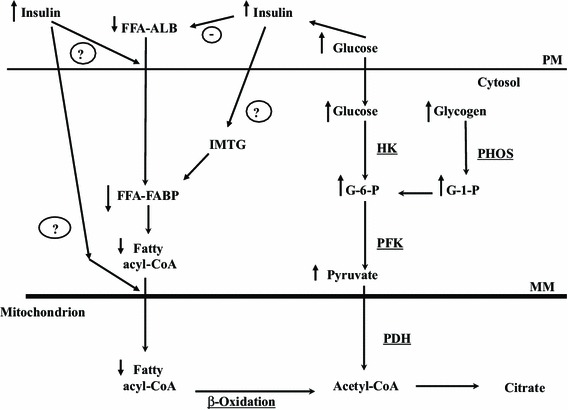
“In addition, it has been suggested that increased insulin concentrations can directly inhibit the transfer of fat through muscle cell and mitochondrial membranes and hence inhibit intramuscular TAG oxidation(36,37).”
BackgroundMitochondrial basis for sex-differences in metabolism and exercise performance
Ferreira, L. F. (2018) · American Journal of Physiology-Regulatory, Integrative and Comparative Physiology · doi:10.1152/ajpregu.00077.2018 · Cited by 14
“Muscle contraction signals the translocation of CD36 to plasma and mitochondrial membranes, which facilitates FFA transport and metabolism (13).”
BackgroundInfluentialIncreased Mass-Specific Maximal Fat Oxidation Rate with Small versus Large Muscle Mass Exercise
Skattebo, Ø., PECI, D., Clauss, M., Johansen, E. I., & JENSEN, J. (2022) · Medicine & Science in Sports & Exercise · doi:10.1249/mss.0000000000002864 · Cited by 13
“6 mole ATP per mole O2 consumed compared with ~5 mole for CHO (25), which may contribute to the lower fractional reliance on fat under O2 delivery-limited conditions such as high exercise intensities (9).”
BackgroundNutritional Recommendations for Athletes
Campbell, S. C., & Wisniewski, P. J. (2017) · Elsevier eBooks · doi:10.1016/b978-0-12-802928-2.00013-8 · Cited by 13
Dodd, F. L., Kennedy, D. O., Stevenson, E., Veasey, R. C., Walker, K., Reed, S., Jackson, P. A., & Haskell‐Ramsay, C. F. (2020) · Nutrition & Metabolism · doi:10.1186/s12986-020-00435-1 · Cited by 13
Yang, M., Zhang, Y., Li, Z., Liu, T., He, J., & Li, J. (2025) · Integrative Zoology · doi:10.1111/1749-4877.12971 · Cited by 12
Maunder, E., Bradley, H., Deane, C. S., Hodgson, A. B., Jones, M., Joanisse, S., Turner, A. M., Breen, L., Philp, A., & Wallis, G. A. (2021) · Journal of Applied Physiology · doi:10.1152/japplphysiol.00811.2020 · Cited by 13
Durkalec‐Michalski, K., Zawieja, E. E., Zawieja, B. E., Podgórski, T., Jurkowska, D., & Jeszka, J. (2017) · International Journal of Food Sciences and Nutrition · doi:10.1080/09637486.2017.1411891 · Cited by 12
Nutrition and Hydration for Handball
Molina‐López, J., & Planells, E. (2018) · Springer eBooks · doi:10.1007/978-3-662-55892-8_7 · Cited by 12
Ortega-Santos, C. P., Barba‐Moreno, L., Cupeiro, R., & Lozano, A. B. P. (2018) · Journal of Human Sport and Exercise · doi:10.14198/jhse.2018.133.07 · Cited by 12
“In turn, modifying the energetic environment of intra-myocellular and extra-myocellular determined the interaction between CHO and fat oxidation at a given exercise intensity (Spriet, 2014).”
BackgroundFusagawa, H., Sato, T., Yamada, T., Ashida, Y., Kimura, I., Naito, A., Tokuda, N., Yamauchi, N., Ichise, N., Terashima, Y., et al. (2023) · Journal of Applied Physiology · doi:10.1152/japplphysiol.00226.2023 · Cited by 11
“Malonyl CoA has been reported to be one of the elements that regulate the transfer of fatty acids into mitochondria for fatty acid oxidation during exercise (42).”
BackgroundMoitzi, A. M., Krššák, M., Klepochová, R., Triska, C., Csapo, R., & König, D. (2024) · Sports Medicine - Open · doi:10.1186/s40798-024-00705-9 · Cited by 11
“As exercise intensity increases, carbohydrates become the preferred energy source because energy provision of fats does no longer provide sufficient energy per unit of time in the form of adenosine triphosphate (ATP) for muscle contractions [11–13].”
BackgroundCarrillo‐Arango, H. A., Atencio‐Osorio, M. A., López‐Álban, C. A., Nava‐González, E. J., Correa‐Rodríguez, M., Izquierdo, M., & Ramírez‐Vélez, R. (2023) · Physiological Reports · doi:10.14814/phy2.15555 · Cited by 10
“In addition to fats, it is known that carbohydrates are simultaneously oxidized during energy production (Spriet, 2014).”
BackgroundDietary Fat and Sports Performance
Puglisi, M. (2019) · Nutrition and Enhanced Sports Performance · doi:10.1016/b978-0-12-813922-6.00047-3 · Cited by 10
Small, S. D., & Margolis, L. M. (2021) · Advances in Nutrition · doi:10.1093/advances/nmab124 · Cited by 10
Association Among Different Aerobic Threshold Markers and FATmax in Men With Obesity
Chávez-Guevara, I. A., Hernández‐Torres, R. P., Trejo-Trejo, M., Moreno-Brito, V., González-Rodríguez, E., & Ramos‐Jiménez, A. (2022) · Research Quarterly for Exercise and Sport · doi:10.1080/02701367.2022.2065235 · Cited by 10
“, 2008) may be used for indirect FATmax determination as both markers indicate a metabolic transition point where glycolytic flux exponentially increases reducing fat oxidation due to several molecular mechanisms reported elsewhere (Sahlin, 2009; Spriet, 2014).”
BackgroundMethodCalorie Restriction Rescues Mitochondrial Dysfunction in Adck2-Deficient Skeletal Muscle
Hernández‐Camacho, J. D., Fernández‐Ayala, D. J. M., Vicente‐García, C., Navas‐Enamorado, I., López‐Lluch, G., Oliva, C., Artuch, R., García‐Villoria, J., Ribes, A., de Cabo, R., et al. (2022) · Frontiers in Physiology · doi:10.3389/fphys.2022.898792 · Cited by 10
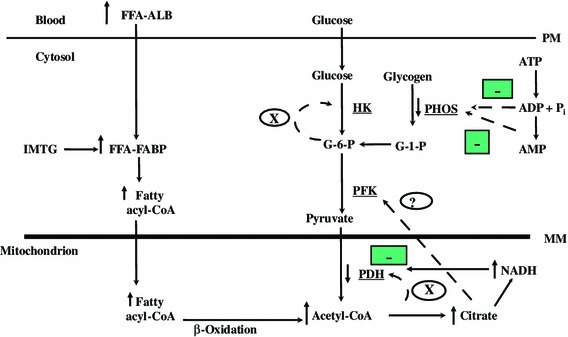
“Additionally, the rise in fatty acids oxidation induces the citrate-dependent inhibition of phosphofructokinase and GLUT4, reducing glucose catabolism (Muoio, 2014; Spriet, 2014; Smith et al., 2018; González et al., 2020).”
BackgroundEffects of Wild Blueberries on Fat Oxidation Rates in Aerobically Trained Males
Pilolla, K. D., Armendariz, J., Burrus, B. M., Baston, D. S., McCarthy, K. A., & Bloedon, T. K. (2023) · Nutrients · doi:10.3390/nu15061339 · Cited by 10
Abdominal aerobic endurance exercise reveals spot reduction exists: A randomized controlled trial
Brobakken, M. F., Krogsæter, I., Helgerud, J., Wang, E., & Hoff, J. (2023) · Physiological Reports · doi:10.14814/phy2.15853 · Cited by 10
“…relatively high training intensity indicates a greater reliance on carbohydrate as the substrate of choice during exercise (Romijn et al., 1993), as fat is a significantly less O 2 -efficient fuel, yielding ~ 4.6 mole ATP per mole O 2 consumed compared to ~ 5 mole for carbohydrate (Spriet, 2014).”
BackgroundInfluentialBădău, D., Bacârea, A., Ungur, R. N., Bădău, A., & Martoma, A. M. (2016) · Revista română de medicină de laborator · doi:10.1515/rrlm-2016-0008 · Cited by 10
KATRA, H., Günar, B. B., Korkmaz, N., & ÖZÇELİK, O. (2022) · Gazi Beden Eğitimi ve Spor Bilimleri Dergisi · doi:10.53434/gbesbd.1008883 · Cited by 10
Zdzieblik, D., Friesenborg, H., Gollhofer, A., & König, D. (2022) · International Journal of Food Sciences and Nutrition · doi:10.1080/09637486.2022.2091525 · Cited by 10
“With increasing intensity and rising energy requirements, the provision of energy by carbohydrates becomes more and more important (Yeo et al. 2011; Spriet 2014).”
BackgroundInfluentialDietary Manipulations Concurrent to Endurance Training
Rothschild, J. A., & Earnest, C. P. (2018) · Journal of Functional Morphology and Kinesiology · doi:10.3390/jfmk3030041 · Cited by 10
“Fat metabolism during exercise is a complex process involving many sites of regulation that may be affected by dietary intake including the release of free fatty acids (FFA) from adipose tissue and delivery to working muscle, transport of fat into the cell, binding and transport of fat in the cytoplasm, transport of f…”
BackgroundBroad, A. A., Howe, G. J., McKie, G. L., Vanderheyden, L. W., & Hazell, T. J. (2019) · Applied Physiology, Nutrition, and Metabolism · doi:10.1139/apnm-2019-0510 · Cited by 10
“Although research shows that exercising 411 in the fasted state leads to greater fat oxidation during endurance exercise than the fed state (Coyle 412 et al. 1997; Horowitz et al. 1997; Jeukendrup 2003; Spriet 2014; Vieira et al. 2016), it is not 413 possible to measure fat oxidation during or immediately after SIT wi…”
BackgroundVettori, A., Paolacci, S., Maltese, P. E., Herbst, K. L., Cestari, M., Michelini, S., Michelini, S., Samaja, M., & Bertelli, M. (2021) · Lymphatic Research and Biology · doi:10.1089/lrb.2020.0057 · Cited by 9
“70 As reported in Table 2, several SNPs identified in the PGC-1 a , PPAR a , PPAR d , NRF-2, and TFAM genes are associated with improved sporting performance in endurance athletes.”
Cardiorespiratory responses: Pilates compared to different walking speeds in healthy adults
Gultekin, S. C., Kahraman, B. Ö., & Kahraman, T. (2023) · Irish Journal of Medical Science (1971 -) · doi:10.1007/s11845-023-03468-6 · Cited by 9
Kim, E., Lee, Y.-R., Lee, E.-H., Jeong, H., Kang, B. S., Kim, B.-H., Park, S., & Shim, J. (2023) · International Journal of Biological Macromolecules · doi:10.1016/j.ijbiomac.2023.126107 · Cited by 9
Nutritional Therapy for Athletes with Diabetes
Cannata, F., Vadalà, G., Ambrosio, L., Papalia, R., & Napoli, N. (2020) · Journal of Functional Morphology and Kinesiology · doi:10.3390/jfmk5040083 · Cited by 9
The Effect of Training on Skeletal Muscle and Exercise Metabolism
MacInnis, M. J., Egan, B., & Gibala, M. J. (2022) · Physiology in health and disease · doi:10.1007/978-3-030-94305-9_10 · Cited by 9
Maximal Fat Metabolism Explained by Lactate-Carbohydrate Model
AlKhatib, A. H. (2022) · Physiologia · doi:10.3390/physiologia2040011 · Cited by 9
“…sigmoid function of glycolysis, oxidative rate and lactate availability [36], linking BLC accumulation glycolytic mechanisms with a shift towards the reliance on CHO at higher exercise intensities, which is reflected by changes in relCHO variations near the maximal lactate steady state [2,9,15,16].”
BackgroundRuiz‐Alias, S. A., García‐Pinillos, F., Jaén‐Carrillo, D., & Pérez‐Castilla, A. (2022) · Journal of Sports Sciences · doi:10.1080/02640414.2022.2103615 · Cited by 9
“Since subjects followed their habitual dietary pattern and were trained on their different free time, carbohydrate availability (Spriet, 2014) and circadian rhythm (Gabriel & Zierath, 2019) were potential confounders that were not controlled and might have influenced fat oxidation.”
BackgroundBarnes, K. R., Kilding, A. E., Blagrove, R. C., Howatson, G., Hayes, P. R., Boone, J., Bourgois, J., Fletcher, J. R., MacIntosh, B. R., González‐Mohíno, F., et al. (2018) · Journal of Applied Physiology · doi:10.1152/japplphysiol.00638.2018 · Cited by 9
Burke, L. M., Sharma, A. P., Heikura, I. A., Forbes, S. F., Holloway, M., McKay, A. K. A., Bone, J. L., Leckey, J. J., Welvaert, M., & ROSS, M. L. R. (2020) · PLoS ONE · doi:10.1371/journal.pone.0235592 · Cited by 9
Hu, L., Feng, H., Han, J., Han, Q., & Zhang, Y. (2025) · BMC Sports Science Medicine and Rehabilitation · doi:10.1186/s13102-025-01105-6 · Cited by 8
“Besides, the increased skeletal muscle mass also enhanced the ability to take up glucose into muscle, thus increased insulin sensitivity of the body [45].”
Adipocytes are present at human and murine myotendinous junctions
Jakobsen, J. R., Jakobsen, N. R., Mackey, A. L., Knudsen, A. B., Hannibal, J., Koch, M., Kjær, M., & Krogsgaard, M. R. (2020) · Translational Sports Medicine · doi:10.1002/tsm2.212 · Cited by 8
Feidantsis, K. G., Michaelidis, B., Raitsos, D. Ε., & Vafidis, D. (2020) · Marine Ecology Progress Series · doi:10.3354/meps13565 · Cited by 9
Muller, G. Y., Matos, F. D. O., Perego, J. E., Kurauti, M. A., & Pedrosa, M. M. D. (2022) · Applied Physiology, Nutrition, and Metabolism · doi:10.1139/apnm-2021-0721 · Cited by 8
Chávez-Guevara, I. A., Peric, R., Amaro‐Gahete, F. J., & Ramos‐Jiménez, A. (2024) · Research Quarterly for Exercise and Sport · doi:10.1080/02701367.2024.2311641 · Cited by 8
“…et al. (2021), such fat utilization decrement during the initial 15 minutes of steady-state exercise at FATmax is associated to lactate-stimulated acidosis, a phenomenon that may reduce fat oxidation through the inhibition of carnitine palmitoyl transferase 1 (Frangos et al., 2023; Spriet, 2014).”
Training, Changes in Nutritional Requirements and Dietary Support of Physical Exercise
Margaritis, I. (2018) · Elsevier eBooks · doi:10.1016/b978-0-12-810422-4.00012-9 · Cited by 9
Nguyen, M. K., Moon, J., & Lee, Y. (2020) · Biomass and Bioenergy · doi:10.1016/j.biombioe.2020.105619 · Cited by 8
Can power and anaerobic capacity reduce according to disordered eating behaviors in cyclists?
Fortes, L. D. S., Mendonça, L. C. V., Paes, P. P., Vianna, J. M., & Diefenthaeler, F. (2017) · Motriz Revista de Educação Física · doi:10.1590/s1980-6574201700010009 · Cited by 8
González‐Haro, C. (2019) · Physiological Reports · doi:10.14814/phy2.14053 · Cited by 8
“In endurance activities, when skeletal muscle and liver glycogen availability decrease, fat utilization increases in an attempt to keep up with energy demand (Spriet 2014).”
BackgroundAparecido, J. M. L., Marquezi, M. L., Couto, H. L. D. O., Santos, T. M. D. S., Cruz, A. F. C., Lopes, N. B., Cascapera, M. S., Xavier, V. B., Kochi, C., Alves, V. L. D. S., et al. (2022) · International Journal of Environmental Research and Public Health · doi:10.3390/ijerph191710568 · Cited by 7
“However, this greater availability would stimulate acetyl-CoA and citrate production, which leads to inhibition of hexokinase enzymes, phosphofructokinase and dehydrogenase pyruvate and consequently to a limitation in CHOox, as seen in the present study [31,32].”
BackgroundPredictors of Fat Oxidation and Caloric Expenditure With and Without Weighted Vest Running
Purdom, T. M., Mermier, C. M., Dokładny, K., Moriarty, T. A., Lunsford, L., Cole, N. H., Johnson, K. E., & Kravitz, L. R. (2019) · The Journal of Strength and Conditioning Research · doi:10.1519/jsc.0000000000003049 · Cited by 7
“Furthermore, increasing dietary fat consumption has been shown to increase serum FA concentrations, intramuscular triacylglyceride (IMTG) concentrations, and FAox (29,37,38).”
BackgroundThe regulation of mitochondrial substrate utilization during acute exercise
Petrick, H. L., & Holloway, G. P. (2019) · Current Opinion in Physiology · doi:10.1016/j.cophys.2019.04.021 · Cited by 7
A Single Bout of Ultra-Endurance Exercise Reveals Early Signs of Muscle Aging in Master Athletes
Coudy‐Gandilhon, C., Gueugneau, M., Chambon, C., Taillandier, D., Combaret, L., Polge, C., Millet, G. Y., Féasson, L., & Béchet, D. (2022) · International Journal of Molecular Sciences · doi:10.3390/ijms23073713 · Cited by 7
“Skeletal muscle thereby plays an important role in many physiological processes, including carbohydrate metabolism, fatty acid oxidation and thermogenesis [3].”
Zhou, P., Hu, Z., Kim, T.-S., Kim, Y., Leng, Z., & Choi, M. (2025) · Life · doi:10.3390/life15091401 · Cited by 6
“…elevated expression of fatty acid transport proteins such as CD36, and enhanced intramuscular triacylglyceride (IMTG) mobilization through hormone-sensitive lipase (HSL) activity, collectively contributing to greater reliance on lipid metabolism during exercise in the “fat-burning zone” [60].”
Dean, E., Osborne, A., Subar, D. A., Hendrickse, P. W., & Gaffney, C. J. (2025) · Experimental Physiology · doi:10.1113/ep093136 · Cited by 6
Pattamaprapanont, P., Nava, R. C., Grover, R., Formato, M., Cooney, E. M., Pinto, A. P., Alves-Wagner, A. B., Das, A., Guan, Y., Annambhotla, M., et al. (2026) · Nature Communications · doi:10.1038/s41467-026-69349-5 · Cited by 6
Contreras, M. M., Garcia, A. I. P., Ramos‐Jiménez, A., Torres, R. P. H., & Chavez-Guevara, I. A. (2023) · Retos · doi:10.47197/retos.v47.95197 · Cited by 6
Combined effects of exercise training and D‐allulose intake on endurance capacity in mice
Tsuzuki, T., Suzuki, R., Kajun, R., Yamada, T., Iida, T., Liu, B., Koike, T., Toyoda, Y., Negishi, T., & Yukawa, K. (2022) · Physiological Reports · doi:10.14814/phy2.15297 · Cited by 6
Knudsen, C. B., Nielsen, J., Ørtenblad, N., Mohr, M., Overgaard, K., & Vigh-Larsen, J. F. (2023) · American Journal of Physiology-Endocrinology and Metabolism · doi:10.1152/ajpendo.00298.2023 · Cited by 6
Relationship between Gut-Microbiota and Sport Activity
Mokarrami, A., Capacci, A., Trio, B., Merra, G., & Canosci, D. D. M. (2024) · Central European Journal of Sport Sciences and Medicine · doi:10.18276/cej.2024.1-03 · Cited by 6
“They encourage the fermentation of carbohydrates in the colon to create short-chain fatty acids from partially digested food (Elliott-Sale et al., 2018; Spriet, 2014; Philp et al., 2012).”
BackgroundNavas‐Carretero, S., San-Cristóbal, R., Álvarez‐Álvarez, I., Celis-Morales, C. A., Livingstone, K. M., O’Donovan, C. B., Mavrogianni, C., Lambrinou, C. P., Μanios, Y., Traczyk, I., et al. (2021) · Lifestyle Genomics · doi:10.1159/000515068 · Cited by 6
Nganvongpanit, K., Ruamrungsri, N., Tepsoontorn, B., Yano, T., Siengdee, P., & Kongsawasdi, S. (2016) · The Thai Journal of Veterinary Medicine · doi:10.56808/2985-1130.2785 · Cited by 6
“Research has demonstrated that the regulation of fat metabolism is complex and involves many sites of control, including the transport of fat into the myofibril cells and mitochondria, the binding and transport of fat from the cell membrane in the cytoplasm, and the regulation of intramuscular triacylglycerol synthesi…”
BackgroundMuscle Free Fatty-Acid Uptake Associates to Mechanical Efficiency During Exercise in Humans
Laaksonen, M. S., Kyröläinen, H., Kemppainen, J., Knuuti, J. M., & Kalliokoski, K. K. (2018) · Frontiers in Physiology · doi:10.3389/fphys.2018.01171 · Cited by 6
“…between skeletal muscle fatty acid uptake during one-legged knee-extension exercise and mechanical efficiency during cycling in the entire study population (white circles represents efficient participants and black circles represents inefficient participants). plasma membrane (Spriet, 2014).”
BackgroundMcCue, A., Munten, S., Herzig, K., & Gagnon, D. D. (2021) · Journal of Thermal Biology · doi:10.1016/j.jtherbio.2021.102912 · Cited by 5
Effect of body composition on the athletic performance of soccer referees
Ilhan, A., Müniroğlu, S., & Rakıcıoğlu, N. (2023) · Journal of Nutritional Science · doi:10.1017/jns.2023.47 · Cited by 5
“Adequate carbohydrate intake is important for optimal physical performance as it is the key element for the brain, central nervous system and muscles to perform various movements((24)).”
BackgroundChávez-Guevara, I. A., González-Rodríguez, E., Moreno-Brito, V., Pérez-León, J. A., Amaro‐Gahete, F. J., Trejo-Trejo, M., & Ramos‐Jiménez, A. (2024) · European Journal of Applied Physiology · doi:10.1007/s00421-023-05407-w · Cited by 5
“In complement, lactate accumulation contributes to fat oxidation rate and adipose tissue lipolysis downregulation by inhibiting carnitine palmitoyl transferase 1 and adenylyl cyclase, respectively (Spriet 2014; Rooney and Trayhurn 2011).”
Sakr, H. I., Amen, M. A., Rashed, L. A., Khowailed, A. A., Sayed, H. A., Motawee, M. E. E., Sakr, H., & Khalifa, M. M. (2020) · Archives of Medical Science · doi:10.5114/aoms.2020.99023 · Cited by 5
“The fatty acid oxidation is increased during low-intensity exercise and progressively decreases when the exercise intensity is further increased [53].”
BackgroundWen, Q., Mao, X., Wen, J., Yang, X.-J., Chen, J., Han, H., Tang, X., & Ma, Q.-H. (2024) · Lipids in Health and Disease · doi:10.1186/s12944-024-02210-0 · Cited by 6
“Fatty acid oxidation decreases after carbohydrate intake but increases during physical activity [45].”
BackgroundAspects of nutriment in maintaining gum wellbeing:A literature review
Dattani, V., Patel, H., Ahmad, R., Sinha, S., Girdhar, G. A., Shetty, A., Haque, M., Kumar, S., & Chowdhury, K. (2024) · Journal of Applied Pharmaceutical Science · doi:10.7324/japs.2024.1704606786 · Cited by 5
Efeito de um período de polimento sobre o estado de humor de nadadores
Fortes, L. D. S., Ferreira, M. E. C., de Oliveira, S. F. M., & Vieira, L. F. (2017) · Revista Brasileira de Educação Física e Esporte · doi:10.11606/1807-5509201700030535 · Cited by 5
Gao, Y. (2017) · Jyväskylä University Digital Archive (University of Jyväskylä) · Cited by 5
Kissow, J., Jacobsen, K. J., Jessen, S., Thomsen, L. B., Quesada, J. P., Bangsbo, J., Deshmukh, A. S., & Hostrup, M. (2025) · Molecular & Cellular Proteomics · doi:10.1016/j.mcpro.2025.101053 · Cited by 5
Training-Induced Metabolic Adaptations in Skeletal Muscle
García-Domínguez, E., Gómez‐Cabrera, M. C., & González, G. O. (2025) · Advances in experimental medicine and biology · doi:10.1007/978-3-031-88361-3_21 · Cited by 4
Pang, S., Dongye, Y., Bi, Y., & Wang, J. (2025) · American Heart Journal Plus Cardiology Research and Practice · doi:10.1016/j.ahjo.2025.100639 · Cited by 4
“MacKinnon HJ showed that the amount of physical activity can potentially be modified, with insufficient levels and reduced physical capabilities linked to higher mortality rates and negative clinical outcomes, including the deterioration of kidney function [6,34].”
InfluentialPDK4 is critical for metabolic regulation and progesterone production in bovine granulosa cells
Tao, X., Koczan, D., Brenmoehl, J., Vanselow, J., & Baddela, V. S. (2025) · Biology of Reproduction · doi:10.1093/biolre/ioaf238 · Cited by 4
“Under conditions of stimulated fatty acid oxidation, PDK4 gene expression is increased via PPAR signaling [37], and elevated levels of citrate inhibit phosphofructokinase and glucose transporters, hindering glucose uptake, and utilization [38].”
Wibom, R., Alsina, D., Naess, K., Engvall, M., Freyer, C., Wedell, A., & Wredenberg, A. (2025) · Analytical Biochemistry · doi:10.1016/j.ab.2025.116004 · Cited by 4
Nijholt, K. T., Voorrips, S. N., Sánchez-Aguilera, P., & Westenbrink, B. D. (2023) · Current Opinion in Physiology · doi:10.1016/j.cophys.2023.100656 · Cited by 4
Tipton, M. (2024) · Experimental Physiology · doi:10.1113/ep092295 · Cited by 4
Kruszewski, M., Kruszewski, A., Tabęcki, R., Kuźmicki, S., Stec, K., Ambroży, T., Aksenov, M. O., Merchelski, M., & Danielik, T. (2024) · Advances in Medical Sciences · doi:10.1016/j.advms.2024.02.008 · Cited by 4
Zdzieblik, D., Waldvogel, T., Zierke, A., Gollhofer, A., & König, D. (2024) · Nutrition and Metabolic Insights · doi:10.1177/11786388241299896 · Cited by 4
Gerber, M., Jakowski, S., Kellmann, M., Cody, R., Gygax, B., Ludyga, S., Müller, C., Ramseyer, S., & Beckmann, J. (2023) · Psychology of sport and exercise · doi:10.1016/j.psychsport.2023.102442 · Cited by 4
Schlickmann, D. D. S., Molz, P., Uebel, G. C., dos Santos, C., Brand, C., Colombelli, R. A. W., da Silva, T. G., Steffens, J. P., Castilhos, E. D. S. L., Benito, P. J., et al. (2023) · Mutation Research/Genetic Toxicology and Environmental Mutagenesis · doi:10.1016/j.mrgentox.2023.503660 · Cited by 4
Margolis, L. M., Marlatt, K. L., Berryman, C. E., Howard, E. E., Murphy, N. E., Carrigan, C. T., Harris, M. N., Beyl, R. A., Ravussin, É., Pasiakos, S. M., et al. (2022) · Medicine & Science in Sports & Exercise · doi:10.1249/mss.0000000000003089 · Cited by 4
“Given the high level of daily aerobic exercise and increases associations between activity factor and 24-h energy expenditure during deficit, shifts in substrate oxidation seem to be primarily driven by exercise-induced adaptations (33,34).”
BackgroundDewangga, M. W., Faozi, E., Wilger, R. V., & Medistianto, T. N. R. (2024) · Retos · doi:10.47197/retos.v56.104022 · Cited by 4
“Carbohydrate and lipid oxidation significantly increases energy needs during exercise (Spriet, 2014).”
BackgroundTaghipoor, M., van Milgen, J., & Gondret, F. (2016) · Journal of Theoretical Biology · doi:10.1016/j.jtbi.2016.06.014 · Cited by 3
Zhang, J., Li, Y., Cai, M., Xiao, J., Liu, Y., Wu, B., Qianrige, Ma, Z., Xiang, H., Feng, X., et al. (2026) · Foods · doi:10.3390/foods15040636 · Cited by 3
Waśkiewicz, Z. (2026) · Nutrients · doi:10.3390/nu18060998 · Cited by 3
“Carnivore and animal-based diets, through their extreme reduction of carbohydrate intake, may constrain this flexibility, with direct consequences for the ability to perform complex training loads [47].”
Endurance exercise: a model of physiological integration
Calderón‐Montero, F. J., Ramos-Álvarez, J. J., & Capellá, I. L. (2021) · Archivos de medicina del deporte: revista de la Federación Española de Medicina del Deporte y de la Confederación Iberoamericana de Medicina del Deporte · doi:10.18176/archmeddeporte.00062 · Cited by 3
Rezk, E., & Elgendy, M. S. A. (2024) · Bulletin of the National Nutrition Institute · doi:10.21608/enj.2024.350774 · Cited by 3
“Despite exercise-induced adaptations, maximal oxidation rates may not be fully realized, as they can be further optimized through dietary strategies such as fasting, acute pre-exercise fat intake, and prolonged exposure to high-fat, low-carbohydrate diets (Spriet, 2014).”
BackgroundA Case for and Against Ketogenic Diets in Athletes
Kavalek, M., Gannon, R., & Nelson, M. (2016) · Strength and conditioning journal · doi:10.1519/ssc.0000000000000269 · Cited by 3
“However, CHO use decreases when athletes use KD, most likely through a change in pyruvate dehydrogenase enzyme concentration (11,12).”
BackgroundCancello, R., Lucchetti, E., Gobbi, M., & Brunani, A. (2020) · Springer eBooks · doi:10.1007/978-3-030-32274-8_4 · Cited by 4
(2019) · Journal of Neurology and Psychology · doi:10.13188/2332-3469.1000042 · Cited by 3
“that a balanced fat/carb diet (avoidance of high fat and/or high carb diets) is often appropriate in dietary control [17-19].”
BackgroundPerformance-Based Nutrition for Endurance Training
Liu, S., Hueglin, S., Scaramella, J., & Vitale, K. (2023) · Springer eBooks · doi:10.1007/978-3-031-26600-3_23 · Cited by 3
Dmitruk, A., & Hołub, W. (2024) · Rozprawy Społeczne · doi:10.29316/rs/190734 · Cited by 3
Fukuda, Y., Yamamoto, S., & Kameda, M. (2019) · Journal of Clinical Medicine Research · doi:10.14740/jocmr3976 · Cited by 3
“As a mechanism of weight loss, the proportions of carbohydrates and fats used as energy sources during physical activity have been shown to vary with activity intensity [17-19].”
BackgroundGholizadeh, M., Rahmaninia, F., & Siahkohian, M. (2020) · Science & Sports · doi:10.1016/j.scispo.2018.12.010 · Cited by 3
Schumann, M., Chen, Z., Wang, X., Le, S., Zhang, T., Waller, K. L., & Cheng, S. (2021) · Research in Sports Medicine · doi:10.1080/15438627.2021.1917404 · Cited by 3
Seven Day Dietary Intakes of Female Varsity Ice Hockey Players
Vermeulen, T. F. (2017) · The Atrium (University of Guelph) · Cited by 4
Piatrikova, E. (2017) · Figshare · Cited by 3
Romarate, A., Jauregi, A. P., Feldmann, A., Viribay, A., & Santos‐Concejero, J. (2025) · European Journal of Sport Science · doi:10.1002/ejsc.70025 · Cited by 2
“Although fat oxidation has a higher overall ATP yield, the limited capacity per unit of time to generate ATP drives the need for carbohydrate utilisation (Spriet 2014; Purdom et al. 2018).”
Nutrition and Hydration in Basketball Athletes
Molina‐López, J., & Planells, E. (2020) · Springer eBooks · doi:10.1007/978-3-662-61070-1_6 · Cited by 2
Metadata
- Authors
- Spriet, L. L.
- Affiliations
- University of Guelph (CA)
- Corresponding author
- Spriet, Lawrence L.
- ORCID
- Spriet, Lawrence L.
- Venue
- Sports Medicine
- Published
- 2014-05
- Volume
- 44
- Issue
- S1
- Pages
- 87-96
- ISSN
- 0112-1642 (ISSN-L)
- 1179-2035
- PMC
- PMC4008806
- OpenAlex
- W2000958877
- Cited by
- 271
- References
- 61
- Citations by year
- 2026: 17 · 2025: 20 · 2024: 27 · 2023: 23 · 2022: 31 · 2021: 26 · 2020: 32 · 2019: 27 · 2018: 23 · 2017: 16 · 2016: 19 · 2015: 8 · 2014: 2
- FWCI
- 1.50
- Type
- journal article
- Language
- en
- Open access
- hybrid
- doi.org
- Locations
- Sports Medicine (publishedVersion, cc-by)
- Europe PMC (PubMed Central) (publishedVersion, cc-by)
- PubMed Central (publishedVersion, cc-by)
- PubMed (publishedVersion)
- Funders
- PepsiCo
- Gran Sasso Science Institute
- Canadian Institutes of Health Research
- Natural Sciences and Engineering Research Council of Canada
- Topics
- Health Sciences › Nursing › Nutrition and Dietetics › Muscle metabolism and nutrition
- Health Sciences › Medicine › Physiology (medical) › Cardiovascular and exercise physiology
- Health Sciences › Medicine › Physiology (medical) › Adipose Tissue and Metabolism
- Keywords
- carbohydrate metabolism, fat metabolism, fatty acid oxidation, skeletal muscle, exercise intensity, substrate availability, triglyceride synthesis, lipolysis, adipose triglyceride lipase, hormone-sensitive lipase, fatty acid uptake, mitochondrial fatty acid transport
- MeSH terms
- Animals, Carnitine, Dietary Fats, Fatty Acids, Glucose, Humans, Mitochondria, Muscle, Oxidation-Reduction, Oxygen Consumption, Triglycerides, Exercise, Muscle, Skeletal, Carbohydrate Metabolism, Lipid Metabolism
About these checks
Registry, retraction, Cites and statistics results are computed, not judged, with one exception: a printed reference that no index lists is read once by a model before it counts as a citation error. Claims are extracted by a model and kept only when their quote appears verbatim in the text; each cited source is then checked, with a model’s help, for whether it says what the claim relies on. Those verdicts can be wrong — read the claim’s quote and the cited source before relying on one.
Statistics and arithmetic are recomputed, not judged.
Confidence bands are shown only for fields calibrated on our annotated test set. None is calibrated yet, so no band is shown.
What counts as a claim ›How we measure confidence ›How we check this ›
Are you an author, or do you see a problem with this page? Request a review
Data sources
Bibliographic data: Semantic Scholar, OpenAlex, Crossref.
Contains information from the Semantic Scholar Academic Graph Datasets, made available under the ODC Attribution License (ODC-BY 1.0).
Semantic Scholar’s data is described in: Kinney, R., et al. (2023). The Semantic Scholar Open Data Platform. arXiv:2301.10140.
