

The DOI matches its Crossref record; 44 of the 44 references it cites were found in a registry or an index.
A Comparison of the Energetic Cost of Running in Marathon Racing Shoes
Open accessAbstract
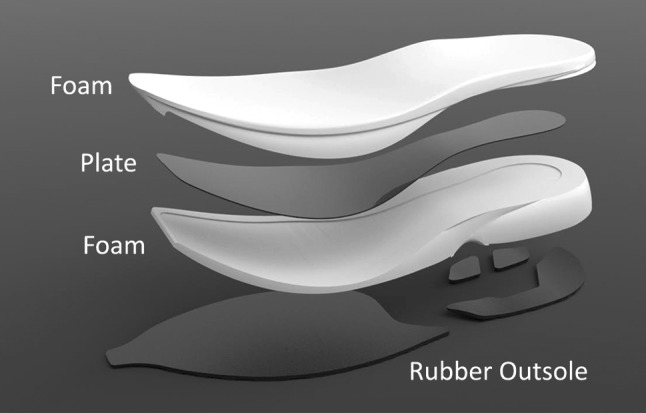
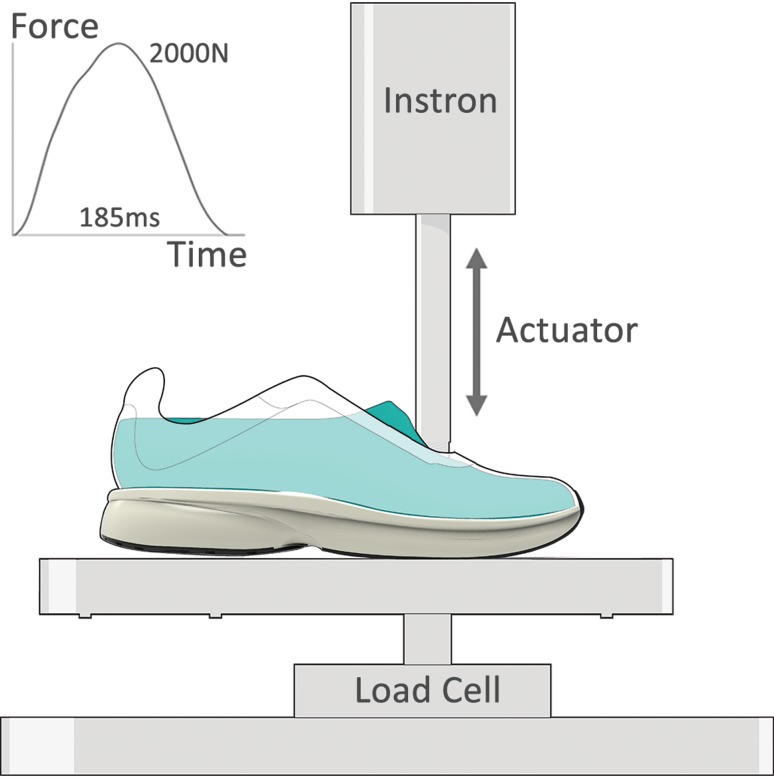
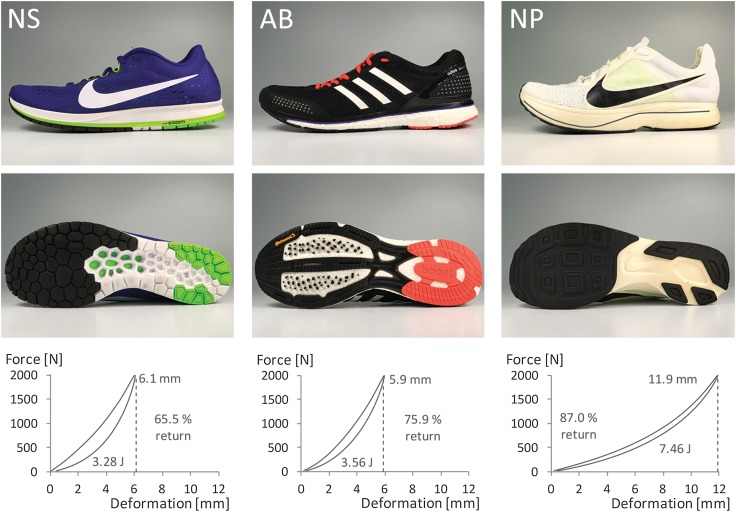
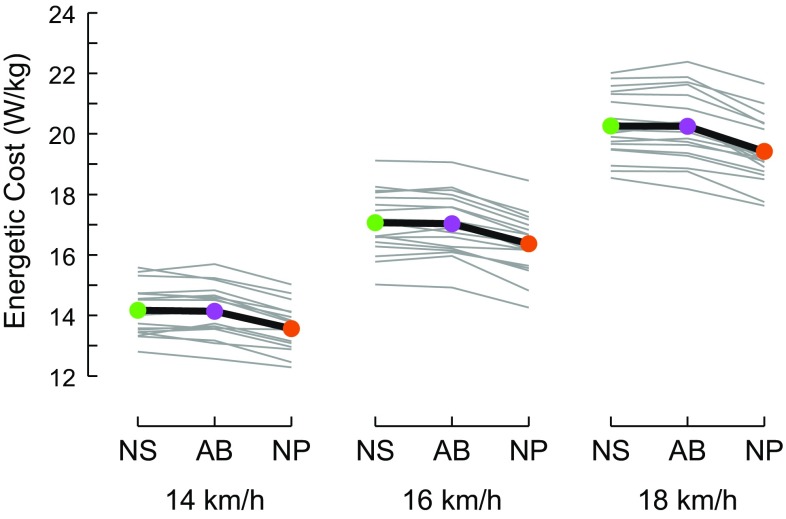
BACKGROUND: Reducing the energetic cost of running seems the most feasible path to a sub-2-hour marathon. Footwear mass, cushioning, and bending stiffness each affect the energetic cost of running. Recently, prototype running shoes were developed that combine a new highly compliant and resilient midsole material with a stiff embedded plate. OBJECTIVE: The aim of this study was to determine if, and to what extent, these newly developed running shoes reduce the energetic cost of running compared with established marathon racing shoes. METHODS: 18 high-caliber athletes ran six 5-min trials (three shoes × two replicates) in prototype shoes (NP), and two established marathon shoes (NS and AB) during three separate sessions: 14, 16, and 18 km/h. We measured submaximal oxygen uptake and carbon dioxide production during minutes 3-5 and averaged energetic cost (W/kg) for the two trials in each shoe model. RESULTS: Compared with the established racing shoes, the new shoes reduced the energetic cost of running in all 18 subjects tested. Averaged across all three velocities, the energetic cost for running in the NP shoes (16.45 ± 0.89 W/kg; mean ± SD) was 4.16 and 4.01% lower than in the NS and AB shoes, when shoe mass was matched (17.16 ± 0.92 and 17.14 ± 0.97 W/kg, respectively, both p < 0.001). The observed percent changes were independent of running velocity (14-18 km/h). CONCLUSION: The prototype shoes lowered the energetic cost of running by 4% on average. We predict that with these shoes, top athletes could run substantially faster and achieve the first sub-2-hour marathon.
Overview
The claims and statistics of this paper haven’t been checked yet.
Run the check — free, no account needed. It reads the open-access text and checks the sources it cites.
Integrity signals
Registry
Cites
Statistics
Figures
Verification
Claims the paper makes
The claims and statistics of this paper haven’t been checked yet.
Run the check — free, no account needed. It reads the open-access text and checks the sources it cites.
Claims other papers make about this one
Each is checked against this paper’s own text: does it say what the citing paper says it does?
In the citing paper
“which achieves a 4% mean reduction in the oxygen cost of running [72].”
Self-check
Percentages, sums and reported differences re-computed from the paper’s own numbers.
The self-check needs the paper’s full text.
Citations
Cites
Maximal Oxygen Intake as an Objective Measure of Cardio-Respiratory Performance
TAYLOR, H. L., BUSKIRK, E. R., & Henschel, A. F. (1955) · Journal of Applied Physiology · doi:10.1152/jappl.1955.8.1.73 · Cited by 1,366 · cited 1×
“Our criterion for reaching _ VO2max was a plateau in oxygen consumption rate after an increase in incline [33].”
BackgroundThe mechanics of running: How does stiffness couple with speed?
McMahon, T. A., & Cheng, G. C. (1990) · Journal of Biomechanics · doi:10.1016/0021-9290(90)90042-2 · Cited by 1,122 · cited 1×
“Though limited, this simplified testing method does provide a clean, general characterization of midsole mechanical energy storage and return capabilities in a direction relevant to the spring-mass behavior of runners [27].”
MethodJustification of the 4-mmol/l lactate threshold
Heck, H., Mader, A., Hess, G., Mücke, S., Müller, R., & Hollmann, W. (1985) · International Journal of Sports Medicine · doi:10.1055/s-2008-1025824 · Cited by 888 · cited 2×
“The remaining 18 subjects were running at an intensity below the onset of blood lactate accumulation (OBLA), which specifies an [La] of 4 mmol/L [28], and the average [La] at 18 km/h was 2.”
BackgroundMethodScaling Body Support in Mammals: Limb Posture and Muscle Mechanics
Biewener, A. A. (1989) · Science · doi:10.1126/science.2740914 · Cited by 865 · cited 1×
“This improves the mechanical advantage of the muscles acting around the joints, which reduces the energetic cost of body weight support [14, 37].”
BackgroundStorage of elastic strain energy in muscle and other tissues
Alexander, R. M., & Bennet-Clark, H. C. (1977) · Nature · doi:10.1038/265114a0 · Cited by 851 · cited 1×
“Other ligaments and tendons of the leg store and return additional energy [39, 40].”
BackgroundThe spring in the arch of the human foot
Ker, R. F., Bennett, M. B., Bibby, S., Kester, R. C., & Alexander, R. M. (1987) · Nature · doi:10.1038/325147a0 · Cited by 780
Derivation of formulae used to calculate energy expenditure in man.
Brockway, J. M. (1987) · PubMed · Cited by 567
McMahon, T. A., Valiant, G., & Frederick, E. C. (1987) · Journal of Applied Physiology · doi:10.1152/jappl.1987.62.6.2326 · Cited by 453
Runners adjust leg stiffness for their first step on a new running surface
Ferris, D. P., Liang, K., & Farley, C. T. (1999) · Journal of Biomechanics · doi:10.1016/s0021-9290(99)00078-0 · Cited by 425 · cited 2×
“When running on compliant surfaces, people maintain their center of mass mechanics by reducing knee flexion during the stance period, which increases leg stiffness [31].”
BackgroundEnergetics and mechanics of human running on surfaces of different stiffnesses
Kerdok, A. E., Biewener, A. A., McMahon, T. A., Weyand, P. G., & Herr, H. (2002) · Journal of Applied Physiology · doi:10.1152/japplphysiol.01164.2000 · Cited by 411 · cited 4×
“Experiments using special treadmills with springy or cushioned surfaces have demonstrated up to 12% energy savings [13, 14] that are attributed to two factors.”
BackgroundInfluential
Research works printed but not linked: 3
- Frederick EC, Daniels JT, Hayes JW. The effect of shoe weight on the aerobic demands of running. In: Bachl N, Prokop L, Suckert R, editors. Curr Top Sports Med Proc World Congr Sports Med. Vienna: Urban and Schwarzenberg; 1984. p. 616–25.
- Frederick EC, Clarke TE, Larsen JL, et al. The effects of shoe cushioning on the oxygen demands of running. In: Nigg BM, Kerr BA, editors. Biomechanical aspects of sports shoes and playing surfaces. Calgary: The University of Calgary; 1983. p. 107–14.
- Frederick EC, Howley ET, Powers SK. Lower O2 cost while running in air-cushion type shoes. Med Sci Sports Exerc. 1980;12:81–2.
Cited by
Sorted by citations
Items 101–200 of 432
Correlation between running asymmetry, mechanical efficiency, and performance during a 10 km run
Melo, C. C., Carpes, F. P., Vieira, T. M., Mendes, T. T., de Paula, L. V., Chagas, M. H., Peixoto, G. H. C., & de Andrade, A. G. P. (2020) · Journal of Biomechanics · doi:10.1016/j.jbiomech.2020.109913 · Cited by 19
No evidence of a performance advantage attributable to midsole thickness
Frederick, E. C. (2019) · Footwear Science · doi:10.1080/19424280.2019.1690327 · Cited by 19
Snyder, K. L., Hoogkamer, W., Triska, C., Taboga, P., Arellano, C. J., & Kram, R. (2020) · Journal of Sports Sciences · doi:10.1080/02640414.2020.1843820 · Cited by 18
“Based on research by Pugh (1971), it has been calculated that tailwind or running behind a team of other runners can benefit an elite marathon runner by 2–3 min or more (Hoogkamer et al. (2017); Hoogkamer, Snyder et al. (2018)).”
BackgroundMethodSelf-citationEffect of the Construction of Carbon Fiber Plate Insert to Midsole on Running Performance
Fu, F., Levadnyi, I., Wang, J., Xie, Z., Fekete, G., Cai, Y., & Gu, Y. (2021) · Materials · doi:10.3390/ma14185156 · Cited by 18
“The full-length embedded carbon fiber plate to midsole would increase the LBS of the shoe [9,10], reducing running economy by about 1% [6].”
BackgroundHoogkamer, W., Snyder, K. L., & Arellano, C. J. (2019) · Sports Medicine · doi:10.1007/s40279-019-01056-2 · Cited by 18
Self-citationCrago, D., Bishop, C., & Arnold, J. B. (2019) · Journal of Sports Sciences · doi:10.1080/02640414.2019.1651582 · Cited by 18
“It is important to note that advances in material science since the conduct of some of the studies in this review have provided footwear with more enhanced energy return properties (Hoogkamer et al., 2018; Worobets, Wannop, Tomaras, & Stefanyshyn, 2014).”
BackgroundInfluentialWind tunnel evaluation of novel drafting formations for an elite marathon runner
Marro, M., Leckert, J., Rollier, E., Salizzoni, P., & Bailly, C. (2023) · Proceedings of the Royal Society A Mathematical Physical and Engineering Sciences · doi:10.1098/rspa.2022.0836 · Cited by 17
The effect of advanced footwear technology on elite male marathon race speed
Langley, J. O., & Langley, B. (2023) · European Journal of Applied Physiology · doi:10.1007/s00421-023-05341-x · Cited by 17
“Differences between the predicted effect of AFT on marathon race speed may be due to Hoogkamer et al. (2017) study determining changes in running economy from short duration trials (5 min) at 14, 16, and 18 km h −1 , in contrast, world-class male marathon runners sustain significantly higher speeds…”
InfluentialPalmowski, Y., Popovic, S., Kosack, D., & Damm, P. (2021) · Scientific Reports · doi:10.1038/s41598-021-89611-8 · Cited by 16
Carbon Plate Shoes Improve Metabolic Power and Performance in Recreational Runners
Nielsen, A., Franch, J., Heyde, C., de Zee, M., Kersting, U. G., & Larsen, R. G. (2022) · International Journal of Sports Medicine · doi:10.1055/a-1776-7986 · Cited by 16
Evolution of distance running shoes: performance, injuries, and rules
Bermon, S. (2021) · The Journal of Sports Medicine and Physical Fitness · doi:10.23736/s0022-4707.21.12728-8 · Cited by 16
An Observational Study of the Effect of Nike Vaporfly Shoes on Marathon PerformancePreprint
Guinness, J., Bhattacharya, D., Chen, J., Chen, M., & Loh, A. (2020) · arXiv (Cornell University) · doi:10.48550/arxiv.2002.06105 · Cited by 16
“ch iteration of the shoes has in common a carbon ber plate stacked inside of a highly responsive foam sole. Several research studies have investigated the magnitude of the Vapor y performance benet. Hoogkamer et al. (2018) and Barnes and Kilding (2019) tested highly trained distance runners in laboratory studies, meas…”
BackgroundBurke, L. M., Hall, R., Heikura, I. A., Ross, M. L., Tee, N., Kent, G. L., Whitfield, J., Forbes, S. F., Sharma, A. P., Jones, A. M., et al. (2021) · Nutrients · doi:10.3390/nu13082767 · Cited by 15
“Indeed, testimonials [12] and studies related to new designs of running shoes [13] and the design of pacemaker formations to minimise air resistance for a targeted runner [14,15] have contributed to the achievement of this feat via the enhancement of running economy.”
BackgroundHamill, J., Knutzen, K. M., & Derrick, T. R. (2021) · Kinesiology Review · doi:10.1123/kr.2021-0015 · Cited by 15
Kinematics of recreational male runners in “super”, minimalist and habitual shoes
Hébert‐Losier, K., Finlayson, S. J., Lamb, P. F., Driller, M. W., Hanzlíková, I., Dubois, B., Esculier, J.-F., & Beaven, C. M. (2022) · Journal of Sports Sciences · doi:10.1080/02640414.2022.2081767 · Cited by 15
“Although this reduced involvement of the triceps surae muscle-tendon unit likely underpins some of the associated metabolic energy savings reported in the literature (Barnes & Kilding, 2019; Hébert-Losier et al., 2020; Hoogkamer et al., 2018; Hunter et al., 2019), the longer-term relative unload-”
BackgroundInfluentialMason, J., Niedziela, D., Morin, J.-B., Groll, A., & Zech, A. (2023) · PeerJ · doi:10.7717/peerj.16433 · Cited by 15
“These factors, combined with improvements in running economy ( Hoogkamer et al., 2018 ), which are increasingly valuable in distances over 100 m, potentially explain some of the performance enhancing effects of AFT observed in this study.”
Joubert, D. P., Oehlert, G. M., Jones, E. J., & Burns, G. T. (2024) · International Journal of Sports Physiology and Performance · doi:10.1123/ijspp.2023-0372 · Cited by 15
The race within a race: Together on the marathon starting line but miles apart in the experience
Burke, L. M., Whitfield, J., & Hawley, J. A. (2024) · Free Radical Biology and Medicine · doi:10.1016/j.freeradbiomed.2024.10.277 · Cited by 17
Effects of longitudinal bending stiffness and midsole foam on running energetics
Perry, D., Lino, H., Bertschy, M., & Hoogkamer, W. (2024) · Footwear Science · doi:10.1080/19424280.2024.2431004 · Cited by 14
Self-citationHooren, B. V., Copier, R., Pedersen, S., Balamouti, Z., & Meijer, K. (2025) · Scandinavian Journal of Medicine and Science in Sports · doi:10.1111/sms.70087 · Cited by 15
Ou, H., Yi, H., Qaiser, Z., Rehman, T. U., & Johnson, S. (2022) · Journal of Mechanisms and Robotics · doi:10.1115/1.4054766 · Cited by 14
Metabolic Power in Team and Racquet Sports: A Systematic Review with Best-Evidence Synthesis
Brochhagen, J., & Hoppe, M. W. (2022) · Sports Medicine - Open · doi:10.1186/s40798-022-00525-9 · Cited by 16
Biomechanical Tradeoffs in Foot Function From Variations in Shoe Design
Yawar, A., & Lieberman, D. E. (2023) · Exercise and Sport Sciences Reviews · doi:10.1249/jes.0000000000000322 · Cited by 14
Langley, J. O., Branthwaite, H. R., Chockalingam, N., & Forsyth, J. J. (2023) · Footwear Science · doi:10.1080/19424280.2023.2219651 · Cited by 14
Hébert‐Losier, K., Knighton, H., Finlayson, S. J., Dubois, B., Esculier, J.-F., & Beaven, C. M. (2023) · Footwear Science · doi:10.1080/19424280.2023.2283460 · Cited by 14
“Although the VP4 is reported to reduce energy cost by up to 4% on average in high-calibre (Hoogkamer et al., 2018) and recreational (H (cid:1) ebert-Losier, Finlayson, Driller, et al., 2022) runners compared to other shoes, individual responses are noted, particularly in recreational runners (H…”
BackgroundChen, Z., Cui, J., & Lin, Y. (2024) · Polymer · doi:10.1016/j.polymer.2024.126878 · Cited by 14
Neuromechanical adaptations of foot function to changes in surface stiffness during hopping
Birch, J. V., Kelly, L. A., Cresswell, A. G., Dixon, S., & Farris, D. J. (2021) · Journal of Applied Physiology · doi:10.1152/japplphysiol.00401.2020 · Cited by 14
Hata, K., Noro, H., Takeshita, T., Yamazaki, Y., & Yanagiya, T. (2022) · Gait & Posture · doi:10.1016/j.gaitpost.2022.03.021 · Cited by 13
The percentage of recreational runners that might benefit from new running shoes. A likely scenario
Heyde, C., Nielsen, A., Röecker, K., Larsen, R. G., de Zee, M., Kersting, U. G., & Brund, R. B. K. (2022) · Footwear Science · doi:10.1080/19424280.2022.2095042 · Cited by 13
“, 2013) or shoes with a high stack height and a longitudinally placed stiffening element (Hoogkamer et al., 2018).”
BackgroundMethodResultInfluentialCommentaries on Viewpoint: Physiology and fast marathons
Santos‐Concejero, J., González‐Mohíno, F., González‐Ravé, J. M., Perrey, S., Dewolf, A. H., Yates, B. A., Ušaj, A., Debevec, T., González-Rayas, J. M., Rayas‐Gómez, A. L., et al. (2020) · Journal of Applied Physiology · doi:10.1152/japplphysiol.00167.2020 · Cited by 13
Influence of the World Athletics Stack Height Regulation on Track Running Performance
Ruiz‐Alias, S. A., Pérez‐Castilla, A., Soto-Hermoso, V. M., & García‐Pinillos, F. (2023) · The Journal of Strength and Conditioning Research · doi:10.1519/jsc.0000000000004523 · Cited by 13
“During the midsole deformation, the mechanical work is stored to then being restored with a certain percentage of loss ( ; 13% in the midsole material of the shoe models used) (19).”
BackgroundMethodInfluentialImpact of advanced footwear technology on critical speed and performance in elite runners
Rodrigo‐Carranza, V., González‐Mohíno, F., Casado, A., Santos‐Concejero, J., Galán‐Rioja, M. Á., & González‐Ravé, J. M. (2023) · Footwear Science · doi:10.1080/19424280.2022.2164624 · Cited by 12
“below lactate threshold) caused by AFT as it was demonstrated in laboratory conditions (Hoogkamer et al., 2018; RodrigoCarranza et al., 2021).”
BackgroundInfluentialChang, B. P., Kashcheev, A., Veksha, A., Lisak, G., Goei, R., Leong, K. F., Tok, A. I. Y., & Lipik, V. T. (2023) · Applied Materials Today · doi:10.1016/j.apmt.2023.102016 · Cited by 12
Greater foot and footwear mechanical work associated with less ankle joint work during running
Matijevich, E., Honert, E. C., Yang, F., Lam, W., & Nigg, B. M. (2024) · Sports Biomechanics · doi:10.1080/14763141.2023.2296916 · Cited by 12
“Energy storage and return from passive elastic footwear elements has been widely highlighted as one contributing factor to metabolic savings when running in AFT (Burns & Tam, 2020; Flores et al., 2019; Hoogkamer et al., 2018; Benno M.; Nigg et al., 2020).”
Clustering Runners’ Response to Different Midsole Stack Heights: A Field Study
Kögel, J., Huerta, S., Gambietz, M., Ullrich, M., Heyde, C., Dorschky, E., & Eskofier, B. M. (2024) · Sensors · doi:10.3390/s24144694 · Cited by 12
“The introduction of advanced footwear technology (AFT) in 2017 started with the Nike Vaporfly 4%, which has been proven to improve running economy in elite [1–3] and recreational runners [4].”
BackgroundMethodTraining Elite Athletes: 50 Years of Thinking About Practice and Research for Endurance Sports
Joyner, M. J. (2025) · Scandinavian Journal of Medicine and Science in Sports · doi:10.1111/sms.70013 · Cited by 14
Xu, Y., Zhu, C., Fang, Y., Lu, Z., Song, Y., Hu, C., Sun, D., & Gu, Y. (2025) · Frontiers in Bioengineering and Biotechnology · doi:10.3389/fbioe.2025.1539976 · Cited by 15
“The Nike Vapor fl y 4% demonstrated a 4% improvement in RE (Hoogkamer et al., 2018), and marathon world record-holder Eliud Kipchoge wore this shoe when he set the record at 2:01:39.”
Are super shoes a super placebo? A randomised crossover trial in female recreational runners
Hébert‐Losier, K., Pfister, A., Finlayson, S. J., Esculier, J.-F., Lamb, P. F., & Beaven, C. M. (2025) · Footwear Science · doi:10.1080/19424280.2025.2458330 · Cited by 12
Stephen, C. H. N., Kelly, L. A., Schuster, R. W., & Diamond, L. E. (2025) · Journal of sport and health science/Journal of Sport and Health Science · doi:10.1016/j.jshs.2025.101069 · Cited by 12
“Seven studies (7/48) were rated as having a “low risk” of bias, 6,9,12,37,49,52,63 38 studies (38/48) were rated as having “some concerns”, 7,8,13 (cid:1) 15,17,19,20,32 (cid:1) 36,38 (cid:1) 41,43 (cid:1) 48,51,53 (cid:1) 62,64 (cid:1) 67 and 3 studies (3/48) were rated as having a “high risk” of…”
Is increasing the effective leg length of a human runner metabolically beneficial?
Bertschy, M., Lino, H., Healey, L. A., & Hoogkamer, W. (2025) · Journal of Experimental Biology · doi:10.1242/jeb.250107 · Cited by 12
“…deformation under the same load than traditional footwear, often needing greater thickness to prevent bottoming out the midsole (the phenomenon whereby the midsole stiffens up exponentially when the deformation approaches the overall thickness) (Hoogkamer et al., 2018; Kram, 2022; Shorten, 2024).”
Self-citationDay, E. M., & Hahn, M. E. (2020) · Gait & Posture · doi:10.1016/j.gaitpost.2020.11.029 · Cited by 12
Goss, C. S., Greenshields, J. T., Noble, T. J., & Chapman, R. F. (2021) · Medicine & Science in Sports & Exercise · doi:10.1249/mss.0000000000002798 · Cited by 12
“The immense time progression from all performers beginning in 2017 coincides with the introduction of the Nike Vaporfly, a shoe with a carbon-fiber plate in the midsole that enhances compliance and returns more mechanical energy with each step (10).”
BackgroundFu, F., Guo, L., Tang, X., Wang, J., Xie, Z., Fekete, G., Cai, Y., Hu, Q., & Gu, Y. (2022) · Frontiers in Bioengineering and Biotechnology · doi:10.3389/fbioe.2022.866321 · Cited by 11
Brady, A. J., & Egan, B. (2023) · Medicine & Science in Sports & Exercise · doi:10.1249/mss.0000000000003278 · Cited by 13
Effects of midsole cushioning stiffness on Achilles tendon stretch during running
Esposito, M., Wannop, J. W., & Stefanyshyn, D. J. (2022) · Scientific Reports · doi:10.1038/s41598-022-07719-x · Cited by 12
“This research has shown that footwear modifications can have a direct influence on running performance (Frederick, 1984; Frederick et al., 1986; Hoogkamer et al., 2018; Roy and Stefanyshyn, 2006; Worobets et al., 2014).”
BackgroundExercise and Experiments of Nature
Joyner, M. J., Wiggins, C. C., Baker, S. E., Klassen, S. A., & Senefeld, J. W. (2023) · Comprehensive physiology · doi:10.1002/cphy.c220027 · Cited by 18
Schwalm, L. C., Fohrmann, D., Schaffarczyk, M., HERRMANN, A., Gronwald, T., & Hollander, K. (2025) · Medicine & Science in Sports & Exercise · doi:10.1249/mss.0000000000003823 · Cited by 11
Footwear energy return is intuitively ‘good’, but should not be considered in isolation
Matijevich, E., Fletcher, J. R., & Nigg, B. M. (2023) · Footwear Science · doi:10.1080/19424280.2023.2180674 · Cited by 11
Simulating Muscle-Level Energetic Cost Savings When Humans Run With a Passive Assistive Device
Stingel, J. P., Hicks, J. L., Uhlrich, S. D., & Delp, S. L. (2023) · IEEE Robotics and Automation Letters · doi:10.1109/lra.2023.3303094 · Cited by 11
Zhang, R., Zhao, L., Kong, Q., Yu, G., & Yu, H. (2023) · Composite Structures · doi:10.1016/j.compstruct.2023.117560 · Cited by 11
Evolution of world running record performances for men and women: physiological characteristics
Thorsten Emig, A., & Adam, G. (2024) · Frontiers in Physiology · doi:10.3389/fphys.2024.1372092 · Cited by 11
Werkhausen, A., Lund-Hansen, M., Wiedenbruch, L., Peikenkamp, K., & Rice, H. M. (2024) · Scientific Reports · doi:10.1038/s41598-024-62263-0 · Cited by 11
Miyazaki, T., Aimi, T., Yamada, Y., & Nakamura, Y. (2024) · Journal of Biomechanics · doi:10.1016/j.jbiomech.2024.112224 · Cited by 11
Isherwood, J., SeungSeok, W., Cho, M. H., Cha, M., Park, S.-Y., Kim, S., Han, S., Jun, J., Sung, N., & Sterzing, T. (2024) · Footwear Science · doi:10.1080/19424280.2024.2378702 · Cited by 11
Self-perceived middle-distance race pace is faster in advanced footwear technology spikes
Bertschy, M., Rodrigo‐Carranza, V., Wilkie, E. W. C., Healey, L. A., Noble, J. W., Albert, W. J., & Hoogkamer, W. (2024) · Journal of sport and health science/Journal of Sport and Health Science · doi:10.1016/j.jshs.2024.100975 · Cited by 11
“7,10,22,42 Since running speed is fixed between conditions in such studies, these longer steps are accompanied by reductions in step frequency.”
Self-citationNeedles, B. J., & Grabowski, A. M. (2024) · Journal of Applied Physiology · doi:10.1152/japplphysiol.00610.2024 · Cited by 11
Riedl, M., von Diecken, C., & Ueberschär, O. (2024) · Applied Sciences · doi:10.3390/app142411535 · Cited by 11
Will this be the next step? A systematic review of 3D printing in footwear biomechanics
Lu, Z., Li, X., Sun, D., Song, Y., Fekete, G., Kovács, A., & Gu, Y. (2025) · Footwear Science · doi:10.1080/19424280.2025.2472251 · Cited by 11
“…past few decades, research in biomechanics has highlighted the essential role of footwear functionality in mitigating sports injuries and improving athletic performance (Barnes & Smith, 1994; Gu et al., 2014; Hoogkamer et al., 2018; Nigg et al., 2023; Stacoff et al., 2000; Willwacher & Weir, 2023).”
Rodrigo‐Carranza, V., de la Cruz, V. M., & Hoogkamer, W. (2025) · International Journal of Sports Physiology and Performance · doi:10.1123/ijspp.2024-0377 · Cited by 11
Self-citationKiesewetter, P., Bräuer, S., Haase, R., Nitzsche, N., Mitschke, C., & Milani, T. L. (2022) · Applied Sciences · doi:10.3390/app12157949 · Cited by 11
Hooren, B. V., & Lepers, R. (2023) · Frontiers in Physiology · doi:10.3389/fphys.2023.1122315 · Cited by 13
“, 2020b) and shoe use (Hoogkamer et al., 2018) between the current and previous case study could also contribute to physiological differences.”
BackgroundAnti-doping and other sport integrity challenges during the COVID-19 pandemic
Lima, G. H. O., Muñiz-Pardos, B., Kolliari-Turner, A., Hamilton, B., Guppy, F. M., Grivas, G. V., Bosch, A. N., Borrione, P., Gianfrancesco, A. D., FOSSATI, C., et al. (2021) · The Journal of Sports Medicine and Physical Fitness · doi:10.23736/s0022-4707.21.12777-x · Cited by 12
Human performance augmentation: the importance of integrative physiological quantification
Ryan, B. J., Charkoudian, N., & Joyner, M. J. (2022) · The Journal of Physiology · doi:10.1113/jp283975 · Cited by 12
“After publication of physiological studies showing ∼4% improvements in running economy with prototype running shoes (Hoogkamer et al., 2018), dramatic improvements in marathon world records were quickly predicted and achieved.”
BackgroundLukasiewicz, C. J., Waterman-Vandiver, K. J., Albert, E. D., Kirby, B. S., & Jacobs, R. A. (2023) · Journal of Applied Physiology · doi:10.1152/japplphysiol.00521.2023 · Cited by 14
Biomechanics of human locomotion in the wind
Mesquita, R. M., Willems, P. A., Catavitello, G., Gibertini, G., Natalucci, V., Luciano, F., Minetti, A. E., Pavei, G., & Dewolf, A. H. (2024) · Journal of Applied Physiology · doi:10.1152/japplphysiol.00253.2024 · Cited by 10
Swinnen, W., Lievens, E., Hoogkamer, W., Groote, F. D., Derave, W., & Vanwanseele, B. (2024) · Scandinavian Journal of Medicine and Science in Sports · doi:10.1111/sms.14748 · Cited by 10
Self-citationThe Bionic High-Cushioning Midsole of Shoes Inspired by Functional Characteristics of Ostrich Foot
Zhang, R., Zhao, L., Kong, Q., Yu, G., Yu, H., Li, J., & Tai, W.-H. (2022) · Bioengineering · doi:10.3390/bioengineering10010001 · Cited by 10
“In fact, modern midsoles are generally made of foam-like materials processed to produce resistance at the foot–ground interface through the compression and elasticity of the material, consuming the mechanical energy generated by collision, thus playing a role in reducing impact load [7].”
BackgroundHata, K., Hamamura, Y., Noro, H., Yamazaki, Y., Nagato, S., Kanosue, K., & Yanagiya, T. (2024) · Journal of Applied Biomechanics · doi:10.1123/jab.2023-0170 · Cited by 11
Hannigan, J. J., Westley, L., & Jin, L. (2024) · Footwear Science · doi:10.1080/19424280.2024.2327317 · Cited by 9
“These properties may allow the shoe to store and return more energy, reducing the metabolic cost of running (Barnes & Kilding, 2019; Hoogkamer et al., 2018).”
BackgroundHabituation Does Not Change Running Economy in Advanced Footwear Technology
Schwalm, L. C., Fohrmann, D., Schaffarczyk, M., Gronwald, T., Willwacher, S., & Hollander, K. (2024) · International Journal of Sports Physiology and Performance · doi:10.1123/ijspp.2024-0136 · Cited by 10
A methodological proof-of-concept of the teeter-totter effect
Subramanium, A., Vienneau, J., Nigg, S., & Nigg, B. M. (2024) · Journal of Sports Sciences · doi:10.1080/02640414.2024.2394746 · Cited by 9
“These and other features have often been proposed as the reason for the observed energetic cost improvements when running in the VP4 shoes (Barnes & Kilding, 2019, Burns & Tam, 2020; Healey & Hoogkamer, 2022; Hoogkamer et al., 2018, 2019; Nigg et al., 2022).”
InfluentialLow-density polyamide 12 foams using Bayesian optimization and inverse design
Shah, K. A., Albuquerque, R. Q., Brütting, C., Dippold, M., & Ruckdäschel, H. (2025) · Polymer · doi:10.1016/j.polymer.2025.128096 · Cited by 9
Ghanbari, A., Fletcher, J. R., Bradshaw, A., & Nigg, B. M. (2025) · Footwear Science · doi:10.1080/19424280.2025.2471420 · Cited by 9
Patoz, A., Lussiana, T., Breine, B., Gindre, C., & Malatesta, D. (2021) · Gait & Posture · doi:10.1016/j.gaitpost.2021.07.013 · Cited by 9
“Indeed, 3 Hz is considered as the frequency corresponding to the vertical sinusoidal pelvic motion, reflective of step frequencies [28].”
BackgroundBlazey, P., Michie, T. V., & Napier, C. (2021) · Footwear Science · doi:10.1080/19424280.2021.1878287 · Cited by 12
“An example of increased demand for objective data to support shoe-buying decisions could include the quantification of the advantages observed in the use of the Nike Vaporfly 4% (Hoogkamer et al., 2018).”
BackgroundFlores, N., Rao, G., Berton, É., & Delattre, N. (2021) · Proceedings of the Institution of Mechanical Engineers Part P Journal of Sports Engineering and Technology · doi:10.1177/17543371211041220 · Cited by 9
Hoenig, T., Saxena, A., Rice, H. M., Hollander, K., & Tenforde, A. S. (2023) · British Journal of Sports Medicine · doi:10.1136/bjsports-2023-106875 · Cited by 9
Hooren, B. V., Willems, P. J. B., Plasqui, G., & Meijer, K. (2024) · Scandinavian Journal of Medicine and Science in Sports · doi:10.1111/sms.14565 · Cited by 8
Tankink, T., Houdijk, H., & Hijmans, J. M. (2024) · European Journal of Sport Science · doi:10.1002/ejsc.12054 · Cited by 9
“These achievements were partly assigned to the newly developed running shoes that were worn (Hoogkamer et al., 2018).”
BackgroundPerrin, T. P., Gerey, R., Morio, C., Féasson, L., Kerhervé, H. A., Rossi, J., & Millet, G. Y. (2024) · Medicine & Science in Sports & Exercise · doi:10.1249/mss.0000000000003599 · Cited by 8
Corbí-Santamaría, P., Gil-Calvo, M., Herrero-Molleda, A., García-López, J., Boullosa, D. A., & Tormo, J. V. G. (2025) · Applied Sciences · doi:10.3390/app15020531 · Cited by 8
Yılmazgün, B., Weber, J., Stein, T., Sell, S., & Stetter, B. J. (2025) · Journal of Biomechanics · doi:10.1016/j.jbiomech.2025.112888 · Cited by 9
Ravikanti, S., Silang, K. G., Martyn, H. J., Johnson, K. O., Louis, J. B., Bampouras, T. M., Owens, D. J., JONES, A. M., Morton, J. P., & Pugh, J. N. (2025) · Journal of Applied Physiology · doi:10.1152/japplphysiol.00665.2025 · Cited by 8
Beltran, R. T., Powell, D. W., Greenwood, D., & Paquette, M. R. (2022) · Research Quarterly for Exercise and Sport · doi:10.1080/02701367.2022.2114589 · Cited by 12
“A randomized and mirrored testing order (i.e., A,B,C,C,B,A; Hoogkamer et al., 2018) was used resulting in a total of six experimental trials for each participant.”
BackgroundMethodInfluentialRuiz‐Alias, S. A., Jaén‐Carrillo, D., Roche-Seruendo, L. E., Pérez‐Castilla, A., Soto-Hermoso, V. M., & García‐Pinillos, F. (2023) · Applied Sciences · doi:10.3390/app132111721 · Cited by 8
“It was later published that compared to a previous world-record marathon shoe model, the prototype provided by Nike improved by 4% the running economy [6].”
ResultContemporary Advances in Sports Science
Taïar, R. (2021) · IntechOpen eBooks · doi:10.5772/intechopen.93203 · Cited by 8
ISPO 17th World Congress Abstract Book
Galvan Duque, C., Rojo, V., Hernández-Gloria, J. J., & Mendieta, E. (2019) · Prosthetics and Orthotics International · doi:10.1177/0309364619883197 · Cited by 9
Reliability of Running Economy Measurements: Influence of Shoe Familiarisation
Nielsen, A., Heyde, C., Simonsen, M. B., Larsen, R. G., Hansen, R., Kersting, U. G., de Zee, M., & Brund, R. B. K. (2022) · International Journal of Sports Medicine · doi:10.1055/a-1820-7023 · Cited by 8
“At visit 2, each participant performed six running bouts of six minutes each, with a 5-minute break between bouts, allowing for sufficient time for shoe change and recovery, as used in earlier studies [8].”
BackgroundMethodRamsey, C. A., Peterson, B. J., & Hébert‐Losier, K. (2022) · Sports Biomechanics · doi:10.1080/14763141.2022.2125431 · Cited by 8
“, 2014) in three separate studies (Hollander et al., 2015; Hoogkamer et al., 2018; Mitschke et al., 2018).”
Minimalist style boot improves running but not walking economy in trained men
Pace, M. T., Green, J. M., Killen, L. G., Swain, J. C., Chander, H., Simpson, J. D., & O'Neal, E. K. (2020) · Ergonomics · doi:10.1080/00140139.2020.1778096 · Cited by 8
Alda-Blanco, A., Rodríguez‐Barbero, S., Rodrigo‐Carranza, V., Valero, F., Chico, P., & González‐Mohíno, F. (2024) · Sports · doi:10.3390/sports12120329 · Cited by 7
Individualization of Footwear for Optimizing Running Economy: A Theoretical Framework
Connick, M. J., & Lichtwark, G. A. (2024) · Journal of Applied Biomechanics · doi:10.1123/jab.2024-0109 · Cited by 7
“…best competitive footwear, they have greater capacity to absorb and return energy while costing relatively less energy due to a smaller mass. 15 Thicker, more lightweight, more compliant, and resilient foams, especially when combined in the same midsole, have the potential to directly…”
InfluentialMadsen, L. L., Abel, K., Hansen, A., Christensen, P. M., Lønbro, S., Lundby, C., & Gejl, K. D. (2025) · Scandinavian Journal of Medicine and Science in Sports · doi:10.1111/sms.70139 · Cited by 7
Estimating Metabolic Energy Expenditure During Level Running in Healthy, Military-Age Women and Men
Looney, D. P., Hoogkamer, W., Kram, R., Arellano, C. J., & Spiering, B. A. (2023) · The Journal of Strength and Conditioning Research · doi:10.1519/jsc.0000000000004626 · Cited by 7
Self-citationA method to quantify stiffness across the entire surface of a shoe‘s midsole
Mai, P., Robertz, L., Thelen, M., Weir, G., Trudeau, M. B., Hamill, J., & Willwacher, S. (2021) · Footwear Science · doi:10.1080/19424280.2021.1878286 · Cited by 7
“…independent studies recently showed that a shoe with improved energy-storage and return capacity in combination with an increased longitudinal bending stiffness of the midsole can reduce the energy cost of running (Barnes & Kilding, 2019; Hoogkamer et al., 2018; Hunter et al., 2019).”
BackgroundInfluence of advanced footwear technology on sub-2 hour marathon and other top running performances
Arderiu, A., & de Fondeville, R. (2022) · Journal of Quantitative Analysis in Sports · doi:10.1515/jqas-2021-0043 · Cited by 7
“The technology behind these models includes a very light and responsive foam sole combined with an embedded curved carbon fibre plate, which has been shown to give an energetic advantage to athletes wearing them (Hoogkamer et al., 2018 and Barnes and Kilding, 2019).”
BackgroundMethodThe effect of carbon fiber plated shoes on submaximal running mechanics in non-elite runners
Reynolds, S. R., Hastert, L. M., Nodland, N. M., Matthews, I. R., Wilkins, B. W., & Gidley, A. D. (2023) · Footwear Science · doi:10.1080/19424280.2023.2218316 · Cited by 7
“The CF plate may not directly affect running energetics, but rather, the combined effect of the plate and the midsole foam, allowing for more energy return from these shoe components, may lead to an improved running economy (Beck et al., 2020; Hoogkamer et al., 2018).”
BackgroundResultInfluentialFuchs, P., Luteberget, L. S., Fuchs, P. X., & Wagner, H. (2021) · Applied Sciences · doi:10.3390/app12010163 · Cited by 9
Rivadulla, A. R., Chen, X., Cazzola, D., Trewartha, G., & Preatoni, E. (2024) · Sports Biomechanics · doi:10.1080/14763141.2024.2372608 · Cited by 6
“However, footwear can affect lower limb biomechanics (Nigg et al., 2012) and running economy (Hoogkamer et al., 2018), potentially acting as a confounding factor in the clustering process and running economy comparison.”
On the Fallacy of Single Trials: A Proposal to Reduce Variability in Running Shoe Research
Beltrami, F. G., Baumann, G.-A., Biedermann, K., & Spengler, C. M. (2025) · Sports Medicine · doi:10.1007/s40279-025-02180-y · Cited by 6
“Advanced footwear technology (AFT) [1] provides substantial improvements in running economy [2] and performance [3], but there is still much debate about the relative contribution of the different shoe properties involved, including shoe mass [4], compliance [5], resilience [6], and longitudinal…”
Influential
Metadata
- Authors
- Hoogkamer, W., Kipp, S., Frank, J. H., Farina, E. M., Luo, G., & Kram, R.
- Affiliations
- University of Colorado Boulder (US)
- Nike (United States) (US)
- Corresponding author
- Hoogkamer, Wouter
- Venue
- Sports Medicine
- Published
- 2017-11-16
- Volume
- 48
- Issue
- 4
- Pages
- 1009-1019
- ISSN
- 0112-1642 (ISSN-L)
- 1179-2035
- PMC
- PMC5856879
- OpenAlex
- W2770125989
- Cited by
- 434
- References
- 44
- Citations by year
- 2026: 58 · 2025: 71 · 2024: 68 · 2023: 61 · 2022: 51 · 2021: 43 · 2020: 42 · 2019: 28 · 2018: 12
- FWCI
- 10.10
- Type
- journal article
- Language
- en
- Update notices
- correction (2017-12-16)
- Open access
- hybrid
- doi.org
- Locations
- Sports Medicine (publishedVersion, cc-by)
- PubMed Central (publishedVersion, cc-by)
- PubMed (publishedVersion)
- Funders
- NIKE
- Topics
- Physical Sciences › Engineering › Biomedical Engineering › Lower Extremity Biomechanics and Pathologies
- Health Sciences › Medicine › Orthopedics and Sports Medicine › Sports Performance and Training
- Physical Sciences › Engineering › Biomedical Engineering › Sports Dynamics and Biomechanics
- Keywords
- running shoes, submaximal oxygen uptake, CO2 emissions, running speed
- MeSH terms
- Adult, Altitude, Biomechanical Phenomena, Energy Metabolism, Humans, Male, Running, Shoes, Young Adult, Athletes
About these checks
Registry, retraction, Cites and statistics results are computed, not judged, with one exception: a printed reference that no index lists is read once by a model before it counts as a citation error. Claims are extracted by a model and kept only when their quote appears verbatim in the text; each cited source is then checked, with a model’s help, for whether it says what the claim relies on. Those verdicts can be wrong — read the claim’s quote and the cited source before relying on one.
Statistics and arithmetic are recomputed, not judged.
Confidence bands are shown only for fields calibrated on our annotated test set. None is calibrated yet, so no band is shown.
What counts as a claim ›How we measure confidence ›How we check this ›
Are you an author, or do you see a problem with this page? Request a review
