

Integrin αvβ8 on T cells is responsible for suppression of anti-tumor immunity in multiple syngeneic models and is a promising target for tumor immunotherapy
Open accessThe DOI matches its Crossref record; 38 of the 38 references it cites were found in a registry or an index.
Abstract
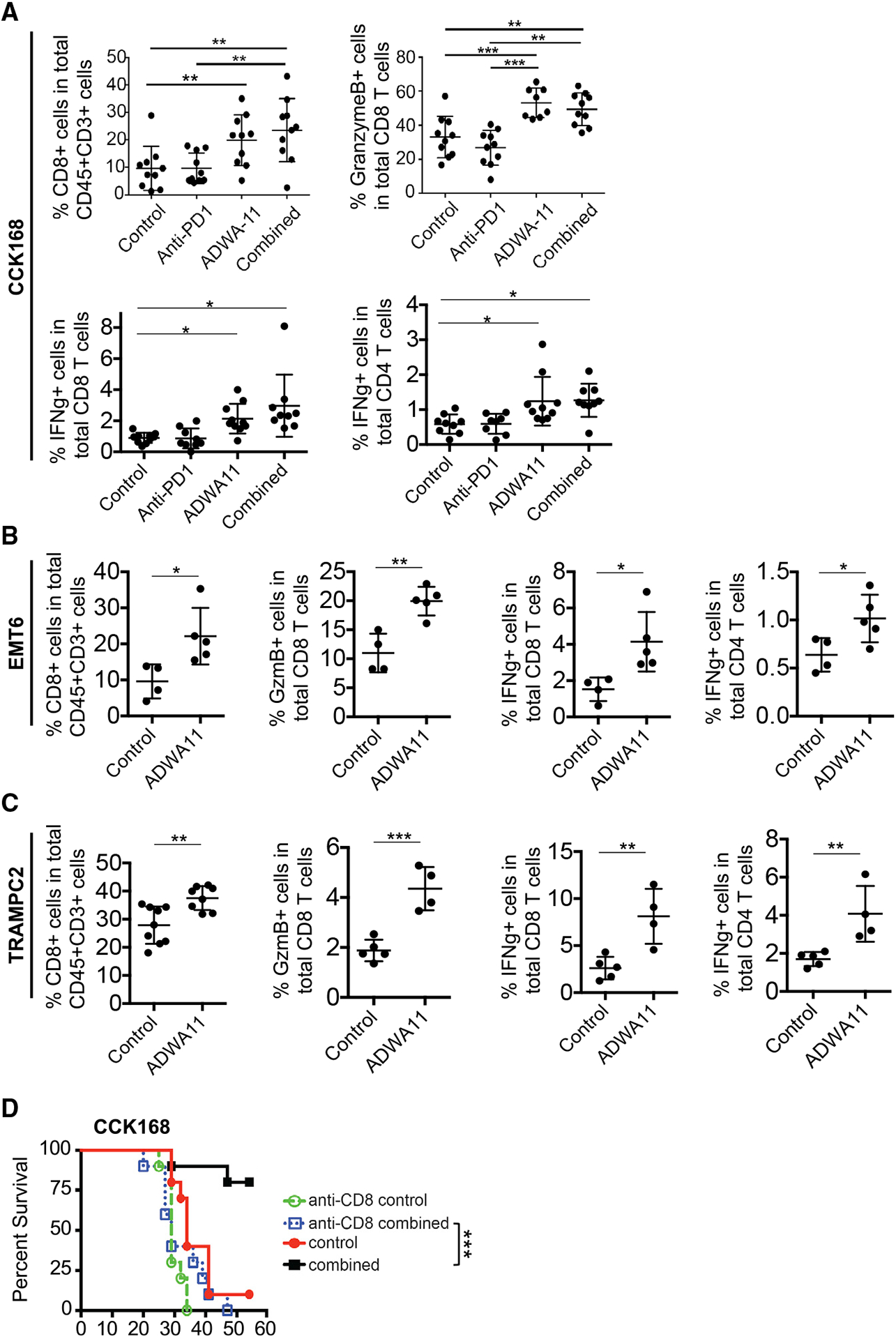
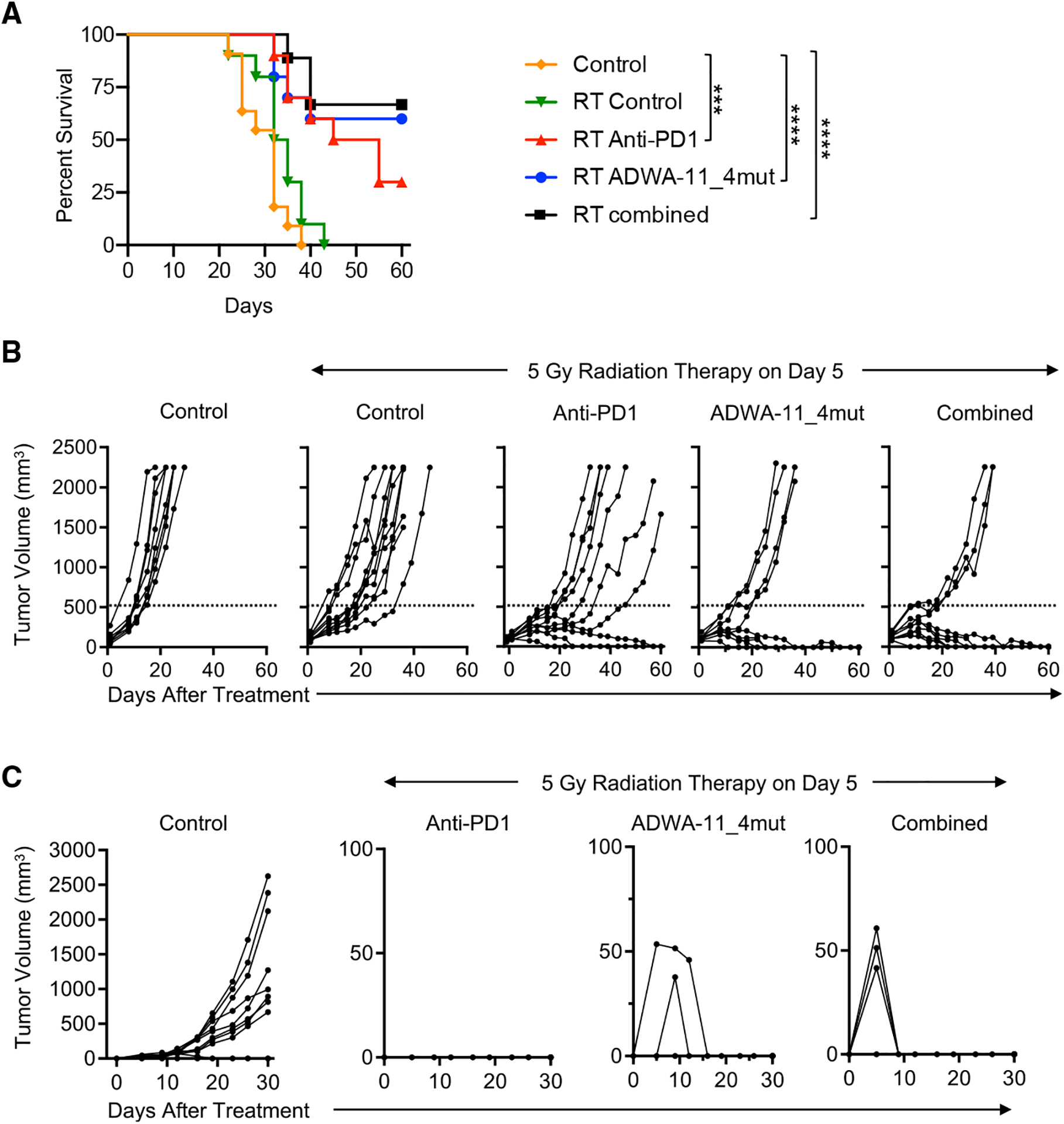
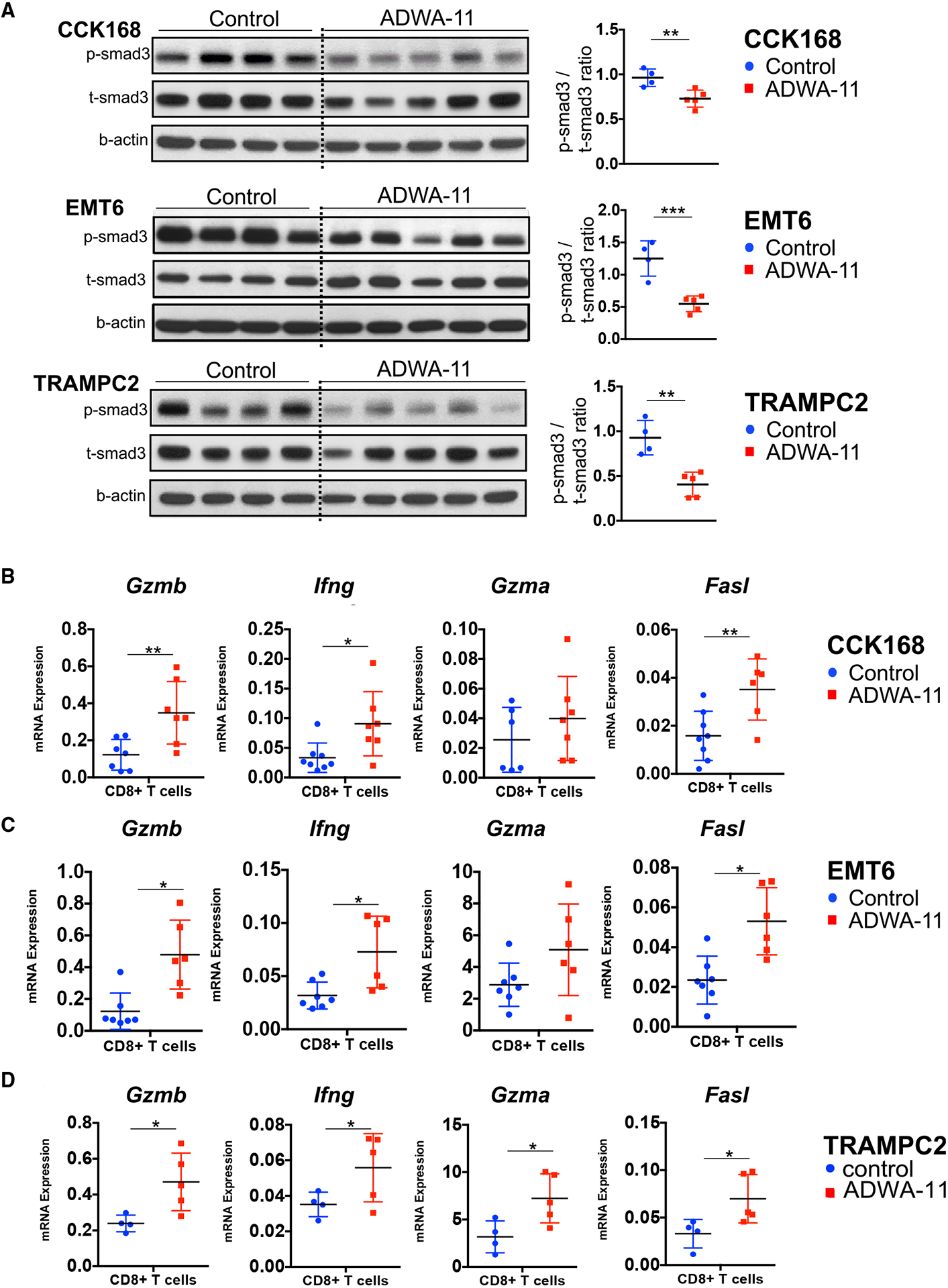
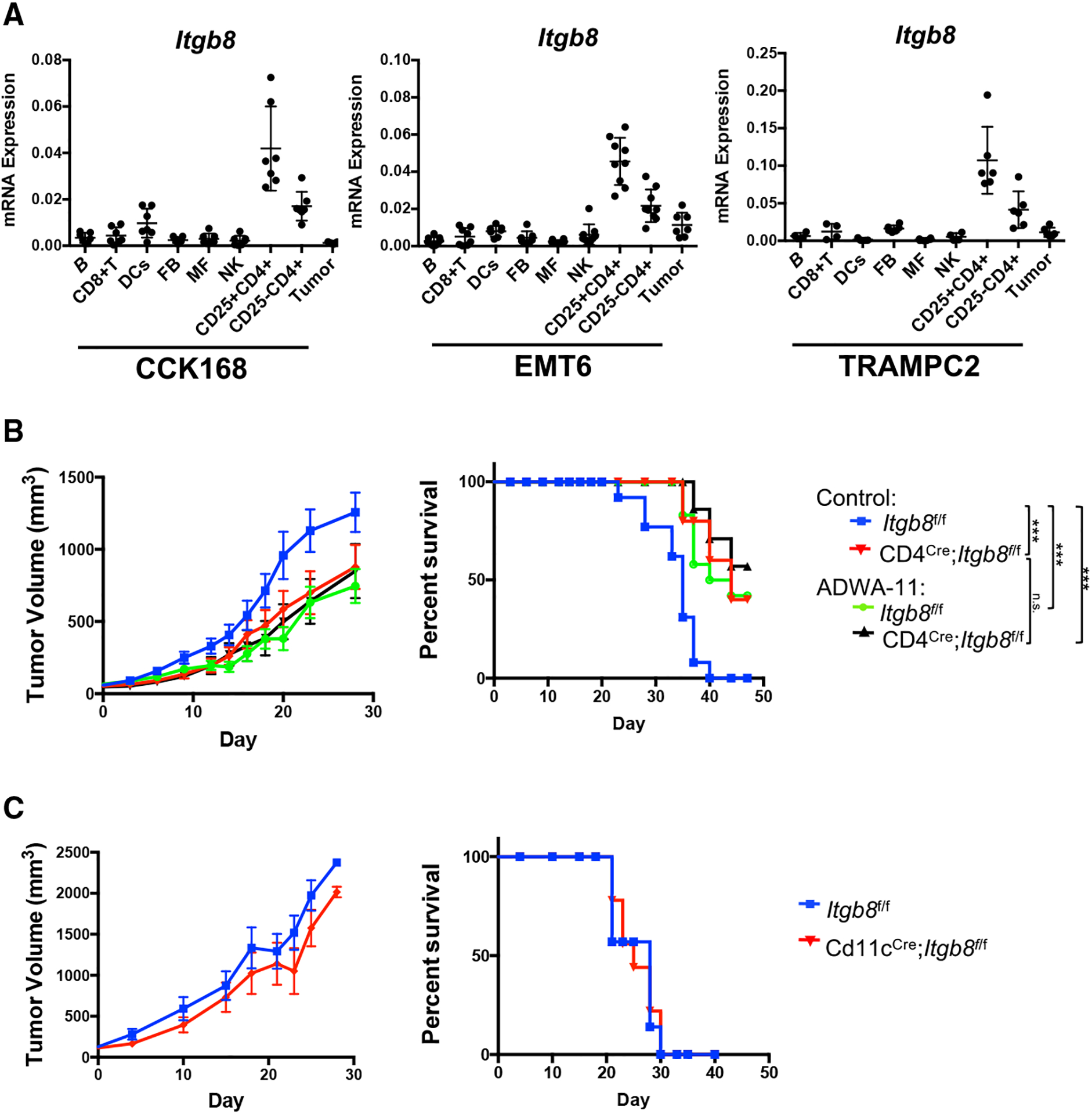
The αvβ8 integrin is a key activator of transforming growth factor β (TGF β), which has been shown to inhibit anti-tumor immunity. Previous work has suggested that αvβ8 on tumor cells could modulate tumor growth and responses to immune checkpoint blockade. We now show that a potent blocking monoclonal antibody against αvβ8 (ADWA-11) causes growth suppression or complete regression in syngeneic models of squamous cell carcinoma (CCK168), mammary cancer (EMT-6), colon cancer (CT26), and prostate cancer (TRAMPC2), especially when it is combined with other immunomodulators (anti-PD-1, anti-CTLA-4 or 4-1BB) or radiotherapy. αvβ8 is expressed on tumor cells in some of these models, but tumor cell expression of αvβ8 is not essential for the beneficial effects of ADWA-11 therapy. αvβ8 is consistently expressed at highest levels on CD4+CD25+ T cells within tumors, and specific deletion of Itgb8 from T cells is as effective as ADWA-11 in suppressing tumor growth. Treatment with ADWA-11 increases expression of a suite of genes in tumor infiltrating CD8+ T cells that are normally inhibited by TGFβ and are involved in tumor cell killing, including Granzyme B and Interferon-γ. These findings solidify αvβ8 integrin as a promising target for cancer immunotherapy, even for tumors that do not express this integrin.
Overview
The claims and statistics of this paper haven’t been checked yet.
Free: it reads the open-access text and checks the first 5 claims that cite a source we can check. Create a free account to check every claim.
Integrity signals
Registry
Cites
Statistics
Figures
Verification
Claims the paper makes
The claims and statistics of this paper haven’t been checked yet.
Free: it reads the open-access text and checks the first 5 claims that cite a source we can check. Create a free account to check every claim.
Claims other papers make about this one
Each is checked against this paper’s own text: does it say what the citing paper says it does?
In the citing paper
“Success of classical cancer therapies, i.e. chemotherapy, radiation and molecular targeted therapies, is based on early regression of the primary tumor, using Response Evaluation Criteria In Solid Tumors, or RECIST321, which commonly results from direct cytotoxic effects on cancer cells.”
From TGFβ biology in cancer progression and immunotherapy (2021) · cites this paper as [321]
In the citing paper
“In contrast to chemotherapy or oncogene-targeted drugs, immunotherapy, including TGF-β blockade, does not routinely result in short-term endpoints that are assessed by RECIST321.”
From TGFβ biology in cancer progression and immunotherapy (2021) · cites this paper as [321]
Self-check
Percentages, sums and reported differences re-computed from the paper’s own numbers.
The self-check needs the paper’s full text.
Citations
Cites
TGFβ attenuates tumour response to PD-L1 blockade by contributing to exclusion of T cells
Mariathasan, S., Turley, S. J., Nickles, D., Castiglioni, A., Yuen, K., Wang, Y., Kadel III, E. E., Koeppen, H., Astarita, J. L., Cubas, R., et al. (2018) · Nature · doi:10.1038/nature25501 · Cited by 5,400 · cited 4×
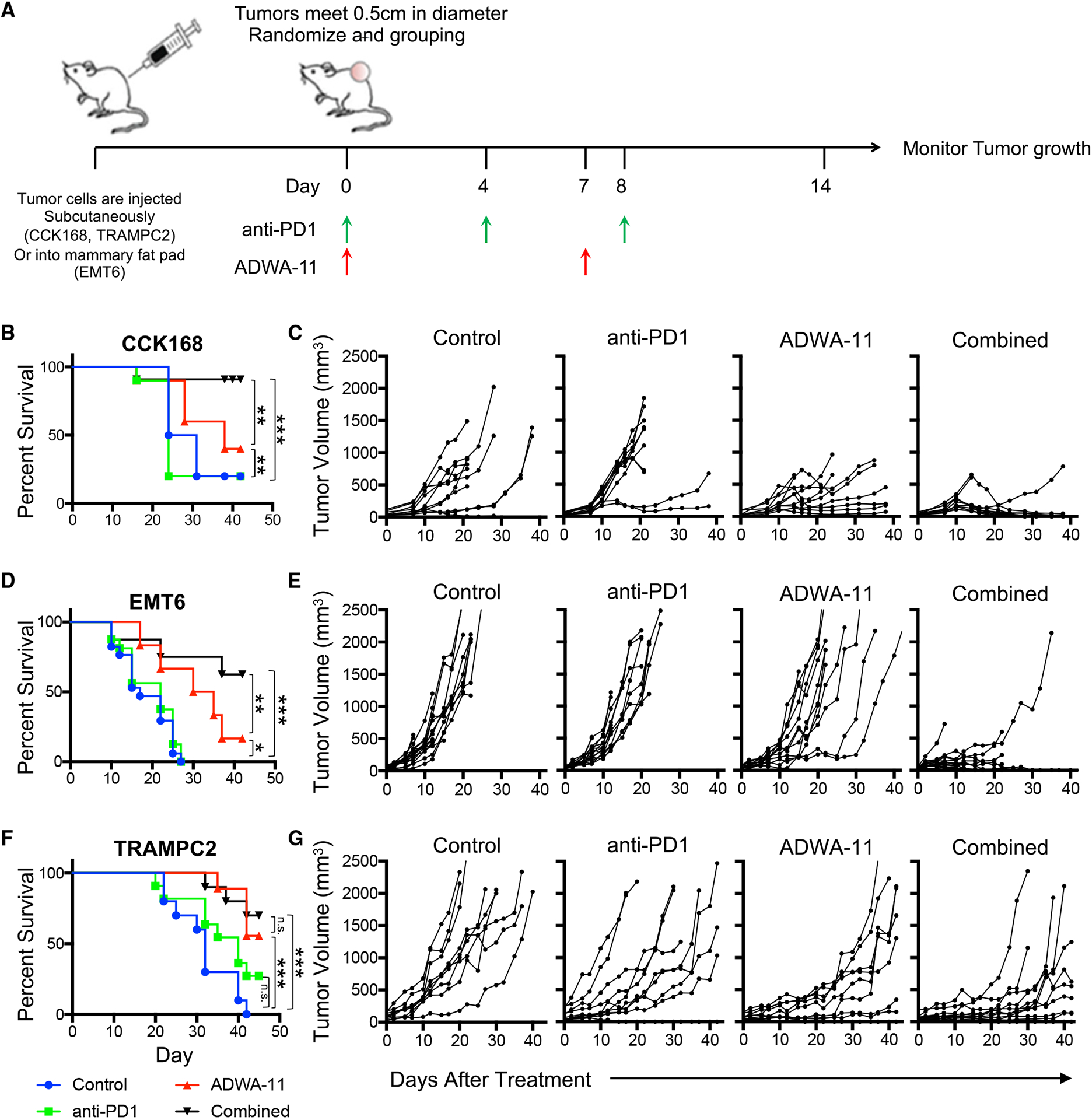
“We began by examining the effects of ADWA-11 alone or in combination with anti-PD-1 in established syngeneic tumor models of squamous cell carcinoma (SCC; CCK168 cells) and mammary carcinoma (EMT6 cells) (Figure 1A), two models in which systemic blockade of TGF-β has been shown to enhance responses to immunotherapy (D…”
BackgroundMethodInfluentialThe future of immune checkpoint therapy
Sharma, P., & Allison, J. P. (2015) · Science · doi:10.1126/science.aaa8172 · Cited by 4,878
Transforming Growth Factor-β Signaling in Immunity and Cancer
Batlle, E., & Massagué, J. (2019) · Immunity · doi:10.1016/j.immuni.2019.03.024 · Cited by 2,366
TGFβ drives immune evasion in genetically reconstituted colon cancer metastasis
Tauriello, D. V. F., Palomo-Ponce, S., Stork, D., Berenguer-Llergo, A., Badia-Ramentol, J., Iglesias, M., Sevillano, M., Ibiza, S., Cañellas, A., Hernando-Momblona, X., et al. (2018) · Nature · doi:10.1038/nature25492 · Cited by 1,851 · cited 1×
“Previous studies have shown that inhibition of TGF-β signaling can enhance responses to checkpoint inhibitors (Dodagatta-Marri et al., 2019; Mariathasan et al., 2018; Tauriello et al., 2018).”
BackgroundTargeting the TGFβ signalling pathway in disease
Akhurst, R. J., & Hata, A. (2012) · Nature Reviews Drug Discovery · doi:10.1038/nrd3810 · Cited by 1,466
Self-citationTGF-β directly targets cytotoxic T cell functions during tumor evasion of immune surveillance
Thomas, D. A., & Massagué, J. (2005) · Cancer Cell · doi:10.1016/j.ccr.2005.10.012 · Cited by 1,355
Distinct cellular mechanisms underlie anti-CTLA-4 and anti-PD-1 checkpoint blockade
Wei, S. C., Levine, J. H., Cogdill, A. P., Zhao, Y., Anang, N.-A. A. S., Andrews, M. C., Sharma, P., Wang, J., Wargo, J. A., Pe’er, D., et al. (2017) · Cell · doi:10.1016/j.cell.2017.07.024 · Cited by 1,302 · cited 1×
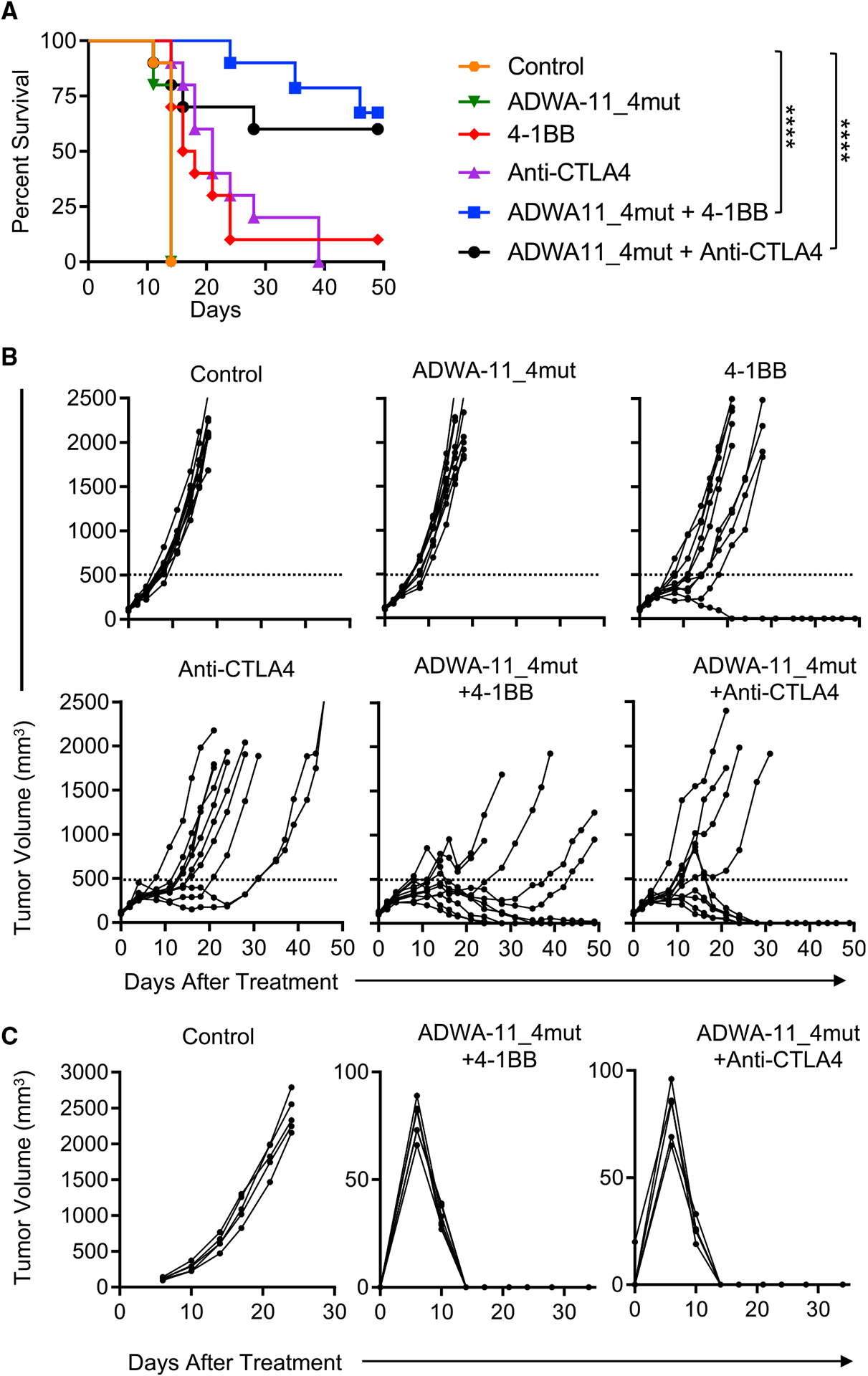
“For this purpose, we examined anti-CTLA-4, which has been shown recently to work in part by a different molecular mechanism than anti-PD-1 (Wei et al., 2017), and an agonist antibody against 4-1BB, an activator of the inducible costimulatory receptor CD137.”
BackgroundRock, J. R., Barkauskas, C. E., Cronce, M. J., Xue, Y., Harris, J. R., Liang, J., Noble, P. W., & Hogan, B. L. M. (2011) · Proceedings of the National Academy of Sciences · doi:10.1073/pnas.1117988108 · Cited by 1,030
TGFβ biology in cancer progression and immunotherapy
Derynck, R., Turley, S. J., & Akhurst, R. J. (2021) · Nature Reviews Clinical Oncology · doi:10.1038/s41571-020-0403-1 · Cited by 944
Self-citationThe polarization of immune cells in the tumour environment by TGFβ
Flavell, R. A., Sanjabi, S., Wrzesinski, S. H., & Licona-Limón, P. (2010) · Nature Reviews Immunology · doi:10.1038/nri2808 · Cited by 940 · cited 1×
“However, TGF-β plays important homeostatic roles in many biological systems, so effective systemic targeting of TGF-β signaling would likely present challenges because of un-wanted side effects (Akhurst and Hata, 2012; Flavell et al., 2010).”
Background
Cited by
TGFβ biology in cancer progression and immunotherapy
Derynck, R., Turley, S. J., & Akhurst, R. J. (2021) · Nature Reviews Clinical Oncology · doi:10.1038/s41571-020-0403-1 · Cited by 944
Self-citationTGF-β signaling in health and disease
Massagué, J., & Sheppard, D. (2023) · Cell · doi:10.1016/j.cell.2023.07.036 · Cited by 890
Self-citationEmerging therapeutic opportunities for integrin inhibitors
Slack, R. J., Macdonald, S. J. F., Roper, J. A., Jenkins, R. G., & Hatley, R. J. D. (2022) · Nature Reviews Drug Discovery · doi:10.1038/s41573-021-00284-4 · Cited by 540
Overcoming TGFβ-mediated immune evasion in cancer
Tauriello, D. V. F., Sancho, E., & Batlle, E. (2022) · Nature Reviews Cancer · doi:10.1038/s41568-021-00413-6 · Cited by 377
APOE4 impairs the microglial response in Alzheimer’s disease by inducing TGFβ-mediated checkpoints
Yin, Z., Rosenzweig, N., Kleemann, K. L., Zhang, X., Brandão, W., Margeta, M. A., Schroeder, C., Sivanathan, K. N., Silveira, S., Gauthier, C., et al. (2023) · Nature Immunology · doi:10.1038/s41590-023-01627-6 · Cited by 222
Self-citation
Metadata
- Authors
- Dodagatta-Marri, E., Ma, H.-Y., Liang, B., Li, J., Meyer, D. S., Sun, K.-H., Ren, X., Zivak, B., Rosenblum, M. D., Headley, M. B., Pinzas, L., Reed, N. I., Del Cid, J. S., Adoumie, M., Hann, B. C., Yang, S., Giddabasappa, A., Noorbehesht, K., Yang, B., Dal Porto, J., Tsukui, T., Niessen, K., Atakilit, A., Akhurst, R. J., & Sheppard, D.
- Affiliations
- University of California, San Francisco (US)
- Shandong University (CN)
- Pfizer (United States) (US)
- Corresponding author
- Akhurst, Rosemary J.
- Sheppard, Dean
- ORCID
- Venue
- Cell Reports
- Publisher
- openRxiv
- Published
- 2020-05-15
- Volume
- 36
- Issue
- 1
- Pages
- 109309-109309
- ISSN
- 2211-1247 (ISSN-L)
- PMC
- PMC8321414
- OpenAlex
- W3178899807
- Cited by
- 70
- References
- 38
- Citations by year
- 2026: 11 · 2025: 15 · 2024: 11 · 2023: 16 · 2022: 7 · 2021: 9 · 2020: 1
- FWCI
- 3.92
- Type
- journal article
- Language
- en
- Open access
- gold
- doi.org
- Licence
- Locations
- Cell Reports (publishedVersion, cc-by-nc-nd)
- bioRxiv (Cold Spring Harbor Laboratory) (acceptedVersion, cc-by-nc-nd)
- PubMed (publishedVersion)
- PubMed Central (acceptedVersion, cc-by-nc-nd)
- eScholarship (California Digital Library) (submittedVersion, cc-by-nc-nd)
- eScholarship (California Digital Library) (submittedVersion)
- Funders
- Pfizer
- National Institutes of Health
- University of California, San Francisco
- National Heart, Lung, and Blood Institute (K08HL111208, KHL111208A)
- National Cancer Institute (R01CA197198, R01CA210561, U01CA217864, P30CA082103, R01CA197363)
- Comprehensive Transplant Institute, University of Alabama at Birmingham
- Topics
- Health Sciences › Medicine › Oncology › Cancer Immunotherapy and Biomarkers
- Life Sciences › Immunology and Microbiology › Immunology › T-cell and B-cell Immunology
- Life Sciences › Biochemistry, Genetics and Molecular Biology › Molecular Biology › TGF-β signaling in diseases
- Keywords
- integrin αvβ8, TGF-beta signaling, tumor immunosuppression, CD4+CD25+ T cells, CD8+ T cell cytotoxicity, tumor-infiltrating lymphocytes, granzyme B, interferon-gamma, cancer immunotherapy, squamous cell carcinoma, breast cancer, colon cancer, prostate cancer, combined radiotherapy
- MeSH terms
- Animals, Antibodies, Neoplasm, Immunity, Immunotherapy, Interferon-gamma, Lymphocyte Depletion, Male, Mice, Inbred C57BL, Mice, Transgenic, Models, Biological, Mutation, Neoplasms, T-Lymphocytes, T-Lymphocytes, Cytotoxic, Signal Transduction, CD4-Positive T-Lymphocytes, Gene Expression Regulation, Neoplastic, Survival Analysis, Integrins, Transforming Growth Factor beta, CD8-Positive T-Lymphocytes, Cell Line, Tumor, Cell Proliferation, Mice, Smad3 Protein, Tumor Necrosis Factor Receptor Superfamily, Member 9, Granzymes, Tumor Microenvironment, CTLA-4 Antigen
About these checks
Registry, retraction, Cites and statistics results are computed, not judged, with one exception: a printed reference that no index lists is read once by a model before it counts as a citation error. Claims are extracted by a model and kept only when their quote appears verbatim in the text; each cited source is then checked, with a model’s help, for whether it says what the claim relies on. Those verdicts can be wrong — read the claim’s quote and the cited source before relying on one.
Statistics and arithmetic are recomputed, not judged.
Confidence bands are shown only for fields calibrated on our annotated test set. None is calibrated yet, so no band is shown.
What counts as a claim ›How we measure confidence ›How we check this ›
Are you an author, or do you see a problem with this page? Request a review
How to cite
Cite CoChat for the checks on this page, and the paper for its own findings.
- This page
- CoChat. (2026). Citation check: Integrin αvβ8 on T cells is responsible for suppression of anti-tumor immunity in multiple syngeneic models and is a promising target for tumor immunotherapy. https://app.cochat.ai/papers/10.1101/2020.05.14.084913
- The paper
- Dodagatta-Marri, E., Ma, H.-Y., Liang, B., Li, J., Meyer, D. S., Sun, K.-H., Ren, X., Zivak, B., Rosenblum, M. D., Headley, M. B., Pinzas, L., Reed, N. I., Del Cid, J. S., Adoumie, M., Hann, B. C., Yang, S., Giddabasappa, A., Noorbehesht, K., Yang, B., . . . Sheppard, D. (2020). Integrin αvβ8 on T cells is responsible for suppression of anti-tumor immunity in multiple syngeneic models and is a promising target for tumor immunotherapy. Cell Reports. https://doi.org/10.1101/2020.05.14.084913
Data sources
Bibliographic data: Semantic Scholar, OpenAlex, Crossref.
Contains information from the Semantic Scholar Academic Graph Datasets, made available under the ODC Attribution License (ODC-BY 1.0).
Semantic Scholar’s data is described in: Kinney, R., et al. (2023). The Semantic Scholar Open Data Platform. arXiv:2301.10140.
