

The DOI matches its Crossref record; 44 of the 46 references it cites were found in a registry or an index.
Characterizing long COVID in an international cohort: 7 months of symptoms and their impact
Open accessPublished version of a preprint
Abstract
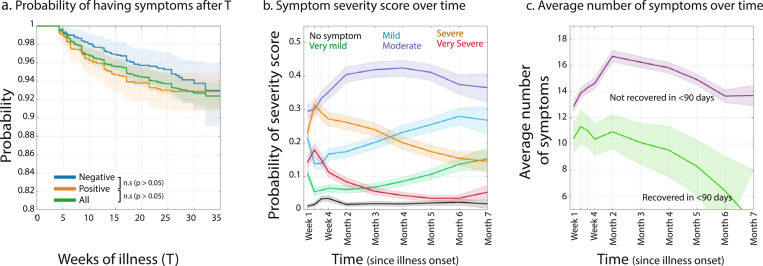
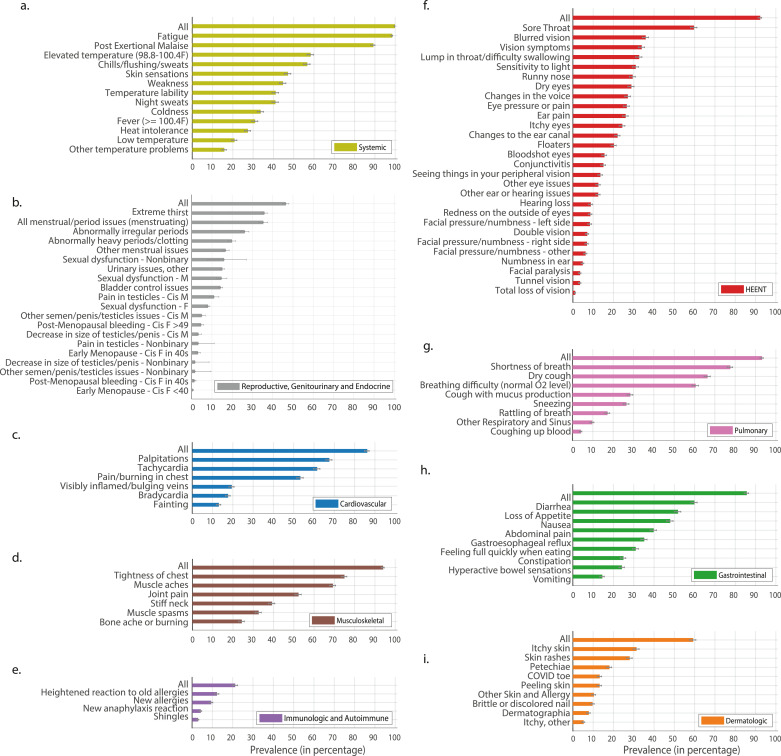
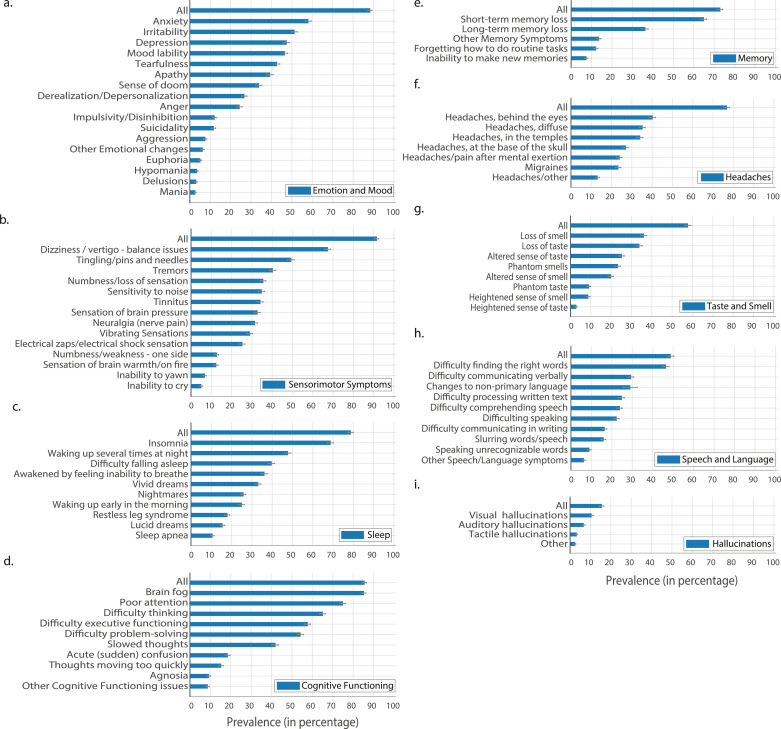
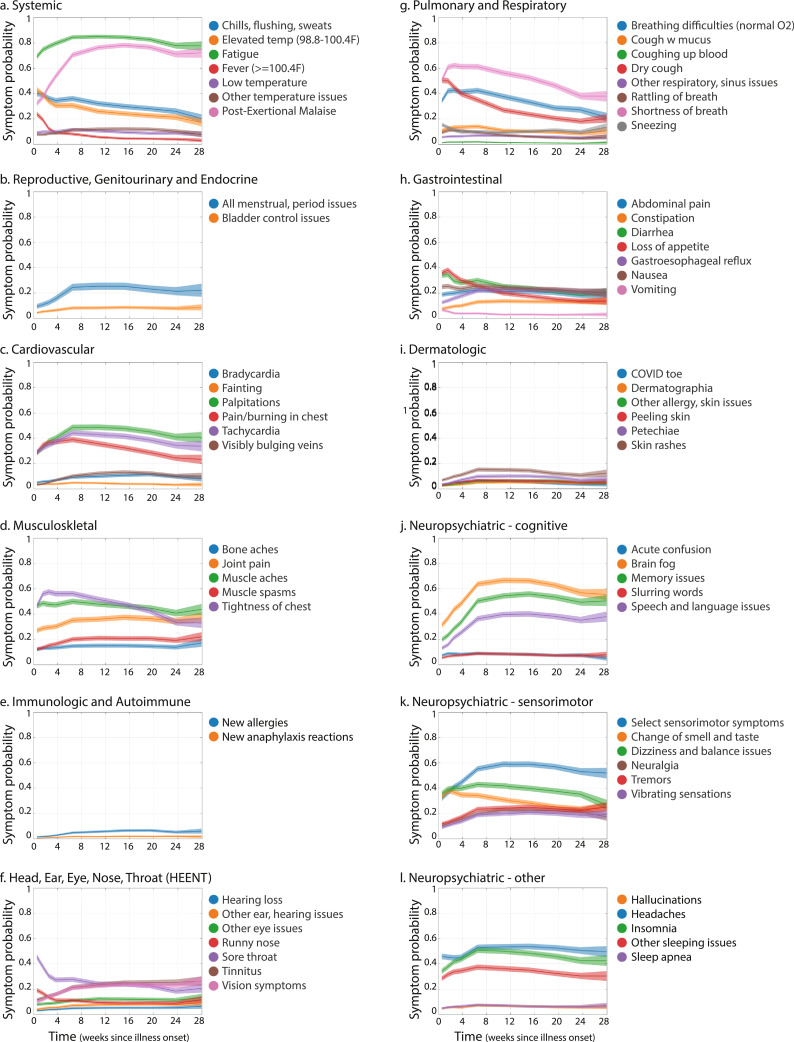
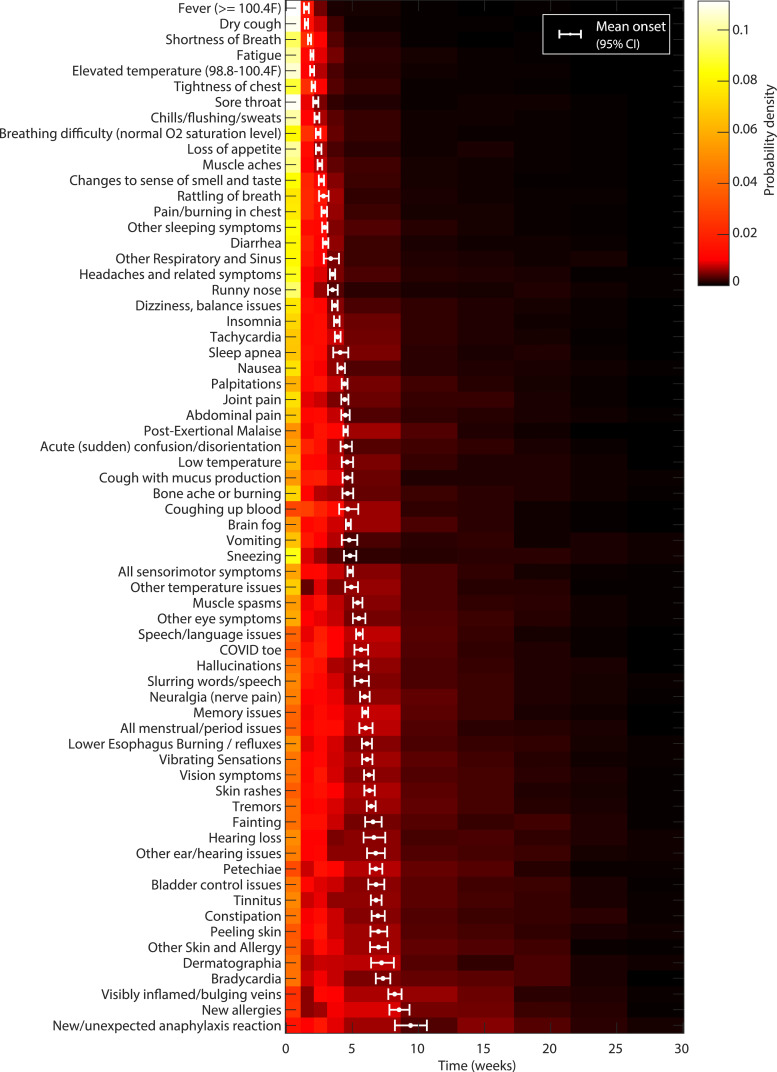
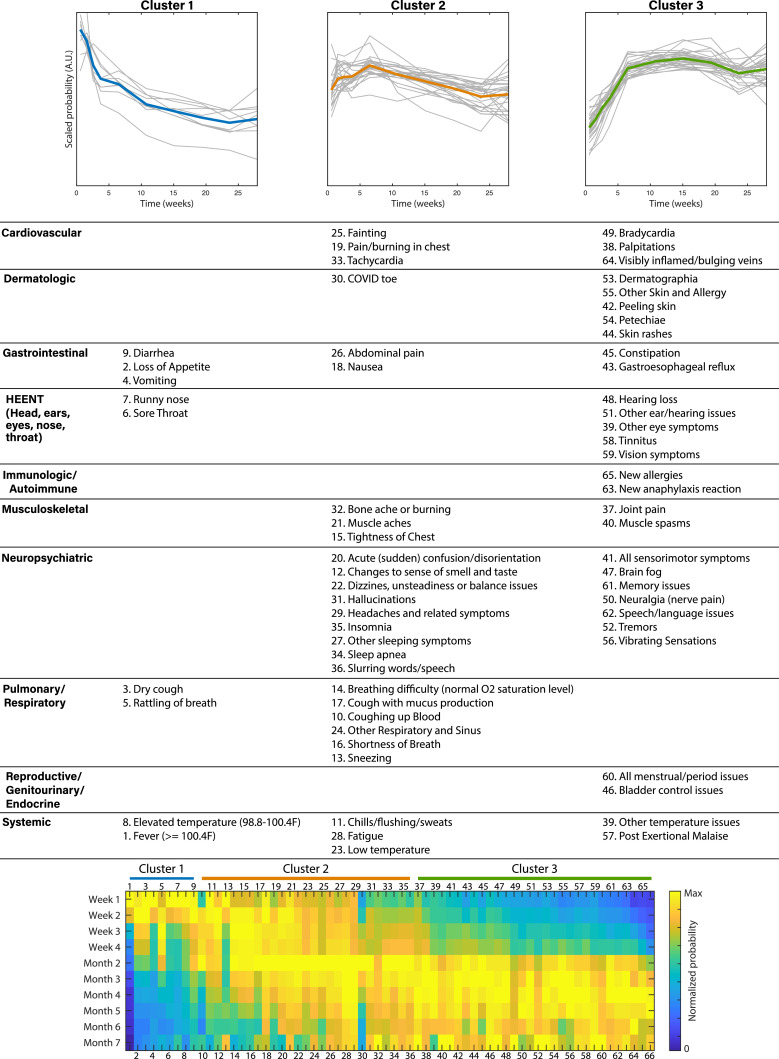
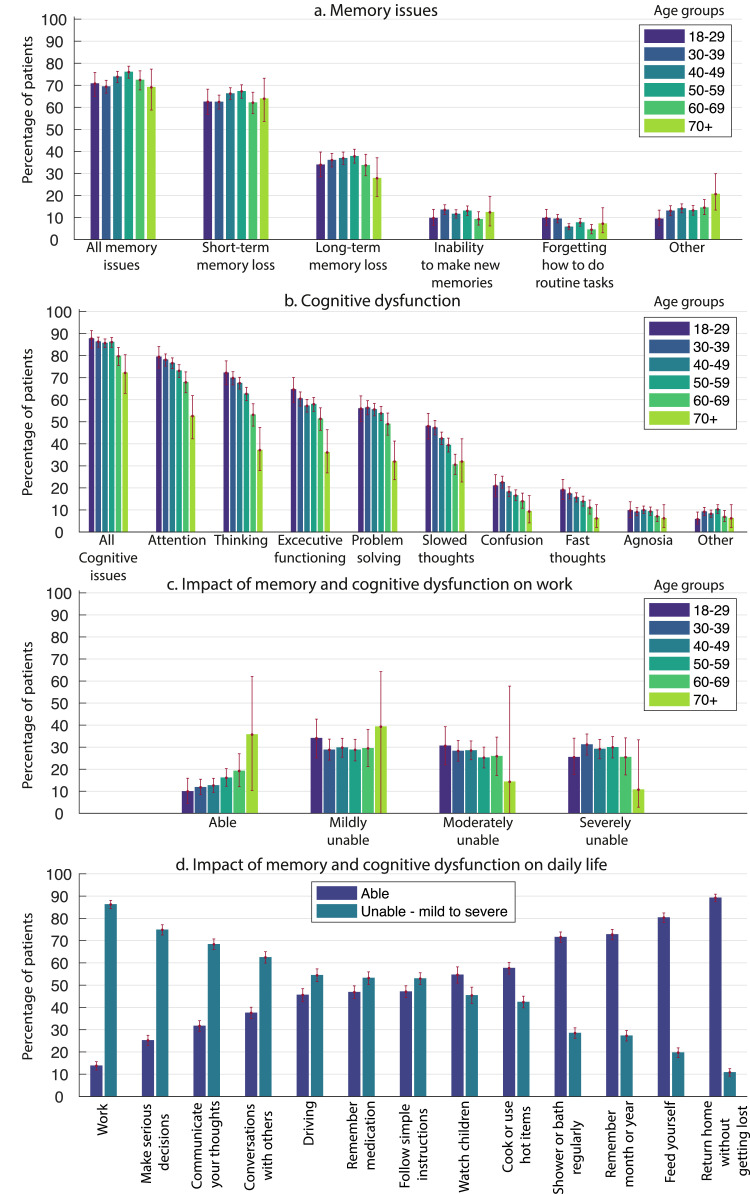
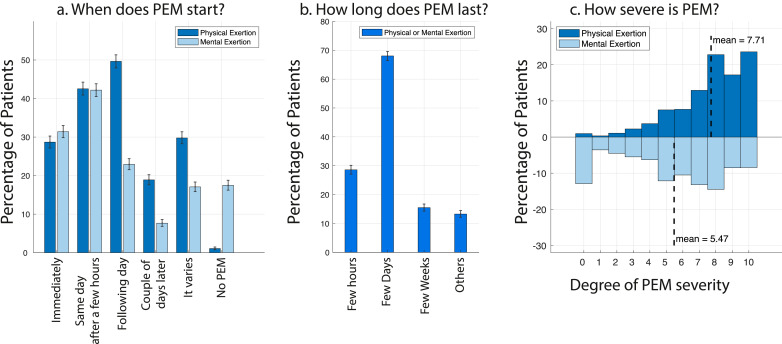
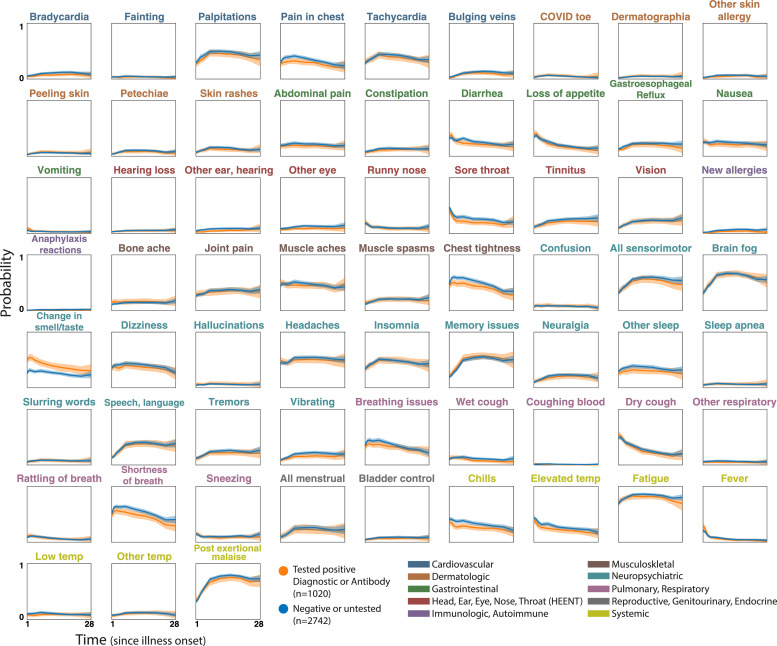
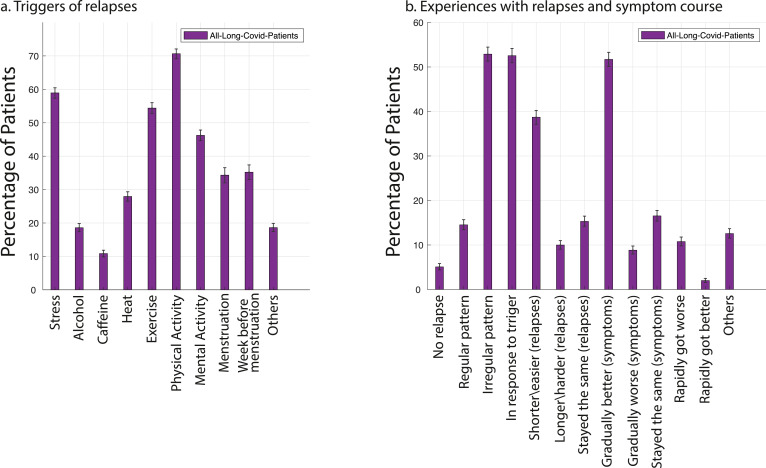
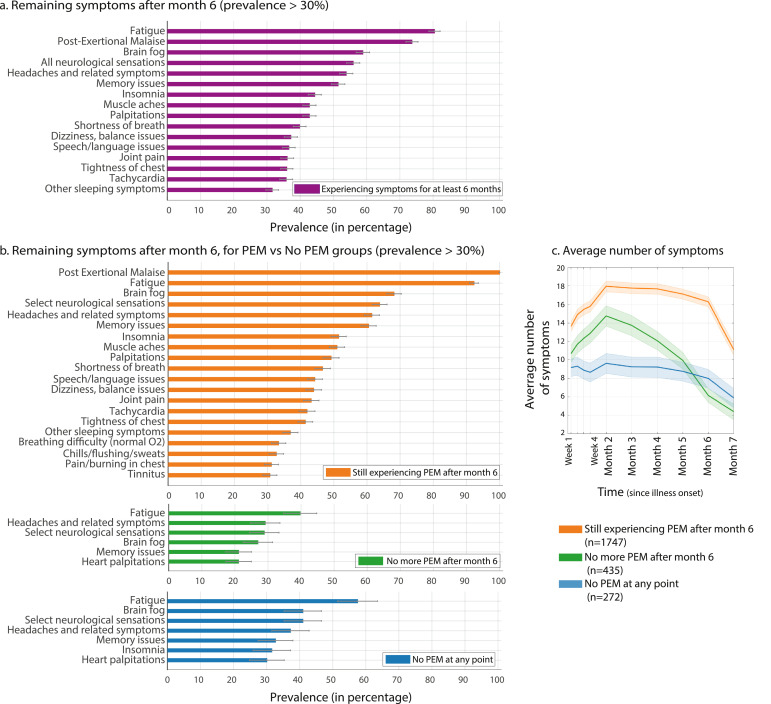
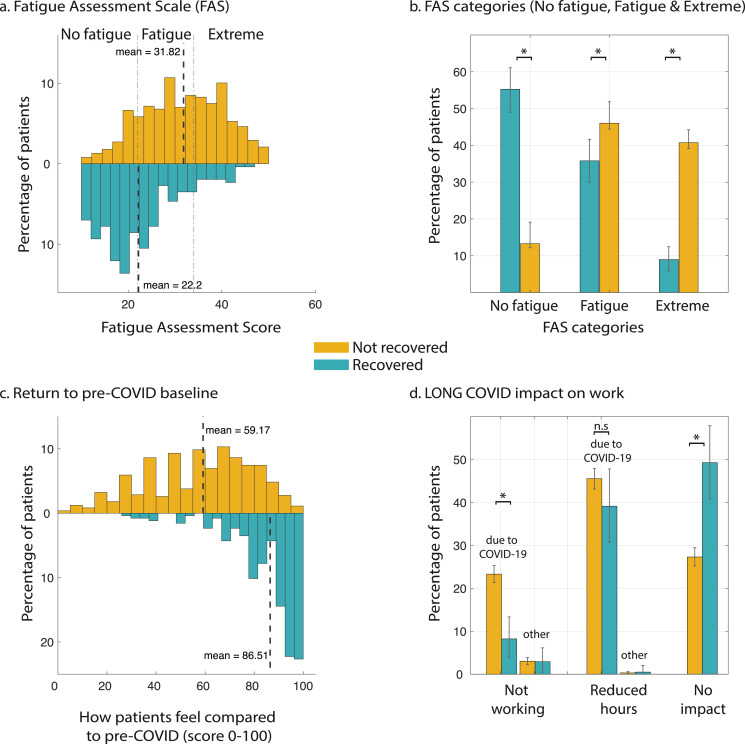
BACKGROUND: A significant number of patients with COVID-19 experience prolonged symptoms, known as Long COVID. Few systematic studies have investigated this population, particularly in outpatient settings. Hence, relatively little is known about symptom makeup and severity, expected clinical course, impact on daily functioning, and return to baseline health. METHODS: We conducted an online survey of people with suspected and confirmed COVID-19, distributed via COVID-19 support groups (e.g. Body Politic, Long COVID Support Group, Long Haul COVID Fighters) and social media (e.g. Twitter, Facebook). Data were collected from September 6, 2020 to November 25, 2020. We analyzed responses from 3762 participants with confirmed (diagnostic/antibody positive; 1020) or suspected (diagnostic/antibody negative or untested; 2742) COVID-19, from 56 countries, with illness lasting over 28 days and onset prior to June 2020. We estimated the prevalence of 203 symptoms in 10 organ systems and traced 66 symptoms over seven months. We measured the impact on life, work, and return to baseline health. FINDINGS: For the majority of respondents (>91%), the time to recovery exceeded 35 weeks. During their illness, participants experienced an average of 55.9+/- 25.5 (mean+/-STD) symptoms, across an average of 9.1 organ systems. The most frequent symptoms after month 6 were fatigue, post-exertional malaise, and cognitive dysfunction. Symptoms varied in their prevalence over time, and we identified three symptom clusters, each with a characteristic temporal profile. 85.9% of participants (95% CI, 84.8% to 87.0%) experienced relapses, primarily triggered by exercise, physical or mental activity, and stress. 86.7% (85.6% to 92.5%) of unrecovered respondents were experiencing fatigue at the time of survey, compared to 44.7% (38.5% to 50.5%) of recovered respondents. 1700 respondents (45.2%) required a reduced work schedule compared to pre-illness, and an additional 839 (22.3%) were not working at the time of survey due to illness. Cognitive dysfunction or memory issues were common across all age groups (~88%). Except for loss of smell and taste, the prevalence and trajectory of all symptoms were similar between groups with confirmed and suspected COVID-19. INTERPRETATION: Patients with Long COVID report prolonged, multisystem involvement and significant disability. By seven months, many patients have not yet recovered (mainly from systemic and neurological/cognitive symptoms), have not returned to previous levels of work, and continue to experience significant symptom burden. FUNDING: All authors contributed to this work in a voluntary capacity. The cost of survey hosting (on Qualtrics) and publication fee was covered by AA's research grant (Wellcome Trust/Gatsby Charity via Sainsbury Wellcome center, UCL).
Overview
The claims and statistics of this paper haven’t been checked yet.
Run the check — free, no account needed. It reads the open-access text and checks the sources it cites.
Integrity signals
Registry
Cites
Statistics
Figures
Verification
Claims the paper makes
The claims and statistics of this paper haven’t been checked yet.
Run the check — free, no account needed. It reads the open-access text and checks the sources it cites.
Claims other papers make about this one
Each is checked against this paper’s own text: does it say what the citing paper says it does?
The source backs part of the claim, not all of it — or backs it for a different population, condition or comparison.
In the citing paper
“Identifying subjects who are at risk of higher perceived loneliness and related psychological factors is particularly important in the context of the so called “long COVID” syndrome [50]”
From Psychological correlates of perceived loneliness in college students before and during the COVID-19 stay-at-home period: a longitudinal study (2023) · cites this paper as [50]
Experimental — accuracy not yet measuredIn the citing paper
“These symptoms can endure up to 6–7 months and even longer [[1], [2], [3], [4], [5]].”
From Female gender is associated with long COVID syndrome: a prospective cohort study (2022) · cites this paper as [3]
Self-check
Percentages, sums and reported differences re-computed from the paper’s own numbers.
The self-check needs the paper’s full text.
Citations
Cites
Persistent Symptoms in Patients After Acute COVID-19
Carfì, A., Bernabei, R., Landi, F., & for the Gemelli Against COVID-19 Post-Acute Care Study Group (2020) · JAMA · doi:10.1001/jama.2020.12603 · Cited by 4,561
Natural language processing with Python
Bird, S., Klein, E., & Loper, E. (2009) · CERN Document Server (European Organization for Nuclear Research) · Cited by 3,472
Better Bootstrap Confidence Intervals
Efron, B. (1987) · Journal of the American Statistical Association · doi:10.1080/01621459.1987.10478410 · Cited by 3,462 · cited 2×
“tical dashed lines indicate the range for “No fatigue”[10-21], “Fatigue”[22-34], and “Extreme” (>=35).”
MethodAttributes and predictors of long COVID
Sudre, C. H., Murray, B., Varsavsky, T., Graham, M. S., Penfold, R. S., Bowyer, R. C., Pujol, J. C., Klaser, K., Antonelli, M., Canas, L. S., et al. (2021) · Nature Medicine · doi:10.1038/s41591-021-01292-y · Cited by 2,707
Management of post-acute covid-19 in primary care
Greenhalgh, T., Knight, M., A’Court, C., Buxton, M., & Husain, L. (2020) · BMJ · doi:10.1136/bmj.m3026 · Cited by 1,771 · cited 1×
“While respiratory and some cardiovascular symptoms have been widely reported, neurological symptoms remain unclear [33].”
BackgroundEvolution of antibody immunity to SARS-CoV-2
Gaebler, C., Wang, Z., Lorenzi, J. C. C., Muecksch, F., Finkin, S., Tokuyama, M., Cho, A., Jankovic, M., Schaefer-Babajew, D., Oliveira, T. Y., et al. (2021) · Nature · doi:10.1038/s41586-021-03207-w · Cited by 1,674
High-dimensional characterization of post-acute sequelae of COVID-19
Al-Aly, Z., Xie, Y., & Bowe, B. (2021) · Nature · doi:10.1038/s41586-021-03553-9 · Cited by 1,518
Kucirka, L. M., Lauer, S. A., Laeyendecker, O. B., Boon, D., & Lessler, J. (2020) · Annals of Internal Medicine · doi:10.7326/m20-1495 · Cited by 1,414 · cited 1×
“Furthermore, the likelihood of false negatives increases after day 3 of symptom onset, when the false negative rate is 20%, reaching 66% by day 21[40].”
BackgroundTenforde, M. W., Kim, S. S., Lindsell, C. J., Billig Rose, E., Shapiro, N. I., Files, D. C., Gibbs, K. W., Erickson, H. L., Steingrub, J. S., Smithline, H. A., et al. (2020) · MMWR. Morbidity and Mortality Weekly Report · doi:10.15585/mmwr.mm6930e1 · Cited by 1,319 · cited 2×
“tical dashed lines indicate the range for “No fatigue”[10-21], “Fatigue”[22-34], and “Extreme” (>=35).”
BackgroundConcept Decompositions for Large Sparse Text Data Using Clustering
Dhillon, I. S., & Modha, D. S. (2001) · Machine Learning · doi:10.1023/a:1007612920971 · Cited by 1,308 · cited 1×
“Symptom time course clustering Symptom time courses were clustered using spherical k-means, a variant of k-means based on cosine distances [12].”
Research works printed but not linked: 3
- NIH workshop on post-acute sequelae of COVID-19 (Day 2) [Internet]. Available from: https://videocast.nih.gov/watch=38879
- Tang, 2020, 26, 1337
- Williams, 2021, A two-phase, single cohort study of COVID-19, Antibody Sera-Surveillance, 6
Cited by
Sorted by citations
Items 901–1,000 of 1,000
Jabali, M. A. M. A., Alsabban, A. S., Bahakeem, L. M., Zwawy, M. A., Bagasi, A. T., Bagasi, H. T., & Aldosary, T. A. (2022) · Cureus · doi:10.7759/cureus.24343 · Cited by 13
Haberland, E., Haberland, J., Richter, S., Schmid, M., Hromek, J., Zimmermann, H., Geng, S., Winterer, H., Schneider, S., & Kollum, M. (2022) · International Journal of Clinical Practice · doi:10.1155/2022/8373697 · Cited by 13
COVID-19: Insights into long-term manifestations and lockdown impacts
Hilbold, E. A., Bär, C., & Thum, T. (2023) · Journal of sport and health science/Journal of Sport and Health Science · doi:10.1016/j.jshs.2023.02.006 · Cited by 17
Hypothesis: inflammatory acid-base disruption underpins Long Covid
van der Togt, V., & Rossman, J. S. (2023) · Frontiers in Immunology · doi:10.3389/fimmu.2023.1150105 · Cited by 13
Public health research on physical activity and COVID-19: Progress and updated priorities
Sallis, J. F., Adlakha, D., Oyeyemi, A. L., & Salvo, D. (2023) · Journal of sport and health science/Journal of Sport and Health Science · doi:10.1016/j.jshs.2023.04.002 · Cited by 13
A hybrid register and questionnaire study of Covid-19 and post-acute sick leave in Denmark
O’Regan, E., Svalgaard, I., Sørensen, A. I. V., Spiliopoulos, L., Bager, P., Nielsen, N., Hansen, J. V., Koch, A., Ethelberg, S., & Hviid, A. (2023) · Nature Communications · doi:10.1038/s41467-023-42048-1 · Cited by 12
Kozik, V., Reuken, P. A., Utech, I., Gramlich, J., Stallmach, Z., Demeyere, N., Rakers, F., Schwab, M. G., Stallmach, A., & Finke, K. (2023) · Frontiers in Psychology · doi:10.3389/fpsyg.2023.1233144 · Cited by 17
Volk, P., Manesh, M. R., Warren, M. E., Besko, K., de Andrade, E. G., Wicki‐Stordeur, L. E., & Swayne, L. A. (2023) · Journal of Neurochemistry · doi:10.1111/jnc.16016 · Cited by 14
Procedural Motor Memory Deficits in Patients With Long-COVID
Hayward, W., Buch, E. R., Norato, G., Iwane, F., Dash, D., Salamanca-Giron, R., Bartrum, E. A., Walitt, B. T., Nath, A., & Cohen, L. G. (2024) · Neurology · doi:10.1212/wnl.0000000000208073 · Cited by 13
Dirajlal‐Fargo, S., Maison, D. P., Durieux, J., Andrukhiv, A., Funderburg, N., Ailstock, K., Gerschenson, M., & McComsey, G. A. (2024) · Mitochondrion · doi:10.1016/j.mito.2024.101849 · Cited by 13
Unger, E. R., Lin, J.-M. S., Chen, Y., Cornelius, M. E., Helton, B., Issa, A. N., Bertolli, J., Klimas, N. G., Balbin, E., Bateman, L., et al. (2024) · Journal of Clinical Medicine · doi:10.3390/jcm13051369 · Cited by 13
Sharif‐Askari, F. S., Alsayed, H. A. H., Sharif‐Askari, N. S., Saddik, B. A., Hussain, A. A. S., & Halwani, R. (2024) · Public Health · doi:10.1016/j.puhe.2024.02.031 · Cited by 13
Lo, P., Feng, J., Hsiao, Y., Su, K., Chou, K., Chen, Y., Ko, H., & Perng, D. (2024) · Respiratory Research · doi:10.1186/s12931-024-02830-1 · Cited by 17
“Notably, dyspnea, fatigue, and neurocognitive impairment are the most common symptoms reported in patients with PASC [5–7], and several systematic reviews have indicated that approximately 18–41% of the patients had breathlessness after COVID-19 [8, 9].”
BackgroundFrank, M. G., Ball, J. B., Hopkins, S., Kelley, T., Kuzma, A. J., Thompson, R. S., Fleshner, M., & Maier, S. F. (2024) · Brain Behavior and Immunity · doi:10.1016/j.bbi.2024.07.034 · Cited by 16
Long COVID Is Not a Functional Neurologic Disorder
Davenport, T. E., Blitshteyn, S., Clague-Baker, N., Davies‐Payne, D., Treisman, G. J., & Tyson, S. F. (2024) · Journal of Personalized Medicine · doi:10.3390/jpm14080799 · Cited by 13
“Post-exertional malaise/post-exertional neuroimmune exhaustion (PEM/PENE) is common among people with long COVID [25,29,30], which accounts for the persistent, severe, and often progressive pattern of disablement in long COVID.”
BackgroundMechanisms of Gut-Related Viral Persistence in Long COVID
McMillan, P., Turner, A. J., & Uhal, B. D. (2024) · Viruses · doi:10.3390/v16081266 · Cited by 15
“Patients with organ damage are more likely to have primarily specific symptoms like shortness of breath, and not the wide array of symptoms typically seen in long COVID [5–8].”
BackgroundThe Bidirectional Association Between Metabolic Syndrome and Long-COVID-19
Liu, Y., & Lou, X. (2024) · Diabetes Metabolic Syndrome and Obesity · doi:10.2147/dmso.s484733 · Cited by 15
Wang, J., Goodfellow, H., Walker, S., BLANDFORD, A. E., Pfeffer, P., Hurst, J. R., Sunkersing, D., Bradbury, K. J., Robson, C., Henley, W., et al. (2024) · BMJ Open · doi:10.1136/bmjopen-2024-088538 · Cited by 15
Carazo, S., Ouakki, M., Nicolakakis, N., Falcone, E. L., SkowronskiFRCPC, D. M., Durand, M., Coutu, M., Décary, S., Dialahy, I. Z., Drescher, O., et al. (2025) · International Journal of Infectious Diseases · doi:10.1016/j.ijid.2025.108012 · Cited by 13
Wood, J., TABACOF, L. R., Tosto-Mancuso, J. M., McCarthy, D., Kontorovich, A., & Putrino, D. F. (2021) · Journal of Breath Research · doi:10.1088/1752-7163/ac3c18 · Cited by 12
NeuroCOVID-19: a critical review
Guedes, B. (2022) · Arquivos de Neuro-Psiquiatria · doi:10.1590/0004-282x-anp-2022-s136 · Cited by 9
“I Am Not the Same as I Was Before”: A Qualitative Analysis of COVID-19 Survivors
Duan, E., Garry, K., Horwitz, L. I., & Weerahandi, H. M. (2022) · International Journal of Behavioral Medicine · doi:10.1007/s12529-022-10129-y · Cited by 13
Harenwall, S., Heywood‐Everett, S., Henderson, R., Smith, J., McEnery, R., & Bland, A. R. (2022) · Journal of Clinical Medicine · doi:10.3390/jcm11206214 · Cited by 13
Reis, N. C. M., Dias, M. J. C., Sousa, L., Agostinho, I. M. O., Ricco, M. T., Henriques, M. A., & Baixinho, C. L. (2022) · International Journal of Environmental Research and Public Health · doi:10.3390/ijerph192417096 · Cited by 12
Howe, S., Szanyi, J., & Blakely, T. A. (2023) · International Journal of Epidemiology · doi:10.1093/ije/dyad033 · Cited by 13
Matta, J., Wiernik, E., Robineau, O., Severi, G., Touvier, M., Gouraud, C., Vedrines, C. O., Pitron, V., Ranque, B., Hoertel, N., et al. (2023) · Journal of Psychosomatic Research · doi:10.1016/j.jpsychores.2023.111326 · Cited by 13
The Impact of COVID-19 on Supply Chain in UAE Food Sector
Nahleh, Y. A., Ali, B. A., Ali, H. A., Alzarooni, S., Almulla, S., & Alteneiji, F. (2023) · Sustainability · doi:10.3390/su15118859 · Cited by 13
Hawkings, M. J., Vaselli, N. M., Charalampopoulos, D., Brierley, L., Elliot, A. J., Buchan, I. E., & Hungerford, D. (2023) · Viruses · doi:10.3390/v15081625 · Cited by 13
Ethical review procedures in international internet-based intervention studies
Looijmans, A., Spahrkäs, S. S., Sanderman, R., & Hagedoorn, M. (2021) · Internet Interventions · doi:10.1016/j.invent.2021.100487 · Cited by 13
Oxidative Stress is a shared characteristic of ME/CFS and Long COVIDPreprint
Shankar, V., Wilhelmy, J., Curtis, E. J., Michael, B., Cervantes, L., Mallajosyula, V. V. A., Davis, R. W., Snyder, M. P., Younis, S., Robinson, W. H., et al. (2024) · bioRxiv (Cold Spring Harbor Laboratory) · doi:10.1101/2024.05.04.592477 · Cited by 13
Sharma, A., Apte, A. A., Rajappa, M., Vaz, M., Vaswani, V. R., Goenka, S., Malhotra, S., Sangoram, R., Lakshminarayanan, S., Jayaram, S., et al. (2022) · Wellcome Open Research · doi:10.12688/wellcomeopenres.17968.1 · Cited by 19
Crook, H., Ramírez, A., Hosseini, A. A., Vavougios, G. D., Lehmann, C., Bruchfeld, J., Schneider, A., d’Avossa, G., Re, V. L., Salmoiraghi, A., et al. (2023) · Brain Connectivity · doi:10.1089/brain.2022.0058 · Cited by 12
Predictors of impaired functioning among long COVID patients
Jason, L. A., & Dorri, J. A. (2023) · Work · doi:10.3233/wor-220428 · Cited by 12
Development and measurement properties of the PEM/PESE activity questionnaire (PAQ)
Davenport, T. E., Stevens, S. R., Stevens, J., Snell, C. R., & Ness, J. M. V. (2023) · Work · doi:10.3233/wor-220553 · Cited by 12
The effect of macroprudential regulation on banks’ profitability during financial crises
Atta, A. A. B., Mustafa, J. A., Al-Qudah, S. S., Massad, E. M., & Ahmad, A. Y. A. B. (2023) · Corporate Governance and Organizational Behavior Review · doi:10.22495/cgobrv7i2sip4 · Cited by 14
Shi, Y., Strobl, R., Apfelbacher, C., Bahmer, T. J., Geisler, R., Heuschmann, P., Horn, A., Hoven, H., Keil, T., Krawczak, M., et al. (2023) · Infection · doi:10.1007/s15010-023-02043-6 · Cited by 12
Nguyen, T. B., Vinayaka, A. C., Huynh, V. N., Quyen, T. L., Andreasen, S. Z., Golabi, M., Bang, D. D., Møller, J. K., & Wolff, A. (2023) · Sensors and Actuators B Chemical · doi:10.1016/j.snb.2023.134085 · Cited by 12
Eye movements in patients with post-COVID condition
Viñuela-Navarro, V., Goset, J., Aldaba, M., Mestre, C., Rovira‐Gay, C., Cano, N., Ariza, M., Delás, B., Garolera, M., & Vilaseca, M. (2023) · Biomedical Optics Express · doi:10.1364/boe.489037 · Cited by 12
Wallukat, G., Wernike, K., Somesh, D. B., Mettenleiter, T. C., & Müller, J. (2023) · Biomedicines · doi:10.3390/biomedicines11102668 · Cited by 12
Insomnia and sleep characteristics in post COVID-19 fatigue: A cross-sectional case-controlled study
Rauwerda, N. L., Kuut, T. A., Braamse, A. M. J., Csorba, I., Nieuwkerk, P. T., van Straten, A., & Knoop, H. (2023) · Journal of Psychosomatic Research · doi:10.1016/j.jpsychores.2023.111522 · Cited by 12
Shang, H., Chang, T., Yang, W., Shi, L., Hu, S., Tian, L., Ren, J., Wang, T., Wang, J., Guo, J., et al. (2024) · BMC Infectious Diseases · doi:10.1186/s12879-023-08947-w · Cited by 12
A survey on the role of artificial intelligence in managing Long COVID
Ahmad, I., Amelio, A., Merla, A., & Scozzari, F. (2024) · Frontiers in Artificial Intelligence · doi:10.3389/frai.2023.1292466 · Cited by 12
Zhang, Y., Romieu-Hernandez, A., Boehmer, T. K., Azziz‐Baumgartner, E., Carton, T. W., Gundlapalli, A. V., Fearrington, J., Nagavedu, K., Dea, K., Moyneur, É., et al. (2024) · BMC Infectious Diseases · doi:10.1186/s12879-024-09076-8 · Cited by 12
Decoding Post-Viral Fatigue: The Basal Ganglia’s Complex Role in Long-COVID
Rudroff, T. (2024) · Neurology International · doi:10.3390/neurolint16020028 · Cited by 14
Biobehavioral approach to distinguishing panic symptoms from medical illness
Tunnell, N. C., Corner, S. E., Roque, A. D., Kroll, J. L., Ritz, T., & Meuret, A. E. (2024) · Frontiers in Psychiatry · doi:10.3389/fpsyt.2024.1296569 · Cited by 18
SARS-CoV-2 envelope protein regulates innate immune tolerance
Geanes, E. S., McLennan, R., Pierce, S. H., Menden, H. L., Paul, O., Sampath, V., & Bradley, T. (2024) · iScience · doi:10.1016/j.isci.2024.109975 · Cited by 12
Challenges and opportunities in long COVID research
Hamlin, R. E., & Blish, C. A. (2024) · Immunity · doi:10.1016/j.immuni.2024.05.010 · Cited by 12
Stewart, C., Ranjan, Y., Conde, P., Sun, S., Zhang, Y., Rashid, Z., Sankesara, H., Cummins, N., Laiou, P., Bai, X., et al. (2024) · The Lancet Digital Health · doi:10.1016/s2589-7500(24)00140-7 · Cited by 14
Nelson, B. K., Farah, L. N., Grier, A., Su, W., Chen, J., Sossi, V., Sekhon, M. S., Stoessl, A. J., Wellington, C. L., Honer, W. G., et al. (2024) · NeuroImage · doi:10.1016/j.neuroimage.2024.120859 · Cited by 16
“Long-COVID is a heterogeneous disorder with symptoms suggesting dysfunction in multiple organ systems (Davis, et al., 2021; Sansone, et al., 2022).”
BackgroundCOVID-19: a multi-organ perspective
Guarienti, F. A., Gonçalves, J. I. B., Gonçalves, J. B., Xavier, F. A. C., Marinowic, D. R., & Machado, D. C. (2024) · Frontiers in Cellular and Infection Microbiology · doi:10.3389/fcimb.2024.1425547 · Cited by 14
“Among the array of respiratory symptoms, shortness of breath and cough stand out as the most prevalent, persisting for at least seven months in a notable proportion of long COVID patients (Davis et al., 2021).”
BackgroundInfection-associated chronic conditions: Why Long Covid is our best chance to untangle Osler’s web
Peluso, M. J., Hanson, M. R., & Deeks, S. G. (2024) · Science Translational Medicine · doi:10.1126/scitranslmed.ado2101 · Cited by 12
Long-Term Outcomes of Patients with Pre-Existing Essential Tremor After SARS-CoV-2 Infection
Pakan, R., Hadidchi, R., Al‐Ani, Y., Piskun, H., Duong, K. S., Henry, S. S., Wang, S. H., Maurer, C. W., & Duong, T. Q. (2024) · Diagnostics · doi:10.3390/diagnostics14242774 · Cited by 12
Busse, M. E., Pallmann, P., Riaz, M. A., Potter, C., Leggat, F. J., Harris, S. R. S., Longman, A. J., Lowe, R., Edwards, A., Siriwardena, A. N., et al. (2025) · BMJ Medicine · doi:10.1136/bmjmed-2024-001068 · Cited by 12
Polli, A., Godderis, L., Martens, D. S., Patil, M. S., Hendrix, J., Wyns, A., Campenhout, J. V., Richter, E., Fanning, L., Vandekerckhove, O., et al. (2025) · BMC Medicine · doi:10.1186/s12916-025-03881-x · Cited by 12
Pediatric Gastrointestinal Tract Outcomes During the Postacute Phase of COVID-19
Zhang, D., Stein, R. E., Lu, Y., Zhou, T., Lei, Y., Li, L., Chen, J., Arnold, J., Becich, M. J., Chrischilles, E. A., et al. (2025) · JAMA Network Open · doi:10.1001/jamanetworkopen.2024.58366 · Cited by 9
Capin, J. J., Wilson, M. P., Hare, K., Vempati, S., Little, C. E., McGregor, D. V., Castillo‐Mancilla, J., Stevens‐Lapsley, J. E., Jolley, S. E., & Erlandson, K. M. (2022) · BMC Geriatrics · doi:10.1186/s12877-022-02854-6 · Cited by 13
Diabetes and SARS-CoV-2–Is There a Mutual Connection?
Jedrzejak, A. P., Urbaniak, E., Waśko, J., Ziojla, N., & Borowiak, M. (2022) · Frontiers in Cell and Developmental Biology · doi:10.3389/fcell.2022.913305 · Cited by 16
Clinical features of patients who visited the outpatient clinic for long COVID in Japan
Ohira, M., Sano, T., & Takao, M. (2022) · eNeurologicalSci · doi:10.1016/j.ensci.2022.100418 · Cited by 12
García‐Molina, A., García-Carmona, S., Espiña-Bou, M., Rodríguez-Rajo, P., Sánchez-Carrión, R., & Cantallops, A. E. (2022) · Neurología · doi:10.1016/j.nrl.2022.06.008 · Cited by 12
Dahmen, A., Keller, F. M., Derksen, C., Rinn, R., Becker, P., & Lippke, S. (2022) · BMC Infectious Diseases · doi:10.1186/s12879-022-07584-z · Cited by 12
van Eeden, C., Osman, M. S., & Tervaert, J. W. C. (2022) · Expert Review of Clinical Immunology · doi:10.1080/1744666x.2022.2116002 · Cited by 12
Fischer, A., Elbéji, A., Aguayo, G., & Fagherazzi, G. (2022) · Interactive Journal of Medical Research · doi:10.2196/40655 · Cited by 12
Bisphosphonates for Post-COVID Osteonecrosis of the Femoral Head
Agarwala, S. R., Vijayvargiya, M., Sawant, T., & Kulkarni, S. (2022) · JBJS Open Access · doi:10.2106/jbjs.oa.22.00060 · Cited by 12
Sequelae of long COVID, known and unknown: A review of updated information
Asakawa, T., Cai, Q., Shen, J., Zhang, Y., Li, Y., Chen, P., Luo, W., Zhang, J., Zhou, J., Zeng, H., et al. (2023) · BioScience Trends · doi:10.5582/bst.2023.01039 · Cited by 13
Rosca, C. I., Branea, H. S., Sharma, A., Nicoraș, V. A., Borza, C., Lighezan, D., Morariu, S., & Kundnani, N. R. (2023) · Biomedicines · doi:10.3390/biomedicines11041146 · Cited by 12
Recent Advancements on Long COVID in China: A Narrative Review
Tang, J., Song, T., Kuang, M., Feng, Y., Liu, G., & Liu, H. (2023) · International Journal of General Medicine · doi:10.2147/ijgm.s417692 · Cited by 12
Myocarditis and Myocardial Injury in Long COVID Syndrome: A Comprehensive Review of the Literature
Paruchuri, S. S. H., Farwa, U. E., Jabeen, S., Pamecha, S., Shan, Z., Parekh, R., Lakkimsetti, M., Alamin, E., Sharma, V., Haider, S., et al. (2023) · Cureus · doi:10.7759/cureus.42444 · Cited by 12
Noor, M., McGrath, O., Drira, I., & Aslam, T. M. (2023) · Journal of Imaging · doi:10.3390/jimaging9110234 · Cited by 13
The importance of estimating prevalence of ME/CFS in future epidemiological studies of long COVID
Grabowska, A. D., Westermeier, F., Nacul, L., Lacerda, E., & Sepúlveda, N. (2023) · Frontiers in Public Health · doi:10.3389/fpubh.2023.1275827 · Cited by 13
Post–COVID-19 Condition in Children 6 and 12 Months After Infection
Dun-Dery, F., Xie, J., Winston, K., Burstein, B., Gravel, J., Emsley, J. G., Sabhaney, V. J., Zemek, R. L., Berthelot, S., Beer, D. L., et al. (2023) · JAMA Network Open · doi:10.1001/jamanetworkopen.2023.49613 · Cited by 12
Holmes, Z. P., Courtney, A., Lincoln, M., & Weller, R. (2022) · Skin Health and Disease · doi:10.1002/ski2.120 · Cited by 12
Hedin, K., van der Velden, A. W., Hansen, M. P., Moberg, A. B., Bălan, A., Bruno, P., Coenen, S., Johansen, E., Kowalczyk, A., Kurotschka, P. K., et al. (2023) · European Journal of General Practice · doi:10.1080/13814788.2022.2154074 · Cited by 12
Gurdasani, D., Akrami, A., Bradley, V. C., Costello, A. M. D. L., Greenhalgh, T., Flaxman, S. R., McKee, M., Michie, S., Pagel, C., Rasmussen, S. D., et al. (2021) · The Lancet Child & Adolescent Health · doi:10.1016/s2352-4642(21)00342-4 · Cited by 12
Self-citationUK Public’s Interests, Needs and Concerns Around Food
Connors, C., Malan, L., Esposito, M., Madden, C., Trikka, N., Cohen, M., Rothery, F., Reynolds, C. J., Sheppard, C., Canavan, S., et al. (2022) · doi:10.46756/sci.fsa.ihw534 · Cited by 12
Al‐Hakeim, H. K., Al-Rubaye, H. T., Almulla, A. F., Al-Hadrawi, D. S., & Maes, M. H. J. (2022) · medRxiv · doi:10.1101/2022.06.29.22277056 · Cited by 12
Al‐Hakeim, H. K., Al-Rubaye, H. T., Jubran, A. S., Almulla, A. F., Moustafa, S. R., & Maes, M. H. J. (2022) · medRxiv · doi:10.1101/2022.12.01.22283011 · Cited by 12
Mouse Adapted SARS-CoV-2 Model Induces “Long-COVID” Neuropathology in BALB/c MicePreprint
Gressett, T. E., Leist, S. R., Ismael, S., Talkington, G. M., Dinnon, K. H., Baric, R. S., & Bix, G. J. (2023) · bioRxiv (Cold Spring Harbor Laboratory) · doi:10.1101/2023.03.18.533204 · Cited by 14
Nyaaba, G. N., Torensma, M., Goldschmidt, M. I., Nørredam, M. L., Moseholm, E., Appelman, B., Rostila, M., Tieleman, P., Biere‐Rafi, S., Prins, M., et al. (2025) · BMJ Open · doi:10.1136/bmjopen-2024-094487 · Cited by 11
Cognition, Cytokines, Blood–Brain Barrier, and Beyond in COVID-19: A Narrative Review
Barajas, A., Alacid, G. R., Vera-Montecinos, A., & Ramos, B. (2026) · International Journal of Molecular Sciences · doi:10.3390/ijms27010546 · Cited by 10
Müller, K., Zwingmann, K., Auerswald, T., Berger, I., Thomas, A., Schultz, A.-L., Wilhelm, E., Weber, R.-C., Kolb, F., Wastlhuber, A., et al. (2022) · Frontiers in Rehabilitation Sciences · doi:10.3389/fresc.2021.754468 · Cited by 12
Herman, B. Z., Wong, M. C. S., & Viwattanakulvanid, P. (2022) · PLoS ONE · doi:10.1371/journal.pone.0271385 · Cited by 11
Walker, M., Hall, K. H., Peppercorn, K., & Tate, W. P. (2022) · Medical Research Archives · doi:10.18103/mra.v10i9.3050 · Cited by 13
Padci pri starejših in vpliv pandemije covida-19
Simon, M. R., & Kralj, M. (2022) · ZRC SAZU, Založba ZRC eBooks · doi:10.3986/9789610506966_09 · Cited by 10
Wicks, P. J., Wahlstrom, L., Fillingham, S., Downing, A., & Davies, E. H. (2023) · Patient · doi:10.1007/s40271-023-00619-w · Cited by 11
Case–Control Study of Long COVID, Sapporo, Japan
Asakura, T., Kimura, T., Kurotori, I., Kenichi, K., Hori, M., Hosogawa, M., Saijo, M., Nakanishi, K., Iso, H., & Tamakoshi, A. (2023) · Emerging infectious diseases · doi:10.3201/eid2905.221349 · Cited by 11
Long COVID—Challenges in diagnosis and managing return‐to‐work
Tan, K. W. A., & Koh, D. (2023) · Journal of Occupational Health · doi:10.1002/1348-9585.12401 · Cited by 11
LONG-COVID ТА АСОЦІЙОВАНІ УРАЖЕННЯ СЕРЦЕВО-СУДИННОЇ ТА НЕРВОВОЇ СИСТЕМ
Світайло, В. С., Чемич, М. Д., & Saienko, O. (2023) · Інфекційні хвороби · doi:10.11603/1681-2727.2022.4.13701 · Cited by 11
Effects of COVID-19 on cognition and mood after hospitalization and at 2-month follow-up
Peskar, M., Šimunič, B., Šlosar, L., Pišot, S., Teraž, K., Gasparini, M., Pišot, R., & Marušič, U. (2023) · Frontiers in Psychology · doi:10.3389/fpsyg.2023.1141809 · Cited by 11
Post-exertional malaise may persist in Long COVID despite learning STOP-REST-PACE
Tanguay, P., Gaboury, I., Daigle, F., Bhéreur, A., Dubois, O., Lagueux, É., Naye, F., Tousignant, M., Marquis, N., & Décary, S. (2023) · Fatigue Biomedicine Health & Behavior · doi:10.1080/21641846.2023.2222199 · Cited by 11
Koleničová, V., Vňuková, M., Anders, M., Fišerová, M., Raboch, J., & Ptáček, R. (2023) · Medical Science Monitor · doi:10.12659/msm.941079 · Cited by 12
Role of Tau protein in long COVID and potential therapeutic targets
Marwaha, B. (2023) · Frontiers in Cellular and Infection Microbiology · doi:10.3389/fcimb.2023.1280600 · Cited by 11
Tanking, C., Lakkananurak, C., Srisakvarakul, C., Jitpreeda, A., Threechod, K., & Sukitpunyaroj, D. (2024) · Journal of Arrhythmia · doi:10.1002/joa3.13001 · Cited by 10
Resendez, S. D., Brown, S. H., Ruiz, H. S., Rangan, P., Nebeker, J. R., Montella, D., & Elkin, P. L. (2024) · JMIR Public Health and Surveillance · doi:10.2196/49841 · Cited by 14
Chau, S. W. H., Chue, T. M., Chan, R. N. Y., Lai, Y. L., Wong, P. W. C., Li, S. X., Liu, Y., Chan, J. W. Y., Chan, P. K. S., Lai, C. K. C., et al. (2024) · Translational Psychiatry · doi:10.1038/s41398-024-02978-w · Cited by 11
Llana, T., Garcés-Arilla, S., Juan, M. ‐., Méndez-López, M., & Méndez, M. (2024) · Behavioural Brain Research · doi:10.1016/j.bbr.2024.115127 · Cited by 11
“In international studies assessing large numbers of participants who reported experiencing prolonged symptoms of Long-COVID in online surveys, women represent 80 % of the sample [73,74].”
Lam, W., Wei, D.-J., Li, H.-J., Yao, L., Zhang, S., Lai, M. X. Y., Zheng, Y., Yeung, J., Lau, A. Y. L., Lyu, A.-P., et al. (2024) · Frontiers in Neurology · doi:10.3389/fneur.2024.1406475 · Cited by 9
Schäfer, I. C., Krehbiel, J., Adler, W., Borho, A., Herold, R., Greiner, B., Reuner, M., Morawa, E., & Erim, Y. (2024) · International Journal of Environmental Research and Public Health · doi:10.3390/ijerph21081076 · Cited by 11
“Fatigue and PEM, in particular, pose obstacles to this return, a phenomenon reported in numerous studies and observed within our cohort [19,41,55].”
ResultInfluentialMills, F., Drury, J., Symons, C., Weston, D., Amlôt, R., & Carter, H. (2024) · Journal of Community & Applied Social Psychology · doi:10.1002/casp.2849 · Cited by 11
Herbal medicines for long COVID: A phase 2 pilot clinical study
Kim, T.-H., Yoon, J., Kim, S., Kang, B.-K., Kang, J. W., & Kwon, S. (2024) · Heliyon · doi:10.1016/j.heliyon.2024.e37920 · Cited by 10
“Similarly, other studies have found that fatigue and cognitive impairment are the most common and frequently reported long COVID symptoms [4,5].”
A digital intervention for cognitive deficits following COVID-19: a randomized clinical trial
Victoria, L. W., Oberlin, L. E., Ilieva, I. P., Jaywant, A., Kanellopoulos, D., Mercaldi, C. J., Stamatis, C. A., Farlow, D., Kollins, S. H., Tisor, O., et al. (2024) · Neuropsychopharmacology · doi:10.1038/s41386-024-01995-z · Cited by 13
Metadata
- Authors
- Davis, H. E., Assaf, G. S., McCorkell, L., Wei, H., Low, R. J., Re'em, Y., Redfield, S., Austin, J. P., & Akrami, A.
- Affiliations
- Patient-Led Research Collaborative (US)
- Oregon Health & Science University (US)
- Corresponding author
- Akrami, Athena
- ORCID
- Venue
- eClinicalMedicine
- Publisher
- Elsevier BV
- Published
- 2021-08
- Volume
- 38
- Pages
- 101019
- ISSN
- 2589-5370 (ISSN-L)
- PMC
- PMC8280690
- OpenAlex
- W3184339862
- Cited by
- 2,881
- References
- 46
- Citations by year
- 2026: 299 · 2025: 492 · 2024: 594 · 2023: 692 · 2022: 617 · 2021: 186
- FWCI
- 249.99
- Type
- journal article
- Language
- en
- Open access
- gold
- doi.org
- Licence
- Locations
- EClinicalMedicine (publishedVersion, cc-by)
- PubMed Central (publishedVersion, cc-by)
- PubMed (publishedVersion)
- DOAJ (DOAJ: Directory of Open Access Journals) (submittedVersion, cc-by-sa)
- Funders
- Wellcome Trust
- Topics
- Health Sciences › Medicine › Clinical Neurology › Long-Term Effects of COVID-19
- Health Sciences › Medicine › Infectious Diseases › COVID-19 Clinical Research Studies
- Social Sciences › Psychology › Clinical Psychology › COVID-19 and Mental Health
- Keywords
- long COVID, symptom clusters, fatigue, post-exertional malaise, cognitive impairment, symptom recurrence, work disability, loss of taste and smell, outpatients
About these checks
Registry, retraction, Cites and statistics results are computed, not judged, with one exception: a printed reference that no index lists is read once by a model before it counts as a citation error. Claims are extracted by a model and kept only when their quote appears verbatim in the text; each cited source is then checked, with a model’s help, for whether it says what the claim relies on. Those verdicts can be wrong — read the claim’s quote and the cited source before relying on one.
Statistics and arithmetic are recomputed, not judged.
Confidence bands are shown only for fields calibrated on our annotated test set. None is calibrated yet, so no band is shown.
What counts as a claim ›How we measure confidence ›How we check this ›
Are you an author, or do you see a problem with this page? Request a review
