

The DOI matches its Crossref record; 44 of the 46 references it cites were found in a registry or an index.
Characterizing long COVID in an international cohort: 7 months of symptoms and their impact
Open accessPublished version of a preprint
Abstract
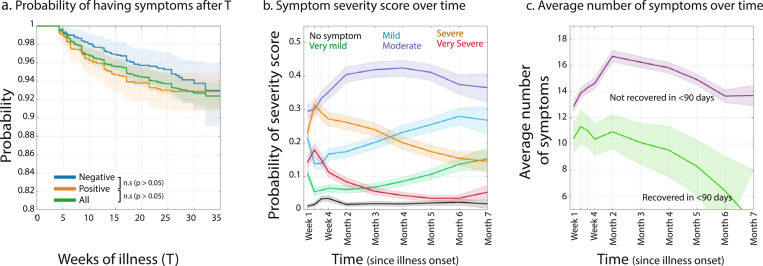
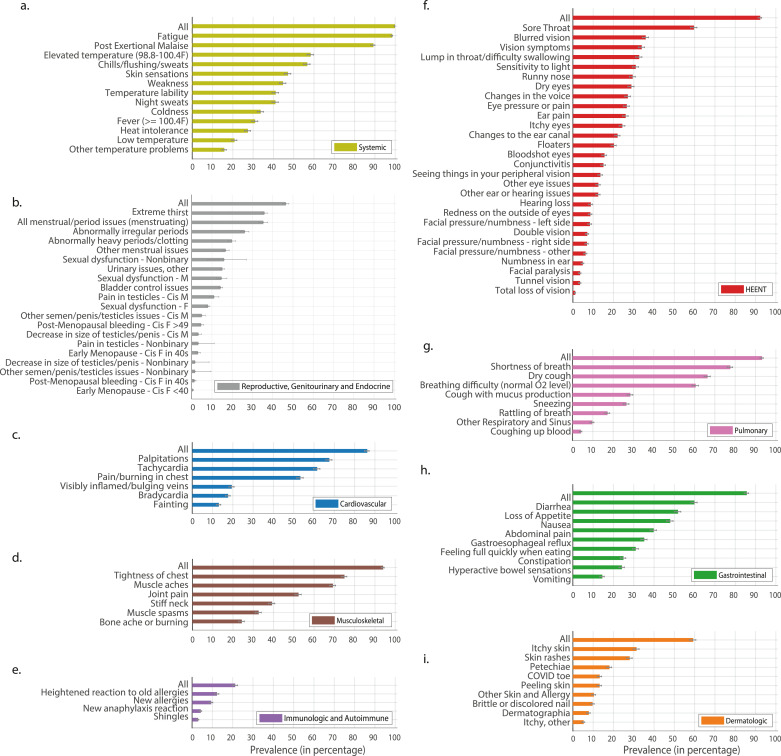
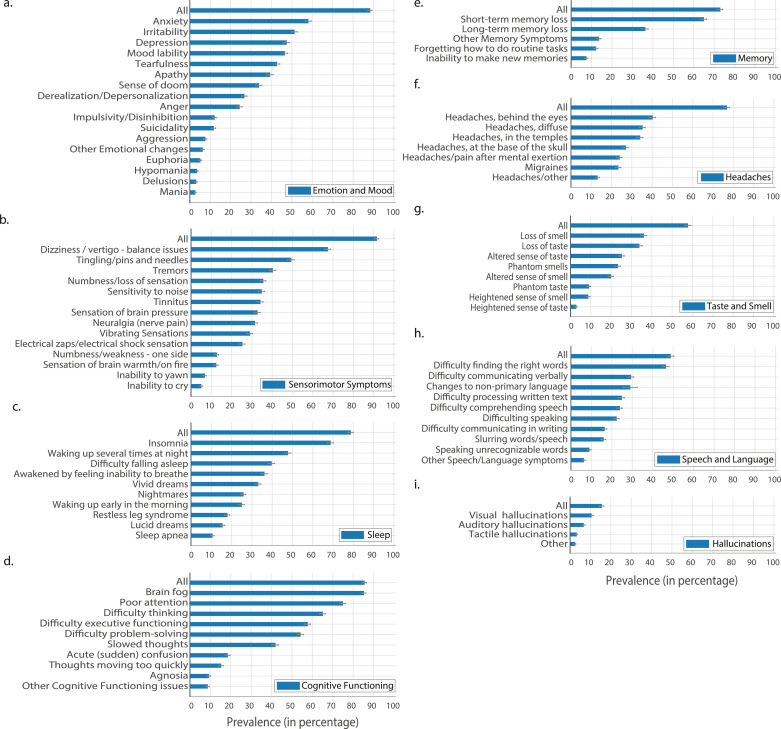
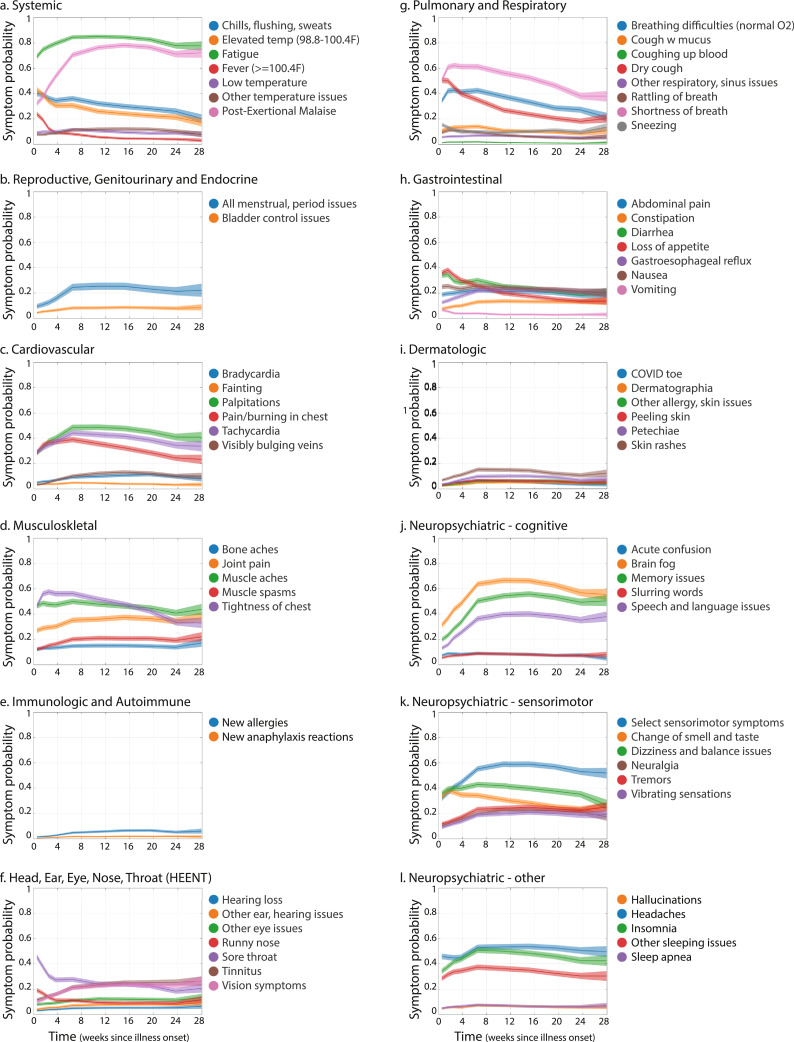
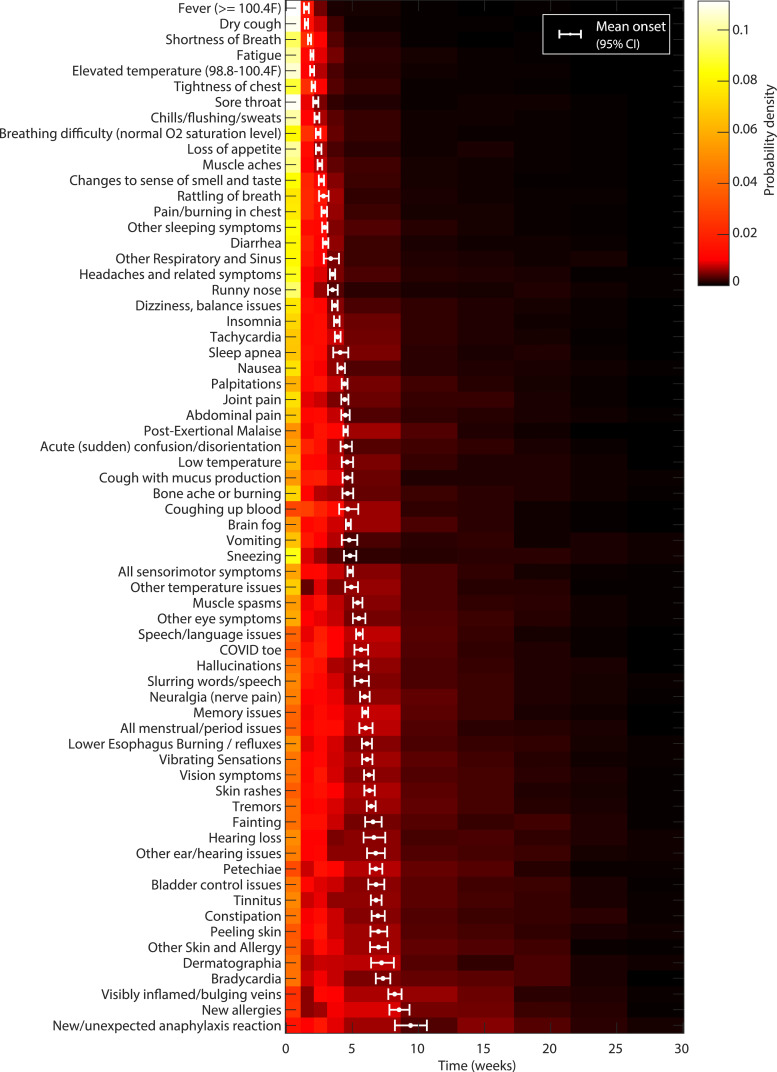
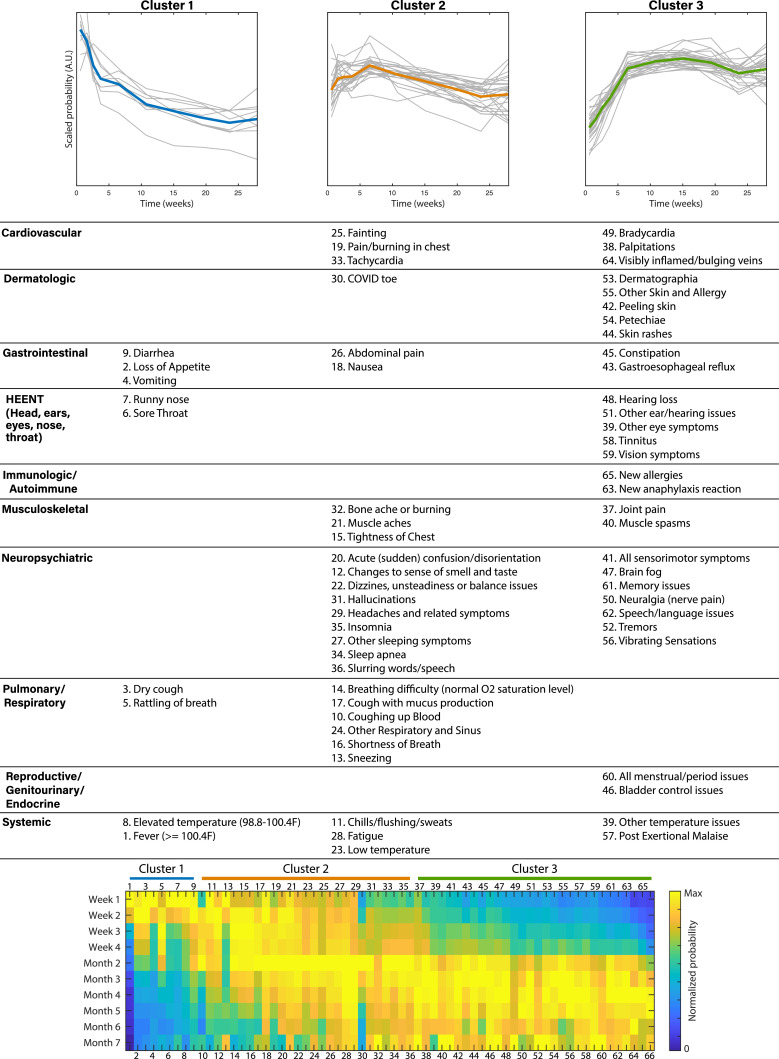
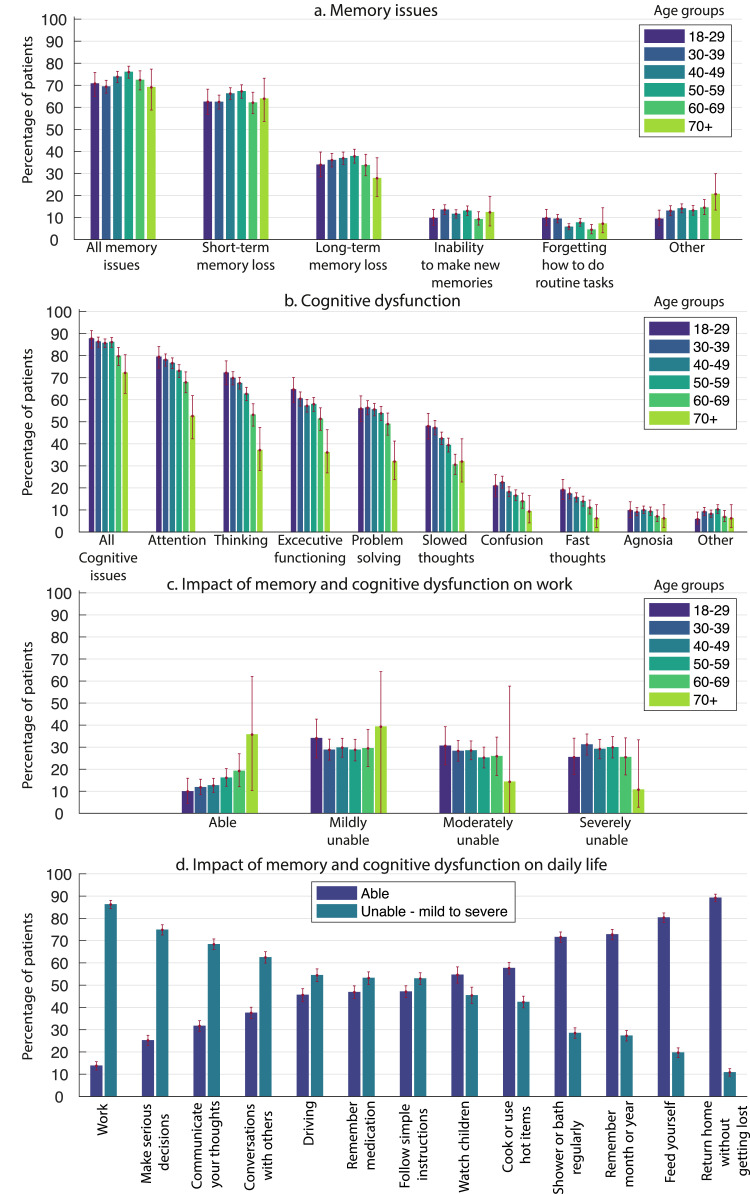
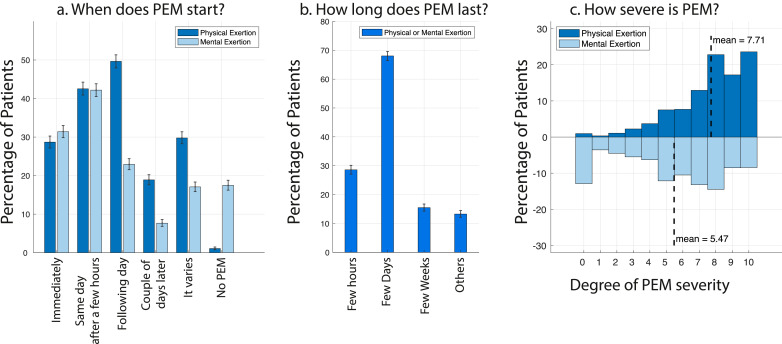
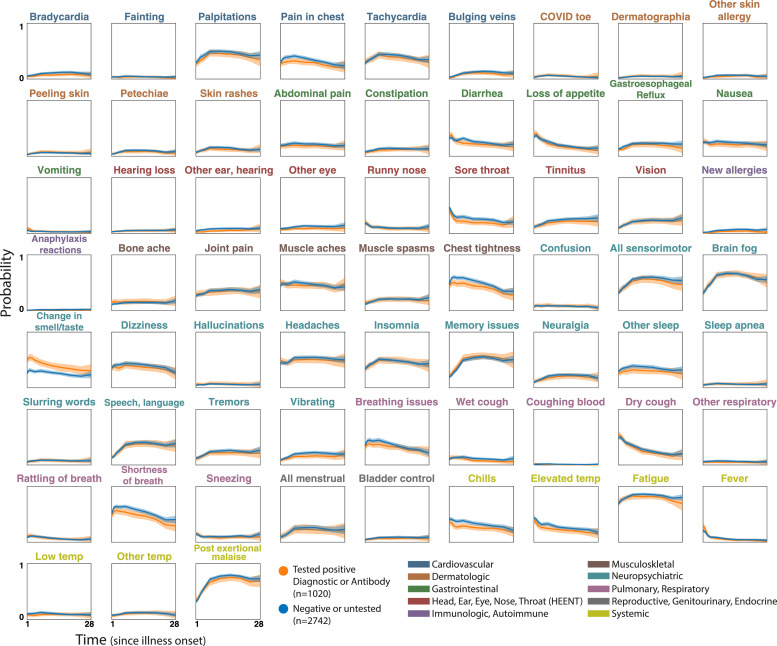
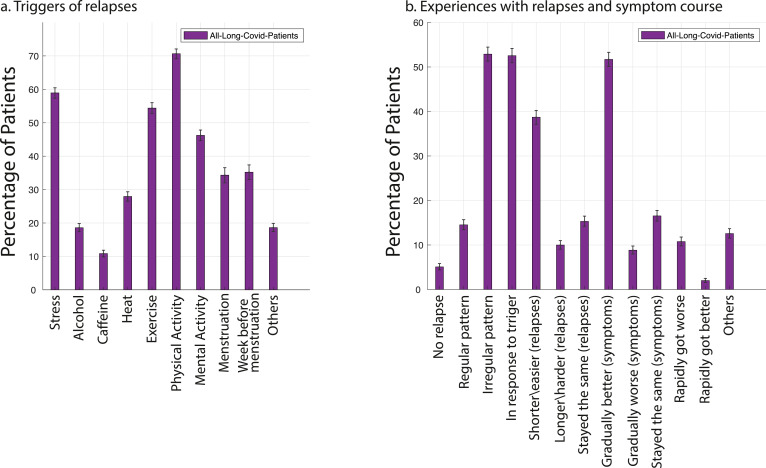
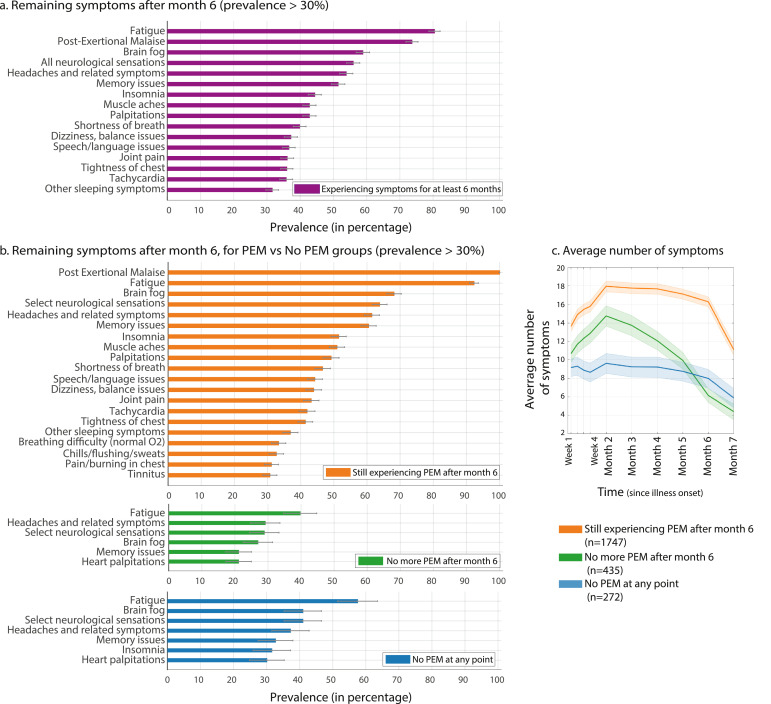
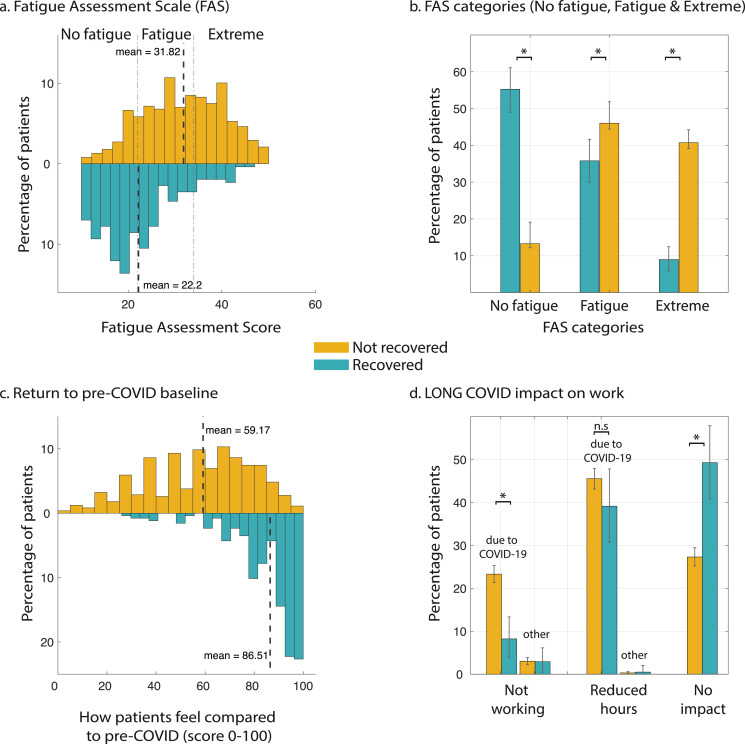
BACKGROUND: A significant number of patients with COVID-19 experience prolonged symptoms, known as Long COVID. Few systematic studies have investigated this population, particularly in outpatient settings. Hence, relatively little is known about symptom makeup and severity, expected clinical course, impact on daily functioning, and return to baseline health. METHODS: We conducted an online survey of people with suspected and confirmed COVID-19, distributed via COVID-19 support groups (e.g. Body Politic, Long COVID Support Group, Long Haul COVID Fighters) and social media (e.g. Twitter, Facebook). Data were collected from September 6, 2020 to November 25, 2020. We analyzed responses from 3762 participants with confirmed (diagnostic/antibody positive; 1020) or suspected (diagnostic/antibody negative or untested; 2742) COVID-19, from 56 countries, with illness lasting over 28 days and onset prior to June 2020. We estimated the prevalence of 203 symptoms in 10 organ systems and traced 66 symptoms over seven months. We measured the impact on life, work, and return to baseline health. FINDINGS: For the majority of respondents (>91%), the time to recovery exceeded 35 weeks. During their illness, participants experienced an average of 55.9+/- 25.5 (mean+/-STD) symptoms, across an average of 9.1 organ systems. The most frequent symptoms after month 6 were fatigue, post-exertional malaise, and cognitive dysfunction. Symptoms varied in their prevalence over time, and we identified three symptom clusters, each with a characteristic temporal profile. 85.9% of participants (95% CI, 84.8% to 87.0%) experienced relapses, primarily triggered by exercise, physical or mental activity, and stress. 86.7% (85.6% to 92.5%) of unrecovered respondents were experiencing fatigue at the time of survey, compared to 44.7% (38.5% to 50.5%) of recovered respondents. 1700 respondents (45.2%) required a reduced work schedule compared to pre-illness, and an additional 839 (22.3%) were not working at the time of survey due to illness. Cognitive dysfunction or memory issues were common across all age groups (~88%). Except for loss of smell and taste, the prevalence and trajectory of all symptoms were similar between groups with confirmed and suspected COVID-19. INTERPRETATION: Patients with Long COVID report prolonged, multisystem involvement and significant disability. By seven months, many patients have not yet recovered (mainly from systemic and neurological/cognitive symptoms), have not returned to previous levels of work, and continue to experience significant symptom burden. FUNDING: All authors contributed to this work in a voluntary capacity. The cost of survey hosting (on Qualtrics) and publication fee was covered by AA's research grant (Wellcome Trust/Gatsby Charity via Sainsbury Wellcome center, UCL).
Overview
The claims and statistics of this paper haven’t been checked yet.
Run the check — free, no account needed. It reads the open-access text and checks the sources it cites.
Integrity signals
Registry
Cites
Statistics
Figures
Verification
Claims the paper makes
The claims and statistics of this paper haven’t been checked yet.
Run the check — free, no account needed. It reads the open-access text and checks the sources it cites.
Claims other papers make about this one
Each is checked against this paper’s own text: does it say what the citing paper says it does?
The source backs part of the claim, not all of it — or backs it for a different population, condition or comparison.
In the citing paper
“Identifying subjects who are at risk of higher perceived loneliness and related psychological factors is particularly important in the context of the so called “long COVID” syndrome [50]”
From Psychological correlates of perceived loneliness in college students before and during the COVID-19 stay-at-home period: a longitudinal study (2023) · cites this paper as [50]
Experimental — accuracy not yet measuredIn the citing paper
“These symptoms can endure up to 6–7 months and even longer [[1], [2], [3], [4], [5]].”
From Female gender is associated with long COVID syndrome: a prospective cohort study (2022) · cites this paper as [3]
Self-check
Percentages, sums and reported differences re-computed from the paper’s own numbers.
The self-check needs the paper’s full text.
Citations
Cites
Persistent Symptoms in Patients After Acute COVID-19
Carfì, A., Bernabei, R., Landi, F., & for the Gemelli Against COVID-19 Post-Acute Care Study Group (2020) · JAMA · doi:10.1001/jama.2020.12603 · Cited by 4,561
Natural language processing with Python
Bird, S., Klein, E., & Loper, E. (2009) · CERN Document Server (European Organization for Nuclear Research) · Cited by 3,472
Better Bootstrap Confidence Intervals
Efron, B. (1987) · Journal of the American Statistical Association · doi:10.1080/01621459.1987.10478410 · Cited by 3,462 · cited 2×
“tical dashed lines indicate the range for “No fatigue”[10-21], “Fatigue”[22-34], and “Extreme” (>=35).”
MethodAttributes and predictors of long COVID
Sudre, C. H., Murray, B., Varsavsky, T., Graham, M. S., Penfold, R. S., Bowyer, R. C., Pujol, J. C., Klaser, K., Antonelli, M., Canas, L. S., et al. (2021) · Nature Medicine · doi:10.1038/s41591-021-01292-y · Cited by 2,707
Management of post-acute covid-19 in primary care
Greenhalgh, T., Knight, M., A’Court, C., Buxton, M., & Husain, L. (2020) · BMJ · doi:10.1136/bmj.m3026 · Cited by 1,771 · cited 1×
“While respiratory and some cardiovascular symptoms have been widely reported, neurological symptoms remain unclear [33].”
BackgroundEvolution of antibody immunity to SARS-CoV-2
Gaebler, C., Wang, Z., Lorenzi, J. C. C., Muecksch, F., Finkin, S., Tokuyama, M., Cho, A., Jankovic, M., Schaefer-Babajew, D., Oliveira, T. Y., et al. (2021) · Nature · doi:10.1038/s41586-021-03207-w · Cited by 1,674
High-dimensional characterization of post-acute sequelae of COVID-19
Al-Aly, Z., Xie, Y., & Bowe, B. (2021) · Nature · doi:10.1038/s41586-021-03553-9 · Cited by 1,518
Kucirka, L. M., Lauer, S. A., Laeyendecker, O. B., Boon, D., & Lessler, J. (2020) · Annals of Internal Medicine · doi:10.7326/m20-1495 · Cited by 1,414 · cited 1×
“Furthermore, the likelihood of false negatives increases after day 3 of symptom onset, when the false negative rate is 20%, reaching 66% by day 21[40].”
BackgroundTenforde, M. W., Kim, S. S., Lindsell, C. J., Billig Rose, E., Shapiro, N. I., Files, D. C., Gibbs, K. W., Erickson, H. L., Steingrub, J. S., Smithline, H. A., et al. (2020) · MMWR. Morbidity and Mortality Weekly Report · doi:10.15585/mmwr.mm6930e1 · Cited by 1,319 · cited 2×
“tical dashed lines indicate the range for “No fatigue”[10-21], “Fatigue”[22-34], and “Extreme” (>=35).”
BackgroundConcept Decompositions for Large Sparse Text Data Using Clustering
Dhillon, I. S., & Modha, D. S. (2001) · Machine Learning · doi:10.1023/a:1007612920971 · Cited by 1,308 · cited 1×
“Symptom time course clustering Symptom time courses were clustered using spherical k-means, a variant of k-means based on cosine distances [12].”
Research works printed but not linked: 3
- NIH workshop on post-acute sequelae of COVID-19 (Day 2) [Internet]. Available from: https://videocast.nih.gov/watch=38879
- Tang, 2020, 26, 1337
- Williams, 2021, A two-phase, single cohort study of COVID-19, Antibody Sera-Surveillance, 6
Cited by
Sorted by citations
Items 801–900 of 1,000
Cardiovascular and cerebral vascular health in females with postacute sequelae of COVID-19
Nandadeva, D., Skow, R. J., Stephens, B. Y., Grotle, A., Georgoudiou, S., Barshikar, S., Seo, Y., & Fadel, P. J. (2023) · American Journal of Physiology-Heart and Circulatory Physiology · doi:10.1152/ajpheart.00018.2023 · Cited by 16
The long-term effects of the Covid-19 infection on cardiac symptoms
Vafa, R. G., Heydarzadeh, R., Rahmani, M., Tavan, A., Mansorkhani, S. K., Zamiri, B., Amiri, F., Azadian, A., Khademolhosseini, A., Montaseri, M., et al. (2023) · BMC Cardiovascular Disorders · doi:10.1186/s12872-023-03322-8 · Cited by 17
Karakayalı, M., Artaç, İ., İliş, D., Omar, T., Rencüzoğulları, İ., Karabağ, Y., Altunova, M., Arslan, A., & Güzel, E. (2023) · Cureus · doi:10.7759/cureus.40256 · Cited by 16
Long COVID: The impact on language and cognition
Cummings, L. (2023) · Language and Health · doi:10.1016/j.laheal.2023.05.001 · Cited by 16
Lived experiences of diverse university staff during COVID-19: an examination of workplace wellbeing
Gutman, L. M., Younas, F., Perowne, R., & hAnrachtaigh, É. Ó. (2023) · Studies in Higher Education · doi:10.1080/03075079.2023.2231015 · Cited by 20
Saucier, J., Comeau, D., Robichaud, G. A., & Chamard-Witkowski, L. (2023) · Frontiers in Neurology · doi:10.3389/fneur.2023.1221266 · Cited by 16
da Silva, N. S., de Araújo, N. K., dos Santos, K. A., de Souza, K. S. C., de Araújo, J. N. G., Cruz, M. S., Parra, E. J., Silbiger, V. N., & Luchessi, A. D. (2023) · Scientific Reports · doi:10.1038/s41598-023-40586-8 · Cited by 18
Machado, A. V., Ferreira, W. E., Vitória, M., Júnior, H. M. M., Jardim, L. L., Menezes, M. A. C., Santos, R. P. D. O., Vargas, F. L., & Pereira, E. J. (2023) · Ciência & Saúde Coletiva · doi:10.1590/1413-812320232810.10102023 · Cited by 61
Straßburger, C., Hieber, D., Karthan, M., Jüster, M., & Schobel, J. (2023) · Frontiers in Public Health · doi:10.3389/fpubh.2023.1282507 · Cited by 16
Cortical GABA Levels Are Reduced in Post-Acute COVID-19 Syndrome
Marinković, K., White, D. R., Myers, A. A., Parker, K. S., Arienzo, D., & Mason, G. F. (2023) · Brain Sciences · doi:10.3390/brainsci13121666 · Cited by 17
Bergmans, R. S., Clauw, D. J., Flint, C., HARRIS, H. W., Lederman, S. M., & Schrepf, A. (2023) · Pain · doi:10.1097/j.pain.0000000000003110 · Cited by 17
Lempesis, I. G., Georgakopoulou, V., Reiter, R. J., & Spandidos, D. A. (2024) · International Journal of Molecular Medicine · doi:10.3892/ijmm.2024.5352 · Cited by 18
Naik, H., Tran, K. C., Staples, J. A., Perlis, R. H., & Levin, A. (2024) · JAMA Network Open · doi:10.1001/jamanetworkopen.2024.8481 · Cited by 16
Characterization of cognitive symptoms in post COVID-19 patients
Ruzicka, M., Sachenbacher, S., Heimkes, F., Übleis, A., Karch, S., Grosse-Wentrup, F., Fonseca, G. J. I., Wunderlich, N., Bogner, J. R., Mayerle, J. V., et al. (2024) · European Archives of Psychiatry and Clinical Neuroscience · doi:10.1007/s00406-024-01821-z · Cited by 16
Erinoso, O. A., Osibogun, O. I., Balakrishnan, S., & Yang, W. (2024) · Preventive Medicine · doi:10.1016/j.ypmed.2024.108004 · Cited by 16
Knopman, D. S., Laskowitz, D. T., Attix, D. K., Charvet, L. E., Becker, J., Federman, A. D., Wisnivesky, J. P., Mahncke, H. W., Vleet, T. V., Bateman, L., et al. (2024) · Trials · doi:10.1186/s13063-024-08156-z · Cited by 16
Saade, A., Didier, Q., Cha, L., Garlantézec, R., Paris, C., & Tattevin, P. (2024) · Journal of Medical Virology · doi:10.1002/jmv.29725 · Cited by 16
“16 A systematic review performed in 2022 reported that 10% – 78% of patients admitted for COVID had returned to work 6 months later, with up to 13% requiring adjustment in their work activities and/or schedules.”
BackgroundDesigning and optimizing clinical trials for long COVID
Vogel, J. M., Pollack, B., Spier, E., McCorkell, L., Jaudon, T. W., Fitzgerald, M., Davis, H., & Cohen, A. K. (2024) · Life Sciences · doi:10.1016/j.lfs.2024.122970 · Cited by 17
Self-citationCurrent concepts in long COVID-19 brain fog and postural orthostatic tachycardia syndrome
Tavee, J. O. (2024) · Annals of Allergy Asthma & Immunology · doi:10.1016/j.anai.2024.08.008 · Cited by 18
Impact of extended-course oral nirmatrelvir/ritonavir in established Long COVID: a case series
Cohen, A. K., Jaudon, T. W., Schurman, E. M., Kava, L., Vogel, J. M., Haas-Godsil, J., Lewis, D., Crausman, S., Leslie, K., Bligh, S. C., et al. (2025) · Communications Medicine · doi:10.1038/s43856-024-00668-8 · Cited by 16
Self-citationWeigel, B., Inderyas, M., Eaton-Fitch, N., Thapaliya, K., & Marshall‐Gradisnik, S. (2025) · Journal of Translational Medicine · doi:10.1186/s12967-025-06131-z · Cited by 16
Lim, J., Puan, K. J., Wang, L. W., Teng, K. W. W., Loh, C. Y., Tan, K. P., Carissimo, G., Chan, Y., Poh, C. M., Lee, C. Y., et al. (2021) · Frontiers in Immunology · doi:10.3389/fimmu.2021.710217 · Cited by 17
Boyd, K., Winslow, V. A., Soo Borson, B., Lindau, S. T., & Makelarski, J. A. (2022) · The Annals of Family Medicine · doi:10.1370/afm.2845 · Cited by 16
RetractedMid- and Long-Term Atrio-Ventricular Functional Changes in Children after Recovery from COVID-19
Sabatino, J., Chiara, C. D., Candia, A. D., Sirico, D., Donà, D., Fumanelli, J., Basso, A., Pogacnik, P., Cuppini, E., Romano, L. R., et al. (2022) · Journal of Clinical Medicine · doi:10.3390/jcm12010186 · Cited by 16
Iron Dyshomeostasis in COVID-19: Biomarkers Reveal a Functional Link to 5-Lipoxygenase Activation
Dufrusine, B., Valentinuzzi, S., Bibbò, S., Damiani, V., Lanuti, P., Pieragostino, D., Boccio, P. D., D’Alessandro, E., Rabottini, A., Berghella, A., et al. (2022) · International Journal of Molecular Sciences · doi:10.3390/ijms24010015 · Cited by 17
Zhang, Y., Hu, H. Z., Fokaidis, V., Lewis, C., V, Xu, J., Zang, C., Xu, Z., Wang, F., Koropsak, M., Bian, J., et al. (2023) · Environmental Advances · doi:10.1016/j.envadv.2023.100352 · Cited by 16
Turner, S., Naidoo, C. A., Usher, T. J., Kruger, A., Venter, C., Laubscher, G. J., Khan, A., Kell, D. B., & Pretorius, E. (2022) · medRxiv · doi:10.1101/2022.10.13.22281055 · Cited by 16
Gardner, E., Lockrey, A., Stoesser, K. L., Leiser, J. P., Brown, J. P., Kiraly, B., & Ose, D. J. (2024) · The Annals of Family Medicine · doi:10.1370/afm.3145 · Cited by 16
“5,20,30,33,34 The population of the long COVID clinic likely includes the most severely affected patients.”
Thapaliya, K., Marshall‐Gradisnik, S., Eaton-Fitch, N., Barth, M., Inderyas, M., & Barnden, L. R. (2025) · PLoS ONE · doi:10.1371/journal.pone.0316625 · Cited by 30
Rudroff, T. (2025) · Brain Sciences · doi:10.3390/brainsci15050533 · Cited by 17
The potential bidirectional relationship between long COVID and menstruation
Maybin, J. A., Walker, C. A., Watters, M., Homer, N. Z. M., Simpson, J., Robb, C., Gibson, D. A., Jeanjean, L., Critchley, H., Kountourides, G. S., et al. (2025) · Nature Communications · doi:10.1038/s41467-025-62965-7 · Cited by 19
“A survey of those with long COVID revealed menstrual issues were reported by 33.8% 28 .”
InfluentialSystemic increase of AMPA receptors associated with cognitive impairment of long COVID
Fujimoto, Y., Abe, H., Eiro, T., Tsugawa, S., Tanaka, M., Hatano, M., Nakajima, W., Ichijo, S., Arisawa, T., Takada, Y., et al. (2025) · Brain Communications · doi:10.1093/braincomms/fcaf337 · Cited by 17
COVID-19-associated neurological and psychological manifestations
Wilson, J. E., Gurdasani, D., Helbok, R., Ozturk, S., Fraser, D. D., Filipović, S. R., Peluso, M. J., Iwasaki, A., Yasuda, C. L., Bocci, T., et al. (2025) · Nature Reviews Disease Primers · doi:10.1038/s41572-025-00674-7 · Cited by 16
“Longitudinal studies of long COVID symptoms suggest that patients with neurocognitive symptoms, neuropsychiatric symptoms, PEM and fatigue poorly recover 33,34 .”
InfluentialTurner, L. G., Munsie, M., Levine, A. D., & Ikonomou, L. (2021) · Stem Cell Reports · doi:10.1016/j.stemcr.2021.09.005 · Cited by 16
The Use of Modern Technologies in Post-COVID-19 Cardiopulmonary Rehabilitation
Andriţoi, D., Luca, C. M., Onu, I., Corciovă, C., Fuior, R., Sălceanu, A., & Iordan, D. A. (2022) · Applied Sciences · doi:10.3390/app12157471 · Cited by 15
Characteristics of animal models for COVID‐19
Qi, F., & Qin, C. (2022) · Animal Models and Experimental Medicine · doi:10.1002/ame2.12278 · Cited by 14
Resilience resources and coping strategies of COVID-19 female long haulers: A qualitative study
Aghaei, A., Aggarwal, A., Zhang, R., Li, X., & Qiao, S. (2022) · Frontiers in Public Health · doi:10.3389/fpubh.2022.970378 · Cited by 16
Perceived Consequences of Post-COVID-19 and Factors Associated with Low Life Satisfaction
Ekstrand, E., Brogårdh, C. B., Axén, I., Fänge, A. M., Stigmar, K., & Hansson, E. E. (2022) · International Journal of Environmental Research and Public Health · doi:10.3390/ijerph192215309 · Cited by 18
Deguilhem, A., Malaab, J., Talmatkadi, M., Renner, S., Foulquié, P., Fagherazzi, G., Loussikian, P., Marty, T., Mebarki, A., Texier, N., et al. (2022) · JMIR Infodemiology · doi:10.2196/39849 · Cited by 15
Agergaard, J., Ullahammer, W. M., Gunst, J. D., Østergaard, L. J., & Schiøttz‐Christensen, B. (2022) · Journal of Clinical Medicine · doi:10.3390/jcm11247338 · Cited by 16
Long COVID Symptomatology and Associated Factors in Primary Care Patients: The EPICOVID-AP21 Study
Rodríguez, E. M. R., de Torres, L. Á. P., González-Lama, J., Jiménez, R., Jiménez-García, C., Priego-Pérez, C., Vélez-Santamaría, R., Simón‐Vicente, L., González‐Santos, J., & Gonzalez-Bernal, J. J. (2023) · Healthcare · doi:10.3390/healthcare11020218 · Cited by 17
Song, J. H., Jing, Q., Zhu, E., Liu, Q., Fei, M., Zhang, H., An, G., Cao, S., Tang, J., Xu, G., et al. (2023) · International Journal of Infectious Diseases · doi:10.1016/j.ijid.2023.01.017 · Cited by 14
Abuhammad, S., Alzoubi, K. H., Khabour, O. F., Hamaideh, S. H., & Khassawneh, B. Y. (2023) · Medicine · doi:10.1097/md.0000000000032737 · Cited by 15
Long COVID in people living with HIV
Peluso, M. J., & Antar, A. A. R. (2023) · Current Opinion in HIV and AIDS · doi:10.1097/coh.0000000000000789 · Cited by 18
Goodridge, D. M., Lowe, T. N., Cai, S., Herriot, F. N., Silverberg, R. V., Heynen, M., Hall, K. C., Peters, J., Butcher, S. J., & Oyedokun, T. O. (2023) · CMAJ Open · doi:10.9778/cmajo.20220205 · Cited by 15
Chen, Y., Liu, X., & Tong, Z. (2023) · Journal of Medical Virology · doi:10.1002/jmv.28956 · Cited by 15
Yamasaki, Y., Kamitani, T., Sagiyama, K., Hino, T., Kisanuki, M., Tabata, K., Isoda, T., Kitamura, Y., Abe, K., Hosokawa, K., et al. (2023) · Japanese Journal of Radiology · doi:10.1007/s11604-023-01483-2 · Cited by 15
Pagen, D. M. E., van Bilsen, C. J. A., Brinkhues, S., Herck, M. V., Konings, K., den Heijer, C. D. J., ter Waarbeek, H. L. G., Spruit, M. A., Hoebe, C. J. P. A., & Dukers–Muijrers, N. H. T. M. (2023) · Open Forum Infectious Diseases · doi:10.1093/ofid/ofad471 · Cited by 15
Paxlovid as a potential treatment for long COVID
McCarthy, M. W. (2023) · Expert Opinion on Pharmacotherapy · doi:10.1080/14656566.2023.2262387 · Cited by 16
Delineation of DNA and mRNA COVID-19 vaccine-induced immune responses in preclinical animal models
Andrade, V. M., Maricic, I., Kalia, R., Jachimowicz, L. A., Bedoya, O., Kulp, D. W., Humeau, L. M. P. F., & Smith, T. R. F. (2023) · Human Vaccines & Immunotherapeutics · doi:10.1080/21645515.2023.2281733 · Cited by 15
Unveiling the Clinical Spectrum of Post-COVID-19 Conditions: Assessment and Recommended Strategies
Assiri, A. M., Alamaa, T., Elenezi, F., Alsagheir, A. I., Alzubaidi, L. M. Y., TIeyjeh, I., Alhomod, A. S., Gaffas, E. M., & Amer, S. A. (2024) · Cureus · doi:10.7759/cureus.52827 · Cited by 18
Sivan, M., Smith, A. B., Osborne, T. R., Goodwin, M., Lawrence, R. R., Baley, S., Williams, P., Lee, C., Davies, H. E., Balasundaram, K., et al. (2024) · Journal of Clinical Medicine · doi:10.3390/jcm13071908 · Cited by 15
Appel, K. S., Nürnberger, C., Bahmer, T. J., Förster, C., Polidori, M. C., Kohls, M., Kraus, T., Hettich-Damm, N., Petersen, J., Blaschke, S., et al. (2024) · Infection · doi:10.1007/s15010-024-02226-9 · Cited by 15
Long-Term Health-Related Quality of Life in Working-Age COVID-19 Survivors: A Cross-Sectional Study
Naik, H., Wilton, J., Tran, K. C., Janjua, N. Z., Levin, A., & Zhang, W. (2024) · The American Journal of Medicine · doi:10.1016/j.amjmed.2024.05.016 · Cited by 15
Shafqat, A., Masters, M. C., Tripathi, U., Tchkonia, T., Kirkland, J. L., & Hashmi, S. K. (2024) · Ageing Research Reviews · doi:10.1016/j.arr.2024.102400 · Cited by 15
Impact of age and sex on neuroinflammation following SARS-CoV-2 infection in a murine model
Krishna, V. D., Chang, A., Korthas, H. T., Var, S. R., Seelig, D. M., Low, W. C., Li, L., & Cheeran, M. C. ‐. (2024) · Frontiers in Microbiology · doi:10.3389/fmicb.2024.1404312 · Cited by 14
Cano, N., Gómez-Hernández, J., Ariza, M., Mora, T., Mora, T., Porras-García, B., & Garolera, M. (2024) · Frontiers in Psychology · doi:10.3389/fpsyg.2024.1441018 · Cited by 15
“It has, however, been estimated that about 10–15% of adults (Davis et al., 2021) experience persistent symptoms (e.g., fatigue, dyspnea, anosmia or ageusia, brain fog, impaired cognition, sleep disturbances, anxiety or depression) and worsening quality of life for weeks or months after initial…”
BackgroundMorse, B. A., Motovilov, K., Brode, W. M., Tee, F. M., & Melamed, E. (2024) · Brain Behavior and Immunity · doi:10.1016/j.bbi.2024.10.006 · Cited by 15
Sharif‐Askari, F. S., Alsayed, H. A. H., Sharif‐Askari, N. S., Hussain, A. A. S., Al‐Muhsen, S., & Halwani, R. (2024) · Scientific Reports · doi:10.1038/s41598-024-76472-0 · Cited by 15
“The secondary outcome was evaluated as a patient visit to the family medicine department due to the symptom(s) of long COVID, defined as continuous or new symptom(s) present 28 days or more following acute COVID-19 infection 9,22,23 .”
BackgroundCalvani, R., Giampaoli, O., Marini, F., CHIERICO, F. D., Rosa, M. D., Conta, G., Sciubba, F., Tosato, M., Picca, A., Ciciarello, F., et al. (2024) · Clinical Nutrition · doi:10.1016/j.clnu.2024.11.023 · Cited by 20
Fabrazzo, M., Russo, A., Camerlengo, A., Tucci, C., Luciano, M., Santis, V. D., Perris, F., Catapano, F., & Coppola, N. (2021) · Medicina · doi:10.3390/medicina57111244 · Cited by 15
Schaap, G., Wensink, M., Doggen, C. J. M., van der Palen, J. A. M., Vonkeman, H. E., & Bode, C. (2022) · International Journal of Environmental Research and Public Health · doi:10.3390/ijerph192013003 · Cited by 15
Role of Imaging and AI in the Evaluation of COVID-19 Infection: A Comprehensive Survey
Elgendy, M., Balaha, H. M., Shehata, M., Alksas, A., Ghoneim, M. M. R., Sherif, F., Mahmoud, A. H., Elgarayhi, A., Taher, F., Sallah, M., et al. (2022) · Frontiers in Bioscience-Landmark · doi:10.31083/j.fbl2709276 · Cited by 16
Persistence of symptoms and return to work after hospitalization for COVID-19
de Azevedo, H. M. J., dos Santos, N. W. F., Lafeta, M. L., de Albuquerque, A. L. P., Tanni, S. É., Sperandio, P. A., & Ferreira, E. V. M. (2022) · Jornal Brasileiro de Pneumologia · doi:10.36416/1806-3756/e20220194 · Cited by 15
Consensus methodology for the development of postacute sequelae of SARS‐CoV‐2 guidance statements
Maley, J. H., Sampsel, S., Abramoff, B. A., Herman, E., Neerukonda, K. V., & Mikkelsen, M. E. (2021) · PM&R · doi:10.1002/pmrj.12670 · Cited by 15
Rudan, I. (2022) · Journal of Global Health · doi:10.7189/jogh.12.01002 · Cited by 15
Chaudhary, N. M., Weldon, C. H., Nandakumar, P., Holmes, M. V., & Aslibekyan, S. W. (2024) · medRxiv · doi:10.1101/2024.10.07.24315052 · Cited by 17
Wu, C., Reynolds, W. C., Abril, I., McManus, A. J., Brenner, C., González-Irizarry, G., Gutiérrez-Martínez, L., Sun, O., Rosand, J. M., Tanzi, R. E., et al. (2025) · EClinicalMedicine · doi:10.1016/j.eclinm.2025.103633 · Cited by 19
“5,7 As such, we also tested the effect of NR and increased NAD+ levels on perceived fatigue severity, sleep quality, and symptoms of depression and anxiety.”
Economic burden of long COVID: macroeconomic, cost-of-illness and microeconomic impacts
Bansal, A. (2025) · npj Primary Care Respiratory Medicine · doi:10.1038/s41533-025-00460-8 · Cited by 14
“%) of 1700 respondents were ill for over 28 days with suspected and con fi rmed COVID-19 reported reduced work schedules, with 22% (839 individuals) not working more than six months after falling ill 61 .”
Acute and long-term neurological disorders in patients with coronavirus infection
Parfenov, V. A., & Kulesh, A. A. (2022) · Neurology neuropsychiatry Psychosomatics · doi:10.14412/2074-2711-2022-3-4-11 · Cited by 14
Clinical public health: harnessing the best of both worlds in sickness and in health
Choi, B. C. K., King, A. S., Gupta, N., Morris, S. K., Upshur, R. E. G., Graham, K., Bilotta, R., Selby, P. L., Harvey, B. J., Young, E., et al. (2022) · Health Promotion and Chronic Disease Prevention in Canada · doi:10.24095/hpcdp.42.10.03 · Cited by 14
Pagen, D. M. E., van Bilsen, C. J. A., Brinkhues, S., Moonen, C. P. B., Herck, M. V., Konings, K., den Heijer, C. D. J., Mujakovic, S., ter Waarbeek, H. L. G., Bouwmeester-Vincken, N., et al. (2022) · Frontiers in Public Health · doi:10.3389/fpubh.2022.1032955 · Cited by 14
Ramasamy, A., Wang, C., Brode, W. M., Verduzco‐Gutierrez, M., & Melamed, E. (2023) · Physical Medicine and Rehabilitation Clinics of North America · doi:10.1016/j.pmr.2023.04.004 · Cited by 14
A Review of Neurological Symptoms in Long COVID and Clinical Management
Navis, A. (2023) · Seminars in Neurology · doi:10.1055/s-0043-1767781 · Cited by 14
Wacks, M., Wortley, E., Gregorowski, A., Segal, T. Y., & Whittaker, E. (2023) · Archives of Disease in Childhood Education & Practice · doi:10.1136/archdischild-2022-324950 · Cited by 14
Kustura, L., Bobek, D., Poljičanin, A., Pavelin, S., Šoda, M. B., Šoda, J., Aksentijević, J., Glavor, K. D., Knez, N. N., Viali, V., et al. (2023) · QJM · doi:10.1093/qjmed/hcad224 · Cited by 14
Zheng, C., Huang, Y., Sun, F., Wong, M. C. S., Siu, P. M., Chun‐Hang, A., Xiang-ke, C. H. E. N., & Wong, S. H. (2023) · The American Journal of Medicine · doi:10.1016/j.amjmed.2023.12.002 · Cited by 14
Preßler, H., Machule, M.-L., Ufer, F., Bünger, I., Li, L. Y., Buchholz, E., Werner, C., Beraha, E. M., Wagner, F. D., Metz, M., et al. (2024) · Trials · doi:10.1186/s13063-024-07982-5 · Cited by 14
Dacosta‐Aguayo, R., Puig, J., Lamonja-Vicente, N., Carmona-Cervelló, M., León-Gómez, B. B., Monté, G. C., López-Lifante, V. M., Zamora-Putin, V., Montero-Alía, P., Chacón, C., et al. (2024) · American Journal of Neuroradiology · doi:10.3174/ajnr.a8167 · Cited by 14
Physical exercise-related manifestations of long COVID: A systematic review and meta-analysis
Zheng, C., Chen, J., Dai, Z.-H., Wan, K., Sun, F., Huang, J.-H., & Chen, X. (2024) · Journal of Exercise Science & Fitness · doi:10.1016/j.jesf.2024.06.001 · Cited by 14
“7 Thus, further studies on the mechanisms of the physical exercise-related manifestations of PASC, in addition to physical deconditioning, are still needed, which may contribute to the diagnosis and treatment of physical exercise-related PASC.”
BackgroundSchild, A., Scharfenberg, D., Regorius, A., Klein, K., Kirchner, L., Goereci, Y., Lülling, J., Meiberth, D. U., Schweitzer, F., Fink, G. R., et al. (2024) · European Archives of Psychiatry and Clinical Neuroscience · doi:10.1007/s00406-024-01863-3 · Cited by 14
“…COVID-19 up to 12 months after diagnosis using online surveys showed an increase in cognitive and neuropsychiatric symptoms (e.g., memory problems, confusion, fatigue, anxiety, depression), particularly in the early period after acute COVID-19, followed by either a decrease or stagnation [30, 31].”
The association between prolonged SARS-CoV-2 symptoms and work outcomes
Venkatesh, A. K., Yu, H., Malicki, C., Gottlieb, M. A., Elmore, J. G., Hill, M. J., Idris, A. H., Montoy, J. C. C., O’Laughlin, K. N., Rising, K. L., et al. (2024) · PLoS ONE · doi:10.1371/journal.pone.0300947 · Cited by 14
Sculthorpe, N. F., Mclaughlin, M., Cerexhe, L., Macdonald, E., Iacono, A. D., Sanal‐Hayes, N. E. M., Ingram, J., Meach, R., Carless, D., Ormerod, J. A., et al. (2025) · BMJ Open · doi:10.1136/bmjopen-2024-086646 · Cited by 14
Arāja, D., Berķis, U., & Murovska, M. (2022) · Healthcare · doi:10.3390/healthcare10061018 · Cited by 14
Walitt, B. T., & Johnson, T. P. (2022) · Current Opinion in Neurology · doi:10.1097/wco.0000000000001051 · Cited by 14
Burton, C. W., Downs, C. A., Hughes, T. D., Lambert, N., Abrahim, H. L., Herrera, M. D. P. G., Huang, Y., Rahmani, A. M., Lee, J., Chakraborty, R., et al. (2022) · Journal of Advanced Nursing · doi:10.1111/jan.15426 · Cited by 14
Patient Experiences with a Tertiary Care Post-COVID-19 Clinic
Garg, A., Subramain, M., Barlow, P. B., Garvin, L. A., Hoth, K. F., Dukes, K., Hoffman, R. M., & Comellas, A. P. (2023) · Journal of Patient Experience · doi:10.1177/23743735231151539 · Cited by 17
Age of First Overweight and Obesity, COVID-19 and Long COVID in Two British Birth Cohorts
Staatz, C. B., Bann, D., Ploubidis, G. B., Goodman, A. T., & Silverwood, R. J. (2023) · Journal of Epidemiology and Global Health · doi:10.1007/s44197-023-00093-5 · Cited by 14
An Oral Galectin Inhibitor in COVID-19—A Phase II Randomized Controlled Trial
Sigamani, A., Mayo, K. H., Miller, M. C., Chen-Walden, H., Reddy, S., & Platt, D. (2023) · Vaccines · doi:10.3390/vaccines11040731 · Cited by 14
How Does Long-COVID Impact Prognosis and the Long-Term Sequelae?
Baroni, C., Potito, J., Perticone, M. E., Orausclio, P., & Luna, C. M. (2023) · Viruses · doi:10.3390/v15051173 · Cited by 14
Dolatabadi, E., Moyano, D., Bales, M., Spasojevic, S. S., Bhambhoria, R. V., Bhatti, J. A., Debnath, S., Hoell, N., Li, X., Leng, C., et al. (2023) · Journal of Medical Internet Research · doi:10.2196/45767 · Cited by 14
Association of long COVID with housing insecurity in the United States, 2022–2023
Packard, S. E., & Susser, E. (2023) · SSM - Population Health · doi:10.1016/j.ssmph.2023.101586 · Cited by 15
A proposal to apply brain injury recovery treatments for cognitive impairment in COVID-19 survivors
Nouraeinejad, A. (2022) · International Journal of Neuroscience · doi:10.1080/00207454.2022.2084091 · Cited by 14
Budhiraja, S., Aggarwal, M., Wig, R., Tyagi, A., Mishra, R., Mahajan, M., Kirtani, J., Tickoo, R., Bali, S., Dewan, A., et al. (2021) · medRxiv · doi:10.1101/2021.06.21.21258543 · Cited by 14
Multi-organ impairment and Long COVID: a 1-year prospective, longitudinal cohort studyPreprint
Dennis, A., Cuthbertson, D. J., Wootton, D. G., Crooks, M. G., Gabbay, M., Eichert, N., Mouchti, S., Pansini, M., Roca‐Fernández, A., Thomaides-Brears, H. B., et al. (2022) · medRxiv · doi:10.1101/2022.03.18.22272607 · Cited by 14
Increased fibrinaloid microclot counts in platelet-poor plasma are associated with Long COVIDPreprint
Dalton, C., Oliveira, M., Stafford, P., Peake, N., Kane, B., Higham, A., Singh, D., Jackson, N. A., Davies, H. E., Price, D. A., et al. (2024) · medRxiv · doi:10.1101/2024.04.04.24305318 · Cited by 19
Jian, C., Sorensen, N., Lutter, R., Albers, R., de Vos, W., Salonen, A., & Mercenier, A. (2024) · Biomedicine & Pharmacotherapy · doi:10.1016/j.biopha.2024.116561 · Cited by 13
Core features and inherent diversity of post-acute infection syndromes
Trautmann, A. (2025) · Frontiers in Immunology · doi:10.3389/fimmu.2025.1509131 · Cited by 13
Cognitive and mental health outcomes in long covid
Aretouli, E., Malik, M., Widmann, C., Parker, A. M., Oh, E. S., & Vannorsdall, T. D. (2025) · BMJ · doi:10.1136/bmj-2024-081349 · Cited by 21
“…experienced by those with long covid, cognitive and mental health concerns (commonly referred to as neuropsychiatric symptoms), such as “brain fog,” concentration and memory difficulties, depression, and anxiety are especially common, 7 -9 affecting approximately 20.4% of long covid patients.”
InfluentialRecovery From Alopecia After COVID-19
Otsuka, Y., Nakano, Y., Hagiya, H., Tokumasu, K., & Otsuka, F. (2022) · Cureus · doi:10.7759/cureus.21160 · Cited by 13
Metadata
- Authors
- Davis, H. E., Assaf, G. S., McCorkell, L., Wei, H., Low, R. J., Re'em, Y., Redfield, S., Austin, J. P., & Akrami, A.
- Affiliations
- Patient-Led Research Collaborative (US)
- Oregon Health & Science University (US)
- Corresponding author
- Akrami, Athena
- ORCID
- Venue
- eClinicalMedicine
- Publisher
- Elsevier BV
- Published
- 2021-08
- Volume
- 38
- Pages
- 101019
- ISSN
- 2589-5370 (ISSN-L)
- PMC
- PMC8280690
- OpenAlex
- W3184339862
- Cited by
- 2,881
- References
- 46
- Citations by year
- 2026: 299 · 2025: 492 · 2024: 594 · 2023: 692 · 2022: 617 · 2021: 186
- FWCI
- 249.99
- Type
- journal article
- Language
- en
- Open access
- gold
- doi.org
- Licence
- Locations
- EClinicalMedicine (publishedVersion, cc-by)
- PubMed Central (publishedVersion, cc-by)
- PubMed (publishedVersion)
- DOAJ (DOAJ: Directory of Open Access Journals) (submittedVersion, cc-by-sa)
- Funders
- Wellcome Trust
- Topics
- Health Sciences › Medicine › Clinical Neurology › Long-Term Effects of COVID-19
- Health Sciences › Medicine › Infectious Diseases › COVID-19 Clinical Research Studies
- Social Sciences › Psychology › Clinical Psychology › COVID-19 and Mental Health
- Keywords
- long COVID, symptom clusters, fatigue, post-exertional malaise, cognitive impairment, symptom recurrence, work disability, loss of taste and smell, outpatients
About these checks
Registry, retraction, Cites and statistics results are computed, not judged, with one exception: a printed reference that no index lists is read once by a model before it counts as a citation error. Claims are extracted by a model and kept only when their quote appears verbatim in the text; each cited source is then checked, with a model’s help, for whether it says what the claim relies on. Those verdicts can be wrong — read the claim’s quote and the cited source before relying on one.
Statistics and arithmetic are recomputed, not judged.
Confidence bands are shown only for fields calibrated on our annotated test set. None is calibrated yet, so no band is shown.
What counts as a claim ›How we measure confidence ›How we check this ›
Are you an author, or do you see a problem with this page? Request a review
