

The DOI matches its Crossref record; 44 of the 46 references it cites were found in a registry or an index.
Characterizing long COVID in an international cohort: 7 months of symptoms and their impact
Open accessPublished version of a preprint
Abstract
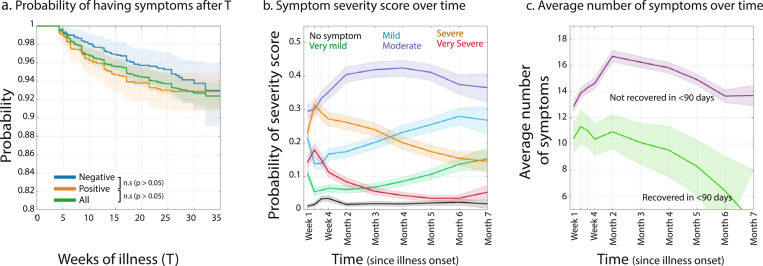
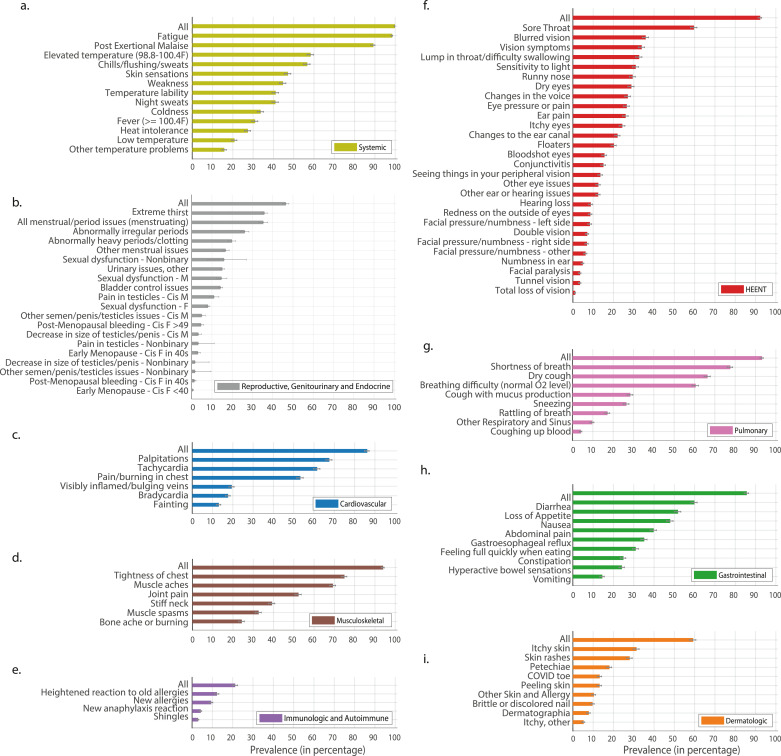
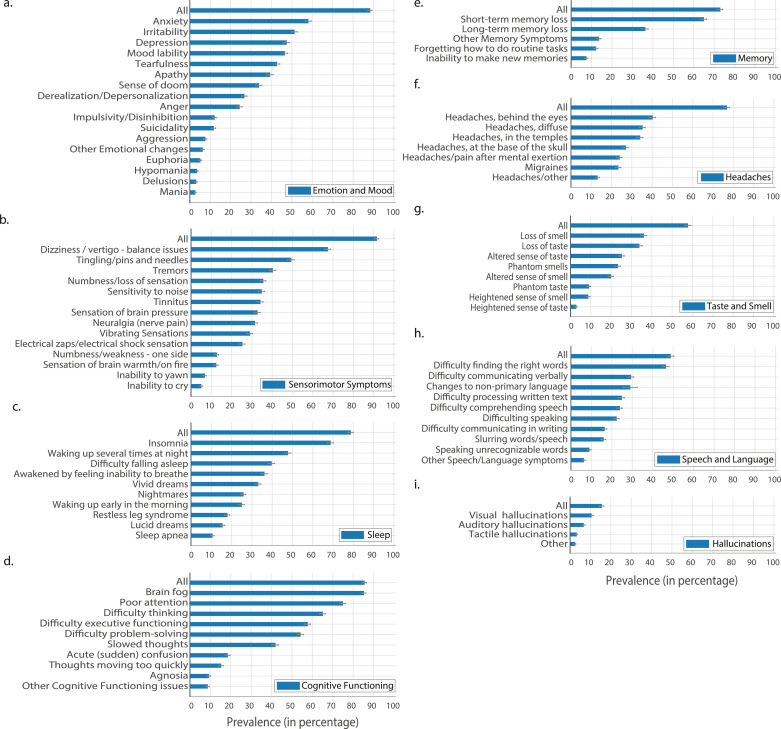
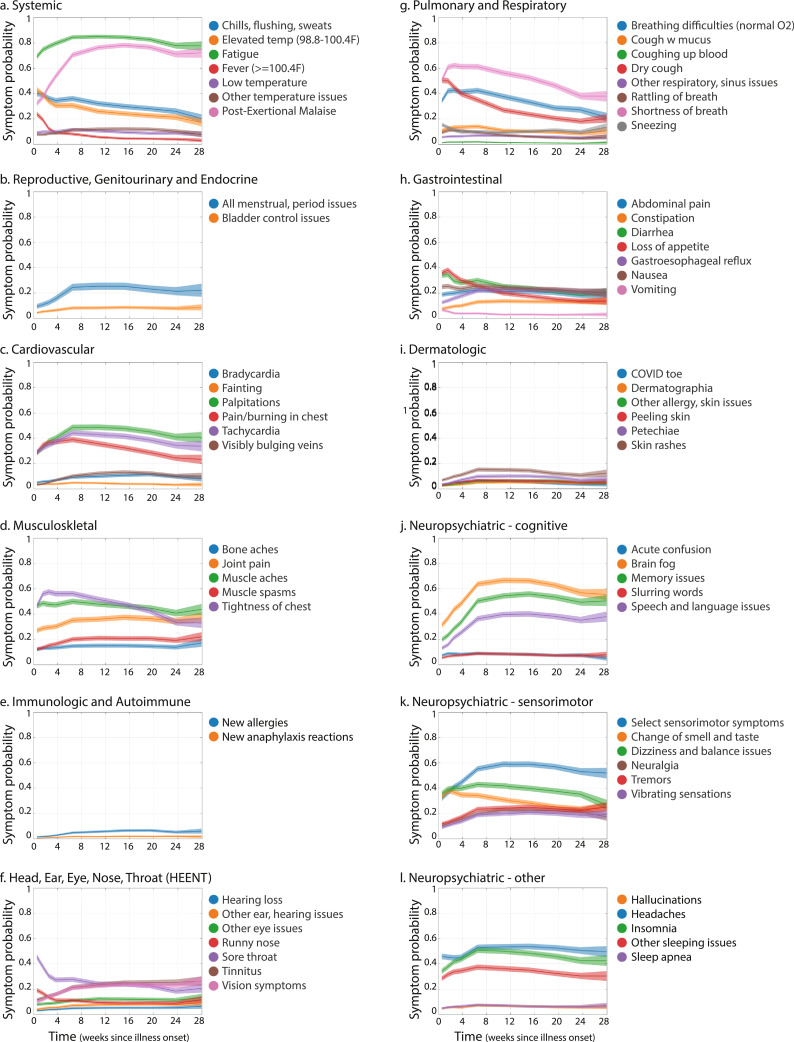
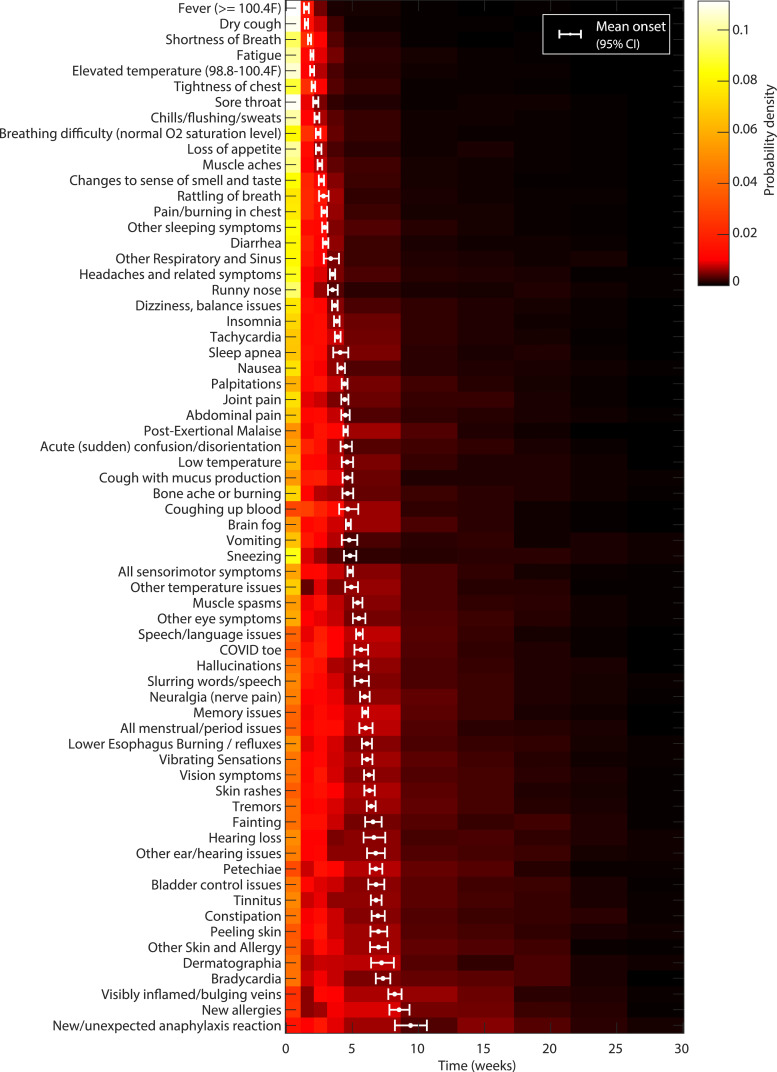
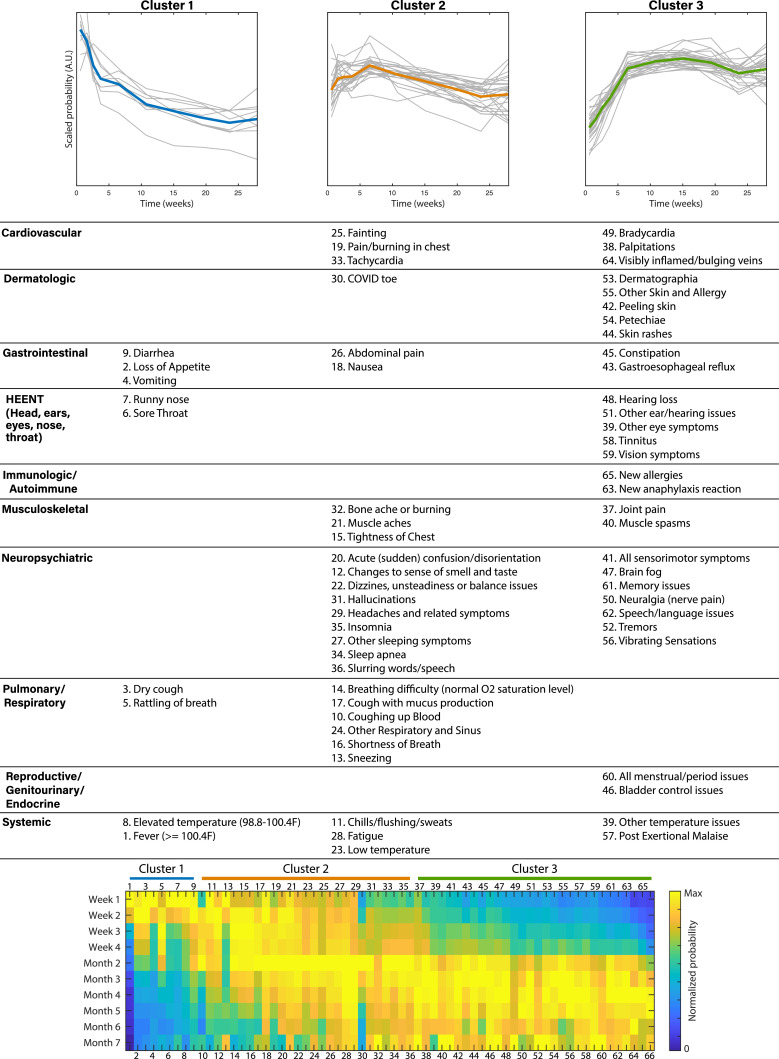
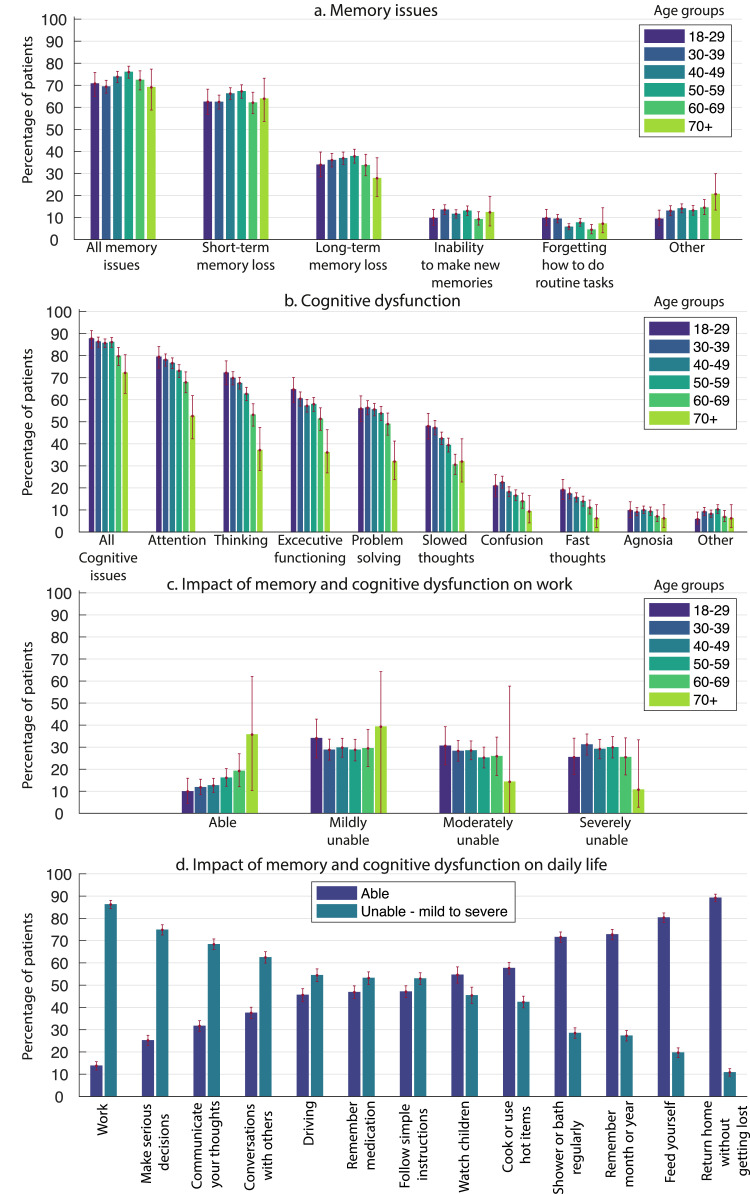
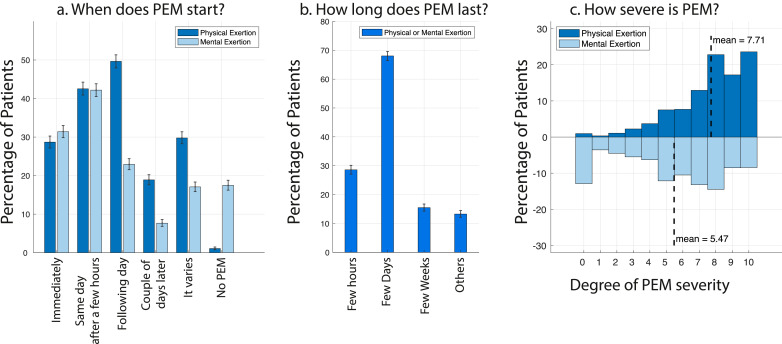
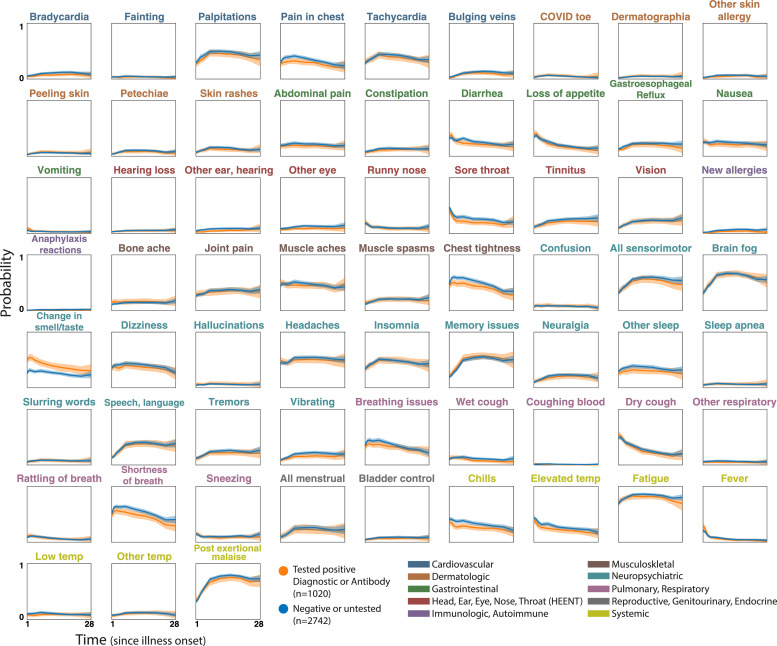
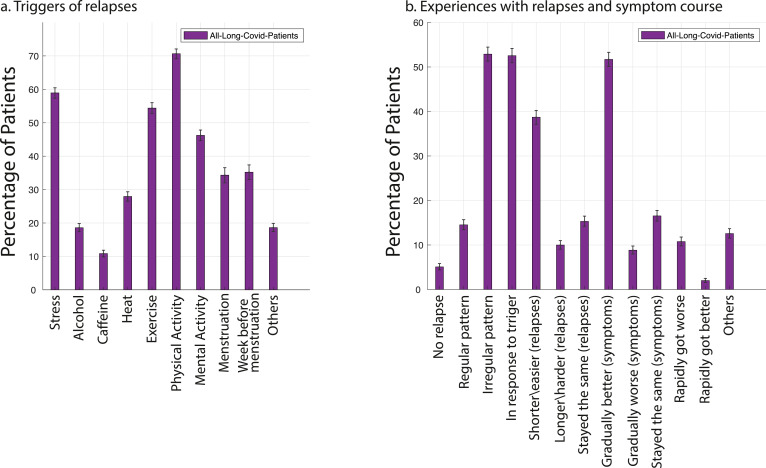
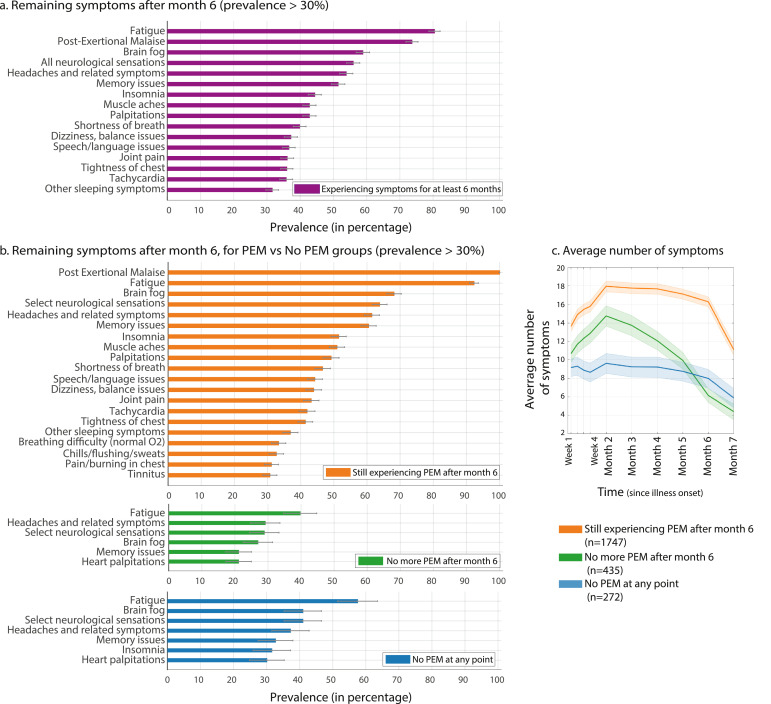
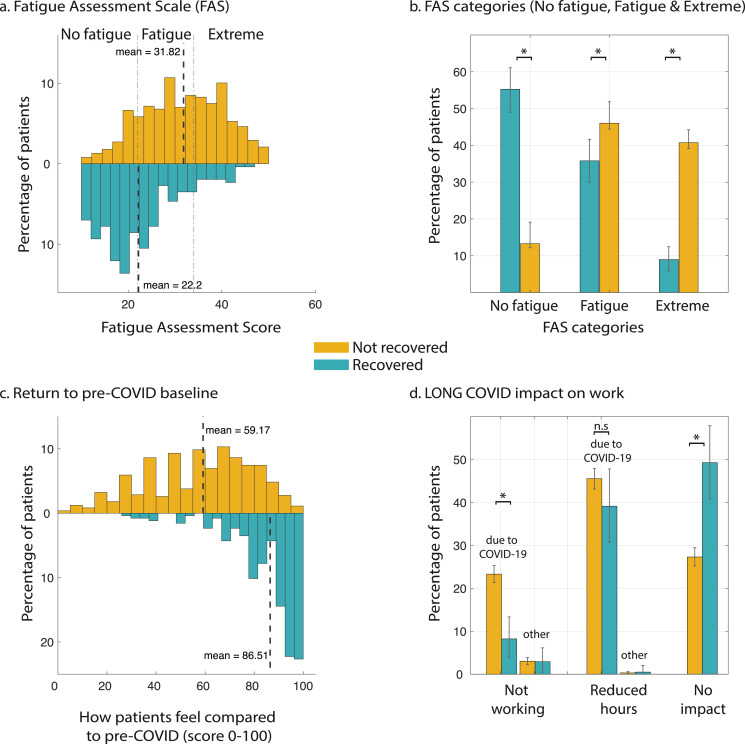
BACKGROUND: A significant number of patients with COVID-19 experience prolonged symptoms, known as Long COVID. Few systematic studies have investigated this population, particularly in outpatient settings. Hence, relatively little is known about symptom makeup and severity, expected clinical course, impact on daily functioning, and return to baseline health. METHODS: We conducted an online survey of people with suspected and confirmed COVID-19, distributed via COVID-19 support groups (e.g. Body Politic, Long COVID Support Group, Long Haul COVID Fighters) and social media (e.g. Twitter, Facebook). Data were collected from September 6, 2020 to November 25, 2020. We analyzed responses from 3762 participants with confirmed (diagnostic/antibody positive; 1020) or suspected (diagnostic/antibody negative or untested; 2742) COVID-19, from 56 countries, with illness lasting over 28 days and onset prior to June 2020. We estimated the prevalence of 203 symptoms in 10 organ systems and traced 66 symptoms over seven months. We measured the impact on life, work, and return to baseline health. FINDINGS: For the majority of respondents (>91%), the time to recovery exceeded 35 weeks. During their illness, participants experienced an average of 55.9+/- 25.5 (mean+/-STD) symptoms, across an average of 9.1 organ systems. The most frequent symptoms after month 6 were fatigue, post-exertional malaise, and cognitive dysfunction. Symptoms varied in their prevalence over time, and we identified three symptom clusters, each with a characteristic temporal profile. 85.9% of participants (95% CI, 84.8% to 87.0%) experienced relapses, primarily triggered by exercise, physical or mental activity, and stress. 86.7% (85.6% to 92.5%) of unrecovered respondents were experiencing fatigue at the time of survey, compared to 44.7% (38.5% to 50.5%) of recovered respondents. 1700 respondents (45.2%) required a reduced work schedule compared to pre-illness, and an additional 839 (22.3%) were not working at the time of survey due to illness. Cognitive dysfunction or memory issues were common across all age groups (~88%). Except for loss of smell and taste, the prevalence and trajectory of all symptoms were similar between groups with confirmed and suspected COVID-19. INTERPRETATION: Patients with Long COVID report prolonged, multisystem involvement and significant disability. By seven months, many patients have not yet recovered (mainly from systemic and neurological/cognitive symptoms), have not returned to previous levels of work, and continue to experience significant symptom burden. FUNDING: All authors contributed to this work in a voluntary capacity. The cost of survey hosting (on Qualtrics) and publication fee was covered by AA's research grant (Wellcome Trust/Gatsby Charity via Sainsbury Wellcome center, UCL).
Overview
The claims and statistics of this paper haven’t been checked yet.
Run the check — free, no account needed. It reads the open-access text and checks the sources it cites.
Integrity signals
Registry
Cites
Statistics
Figures
Verification
Claims the paper makes
The claims and statistics of this paper haven’t been checked yet.
Run the check — free, no account needed. It reads the open-access text and checks the sources it cites.
Claims other papers make about this one
Each is checked against this paper’s own text: does it say what the citing paper says it does?
The source backs part of the claim, not all of it — or backs it for a different population, condition or comparison.
In the citing paper
“Identifying subjects who are at risk of higher perceived loneliness and related psychological factors is particularly important in the context of the so called “long COVID” syndrome [50]”
From Psychological correlates of perceived loneliness in college students before and during the COVID-19 stay-at-home period: a longitudinal study (2023) · cites this paper as [50]
Experimental — accuracy not yet measuredIn the citing paper
“These symptoms can endure up to 6–7 months and even longer [[1], [2], [3], [4], [5]].”
From Female gender is associated with long COVID syndrome: a prospective cohort study (2022) · cites this paper as [3]
Self-check
Percentages, sums and reported differences re-computed from the paper’s own numbers.
The self-check needs the paper’s full text.
Citations
Cites
Persistent Symptoms in Patients After Acute COVID-19
Carfì, A., Bernabei, R., Landi, F., & for the Gemelli Against COVID-19 Post-Acute Care Study Group (2020) · JAMA · doi:10.1001/jama.2020.12603 · Cited by 4,561
Natural language processing with Python
Bird, S., Klein, E., & Loper, E. (2009) · CERN Document Server (European Organization for Nuclear Research) · Cited by 3,472
Better Bootstrap Confidence Intervals
Efron, B. (1987) · Journal of the American Statistical Association · doi:10.1080/01621459.1987.10478410 · Cited by 3,462 · cited 2×
“tical dashed lines indicate the range for “No fatigue”[10-21], “Fatigue”[22-34], and “Extreme” (>=35).”
MethodAttributes and predictors of long COVID
Sudre, C. H., Murray, B., Varsavsky, T., Graham, M. S., Penfold, R. S., Bowyer, R. C., Pujol, J. C., Klaser, K., Antonelli, M., Canas, L. S., et al. (2021) · Nature Medicine · doi:10.1038/s41591-021-01292-y · Cited by 2,707
Management of post-acute covid-19 in primary care
Greenhalgh, T., Knight, M., A’Court, C., Buxton, M., & Husain, L. (2020) · BMJ · doi:10.1136/bmj.m3026 · Cited by 1,771 · cited 1×
“While respiratory and some cardiovascular symptoms have been widely reported, neurological symptoms remain unclear [33].”
BackgroundEvolution of antibody immunity to SARS-CoV-2
Gaebler, C., Wang, Z., Lorenzi, J. C. C., Muecksch, F., Finkin, S., Tokuyama, M., Cho, A., Jankovic, M., Schaefer-Babajew, D., Oliveira, T. Y., et al. (2021) · Nature · doi:10.1038/s41586-021-03207-w · Cited by 1,674
High-dimensional characterization of post-acute sequelae of COVID-19
Al-Aly, Z., Xie, Y., & Bowe, B. (2021) · Nature · doi:10.1038/s41586-021-03553-9 · Cited by 1,518
Kucirka, L. M., Lauer, S. A., Laeyendecker, O. B., Boon, D., & Lessler, J. (2020) · Annals of Internal Medicine · doi:10.7326/m20-1495 · Cited by 1,414 · cited 1×
“Furthermore, the likelihood of false negatives increases after day 3 of symptom onset, when the false negative rate is 20%, reaching 66% by day 21[40].”
BackgroundTenforde, M. W., Kim, S. S., Lindsell, C. J., Billig Rose, E., Shapiro, N. I., Files, D. C., Gibbs, K. W., Erickson, H. L., Steingrub, J. S., Smithline, H. A., et al. (2020) · MMWR. Morbidity and Mortality Weekly Report · doi:10.15585/mmwr.mm6930e1 · Cited by 1,319 · cited 2×
“tical dashed lines indicate the range for “No fatigue”[10-21], “Fatigue”[22-34], and “Extreme” (>=35).”
BackgroundConcept Decompositions for Large Sparse Text Data Using Clustering
Dhillon, I. S., & Modha, D. S. (2001) · Machine Learning · doi:10.1023/a:1007612920971 · Cited by 1,308 · cited 1×
“Symptom time course clustering Symptom time courses were clustered using spherical k-means, a variant of k-means based on cosine distances [12].”
Research works printed but not linked: 3
- NIH workshop on post-acute sequelae of COVID-19 (Day 2) [Internet]. Available from: https://videocast.nih.gov/watch=38879
- Tang, 2020, 26, 1337
- Williams, 2021, A two-phase, single cohort study of COVID-19, Antibody Sera-Surveillance, 6
Cited by
Sorted by citations
Items 601–700 of 1,000
Yao, L., Devotta, H., Li, J., Lunjani, N., Sadlier, C., Lavelle, A., Albrich, W. C., Walter, J., O’Toole, P. W., & O’Mahony, L. (2024) · Gut Microbes · doi:10.1080/19490976.2024.2429754 · Cited by 24
Immunometabolic Dysregulation at the Intersection of Obesity and COVID-19
Khwatenge, C. N., Pate, M., Miller, L. C., & Sang, Y. (2021) · Frontiers in Immunology · doi:10.3389/fimmu.2021.732913 · Cited by 22
Pulmonary Complications after COVID-19
Jakubec, P., Fišerová, K., Genzor, S., & Kolář, M. (2022) · Life · doi:10.3390/life12030357 · Cited by 27
Association of depression and COVID-induced PTSD with cognitive symptoms after COVID-19 illness
Liyanage-Don, N. A., Winawer, M. R., Hamberger, M. J., Agarwal, S., Trainor, A., Quispe, K. A., & Kronish, I. M. (2022) · General Hospital Psychiatry · doi:10.1016/j.genhosppsych.2022.02.006 · Cited by 25
Banić, M., Makek, M. J., Samaržija, M., Muršić, D., Boras, Z., Trkeš, V., Baričević, D., Koršić, M., Basara, L., Glunčić, T. J., et al. (2022) · Croatian Medical Journal · doi:10.3325/cmj.2022.27 · Cited by 27
Wang, Y., Li, M., Kazis, L. E., & Xia, W. (2022) · Alzheimer s & Dementia · doi:10.1002/alz.12665 · Cited by 22
Loft, M. I., Foged, E. M., & Koreska, M. (2022) · Qualitative Health Research · doi:10.1177/10497323221099467 · Cited by 27
Straudi, S., Manfredini, F., Baroni, A., Milani, G., Fregna, G., Schincaglia, N., Androni, R., Occhi, A., Sivan, M., & Lamberti, N. (2022) · International Journal of Environmental Research and Public Health · doi:10.3390/ijerph19116696 · Cited by 24
Kluge, H. H. P., Muscat, N. A., Mishra, S., Nielsen, S., Tille, F., Pfeifer, D., Europe, L. C., & Sivan, M. (2022) · The Lancet Regional Health - Europe · doi:10.1016/j.lanepe.2022.100435 · Cited by 23
Long COVID: A New Challenge for Prevention of Obesity in Women
Mattioli, A. V., Coppi, F., Nasi, M., Pinti, M., & Gallina, S. (2022) · American Journal of Lifestyle Medicine · doi:10.1177/15598276221111054 · Cited by 25
Krishna, B. A., Metaxaki, M., Wills, M. R., & Sithole, N. (2022) · Clinical Infectious Diseases · doi:10.1093/cid/ciac630 · Cited by 23
Ogungbe, O., Gilotra, N. A., Davidson, P. M., Farley, J. E., Himmelfarb, C. D., Post, W. S., & Commodore-Mensah, Y. Y. (2022) · Open Heart · doi:10.1136/openhrt-2022-002084 · Cited by 23
Kjellberg, A., Abdel-Halim, L., Hassler, A., Gharbi, S. E., Al-Ezerjawi, S., Boström, E., Sundberg, C. J., Pernow, J., Medson, K., Kowalski, J. H., et al. (2022) · BMJ Open · doi:10.1136/bmjopen-2022-061870 · Cited by 23
A systematic review and meta‐analysis of neuropathic pain associated with coronavirus disease 2019
Stefano, G. D., Falco, P., Galosi, E., Pietro, G. D., Leone, C. M., & Truini, A. (2022) · European Journal of Pain · doi:10.1002/ejp.2055 · Cited by 23
Health-related quality of life in survivors of severe COVID-19 infection
d’Ettorre, G., Vassalini, P., Coppolelli, V., Cacciola, E. G., Sanitinelli, L., Maddaloni, L., Fabris, S., Mastroianni, C. M., d’Ettorre, G., & Ceccarelli, G. (2022) · Pharmacological Reports · doi:10.1007/s43440-022-00433-5 · Cited by 26
Walter, N., Rupp, M., Lang, S., Leinberger, B., Alt, V., Hinterberger, T., & Loew, T. H. (2022) · Viruses · doi:10.3390/v14122600 · Cited by 20
Islam, M. S., Wang, Z., Abdel‐Mohsen, M., Chen, X., & Montaner, L. J. (2023) · Journal of Leukocyte Biology · doi:10.1093/jleuko/qiac001 · Cited by 23
Duñabeitia, J. A., Mera, F., Baró, O., Jadad-Garcia, T., & Jadad, A. R. (2023) · International Journal of Environmental Research and Public Health · doi:10.3390/ijerph20043100 · Cited by 28
Zelenkov, Y. A., & Reshettsov, I. (2023) · Expert Systems with Applications · doi:10.1016/j.eswa.2023.120034 · Cited by 23
Acute coronavirus infection triggers a TNF-dependent osteoporotic phenotype in mice
Queiroz‐Junior, C. M., dos Santos, A. C. P. M., Gonçalves, M. R., de Brito, C. B., Barrioni, B. R., Almeida, P. J., Gonçalves-Pereira, M. H., Silva, T. A., Oliveira, S. R., Pereira, M. M., et al. (2023) · Life Sciences · doi:10.1016/j.lfs.2023.121750 · Cited by 23
Frailty after COVID ‐19: The wave after?
König, M., Gollasch, M., & Komleva, Y. (2023) · Aging Medicine · doi:10.1002/agm2.12258 · Cited by 26
Recapitulation of pathophysiological features of AD in SARS-CoV-2-infected subjects
Griggs, E., Trageser, K. J., Naughton, S. X., Yang, E., Mathew, B., Hyfte, G. V., Hellmers, L., Jetté, N., Estill, M. S., Shen, L., et al. (2023) · eLife · doi:10.7554/elife.86333 · Cited by 21
Characterizing long-COVID brain fog: a retrospective cohort study
Lam, G. Y., Damant, R. W., Ferrara, G., Lim, R., Stickland, M. K., Ogando, N. S., Power, C., & Smith, M. P. (2023) · Journal of Neurology · doi:10.1007/s00415-023-11913-w · Cited by 23
Explaining Long COVID: A Pioneer Cross-Sectional Study Supporting the Endocrine Hypothesis
Ach, T., Slama, N. B. H., Gorchane, A., Abdelkrim, A. B., Garma, M., Lasfar, N. B., Bellazreg, F., Debbabi, W., Hachfi, W., Chaieb, M. C., et al. (2024) · Journal of the Endocrine Society · doi:10.1210/jendso/bvae003 · Cited by 23
Understanding the Post COVID-19 Condition (Long COVID) in Adults and the Expected Burden for Ontario
Quinn, K. L., Katz, G. M., Bobos, P., Sander, B., McNaughton, C., Cheung, A., Herridge, M., Atzema, C., Born, K. B., Chan, C., et al. (2022) · doi:10.47326/ocsat.2022.03.65.1.0 · Cited by 24
Sapna, F., Deepa, F., Sakshi, F., Sonam, F., Kiran, F., Perkash, R. S., Bendari, A., Kumar, A., Rizvi, Y., Suraksha, F., et al. (2023) · Cureus · doi:10.7759/cureus.44588 · Cited by 23
A conceptual framework to accelerate the clinical impact of evolving research into long COVID
Kondratiuk, A. L., Pillay, T. D., Kon, O. M., & Lalvani, A. (2021) · The Lancet Infectious Diseases · doi:10.1016/s1473-3099(21)00136-5 · Cited by 22
Cardiac Complications of COVID-19 in Low-Risk Patients
Srinivasan, A., Wong, F. Y. K., Couch, L. S., & Wang, B. (2022) · Viruses · doi:10.3390/v14061322 · Cited by 23
Manhas, K. P., O’Connell, P., Krysa, J. A., Henderson, I., Ho, C., & Papathanassoglou, E. (2022) · Physical Therapy · doi:10.1093/ptj/pzac090 · Cited by 22
Mobile primary healthcare for post-COVID patients in rural areas: a proof-of-concept study
Stallmach, A., Katzer, K., Besteher, B., Finke, K., Giszas, B., Gremme, Y., Hamdan, R. A., Lehmann-Pohl, K., Legen, M., Lewejohann, J.-C., et al. (2022) · Infection · doi:10.1007/s15010-022-01881-0 · Cited by 22
Cardiac function in relation to functional status and fatigue in patients with post-COVID syndrome
Baum, P., Do, L., Deterding, L., Lier, J., Kunis, I., Saur, D., Claßen, J., Wirtz, H. R. W., & Laufs, U. (2022) · Scientific Reports · doi:10.1038/s41598-022-24038-3 · Cited by 25
Larsson, S. B., von Feilitzen, G. S., Andersson, M., Sikora, P., Lindh, M., Nordén, R., Nilsson, S., & Sigström, R. (2022) · Scientific Reports · doi:10.1038/s41598-022-24307-1 · Cited by 23
Wang, L., Foer, D., Zhang, Y., Karlson, E. W., Bates, D. W., & Zhou, L. (2022) · The Journal of Allergy and Clinical Immunology In Practice · doi:10.1016/j.jaip.2022.12.003 · Cited by 23
Epsi, N. J., Powers, J. H., Lindholm, D. A., Mende, K., Malloy, A. M. W., Ganesan, A., Huprikar, N., Lalani, T., Smith, A. G., Mody, R. M., et al. (2023) · PLoS ONE · doi:10.1371/journal.pone.0281272 · Cited by 22
Impairments following COVID-19 infection: manifestations and investigations of related factors
Badinlou, F., Forsström, D., Jansson‐Fröjmark, M., Abzhandadze, T., & Lundgren, T. (2023) · Scientific Reports · doi:10.1038/s41598-023-33810-y · Cited by 21
Interventions to support mental health in people with long COVID: a scoping review
Al‐Jabr, H., Hawke, L. D., Thompson, D. R., Clifton, A., Shenton, M., Castle, D. J., & Ski, C. F. (2023) · BMC Public Health · doi:10.1186/s12889-023-16079-8 · Cited by 22
Leitlinie S1 für das Management postviraler Zustände am Beispiel Post-COVID-19
Rabady, S., Hoffmann, K., Aigner, M., Altenberger, J., Brose, M., Costa, U. M., Denk‐Linnert, D., Gruber, S., Götzinger, F., Helbok, R., et al. (2023) · Wiener klinische Wochenschrift · doi:10.1007/s00508-023-02242-z · Cited by 23
What happens inside a long covid clinic?
Dean, E. A. (2023) · BMJ · doi:10.1136/bmj.p1791 · Cited by 22
Kromydas, T., Demou, E., Edge, R., Gittins, M., Katikireddi, S. V., Pearce, N. E., van Tongeren, M., Wilkinson, J., & Rhodes, S. (2023) · Occupational and Environmental Medicine · doi:10.1136/oemed-2023-108930 · Cited by 22
The association of insomnia with long COVID: An international collaborative study (ICOSS-II)
Chen, S., Morin, C. M., Ivers, H., Wing, Y. K., Partinen, M., Merikanto, I., Holzinger, B., Espie, C. A., Gennaro, L. D., Dauvilliers, Y. A., et al. (2023) · Sleep Medicine · doi:10.1016/j.sleep.2023.09.034 · Cited by 22
Rofail, D., Somersan-Karakaya, S., Choi, J. Y., Przydzial, K., Zhao, Y., Hussein, M. A., Norton, T. D., Podolanczuk, A. J., Mylonakis, E. E., & Geba, G. P. (2024) · BMJ Open · doi:10.1136/bmjopen-2023-076992 · Cited by 22
Scott, A., Ansari, W., Khan, F. L., Chambers, R. B., Benigno, M., Fusco, M. D., McGrath, L. J., Malhotra, D., Draica, F., Nguyen, J. L., et al. (2024) · BMC Medicine · doi:10.1186/s12916-023-03234-6 · Cited by 24
Anderson, E., Hunt, K., Wild, C. E. K., Nettleton, S., Ziébland, S., & MacLean, A. (2024) · Disability & Society · doi:10.1080/09687599.2024.2331722 · Cited by 22
Jiang, C., Chen, Z., Liao, W., Zhang, R., Chen, G., Ma, L., & Yu, H. (2024) · Plants · doi:10.3390/plants13111531 · Cited by 23
“[163].”
BackgroundClinical and Diagnostic Features of Post-Acute COVID-19 Vaccination Syndrome (PACVS)
Mundorf, A. K., Semmler, A., Heidecke, H., Schott, M., Steffen, F., Bittner, S., Lackner, K. J., Schulze-Bosse, K., Pawlitzki, M., Meuth, S. G., et al. (2024) · Vaccines · doi:10.3390/vaccines12070790 · Cited by 22
“Incidentally, a very similar selection of symptoms was previously monitored in a survey of COVID-19 sequelae [14].”
BackgroundVrantsidis, D. M., van de Wouw, M., Hall, E. R. M., Kuret, V., Rioux, C., Conrad, M. L., Mesa, C., Harris, A., Lebel, C. A., Tomfohr‐Madsen, L. M., et al. (2024) · JAMA Network Open · doi:10.1001/jamanetworkopen.2024.43697 · Cited by 23
Nervous System-Systemic Crosstalk in SARS-CoV-2/COVID-19: A Unique Dyshomeostasis Syndrome
Anand, H., Ende, V., Singh, G. K., Qureshi, I., Duong, T. Q., & Mehler, M. F. (2021) · Frontiers in Neuroscience · doi:10.3389/fnins.2021.727060 · Cited by 22
The public health and economic burden of long COVID in Australia, 2022–24: a modelling study
Costantino, V., Grafton, R. Q., Kompas, T., Chu, L., Honeyman, D. A., Notaras, A., & MacIntyre, C. R. (2024) · The Medical Journal of Australia · doi:10.5694/mja2.52400 · Cited by 21
Joseph, G., Margalit, I., Weiss-Ottolenghi, Y., Rubin, C., Murad, H., Gardner, R. C., Barda, N., Ben-Shachar, E., Indenbaum, V., Gilboa, M., et al. (2024) · Viruses · doi:10.3390/v16121955 · Cited by 24
España-Cueto, S., Loste, C., Lladós, G., López, C., Santos, J. R., Dulsat, G., García, A., Carmezim, J., Carabia, J., Ancochea, Á., et al. (2025) · Nature Communications · doi:10.1038/s41467-025-57198-7 · Cited by 21
“Extensive lab analysis pro fi les were alsoperformed atthe same days0, 8, 15,22, 45, and 90, including peripheral blood leukocyte and lymphocyte count, serum C-Reactive Protein (CRP) levels, coagulation tests (prothrombin time -PT- and activated partial thromboplastin time -aPTT-), and…”
Emerging Knowledge of the Neurobiology of COVID-19
Butler, M., Cross, B., Hafeez, D., Lim, M. F., Morrin, H., Rengasamy, E. R., Pollak, T. A., & Nicholson, T. R. (2021) · Psychiatric Clinics of North America · doi:10.1016/j.psc.2021.11.001 · Cited by 20
Assessment of Post-COVID-19 Quality of Life Using the Quality of Life Index
Algamdi, M. M. (2021) · Patient Preference and Adherence · doi:10.2147/ppa.s340868 · Cited by 21
Nami, M., Thatcher, R. W., Kashou, N. H., Lopes, D., Lobo, M., Bolanos, J. F., Morris, K., Sadri, M., Bustos, T., Sanchez, G. E., et al. (2022) · Journal of Alzheimer s Disease · doi:10.3233/jad-215240 · Cited by 21
Assessment and Management of Long COVID
Rivas-Vazquez, R. A., Rey, G. J. F. D., Quintana, A., & Rivas-Vazquez, A. A. (2022) · Journal of Health Service Psychology · doi:10.1007/s42843-022-00055-8 · Cited by 23
Kelly, K. M., Anghinah, R., Kullmann, A., Ashmore, R. C., Synowiec, A. S., Gibson, L. C., Manfrinati, L. E. D., de Araújo, A., Spera, R. R., Brucki, S. M. D., et al. (2022) · Frontiers in Neurology · doi:10.3389/fneur.2022.919596 · Cited by 24
A distinct symptom pattern emerges for COVID-19 long-haul: a nationwide study
Downs, C. A., Pinto, M. D., Huang, Y., Corps, S., El‐Azab, S. A., Ramrakhiani, N. S., Barisano, A., Yu, L., Taylor, K., Esperança, Á., et al. (2022) · Scientific Reports · doi:10.1038/s41598-022-20214-7 · Cited by 22
COVID-19 vaccination and menstruation
Male, V. H. (2022) · Science · doi:10.1126/science.ade1051 · Cited by 21
Doll, M. K., Waghmare, A., Heit, A., Shakoor, B. L., Kimball, L. E., Ozbek, N., Blazevic, R. L., Mose, L., Boonyaratanakornkit, J. B., Stevens‐Ayers, T., et al. (2023) · JAMA Network Open · doi:10.1001/jamanetworkopen.2023.1181 · Cited by 21
Wang, L., Western, D., Timsina, J., Repaci, C., Song, W., Norton, J. B., Kohlfeld, P., Budde, J., Climer, S., Butt, O. H., et al. (2023) · iScience · doi:10.1016/j.isci.2023.106408 · Cited by 23
Sex and age affect acute and persisting COVID-19 illness
Vasilevskaya, A., Mushtaque, A., Tsang, M. Y., Alwazan, B., Herridge, M. S., Cheung, A. M., & Tartaglia, M. C. (2023) · Scientific Reports · doi:10.1038/s41598-023-33150-x · Cited by 20
Cardiovascular Manifestations of the Long COVID Syndrome
Ros, M. L., Das, S., Elias, J., Frishman, W. H., & Aronow, W. S. (2023) · Cardiology in Review · doi:10.1097/crd.0000000000000552 · Cited by 20
Subjective and Objective Cognitive Deficits in Patients with Post-COVID Syndrome
Schild, A., Scharfenberg, D., Kirchner, L., Klein, K., Regorius, A., Goereci, Y., Meiberth, D. U., Sannemann, L., Lülling, J., Schweitzer, F., et al. (2023) · Zeitschrift für Neuropsychologie · doi:10.1024/1016-264x/a000374 · Cited by 21
Prevalence of long COVID decreases for increasing COVID-19 vaccine uptake
Domenico, M. D. (2023) · PLOS Global Public Health · doi:10.1371/journal.pgph.0001917 · Cited by 22
Cerebrospinal fluid findings in patients with neurological manifestations in post-COVID-19 syndrome
Boesl, F., Goereci, Y., Gerhard, A., Bremer, B., Raeder, V., Schweitzer, F., Hoppmann, U., Behrens, J. R., Bellmann–Strobl, J., Paul, F., et al. (2023) · Journal of Neurology · doi:10.1007/s00415-023-12092-4 · Cited by 21
Sideratou, C.-M., & Papaneophytou, C. P. (2023) · Infectious Disease Reports · doi:10.3390/idr15060072 · Cited by 23
Kell, D. B., Khan, A., Kane, B., Lip, G. Y. H., & Pretorius, E. (2024) · Journal of Personalized Medicine · doi:10.3390/jpm14020170 · Cited by 25
Subjective brain fog: a four-dimensional characterization in 25,796 participants
Alim‐Marvasti, A., Ciocca, M., Kuleindiren, N., Lin, A., Selim, H., & Mahmud, M. (2024) · Frontiers in Human Neuroscience · doi:10.3389/fnhum.2024.1409250 · Cited by 25
“Our results are in line with multiple other smaller studies that suggest that brain fog is best characterised as difficulty thinking, focusing, communicating, and being forgetful (Ross et al., 2013; Wells et al., 2020; Davis et al., 2021).”
BackgroundResultRowntree, L. C., Audsley, J., Allen, L. F., McQuilten, H. A., Hagen, R. R., Chaurasia, P., Petersen, J., Littler, D. R., Tan, H., Murdiyarso, L., et al. (2024) · Proceedings of the National Academy of Sciences · doi:10.1073/pnas.2411428121 · Cited by 21
Younger, D. S. (2021) · Neurological Sciences · doi:10.1007/s10072-021-05345-5 · Cited by 22
Patterson, B. K., Francisco, E. B., Yogendra, R., Long, E., Pise, A., Beaty, C., Osgood, E. D., Bream, J., Kreimer, M., Heide, R. V., et al. (2022) · Research Square · doi:10.21203/rs.3.rs-1844677/v1 · Cited by 21
Optimal adaptive testing for epidemic control: Combining molecular and serology tests
Acemoğlu, D., Fallah, A., Giometto, A., Huttenlocher, D. P., Ozdaglar, A., Parise, F., & Pattathil, S. (2023) · Automatica · doi:10.1016/j.automatica.2023.111391 · Cited by 23
Domènech-Montoliu, S., Puig‐Barberà, J., Pac-Sa, M. R., Vidal-Utrillas, P., Latorre-Poveda, M., Rio-González, A. D., Ferrando-Rubert, S., Ferrer-Abad, G., Sanchéz-Urbano, M., Aparisi-Esteve, L., et al. (2021) · International Journal of Environmental Research and Public Health · doi:10.3390/ijerph181910039 · Cited by 20
Pandemics disable people — the history lesson that policymakers ignore
Spinney, L. (2022) · Nature · doi:10.1038/d41586-022-00414-x · Cited by 20
A CLASSIFICATION SYSTEM FOR POST-ACUTE SEQUELAE OF SARS CoV-2 INFECTION
Jason, L. A., & Islam, M. F. (2022) · Central Asian Journal of Medical Hypotheses and Ethics · doi:10.47316/cajmhe.2022.3.1.04 · Cited by 20
Risk of new‐onset psychiatric sequelae of COVID ‐19 in the early and late post‐acute phase
Coleman, B. D., Casiraghi, E., Blau, H., Chan, L., Haendel, M. A., Laraway, B. J., Callahan, T. J., Deer, R., Wilkins, K. J., Reese, J., et al. (2022) · World Psychiatry · doi:10.1002/wps.20992 · Cited by 20
“Long COVID” results after hospitalization for SARS-CoV-2 infection
Rigoni, M., Torri, E., Nollo, G., Donne, L. D., Rizzardo, S., Lenzi, L., Falzone, A., & Cozzio, S. (2022) · Scientific Reports · doi:10.1038/s41598-022-13077-5 · Cited by 15
García‐Molina, A., García-Carmona, S., Espiña-Bou, M., Rodríguez-Rajo, P., Sánchez-Carrión, R., & Cantallops, A. E. (2022) · Neurología (English Edition) · doi:10.1016/j.nrleng.2022.06.007 · Cited by 20
Clerbaux, L., Mayasich, S. A., Muñoz, A., Soares, H., Petrillo, M., Albertini, M. C., Lanthier, N., Grenga, L., & Amorim, M. J. (2022) · Journal of Clinical Medicine · doi:10.3390/jcm11195691 · Cited by 22
Acute COVID-19 Syndrome Predicts Severe Long COVID-19: An Observational Study
Menezes, A. D. S., Botelho, S. M., Santos, L. R., & Rezende, A. L. (2022) · Cureus · doi:10.7759/cureus.29826 · Cited by 21
Patterson, B. K., Yogendra, R., Guevara-Coto, J. A., Mora-Rodríguez, R. A., Osgood, E. D., Bream, J., Parikh, P., Kreimer, M., Jeffers, D., Rutland, C., et al. (2023) · Frontiers in Medicine · doi:10.3389/fmed.2023.1122529 · Cited by 20
Reyes-Long, S., Cortes-Altamirano, J. L., Bandala, C., Avendaño-Ortiz, K., Bonilla‐Jaime, H., Bueno-Nava, A., Ávila-Luna, A., Sánchez-Aparicio, P., Clavijo‐Cornejo, D., Dotor-Llerena, A. L., et al. (2023) · International Journal of Molecular Sciences · doi:10.3390/ijms24043574 · Cited by 20
Paradowska-Nowakowska, E., Łoboda, D., Golba, K. S., & Sarecka‐Hujar, B. (2023) · Life · doi:10.3390/life13020508 · Cited by 21
Mental health among children with long COVID during the COVID-19 pandemic
Shachar‐Lavie, I., Shorer, M., Segal, H., Fennig, S., & Ashkenazi‐Hoffnung, L. (2023) · European Journal of Pediatrics · doi:10.1007/s00431-023-04854-z · Cited by 20
Adang, E. A. M. C., Strous, M. T. A., van den Bergh, J. P., Gach, D., van Kampen, V. E. M., van Zeeland, R., Barten, D. G., & van Osch, F. (2023) · Sensors · doi:10.3390/s23052473 · Cited by 20
Björsell, T., Sundh, J., Lange, A., Ahlm, C., Forsell, M. N. E., Tevell, S., Blomberg, A., Edin, A., Normark, J., & Cajander, S. (2023) · Journal of Internal Medicine · doi:10.1111/joim.13614 · Cited by 21
Long COVID: clues about causes
Liew, F., Efstathiou, C., & Openshaw, P. (2023) · European Respiratory Journal · doi:10.1183/13993003.00409-2023 · Cited by 21
Functional Limitations in Individuals With Long COVID
Mazer, B. L., & Feldman, D. E. (2023) · Archives of Physical Medicine and Rehabilitation · doi:10.1016/j.apmr.2023.03.004 · Cited by 20
Abbate, G., Iulio, B. D., THOMAS, G. K., Priday, A. G., Biondi‐Zoccai, G., Markley, R., & Abbate, A. (2023) · Journal of Cardiovascular Pharmacology · doi:10.1097/fjc.0000000000001432 · Cited by 21
Comeau, D., Martin, M., Robichaud, G. A., & Chamard-Witkowski, L. (2023) · Frontiers in Neurology · doi:10.3389/fneur.2023.1233192 · Cited by 23
Sivan, M., Lawrence, R. R., & O'Brien, P. (2023) · JMIR Human Factors · doi:10.2196/48632 · Cited by 20
Distinct smell and taste disorder phenotype of post-acute COVID-19 sequelae
Rass, V., Tymoszuk, P., Sahanic, S., Heim, B., Ausserhofer, D., Lindner, A., Kofler, M., Mahlknecht, P., Boehm, A., Hüfner, K., et al. (2023) · European Archives of Oto-Rhino-Laryngology · doi:10.1007/s00405-023-08163-x · Cited by 23
Fusco, M. D., Cappelleri, J. C., Anatale‐Tardiff, L., Coetzer, H., Yehoshua, A., Alvarez, M. B., Allen, K. E., Porter, T. M., Puzniak, L., Cha-Silva, A. S., et al. (2023) · Healthcare · doi:10.3390/healthcare11202790 · Cited by 21
Kounis, N. G., Gogos, C., GREGORIO, C. D., Hung, M., Kouni, S. A., Tsounis, E. P., Assimakopoulos, S. F., Pourmasumi, S., Mplani, V., Servos, G., et al. (2024) · Balkan Medical Journal · doi:10.4274/balkanmedj.galenos.2023.2023-10-25 · Cited by 20
Vallespín, G. T., Puente, D., Jacques‐Aviñó, C., Carrasco-Ribelles, L. A., Violán, C., López‐Jiménez, T., García, V. R., Cantón, A. M., Medina‐Perucha, L., Rodríguez‐Giralt, I., et al. (2024) · BMC Infectious Diseases · doi:10.1186/s12879-023-08954-x · Cited by 21
Sweis, J. J. G., Alnaimat, F., Esparza, V. F., Prasad, S., Azam, A., Modi, Z. N., Al‐Awqati, M., Jetanalin, P., Sweis, N. J., Ascoli, C., et al. (2024) · International Journal of Environmental Research and Public Health · doi:10.3390/ijerph21030325 · Cited by 25
The Impact of Long COVID on Employment and Well-Being: A Qualitative Study of Patient Perspectives
MacEwan, S. R., Rahurkar, S., Tarver, W. L., Eiterman, L. P., Melnyk, H. L., Olvera, R. G., Eramo, J. L., Teuschler, L., Gaughan, A. A., Rush, L. J., et al. (2024) · Journal of General Internal Medicine · doi:10.1007/s11606-024-09062-5 · Cited by 20
Translating insights into therapies for Long Covid
Antar, A. A. R., & Cox, A. L. (2024) · Science Translational Medicine · doi:10.1126/scitranslmed.ado2106 · Cited by 23
Neuroinflammation in Post COVID‐19 Sequelae: Neuroinvasion and Neuroimmune Crosstalk
Reis, R. S. D., Selvam, S., & Ayyavoo, V. (2024) · Reviews in Medical Virology · doi:10.1002/rmv.70009 · Cited by 22
Neuropsychiatric Disorders and COVID-19: What We Know So Far
Majolo, F., da Silva, G. L., Vieira, L., Anli, C., Timmers, L. F. S. M., Laufer, S., & Goettert, M. I. (2021) · Pharmaceuticals · doi:10.3390/ph14090933 · Cited by 22
Prolonged endothelial-dysfunction in human arterioles following infection with SARS-CoV-2
Nishijima, Y., Hader, S. N., Hanson, A. J., Zhang, D. X., Sparapani, R., Gutterman, D. D., & Beyer, A. (2021) · Cardiovascular Research · doi:10.1093/cvr/cvab339 · Cited by 20
Metadata
- Authors
- Davis, H. E., Assaf, G. S., McCorkell, L., Wei, H., Low, R. J., Re'em, Y., Redfield, S., Austin, J. P., & Akrami, A.
- Affiliations
- Patient-Led Research Collaborative (US)
- Oregon Health & Science University (US)
- Corresponding author
- Akrami, Athena
- ORCID
- Venue
- eClinicalMedicine
- Publisher
- Elsevier BV
- Published
- 2021-08
- Volume
- 38
- Pages
- 101019
- ISSN
- 2589-5370 (ISSN-L)
- PMC
- PMC8280690
- OpenAlex
- W3184339862
- Cited by
- 2,881
- References
- 46
- Citations by year
- 2026: 299 · 2025: 492 · 2024: 594 · 2023: 692 · 2022: 617 · 2021: 186
- FWCI
- 249.99
- Type
- journal article
- Language
- en
- Open access
- gold
- doi.org
- Licence
- Locations
- EClinicalMedicine (publishedVersion, cc-by)
- PubMed Central (publishedVersion, cc-by)
- PubMed (publishedVersion)
- DOAJ (DOAJ: Directory of Open Access Journals) (submittedVersion, cc-by-sa)
- Funders
- Wellcome Trust
- Topics
- Health Sciences › Medicine › Clinical Neurology › Long-Term Effects of COVID-19
- Health Sciences › Medicine › Infectious Diseases › COVID-19 Clinical Research Studies
- Social Sciences › Psychology › Clinical Psychology › COVID-19 and Mental Health
- Keywords
- long COVID, symptom clusters, fatigue, post-exertional malaise, cognitive impairment, symptom recurrence, work disability, loss of taste and smell, outpatients
About these checks
Registry, retraction, Cites and statistics results are computed, not judged, with one exception: a printed reference that no index lists is read once by a model before it counts as a citation error. Claims are extracted by a model and kept only when their quote appears verbatim in the text; each cited source is then checked, with a model’s help, for whether it says what the claim relies on. Those verdicts can be wrong — read the claim’s quote and the cited source before relying on one.
Statistics and arithmetic are recomputed, not judged.
Confidence bands are shown only for fields calibrated on our annotated test set. None is calibrated yet, so no band is shown.
What counts as a claim ›How we measure confidence ›How we check this ›
Are you an author, or do you see a problem with this page? Request a review
