

The DOI matches its Crossref record; 44 of the 46 references it cites were found in a registry or an index.
Characterizing long COVID in an international cohort: 7 months of symptoms and their impact
Open accessPublished version of a preprint
Abstract
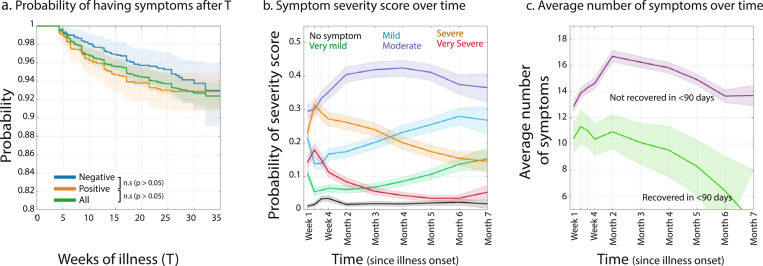
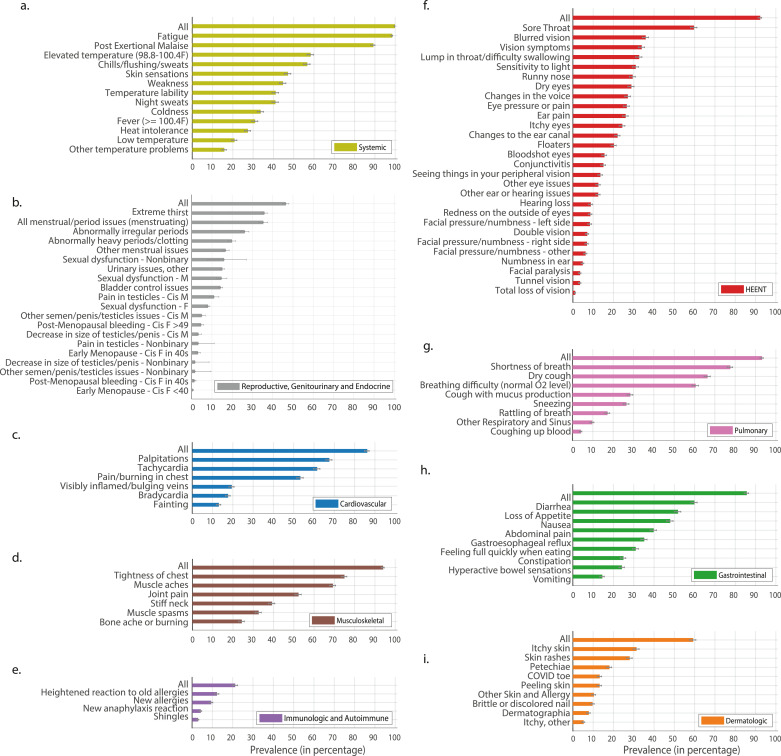
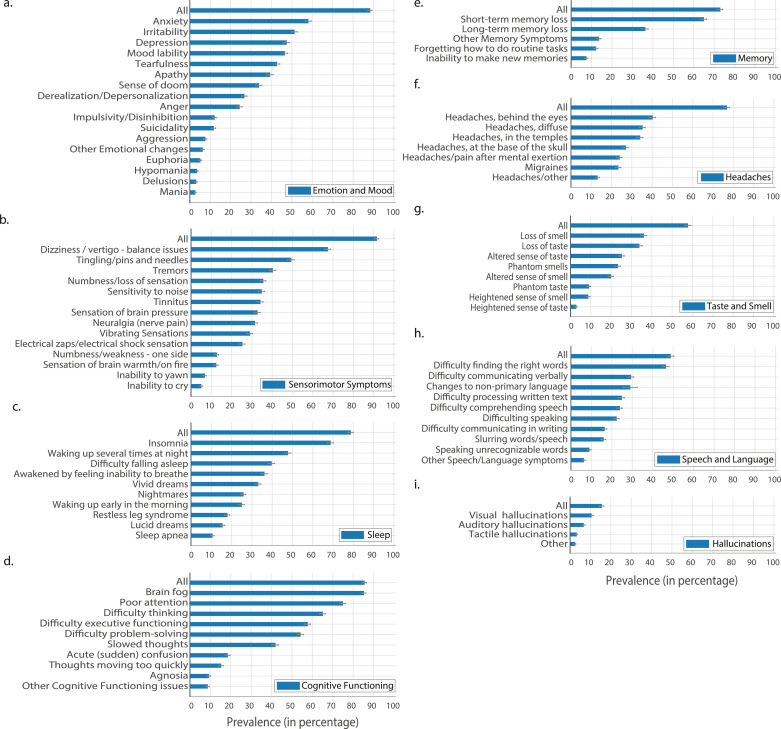
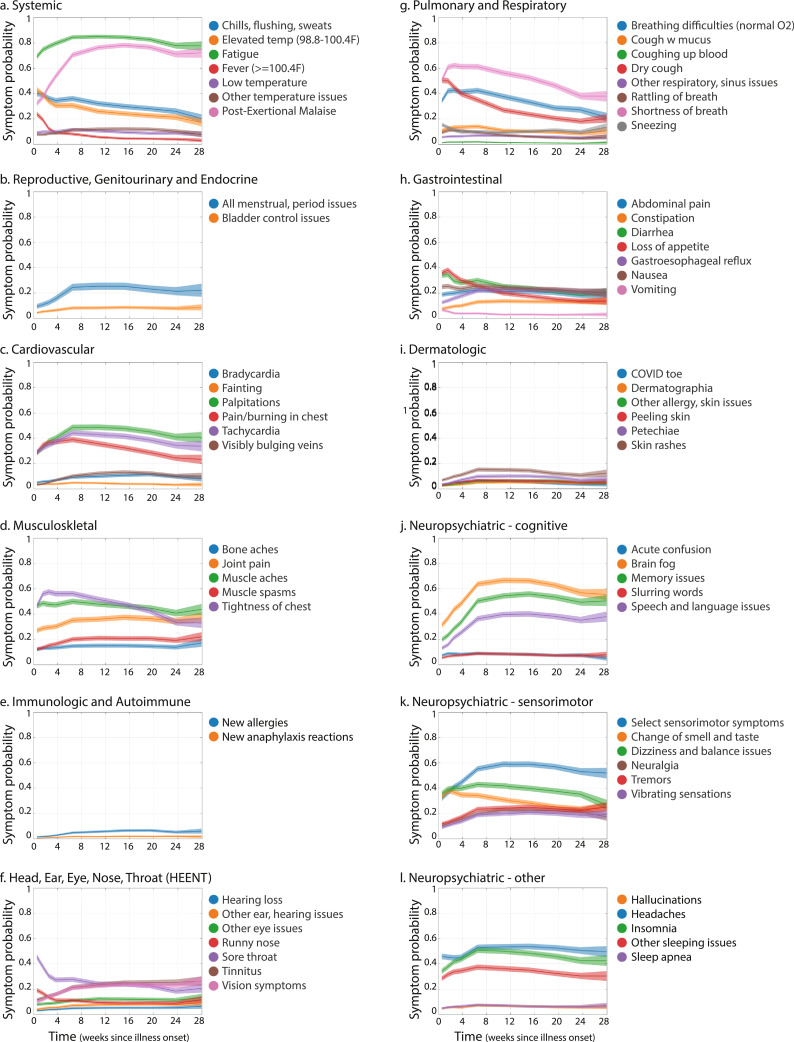
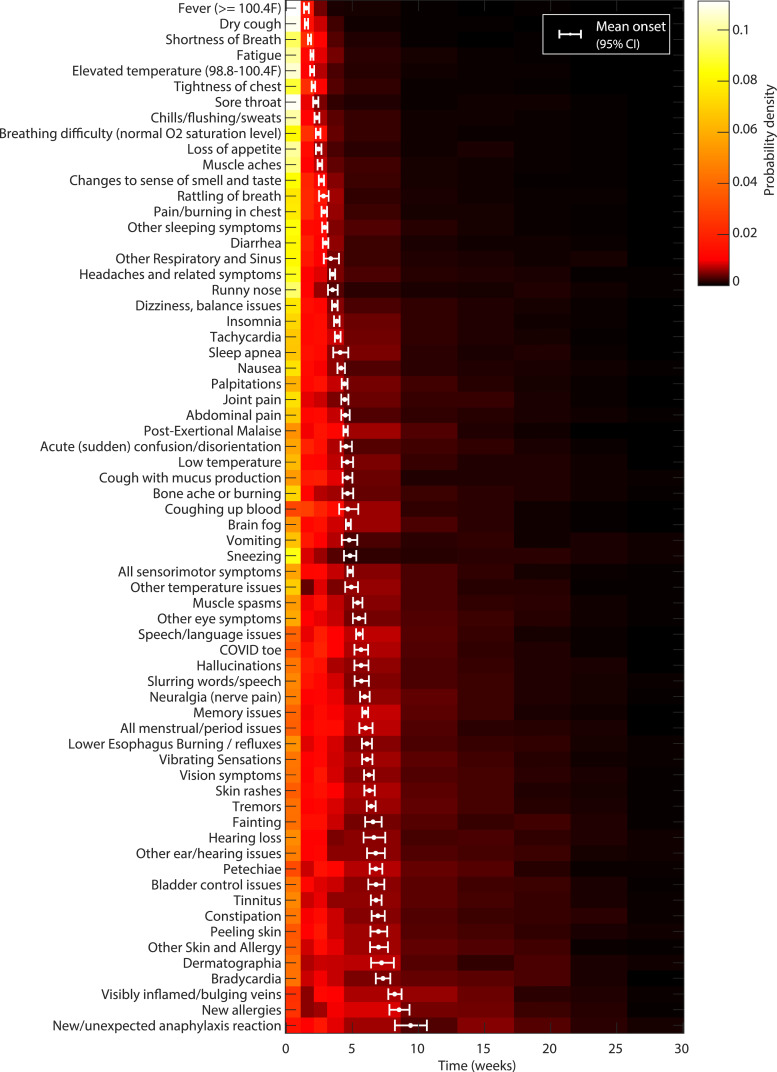
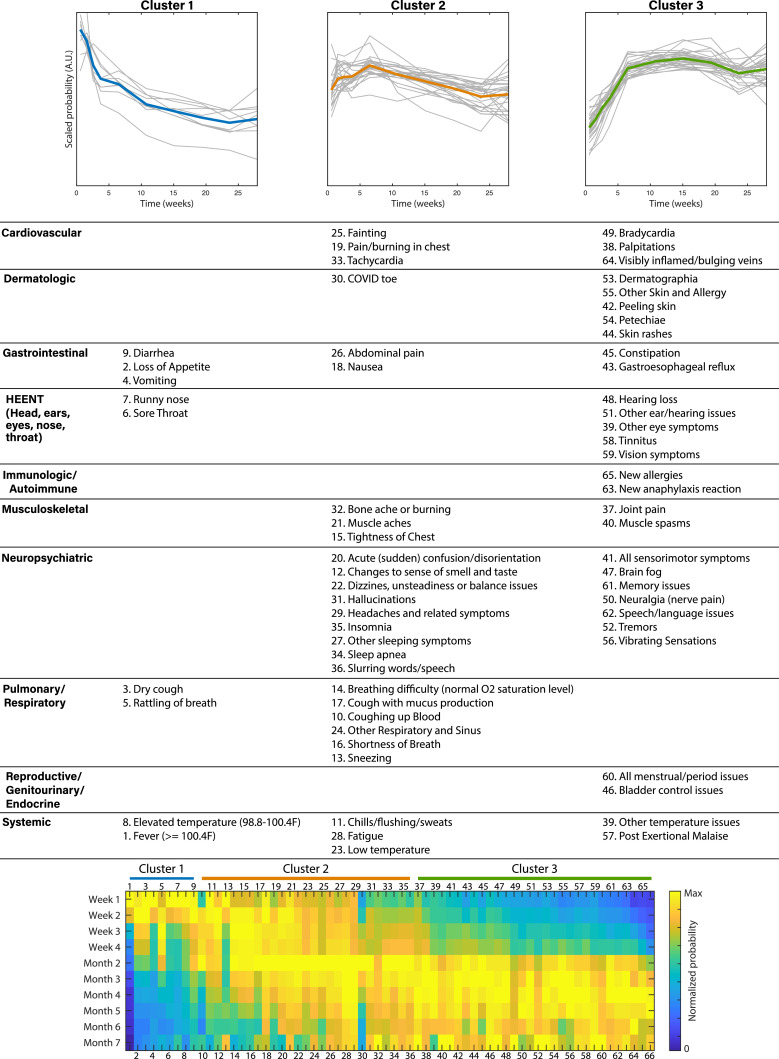
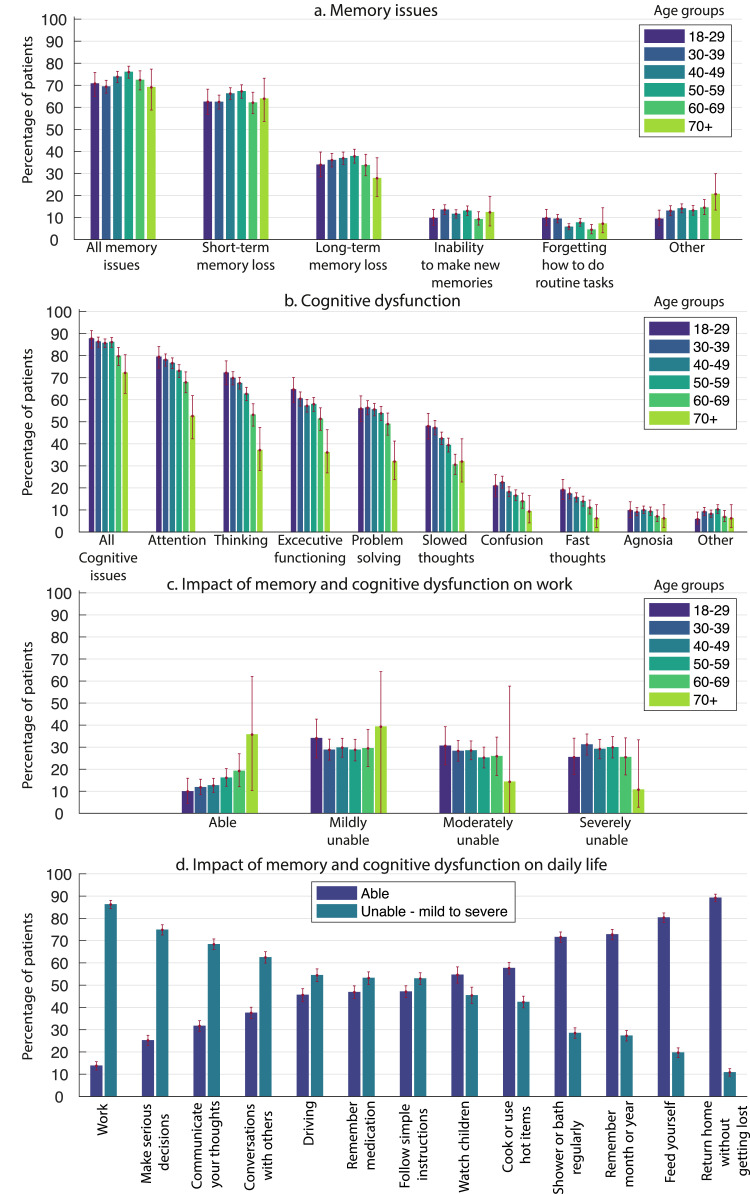
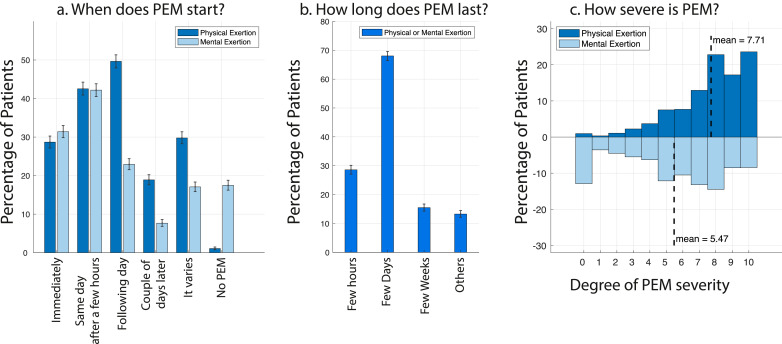
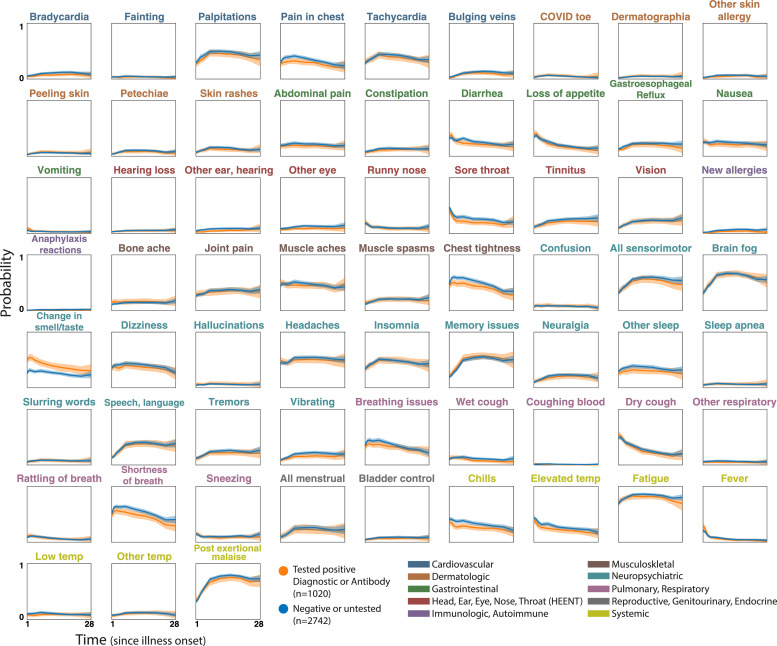
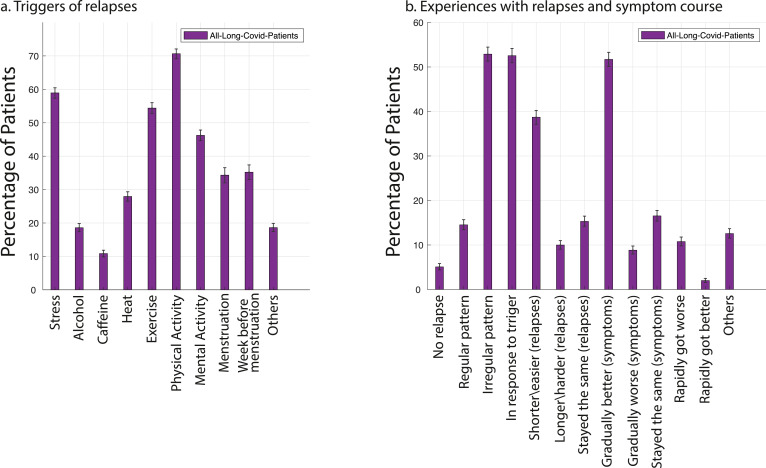
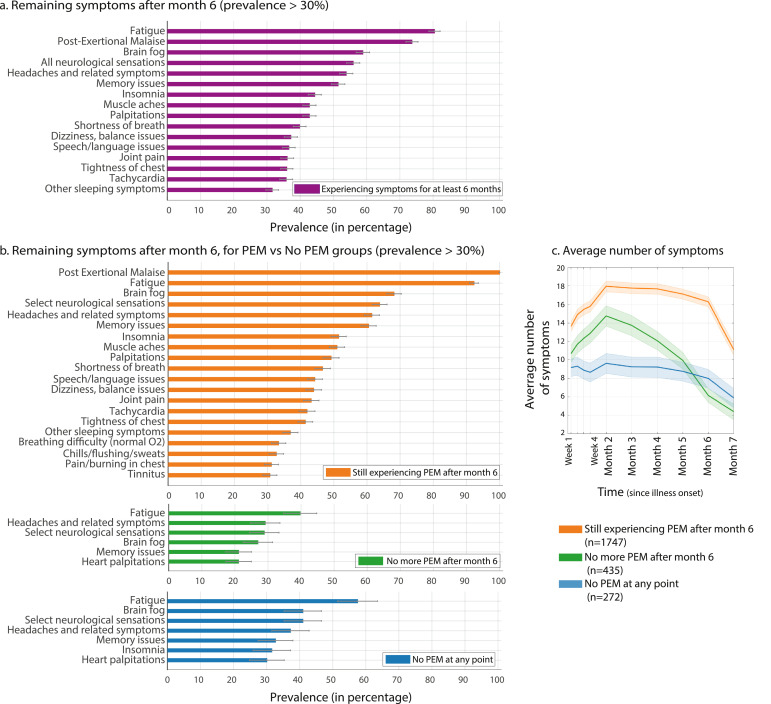
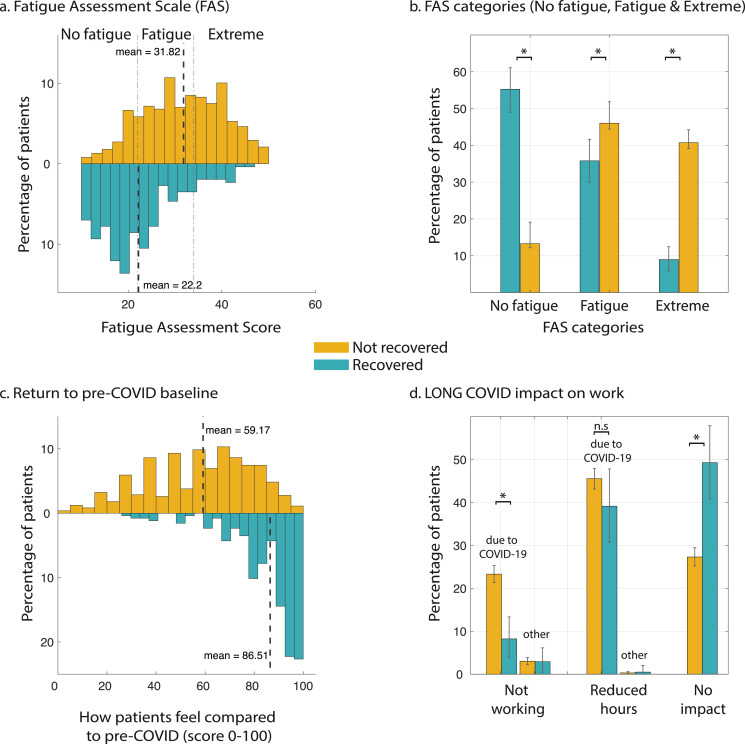
BACKGROUND: A significant number of patients with COVID-19 experience prolonged symptoms, known as Long COVID. Few systematic studies have investigated this population, particularly in outpatient settings. Hence, relatively little is known about symptom makeup and severity, expected clinical course, impact on daily functioning, and return to baseline health. METHODS: We conducted an online survey of people with suspected and confirmed COVID-19, distributed via COVID-19 support groups (e.g. Body Politic, Long COVID Support Group, Long Haul COVID Fighters) and social media (e.g. Twitter, Facebook). Data were collected from September 6, 2020 to November 25, 2020. We analyzed responses from 3762 participants with confirmed (diagnostic/antibody positive; 1020) or suspected (diagnostic/antibody negative or untested; 2742) COVID-19, from 56 countries, with illness lasting over 28 days and onset prior to June 2020. We estimated the prevalence of 203 symptoms in 10 organ systems and traced 66 symptoms over seven months. We measured the impact on life, work, and return to baseline health. FINDINGS: For the majority of respondents (>91%), the time to recovery exceeded 35 weeks. During their illness, participants experienced an average of 55.9+/- 25.5 (mean+/-STD) symptoms, across an average of 9.1 organ systems. The most frequent symptoms after month 6 were fatigue, post-exertional malaise, and cognitive dysfunction. Symptoms varied in their prevalence over time, and we identified three symptom clusters, each with a characteristic temporal profile. 85.9% of participants (95% CI, 84.8% to 87.0%) experienced relapses, primarily triggered by exercise, physical or mental activity, and stress. 86.7% (85.6% to 92.5%) of unrecovered respondents were experiencing fatigue at the time of survey, compared to 44.7% (38.5% to 50.5%) of recovered respondents. 1700 respondents (45.2%) required a reduced work schedule compared to pre-illness, and an additional 839 (22.3%) were not working at the time of survey due to illness. Cognitive dysfunction or memory issues were common across all age groups (~88%). Except for loss of smell and taste, the prevalence and trajectory of all symptoms were similar between groups with confirmed and suspected COVID-19. INTERPRETATION: Patients with Long COVID report prolonged, multisystem involvement and significant disability. By seven months, many patients have not yet recovered (mainly from systemic and neurological/cognitive symptoms), have not returned to previous levels of work, and continue to experience significant symptom burden. FUNDING: All authors contributed to this work in a voluntary capacity. The cost of survey hosting (on Qualtrics) and publication fee was covered by AA's research grant (Wellcome Trust/Gatsby Charity via Sainsbury Wellcome center, UCL).
Overview
The claims and statistics of this paper haven’t been checked yet.
Run the check — free, no account needed. It reads the open-access text and checks the sources it cites.
Integrity signals
Registry
Cites
Statistics
Figures
Verification
Claims the paper makes
The claims and statistics of this paper haven’t been checked yet.
Run the check — free, no account needed. It reads the open-access text and checks the sources it cites.
Claims other papers make about this one
Each is checked against this paper’s own text: does it say what the citing paper says it does?
The source backs part of the claim, not all of it — or backs it for a different population, condition or comparison.
In the citing paper
“Identifying subjects who are at risk of higher perceived loneliness and related psychological factors is particularly important in the context of the so called “long COVID” syndrome [50]”
From Psychological correlates of perceived loneliness in college students before and during the COVID-19 stay-at-home period: a longitudinal study (2023) · cites this paper as [50]
Experimental — accuracy not yet measuredIn the citing paper
“These symptoms can endure up to 6–7 months and even longer [[1], [2], [3], [4], [5]].”
From Female gender is associated with long COVID syndrome: a prospective cohort study (2022) · cites this paper as [3]
Self-check
Percentages, sums and reported differences re-computed from the paper’s own numbers.
The self-check needs the paper’s full text.
Citations
Cites
Persistent Symptoms in Patients After Acute COVID-19
Carfì, A., Bernabei, R., Landi, F., & for the Gemelli Against COVID-19 Post-Acute Care Study Group (2020) · JAMA · doi:10.1001/jama.2020.12603 · Cited by 4,561
Natural language processing with Python
Bird, S., Klein, E., & Loper, E. (2009) · CERN Document Server (European Organization for Nuclear Research) · Cited by 3,472
Better Bootstrap Confidence Intervals
Efron, B. (1987) · Journal of the American Statistical Association · doi:10.1080/01621459.1987.10478410 · Cited by 3,462 · cited 2×
“tical dashed lines indicate the range for “No fatigue”[10-21], “Fatigue”[22-34], and “Extreme” (>=35).”
MethodAttributes and predictors of long COVID
Sudre, C. H., Murray, B., Varsavsky, T., Graham, M. S., Penfold, R. S., Bowyer, R. C., Pujol, J. C., Klaser, K., Antonelli, M., Canas, L. S., et al. (2021) · Nature Medicine · doi:10.1038/s41591-021-01292-y · Cited by 2,707
Management of post-acute covid-19 in primary care
Greenhalgh, T., Knight, M., A’Court, C., Buxton, M., & Husain, L. (2020) · BMJ · doi:10.1136/bmj.m3026 · Cited by 1,771 · cited 1×
“While respiratory and some cardiovascular symptoms have been widely reported, neurological symptoms remain unclear [33].”
BackgroundEvolution of antibody immunity to SARS-CoV-2
Gaebler, C., Wang, Z., Lorenzi, J. C. C., Muecksch, F., Finkin, S., Tokuyama, M., Cho, A., Jankovic, M., Schaefer-Babajew, D., Oliveira, T. Y., et al. (2021) · Nature · doi:10.1038/s41586-021-03207-w · Cited by 1,674
High-dimensional characterization of post-acute sequelae of COVID-19
Al-Aly, Z., Xie, Y., & Bowe, B. (2021) · Nature · doi:10.1038/s41586-021-03553-9 · Cited by 1,518
Kucirka, L. M., Lauer, S. A., Laeyendecker, O. B., Boon, D., & Lessler, J. (2020) · Annals of Internal Medicine · doi:10.7326/m20-1495 · Cited by 1,414 · cited 1×
“Furthermore, the likelihood of false negatives increases after day 3 of symptom onset, when the false negative rate is 20%, reaching 66% by day 21[40].”
BackgroundTenforde, M. W., Kim, S. S., Lindsell, C. J., Billig Rose, E., Shapiro, N. I., Files, D. C., Gibbs, K. W., Erickson, H. L., Steingrub, J. S., Smithline, H. A., et al. (2020) · MMWR. Morbidity and Mortality Weekly Report · doi:10.15585/mmwr.mm6930e1 · Cited by 1,319 · cited 2×
“tical dashed lines indicate the range for “No fatigue”[10-21], “Fatigue”[22-34], and “Extreme” (>=35).”
BackgroundConcept Decompositions for Large Sparse Text Data Using Clustering
Dhillon, I. S., & Modha, D. S. (2001) · Machine Learning · doi:10.1023/a:1007612920971 · Cited by 1,308 · cited 1×
“Symptom time course clustering Symptom time courses were clustered using spherical k-means, a variant of k-means based on cosine distances [12].”
Research works printed but not linked: 3
- NIH workshop on post-acute sequelae of COVID-19 (Day 2) [Internet]. Available from: https://videocast.nih.gov/watch=38879
- Tang, 2020, 26, 1337
- Williams, 2021, A two-phase, single cohort study of COVID-19, Antibody Sera-Surveillance, 6
Cited by
Sorted by citations
Items 401–500 of 1,000
Post-COVID-19 Syndrome Mechanisms, Prevention and Management
Najafi, M. B., & Javanmard, S. (2023) · International Journal of Preventive Medicine · doi:10.4103/ijpvm.ijpvm_508_21 · Cited by 38
An observational multi-centric COVID-19 sequelae study among health care workers
Shukla, A. K., Atal, S., Banerjee, A., Jhaj, R., Balakrishnan, S., Chugh, P. K., Xavier, D., Faruqui, A. R., Singh, A., Raveendran, R., et al. (2022) · The Lancet Regional Health - Southeast Asia · doi:10.1016/j.lansea.2022.100129 · Cited by 36
The impacts of Covid-19 absences on workers
Goda, G. S., & Soltas, E. J. (2023) · Journal of Public Economics · doi:10.1016/j.jpubeco.2023.104889 · Cited by 36
Long COVID: what is known and what gaps need to be addressed
Krishna, B. A., Wills, M. R., & Sithole, N. (2023) · British Medical Bulletin · doi:10.1093/bmb/ldad016 · Cited by 40
Gut-brain pathogenesis of post-acute COVID-19 neurocognitive symptoms
Plummer, A. M., Matos, Y. L., Lin, H. C., Ryman, S. G., Birg, A., Quinn, D. K., Parada, A. N., & Vakhtin, A. A. (2023) · Frontiers in Neuroscience · doi:10.3389/fnins.2023.1232480 · Cited by 39
Gutman, E. G., Salvio, A. L., Fernandes, R. A., Duarte, L. A., Raposo-Vedovi, J. V., Alcaraz, H. F., Teixeira, M., Passos, G. F., Medeiros, K. Q. M. D., Hämmerle, M. B., et al. (2024) · Molecular Psychiatry · doi:10.1038/s41380-024-02554-0 · Cited by 39
Kuut, T. A., Müller, F., Aldenkamp, A., Assmann-Schuilwerve, E., Braamse, A. M. J., Geerlings, S. E., Gibney, K. B., Kanaan, R., Nieuwkerk, P. T., Hartman, T. O., et al. (2021) · Trials · doi:10.1186/s13063-021-05569-y · Cited by 39
Dissecting the Molecular Mechanisms Surrounding Post-COVID-19 Syndrome and Neurological Features
Mohamed, M. S., Johansson, A., Jonsson, J., & Schiöth, H. B. (2022) · International Journal of Molecular Sciences · doi:10.3390/ijms23084275 · Cited by 37
Luca, R. D., Bonanno, M., & Calabrò, R. S. (2022) · Journal of Clinical Medicine · doi:10.3390/jcm11216554 · Cited by 38
Cardiovascular Complications of Viral Respiratory Infections and COVID-19
Franczuk, P., Tkaczyszyn, M., Kulak, M., Domenico, E., Ponikowski, P. P., & Jankowska, E. A. (2022) · Biomedicines · doi:10.3390/biomedicines11010071 · Cited by 38
Microstructural brain abnormalities, fatigue, and cognitive dysfunction after mild COVID-19
Silva, L. S., da Costa, B. A., Aventurato, Í. K., João, R. B., de Campos, B. M., de Brito, M. R., Bechelli, J. F., Silva, L. C. S., dos Santos, A. F., Alvim, M. K. M., et al. (2024) · Scientific Reports · doi:10.1038/s41598-024-52005-7 · Cited by 41
A Comprehensive Examination of Severely Ill ME/CFS Patients
Chang, C.-J., Hung, L.-Y., Kogelnik, A. M., Kaufman, D. L., Aiyar, R. S., Chu, A. M., Wilhelmy, J., Li, P., Tannenbaum, L., Xiao, W., et al. (2021) · Healthcare · doi:10.3390/healthcare9101290 · Cited by 33
Acute Vertigo After COVID-19 Vaccination: Case Series and Literature Review
Mauro, P. D., Mantia, I. L., Cocuzza, S. G., Sciancalepore, P. I., Rasà, D., Maniaci, A., Ferlito, S., Tundo, I., & Anzivino, R. (2022) · Frontiers in Medicine · doi:10.3389/fmed.2021.790931 · Cited by 37
Colas, C., Bayle, M., Labeix, P., Botelho-Nevers, É., Gagneux‐Brunon, A., Cazorla, C., Schein, F., Breugnon, E., Garcin, A., Féasson, L., et al. (2022) · Frontiers in Sports and Active Living · doi:10.3389/fspor.2022.877188 · Cited by 37
Pathophysiology, diagnosis, and management of neuroinflammation in covid-19
Brown, R. L., Benjamin, L. A., Lunn, M. P., Bharucha, T., Zandi, M. S., Hoskote, C., McNamara, P., & Manji, H. (2023) · BMJ · doi:10.1136/bmj-2022-073923 · Cited by 37
Altmann, D. M., Reynolds, C. J., Joy, G., Otter, A. D., Gibbons, J. M., Pade, C., Swadling, L., Maini, M. K., Brooks, T. J. G., Semper, A. E., et al. (2023) · Nature Communications · doi:10.1038/s41467-023-40460-1 · Cited by 36
Asymptomatic and pre-symptomatic infection in Coronavirus Disease 2019 pandemic
Wang, Y., Zheng, K., Gao, W., Lv, J., Yu, C., Wang, L., Wang, Z., Wang, B., Liao, C., & Li, L. (2022) · Medical Review · doi:10.1515/mr-2021-0034 · Cited by 38
Who Is at Risk of Poor Mental Health Following Coronavirus Disease-19 Outpatient Management?
Hüfner, K., Tymoszuk, P., Ausserhofer, D., Sahanic, S., Pizzini, A., Rass, V., Gálffy, M., Boehm, A., Kurz, K., Sonnweber, T., et al. (2022) · Frontiers in Medicine · doi:10.3389/fmed.2022.792881 · Cited by 33
Meza-Torres, B., Delanerolle, G., Okusi, C., Mayor, N., Anand, S. N., Macartney, J., Gatenby, P. A. C., Glampson, B., Chapman, M., Ćurčin, V., et al. (2022) · JMIR Public Health and Surveillance · doi:10.2196/37668 · Cited by 35
Larijani, M. S., Ashrafian, F., Amiri, F. B., Banifazl, M., Bavand, A., Karami, A., Shokooh, F. A., & Ramezani, A. (2022) · Microbial Pathogenesis · doi:10.1016/j.micpath.2022.105618 · Cited by 35
Long and persistent COVID-19 in patients with hematologic malignancies: from bench to bedside
Laracy, J. C., Kamboj, M., & Vardhana, S. A. (2022) · Current Opinion in Infectious Diseases · doi:10.1097/qco.0000000000000841 · Cited by 34
Wingrove, J. O., Makaronidis, J., Prados, F., Kanber, B., Yiannakas, M. C., Magee, C. G., Castellazzi, G., Grandjean, L., Golay, X., Tur, C., et al. (2023) · EClinicalMedicine · doi:10.1016/j.eclinm.2023.101883 · Cited by 39
Hamdh, B. A., & Nazzal, Z. A. S. (2023) · Scientific Reports · doi:10.1038/s41598-023-30583-2 · Cited by 36
Karpman, M., Zuckerman, S., & Morriss, S. (2023) · JAMA Network Open · doi:10.1001/jamanetworkopen.2023.7455 · Cited by 35
Fonseca, A. A., Torres‐Castro, R., Benavides-Córdoba, V., Pisfil, S. L. C., Morales-Satan, M., Lopez, B. H., Salazar-Pérez, R., Larrateguy, S., & Sanchez‐Ramirez, D. C. (2023) · Frontiers in Medicine · doi:10.3389/fmed.2023.1168628 · Cited by 39
Gloeckl, R., Leitl, D., Schneeberger, T., Jarosch, I., & Koczulla, A. R. (2023) · European Archives of Psychiatry and Clinical Neuroscience · doi:10.1007/s00406-023-01631-9 · Cited by 40
Long COVID: Complications, Underlying Mechanisms, and Treatment Strategies
Zadeh, F. H. (2023) · Archives of Microbiology & Immunology · doi:10.26502/ami.93650103 · Cited by 35
Inflammation, immunity, and antigen persistence in post-acute sequelae of SARS-CoV-2 infection
Newell, K. L., & Waickman, A. T. (2022) · Current Opinion in Immunology · doi:10.1016/j.coi.2022.102228 · Cited by 37
Lee, Y., Riskedal, E., Kalleberg, K. T., Istre, M. S., Lind, A., Lund‐Johansen, F., Reiakvam, O. M., Søraas, A. V. L., Harris, J. R., Dahl, J. A., et al. (2022) · Scientific Reports · doi:10.1038/s41598-022-15467-1 · Cited by 33
Clerbaux, L., Filipovska, J., Muñoz, A., Petrillo, M., Coecke, S., Amorim, M. J., & Grenga, L. (2022) · Journal of Clinical Medicine · doi:10.3390/jcm11185400 · Cited by 36
SARS‐CoV ‐2, aging, and Post‐COVID ‐19 neurodegeneration
Strong, M. J. (2022) · Journal of Neurochemistry · doi:10.1111/jnc.15736 · Cited by 38
Alfadda, A. A., Rafiullah, M., Alkhowaiter, M., Alotaibi, N. H., Alzahrani, M. F., Binkhamis, K. M., Siddiqui, K., Youssef, A. M., Altalhi, H., AlMaghlouth, I. A., et al. (2022) · Frontiers in Medicine · doi:10.3389/fmed.2022.1067082 · Cited by 35
Forshaw, D., Wall, E. C., Prescott, G. J., Dehbi, H., Green, A., Attree, E., Hismeh, L., Strain, W. D., Crooks, M. G., Watkins, C. L., et al. (2023) · PLoS ONE · doi:10.1371/journal.pone.0272472 · Cited by 34
Darney, B. G., Boniface, E. R., van Lamsweerde, A., Han, L. L., Matteson, K. A., Cameron, S. T., Male, V. H., Acuna, J. M., Benhar, E., Pearson, J. T., et al. (2023) · BJOG An International Journal of Obstetrics & Gynaecology · doi:10.1111/1471-0528.17471 · Cited by 33
Hemilä, H., & Chalker, E. (2021) · Pharmacology Research & Perspectives · doi:10.1002/prp2.810 · Cited by 33
Sahanic, S., Tymoszuk, P., Ausserhofer, D., Rass, V., Pizzini, A., Nordmeyer, G., Hüfner, K., Kurz, K., Weber, P. M., Sonnweber, T., et al. (2021) · Clinical Infectious Diseases · doi:10.1093/cid/ciab978 · Cited by 34
Zürcher, S. J., Banzer, C., Adamus, C., Lehmann, A. I., Richter, D., & Kerksieck, P. (2022) · Journal of Infection and Public Health · doi:10.1016/j.jiph.2022.04.005 · Cited by 33
Public health crises and Ukrainian refugees
Su, Z., McDonnell, D., Cheshmehzangi, A., Aḥmad, J., Šegalo, S., da Veiga, C. P., & Xiang, Y. (2022) · Brain Behavior and Immunity · doi:10.1016/j.bbi.2022.05.004 · Cited by 33
Potential of Microneedle Systems for COVID-19 Vaccination: Current Trends and Challenges
Hassan, J., Haigh, C., Ahmed, T., Uddin, M. J., & Das, D. B. (2022) · Pharmaceutics · doi:10.3390/pharmaceutics14051066 · Cited by 36
van Voorthuizen, E. L., van Helvoort, H. A. C., Peters, J. B., van den Heuvel, M. M., & van den Borst, B. (2022) · Physical Therapy · doi:10.1093/ptj/pzac105 · Cited by 31
Could widespread use of antiviral treatment curb the COVID-19 pandemic? A modeling study
Matrajt, L., Brown, E. R., Cohen, M. S., Dimitrov, D., & Janes, H. (2022) · BMC Infectious Diseases · doi:10.1186/s12879-022-07639-1 · Cited by 35
Bek, L. M., Berentschot, J. C., Heijenbrok‐Kal, M. H., Huijts, S. M., van Genderen, M. E., Vlake, J. H., van Bommel, J., Aerts, J. G. J. V., Ribbers, G. M., van den Berg-Emons, R. J. G., et al. (2022) · ERJ Open Research · doi:10.1183/23120541.00355-2022 · Cited by 34
Post-COVID-19 Syndrome: Retinal Microcirculation as a Potential Marker for Chronic Fatigue
Schlick, S., Lucio, M., Wallukat, G., Bartsch, A., Skornia, A., Hoffmanns, J., Szewczykowski, C., Schröder, T., Raith, F., Rogge, L., et al. (2022) · International Journal of Molecular Sciences · doi:10.3390/ijms232213683 · Cited by 35
Velichkovsky, B. B., Razvaliaeva, A. Y., Khlebnikova, A. A., Manukyan, P. A., & Kasatkin, V. N. (2023) · Acta Psychologica · doi:10.1016/j.actpsy.2023.103838 · Cited by 40
Orthostatic tachycardia after covid-19
Espinosa-González, A. B., Master, H., Gall, N. P., Halpin, S. J., Rogers, N., & Greenhalgh, T. (2023) · BMJ · doi:10.1136/bmj-2022-073488 · Cited by 30
Factors associated with psychiatric outcomes and coping in Long COVID
Re’em, Y., Stelson, E., Davis, H., McCorkell, L., Wei, H., Assaf, G., & Akrami, A. (2023) · Nature Mental Health · doi:10.1038/s44220-023-00064-6 · Cited by 33
Self-citationMalden, D. E., Liu, I. A., Qian, L., Sy, L. S., Lewin, B. J., Asamura, D. T., Ryan, D. S., Bezi, C., Williams, J. T. B., Kaiser, R., et al. (2024) · Nature Communications · doi:10.1038/s41467-024-48022-9 · Cited by 32
Kratzer, B., Gattinger, P., Trapin, D., Ettel, P., Körmöczi, U., Rottal, A., Stieger, R. B., Sehgal, A. N. A., Feichter, M., Borochova, K., et al. (2024) · Allergy · doi:10.1111/all.16210 · Cited by 36
The Yin and Yang of TLR4 in COVID-19
Mukherjee, S., & Bayry, J. (2024) · Cytokine & Growth Factor Reviews · doi:10.1016/j.cytogfr.2024.10.001 · Cited by 34
Neuroimmune pathophysiology of long COVID
Moen, J. K., Baker, C. A., & Iwasaki, A. (2025) · Psychiatry and Clinical Neurosciences · doi:10.1111/pcn.13855 · Cited by 38
“2,3 211 Self-reported cognitive de fi cits in the fi rst 4 weeks following SARS-CoV-2 infection have been associated with the development of Long COVID symptoms, 212 consistent with community cohort data showing that the largest de fi cits were observed in participants with unresolved persistent…”
Antihistamines for Postacute Sequelae of SARS-CoV-2 Infection
Pinto, M. D., Lambert, N., Downs, C. A., Abrahim, H. L., Hughes, T. D., Rahmani, A. M., Burton, C. W., & Chakraborty, R. (2022) · The Journal for Nurse Practitioners · doi:10.1016/j.nurpra.2021.12.016 · Cited by 32
Rodríguez-Sánchez, I., Rodríguez‐Mañas, L., & Laosa, O. (2022) · Clinics in Geriatric Medicine · doi:10.1016/j.cger.2022.03.005 · Cited by 34
Lapa, J. D. S., Rosa, D. A. C., Mendes, J. P., Deusdará, R., & Romero, G. A. S. (2023) · International Journal of Environmental Research and Public Health · doi:10.3390/ijerph20010848 · Cited by 35
Linnhoff, S., Koehler, L., Haghikia, A., & Zaehle, T. (2023) · Frontiers in Immunology · doi:10.3389/fimmu.2022.935614 · Cited by 36
Müller, K., Poppele, I., Ottiger, M., Zwingmann, K., Berger, I., Thomas, A., Wastlhuber, A., Ortwein, F., Schultz, A.-L., Weghofer, A., et al. (2023) · International Journal of Environmental Research and Public Health · doi:10.3390/ijerph20021468 · Cited by 31
Chuang, M., Wu, J., Liu, T., Hsu, W., Tsai, Y., Huang, P., & Lai, C. (2023) · Journal of Medical Virology · doi:10.1002/jmv.28750 · Cited by 31
Giloteaux, L., Li, J., Hornig, M., Lipkin, W. I., Ruppert, D., & Hanson, M. R. (2023) · Journal of Translational Medicine · doi:10.1186/s12967-023-04179-3 · Cited by 34
Colas, C., Berre, Y. L., Fanget, M., Savall, A., Killian, M., Goujon, I., Labeix, P., Bayle, M., Féasson, L., Roche, F., et al. (2023) · International Journal of Environmental Research and Public Health · doi:10.3390/ijerph20156513 · Cited by 32
Brain Fog: a Narrative Review of the Most Common Mysterious Cognitive Disorder in COVID-19
Mir, M. A. (2023) · Molecular Neurobiology · doi:10.1007/s12035-023-03715-y · Cited by 38
Aziz, R., Siles, N., Kelley, M. A., Wylie, D., Melamed, E., & Brode, W. M. (2023) · Scientific Reports · doi:10.1038/s41598-023-48502-w · Cited by 35
Badinlou, F., Rahimian, F., Hedman‐Lagerlöf, M., Lundgren, T., Abzhandadze, T., & Jansson‐Fröjmark, M. (2024) · BMC Public Health · doi:10.1186/s12889-024-17997-x · Cited by 35
Employment outcomes of people with Long Covid symptoms: community-based cohort study
Ayoubkhani, D., Zaccardi, F., Pouwels, K. B., Walker, A. S., Houston, D., Alwan, N. A., Martin, J., Khunti, K. K., & Nafilyan, V. (2024) · European Journal of Public Health · doi:10.1093/eurpub/ckae034 · Cited by 31
Long COVID across SARS-CoV-2 variants, lineages, and sublineages
Padilla, S., Ledesma, C., García‐Abellán, J., García, J. A., Fernández‐González, M., de la Rica, A., Galiana, A., Gutiérrez, F., & Masiá, M. (2024) · iScience · doi:10.1016/j.isci.2024.109536 · Cited by 31
Hadidchi, R., Wang, S. H., Rezko, D., Henry, S. S., Coyle, P. K., & Duong, T. Q. (2024) · Multiple Sclerosis and Related Disorders · doi:10.1016/j.msard.2024.105613 · Cited by 31
Wang, H., Doran, T., Crooks, M. G., Khunti, K., Heightman, M., González-Izquierdo, A., Arfeen, M. Q. U., Loveless, A., Banerjee, A., & Feltz-Cornelis, C. M. V. D. (2024) · Journal of Infection · doi:10.1016/j.jinf.2024.106235 · Cited by 36
The negative impact of COVID-19 on working memory revealed using a rapid online quiz
Baseler, H. A., Aksoy, M., Salawu, A., Green, A., & Asghar, A. U. R. (2022) · PLoS ONE · doi:10.1371/journal.pone.0269353 · Cited by 34
The role of sleep and dreams in long‐ COVID
Scarpelli, S., Santis, A. D., Alfonsi, V., Gorgoni, M., Morin, C. M., Espie, C. A., Merikanto, I., Chung, F. F., Penzel, T., Bjorvatn, B., et al. (2022) · Journal of Sleep Research · doi:10.1111/jsr.13789 · Cited by 33
Al‐Hakeim, H. K., Al-Rubaye, H. T., Jubran, A. S., Almulla, A. F., Moustafa, S. R., & Maes, M. H. J. (2023) · Brazilian Journal of Psychiatry · doi:10.47626/1516-4446-2022-3002 · Cited by 35
Getting back to normal? Identity and role disruptions among adults with Long COVID
Spence, N. J., Russell, D., Bouldin, E. D., Tumminello, C. M., & Schwartz, T. (2023) · Sociology of Health & Illness · doi:10.1111/1467-9566.13628 · Cited by 31
SARS-CoV-2 and male infertility: from short- to long-term impacts
Dai, P., Qiao, F., Chen, Y.-S. E., Chan, D. Y. L., Yim, H. C. H., Fok, K. L., & Chen, H. (2023) · Journal of Endocrinological Investigation · doi:10.1007/s40618-023-02055-x · Cited by 31
Hill, E., Mehta, H., Sharma, S., Mane, K., Xie, C. F., Cathey, E., Loomba, J., Russell, S., Spratt, H. M., DeWitt, P., et al. (2022) · medRxiv · doi:10.1101/2022.08.15.22278603 · Cited by 29
Characteristics and determinants of pulmonary long COVID
Patton, M. J., Benson, D. G., Robison, S. W., Raval, D., Locy, M. L., Patel, K., Grumley, S. A., Levitan, E. B., Morris, P. E., Might, M., et al. (2024) · JCI Insight · doi:10.1172/jci.insight.177518 · Cited by 30
Central nervous system outcomes of COVID-19
Doyle, M. F. (2021) · Translational research · doi:10.1016/j.trsl.2021.09.002 · Cited by 33
Prevalence, characteristics and risk factors in a Moroccan cohort of Long-Covid-19
Otmani, H. E., Salma, N., Berrada, M., Bellakhdar, S., Moutawakil, B. E., & Rafai, M. A. (2022) · Neurological Sciences · doi:10.1007/s10072-022-06138-0 · Cited by 30
Post-acute Sequelae of SARS-CoV-2 Infection: A Neglected Public Health Issue
Wang, Z., & Yang, L. (2022) · Frontiers in Public Health · doi:10.3389/fpubh.2022.908757 · Cited by 30
van Campen, C. M. C., & Visser, F. C. (2022) · Healthcare · doi:10.3390/healthcare10102058 · Cited by 30
Allendes, F., Díaz, H. S., Ortíz, F. C., Marcus, N. J., Quintanilla, R. A., Inestrosa, N. C., & Río, R. D. (2023) · Frontiers in Medicine · doi:10.3389/fmed.2022.1095249 · Cited by 33
Serafini, R. A., Frere, J. J., Zimering, J. H., Giosan, I. M., Pryce, K. D., Golynker, I., Panis, M., Ruiz, A., tenOever, B. R., & Zachariou, V. (2023) · Science Signaling · doi:10.1126/scisignal.ade4984 · Cited by 29
Samper-Pardo, M., León-Herrera, S., Oliván‐Blázquez, B., Gascón, S., & Sánchez‐Recio, R. (2023) · PLoS ONE · doi:10.1371/journal.pone.0278728 · Cited by 33
Eligulashvili, A., Gordon, M., Lee, J. S., Lee, J., Mehrotra-Varma, S., Mehrotra‐Varma, J., Hsu, K. A., Hilliard, I., Lee, K., Li, A., et al. (2024) · PLoS Medicine · doi:10.1371/journal.pmed.1004263 · Cited by 35
Salci, M. A., Carreira, L., Facchini, L. A., de Oliveira, M. L. F., de Oliveira, R. R., Ichisato, S. M. T., Covre, E. R., Pesce, G. B., Santos, J. A. T., Derhun, F. M., et al. (2022) · BMJ Open · doi:10.1136/bmjopen-2022-061094 · Cited by 32
Pagen, D., van Herck, M., van Bilsen, C. J. V., Brinkhues, S., Konings, K., den Heijer, C. D., Spruit, M., Hoebe, C., & Dukers-Muijrers, N. (2023) · medRxiv · doi:10.3389/fmed.2023.1292446 · Cited by 21
NETosis: A key player in autoimmunity, COVID-19, and long COVID
Monsalve, D. M., Acosta‐Ampudia, Y., Acosta, N. G., Celis-Andrade, M., Şahin, A., Morva, A., Shoenfeld, Y., & Ramı́rez-Santana, C. (2025) · Journal of Translational Autoimmunity · doi:10.1016/j.jtauto.2025.100280 · Cited by 32
“However, more than 200 different symptoms have been reported that significantly affect daily functioning [143].”
Long COVID in Hospitalized COVID-19 Patients: A Retrospective Cohort Study
Yakşi, N., TEKER, A. G., & İmre, A. (2022) · Iranian Journal of Public Health · doi:10.18502/ijph.v51i1.8297 · Cited by 34
Morelli, N., Parry, S. M., Steele, A. K., Lusby, M. L., Montgomery-Yates, A. A., Morris, P. E., & Mayer, K. P. (2022) · Journal of Intensive Care Medicine · doi:10.1177/08850666221075568 · Cited by 30
Restless legs syndrome is associated with long-COVID in women
Weinstock, L. B., Brook, J. B., Walters, A. S., Goris, A. J., Afrin, L. B., & Molderings, G. J. (2022) · Journal of Clinical Sleep Medicine · doi:10.5664/jcsm.9898 · Cited by 30
Amer, A. A., Amer, S. A., Alrufaidi, K. M., Abd‐Ellatif, E. E., Alafandi, B. Z., Yousif, D. A., Armi, N. T., Alkhalaf, A. A., Shah, J., & Ramadan, M. S. (2022) · Frontiers in Reproductive Health · doi:10.3389/frph.2022.927211 · Cited by 29
Deuel, J., Lauria, E., Lovey, T., Zweifel, S. A., Meier, M. I., Züst, R., Gültekin, N., Stettbacher, A., & Schlagenhauf, P. (2022) · The Lancet Infectious Diseases · doi:10.1016/s1473-3099(22)00449-2 · Cited by 30
Management and treatment of long COVID symptoms in general practices: An online-based survey
Schrimpf, A. M., Braesigk, A., Lippmann, S., & Bleckwenn, M. (2022) · Frontiers in Public Health · doi:10.3389/fpubh.2022.937100 · Cited by 31
LitCovid in 2022: an information resource for the COVID-19 literature
Chen, Q., Allot, A., Leaman, R., Wei, C.-H., Aghaarabi, E., Guerrerio, J. J., Xu, L., & Lu, Z. (2022) · Nucleic Acids Research · doi:10.1093/nar/gkac1005 · Cited by 29
Human Monkeypox—A Global Public Health Emergency
Zardi, E. M., & Chello, C. (2022) · International Journal of Environmental Research and Public Health · doi:10.3390/ijerph192416781 · Cited by 29
The Use of Nirmatrelvir-ritonavir in a Case of Breakthrough Long COVID
Geng, L. N., Bonilla, H. F., Shafer, R. W., Miglis, M. G., & Yang, P. C.-M. (2023) · Exploratory Research and Hypothesis in Medicine · doi:10.14218/erhm.2022.00045 · Cited by 28
Erickson, M. A., Logsdon, A. F., Rhea, E. M., Hansen, K. M., Holden, S. J., Banks, W. A., Smith, J. L., German, C. N., Farr, S. A., Morley, J. E., et al. (2023) · Brain Behavior and Immunity · doi:10.1016/j.bbi.2023.01.010 · Cited by 29
Agergaard, J., Khan, B. Y. A., Engell-Sørensen, T., Schiøttz‐Christensen, B., Østergaard, L. J., Hejbøl, E. K., Schrøder, H. D., Andersen, H., Blicher, J. U., Pedersen, T. H., et al. (2023) · Clinical Neurophysiology · doi:10.1016/j.clinph.2023.01.010 · Cited by 29
Long COVID in autoimmune rheumatic diseases
Fedorchenko, Y., & Zimba, O. (2023) · Rheumatology International · doi:10.1007/s00296-023-05319-0 · Cited by 29
Liu, T. C., Yoo, S. M., Sim, M., Motwani, Y., Viswanathan, N., & Wenger, N. S. (2023) · JAMA Network Open · doi:10.1001/jamanetworkopen.2023.11974 · Cited by 30
The global challenges of the long COVID-19 in adults and children
Rodriguez-Morales, A. J., Lopez-Echeverri, M. C., Perez-Raga, M. F., Quintero-Romero, V., Valencia-Gallego, V., Galindo-Herrera, N., López-Alzate, S., Sánchez-Vinasco, J. D., Gutiérrez-Vargas, J. J., Mayta‐Tristán, P., et al. (2023) · Travel Medicine and Infectious Disease · doi:10.1016/j.tmaid.2023.102606 · Cited by 38
Hoshijima, H., Mihara, T., Seki, H., Hyuga, S., Kuratani, N., & Shiga, T. (2023) · PLoS ONE · doi:10.1371/journal.pone.0250909 · Cited by 32
Álvarez-Santacruz, C., Tyrkalska, S. D., & Candel, S. (2024) · International Journal of Molecular Sciences · doi:10.3390/ijms25021330 · Cited by 32
Evaluation of viral infection as an etiology of ME/CFS: a systematic review and meta-analysis
Hwang, J., Lee, J., Oh, H.-M., Lee, E., Lim, E., & Son, C. (2023) · Journal of Translational Medicine · doi:10.1186/s12967-023-04635-0 · Cited by 30
Metadata
- Authors
- Davis, H. E., Assaf, G. S., McCorkell, L., Wei, H., Low, R. J., Re'em, Y., Redfield, S., Austin, J. P., & Akrami, A.
- Affiliations
- Patient-Led Research Collaborative (US)
- Oregon Health & Science University (US)
- Corresponding author
- Akrami, Athena
- ORCID
- Venue
- eClinicalMedicine
- Publisher
- Elsevier BV
- Published
- 2021-08
- Volume
- 38
- Pages
- 101019
- ISSN
- 2589-5370 (ISSN-L)
- PMC
- PMC8280690
- OpenAlex
- W3184339862
- Cited by
- 2,881
- References
- 46
- Citations by year
- 2026: 299 · 2025: 492 · 2024: 594 · 2023: 692 · 2022: 617 · 2021: 186
- FWCI
- 249.99
- Type
- journal article
- Language
- en
- Open access
- gold
- doi.org
- Licence
- Locations
- EClinicalMedicine (publishedVersion, cc-by)
- PubMed Central (publishedVersion, cc-by)
- PubMed (publishedVersion)
- DOAJ (DOAJ: Directory of Open Access Journals) (submittedVersion, cc-by-sa)
- Funders
- Wellcome Trust
- Topics
- Health Sciences › Medicine › Clinical Neurology › Long-Term Effects of COVID-19
- Health Sciences › Medicine › Infectious Diseases › COVID-19 Clinical Research Studies
- Social Sciences › Psychology › Clinical Psychology › COVID-19 and Mental Health
- Keywords
- long COVID, symptom clusters, fatigue, post-exertional malaise, cognitive impairment, symptom recurrence, work disability, loss of taste and smell, outpatients
About these checks
Registry, retraction, Cites and statistics results are computed, not judged, with one exception: a printed reference that no index lists is read once by a model before it counts as a citation error. Claims are extracted by a model and kept only when their quote appears verbatim in the text; each cited source is then checked, with a model’s help, for whether it says what the claim relies on. Those verdicts can be wrong — read the claim’s quote and the cited source before relying on one.
Statistics and arithmetic are recomputed, not judged.
Confidence bands are shown only for fields calibrated on our annotated test set. None is calibrated yet, so no band is shown.
What counts as a claim ›How we measure confidence ›How we check this ›
Are you an author, or do you see a problem with this page? Request a review
