

The DOI matches its Crossref record; 44 of the 46 references it cites were found in a registry or an index.
Characterizing long COVID in an international cohort: 7 months of symptoms and their impact
Open accessPublished version of a preprint
Abstract
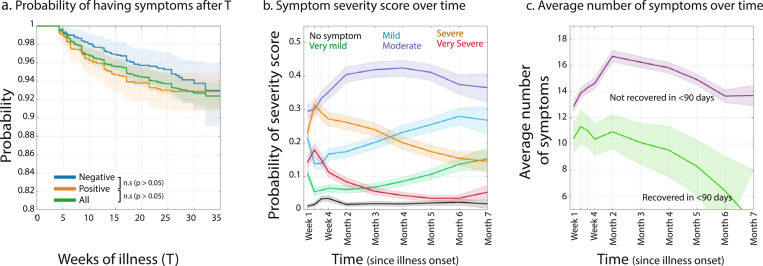
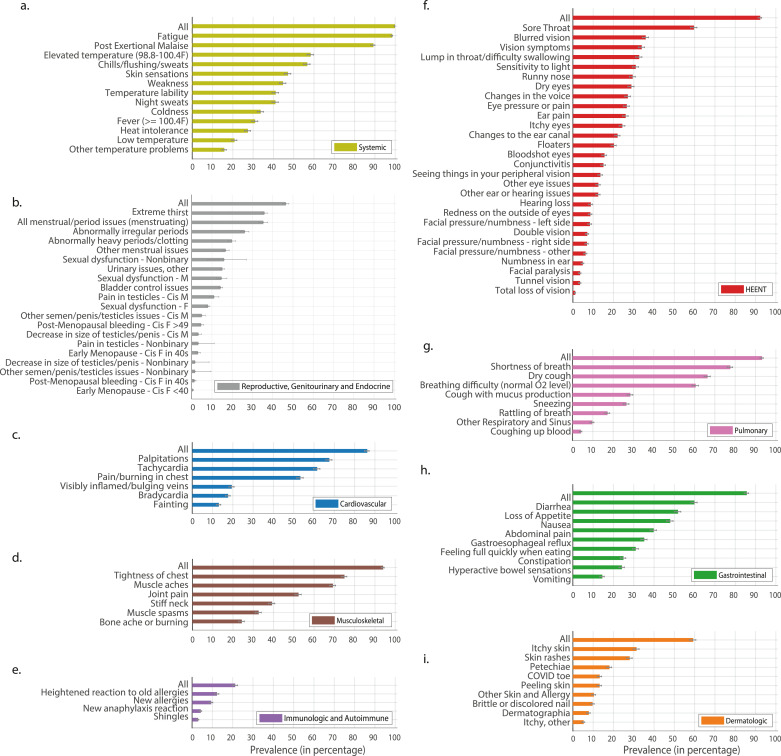
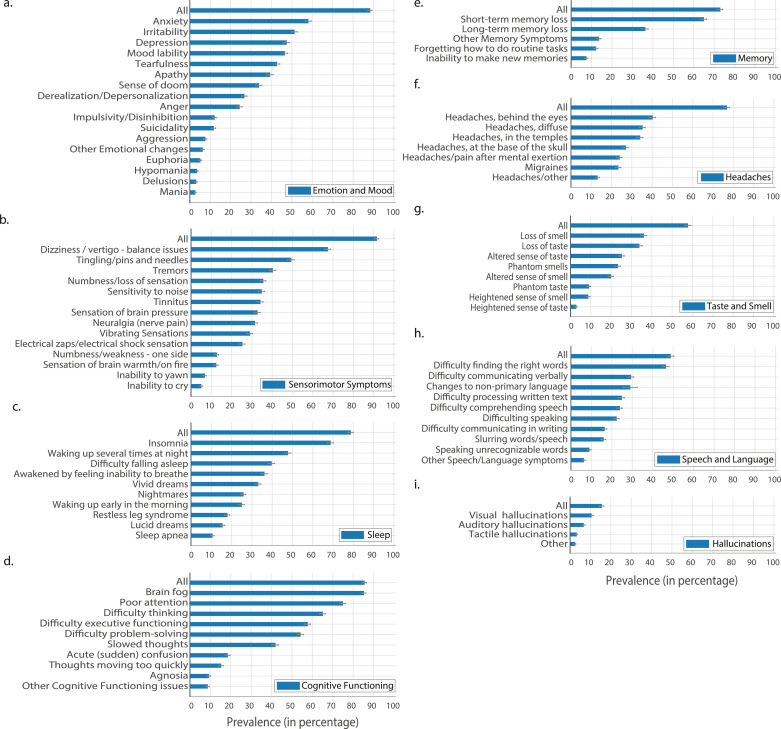
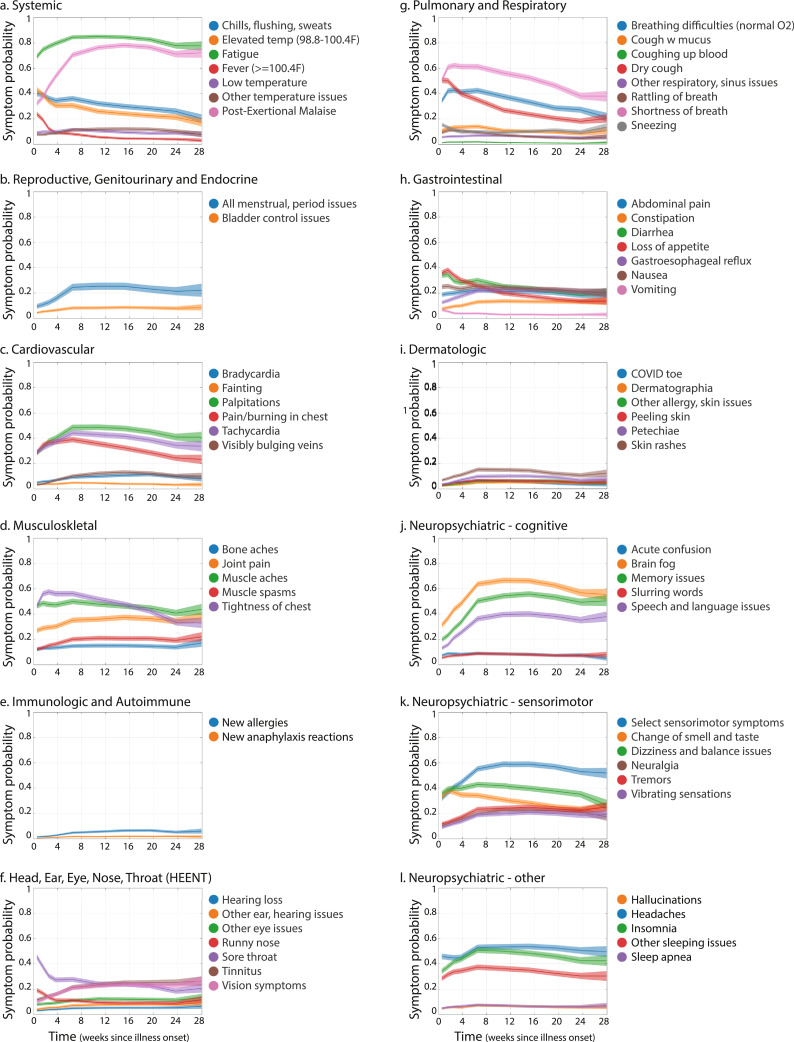
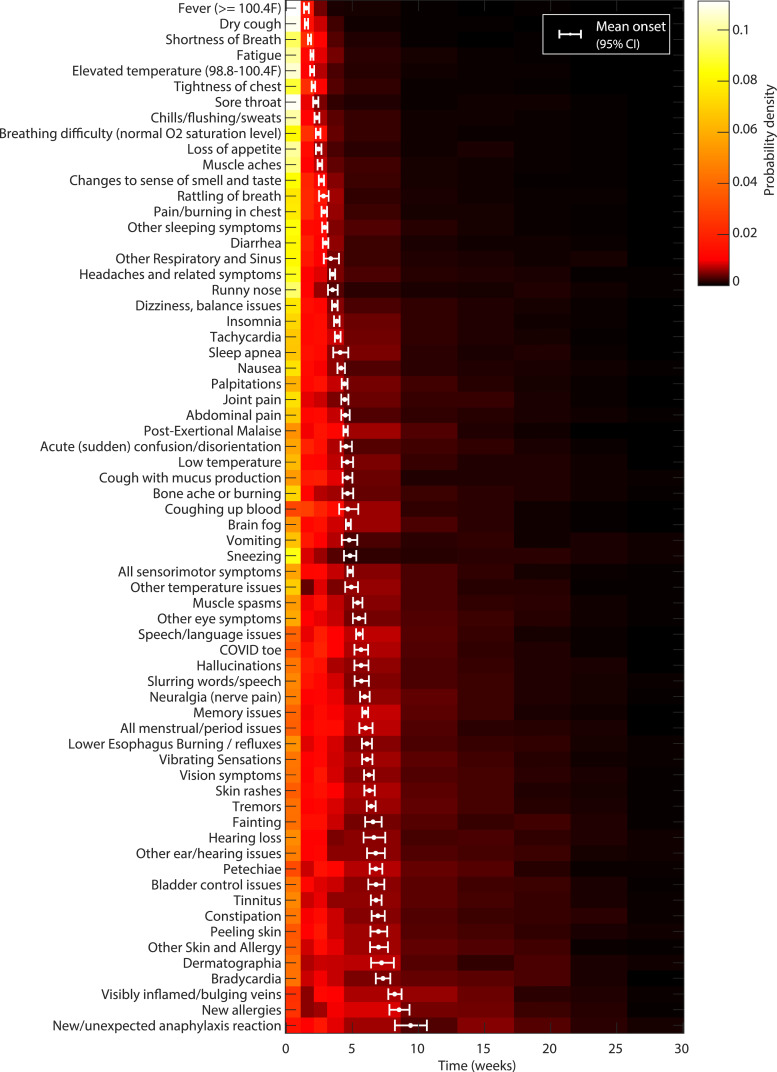
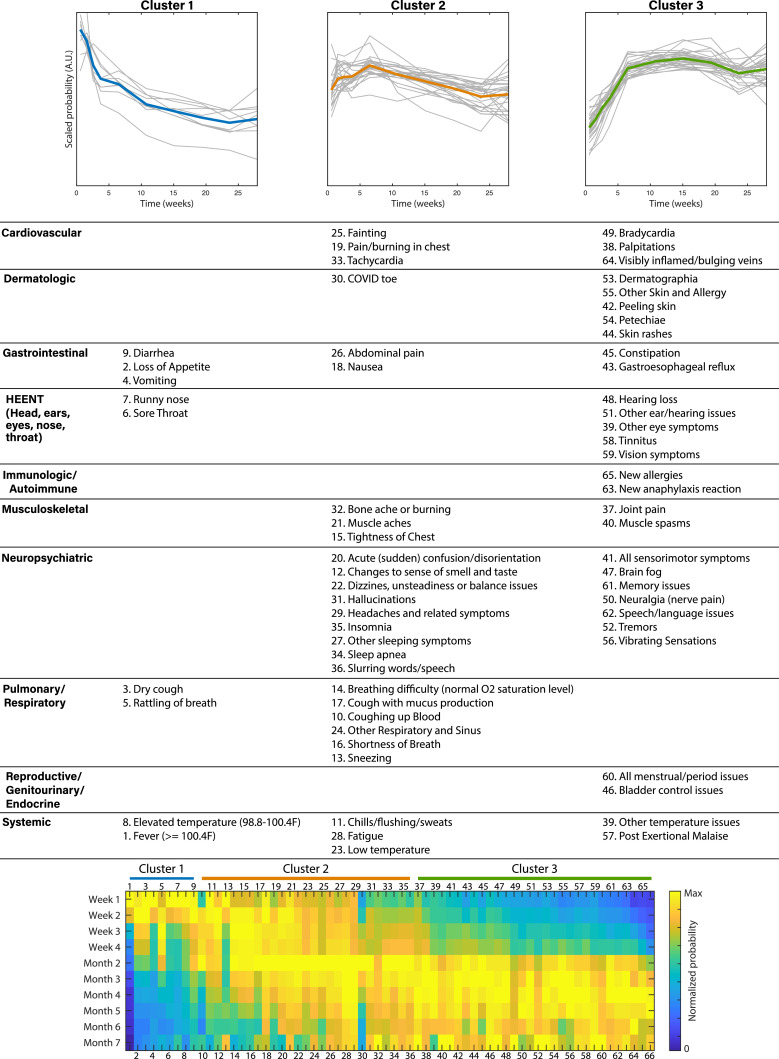
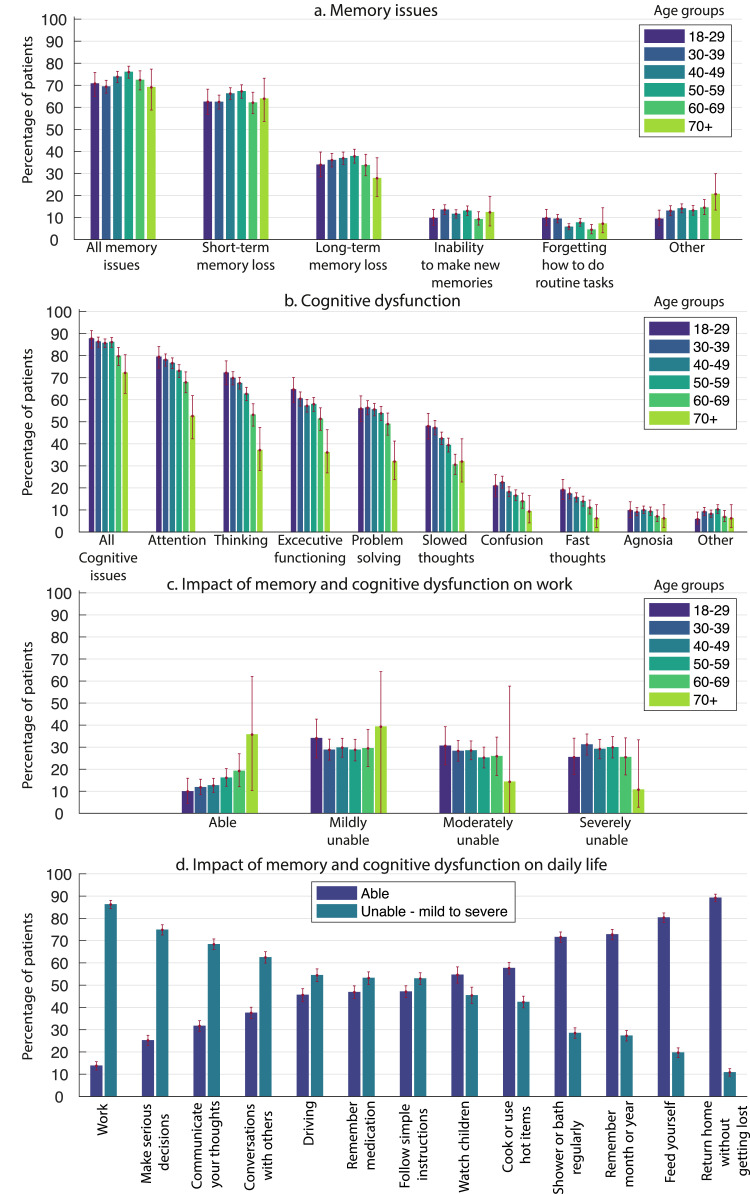
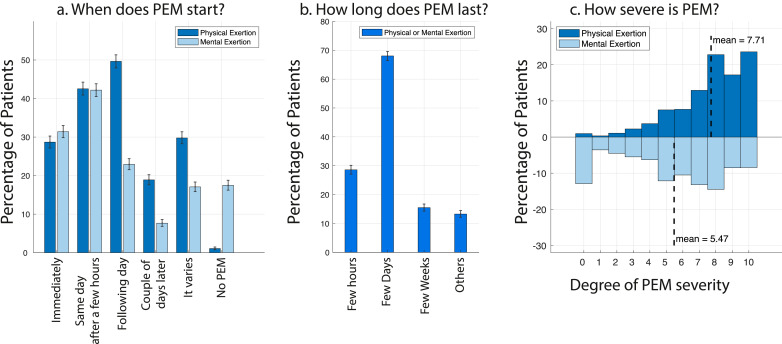
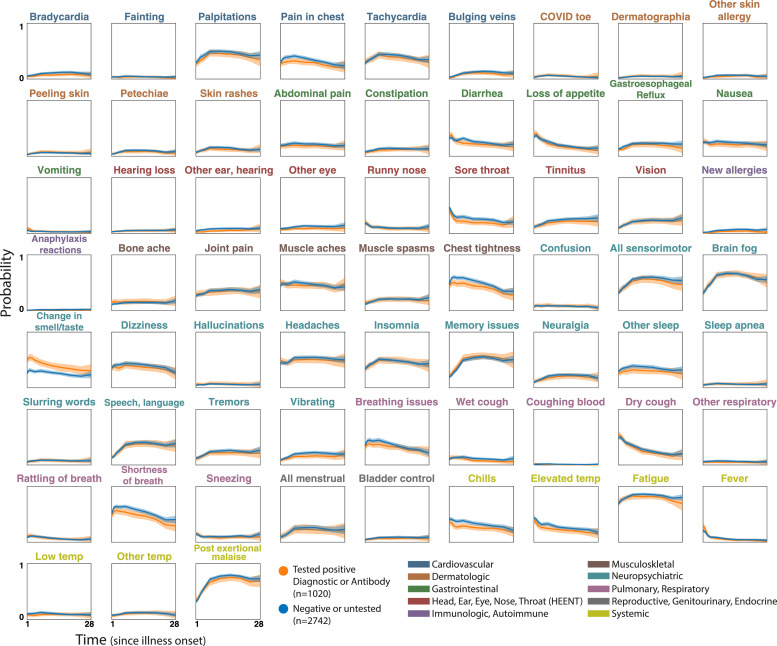
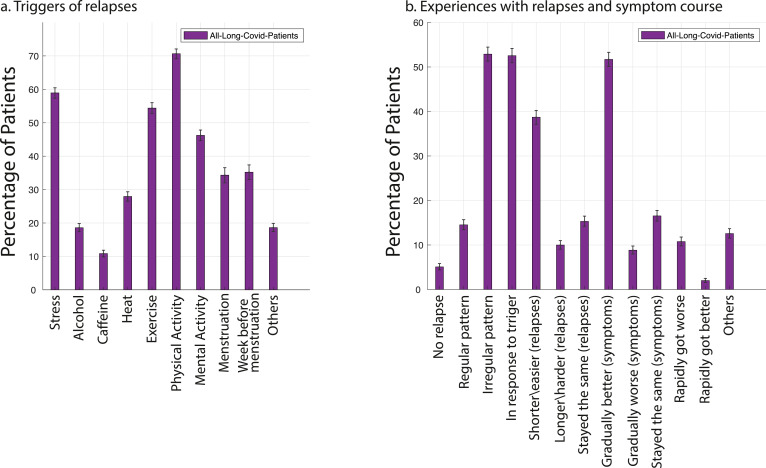
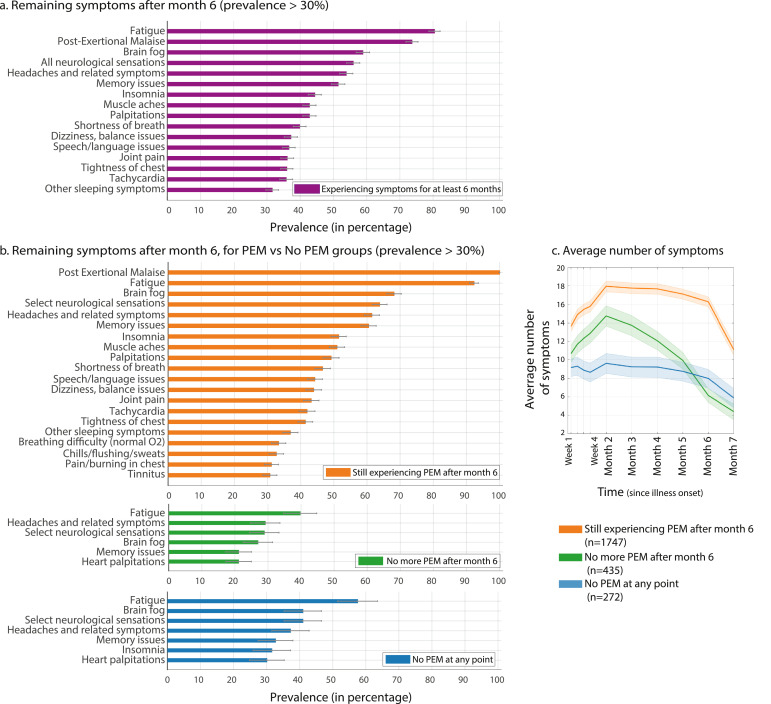
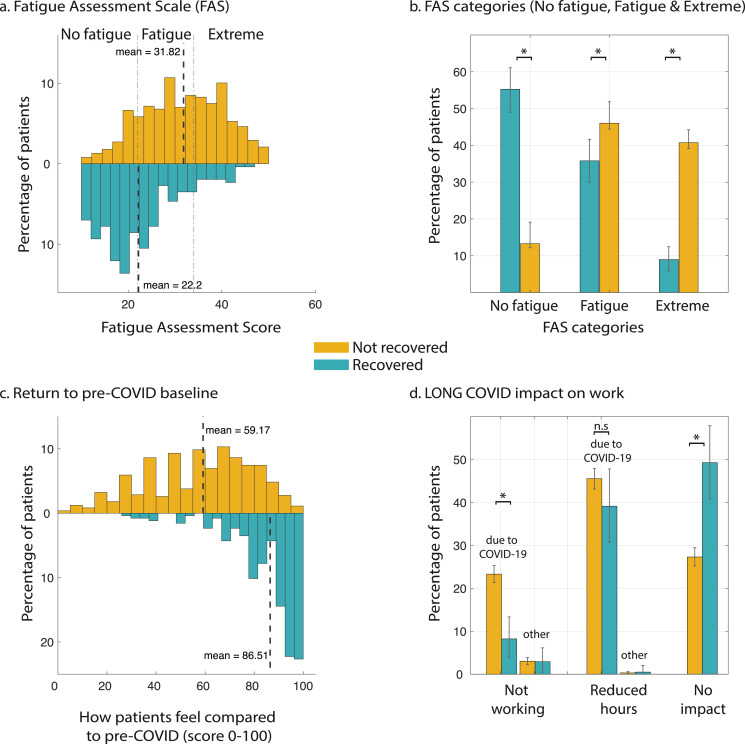
BACKGROUND: A significant number of patients with COVID-19 experience prolonged symptoms, known as Long COVID. Few systematic studies have investigated this population, particularly in outpatient settings. Hence, relatively little is known about symptom makeup and severity, expected clinical course, impact on daily functioning, and return to baseline health. METHODS: We conducted an online survey of people with suspected and confirmed COVID-19, distributed via COVID-19 support groups (e.g. Body Politic, Long COVID Support Group, Long Haul COVID Fighters) and social media (e.g. Twitter, Facebook). Data were collected from September 6, 2020 to November 25, 2020. We analyzed responses from 3762 participants with confirmed (diagnostic/antibody positive; 1020) or suspected (diagnostic/antibody negative or untested; 2742) COVID-19, from 56 countries, with illness lasting over 28 days and onset prior to June 2020. We estimated the prevalence of 203 symptoms in 10 organ systems and traced 66 symptoms over seven months. We measured the impact on life, work, and return to baseline health. FINDINGS: For the majority of respondents (>91%), the time to recovery exceeded 35 weeks. During their illness, participants experienced an average of 55.9+/- 25.5 (mean+/-STD) symptoms, across an average of 9.1 organ systems. The most frequent symptoms after month 6 were fatigue, post-exertional malaise, and cognitive dysfunction. Symptoms varied in their prevalence over time, and we identified three symptom clusters, each with a characteristic temporal profile. 85.9% of participants (95% CI, 84.8% to 87.0%) experienced relapses, primarily triggered by exercise, physical or mental activity, and stress. 86.7% (85.6% to 92.5%) of unrecovered respondents were experiencing fatigue at the time of survey, compared to 44.7% (38.5% to 50.5%) of recovered respondents. 1700 respondents (45.2%) required a reduced work schedule compared to pre-illness, and an additional 839 (22.3%) were not working at the time of survey due to illness. Cognitive dysfunction or memory issues were common across all age groups (~88%). Except for loss of smell and taste, the prevalence and trajectory of all symptoms were similar between groups with confirmed and suspected COVID-19. INTERPRETATION: Patients with Long COVID report prolonged, multisystem involvement and significant disability. By seven months, many patients have not yet recovered (mainly from systemic and neurological/cognitive symptoms), have not returned to previous levels of work, and continue to experience significant symptom burden. FUNDING: All authors contributed to this work in a voluntary capacity. The cost of survey hosting (on Qualtrics) and publication fee was covered by AA's research grant (Wellcome Trust/Gatsby Charity via Sainsbury Wellcome center, UCL).
Overview
The claims and statistics of this paper haven’t been checked yet.
Run the check — free, no account needed. It reads the open-access text and checks the sources it cites.
Integrity signals
Registry
Cites
Statistics
Figures
Verification
Claims the paper makes
The claims and statistics of this paper haven’t been checked yet.
Run the check — free, no account needed. It reads the open-access text and checks the sources it cites.
Claims other papers make about this one
Each is checked against this paper’s own text: does it say what the citing paper says it does?
The source backs part of the claim, not all of it — or backs it for a different population, condition or comparison.
In the citing paper
“Identifying subjects who are at risk of higher perceived loneliness and related psychological factors is particularly important in the context of the so called “long COVID” syndrome [50]”
From Psychological correlates of perceived loneliness in college students before and during the COVID-19 stay-at-home period: a longitudinal study (2023) · cites this paper as [50]
Experimental — accuracy not yet measuredIn the citing paper
“These symptoms can endure up to 6–7 months and even longer [[1], [2], [3], [4], [5]].”
From Female gender is associated with long COVID syndrome: a prospective cohort study (2022) · cites this paper as [3]
Self-check
Percentages, sums and reported differences re-computed from the paper’s own numbers.
The self-check needs the paper’s full text.
Citations
Cites
Persistent Symptoms in Patients After Acute COVID-19
Carfì, A., Bernabei, R., Landi, F., & for the Gemelli Against COVID-19 Post-Acute Care Study Group (2020) · JAMA · doi:10.1001/jama.2020.12603 · Cited by 4,561
Natural language processing with Python
Bird, S., Klein, E., & Loper, E. (2009) · CERN Document Server (European Organization for Nuclear Research) · Cited by 3,472
Better Bootstrap Confidence Intervals
Efron, B. (1987) · Journal of the American Statistical Association · doi:10.1080/01621459.1987.10478410 · Cited by 3,462 · cited 2×
“tical dashed lines indicate the range for “No fatigue”[10-21], “Fatigue”[22-34], and “Extreme” (>=35).”
MethodAttributes and predictors of long COVID
Sudre, C. H., Murray, B., Varsavsky, T., Graham, M. S., Penfold, R. S., Bowyer, R. C., Pujol, J. C., Klaser, K., Antonelli, M., Canas, L. S., et al. (2021) · Nature Medicine · doi:10.1038/s41591-021-01292-y · Cited by 2,707
Management of post-acute covid-19 in primary care
Greenhalgh, T., Knight, M., A’Court, C., Buxton, M., & Husain, L. (2020) · BMJ · doi:10.1136/bmj.m3026 · Cited by 1,771 · cited 1×
“While respiratory and some cardiovascular symptoms have been widely reported, neurological symptoms remain unclear [33].”
BackgroundEvolution of antibody immunity to SARS-CoV-2
Gaebler, C., Wang, Z., Lorenzi, J. C. C., Muecksch, F., Finkin, S., Tokuyama, M., Cho, A., Jankovic, M., Schaefer-Babajew, D., Oliveira, T. Y., et al. (2021) · Nature · doi:10.1038/s41586-021-03207-w · Cited by 1,674
High-dimensional characterization of post-acute sequelae of COVID-19
Al-Aly, Z., Xie, Y., & Bowe, B. (2021) · Nature · doi:10.1038/s41586-021-03553-9 · Cited by 1,518
Kucirka, L. M., Lauer, S. A., Laeyendecker, O. B., Boon, D., & Lessler, J. (2020) · Annals of Internal Medicine · doi:10.7326/m20-1495 · Cited by 1,414 · cited 1×
“Furthermore, the likelihood of false negatives increases after day 3 of symptom onset, when the false negative rate is 20%, reaching 66% by day 21[40].”
BackgroundTenforde, M. W., Kim, S. S., Lindsell, C. J., Billig Rose, E., Shapiro, N. I., Files, D. C., Gibbs, K. W., Erickson, H. L., Steingrub, J. S., Smithline, H. A., et al. (2020) · MMWR. Morbidity and Mortality Weekly Report · doi:10.15585/mmwr.mm6930e1 · Cited by 1,319 · cited 2×
“tical dashed lines indicate the range for “No fatigue”[10-21], “Fatigue”[22-34], and “Extreme” (>=35).”
BackgroundConcept Decompositions for Large Sparse Text Data Using Clustering
Dhillon, I. S., & Modha, D. S. (2001) · Machine Learning · doi:10.1023/a:1007612920971 · Cited by 1,308 · cited 1×
“Symptom time course clustering Symptom time courses were clustered using spherical k-means, a variant of k-means based on cosine distances [12].”
Research works printed but not linked: 3
- NIH workshop on post-acute sequelae of COVID-19 (Day 2) [Internet]. Available from: https://videocast.nih.gov/watch=38879
- Tang, 2020, 26, 1337
- Williams, 2021, A two-phase, single cohort study of COVID-19, Antibody Sera-Surveillance, 6
Cited by
Sorted by citations
Items 201–300 of 1,000
Tsilingiris, D., Vallianou, N. G., Karampela, Ι., Christodoulatos, G. S., Papavasileiou, G. E., Petropoulou, D., Magkos, F., & Dalamaga, Μ. (2023) · International Journal of Molecular Sciences · doi:10.3390/ijms241310458 · Cited by 80
Long‐term side effects and lingering symptoms post COVID‐19 recovery
Zarei, M., Bose, D., Nouri‐Vaskeh, M., Tajiknia, V., Zand, R., & Ghasemi, M. (2021) · Reviews in Medical Virology · doi:10.1002/rmv.2289 · Cited by 102
Nersesjan, V., Fonsmark, L., Christensen, R. H. B., Amiri, M., Mérie, C., Lebech, A., Katzenstein, T. L., Bang, L. E., Kjærgaard, J., Kondziella, D., et al. (2022) · JAMA Psychiatry · doi:10.1001/jamapsychiatry.2022.0284 · Cited by 74
Wang, S., Mortazavi, J., Hart, J. E., Hankins, J. A., Katuska, L. M., Farland, L. V., Gaskins, A. J., Wang, Y., Tamimi, R. M., Terry, K. L., et al. (2022) · American Journal of Obstetrics and Gynecology · doi:10.1016/j.ajog.2022.07.003 · Cited by 73
Dhawan, M. K., Rabaan, A. A., Alwarthan, S. M., Alhajri, M. M., Halwani, M. A., Alshengeti, A., Najim, M. A., Alwashmi, A. S. S., Alshehri, A. A., Alshamrani, S., et al. (2023) · Vaccines · doi:10.3390/vaccines11030699 · Cited by 79
Pollack, B., von Saltza, E., McCorkell, L., Santos, L., Hultman, A., Cohen, A. K., & Soares, L. (2023) · Frontiers in Rehabilitation Sciences · doi:10.3389/fresc.2023.1122673 · Cited by 78
Self-citationThe relevance of pacing strategies in managing symptoms of post-COVID-19 syndrome
Ghali, A., Lacombe, V., Ravaiau, C., Delattre, E., Ghali, M., Urbanski, G., & Lavigne, C. (2023) · Journal of Translational Medicine · doi:10.1186/s12967-023-04229-w · Cited by 83
VanElzakker, M. B., Bues, H. F., Brusaferri, L., Kim, M., Saadi, D., Ratai, E., Dougherty, D. D., & Loggia, M. L. (2024) · Brain Behavior and Immunity · doi:10.1016/j.bbi.2024.04.015 · Cited by 73
Parkinson's Disease and Post–COVID ‐19 Syndrome: The Parkinson's Long‐COVID Spectrum
Leta, V., Rodríguez‐Violante, M., Abundes‐Corona, A., Rukavina, K., Teo, J., Falup‐Pecurariu, C., Irincu, L., Rota, S., Bhidayasiri, R., Storch, A., et al. (2021) · Movement Disorders · doi:10.1002/mds.28622 · Cited by 72
COVID-19 and chronic fatigue syndrome: An endocrine perspective
Bansal, R., Gubbi, S., & Koch, C. A. (2021) · Journal of Clinical & Translational Endocrinology · doi:10.1016/j.jcte.2021.100284 · Cited by 74
O’Brien, K. K., Brown, D. A., McDuff, K., Clair‐Sullivan, N. S., Solomon, P. E., Carusone, S. C., McCorkell, L., Wei, H., Goulding, S., O’Hara, M. E., et al. (2023) · BMJ Global Health · doi:10.1136/bmjgh-2022-011276 · Cited by 71
Self-citationToward Understanding COVID-19 Recovery: National Institutes of Health Workshop on Postacute COVID-19
Lerner, A. M., Robinson, D. A., Yang, L., Williams, C., Newman, L. M., Breen, J. J., Eisinger, R. W., Schneider, J. S., Adimora, A. A., & Erbelding, E. J. (2021) · Annals of Internal Medicine · doi:10.7326/m21-1043 · Cited by 72
Adolescent and Young Adult ME/CFS After Confirmed or Probable COVID-19
Petracek, L. S., Suskauer, S. J., Vickers, R. F., Patel, N., Violand, R. L., Swope, R. L., & Rowe, P. C. (2021) · Frontiers in Medicine · doi:10.3389/fmed.2021.668944 · Cited by 71
Herck, M. V., Goërtz, Y. M. J., Houben‐Wilke, S., Machado, F. V. C., Meys, R., Delbressine, J. M., Vaes, A. W., Burtin, C., Posthuma, R., Franssen, F. M. E., et al. (2021) · Journal of Medical Internet Research · doi:10.2196/30274 · Cited by 77
Harenwall, S., Heywood‐Everett, S., Henderson, R., Godsell, S., Jordan, S., Moore, A., Philpot, U., Shepherd, K., Smith, J., & Bland, A. R. (2021) · Journal of Primary Care & Community Health · doi:10.1177/21501319211067674 · Cited by 69
COVID‐19 in Latin America and the Caribbean: Two years of the pandemic
Schwalb, A., Armyra, E., Méndez‐Aranda, M., & Ugarte‐Gil, C. (2022) · Journal of Internal Medicine · doi:10.1111/joim.13499 · Cited by 71
Carmona-Torre, F., Mínguez‐Olaondo, A., López-Bravo, A., Tijero, B., Grozeva, V., Walcker, M., Azkune-Galparsoro, H., de Munaín, A. L., Alcaide, A. B., Quiroga, J. A., et al. (2022) · Frontiers in Neurology · doi:10.3389/fneur.2022.886609 · Cited by 71
Post‑COVID‑19 Syndrome in Outpatients: A Cohort Study
Desgranges, F., Tadini, E., Munting, A., Regina, J., Filippidis, P., Viala, B., Karachalias, E., Suttels, V., Haefliger, D., Kampouri, E., et al. (2021) · Journal of General Internal Medicine · doi:10.1007/s11606-021-07242-1 · Cited by 77
Kell, D. B., & Pretorius, E. (2022) · Biochemical Journal · doi:10.1042/bcj20220154 · Cited by 74
Post-COVID syndrome, inflammation, and diabetes
Rizvi, A. A., Kathuria, A., Almahmeed, W. A., Al‐Rasadi, K., Al-Alawi, K., Banach, M., Banerjee, Y., Ceriello, A., Cesur, M., Cosentino, F., et al. (2022) · Journal of Diabetes and its Complications · doi:10.1016/j.jdiacomp.2022.108336 · Cited by 78
Ceban, F., Leber, A., Jawad, M. Y., Yu, M., Lui, L. M. W., Subramaniapillai, M., Vincenzo, J. D. D., Gill, H., Rodrigues, N. B., Cao, B., et al. (2022) · Scandinavian Journal of Infectious Diseases · doi:10.1080/23744235.2022.2043560 · Cited by 71
Impaired exercise capacity in post–COVID-19 syndrome: the role of VWF-ADAMTS13 axis
Prasannan, N., Heightman, M., Hillman, T., Wall, E. C., Bell, R., Kessler, A., Neave, L., Doyle, A. J., Devaraj, A., Singh, D. N., et al. (2022) · Blood Advances · doi:10.1182/bloodadvances.2021006944 · Cited by 69
Evolution of neurologic symptoms in non‐hospitalized COVID ‐19 “long haulers”
Ali, S. T., Kang, A. K., Patel, T. R., Clark, J. R., Perez-Giraldo, G., Orban, Z. S., Lim, P. H., Jimenez, M., Graham, E. L., Batra, A., et al. (2022) · Annals of Clinical and Translational Neurology · doi:10.1002/acn3.51570 · Cited by 70
Pathophysiological, immunological, and inflammatory features of long COVID
Böhmwald, K., Diethelm‐Varela, B., Rodríguez‐Guilarte, L., Rivera, T., Riedel, C. A., González, P. A., & Kalergis, A. M. (2024) · Frontiers in Immunology · doi:10.3389/fimmu.2024.1341600 · Cited by 80
Demko, Z. O., Yu, T., Mullapudi, S. K., Heslin, M. G. V., Dorsey, C. A., Payton, C., Tornheim, J. A., Blair, P. W., Mehta, S. H., Thomas, D. L., et al. (2024) · Open Forum Infectious Diseases · doi:10.1093/ofid/ofae027 · Cited by 69
Colarusso, C., Maglio, A., Terlizzi, M., Vitale, C., Molino, A., Pinto, A., Vatrella, A., & Sorrentino, R. (2021) · Biomedicines · doi:10.3390/biomedicines9121931 · Cited by 71
Prevalence, trajectory over time, and risk factor of post-COVID-19 fatigue
Mazza, M. G., Palladini, M., Villa, G., LORENZO, R. D., Rovere, P. Q., & Benedetti, F. (2022) · Journal of Psychiatric Research · doi:10.1016/j.jpsychires.2022.08.008 · Cited by 70
Horwitz, L. I., Thaweethai, T., Brosnahan, S. B., Cicek, M. S., Fitzgerald, M. L., Goldman, J. D., Hess, R., Hodder, S., Jacoby, V. L., Jordan, M. R., et al. (2023) · PLoS ONE · doi:10.1371/journal.pone.0286297 · Cited by 72
SARS-CoV-2 infects human adult donor eyes and hESC-derived ocular epithelium
Eriksen, A. Z., Møller, R., Makovoz, B., Uhl, S. A., tenOever, B. R., & Blenkinsop, T. A. (2021) · Cell stem cell · doi:10.1016/j.stem.2021.04.028 · Cited by 105
Endothelial Dysfunction in COVID-19: Potential Mechanisms and Possible Therapeutic Options
Pelle, M. C., Zaffina, I., Lucà, S., Forte, V., Trapanese, V., Melina, M., Giofrè, F., & Arturi, F. (2022) · Life · doi:10.3390/life12101605 · Cited by 72
Long-lasting Symptoms After an Acute COVID-19 Infection and Factors Associated With Their Resolution
Robineau, O., Zins, M., Touvier, M., Wiernik, E., Lemogne, C., de Lamballerie, X. N., Blanché, H., Deleuze, J., Villarroel, P. M. S., Dorival, C., et al. (2022) · JAMA Network Open · doi:10.1001/jamanetworkopen.2022.40985 · Cited by 68
Preliminary Guidelines for the Clinical Evaluation and Management of Long COVID
Kim, Y., Kim, S. E., Kim, T., Yun, K. W., Lee, S. H., Lee, E. J., Seo, J.-W., Jung, Y. H., & Chong, Y. P. (2022) · Infection and Chemotherapy · doi:10.3947/ic.2022.0141 · Cited by 65
Long-COVID treatments: why the world is still waiting
Ledford, H. K. (2022) · Nature · doi:10.1038/d41586-022-02140-w · Cited by 65
Brain fog as a Long-term Sequela of COVID-19
Nouraeinejad, A. (2022) · SN Comprehensive Clinical Medicine · doi:10.1007/s42399-022-01352-5 · Cited by 72
Long COVID: Clinical characteristics, proposed pathogenesis and potential therapeutic targets
Kenny, G., Townsend, L., Savinelli, S., & Mallon, P. W. G. (2023) · Frontiers in Molecular Biosciences · doi:10.3389/fmolb.2023.1157651 · Cited by 72
Long COVID, the Brain, Nerves, and Cognitive Function
Reiss, A. B., Greene, C., Dayaramani, C., Rauchman, S. H., Stecker, M. M., Leon, J. D., & Pinkhasov, A. (2023) · Neurology International · doi:10.3390/neurolint15030052 · Cited by 71
Post-acute neurological consequences of COVID-19: an unequal burden
Nolen, L. T., Mukerji, S. S., & Mejia, N. I. (2022) · Nature Medicine · doi:10.1038/s41591-021-01647-5 · Cited by 64
Campos, M. C., Nery, T., Starke, A. C., Alves, A. C. D. B., Speck, A. E., & Aguiar, A. S. (2022) · Neuroscience & Biobehavioral Reviews · doi:10.1016/j.neubiorev.2022.104902 · Cited by 71
DMW - Deutsche Medizinische Wochenschrift
Medizin, D. G. F. I., & Ärzte, G. D. N. U. (2026) · DMW - Deutsche Medizinische Wochenschrift · doi:10.1055/s-00000011 · Cited by 64
O’Brien, K., Townsend, L., Dowds, J., Bannan, C., Nadarajan, P., Kent, B. D., Murphy, N., Sheill, G., Martín‐Loeches, I., & Guinan, E. M. (2022) · Respiratory Research · doi:10.1186/s12931-022-02032-7 · Cited by 65
Elboraay, T., Ebada, M. A., Elsayed, M., Aboeldahab, H. A., Salamah, H. M., Rageh, O. E.-S., Elmallahy, M., AboElfarh, H. E., Mansour, L. S., Nabil, Y., et al. (2025) · BMC Neurology · doi:10.1186/s12883-025-04174-9 · Cited by 67
Research priorities for Long Covid: refined through an international multi-stakeholder forum
Long Covid Forum Group, & Carson, G. (2021) · BMC Medicine · doi:10.1186/s12916-021-01947-0 · Cited by 62
Jones, R. C. M., Davis, A., Stanley, B. O. C., Julious, S. A., Ryan, D. P., Jackson, D. J., Halpin, D. M. G., Hickman, K., Pinnock, H., Quint, J. K., et al. (2021) · Pragmatic and Observational Research · doi:10.2147/por.s316186 · Cited by 67
Stallmach, A., Kesselmeier, M., Bauer, M. W., Gramlich, J., Finke, K., Fischer, A., Fleischmann-Struzek, C., Heutelbeck, A. R. R., Katzer, K., Mutschke, S., et al. (2022) · Infection · doi:10.1007/s15010-021-01733-3 · Cited by 66
Long-Term COVID 19 Sequelae in Adolescents: the Overlap with Orthostatic Intolerance and ME/CFS
Morrow, A. K., Malone, L. A., Kokorelis, C., Petracek, L. S., Eastin, E. F., Lobner, K. L., Neuendorff, L., & Rowe, P. C. (2022) · Current Pediatrics Reports · doi:10.1007/s40124-022-00261-4 · Cited by 63
Miskowiak, K. W., Fugledalen, L., Jespersen, A. E., Sattler, S. M., Podlekareva, D. N., Rungby, J., Porsberg, C., & Johnsen, S. (2022) · European Neuropsychopharmacology · doi:10.1016/j.euroneuro.2022.04.004 · Cited by 62
SARS-CoV-2 infection induces inflammatory bone loss in golden Syrian hamsters
Qiao, W., Lau, H. E., Xie, H., Poon, V. K., Chan, C. C., Chu, H., Yuan, S., Yuen, T. T., Chik, K. K., Tsang, J. O., et al. (2022) · Nature Communications · doi:10.1038/s41467-022-30195-w · Cited by 62
CD147 contributes to SARS-CoV-2-induced pulmonary fibrosis
Wu, J., Chen, L., Qin, C., Huo, F., Liang, X., Yang, X., Zhang, K., Lin, P., Liu, J., Feng, Z., et al. (2022) · Signal Transduction and Targeted Therapy · doi:10.1038/s41392-022-01230-5 · Cited by 65
Risk factors associated with post-acute sequelae of SARS-CoV-2: an N3C and NIH RECOVER study
Hill, E., Mehta, H. B., Sharma, S., Mane, K., Singh, S., Xie, C. Z., Cathey, E., Loomba, J. J., Russell, S., Spratt, H. M., et al. (2023) · BMC Public Health · doi:10.1186/s12889-023-16916-w · Cited by 97
The Impact of COVID-19 and the Pandemic on Tinnitus: A Systematic Review
Beukes, E. W., Ulep, A. J., Eubank, T. N., & Manchaiah, V. K. C. (2021) · Journal of Clinical Medicine · doi:10.3390/jcm10132763 · Cited by 61
Sivan, M., Greenhalgh, T., Darbyshire, J. L., Mir, G., O’Connor, R. J., Dawes, H., Greenwood, D. C., O'Connor, D. B., Horton, M., Petrou, S., et al. (2022) · BMJ Open · doi:10.1136/bmjopen-2022-063505 · Cited by 63
Naik, H., Shao, S., Tran, K. C., Wong, A. W., Russell, J. A., Khor, E., Nacul, L., Mckay, R. J., Carlsten, C., Ryerson, C. J., et al. (2022) · Health and Quality of Life Outcomes · doi:10.1186/s12955-022-02082-x · Cited by 63
Bosworth, M. L., Shenhuy, B., Walker, A. S., Nafilyan, V., Alwan, N. A., O’Hara, M. E., & Ayoubkhani, D. (2023) · Open Forum Infectious Diseases · doi:10.1093/ofid/ofad493 · Cited by 60
Dehlia, A., & Guthridge, M. A. (2024) · Journal of Infection · doi:10.1016/j.jinf.2024.106297 · Cited by 79
Post-Pulmonary Embolism Syndrome and Functional Outcomes after Acute Pulmonary Embolism
Luijten, D., de Jong, C. M. M., Ninaber, M. K., Spruit, M. A., Huisman, M. V., & Klok, F. A. (2022) · Seminars in Thrombosis and Hemostasis · doi:10.1055/s-0042-1749659 · Cited by 61
Return-to-Work Following Occupational Rehabilitation for Long COVID: Descriptive Cohort Study
Brehon, K., Niemeläinen, R., Hall, M., Bostick, G. P., Brown, C. A., Wieler, M., & Gross, D. P. (2022) · JMIR Rehabilitation and Assistive Technologies · doi:10.2196/39883 · Cited by 59
Cardiac Arrhythmias in Post-COVID Syndrome: Prevalence, Pathology, Diagnosis, and Treatment
Huseynov, A., Akın, İ., Duerschmied, D., & Scharf, R. E. (2023) · Viruses · doi:10.3390/v15020389 · Cited by 68
Patel, M. A., Knauer, M. J., Nicholson, M., Daley, M., Nynatten, L. R. V., Cepinskas, G., & Fraser, D. D. (2023) · Molecular Medicine · doi:10.1186/s10020-023-00610-z · Cited by 65
Wang, C., Ramasamy, A., Verduzco‐Gutierrez, M., Brode, W. M., & Melamed, E. (2023) · Virology Journal · doi:10.1186/s12985-023-02061-8 · Cited by 59
Measurement of circulating viral antigens post-SARS-CoV-2 infection in a multicohort study
Swank, Z., Borberg, E., Chen, Y., Senussi, Y., Chalise, S., Manickas-Hill, Z., Yu, X. G., Li, J. Z., Alter, G., Henrich, T. J., et al. (2024) · Clinical Microbiology and Infection · doi:10.1016/j.cmi.2024.09.001 · Cited by 59
A longitudinal SARS-CoV-2 biorepository for COVID-19 survivors with and without post-acute sequelae
LaVergne, S. M., Stromberg, S., Baxter, B. A., Webb, T. L., Dutt, T. S., Berry, K., Tipton, M., Haberman, J., Massey, B. R., McFann, K., et al. (2021) · BMC Infectious Diseases · doi:10.1186/s12879-021-06359-2 · Cited by 58
Post-COVID syndrome: pulmonary complications
Esendagli, D. R., Yılmaz, A., Akçay, Ş., & Özlü, T. (2021) · TURKISH JOURNAL OF MEDICAL SCIENCES · doi:10.3906/sag-2106-238 · Cited by 66
Fernández‐de‐las‐Peñas, C., Martín‐Guerrero, J. D., Florêncio, L. L., Navarro‐Pardo, E., Rodríguez‐Jiménez, J., Torres‐Macho, J., & Pellicer-Valero, Ó. J. (2022) · Infection · doi:10.1007/s15010-022-01822-x · Cited by 53
Kuchler, T., Günthner, R., Ribeiro, A., Hausinger, R. I., Streese, L., Wöhnl, A., Kesseler, V., Negele, J., Assali, T., Carbajo-Lozoya, J., et al. (2023) · Angiogenesis · doi:10.1007/s10456-023-09885-6 · Cited by 60
Impact of Long COVID on productivity and informal caregiving
Kwon, J., Milne, R., Rayner, C., Lawrence, R. R., Mullard, J., Mir, G., Delaney, B. C., Sivan, M., & Petrou, S. (2023) · The European Journal of Health Economics · doi:10.1007/s10198-023-01653-z · Cited by 58
Ottiger, M., Poppele, I., Sperling, N., Schlesinger, T., & Müller, K. (2024) · BMC Public Health · doi:10.1186/s12889-024-19328-6 · Cited by 79
“Even a mild SARS-CoV-2 infection can result in a significant reduction in work capacity [25].”
BackgroundInfluentialDay, H. L. S. (2022) · Journal of Medical Internet Research · doi:10.2196/37674 · Cited by 57
Matsumoto, C., Shibata, S., Kishi, T., Morimoto, S., Mogi, M., Yamamoto, K. I., Kobayashi, K., Tanaka, M., Asayama, K., Yamamoto, E., et al. (2022) · Hypertension Research · doi:10.1038/s41440-022-01145-2 · Cited by 61
Hematological alterations associated with long COVID-19
Lechuga, G. C., Morel, C. M., & De-Simone, S. G. (2023) · Frontiers in Physiology · doi:10.3389/fphys.2023.1203472 · Cited by 67
Nirmatrelvir and the Risk of Post-Acute Sequelae of COVID-19Preprint
Xie, Y., Choi, T., & Al‐Aly, Z. (2022) · medRxiv · doi:10.1101/2022.11.03.22281783 · Cited by 57
Insights into SARS-CoV-2 Persistence and Its Relevance
Desimmie, B. A., Raru, Y., Awadh, H., He, P., Teka, S., & Willenburg, K. S. (2021) · Viruses · doi:10.3390/v13061025 · Cited by 58
Cognitive symptoms after COVID-19
Altuna, M., Sánchez‐Saudinós, M. B., & Lleó, A. (2021) · Neurology Perspectives · doi:10.1016/j.neurop.2021.10.005 · Cited by 61
Iosifescu, A. L., Hoogenboom, W. S., Buczek, A., Fleysher, R., & Duong, T. Q. (2022) · International Journal of Methods in Psychiatric Research · doi:10.1002/mpr.1914 · Cited by 55
Kachaner, A., Lemogne, C., Dave, J., Ranque, B., de Broucker, T., & Meppiel, E. (2022) · Journal of Neurology Neurosurgery & Psychiatry · doi:10.1136/jnnp-2021-327899 · Cited by 58
Cruz, A. S., Mendes‐Frias, A., Azarias-da-Silva, M., André, S., Oliveira, A. I., Pires, O., Mendes, M., Oliveira, B., Braga, M., Lopes, J. R., et al. (2023) · Nature Communications · doi:10.1038/s41467-023-37368-1 · Cited by 54
Deep Phenotyping of Neurologic Postacute Sequelae of SARS-CoV-2 Infection
Mina, Y., Enose‐Akahata, Y., Hammoud, D. A., Videckis, A. J., Narpala, S., O’Connell, S. E., Carroll, R., Lin, B. C., McMahan, C. C., Nair, G., et al. (2023) · Neurology Neuroimmunology & Neuroinflammation · doi:10.1212/nxi.0000000000200097 · Cited by 60
Robertson, M. M., Kulkarni, S., Berry, A., Mirzayi, C. A., Rane, M. S., Chang, M., Kochhar, S., You, W., Maroko, A., Zimba, R., et al. (2021) · BMJ Open · doi:10.1136/bmjopen-2021-048778 · Cited by 54
The Musculoskeletal Involvement After Mild to Moderate COVID-19 Infection
dos Santos, P. K., Sigoli, E., Bragança, L. J. G., & Cornachione, A. S. (2022) · Frontiers in Physiology · doi:10.3389/fphys.2022.813924 · Cited by 57
Fatigue and Cognitive Dysfunction Are Associated with Occupational Status in Post-COVID Syndrome
Delgado‐Alonso, C., Cuevas, C., Oliver‐Mas, S., Díez‐Cirarda, M., Delgado‐Álvarez, A., Gil‐Moreno, M. J., Matías‐Guiu, J., & Matías‐Guiu, J. A. (2022) · International Journal of Environmental Research and Public Health · doi:10.3390/ijerph192013368 · Cited by 54
Al‐Hakeim, H. K., Abed, A. K., Moustafa, S. R., Almulla, A. F., & Maes, M. H. J. (2023) · Frontiers in Molecular Neuroscience · doi:10.3389/fnmol.2023.1194769 · Cited by 54
Cognitive Symptoms of Post–COVID-19 Condition and Daily Functioning
Jaywant, A., Gunning, F. M., Oberlin, L. E., Santillana, M., Ognyanova, K., Druckman, J. N., Baum, M., Lazer, D. M. J., & Perlis, R. H. (2024) · JAMA Network Open · doi:10.1001/jamanetworkopen.2023.56098 · Cited by 60
Erlandson, K. M., Geng, L. N., Selvaggi, C. A., Thaweethai, T., Chen, P., Erdmann, N. B., Goldman, J. D., Henrich, T. J., Hornig, M., Karlson, E. W., et al. (2024) · Annals of Internal Medicine · doi:10.7326/m24-0737 · Cited by 54
Stephenson, T. J., Stephenson, T. J., Pereira, S. M. P., Shafran, R., Stavola, B. L. D., Rojas, N. K., McOwat, K., Simmons, R., Zavala, M., O’Mahoney, L. L., et al. (2021) · Research Square · doi:10.21203/rs.3.rs-798316/v1 · Cited by 54
Buonsenso, D., Munblit, D., Pazukhina, E., Ricchiuto, A., Sinatti, D., Zona, M., Matteis, A. D., D’Ilario, F., Gentili, C., Lanni, R., et al. (2022) · Frontiers in Pediatrics · doi:10.3389/fped.2022.834875 · Cited by 54
Fischer, A., Zhang, L., Elbéji, A., Wilmes, P., Oustric, P., Staub, T., Nazarov, P. V., Ollert, M. W., & Fagherazzi, G. (2022) · Open Forum Infectious Diseases · doi:10.1093/ofid/ofac397 · Cited by 57
Berentschot, J. C., Drexhage, H. A., Mersha, D. G. A., Wijkhuijs, A. J. M., GeurtsvanKessel, C. H., Koopmans, M., Voermans, J. J. C., Hendriks, R. W., Nagtzaam, N. M. A., de Bie, M., et al. (2023) · Frontiers in Immunology · doi:10.3389/fimmu.2023.1254899 · Cited by 55
Haunhorst, S., Dudziak, D., Scheibenbogen, C., Seifert, M., Sotzny, F., Finke, C., Behrends, U., Aden, K., Schreiber, S., Brockmann, D., et al. (2024) · Infection · doi:10.1007/s15010-024-02386-8 · Cited by 60
“PEM is a debilitating clinical manifestation and it has been reported that at least 68% of individuals with PCC experience it [15, 19].”
Postacute Sequelae of Severe Acute Respiratory Syndrome Coronavirus 2 Infection
Hope, A. A., & Evering, T. H. (2022) · Infectious Disease Clinics of North America · doi:10.1016/j.idc.2022.02.004 · Cited by 52
Wong‐Chew, R. M., Cabrera, E. X. R., Valdez, C. A. R., Lomelín‐Gascón, J., Morales‐Juárez, L., de la Cerda, M. L. R., Villa-Romero, A. R., Fernández, S. A., Fernandez, M., Bello, H. H., et al. (2022) · Therapeutic Advances in Infectious Disease · doi:10.1177/20499361211069264 · Cited by 53
Post-COVID-19 Condition: Where Are We Now?
Boaventura, P., Macedo, S., Ribeiro, F. M., Jaconiano, S., & Soares, P. (2022) · Life · doi:10.3390/life12040517 · Cited by 54
Al‐Hakeim, H. K., Al-Rubaye, H. T., Almulla, A. F., Al-Hadrawi, D. S., & Maes, M. H. J. (2023) · Journal of Clinical Medicine · doi:10.3390/jcm12020511 · Cited by 57
Pihlaja, R., Kauhanen, L.-L., Ollila, H., Tuulio‐Henriksson, A., Koskinen, S. K., Tiainen, M., Salmela, V. R., Hästbacka, J., & Hokkanen, L. (2023) · Brain Behavior & Immunity - Health · doi:10.1016/j.bbih.2023.100587 · Cited by 51
Samper-Pardo, M., León-Herrera, S., Oliván‐Blázquez, B., Méndez-López, F., García, M. D., & Sánchez‐Recio, R. (2023) · Scientific Reports · doi:10.1038/s41598-023-35058-y · Cited by 52
Turner, S., Naidoo, C. A., Usher, T. J., Kruger, A., Venter, C., Laubscher, G. J., Khan, A., Kell, D. B., & Pretorius, E. (2023) · Seminars in Thrombosis and Hemostasis · doi:10.1055/s-0043-1769014 · Cited by 51
Natural history of long-COVID in a nationwide, population cohort study
Hastie, C. E., Lowe, D. J., McAuley, A., Mills, N. L., Winter, A., Black, C., Scott, J. T., O’Donnell, C. A., Blane, D., Browne, S. E., et al. (2023) · Nature Communications · doi:10.1038/s41467-023-39193-y · Cited by 51
Tokumasu, K., Honda, H., Sunada, N., Sakurada, Y., Matsuda, Y., Yamamoto, K., Nakano, Y., Hasegawa, T., Yamamoto, Y., Otsuka, Y., et al. (2022) · Medicina · doi:10.3390/medicina58070850 · Cited by 50
Thomason, M. E., Hendrix, C. L., Werchan, D. M., & Brito, N. H. (2022) · Translational Psychiatry · doi:10.1038/s41398-022-02047-0 · Cited by 50
Antar, A. A. R., Yu, T., Demko, Z. O., Hu, C., Tornheim, J. A., Blair, P. W., Thomas, D. L., Manabe, Y. C., & OutSMART Study Group (2023) · Frontiers in Immunology · doi:10.3389/fimmu.2023.1147549 · Cited by 50
Zavala, M., Ireland, G., Amin‐Chowdhury, Z., Ramsay, M. E., & Ladhani, S. N. (2021) · Clinical Infectious Diseases · doi:10.1093/cid/ciab991 · Cited by 54
Implications of Innate Immunity in Post-Acute Sequelae of Non-Persistent Viral Infections
Hirschenberger, M., Hunszinger, V., & Sparrer, K. M. J. (2021) · Cells · doi:10.3390/cells10082134 · Cited by 50
Metadata
- Authors
- Davis, H. E., Assaf, G. S., McCorkell, L., Wei, H., Low, R. J., Re'em, Y., Redfield, S., Austin, J. P., & Akrami, A.
- Affiliations
- Patient-Led Research Collaborative (US)
- Oregon Health & Science University (US)
- Corresponding author
- Akrami, Athena
- ORCID
- Venue
- eClinicalMedicine
- Publisher
- Elsevier BV
- Published
- 2021-08
- Volume
- 38
- Pages
- 101019
- ISSN
- 2589-5370 (ISSN-L)
- PMC
- PMC8280690
- OpenAlex
- W3184339862
- Cited by
- 2,881
- References
- 46
- Citations by year
- 2026: 299 · 2025: 492 · 2024: 594 · 2023: 692 · 2022: 617 · 2021: 186
- FWCI
- 249.99
- Type
- journal article
- Language
- en
- Open access
- gold
- doi.org
- Licence
- Locations
- EClinicalMedicine (publishedVersion, cc-by)
- PubMed Central (publishedVersion, cc-by)
- PubMed (publishedVersion)
- DOAJ (DOAJ: Directory of Open Access Journals) (submittedVersion, cc-by-sa)
- Funders
- Wellcome Trust
- Topics
- Health Sciences › Medicine › Clinical Neurology › Long-Term Effects of COVID-19
- Health Sciences › Medicine › Infectious Diseases › COVID-19 Clinical Research Studies
- Social Sciences › Psychology › Clinical Psychology › COVID-19 and Mental Health
- Keywords
- long COVID, symptom clusters, fatigue, post-exertional malaise, cognitive impairment, symptom recurrence, work disability, loss of taste and smell, outpatients
About these checks
Registry, retraction, Cites and statistics results are computed, not judged, with one exception: a printed reference that no index lists is read once by a model before it counts as a citation error. Claims are extracted by a model and kept only when their quote appears verbatim in the text; each cited source is then checked, with a model’s help, for whether it says what the claim relies on. Those verdicts can be wrong — read the claim’s quote and the cited source before relying on one.
Statistics and arithmetic are recomputed, not judged.
Confidence bands are shown only for fields calibrated on our annotated test set. None is calibrated yet, so no band is shown.
What counts as a claim ›How we measure confidence ›How we check this ›
Are you an author, or do you see a problem with this page? Request a review
