

The DOI matches its Crossref record; 5 of the 5 references it cites were found in a registry or an index.
Probiotic alleviate fluoride-induced memory impairment by reconstructing gut microbiota in mice
Published version of a preprint
Overview
The claims and statistics of this paper haven’t been checked yet.
Run the check — free, no account needed. It reads the open-access text and checks the sources it cites.
Integrity signals
Registry
Cites
Statistics
Figures

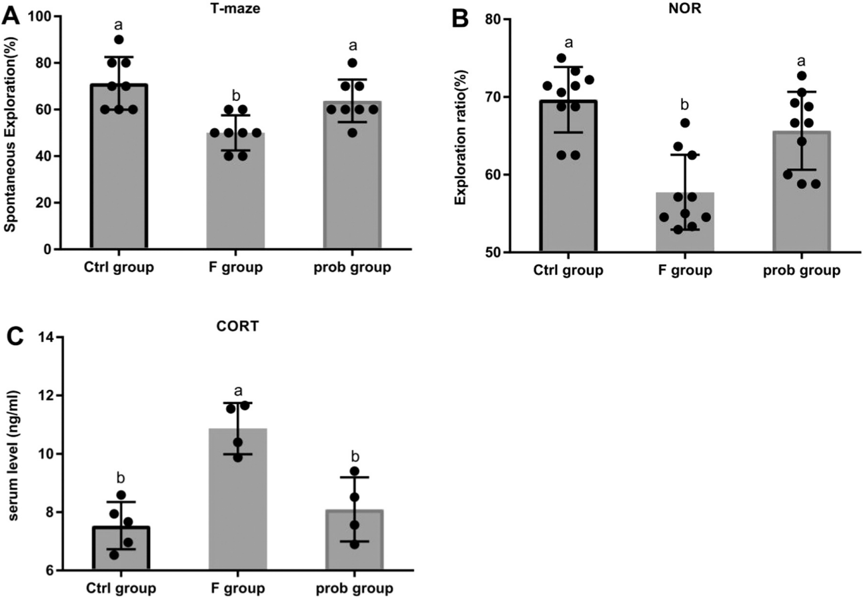
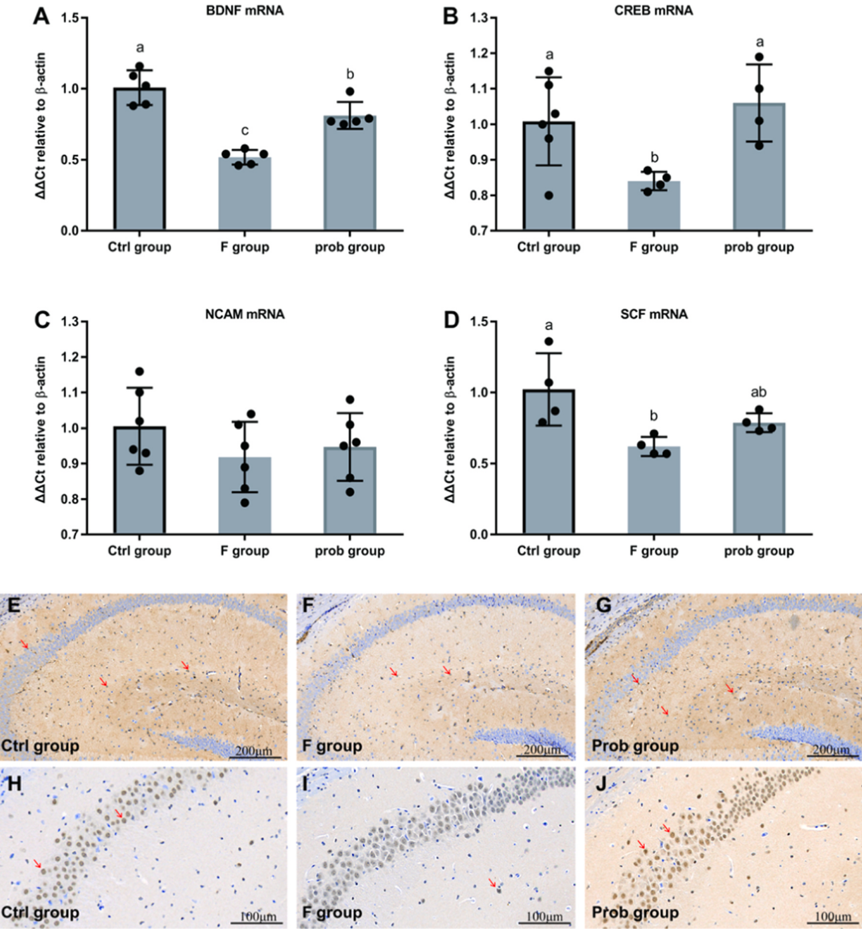
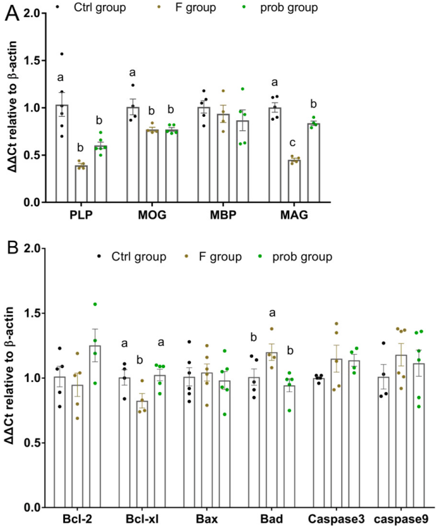
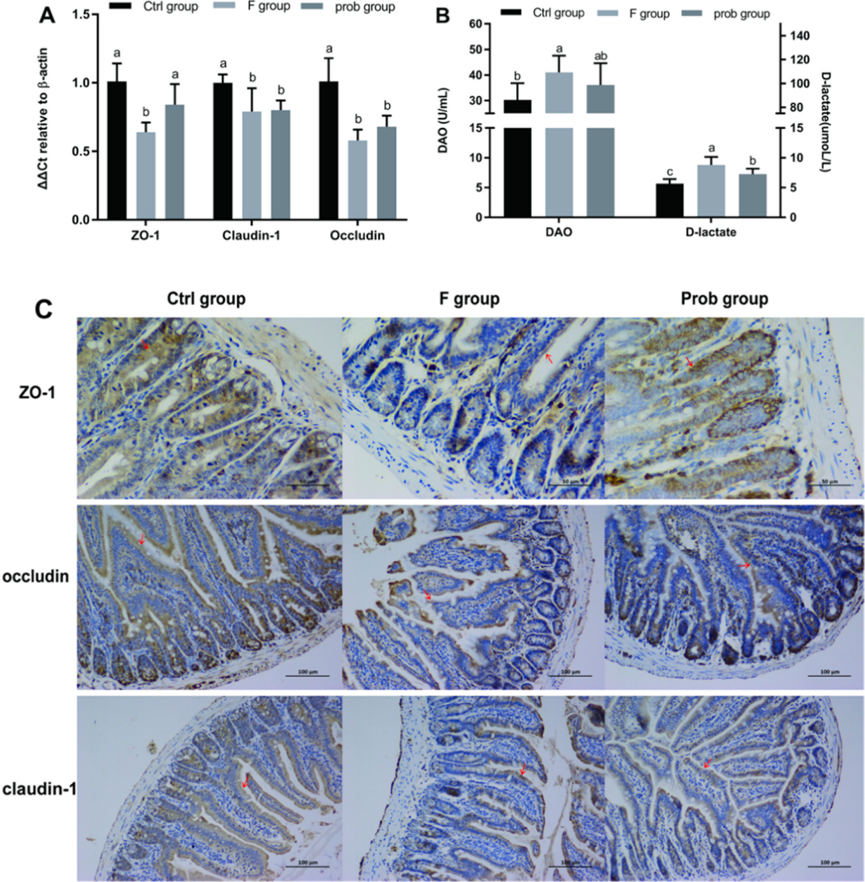
Verification
Claims the paper makes
The claims and statistics of this paper haven’t been checked yet.
Run the check — free, no account needed. It reads the open-access text and checks the sources it cites.
Claims other papers make about this one
Each is checked against this paper’s own text: does it say what the citing paper says it does?
In the citing paper
“Six studies50,51,55,58,67,71 used real-time–quantitative polymerase chain reaction using 16S rRNA-specific primers to quantify bacterial species.”
From Effect of Fluoride on Gut Microbiota: A Systematic Review (2025) · cites this paper as [51]
Self-check
Percentages, sums and reported differences re-computed from the paper’s own numbers.
The self-check needs the paper’s full text.
Citations
Cites
The novel object recognition memory: neurobiology, test procedure, and its modifications
Antunes, M., & Biala, G. (2012) · Cognitive Processing · doi:10.1007/s10339-011-0430-z · Cited by 2,390
Neurotransmitter modulation by the gut microbiota
Strandwitz, P. (2018) · Brain Research · doi:10.1016/j.brainres.2018.03.015 · Cited by 1,527
Bacterial infection causes stress-induced memory dysfunction in mice
Gareau, M. G., Wine, E., Rodrigues, D. M., Cho, J. H., Whary, M. T., Philpott, D. J., MacQueen, G., & Sherman, P. M. (2011) · Gut · doi:10.1136/gut.2009.202515 · Cited by 909
NMDA receptors, place cells and hippocampal spatial memory
Nakazawa, K., McHugh, T. J., Wilson, M. A., & Tonegawa, S. (2004) · Nature Reviews Neuroscience · doi:10.1038/nrn1385 · Cited by 619
Depression and anxiety in patients with Inflammatory Bowel Disease: a systematic review
Neuendorf, R., Harding, A., Stello, N., Hanes, D., & Wahbeh, H. (2016) · Journal of Psychosomatic Research · doi:10.1016/j.jpsychores.2016.06.001 · Cited by 561
Research works printed but not linked: 52
- Ait-Belgnaoui, 2012, Prevention of gut leakiness by a probiotic treatment leads to attenuated HPA response to an acute psychological stress in rats, Psychoneuroendocrinology, 37, 1885, 10.1016/j.psyneuen.2012.03.024 · DOI · Paper page
- Ait-Belgnaoui, 2014, Probiotic gut effect prevents the chronic psychological stress-induced brain activity abnormality in mice, Neurogastroenterol. Motil., 26, 510, 10.1111/nmo.12295 · DOI · Paper page
- Bashash, 2017, Prenatal fluoride exposure and cognitive outcomes in children at 4 and 6-12 years of age in Mexico, Environ. Health Perspect., 125, 10.1289/EHP655 · DOI
- Buffington, 2016, Microbial reconstitution reverses maternal diet-induced social and synaptic deficits in offspring, Cell, 165, 1762, 10.1016/j.cell.2016.06.001 · DOI · Paper page
- Cassilhas, 2016, Physical exercise, neuroplasticity, spatial learning and memory, Cell. Mol. Life Sci., 73, 975, 10.1007/s00018-015-2102-0 · DOI · Paper page
- Coryell, 2018, The gut microbiome is required for full protection against acute arsenic toxicity in mouse models, Nat. Commun., 9, 5424, 10.1038/s41467-018-07803-9 · DOI
- Deacon, 2006, T-maze alternation in the rodent, Nat. Protoc., 1, 7, 10.1038/nprot.2006.2 · DOI
- Ding, 2011, The relationships between low levels of urine fluoride on children’s intelligence, dental fluorosis in endemic fluorosis areas in Hulunbuir, Inner Mongolia, China, J. Hazard Mater., 186, 1942, 10.1016/j.jhazmat.2010.12.097 · DOI
- Emery, 2017, 16S rRNA next generation sequencing analysis shows bacteria in Alzheimer’s post-mortem brain, Front. Aging Neurosci., 9, 195, 10.3389/fnagi.2017.00195 · DOI · Paper page
- Eom, 2015, Protective effects of a novel probiotic strain of Lactobacillus plantarum JSA22 from traditional fermented soybean food against infection by salmonella enterica serovar typhimurium, J. Microbiol. Biotechnol., 25, 479, 10.4014/jmb.1501.01006 · DOI
- Ewaschuk, 2005, D-lactate in human and ruminant metabolism, J. Nutr., 135, 1619, 10.1093/jn/135.7.1619 · DOI
- Fein, 2001, Fluoride content of foods made with mechanically separated chicken, J. Agr. Food Chem., 49, 4284, 10.1021/jf0106300 · DOI
- Fung, 1999, Fluoride contents in tea and soil from tea plantations and the release of fluoride into tea liquor during infusion, Environ. Pollut., 104, 0, 10.1016/S0269-7491(98)00187-0 · DOI
- Grandjean, 2019, Developmental fluoride neurotoxicity: an updated review, Environ. Health, 18, 110, 10.1186/s12940-019-0551-x · DOI
- Grandjean, 2014, Neurobehavioural effects of developmental toxicity, Lancet Neurol., 13, 330, 10.1016/S1474-4422(13)70278-3 · DOI · Paper page
- Green, 2020, Fluoride exposure from infant formula and child IQ in a Canadian birth cohort, Environ. Int., 134
- Griffen, 2012, Distinct and complex bacterial profiles in human periodontitis and health revealed by 16S pyrosequencing, ISME J., 6, 1176, 10.1038/ismej.2011.191 · DOI
- Goulart, 2010, Ketamine impairs recognition memory consolidation and prevents learning-induced increase in hippocampal brain-derived neurotrophic factor levels, Neuroscience, 167, 969, 10.1016/j.neuroscience.2010.03.032 · DOI
- Jang, 2018, Gastrointestinal inflammation by gut microbiota disturbance induces memory impairment in mice, Mucosal Immunol., 11, 369, 10.1038/mi.2017.49 · DOI · Paper page
- Jeong, 2001, Lethality and centrality in protein networks, Nature, 411, 41, 10.1038/35075138 · DOI
- Johnston, 2004, Clinical disorders of brain plasticity, Brain Dev., 26, 73, 10.1016/S0387-7604(03)00102-5 · DOI
- Johnston, 2009, Plasticity in the developing brain: implications for rehabilitation, Dev. Disabil. Res. Rev., 15, 94, 10.1002/ddrr.64 · DOI
- Kumar, 2017, Probiotic potential of a Lactobacillus bacterium of canine Faecal-Origin and its impact on ielect gut health indices and immune response of dogs, Probiotics Antimicrob. Proteins, 9, 262, 10.1007/s12602-017-9256-z · DOI
- Liu, 2010, Alterations of nAChRs and ERK1/2 in the brains of rats with chronic fluorosis and their connections with the decreased capacity of learning and memory, Toxicol. Lett., 192, 324, 10.1016/j.toxlet.2009.11.002 · DOI
- Luk, 1980, Diamine oxidase (histaminase). A circulating marker for rat intestinal mucosal maturation and integrity, J. Clin. Investig., 66, 66, 10.1172/JCI109836 · DOI
- Luo, 2016, Dietary high fluorine alters intestinal microbiota in broiler chickens, Biol. Trace Elem. Res., 173, 483, 10.1007/s12011-016-0672-9 · DOI · Paper page
- Magnusson, 2015, Relationships between diet-related changes in the gut microbiome and cognitive flexibility, Neuroscience, 300, 128, 10.1016/j.neuroscience.2015.05.016 · DOI · Paper page
- Mao, 2020, Genetic and metabolic links between the murine microbiome and memory, Microbiome, 8, 53, 10.1186/s40168-020-00817-w · DOI
- Mizuno, 2000, Involvement of brain-derived neurotrophic factor in spatial memory formation and maintenance in a radial arm maze test in rats, J. Neurosci., 20, 7116, 10.1523/JNEUROSCI.20-18-07116.2000 · DOI
- Mujagic, 2017, The effects of Lactobacillus plantarum on small intestinal barrier function and mucosal gene transcription; a randomized double-blind placebo controlled trial, Sci. Rep., 7, 40128, 10.1038/srep40128 · DOI
- Nguyen, 2009, Axonal protective effects of the myelin-associated glycoprotein, J. Neurosci., 29, 630, 10.1523/JNEUROSCI.5204-08.2009 · DOI
- Niu, 2018, Effects of fluoride on synapse morphology and myelin damage in mouse hippocampus, Chemosphere, 194, 628, 10.1016/j.chemosphere.2017.12.027 · DOI
- Pang, 2004, Regulation of late-phase LTP and long-term memory in normal and aging hippocampus: role of secreted proteins tPA and BDNF, Ageing Res. Rev., 3, 407, 10.1016/j.arr.2004.07.002 · DOI
- Petrone, 2013, Ancient and recent evidence of endemic fluorosis in the Naples Area, J. Geochem. Explor., 131, 14, 10.1016/j.gexplo.2012.11.012 · DOI
- Qian, 2013, Effect of selenium on fluoride-induced changes in synaptic plasticity in rat hippocampus, Biol. Trace Elem. Res., 155, 253, 10.1007/s12011-013-9773-x · DOI
- Rafique, 2015, Geochemical controls of high fluoride groundwater in Umarkot Sub-District, Thar Desert, Pakistan, Sci. Total Environ., 530–531, 271, 10.1016/j.scitotenv.2015.05.038 · DOI
- Rognes, 2016, VSEARCH: a versatile open source tool for metagenomics, PeerJ, 4, 10.7717/peerj.2584 · DOI
- Roychowdhury, 2018, Faecalibacterium prausnitzii and a prebiotic protect intestinal health in a mouse model of antibiotic and clostridium difficile exposure, JPEN, 42, 1156, 10.1002/jpen.1053 · DOI
- Salehipour, 2017, Bifidobacterium animalis in combination with human origin of Lactobacillus plantarum ameliorate neuroinflammation in experimental model of multiple sclerosis by altering CD4+ T cell subset balance, Biomed. Pharmacother., 95, 1535, 10.1016/j.biopha.2017.08.117 · DOI
- Srivastava, 2020, Fluoride in drinking water and skeletal fluorosis: a review of the global impact, Curr. Environ. Health Rep., 7, 140, 10.1007/s40572-020-00270-9 · DOI
- Sun, 2010, Discussion on prevention and treatment strategies of endemic fluorosis in China, Chin. J. Endem., 29, 119
- Sun, 2009, Study on evaluation index and standard of the control in endemic fluorosis area, Chin. J. Endem., 28, 225
- Walker, 2008, Neonatal endotoxin exposure modifies the acoustic startle response and circulating levels of corticosterone in the adult rat but only following acute stress, J. Psychiatr. Res., 42, 1094, 10.1016/j.jpsychires.2007.12.006 · DOI
- Wang, 2020, Lactobacillus johnsonii BS15 prevents psychological stress–induced memory dysfunction in mice by modulating the gut–brain axis, Front. Microbiol., 11
- Wei, 2014, Antidepressant-like effect of sodium butyrate is associated with an increase in TET1 and in 5-hydroxymethylation levels in the Bdnf gene, Int. J. Neuropsychopharmacol., 18, pyu032, 10.1093/ijnp/pyu032 · DOI · Paper page
- Wu, 2014, Prolactin mediates psychological stress-induced dysfunction of regulatory T cells to facilitate intestinal inflammation, Gut, 63, 1883, 10.1136/gutjnl-2013-306083 · DOI · Paper page
- Xie, 2018, Maternal high fat diet alters gut microbiota of offspring and exacerbates DSS-induced colitis in adulthood, Front. Immunol., 9, 2608, 10.3389/fimmu.2018.02608 · DOI
- Xin, 2014, Preventing non-alcoholic fatty liver disease through Lactobacillus johnsonii BS15 by attenuating inflammation and mitochondrial injury and improving gut environment in obese mice, Appl. Microbiol. Biotechnol., 98, 6817, 10.1007/s00253-014-5752-1 · DOI
- Xin, 2020, Lactobacillus johnsonii BS15 improves intestinal environment against fluoride-induced memory impairment in mice—a study based on the gut-brain axis hypothesis, PeerJ, 8, 10.7717/peerj.10125 · DOI
- Yan, 2019, Comparative transcriptomics reveals the role of the toll-like receptor signaling pathway in fluoride-induced cardiotoxicity, J. Agric. Food Chem., 67, 5033, 10.1021/acs.jafc.9b00312 · DOI
- Zhan, 2016, Gram-negative bacterial molecules associate with Alzheimer disease pathology, Neurology, 87, 2324, 10.1212/WNL.0000000000003391 · DOI · Paper page
- Zhao, 2020, Lycopene alleviates DSS-induced colitis and behavioral disorders via mediating microbes-gut-brain axis balance, J. Agric. Food Chem., 68, 3963, 10.1021/acs.jafc.0c00196 · DOI
Cited by
Sorted by citations
Does fluoride exposure impact on the human microbiome?
Moran, G. P., Zgaga, L., Daly, B., Harding, M., & Montgomery, T. (2023) · Toxicology Letters · doi:10.1016/j.toxlet.2023.03.001 · Cited by 18
Effect of Fluoride on Gut Microbiota: A Systematic Review
Yasin, M., Zohoori, F. V., Kumah, E. A., Subramanian, M., Dean, P., & Orr, C. H. (2025) · Nutrition Reviews · doi:10.1093/nutrit/nuae202 · Cited by 8
Metadata
- Authors
- Xin, J., Wang, H., Sun, N., Bughio, S., Zeng, D., Li, L., Wang, Y., Khalique, A., Zeng, Y., Pan, K., Jing, B., Ma, H., Bai, Y., & Ni, X.
- ORCID
- Khalique, Abdul
- Venue
- Ecotoxicology and Environmental Safety
- Publisher
- Elsevier BV
- Published
- 2021-06
- Volume
- 215
- Pages
- 112108
- ISSN
- 0147-6513
- Cited by
- 42
- References
- 5
- Language
- en
- Licence
- Funders
- Sichuan Province Science and Technology Support Program (2019YHF0060, 2021YFH0097)
About these checks
Registry, retraction, Cites and statistics results are computed, not judged, with one exception: a printed reference that no index lists is read once by a model before it counts as a citation error. Claims are extracted by a model and kept only when their quote appears verbatim in the text; each cited source is then checked, with a model’s help, for whether it says what the claim relies on. Those verdicts can be wrong — read the claim’s quote and the cited source before relying on one.
Statistics and arithmetic are recomputed, not judged.
Confidence bands are shown only for fields calibrated on our annotated test set. None is calibrated yet, so no band is shown.
What counts as a claim ›How we measure confidence ›How we check this ›
Are you an author, or do you see a problem with this page? Request a review
How to cite
Cite CoChat for the checks on this page, and the paper for its own findings.
- This page
- CoChat. (2026). Citation check: Probiotic alleviate fluoride-induced memory impairment by reconstructing gut microbiota in mice. https://app.cochat.ai/papers/10.1016/j.ecoenv.2021.112108
- The paper
- Xin, J., Wang, H., Sun, N., Bughio, S., Zeng, D., Li, L., Wang, Y., Khalique, A., Zeng, Y., Pan, K., Jing, B., Ma, H., Bai, Y., & Ni, X. (2021). Probiotic alleviate fluoride-induced memory impairment by reconstructing gut microbiota in mice. Ecotoxicology and Environmental Safety. https://doi.org/10.1016/j.ecoenv.2021.112108
