

The DOI matches its Crossref record; 129 of the 130 references it cites were found in a registry or an index, and 1 are not checked yet.
Advances in emulsion stability: A review on mechanisms, role of emulsifiers, and applications in food
Open accessAbstract
Emulsions, as thermodynamically unstable systems with multiscale and multiphase structures, naturally destabilize over time. Their stability plays a vital role in industries like food, cosmetics, and chemical materials. For emulsion-based foods, stability is essential to preserve their nutritional value, texture, appearance, and flavor. Enhancing emulsion stability during transportation, storage, and use not only extends shelf life but also boosts market reliability and consumer trust. This review explores emulsion destabilization mechanisms, evaluates the influencing factors, and discusses strategies to assess and enhance stability. The text outlines key emulsion stabilization methods, focusing on recent progress in emulsifier development, including Pickering particles. This review highlights the application of proteins, polysaccharides, polyphenols, and their complexes as emulsifiers in stabilizing food emulsions. It also explores their potential to enhance product performance while addressing consumer demand and sustainability goals. • Explored the mechanism of emulsion destabilization. • Evaluated the factors affecting destabilization. • Discusses the main methods of stabilizing emulsions. • Outlining the application of proteins, polysaccharides, polyphenols and their complex-type emulsifiers. • Potential for stabilizing emulsions to improve the performance of good products.
Overview
The claims and statistics of this paper haven’t been checked yet.
Run the check — free, no account needed. It reads the open-access text and checks the sources it cites.
Integrity signals
Registry
Cites
Statistics
Figures
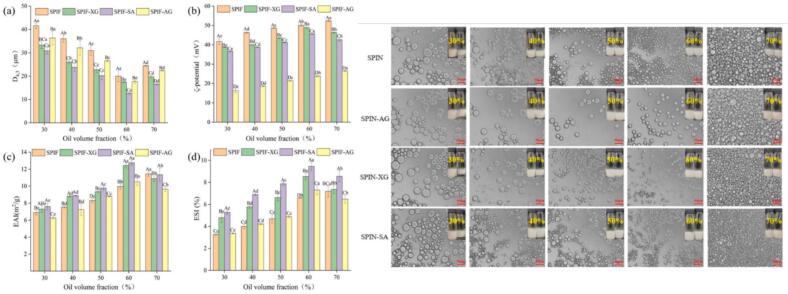
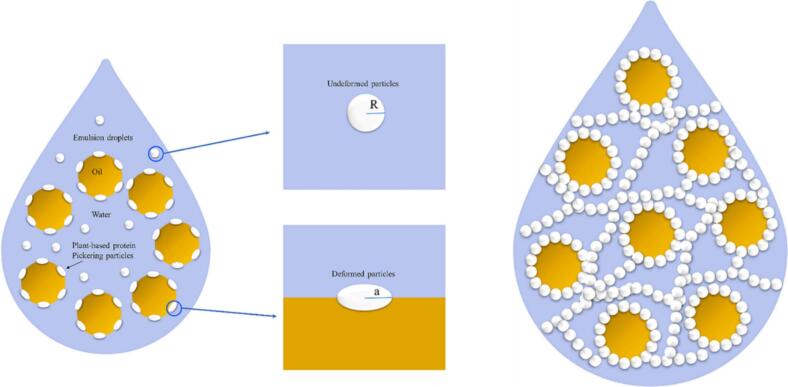
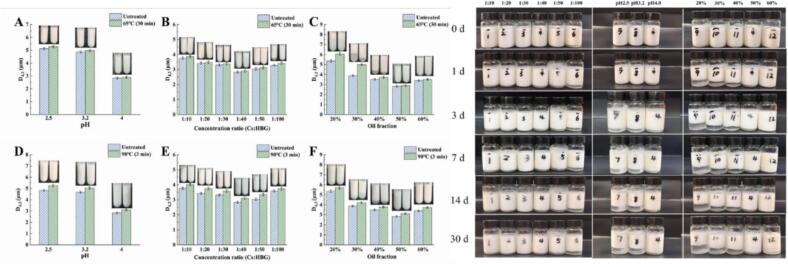

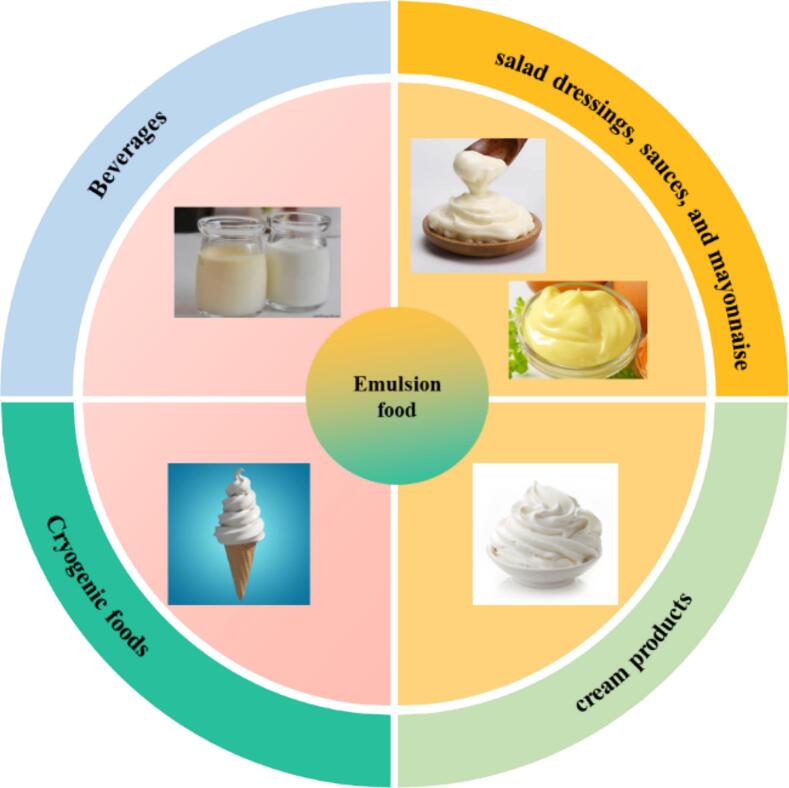
Verification
Claims the paper makes
The claims and statistics of this paper haven’t been checked yet.
Run the check — free, no account needed. It reads the open-access text and checks the sources it cites.
Claims other papers make about this one
Each is checked against this paper’s own text: does it say what the citing paper says it does?
The source backs part of the claim, not all of it — or backs it for a different population, condition or comparison.
In the citing paper
“The thickening polymer, sodium polyacryloyldimethyl taurate (SPDT), forms a gel network that increases viscosity, binds water or oil within emulsions, and produces a cohesive, structured texture [22, 23].”
From Formulation development, physical stability, and preliminary safety screening of cosmetic emulsions containing banana peel extract (2026) · cites this paper as [22]
Experimental — accuracy not yet measuredThe source backs part of the claim, not all of it — or backs it for a different population, condition or comparison.
In the citing paper
“Collectively, these strategies allow the formulation of creams with desirable sensory, functional, and rheological properties by systematically adjusting thickener type and concentration [22, 25].”
From Formulation development, physical stability, and preliminary safety screening of cosmetic emulsions containing banana peel extract (2026) · cites this paper as [22]
Experimental — accuracy not yet measuredThe source backs part of the claim, not all of it — or backs it for a different population, condition or comparison.
In the citing paper
“From a theoretical perspective, thickener concentration is an established determinant of cream texture and mechanical integrity.”
From Formulation development, physical stability, and preliminary safety screening of cosmetic emulsions containing banana peel extract (2026) · cites this paper as [22]
Experimental — accuracy not yet measuredThe source backs part of the claim, not all of it — or backs it for a different population, condition or comparison.
In the citing paper
“Enhanced thickener content promotes a firmer consistency, while lower levels generate creams that are softer and more suited to lightweight products [22].”
From Formulation development, physical stability, and preliminary safety screening of cosmetic emulsions containing banana peel extract (2026) · cites this paper as [22]
Experimental — accuracy not yet measuredThe source backs part of the claim, not all of it — or backs it for a different population, condition or comparison.
In the citing paper
“Studies by [22] insist that small and homogeneously distributed droplets-result from a suitable choice of emulsifiers, the performance during processing- are necessary for achieving high physical stability.”
From Formulation development, physical stability, and preliminary safety screening of cosmetic emulsions containing banana peel extract (2026) · cites this paper as [22]
Experimental — accuracy not yet measured
The source backs part of the claim, not all of it — or backs it for a different population, condition or comparison.
In the citing paper
“Homogeneous smaller droplets reduce the chances of agglomeration and phase separation which in turn contributes to uniform texture, appearance during entire shelf life.”
From Formulation development, physical stability, and preliminary safety screening of cosmetic emulsions containing banana peel extract (2026) · cites this paper as [22]
Experimental — accuracy not yet measuredThe check wasn’t confident either way, so it gives no verdict — never disputed.
In the citing paper
“since over thickening can dampen the user appeal [22, 28].”
From Formulation development, physical stability, and preliminary safety screening of cosmetic emulsions containing banana peel extract (2026) · cites this paper as [22]
Experimental — accuracy not yet measuredThe check wasn’t confident either way, so it gives no verdict — never disputed.
In the citing paper
“The viscosity of lotions is typically 10,000 to 30,000 cP and for creams is usually between 30,000 to 70,000 cP but these can be varied depending on the application one desires.”
From Formulation development, physical stability, and preliminary safety screening of cosmetic emulsions containing banana peel extract (2026) · cites this paper as [22]
Experimental — accuracy not yet measured
Self-check
Percentages, sums and reported differences re-computed from the paper’s own numbers.
The self-check needs the paper’s full text.
Citations
Cites
Hydrocolloids as emulsifiers and emulsion stabilizers
Dickinson, E. (2008) · Food Hydrocolloids · doi:10.1016/j.foodhyd.2008.08.005 · Cited by 1,357 · cited 1×
“The results showed that solid particles (10 nm to a few millimeters) and hydrocolloids (5 – 10 nm) had a significant advantage in forming thicker interfacial films compared to surfactants (0.5 – 1 nm) and proteins (1 – 5 nm) (Dickinson, 2009).”
InfluentialMcClements, D. J., & Gümüş, C. E. (2016) · Advances in Colloid and Interface Science · doi:10.1016/j.cis.2016.03.002 · Cited by 1,021 · cited 2×
“Emulsifiers commonly used in the food industry include proteins, polysaccharides, phospholipids, and small-molecule surfactants (McClements & Gumus, 2016).”
Emulsification and emulsion stability: The role of the interfacial properties
Ravera, F., Dziza, K., Santini, E., Cristofolini, L., & Liggieri, L. (2020) · Advances in Colloid and Interface Science · doi:10.1016/j.cis.2020.102344 · Cited by 534 · cited 3×
“This, in turn, affects the viscosity and textural properties of the system (Ravera et al., 2021).”
InfluentialThe Pristine Oil/Water Interface: Surfactant‐Free Hydroxide‐Charged Emulsions
Beattie, J. K., & Djerdjev, A. M. (2004) · Angewandte Chemie International Edition · doi:10.1002/anie.200453916 · Cited by 413
Li, D., Zhao, Y., Wang, X., Tang, H., Wu, N. C., Wu, F., Yu, D., & Elfalleh, W. (2019) · Food Hydrocolloids · doi:10.1016/j.foodhyd.2019.105306 · Cited by 407 · cited 1×
“When the catechin concentration in the complex was increased to 0.15 % ( w / v ), the zeta potential nearly doubled, resulting in the highest observed stability (Li et al., 2020).”
InfluentialPhysicochemical characteristics, applications and research trends of edible Pickering emulsions
Xia, T., Xue, C., & Wei, Z. (2020) · Trends in Food Science & Technology · doi:10.1016/j.tifs.2020.11.019 · Cited by 403 · cited 1×
“Because particle adsorption at the interface is irreversible, Pickering emulsions exhibit greater stability than conventional emulsions (Xia, Xue, & Wei, 2021).”
Recent advances in improving stability of food emulsion by plant polysaccharides
Shao, P., Feng, J., Sun, P., Xiang, N., Lu, B., & Qiu, D. (2020) · Food Research International · doi:10.1016/j.foodres.2020.109376 · Cited by 352 · cited 1×
“Larger droplets tend to flocculate or settle more rapidly, negatively impacting emulsion stability (Shao et al., 2020).”
Dairy and plant proteins as natural food emulsifiers
Kim, W., Wang, Y., & Selomulya, C. (2020) · Trends in Food Science & Technology · doi:10.1016/j.tifs.2020.09.012 · Cited by 316 · cited 2×
“For example, casein tends to form a thick and low-viscoelastic interfacial layer that effectively stabilizes oil droplets, mainly due to its low hydrophobicity and high electrostatic charge (Kim, Wang, & Selomulya, 2020).”
Liu, X., Song, Q., Li, X., Chen, Y., Liu, C., Zhu, X., Liu, J., Granato, D., Wang, Y., & Huang, J. (2021) · Food Chemistry · doi:10.1016/j.foodchem.2021.130071 · Cited by 311 · cited 2×
“Chemically, phenolics are defined by the presence of at least one phenolic hydroxyl group, often linked to aromatic rings or conjugated sugars, which influence their bioactivity and functional properties (Liu et al., 2021).”
Water-in-oil emulsions stabilized by surfactants, biopolymers and/or particles: a review
Zembyla, M., Murray, B. S., & Sarkar, A. (2020) · Trends in Food Science & Technology · doi:10.1016/j.tifs.2020.07.028 · Cited by 299 · cited 2×
“For oil-in-water emulsions, a more hydrophilic inter-facial layer improves resistance to coalescence, as emulsifiers with higher water solubility better stabilize droplets in the aqueous continuous phase (Zembyla, Murray, & Sarkar, 2020).”
Multiscale combined techniques for evaluating emulsion stability: A critical review
Niu, H., Wang, W., Dou, Z., Chen, X., Chen, X., Chen, H., & Fu, X. (2022) · Advances in Colloid and Interface Science · doi:10.1016/j.cis.2022.102813 · Cited by 281 · cited 2×
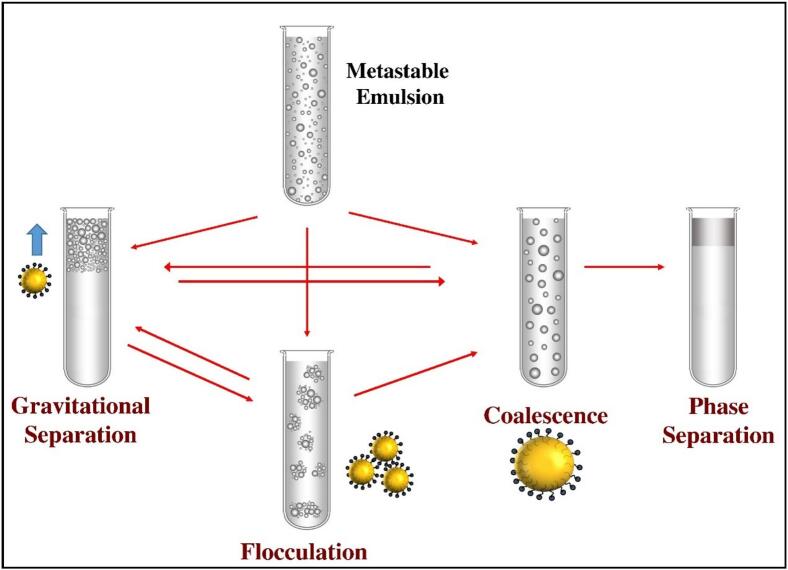
“In flocculation, the droplet radius remains unchanged, but the droplets come together to form clusters, which accelerates gravitational separation and compromises emulsion stability (Niu et al., 2023).”
Cai, Z., Wei, Y. Z., Shi, A., Zhong, J. Q., Rao, P., Wang, Q., & Zhang, H. (2023) · Advances in Colloid and Interface Science · doi:10.1016/j.cis.2023.102863 · Cited by 241 · cited 2×
“These influences mainly include the thickness and structural characteristics of the interfacial layer, the interaction between the emulsifier and the two phases, and the rheological properties of the interface (Cai et al., 2023).”
Self-citationNooshkam, M., & Varidi, M. (2019) · Food Hydrocolloids · doi:10.1016/j.foodhyd.2019.105389 · Cited by 235 · cited 2×
“Pickering emulsions are stabilized through three primary mechanisms: particle adsorption at the oil-water interface, network formation, (Lv et al., 2024; Nooshkam & Varidi, 2020). and steric hindrance (Tian et al., 2024) Fig.”
Zhang, L., Liang, R., & Li, L. (2022) · Food Hydrocolloids · doi:10.1016/j.foodhyd.2022.107814 · Cited by 232 · cited 1×
“…best emulsification activity index and emulsion stability index, especially GG-SPI, GG can stabilize the large interfacial area. physical stability (Zhang, Liang, & Li, 2022) Rice protein (RP) (solution) Gum Arabic (GA) (solution) noncovalent binding The ability to stabilize oil-in-water emulsions…”
Pickering emulsions stabilized by colloidal surfactants: Role of solid particles
Sun, Z., Yan, X., Xiao, Y., Hu, L., Eggersdorfer, M. L., Chen, D., Yang, Z., & Weitz, D. A. (2021) · Particuology · doi:10.1016/j.partic.2021.06.004 · Cited by 228 · cited 2×
“When the tea saponin concentration reached 1.0 %, the G ′ value stabilized, suggesting the formation of a uniform and stable emulsion structure (Yan et al., 2022).”
InfluentialZhang, R., Belwal, T., Li, L., Lin, X., Xu, Y., & Luo, Z. (2020) · Carbohydrate Polymers · doi:10.1016/j.carbpol.2020.116388 · Cited by 213 · cited 1×
“Certain natural poly-saccharides, such as gum Arabic, pectin, and galactomannans, contain proteins or non-polar groups within their hydrophilic carbohydrate chains, which impart emulsifying properties (Zhang et al., 2020).”
Application and functions of fat replacers in low-fat ice cream: A review
Akbari, M., Eskandari, M. H., & Davoudi, Z. (2019) · Trends in Food Science & Technology · doi:10.1016/j.tifs.2019.02.036 · Cited by 213 · cited 1×
“This dispersion stabilizes the emulsion, ensuring a smooth texture and preventing the separation of fat (oil) and water phases during storage (Akbari, Akbari, Eskandari, & Davoudi, 2019).”
Zhang, X., Wang, Q., Liu, Z., Zhi, L., Jiao, B., Hu, H., Ma, X., Agyei, D., & Shi, A. (2023) · Food Hydrocolloids · doi:10.1016/j.foodhyd.2023.109008 · Cited by 212 · cited 2×
“Methods for determining emulsion droplet size include particle size analyzing techniques such as diffraction-based particle sizing, Coulter counters, optical microscopy, and electron microscopy (Zhang et al., 2023).”
Self-citationRecent Innovations in Emulsion Science and Technology for Food Applications
Bai, L., Huan, S., Rojas, O. J., & McClements, D. J. (2021) · Journal of Agricultural and Food Chemistry · doi:10.1021/acs.jafc.1c01877 · Cited by 206
Zhang, Q. R., Zhou, Y., Yue, W., Qin, W., Dong, H., & Vasanthan, T. (2021) · Trends in Food Science & Technology · doi:10.1016/j.tifs.2021.01.026 · Cited by 190 · cited 1×
“Surface hydrophobicity, a critical parameter in emulsion science, can be measured using fluorescence spectroscopy with probes such as 1-naphthylamine naphthalene-8-sulfonic acid (ANS) and cis-naphthalenesulfonic acid (CPA) (Zhang et al., 2021).”
Self-citationPomegranate peel pectin can be used as an effective emulsifier
Yang, X., Nisar, T., Hou, Y., Gou, X., Sun, L., & Guo, Y. (2018) · Food Hydrocolloids · doi:10.1016/j.foodhyd.2018.06.042 · Cited by 188 · cited 1×
“(Yang et al., 2018) improved rheological properties, emulsification, foaming, and thermal stability compared to proteins or polysaccharides alone (Nooshkam & Varidi, 2020) Fig.”
Li, M., Ritzoulis, C., Du, Q., Liu, Y., Ding, Y., Liu, W., & Liu, J. (2021) · Frontiers in Nutrition · doi:10.3389/fnut.2021.765589 · Cited by 176 · cited 1×
“Covalent conjugates of protein-and phenolic compounds are stable and offer better protection against oxidation (e.g. of unsaturated fatty acids) compared to non-covalent complexes (Li et al., 2021).”
Feng, T., Fan, C., Wang, X., Wang, X., Xia, S., & Huang, Q. (2021) · Food Hydrocolloids · doi:10.1016/j.foodhyd.2021.107265 · Cited by 171 · cited 1×
“Similarly, Feng et al. re-ported that ternary complexes prepared from pea protein isolate, high-methoxyl pectin, and epigallocatechin gallate effectively stabilized HIPE by forming smaller particle sizes, which contributed to improved emulsion stability (Feng et al., 2022).”
Lima, R. R., Stephani, R., Perrone, Í. T., & de Carvalho, A. F. (2023) · Food Chemistry Advances · doi:10.1016/j.focha.2023.100397 · Cited by 153 · cited 1×
“The properties of plant protein-based emulsions are highly influenced by factors such as pH, ionic strength, temperature, and preparation methods, as these parameters affect the structure of proteins at the oil-water interface (Lima, Stephani, Perrone, & de Carvalho, 2023).”
Wang, C., Wu, J., Wang, C., Mu, C., Ngai, T., & Lin, W. (2022) · Food Research International · doi:10.1016/j.foodres.2022.111380 · Cited by 144 · cited 1×
“The presence of polyphenols has also been shown to improve surface wettability and hydrophobicity of proteins (Wang et al., 2022b).”
Chen, Y., Yao, M., Peng, S., Fang, Y., Wan, L., Shang, W., Xiang, D., & Zhang, W. (2023) · Food Chemistry · doi:10.1016/j.foodchem.2023.136773 · Cited by 140 · cited 1×
“The resulting emulsions exhibited improved stability and rheological properties (Chen et al., 2023).”
Babu, A., Shams, R., Dash, K. K., Shaikh, A. M., & Kovács, B. (2024) · Journal of Agriculture and Food Research · doi:10.1016/j.jafr.2024.101510 · Cited by 138 · cited 1×
“The resulting complex co-acervates are widely applied to stabilize hydrophilic-hydrophobic interfaces, such as oil-water and air-water interfaces (Babu, Shams, Dash, Shaikh, & Kov ´ acs, 2024).”
Alu'datt, M. H., Alrosan, M., Gammoh, S., Tranchant, C. C., Alhamad, M. N., Rababah, T., Zghoul, R., Alzoubi, H., Ghatasheh, S., Ghozlan, K. A., et al. (2022) · Food Bioscience · doi:10.1016/j.fbio.2022.101971 · Cited by 137
Food emulsions stabilized by proteins and emulsifiers: A review of the mechanistic explorations
Liu, Y., Wu, Q., Zhang, J., Yan, W., & Mao, X. (2024) · International Journal of Biological Macromolecules · doi:10.1016/j.ijbiomac.2024.129795 · Cited by 126 · cited 2×
“Emulsion systems are generally classified as oil-in-water (O/W) or water-in-oil (W/O) emulsions, depending on whether the dispersed phase is oil or water (Liu, Wu, Zhang, Yan, & Mao, 2024).”
Fan, Y., Peng, G., Pang, X., Wen, Z., & Yi, J. (2021) · LWT · doi:10.1016/j.lwt.2021.111904 · Cited by 124
Tirgarian, B., Farmani, J., Farahmandfar, R., Milani, J. M., & Bockstaele, F. V. (2022) · Food Chemistry · doi:10.1016/j.foodchem.2022.133427 · Cited by 119
Gao, Y., Lin, D., Peng, H., Zhang, R., Zhang, B., & Yang, X. (2023) · International Journal of Biological Macromolecules · doi:10.1016/j.ijbiomac.2023.125623 · Cited by 117 · cited 1×
“(Gao et al., 2023).”
Edible polysaccharide-based oleogels and novel emulsion gels as fat analogues: A review
Hu, X., Jiang, Q., Du, L., & Meng, Z. (2023) · Carbohydrate Polymers · doi:10.1016/j.carbpol.2023.121328 · Cited by 112 · cited 1×
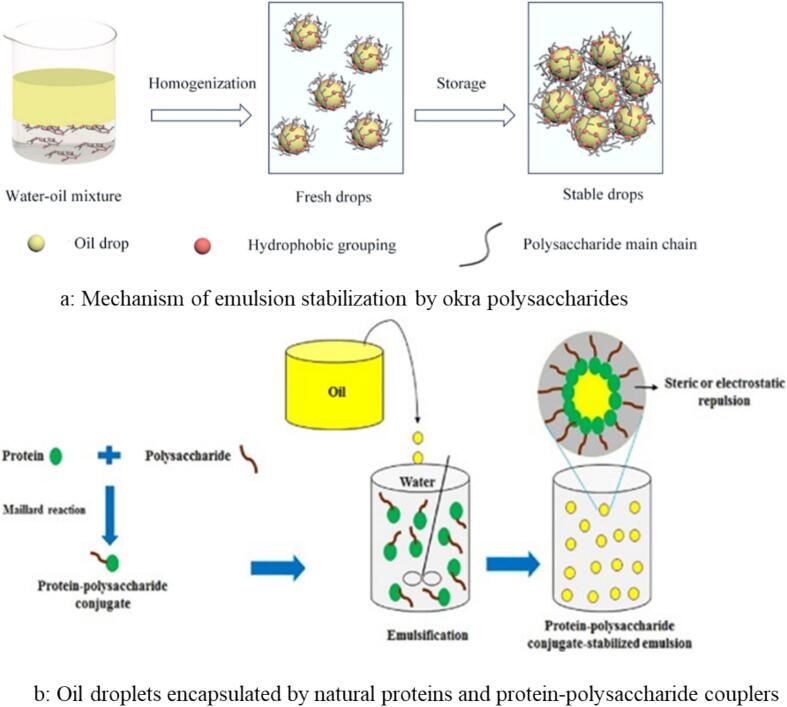
“Their amphiphilic nature allows them to adsorb at the oil-water interface, with hydrophilic polysaccharide chains anchored in the aqueous phase and hydrophobic groups (e.g. methoxyl and acetyl groups) oriented toward the oil phase (Hu, Jiang, Du, & Meng, 2023).”
Ostwald ripening in macro- and nanoemulsions
Koroleva, M. Y., & Yurtov, E. V. (2020) · Russian Chemical Reviews · doi:10.1070/rcr4962 · Cited by 110 · cited 1×
“This process increases the particle size distribution of the emulsion, leading directly to delamination or settling (Koroleva & Yurtov, 2021).”
Interfacial behavior of cyclodextrins at the oil-water interface of Pickering emulsion
Cheng, C., Yuan, C., Cui, B., Lu, L., Li, J., & Sha, H. (2022) · Food Hydrocolloids · doi:10.1016/j.foodhyd.2022.108104 · Cited by 108 · cited 1×
“Over time, the effectiveness of emulsification decreases, and the oil phase rapidly leaks from the interfacial layer, leading to varying degrees of phase separation (Cheng et al., 2023).”
Wang, H., You, S.-P., Wang, W., Zeng, Y., Su, R.-X., Qi, W., Wang, K., & He, Z.-M. (2021) · Food Chemistry · doi:10.1016/j.foodchem.2021.131865 · Cited by 106 · cited 1×
“The presence of polyphenols has also been shown to improve surface wettability and hydrophobicity of proteins (Wang et al., 2022b).”
A review of zeta potential measurements using electroacoustics
Mohammadi-Jam, S., Waters, K. E., & Greenwood, R. W. (2022) · Advances in Colloid and Interface Science · doi:10.1016/j.cis.2022.102778 · Cited by 104
Antioxidant properties of caseins and whey proteins in model oil-in-water emulsions
Ries, D., Ye, A., Haisman, D. R., & Singh, H. (2009) · International Dairy Journal · doi:10.1016/j.idairyj.2009.09.001 · Cited by 99 · cited 1×
“Conversely, increasing protein concentration in the continuous phase improved oxidative stability by enhancing interfacial protection and reducing oxidative reactions (Ries, Ye, Haisman, & Singh, 2010).”
Güldiken, B., Saffon, M., Nickerson, M. T., & Ghosh, S. (2023) · Food Hydrocolloids · doi:10.1016/j.foodhyd.2023.109029 · Cited by 96
Yan, S., Xu, J., Liu, G., Du, X., Hu, M., Zhang, S., Jiang, L., Zhu, H., Qi, B., & Li, Y. (2022) · Food Chemistry · doi:10.1016/j.foodchem.2022.132891 · Cited by 93 · cited 1×
“When the tea saponin concentration reached 1.0 %, the G ′ value stabilized, suggesting the formation of a uniform and stable emulsion structure (Yan et al., 2022).”
InfluentialSoy protein isolate-xanthan gum complexes to stabilize Pickering emulsions for quercetin delivery
Li, L., Wang, W., Ji, S., & Xia, Q. (2024) · Food Chemistry · doi:10.1016/j.foodchem.2024.140794 · Cited by 88 · cited 7×
“The HBG concentration was 0.5 % (w/v), without NaCl (Li et al., 2024).”
InfluentialLi, L., Geng, M., Tan, X., Teng, F., & Li, Y. (2024) · Food Hydrocolloids · doi:10.1016/j.foodhyd.2024.109754 · Cited by 88 · cited 7×
“The HBG concentration was 0.5 % (w/v), without NaCl (Li et al., 2024).”
InfluentialDammak, I., & Sobral, P. J. D. A. (2017) · Journal of Food Engineering · doi:10.1016/j.jfoodeng.2017.11.001 · Cited by 87
Huang, A., Luo, S., Ning, F., Ye, J., & Liu, C. (2024) · Food Hydrocolloids · doi:10.1016/j.foodhyd.2024.110434 · Cited by 86 · cited 1×
“By interacting with proteins, poly-phenols enhance the hydrophobicity of the complexes, thereby improving surface properties, rheological behaviour, and overall stability (Huang, Luo, Ning, Ye, & Liu, 2024).”
Li, Z., Fei, X., Huang, X., Liang, M., Ma, S., Gafurov, K. K., Gu, F., Guo, Q., & Wang, Q. (2024) · Foods · doi:10.3390/foods13081188 · Cited by 85 · cited 7×
“The HBG concentration was 0.5 % (w/v), without NaCl (Li et al., 2024).”
InfluentialSelf-citationHei, X., Liu, Z., Li, S., Wu, C., Jiao, B., Hu, H., Ma, X., Zhu, J., Adhikari, B., Wang, Q., et al. (2023) · International Journal of Biological Macromolecules · doi:10.1016/j.ijbiomac.2023.128183 · Cited by 84 · cited 2×
“Since the mouth-feel of ice cream is closely associated with emulsion stability, its control during the manufacturing process is essential for ensuring product quality and consumer satisfaction (Hei et al., 2024).”
Self-citationDybowska, B. E. (2010) · Journal of Food Engineering · doi:10.1016/j.jfoodeng.2010.11.030 · Cited by 81 · cited 1×
“For example, the heating of whey protein has been shown to produce stabilized nanoparticles and aggregates, which enhance emulsion stability by providing a protective interface and reducing droplet coalescence (Dybowska, 2011).”
Zhang, X., Liu, Z., Ma, X., Zheng, Y., Hu, H., Jiao, B., McClements, D. J., Wang, Q., & Shi, A. (2024) · Food Chemistry · doi:10.1016/j.foodchem.2024.141431 · Cited by 80 · cited 1×
“A higher viscosity in the continuous phase can slow down the settling or creaming rate of dispersed phase droplets, thereby enhancing emulsion stability (Zhang et al., 2025).”
Self-citationHei, X., Li, S., Liu, Z., Wu, C., Ma, X., Jiao, B., Hu, H., Zhu, J., Adhikari, B., Wang, Q., et al. (2024) · Food Chemistry · doi:10.1016/j.foodchem.2024.139187 · Cited by 79 · cited 2×
“Since the mouth-feel of ice cream is closely associated with emulsion stability, its control during the manufacturing process is essential for ensuring product quality and consumer satisfaction (Hei et al., 2024).”
Self-citationA Review of Biopolymers’ Utility as Emulsion Stabilizers
Tamang, N., Shrestha, P., Khadka, B., Mondal, M. H., Saha, B., & Bhattarai, A. (2021) · Polymers · doi:10.3390/polym14010127 · Cited by 78 · cited 1×
“Common biopolymers used for stabilization include proteins, polysaccharides, and other related compounds (Tamang et al., 2022).”
Effect of chitosan oligosaccharide glycosylation on the emulsifying property of lactoferrin
Wang, W.-D., Li, C., Chen, C., Fu, X., & Liu, R. H. (2022) · International Journal of Biological Macromolecules · doi:10.1016/j.ijbiomac.2022.03.169 · Cited by 78 · cited 3×
“The presence of polyphenols has also been shown to improve surface wettability and hydrophobicity of proteins (Wang et al., 2022b).”
Effect of sodium alginate on the stability of natural soybean oil body emulsions
Su, C., Feng, Y., Ye, J., Zhang, Y., Gao, Z., Zhao, M., Yang, N., Nishinari, K., & Fang, Y. (2018) · RSC Advances · doi:10.1039/c7ra09375f · Cited by 77
Cao, J., Tong, X., Cheng, J., Peng, Z., Yang, S., Cao, X., Wang, M., Wu, H., Wang, H., & Jiang, L. (2023) · Food Hydrocolloids · doi:10.1016/j.foodhyd.2023.108584 · Cited by 77 · cited 1×
“Additionally, the magnitude of the repulsive forces between droplets, as measured by zeta potential, serves as a key indicator of stability, with higher repulsion reducing the likelihood of coalescence or aggregation (Cao et al., 2023).”
Wu, C., Liu, Z., Zhi, L., Jiao, B., Hu, H., Ma, X., Zhu, J., Pignitter, M., Wang, Q., & Shi, A. (2023) · Food Hydrocolloids · doi:10.1016/j.foodhyd.2023.109012 · Cited by 77 · cited 1×
“These parameters were optimized holistically, resulting in stable cream emulsions with smooth textures and desirable sensory properties (Wu et al., 2023).”
Self-citationZhang, S., & Lu, Q. Y. (2015) · Food Hydrocolloids · doi:10.1016/j.foodhyd.2015.01.007 · Cited by 77 · cited 1×
“This sharp reduction in surface hydrophobicity destabilizes protein-stabilized emulsions (Zhang & Lu, 2015).”
Akiyama, E., Kashimoto, A., Fukuda, K., Hotta, H., Suzuki, T., & Kitsuki, T. (2004) · Journal of Colloid and Interface Science · doi:10.1016/j.jcis.2004.08.178 · Cited by 75 · cited 1×
“This stabilization is particularly pronounced in the three-dimensional network structures formed by the modified HEC, which exhibit strong elastic properties (Akiyama et al., 2005).”
Wu, C., Liu, Z., Zhi, L., Jiao, B., Tian, Y., Liu, H., Hu, H., Ma, X., Pignitter, M., Wang, Q., et al. (2022) · Nanomaterials · doi:10.3390/nano12172949 · Cited by 73 · cited 1×
“In this regard, protein-polysaccharide complexes fare better, as the complexation of proteins with polysaccharides modulates hydrophilicity and enhances interfacial properties, making them suitable for Pickering stabilization(Wu et al., 2022).”
Self-citationMayonnaise main ingredients influence on its structure as an emulsion
Taslikh, M., Mollakhalili‐Meybodi, N., Alizadeh, A. M., Mousavi, M.-M., Nayebzadeh, K., & Mortazavian, A. M. (2021) · Journal of Food Science and Technology · doi:10.1007/s13197-021-05133-1 · Cited by 72 · cited 1×
“Mayonnaise is a traditional and commercially successful O/W-type emulsion product that typically consists of oil (70 – 80 %), egg yolk, emulsifier, vinegar, sugar, and salt (Taslikh et al., 2022).”
Boostani, S., Sarabandi, K., Tarhan, Ö., Rezaei, A., Assadpour, E., Rostamabadi, H., Falsafi, S. R., Tan, C., Zhang, F., & Jafari, S. M. (2024) · Advances in Colloid and Interface Science · doi:10.1016/j.cis.2024.103174 · Cited by 72 · cited 1×
“Food-grade particles mainly include protein/polysaccharide particles, lipid crystals, flavonoids, composite particles, food-grade waxes (Boostani et al., 2024).”
Zeta potential of crude oil in aqueous solution
Collini, H., & Jackson, M. D. (2023) · Advances in Colloid and Interface Science · doi:10.1016/j.cis.2023.102962 · Cited by 70 · cited 1×
“The zeta potential of droplets and particles is determined by the type and concentration of surface charges and ions in the surrounding medium, which significantly influences emulsion stability (Collini & Jackson, 2023).”
Xu, J., Yang, L., Nie, Y., Yang, M., Wu, W., Wang, Z., Wang, X., & Zhong, J. Q. (2022) · LWT · doi:10.1016/j.lwt.2022.113543 · Cited by 64 · cited 1×
“Modified proteins can be rapidly anchored to the droplet surface by their amphiphilic peptides (Xu et al., 2022).”
Liu, X., Xue, F., & Adhikari, B. (2022) · Food Hydrocolloids · doi:10.1016/j.foodhyd.2022.108352 · Cited by 64
Self-citationDependency of Contact Angles on Three-Phase Contact Line: A Review
Erbil, H. Y. (2021) · Colloids and Interfaces · doi:10.3390/colloids5010008 · Cited by 63 · cited 1×
“It serves as an effective indicator of emulsification efficiency, emulsion stability, and the type of emulsion formed (W/O or O/W), particularly for Pickering emulsions (Erbil, 2021).”
Najari, Z., Dokouhaki, M., Juliano, P., & Adhikari, B. (2024) · Future Foods · doi:10.1016/j.fufo.2024.100299 · Cited by 63 · cited 1×
“Various colloidal particles obtained from natural substances, including protein, polysaccharide, polyphenol, and their complexes, have shown that they can effectively stabilize Pickering emulsions (Najari, Dokouhaki, Juliano, & Adhikari, 2024).”
Self-citationConstruction of protein-, polysaccharide- and polyphenol-based conjugates as delivery systems
Yan, S., Regenstein, J. M., Qi, B., & Li, Y. (2023) · Critical Reviews in Food Science and Nutrition · doi:10.1080/10408398.2023.2293253 · Cited by 62 · cited 1×
“The application of nanosized Pickering particles has been shown to significantly improve the stability of Pickering emulsions(Yan, Regenstein, Qi, & Li, 2023).”
Hou, K., Fu, X., Chen, H., & Niu, H. (2024) · Carbohydrate Polymers · doi:10.1016/j.carbpol.2024.121790 · Cited by 62
Chang, C., Li, X., Zhai, J., Su, Y., Gu, L., Li, J., & Yang, Y. (2023) · Food Chemistry: X · doi:10.1016/j.fochx.2023.100651 · Cited by 61 · cited 2×
“Oil is encapsulated in O/W, thus being more protected against oxidation (Chang et al., 2023).”
Effect of different biopolymers on the stability of hesperidin-encapsulating O/W emulsions
Dammak, I., & Sobral, P. J. D. A. (2018) · Journal of Food Engineering · doi:10.1016/j.jfoodeng.2018.05.004 · Cited by 60
Physico-chemical characterization of protein stabilized oil-in-water emulsions
Krstonosic, V. S., Kalić, M., Hadnađev, T. D., Lončarević, I. S., & Hadnađev, M. S. (2020) · Colloids and Surfaces A Physicochemical and Engineering Aspects · doi:10.1016/j.colsurfa.2020.125045 · Cited by 59
Pickering emulsions: Microgels as alternative surfactants
Guan, X., Jiang, H., Lin, J. X., & Ngai, T. (2024) · Current Opinion in Colloid & Interface Science · doi:10.1016/j.cocis.2024.101827 · Cited by 59 · cited 1×
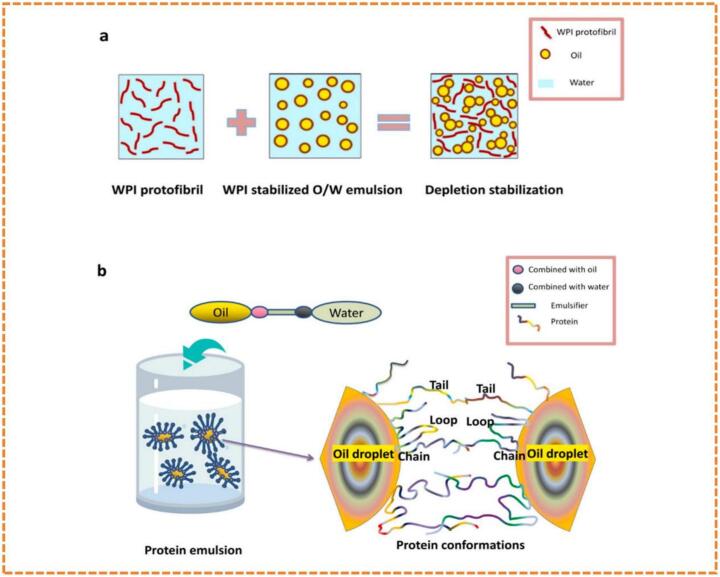
“The properties of the interfacial layer surrounding the dispersed phase droplets in an emulsion often determine its stability (Guan, Jiang, Lin, & Ngai, 2024).”
Bommakanti, V., Banerjee, M., Shah, D., Manisha, K., Sri, K., & Banerjee, S. (2022) · Environmental Research · doi:10.1016/j.envres.2022.113919 · Cited by 58 · cited 1×
“It is measured using methods such as electrophoresis, electroosmosis, and electroacoustics (Bommakanti et al., 2022).”
Shi, Y., Jin, C., Li, L., & Yang, X. (2024) · LWT · doi:10.1016/j.lwt.2024.116495 · Cited by 58
Zong, Y., Kuang, Q. F., Liu, G., Wang, R., Feng, W., Zhang, H., Chen, Z., & Wang, T. (2022) · Food Chemistry · doi:10.1016/j.foodchem.2022.133012 · Cited by 57 · cited 1×
“PPCs possess excellent amphiphilic properties, with a triple-phase contact angle close to 90 ◦ , enabling superior long-term storage stability, heat resistance, and suitability for 3D printing applications (Zong et al., 2022).”
The effect of caseins on the stability and whipping properties of recombined dairy creams
Yang, L., Li, Y., Yuan, D., Wang, Y., Li, M., & Zhang, L. (2020) · International Dairy Journal · doi:10.1016/j.idairyj.2020.104658 · Cited by 56 · cited 2×
“When the catechin concentration in the complex was increased to 0.15 % ( w / v ), the zeta potential nearly doubled, resulting in the highest observed stability (Li et al., 2020).”
InfluentialWu, C., Liu, Z., Hei, X., Li, S., Jiao, B., Ma, X., Hu, H., Zhu, J., Binks, B. P., Jia, Z., et al. (2024) · LWT · doi:10.1016/j.lwt.2024.116568 · Cited by 54 · cited 1×
“As shown in Table 2, These interactions can be classified as non-covalent or covalent, with binding mechanisms that include physical interaction, chemical cross-linking, enzymatic cross-linking, and the Maillard reaction (Wu et al., 2024).”
Self-citationYu-Tong, D., Chen, C., Yue-ming, J., Yang, B. J., & Fu, X. (2022) · International Journal of Biological Macromolecules · doi:10.1016/j.ijbiomac.2022.07.078 · Cited by 52
Li, T., Wang, H., Wang, J., Zhang, J., Yu, L., & Song, S. (2024) · LWT · doi:10.1016/j.lwt.2024.115860 · Cited by 52
Xu, Y., Wang, S., Xin, L., Zhang, L., & Liu, H. (2024) · International Journal of Biological Macromolecules · doi:10.1016/j.ijbiomac.2024.139420 · Cited by 52 · cited 1×
“In contrast, thinner interfacial layers, such as those formed by globular proteins, stabilize emulsion droplets through a combination of electrostatic interactions and spatial repulsive forces (Xu, Wang, Xin, Zhang, & Liu, 2025).”
Liu, H., Deng, L., Dai, T., Chen, J., Liu, W., Liu, C., Chen, M., & Liang, R. (2022) · Food Hydrocolloids · doi:10.1016/j.foodhyd.2022.107674 · Cited by 51 · cited 2×
“At the molecular level, the emulsifying ability of native pectin was attributed to its acetyl and methyl groups, while its stability was linked to monosaccharide side chains and ionized carboxyl groups (Liu et al., 2022).”
Liu, Z., Zhao, M., Shehzad, Q., Wang, J., & Sun, B. (2022) · Food Hydrocolloids · doi:10.1016/j.foodhyd.2022.108379 · Cited by 50
Ke, C.-X., Zhang, S.-Q., Yang, X.-Y., & Li, L. (2024) · International Journal of Biological Macromolecules · doi:10.1016/j.ijbiomac.2024.137101 · Cited by 50 · cited 1×
“4b. Covalent binding interactions are primarily achieved through protein glycosylation during the initial phase of the Maillard reaction (Ke, Zhang, Yang, & Li, 2024).”
Lv, Y., Cai, X., Shi, N., Gao, H., Zhang, Z., Yan, M., & Li, Y. (2024) · Food Hydrocolloids · doi:10.1016/j.foodhyd.2024.109997 · Cited by 48 · cited 2×
“This self-arranging behaviour at the interface contributes to their effectiveness in preventing phase separation and maintaining emulsion stability (Lv et al., 2024) Fig.”
Li, M., Sun, Y., McClements, D. J., Yao, X., Ma, C., Liu, X., & Liu, F. (2022) · Food Hydrocolloids · doi:10.1016/j.foodhyd.2022.107938 · Cited by 47 · cited 3×
“The emulsification performance of high molecular weight pectin is better (Li et al., 2022).”
Geng, M., Li, L., Feng, X., Xu, J., Huang, Y., Teng, F., & Li, Y. (2022) · Journal of Molecular Liquids · doi:10.1016/j.molliq.2022.119511 · Cited by 46 · cited 3×
“The emulsification performance of high molecular weight pectin is better (Li et al., 2022).”
Singh, I. R., & Pulikkal, A. K. (2023) · Journal of Drug Delivery Science and Technology · doi:10.1016/j.jddst.2023.105303 · Cited by 46 · cited 1×
“An emulsion is a multiphase dispersion system that typically consists of two immiscible liquids, with one dispersed in the other as small droplets (Singh & Pulikkal, 2024).”
Guo, B., Hu, X., Deng, F., Wu, J., Luo, S., Chen, R., & Liu, C. (2020) · Food Hydrocolloids · doi:10.1016/j.foodhyd.2020.105711 · Cited by 46
Utilization of xanthan to stabilize water in water emulsions and modulate their viscosity
Meng, Y., Nicolaï, T., Benyahia, L., & Nicol, E. (2021) · Carbohydrate Polymers · doi:10.1016/j.carbpol.2021.118812 · Cited by 46 · cited 1×
“Xanthan gum and similar hydrocolloids are widely used in O/W emulsions to modulate viscosity (Meng, Nicolai, Benyahia and Nicol, 2022).”
Tian, Y., Sun, F., Wang, Z., Yuan, C., Wang, Z., Guo, Z., & Zhou, L. (2024) · Food Chemistry: X · doi:10.1016/j.fochx.2023.101066 · Cited by 45 · cited 2×
“Pickering emulsions are stabilized through three primary mechanisms: particle adsorption at the oil-water interface, network formation, (Lv et al., 2024; Nooshkam & Varidi, 2020). and steric hindrance (Tian et al., 2024) Fig.”
Chen, L., Xiang, M., Wu, F., Jiang, Y., Wu, Q.-X., Zhang, W., Guo, W., Cai, B., Li, L., Li, S., et al. (2023) · International Journal of Biological Macromolecules · doi:10.1016/j.ijbiomac.2023.123993 · Cited by 45 · cited 1×
“The resulting emulsions exhibited improved stability and rheological properties (Chen et al., 2023).”
Han, Y., Li, L., Wei, F., Zhang, F., Pan, Z., Wei, Y., & Wang, L. (2024) · Food Chemistry X · doi:10.1016/j.fochx.2024.101218 · Cited by 43 · cited 7×
“The HBG concentration was 0.5 % (w/v), without NaCl (Li et al., 2024).”
InfluentialRezaee, M., & Aïder, M. (2023) · Meat Science · doi:10.1016/j.meatsci.2023.109283 · Cited by 41 · cited 1×
“For instance, rapeseed protein-xanthan gum-based Pickering emulsions have been shown their potential to replace fat in meat products (Rezaee & Aider, 2023).”
The effect of the contact angle on particle stabilization and bridging in water-in-water emulsions
Meng, Y., & Nicolaï, T. (2023) · Journal of Colloid and Interface Science · doi:10.1016/j.jcis.2023.02.006 · Cited by 38 · cited 1×
“…/W emulsions formed by mixing polyethylene oxide (PEO) and dextran (DEX) are stable only when the contact angle with the continuous phase is less than 90 ◦ , confirming the hypothesis that the contact angle can indeed be a determining factor in the stability of W/W emulsions (Meng & Nicolai, 2023).”
Li, S., Liu, Y., Qin, W., Zhang, Q. R., Chen, D., Lin, D., Liu, S., Huang, Z., & Chen, H. (2022) · LWT · doi:10.1016/j.lwt.2022.113120 · Cited by 38 · cited 4×
“The emulsification performance of high molecular weight pectin is better (Li et al., 2022).”
InfluentialUpdated insight into the characterization of nano-emulsions
Wang, X., Anton, H., Vandamme, T., & Anton, N. (2022) · Expert Opinion on Drug Delivery · doi:10.1080/17425247.2023.2154075 · Cited by 37 · cited 1×
“Droplet size and distribution are crucial for emulsion stability (Wang, Anton, Vandamme, & Anton, 2023).”
Maaref, S., Kantzas, A., & Bryant, S. L. (2019) · Chemical Engineering Science · doi:10.1016/j.ces.2019.02.034 · Cited by 37 · cited 1×
“…exhibiting moderate hydrophobicity in certain areas are particularly effective as emulsifiers, thereby improving the stability of the emulsion (Maaref, Kantzas, & Bryant, 2019). urface hydrophobicity plays an important role in determining the physicochemical properties and stability of…”
Xie, Y., Wang, Y., Sun, Y., Yao, J., Li, T., Zhang, X., Wang, Y., Huang, J., Xia, B., Wang, S., et al. (2024) · Colloids and Surfaces A Physicochemical and Engineering Aspects · doi:10.1016/j.colsurfa.2024.133384 · Cited by 34 · cited 1×
“For example, Xie et al. prepared Pickering emulsions stabilized by complex particles with pea isolate protein-zearaldehyde soluble protein (PPI-Zein) through hydrophobic interactions with good storage stability (Xie et al., 2024).”
Self-citationIgartúa, D. E., Dichano, M. C., Huanca, M. N. M., Palazolo, G. G., & Cabezas, D. M. (2024) · Food Research International · doi:10.1016/j.foodres.2024.114399 · Cited by 31
Tian, H., Zhang, Z., Ning, F., Li, W., Sun, X., Yang, X., & Luo, L. (2023) · LWT · doi:10.1016/j.lwt.2023.115390 · Cited by 30 · cited 3×
“Methods for determining emulsion droplet size include particle size analyzing techniques such as diffraction-based particle sizing, Coulter counters, optical microscopy, and electron microscopy (Zhang et al., 2023).”
Yan, X., Peng, X., McClements, D. J., Ma, C., Liu, X., & Liu, F. (2024) · Food Chemistry · doi:10.1016/j.foodchem.2024.140761 · Cited by 30 · cited 1×
“…interfacial conformation at the oil-water interface, which is influenced by its micellar or sub-micellar coalescence behaviour in the aqueous phase (Yan et al., 2024). it is shown that all four types of casein could adsorb at the oil-water interface, forming interfacial layers with varying…”
Synergistic effect of corn fiber gum and chitosan in stabilization of oil in water emulsion
Wang, Y., Wang, S., Li, R., Wang, Y., Xiang, Q., Qiu, S., Xu, W., & Bai, Y. (2021) · LWT · doi:10.1016/j.lwt.2021.112592 · Cited by 29 · cited 1×
“The presence of polyphenols has also been shown to improve surface wettability and hydrophobicity of proteins (Wang et al., 2022b).”
Liu, F., He, W., Huang, X., Yin, J., & Nie, S. (2024) · Foods · doi:10.3390/foods13101545 · Cited by 29 · cited 2×
“However, synthetic surfactants are increasingly less preferred by consumers (Liu, He, Huang, Yin, & Nie, 2024).”
Gao, Y.-T., Chen, L., Chi, H., Li, L.-J., & Teng, F. (2024) · International Journal of Biological Macromolecules · doi:10.1016/j.ijbiomac.2024.135372 · Cited by 28
Tan, T. B., Nakajima, M., & Tan, C. P. (2018) · Journal of Food Engineering · doi:10.1016/j.jfoodeng.2018.06.026 · Cited by 26
Othmeni, I., Blecker, C. S., & Karoui, R. (2024) · International Journal of Biological Macromolecules · doi:10.1016/j.ijbiomac.2024.139105 · Cited by 25 · cited 1×
“For example, Othmeni et al. found that treatment of pea protein at pH 5 during preparation was the least effective in stabilizing the emulsion compared to untreated pea protein (Othmeni, Blecker, & Karoui, 2025).”
Cao, S., Fei, X., Li, S., Ma, X., Hu, H., Guo, Q., Jiao, B., Agyei, D., Wang, Q., & Shi, A. (2024) · LWT · doi:10.1016/j.lwt.2024.116596 · Cited by 25 · cited 1×
“The EAI measures the rapid adsorption capacity of surfactants at the water-oil interface, reflecting their ability to reduce interfacial tension effectively (Cao et al., 2024; Tian et al., 2023).”
Self-citationStabilizing beverage emulsions by regenerated celluloses
Shen, W., Guo, L., Wu, T., Zhang, W., & Abid, M. (2016) · LWT · doi:10.1016/j.lwt.2016.05.012 · Cited by 24
Quezada, C., Urra, M., Mella, C., Zúñiga, R. N., & Troncoso, E. (2024) · Foods · doi:10.3390/foods13040513 · Cited by 24 · cited 1×
“For example, researchers have used flaxseed oil and soy lecithin or saponin to prepare oil-in-water emulsions thickened with modified starch and have shown that lecithin-stabilized emulsions display a greater negative charge (Quezada, Urra, Mella, Zú ˜ niga, & Troncoso, 2024).”
Zhang, J., Cheng, T., Sun, M., Li, Y., Zhang, G., Hu, Z., Wang, D., Guo, Z., & Wang, Z. (2024) · International Journal of Biological Macromolecules · doi:10.1016/j.ijbiomac.2024.133315 · Cited by 24 · cited 1×
“The stability of the cream was evaluated using key parameters such as whipping time, texture, storage stability, foam stabilization time, and microstructural analysis of its cross-section (Zhang et al., 2024).”
Udomrati, S., Pantoa, T., Gohtani, S., Nakajima, M., Uemura, K., & Kobayashi, I. (2019) · International Journal of Food Science & Technology · doi:10.1111/ijfs.14420 · Cited by 23 · cited 2×
“This layer creates a spatial barrier on the particle surface, effectively preventing flocculation and agglomeration (Udomrati et al., 2020).”
Fabrication, characterization and emulsifying properties of agarose microgel
Jiang, W., Wang, J., Yuan, D., Gao, Z., Hu, B., Li, Y., & Wu, Y. (2023) · International Journal of Biological Macromolecules · doi:10.1016/j.ijbiomac.2023.124565 · Cited by 22
Jiang, W., Xiong, X., Li, F., Lu, W., Hu, B., Gao, Z., Wu, Y., Yuan, D., Li, Y., & Zhai, X. (2024) · Food Hydrocolloids · doi:10.1016/j.foodhyd.2024.110409 · Cited by 21
Jie, Y., & Chen, F. (2023) · Food Hydrocolloids · doi:10.1016/j.foodhyd.2023.109021 · Cited by 21
Yan, G., Yang, L., Yang, L., Li, Y., Zhang, L., Li, Y., & Sun, Y. (2024) · Food Chemistry X · doi:10.1016/j.fochx.2024.101784 · Cited by 21 · cited 1×
“…interfacial conformation at the oil-water interface, which is influenced by its micellar or sub-micellar coalescence behaviour in the aqueous phase (Yan et al., 2024). it is shown that all four types of casein could adsorb at the oil-water interface, forming interfacial layers with varying…”
Yang, Q., Zheng, Q., Jin, M., Chen, Y., Guo, L., Lin, J., & Zou, Y. (2022) · Food Research International · doi:10.1016/j.foodres.2022.111514 · Cited by 20 · cited 3×
“For example, natural corn starch increases the viscosity of the emulsion, reducing droplet mobility and collision frequency (Yang et al., 2022).”
InfluentialWang, C., Fu, Y., Cao, Y., Huang, J., Lin, H., Shen, P., McClements, D. J., Han, L., Zhao, T., Yan, X., et al. (2022) · Food Research International · doi:10.1016/j.foodres.2022.112123 · Cited by 19
Thy, L. T. M., Duy, H. K., & Dat, N. M. (2025) · Results in Surfaces and Interfaces · doi:10.1016/j.rsurfi.2025.100543 · Cited by 18 · cited 1×
“The phospholipid-based functional ingredient used as an emulsifier in commercial products is often referred to as lecithin, which can be isolated from a variety of biological sources, the most common of which include soy, egg, milk, and rapeseed (Thy, Duy, & Dat, 2025).”
Chickpea protein stabilized Pickering emulsions: As a novel mayonnaise substitute
Bi, C., Qie, A., Liu, Y., Gao, F., & Zhou, T. (2024) · Journal of Food Engineering · doi:10.1016/j.jfoodeng.2024.112180 · Cited by 18 · cited 1×
“To provide product diversity, Bi et al. developed a plant-based mayonnaise using a pea protein-xanthan gum complex, reportedly achieving a similar appearance, microstructure, and rheological properties to those of traditional mayonnaise (Bi, Bi, Qie, Liu, Gao, & Zhou, 2024).”
Chen, K., Shen, Q., Zhang, B., Zhang, S., Fan, Q., Chen, G., & Liang, L. (2025) · Food Hydrocolloids · doi:10.1016/j.foodhyd.2025.111665 · Cited by 17
Suzuki, K., Kobayashi, Y., Yamazaki, T., Tsuji, T., & Arai, N. (2023) · Journal of Molecular Liquids · doi:10.1016/j.molliq.2023.123749 · Cited by 17 · cited 1×
“The resulting coalescence, Ostwald ripening, flocculation, and phase separation pose challenges to the long-term stability of emulsion systems (Suzuki, Kobayashi, Yamazaki, Tsuji, & Arai, 2024).”
Developing thermally stable beverage emulsions using mildly fractionated pea proteins
Devaki, N., & Ghosh, S. (2024) · Journal of the American Oil Chemists Society · doi:10.1002/aocs.12825 · Cited by 15 · cited 1×
“They typically consist of flavoured or turbid oils as the dispersed phase, water as the continuous phase, and emulsifiers for stability (Devaki & Ghosh, 2024).”
Bindereif, B., Karbstein, H. P., & van der Schaaf, U. S. (2022) · Food Hydrocolloids · doi:10.1016/j.foodhyd.2022.108054 · Cited by 15 · cited 1×
“These polysaccharides also compensate for the reduced thickening properties associated with lower oil content in salad dressings (Bindereif, Karbstein, & van der Schaaf, 2023).”
Microgels from egg white as novel stabilizers of Pickering emulsion
Liu, B., Wang, J., Qin, S., Han, X., Chen, X., Tian, B., & Feng, Z. (2024) · Journal of Food Engineering · doi:10.1016/j.jfoodeng.2024.112009 · Cited by 15
Liu, Y., Wang, Y., Cao, J., Wu, H., & Yao, Z. (2025) · International Journal of Biological Macromolecules · doi:10.1016/j.ijbiomac.2025.142898 · Cited by 12
Chitosan-highland barley gliadin complex stabilizes Pickering emulsion
Li, J., Xia, T., Zhou, W., Zhong, Z., Yang, S., Tu, Z., Chen, Z., & Du, Y. (2024) · Journal of Food Engineering · doi:10.1016/j.jfoodeng.2024.112140 · Cited by 10 · cited 6×
“The HBG concentration was 0.5 % (w/v), without NaCl (Li et al., 2024).”
InfluentialHei, X., Li, Z., Liu, Z., Li, S., Wu, C., Ma, X., Jiao, B., Hu, H., Zhu, J., Adhikari, B., et al. (2024) · International Journal of Biological Macromolecules · doi:10.1016/j.ijbiomac.2024.138190 · Cited by 10 · cited 1×
“Pickering emulsions are multiphase systems stabilized by solid particles that adsorb at the liquid-liquid interface, offering controllability and high stability (Hei et al., 2025).”
Self-citationpH-shifting treatment improved the emulsifying ability of gelatin under low-energy emulsification
Yao, X.-N., Dong, R.-L., Li, Y., Lv, A.-J., Zeng, L.-T., Li, X., Zhou, L., Qi, J., Zhang, C., Xiong, G., et al. (2024) · International Journal of Biological Macromolecules · doi:10.1016/j.ijbiomac.2024.136979 · Cited by 9 · cited 1×
“For example, Yao et al. developed a low-energy emulsification method for the preparation of gelatin-stabilized emulsions with low oil-phase volume fractions by stirring only, and revealed that a change in pH improves the emulsification capacity of stirred gelatin (Yao et al., 2024).”
Wang, Q., Li, C., Qiao, Y., Hao, Y., Gong, Z., Wu, Y., Guo, X. J., & Liu, X. (2024) · Food Chemistry X · doi:10.1016/j.fochx.2024.101690 · Cited by 6 · cited 1×
“Researchers have found that the emulsion stability of microalgal proteins (MP) is limited to strongly alkaline conditions; but by complexing with carboxymethyl chitosan (CMCS), complex-stabilized emulsions exhibit good stability at pH 2, 4, and 7 (Wang et al., 2024).”
Self-citationEffect of synergism of sucrose ester and xanthan gum on the stability of walnut milk
Liu, Y., Wu, Q., Zhang, J., & Mao, X. (2023) · Journal of the Science of Food and Agriculture · doi:10.1002/jsfa.13075 · Cited by 6 · cited 2×
“As shown in Table 2, These interactions can be classified as non-covalent or covalent, with binding mechanisms that include physical interaction, chemical cross-linking, enzymatic cross-linking, and the Maillard reaction (Wu et al., 2024).”
Protection of lipase by self-assembled microgels under high-pressure
Yu, C. L., Liu, L., Zhao, C., Sun, X., Li, W., Yang, X., & Zhang, Z. (2025) · Journal of Food Engineering · doi:10.1016/j.jfoodeng.2024.112464 · Cited by 4 · cited 1×
“In recent years, the development of enzymes biotechnology has been rapid, in and protein modification has become a key factor in promoting the progress of enzyme technology (Cheng et al., 2025).”
(2021) · doi:10.1021/acs
Cited by
Sorted by citations
Clean‐Label Trends in Processed Foods: Challenges in Formulation and Consumer Expectations
Urugo, M. M., Getachew, P., Milkias, M., Teka, T. A., & Kebede, B. (2026) · Comprehensive Reviews in Food Science and Food Safety · doi:10.1111/1541-4337.70505 · Cited by 12
Development of Curcumin-Loaded Nanoemulsions for Fortification and Stabilization of Dairy Beverages
Pino, R., Sicari, V., Hussain, M., Boakye, S. K. K., Kanwal, F., Yaseen, R., Azhar, M., Ahmad, Z., Degraft-Johnson, B., Kebede, A. A., et al. (2026) · Applied Sciences · doi:10.3390/app16020885 · Cited by 11
Vu, G. M., Tran, N. H., Tran, M., Dam, A. N., Lieu, N. N., Nguyen, N. M., Ngo, N. Y. L., Dinh, T. N. N., & Nguyen, D. Q. (2025) · Journal of Molecular Liquids · doi:10.1016/j.molliq.2025.128495 · Cited by 10
Emulsion and Emulgel-Based Ophthalmic Drug Delivery Systems
Mohapatra, D., Yang, E., & Corson, T. W. (2025) · Pharmaceutics · doi:10.3390/pharmaceutics17121504 · Cited by 10
Phase Change Materials‐Based Biodegradable Packaging for Perishable Food
Deka, H. A., Naseem, A., Bhansali, A. A., Mabood, M. F., Gangawane, K. M., & Sablani, S. S. (2026) · Comprehensive Reviews in Food Science and Food Safety · doi:10.1111/1541-4337.70404 · Cited by 8
Metadata
- Authors
- Xiao, T., Ma, X., Hu, H., Xiang, F., Zhang, X., Zheng, Y., Dong, H., Adhikari, B., Wang, Q., & Shi, A.
- Affiliations
- Institute of Food Science and Technology (CN)
- Zhongkai University of Agriculture and Engineering (CN)
- RMIT University (AU)
- Corresponding author
- Wang, Qiang
- Shi, Aimin
- Venue
- Food Chemistry: X
- Publisher
- Elsevier BV
- Published
- 2025-07
- Volume
- 29
- Pages
- 102792
- ISSN
- 2590-1575 (ISSN-L)
- PMC
- PMC12311586
- OpenAlex
- W4412650871
- Cited by
- 111
- References
- 129
- Citations by year
- 2026: 94 · 2025: 17
- FWCI
- 9.11
- Type
- journal article
- Language
- en
- Open access
- gold
- doi.org
- Licence
- Locations
- Food Chemistry X (publishedVersion, cc-by-nc)
- Europe PMC (PubMed Central) (publishedVersion, cc-by-nc)
- PubMed Central (publishedVersion, cc-by-nc)
- PubMed (publishedVersion)
- DOAJ (DOAJ: Directory of Open Access Journals) (submittedVersion, cc-by-sa)
- Funders
- National Key Research and Development Program of China (2023YFE0104900)
- Agricultural Science and Technology Innovation Program (CAAS-ASTIP-2025-IFST)
- National Natural Science Foundation of China (32472271, 32172149)
- Topics
- Life Sciences › Agricultural and Biological Sciences › Food Science › Proteins in Food Systems
- Physical Sciences › Materials Science › Materials Chemistry › Pickering emulsions and particle stabilization
- Physical Sciences › Chemistry › Physical and Theoretical Chemistry › Surfactants and Colloidal Systems
- Keywords
- emulsion stability, emulsifiers, Pickering emulsions, protein emulsifiers, polyphenols, protein-polysaccharide complexes, food emulsions, shelf life, emulsion stabilization
About these checks
Registry, retraction, Cites and statistics results are computed, not judged, with one exception: a printed reference that no index lists is read once by a model before it counts as a citation error. Claims are extracted by a model and kept only when their quote appears verbatim in the text; each cited source is then checked, with a model’s help, for whether it says what the claim relies on. Those verdicts can be wrong — read the claim’s quote and the cited source before relying on one.
Statistics and arithmetic are recomputed, not judged.
Confidence bands are shown only for fields calibrated on our annotated test set. None is calibrated yet, so no band is shown.
What counts as a claim ›How we measure confidence ›How we check this ›
Are you an author, or do you see a problem with this page? Request a review
