

The DOI matches its Crossref record; 27 of the 27 references it cites were found in a registry or an index.
Brusatol provokes a rapid and transient inhibition of Nrf2 signaling and sensitizes mammalian cells to chemical toxicity—implications for therapeutic targeting of Nrf2
Open accessAbstract
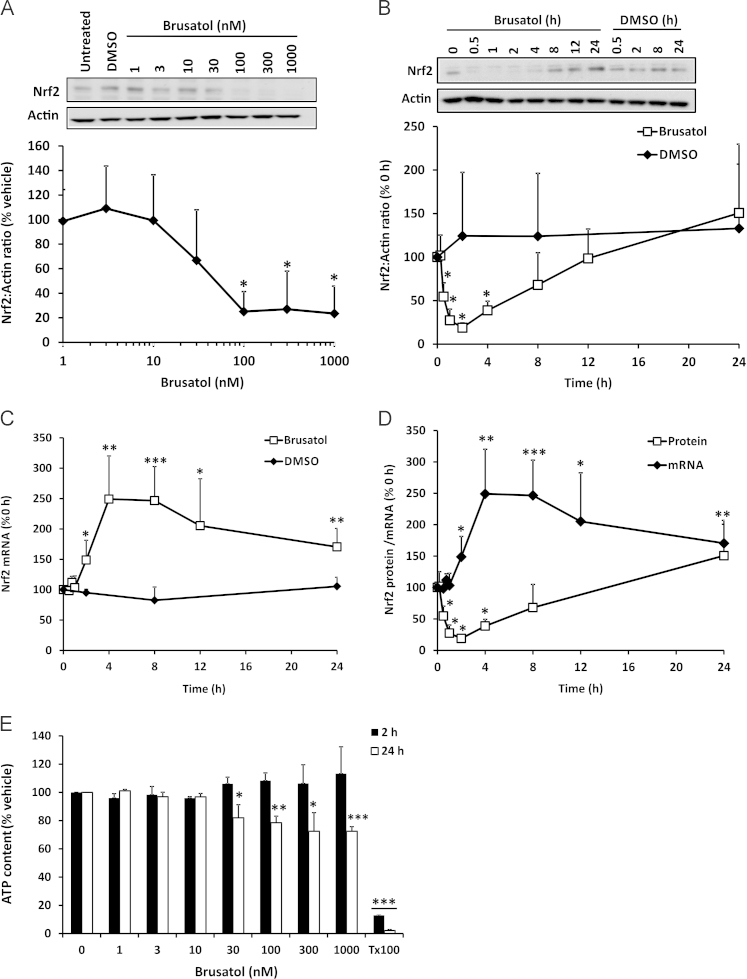
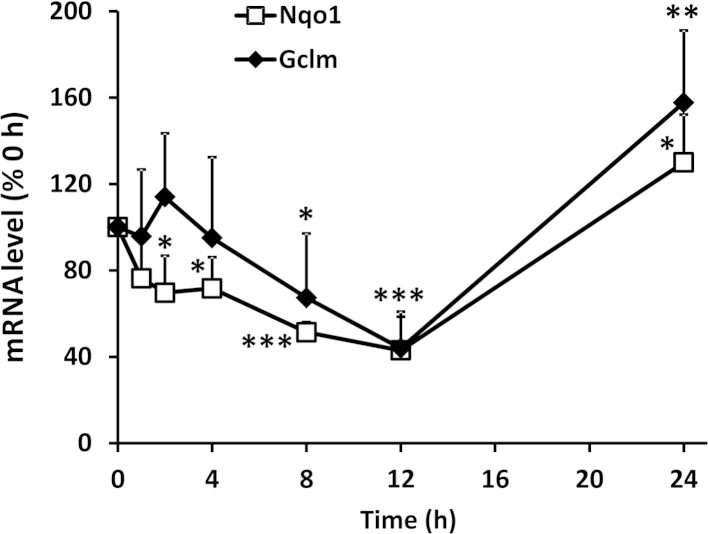
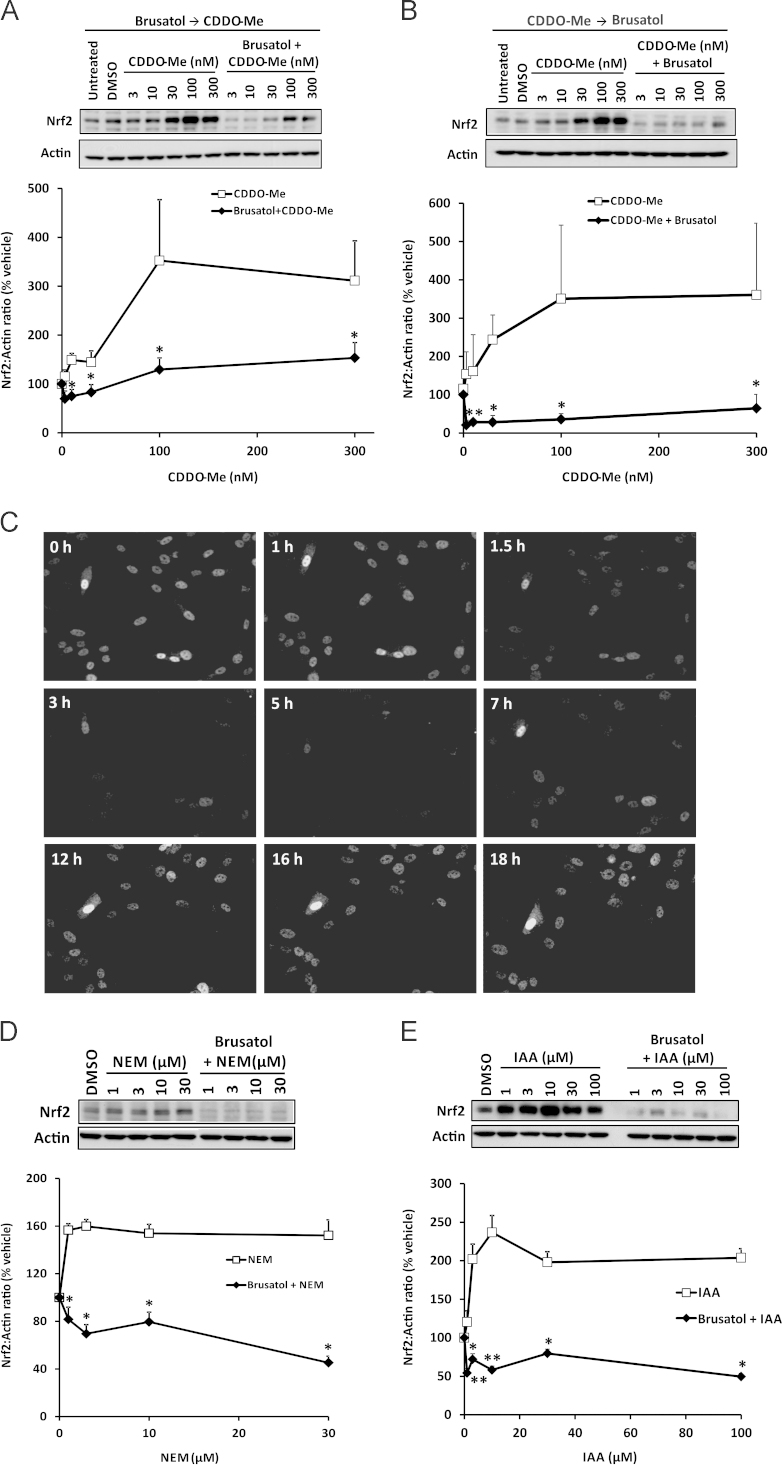
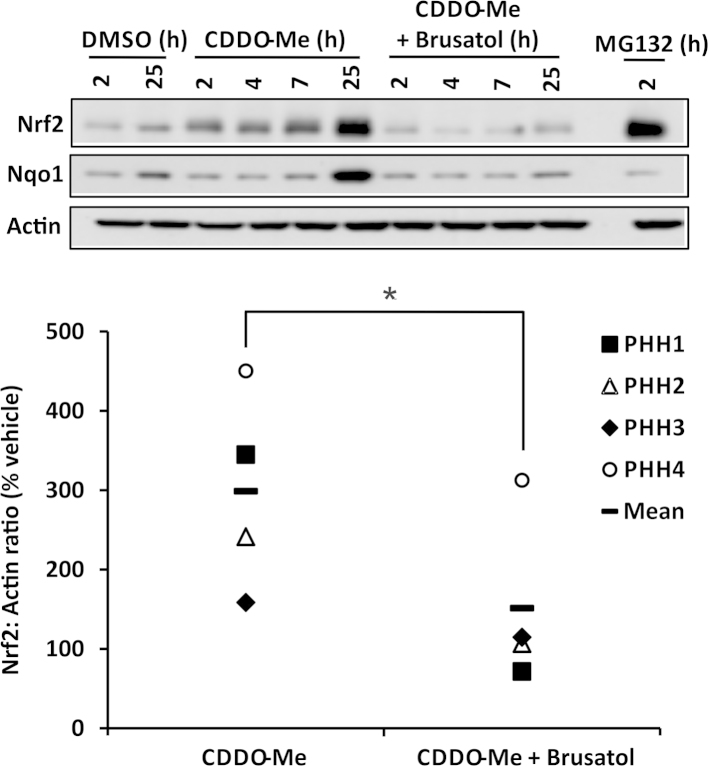
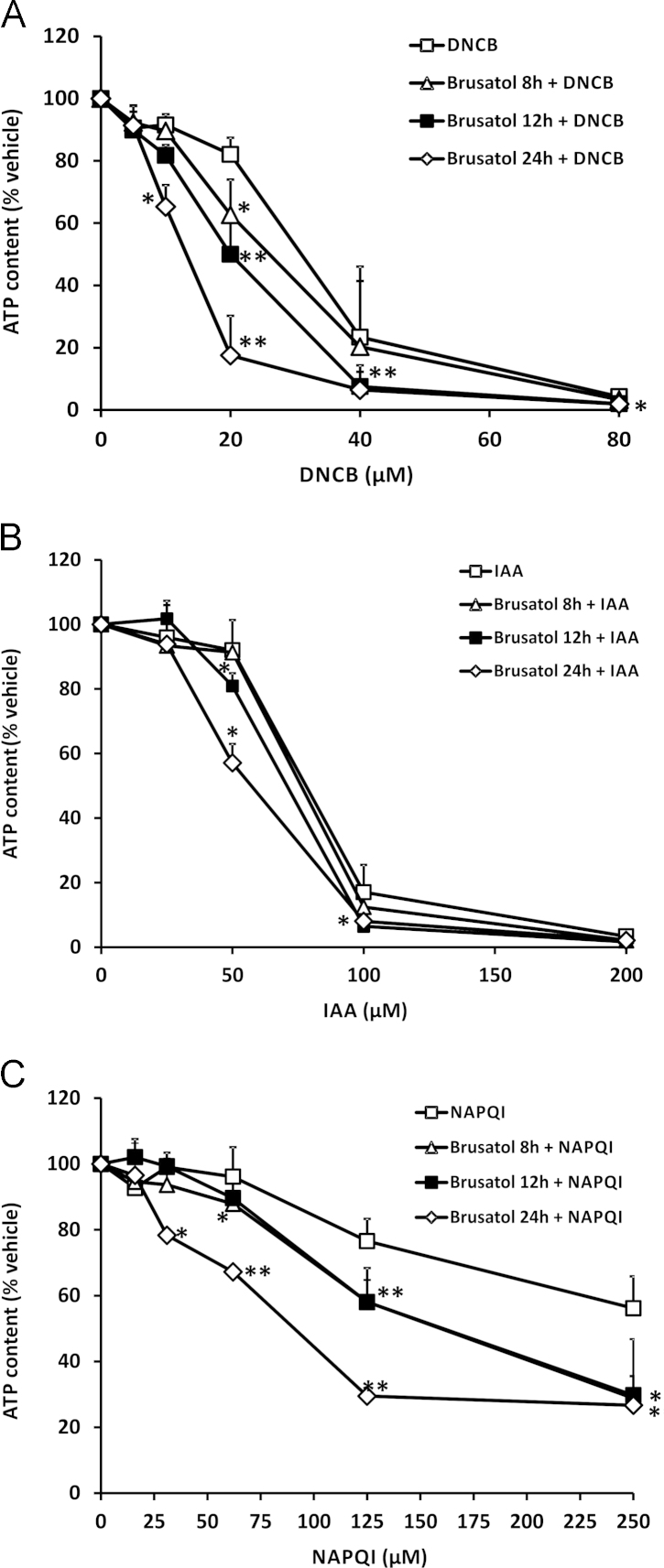
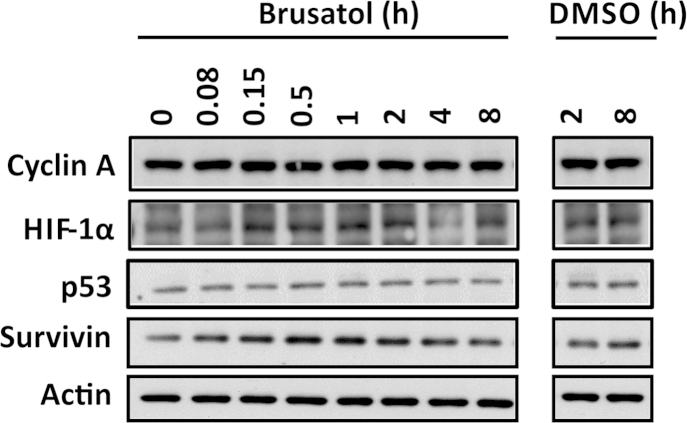
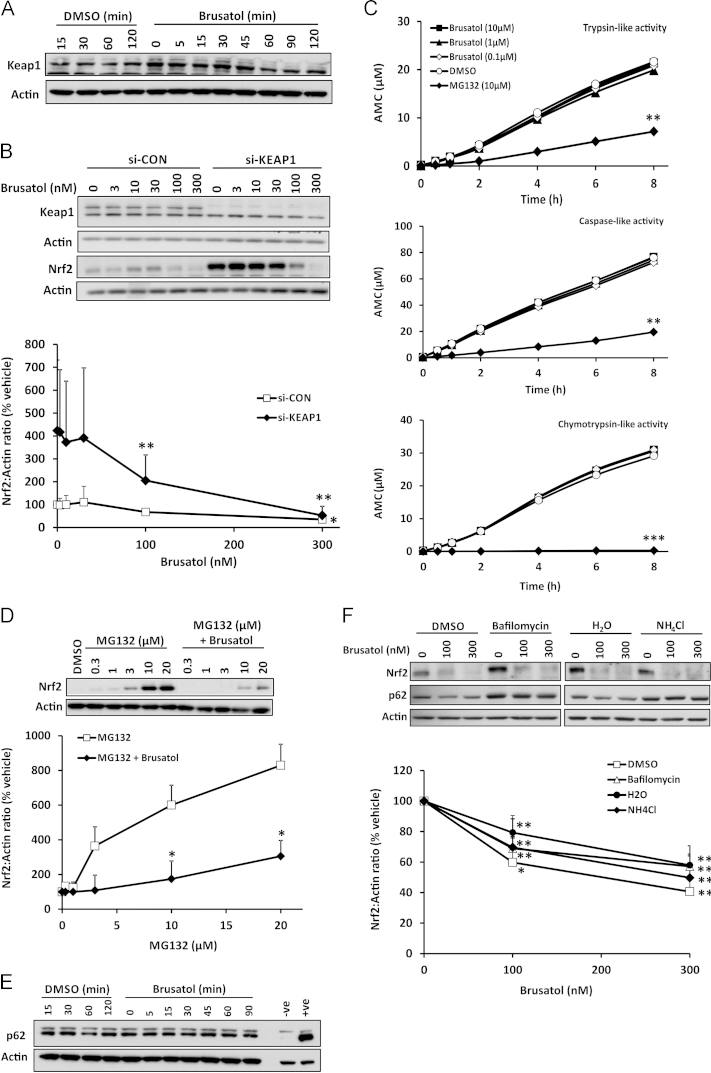
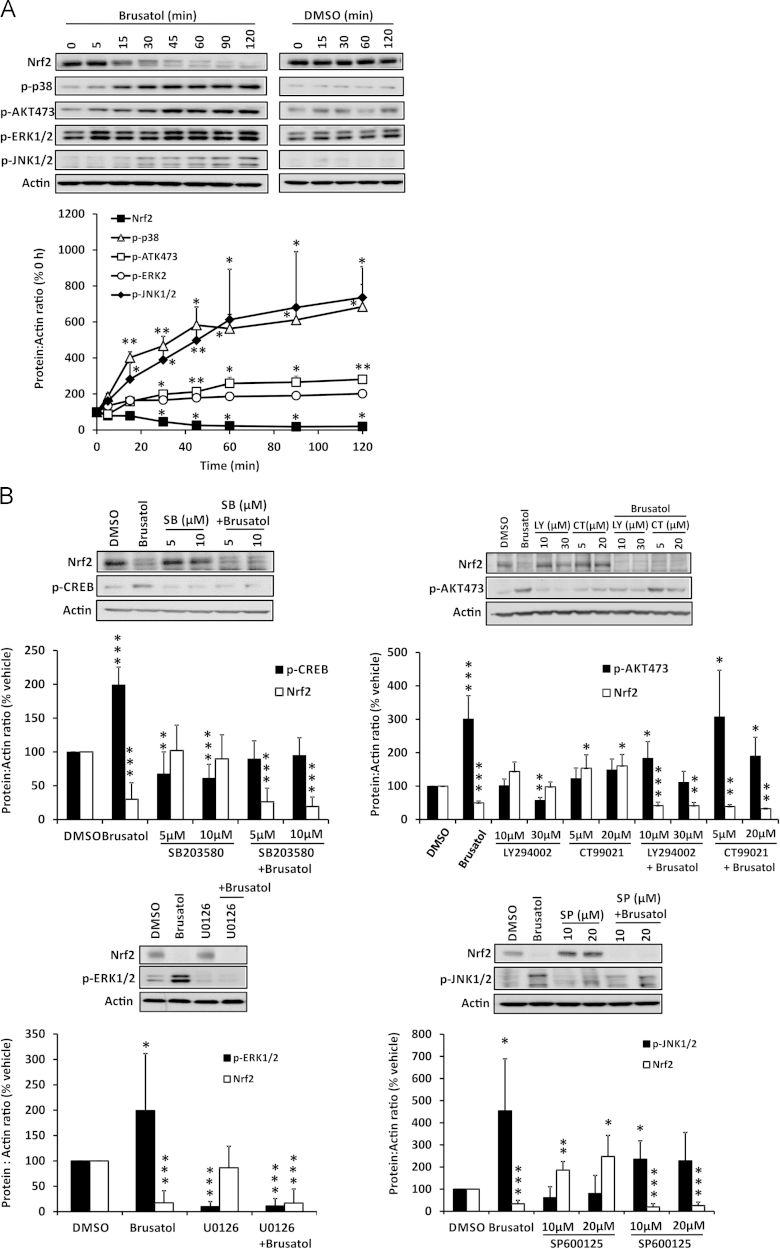
The transcription factor Nrf2 regulates the basal and inducible expression of a battery of cytoprotective genes. Whereas numerous Nrf2-inducing small molecules have been reported, very few chemical inhibitors of Nrf2 have been identified to date. The quassinoid brusatol has recently been shown to inhibit Nrf2 and ameliorate chemoresistance in vitro and in vivo. Here, we show that brusatol provokes a rapid and transient depletion of Nrf2 protein, through a posttranscriptional mechanism, in mouse Hepa-1c1c7 hepatoma cells. Importantly, brusatol also inhibits Nrf2 in freshly isolated primary human hepatocytes. In keeping with its ability to inhibit Nrf2 signaling, brusatol sensitizes Hepa-1c1c7 cells to chemical stress provoked by 2,4-dinitrochlorobenzene, iodoacetamide, and N-acetyl-p-benzoquinone imine, the hepatotoxic metabolite of acetaminophen. The inhibitory effect of brusatol toward Nrf2 is shown to be independent of its repressor Keap1, the proteasomal and autophagic protein degradation systems, and protein kinase signaling pathways that are known to modulate Nrf2 activity, implying the involvement of a novel means of Nrf2 regulation. These findings substantiate brusatol as a useful experimental tool for the inhibition of Nrf2 signaling and highlight the potential for therapeutic inhibition of Nrf2 to alter the risk of adverse events by reducing the capacity of nontarget cells to buffer against chemical and oxidative insults. These data will inform a rational assessment of the risk:benefit ratio of inhibiting Nrf2 in relevant therapeutic contexts, which is essential if compounds such as brusatol are to be developed into efficacious and safe drugs.
Overview
The claims and statistics of this paper haven’t been checked yet.
Run the check — free, no account needed. It reads the open-access text and checks the sources it cites.
Integrity signals
Registry
Cites
Statistics
Figures
Verification
Claims the paper makes
The claims and statistics of this paper haven’t been checked yet.
Run the check — free, no account needed. It reads the open-access text and checks the sources it cites.
Claims other papers make about this one
Each is checked against this paper’s own text: does it say what the citing paper says it does?
In the citing paper
“brusatol has been shown to enhance the efficacy of chemotherapy by inhibiting Nrf2 [229,230].”
From Nrf2 and Oxidative Stress: A General Overview of Mechanisms and Implications in Human Disease (2022) · cites this paper as [230]
Self-check
Percentages, sums and reported differences re-computed from the paper’s own numbers.
The self-check needs the paper’s full text.
Citations
Cites
Itoh, K., Wakabayashi, N., Katoh, Y., Ishii, T., Igarashi, K., Engel, J. D., & Yamamoto, M. (1999) · Genes & Development · doi:10.1101/gad.13.1.76 · Cited by 3,634
Molecular mechanisms of the Keap1-Nrf2 pathway in stress response and cancer evolution
Taguchi, K., Motohashi, H., & Yamamoto, M. (2011) · Genes to Cells · doi:10.1111/j.1365-2443.2010.01473.x · Cited by 1,478
Keap1 Is a Redox-Regulated Substrate Adaptor Protein for a Cul3-Dependent Ubiquitin Ligase Complex
Zhang, D. D., Lo, S., Cross, J. V., Templeton, D. J., & Hannink, M. (2004) · Molecular and Cellular Biology · doi:10.1128/mcb.24.24.10941-10953.2004 · Cited by 1,284
Chapter 12 Monitoring Autophagic Degradation of p62/SQSTM1
Bjørkøy, G., Lamark, T., Pankiv, S., Øvervatn, A., Brech, A., & Johansen, T. (2009) · Methods in Enzymology · doi:10.1016/s0076-6879(08)03612-4 · Cited by 1,069
The Nrf2 cell defence pathway: Keap1-dependent and -independent mechanisms of regulation
Bryan, H. K., Olayanju, A., Goldring, C. E., & Park, B. K. (2012) · Biochemical Pharmacology · doi:10.1016/j.bcp.2012.11.016 · Cited by 1,047
An important function of Nrf2 in combating oxidative stress: Detoxification of acetaminophen
Chan, K., Han, X.-D., & Kan, Y. W. (2001) · Proceedings of the National Academy of Sciences · doi:10.1073/pnas.081082098 · Cited by 766
Enomoto, A. (2001) · Toxicological Sciences · doi:10.1093/toxsci/59.1.169 · Cited by 728
Brusatol enhances the efficacy of chemotherapy by inhibiting the Nrf2-mediated defense mechanism
Ren, D., Villeneuve, N. F., Jiang, T., Wu, T., Lau, A., Toppin, H. A., & Zhang, D. D. (2011) · Proceedings of the National Academy of Sciences · doi:10.1073/pnas.1014275108 · Cited by 673
Nguyen, T., Sherratt, P. J., Huang, H.-C., Yang, C. S., & Pickett, C. B. (2003) · Journal of Biological Chemistry · doi:10.1074/jbc.m207293200 · Cited by 615
Nrf2 signaling: An adaptive response pathway for protection against environmental toxic insults
Osburn, W. O., & Kensler, T. W. (2007) · Mutation Research/Reviews in Mutation Research · doi:10.1016/j.mrrev.2007.11.006 · Cited by 549
Cited by
Sorted by citations
Items 101–200 of 233
Brusatol modulates diverse cancer hallmarks and signaling pathways as a potential cancer therapeutic
Guo, S., Huang, W., & Tian, X. (2022) · Acta Materia Medica · doi:10.15212/amm-2022-0014 · Cited by 28
Li, J., Zhang, J., Zhu, Y., Afolabi, L. O., Chen, L., & Feng, X. (2023) · International Journal of Molecular Sciences · doi:10.3390/ijms24098265 · Cited by 29
Yang, G., Yin, H., Lin, F., Gao, S., Zhan, K., Tong, H., Tang, X., Pan, Q., & Gou, X. (2020) · Pathology - Research and Practice · doi:10.1016/j.prp.2020.152851 · Cited by 27
Lee, H., Jabbour, T. E., Ainechi, S., Gay, L. M., Elvin, J. A., Vergilio, J., Suh, J. H., Ramkissoon, S. H., Ali, S. M., Schrock, A. B., et al. (2017) · Human Pathology · doi:10.1016/j.humpath.2017.10.007 · Cited by 27
Naturally-derived modulators of the Nrf2 pathway and their roles in the intervention of diseases
Wang, T., Liu, M., Li, X., Zhang, S., Gu, H., Wei, X., Wang, X., Xu, Z., & Shen, T. (2024) · Free Radical Biology and Medicine · doi:10.1016/j.freeradbiomed.2024.09.035 · Cited by 29
Liu, H.-Y., Tuckett, A. Z., Fennell, M., Garippa, R. J., & Zakrzewski, J. L. (2018) · Investigational New Drugs · doi:10.1007/s10637-017-0557-6 · Cited by 25
Zhang, H., Chen, Y., Xu, R., & He, Q. (2018) · Acta Pharmacologica Sinica · doi:10.1038/aps.2018.21 · Cited by 24
Chen, X., Yin, T., Zhang, B., Sun, B., Chen, J., Xiao, T., Wang, B., Li, M., Yang, J., & Fan, X. (2020) · International Journal of Molecular Medicine · doi:10.3892/ijmm.2020.4627 · Cited by 24
Poornima, P., Kankia, I. H., Langdon, S. P., & Deeni, Y. (2019) · Cancer Drug Resistance · doi:10.20517/cdr.2019.57 · Cited by 24
The impact of mitochondria on cancer treatment resistance
van der Merwe, M., van Niekerk, G., Fourie, C., du Plessis, M., & Engelbrecht, A. (2021) · Cellular Oncology · doi:10.1007/s13402-021-00623-y · Cited by 24
Al-Qahtani, W. H., Alshammari, G. M., Alshuniaber, M. A., Husain, M., Alawwad, S. A., Al-Ayesh, S. T., Yahya, M. A., & Aldawood, A. S. (2022) · Journal of King Saud University - Science · doi:10.1016/j.jksus.2022.102165 · Cited by 23
Samatiwat, P., Prawan, A., Senggunprai, L., & Kukongviriyapan, V. (2015) · Naunyn-Schmiedeberg s Archives of Pharmacology · doi:10.1007/s00210-015-1101-x · Cited by 22
Tian, Z., Yang, Y., Wu, H., Chen, Y., Jia, H., Zhu, L., He, R., Jin, Y., Zhou, B., Ge, C., et al. (2022) · Heliyon · doi:10.1016/j.heliyon.2022.e10410 · Cited by 23
Cirone, M., & D’Orazi, G. (2022) · International Journal of Molecular Sciences · doi:10.3390/ijms24010595 · Cited by 22
Mechanism of progestin resistance in endometrial precancer/cancer through Nrf2-survivin pathway.
Fan, R., Wang, Y., Wang, Y., Li, W., & Zheng, W. (2017) · PubMed Central · Cited by 22
Chandrasekaran, J., Balasubramaniam, J., Sellamuthu, A., & Ravi, A. (2021) · Journal of Pharmacy and Pharmacology · doi:10.1093/jpp/rgab018 · Cited by 22
Emerging Therapeutic Targets in Oncologic Photodynamic Therapy
Manda, G., Hinescu, M. E., Neagoe, I. V., Ferreira, L. F. V., Boscencu, R., Vasos, P. R., Basaga, S. H., & Cuadrado, A. (2019) · Current Pharmaceutical Design · doi:10.2174/1381612825666190122163832 · Cited by 23
Zhang, M., Wang, J., Liu, R., Wang, Q., Qin, S., Chen, Y., & Li, W. (2024) · Heliyon · doi:10.1016/j.heliyon.2024.e37326 · Cited by 22
Zhang, W., Li, X., Xu, J., Wang, Y., Xing, Z., Hu, S., Fan, Q., Lu, S., Cheng, J., Gu, J., et al. (2022) · Cancers · doi:10.3390/cancers14215233 · Cited by 21
Dai, Z., Cai, L., Chen, Y., Wang, S., Zhang, Q., Wang, C., Tu, M., Zhu, Z., Li, Q., & Lu, X. (2021) · Frontiers in Pharmacology · doi:10.3389/fphar.2021.775680 · Cited by 20
The potential roles of Nrf2/Keap1 signaling in anticancer drug interactions
Wang, J., Jin, Y., Cao, M., Zhao, Z., Cao, B., & Yu, S. (2021) · Current Research in Pharmacology and Drug Discovery · doi:10.1016/j.crphar.2021.100028 · Cited by 20
Dual effects of the Nrf2 inhibitor for inhibition of hepatitis C virus and hepatic cancer cells
Murakami, Y., Sugiyama, K., Ebinuma, H., Nakamoto, N., Ojiro, K., Chu, P.-S., Taniki, N., Saito, Y., Teratani, T., Koda, Y., et al. (2018) · BMC Cancer · doi:10.1186/s12885-018-4588-y · Cited by 17
Zhang, M., Xu, Y., & Jiang, L. (2020) · Human & Experimental Toxicology · doi:10.1177/0960327119893414 · Cited by 19
Patra, U., Mukhopadhyay, U., Mukherjee, A., Sarkar, R., & Chawla‐Sarkar, M. (2020) · Oxidative Medicine and Cellular Longevity · doi:10.1155/2020/7289120 · Cited by 19
Kim, M. J., Kang, H., Jeon, S., Yun, J. H., Jeong, P., Sim, B., Kim, S., Cho, S., & Song, B. (2024) · PLoS ONE · doi:10.1371/journal.pone.0311819 · Cited by 18
Procyanidin B1 Promotes PSMC3‐NRF2 Ubiquitination to Induce Ferroptosis in Glioblastoma
Gao, W., Li, Y., Lin, X., Deng, K., Long, X., Li, D., Huang, M., Wang, X., Xu, Y., She, X., et al. (2024) · Phytotherapy Research · doi:10.1002/ptr.8328 · Cited by 17
Pharmacokinetic, metabolic profiling and elimination of brusatol in rats
Guo, N., Xu, X., Yuan, G., Chen, X., Wen, Q., & Guo, R. (2018) · Biomedical Chromatography · doi:10.1002/bmc.4358 · Cited by 17
Nguyen, H. M., Nguyen, T. Y. N., Le, N. T. H., Le, T. N. T., Chau, N. T. N., Le, T. M. H., & Nguyen, B. Q. H. (2024) · Heliyon · doi:10.1016/j.heliyon.2024.e39229 · Cited by 16
Guo, N., Zhang, X., Bu, F., Wang, L., Cao, Z., Geng, C., Guo, R., Ren, D., & Wen, Q. (2017) · Journal of Chromatography B · doi:10.1016/j.jchromb.2017.04.012 · Cited by 16
Lu, R.-J., Zhao, G., Jiang, R., He, S., Xu, H., He, J., Sun, Y., Wu, M., Ran, J., Chen, D., et al. (2022) · BioMed Research International · doi:10.1155/2022/7132159 · Cited by 15
RetractedNrf2 Activation in Inflammatory Diseases: A Review of Natural and Synthetic Modulators
Costa, V. B., de Matos, I. A. F., Nogueira, I. R. G., de Godoi, M. A., Leite, F. R. M., & Guimarães, M. R. (2026) · Oxidative Medicine and Cellular Longevity · doi:10.1155/omcl/4538420 · Cited by 15
Yahya, M. A., Alshammari, G. M., Osman, M. A., Al‐Harbi, L. N., Yagoub, A. E. A., & AlSedairy, S. A. (2022) · Journal of Functional Foods · doi:10.1016/j.jff.2022.105058 · Cited by 15
Targeting kelch-like (KLHL) proteins: achievements, challenges and perspectives
Zhou, Y., Zhang, Q., Zhao, Z., Hu, X., You, Q., & Jiang, Z. (2024) · European Journal of Medicinal Chemistry · doi:10.1016/j.ejmech.2024.116270 · Cited by 15
Zhou, Y., Li, Y., Ni, H., Ding, W., & Zhong, H. (2016) · Toxicology and Applied Pharmacology · doi:10.1016/j.taap.2016.09.010 · Cited by 15
Development of targeted therapy of NRF2high esophageal squamous cell carcinoma
Paiboonrungruang, C., Simpson, E., Xiong, Z., Huang, C. D., Li, J., Li, Y., & Chen, X. L. (2021) · Cellular Signalling · doi:10.1016/j.cellsig.2021.110105 · Cited by 15
Signaling pathways and their potential therapeutic utility in esophageal squamous cell carcinoma
Kadian, L. K., Arora, M., Prasad, C. P., Pramanik, R., & Chauhan, S. S. (2022) · Clinical & Translational Oncology · doi:10.1007/s12094-021-02763-x · Cited by 17
Free heme regulates placenta growth factor through NRF2-antioxidant response signaling
Kapetanaki, M. G., Gbotosho, O. T., Sharma, D., Weidert, F. L., Ofori-Acquah, S. F., & Kato, G. J. (2019) · Free Radical Biology and Medicine · doi:10.1016/j.freeradbiomed.2019.08.009 · Cited by 15
Gopallawa, I., Kuek, L. E., Adappa, N. D., Palmer, J. N., & Lee, R. J. (2021) · Respiratory Research · doi:10.1186/s12931-021-01865-y · Cited by 15
Adekiya, T. A., Moore, M., Thomas, M. A., Lake, G., Hudson, T., & Adesina, S. K. (2024) · Pharmaceutics · doi:10.3390/pharmaceutics16010114 · Cited by 14
Yuan, X., Yu, S., Lin, L., Chen, Y., Wu, Z., Fang, X., & Zhang, W. (2025) · Phytomedicine · doi:10.1016/j.phymed.2025.156464 · Cited by 14
Turpaev, K. T., Krizhanovskii, C., Wang, X., Sargsyan, E., Bergsten, P., & Welsh, N. (2018) · The FASEB Journal · doi:10.1096/fj.201801698r · Cited by 14
Reduced chemotherapeutic sensitivity in high glucose condition: implication of antioxidant response
Garufi, A., Traversi, G., Montani, M. S. G., D’Orazi, V., Pistritto, G., Cirone, M., & D’Orazi, G. (2019) · Oncotarget · doi:10.18632/oncotarget.27087 · Cited by 14
Brusatol Inhibits Tumor Growth and Increases the Efficacy of Cabergoline against Pituitary Adenomas
Wu, Z., Xu, Y., Xu, J., Lu, J., Cai, L., Li, Q., Wang, C., & Su, Z. (2021) · Oxidative Medicine and Cellular Longevity · doi:10.1155/2021/6696015 · Cited by 14
Manjunath, S. H., Nataraj, P., Swamy, V. H., Sugur, K., Dey, S. K., Ranganathan, V., Daniel, S., Leihang, Z., Sharon, V., Chandrashekharappa, S., et al. (2023) · Food & Function · doi:10.1039/d3fo00572k · Cited by 13
Combinatorial Implications of Nrf2 Inhibitors with FN3K Inhibitor: In vitro Breast Cancer Study
Beeraka, N. M., Zhang, J., Zhao, D., Liu, J., Chinnappa, A. U., Hemanth Vikram, P. R., Shivaprakash, P., Bannimath, N., Manogaran, P., Sinelnikov, M. Y., et al. (2023) · Current Pharmaceutical Design · doi:10.2174/0113816128261466231011114600 · Cited by 14
NRF-mediated autophagy and UPR: Exploring new avenues to overcome cancer chemo-resistance
Dastghaib, S., Shafiee, S. M., Ramezani, F., Ashtari, N., Tabasi, F., Saffari‐Chaleshtori, J., Siri, M., Vakili, O., Igder, S., Zamani, M., et al. (2024) · European Journal of Pharmacology · doi:10.1016/j.ejphar.2024.177210 · Cited by 18
Reyes, L., Hawkins, C. L., & Rayner, B. S. (2019) · Archives of Biochemistry and Biophysics · doi:10.1016/j.abb.2019.03.004 · Cited by 13
Iuchi, K., Tasaki, Y., Shirai, S., & Hisatomi, H. (2020) · Biomedicine & Pharmacotherapy · doi:10.1016/j.biopha.2020.109928 · Cited by 13
LRRK2 kinase activity restricts NRF2-dependent mitochondrial protection in microglia
Weindel, C. G., Coleman, A. K., Ellzey, L. M., Kumar, S., Chaisson, S. L., Davis, J. R., Patrick, K. L., & Watson, R. O. (2025) · The Journal of Immunology · doi:10.1093/jimmun/vkaf215 · Cited by 12
Zhang, Q., Yuan, Y., Cui, J., Xiao, T., Deng, Z., & Jiang, D. (2016) · Journal of Pharmaceutical and Biomedical Analysis · doi:10.1016/j.jpba.2016.02.046 · Cited by 12
Nrf2-ME-1 axis is associated with 5-FU resistance in gastric cancer cell line
Pouremamali, F., Jeddi, F., & Samadi, N. (2020) · Process Biochemistry · doi:10.1016/j.procbio.2020.01.033 · Cited by 12
Malainer, C., Schachner, D., Sangiovanni, E., Atanasov, A. G., Schwaiger, S., Stuppner, H., Heiß, E. H., & Dirsch, V. M. (2017) · Journal of Natural Products · doi:10.1021/acs.jnatprod.7b00503 · Cited by 11
Alsabaani, N. A., Amawi, K. F., Eleawa, S. M., Ibrahim, W. N., Aldhaban, W., Alaraj, A. M., Alkhalaf, B., Sami, W., Alshaikhli, H., & Alkhateeb, M. A. (2024) · Biomedicine & Pharmacotherapy · doi:10.1016/j.biopha.2024.116461 · Cited by 10
Dai, B., Augustine, J. J., Kang, Y., Roife, D., Li, X., Deng, J., Tan, L., Rusling, L. A., Weinstein, J. N., Lorenzi, P. L., et al. (2021) · Cell Death and Disease · doi:10.1038/s41419-021-03970-8 · Cited by 11
Garufi, A., Pettinari, R., Marchetti, F., Cirone, M., & D’Orazi, G. (2023) · Biomedicines · doi:10.3390/biomedicines11020593 · Cited by 9
Nrf2, A Target for Precision Oncology in Cancer Prognosis and Treatment
Ngo, H. K. C., Le, H., & Surh, Y. (2023) · Journal of Cancer Prevention · doi:10.15430/jcp.2023.28.4.131 · Cited by 9
Bonet-Costa, V., Sun, P. Y., & Davies, K. J. A. (2019) · Free Radical Biology and Medicine · doi:10.1016/j.freeradbiomed.2019.07.020 · Cited by 9
Martinez, R., Huang, W., Samadani, R., Mackowiak, B., Centola, G. A., Chen, L., Conlon, I. L., Hom, K., Kane, M. A., Fletcher, S., et al. (2020) · Journal of Pharmacology and Experimental Therapeutics · doi:10.1124/jpet.120.000266 · Cited by 9
The crosstalk between Nrf2 and pyroptosis in diseases
Wang, X., Monemi, M., Moghadam, F. M., Fazilat, A., Roshani, S., & Valilo, M. (2025) · Pathology - Research and Practice · doi:10.1016/j.prp.2025.156085 · Cited by 8
ALMOUSA, L. A., AlFaris, N. A., Alshammari, G. M., Alsayadi, M. M. S., ALTAMIMI, J. Z., Alagal, R. I., & Yahya, M. A. (2022) · Science Progress · doi:10.1177/00368504221102751 · Cited by 10
Nrf2-Mediated HO-1 Induction and Antineuroinflammatory Activities of Halleridone
Seo, J. Y., Pyo, E., Park, J., Kim, J.-S., Sung, S. H., & Oh, W. K. (2017) · Journal of Medicinal Food · doi:10.1089/jmf.2017.3949 · Cited by 8
Wang, H., Tu, W., Xiao, C., Dong, M., Ye, Y., Deng, J., Wang, Y., Sha, H., & Liu, Q. (2020) · Tissue and Cell · doi:10.1016/j.tice.2019.101329 · Cited by 7
Relić, B., Charlier, E., Deroyer, C., Malaise, O., Crine, Y., Neuville, S., Gillet, P., de Seny, D., & Malaise, M. (2018) · Oncotarget · doi:10.18632/oncotarget.26295 · Cited by 8
Effects of Akt Activator SC79 on Human M0 Macrophage Phagocytosis and Cytokine Production
Lee, R. J., Adappa, N. D., & Palmer, J. N. (2024) · Cells · doi:10.3390/cells13110902 · Cited by 7
Small Molecule Regulators of Ferroptosis
Debieu, S., Solier, S., Colombeau, L., Versini, A., Sindikubwabo, F., Forrester, A. R., Müller, S., Cañeque, T., & Rodriguez, R. (2021) · Advances in experimental medicine and biology · doi:10.1007/978-3-030-62026-4_6 · Cited by 6
He, F., Gai, J., Wang, J., Tang, L., Liu, Y., & Feng, Q. (2021) · Molecular Medicine Reports · doi:10.3892/mmr.2021.12394 · Cited by 6
Citraconate promotes the malignant progression of colorectal cancer by inhibiting ferroptosis
Mai, Z.-J. (2024) · American Journal of Cancer Research · doi:10.62347/lwrs3363 · Cited by 5
Verdina, A., & D’Orazi, G. (2025) · Frontiers in Bioscience-Landmark · doi:10.31083/fbl39800 · Cited by 6
Zhu, Y. Q., Liu, M., Fan, X., Xu, Y., Diao, X., Bi, J., Wan, X., Assaraf, Y. G., Kwok, H. F., & Chen, L. (2026) · Journal for ImmunoTherapy of Cancer · doi:10.1136/jitc-2024-010841 · Cited by 5
Nguyen, M. H., Nguyen, T. Y. N., Chen, Y., Le, H., Vo, H. T., & Yen, C. (2024) · Heliyon · doi:10.1016/j.heliyon.2024.e38411 · Cited by 5
Ford, H. R., Busato, S., & Bionaz, M. (2021) · Frontiers in Animal Science · doi:10.3389/fanim.2021.674355 · Cited by 5
Huang, C., Wang, F., & Chan, W. (2022) · Toxicology Research · doi:10.1093/toxres/tfac057 · Cited by 4
Garufi, A., Pettinari, R., Monteonofrio, L., Puliani, G., Virdia, I., Appetecchia, M., Marchetti, F., Cirone, M., Soddu, S., & D’Orazi, G. (2024) · Oncology Reports · doi:10.3892/or.2024.8695 · Cited by 4
Hu, L., Li, C., Chen, M., Zhou, Q., & Jiang, Z. (2025) · Cellular Signalling · doi:10.1016/j.cellsig.2025.112331 · Cited by 3
de Klerk, D. J., de Keijzer, M. J., Franchi, L. P., Tian, J., Gureev, M., Ge, Y., Mesquita, B. S., Saelman, G., herteryck, I. V., Dias, L. M., et al. (2025) · Biochemical Pharmacology · doi:10.1016/j.bcp.2025.117620 · Cited by 3
Quassinoids as Promising Anti-cancer Agents
Mishra, T., Saima, & Banik, B. K. (2024) · Current Medicinal Chemistry · doi:10.2174/0109298673313760240911160930 · Cited by 3
Targeting the NRF2 pathway with linagliptin to inhibit human hepatocellular carcinoma growth
Chang, Y.-T., Chang, C., Chang, M.-J., Shieh, J., & Wu, M.-J. (2025) · Free Radical Biology and Medicine · doi:10.1016/j.freeradbiomed.2025.06.048 · Cited by 3
Targeting tumor glycolysis metabolism in oral squamous cell carcinoma cells by brusatol
Zhang, G., Wu, Y., Chen, S., Su, Y., Yin, P., Fu, J., & Zhang, X. (2022) · Pharmacological Research - Modern Chinese Medicine · doi:10.1016/j.prmcm.2022.100172 · Cited by 3
Laude, J. M., Picart, M. R. D., Lim, A. L., Tun, J. O., Ramones, C. M. V., Rellin, K. F., Chicote, M. O., Belen, E., Ratnayake, R., Matthews, J., et al. (2022) · SciEnggJ · doi:10.54645/fktg97181 · Cited by 3
Pourquoi, A., Miller, M. R., Koch, S. R., Boyle, K., Surratt, V. E., Nguyen, H. N., Panja, S., Cartailler, J., Shrestha, S., & Stark, R. J. (2024) · Shock · doi:10.1097/shk.0000000000002305 · Cited by 3
Dastghaib, S., Shafiee, S. M., Ramezani, F., Ashtari, N., Tabasi, F., Saffari‐Chaleshtori, J., Vakili, O., Siri, M., Igder, S., Zamani, M., et al. (2024) · Preprints.org · doi:10.20944/preprints202401.0079.v1 · Cited by 3
Ji, Y., Zhu, X., Shi, Y., Fang, R., Sun, Y., Ruan, Y., Zhou, L., Ge, Y., Luo, Q., Zhang, J., et al. (2025) · Biomolecules · doi:10.3390/biom15060812 · Cited by 2
Ijaz, S., Iqbal, J., Abbasi, B. A., Zarshan, F., Yaseen, T., Ullah, Z., Uddin, S., Kanwal, S., Mahmood, T., Setzer, W. N., et al. (2025) · Archiv der Pharmazie · doi:10.1002/ardp.70142 · Cited by 2
Dar, M. J., Huston, R. H., Purayil, N., Cronin, A. I., Gondal, S. A., Nakhasi, H. L., Brito, R., Gannavaram, S., & Satoskar, A. R. (2026) · Redox Biology · doi:10.1016/j.redox.2026.104071 · Cited by 2
Michilli, A., Bassi, C., Moshiri, F., Siena, B. D., Marinaro, R., Callegari, E., Negrini, M., & Sabbioni, S. (2026) · BioTech · doi:10.3390/biotech15010018 · Cited by 2
Anwar, K., Thaller, G. E., & Saeed‐Zidane, M. (2024) · Cells · doi:10.3390/cells13191601 · Cited by 2
Nrf2 Contributes to the Poor Prognosis and Chemoresistance
Syu, J.-P., Chi, J., & Kung, H. (2016) · InTech eBooks · doi:10.5772/65105 · Cited by 2
The Keap1-Nrf2 Signaling Pathway in Lung Cancer
Raghunath, A., Raju, N., & Sundarraj, K. (2021) · Springer eBooks · doi:10.1007/978-981-33-6827-9_30 · Cited by 2
Experience of Ombudsman at Lev Hasharon Mental Health Center.
Sigal, M., Kodesh, A., & Preisman, O. (2000) · PubMed · Cited by 2
Liu, S., Yan, X., He, H., Pan, R., Tang, H., Wang, H., Wen, S., Gan, L., Li, G., Fu, Y., et al. (2021) · Research Square · doi:10.21203/rs.3.rs-222430/v1 · Cited by 2
Tian, Z., Yang, Y. M., Wu, H., Chen, Y., Jia, H., Zhu, L., He, R., Jin, Y., Zhou, B., Ge, C., et al. (2022) · Research Square · doi:10.21203/rs.3.rs-1564524/v1 · Cited by 2
Chung, H.-J., Kim, J., Huh, Y., Lee, J. S., Kim, S., Na, K., Kim, J., Lee, S. H., Konishi, H., Yeo, S. G., et al. (2024) · Experimental Neurobiology · doi:10.5607/en24025 · Cited by 1
Li, H., Ma, Q., Xu, L., Zheng, C., Lin, L., Gu, J. L., Huang, X., Yang, H., Xu, H., Xu, F., et al. (2025) · Journal of Medicinal Chemistry · doi:10.1021/acs.jmedchem.5c00194 · Cited by 1
Ma, C., Song, J., Feng, H., Kui, X., Liu, S., Shi, S., Li, X., & Tang, L. (2025) · Biochemical Pharmacology · doi:10.1016/j.bcp.2025.117328 · Cited by 1
Nianshou, Z., Li, H., Guo, Y., Wu, F., Wang, X. L., Hua, Y., Wei, Y., Ji, P., & Ren, J. (2026) · Journal of Ethnopharmacology · doi:10.1016/j.jep.2026.122148 · Cited by 1
Marar, P. V., Kumar, A., Swami, R., Shrivastava, S., & Jeengar, M. K. (2023) · Revista Brasileira de Farmacognosia · doi:10.1007/s43450-023-00493-5 · Cited by 1
Targeting the Transcription Factors of ROS Tumorigenic Pathways as a Therapeutic Strategy in Cancer
Sriramajayam, K., Gokulan, R. C., & Tharmalingam, J. (2022) · Handbook of Oxidative Stress in Cancer: Therapeutic Aspects · doi:10.1007/978-981-16-5422-0_275 · Cited by 1
Ironing out the role of Nrf2 in cardiac iron metabolism during myocardial infarctionPreprint
Jayakumar, D., Narasimhan, K. K. S., Rajkumar, A., Panchalingam, G., Chandrasekar, N., Ravikumar, V. C., & Kalaiselvi, P. (2024) · bioRxiv (Cold Spring Harbor Laboratory) · doi:10.1101/2024.09.25.615071 · Cited by 1
Molecular and Chemical Modulation of NRF2 for Disease Intervention
Harder, B. G. (2017) · UA Campus Repository (The University of Arizona)
Increasing Chemosensitivity in Colorectal Cancer
Agro, L. A. (2019) · TSpace (University of Toronto)
Metadata
- Authors
- Olayanju, A., Copple, I. M., Bryan, H. K., Edge, G. T., Sison, R. L., Wong, M. W., Lai, Z.-Q., Lin, Z.-X., Dunn, K., Sanderson, C. M., Alghanem, A. F., Cross, M. J., Ellis, E. C., Ingelman-Sundberg, M., Malik, H. Z., Kitteringham, N. R., Goldring, C. E., & Park, B. K.
- Affiliations
- University of Liverpool (GB)
- Chinese University of Hong Kong (HK)
- Karolinska University Hospital (SE)
- Aintree University Hospitals NHS Foundation Trust (GB)
- Corresponding author
- Goldring, Christopher E.
- ORCID
- Venue
- Free Radical Biology and Medicine
- Publisher
- Elsevier BV
- Published
- 2015-01
- Volume
- 78
- Pages
- 202-212
- ISSN
- 0891-5849 (ISSN-L)
- PMC
- PMC4291150
- OpenAlex
- W1998845439
- Cited by
- 232
- References
- 27
- Citations by year
- 2026: 15 · 2025: 15 · 2024: 23 · 2023: 11 · 2022: 34 · 2021: 26 · 2020: 24 · 2019: 17 · 2018: 20 · 2017: 25 · 2016: 14 · 2015: 7
- FWCI
- 6.28
- Type
- journal article
- Language
- en
- Open access
- hybrid
- doi.org
- Licence
- Locations
- Free Radical Biology and Medicine (publishedVersion, cc-by)
- Europe PMC (PubMed Central) (publishedVersion, cc-by)
- PubMed Central (publishedVersion, cc-by)
- PubMed (publishedVersion)
- Funders
- Medical Research Council
- EMBO (ASTF 398-2013)
- Topics
- Life Sciences › Biochemistry, Genetics and Molecular Biology › Molecular Biology › Genomics, phytochemicals, and oxidative stress
- Life Sciences › Pharmacology, Toxicology and Pharmaceutics › Toxicology › Bioactive Compounds and Antitumor Agents
- Life Sciences › Pharmacology, Toxicology and Pharmaceutics › Pharmacology › Drug-Induced Hepatotoxicity and Protection
- Keywords
- brusatol, Nrf2 inhibition, quassinoids, post-transcriptional regulation, hepatotoxicity, 1-chloro-2,4-dinitrobenzene, iodoacetamide, chemoresistance, hepatocytes, hepatoma cells, oxidative stress, drug safety
- MeSH terms
- Animals, Autophagy, Cells, Cultured, Gene Expression Regulation, Carcinoma, Hepatocellular, Humans, Liver Neoplasms, Oxidation-Reduction, RNA, Messenger, Blotting, Western, Signal Transduction, Apoptosis, Oxidative Stress, Reverse Transcriptase Polymerase Chain Reaction, Hepatocytes, Brucea, RNA, Small Interfering, Quassins, Cell Proliferation, NF-E2-Related Factor 2, Mice, Real-Time Polymerase Chain Reaction
About these checks
Registry, retraction, Cites and statistics results are computed, not judged, with one exception: a printed reference that no index lists is read once by a model before it counts as a citation error. Claims are extracted by a model and kept only when their quote appears verbatim in the text; each cited source is then checked, with a model’s help, for whether it says what the claim relies on. Those verdicts can be wrong — read the claim’s quote and the cited source before relying on one.
Statistics and arithmetic are recomputed, not judged.
Confidence bands are shown only for fields calibrated on our annotated test set. None is calibrated yet, so no band is shown.
What counts as a claim ›How we measure confidence ›How we check this ›
Are you an author, or do you see a problem with this page? Request a review
