

The DOI matches its Crossref record; 27 of the 27 references it cites were found in a registry or an index.
Brusatol provokes a rapid and transient inhibition of Nrf2 signaling and sensitizes mammalian cells to chemical toxicity—implications for therapeutic targeting of Nrf2
Open accessAbstract
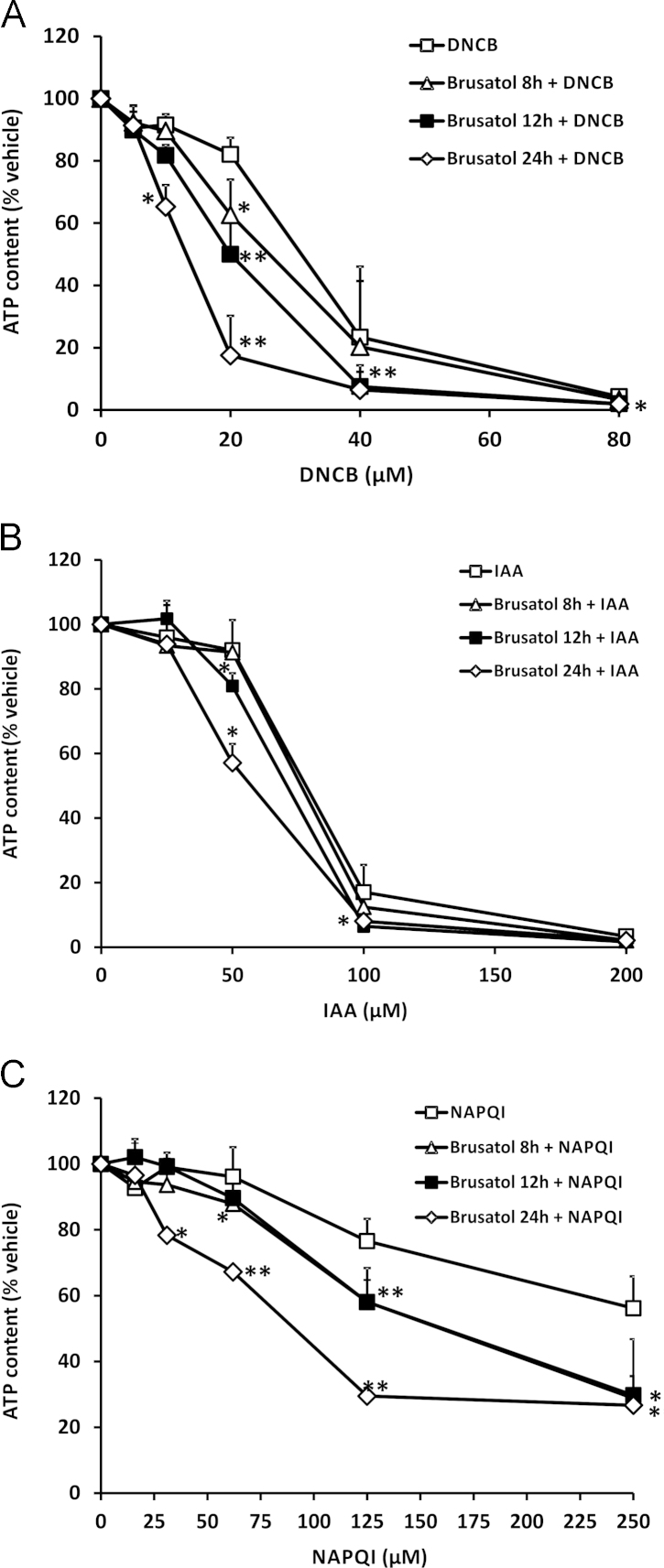
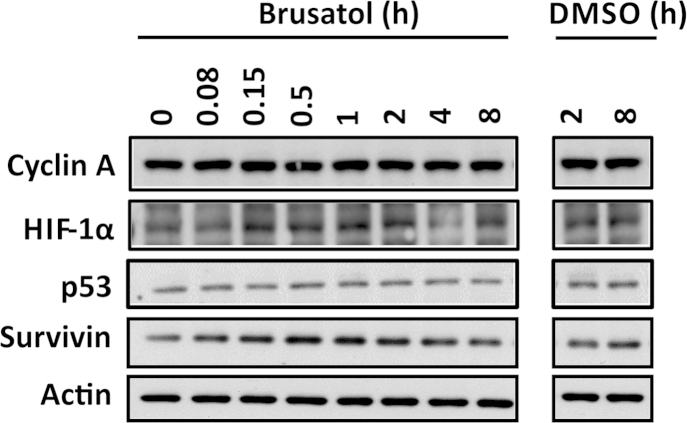
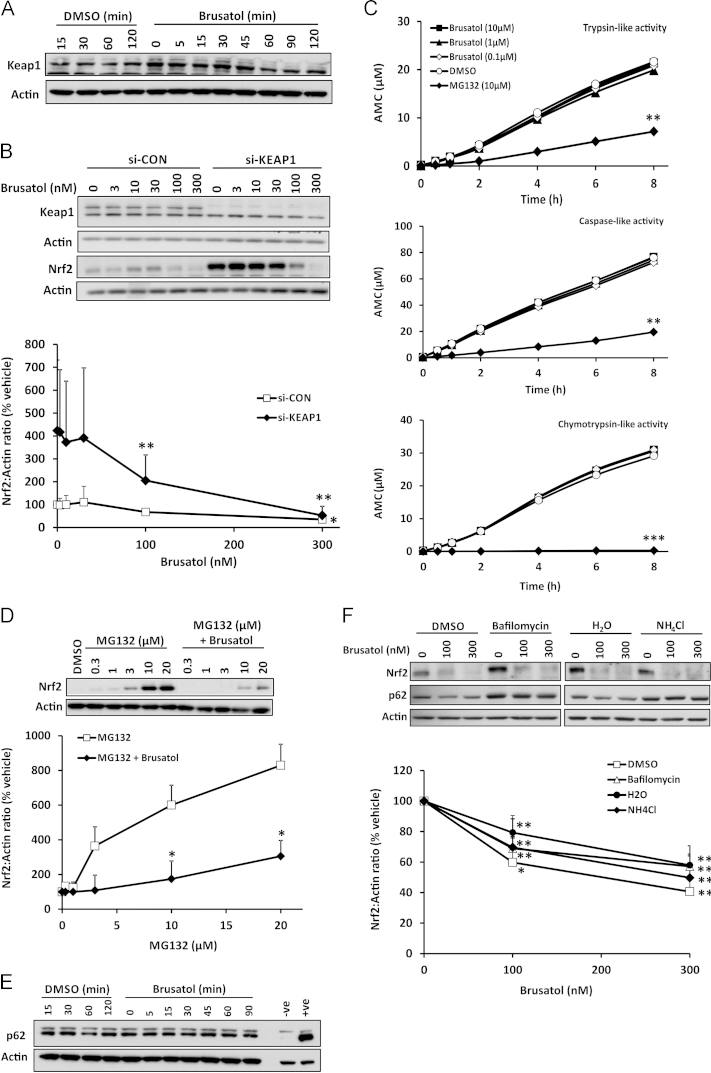
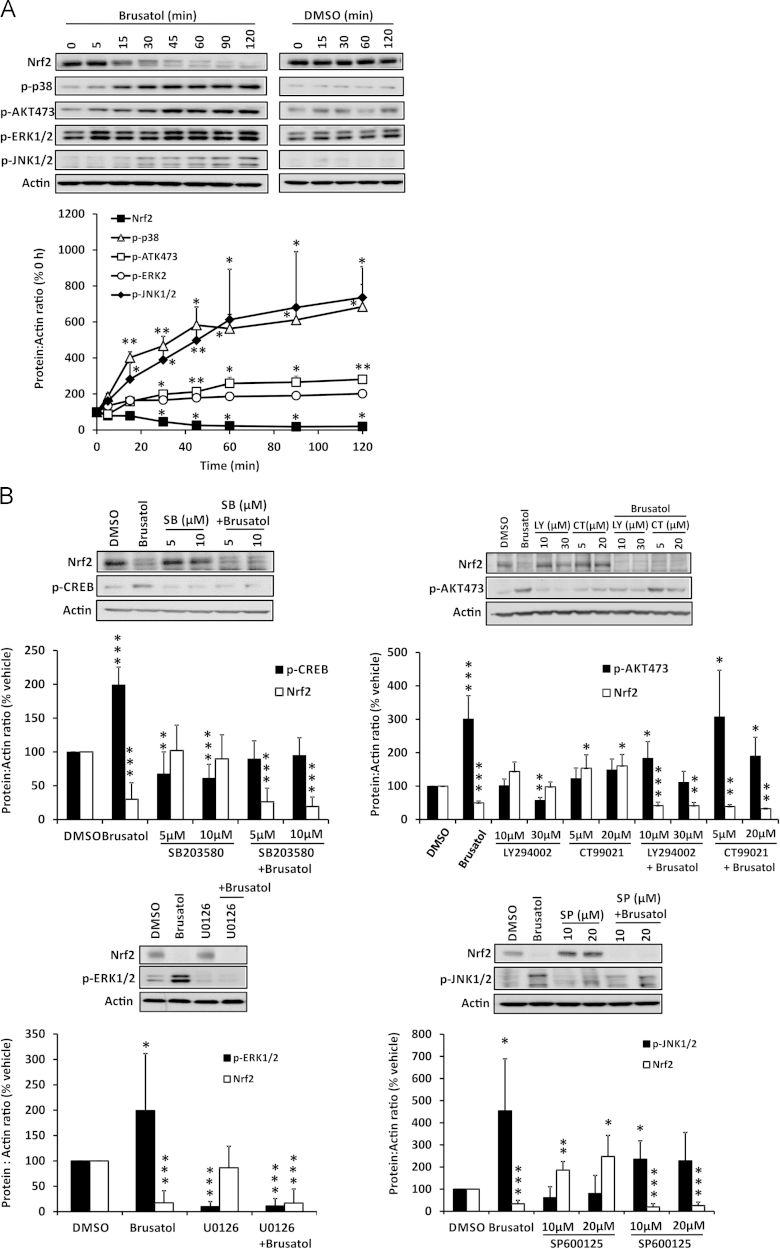
The transcription factor Nrf2 regulates the basal and inducible expression of a battery of cytoprotective genes. Whereas numerous Nrf2-inducing small molecules have been reported, very few chemical inhibitors of Nrf2 have been identified to date. The quassinoid brusatol has recently been shown to inhibit Nrf2 and ameliorate chemoresistance in vitro and in vivo. Here, we show that brusatol provokes a rapid and transient depletion of Nrf2 protein, through a posttranscriptional mechanism, in mouse Hepa-1c1c7 hepatoma cells. Importantly, brusatol also inhibits Nrf2 in freshly isolated primary human hepatocytes. In keeping with its ability to inhibit Nrf2 signaling, brusatol sensitizes Hepa-1c1c7 cells to chemical stress provoked by 2,4-dinitrochlorobenzene, iodoacetamide, and N-acetyl-p-benzoquinone imine, the hepatotoxic metabolite of acetaminophen. The inhibitory effect of brusatol toward Nrf2 is shown to be independent of its repressor Keap1, the proteasomal and autophagic protein degradation systems, and protein kinase signaling pathways that are known to modulate Nrf2 activity, implying the involvement of a novel means of Nrf2 regulation. These findings substantiate brusatol as a useful experimental tool for the inhibition of Nrf2 signaling and highlight the potential for therapeutic inhibition of Nrf2 to alter the risk of adverse events by reducing the capacity of nontarget cells to buffer against chemical and oxidative insults. These data will inform a rational assessment of the risk:benefit ratio of inhibiting Nrf2 in relevant therapeutic contexts, which is essential if compounds such as brusatol are to be developed into efficacious and safe drugs.
Overview
The claims and statistics of this paper haven’t been checked yet.
Run the check — free, no account needed. It reads the open-access text and checks the sources it cites.
Integrity signals
Registry
Cites
Statistics
Figures
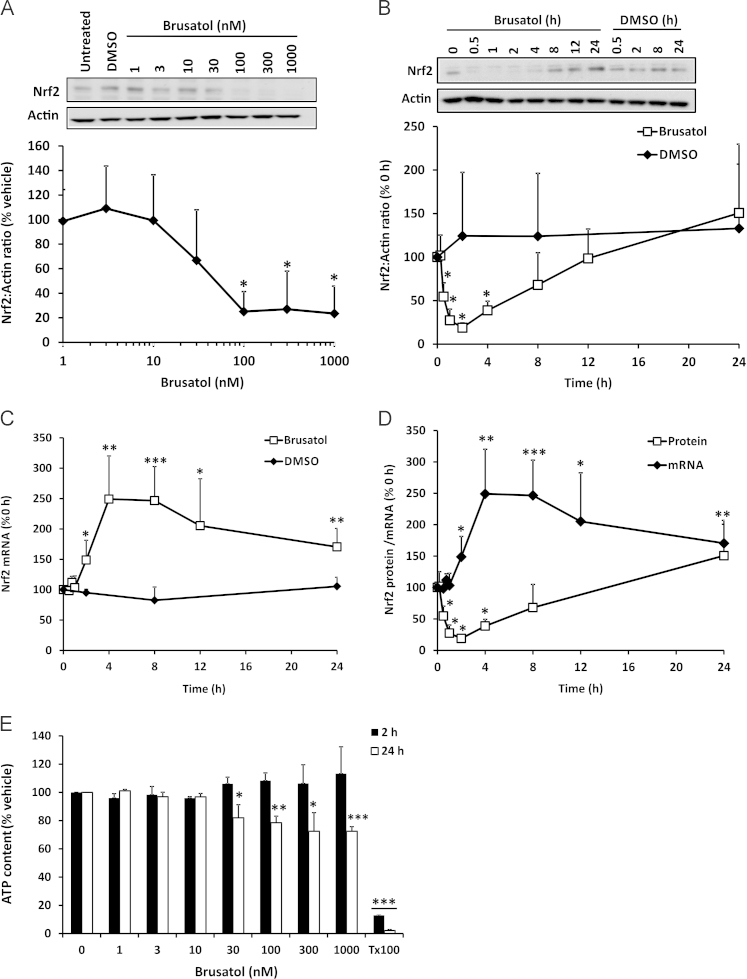
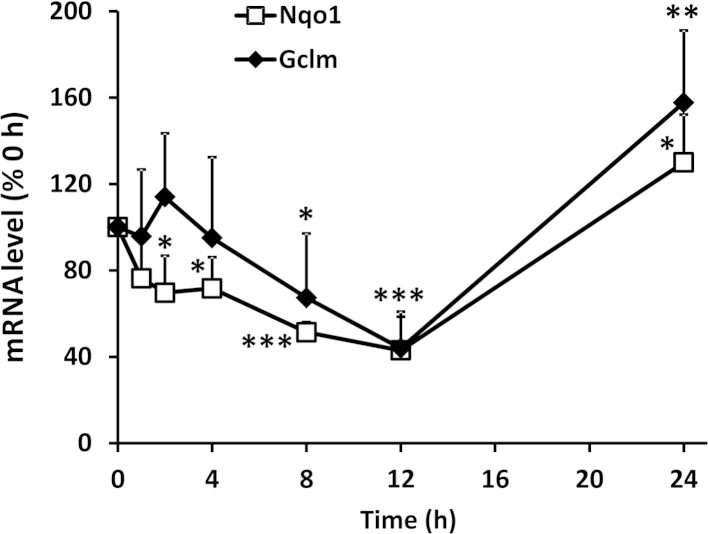
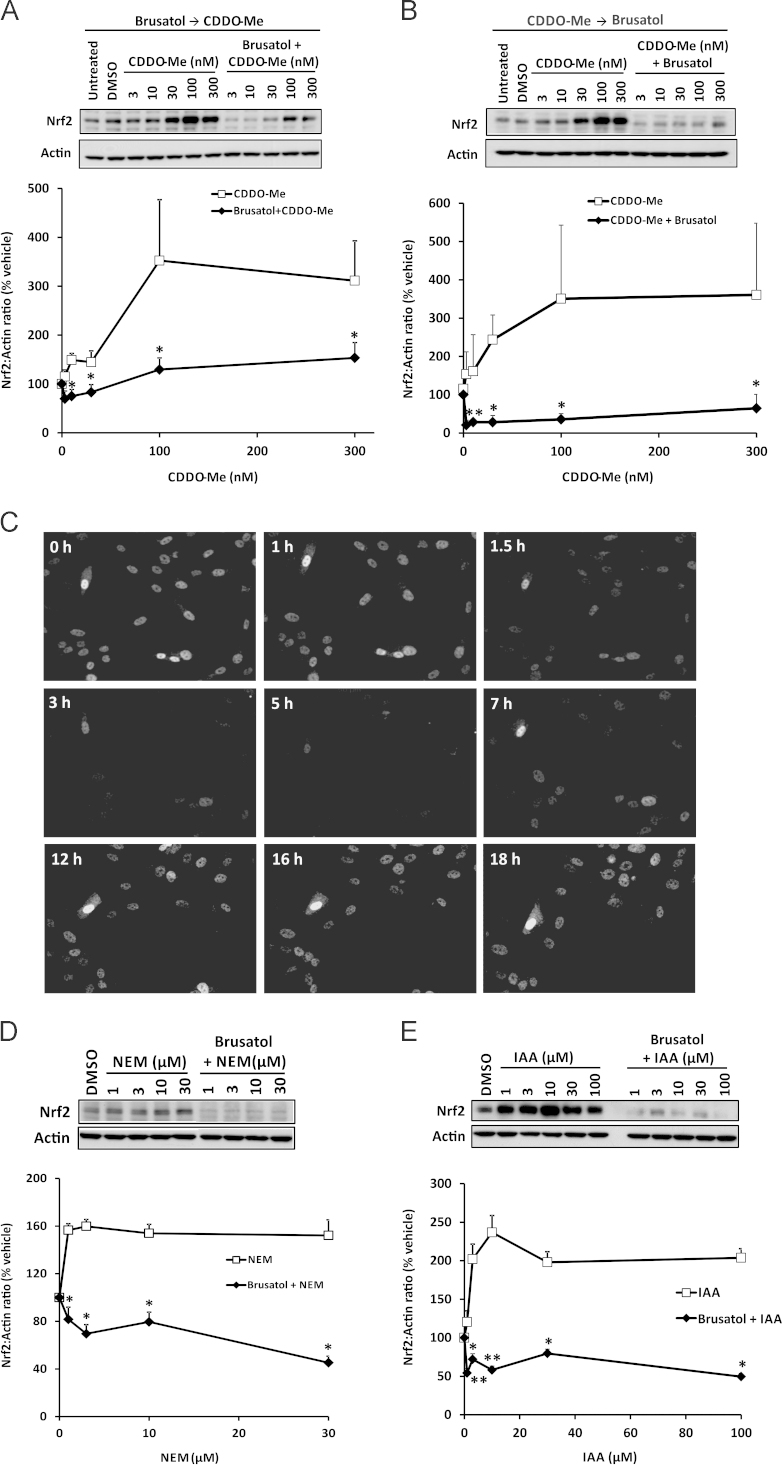
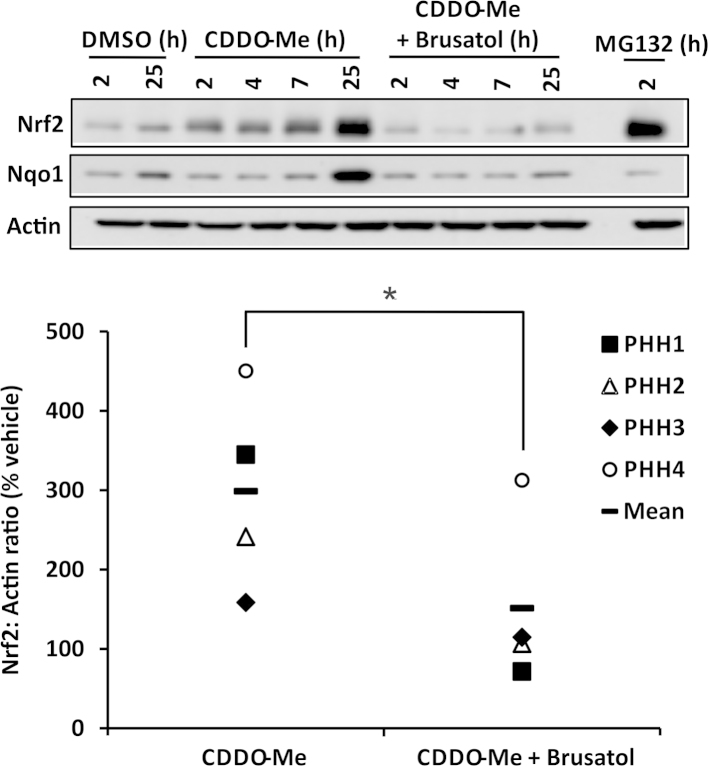
Verification
Claims the paper makes
The claims and statistics of this paper haven’t been checked yet.
Run the check — free, no account needed. It reads the open-access text and checks the sources it cites.
Claims other papers make about this one
Each is checked against this paper’s own text: does it say what the citing paper says it does?
In the citing paper
“brusatol has been shown to enhance the efficacy of chemotherapy by inhibiting Nrf2 [229,230].”
From Nrf2 and Oxidative Stress: A General Overview of Mechanisms and Implications in Human Disease (2022) · cites this paper as [230]
Self-check
Percentages, sums and reported differences re-computed from the paper’s own numbers.
The self-check needs the paper’s full text.
Citations
Cites
Itoh, K., Wakabayashi, N., Katoh, Y., Ishii, T., Igarashi, K., Engel, J. D., & Yamamoto, M. (1999) · Genes & Development · doi:10.1101/gad.13.1.76 · Cited by 3,634
Molecular mechanisms of the Keap1-Nrf2 pathway in stress response and cancer evolution
Taguchi, K., Motohashi, H., & Yamamoto, M. (2011) · Genes to Cells · doi:10.1111/j.1365-2443.2010.01473.x · Cited by 1,478
Keap1 Is a Redox-Regulated Substrate Adaptor Protein for a Cul3-Dependent Ubiquitin Ligase Complex
Zhang, D. D., Lo, S., Cross, J. V., Templeton, D. J., & Hannink, M. (2004) · Molecular and Cellular Biology · doi:10.1128/mcb.24.24.10941-10953.2004 · Cited by 1,284
Chapter 12 Monitoring Autophagic Degradation of p62/SQSTM1
Bjørkøy, G., Lamark, T., Pankiv, S., Øvervatn, A., Brech, A., & Johansen, T. (2009) · Methods in Enzymology · doi:10.1016/s0076-6879(08)03612-4 · Cited by 1,069
The Nrf2 cell defence pathway: Keap1-dependent and -independent mechanisms of regulation
Bryan, H. K., Olayanju, A., Goldring, C. E., & Park, B. K. (2012) · Biochemical Pharmacology · doi:10.1016/j.bcp.2012.11.016 · Cited by 1,047
An important function of Nrf2 in combating oxidative stress: Detoxification of acetaminophen
Chan, K., Han, X.-D., & Kan, Y. W. (2001) · Proceedings of the National Academy of Sciences · doi:10.1073/pnas.081082098 · Cited by 766
Enomoto, A. (2001) · Toxicological Sciences · doi:10.1093/toxsci/59.1.169 · Cited by 728
Brusatol enhances the efficacy of chemotherapy by inhibiting the Nrf2-mediated defense mechanism
Ren, D., Villeneuve, N. F., Jiang, T., Wu, T., Lau, A., Toppin, H. A., & Zhang, D. D. (2011) · Proceedings of the National Academy of Sciences · doi:10.1073/pnas.1014275108 · Cited by 673
Nguyen, T., Sherratt, P. J., Huang, H.-C., Yang, C. S., & Pickett, C. B. (2003) · Journal of Biological Chemistry · doi:10.1074/jbc.m207293200 · Cited by 615
Nrf2 signaling: An adaptive response pathway for protection against environmental toxic insults
Osburn, W. O., & Kensler, T. W. (2007) · Mutation Research/Reviews in Mutation Research · doi:10.1016/j.mrrev.2007.11.006 · Cited by 549
Cited by
Sorted by citations
Nrf2 and Oxidative Stress: A General Overview of Mechanisms and Implications in Human Disease
Ngo, V., & Duennwald, M. L. (2022) · Antioxidants · doi:10.3390/antiox11122345 · Cited by 1,130
The Keap1–Nrf2–ARE Pathway As a Potential Preventive and Therapeutic Target: An Update
Lu, M., Ji, J., Jiang, Z., & You, Q. (2016) · Medicinal Research Reviews · doi:10.1002/med.21396 · Cited by 815
Nrf2, the Master Regulator of Anti-Oxidative Responses
Vomund, S., Schäfer, A., Parnham, M., Brüne, B., & Von Knethen, A. (2017) · International Journal of Molecular Sciences · doi:10.3390/ijms18122772 · Cited by 752
Transcription Factor NRF2 as a Therapeutic Target for Chronic Diseases: A Systems Medicine Approach
Cuadrado, A., Manda, G., Hassan, A., Alcaraz, M. J., Barbas, C., Daiber, A., Ghezzi, P., León, R., López, M. G., Oliva, B., et al. (2018) · Pharmacological Reviews · doi:10.1124/pr.117.014753 · Cited by 632
Anti-angiogenic therapy: current challenges and future perspectives
Lopes-Coelho, F., Martins, F., Pereira, S. A., & Serpa, J. (2021) · International Journal of Molecular Sciences · doi:10.3390/ijms22073765 · Cited by 416
The Nrf2/HO‐1 Axis in Cancer Cell Growth and Chemoresistance
Furfaro, A. L., Traverso, N., Domenicotti, C., Piras, S., Moretta, L., Marinari, U. M., Pronzato, M. A., & Nitti, M. (2015) · Oxidative Medicine and Cellular Longevity · doi:10.1155/2016/1958174 · Cited by 303
Inhibition of cancer antioxidant defense by natural compounds
Sznarkowska, A., Kostecka, A., Meller, K., & Bielawski, K. P. (2016) · Oncotarget · doi:10.18632/oncotarget.13723 · Cited by 246
The KEAP1–NRF2 System as a Molecular Target of Cancer Treatment
Taguchi, K., & Yamamoto, M. (2020) · Cancers · doi:10.3390/cancers13010046 · Cited by 195
TMEM164 is a new determinant of autophagy-dependent ferroptosis
Liu, J., Liu, Y., Wang, Y., Li, C., Xie, Y., Klionsky, D. J., Kang, R., & Tang, D. (2022) · Autophagy · doi:10.1080/15548627.2022.2111635 · Cited by 195
Potential Applications of NRF2 Inhibitors in Cancer Therapy
Panieri, E., & Saso, L. (2019) · Oxidative Medicine and Cellular Longevity · doi:10.1155/2019/8592348 · Cited by 189
An update of Nrf2 activators and inhibitors in cancer prevention/promotion
Pouremamali, F., Pouremamali, A., Dadashpour, M., Soozangar, N., & Jeddi, F. (2022) · Cell Communication and Signaling · doi:10.1186/s12964-022-00906-3 · Cited by 183
Targeting NRF2 and Its Downstream Processes: Opportunities and Challenges
Torrente, L., & DeNicola, G. M. (2021) · The Annual Review of Pharmacology and Toxicology · doi:10.1146/annurev-pharmtox-052220-104025 · Cited by 175
Potential Applications of NRF2 Modulators in Cancer Therapy
Panieri, E., Djordjević, A. B., Telkoparan‐Akillilar, P., Cevik, D., Kouretas, D., Veskoukis, A. S., Skaperda, Z., Tsatsakis, A. M., Wallace, D., Süzen, S., et al. (2020) · Antioxidants · doi:10.3390/antiox9030193 · Cited by 167
Acetoacetate induces hepatocytes apoptosis by the ROS‐mediated MAPKs pathway in ketotic cows
Du, X., Shi, Z., Peng, Z., Zhao, C., Zhang, Y., Wang, Z., Li, X., Liu, G., & Li, X. (2017) · Journal of Cellular Physiology · doi:10.1002/jcp.25773 · Cited by 160
Zhu, J., Wang, H., Chen, F., Fu, J., Xu, Y., Hou, Y., Kou, H. H., Zhai, C., Nelson, M. B., Zhang, Q., et al. (2016) · Free Radical Biology and Medicine · doi:10.1016/j.freeradbiomed.2016.09.010 · Cited by 162
Lee, J. H., Mohan, C. D., Deivasigamani, A., Jung, Y. Y., Rangappa, S., Basappa, B., Chinnathambi, A., Alahmadi, T. A., Alharbi, S. A., Garg, M., et al. (2020) · Journal of Advanced Research · doi:10.1016/j.jare.2020.07.004 · Cited by 142
Solvay, M., Pfänder, P., Klaessens, S., Pilotte, L., Stroobant, V., Lamy, J., Naulaerts, S., Spillier, Q., Frédérick, R., Plaen, E. D., et al. (2023) · Journal for ImmunoTherapy of Cancer · doi:10.1136/jitc-2023-006728 · Cited by 157
Brusatol overcomes chemoresistance through inhibition of protein translation
Harder, B. G., Tian, W., Clair, J. J. L., Tan, A. C., Ooi, A., Chapman, E., & Zhang, D. D. (2016) · Molecular Carcinogenesis · doi:10.1002/mc.22609 · Cited by 138
Co-delivery with nano-quercetin enhances doxorubicin-mediated cytotoxicity against MCF-7 cells
Minaei, A., Sabzichi, M., Ramezani, F., Hamishehkar, H., & Samadi, N. (2016) · Molecular Biology Reports · doi:10.1007/s11033-016-3942-x · Cited by 136
The Relationship of Redox With Hallmarks of Cancer: The Importance of Homeostasis and Context
Xing, F., Hu, Q., Qin, Y., Xu, J., Zhang, B., Yu, X., & Wang, W. (2022) · Frontiers in Oncology · doi:10.3389/fonc.2022.862743 · Cited by 142
Toth, R. K., & Warfel, N. A. (2017) · Antioxidants · doi:10.3390/antiox6020027 · Cited by 136
Hatem, E., Banna, N. E., & Huang, M. (2017) · Antioxidants and Redox Signaling · doi:10.1089/ars.2017.7134 · Cited by 127
Xiang, Y., Ye, W., Huang, C., Yu, D., Chen, H., Deng, T., Zhang, F., Lou, B., Zhang, J., Shi, K., et al. (2018) · Oxidative Medicine and Cellular Longevity · doi:10.1155/2018/2360427 · Cited by 123
Subramanya, S. B., Venkataraman, B., Meeran, M. F. N., Goyal, S. N., Patil, C. R., & Ojha, S. K. (2018) · International Journal of Molecular Sciences · doi:10.3390/ijms19123776 · Cited by 128
Vartanian, S., Ma, T. P., Lee, J., Haverty, P. M., Kirkpatrick, D. S., Yu, K., & Stokoe, D. (2015) · Molecular & Cellular Proteomics · doi:10.1074/mcp.m115.055509 · Cited by 118
Glutathione system in animal model of solid tumors: From regulation to therapeutic target
Corso, C. R., & Acco, A. (2018) · Critical Reviews in Oncology/Hematology · doi:10.1016/j.critrevonc.2018.05.014 · Cited by 120
Choi, E.-J., Jung, B.-J., Lee, S.-H., Yoo, H.-S., Shin, E.-A., Ko, H., Chang, S., Kim, S.-Y., & Jeon, S.-M. (2017) · Oncogene · doi:10.1038/onc.2017.153 · Cited by 115
Obesity and NRF2-mediated cytoprotection: Where is the missing link?
Mihaylova, L. V., Savova, M. S., Amirova, K. M., Dinkova‐Kostova, A. T., & Georgiev, M. I. (2020) · Pharmacological Research · doi:10.1016/j.phrs.2020.104760 · Cited by 108
Xiang, Y., Ye, W., Huang, C., Lou, B., Zhang, J., Yu, D., Huang, X., Chen, B., & Zhou, M. (2017) · Biochemical and Biophysical Research Communications · doi:10.1016/j.bbrc.2017.04.133 · Cited by 108
Blockade of Glutathione Metabolism in IDH1 -Mutated Glioma
Tang, X., Fu, X., Liu, Y., Yu, D., Cai, S. J., & Yang, C. (2019) · Molecular Cancer Therapeutics · doi:10.1158/1535-7163.mct-19-0103 · Cited by 100
Sun, X., Wang, Q., Wang, Y., Du, L., Xu, C., & Liu, Q. (2016) · International Journal of Molecular Sciences · doi:10.3390/ijms17070997 · Cited by 99
Ye, R., Dai, N., He, Q., Guo, P., Xiang, Y., Zhang, Q., Hong, Z., & Zhang, Q. (2018) · Biomedicine & Pharmacotherapy · doi:10.1016/j.biopha.2018.06.065 · Cited by 98
Carlisi, D., Buttitta, G., Fiore, R. D., Scerri, C. A., Drago‐Ferrante, R., Vento, R., & Tesoriere, G. (2016) · Cell Death and Disease · doi:10.1038/cddis.2016.94 · Cited by 89
Targeting IDH1-Mutated Malignancies with NRF2 Blockade
Liu, Y., Lu, Y., Celiku, O., Li, A., Wu, Q., Zhou, Y., & Yang, C. (2018) · JNCI Journal of the National Cancer Institute · doi:10.1093/jnci/djy230 · Cited by 91
Targeting NRF2 to treat cancer
Sivinski, J., Zhang, D. D., & Chapman, E. (2021) · Seminars in Cancer Biology · doi:10.1016/j.semcancer.2021.06.003 · Cited by 94
Jeddi, F., Soozangar, N., Sadeghi, M. R., Somi, M. H., & Samadi, N. (2017) · DNA repair · doi:10.1016/j.dnarep.2017.03.008 · Cited by 90
Karathedath, S., Rajamani, B. M., Aalam, S. M. M., Abraham, A., Varatharajan, S., Krishnamurthy, P. C., Mathews, V., Velayudhan, S. R., & Balasubramanian, P. (2017) · PLoS ONE · doi:10.1371/journal.pone.0177227 · Cited by 89
Oh, E., Kim, C. W., Kim, H. G., Lee, J., & Park, H. J. (2017) · Theranostics · doi:10.7150/thno.20861 · Cited by 83
Role of Nrf2 Signaling Cascade in Breast Cancer: Strategies and Treatment
Kumar, H., Kumar, R. M., Bhattacharjee, D., Somanna, P., & Jain, V. K. (2022) · Frontiers in Pharmacology · doi:10.3389/fphar.2022.720076 · Cited by 81
Xu, K., Ma, J., Hall, S. R. R., Peng, R., Yang, H., & Yao, F. (2023) · Theranostics · doi:10.7150/thno.80184 · Cited by 77
Jakobs, P., Serbulea, V., Leitinger, N., Eckers, A., & Haendeler, J. (2016) · Antioxidants and Redox Signaling · doi:10.1089/ars.2016.6795 · Cited by 74
Wu, J., Bao, L., Zhang, Z., & Yi, X. (2017) · Oncotarget · doi:10.18632/oncotarget.19548 · Cited by 71
Natural Nrf2 Inhibitors: A Review of Their Potential for Cancer Treatment
Zhang, J., Xu, H., Zhu, J., Dou, Y., Xian, Y., & Lin, Z. (2023) · International Journal of Biological Sciences · doi:10.7150/ijbs.82401 · Cited by 76
Daga, M., Pizzimenti, S., Dianzani, C., Cucci, M. A., Cavalli, R., Grattarola, M., Ferrara, B., Scariot, V., Trotta, F., & Barrera, G. (2018) · Phytomedicine · doi:10.1016/j.phymed.2018.10.034 · Cited by 69
Pharmacological Applications of Nrf2 Inhibitors as Potential Antineoplastic Drugs
Telkoparan‐Akillilar, P., Süzen, S., & Saso, L. (2019) · International Journal of Molecular Sciences · doi:10.3390/ijms20082025 · Cited by 69
Biological and therapeutic activities of thymoquinone: Focus on the Nrf2 signaling pathway
Talebi, M., Talebi, M., Farkhondeh, T., & Samarghandian, S. (2020) · Phytotherapy Research · doi:10.1002/ptr.6905 · Cited by 68
Emerging roles of Nrf2 signal in non-small cell lung cancer
Tian, Y., Liu, Q., He, X., Yuan, X., Chen, Y., Chu, Q., & Wu, K. (2016) · Journal of Hematology & Oncology · doi:10.1186/s13045-016-0246-5 · Cited by 65
The see-saw of Keap1-Nrf2 pathway in cancer
Pandey, P., Singh, A. K., Singh, M., Tewari, M., Shukla, H. S., & Gambhir, I. S. (2017) · Critical Reviews in Oncology/Hematology · doi:10.1016/j.critrevonc.2017.02.006 · Cited by 65
Targeting fatty acid oxidation enhances response to HER2-targeted therapy
Nandi, I., Ji, L., Smith, H. W., Avizonis, D. Z., Papavasiliou, V., Lavoie, C. A., Pacis, A., Attalla, S. S., Sanguin‐Gendreau, V., & Muller, W. J. (2024) · Nature Communications · doi:10.1038/s41467-024-50998-3 · Cited by 68
Evans, J. P., Winiarski, B. K., Sutton, P. A., Jones, R. P., Ressel, L., Duckworth, C. A., Pritchard, D. M., Lin, Z., Fretwell, V. L., Tweedle, E. M., et al. (2018) · Oncotarget · doi:10.18632/oncotarget.25497 · Cited by 62
Yang, Y., Tian, Z., Guo, R., & Ren, F. (2020) · Oxidative Medicine and Cellular Longevity · doi:10.1155/2020/9867595 · Cited by 60
Li, M., Liu, X. Z., He, Y., Zheng, Q., Wang, M., Wu, Y. C., Zhang, Y., & Wang, C. (2017) · European Journal of Pharmacology · doi:10.1016/j.ejphar.2017.01.027 · Cited by 59
ROS Modulator Molecules with Therapeutic Potential in Cancers Treatments
Nicco, C., & Batteux, F. (2017) · Molecules · doi:10.3390/molecules23010084 · Cited by 58
Zhang, X.-L., Lai, W., Ying, X., Xu, L., Chu, K., Brown, J., Chen, L., & Hong, G. (2019) · Inflammation · doi:10.1007/s10753-019-01045-7 · Cited by 58
Baicalin Relieves LPS-Induced Lung Inflammation via the NF-κB and MAPK Pathways
Shen, B., Zhang, H., Zhu, Z., Ling, Z., Zeng, F., Wang, Y., & Wang, J. (2023) · Molecules · doi:10.3390/molecules28041873 · Cited by 59
Keap1–Nrf2 signalling in pancreatic cancer
Hayes, A. J., Skouras, C., Haugk, B., & Charnley, R. (2015) · The International Journal of Biochemistry & Cell Biology · doi:10.1016/j.biocel.2015.06.017 · Cited by 56
Mutant p53 protects triple-negative breast adenocarcinomas from ferroptosis in vivo
Dibra, D., Xiong, S., Moyer, S. M., El‐Naggar, A. K., Qi, Y., Su, X., Kong, E., Korkut, A., & Lozano, G. (2024) · Science Advances · doi:10.1126/sciadv.adk1835 · Cited by 63
Xie, J., Lai, Z., Zheng, X., Liao, H., Xian, Y., Li, Q., Wu, J., Ip, S., Xie, Y., Chen, J., et al. (2021) · Toxicology · doi:10.1016/j.tox.2021.152680 · Cited by 55
Brusatol: A potential sensitizing agent for cancer therapy from Brucea javanica
He, T., Zhou, F., Su, A., Zhang, Y., Xing, Z., Mi, L., Li, Z., & Wu, W. (2022) · Biomedicine & Pharmacotherapy · doi:10.1016/j.biopha.2022.114134 · Cited by 56
Mechanism of progestin resistance in endometrial precancer/cancer through Nrf2-AKR1C1 pathway
Wang, Y., Wang, Y., Zhang, Z., Park, J. Y., Guo, D., Liao, H., Yi, X., Zheng, Y., Zhang, D., Chambers, S. K., et al. (2016) · Oncotarget · doi:10.18632/oncotarget.7004 · Cited by 53
Park, G., Oh, D., Lee, M. G., Lee, C. E., & Kim, Y. (2016) · Toxicology and Applied Pharmacology · doi:10.1016/j.taap.2016.08.019 · Cited by 53
Bayındır, Z. S., Losada‐Barreiro, S., Bravo‐Díaz, C., Sova, M., Kristl, J., & Saso, L. (2021) · Antioxidants · doi:10.3390/antiox10050685 · Cited by 58
Gjyshi, O., Roy, A., Dutta, S., Veettil, M. V., Dutta, D., & Chandran, B. (2015) · Journal of Virology · doi:10.1128/jvi.00895-15 · Cited by 51
Keap1–Nrf2 pathway: A promising target towards lung cancer prevention and therapeutics
Tong, Y., Zhang, B., Fan, Y., & Lin, N. (2015) · Chronic Diseases and Translational Medicine · doi:10.1016/j.cdtm.2015.09.002 · Cited by 51
Melatonin enhances porcine embryo development via the Nrf2/ARE signaling pathway
Kim, E. H., Kim, G. A., Taweechaipaisankul, A., Lee, S. H., Qasim, M., Ahn, C., & Lee, B. C. (2019) · Journal of Molecular Endocrinology · doi:10.1530/jme-19-0093 · Cited by 50
Garufi, A., Giorno, E., Montani, M. S. G., Pistritto, G., Crispini, A., Cirone, M., & D’Orazi, G. (2021) · Biomolecules · doi:10.3390/biom11030348 · Cited by 52
Wang, M., Shi, G., Bian, C., Nisar, M. F., Guo, Y., Wu, Y., Li, W., Huang, X. H., Jiang, X., Bartsch, J. W., et al. (2018) · Oxidative Medicine and Cellular Longevity · doi:10.1155/2018/9742154 · Cited by 49
Panieri, E., & Saso, L. (2021) · Antioxidants and Redox Signaling · doi:10.1089/ars.2020.8146 · Cited by 46
Sabzichi, M., Mohammadian, J., Bazzaz, R., Pirouzpanah, M. B., Shaaker, M., Hamishehkar, H., Chavoshi, H., Salehi, R., & Samadi, N. (2017) · Process Biochemistry · doi:10.1016/j.procbio.2017.05.024 · Cited by 47
Stigmasterol sensitizes endometrial cancer cells to chemotherapy by repressing Nrf2 signal pathway
Liao, H., Zhu, D., Bai, M., Chen, H., Yan, S., Yu, J. Q., Zhu, H., Zheng, W., & Fan, G. (2020) · Cancer Cell International · doi:10.1186/s12935-020-01470-x · Cited by 47
Recent progress in the development of small molecule Nrf2 modulators: a patent review (2012-2016)
Sun, H., Zhu, J., Lin, H., Gu, K. X., & Feng, F. (2017) · Expert Opinion on Therapeutic Patents · doi:10.1080/13543776.2017.1325464 · Cited by 47
Targeting the NRF2/HO-1 Antioxidant Pathway in FLT3-ITD-Positive AML Enhances Therapy Efficacy
Kannan, S., Irwin, M. E., Herbrich, S. M., Cheng, T., Patterson, L. L., Aitken, M. J. L., Bhalla, K. N., You, M. J., Konopleva, M. Y., Zweidler‐McKay, P. A., et al. (2022) · Antioxidants · doi:10.3390/antiox11040717 · Cited by 44
Nrf2: a potential therapeutic target for naturally occurring anticancer drugs?
Catanzaro, E., Calcabrini, C., Turrini, E., Sestili, P., & Fimognari, C. (2017) · Expert Opinion on Therapeutic Targets · doi:10.1080/14728222.2017.1351549 · Cited by 45
Bovilla, V. R., Kuruburu, M. G., Bettada, V. G., Krishnamurthy, J., Sukocheva, O. A., Thimmulappa, R. K., Shivananju, N. S., Balakrishna, J. P., & Madhunapantula, S. V. (2021) · Biomedicines · doi:10.3390/biomedicines9091119 · Cited by 44
A strategy to prevent atherosclerosis via TNF receptor regulation
Kim, C. W., Oh, E., & Park, H. J. (2021) · The FASEB Journal · doi:10.1096/fj.202000764r · Cited by 44
Synergistic antitumor effect of brusatol combined with cisplatin on colorectal cancer cells
Chen, H., Lai, Z., Liao, H., Xie, J., Xian, Y., Chen, Y., Ip, S., Lin, Z., & Su, Z. (2018) · International Journal of Molecular Medicine · doi:10.3892/ijmm.2018.3372 · Cited by 43
Nrf2 Is a Potential Modulator for Orchestrating Iron Homeostasis and Redox Balance in Cancer Cells
Zhang, L., Zhang, J., Jin, Y., Yao, G., Zhao, H., Qiao, P., & Wu, S. (2021) · Frontiers in Cell and Developmental Biology · doi:10.3389/fcell.2021.728172 · Cited by 45
Melatonin-Nrf2 Signaling Activates Peroxisomal Activities in Porcine Cumulus Cell-Oocyte Complexes
Kim, E. H., Ridlo, M. R., Lee, B. C., & Kim, G. A. (2020) · Antioxidants · doi:10.3390/antiox9111080 · Cited by 42
Kapur, A., Beres, T. M., Rathi, K., Nayak, A. P., Czarnecki, A. A., Felder, M. A. R., Gillette, A. A., Ericksen, S. S., Sampene, E., Skala, M. C., et al. (2018) · Scientific Reports · doi:10.1038/s41598-018-19261-w · Cited by 41
Siraj, M. A., Islam, M. A., Fahad, M. A. A., Kheya, H. R., Xiao, J., & Simal‐Gándara, J. (2021) · Applied Sciences · doi:10.3390/app112210806 · Cited by 46
Mir, S. U. R., Ormsbee, B. D., Griess, B., Vengoji, R., Tom, E. C., Kosmacek, E. A., Oberley‐Deegan, R. E., Talmon, G. A., Band, V., & Teoh-Fitzgerald, M. L. T. (2022) · Breast Cancer Research · doi:10.1186/s13058-022-01548-6 · Cited by 44
Karamanova, N., Truran, S., Serrano, G. E., Beach, T. G., Madine, J., Weissig, V., Davies, H. A., Veldhuizen, J., Nikkhah, M., Hansen, M., et al. (2020) · Journal of the American Heart Association · doi:10.1161/jaha.119.014810 · Cited by 40
Targeting NRF2-Governed Glutathione Synthesis for SDHB-Mutated Pheochromocytoma and Paraganglioma
Liu, Y., Pang, Y. K., Caisová, V., Ding, J., Yu, D., Zhou, Y., Huynh, T., Ghayee, H. K., Pacák, K., & Yang, C. (2020) · Cancers · doi:10.3390/cancers12020280 · Cited by 40
Guo, S., Zhang, J., Wei, C., Lü, Z.-Y., Cai, R., Pan, D., Zhang, H., Liang, B., & Zhang, Z. (2020) · Cancer Chemotherapy and Pharmacology · doi:10.1007/s00280-020-04083-3 · Cited by 37
Huang, Y., Zhou, F., Shen, C., Wang, H., & Xiao, Y. (2019) · Acta Cirúrgica Brasileira · doi:10.1590/s0102-865020190010000003 · Cited by 36
Brusatol: A potential anti-tumor quassinoid from Brucea javanica
Yu, X., Shang, X., Huang, X., Yao, G., & Song, S. (2020) · Chinese Herbal Medicines · doi:10.1016/j.chmed.2020.05.007 · Cited by 36
Aboulkassim, T., Tian, X., Liu, Q., Qiu, D., Hancock, M. A., Wu, J. H., & Batist, G. (2023) · Cell Reports · doi:10.1016/j.celrep.2023.113104 · Cited by 35
Nrf2 inhibition affects cell cycle progression during early mouse embryo development
Lin, Y., Sui, L., Wu, R., Ma, R., Fu, H., Xu, J., Qiu, X., & Chen, L. (2017) · Journal of Reproduction and Development · doi:10.1262/jrd.2017-042 · Cited by 35
Overview of Ferroptosis and Synthetic Lethality Strategies
Kinowaki, Y., Taguchi, T., Onishi, I., Kirimura, S., Kitagawa, M., & Yamamoto, K. (2021) · International Journal of Molecular Sciences · doi:10.3390/ijms22179271 · Cited by 36
The therapeutic role of nutraceuticals targeting the Nrf2/ HO ‐1 signaling pathway in liver cancer
Alharbi, K. S., Almalki, W. H., Albratty, M., Meraya, A. M., Najmi, A., Vyas, G. K., Singh, S. K., Dua, K., & Gupta, G. (2022) · Journal of Food Biochemistry · doi:10.1111/jfbc.14357 · Cited by 34
Zhou, Q., Wu, X., Liu, Y., Wang, X., Ling, X., Ge, H., & Zhang, J. (2019) · Andrologia · doi:10.1111/and.13491 · Cited by 33
Matthews, J., Liang, X., Paul, V. J., & Luesch, H. (2018) · ACS Chemical Biology · doi:10.1021/acschembio.7b01025 · Cited by 33
Importance of the Keap1-Nrf2 pathway in NSCLC: Is it a possible biomarker? (Review)
Rodríguez, R. B. (2018) · Biomedical Reports · doi:10.3892/br.2018.1143 · Cited by 32
Small Molecular Nrf2 Inhibitors as Chemosensitizers for Cancer Therapy
Lin, H., Qiao, Y., Yang, H., Nan, Q., Qu, W., Feng, F., Liu, W., Chen, Y., & Sun, H. (2020) · Future Medicinal Chemistry · doi:10.4155/fmc-2019-0285 · Cited by 30
Brusatol inhibits the response of cultured beta-cells to pro-inflammatory cytokines in vitro
Turpaev, K. T., & Welsh, N. (2015) · Biochemical and Biophysical Research Communications · doi:10.1016/j.bbrc.2015.03.124 · Cited by 29
The toxic effects and possible mechanisms of Brusatol on mouse oocytes
Ma, R., Li, H., Yu, Z., Lin, Y., Qiu, X., Xie, M., & Yao, B. (2017) · PLoS ONE · doi:10.1371/journal.pone.0177844 · Cited by 29
Li, H., Chen, Y., Zhang, J., Chen, X., Li, Z., Liu, B., & Zhang, L. (2018) · Molecules · doi:10.3390/molecules24010110 · Cited by 28
Bao, F., Tao, L.-X., & Zhang, H. (2019) · Cellular and Molecular Neurobiology · doi:10.1007/s10571-019-00711-6 · Cited by 28
Han, S., Zhuang, H., Lee, P. Y., Li, M., Yang, L., Nigrovic, P. A., & Reeves, W. H. (2020) · Arthritis & Rheumatology · doi:10.1002/art.41383 · Cited by 28
Perspectives on the Clinical Development of NRF2-Targeting Drugs
Lastra, D., Fernández-Ginés, R., Manda, G., & Cuadrado, A. (2020) · Handbook of experimental pharmacology · doi:10.1007/164_2020_381 · Cited by 29
Metadata
- Authors
- Olayanju, A., Copple, I. M., Bryan, H. K., Edge, G. T., Sison, R. L., Wong, M. W., Lai, Z.-Q., Lin, Z.-X., Dunn, K., Sanderson, C. M., Alghanem, A. F., Cross, M. J., Ellis, E. C., Ingelman-Sundberg, M., Malik, H. Z., Kitteringham, N. R., Goldring, C. E., & Park, B. K.
- Affiliations
- University of Liverpool (GB)
- Chinese University of Hong Kong (HK)
- Karolinska University Hospital (SE)
- Aintree University Hospitals NHS Foundation Trust (GB)
- Corresponding author
- Goldring, Christopher E.
- ORCID
- Venue
- Free Radical Biology and Medicine
- Publisher
- Elsevier BV
- Published
- 2015-01
- Volume
- 78
- Pages
- 202-212
- ISSN
- 0891-5849 (ISSN-L)
- PMC
- PMC4291150
- OpenAlex
- W1998845439
- Cited by
- 232
- References
- 27
- Citations by year
- 2026: 15 · 2025: 15 · 2024: 23 · 2023: 11 · 2022: 34 · 2021: 26 · 2020: 24 · 2019: 17 · 2018: 20 · 2017: 25 · 2016: 14 · 2015: 7
- FWCI
- 6.28
- Type
- journal article
- Language
- en
- Open access
- hybrid
- doi.org
- Licence
- Locations
- Free Radical Biology and Medicine (publishedVersion, cc-by)
- Europe PMC (PubMed Central) (publishedVersion, cc-by)
- PubMed Central (publishedVersion, cc-by)
- PubMed (publishedVersion)
- Funders
- Medical Research Council
- EMBO (ASTF 398-2013)
- Topics
- Life Sciences › Biochemistry, Genetics and Molecular Biology › Molecular Biology › Genomics, phytochemicals, and oxidative stress
- Life Sciences › Pharmacology, Toxicology and Pharmaceutics › Toxicology › Bioactive Compounds and Antitumor Agents
- Life Sciences › Pharmacology, Toxicology and Pharmaceutics › Pharmacology › Drug-Induced Hepatotoxicity and Protection
- Keywords
- brusatol, Nrf2 inhibition, quassinoids, post-transcriptional regulation, hepatotoxicity, 1-chloro-2,4-dinitrobenzene, iodoacetamide, chemoresistance, hepatocytes, hepatoma cells, oxidative stress, drug safety
- MeSH terms
- Animals, Autophagy, Cells, Cultured, Gene Expression Regulation, Carcinoma, Hepatocellular, Humans, Liver Neoplasms, Oxidation-Reduction, RNA, Messenger, Blotting, Western, Signal Transduction, Apoptosis, Oxidative Stress, Reverse Transcriptase Polymerase Chain Reaction, Hepatocytes, Brucea, RNA, Small Interfering, Quassins, Cell Proliferation, NF-E2-Related Factor 2, Mice, Real-Time Polymerase Chain Reaction
About these checks
Registry, retraction, Cites and statistics results are computed, not judged, with one exception: a printed reference that no index lists is read once by a model before it counts as a citation error. Claims are extracted by a model and kept only when their quote appears verbatim in the text; each cited source is then checked, with a model’s help, for whether it says what the claim relies on. Those verdicts can be wrong — read the claim’s quote and the cited source before relying on one.
Statistics and arithmetic are recomputed, not judged.
Confidence bands are shown only for fields calibrated on our annotated test set. None is calibrated yet, so no band is shown.
What counts as a claim ›How we measure confidence ›How we check this ›
Are you an author, or do you see a problem with this page? Request a review
